As we continue our journey through the remarkable life of Lilly Jenny Willats, we step into a chapter marked by both profound sorrow and indomitable strength. Born the eighth child to Richard and Eliza Willats in bustling London, Lilly's early years were filled with the lively chaos of a large family. Her upbringing, amidst the crowded streets and vibrant communities of the capital, shaped a woman of resilience and tenacity.
In the heart of London, Lilly found love with William Alexander Neilson, a man whose life would take them both through highs and lows they could never have foreseen. From the convivial atmosphere of The French Horn Tavern, where William was once a publican, to the long days he spent as a commercial traveller of fancy goods, their lives were a testament to the ever-changing tides of fortune.
Yet, as the world waged the Great War, Lilly's personal battle began. In 1914, the year the world plunged into chaos, she faced the devastating loss of William. His struggle with cirrhosis of the liver and ascites, conditions exacerbated by the toll of heavy drinking, ended his life prematurely. His passing left Lilly destitute and alone, a widow in a world that often offered little mercy to women in her position.
In the wake of William's death, Lilly could have easily succumbed to despair. But life, as it does, carried on regardless. And so did she. This part of Lilly's story is not just about survival, but about the quiet, determined perseverance that defined her spirit. It is about finding light in the darkest of times and forging ahead when the road seems impassable.
Join us as we delve deeper into Lilly's journey, exploring how she navigated the treacherous waters of early 20th-century London as a widow. Her story is a poignant reminder that even in the face of overwhelming loss, the human spirit has an extraordinary capacity to endure and prevail.
So without Further ado , I give you
The Life of Lilly Jenny Willats,
1869-1947:
Life Carries On Regardless
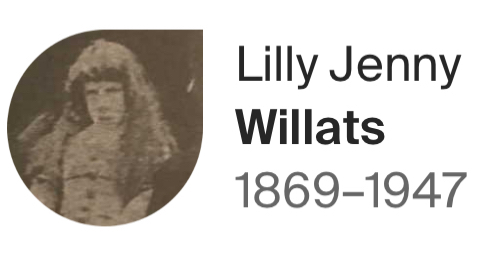
Welcome back to the year 1915, London, England. This pivotal period is overshadowed by the Great War, which has engulfed Europe in a cataclysmic struggle. King George V presides over a nation united in wartime fervor, while Prime Minister H.H. Asquith leads Parliament through the complexities of a global conflict that has shattered conventional norms and tested the resilience of the British Empire.
Transportation in London reflects the dual pressures of wartime demand and resource scarcity. The bustling streets still witness a mix of horse-drawn carriages and early motor vehicles, but fuel shortages and rationing disrupt normal routines. Coal remains essential for energy, powering homes, factories, and transport systems, though rationing measures strain its availability and affordability.
Food and delicacies, once abundant, now face scarcity due to naval blockades hindering imports. The government implements rationing to ensure equitable distribution, impacting everyone from the aristocracy to the working class. Luxury items become rare commodities, as families adapt to substitute ingredients and stretch meager supplies amidst rising prices.
Fashion in 1915 reflects the pragmatism necessitated by the war. Women's attire sees simpler designs and shorter hemlines, mirroring their evolving roles in the workforce as men depart for the frontlines. The wealthy, in districts like Mayfair and Kensington, continue to flaunt their opulent lifestyles, a stark contrast to the hardships endured by those in the impoverished slums of East London.
Social life persists amid the turmoil, with theatres and music halls providing escapism for weary Londoners. Gossip columns chronicle the lives of the elite, though war news dominates public discourse. Political ideologies like socialism gain traction, driven by the Labour Party's advocacy for workers' rights amidst growing economic disparities and industrial unrest.
Hardships abound as families contend with the absence of loved ones at war and the specter of loss. Yet, amidst the turmoil, Londoners cling to traditions that provide comfort and continuity. Christmas celebrations and public commemorations offer moments of respite and unity, reinforcing national resolve in the face of adversity.
Historical events of 1915 leave an indelible mark on London's collective memory. The sinking of the RMS Lusitania by a German submarine shocks the world, claiming the lives of British civilians and intensifying anti-German sentiment. Meanwhile, the introduction of poison gas on the battlefield signals a brutal escalation in warfare, prompting widespread outrage and calls for international condemnation.
While the world is thrown into the devastation of war, Lily find herself alone and destitute, but thankfully Cupid is on her side and she once again finds love and the sense of self-worth after the darkest year of her life.
And I once again picture sitting writing a letter to her dear brother Arthur telling him her news. I imagine it would read along that lines of this.
My Dearest Arthur,
I hope this letter finds you well and filled with happiness as always. There is so much I want to share with you, my dear brother, for you have always been my closest confidant and my rock through the storms of life.
Arthur, I have the most incredible news to tell you—I have found love again, a love so profound and true that it has lifted my spirit and filled my heart with joy once more. His name is George Campbell Ferris, and he is not just my savior but my soulmate. From the moment our paths crossed, I knew there was something special about him, a kindness and strength that drew me in like a beacon of hope.
George has been my pillar of support through challenging times, guiding me with unwavering patience and understanding. His love has healed wounds I thought would never mend, and his presence in my life has brought a renewed sense of purpose and happiness that I never thought possible after the hardships we've faced.
Arthur, I wish you could meet him and see for yourself the light he has brought into my world. His laughter fills our home with warmth, and his gentle touch reassures me that I am truly cherished. We have shared dreams and built plans for a future together—one filled with love, laughter, and endless possibilities.
And now, with overwhelming joy in my heart, I must share with you that George and I are to be married. The thought of standing beside him, pledging our love to each other in front of our closest friends and family, fills me with a happiness beyond words. I know you would have been there with us if distance allowed, but please know that your presence in spirit means the world to me.
Thank you, dear Arthur, for always believing in me and supporting me through every twist and turn of life's journey. You have been my anchor and my inspiration, and I carry your love with me always, even as I embark on this new chapter of my life with George.
I look forward to the day when we can all be together again, sharing laughter and creating new memories. Until then, know that I hold you close in my heart, and I am forever grateful to call you my brother.
With all my love and gratitude,
Lilly
It wasn’t long before their enchanting courtship and engagement, led them to the beautiful road of marriage.
43-year-old, widow, Lilly Jenny Neilson nee Willats, of Number 35, Yesbury Road, married 41-year-old, bachelor, and commercial Clark, George Campbell Ferris, of Number 87, Winchester Street, on Saturday the 23rd of October 1915, at The Register Office, Islington, London, England. Their parents were named as, George Coell Ferris, a commercial traveler (deceased) and Richard Henry Willats, an Auctioneer. Their witnesses were, Claude Eayes and J E Bailie. Lilly name was recorded as Lillian Jenny Neilson.

In 1915, The Register Office in Islington, London, served as a venue where couples could legally formalize their union amidst the backdrop of World War I. Located in a bustling part of North London, The Register Office provided a straightforward and practical alternative to traditional church weddings, especially during a time when many young men were away at war and families faced uncertain futures.
A wedding at The Register Office in Islington would have been a modest affair compared to more elaborate ceremonies. The setting itself would have been functional and perhaps a bit austere, reflecting the practicality of the times. The office likely consisted of simple, yet dignified rooms where couples and their witnesses gathered to exchange vows and sign the necessary legal documents.
For Lilly and her new husband George, the wedding day would have been a blend of emotions, joy and optimism mingled with the somber realities of wartime London. They would have arrived at the office, perhaps accompanied by close family members or friends serving as witnesses. The atmosphere, though subdued, would have been charged with the significance of starting a new chapter in the midst of a global conflict that touched every aspect of life.
The ceremony itself would have been brief and solemn, conducted by a registrar appointed by the local authorities. The registrar would have led the couple through the legal formalities, including the exchange of vows and the signing of the marriage register. The vows would have been heartfelt, a declaration of commitment made against the backdrop of uncertainty and fear that characterized wartime London.
After the ceremony, the newlyweds would have received their marriage certificate, a tangible symbol of their union recognized under the law. They would have emerged from The Register Office, stepping back into the bustling streets of Islington, where life continued amidst the challenges of war. Perhaps they would have celebrated quietly with a meal or returned home to begin their life together, navigating the complexities of wartime marriage with determination and hope.
The Register Office in Islington, like similar venues across London and the United Kingdom during World War I, played a crucial role in facilitating marriages during a time of upheaval and hardship. It provided a vital service to couples seeking to formalise their commitment in a straightforward and accessible manner, offering a beacon of stability amidst the uncertainties of war.
Life for Lilly as a newly married woman in London during World War I was a poignant blend of hope, resilience, and the ever-present shadow of fear.
Amidst the chaos of war, Lilly embarked on a new chapter of her life, finding love and companionship once more. Her marriage brought both joy and apprehension as she navigated the challenges of wartime London. The city, bustling yet somber, bore the scars of conflict, its streets echoing with the distant thunder of artillery and the occasional ominous drone of enemy aircraft.
For Lilly and her new husband and saviour George, daily life was a delicate balance between adapting to the realities of war and cherishing moments of normalcy. The war effort demanded sacrifices from all. Men marched off to battlefields far from home, leaving behind wives, mothers, and children to fend for themselves in an uncertain world. Women like Lilly found themselves thrust into new roles, shouldering responsibilities previously reserved for men. Many joined the workforce, supporting the war effort by working in munitions factories, hospitals, or taking on essential roles in maintaining daily life.
The fear that gripped Lilly’s heart was palpable. Every day brought news of casualties, of loved ones lost or wounded in distant lands. The constant dread of receiving a dreaded telegram, bearing news of tragedy, haunted families across the city. Air raids by German Zeppelins added to the pervasive sense of vulnerability. The nightly blackout, where London plunged into darkness to evade enemy bombers, heightened the anxiety that pervaded everyday life.
Yet, amidst the fear and uncertainty, there were moments of solace and solidarity. Lilly and her husband would have found comfort in the camaraderie of their community, in the shared resilience of their neighbors facing similar trials. Churches, community centers, and makeshift shelters provided sanctuary during air raids, offering a brief respite from the relentless drumbeat of war.
Social life, though altered by the war, persisted in its own subdued way. Theatres and music halls continued to operate, providing brief moments of escape and entertainment amidst the turmoil.
Through it all, Lilly would have embodied the spirit of resilience that defined London during World War I. Her life, like that of many others, was shaped by the ebb and flow of wartime challenges, by loss, by fear, but also by hope and the enduring human capacity for love and perseverance. As she navigated the trials of wartime London, Lilly’s story became intertwined with the broader narrative of a city and a nation grappling with the profound impacts of global conflict, finding strength in unity and courage in the face of adversity.
Jumping forward to the year 1920, the war is over, and London emerges from the shadows of World War I with a mixture of relief and reconstruction. King George V still reigns over a nation grappling with the aftermath of the conflict, while Prime Minister David Lloyd George leads Parliament through a period of rebuilding and recovery.
Transportation in London sees a gradual return to normalcy as the city resumes its bustling pace. The London Underground expands, connecting more neighborhoods and facilitating easier travel for commuters. Motor vehicles become more common on the streets, signaling the beginning of a transportation revolution that would shape urban life in the decades to come.
Energy remains primarily reliant on coal, though the war has highlighted the need for diversification and conservation. Efforts to modernize energy infrastructure begin, laying the groundwork for future developments in electricity and other alternative sources.
Food and delicacies experience a shift as wartime rationing measures gradually ease. Imports resume, bringing back exotic flavors and ingredients that had been scarce during the war. The culinary landscape begins to evolve, with restaurants and cafes adapting to changing tastes and preferences.
Fashion in 1920 reflects a departure from the somber tones of war-era clothing. Women's fashion embraces shorter hemlines, looser silhouettes, and bolder designs, marking the beginning of the "Roaring Twenties" style. Men's fashion also undergoes a transformation with tailored suits becoming more streamlined and accessories more elaborate.
The disparity between the rich and the poor persists, although the post-war period sees efforts towards social reform and reconstruction. The wealthy enjoy newfound prosperity, investing in luxury goods and leisure activities. Meanwhile, the working class faces challenges such as unemployment and housing shortages, exacerbated by the economic repercussions of the war.
Gossip columns thrive as Londoners seek entertainment and distraction from the traumas of war. The lives of celebrities, socialites, and royalty captivate public imagination, offering a glimpse into the glamour and excess of post-war society.
Socialism gains momentum as political ideologies shift in response to the war's impact on society. The Labour Party strengthens its influence, advocating for workers' rights, social welfare programs, and economic reforms aimed at addressing inequality and improving living standards.
Hardships linger for many families grappling with the loss of loved ones and the economic strains of reconstruction. Yet, traditions endure as Londoners find solace in familiar customs and celebrations. Holidays, ceremonies, and communal gatherings reaffirm a sense of community and resilience in the face of adversity.
Historical events of the era include the Treaty of Versailles in 1919, which formally ended World War I and reshaped international relations. The aftermath of the war also saw the emergence of new geopolitical dynamics and the beginning of a cultural revolution that would define the "Roaring Twenties" in London and beyond.

In conclusion, London in 1920 emerges from the shadows of war with a mixture of optimism and uncertainty. The city's resilience shines through as it navigates the complexities of post-war reconstruction, embracing new opportunities while confronting enduring challenges.
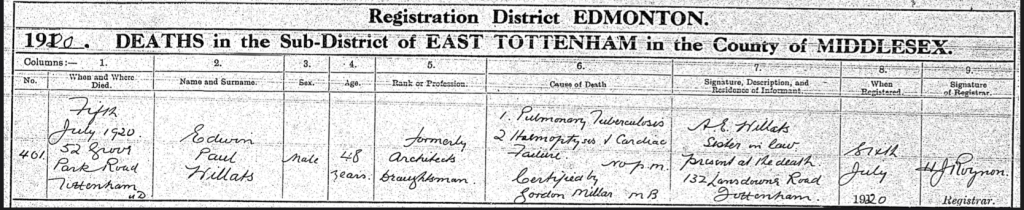
It was in 1920 that Lilly’s beloved brother,48-year-old, Architects Draftsman, Edwin Paul Willats, sadly passed away, on Monday the 5th of July 1920, at Number 52, Grove Park Road, Tottenham, Edmonton, Middlesex, England. Edwin died from Pulmonary Tuberculosis and Hemoptysis cardiac failure. No post-mortem was taken.
Edwin's sister-in-law, Amelia Ellen Willats nee High, of 132, Landsdowne Road, Tottenham. was present and registered Edwin's death on Tuesday the 6th of July 1920, in Edmonton.
The Willats family and friends laid Edwin Paul Willats, to rest at, Abney Park Cemetery, Stoke Newington, Hackney, London, England, in Section, D06, Index 7S03, on Saturday the 10th of July, 1920.
He was buried with other family members.

Heartbreakingly death continued to plague the family. Lilly's brother, 63-year-old, Insurance Manager, Francis Montague Allan Willats, sadly passed away on Sunday the 19th of September 1920, at Wymondley Heathgate, Hendon, Middlesex, England.
He died from Chronic interstitial hepatitis several years, certified by H. Stedman.
No post-mortem was taken.
Francis’s son, Allen Montague Willats was present and registered his death on Tuesday the 22nd September, 1920, in Hendon.

Chronic interstitial hepatitis is a form of liver inflammation characterized by long-term, ongoing damage to the liver tissue, specifically affecting the spaces between the liver cells (hepatocytes) known as the interstitium. This condition can lead to progressive fibrosis (scarring) of the liver, which may eventually progress to cirrhosis if left untreated.
The history of chronic interstitial hepatitis is closely tied to the evolving understanding of liver diseases and their causes. Historically, hepatitis was recognized as a clinical entity associated with jaundice (yellowing of the skin and eyes), liver enlargement, and liver dysfunction. In the early 20th century, infectious hepatitis was differentiated into types: hepatitis A, transmitted through contaminated food or water, and hepatitis B, spread through blood and bodily fluids.
Chronic interstitial hepatitis often results from persistent viral infections, notably hepatitis B virus (HBV) and hepatitis C virus (HCV), which can lead to ongoing inflammation and damage to liver tissue. Prior to the discovery of these viruses and their modes of transmission, chronic hepatitis was poorly understood and often associated with non-specific symptoms such as fatigue, malaise, and vague abdominal discomfort.
Advancements in medical research and diagnostic techniques in the mid-20th century, including the development of serological tests to detect hepatitis viruses and liver biopsy for histological examination, significantly improved the ability to diagnose and characterize chronic interstitial hepatitis. These tools allowed clinicians to differentiate between acute and chronic forms of hepatitis, assess the extent of liver damage, and monitor disease progression over time.
Treatment of chronic interstitial hepatitis depends on the underlying cause. For chronic viral hepatitis, antiviral medications such as nucleoside analogues (e.g., lamivudine, entecavir for HBV; direct-acting antivirals for HCV) have revolutionized treatment outcomes by suppressing viral replication and reducing liver inflammation. In cases where chronic hepatitis has progressed to cirrhosis, management may involve supportive care, lifestyle modifications (e.g., avoiding alcohol, maintaining a healthy diet), and surveillance for complications such as liver cancer (hepatocellular carcinoma).
Research continues to advance understanding of the pathophysiology of chronic interstitial hepatitis and explore new therapeutic approaches, including immunomodulatory therapies and potential vaccines for hepatitis viruses. These efforts aim to reduce the global burden of chronic liver disease and improve outcomes for individuals affected by chronic interstitial hepatitis, highlighting the ongoing importance of prevention, early detection, and comprehensive management strategies in liver health care.

Lilly and family laid Francis Montague Willats, to rest, on Tuesday the 21st September 1920, at Highgate Cemetery, Camden, London, England, grave reference /40479. He was buried with 7 others, Frances Jessie Willats, buried 16th September 1976. Allan Montague Willats, buried 2nd March 1968. Dorothy Beaumont Willats, buried 9th April 1965. Margaret Eliza Craddock, buried 1st January 1961. David Allan Willats, buried 5th February 1948. Margaret Jane Willats, 25th October 1937 and Horace Lennan Willats, buried 19th December 1916.

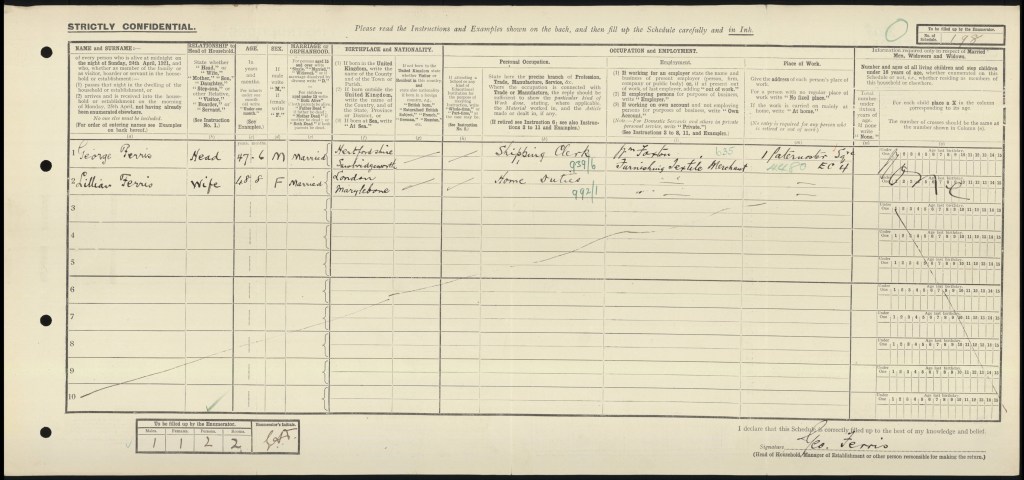
Jumping forward to the year 1921, Home Maker/duties, Lilly and her husband shipping, Clark, George were residing in two rooms at Number 35, Yerbury Road, Upper Holloway, Islington, Middlesex, England on Sunday 19th June 1921. George was working for Wm Foxton, Furnishing Textile Merchants, 1 Paternoster Square. William Foxton Ltd was a British textile manufacturer. The company was founded in 1903 by William Foxton, and produced "some of the most innovative artist-designed textiles of the times". They commissioned work from (inter alia) Charles Rennie Mackintosh, Claud Lovat Fraser, F. Gregory Brown, Minnie McLeish, and Constance Irving. In 1915, Foxton helped found the Design and Industries Association. They produced fabrics until at least 1939.[3][2] In 1945, Foxton wrote that all of their papers and samples were destroyed in an air raid in 1942. Hundreds of their designs are in the permanent collection of the Victoria and Albert Museum.
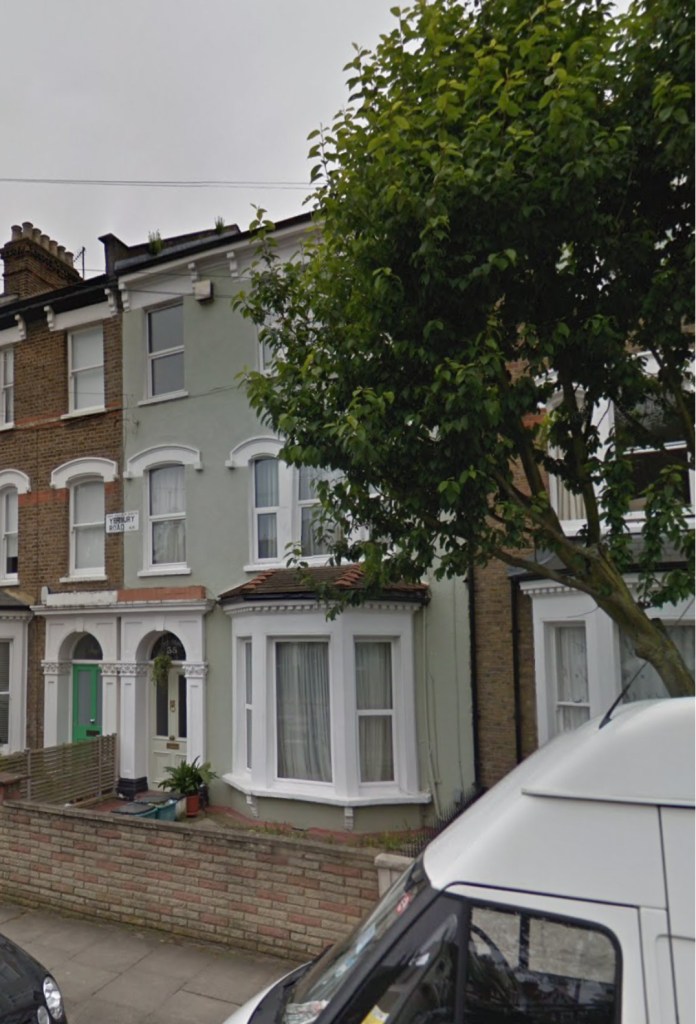
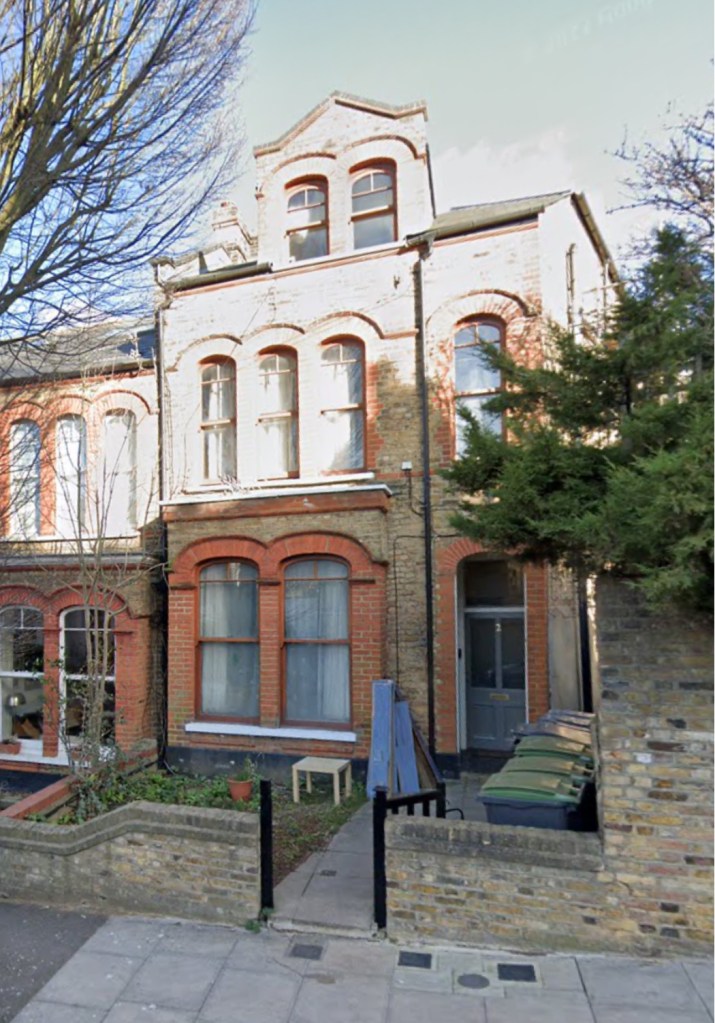
Yerbury Road is a residential street located in Upper Holloway, a district in the London Borough of Islington. It is known for its Victorian terraced houses, which line both sides of the road, creating a characteristic London urban landscape. The area is predominantly residential, with a mix of families, young professionals, and students, drawn to its proximity to central London and its relatively quiet atmosphere compared to more bustling parts of the city.
The architecture of Yerbury Road reflects the typical style of late 19th-century London, featuring red-brick terraced houses with bay windows and often adorned with period details such as decorative stonework and wrought-iron railings. Many of these properties have been renovated and modernized over the years while retaining their historical charm.
Residents of Yerbury Road benefit from its convenient location near Holloway Road, which offers a range of amenities including shops, cafes, and restaurants. Nearby public transportation options such as Holloway Road Underground station provide easy access to the rest of London, making it a desirable area for commuters.
The community on Yerbury Road is diverse, contributing to a vibrant local culture. The street is also known for its community spirit, with events and initiatives organized by local residents and organizations to foster a sense of belonging and neighborliness.
Sadly the next few year brought Lilly and her family many years of heartbreak. It all started with Lilly’s brother 67 years old, formerly Director of Limited Companies, Henry Richard Willats, passing away on Monday the 27th of November 1922, at 23 Barnmead Road, Beckenham, Bromley, Kent, England.
Henry died from Chronic Nephritis 10 years and Cardinal Failure 6 months. Their brother Walter James Willats of 132 Lansdowne Road, was in attendance and registered Henry’s death on the same day as his death, Monday the 27th of November, 1922, in Bromley.

The Willats family laid, Henry Richard Willats to rest, on Friday the 1st of December 1922, at Abney Park Cemetery, 215 Stoke Newington High Street, Stoke Newington, London, England, N16 0LH. His was buried in a family grave and was buried with Baby Thornton, Florence Jose Western nee Willats, Harry Ashley Willats, William Western Thornton, and Amelia Willats.

And Lilly’s father, 89-year-old, Richard Henry Willats sadly died, on Thursday the 22nd of November, 1923, at, 34B Portsdown Road, Paddington, London, England. Richard died from, Bronchitis and Senility, the state of being senile, down to the weakness or mental infirmity of old age. Richard's son, Percy Sidney Willats of 27 Kings Road, Finsbury Park, was present and registered his father's death on Saturday the 24th of November, 1923. Percy, gave Richards occupation as a retired, auctioneer and surveyor.

Senility, also referred to as senile dementia or simply dementia, is a condition characterized by a progressive decline in cognitive function beyond what is considered a normal part of aging. It is not a specific disease but rather a broad term used to describe a range of symptoms associated with cognitive impairment severe enough to interfere with daily activities and independence.
The most common cause of senility is Alzheimer's disease, a neurodegenerative disorder that leads to the accumulation of plaques (beta-amyloid protein) and tangles (tau protein) in the brain, disrupting communication between neurons and causing their eventual death. Other causes of senility include vascular dementia (caused by reduced blood flow to the brain due to stroke or small vessel disease), Lewy body dementia (involving abnormal protein deposits in the brain), frontotemporal dementia (involving degeneration of the frontal and temporal lobes of the brain), and mixed dementia (a combination of Alzheimer's disease and vascular dementia).
Symptoms of senility typically begin gradually and worsen over time. They may include memory loss (especially recent memories), confusion, difficulty with language and communication, poor judgment, changes in mood or behavior, and problems with reasoning and decision-making. As the condition progresses, individuals may require assistance with daily tasks such as dressing, bathing, and eating.
Diagnosis of senility involves a thorough medical history, physical examination, cognitive assessments (such as the Mini-Mental State Examination), blood tests, brain imaging (such as MRI or CT scan), and sometimes neuropsychological testing. It is important to distinguish senility from reversible causes of cognitive impairment, such as medication side effects, vitamin deficiencies, thyroid problems, or infections.
Management of senility focuses on improving quality of life, managing symptoms, and providing support to both the individual affected and their caregivers. While there is currently no cure for most types of senility, medications may be prescribed to temporarily improve cognitive function or manage behavioral symptoms. Non-pharmacological approaches, such as cognitive stimulation therapy, occupational therapy, and caregiver support programs, are also integral to management.
Ultimately, senility poses significant challenges to individuals, families, and society as a whole due to its progressive nature and the need for long-term care. Research into treatments and potential preventive measures continues to advance, aiming to mitigate the impact of this devastating condition on affected individuals and their loved ones.

Portsdown Road, located in Paddington, London, is a residential street that embodies the historical and architectural charm typical of this part of the city. Paddington itself is a district known for its rich history, central location, and significant landmarks, including Paddington Station, which has been a crucial transport hub since its opening in 1854.
Portsdown Road is situated in a part of Paddington that showcases the area's Victorian heritage. The street is lined with elegant terraced houses that date back to the late 19th and early 20th centuries. These homes often feature the distinctive architectural details of the period, such as stucco façades, ornate cornices, and large sash windows. Many of the properties have been carefully preserved and updated, blending historical character with modern amenities.
The history of Portsdown Road is closely linked to the broader development of Paddington. In the 19th century, Paddington experienced significant growth due to its strategic location and the expansion of the railway. The opening of Paddington Station by the Great Western Railway spurred the development of residential areas to accommodate the growing population of London. This period saw the construction of many of the elegant terraces and crescents that define the architectural landscape of the district today.
Paddington itself has a rich and varied history. Originally a medieval parish, it became a key suburban area in the 19th century, known for its grand residential buildings and its proximity to the West End. The district also has a notable literary connection, being famously associated with the fictional character Paddington Bear, created by Michael Bond. The bear, named after Paddington Station, has become an enduring symbol of the area.
In modern times, Portsdown Road benefits from its location in one of London's most dynamic and well-connected districts. Paddington has undergone significant regeneration in recent years, particularly around the Paddington Basin and the Grand Union Canal, transforming it into a vibrant area with a mix of residential, commercial, and recreational spaces. The canal, which dates back to the early 19th century, adds a picturesque element to the district and offers a range of leisure activities, including boating and waterside dining.
Transport links from Portsdown Road are excellent, with Paddington Station providing access to multiple Underground lines, National Rail services, and the Heathrow Express, making it a gateway to both the rest of London and international travel. The recent addition of the Elizabeth Line (Crossrail) has further enhanced connectivity, reducing travel times across the city.
The area around Portsdown Road is also rich in amenities and cultural attractions. Hyde Park, one of London’s largest and most famous parks, is within walking distance, offering vast green spaces, recreational facilities, and cultural events. Nearby, the vibrant districts of Notting Hill and Bayswater provide an array of shops, restaurants, and entertainment options.

The few remaining Willats family laid her father Richard Henry Willats, to rest, on Tuesday the 27th of November, 1923, at Abney Park Cemetery, 215 Stoke Newington High Street, Stoke Newington, London, England, N16 0LH, in grave number 092431 in Plot D06 with his wife, Eliza Willats nee Cameron, his sons Francis Paul Willats and Percy Sidney Willats. And his Stepson/nephew William George Willats. (My 3rd Great-Grandfather.)
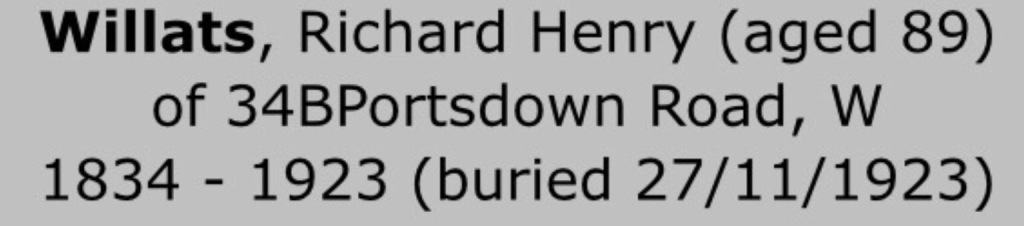
I once again picture in my mind, Lilly writing a letter to her beloved brother Arthur. I imagine it would read something along the lines of this.

Dearest Arthur,
It is with a heavy heart and trembling hand that I write to you, my beloved brother, with news that I know will shatter your spirit as it has mine. Our dear father has left this earthly realm. He departed peacefully. Yet, even the serenity of his passing cannot soften the blow of this deep loss. I know this news will bring you the same profound grief that now engulfs me.
His home is a silent witness to our loss, each room filled with echoes of Father’s presence. His beloved armchair sits empty by the hearth, and the garden he tended with such care seems somehow forlorn. Every object, every space, speaks of him and deepens the wound of his departure. I keep expecting to hear his voice or feel his comforting hand on my shoulder, but those moments are now only memories.
Yesterday, we laid Father to rest beside Mother in the family plot at Abney Park Cemetery. The day was overcast, a fitting backdrop for our mourning. The ceremony was intimate, with just close friends and family gathered to pay their respects. As we stood around his grave, a profound silence enveloped us, broken only by the minister’s solemn words and the soft rustle of leaves.
When the time came to lower his casket into the ground, I felt as if my heart might break entirely. Seeing him descend into the earth, taking his place beside Mother, was almost more than I could bear. The minister spoke of his kindness, his unwavering strength, and the love he had for his family. These words, though comforting, also underscored the irreplaceable loss we now face.
After the others had left, I stayed a while longer by his graveside, speaking to him in hushed tones. I told him of our love, of how much you wished you could be here, and of the gratitude we both feel for everything he gave us. I hope he heard me, Arthur. I hope he knows how deeply he was cherished.
I know how much this will pain you, being so far away in Buffalo. The distance between us feels even greater in these moments of sorrow. I wish you could have been here to hold his hand one last time, to say your goodbyes in person. But I believe he understood, and he would not want you to be burdened by regret. He was always so proud of you, so proud of the life you have built.
Arthur, I find myself clinging to the memories of our childhood, the stories Father told us, and the lessons he imparted. His legacy lives on in us, in the values he instilled and the love he shared. Let us honor his memory by living our lives with the integrity, compassion, and strength he so valued.
I long for the day when we can be together again, to share our grief and our memories. Until then, know that my thoughts and prayers are with you. May we find solace in the love we shared with Father and in the knowledge that he and Mother are reunited. How he longed to be with her again since she left us all those years ago.
With all my love and deepest sympathy,
Your devoted sister Lilly.
Heartbreaking not even half a year later, Lilly’s sister, 64-year-old Charlotte Ellen Crosbie, widow of medical student, Pierce William Crosbie, sadly passed away on Saturday the 5th of April, 1924, at her home, number 34 Portsdown Road, Paddington, London, England.
Charlotte died from, Cardiac Disease (mitral) and Hemiplegia.
Their sister, Edith Cameron Charlton Nee Willats, of number 27 Kings Road, Finsbury Park was present and registered her sister Charlotte's death on Monday the 7th of April 1924 in Paddington, London, England.

Mitral valve disease refers to conditions affecting the mitral valve, one of the four valves in the heart responsible for ensuring blood flows in the correct direction. The mitral valve is located between the left atrium and left ventricle and helps regulate blood flow from the lungs to the rest of the body. Mitral valve disease can manifest in two main forms: mitral valve stenosis and mitral valve regurgitation.
Mitral valve stenosis occurs when the valve becomes narrowed and restricts blood flow from the left atrium to the left ventricle. This narrowing is often due to scarring and thickening of the valve leaflets, commonly caused by rheumatic fever, an inflammatory condition resulting from untreated streptococcal infections. Historically, rheumatic fever was a leading cause of mitral valve stenosis, particularly in children and young adults in developing countries. However, in developed countries, rheumatic fever has become less common due to improved healthcare and antibiotic treatments. Mitral valve stenosis can also result from congenital heart defects or calcium deposits on the valve.
Mitral valve regurgitation, on the other hand, occurs when the valve does not close properly, allowing blood to leak backward from the left ventricle into the left atrium during contraction. This leakage can lead to symptoms such as fatigue, shortness of breath, and eventually heart failure if left untreated. Causes of mitral valve regurgitation include degenerative changes in the valve (often associated with aging), congenital defects, infections, or damage from a heart attack.
Diagnosis of mitral valve disease involves a combination of clinical evaluation, imaging tests such as echocardiography (ultrasound of the heart), and sometimes cardiac catheterization to assess the severity and impact on heart function. Treatment depends on the severity of the condition and may include medications to manage symptoms (such as diuretics or blood thinners), surgical repair or replacement of the valve, or less invasive procedures like percutaneous mitral valve repair.
Hemiplegia, on the other hand, refers to paralysis affecting one side of the body, typically caused by damage to the motor areas of the brain or spinal cord. It is most commonly associated with strokes (cerebrovascular accidents) that result from a blockage or rupture of blood vessels supplying the brain. Historically, hemiplegia was often attributed to strokes caused by conditions like hypertension, atherosclerosis, or cardiac emboli (clots from the heart).
The history of hemiplegia treatment has evolved significantly over time, reflecting advancements in understanding the underlying causes and development of rehabilitation techniques. In ancient times, hemiplegia was often considered incurable or associated with supernatural causes. In the 19th and early 20th centuries, the introduction of medical imaging techniques like CT scans and MRI revolutionized the diagnosis of strokes and other neurological conditions causing hemiplegia.
Modern treatment of hemiplegia includes acute interventions such as thrombolytic therapy to dissolve blood clots and surgical procedures like carotid endarterectomy to remove plaque from narrowed arteries. Rehabilitation plays a crucial role in recovery, focusing on physical therapy, occupational therapy, and speech therapy to help individuals regain function and independence.

Charlotte was laid to rest at Abney Park Cemetery, 215 Stoke Newington High Street, Stoke Newington, London, England, N16 0LH, on Wednesday the 9th of April 1918, in grave 127434 possibly renumbered 17434, (Grave Reference - Sec. I09, Index 7S08.) with Baby Crosbie, her niece Amina Eliza Kathleen Reichert nee Charlton, her cousin Mabel Cameron Woollet Willats, and Eliza Smith (Charlotte's companion).

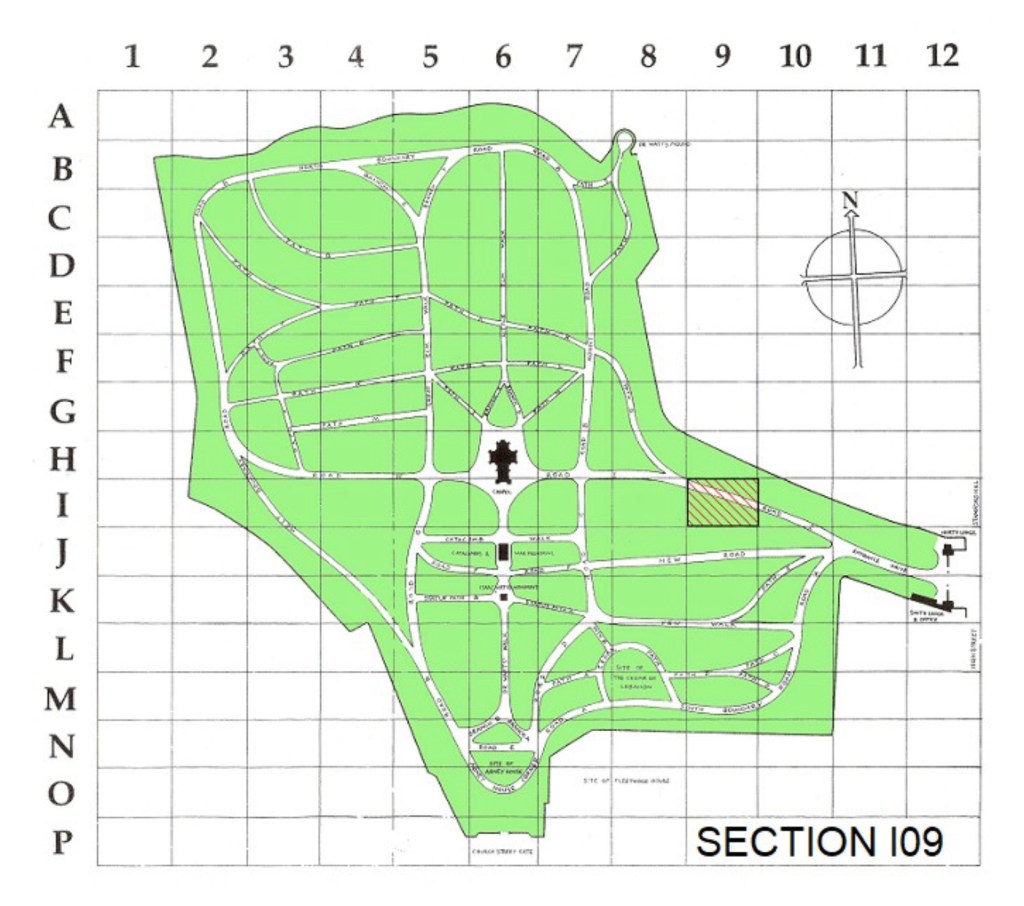
The grime reaped was not finished with the Willats family yet and a few years later, Lilly's brother 64-year-old stockbroker, Walter James Willats, passed away on Friday the 29th of March 1929, at Number 163, Camden Road, St Pancras, London, England.
Walter died from Myocarditis, Bronchitis and Cardiac Failure.
His nephew P Champion, of Number 163 Camden Road, St Pancras, was present and registered Walter's death on Tuesday the 2nd of April 1929 in St Pancras, London. At present, I have not located Walter’s resting place.

Myocarditis and cardiac failure are both significant cardiovascular conditions that can have profound impacts on heart function and overall health.
Myocarditis is an inflammatory condition affecting the myocardium, the muscular tissue of the heart. It can result from various causes, including viral infections (such as Coxsackievirus, adenovirus, or SARS-CoV-2), bacterial or fungal infections, autoimmune diseases, certain medications, or toxins. The inflammation in myocarditis can weaken the heart muscle, impairing its ability to pump blood effectively. This can lead to symptoms such as chest pain, shortness of breath, fatigue, and palpitations. In severe cases, myocarditis can cause heart failure, arrhythmias (abnormal heart rhythms), or sudden cardiac death.
The history of myocarditis dates back centuries but has significantly evolved with advances in medical understanding and diagnostic techniques. Historically, myocarditis was often difficult to diagnose and understand due to limited medical knowledge and diagnostic tools. Early descriptions of myocarditis focused on its association with infectious diseases and the recognition of cardiac inflammation as a potential cause of heart dysfunction.
In the 20th century, the discovery and development of diagnostic tools such as electrocardiography (ECG), echocardiography (ultrasound of the heart), and cardiac MRI revolutionized the diagnosis and management of myocarditis. These technologies enabled healthcare providers to visualize heart function and identify signs of inflammation or damage to the myocardium more accurately.
Treatment of myocarditis depends on the underlying cause and severity of symptoms. Mild cases may resolve on their own or with supportive care, while severe cases may require medications to reduce inflammation (such as corticosteroids or immunosuppressants), manage symptoms, and support heart function. In some cases, advanced heart failure treatments such as mechanical circulatory support devices or heart transplantation may be necessary.
Cardiac failure, commonly known as heart failure, refers to a chronic condition where the heart is unable to pump blood effectively to meet the body's needs. This can occur due to various underlying conditions that weaken or damage the heart muscle, including coronary artery disease (leading to myocardial infarction or heart attacks), hypertension, cardiomyopathy (diseases of the heart muscle), valve disorders, or myocarditis. Over time, heart failure can lead to symptoms such as shortness of breath, fatigue, swelling (edema), and difficulty with exercise.
Historically, heart failure was often viewed as a terminal condition with limited treatment options. However, advancements in medical therapies, diagnostic techniques, and surgical interventions have transformed the management of heart failure over the past century. The development of medications such as ACE inhibitors, beta-blockers, diuretics, and aldosterone antagonists has significantly improved outcomes by reducing symptoms, slowing disease progression, and prolonging survival.
Surgical interventions such as coronary artery bypass grafting (CABG), valve repair or replacement, and implantation of devices like pacemakers or implantable cardioverter-defibrillators (ICDs) have also played crucial roles in managing heart failure. More recently, innovative therapies such as cardiac resynchronization therapy (CRT) and transcatheter valve interventions have further expanded treatment options for specific types of heart failure.

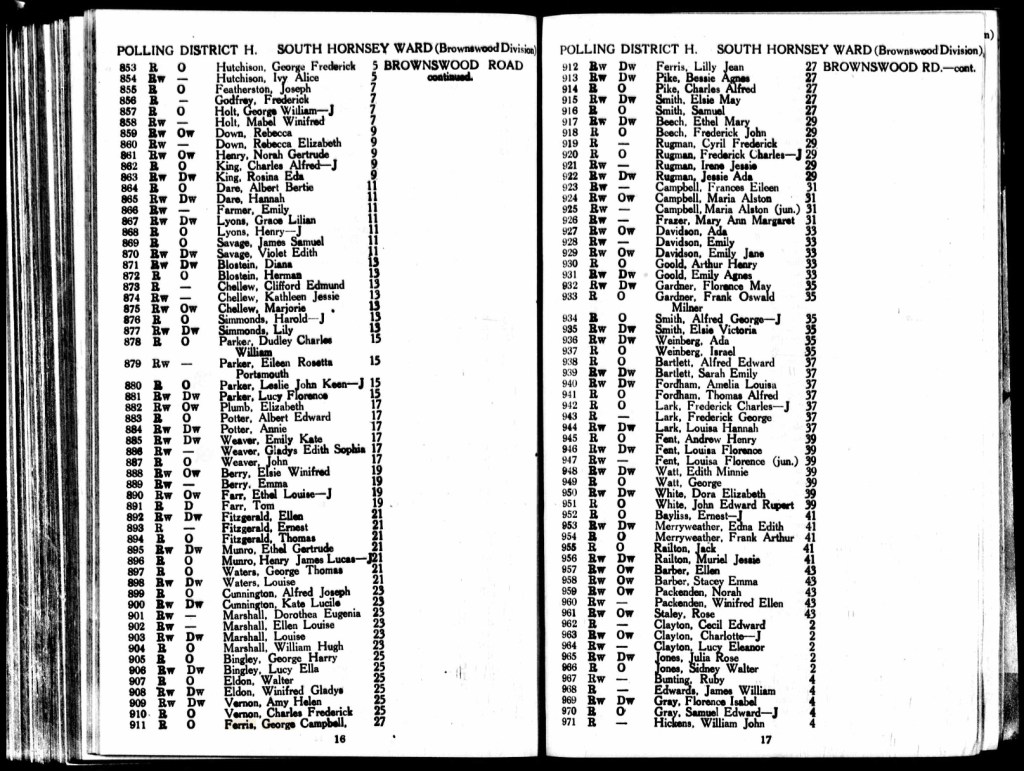
From the 1929 London Electoral Register, Lilly and her husband George were residing at Number 27 Brownswood Road, Finsbury Park, South Hornsey, Middlesex, England.
Henry Frederick Hickman, Bessie Agnes Pike, and Charles Alfred Oike, were also residing at Number 27 Brownswood.

Brownswood Road is a notable street located in the South Hornsey area, historically part of Middlesex, though now it is within the London Borough of Hackney due to boundary changes and the expansion of London over the centuries. This area is steeped in history, reflecting the broader development and urbanization of London from rural beginnings to a bustling metropolis.
In the 19th century, South Hornsey, including Brownswood Road, underwent significant transformation. Originally, this area was largely rural, characterized by open fields and small hamlets. As London expanded, South Hornsey began to see more residential development, particularly in response to the growing demand for housing from the burgeoning population. Brownswood Road itself is lined with Victorian and Edwardian terraced houses, many of which were built during this period of rapid growth and urbanization.
The development of Brownswood Road was closely tied to the advent of the railway, which played a crucial role in transforming South Hornsey into a more urbanized area. The proximity to railway lines made it an attractive location for commuters, leading to a steady increase in residential construction. The Victorian houses along Brownswood Road typically feature the period's architectural details, such as ornate brickwork, sash windows, and decorative cornices, which give the street its distinctive historical charm.
Brownswood Road also reflects the broader social changes of the late 19th and early 20th centuries. The influx of residents brought a diverse mix of people to the area, contributing to the vibrant and eclectic community that characterizes South Hornsey today. This period also saw the development of local amenities, such as schools, churches, and shops, which catered to the growing population and helped to establish a strong sense of community.
In the early 20th century, South Hornsey continued to evolve, with further residential development and the introduction of new public services and infrastructure. Brownswood Road remained a desirable residential street, attracting a mix of working and middle-class families. The area benefited from its proximity to Finsbury Park, a large public park that provided a recreational space for local residents and added to the appeal of the neighborhood.
The mid-20th century brought further changes to Brownswood Road and South Hornsey. The post-war period saw efforts to improve housing conditions and modernize infrastructure. Some of the older Victorian houses were renovated, while others were replaced with newer housing developments. Despite these changes, Brownswood Road has managed to retain much of its historical character, with many of the original buildings still standing today.
In recent decades, Brownswood Road and the surrounding area have continued to thrive. The street is now part of a vibrant and diverse community within the London Borough of Hackney. The area's rich history is evident in its architecture and the enduring sense of community among residents. Local amenities have expanded to include a wide range of shops, cafes, and restaurants, reflecting the diverse and dynamic nature of the population.
Today, Brownswood Road is a blend of historical charm and modern urban living. Its Victorian and Edwardian houses stand as a testament to the area's past, while the vibrant local community and amenities reflect the dynamic and ever-evolving nature of London. The street's history is a microcosm of the broader development of South Hornsey and the transformation of London from a rural landscape to a bustling urban center.
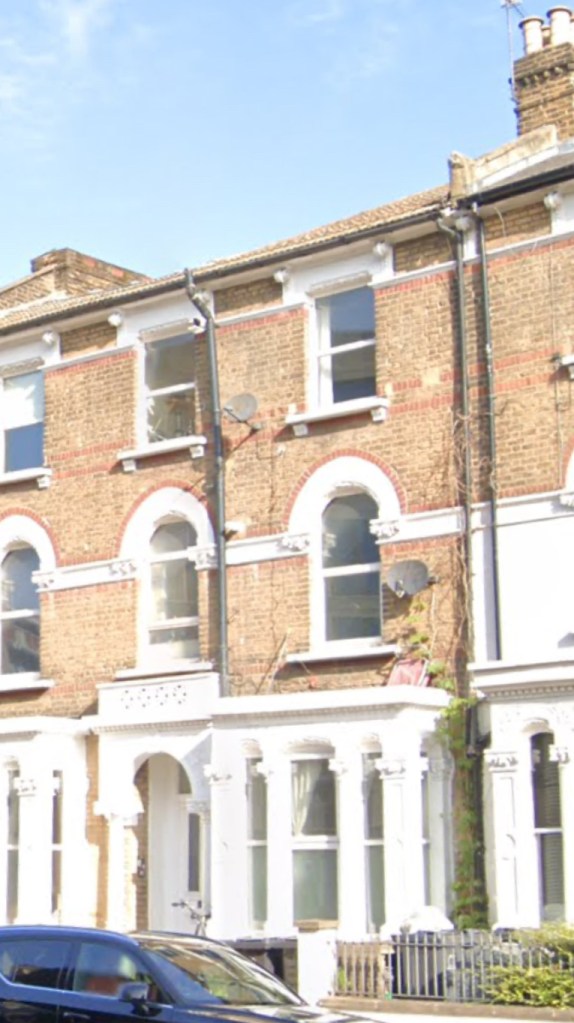
From the 1931 London Electoral Register, Lilly and her husband George were residing at Number 27 Brownswood Road, South Hornsey, Middlesex, England, in 1931.
Samuel Smith, Elsie May Smith, Bessie Agnes Pike, and Charles Alfred Pike, were also residing at Number 27 Brownswood.
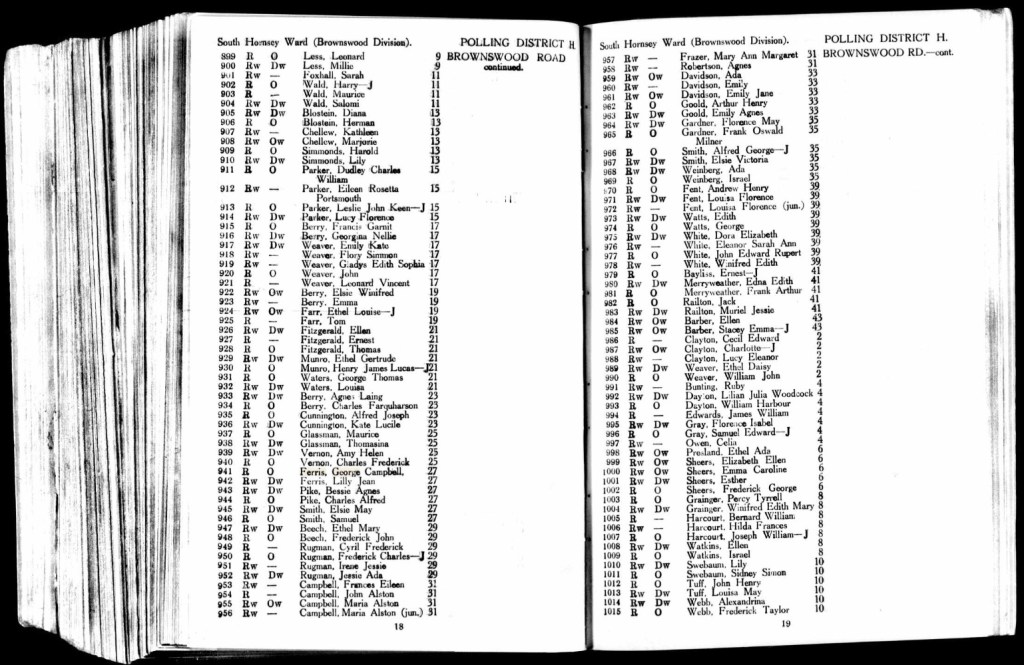
And from the 1932 London Electoral Register, Lilly and her husband George were still residing at Number 27 Brownswood Road, South Hornsey, Middlesex, England, in 1932.
Samuel Smith, Elsie May Smith, Bessie Agnes Pike, and Charles Alfred Pike, were also residing at Number 27 Brownswood. Lilly was named as Lilly Jean Ferris.
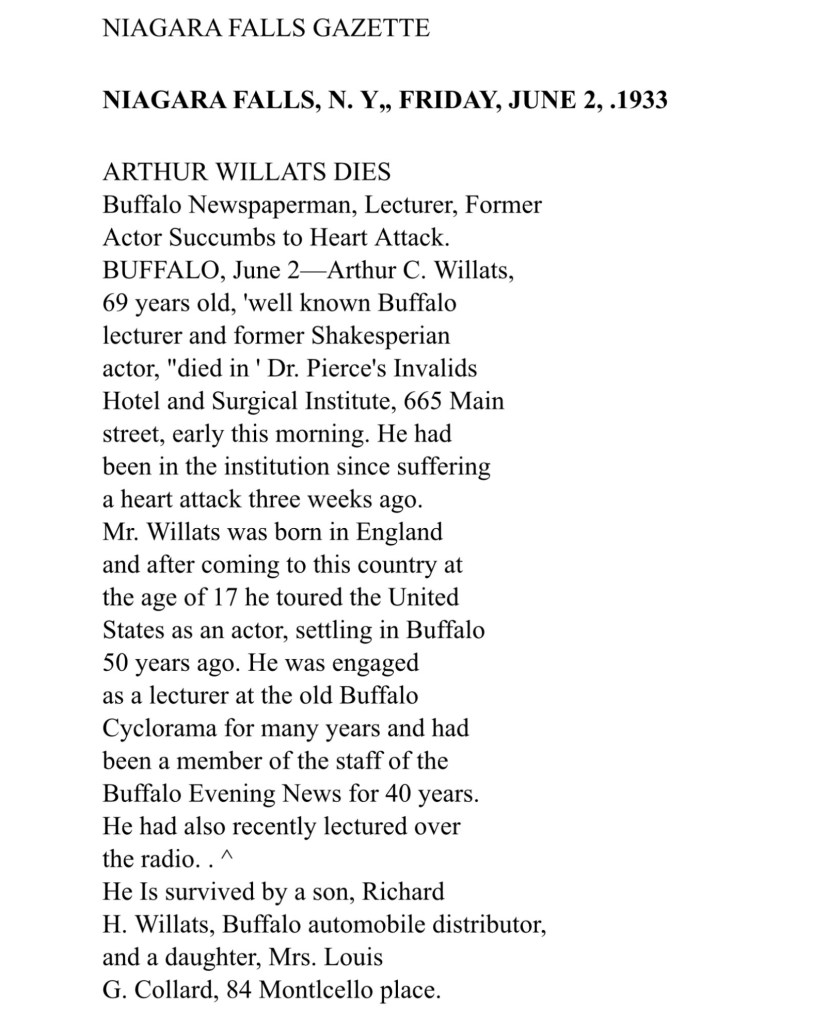
Heartbreakingly Lilly’s beloved brother, 69 year old, Buffalo Lecturer and former Shakesperian Actoer, Arthur Charles Willats died on the Friday 2nd of June 1933 at Dr, Pierce’s Invalids Hotel and Surgical Institute, 665 Main Street, Buffalo, Erie, New York, USA. Arthur died from a Heart Attack.
His death announcement was put in the Niagara Falls Gazette, on Friday the 2nd of June 1933. It read as follows, ARTHUR WILLATS DIES Buffalo Newspaperman, Lecturer, Former Actor Succumbs to Heart Attack. BUFFALO, June 2-Arthur C. Willats, 69 years old,'well known Buffalo lecturer and former Shakesperian actor, "'died in ' Dr. Pierce's Invalids Hotel and Surgical Institute, 665 Main street, early this morning. He had been in the institution since suffering aheart attack three weeks ago. Mr. Willats was born in England and after coming to this country at the age of 17 he toured the United States as an actor, settling in Buffalo 50 years ago. He was engaged as a lecturer at the old Buffalo Cyclorama for many years and had been a member of the staff of the Buffalo Evening News for 40 years. He had also recently lectured over the radio.. He Is survived by a son, Richard H. Willats, Buffalo automobile distributor, and a daughter, Mrs. Louis G. Collard, 84 Montlcello place.
Dr. Pierce's Invalids Hotel and Surgical Institute was a prominent medical institution located at 665 Main Street in Buffalo, Erie, New York, USA. Founded by Dr. R.V. Pierce in the late 19th century, the institute gained widespread recognition for its innovative treatments and medical care. Dr. Pierce, a well-known figure in the medical community at the time, established the institute with a focus on providing specialized care for chronic ailments and surgical procedures.
The institution offered a range of medical services, catering particularly to individuals suffering from chronic illnesses and conditions that required long-term care. Its reputation grew due to Dr. Pierce's proprietary medicines, which were widely advertised and distributed across the country. These medications purportedly offered remedies for various ailments and contributed significantly to the institute's popularity.
Beyond medical treatments, Dr. Pierce's establishment provided accommodations for patients, functioning as both a hospital and a place of residence during their treatment and recovery periods. The institute's facilities were designed to provide comfort and care to patients seeking relief from their ailments.
Throughout its existence, Dr. Pierce's Invalids Hotel and Surgical Institute remained a symbol of medical advancement and compassionate care, drawing patients from different parts of the United States seeking the specialized treatments and innovative medical approaches offered by Dr. Pierce and his team of professionals.
On May 19, 1882 a Buffalo Commercial story announced that Pierce had consolidated the business in two newly erected buildings. The buildings were situated back to back with the Invalids Hotel and Surgical Institute located at 663 Main Street. Behind it, the World’s Dispensary was located at 660 to 670 Washington Street. A view of the Invalids Hotel with the World’s Dispensary visible in the background was included in later editions of Pierce’s Medical Advisor.

once again I imagine a letter written by heartbroken Lilly to Arthur, a letter she would never send. I imagine it would read something along the lines of this.

My Dearest Arthur,
I find myself writing to you in a moment of overwhelming sorrow, knowing this letter will never reach your hands. It is a futile attempt to bridge the chasm that now separates us, a feeble effort to pour out my heart in the hope that, somehow, you might sense my words from beyond.
You left us too soon, dear brother. Your departure has left a void that nothing can fill, an ache that permeates every corner of my being. The news of your passing came as a devastating blow, a harsh reminder of life's cruel and unpredictable nature. I can scarcely believe you are gone, and the world feels so much colder without you in it.
I remember our childhood with such vivid clarity now. Those carefree days when we would roam the fields, lost in our own world of adventure and dreams. You were my constant companion, my protector, and my confidant. Your laughter, your unwavering support, and your boundless love were the anchors that kept me grounded. How I wish I could hear your voice just one more time, to feel your comforting presence beside me.
I think of Father's passing, and how you could not be there to say goodbye. It breaks my heart to imagine the pain you must have felt, being so far away in Buffalo. Father spoke of you often in his final days, his pride and love for you shining through even in his weakest moments. He wished for you to remember him with joy, not sorrow, just as I now wish the same for you.
You were always so strong, Arthur, always the one to carry the burdens with a quiet grace that I admired more than I ever told you. Your life in Buffalo, the dreams you pursued and the challenges you faced, were a testament to your courage and determination. I hope you know how proud I am of you, how much I respected and looked up to you.
The day we laid Father, to rest, I felt your absence acutely. As I stood by his grave, I whispered words of love and gratitude, hoping that somehow they would reach you as well. Now, I stand by your memory, grappling with the same unbearable grief, trying to find solace in the belief that you are at peace.
Our family plot at Abney Park Cemetery, where Mother and Father now rest, feels incomplete without you. But I hold onto the hope that you are reunited with them, that you are all together, watching over us with the same love and care that you gave in life.
Arthur, my heart aches with the weight of all the things left unsaid, all the moments we will never share. I miss you more than words can express, and the world feels dimmer without your light. I will carry your memory with me always, a beacon of the love and strength you embodied.
Until we meet again, my dear brother, may you find the peace that eluded you in life. Know that you are loved beyond measure, and that your spirit will live on in the hearts of those who cherished you.
With all my love,
Forever your devoted sister,
Lilly.
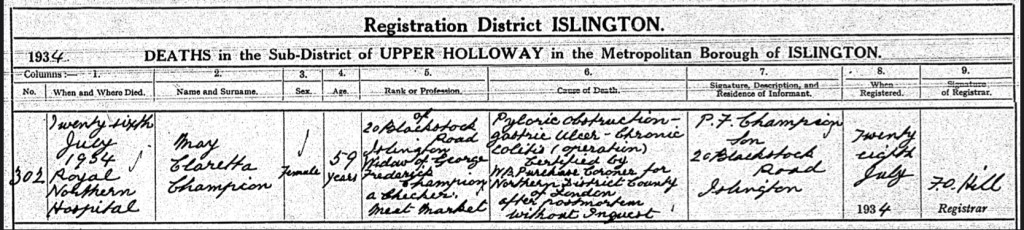
Sadly more death followed when Lilly's sister, 57-year-old, May Claretta Champion nee Willats, of Number 20, Blackstock Road, Islington, widow of George Frederick Champion, a chicken meat market, passed away on Thursday the 26th of July 1934, at The Royal Northern Hospital, Upper Holloway, Islington, London, England.
May died from, Pyloric obstruction, gastric Ulcer, and Chronic Colitis (operation).
A postmortem took place without an inquest.
May’s son P. F. Champion of Number 20, Blackstock Road, Islington registered May’s death on Saturday the 28th of July 1934, in Islington. At present I have not located May’s resting place.

Pyloric obstruction, gastric ulcer, and chronic colitis are distinct gastrointestinal conditions that can significantly impact digestive health and overall well-being.
Pyloric obstruction refers to a blockage or narrowing at the pylorus, the lower part of the stomach that connects to the small intestine. This obstruction can occur due to various reasons, including peptic ulcers, inflammation, tumors, or scarring from previous surgeries. One of the most common causes historically was peptic ulcer disease, which often led to scarring and narrowing at the pylorus. This condition impairs the passage of food from the stomach into the small intestine, resulting in symptoms such as nausea, vomiting (often projectile), abdominal pain or discomfort after eating, bloating, and weight loss. In infants, pyloric stenosis, a congenital condition where the pylorus muscles thicken and obstruct the flow of food, is a frequent cause of pyloric obstruction.
Historically, the understanding and treatment of pyloric obstruction have evolved significantly. In the early 20th century, surgical interventions were often necessary to relieve pyloric obstruction and improve symptoms. The development of diagnostic techniques such as barium swallow studies and later advancements in imaging technology like ultrasound and CT scans have greatly improved the ability to diagnose and manage pyloric obstruction non-invasively. Treatment today may involve medications to reduce inflammation or acid production, endoscopic procedures to dilate or remove obstructions, or surgery in severe cases.
Gastric ulcer, also known as peptic ulcer, is a sore or lesion that forms in the lining of the stomach or duodenum (the first part of the small intestine). Gastric ulcers can be caused by factors such as infection with Helicobacter pylori bacteria, chronic use of nonsteroidal anti-inflammatory drugs (NSAIDs), excessive alcohol consumption, smoking, or stress. Historically, gastric ulcers were often attributed to excessive stomach acid production and stress, leading to recommendations for dietary changes, stress reduction, and antacid medications as primary treatments.
The history of gastric ulcer treatment underwent a significant paradigm shift with the discovery of Helicobacter pylori as a major cause of peptic ulcers by Australian scientists Barry Marshall and Robin Warren in the 1980s. Their work challenged the prevailing belief that ulcers were primarily caused by stress and stomach acid, paving the way for new treatment strategies targeting bacterial eradication with antibiotics and acid suppression therapy with proton pump inhibitors (PPIs). This discovery revolutionized the management of gastric ulcers, leading to improved outcomes and reduced recurrence rates.
Chronic colitis refers to persistent inflammation of the colon (large intestine) that can lead to symptoms such as abdominal pain, diarrhea (often bloody), urgency to have bowel movements, weight loss, and fatigue. There are various types of chronic colitis, including ulcerative colitis and Crohn's disease, which are autoimmune conditions characterized by inflammation and damage to the gastrointestinal tract. The history of chronic colitis is marked by evolving understanding of its underlying causes, including genetic predisposition, immune dysregulation, and environmental factors.
Historically, chronic colitis was poorly understood, often misdiagnosed, and treated symptomatically with limited effectiveness. The development of diagnostic techniques such as colonoscopy, biopsy, and imaging modalities in the late 20th century greatly enhanced the ability to diagnose and differentiate between different types of chronic colitis. Treatment approaches have also evolved significantly, with advances in medications such as immunosuppressants, biologics, and corticosteroids to control inflammation and reduce symptoms. Surgical interventions may be necessary in severe cases to remove affected portions of the intestine or to create an ostomy.
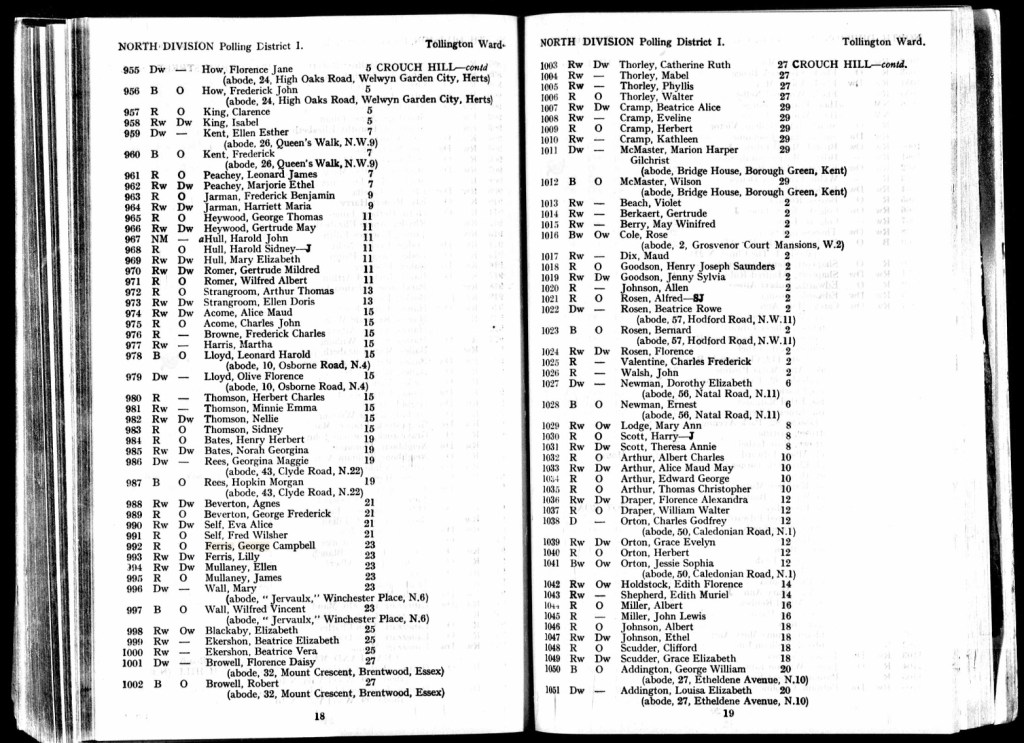
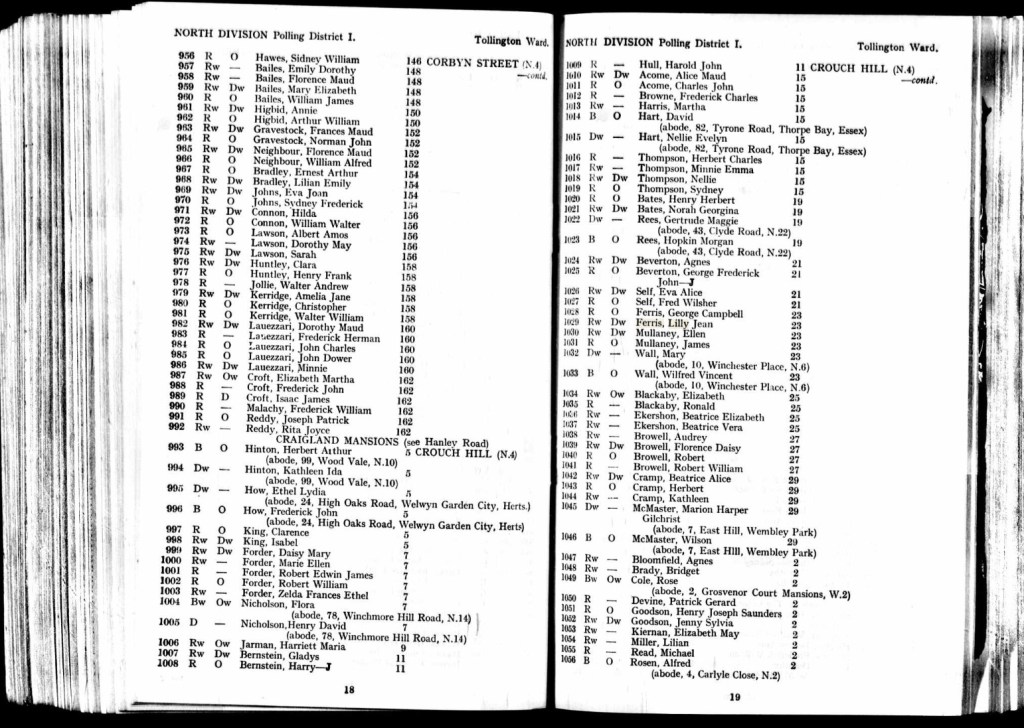
From the 1935 London, England Electoral Register, we know Lilly and George were residing at Number 23 Crouch Hill, Islington, Middlesex, England. James Mullaney, Ellen Mullaney, Mary Wall and Wilfred Vincent Wall, were also residing at Number 23 Crouch Hil. Mary Wall and Wilfred Vincent Wall Abode was given as “Jervaulx,” Winchester Place, N.6
Crouch Hill, located in the London Borough of Islington, is a historically rich and vibrant area that offers a blend of architectural charm, community spirit, and urban convenience. The name "Crouch Hill" itself has origins that likely date back to the Middle Ages, with "crouch" deriving from the Old English word for cross. Historically, this area was once more rural and less densely populated, a far cry from the bustling urban landscape it is today.
The development of Crouch Hill, like much of London, began to accelerate in the 19th century. This period saw significant residential growth driven by the expansion of the railway network. The arrival of the railway transformed Crouch Hill into a more accessible and desirable location for those looking to live outside the immediate hustle and bustle of central London, yet still within easy reach of it. Crouch Hill station, part of the London Overground, became a critical hub, further integrating the area into the broader city.
Architecturally, Crouch Hill is characterized by its Victorian and Edwardian terraced houses. These homes, built during the 19th and early 20th centuries, exhibit the typical features of the period, such as ornate brickwork, bay windows, and decorative moldings. Many of these properties have been preserved or sympathetically modernized, maintaining the historical charm while accommodating contemporary living standards.
Crouch Hill is also notable for its green spaces, which provide a respite from the urban environment. The area is close to several parks, including the expansive Finsbury Park, which offers a wide range of recreational activities and serves as a communal gathering space for local residents. These green spaces have historically been important to the community, offering areas for leisure, exercise, and social interaction.
The local amenities in Crouch Hill reflect its diverse and dynamic community. Stroud Green Road, which intersects with Crouch Hill, is a bustling thoroughfare lined with independent shops, cafes, and restaurants. This vibrant street has become a focal point for the neighborhood, offering a variety of cuisines and shopping experiences that cater to the eclectic tastes of its residents. The presence of local markets and community events further enhances the area's appeal, fostering a strong sense of local identity and community spirit.
Culturally, Crouch Hill and its surrounding areas have a rich heritage. The nearby areas of Crouch End and Finsbury Park are known for their artistic and creative communities. This influence spills over into Crouch Hill, contributing to a lively cultural scene that includes local theaters, music venues, and art galleries. The area has attracted many artists, musicians, and writers, adding to its vibrant and eclectic atmosphere.
In recent years, Crouch Hill has continued to thrive, balancing historical preservation with modern development. The area has seen an influx of young professionals and families, drawn by the combination of its historical charm, excellent transport links, and strong community ethos. Efforts to enhance public spaces, improve local infrastructure, and support small businesses have all contributed to the ongoing vitality of the neighborhood.

From the 1936 London, England Electoral Register, we know Lilly and George were still residing at Number 23 Crouch Hill, Islington, Middlesex, England.
James Mullaney, Ellen Mullaney, Mary Wall and Wilfred Vincent Wall, were also residing at Number 23 Crouch Hil.
Mary Wall and Wilfred Vincent Wall Abode was given as “Jervaulx,” Winchester Place, N.6
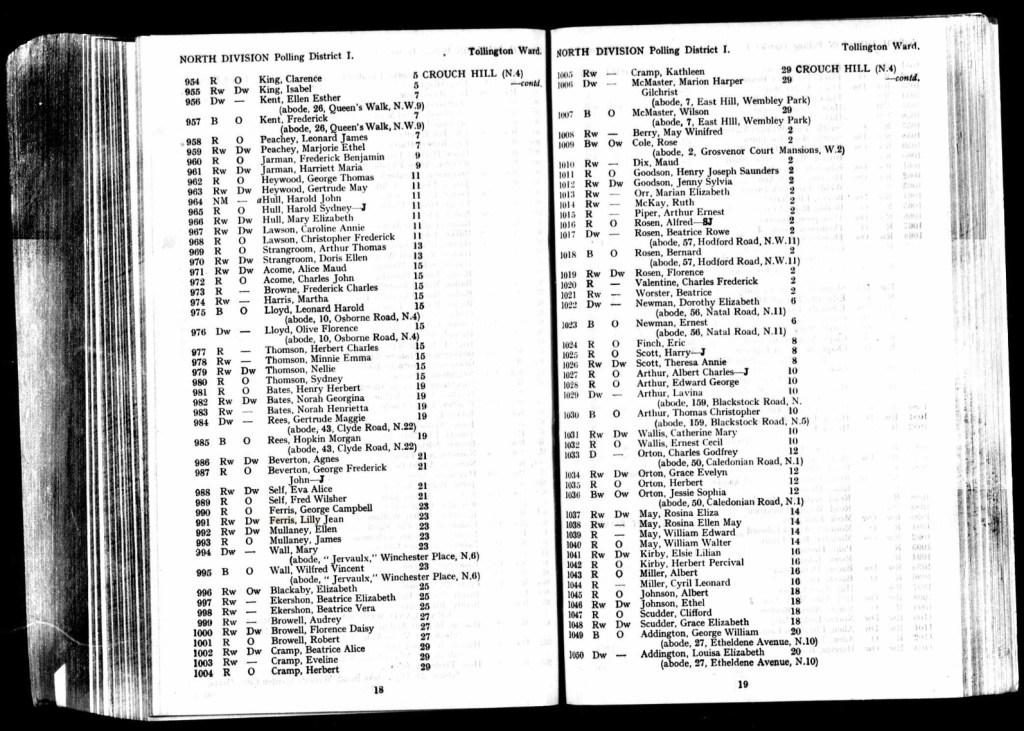
And from the 1937 London, England Electoral Register, we know Lilly and George were still residing at Number 23 Crouch Hill, Islington, Middlesex, England.
James Mullaney, Ellen Mullaney, Mary Wall and Wilfred Vincent Wall, were also residing at Number 23 Crouch Hil. Mary Wall and Wilfred Vincent Wall Abode was given as “Jervaulx,” Winchester Place, N.6.
Lilly was named as Lilly Jean Ferris.
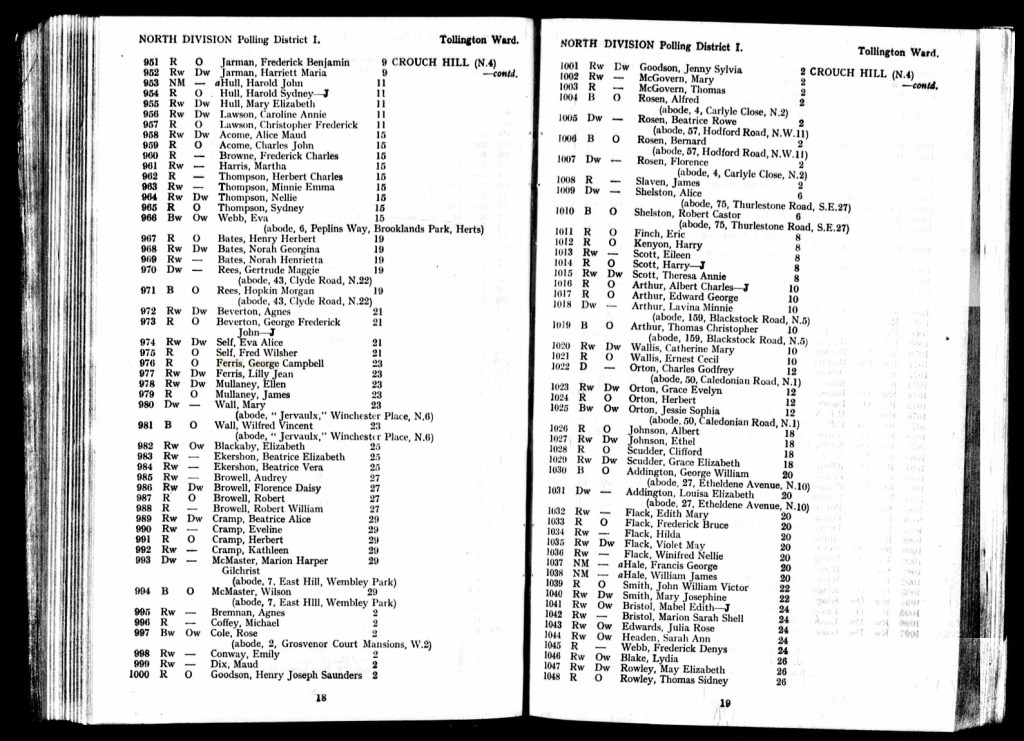
Lilly's sister, 46-year-old Edith Cameron Charlton nee Willats, the widow of Edward Charlton, Auctioneer, of Number 40, Damers Road, Hornsey, sadly passed away on Thursday the 21st of April 1938, at Hornsey Central Hospital, Park Road, Hornsey, Edmonton, Middlesex, England. Edith died from, Post Operative Shock, Operation Osphorectiny, Ovarian Cyst and Cardio Vascular Degeneration. Edith's nephew, Philip F. Champion of number 4, Crescent Road, Crouch End, registered her death on Friday the 22nd of April 1938. Sadly I haven't as yet, discovered the location of Edith's last resting place. She isn't on the list of Willats who were laid to rest at Abney Park Cemetery.

Postoperative shock, operation oophorectomy (removal of the ovaries), ovarian cysts, and cardiovascular degeneration are significant medical conditions and procedures that impact different aspects of health and require specific management approaches.
Postoperative shock refers to a state of circulatory collapse that can occur after surgery, characterized by inadequate tissue perfusion and oxygen delivery to organs and tissues. This condition can result from various factors such as blood loss, fluid shifts, systemic inflammation, or cardiac complications. Historically, the understanding and management of postoperative shock have evolved significantly. In the early 20th century, shock was often fatal due to limited understanding and treatment options. Advances in anesthesia, surgical techniques, and perioperative care in the mid-20th century, including the development of intensive care units (ICUs), improved monitoring devices, and fluid resuscitation protocols, have dramatically reduced the incidence of postoperative shock and improved survival rates.
Operation oophorectomy, or surgical removal of one or both ovaries, is performed for various medical reasons. It can be indicated in cases of ovarian cancer, ovarian torsion (twisting), severe endometriosis, ovarian cysts, or certain hormone-related conditions. Historically, oophorectomy was initially performed as a treatment for psychiatric disorders and later evolved into a surgical intervention for gynecological conditions. In the early 20th century, the procedure was often performed as an open surgery with significant risks and recovery times. Advances in minimally invasive techniques, such as laparoscopy, in the latter half of the 20th century have reduced surgical risks, shortened recovery times, and improved patient outcomes.
Ovarian cysts are fluid-filled sacs or pockets that develop within or on the surface of the ovaries. They are common and often benign, although they can cause symptoms such as pelvic pain, bloating, irregular menstrual periods, or complications such as torsion or rupture. Historically, ovarian cysts were often diagnosed incidentally during physical examinations or surgery for other conditions. Treatment options have historically included watchful waiting, medications to regulate hormonal levels, or surgical removal depending on the size, type, and symptoms of the cyst.
Cardiovascular degeneration refers to the progressive decline in the structure and function of the cardiovascular system, including the heart and blood vessels. This degeneration can result from various factors such as aging, genetics, lifestyle factors (e.g., smoking, diet), hypertension, diabetes, or chronic inflammatory conditions. Historically, cardiovascular degeneration was often viewed as an inevitable consequence of aging or genetics, with limited treatment options available. The development of diagnostic techniques such as electrocardiography (ECG), echocardiography, and cardiac catheterization in the mid-20th century revolutionized the understanding and management of cardiovascular diseases. Advances in pharmacotherapy, interventional cardiology (e.g., coronary artery bypass grafting, angioplasty), and lifestyle interventions (e.g., diet, exercise) have significantly improved outcomes and extended life expectancy for individuals affected by cardiovascular degeneration.
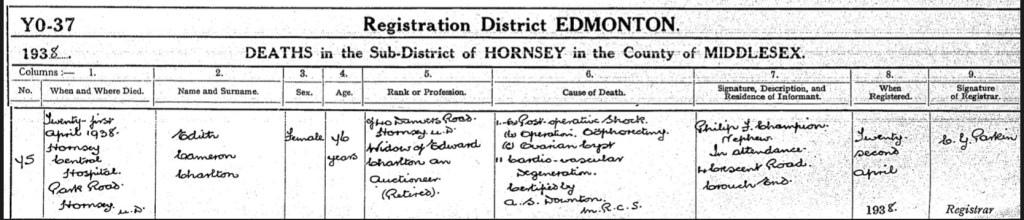
From the 1938 London, England Electoral Register, we know Lilly and George were still residing at Number 23 Crouch Hill, Islington, Middlesex, England. James Mullaney, Ellen Mullaney, Mary Wall and Wilfred Vincent Wall, were also residing at Number 23 Crouch Hil. Mary Wall and Wilfred Vincent Wall Abode was given as “Jervaulx,” Winchester Place, N.6. Lilly was named as Lilly Jean Ferris.
Jumping forward to 1939. London, England was a city on the brink of monumental change, marked by the looming threat of World War II. The atmosphere was charged with a mixture of anxiety, determination, and the undercurrents of daily life continuing in the face of uncertainty.
King George VI was the reigning monarch, having ascended to the throne in 1936 following the abdication of his brother, Edward VIII. King George VI, with Queen Elizabeth by his side, worked to bolster public morale as tensions in Europe escalated. His stutter, famously depicted in the film "The King's Speech," was a personal struggle that he overcame to deliver rousing speeches, providing a sense of stability and reassurance to the nation.
Neville Chamberlain served as Prime Minister for most of 1939. His policy of appeasement, particularly towards Adolf Hitler and Nazi Germany, was highly controversial. Chamberlain's infamous declaration of "peace for our time" following the Munich Agreement of 1938 came under intense scrutiny as Germany's aggressive moves continued. In September 1939, following the invasion of Poland by Germany, Chamberlain announced Britain’s entry into World War II. This marked a definitive end to the policy of appeasement and thrust Britain into the conflict that would shape the next several years.
Parliament was a hive of activity and debate, grappling with the urgent demands of wartime governance. There was a strong sense of national unity, but also significant political maneuvering and dissent regarding the best course of action. As the war began, there was an increase in emergency powers and legislation aimed at preparing the country for the demands of a total war economy.
Scandals in 1939 were often overshadowed by the pressing concerns of international politics and impending war. However, the personal lives of public figures still garnered attention. The abdicated Edward VIII, now the Duke of Windsor, and his marriage to Wallis Simpson continued to be a subject of fascination and controversy, particularly with rumors of their sympathies towards Nazi Germany.
Fashion in 1939 saw practical and utilitarian shifts, influenced by the need for functionality during wartime. Women's fashion began to adopt more tailored and military-inspired designs, with shorter hemlines and simpler styles becoming more prevalent. The introduction of rationing led to "make do and mend" campaigns, encouraging people to repair and repurpose clothing. Men's fashion also leaned towards practicality, with an emphasis on durable fabrics and straightforward designs.
Energy and transportation in 1939 London were focused on supporting the war effort. The city was preparing for air raids, leading to the construction of blackout measures and air raid shelters. The London Underground played a crucial role, not only as a means of transport but also as a network of shelters during bombings. Public transport continued to operate, though there was a significant push towards efficiency and resource conservation to support the war effort.
Food rationing began to be implemented in response to the need to ensure equitable distribution of resources. The government encouraged the population to grow their own vegetables in "victory gardens" to supplement their rations. Despite these measures, Londoners still found ways to enjoy their meals, with traditional British cuisine adapting to the constraints of the times.
Historically, 1939 was dominated by the outbreak of World War II. The invasion of Poland on September 1st led to Britain and France declaring war on Germany on September 3rd. London immediately began preparations for the conflict, including the evacuation of children to the countryside, the fortification of key structures, and the mobilization of military and civilian resources.
The cultural life of London was resilient in the face of war. Theaters, cinemas, and music halls remained open, providing much-needed entertainment and a sense of normalcy. The British Broadcasting Corporation (BBC) played a pivotal role in disseminating news and maintaining public morale through its broadcasts.
1939 was also the year of the pre-war registry, a significant event that provided a comprehensive snapshot of the British population on the brink of World War II. The National Register was taken on September 29, 1939, a little less than a month after Britain declared war on Germany. This was not a traditional census but a crucial administrative tool created to facilitate the efficient organization of the wartime economy and defense.
The urgency and scale of the impending conflict necessitated a detailed understanding of the population, including their occupations, residences, and ages. The register was a response to the government's need to implement rationing, conscription, and the distribution of identity cards. Every individual in the country was required to be registered, resulting in a meticulous and vast undertaking.
On the night of September 29th, millions of forms were distributed to households across Britain. These forms collected information such as name, address, date of birth, marital status, and occupation. Enumerators then visited each home to collect the completed forms and ensure their accuracy. The information gathered was used to issue national identity cards, which became mandatory for all residents.
The pre-war registry served multiple purposes. One of its immediate applications was the management of rationing. The government needed to control and distribute food and other essential goods effectively to prevent shortages and ensure fair distribution. The register enabled authorities to allocate resources accurately and maintain a stable home front during the turbulent early years of the war.
Additionally, the register was vital for organizing the conscription of men and women into military and civilian roles. It provided detailed information about individuals' skills and occupations, allowing for the optimal deployment of the workforce. Men of military age were identified for conscription, while women and older men were often directed into essential industries or roles supporting the war effort, such as nursing and factory work.
The pre-war registry also played a critical role in civil defense. By knowing where people lived, the government could better plan for air raid precautions, including the construction of shelters and the distribution of gas masks. The registry helped coordinate evacuations, particularly of children, from urban areas that were likely targets for bombing.
Beyond its immediate wartime applications, the 1939 National Register has become an invaluable historical resource. It offers a detailed glimpse into British society at a pivotal moment in history, capturing the demographics and living conditions of the population just before the full impact of the war was felt. For genealogists and historians, the register provides rich data that can be used to trace family histories and understand social dynamics of the era.
The pre-war registry shows us that Lilly and George were residing at Number 2 Nelson Road, Haringey, Hornsey, Middlesex, England, on Friday the 29th of September 1939.
It states that Lilly’s date of bith was the 4th October 1869.
She was married and her occupation was unpaid domestic duties. George was working as an Export Managing Clerk (Cotton).

Nelson Road, situated in Haringey within the historic district of Hornsey, Middlesex, offers a glimpse into the evolving landscape of London's suburban development. The area's history dates back to a time when Middlesex was a separate county, distinct from London, characterized by its rural origins and gradual transformation into a bustling urban suburb.
Throughout the 19th century, Hornsey experienced significant growth spurred by the expansion of London's transport networks, particularly the railways. Nelson Road, like many streets in the area, began to see the construction of Victorian and Edwardian terraced houses, reflecting the architectural styles and urban planning trends of the time. These homes were typically designed to accommodate middle-class families seeking proximity to London while enjoying a quieter suburban lifestyle.
The name "Nelson Road" itself may have historical connotations, possibly named after Admiral Horatio Nelson, a celebrated British naval commander renowned for his victories during the Napoleonic Wars. Naming streets after national heroes was not uncommon in the Victorian era, reflecting patriotic sentiments and historical pride.
The early 20th century brought further development to Nelson Road and its surroundings. The interwar period saw continued residential expansion, with new housing developments catering to a growing population. The area benefited from its proximity to local amenities and green spaces, contributing to its appeal as a desirable residential location.
Hornsey, including Nelson Road, became part of the London Borough of Haringey following administrative changes and the expansion of Greater London in 1965. This transition marked a shift towards more centralized governance and integrated urban planning, ensuring the area's continued development and infrastructure improvement.
Culturally and socially, Nelson Road has been shaped by its diverse community and local institutions. Nearby schools, churches, and parks have provided focal points for social gatherings and community activities. The area's demographic composition has evolved over time, reflecting broader demographic shifts and urban dynamics within London.
Today, Nelson Road and its surroundings remain vibrant and sought after, blending historical charm with modern amenities. The Victorian and Edwardian architecture of the houses along Nelson Road continues to lend character to the neighborhood, while ongoing conservation efforts ensure the preservation of its heritage.
The area's accessibility to transport links, including bus routes and nearby rail stations, facilitates easy commuting to central London and other parts of the city. Local shops, restaurants, and cultural venues contribute to a lively community atmosphere, making Nelson Road a place where residents can enjoy both the tranquility of suburban life and the conveniences of urban living.
Lilly had survived the horrors of the First World War, a conflict that had reshaped her world and left an indelible mark on her psyche. Yet, as the 1930s gave way to the 1940s, she found herself once again confronting the specter of war, this time on an even larger and more devastating scale.
Living in London throughout the Second World War meant grappling with fear, uncertainty, and constant danger. The city, bustling and resilient, became a primary target for German bombing raids as part of the Blitz. Lilly would have experienced the eerie wail of air raid sirens, signaling the approach of enemy aircraft and prompting frantic dashes to air raid shelters or designated safe spaces.
The nights were the most harrowing. The darkness pierced by the fiery glow of incendiary bombs and the thunderous explosions of high explosives. The Blitz, which lasted from September 1940 to May 1941, brought relentless bombing raids that targeted industrial centers, transport hubs, and residential areas alike. Homes were destroyed, lives were lost, and the cityscape was transformed into a landscape of rubble and ruins.
During the day, Londoners like Lilly carried on with life as best they could amidst the chaos of war. Rationing became a way of life, with shortages of food, clothing, and other essentials necessitating careful budgeting and creativity in meal planning. The government's rationing system ensured equitable distribution of limited resources, but it also meant that luxuries became rare and everyday items were in short supply.
The blackout added to the surreal atmosphere of wartime London. Streets were shrouded in darkness to thwart enemy bombers, with windows and doors covered to prevent any glimmer of light from escaping. Navigating the city at night became a perilous task, with the constant threat of stumbling into debris or encountering unexploded bombs.
Yet amidst the devastation, resilience and camaraderie flourished. Community spirit was strong, with neighbors supporting each other through hardship and loss. Air raid wardens, firefighters, and medical personnel worked tirelessly to protect and aid those affected by the bombings. The iconic image of Londoners taking refuge in Underground stations, turning platforms into makeshift shelters, symbolized both the solidarity and the stark reality of life during wartime.
For Lilly and countless others, the war brought personal sacrifices and profound challenges. Loved ones went off to fight on distant fronts, and many never returned. The daily grind of uncertainty and fear took its toll on mental and emotional well-being. Yet, amidst the hardship, there were moments of bravery, hope, and resilience that sustained Londoners through the darkest days.
As the war progressed, London endured further trials, including V-1 and V-2 rocket attacks in 1944 and 1945. These advanced weapons brought new terror and destruction, targeting civilian populations with unprecedented precision and speed.
The end of the war in Europe in May 1945 brought a mixture of relief and sorrow. Victory celebrations were tempered by the staggering human cost and the profound scars left on the city. London had endured relentless bombing, profound loss, and immense hardship, yet emerged with a spirit that refused to be extinguished.
For Lilly and her fellow Londoners, living through the Second World War meant navigating a landscape of uncertainty, loss, and resilience. It was a time when everyday acts of courage and sacrifice became the norm, and the indomitable spirit of a city faced with adversity shone brightly amidst the darkness of war.
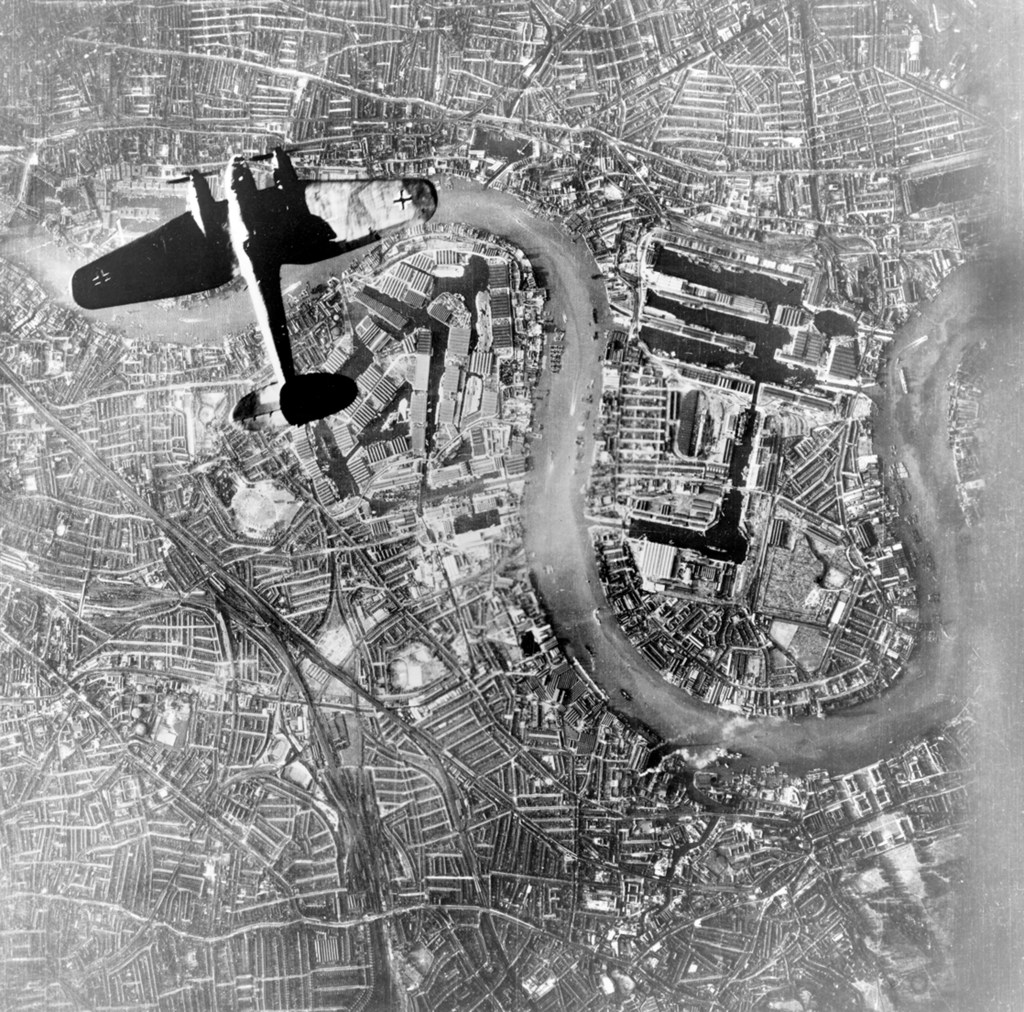


Jumping forward to the year 1945, England found itself at a pivotal moment in history, marked by the culmination of World War II and the beginning of a new era of reconstruction and recovery. The war had profoundly shaped every aspect of life in the country, leaving an indelible impact on society, politics, and culture.
King George VI continued to reign as the monarch of England, supported by Queen Elizabeth (later known as the Queen Mother). The royal family played a symbolic role throughout the war, providing morale and support to the nation amidst the hardships and uncertainties of conflict. Their steadfast presence and resilience in the face of adversity garnered widespread respect and admiration.
In politics, Winston Churchill, who had served as Prime Minister since 1940, led the country through the final stages of the war. His leadership during Britain's darkest hours earned him a place in history as one of the nation's most revered wartime leaders. However, as victory in Europe was secured in May 1945, Churchill faced the general election on July 5th with the Conservative Party. Despite his wartime popularity, the Labour Party, led by Clement Attlee, won a landslide victory, marking a significant political shift. Attlee became the new Prime Minister, ushering in a period of post-war reconstruction and social reform under a Labour government.
The war years had left an imprint on British society, influencing everything from fashion to daily life. During the war, austerity measures had necessitated rationing of food, clothing, and other goods. The end of hostilities in 1945 brought hopes of a return to normalcy, yet rationing persisted well into the post-war years due to ongoing economic constraints. Fashion reflected these challenges, with utilitarian styles dominating due to fabric shortages and the continued influence of wartime practicality.
Energy and transportation sectors faced challenges in the immediate aftermath of the war. London, like other urban centers, had endured significant damage from bombings, necessitating extensive reconstruction efforts. The city's infrastructure, including transport networks and utilities, required rebuilding to meet the demands of a recovering economy and growing population.
Food shortages continued to be a concern in 1945, despite the eventual easing of rationing restrictions. The government's focus on rebuilding the economy and improving living conditions meant that access to essentials remained a priority. The introduction of the Welfare State under Labour's government aimed to address social inequalities and provide a safety net for those affected by wartime hardships.
Historically, 1945 was a year of profound change and transition for England. The end of World War II brought relief and celebration, tempered by the immense human cost and the challenges of rebuilding shattered lives and communities. The establishment of the United Nations in October 1945 signaled a commitment to international cooperation and peace, marking a new chapter in global diplomacy.
Culturally, England in 1945 was poised for renewal. The arts flourished, with a renewed sense of creativity and expression emerging from the shadows of war. Literature, theater, and music reflected the collective experiences of a nation scarred by conflict yet determined to forge a brighter future.
 Despite the war being over Lily and her remaining family thrown into the depths of sorrow when Lilly’s brother, 70-year-old, retired, surveyor, and auctioneer, Percy Sidney Willats, died on Thursday the 25th of October 1945, at his home, Number 4, Crescent Road, Hornsey, Middlesex, England.
Percy died from Myocardial Degeneration.
His son Sidney Richard Willats, of Number 8, Elvendon Road, Palmers Green, was present and registered his father Percy’s death on the same day, Thursday the 25th of October 1945, in Edmonton.

Myocardial degeneration refers to the progressive deterioration or weakening of the heart muscle (myocardium), which can impair the heart's ability to pump blood effectively. This condition can result from various underlying causes and can lead to significant cardiovascular complications.
Historically, myocardial degeneration was recognized as a clinical entity through observations of patients presenting with symptoms such as fatigue, shortness of breath, chest pain, and edema. These symptoms were often associated with conditions such as coronary artery disease, hypertension, valvular heart disease, or cardiomyopathies, all of which can contribute to myocardial degeneration over time.
The understanding of myocardial degeneration has evolved significantly with advancements in medical knowledge and diagnostic techniques. In the early 20th century, the advent of electrocardiography (ECG) allowed clinicians to detect abnormalities in the electrical activity of the heart associated with myocardial damage or ischemia. This diagnostic tool provided insights into the underlying mechanisms of myocardial degeneration and helped guide treatment strategies.
Histopathological studies and advancements in imaging modalities such as echocardiography, cardiac MRI, and nuclear imaging have further elucidated the structural changes occurring in the myocardium during degeneration. These technologies enable clinicians to assess myocardial function, detect abnormalities, and monitor disease progression over time.
Treatment of myocardial degeneration aims to address the underlying causes, manage symptoms, and prevent complications such as heart failure, arrhythmias, or sudden cardiac death. Therapeutic strategies may include medications to reduce blood pressure, control cholesterol levels, manage heart rhythm abnormalities, and improve heart function. In cases of severe myocardial degeneration, interventions such as coronary artery bypass grafting (CABG), angioplasty with stent placement, implantation of pacemakers or implantable cardioverter-defibrillators (ICDs), or even heart transplantation may be necessary.
Research into myocardial degeneration continues to explore novel therapeutic approaches, including regenerative medicine techniques aimed at repairing or replacing damaged myocardial tissue. These efforts underscore the ongoing commitment to improving outcomes and quality of life for individuals affected by myocardial degeneration, emphasising the importance of early diagnosis, multidisciplinary care, and lifestyle modifications in managing this complex cardiovascular condition.
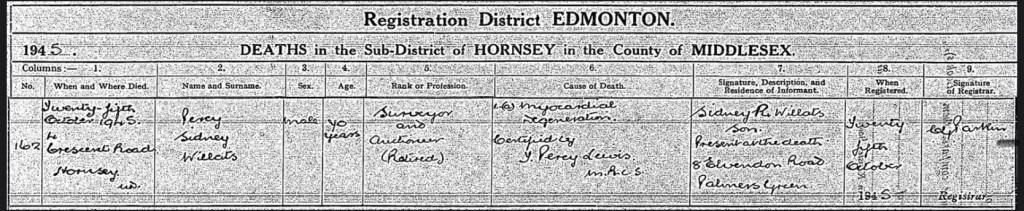
Percy Sidney Willats was laid to rest on Monday the 29th of October 1945, at Abney Park Cemetery, 215 Stoke Newington High Street, Stoke Newington, London, England, N16 0LH, in Grave 092431, plot section D06, Index 8S06. He was buried s mum Eliza Willats nee Cameron, his dad Richard, his brother William George and nephew Francis Paul Willats.

And Lilly’s heart shattered when her beloved husband 71-year-old, retired Commercial Clark George Campbell Ferris, sadly passed away on Tuesday the 11th of December 1945, at Number 2 Nelson Road, Hornsey, Edmonton, Middlesex, England.
George died from Cerebral Haemorrhage and Chronic (?) Bronchitis.
J. L. Monuington, of 87 Westfield Road, Hornsey, causing the body to be buried, registered his death on Thursday the 13th of December 1945. I have never seen any other certificate worded like this, it's very strange. I am still searching for his burial.
Cerebral hemorrhage and chronic bronchitis are distinct medical conditions affecting different parts of the body with potentially serious implications.
Cerebral hemorrhage, also known as intracerebral hemorrhage, occurs when a blood vessel within the brain ruptures and bleeds into the surrounding brain tissue. This bleeding can compress nearby brain cells, leading to neurological symptoms such as severe headache, nausea, vomiting, weakness or numbness in the face, arm, or leg, difficulty speaking, and loss of consciousness. The severity of symptoms depends on the location and size of the bleed. Common causes include high blood pressure (hypertension), trauma, arteriovenous malformations (abnormal tangles of blood vessels), aneurysms (weak spots in blood vessel walls), and certain blood-thinning medications. Prompt medical attention is crucial to diagnose cerebral hemorrhage, often through imaging tests such as CT scans or MRI, and to stabilize the patient's condition. Treatment may involve medications to control blood pressure, surgery to relieve pressure on the brain, or other interventions depending on the specific cause and severity.
Chronic bronchitis is a type of chronic obstructive pulmonary disease (COPD) characterized by inflammation and irritation of the bronchial tubes (airways) in the lungs. This inflammation leads to a persistent cough that produces mucus (sputum) for at least three months in two consecutive years. Symptoms of chronic bronchitis also include shortness of breath, wheezing, chest tightness, and fatigue. The primary cause is usually cigarette smoking or exposure to other lung irritants such as air pollution, chemical fumes, or dust. Over time, chronic bronchitis can lead to narrowing and scarring of the airways, making breathing progressively more difficult. Diagnosis is based on symptoms, medical history, and lung function tests (spirometry). Treatment focuses on relieving symptoms and slowing disease progression, often involving medications such as bronchodilators and inhaled steroids, pulmonary rehabilitation, oxygen therapy, and lifestyle changes such as smoking cessation. In severe cases, surgical interventions or lung transplantation may be considered.

Heartbreakingly Lilly was soon to be reunited with her husband.
Widow of George Ferris, a first accountant Clark (retired), 80-year-old Lily Jenny Ferris nee Neilson formally Willats, of Number 2, Nelson Road, Hornsey, Middlesex, England, sadly passed away on Saturday the 1st of February 1947, at Number 9, Hampstead Lane, Hornsey, Middlesex, England. Lily died from Coronary Thrombosis and Serial Myocarditis.
Her niece - Champion of Number 120 Palmerston Road, Bowes Park, registered Lily's death on Monday the 3rd of February, 1947.
Coronary thrombosis and myocarditis are both serious cardiovascular conditions, albeit distinct in their pathophysiology and clinical presentations.
Coronary thrombosis, also known as coronary artery thrombosis or myocardial infarction (heart attack), occurs when a blood clot forms in one of the coronary arteries, which supply oxygen-rich blood to the heart muscle. This clot typically forms on a background of atherosclerosis, where the arteries are narrowed due to plaque buildup. When a clot occludes a coronary artery, it obstructs blood flow to a part of the heart muscle, leading to ischemia (lack of oxygen). This can cause chest pain (angina) or, if prolonged and severe, myocardial infarction (heart attack), which results in damage to the heart muscle.
The risk factors for coronary thrombosis include hypertension, diabetes, high cholesterol levels, smoking, sedentary lifestyle, and a family history of cardiovascular disease. Prompt treatment is crucial and often involves medications to dissolve the clot (thrombolytics), procedures like angioplasty with stent placement to reopen the artery, and lifestyle modifications to reduce risk factors.
On the other hand, myocarditis refers to inflammation of the heart muscle (myocardium). It can be caused by viral infections (such as Coxsackievirus, adenovirus, or SARS-CoV-2), bacterial or fungal infections, autoimmune diseases, certain medications, or toxins. The inflammation can weaken the heart muscle, impairing its ability to pump blood effectively. Symptoms of myocarditis vary widely and can include chest pain, shortness of breath, fatigue, and palpitations. In severe cases, myocarditis can lead to heart failure, arrhythmias, or sudden cardiac death.
Diagnosis of myocarditis typically involves a combination of clinical evaluation, blood tests (to detect markers of inflammation or viral presence), electrocardiogram (ECG), echocardiogram (ultrasound of the heart), and sometimes cardiac MRI or endomyocardial biopsy for definitive diagnosis.
Treatment depends on the underlying cause and severity of myocarditis. Mild cases may resolve on their own or with supportive care, while severe cases may require medications to reduce inflammation, manage symptoms, and support heart function. In autoimmune myocarditis, immunosuppressive therapy may be necessary.

Hampstead Lane, located in the neighborhood of Highgate, London, is steeped in history and rich in character, offering a blend of natural beauty, architectural charm, and cultural significance. Situated within the London Borough of Camden, Highgate itself has a long and storied past dating back centuries.
The history of Hampstead Lane is closely intertwined with the development of Highgate as a suburban retreat for London's affluent residents. Originally part of the ancient woodland of the Bishop of London's hunting estate, Highgate began to attract wealthy Londoners seeking respite from the city's hustle and bustle in the 17th and 18th centuries. Hampstead Lane served as one of the main thoroughfares through this picturesque and tranquil landscape.
During the 19th century, Highgate experienced significant residential development, particularly along Hampstead Lane and its surrounding areas. The expansion was driven by the construction of new roads and improved transport links, including the arrival of the railways. Victorian and Edwardian architecture flourished, with large, elegant houses and villas lining the leafy streets.
The natural beauty of Hampstead Lane and its surroundings became a draw for artists, writers, and intellectuals. Highgate's hilly terrain, dotted with ancient woods and panoramic views of London, inspired creativity and reflection. The area's literary connections include the poet Samuel Taylor Coleridge, who lived in Highgate in the early 19th century, as well as the poet and novelist Sylvia Plath, who resided in the neighborhood in the mid-20th century.
Highgate Cemetery, located near Hampstead Lane, is one of London's most famous burial grounds and a testament to the area's historical and cultural significance. Opened in 1839, the cemetery became a fashionable burial place for Victorian London's elite, housing elaborate tombs and mausoleums amidst landscaped gardens. It remains a popular destination for visitors seeking to explore its Gothic architecture, natural beauty, and the final resting places of notable figures such as Karl Marx, George Eliot, and Douglas Adams.
The community along Hampstead Lane has evolved over the years, maintaining its reputation as a desirable residential area while adapting to changing times. The conservation of green spaces and architectural heritage remains a priority, ensuring that the area retains its distinctive character and appeal.
Today, Hampstead Lane and Highgate continue to attract residents and visitors alike with their unique blend of history, natural beauty, and cultural vibrancy. The area's proximity to Hampstead Heath, one of London's largest and most beloved green spaces, enhances its appeal, offering opportunities for recreation and relaxation amidst an urban setting.
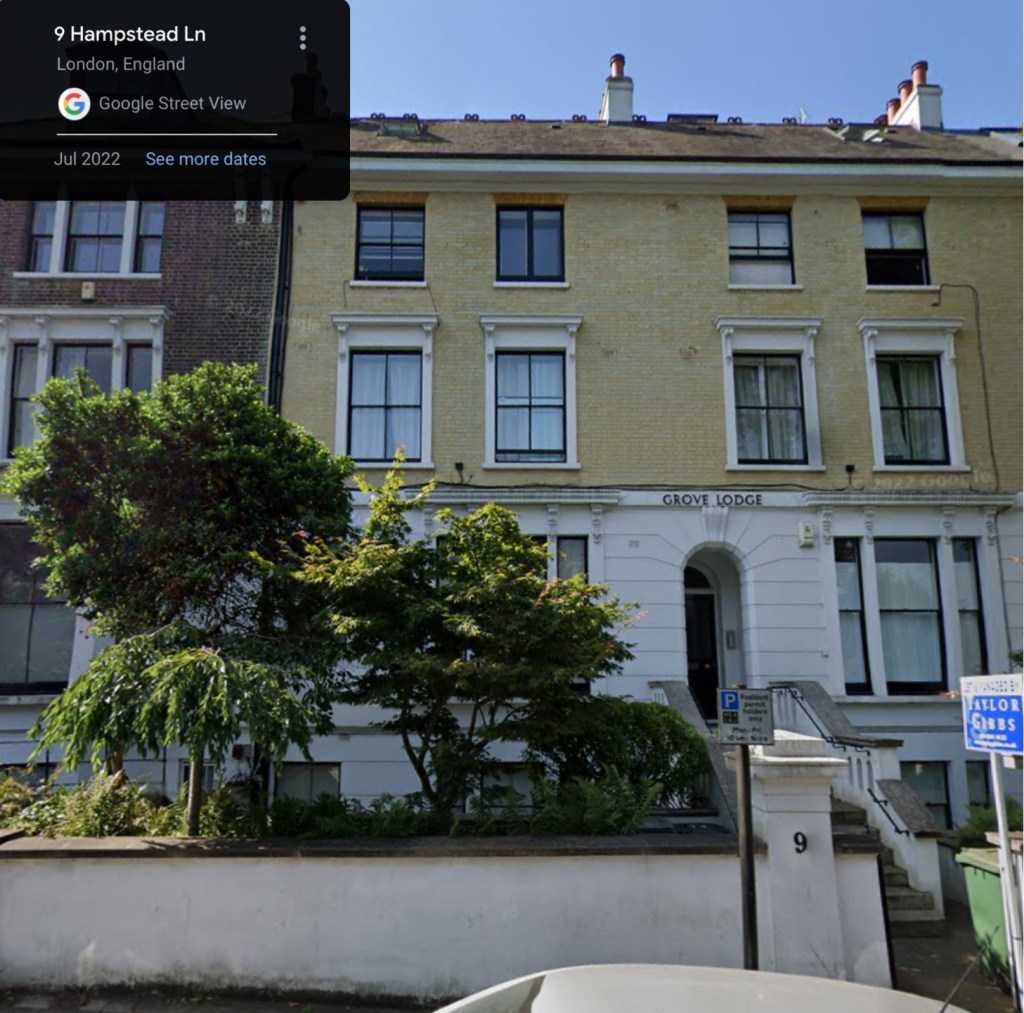
Lilly, was laid to rest on Monday the 10th of February 1947 at Abney Park Cemetery, 215 Stoke Newington High Street, Stoke Newington, London, England, N16 0LH, in an open grave, grave number 1732200 possibly renumbered as 63200, Plot section, NO5, with 30 others, Alice Wilson, Elizabeth Harriet Westlake, Jesse Lax, Arthur Charles Chamberlain, Sarah Susannah Steel, Edward Francis Milam, Daisy Annie Cullum, James Franks, Ellen Perkins, Charles Henry Woods, William Leańard Davey, May - Alias Ham, Martha Ham, Beatrice May Tuckwell, Mary Ann Brooks, Charlotte Ellen Grover, Mary Swift, Jessie Josephine Underwood, Spencer Lee Shotter, Willian John Dunsdon, Êmma Brazier, Vera Eleanor Brooks, Agnes Henrietta Hyàm, Alice Mary Herbert, Ernest Victor Carey, Stillborn Powers, William Francis Coote, Caroline Eliza Stephenson, and Alfred Ernest Houlden.


Lilly's life from 1865 to 1947 would have witnessed profound changes across various aspects of society, economy, politics, and culture.
In the late 19th century, England was transitioning from an agrarian economy to an industrial powerhouse. Cities like London, Manchester, and Birmingham were growing rapidly due to industrialization, with factories springing up and drawing people from rural areas seeking work. This period saw the rise of coal mining, textile manufacturing, and iron production, contributing to economic growth but also to poor working conditions and urban overcrowding.
Socially, the Victorian era (1837-1901) emphasized strict moral values and a rigid class structure. However, movements for social reform gained momentum, such as campaigns for workers' rights, public health reforms, and the early women's suffrage movement. The Representation of the People Act in 1918 gave some women over 30 the right to vote, marking a significant step towards gender equality.
The turn of the 20th century brought technological advancements that further transformed daily life. The spread of electricity, improvements in transportation (such as the expansion of railways), and the advent of mass-produced goods made life more convenient for many, while also deepening disparities between urban and rural areas.
England's involvement in World War I (1914-1918) had a profound impact, causing immense loss of life and economic disruption. The war accelerated changes in society, including increased opportunities for women in the workforce as men went to fight. The interwar period saw economic challenges, but also cultural flourishing, known as the "Roaring Twenties," characterized by jazz, cinema, and the arts.
The Great Depression of the 1930s hit England hard, leading to widespread unemployment and social hardship. Government responses included public works programs and social welfare reforms aimed at mitigating the impact on vulnerable populations.
World War II (1939-1945) brought further devastation and transformation. England endured the Blitz, intensive bombings by Nazi Germany targeting cities like London, causing significant destruction and loss of life. The war effort spurred industrial production and technological innovation, including advancements in radar technology and code-breaking (e.g., Bletchley Park).
Post-war reconstruction and the establishment of the welfare state under the Labour government marked a new chapter. The National Health Service (NHS) was founded in 1948, providing free healthcare for all, symbolizing a commitment to social justice and public welfare.
Culturally, England experienced a renaissance in literature with figures like Virginia Woolf, George Orwell, and T.S. Eliot. Art movements such as Bloomsbury Group and the rise of modernist architecture reshaped urban landscapes.
By the time of Lilly's death in 1947, England had undergone tremendous change from the Victorian era to a modern, industrialized society with expanded social rights, technological progress, and cultural dynamism. Her life thus spanned an era of immense transformation, witnessing both the challenges and achievements that shaped modern England.
As we come to the conclusion of Lilly Jenny Willats' journey, spanning the turbulent years of the early 20th century, we are reminded that life is a tapestry woven with threads of joy and sorrow, resilience and hope. Lilly's story, shaped by loss, hardship, and the tumult of war, ultimately reflects the enduring power of love and the indomitable spirit of the human heart.
From her beginnings as the eighth child of Richard and Eliza Willats in bustling London, to the devastating loss of her husband William to illness amidst the chaos of World War I, Lilly's path was fraught with challenges. Yet, through it all, she exemplified strength and perseverance, navigating life's darkest days with grace and determination.
In the depths of grief, Lilly found solace and renewed love, embarking on a new chapter as a bride amidst the backdrop of war. Her marriage, a testament to resilience and hope, symbolizes the triumph of love over adversity. It is a reminder that even amidst life's toughest moments, there is always the possibility of a happy ending, of new beginnings forged from the ashes of loss.
Lilly's journey teaches us that while hardships may test our resolve, they also have the power to reveal the depths of our courage and the strength of our bonds. Her story resonates across time, reminding us that love can indeed conquer all, that through steadfastness and faith, we can weather life's storms and emerge stronger, wiser, and more grateful for the moments of joy that illuminate our path.
As we bid farewell to Lilly, let us carry forward her legacy of resilience and hope. May her life inspire us to cherish every moment, to embrace love in all its forms, and to believe in the transformative power of courage and perseverance.
For in the end, it is love that sustains us, that lights our way through the darkest of days, and that ultimately leads us to our own happy endings. ❤️

Until next time,
Toodle pip,
Yours Lainey.
🦋🦋🦋
I have brought and paid for all certificates,

Please do not download or use them without my permission.

All you have to do is ask.

Thank you.
 Intwined