Welcome back to "The Life Of," where we embark on a journey through the lives of extraordinary individuals who have left an indelible mark on history. In this installment, we rejoin the captivating narrative of May Champion, née Willats (1874-1934), my 4th Great Grandaunt. Part 2 of our series, "Until Death Do Us Part," delves deeper into the remarkable tale of this enigmatic woman whose life spanned the turn of the 20th century.
May’s story is a narrative that resonates across generations and invites us to reflect on the complexities of the human experience. As we continue to unravel the threads of her life, we uncover a tapestry woven with both triumphs and tribulations, joys and sorrows.
From the quaint streets of her Victorian-era upbringing to the tumultuous landscape of early 20th-century society, May navigated a world in flux with grace and fortitude. Her journey is not just a personal odyssey but a mirror reflecting the broader social, cultural, and political currents of her time.
In this installment, we delve deeper into May's life, and the challenges she faced as she sought to carve out her place in a rapidly changing world. Through meticulous research and hopefully heartfelt storytelling, we endeavor to capture the essence of May, a woman whose spirit continues to inspire and intrigue.
So, dear reader, join us once again as we journey through the annals of history, tracing the footsteps of May, unraveling the mysteries of her life. Welcome to Part 2 of her forgotten life, "Until Death Do Us Part."
The Life Of, May Willats,
1874-1934,
Part 2,
Until Death Do Us Part.
Welcome back to 1903 London, England. Stepping into the heart of the city at the turn of the 20th century, one is enveloped by a world of contrasts and complexities, where the echoes of Victorian tradition mingle with the dawn of modernity.
Social structure in London of 1903 was rigidly stratified, with a clear hierarchy defining one's place in society. At the zenith were the aristocracy and upper classes, ensconced in opulent mansions and exclusive clubs, while beneath them, the middle classes aspired to climb the social ladder. Meanwhile, the working classes labored in factories and slums, grappling with poverty and hardship.
Gossip thrived in the social circles of London's elite, with scandalous affairs and political intrigues fueling idle chatter and dominating society pages. While the wealthy flaunted their riches through lavish homes and extravagant parties, much of the city's population lived in squalid conditions, struggling to make ends meet in the East End slums.
The atmosphere of 1903 London was dynamic and vibrant, as the city buzzed with the hustle and bustle of progress and innovation. Electric trams and underground railways transformed urban mobility, while horse-drawn carriages still traversed the streets alongside the latest automobiles.
Travel underwent a revolution with the rise of steam trains and electric trams, providing connections within the city and beyond. Leisurely rides through Hyde Park or along the Thames were a popular pastime for the affluent, while steam trains facilitated trade and colonial expansion.
Fashion played a significant role in defining social status, with the elite donning elaborate gowns and tailored suits as symbols of sophistication and wealth. Working-class attire, in contrast, was practical and utilitarian, reflecting the realities of laborious lifestyles.
The olfactory experience of 1903 London was a rich tapestry of scents, from fragrant blooms in the parks to the pungent aroma of horse manure on the streets. Smoke from factory chimneys mingled with the savory smells of street vendors' wares, creating a sensory mosaic of urban life.
For women, life in 1903 London was marked by significant challenges and restrictions. Despite strides in the suffrage movement, they were largely excluded from politics and formal education, confined to domestic roles and faced with limited opportunities for advancement.
Historical events of 1903 shaped the city's landscape and psyche. The conclusion of the Boer War in South Africa influenced public attitudes towards imperialism, while the suffrage movement gained momentum, advocating for women's rights and social reform. The opening of the first London Underground electric railway line heralded a new era of mass transit, symbolizing the city's embrace of progress and modernity.
Newly wed May's life in 1903 London would have been deeply influenced by societal norms and expectations surrounding marriage and gender roles. As a newly married woman, she would have embarked on a journey fraught with both excitement and trepidation, navigating the complexities of married life in a society governed by tradition and propriety.
May's daily routine would have revolved primarily around her domestic duties as a wife and homemaker. She would have risen early each morning to attend to household chores, overseeing the cleaning, cooking, and maintenance of her home. From preparing meals to managing household finances, May would have shouldered the responsibilities of running a household with grace and efficiency.
In addition to her home duties, May would have been expected to fulfill her role as a supportive and dutiful wife to her husband. This might have included providing emotional support, attending social functions and gatherings alongside her husband, and actively participating in his interests and endeavors.
The pressure to conceive a child would have weighed heavily on May, as motherhood was considered a fundamental aspect of a woman's identity and purpose in Victorian society. She would have faced societal expectations to bear children soon after marriage, with her worth often measured by her ability to produce heirs to carry on the family name.
Social expectations for May would have been shaped by her status as a married woman, with adherence to propriety and decorum paramount. She would have been expected to conduct herself with modesty and respectability in public, adhering to the strict codes of conduct governing Victorian etiquette.
Daily fashion for May would have reflected the prevailing styles of the time, characterized by modesty and elegance. She would have worn long skirts, high-necked blouses, and tailored jackets, accessorized with gloves, hats, and parasols to shield her delicate complexion from the sun.
May's household would have consisted of hearty, home-cooked meals made from locally sourced ingredients. Breakfast might have included porridge, eggs, and toast, while dinner could feature roast meats, vegetables, and puddings. Afternoon tea would have been a cherished ritual, with May indulging in cakes, sandwiches, and tea served in fine china.

As May settled into her new life as a married woman, May’s brother, 26-year-old bachelor, surveyor, Frederick Howard Willats, married 24-year-old spinster Maud May Beach, on Saturday the 19th of September 1903, at St. John’s Church, Highbury Vale, Islington, London, England. Frederick gave his abode as, 27 Kings Road and Maud graves hers as, 16 Orchard Road, St. Margarets on Thames. They gave their fathers names and occupations, as Richard Henry Willats, estate agent, and Walter Beach (deceased), a Gentleman. Their witnesses were her brother, Persey Sidney Willats and his niece, Amina Eliza Catherine Charlton.

It wasn’t long before May’s role as a doting wife, change forever, as May and George’s first born son, Philip Frederick Champion was born on Tuesday the 2nd of February 1904, at their home, Number 27 Kings Road, Stoke Newington, Middlesex, England. Philips's father George registered his birth on Wednesday the 4th of March 1904 in Hackney. George gave his occupation as an artificial florist and their abode as, 27 Kings Road, Stoke Newington.

Kings Road in Stoke Newington, Middlesex, has a history that is deeply embedded in the broader narrative of Stoke Newington and its development over the centuries. Stoke Newington itself, located in the north of London, has a rich history dating back to medieval times. The area was mentioned in the Domesday Book of 1086 as "Newington," indicating its long-standing presence in the region.
In the early modern period, Stoke Newington was a rural village characterized by open fields and farmland. By the 17th and 18th centuries, it became a popular retreat for wealthy Londoners seeking refuge from the city's bustle. The construction of grand houses and estates during this period reflects its status as a desirable residential area.
The transformation of Kings Road and its surroundings began in earnest in the 19th century, paralleling the urbanization and expansion of London. The arrival of the railway in the mid-19th century accelerated Stoke Newington's development, making it more accessible to the growing middle class. This period saw the construction of many residential streets, including Kings Road, which featured the Victorian terraced houses typical of the era.
The Victorian houses on Kings Road were designed to cater to the burgeoning middle class, with architectural features that included ornate facades, bay windows, and decorative brickwork. These homes provided comfortable living spaces and reflected the prosperity and social aspirations of their inhabitants.
The early 20th century brought further changes to Kings Road and Stoke Newington. The area continued to grow as part of London's suburban expansion, attracting a diverse population. The interwar period and post-World War II years saw additional housing developments and the modernization of existing structures. During World War II, Stoke Newington, like much of London, was affected by bombing raids, leading to some destruction and subsequent rebuilding efforts in the post-war period.
In the latter half of the 20th century, Stoke Newington, including Kings Road, experienced demographic shifts and urban renewal. The area became known for its cultural diversity, with an influx of immigrants contributing to a vibrant, multicultural community. The 1980s and 1990s saw significant gentrification, as young professionals and artists were drawn to Stoke Newington's unique character and proximity to central London.
Today, Kings Road remains a residential street that reflects its historical roots while accommodating modern living. The Victorian terraced houses have been preserved and often updated with contemporary amenities. The street is part of a thriving community that benefits from the amenities of Stoke Newington, including parks, independent shops, cafes, and schools.
Stoke Newington itself has retained much of its historic charm, with landmarks such as the Stoke Newington Church Street and Clissold Park providing a sense of continuity with the past. The area's reputation for being a lively and eclectic part of London continues to attract a diverse population, contributing to its dynamic and inclusive atmosphere.
Kings Road, like the broader Stoke Newington area, exemplifies the layers of history and transformation that characterize much of London's urban landscape. From its rural beginnings to its current status as a desirable residential street, Kings Road's history reflects the broader trends of urbanization, demographic change, and cultural diversity that have shaped Stoke Newington over the centuries.
For a first-time mother in 1904 England, the experience would have been both joyous and daunting, marked by a mixture of emotions ranging from elation to anxiety. The arrival of a new baby would have been a momentous occasion, bringing with it a sense of wonder and responsibility.
Expectations for first-time mothers in 1904 were deeply ingrained in societal norms and cultural traditions. Mothers were expected to prioritize the care and well-being of their newborns above all else, devoting themselves wholeheartedly to their role as nurturers and caregivers. There was immense pressure to adhere to rigid standards of motherhood, with societal expectations dictating everything from feeding practices to infant care routines.
Feeding practices for newborns in 1904 England would have varied depending on factors such as socio-economic status and personal beliefs. While breastfeeding was widely regarded as the ideal method of nourishment, some mothers may have turned to alternative options such as wet nursing or the use of infant formula. Regardless of the chosen method, the act of feeding would have been a central aspect of the mother-infant bond, fostering a sense of closeness and intimacy.
Clothing for infant's would have been practical and modest, reflecting the prevailing fashion trends of the time. Newborns would have been swaddled in soft, lightweight fabrics such as muslin or linen, with garments designed to provide warmth and comfort without restricting movement. Delicate bonnets and booties would have adorned their tiny heads and feet, protecting them from the elements and adding a touch of charm to their attire.
Bathing practices for infants in 1904 would have been simple and utilitarian, with mothers using a basin or tub filled with warm water to gently cleanse their baby's delicate skin. Bathing would have been seen as an essential part of infant care, helping to promote hygiene and cleanliness while soothing the baby's senses.
Emotionally, first-time mothers in 1904 England would have experienced a wide range of feelings as they navigated the challenges of parenthood. From the overwhelming love and joy of bonding with their newborn to the anxieties and uncertainties that inevitably accompanied the responsibility of caring for a vulnerable infant, mothers would have relied on their instincts and support networks to navigate the complexities of motherhood.
As they embarked on this new chapter of their lives, mothers would have embraced the joys and challenges of parenthood with courage, resilience, and unconditional love.
May and George baptised their son Philip Frederick Champion on the 5th March 1904, at St. John Church, Highbury Park, Islington, England. George’s occupation was given as artificial florist and their abode as Number 27 Kings Road.

In 1904 England, baptisms and christenings held significant cultural and religious importance within the community. These ceremonies were deeply rooted in tradition and were considered a pivotal milestone in the life of a child.
Baptisms were typically conducted within the Christian faith, marking the formal initiation of a child into the church community. The ceremony was often held shortly after birth, although some families chose to delay it until the child was a few months old. The primary purpose of baptism was to cleanse the child of original sin and to symbolize their acceptance into the Christian faith.
Christenings, on the other hand, were often used interchangeably with baptisms, although the term "christening" specifically referred to the act of naming the child. During the christening ceremony, the child's name was formally announced, often in the presence of family members, friends, and members of the congregation.
The baptism or christening ceremony itself would typically take place within the confines of a church, with the child being brought forward by their parents or godparents to receive the sacrament. The officiating clergy would then perform the ritual, which usually involved the sprinkling or immersion of the child in water, accompanied by prayers and blessings.
Godparents played a significant role in the baptism or christening process, serving as spiritual guides and mentors to the child throughout their life. They were typically chosen by the child's parents and were responsible for assisting in the child's religious upbringing and moral development.
Following the ceremony, it was customary for families to celebrate the occasion with a gathering or reception, where friends and relatives would come together to offer their congratulations and blessings to the child and their family. This often involved feasting, socializing, and the exchange of gifts and tokens of affection.
Overall, baptisms and christenings in 1904 England were cherished traditions that served to strengthen bonds within the community and reaffirm the religious identity of the child. These ceremonies marked the beginning of the child's spiritual journey and were a cause for celebration and joyous reflection for all involved.


May and George Champion's second son, Richard John Champion was born on Saturday the 15th of April 1905, at 27 Kings Road, Stoke Newington, Middlesex, England. Richard’s father George registered his birth on Friday the 26th of May 1905 in Hackney. George gave his occupation as a Surveyors Clark and their abode as, 27 Kings Road, Stoke Newington.

May and George baptized Richard John Champion on the 18th June 1905, at St. John Church, Highbury Park, Islington, England. George’s occupation, was given as surveyor and their abode as Number 27 Kings Road.

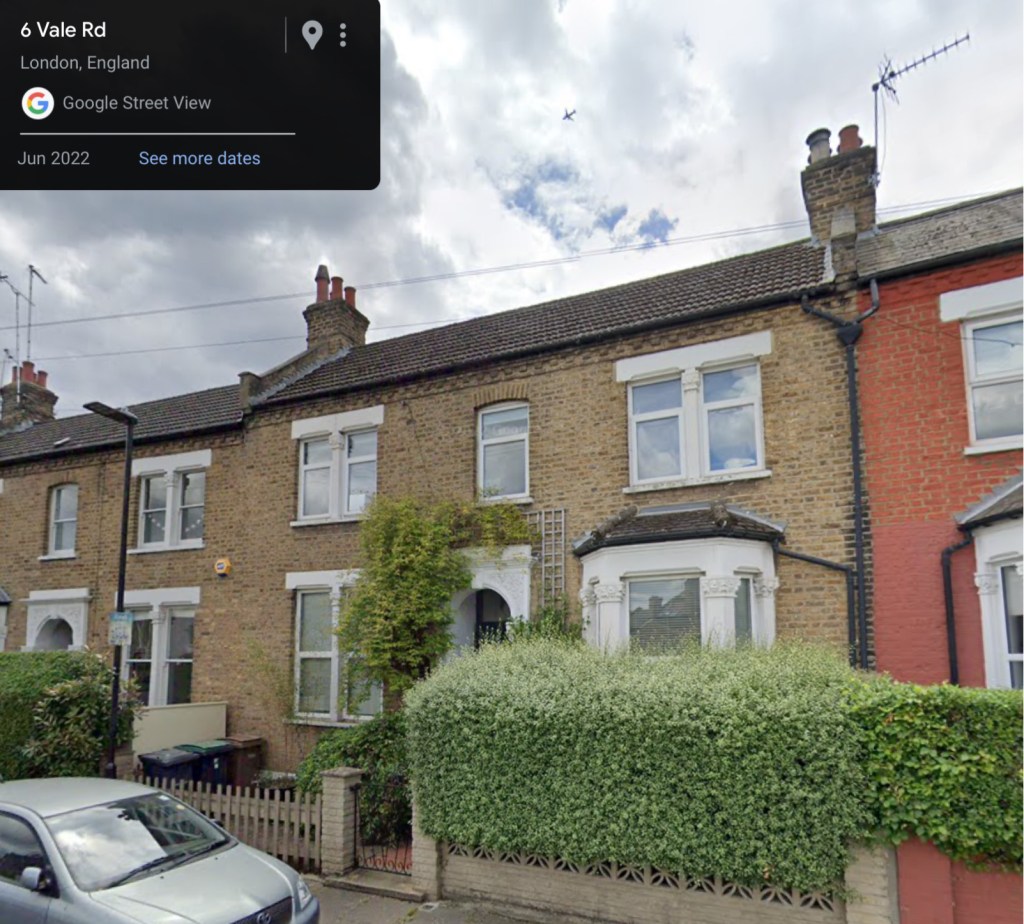
A few short years later, May and George Champion's third son, George David Walter Champion, was born on Thursday the 17th of October 1907, at their home, Number 6, Vale Road, Tottenham, Edmonton, London, England.
George’s father George registered his birth on Tuesday the 26th of November 1907 in Edmonton. George gave his occupation as a Rent Collector and their abode as, Number 6 Vale Road, Tottenham.

Vale Road, situated in the Tottenham area of Edmonton, London, has a history deeply rooted in the development of the city and its social fabric. Originally part of the ancient parish of Tottenham, the area began to see significant growth and change during the Industrial Revolution. Tottenham itself transformed from a rural area into a bustling suburb as London expanded rapidly in the 19th century.
Vale Road, like many streets in Tottenham, started as a residential area catering to the working-class population that served the expanding industries of London. The architecture of the street reflects this period, with rows of Victorian and Edwardian terraced houses lining its sides. These homes were often built to accommodate families working in nearby factories, warehouses, and later, the growing transport networks.
In terms of community life, Vale Road became a focal point for local activities and interactions. Small shops, pubs, and community centers sprung up to serve the needs of the residents, contributing to a vibrant neighborhood atmosphere. The street and its surroundings were not immune to the challenges of urbanization, however. Like many parts of London, Tottenham faced periods of economic hardship, social tension, and even conflict, particularly notable during events such as the Tottenham riots of 1985 and 2011, which highlighted underlying social issues.
In recent years, Tottenham has undergone significant regeneration efforts, aimed at revitalizing its infrastructure, improving housing, and enhancing community amenities. Vale Road has seen changes reflective of these broader urban renewal projects, with efforts made to preserve its historical character while modernizing its facilities.
Today, Vale Road continues to evolve as part of Tottenham's ongoing urban narrative. Its history, marked by industrialization, community resilience, and urban transformation, serves as a microcosm of London's broader development over the past centuries. It remains a testament to the resilience of its residents and the enduring spirit of community that characterizes this dynamic part of the city.
Across the pond, May’s brother, 43-year-old, widower and salesman, Arthur Charles Willats, married 30-year-old, spinster and actress, Ruth Gadsby, on Wednesday the 17th of June 1908, at Niagara Falls, Welland, Niagara, Ontario, Canada.

A few months later, May and George baptized George Walter Champion on Wednesday the 7th of October 1908 at St. John The Evengslist, Brownwood Park, London, England. Their Abode was given as 6 Vale Road, Green Lanes and his father George occupation was given as a Collector.

St. John the Evangelist Church, located in Brownlow Road, London, is a significant landmark with a rich history that reflects the ecclesiastical and social developments of the area. Situated in the North London suburb of Bowes Park, the church has been an integral part of the community since its inception.
The church was built in the late 19th century, a period marked by rapid urban expansion and a growing need for religious and community services to cater to the burgeoning population. The foundation stone of St. John the Evangelist was laid in 1904, and the church was consecrated shortly after in 1905. The architectural design of the church is typical of the Gothic Revival style, which was popular at the time. This style is characterized by pointed arches, ribbed vaults, and flying buttresses, all aimed at creating an atmosphere of awe and reverence.
The establishment of the church was driven by the Anglican Church's mission to serve the spiritual needs of the expanding suburban population in London. The area around Brownlow Road was developing rapidly, with new housing estates being built to accommodate the influx of residents. St. John the Evangelist quickly became a central part of the community, providing not only religious services but also a place for social gathering and support.
Throughout its history, St. John the Evangelist has been a focal point for various community activities and services. It has hosted numerous events, from baptisms and weddings to community meetings and charitable activities. The church's role has evolved with the times, adapting to the changing needs of its congregation and the wider community.
During both World Wars, the church played a crucial role in supporting the local population. It provided a space for solace and prayer, and its members were active in various forms of wartime support, from organizing aid to offering spiritual comfort to those affected by the conflicts.
In recent decades, St. John the Evangelist has continued to serve its community amidst the diverse and multicultural backdrop of modern London. The church has embraced a range of community outreach programs, including support for the homeless, food banks, and activities aimed at fostering community spirit and cohesion. Its services have adapted to reflect contemporary issues, addressing social justice, inclusivity, and community welfare.
Architecturally, the church has undergone various renovations and restorations to preserve its historical integrity while ensuring it meets the needs of its modern congregation. The building stands as a testament to the enduring legacy of Gothic Revival architecture and the lasting impact of the Anglican Church on London's suburban communities.
Today, St. John the Evangelist in Brownlow Road remains a vibrant and active parish, continuing to fulfill its mission of spiritual guidance and community service. It stands as a historical landmark and a beacon of community life in Bowes Park, embodying over a century of social and spiritual history in North London.

The following year May’s brother, 33-year-old, bachelor, Percy Sidney Willats, married 25-year-old, spinster, Sophie Ann Smart on Saturday the 24th of July 1909 at The Register Office, Edmonton, Middlesex, England. Their witnesses were, E. P. Willats and J H Champion. Percy gave his occupation as an auctioneer. They gave their abode as Number 11 The Quadrant, Winchmore Hill, Edmonton. They gave their fathers names and occupations as, Richard Henry Willats, an auctioneer and John Smart, a Market Gardener.

May’s sister, 43-year-old, widow, Lilly Jenny Neilson nee Willats, married 41-year-old, bachelor, George Campbell Ferris, on Saturday the 23rd of October 1915, at The Register Office, Islington, London, England. Lilly gave her abode as, 35, Yesbury Road and George gave his as 87 Winchester Street and his occupation as a commercial clark. Their parents were named as, George Coell Ferris a commercial traveller (deceased) and Richard Henry Willats, an Auctioneer. Their witnesses were, Claude Eayes and J E Bailie.

May’s niece, 36-year-old, Amina Eliza Kathleen Reichert sadly passed away on Sunday the 20th of October 1918, at Number 22 Brownwood Park, Stoke Newington, Hackney, London, England. Amina died from Bronchitis Pneumonia. May was present and registered Amina's death on Wednesday the 23rd of October 1918 in Hackney. She gave her abide as Number 27, Kings Road, Stoke Newington.
Amina was the wife of Albert Henry Reichert Corporal 022965 Army Ordnance Corps (Stock Exchange Cleark)

May’s Niece, Amina Eliza Kathleen Reichert nee Charlton, was laid to rest at Abney Park Cemetery, 215 Stoke Newington High Street, Stoke Newington, London, England, N16 0LH, on Saturday the 26th of October 1918, in grave 127434 possibly renumbered 17434, with Baby Crosbie, Mabel Cameron Woollet Willats, Charlotte Ellen Crosbie and Eliza Smith (Charlotte Ellen Crosbie companion)

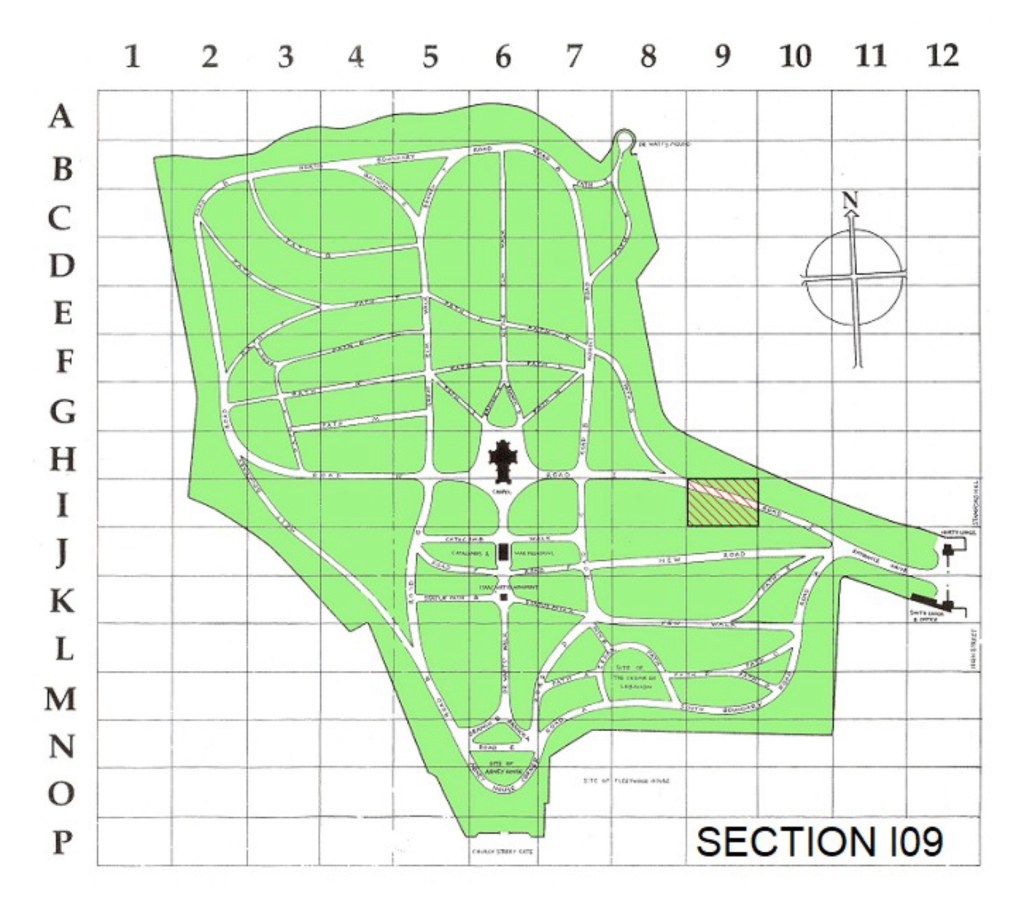
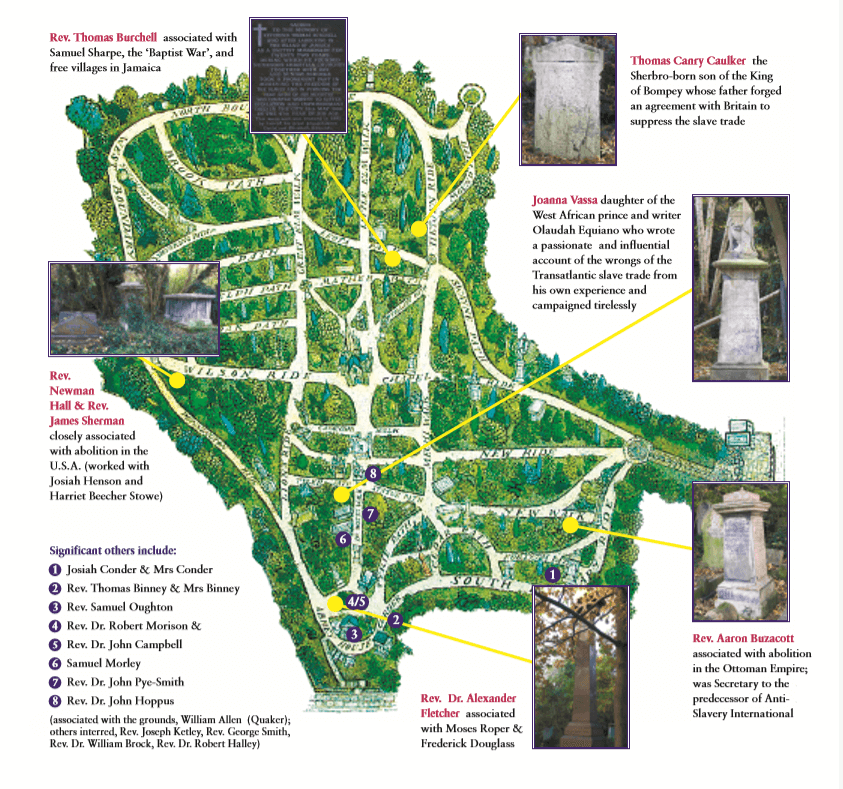
Abney Park Cemetery, located at 215 Stoke Newington High Street in Stoke Newington, London, holds a rich history as one of the "Magnificent Seven" cemeteries established during the Victorian era to address the overcrowding of existing burial grounds in the city. Founded in 1840 by the non-conformist Reverend William Lewin, Abney Park was intended to serve as a non-denominational burial ground, offering a final resting place for individuals of all religious affiliations and social backgrounds.
The cemetery's layout was designed by architect William Hosking, featuring winding paths, lush greenery, and ornate monuments that reflect the picturesque aesthetic of the Victorian garden cemetery movement. Abney Park quickly became a popular burial ground, attracting not only the affluent elite but also artists, activists, and individuals associated with various religious and social movements of the time.
One of the defining features of Abney Park Cemetery is its status as a "naturist" cemetery, where the emphasis is placed on preserving and enhancing the natural landscape. As such, the grounds are home to a diverse array of plant species, including rare and exotic trees, shrubs, and wildflowers, creating a tranquil and serene environment that serves as a haven for wildlife and a peaceful retreat for visitors.
Over the years, Abney Park Cemetery has undergone several changes, including periods of neglect and restoration efforts aimed at preserving its historic significance and natural beauty. In the late 20th century, the cemetery fell into disrepair, facing threats of redevelopment and vandalism. However, in the early 21st century, extensive restoration work was undertaken to revive the cemetery's grounds and monuments, ensuring their preservation for future generations to enjoy.
Abney Park Cemetery is also renowned for being the final resting place of numerous notable individuals from diverse fields, including literature, science, politics, and the arts. Among the famous figures buried at Abney Park are the poet and hymnwriter Isaac Watts, the social reformer William Booth (founder of the Salvation Army), and the radical journalist and suffragette Elizabeth Garrett Anderson.
Today, Abney Park Cemetery stands as a cherished cultural and historical landmark, offering a fascinating glimpse into London's past while providing a tranquil and contemplative space for visitors to explore. The cemetery's restored pathways, historic monuments, and lush greenery serve as a testament to its enduring legacy as one of the city's most significant Victorian cemeteries. Whether strolling among the tombstones, admiring the flora and fauna, or attending one of the many cultural events hosted on the grounds, visitors to Abney Park Cemetery are transported to a bygone era of beauty, tranquility, and remembrance.

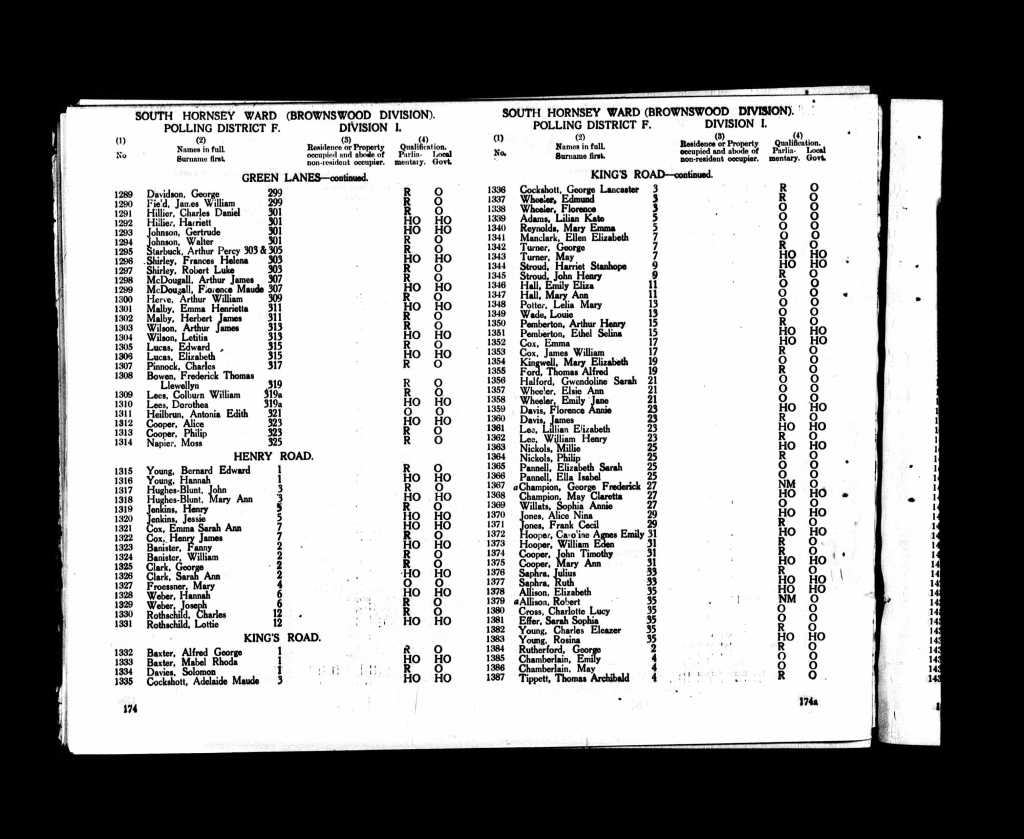
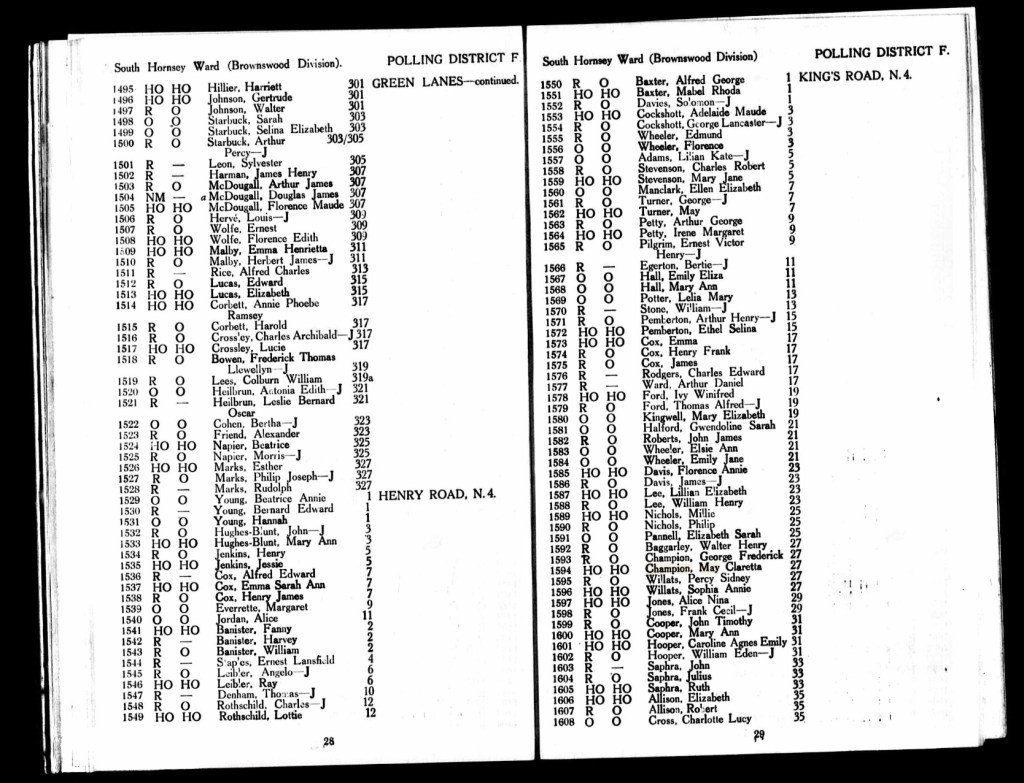
From the 1918 Electoral Register, May, her husband George and their niece Sophia Annie Willats were residing at Number 27, Kings Road, Stoke Newington, Middlesex, England, in 1918.

The Electoral Register, also known as the electoral roll, is an official list of individuals who are eligible to vote in elections and referendums. Its history and development are closely tied to the evolution of democratic systems and the expansion of suffrage.
The concept of the electoral register dates back to the 19th century in the United Kingdom, emerging alongside the gradual expansion of voting rights. Before the establishment of a formal electoral register, voting was restricted to a small segment of the population, typically landowners and those with significant property. The Reform Act of 1832 was a pivotal moment in British electoral history, broadening the franchise and introducing the need for a systematic method to record eligible voters. This Act mandated the compilation of lists of voters, laying the groundwork for the modern electoral register.
Initially, the responsibility for maintaining these lists fell to local officials, and the process was often inconsistent and subject to corruption. The Second Reform Act of 1867 further expanded the electorate, making the need for a more organized system even more pressing. The Representation of the People Act of 1884 and the subsequent Redistribution of Seats Act of 1885 brought significant changes, including the establishment of a more uniform process for registering voters and the introduction of voter registration forms.
In the early 20th century, the Representation of the People Act of 1918 marked a significant milestone by extending the vote to all men over the age of 21 and women over the age of 30 who met certain property qualifications. This Act also mandated the annual compilation of the electoral register, ensuring that voter records were regularly updated. The Equal Franchise Act of 1928 further equalized voting rights, granting suffrage to women on the same terms as men, which necessitated more comprehensive and inclusive voter registration practices.
Throughout the 20th century, the electoral register continued to evolve. The Representation of the People Act of 1948 introduced a system of continuous registration, allowing voters to be added or removed from the register throughout the year rather than just annually. This Act also introduced the concept of the "rolling register," which aimed to keep voter records up-to-date and accurate.
In the digital age, the management of the electoral register has increasingly moved online. The introduction of individual electoral registration (IER) in 2014 marked a significant change in the UK. Under IER, each voter is responsible for registering themselves, rather than relying on household registration. This shift aimed to improve the accuracy and security of the register, reducing the risk of fraud and ensuring that the register more accurately reflects the population.
The electoral register is used not only for organizing elections but also for a variety of administrative purposes. It helps to verify identity for credit checks and is used in jury service selection. Maintaining an accurate and up-to-date register is therefore essential for both the functioning of democracy and various aspects of civic administration.
And the 1919 Electoral Register, shows us, May, her husband George and their niece Sophia Annie Willats were still residing at Number 27, Kings Road, Stoke Newington, Middlesex, England, in 1919.
May’s brother, 48-year-old, Architects Draftsman, Edwin Paul Willats, sadly passed away, on Monday the 5th of July 1920, at Number 52, Grove Park Road, Tottenham, Edmonton, Middlesex, England.
Edwin died from Pulmonary Tuberculosis and Hemoptysis cardiac failure. No post-mortem was taken.
Edwin's sister-in-law, Amelia Ellen Willats nee High, of 132, Landsdowne Road, Tottenham, was present and registered Edwin's death on Tuesday the 6th of July 1920, in Edmonton.
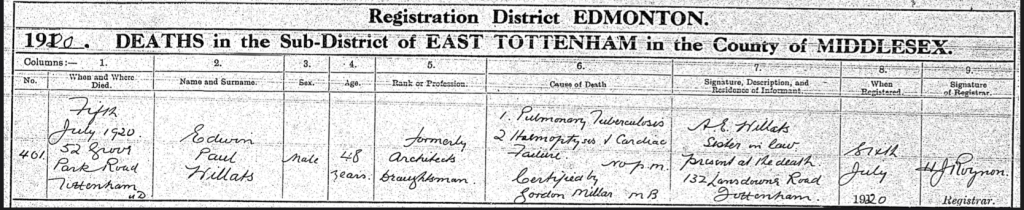
Pulmonary tuberculosis (TB) and hemoptysis cardiac failure are significant medical conditions with distinct histories and pathophysiologies.
Pulmonary tuberculosis is a contagious bacterial infection caused by *Mycobacterium tuberculosis*, primarily affecting the lungs but potentially spreading to other parts of the body. The history of TB is extensive, dating back to ancient civilizations. Evidence of the disease has been found in Egyptian mummies, and Hippocrates referred to it as "phthisis" in ancient Greece. During the 17th and 18th centuries in Europe, TB reached epidemic proportions, earning the nickname "consumption" due to the severe wasting it caused. The Industrial Revolution exacerbated the spread of TB as urbanization led to overcrowded living conditions.
A significant milestone in the history of TB was the discovery of the causative agent by Robert Koch in 1882. This discovery paved the way for advancements in diagnosis and treatment. Before antibiotics, treatment was limited to rest, nutrition, and isolation in sanatoria. The advent of streptomycin in 1944 marked the beginning of effective antibiotic treatment. Subsequent drugs like isoniazid and rifampicin further improved outcomes. Despite these advances, TB remains a global health challenge, particularly in developing countries, due to drug resistance and the association with HIV.
Hemoptysis, or the coughing up of blood, can result from various conditions, including pulmonary TB and cardiac failure. In the context of pulmonary TB, hemoptysis occurs when the infection causes erosion of blood vessels in the lungs. This symptom has historically been associated with advanced disease and poor prognosis.
Cardiac failure, particularly left-sided heart failure, can also lead to hemoptysis. The heart's inability to pump blood effectively causes increased pressure in the pulmonary veins, leading to pulmonary congestion and edema. This pressure can cause small blood vessels in the lungs to rupture, resulting in hemoptysis.
The history of understanding cardiac failure has evolved significantly over centuries. Early medical texts often confused cardiac symptoms with those of other ailments. It wasn't until the late 19th and early 20th centuries that a clearer understanding of the heart's mechanics and pathologies emerged, thanks to advances in anatomy, physiology, and clinical medicine.
Modern medicine has provided significant advancements in diagnosing and treating both pulmonary TB and cardiac failure. Diagnostic tools like chest X-rays, CT scans, echocardiograms, and blood tests have become essential in identifying and managing these conditions. Treatment for TB now involves multi-drug regimens taken over several months to ensure the complete eradication of the bacteria and to prevent the development of drug resistance. Cardiac failure management has also progressed, with medications like ACE inhibitors, beta-blockers, diuretics, and lifestyle modifications playing crucial roles. In severe cases, surgical interventions or mechanical support devices may be necessary.
The intersection of pulmonary TB and hemoptysis cardiac failure underscores the complexity of these conditions. Patients with TB are at risk for hemoptysis due to both the direct effects of the infection on lung tissue and the potential for concurrent cardiac complications. This dual pathology necessitates a comprehensive approach to diagnosis and treatment, often involving multidisciplinary care teams.
The Willats family and friends laid Edwin Paul Willats, to rest at, Abney Park Cemetery, Stoke Newington, Hackney, London, England, in Section, D06, Index 7S03, on Saturday the 10th of July, 1920. He was buried with Baby Willats, Daisy Jean Maria Willats, Constance Margaret Thora Willats, Sophia Ann Willats and Edward Charlton

Heartwrenchingly more death followed when May’s brother, 63 year old, Insurance Manager, Francis Montague Allan Willats, sadly passed away on Sunday the 19th of September 1920, at Wymondley Heathgate, Hendon, Middlesex, England. He died from Chronic interstitial hepatitis several years, certified by H. Stedman. No post-mortem was taken. Francis’s son, Allen Montague Willats was present and registered his death on Tuesday the 22nd September, 1920.

Chronic interstitial hepatitis, often referred to more broadly as chronic hepatitis, involves long-term inflammation of the liver's interstitial tissues. This condition has various etiologies, including viral infections (like hepatitis B and C), autoimmune disorders, and long-term exposure to toxins such as alcohol and certain medications. The history of understanding and treating chronic hepatitis reflects the broader evolution of medical science and public health.
The liver has been recognized as a vital organ since ancient times. Early descriptions of liver diseases can be found in the writings of Hippocrates, who noted jaundice and other liver-related symptoms. However, the specific understanding of hepatitis as an inflammatory condition developed much later. During the 19th century, advances in microscopy and pathology allowed for more detailed studies of liver tissue, leading to the identification of inflammation and fibrosis as key features of chronic liver disease.
In the early 20th century, researchers began to differentiate between various forms of hepatitis. Initially, many cases of chronic hepatitis were attributed to alcohol abuse, given its widespread impact on liver health. The discovery of viral hepatitis in the mid-20th century marked a significant milestone. Hepatitis B virus (HBV) was identified in the 1960s, followed by hepatitis C virus (HCV) in the late 1980s. These discoveries were crucial in understanding the viral etiology of chronic hepatitis and developing targeted treatments.
Chronic interstitial hepatitis caused by HBV and HCV became a major focus of medical research. Hepatitis B was recognized for its potential to cause both acute and chronic liver disease, leading to cirrhosis and hepatocellular carcinoma (liver cancer). The development of the hepatitis B vaccine in the 1980s was a significant public health achievement, dramatically reducing the incidence of HBV infections. For hepatitis C, the introduction of direct-acting antiviral (DAA) therapies in the 2010s revolutionized treatment, offering the possibility of a cure for many patients.
Autoimmune hepatitis, another cause of chronic interstitial hepatitis, was first described in the mid-20th century. It is characterized by the body's immune system attacking liver cells, leading to inflammation and fibrosis. Treatment typically involves immunosuppressive medications, such as corticosteroids and azathioprine, which help control the immune response and reduce liver damage.
The impact of toxins on liver health has also been well-documented. Chronic alcohol consumption is a leading cause of chronic hepatitis, with alcoholic liver disease (ALD) encompassing a range of liver conditions from steatosis (fatty liver) to cirrhosis. The harmful effects of alcohol on the liver were recognized as early as the 18th century, but it was in the 20th century that the pathological mechanisms were more clearly understood.
Chronic hepatitis due to drug-induced liver injury (DILI) has also been an area of concern. Certain medications, including over-the-counter drugs like acetaminophen (paracetamol), can cause significant liver damage when used excessively. Understanding the risks and mechanisms of DILI has led to improved guidelines for medication use and monitoring.
In contemporary medicine, the management of chronic interstitial hepatitis involves a combination of antiviral therapies, immunosuppressive drugs, lifestyle modifications, and regular monitoring of liver function. Advances in imaging and liver biopsy techniques have improved diagnostic accuracy, allowing for better assessment of disease progression and response to treatment.
Francis Montague Allan Willats, was laid to rest, on Tuesday the 21st September 1920, at Highgate Cemetery, Camden, London, England, grave reference /40479. He was buried with 7 others, Frances Jessie Willats, Allan Montague Willats, Dorothy Beaumont Willats, Margaret Eliza Craddock, David Allan Willats, Margaret Jane Willats, and Horace Lennan Willats.

Highgate Cemetery is a place of burial in north London, England, designed by architect Stephen Geary. There are approximately 170,000 people buried in around 53,000 graves across the West and East Cemeteries. Highgate Cemetery is notable both for some of the people buried there as well as for its de facto status as a nature reserve. The Cemetery is designated Grade I on the Register of Historic Parks and Gardens.
The cemetery is in Highgate N6, next to Waterlow Park, in the London Borough of Camden. It comprises two sites, on either side of Swains Lane. The main gate is on Swains Lane, just north of Oakshott Avenue. There is another, disused, gate on Chester Road. The nearest public transport (Transport for London) is the C11 bus, Brookfield Park stop, and Archway tube station.
The cemetery in its original form – the northwestern wooded area – opened in 1839, as part of a plan to provide seven large, modern cemeteries, now known as the "Magnificent Seven", around the outside of central London. The inner-city cemeteries, mostly the graveyards attached to individual churches, had long been unable to cope with the number of burials and were seen as a hazard to health and an undignified way to treat the dead. The initial design was by architect and entrepreneur Stephen Geary.
On Monday 20 May 1839, Highgate (West) Cemetery was dedicated to St. James by the Right Reverend Charles James Blomfield, Lord Bishop of London. 15 acres (6.1 ha) were consecrated for the use of the Church of England, and two acres were set aside for dissenters. Rights of burial were sold either for a limited period or in perpetuity. The first burial was Elizabeth Jackson of Little Windmill Street, Soho, on 26 May.
Highgate, like the others of the Magnificent Seven, soon became a fashionable place for burials and was much admired and visited. The Victorian attitude to death and its presentation[clarification needed] led to the creation of a wealth of Gothic tombs and buildings. It occupies a spectacular south-facing hillside site slightly downhill from the top of Highgate hill, next to Waterlow Park. In 1854 a further 19 acres (8 ha) to the south east of the original area, across Swains Lane, was bought to form the eastern part of the cemetery; this opened in 1860. Both sides of the Cemetery are still used today for burials.
The cemetery's grounds are full of trees, shrubbery, and wildflowers, most of which have been planted and grown without human influence The grounds are a haven for birds and small animals, such as foxes. The cemetery is now owned and maintained by a charitable trust, the Friends of Highgate Cemetery Trust, which was set up in 1975 and acquired the freehold of both East and West Cemeteries by 1981. In 1984 it published Highgate Cemetery: Victorian Valhalla by John Gay.
West Cemetery -  The Egyptian Avenue and the Circle of Lebanon (previously surmounted by a huge, 280 years old Cedar of Lebanon, which had to be cut down and replaced in August 2019) are both Grade I listed buildings. The west side of the Cemetery is characterised by elaborate feature tombs, vaults and winding paths dug into hillsides. At the highest point, the Terrace Catacombs and the Tomb of Julius Beer are both Grade II* listed.
East Cemetery. -  Many famous or prominent people are buried on this side of Highgate cemetery; the most famous of which is arguably that of Karl Marx, whose tomb was the site of attempted bombings on 2 September 1965 and in 1970. The tomb of Karl Marx is also a Grade I listed building for reasons of historical importance. Fireman's corner is a monument erected in the East Cemetery by widows and orphans of members of the London Fire Brigade in 1934. There are 97 firemen buried here. The monument is cared for by the Brigade's Welfare Section.

From the 1920 Electoral Register, May, her husband George and their niece Sophia Annie Willats were residing at Number 27, Kings Road, Stoke Newington, Middlesex, England in 1920.

Jumping forward to the year 1921.
The year 1921 in the United Kingdom was marked by a blend of continuity from the aftermath of World War I and the beginnings of societal and cultural shifts that would define the interwar period. Social expectations remained largely traditional, with clear distinctions between gender roles and class divisions.
In terms of culture, the Roaring Twenties were beginning to take hold, with jazz music and dance halls becoming increasingly popular forms of entertainment. However, the lingering effects of the war still cast a shadow over daily life, with many families grappling with loss and hardship.
Food in 1921 UK was influenced by rationing and economic challenges stemming from the war. Basic staples such as bread, potatoes, and canned goods were common, while meat and dairy products were often in short supply. Families relied on homegrown produce and creative cooking methods to stretch their resources.
Housing in 1921 varied widely depending on social class. The wealthy lived in spacious homes in affluent neighborhoods, while working-class families often resided in cramped, poorly maintained tenement buildings. The quality of housing was a reflection of socio-economic status, with many families struggling to afford decent accommodation.
The primarily provided of heat was by coal-fired stoves and open fires, which were common in both urban and rural households. The reliance on coal for heating contributed to air pollution and respiratory health issues, particularly in industrial areas.
Fashion in 1921 saw a departure from the restrictive styles of the Victorian era, with women opting for shorter skirts and looser silhouettes inspired by the flapper fashion trend. Men's fashion remained relatively conservative, with tailored suits and hats remaining popular choices.
Gossip circulated through newspapers, magazines, and word of mouth, with scandalous stories often dominating headlines. The social elite were the subject of much gossip, with their lavish lifestyles and romantic entanglements providing fodder for public fascination.
The general atmosphere was one of uncertainty and transition, as the country grappled with the aftermath of war and the challenges of rebuilding. Despite the hardships, there was a sense of optimism and resilience as communities came together to support one another.
Travel was primarily by train, with railroads serving as the primary mode of transportation for both domestic and international travel. The advent of automobiles was beginning to change the landscape of travel, although they remained a luxury reserved for the wealthy.
In terms of politics, David Lloyd George served as Prime Minister of the United Kingdom in 1921, leading a coalition government that faced challenges both at home and abroad.
The monarchy, led by King George V and Queen Mary, played a largely ceremonial role, with the royal family making public appearances and hosting events throughout the year. They continued to fulfill their ceremonial duties and public engagements despite the challenges facing the nation. The royal family's events for the year included official visits, public appearances, and charitable endeavors aimed at supporting those affected by the war.
Historical events in 1921 included the Irish War of Independence, which saw increased violence and tensions between Irish nationalists and British forces. Additionally, the UK signed the Anglo-Irish Treaty later in the year, leading to the establishment of the Irish Free State and the partition of Ireland. These events had profound implications for the future of British politics and Anglo-Irish relations.
The year also saw the establishment of the British Broadcasting Company (BBC), laying the foundation for the future of radio broadcasting in the UK.
It was also the year of the census, which shows us, May, her husband George and sons, George, Richard and Philip, were residing in a 3 room dwelling at Number 27, King's Road, Stoke Newington, Middlesex, England, on Sunday the 19th of June 1921. May was undertaking Homedutties, her husband George was employed at Swift Reef Company working as a Checker. Philip was unemployed and out of work. George and Richard were schoolers. Richard part time and George full-time.
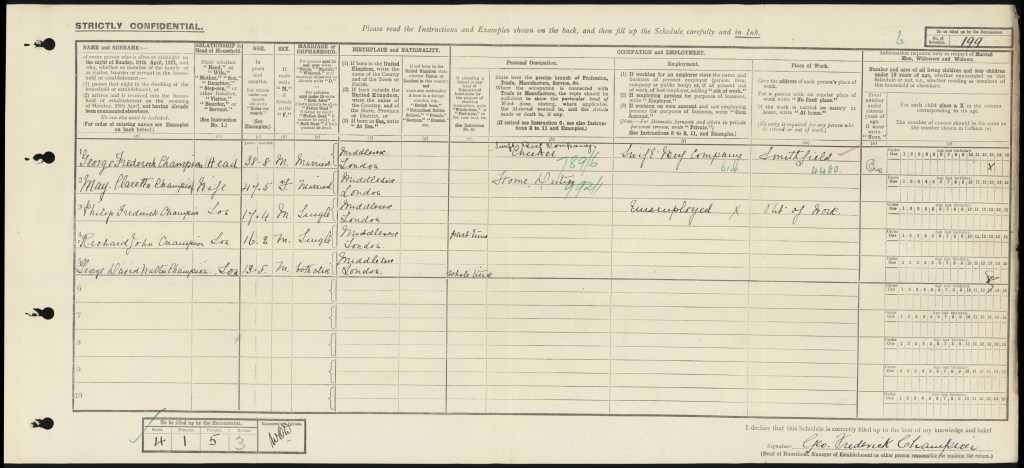
From the 1921 Electoral Register, May, her husband George, her brother Percy Sidney and their niece Sophia Annie Willats, were residing at Number 27, Kings Road, Stoke Newington, Middlesex, England in 1921. Walter Henry Baggarley was also residing at Number 27.

May’s brother 67 years old, formerly Director of Limited Companies, Henry Richard Willats, passed away on Monday the 27th of November 1922, at 23 Barnmead Road, Beckenham, Bromley, Kent, England. Henry died from Chronic Nephritis 10 years and Cardinal Failure 6 months. Their brother Walter James Willats of 132 Lansdowne Road, was in attendance and registered Henry’s death on the same day as his death, Monday the 27th of November, 1922, in Bromley.

Chronic nephritis, also known as chronic glomerulonephritis, and cardiac failure are interrelated medical conditions with rich histories that highlight the progress in medical understanding and treatment.
Chronic nephritis refers to a group of kidney diseases characterized by inflammation of the glomeruli, the tiny filtering units within the kidneys. This condition leads to progressive kidney damage and can eventually result in chronic kidney disease (CKD) or end-stage renal disease (ESRD). Historically, the understanding of kidney diseases dates back to ancient times, with early descriptions found in Greek and Roman medical texts. However, the detailed study of kidney pathology began in earnest in the 19th century with advancements in microscopy and histology.
In the 1820s, Richard Bright, a British physician, made significant contributions by linking kidney disease with proteinuria (the presence of excess protein in the urine) and systemic symptoms such as edema. His work laid the foundation for the modern understanding of nephritis, and the condition was often referred to as "Bright's disease" in his honor. Throughout the 19th and early 20th centuries, further research elucidated the various forms of glomerulonephritis, identifying both primary glomerular diseases and secondary forms associated with systemic conditions like lupus and diabetes.
The advent of renal biopsy techniques in the mid-20th century revolutionized the diagnosis and classification of glomerular diseases. This allowed for more precise identification of the underlying causes and mechanisms of chronic nephritis, leading to improved treatment strategies. Immunosuppressive therapies, including corticosteroids and cytotoxic agents, became mainstays in managing certain forms of glomerulonephritis, particularly those with an autoimmune component.
Cardiac failure, or heart failure, is a condition in which the heart is unable to pump blood effectively to meet the body's needs. The history of understanding cardiac failure spans centuries, with early references found in the writings of ancient Greek and Roman physicians like Galen. However, significant advancements in the understanding of heart failure came much later, particularly during the Renaissance and the Enlightenment.
William Harvey's discovery of the circulatory system in the 17th century was a pivotal moment in cardiovascular medicine. His work laid the groundwork for understanding the heart's function and the pathophysiology of heart failure. In the 19th century, clinical descriptions of heart failure were refined, and terms like "dropsy" were used to describe the fluid retention associated with the condition.
The 20th century saw rapid progress in the understanding and treatment of heart failure. The development of electrocardiography (ECG) and chest X-rays improved diagnostic capabilities. The discovery of digitalis, a drug derived from the foxglove plant, provided an effective treatment for heart failure symptoms by increasing the force of cardiac contractions. Further advancements in pharmacology led to the introduction of diuretics, ACE inhibitors, beta-blockers, and other medications that improved outcomes for heart failure patients.
Chronic nephritis and cardiac failure are often interconnected through a condition known as cardiorenal syndrome. In this syndrome, chronic kidney disease and heart failure exacerbate each other. Reduced kidney function can lead to fluid retention, hypertension, and increased workload on the heart, while heart failure can cause reduced renal perfusion and subsequent kidney damage. This bidirectional relationship complicates the management of both conditions, requiring an integrated approach to treatment.
The history of these conditions highlights the progress made in medical science and the ongoing challenges in their management. For chronic nephritis, early recognition and the use of immunosuppressive therapies have improved outcomes, though many patients still progress to ESRD requiring dialysis or transplantation. For cardiac failure, advancements in medical therapy, lifestyle modifications, and surgical interventions, such as heart transplantation and the use of mechanical assist devices, have significantly extended and improved the quality of life for patients.
In contemporary practice, the management of chronic nephritis and cardiac failure involves a multidisciplinary approach. This includes nephrologists, cardiologists, primary care physicians, and other healthcare professionals working together to optimize treatment, monitor disease progression, and address the complex interplay between kidney and heart health. Despite the challenges, ongoing research and technological advancements continue to enhance our understanding and treatment of these intertwined conditions, offering hope for better patient outcomes in the future.
The Willats family laid, Henry Richard Willats to rest, on Friday the 1st of December 1922, at Abney Park Cemetery, 215 Stoke Newington High Street, Stoke Newington, London, England, N16 0LH.
He was buried in a family grave and was buried with Baby Thornton, Florence Jose Western nee Willats, Harry Ashley Willats, William Western Thornton, and Amelia Willats.


From the 1922 Electoral Register, May, her husband George, her brother Percy Sidney Willats their neice Sophia Annie Willats, were residing at Number 27, Kings road, Stoke Newington, Middlesex, England in 1922. Walter Henry Baggarley was also residing at Number 27.
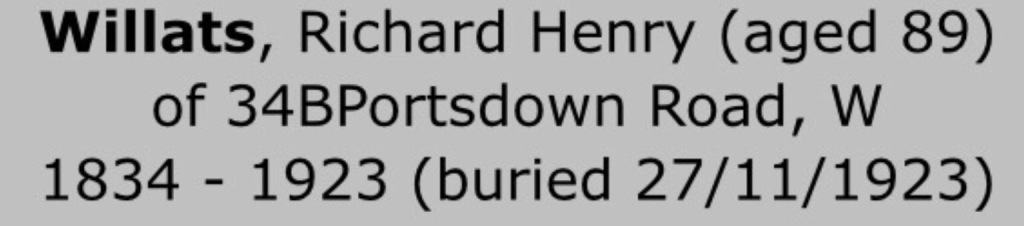
Heartbreakingly May’s father, 89-year-old, Richard Henry Willats, died on Thursday the 22nd of November, 1923, at his home, Number 34B Portsdown Road, Paddington, London, England.
Richard died from, Bronchitis and Senility, the state of being senile, down to the weakness or mental infirmity of old age.
May’s brother/Richard's son, Percy Sidney Willats of 27 Kings Road, Finsbury Park, was present and registered his father's death on Saturday the 24th of November, 1923.
Percy, gave Richards occupation as a retired, auctioneer and surveyor.

Bronchitis and senility are two distinct medical conditions with extensive histories that illustrate the evolution of medical knowledge and treatment practices.
Bronchitis is an inflammation of the bronchial tubes, which carry air to and from the lungs. It can be classified as acute or chronic. Acute bronchitis is typically caused by viral infections and presents with symptoms such as cough, mucus production, and shortness of breath. Chronic bronchitis is a form of chronic obstructive pulmonary disease (COPD), usually resulting from long-term irritation of the bronchial tubes, most commonly due to smoking.
The understanding of bronchitis dates back to ancient times when respiratory illnesses were commonly described but not well understood. Ancient Greek physicians like Hippocrates and later Roman scholars such as Galen noted symptoms consistent with bronchitis, but they lacked the means to differentiate it from other respiratory conditions. The term "bronchitis" itself comes from the Greek words "bronchos," meaning windpipe, and "itis," meaning inflammation.
In the 19th century, advancements in medical science, particularly in pathology and microbiology, allowed for better understanding and classification of respiratory diseases. The differentiation between acute and chronic bronchitis became clearer. The industrial revolution, with its associated pollution and rise in smoking, saw an increase in chronic bronchitis cases. By the mid-20th century, the link between smoking and chronic bronchitis was firmly established, leading to public health campaigns aimed at reducing smoking rates.
Treatment for bronchitis has evolved significantly over time. For acute bronchitis, supportive care such as rest, hydration, and the use of cough suppressants and bronchodilators are commonly recommended. Antibiotics are rarely used, as the condition is usually viral. Chronic bronchitis management focuses on smoking cessation, bronchodilators, steroids, and, in advanced cases, oxygen therapy and pulmonary rehabilitation.
Senility, often referred to as dementia in modern medical terminology, involves the progressive decline of cognitive function due to aging or neurodegenerative diseases. Historically, senility was a catch-all term used to describe the natural cognitive decline observed in the elderly. Ancient texts, including those from Greek and Roman physicians, contain references to memory loss and confusion in old age, but there was little understanding of the underlying causes.
In the late 19th and early 20th centuries, scientific advancements began to shed light on the pathology of senility. The work of Alois Alzheimer in 1906 was groundbreaking; he described the case of a woman with profound memory loss and behavioral changes and identified the characteristic plaques and tangles in her brain during an autopsy. This condition was later named Alzheimer's disease, distinguishing it from other forms of dementia.
Throughout the 20th century, research into dementia expanded, leading to the identification of various causes, including vascular dementia, frontotemporal dementia, and Lewy body dementia, among others. The term "senility" became less favored as more precise diagnostic categories were developed.
Treatment and management of dementia have also progressed. While there is no cure for most types of dementia, medications such as cholinesterase inhibitors and memantine can help manage symptoms and improve quality of life. Non-pharmacological approaches, including cognitive therapy, physical exercise, and social engagement, are also important in managing the condition.
Public awareness and understanding of dementia have increased significantly in recent decades. Organizations like the Alzheimer's Association have played a crucial role in advocating for research, raising awareness, and providing support to patients and caregivers. Advances in imaging technology, such as MRI and PET scans, have improved diagnostic accuracy and the ability to monitor disease progression.
Portsdown Road, located in Paddington, London, has a history intertwined with the broader development of the Paddington area and reflects the architectural and social changes that have occurred in London over the centuries.
Paddington itself has a rich history, with records dating back to the Domesday Book of 1086. Originally a rural area with scattered farmsteads and small villages, Paddington began to change with the expansion of London in the 19th century. The construction of the Grand Junction Canal in 1801 and the opening of Paddington Station in 1838 were significant catalysts for development. These infrastructure projects spurred rapid urbanization, transforming Paddington into a bustling part of the growing metropolis.
Portsdown Road emerged as part of this broader urban development during the Victorian era. The street was lined with the characteristic terraced houses and larger villas typical of the period, designed to accommodate the middle and upper-middle classes who were moving into the expanding suburbs of London. The architecture often featured ornate facades, bay windows, and other decorative elements popular in Victorian design.
Throughout the late 19th and early 20th centuries, Portsdown Road and the surrounding area saw a mix of residential and commercial development. The proximity to Paddington Station made it an attractive location for those needing easy access to transportation, both within London and to other parts of the country.
By the late 20th century, Paddington, including Portsdown Road, began to experience gentrification. This process involved the renovation of older buildings, the construction of new developments, and an increase in property values. The area's appeal grew due to its central location, excellent transport links, and proximity to green spaces like Hyde Park and Regent's Park.
In recent decades, Portsdown Road has continued to evolve, reflecting the dynamic nature of London’s property market and urban landscape. The street today features a mix of historical and modern architecture, with some of the original Victorian homes meticulously restored. The residences are typically sought after for their period features, spacious interiors, and convenient location.
The community around Portsdown Road is diverse, with long-term residents and newcomers contributing to a vibrant local culture. The area benefits from the amenities of Paddington and nearby neighborhoods, including shops, restaurants, schools, and healthcare facilities. The transformation of Paddington Basin into a mixed-use development has further enhanced the appeal of the area, offering additional residential, commercial, and recreational spaces.

The Willats family laid their father Richard Henry Willats, to rest, on Tuesday the 27th of November, 1923, at Abney Park Cemetery, 215 Stoke Newington High Street, Stoke Newington, London, England, N16 0LH, in grave number 092431 in Plot D06 with his wife, Eliza Willats nee Cameron, his sons Francis Paul Willats and Percy Sidney Willats, and his Stepson/Nephew William George Willats. (My 3rd Great-Grandfather.)
Losing a father is an experience that defies words. It's a soul-crushing pain that pierces through the very essence of one's being, leaving behind a void that seems impossible to fill. In the moments following his departure, the world feels like it's been cast into shadow, and every heartbeat serves as a painful reminder of the gaping hole in your heart.
Each and every father is more than just a parent, he was a guiding light, a pillar of strength, and a source of unconditional love. He held your hand through life's tumultuous journey, offering words of wisdom, comfort, and encouragement along the way. His presence was a constant reassurance, a steady anchor amidst life's turbulent seas.
His absence leaves you adrift in a sea of grief, grappling with emotions too overwhelming to comprehend. The pain is visceral, manifesting as a dull ache in the pit of your stomach and a heaviness in your chest that makes it difficult to breathe. Every corner of your world echoes with the emptiness of his absence, and the simplest tasks become monumental feats in his absence.
Memories of him flood your mind, each one a bittersweet reminder of the love you shared and the moments you cherished together. You find solace in the recollection of his laughter, his wisdom, and the countless lessons he imparted throughout your life. Yet, each memory is tinged with the stark reality that he is no longer here, leaving you longing for just one more moment in his presence.
In the midst of your grief, you find yourself grappling with a myriad of emotions, anger, guilt, and profound sadness intertwine, creating a tangled web of pain that threatens to consume you.
You question why he was taken from you, why life can be so cruel, and whether you could have done more to ease his suffering.
Yet, amidst the darkness, there glimmers a faint ray of hope, the knowledge that your father's love endures, transcending the boundaries of time and space. Though he may no longer walk beside you in the physical realm, his spirit lives on in the memories you hold so very dear and the lessons you carry in your heart.
In time, the sharp edges of your grief may soften, but the loss of your father will forever leave an indelible mark on your soul. You will carry his memory with you always, drawing strength from the love you shared and the legacy he left behind. And though the pain of his absence will never fully subside, you take comfort in the knowledge that he will forever remain a cherished presence in your life.
From the 1923 Electoral Register, May, her husband George, her brother Percy Sidney Willats their neice Sophia Annue Willats, were residing at Number 27, Kings Road, Stoke Newington, Middlesex, England in 1923. John Russell and Rose Miriam Russell were also residing at Number 27.
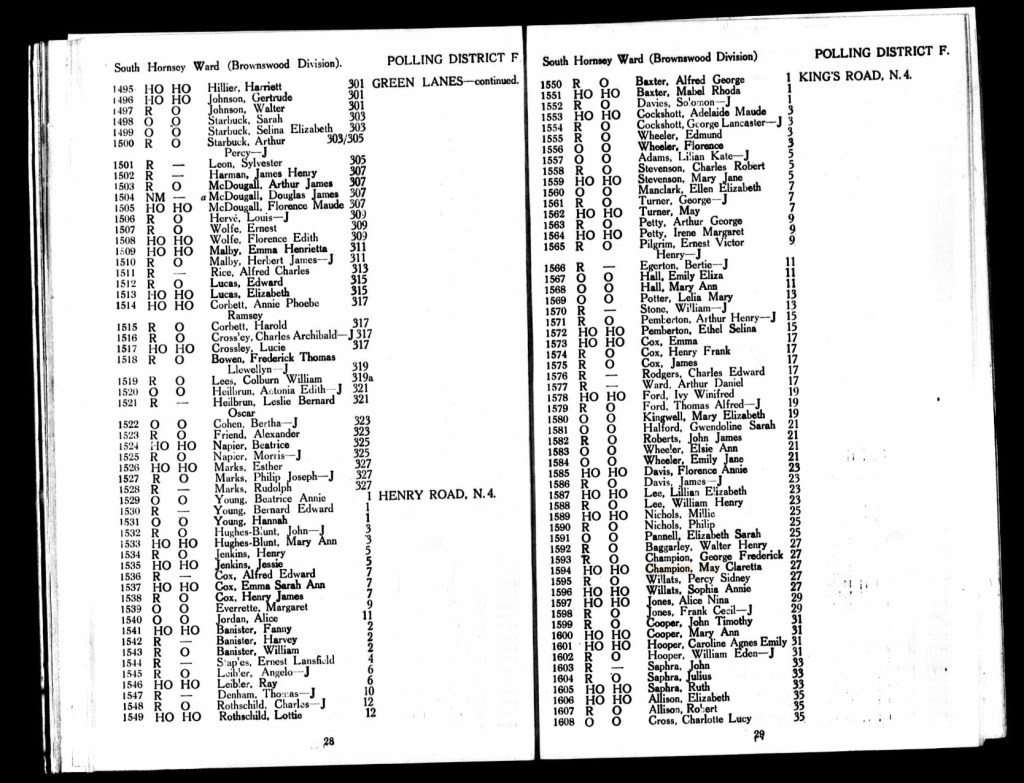
May’s sister, 64-year-old Charlotte Ellen Crosbie Nee Willats, widow of medical student, Pierce William Crosbie, sadly passed away on Saturday the 5th of April, 1924, at her home, Number 34 Portsdown Road, Paddington, London, England. Charlotte died from, Cardiac Disease (mitral) and Hemiplegia. Edith Cameron Charlton Nee Willats, of Number 27 Kings Road, Finsbury Park was present and registered her sister Charlotte's death on Monday the 7th of April 1924 in Paddington, London, England.

Cardiac disease, specifically involving the mitral valve, and hemiplegia are medical conditions with intricate histories that have significantly influenced the development of medical science.
Mitral valve disease primarily involves the mitral valve, which regulates blood flow between the left atrium and left ventricle of the heart. The two main types of mitral valve disease are mitral stenosis and mitral regurgitation. Mitral stenosis is characterized by the narrowing of the mitral valve opening, impeding blood flow, while mitral regurgitation involves the leaking of blood backward into the left atrium due to improper valve closure.
The history of mitral valve disease traces back to ancient medical texts, though a more comprehensive understanding developed in the 19th century with advancements in medical knowledge and technology. Jean-Nicolas Corvisart, Napoleon's personal physician, significantly contributed to the understanding of heart diseases in the early 1800s. However, it was the invention of the stethoscope by René Laennec in 1816 that revolutionized the diagnosis of cardiac conditions, including mitral valve disease. Laennec's work allowed for the auscultation of heart sounds, aiding in the identification of abnormal murmurs associated with mitral valve disorders.
Further advancements came with the development of echocardiography in the mid-20th century, which allowed for detailed imaging of the heart's structure and function. This non-invasive technique enabled more accurate diagnosis and assessment of mitral valve disease, leading to better treatment strategies. Surgical interventions, such as mitral valve repair and replacement, became viable options in the mid-20th century, greatly improving patient outcomes.
Hemiplegia refers to paralysis of one side of the body, often resulting from brain injury, such as a stroke. The understanding of hemiplegia dates back to ancient times. The Greek physician Hippocrates, known as the father of medicine, described the condition in his writings, noting the sudden onset of paralysis and its association with brain injury. However, it wasn't until the Renaissance that more detailed anatomical and physiological studies of the brain and nervous system provided deeper insights into the causes of hemiplegia.
In the 17th century, English physician Thomas Willis made significant contributions to neuroanatomy and neurology. He described the brain's blood supply and the effects of stroke, providing a foundation for understanding the relationship between cerebrovascular events and hemiplegia. The term "stroke" itself, derived from the Greek word "apoplexia," became more defined as medical knowledge progressed.
The 19th and early 20th centuries saw further advancements in understanding hemiplegia, particularly with the advent of modern neurology. Jean-Martin Charcot, a French neurologist, made significant strides in the study of neurological diseases, including hemiplegia. His work on the localization of brain functions helped link specific brain regions to motor control, further elucidating the mechanisms behind hemiplegia.
The development of imaging technologies, such as X-rays, CT scans, and MRI, revolutionized the diagnosis and treatment of hemiplegia. These tools allowed for precise identification of the location and extent of brain injuries, improving the management of stroke and other causes of hemiplegia. The introduction of thrombolytic therapy in the late 20th century marked a significant advancement in stroke treatment, allowing for the dissolution of blood clots and reducing the extent of brain damage.
The relationship between cardiac disease and hemiplegia is significant, as cardiac conditions, including mitral valve disease, can increase the risk of stroke. Atrial fibrillation, often associated with mitral valve disease, can lead to the formation of blood clots in the heart. If these clots travel to the brain, they can cause an ischemic stroke, resulting in hemiplegia. This interplay between cardiac and neurological conditions underscores the importance of comprehensive cardiovascular care in preventing and managing stroke and its complications.
May and her few remaining siblings laid Charlotte to rest, Abney Park Cemetery, 215 Stoke Newington High Street, Stoke Newington, London, England, N16 0LH, on Wednesday the 9th of April 1924, in grave 127434 possibly renumbered 17434, (Grave Reference - Sec. I09, Index 7S08.) with Baby Crosbie, Amina Eliza Kathleen Reichert nee Charlton, Mabel Cameron Woollet Willats, and Eliza Smith (Charlotte Ellen Crosbie companion).

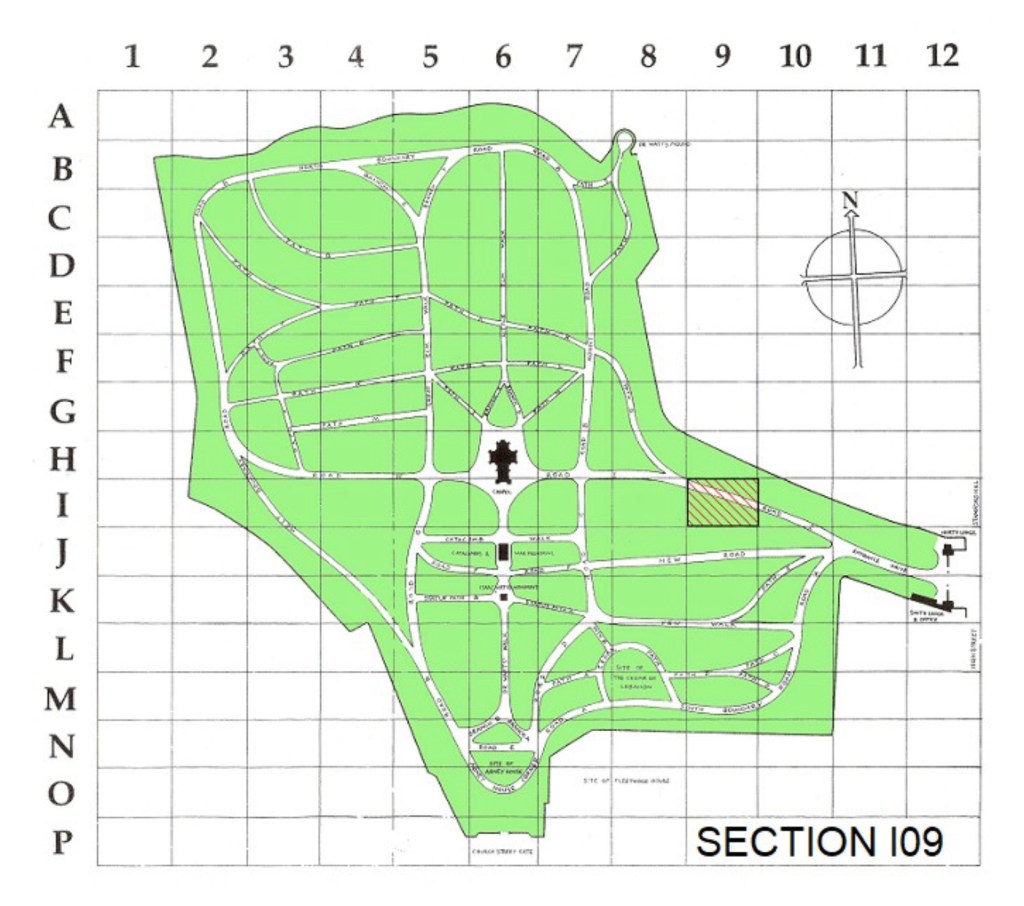
From the 1925 Electoral Register, May, and her husband George, were residing at Number 2, Kings Road, Stoke Newington, Middlesex, England in 1925. Albert Freeman was also residing at Number 2.

May’s husband, 44 year old, meat market checker, George Frederick Champion died at home, Number 2 Kings Road, Stoke Newington, Hackney, London, England, on Tuesday the 25th of January 1927.
George died from, Cancer of the stomach and heart failure.
Their son Philip Frederick Champion, of Number 2 Kings Road, Stoke Newington, was in attendance and registered his father’s death on the 26th January 1927.

I can only imagine losing your husband is like being plunged into the depths of an abyss, surrounded by an overwhelming darkness that threatens to engulf you entirely. The pain visceral, a physical ache that reverberates through every fiber of your being, leaving you gasping for breath in a world that suddenly feels empty and void of meaning.
I'm sure in the aftermath of his passing, the simplest tasks become Herculean feats as you struggle to navigate a world that once felt so familiar but now seems alien and indifferent. The silence of his absence echoes in every corner of your home, a constant reminder of the life that once thrived within its walls. His favorite chair sits empty, his belongings untouched, yet his presence lingers in every shadow, every whisper of memory that haunts your waking hours.
How do you begin to heal when the very essence of your being feels irreparably shattered? How do you carry on without the person who was not just your spouse but your confidant, your partner, your best friend? The thought of facing each day without him by your side would feel like an insurmountable task, a journey fraught with pain and uncertainty.
It is the understanding that while he may no longer be physically present, his spirit will forever be woven into the fabric of your life, guiding you through the darkest of days and lighting the path forward.
Healing from such a profound loss is a journey fraught with setbacks and challenges, a road that twists and turns with unexpected twists and turns. There will be days when the pain feels too much to bear, when the weight of your grief threatens to crush you beneath its unbearable burden. But there will also be moments of grace, when the warmth of his memory envelops you like a comforting embrace, reminding you that love never truly dies.
In time, you will learn to carry your husband's memory with you, not as a burden to be borne but as a precious gift to be cherished. You will find solace in the love and support of family and friends, in the beauty of nature, and in the small moments of joy that pepper your days like rays of sunlight breaking through the clouds.
You will honor his memory by living your life with courage and grace, knowing that his love will be with you always, guiding you through the darkness and lighting the way toward a brighter tomorrow.
May and George’s son 23-year-old bachelor Philip Frederick Champion, an Auctioneer Survivor of Number 163 Camden Road, married 23-year-old spinster  Elizabeth Amy Rivett, of Number 163 Camden Road, on Monday the 21st day of February, 1927, at St Pauls Church, Camden Square, St Pancras, London, England.
They gave their fathers names and occupations as, George Frederick Champion, a Decreased Checker and George Rivett, a Shop Manager.
Their witnesses were, George Rivett, Lily Rivett and Sidney Willats.
Certificate to follower as my scanner isn’t working correctly, sorry.
I can imagine watching your son marry the love of his life is a bittersweet symphony of emotions, a kaleidoscope of joy, pride, and a tinge of nostalgia. As you stand beside him, witnessing this pivotal moment in his life, your heart swells with an overwhelming sense of happiness, knowing that he has found someone who complements him in every way.
There's a sense of pride that washes over you as you see the man your son has become, standing tall and confident, ready to embark on this new chapter of his life. You can't help but marvel at the strength and resilience he has shown, the lessons he has learned, and the values he holds dear. In this moment, you realize that your son is not just a reflection of you but a testament to his own unique journey and the person he has chosen to become.
Yet, amidst the joy, there is a twinge of nostalgia, a recognition of the passage of time and the inevitability of change. As you watch your son exchange vows with the love of his life, you can't help but reflect on the journey that brought him to this moment – the countless memories shared, the laughter and tears, the triumphs and challenges that have shaped him into the man he is today.
But above all, there is an overwhelming sense of love, love for your son, love for his partner, and love for the life they are building together. You are filled with hope for their future, knowing that they have found in each other a partner to share life's joys and sorrows, to support and uplift one another through the highs and lows.
As you watch them exchange rings and pledge their love to one another, you are filled with a profound sense of gratitude – gratitude for the privilege of witnessing this moment, for the love that surrounds you, and for the family you have built together. And as you dance with your son at the reception, surrounded by friends and loved ones, you are reminded that no matter where life may lead him, he will always be your son, and your love for him will never waver.
In the end, watching your son marry the love of his life is a reminder of the beauty and resilience of the human spirit, a celebration of love in its purest form. And as you send him off into this new chapter of his life, you do so with a heart full of love, knowing that no matter where life may lead him, he will always carry with him the love and support of his family.
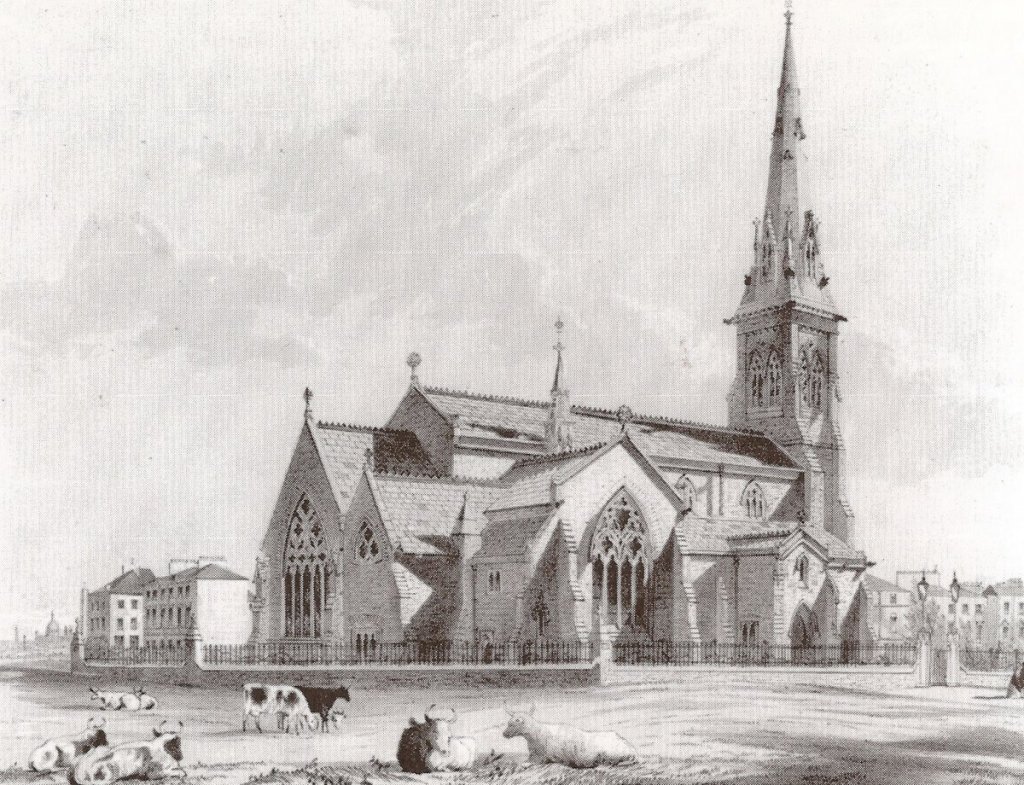
St. Paul's Church, located in Camden Square, St. Pancras, London, is a historic Anglican church that has been a prominent feature of the local community since its construction in the mid-19th century. The church was designed by the architect Charles Innes Hopkins and was consecrated in 1849. It was built to serve the growing population of the area during the Victorian era, reflecting the Gothic Revival style popular in church architecture of that time.
The church's design includes many typical features of Gothic Revival architecture, such as pointed arches, buttresses, and elaborate stained glass windows. These elements were intended to create a sense of awe and reverence, emphasizing the spiritual significance of the church within the community.
Throughout its history, St. Paul's Church has played a central role in the religious and social life of Camden Square. It has been a place of worship, community gatherings, and charitable activities. Over the years, the church has undergone various renovations and restorations to preserve its architectural integrity and accommodate the changing needs of its congregation.
In addition to its religious services, St. Paul's Church has also hosted cultural events, concerts, and outreach programs aimed at supporting the local community. Its location in Camden Square, surrounded by Victorian townhouses and leafy streets, adds to its picturesque setting and historical charm.
Today, St. Paul's Church continues to be an active parish within the Church of England, offering regular services and engaging in community outreach initiatives. It stands as a testament to the enduring legacy of Victorian architecture and the importance of faith-based institutions in London's cultural and social fabric.
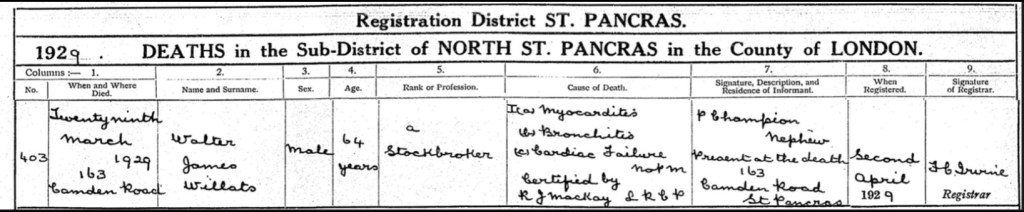
May’s brother, 64-year-old stockbroker, Walter James Willats, passed away on Friday the 29th of March 1929, at Number 163, Camden Road, St Pancras, London, England. Walter died from Myocarditis, Bronchitis and Cardiac Failure. May’s son, Walter’s nephew Philip Champion, of Number 163 Camden Road, St Pancras, was present and registered Walter's death on Tuesday the 2nd of April 1929 in St Pancras, London. At present, I have not located Walter’s resting place.
Myocarditis, bronchitis, and cardiac failure are significant medical conditions with complex histories and evolving understandings in the field of medicine.
Myocarditis refers to the inflammation of the myocardium, the middle layer of the heart wall. Historically, myocarditis was not well understood, with its symptoms often attributed to other cardiac conditions. The condition can result from various infectious agents, such as viruses, bacteria, fungi, or parasites, and can also be caused by autoimmune diseases, toxins, and drug reactions. Advances in medical science, particularly in the late 19th and 20th centuries, allowed for better identification and understanding of myocarditis. Pioneering work in microbiology and immunology helped elucidate the role of infectious agents and immune responses in the development of the disease. Clinically, myocarditis can present with a range of symptoms, from mild chest pain and fatigue to severe heart failure and sudden cardiac death. Diagnostic techniques have evolved from basic clinical assessments to advanced imaging techniques, such as MRI and endomyocardial biopsy, allowing for more accurate diagnosis and management of the condition.
Bronchitis is the inflammation of the bronchial tubes, the airways that carry air to the lungs. The history of bronchitis is intertwined with the broader history of respiratory diseases. In ancient times, respiratory conditions were often described in vague terms due to limited medical knowledge. The understanding of bronchitis began to improve with the development of modern medicine. During the 19th century, advances in pathology and microbiology, spearheaded by figures like Rudolf Virchow and Louis Pasteur, provided insights into the inflammatory processes and infectious agents involved in bronchitis. There are two main types of bronchitis: acute and chronic. Acute bronchitis is usually caused by viral infections and is characterized by a sudden onset of symptoms, including coughing, mucus production, and shortness of breath. Chronic bronchitis, a form of chronic obstructive pulmonary disease (COPD), is primarily associated with long-term irritation of the bronchial tubes, often due to smoking or exposure to pollutants. The management of bronchitis has evolved with the development of antibiotics, bronchodilators, and preventive measures such as smoking cessation programs and vaccination.
Cardiac failure, commonly known as heart failure, is a condition where the heart is unable to pump blood effectively to meet the body's needs. The history of cardiac failure dates back to ancient civilizations, where symptoms such as edema and breathlessness were noted but poorly understood. Significant progress in understanding heart failure began in the Renaissance with the work of William Harvey, who described the circulation of blood. The 19th and 20th centuries saw further advancements with the development of modern cardiology. Pioneering research by cardiologists such as Sir Thomas Lewis and Dr. Paul Dudley White helped delineate the pathophysiology of heart failure. The condition can result from various underlying causes, including coronary artery disease, hypertension, valvular heart disease, and cardiomyopathies. Symptoms of heart failure include shortness of breath, fatigue, and fluid retention, which can severely impact quality of life. The management of heart failure has advanced significantly with the development of medications such as diuretics, ACE inhibitors, beta-blockers, and more recently, angiotensin receptor-neprilysin inhibitors (ARNIs). In addition to pharmacological treatments, lifestyle modifications, device therapy (such as pacemakers and defibrillators), and in severe cases, heart transplantation, are critical components of heart failure management.
Together, myocarditis, bronchitis, and cardiac failure represent significant areas of study in medical science, with each condition having a rich history of discovery and advancement. Understanding these conditions has improved over time, leading to better diagnostic, preventive, and therapeutic strategies, ultimately enhancing patient outcomes.
From the 1929 Electoral Register, we know May, her sons David, Philip and Richard, her daughter in-law Elizabeth May, her sister Edith Charlton, and her brother Walter James Willats, were residing at Number 163 Camden Road, St Pancras, Middlesex, England. May Irene Collard, Walter George Robert Collard and Edward Robertson were also residing at Number 163.

Camden Road in St Pancras, Middlesex, England, has a rich history that reflects the broader developments in the London Borough of Camden and its surrounding areas.
St Pancras, originally a medieval parish, has a history that dates back to the Roman era, with significant development occurring from the 18th century onwards. Camden Road itself is part of the larger Camden Town area, which began to develop in the early 19th century. Camden Town takes its name from Charles Pratt, the 1st Earl Camden, who started the development of this area in 1791. The transformation of the area accelerated with the construction of the Regent's Canal in 1820, which facilitated trade and transportation, making Camden a bustling commercial hub.
The construction of Camden Road began in the 1820s and 1830s as part of this broader urban development. The road was laid out to improve access and connectivity within the growing urban landscape of London. It quickly became a major thoroughfare, lined with a mix of residential, commercial, and industrial buildings. The architecture along Camden Road reflects the Victorian style that was prevalent during its initial development, with terraced houses, shops, and warehouses.
The arrival of the railway in the mid-19th century further spurred the growth of Camden Road and its surrounding areas. The opening of the Camden Road railway station in 1870, part of the North London Railway, provided vital connections to other parts of London and beyond. This made Camden an attractive location for both residential and commercial activities, contributing to its rapid urbanization.
By the late 19th century, Camden Road had developed into a vibrant and densely populated area. It was known for its lively markets, including the famous Camden Market, which attracted traders and shoppers from all over London. The area's industrial character was marked by numerous factories, workshops, and warehouses, reflecting the industrial boom of the era.
The 20th century brought significant changes to Camden Road and its environs. The area experienced social and economic challenges, including the impact of the World Wars. Bombing during World War II caused damage to many buildings, necessitating post-war reconstruction and redevelopment. The post-war period also saw significant social changes, with an influx of immigrants contributing to the cultural diversity that Camden is known for today.
In the latter half of the 20th century and into the 21st century, Camden Road and the wider Camden area underwent substantial gentrification. The regeneration efforts included the restoration of historic buildings, the development of new residential and commercial properties, and improvements in infrastructure. Camden Market, in particular, evolved into a major tourist attraction, known for its eclectic mix of shops, food stalls, and live music venues.
Today, Camden Road remains a vital artery in the London Borough of Camden. It is characterized by a mix of historical and modern buildings, reflecting its long history and continuous evolution. The area around Camden Road is vibrant and dynamic, known for its artistic and cultural scene. It attracts a diverse population, including artists, musicians, young professionals, and long-term residents, all contributing to the unique character of Camden.
The modern-day Camden Road is also well-connected, with excellent public transport links, including bus routes and the nearby Camden Town Underground station. This connectivity ensures that Camden Road remains an integral part of London's urban fabric, continuing to thrive as a center of residential, commercial, and cultural activity.
May and George’s son 24-year-old bachelor, Richard John Champion, an amusement park assistant manager, of Number 79, Gillespie Road, married 25-year-old spinster, Dorothy May Jacobs, of Number 79, Gillespie Road, on Wednesday the 18th day of June, 1930, at The Register Office, Islington, London, England.
They gave their fathers names and occupations as, George Frederick Champion, a Decreased Checker (Meat Market) and Julian Jacobs, an Antigal Furniture Dealer.
Their witnesses were, E. Good and E. J. Shimpton.
Certificate to follower as my scanner isn’t working correctly, sorry.
In 1930, The Register Office in Islington, London, played a significant role in the civic life of the borough. Register offices, known for recording vital statistics such as births, deaths, and marriages, were crucial institutions for documenting personal milestones and legal events. By the early 20th century, these offices had become well-established in England, reflecting the increasing bureaucratic management of population records and personal events.
The Register Office in Islington, located at Islington Town Hall, was central to these activities. Islington Town Hall, an impressive building situated on Upper Street, had been completed in 1923. Designed in a neoclassical style by architects E.C.P. Monson and J. Murray, the Town Hall not only served as the administrative heart of the borough but also housed the Register Office. The building's architecture, with its grand façade and elegant interiors, symbolized the civic pride and growing administrative complexity of the early 20th century.
In 1930, the Register Office at Islington Town Hall would have been a busy place, reflecting the demographic changes and social dynamics of the interwar period. The office recorded thousands of events each year, providing essential services to the residents of Islington. Birth registrations were critical for legal identity and access to social services. Death registrations were necessary for legal purposes, including the administration of estates and public health records. Marriage registrations were significant both legally and socially, as they formally recognized unions and conferred legal rights and responsibilities upon couples.
The staff at the Register Office would have included registrars and clerks, who were responsible for ensuring the accuracy and integrity of the records. These professionals worked diligently to maintain detailed and precise records, which were essential for legal documentation and statistical analysis.
The social context of the 1930s also influenced the operations of the Register Office. The aftermath of World War I and the economic challenges of the Great Depression affected many families in Islington. The Register Office thus became a place where personal stories intersected with broader historical trends. For instance, the office recorded marriages that may have been hastened by economic necessity or delayed due to financial hardship. Birth and death records reflected the health conditions and life expectancy of the population during this turbulent period.
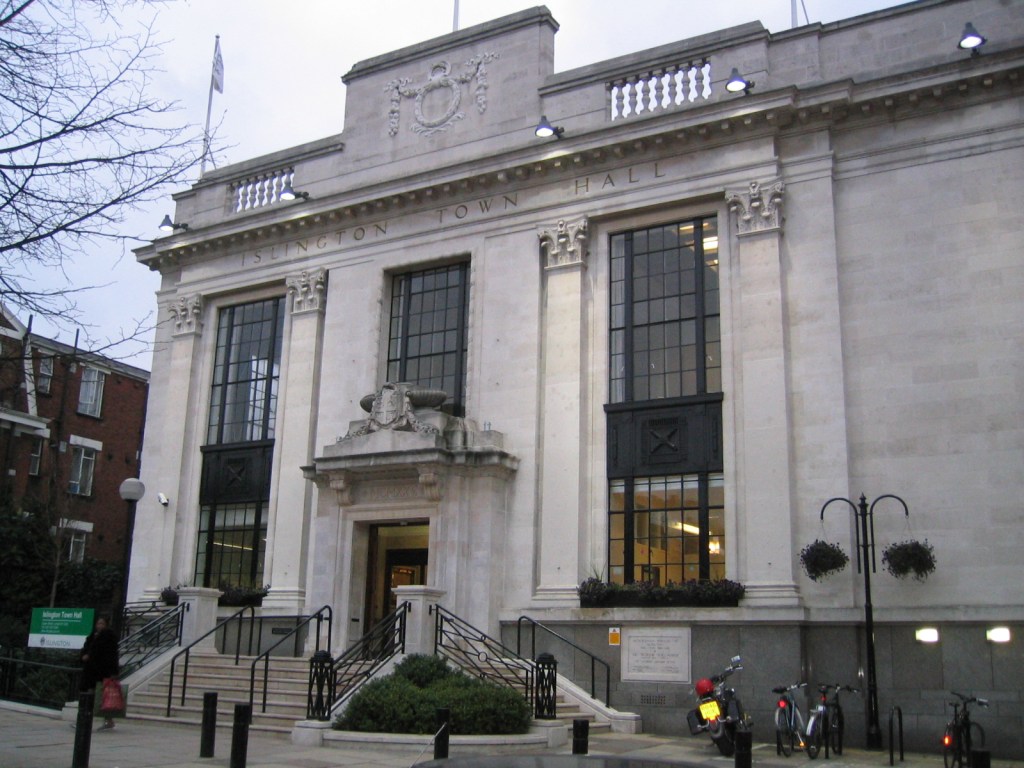
From the 1930 London Electoral Register we know May was residing at Number. 37a Palmerston Road, Wood Green, England, in the year 1930, with her sons Richard Champion and David George Champion and her sister Edith Cameron Charlton Nee Willats.
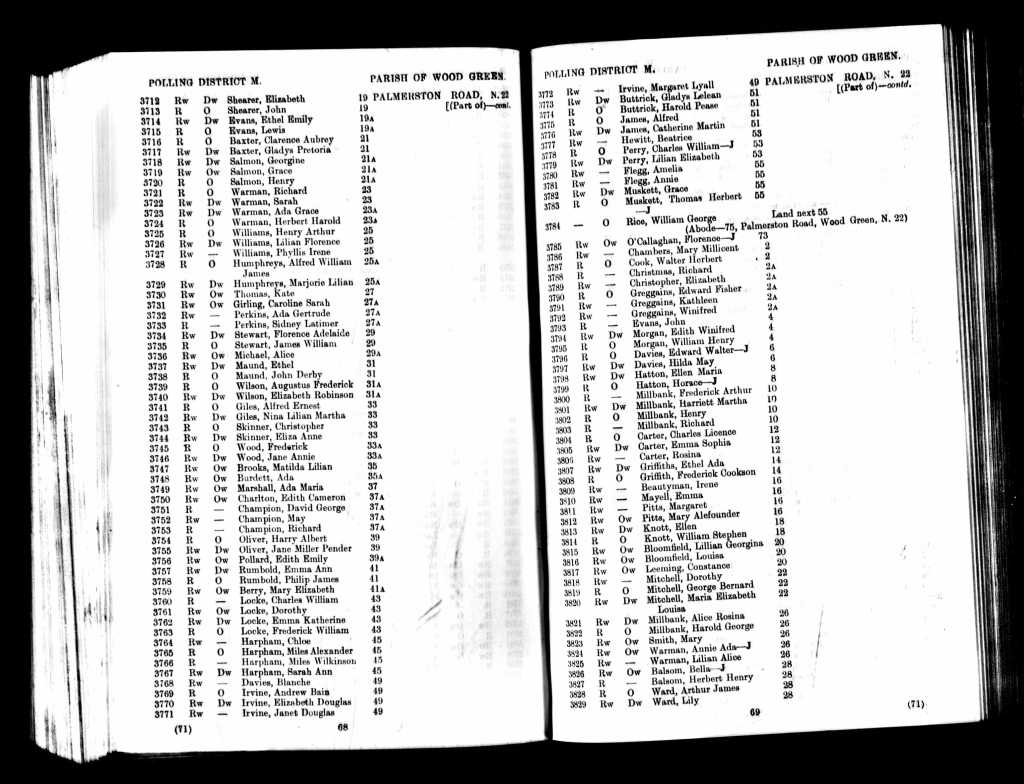
Palmerston Road in Wood Green, England, is situated within the London Borough of Haringey, an area that has undergone significant urban development and transformation over the past century.
Wood Green itself has a history dating back to the 19th century when it was primarily a rural area with scattered farmsteads and small villages. The expansion of London in the late 19th and early 20th centuries brought about substantial changes to Wood Green, transforming it into a suburban residential area.
Palmerston Road likely derives its name from Lord Palmerston, a prominent political figure in the 19th century who served as Prime Minister of the United Kingdom. The naming of streets after political figures was not uncommon during that era and often reflected the social and political climate of the time.
The residential development of Palmerston Road would have occurred during the late 19th and early 20th centuries. This period saw the construction of Victorian and Edwardian terraced houses, characteristic of suburban London at the time. These homes were designed to accommodate the growing middle and working-class populations who sought affordable housing within commuting distance of central London.
Wood Green experienced further growth and modernization in the post-World War II era. The area benefited from improved transport links, including the extension of the Piccadilly Line of the London Underground to Wood Green in 1932, which enhanced accessibility and connectivity with other parts of London.
Throughout the latter half of the 20th century and into the 21st century, Palmerston Road and Wood Green continued to evolve. Urban renewal projects, redevelopment efforts, and improvements in infrastructure have contributed to the area's development. The construction of new housing developments, retail centers like The Mall Wood Green, and cultural amenities have enhanced the quality of life for residents.
Wood Green today is a vibrant and diverse community, known for its multiculturalism, shopping opportunities, and recreational facilities. Palmerston Road remains a residential street, lined with a mix of period homes that have been modernized over the years to meet contemporary living standards. The street benefits from its proximity to local amenities, schools, parks, and public transportation, making it a desirable place to live within the borough of Haringey.

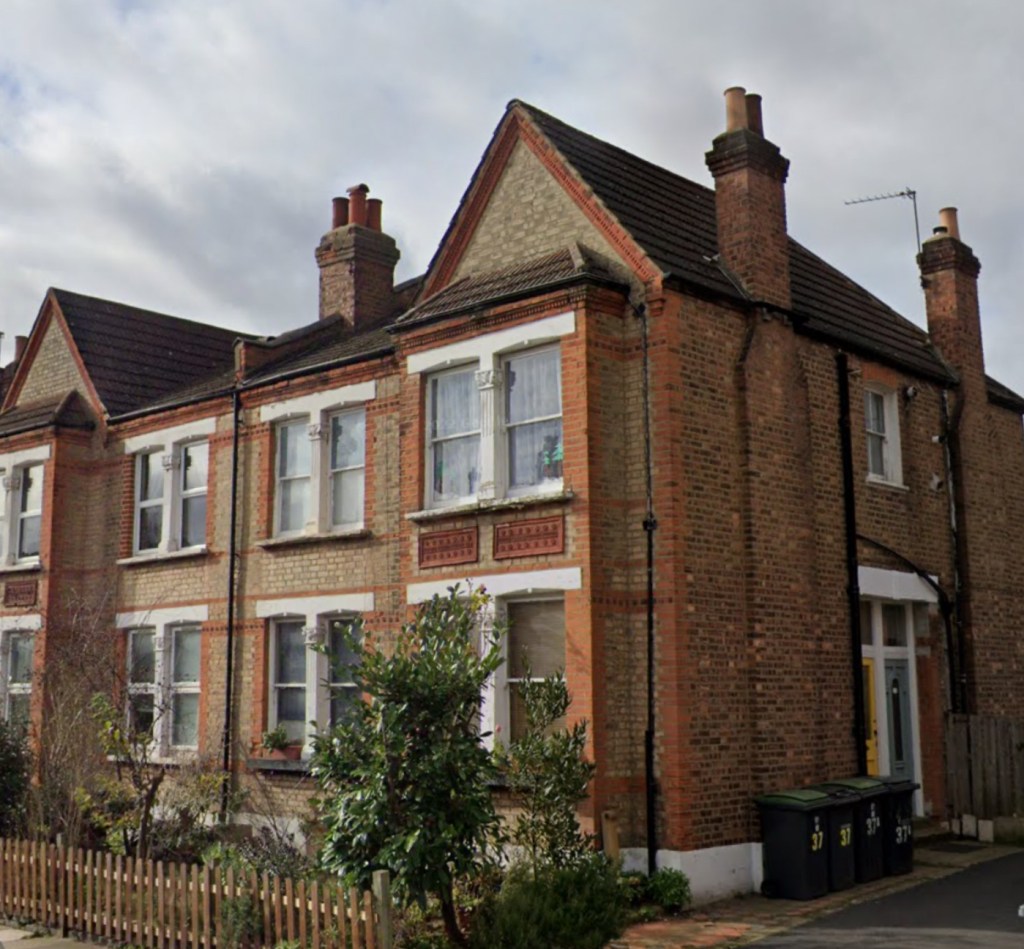
From the 1932 London Electoral Register we know May was residing at Number. 92a Amhurst Park, Stoke Newington, Middlesex, England, in the year 1932, with her son David George Champion and her sister Edith CameronCharlton nee Willats.
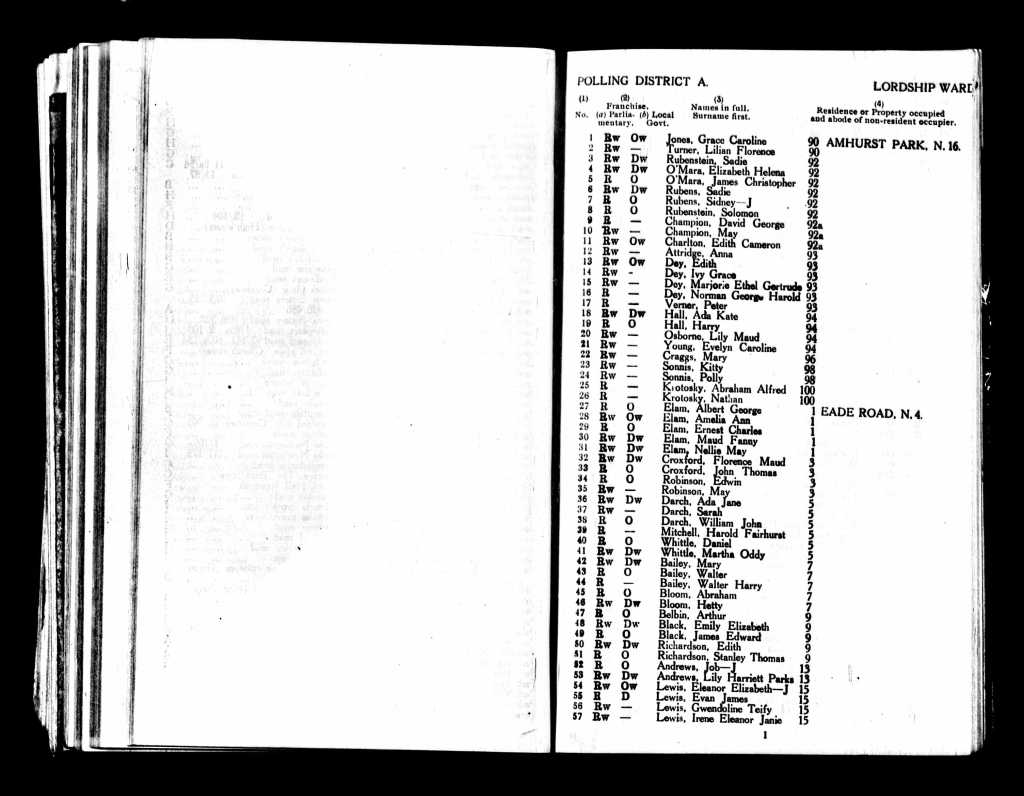
Amhurst Park, located in Stoke Newington, Middlesex, has a history rooted in the development of Stoke Newington itself, a historically significant area in north London.
Stoke Newington traces its roots back to medieval times when it was a small village surrounded by open fields and farmland. The area was known for its pastoral setting and proximity to the City of London, making it an attractive retreat for wealthy Londoners seeking escape from the urban hustle and bustle.
During the 19th century, Stoke Newington underwent significant transformation due to London's rapid expansion and industrialization. Amhurst Park, like many streets in the area, emerged during this period of urban growth. The development of Stoke Newington was influenced by the arrival of the railway in the mid-19th century, which connected the area to central London and facilitated its development as a residential suburb.
Amhurst Park was likely named after the Amhurst family, who were prominent landowners in the area during the 18th and 19th centuries. The street would have been part of a planned residential development, featuring Victorian terraced houses that catered to the middle-class population moving into the suburb. These homes were designed with typical Victorian architectural features, such as bay windows, ornate facades, and decorative brickwork, reflecting the aspirations and social status of their inhabitants.
Throughout the late 19th and early 20th centuries, Stoke Newington, including Amhurst Park, continued to grow as a thriving residential community. The area benefited from its proximity to amenities such as local markets, schools, and churches, which further contributed to its appeal as a place to live.
The social fabric of Amhurst Park and Stoke Newington diversified in the 20th century with the influx of immigrants from different parts of the world, enriching the cultural landscape of the area. This demographic shift added to the vibrancy and diversity that characterize Stoke Newington today.
In recent decades, Stoke Newington has experienced gentrification, with renewed interest in its historical architecture and community atmosphere. Amhurst Park remains a sought-after residential address, maintaining its Victorian charm while adapting to modern lifestyles. The street benefits from its proximity to amenities such as Clissold Park, local shops, cafes, and excellent transport links, including nearby train and bus routes.
Today, Amhurst Park and Stoke Newington continue to evolve as part of London's dynamic urban landscape. The area's rich history, coupled with ongoing development and regeneration efforts, ensures that Amhurst Park remains a desirable and thriving community within the London Borough of Hackney, preserving its historical heritage while embracing the opportunities of contemporary urban living.
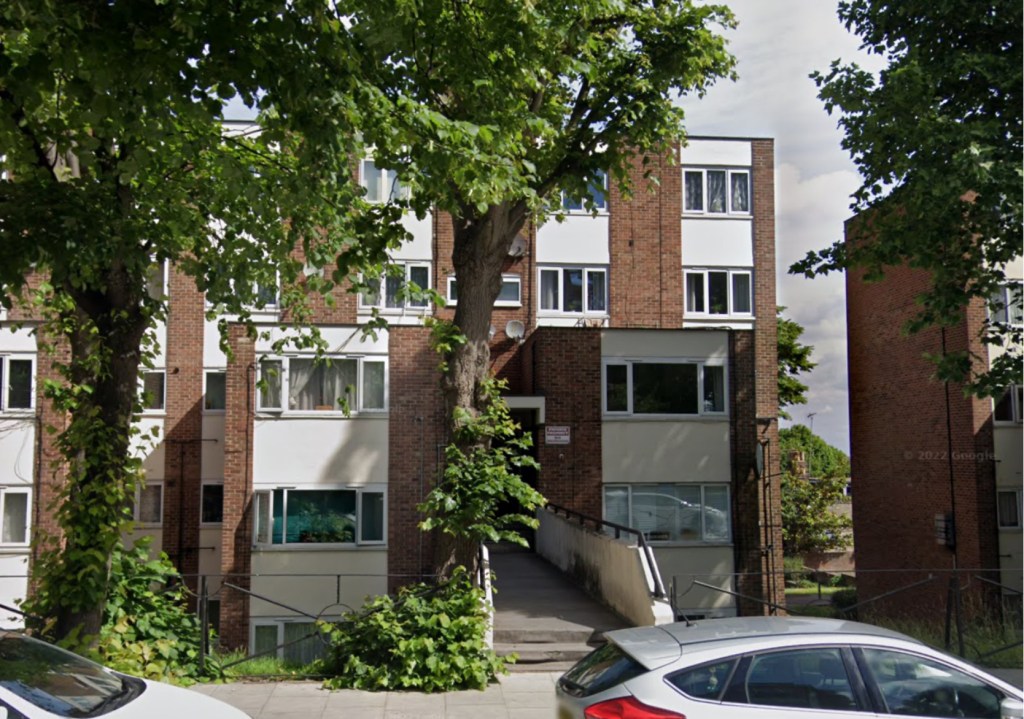
May’s brother, 69 year old, Buffalo Lecturer and former Shakesperian Actoer, Arthur Charles Willats died on the Friday 2nd of June 1933 at Dr, Pierce’s Invalids Hotel and Surgical Institute, 665 Main Street, Buffalo, Erie, New York, USA. Arthur died from a Heart Attack.
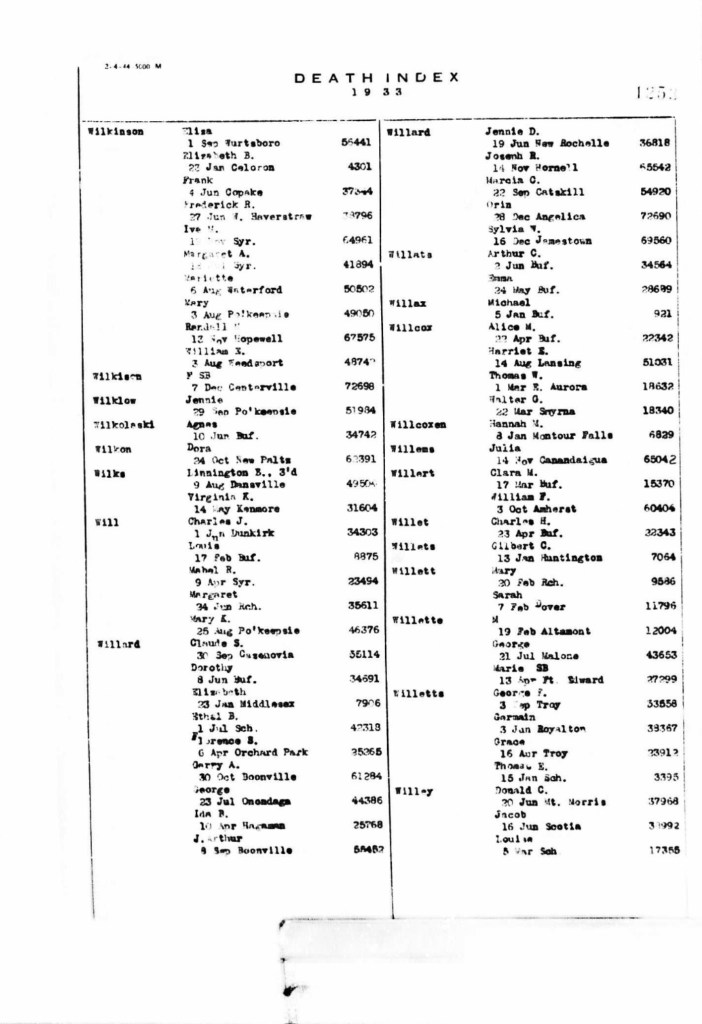
His death announcement was put in the Niagara Falls Gazette, on Friday the 2nd of June 1933. It read as follows,
ARTHUR WILLATS DIES
Buffalo Newspaperman, Lecturer, Former Actor Succumbs to Heart Attack. BUFFALO, June 2-Arthur C. Willats, 69 years old,'well known Buffalo lecturer and former Shakesperian actor, "'died in ' Dr. Pierce's Invalids Hotel and Surgical Institute, 665 Main street, early this morning. He had been in the institution since suffering aheart attack three weeks ago. Mr. Willats was born in England and after coming to this country at the age of 17 he toured the United States as an actor, settling in Buffalo 50 years ago. He was engaged as a lecturer at the old Buffalo Cyclorama for many years and had been a member of the staff of the Buffalo Evening News for 40 years. He had also recently lectured over the radio.. He Is survived by a son, Richard H. Willats, Buffalo automobile distributor, and a daughter, Mrs. Louis G. Collard, 84 Montlcello place.

You can read all about his fascinating life here.
From the 1933 London Electoral Register, we know May was residing at Number. 92a Amhurst Park, Stoke Newington, Middlesex, England, with her sister Edith Charlton, her sons David George Champion, and Philip Frederick Champion and her daughter In-law Amy Elizabeth Champion in 1933.
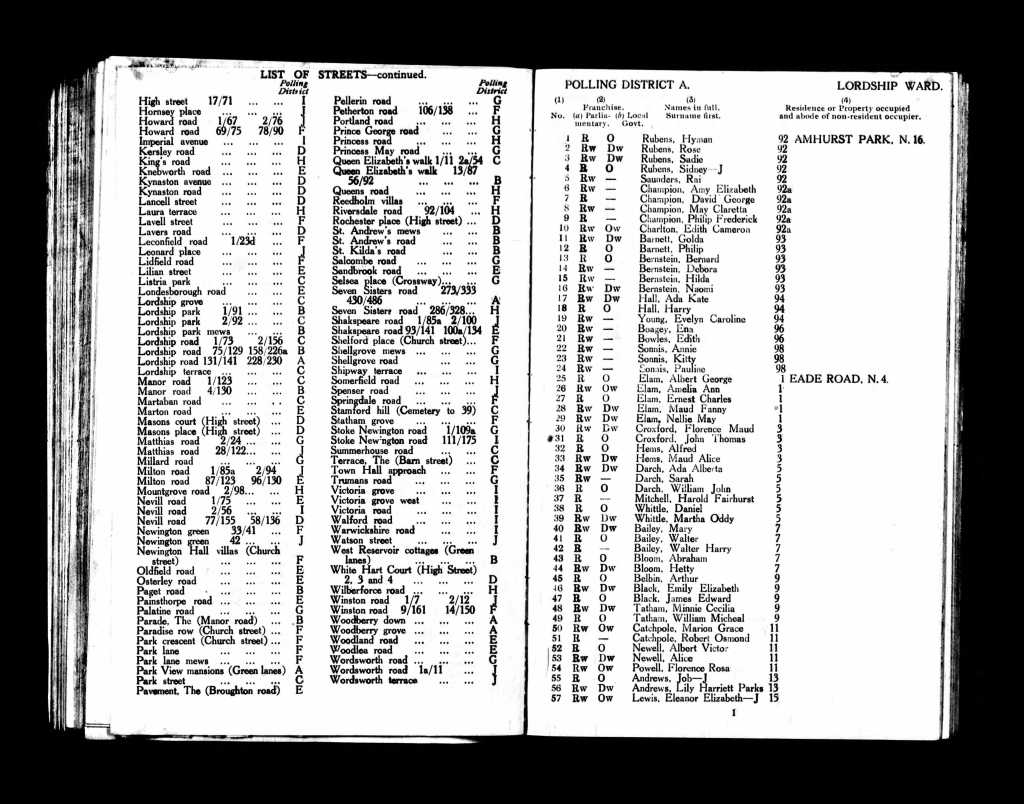
Sadly this is where May’s life unfortunately ends as 57-year-old, May Claretta Champion nee Willats, of Number 20, Blackstock Road, Islington,
Widow of George Frederick Champion, a chicken meat market, passed away on Thursday the 26th of July 1934, at The Royal Northern Hospital, Upper Holloway, Islington, London, England.
May died from, Pyloric obstruction, gastric Ulcer, and Chronic Colitis (operation). A postmortem took place without an inquest.
May’s son P. F. Champion of Number 20, Blackstock Road, Islington registered May’s death on Saturday the 28th of July 1934, in Islington
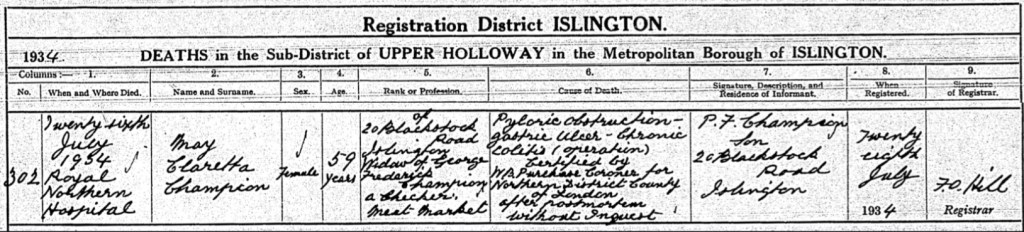
Pyloric obstruction, gastric ulcers, and chronic colitis have complex histories, highlighting the advancements in medical understanding and surgical techniques over centuries.
Pyloric obstruction, also known as gastric outlet obstruction, occurs when the passage between the stomach and the small intestine (the pylorus) is blocked. This condition can result from various causes, including peptic ulcers, tumors, and congenital defects like pyloric stenosis. Historically, the understanding of pyloric obstruction has evolved significantly. Ancient physicians, including the Greeks and Romans, recognized and described symptoms of gastric distress and vomiting. However, it wasn't until the 19th and early 20th centuries that a more detailed understanding emerged.
The introduction of endoscopy in the early 20th century revolutionized the diagnosis of pyloric obstruction. Endoscopic techniques allowed direct visualization of the gastric lining and pylorus, aiding in identifying the cause of obstruction. In terms of treatment, surgical intervention became more refined with the development of techniques such as pyloromyotomy for congenital pyloric stenosis and antrectomy or vagotomy for peptic ulcer disease causing obstruction.
Gastric ulcers, a common cause of pyloric obstruction, have a long history of medical investigation. Ancient civilizations, including the Egyptians and Greeks, documented gastric symptoms and attempted various treatments. In the late 19th century, the association between stomach acid and ulcer formation was recognized, leading to the development of acid-suppressing medications. The 20th century brought significant breakthroughs with the identification of Helicobacter pylori bacteria by Australian scientists Barry Marshall and Robin Warren in the 1980s. This discovery revolutionized the understanding and treatment of gastric ulcers, as it became clear that most peptic ulcers were caused by H. pylori infection. This led to the widespread use of antibiotic therapy in combination with acid suppression to treat ulcers.
Surgical treatment for gastric ulcers has also evolved. In the past, severe cases often required procedures such as partial gastrectomy or vagotomy to reduce acid secretion. However, the advent of effective medical therapies has significantly reduced the need for such surgeries.
Chronic colitis, including ulcerative colitis and Crohn's disease, is a form of inflammatory bowel disease (IBD) characterized by chronic inflammation of the gastrointestinal tract. The history of chronic colitis dates back to ancient times, with descriptions of chronic diarrhea and abdominal pain. However, it wasn't until the 19th and 20th centuries that a more detailed understanding of the disease emerged.
The first detailed description of ulcerative colitis was provided by British physician Samuel Wilks in the mid-19th century. He noted the chronic inflammation and ulceration of the colon. Crohn's disease, initially described by Burrill Crohn and colleagues in 1932, added to the understanding of IBD as it could affect any part of the gastrointestinal tract, unlike ulcerative colitis, which is confined to the colon and rectum.
Surgical intervention for chronic colitis has been a critical component of management, particularly for ulcerative colitis. In severe cases, surgery may involve the removal of the colon and rectum (proctocolectomy) with the creation of an ileostomy or an ileoanal pouch. The development of minimally invasive surgical techniques in the late 20th century improved outcomes and reduced recovery times for these procedures.
The management of chronic colitis has also been transformed by advances in medical therapy. The introduction of corticosteroids, immunosuppressive agents, and biologic therapies targeting specific inflammatory pathways has significantly improved disease control and quality of life for patients.
The Royal Northern Hospital was a general hospital on Holloway Road, London N7, near Tollington Way. It had inpatient, outpatient, accident and emergency facilities and was also a centre for postgraduate medical education and nurse education.
The hospital was founded as an independent and voluntary hospital by Dr. Sherard Freeman Statham, a surgeon, at York Way near King's Cross in 1856. It merged with the Spinal Hospital at Portland Road in 1862 but demerged again when it moved to Holloway Road as the Great Northern Central Hospital in 1888. The new buildings were designed by the architects Young and Hall. It became the Great Northern Hospital in 1911.
During World War One, the Great Northern Hospital was one of the first in London to receive wounded soldiers, and by 1916 had treated over 1,000. In 1917, Matron A M Bird received the Royal Red Cross (first class) for nursing services during the war.
The hospital received a royal charter on amalgamation with the Royal Chest Hospital in 1921. The casualty department was built using public subscription, the Islington War Memorial Fund and designed with a memorial arch listing the 1337 people of Islington who had died in the First World War. The foundations to the new casualty department was laid by Lady Patricia Ramsay in July 1923, and the new building was opened by the Prince of Wales on 27 November 1923. A purpose built nurses' home, designed by Henry Adams, was opened in 1924 by Princess Louise Duchess of Argyll.
In 1929, the construction of a three-storey addition called St. David's wing started thanks to a donation received by the hospitals largest benefactor: Sir Howell J. Williams. It was completed in 1933 and contained 55 single rooms and 5 double rooms. Over his lifetime, Williams donated £158,000 to the hospital. A plaque recognizing Williams' contribution to the St. David's Wing is noted on a plaque at the site that was once the hospital.
The hospital joined the National Health Service in 1948. Following the reorganisation of the NHS facilities in North London whereby services were transferred to the Royal Free Hospital, University College Hospital and the Whittington Hospital, the hospital closed in 1992.
The hospital was demolished in the mid-1990s to make way to a block of flats; the demolition was delayed when a body was found. The body was later confirmed as Michelle Folan, who disappeared in 1981. Her husband, Patrick Folan, was convicted of her murder in 2001.
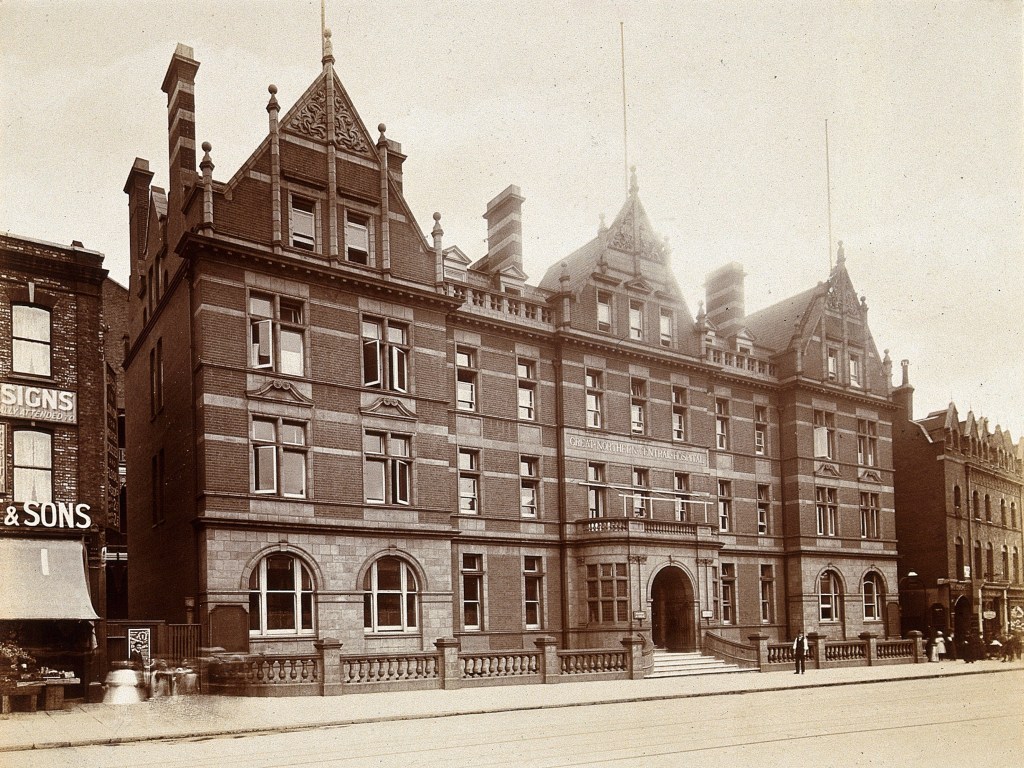
Blackstock Road is a significant thoroughfare located in the borough of Islington in North London, England. It runs roughly north-south from Highbury Park to Finsbury Park, intersecting with several other major roads and streets along its route.
The history of Blackstock Road is closely tied to the development of Islington as a suburban area of London. Islington itself has a long history dating back to medieval times when it was a rural settlement known for its agriculture and dairy farms. By the 18th century, Islington began to urbanize, transforming from a rural village into a prosperous residential suburb.
Blackstock Road likely takes its name from the Blackstock Estate, a large estate owned by the Blackstock family in the area during the 18th and 19th centuries. The road was originally developed to improve connectivity between the growing communities in Islington and the surrounding areas. It became an important route for transportation and commerce, linking residential neighborhoods with local markets, shops, and public amenities.
During the 19th century, Islington experienced rapid growth due to its proximity to central London and improvements in transportation infrastructure. The construction of railways, including the opening of Finsbury Park station in 1861, further enhanced accessibility and contributed to the area's development.
Victorian terraced houses line much of Blackstock Road, reflecting the architectural style prevalent during its initial development. These homes were designed to accommodate the expanding middle-class population attracted to Islington's suburban appeal. Over time, additional residential and commercial buildings were constructed along the road, contributing to its dynamic and diverse character.
Blackstock Road has historically been a hub of community life in Islington. It is home to a mix of shops, restaurants, cafes, and local businesses, catering to the needs of residents and visitors alike. The road's cultural and social significance is evident in its vibrant street life and community events.
In recent decades, Islington, including Blackstock Road, has undergone gentrification and urban renewal. The area's historical architecture has been preserved and enhanced, while new developments have added to its residential and commercial appeal. The diversity of the community continues to thrive, with a mix of long-term residents and newcomers contributing to the area's multicultural atmosphere.
Today, Blackstock Road remains a bustling and dynamic part of Islington's urban landscape. Its rich history, combined with ongoing development and regeneration efforts, ensures that it continues to be a vibrant and desirable place to live, work, and visit within North London. The road's accessibility, amenities, and strong sense of community make it a key artery in the cultural and social life of Islington.

Unfortunately, not through lack of trying, I haven’t been able to locate May or her husband George’s burials or probates. The hunt continues.
As I bid farewell to May Charlton nee Willats, I am reminded that her legacy transcends the boundaries of time and space. Her story is not just a chapter in the annals of our family history; it remember those who came before us, pathing the way so her descendants could have the best forture possible, while showering them with love, kindness and compassion as well as teaching right from wrong.
We owe so much to our ancestors and there struggles especially through the Victorian era, when life was harder than we can even begin to imagine.
May's journey may have reached its earthly conclusion, but her spirit lives on in the hearts of those who cherish her memory. And as I reflect on her life, I am reminded of the profound truth that our existence is not measured by the years we spend on this earth, but by the lives we touch and the hearts we transform.
Farewell, dear May, your legacy will forever shine brightly in the tapestry of our family's history. May your soul rest in eternal peace, knowing that you have left an indelible mark on the world and the hearts of all who knew you.
May Charlton Nee Willats,
1874-1934
Until next time,
Toodle pip,
Yours Lainey.
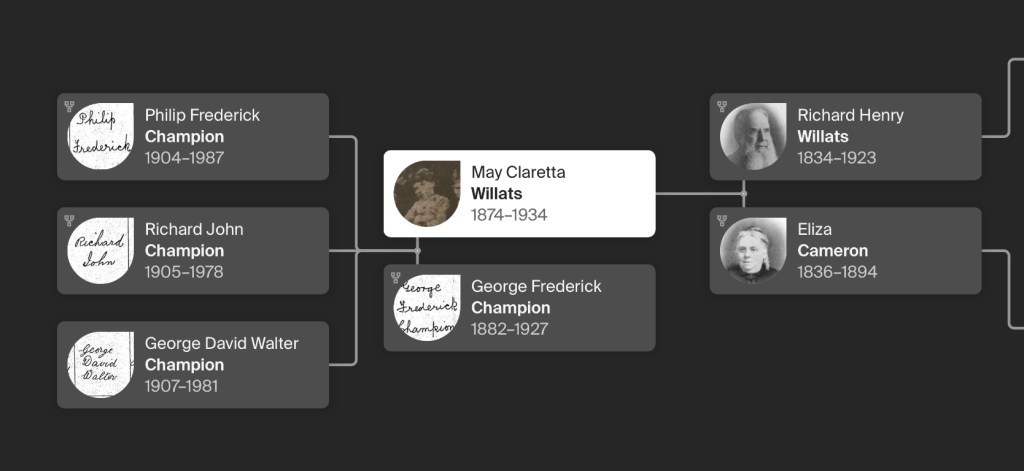
🦋🦋🦋
 Intwined