Siberian Huskies are a striking and highly recognisable dog breed, known for their wolf-like appearance, piercing blue or multi-colored eyes, and graceful, athletic build. These dogs have a long and fascinating history, tracing back to the harsh, icy landscapes of Siberia, where they were bred by the semi-nomadic Chukchi people. The Chukchi, living in the extreme cold of northeastern Asia, relied on Siberian Huskies as working dogs, particularly for pulling sleds over vast distances. While larger and heavier dogs were used for transporting heavy loads, the Siberian Husky's strength lay in its speed and endurance. They were bred for agility, stamina, and the ability to work in packs to pull light loads across immense stretches of frozen land in freezing temperatures.
Huskies were not only important for transportation; they also played a significant role in the daily survival of the Chukchi people. At night, Huskies would huddle with their owners, providing warmth during the sub-zero conditions. Their close relationship with humans fostered a friendly and cooperative temperament, traits that still define the breed today. Unlike many other working breeds, Huskies maintained a balanced diet and were bred to require relatively little food, a necessity in the sparse and unforgiving environment of Siberia.
In the early 20th century, Siberian Huskies gained wider attention outside of their native Siberia. A pivotal moment in the breed's history occurred in 1908 when they were first introduced to North America, particularly Alaska, during the height of the Gold Rush. These dogs quickly earned a reputation for their endurance and speed in sled-dog races, particularly in the famed All-Alaska Sweepstakes, where they excelled against larger, heavier breeds. Their superior performance in harsh conditions helped cement their place as an elite sled-dog breed.
One of the most famous chapters in Siberian Husky history is the story of the 1925 "Serum Run" to Nome, Alaska. A diphtheria outbreak threatened the small, isolated town, and with no other way to deliver life-saving medicine, a relay of sled-dog teams was organized to transport the serum across nearly 700 miles of treacherous, snow-covered terrain. Led by the legendary dogs Balto and Togo, the Husky teams successfully completed the journey in just five days, saving many lives. This incredible feat not only underscored the Huskies’ endurance and determination but also brought the breed into the spotlight, earning them lasting fame.
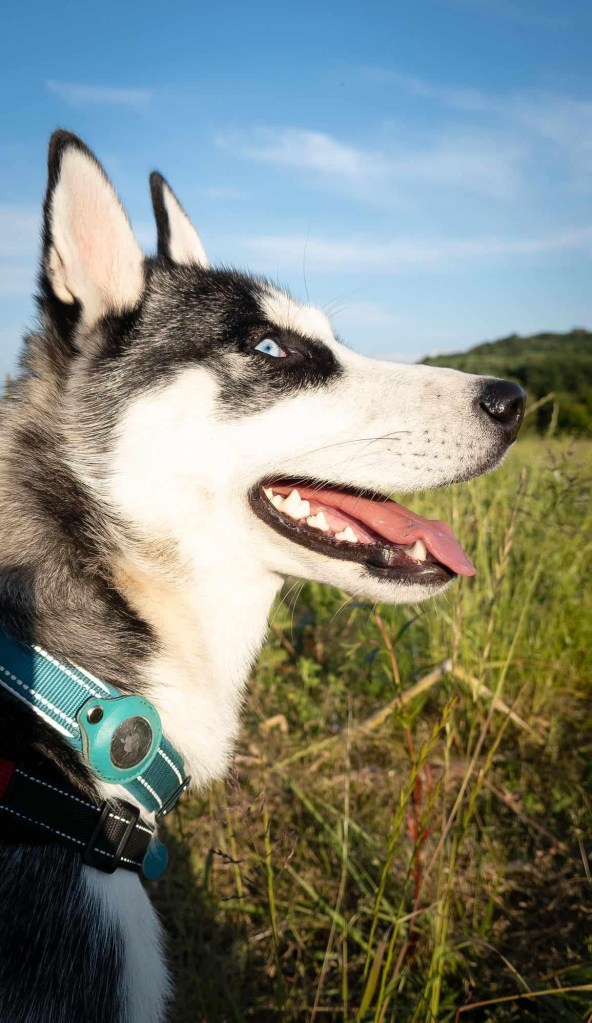
In terms of appearance, Siberian Huskies are medium-sized dogs with a thick, double-layered coat that protects them from extreme cold. Their fur can come in a wide range of colors, including black, gray, red, and pure white, often with striking facial markings that add to their wolf-like appearance. Their eyes are one of their most captivating features, often blue, but can also be brown, amber, or even bi-colored. Their erect triangular ears, bushy tails, and sleek, athletic build all contribute to their iconic look.
Siberian Huskies are known for their friendly and outgoing temperament. Unlike some other working breeds, they are not overly protective or territorial, which makes them approachable and friendly even with strangers. They tend to have a playful, high-energy personality, and while they can be independent, they are also affectionate with their families. This combination of independence and friendliness can sometimes make Huskies challenging to train. They are intelligent dogs, but their willful nature means that they require consistent, positive reinforcement-based training methods. They are not typically eager to please in the way that some other breeds are, so training can require patience and creativity.
Because of their history as sled dogs, Huskies have a high energy level and require significant exercise. They are natural runners and need ample physical activity to stay happy and healthy. Without enough exercise, they can become bored and may resort to undesirable behaviors such as digging, escaping, or destructive chewing. Siberian Huskies are also known for their strong prey drive, which stems from their early days as hunting dogs in Siberia. This instinct can make them prone to chasing small animals, so care must be taken when they are off-leash or in areas where they might encounter wildlife or small pets.
One of the most distinctive traits of the Siberian Husky is their vocalization. They are not frequent barkers but are known for their "talking"—a range of howls, yips, and other sounds that they use to communicate. This vocal nature can be charming, but it also means that they may not be the best choice for owners who prefer quiet dogs.
Siberian Huskies are also highly social animals. They are pack-oriented, a trait that is deeply rooted in their sled-dog heritage, and they tend to get along well with other dogs. However, their independent streak can sometimes make them less focused on their owners compared to other breeds, and they often retain a strong sense of autonomy. They are not typically suited to being left alone for long periods, as they can develop separation anxiety or engage in escape attempts if bored or lonely.
Grooming a Husky is another aspect to consider, as their thick double coat sheds quite a bit, especially during the shedding seasons in spring and fall. Regular brushing helps manage the shedding, and despite their dense fur, Huskies are relatively low-maintenance in terms of odor and cleanliness. Their coats are naturally resistant to dirt and water, making them less prone to becoming grimy.
Until next time,
Toodle pip,
Yours Lainey.
🐾🐾🐾
 Intwined
This blog provides a fantastic overview of the Siberian Husky’s history, traits, and care needs. It’s great to learn about their origins and how their unique characteristics like independence, energy, and vocalization make them such special dogs!
LikeLike
Thank you very much, that means a lot x
LikeLike