The year was 1822, and Romsey remained the backdrop to John Withers’ unfolding life. Now a married man, bound to Mary Cole by the vows they had exchanged beneath the worn stone arches of their parish church, John stood on the threshold of a new chapter, one shaped not by the freedom of youth, but by the quiet responsibilities of adulthood. The paths he had once walked as a boy now felt different beneath his feet, as if the town itself had shifted to reflect the weight of his choices.
His days were no longer his alone. He was a husband now, with all that title demanded in a time when life was hard-earned and every effort left its mark. The bustling marketplace, the hum of labour, the echo of voices in the Abbey, they all became part of a rhythm that John fell into with resolve. The years ahead would bring change, and with it, challenges, but in 1822, there was still a sense of beginning, of setting out on a road from which there would be no turning back.
This is the chapter where John’s story deepens, rooted in duty, shaped by the quiet dignity of work and love, and carried forward by the unspoken promise to face whatever came next, together.
Welcome back to the year 1822, Romsey, Hampshire, England. The town is peaceful, wrapped in the quiet rhythm of a rural market community, nestled in the heart of the Test Valley. England itself is deep into the Regency era, teetering on the edge of the Victorian age that will soon sweep the nation with industrial force. King George IV is on the throne, having ascended in 1820 after serving for many years as Prince Regent during his father George III’s prolonged illness. Known for his extravagant tastes and flamboyant lifestyle, George IV lives more in the world of fashion and culture than in politics. The government is led by Prime Minister Robert Jenkinson, the 2nd Earl of Liverpool, a Tory who has been in office since 1812, presiding over a time of gradual change, cautious reforms, and post-war recovery following the Napoleonic Wars.
Parliament is largely composed of the landed elite. Representation is far from democratic. Many boroughs, including 'rotten boroughs,' still return Members of Parliament despite having tiny populations, while fast-growing industrial towns like Manchester have no representation at all. Political power lies firmly with the upper classes, and the working poor have little voice, although early whispers of reform are being stirred by discontent and poverty. The class structure is stark and visible in every corner of Romsey and the broader English society. The aristocracy and gentry live in great houses or comfortable town residences, served by maids, cooks, and footmen. Their sons attend Eton or Harrow and go on to Oxford or Cambridge. The middle class, growing in number, includes merchants, shopkeepers, and professional men such as doctors, lawyers, and schoolmasters. They live modestly but comfortably. The working class labours in the fields, in workshops, or domestic service, often for meagre wages and in difficult conditions. The poor are barely scraping by, reliant on parish relief or the looming threat of the workhouse, and for many, life is a daily negotiation with hunger and hardship.
Fashion is refined and formal, especially for the wealthy. Men wear tailcoats, waistcoats, cravats, and tight trousers or breeches, while top hats are essential for any gentleman in the street. Women wear high-waisted dresses in light muslins or silks, though the empire waistline is beginning to give way to a more natural waist. Hair is worn in elaborate curls or buns, and bonnets are both fashionable and practical. Working people wear simpler, hardwearing clothes. Women in service wear plain dresses and aprons, while men wear coarse wool or linen, sometimes second-hand garments passed down from their employers.
Transport in Romsey is dominated by foot, horse, and carriage. The town’s cobbled streets are filled with carts carrying produce to and from market, and coaching inns are busy with the arrivals and departures of stagecoaches linking Romsey to nearby towns and cities. The canal system still plays a role in transporting goods, though the railway has not yet reached the region, it will be another couple of decades before that arrives. Travel is slow and weather-dependent. Roads are improving, thanks to turnpike trusts, but travel remains a bumpy and sometimes dangerous affair.
Energy for most people still comes from human and animal muscle, with water wheels providing power in mills. Coal is used increasingly for heating and in industry, but in rural towns like Romsey, firewood and peat are also common. Heating is provided by open hearths and coal grates, which double for cooking in many households. Lighting is by candle or oil lamp, although wealthier homes might have early gas lighting, especially in more urban areas. Public lighting is sparse, and streets are dark at night, leading to crime or accidents. Sanitation is rudimentary. Most homes do not have indoor plumbing. Water is drawn from wells or public pumps, and sewage is thrown into cesspits or open drains. The smell in summer can be overpowering, and disease spreads easily in such conditions.
Food is heavily seasonal and local. The wealthy enjoy roasts, pies, puddings, and wines, with meals served in multiple courses. The middle class eats well but with more simplicity, bread, cheese, cold meats, and beer are staples. For the poor, meals might consist of coarse bread, gruel, root vegetables, and whatever scraps can be afforded or begged. Markets bustle with local produce, and Romsey’s market days are important social and economic occasions. Preservation of food is limited to salting, pickling, or drying. Refrigeration is unheard of.
Entertainment is simple but lively. In Romsey, the tavern is a hub of social life. Music, folk dancing, and storytelling pass the time. Newspapers are becoming more common but are still expensive, and literacy remains limited among the poor. For the upper classes, theatre, concerts, and elegant soirées are the norm. Travelling performers and fairs bring occasional excitement to the town. Gossip spreads by word of mouth, and scandal, particularly involving members of the gentry or clergy, is a rich source of local conversation.
Diseases are a constant threat. Smallpox still exists, although Edward Jenner’s vaccine is beginning to be used more widely. Tuberculosis, known as consumption, is a slow killer. Cholera has not yet struck England in full force but will soon arrive. Typhus, dysentery, and childbed fever are common. Medical knowledge is limited, and treatment often involves bleeding, purging, and herbal remedies. Many people still place faith in charms and traditional medicine. Death in infancy is heartbreakingly frequent, and many families bury several children before adulthood.
The environment is a mix of cultivated farmland, woods, and rivers. Romsey remains a green and pleasant town, though deforestation and enclosure are changing the countryside. Air quality is still good here, far from the coal smoke of northern cities, but poverty is etched into the land in overgrown hedgerows and dilapidated cottages. The local abbey stands as a silent witness to all these changes, a monument of stone and faith in an age of transition.
In 1822, Romsey is a place poised between the old world and the new. The Industrial Revolution has not yet reached its full force in the south of England, but its tremors are felt. The rhythms of life are still set by the seasons, the market bell, and the toll of the church tower. But in drawing rooms and poorhouses alike, the winds of change are beginning to stir.
In early 1822, John and Mary Withers welcomed their second known child, a son named George Henry Withers, into the world. He was born in Romsey, Hampshire, just as his father had been before him, and though no official birth record exists due to the absence of civil registration at the time, his baptism gives us a window into this important chapter of their lives.
George was baptised on Sunday, the 10th day of February 1822, at Romsey Abbey, a place steeped in centuries of faith and tradition. The ceremony was conducted by Curate John Ford, a dedicated clergyman who served at Romsey Abbey from the 7th of January 1814 to the 7th of August 1829. He was not only responsible for Romsey, but also for Chilworth and Timsbury, earning a salary of £90 and living locally in Romsey. His name appears time and again in the parish registers, carefully noting the milestones of those who passed through his church.
That Sunday, George was not alone in being welcomed into the Church. Two other children, Caroline Crook and Thomas Taylor, were also baptised in the same service. Yet it is George’s entry that stands out for its quiet significance. Curate Ford recorded him as the son of, John Withers, a Foot Soldier in the 86 Regiment, and Mary Withers of Romsey. That single line tells us so much.
John, no longer simply a labourer, was now serving as a foot soldier in the 86th Regiment, which opens an entirely new dimension to his life and story. It tells us that, at some point, John took up arms, perhaps out of duty, perhaps out of necessity, to support his growing family. It paints a picture of a man balancing service to country with devotion to home.
George’s baptism stands as a testament not only to his arrival, but to his parents’ evolving life, a life touched by love, faith, and the challenges of the times. It roots him firmly in Romsey, beneath the vaulted ceilings of the Abbey where his name was spoken aloud and written down, ensuring he, too, would be remembered.
Romsey Abbey, located in Romsey, Hampshire, England, is a historically rich religious site with origins dating back to the 10th century. The abbey was founded in 907 AD by King Edward the Elder as a Benedictine nunnery. Its early history is intertwined with the royal family, including significant donations and royal patronage.
During the 19th century, Romsey Abbey saw a series of notable clergy members. One prominent figure was the Reverend John Keble, who served as a curate there in the early 1800s before gaining fame as a leader of the Oxford Movement, which aimed to reform the Church of England.
The abbey's clergy during this period also included several vicars and curates who contributed to its religious life and community service. Records from the era detail their roles in pastoral care, sermons, and community outreach efforts.
Regarding the nuns, Romsey Abbey was historically a Benedictine nunnery until the Dissolution of the Monasteries under King Henry VIII in the 16th century. The abbey's association with nuns is central to its early history but less pronounced in the 19th century due to the dissolution.
Rumors of hauntings at Romsey Abbey have persisted over the years, with reports of ghostly apparitions and eerie sounds echoing through its ancient halls. These stories often center around the abbey's long history and the various individuals who lived and died within its walls.
One peculiar feature of Romsey Abbey is the display of human hair within its premises. This collection of hair, often intertwined with historical artifacts, is a unique and somewhat macabre aspect of the abbey's heritage, reflecting practices of remembrance and commemoration from past centuries.
Overall, Romsey Abbey stands as a testament to centuries of religious devotion, community service, and historical intrigue. Its legacy continues to attract visitors interested in exploring its architectural beauty, rich history, and enduring mysteries.
In December of 1823, the Withers family prepared to witness another important moment in their shared history, this time for Jane Withers, John’s younger sister. Jane, of the parish of Romsey, had fallen in love with William Carter, also of Romsey, and together they took the traditional step of having their marriage banns read aloud in church.
The banns were called on three consecutive Sundays: the 7th, 14th, and 21st of December 1823, within the walls of Romsey Abbey, the same ancient and beloved place where Jane herself had been baptised years earlier. The services were led by Curate John Ford, a familiar figure by now, who faithfully documented each reading in the parish register. Ford had long been a steady hand at Romsey Abbey, and his careful stewardship of the records has given us this window into Jane's life.
There were no impediments alleged. No one stood up to object, and no shadow was cast over their union. It was a quiet, respectful affirmation of a bond formed between two people ready to begin their lives together.
Though we only have the banns at this point in the story, these simple announcements speak volumes. They tell us Jane had found a partner in William Carter. They tell us she remained close to home, to her roots in Romsey. And they remind us that behind every name written in a record book is a story of love, hope, and the ordinary but profound steps that build a family.
On Christmas Day, Thursday the 25th day of December 1823, John’s sister, Jane stood beneath the stone arches of Romsey Abbey and married William Carter. It was a day already sacred in the Christian calendar, but for Jane and William, it would forever be remembered as the day they began their life together as husband and wife.
Both were of the parish of Romsey, and they chose to marry in the heart of their community, in the same church where Jane had been baptised nearly two decades earlier. The ceremony was performed by Curate John Ford, whose familiar hand had already recorded so many moments in the lives of the Withers family.
Jane, like her brother John before her, signed the marriage document with her mark, an ‘X’, a humble yet powerful symbol of commitment in an age when literacy was not guaranteed, especially for women. Standing with them as witnesses were James Carter, likely a relative of William’s, and William Wheeler, men who stood in quiet support as vows were spoken and a future was sealed.
A Christmas wedding in 1823 would have carried a warmth and symbolism all its own, uniting hearts in a season of peace, hope, and new beginnings. For Jane, it marked the start of a new chapter, not only in her own story, but in the continuing story of the Withers family, rooted always in Romsey, stitched together by love, resilience, and faith.
In the early days of 1829, another branch quietly blossomed on the Withers family tree with the birth of Clement Withers, the son of John and Mary. Born in Romsey, Hampshire, like so many of his siblings before him, Clement’s arrival added another cherished child to a growing, working-class family whose story was deeply woven into the fabric of their hometown.
On Friday, the 2nd day of January 1829, Clement was baptised at Romsey Abbey, the church that had already held so many important moments for the Withers family. The ceremony was once again performed by Curate John Ford, the steadfast spiritual figure of the parish whose name appears again and again beside the names of this family in the records. With care, he wrote Clement’s name into the baptism register, noting him as the son of John Withers, a labourer, and Mary Withers, of Romsey.
There is something quietly significant in Clement’s baptism, it marked not just another child born, but a continuation of a deeply rooted life in Romsey. Despite the hardships and limitations of the time, John and Mary continued to build their family, raising their children within the same church walls where they had once pledged their own vows. Each baptism was not only a rite of faith, but a thread in a much larger story, one of love, struggle, perseverance, and legacy.
Clement’s name now lives alongside those of his siblings and ancestors in the timeworn records of Romsey Abbey, etched there with ink and intention, holding his place in the unfolding life of the Withers family.
In the summer of 1831, John and Mary welcomed another son into their already full and bustling household, a little boy named Stephen Withers. Born around June of that year in Romsey, Hampshire, Stephen would go on to carry forward the Withers name into yet another generation. He wasn’t just any child in this family story, Stephen is your 3rd great-grandfather on your dad’s side, and with him, my paternal line took its next step forward.
Though the exact details of Stephen’s birth aren’t recorded, like so many children born before 1837, when official birth registration became law, we can piece together his arrival through dedication, research, and the blessings of parish records. And what a precious piece he is in the puzzle of my family’s past. Each birth in John and Mary’s family added weight to their legacy, but there’s something especially meaningful about the arrival of Stephen. It’s from him that my branch of the tree would eventually grow.
Born into a working-class family deeply rooted in Romsey, Stephen’s life began like those of his siblings, with faith, community, and the quiet resilience that marked so many families of the time. Though the world around them was changing, the Withers family remained firmly planted in their corner of Hampshire, drawing strength from one another and from the generations that had come before.
With Stephen’s birth, the story of my family continued, woven through time with all its joys, challenges, and quiet triumphs.
On Tuesday, the 14th day of June 1831, John and Mary Withers took their young son, Stephen, to be baptised at Romsey Abbey. This event, like many before it, marked another important chapter in the Withers family story, a story deeply intertwined with the Abbey itself. The ceremony was performed by Curate John Ford, who had long been a fixture in the parish and had witnessed many of the Withers family milestones over the years.
In the baptism register, Curate Ford carefully wrote:
“Stephen Withers, son of John and Mary Withers of Romsey, was baptised on the 14th of June.”
What’s interesting, though, is that no occupation is listed for John Withers in this entry. While this may have been a simple oversight or a reflection of changing circumstances in his life, it stands as a reminder of the sometimes elusive details of the past.
Stephen's baptism was an important moment not only for him but for the entire Withers family. Like his siblings, he was formally welcomed into the community of faith at Romsey Abbey. His name, like theirs, was inscribed in the register, ensuring that his place in the family’s history would be remembered.
This connection to Romsey Abbey is particularly meaningful to me, as my own baptism and Marriage are also recorded in that very same registers. It’s a profound feeling to know that my own entry in that sacred record links me, across the generations, to the same church where Stephen and his ancestors were baptised. It’s a reminder of the unbroken thread of family, faith, and history that runs through our bloodlines, binding us together not just to the past, but to one another.
John and Mary welcomed their fifth child, a son named Silas Withers, into their growing family around the year 1832. He was born before Monday, the 22nd of October 1832, in Romsey, Hampshire, England. Like his siblings, Silas was part of a family deeply rooted in the heart of Romsey, a community that had witnessed the lives of the Withers family unfold over many years.
Though the precise day of Silas' birth remains unclear, his arrival added to the expanding circle of the Withers children. He was the fifth to join the family, and as with all the others, he became an integral part of the story of John and Mary’s life together, a story that was unfolding in both the mundane and the extraordinary moments of life in 19th century Romsey.
On Monday, the 22nd day of October 1832, John and Mary brought their son, Silas, to be baptised at Romsey Abbey. This significant moment in the Withers family’s history was officiated by Curate Frederick Russell, who had just begun his ministry at the Abbey. Curate Russell performed the ceremony with care, recording Silas’s details in the baptism register.
The entry in the register reads:
“Silas Withers, son of John Withers, a labourer, and Mary Withers, of Romsey, was baptised on the 22nd of October.”
Curate Frederick Russell was a relatively new presence at Romsey Abbey, having started his ministry there in October 1832. His tenure at the Abbey would be short, as he left in May 1834 to become the Perpetual Curate at Holy Trinity Church in Halifax. During his time in Halifax, he became well-known for his sermons and writings, notably a sermon on "Popery and the duty of adhering to the Principles of the Reformation," which he published in 1839. Russell eventually resigned his position in Halifax in 1845 and moved to Holly Rood Church in Southampton, continuing his career in the ministry.
Silas’s baptism marked another important chapter in the Withers family’s life, linking him to the generations that had come before him, and to the future that would continue to grow from the foundation laid by his parents, John and Mary. It’s a quiet but significant moment, ensuring that Silas's name was entered into the record alongside his siblings, linking his life to the fabric of Romsey's history.
John’s brother, Frederick was the sixth child of John and Mary, born around the year 1837, and was likely born at Southampton Road, Romsey, marking another chapter in the growing Withers family.
John and Mary Withers baptised their son, Frederick Withers, on Sunday, 29th January 1837, at Romsey Abbey in Romsey, Hampshire, England. This event took place under the watchful eye of Stipendiary Curate Edward Henry Dewar, who meticulously recorded Frederick’s details in the baptism register. The register entry reads:
“Frederick Withers, son of John Withers, a labourer, and Mary Withers, of Southampton Road, was baptised on the 29th of January.”
Curate Edward Henry Dewar was a man of notable background. Born on 31st August 1812 in Amherstburg, Canada, he was the son of John Dewar, a former soldier in the Royal Irish and later in the Canadian Fencibles. Edward's academic journey was extraordinary; he was educated in both Frankfurt-am-Main, Germany, and Oxford, where he received his BA in 1834 and his MA in 1837. Dewar was ordained as a deacon in 1835 and was appointed to his first curacy at Romsey Abbey in 1835, beginning his work there on a stipend of £80.
During his time at Romsey Abbey, Dewar oversaw significant changes. The vestry of the Abbey, in an ambitious innovation, decided to install gas lighting in the church, which was funded by subscription. He also officiated the marriage of several couples and performed numerous baptisms. In 1835, he married Amy Garland, and they had a family before her untimely passing. Later, Dewar remarried Caroline, and they had two daughters.
In 1837, Dewar’s career took a new direction, and he became the Chaplain to the Sussex County Hospital in Brighton. His fluency in German, a result of his early years in Germany, would become a key asset in his later work in Europe. In 1848, Dewar began a significant chapter in his life as the Chaplain to the British residents in Hamburg. His academic interests continued, and in 1844 he published a work on German Protestantism. His career led him to become the Rector of St. John's Church in Sandwich, Ontario, Canada, where he spent much of his later life, including playing a major role in the foundation of All Saints’ Church in Windsor.
Although Dewar’s time in Romsey was brief, his legacy as a minister, scholar, and missionary left an indelible mark, both in England and abroad. His work in Romsey and the subsequent chapters of his career illustrate the important role he played in the religious and community life of the areas he served.
As for Frederick Withers, his baptism under Dewar’s care ties him to a long history of church life and tradition at Romsey Abbey, where so many of the Withers family’s milestones were marked. It’s fascinating to think about how these small moments, baptisms, marriages, and life events, can link generations, keeping the story of the Withers family alive for future generations to remember and honor.
Southampton Road in Romsey, Hampshire, England, is a prominent thoroughfare with a rich history dating back centuries. Romsey itself has ancient roots, evidenced by archaeological finds from the Roman and Saxon periods. The town's growth was spurred by its strategic location on the River Test, which facilitated trade and commerce. Southampton Road, as a main artery, played a pivotal role in the town's development, connecting Romsey to Southampton and other nearby settlements.
In the medieval era, Romsey Abbey emerged as a focal point, both religiously and economically, contributing to the town's prosperity. The road would have been crucial for pilgrims and traders visiting the abbey, further enhancing its significance. Over time, Romsey evolved into a market town, with Southampton Road serving as a key route for goods and people.
During the Industrial Revolution, Romsey saw changes that reflected broader shifts in transportation and industry. The road adapted to accommodate increasing traffic and trade demands, aligning with developments across Hampshire and southern England. In the modern era, Southampton Road remains vital, lined with businesses, residences, and community facilities that sustain Romsey's vibrant life.
Today, Southampton Road embodies a blend of historical charm and contemporary amenities, reflecting Romsey's enduring role as a hub of culture, commerce, and community in Hampshire.
John’s sister, 40-year-old Lydia Voller (née Withers), passed away in February 1837, before Sunday, 26th February 1837, in Soberton, Southampton, Hampshire, England. Tragically, there is no available death index for Lydia, making it difficult to pinpoint the exact date of her passing. However, this loss is a significant moment in the Withers family history, as Lydia had been a vital part of the family throughout the years.
Lydia, who had married John Voller, was the sister of John Withers, and her death would have had a deep emotional impact on those who were close to her. As there is limited documentation about her death, this moment remains somewhat elusive, but it is certain that it marked a somber occasion in the lives of those who knew her. The absence of an official death record adds to the mystery surrounding her passing, leaving a gap in the historical timeline of the Withers family.
Her legacy, though, lives on in the memories of those who remember her, and in the continued unfolding story of her family.
Lydia Voller (née Withers), aged 40, was laid to rest on Sunday, 26th February 1837, in the grounds of St. Peter’s Church, Soberton, Southampton, Hampshire, England. The burial was officiated by Curate Step Butter, who recorded Lydia’s details in the burial register. The entry notes that Lydia Voller, of Soberton, was buried on the 26th of February 1837.
Soberton, located in the picturesque Meon Valley of Hampshire, lies east of the A32 and just a few miles south of the village of Droxford. The village has a rich history, first appearing in the Domesday Book as "Sudbertone" or "Sudbertune." This area, with its centuries-old heritage, would have been a quiet resting place for Lydia, providing a peaceful final location in the countryside she had known during her life.
Though Lydia's death left a significant gap in the family, her burial in the tranquil grounds of St. Peter's Church offers a poignant connection to the land and community that surrounded her. It remains a solemn reminder of the impermanence of life, and the importance of family and memory in preserving the stories of those who came before us.
St. Peter’s Church in Soberton, Hampshire, stands as a testament to centuries of English ecclesiastical architecture and local history. Originally constructed in the 12th century, the church has undergone several significant phases of development. The north arcade was built in the 1180s, followed by the addition of aisles and a south transept in the 13th century. In the early 16th century, a larger tower replaced the earlier structure, and the church saw further restoration in 1881. Today, it is recognized as a Grade I listed building, highlighting its exceptional architectural and historic importance.
Architecturally, the church showcases a blend of styles reflecting its long history. The nave features a three-bay arcade with octagonal columns from the mid-13th century, while the chancel arch dates to around 1300. The south transept, known as the Curle Chapel, was added circa 1270, and the chancel walls were constructed around 1330. The west tower, built in 1525, is notable for its flint construction with irregular stone blocks and a distinctive Perpendicular Gothic style .
Within the church, visitors can find a Victorian baptismal font featuring a hexagonal bowl adorned with carvings of angels, crossed swords, and keys, reflecting the artistic sensibilities of the 19th century . A particularly intriguing feature is a carving high up on the tower depicting a skull flanked by a pail and a key. This has given rise to a local legend that the tower was originally built by servants, a butler and a dairymaid. In 1881, inspired by this tale, domestic servants across Hampshire raised £70 to restore the tower, commemorated by a plaque stating, "This Tower Originally Built By Servants Was Restored By Servants 1881" .
St. Peter’s Church remains an active place of worship and a cherished landmark within the Soberton community, embodying the rich tapestry of English religious and social history.
John's father, 77-year-old William Withers, a pig butcher, sadly passed away on Thursday, 24th January 1838, in Romsey Extra, Hampshire, England. It is believed that he most likely passed away in the workhouse, as James Summers, the Governor of the Union Workhouse in Romsey Extra, was responsible for registering William's death. The death was officially recorded on Saturday, 26th January 1838, although the name of the registrar is unclear.
The entry in the death register states that William Withers, aged 77, a pig butcher by trade, died on 24th January 1838, in Romsey Extra, from old age. The workhouse, often a place of last resort for many in these times, marked a difficult end to William's life, but it also serves as a testament to the hardships and realities faced by the working class in the early 19th century. His passing marked the end of a chapter for the Withers family, and the loss would have been deeply felt by his surviving children, including John.
Though the details of his later years may be less documented, William’s memory lives on in his descendants, and his legacy remains intertwined with the family’s history. His death marks another poignant moment in the story of the Withers family, capturing both the struggles and resilience of a family navigating the complexities of 19th-century life.
Romsey Workhouse, situated on Winchester Road in Romsey, Hampshire, was established in 1774 to provide relief for the poor of the town. Initially, it served the parishes of Romsey Infra and Romsey Extra, accommodating up to 150 inmates in Romsey Extra and 60 in Romsey Infra. In 1835, following the Poor Law Amendment Act, the Romsey Poor Law Union was formed, encompassing several surrounding parishes. The existing workhouse was expanded in 1836 to meet the needs of the larger union.
The workhouse was designed in a U-shape, with separate wings for males and females. Inmates were classified and housed accordingly, with able-bodied men assigned to tasks like stone-breaking, while women engaged in household chores, laundry, and sewing. Children attended on-site schools but were not entirely separated from adult inmates. The facility included a garden for recreation and a detached ward for infectious diseases. An inspection in 1866 noted the satisfactory condition of the workhouse but recommended improvements, such as separate yards for children and the elderly, and the appointment of a paid nurse.
Over the years, the workhouse saw several additions: a separate infirmary in 1870, a new female ward in 1890, and a female infirmary in 1900. A chapel was also constructed to the east of the main building. After 1930, the facility was redesignated as a Public Assistance Institution under Hampshire County Council. Following the abolition of workhouses in 1948, the site became an old people's home known as The Gardens, with the main building later renamed Nightingale House. Today, the former workhouse has been converted into residential flats, and the 1870 infirmary now houses the Romsey Register Office.
John’s father, William Withers, was laid to rest on Saturday, the 27th day of January 1838, at Romsey Old Cemetery, Romsey, Hampshire, England. The burial was conducted by Curate E.H. Dewar, who recorded the details in the burial register. The entry notes that 77-year-old William Withers, of the Poor House, was buried on the 27th of January 1838.
William's burial in Romsey Old Cemetery marks the final resting place of a man who, despite his challenging circumstances in his later years, played a significant role in the Withers family history. The fact that he was laid to rest in this cemetery, overseen by Curate Dewar, reflects the community's efforts to provide a dignified end to the lives of its residents, even those who had fallen on hard times.
The somber reality of his death in the Poor House, followed by his burial in the local cemetery, speaks to the struggles that many individuals faced during this era, particularly those in the working class. Despite this, his legacy lives on through his children, including John, whose life and story continue to be told, in part, because of the perseverance of those who came before him.
Romsey Old Cemetery, situated on Botley Road in Romsey, Hampshire, was established in 1856 in response to public health concerns arising from overcrowded churchyards, notably that of Romsey Abbey. Legislation such as the Public Health Act of 1848 and the Burials Act of 1853 prompted the creation of new cemeteries to address these issues. The cemetery served as the principal burial ground for Romsey until its closure in 1983, although some reserved burial rights remain.
Architecturally, the cemetery features two chapels: a Gothic-style Church of England chapel and an Italianate non-conformist chapel. The Italianate chapel, characterized by its red brick construction with yellow brick and stone dressings, was restored in the 1990s by the Test Valley Archaeological Society. The cemetery also contains 18 official war graves recognized by the Commonwealth War Graves Commission.
Today, Romsey Old Cemetery stands as a testament to Victorian-era public health reforms and architectural design, reflecting the town's historical evolution and commitment to preserving its heritage.
On Thursday the 7th day of February 1839, John and Mary Withers welcomed their daughter into the world at Newton Lane, Romsey, Hampshire, England. She would later be known as Virtue Anna Withers, a name that carried grace and quiet strength, though curiously, it was not recorded at the time of her birth registration. The very next day, on Friday the 8th day of February 1839, John made his way to register the birth of his child. The registrar, J. Scorey, entered the details into the official register: a female child, born to John Withers, a labourer, and Mary Withers, formerly Cole, both of Newton Lane, Romsey Infra. John signed the document with his mark, a simple x, an unspoken but significant gesture that echoed the countless marks made before him by men of working hands and steady hearts.
What makes this record especially poignant is the absence of a name for the baby girl. No given name was entered on either the birth certificate or in the index. I have searched thoroughly through the records, wondering if perhaps this unnamed child had passed away soon after birth and had been a different daughter entirely, but no corresponding death index can be found. Likewise, there is no separate birth record for a child named Virtue, leading me to believe with quiet certainty that this certificate belongs to her.
Why her name was not yet decided at the time remains a mystery. Perhaps John and Mary were caught in a moment of fear and uncertainty. It may have been that Virtue was frail at birth, her condition uncertain, and in the worry of those early hours, her parents made the decision to register her quickly, perhaps fearing she would not survive long enough to be formally named. It is, of course, only speculation. But one can easily imagine the scene: a father standing at the registrar’s desk, doing his duty amidst a tide of emotion, his thoughts on the little girl fighting for life at home.
Though the record may be sparse in detail, the story it tells is rich with love, quiet determination, and the fragility of life in 19th-century England. Virtue’s name, when it did come, would speak volumes, not just of hope, but of endurance, and the quiet faith her parents carried through every storm.
Newton Lane in Romsey, Hampshire, is a historic thoroughfare nestled within the town's conservation area. It is recognized as one of Romsey's ancient streets, alongside others like Latimer Street and Portersbridge Street. The lane's proximity to the River Test and the former Romsey Barge Canal suggests its historical significance in local trade and transportation.
In the 19th century, Newton Lane was home to families involved in canal operations. The Withers family, for instance, had several members working as bargemen and barge drivers. This highlights the lane's role in supporting the town's economic activities during that period.
Architecturally, Newton Lane features a mix of historical and modern buildings. A notable structure is the Grade II listed east-to-west wing behind number 31, reflecting the area's architectural heritage. In recent times, the lane has seen the development of modern townhouses and apartments, blending contemporary living with historical charm.
On Sunday the 10th day of March 1839, John and Mary Withers brought their young daughter to Romsey Abbey to be baptised. In the quiet beauty of that ancient church, Virtue Anna Withers was received into the Christian faith. Curate William Sparrow Chapman conducted the service, and it was he who recorded her baptism in the Abbey’s register. He noted that Virtue Anna Withers, daughter of John Withers, a labourer, and Mary Withers of Newton Lane, was baptised on the 10th of March 1839.
William Sparrow Chapman himself was a man of notable character and standing. Born on the 12th of July 1810, he was the only son of George Chapman of Micheldever, Hampshire, and, according to some sources, the youngest and last surviving son of the Reverend George Chapman MA, Vicar of Micheldever. William was ordained deacon in 1834 and priest in 1835, and by 1839 he had found himself serving as Curate at Romsey Abbey, a position he held until 1841.
Before his time in Romsey, William had spent four devoted years as Curate in the parish of Enstone, Oxfordshire. His departure from Enstone was met with great affection by his parishioners, both rich and poor, who presented him with gifts of silver, a pair of candlesticks, snuffers, tray, teapot, cream jug, and sugar basin, all of elegant design, as a token of their deep appreciation, as reported by the Hampshire Advertiser in May 1839.
After his curacy at Romsey, William Sparrow Chapman went on to become Vicar of Kemble, Wiltshire in 1844, a post he held faithfully until his death at Kemble Vicarage on the 2nd of June 1861. His memory lives on in Romsey Abbey, where a memorial plaque honours his life and work.
In those early months of 1839, when little Virtue Anna was brought to the Abbey font, the family must have found comfort in the solid stone walls and soaring arches, and in the warm faith of men like William Sparrow Chapman. It marked another quiet but important step in the life of John and Mary’s growing family, set against the rhythms of faith and the steadfast traditions of their Romsey community.
On the evening of Sunday the 6th day of June 1841, when the census was taken, 43-year-old John Withers and his 40-year-old wife Mary were living with their children in Romsey, Hampshire, England. Their growing family included 10-year-old Stephen, 8-year-old Silas, 4-year-old Frederick, and 2-year-old Virtue. John was working as an agricultural labourer, providing for his family through hard and honest work. According to the census records, John was listed under the address of Market Place, while Mary and the children were recorded separately at Newton Court. I wholeheartedly believe this to have been an error made by the census takers, and that the entire family, including John, were actually living together at Newton Court, Newton Lane, Romsey. It is easy to imagine the simple yet busy life they led there, with the steady rhythm of work and family marking the passing of their days.
Newton Court, located on Newton Lane in Romsey, Hampshire, has now been demolished. While specific historical records about Newton Court are limited, its presence on Newton Lane, a street with a rich architectural heritage, suggests it may be part of the area's historical fabric.
Newton Lane itself is home to several listed buildings, including a Grade II listed structure known as the "East to West Wing Behind Number 31," which was designated in 1972. This indicates the historical significance of properties along the lane.
In recent years, Newton Lane has seen developments that blend historical preservation with modern living. For instance, a semi-derelict building, formerly a carpet shop, was converted into three contemporary dwellings with courtyard gardens, respecting the conservation area's character.
Today, Newton Lane comprises a mix of residential properties, including houses and flats, reflecting both its historical roots and modern adaptations. The area remains a sought-after location within Romsey, balancing heritage with contemporary living.
John and Mary’s daughter, Fanny Withers, was born on Tuesday the 17th of August 1841 at Newton Lane, Romsey, Hampshire, England. Just a few days later, on the 23rd of August 1841, her mother Mary went to register the birth in Romsey. The registrar, J Scorey, recorded in the birth register that Fanny Withers, a girl, was the daughter of John Withers, a labourer, and Mary Withers, formerly Cole, of Newton Lane, Romsey Infra. Mary, like her husband John had done before her, signed the official document with her mark, a simple yet powerful X, a silent testament to her place in the family’s continuing story.
John and Mary’s joy at welcoming their daughter Fanny was heartbreakingly short-lived. Just eight days after her birth, little Fanny Withers sadly passed away on Wednesday the 25th day of August 1841 at Newton Lane, Romsey, Hampshire, England. Charlotte Bessant, a resident of Newton Lane who had been present at Fanny’s death, registered her passing later that same day. The registrar, whose name is unclear on the record, entered into the death register that Fanny Withers, only eight days old and the daughter of John Withers, a labourer, had died of debility. Charlotte, like Mary before her, signed the official document with her mark, a simple X, a quiet symbol of grief shared by those who had cared for the little one in her short life.
John and Mary baptised their daughter Fanny Withers on Thursday the 26th day of August 1841, just one day after her death and the day before her burial. The service was held at Romsey Abbey, Romsey, Hampshire, England. Curate Francis Procter performed the baptism and carefully recorded the details in the baptism register, noting that Fanny Withers, daughter of John Withers, a labourer, and Mary Withers of Newton Court, was baptised on the 26th of August 1841.
Francis Procter had been ordained a deacon in 1836 in the Diocese of Lincoln and later a priest in 1838 in the Diocese of Ely. He served as curate at the Church of St Margaret in Streatley, Bedfordshire, between 1836 and 1840, before his time at Romsey Abbey from 1840 to 1842. In 1842, he left parish ministry to become a fellow and assistant tutor at St Catharine’s College, Cambridge, where he had previously studied. He remained in that role until 1847, when he became the Vicar of Witton in Norfolk, a position he would hold for the rest of his life.
Fanny’s baptism, taking place after her passing, was a poignant reflection of her family’s love and their desire to ensure she was received and remembered with all the grace and dignity they could offer.
John and Mary’s daughter, Fanny, was laid to rest on Friday the 27th day of August 1841 in Romsey, Hampshire, England. It is uncertain whether she was buried in the grounds of Romsey Abbey or at the Romsey Old Cemetery on Botley Road, but her final resting place was in the same town where she had been born. Curate G Hadow, of Romsey Abbey, conducted the burial and meticulously recorded the details in the burial register. He noted that Fanny Withers, just 8 days old, of Newton Court, was buried on the 27th of August.
Fanny’s brief life was marked by love, loss, and a deep sense of grief from her parents, who had already been through so much. Her burial, though brief in the life it commemorated, marked a moment of finality for John and Mary, a moment they would undoubtedly carry with them forever.
John and Mary’s son, 23-year-old George Withers, married widow Jane Small, formerly Mitchell, in Romsey, Hampshire, England, on Sunday the 28th day of July 1844.
As with other parts of this life story, I want to be open and honest with you. Due to the ever-increasing costs of research, subscription fees, and the sheer number of certificates needed for each individual, I have had to make the difficult decision, through gritted teeth, not to purchase every marriage certificate, including George and Jane’s. It is a decision I have not made lightly. I feel the absence of these documents keenly, as my heart wants every story to be complete and fully documented, but the realities of cost and the need to continue writing the broader tapestry of my family's history have forced my hand. I am truly sorry and hope you can understand the position I am in.
For those who would like to have an official copy of George and Jane’s marriage certificate, it can be ordered using the following General Register Office reference:
Gro Ref - Marriages, September Quarter, 1844, WITHERS, George, SMALL, Jane, Romsey, Volume 7, Page 245.
Even without every document in hand, George’s story, and indeed John’s, will continue to be told with as much heart, care, and respect as possible.
John’s mother, Mary Withers, formerly Grant, sadly passed away on Tuesday the 25th day of March 1845. Mary Adams of Newton Lane, Romsey, was present at her passing and took the responsibility of registering her death just a few days later, on Saturday the 29th day of March 1845. J Scorey, the registrar, recorded the details in the death register. He documented that 74-year-old Mary Withers, wife of John Withers, a Sexton, had died from general debility.
There is a puzzling note to this entry. Mary’s husband was recorded as John Withers, not William, which raises questions we are unlikely ever to fully answer. Perhaps William had John as a middle name, or Mary Adams, under stress and grief, mistakenly gave the wrong name to the registrar. It is even possible that William was known informally as John in some circles. Whatever the reason, it remains one of those small but poignant mysteries that so often appear in the traces of lives long past.
Mill Lane in Romsey, Hampshire, is a historic thoroughfare that reflects the town's rich industrial and architectural heritage. Situated within Romsey's conservation area, Mill Lane has been home to several notable structures that contribute to the area's character.
One significant building on Mill Lane is No. 47, a Grade II listed cottage dating back to the late 16th century. Originally a timber-framed structure, it was encased in brick during the late 18th century and features a plain tile roof. The cottage includes two bays, a central smoke bay, and end stacks, with later extensions added at the rear. In the 19th century, it served as a hop store before returning to residential use in the early 20th century. Inside, much of the original timber framing survives, including a queen post roof, dovetailed tie beams, and pegged rafters.
Another notable structure is Burnt Mill (House and Mill), also a Grade II listed building. The house, constructed in the 18th century, is a two-storey red brick building with a tile roof and casement windows. The adjoining mill, likely from the same period, features a ground floor of red brick with tarred weatherboarding above and a hipped roof of corrugated iron.
Mill Lane's inclusion in the Romsey Conservation Area underscores its historical and architectural significance. The conservation area aims to preserve the unique character of Romsey, with Mill Lane contributing through its ancient street layout and historic buildings .
In recent times, Mill Lane has continued to evolve while respecting its heritage. Developments such as Cherville Court, comprising flats numbered 1-12, illustrate the adaptive reuse of the area to meet contemporary housing needs.
Overall, Mill Lane serves as a microcosm of Romsey's broader historical narrative, blending centuries-old architecture with modern living, all within the framework of a community that values its rich past.
General debility is a historical medical term used to describe an overall state of physical weakness or frailty. It was commonly recorded as a cause of death or illness in the nineteenth and early twentieth centuries, particularly when no specific disease could be identified or when multiple factors combined to lead to a person's decline. General debility could encompass a wide range of symptoms, such as fatigue, weight loss, reduced strength, and a gradual loss of bodily functions. In many cases, it reflected the natural process of aging, chronic malnutrition, untreated infections, or underlying diseases like tuberculosis, cancer, or heart conditions that were not well understood at the time.
In historical records, particularly death certificates from the 1800s and early 1900s, general debility was often used as a polite or catch-all term when physicians could not accurately diagnose a patient's condition, or when a combination of ailments led to a slow deterioration of health. It was most commonly associated with elderly patients, although it could affect younger individuals weakened by poverty, chronic disease, or poor living conditions. The lack of advanced diagnostic tools meant that many complex conditions, which today would have specific names and treatments, were broadly grouped under general debility.
The death rate from general debility was particularly high among the elderly and the impoverished, especially those living in workhouses, almshouses, or rural communities with limited access to medical care. It was often compounded by poor sanitation, inadequate nutrition, exposure to the elements, and the general hardships of life during those times. In terms of numbers, exact death percentages are difficult to pin down, as general debility overlaps with other causes and was often listed alongside them. However, it was a significant contributor to mortality in the nineteenth century, particularly before major improvements in public health and medical science.
Treatment for general debility in the past was extremely limited and mostly supportive. Doctors might recommend rest, better nutrition if it was available, tonics, cod liver oil, or stimulants like wine or fortified foods. Some treatments included herbal remedies, massages, and bathing in mineral waters at spas. However, for many, especially the poor, these treatments were inaccessible. Care would often fall to family members, or, for those without support, to institutions like workhouses where the conditions were harsh and mortality rates high.
By the early twentieth century, as medical understanding improved and diagnostic methods advanced, general debility began to disappear as a recorded cause of death, replaced by more specific terms that identified the true underlying conditions. Yet the phrase still lingers in historical research, offering insight into the realities of health, aging, and medical care in earlier times.
John’s mother, Mary Withers, formerly Grant, was laid to rest on Sunday the 30th day of March 1845 in Romsey, Hampshire, England, either within the grounds of Romsey Abbey or at the Old Cemetery on Botley Road. Curate G. Hadow performed the solemn burial service and carefully recorded Mary’s details in the parish burial register. He noted that 74-year-old Mary Withers, of Mill Lane, was buried on the 30th of March 1845.
It was a quiet end to a long life, and although the exact resting place is uncertain, there is comfort in knowing she was buried close to the heart of the community where she had lived out her days.
On the eve of the 1851 census, Sunday the 30th day of March, 52-year-old John and 49-year-old Mary were living with several of their children at Newton Lane, Romsey, Hampshire, England. Sharing the household with them were their daughter Emma, aged 32, their sons Clement, aged 22, Stephen, aged 20, Frederick, aged 14, and their youngest daughter Virtue, aged 12. John was working as a bargeman, a profession that tied him closely to the waterways running through the heart of Hampshire. Emma earned her living as a laundress, while Clement, Stephen, and Frederick followed in their father’s footsteps, working as barge drivers. Virtue, still just a young girl, was attending school as a scholar, preparing for whatever future lay ahead. Their lives, though modest, were clearly built on hard work, family ties, and a quiet resilience rooted in the rhythms of daily life along the river.
In 1851, a bargeman or barge driver working the canals in Romsey, Hampshire, would have been part of an essential but often grueling and precarious profession. The canals of southern England, including those linking Romsey to Southampton and further afield, played a crucial role in transporting goods such as coal, timber, agricultural produce, and building materials. The bargemen were the working force behind this transport network, guiding heavily laden barges along the slow-moving waterways, often assisted by horses that pulled the barges from the towpaths.
A typical day for a bargeman started early, often before dawn, and continued until dusk, covering as much distance as possible to meet delivery schedules. The work involved managing the barge itself, ensuring that cargo was properly loaded and balanced to prevent capsizing, steering the vessel along narrow and often tricky canals, navigating locks, and handling the horse that towed the barge. In many cases, whole families lived and worked aboard the barges, with wives and children assisting in daily tasks to keep operations moving. Life on the canals was tough, physically demanding, and required constant vigilance.
Wages for bargemen were modest. They were typically paid by the trip or tonnage carried rather than a steady wage, meaning income could be unpredictable and highly dependent on the number of trips completed and the goods transported. In 1851, a skilled bargeman might have earned around 12 to 15 shillings a week, though it could vary significantly. The money had to stretch to support entire families, pay for food, barge maintenance, and sometimes fees at locks and docks.
Dangers were ever-present. Working on a barge involved a significant risk of drowning, especially when navigating locks or during poor weather. Bargemen also faced physical injuries from handling heavy cargo, being kicked or trampled by horses, or accidents when operating lock mechanisms. Exposure to the elements was a constant challenge, with little protection from rain, cold, or intense summer heat. There were also health risks from living in cramped, damp conditions aboard the barge, where poor hygiene could lead to outbreaks of disease. Children who grew up aboard often had little access to education and were exposed to the same dangers from an early age.
Socially, bargemen were a distinct and somewhat isolated community, spending much of their lives on the move. They were often looked down upon by more settled populations, seen as rough or itinerant. However, amongst themselves, there was a strong sense of camaraderie and mutual support. They formed close-knit networks, helping each other with repairs, sharing news, and gathering at canal-side inns where they could enjoy brief periods of relaxation.
By the mid-nineteenth century, changes were beginning to affect the profession. The expansion of the railway network was starting to threaten canal transport, offering faster and more reliable delivery of goods. For many bargemen around Romsey and elsewhere, this meant increasing economic uncertainty. Although canals remained in use, the golden age of the canal was coming to an end, and many who had once made their living on the waterways would eventually have to seek work elsewhere as industrialization changed the face of England.
John’s sister, Ann White, formerly Withers, sadly passed away on Saturday the 18th day of November 1854 at Church Street, Wimborne, Dorset, England. In her final moments, she was not alone, as Elizabeth Hunt of West Row, Wimborne, was present at her bedside. It was Elizabeth who bravely undertook the task of registering Ann’s death just a few days later, on Wednesday the 22nd day of November 1854. The registrar, whose surname is unfortunately unclear, entered Ann’s details carefully into the official records. He noted that Ann White, aged 52, the wife of Arthur White, a honey maker by trade, had died from cancer of the rectum and general decay, conditions she had been suffering from for a long time. Her death was medically certified, a quiet and sorrowful end to a life that had no doubt been filled with love, hard work, and perseverance.
Cancer of the rectum, especially in the nineteenth and early twentieth centuries, was a devastating and often fatal diagnosis. Understanding of cancer was still quite limited at the time, and treatments were few and largely ineffective by modern standards. Rectal cancer, like other cancers, was poorly understood, both in terms of its causes and progression.
Historically, rectal cancer would have been diagnosed mainly through symptoms, as internal examinations were rudimentary and imaging technology did not exist. Patients often presented with symptoms such as rectal bleeding, a feeling of incomplete evacuation after a bowel movement, pain, weight loss, and changes in bowel habits. Sadly, by the time these symptoms were significant enough to be noticed and diagnosed, the cancer was usually already advanced.
Causes of rectal cancer were not clearly understood then. Today, we know that factors such as diet, genetic predisposition, and chronic inflammatory conditions of the bowel play roles, but in the past, it was often thought to be related to general "bad humors" or imbalances in the body. There was also a belief in the nineteenth century that a sedentary lifestyle, certain occupations, or even personal habits might predispose one to cancers of the digestive system.
Treatment options in the nineteenth century were extremely limited. Surgery was the primary method attempted to remove cancerous growths, but it was dangerous and often only marginally successful. Surgical techniques for rectal cancer, such as abdominoperineal resection, were not widely developed until the late nineteenth and early twentieth centuries. Before that, surgeries were crude, carried out without the benefit of antibiotics or advanced anesthesia, leading to high mortality rates from infection or blood loss. Pain management was primitive, relying on alcohol, opium, or chloroform if it was available. Some patients were treated with poultices, herbal remedies, or various forms of cauterization, but these were palliative rather than curative.
The death rate for rectal cancer in the past was extremely high. Almost all cases would eventually prove fatal, usually within a year or two of diagnosis. Once the tumor caused blockage, massive bleeding, infection, or metastasis to other organs, death would follow, often painfully and with great suffering. Without modern palliative care, patients endured significant pain and discomfort toward the end of their lives.
Socially, cancer carried a heavy stigma. It was seen as a wasting, foul disease and often surrounded by fear and silence. Sufferers might be hidden away, especially if the cancer was seen as affecting private areas of the body, such as the rectum. In some cases, families did not even speak the word "cancer" aloud, referring instead to "a wasting disease" or "a long illness."
Despite the grim outlook, cancer of the rectum helped push the development of early surgical oncology. The need for better surgical methods, antiseptic techniques, anesthesia, and pain relief was partly driven by the desire to treat these hard-to-reach and deadly tumors. Progress was slow but by the very late 1800s and early 1900s, specialized surgeons were beginning to have limited success with operations that could prolong life.
John’s sister, Ann White, formerly Withers, was laid to rest on Thursday the 23rd day of November 1854 at The Minster Church of St Cuthburga, Wimborne Minster, Dorset, England. The burial service was conducted by H. Good, who carefully recorded Ann’s details in the parish burial register. He noted that Ann White, aged 52 years, of Wimborne, was buried on the 23rd of November. It was a quiet farewell within the ancient and sacred grounds of the Minster, a place where generations had come to mourn, to remember, and to honour the lives of those who had gone before.
The Minster Church of St Cuthburga, located on the High Street in Wimborne Minster, Dorset, is one of the most historically and architecturally significant churches in southern England. Its roots stretch back over 1300 years, and it stands as a profound symbol of the enduring influence of faith, tradition, and community through the centuries.
The church is named after Saint Cuthburga, a noblewoman of the 8th century who was the sister of King Ine of Wessex. She founded a Benedictine nunnery on this site around the year 705 AD. Cuthburga had previously been married to King Aldfrith of Northumbria but later took religious vows and dedicated herself to a monastic life. Her presence and influence are still honoured within the church, and she is often regarded as its spiritual founder. The original monastic community she established became a double monastery, housing both monks and nuns, and it flourished as a centre of learning and religious devotion during the Anglo-Saxon period.
The present building was largely constructed between the 12th and 15th centuries, though earlier Saxon remnants have been incorporated into its foundations and layout. The architecture is an exceptional example of the transition between Norman and Gothic styles. The twin towers are especially notable, one at the western end and a central tower over the crossing, giving the minster a distinctive and commanding appearance over the town of Wimborne.
Throughout the Middle Ages, the Minster held a special status as a royal peculiar, meaning it was exempt from the jurisdiction of the local bishop and came directly under the authority of the monarch. This gave the church considerable prestige and autonomy. It also served as a collegiate church for secular canons rather than monks after the dissolution of the monastic house during the reforms of the 10th century.
One of the most remarkable treasures within the Minster is the chained library, one of the few surviving examples of its kind in England. Established in 1686, it contains books dating back to the 14th century and reflects the Minster’s continuing role as a place of learning long after the medieval period. Visitors can still see the chains that secured the valuable volumes in place to prevent theft at a time when books were rare and expensive.
Another notable feature of the church is the tomb of King Æthelred of Wessex, the elder brother of Alfred the Great. Although overshadowed by his more famous sibling, Æthelred played a key role in defending Wessex against Viking incursions during the 9th century. His burial at the Minster adds a royal dimension to the site’s long history.
The Minster has served not only as a place of worship but also as a centre for the local community over many centuries. Baptisms, weddings, funerals, festivals, and civic occasions have all passed beneath its vaulted ceiling. During the English Civil War, the town and church were caught in the national turmoil, although the Minster itself was spared much of the destruction that afflicted other religious buildings.
Through the Victorian era, the church underwent significant restoration under the guidance of architects like Sir George Gilbert Scott, whose work helped to preserve its medieval character while addressing the wear of time. Modern additions and careful conservation have ensured that the church remains a living, functioning part of the community today.
Despite the passing centuries, the Minster Church of St Cuthburga still stands at the heart of Wimborne with a strong sense of continuity. Its bells continue to ring out across the rooftops of the town, its services are well attended, and its historic beauty draws visitors from around the world. It is not just a relic of the past, but a vibrant expression of faith, history, and identity rooted deeply in the Dorset landscape.
John and Mary’s son, Stephen Withers, my 3rd Great-Grandfather, a 23-year-old bachelor and labourer of Romsey, married 19-year-old spinster Jane Chapman, also of Romsey, on Sunday, the 23rd of December, 1855, at Romsey Abbey, the Parish Church of Romsey, Hampshire, England. The marriage ceremony was performed by Curate Henry H. Cole, who meticulously recorded their details in the marriage register. He noted that Stephen was the son of John Withers, a labourer, and that Jane was the daughter of John Chapman, also a labourer.
The couple was surrounded by witnesses James and Lucy Chapman, who, like Stephen, signed their names with a mark, an “X,” as was common practice at the time for those who were not literate. Stephen, too, signed with his mark, an “X,” marking this important moment in their lives. The ceremony was a simple but meaningful one, marking the union of two young lives beginning their journey together in Romsey, a town that would continue to play a significant role in their lives.
John’s sister, Jane Carter nee Withers, passed away on Tuesday, the 18th day of September, 1860, at Love Lane, Romsey, Hampshire, England. Elizabeth Parker, of Love Lane, Romsey, was present with Jane when she died and took the responsibility of registering Jane’s death on Friday, the 21st day of September, 1860. The registrar, George Withers, recorded Jane's details in the death register. He noted that 57-year-old Jane Carter, wife of William Carter, a carpenter, died from cancer of the womb, and that her death had been certified.
Jane’s passing marked another moment of sorrow for the Withers family, a reminder of the toll time and illness can take. Her death, certified by the attending physician, brought an official end to her battle with illness, and her life was forever memorialized in the official records of Romsey.
Love Lane in Romsey, Hampshire, is a historic street nestled within the town's conservation area. Its origins trace back to the medieval period, and it has long been a part of Romsey's urban fabric. The lane is characterized by a mix of architectural styles, including timber-framed buildings and thatched cottages, reflecting the town's rich history.
One notable establishment on Love Lane is The Old House at Home, a thatched pub that has served as a social hub for locals over the years. The pub's traditional architecture and enduring presence contribute to the lane's historic charm. Additionally, Love Lane has been home to various residents engaged in local trades, such as bargemen who worked on the nearby canal system in the 19th century.
Today, Love Lane remains a sought-after residential area, appreciated for its proximity to Romsey's town center and its blend of historical character with modern amenities. The lane's preservation within the conservation area ensures that its unique heritage continues to be cherished by both residents and visitors alike.
Cancer of the womb, or uterine cancer, was a condition not well understood in the 1800s. During this time, many diseases, particularly cancers, were poorly understood, and treatments were rudimentary, often ineffective, and sometimes dangerous. Cancer of the womb, or what is now often referred to as endometrial cancer, would have been an extremely difficult diagnosis for women in the 19th century, both due to the medical limitations and the social stigmas associated with such conditions.
In the 1800s, women with cancer of the womb would have experienced symptoms such as abnormal uterine bleeding, pain during menstruation or intercourse, and a general feeling of ill health, including fatigue, weight loss, and bloating. However, these symptoms were not always seen as indicative of cancer, as they could also be attributed to other gynecological conditions like fibroids or other non-cancerous tumors. The lack of medical imaging or understanding of the disease meant that diagnosis was primarily made through a physical examination and the presentation of symptoms. Often, by the time a woman was diagnosed, the cancer would be in an advanced stage.
At the time, the causes of cancer were not well understood. There were many theories, ranging from the notion of "bad humors" or imbalances in the body to ideas of moral failings. It was also believed that uterine cancer might be a result of reproductive issues such as frequent pregnancies, prolonged or difficult labor, or even the use of contraceptive devices, though these ideas were based on limited understanding.
Treatment options for uterine cancer were extremely limited. Surgery to remove the uterus (hysterectomy) was considered but was extremely rare, especially for cancer. Surgery in the 1800s was often a last resort and carried significant risks of infection, blood loss, and death, particularly since antiseptic practices were not in place until the late 19th century. In many cases, hysterectomies were performed in a rudimentary manner, without anesthesia in the early part of the century, and without any sterile techniques, which made them highly dangerous. By the mid- to late 1800s, however, as surgical techniques improved, the possibility of a hysterectomy became more realistic, but the surgery was still not commonly performed for cancer, given the high mortality rate.
In addition to surgery, women were sometimes treated with herbal remedies, tonics, and poultices, which were believed to purify the blood or balance the humors. These treatments were largely ineffective and often led to additional complications, but they were used in the absence of better options. Other treatments included bleeding, which was a common practice in the 1800s for almost any ailment, or the use of opium-based pain relievers to try to alleviate symptoms.
The prognosis for uterine cancer in the 1800s was grim. The disease often went undiagnosed until it had reached an advanced stage, and by then, the options for treatment were severely limited. Women who were diagnosed with uterine cancer faced a very high risk of death, typically within a year or two after diagnosis. The disease would have been viewed as a slow and painful way to die, with symptoms worsening progressively over time.
In addition to the physical suffering, there were significant social stigmas associated with uterine cancer. During the 1800s, reproductive health was a taboo subject, and any discussion of a woman’s womb or reproductive organs in a public context was often avoided. This created additional isolation for women suffering from uterine cancer, as it was not only a physical ailment but also a source of shame and secrecy. Women were often reluctant to discuss their symptoms, and the condition was often kept within the confines of the family.
Culturally, cancer was largely misunderstood, and treatments were heavily influenced by superstition, folklore, and emerging ideas in medicine, which could range from effective to dangerously misguided. Over time, as the medical profession began to develop a more scientific understanding of cancer and as surgery, anesthesia, and hygiene improved, the treatment of uterine cancer slowly began to evolve. However, during the 1800s, the disease was largely seen as a death sentence.
John’s sister, Jane Carter nee Withers, was laid to rest on Sunday, the 23rd day of September, 1860, in Romsey Old Cemetery, Botley Road, Romsey, Hampshire, England. The vicar, F H Shatton, performed the burial and recorded Jane's details in the burial register. He noted that 57-year-old Jane Carter, of Love Lane, was buried on the 23rd of September.
Her burial marked the final chapter of her life, and as she was laid to rest, the Withers family felt the deep loss of another beloved member. The peaceful setting of Romsey Old Cemetery provided a final resting place for Jane, where her memory would remain, just as the family continued to carry on through the years.
On the eve of the 1861 census, Sunday, the 7th day of April, 63-year-old John Withers and his 59-year-old wife, Mary, along with their children, 28-year-old Silas Withers, 24-year-old Frederick, and 22-year-old Virtue, were residing at Winchester Road, Romsey, Hampshire, England. John was working as a bricklayer labourer, while Mary and Virtue worked as launderettes. Silas was employed as a gardener, and Frederick worked as a bargeman.
In the same vicinity, residing next door, was Stephen Withers' wife, Jane, and their children, Elizabeth and William and Jane’s parents, John and Martha Chapman, along with her brother, John Chapman. Interestingly, Stephen was not listed with the household, and at present, his whereabouts on the census night remain unclear.
This snapshot of their lives shows a family still close-knit despite some members branching off into their own households. John's and Mary’s family continued to forge ahead, and though some of their children had moved into their own lives, the family ties remained strong in the small community of Romsey.
Winchester Road in Romsey, Hampshire, is a historic thoroughfare that has played a significant role in the town's development. In 1851, it was already an established route, connecting Romsey to Winchester and facilitating trade and travel. The road was part of a network of turnpike roads constructed in the mid-eighteenth century, which included Winchester Road to the east and Greatbridge Road to the north. These roads were crucial for transportation, especially before the advent of the railway system.
One notable establishment along Winchester Road was the Romsey Union Workhouse, located on the north side of the road to the northeast of the town. Built in 1774, it served as a place of last resort for the poor and destitute. A parliamentary report from 1777 recorded parish workhouses in operation at Romsey Extra for up to 150 inmates, and at Romsey Infra for up to 60.  The workhouse on Winchester Road was enlarged in 1836 to accommodate more inmates. It was a relatively small U-shaped building, with males accommodated on the west side and females on the east. The site included a large garden and a detached ward for infectious cases.
In the late 19th and early 20th centuries, the area around Winchester Road began to develop more rapidly. The construction of the railway line between Salisbury and Bishopstoke (Eastleigh) in 1846 had already begun to influence the town's expansion. By the 1860s, a second railway line to Southampton was built, and the canal was closed, leading to further changes in the town's infrastructure.
Today, Winchester Road remains an important part of Romsey's landscape. It is home to a mix of residential properties, including terraced houses and flats, with average house prices in the area reflecting its desirability.  The road's rich history is evident in the architecture and layout, serving as a testament to Romsey's development over the centuries.
John and Mary’s daughter, Virtue Anna Withers, married 25-year-old bachelor Edwin Street on Saturday, the 14th day of September, 1861, at Romsey Abbey, Romsey, Hampshire, England. The ceremony was performed by Curate S. B. Pobat, who recorded their details in the marriage register. According to the entry, 23-year-old spinster Virtue Withers, from Romsey, was the daughter of John Withers, a labourer, while 25-year-old bachelor Edwin Street, a labourer also from Romsey, was the son of William Street, a labourer.
Their witnesses were George Copper and Emma Withers. Interestingly, Emma, Virtue’s sister, signed the official document with her mark, an “X,” indicating that she may not have been able to write her name. This union marked a new chapter for Virtue as she began her life with Edwin Street, creating a future in Romsey with her new family.
Sadly, this is where John Withers' life story draws to an end.  66-year-old general labourer, John Withers, passed away on Friday, the 10th day of March, 1865, in Newton Lane, Romsey, Hampshire, England. Elizabeth Bungay, of Newton Lane, Romsey, was with him when he died and took on the responsibility of registering his death on Monday, the 13th day of March, 1865. The registrar, George Withers, recorded John's details in the death register. It was noted that John had died from a fever and exhaustion, and that his death was certified. Elizabeth Bungay signed the official document with her mark, an "X."
John’s passing marked the end of a significant life. He had seen much in his 66 years, overcoming hardships, witnessing the growth of his children, and contributing to his community. His memory lives on through the family he helped raise and the legacy of his labor throughout Romsey.
John was laid to rest on Thursday, the 16th day of March, 1865, in Romsey, Hampshire, England, either at Romsey Abbey or the Old Cemetery on Botley Hill, Romsey. Curate Winian H. Barr performed the burial and recorded John's details in the burial register. The entry notes that 66-year-old John Withers, of Newton Lane, was buried on March 16th, 1865. He was the 753rd burial in that cemetery.
John's passing marked the end of his journey, but his memory would live on in the hearts of his family and the town of Romsey, where he had lived and worked.
Rest in peace,
John Withers,
1797–1865.
Your life, marked by hard work
and devotion to your family,
will never be forgotten.
 John Withers' life was one of perseverance, marked by both hardship and love. Born into a world of toil, he navigated the challenges of his time with quiet determination, working as a labourer, a bricklayer, and a bargeman to provide for his family. Through the highs and lows, he was supported by his devoted wife, Mary, and their children, who shared in the joys and sorrow of their humble life in Romsey.
John’s story is one of resilience, the quiet strength that comes from weathering life's storms. His passing on the 10th day of March, 1865, left a hole in the lives of those who knew him, yet his legacy lives on in the memories of his family and the generations that followed. Though his final days were marked by fever and exhaustion, they were also filled with the love of those who cared for him, like Elizabeth Bungay, who was by his side in his final moments.
As he rests in the peaceful grounds of Romsey, John’s life, though simple, was rich with the bonds of family and community. His journey was one of unwavering devotion to those he loved, and his memory will always be cherished by those who carry forward the story of his life.
Until next time,
Toodle Pip,
Yours Lainey.
🦋🦋🦋
I have brought and paid for all certificates,

Please do not download or use them without my permission.

All you have to do is ask.

Thank you.
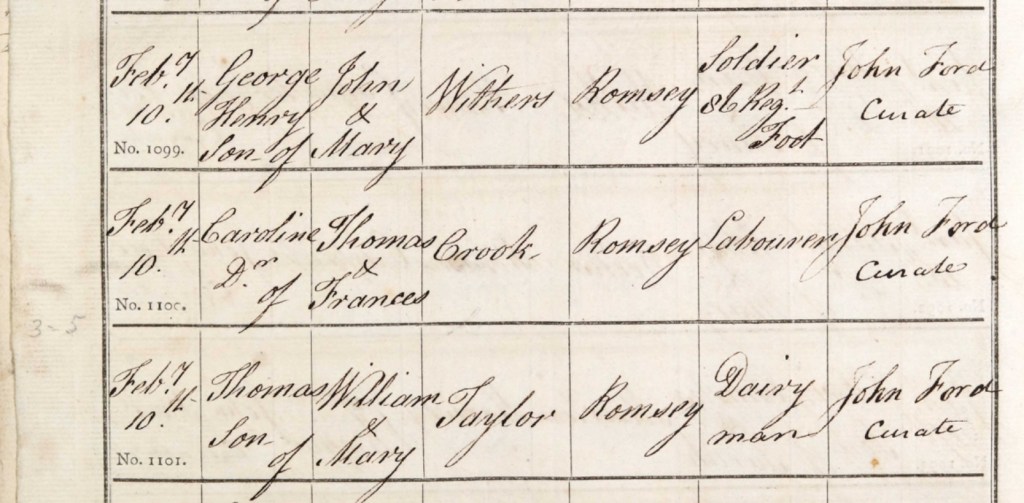
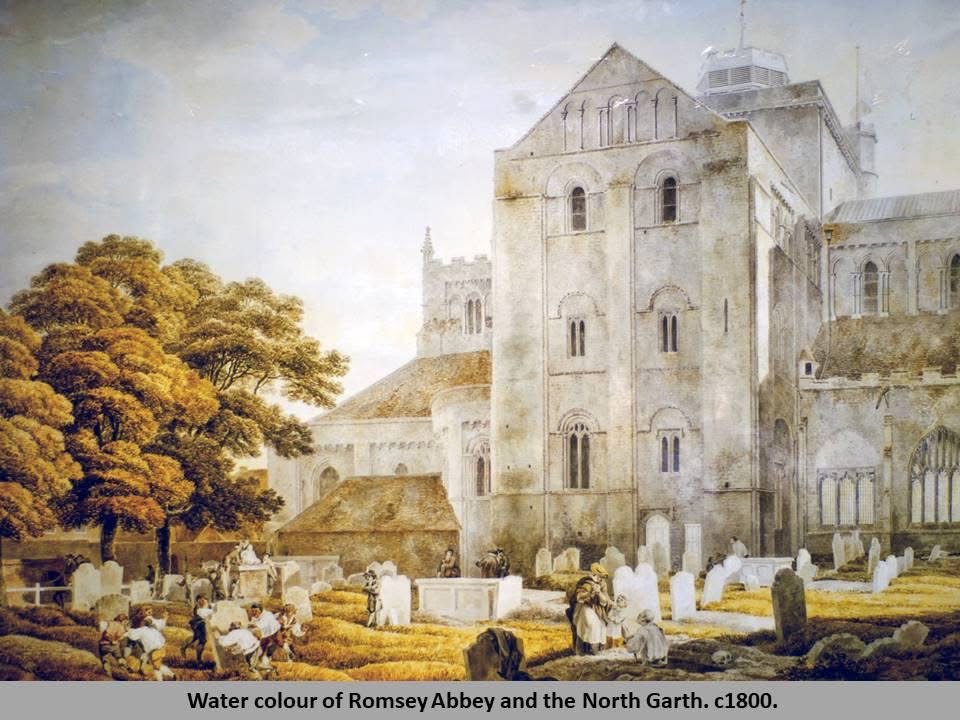
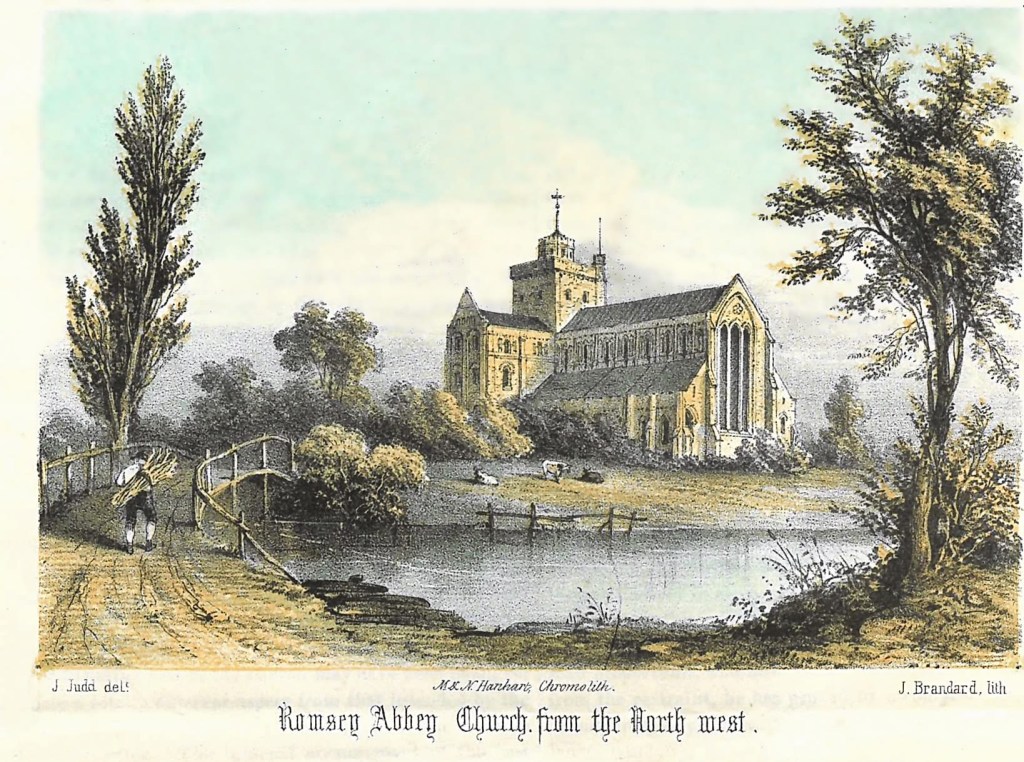
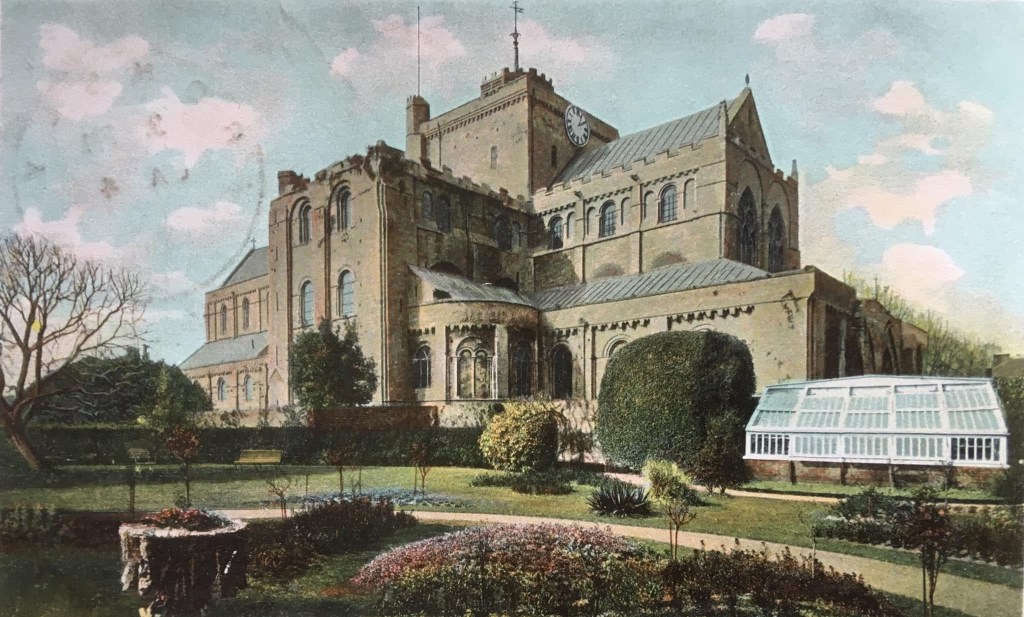
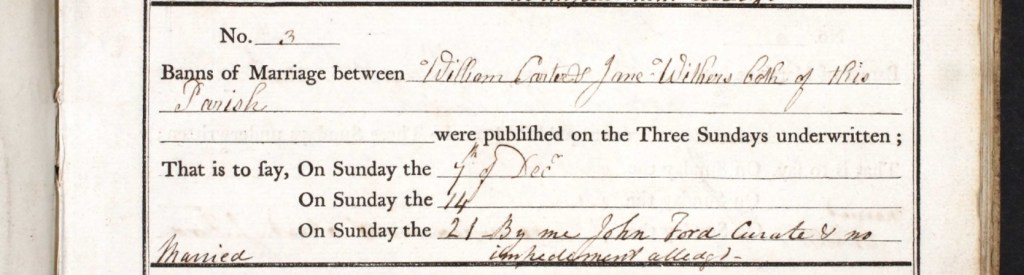
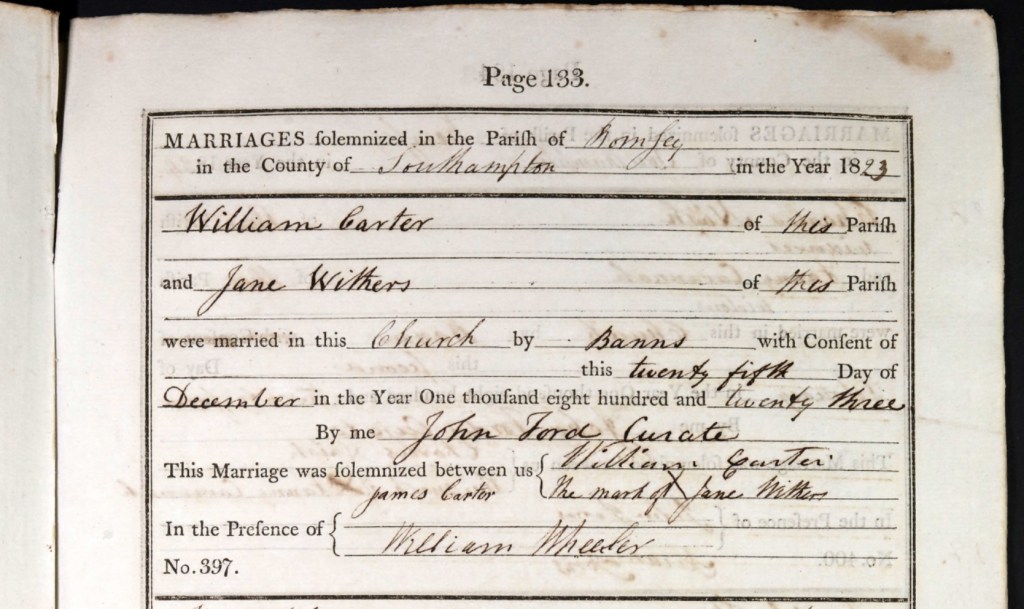
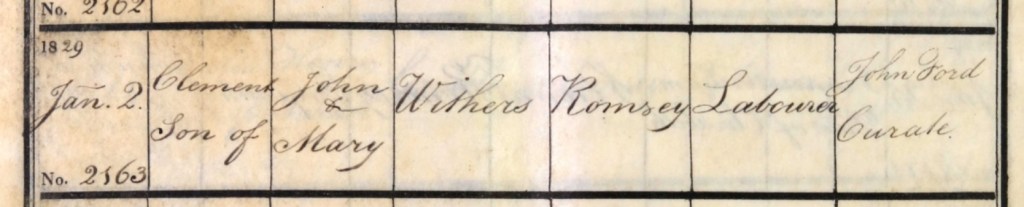

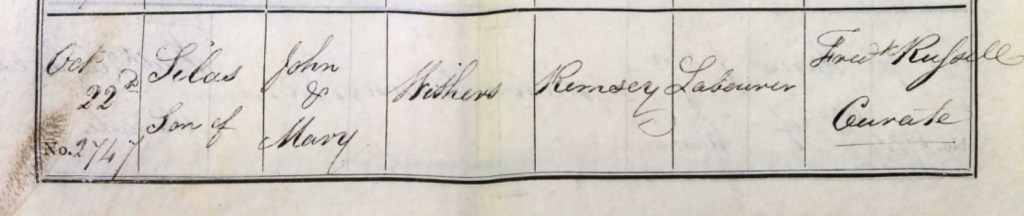
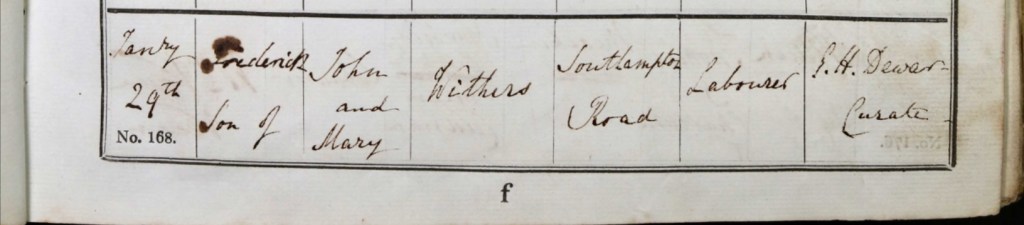
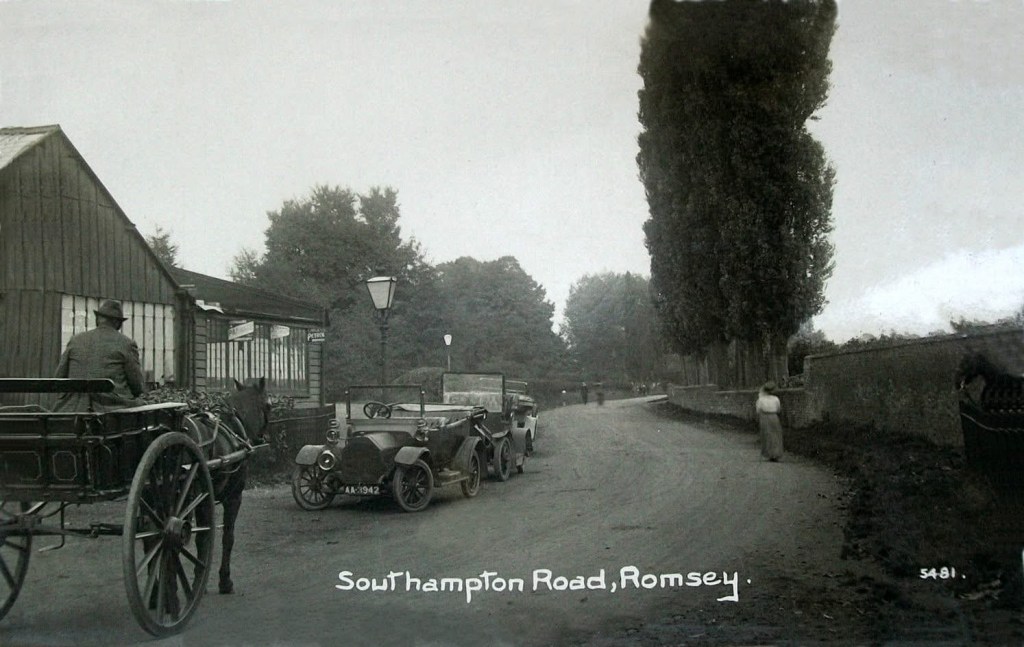
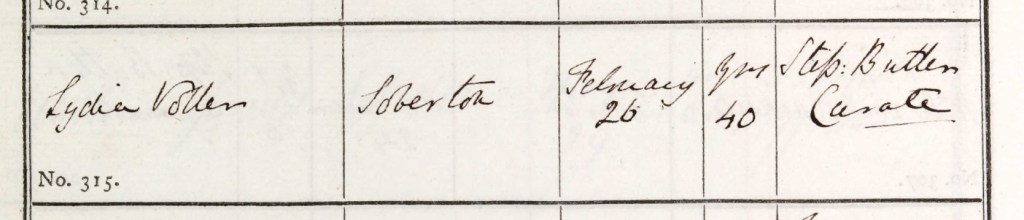
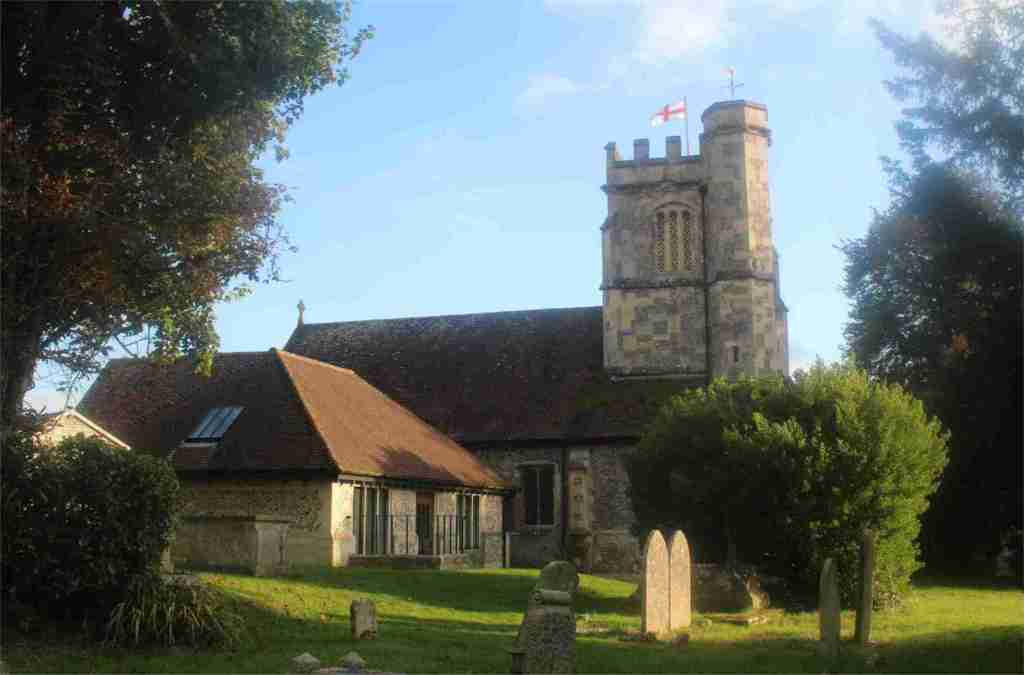


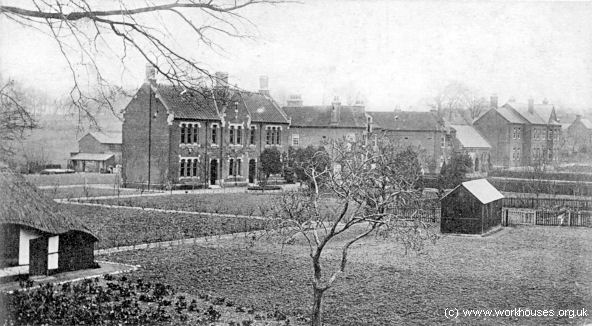
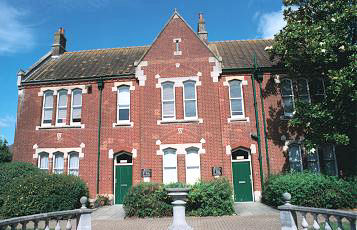
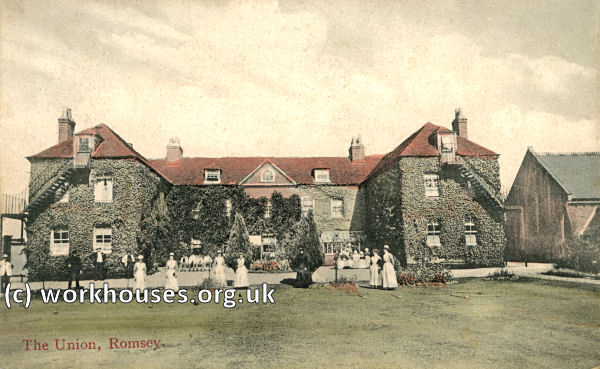
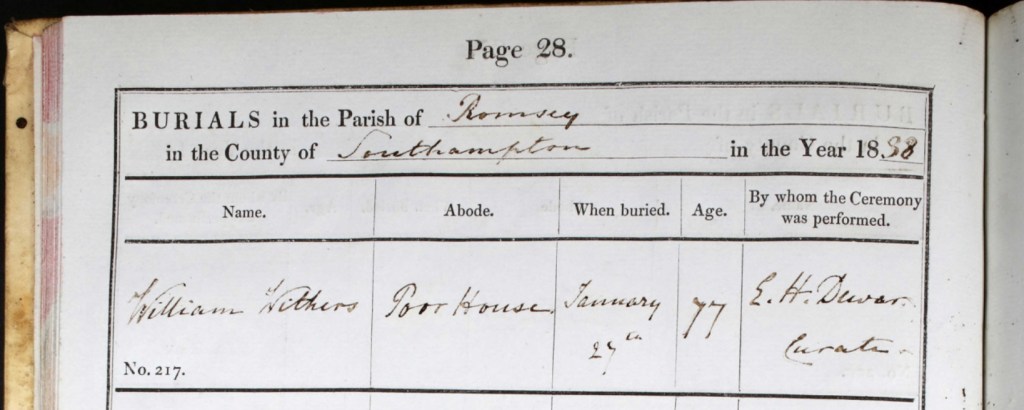


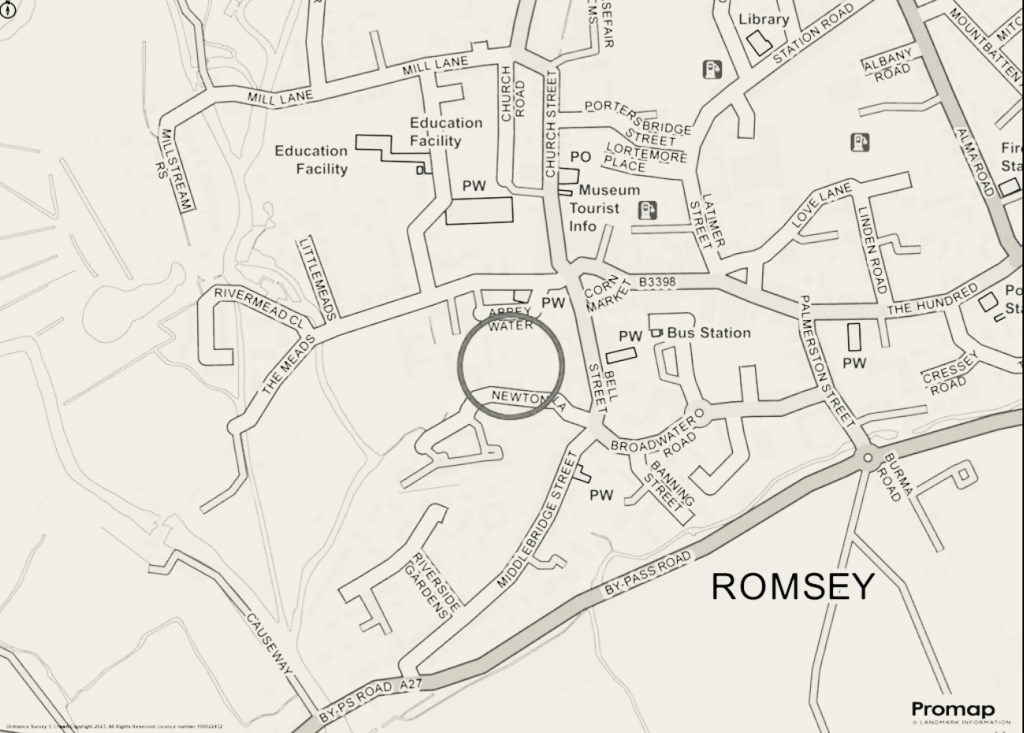


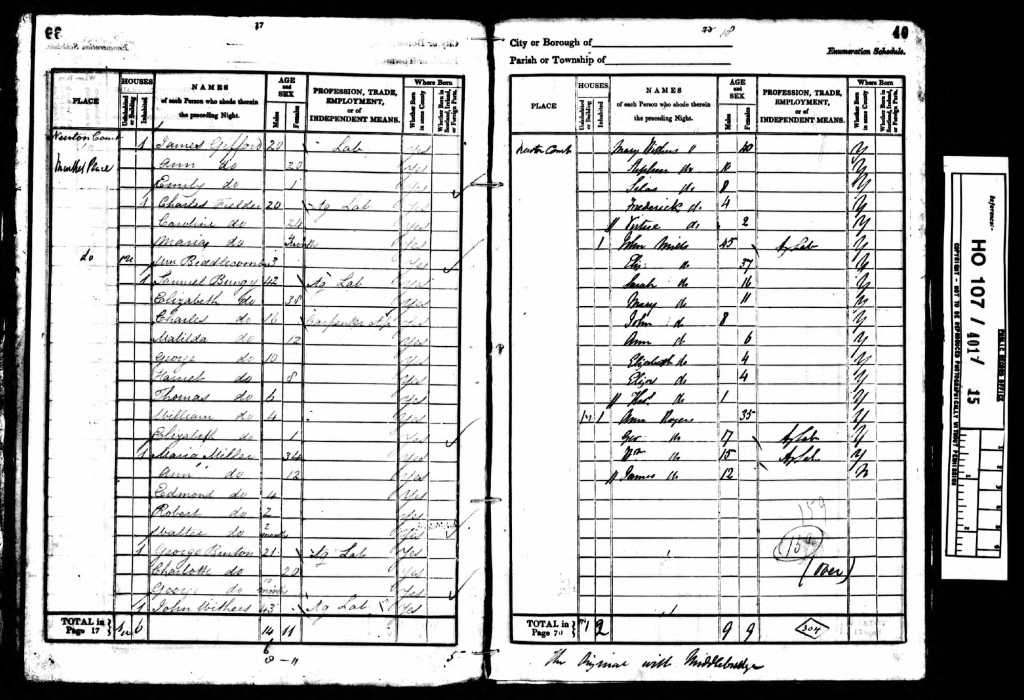
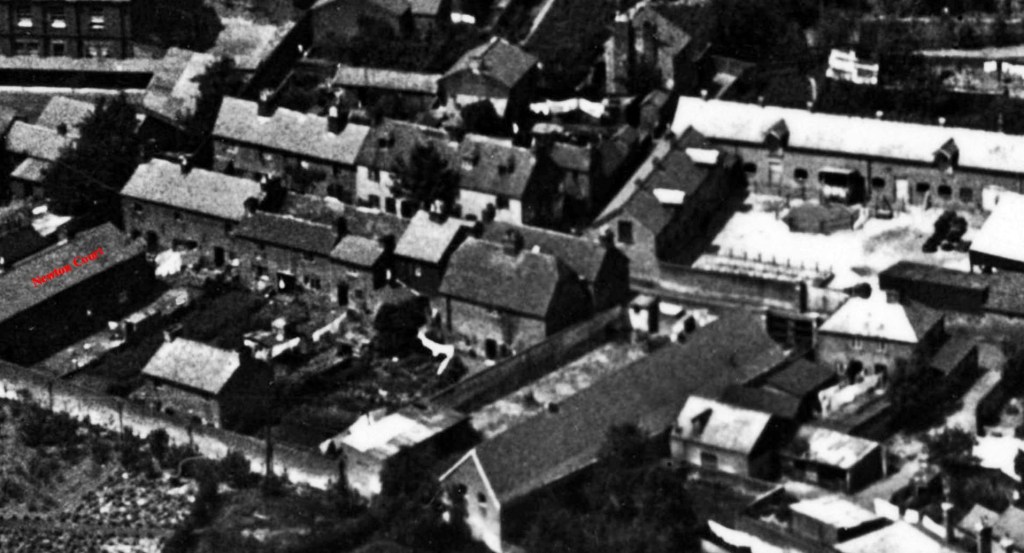

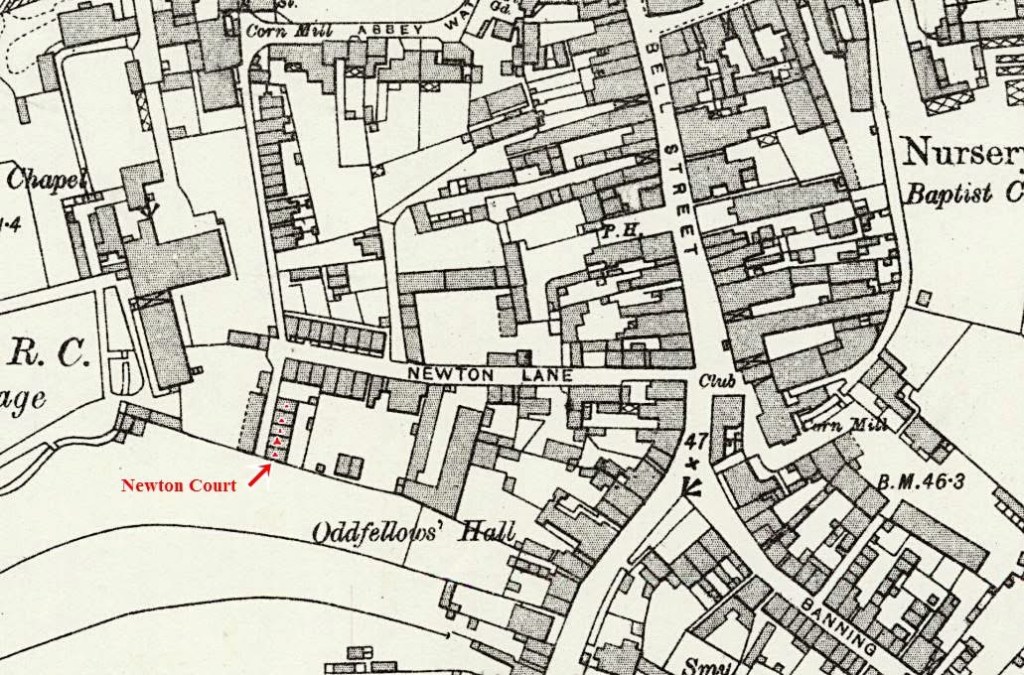




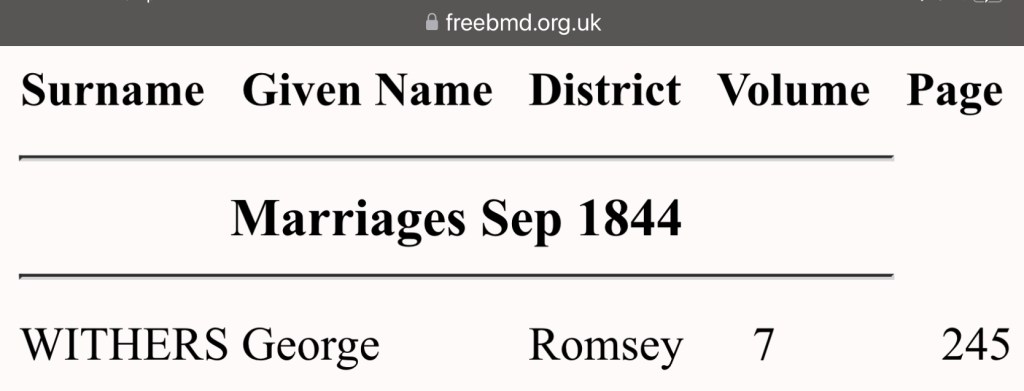

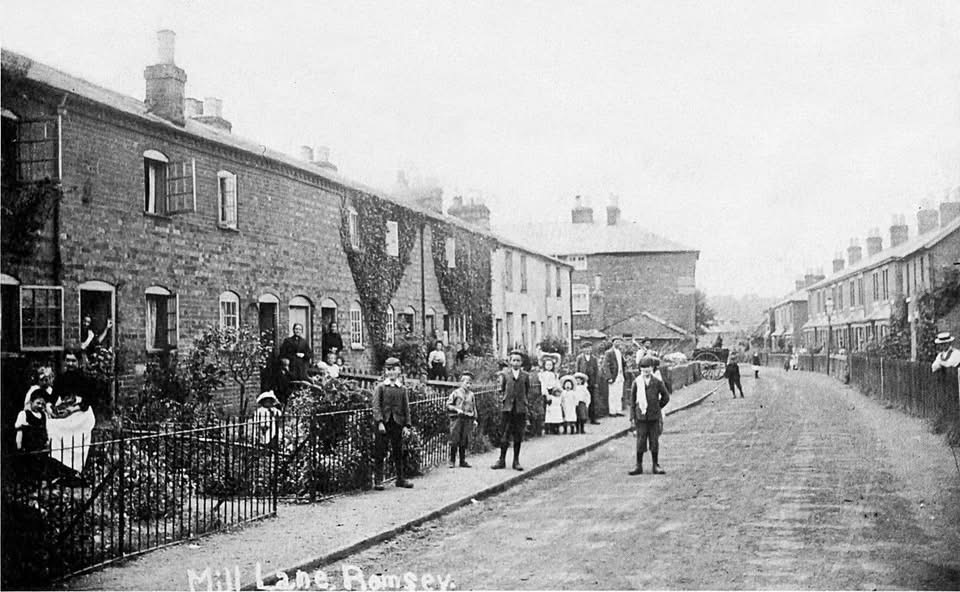

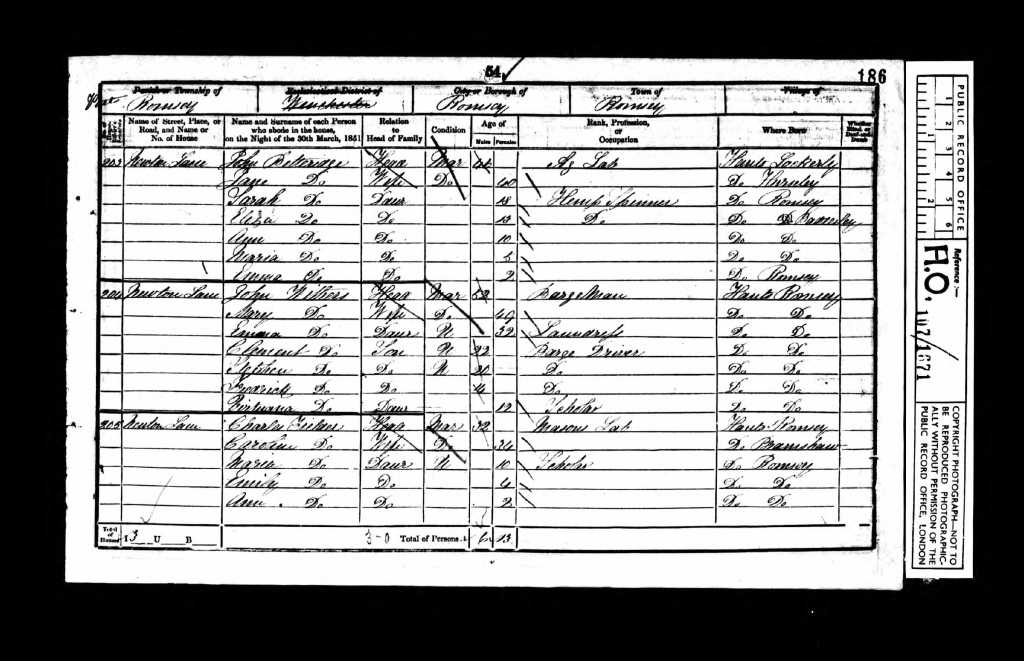

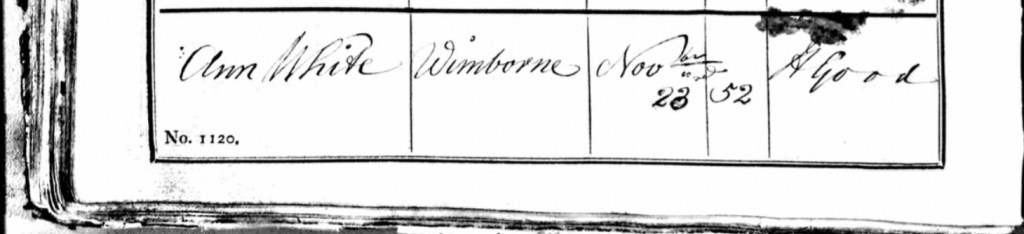
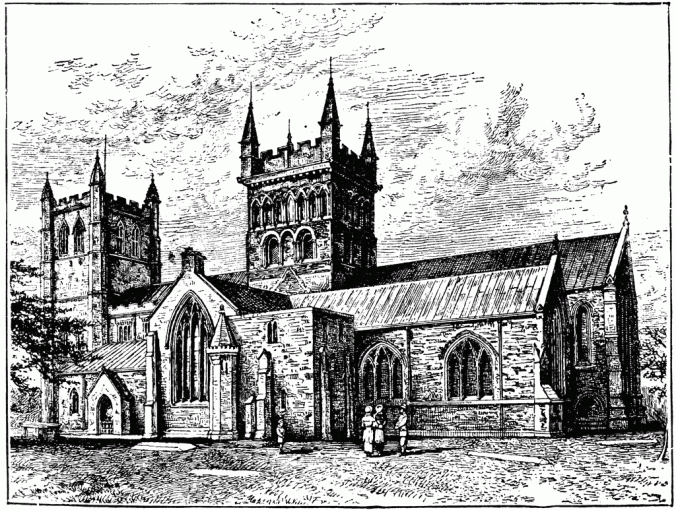
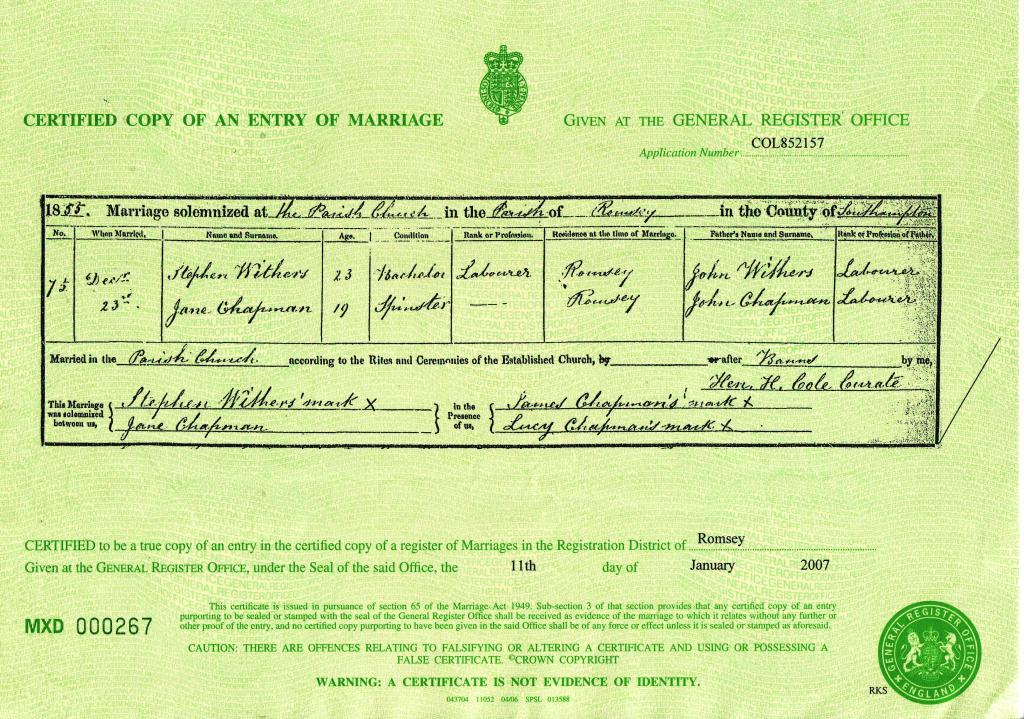

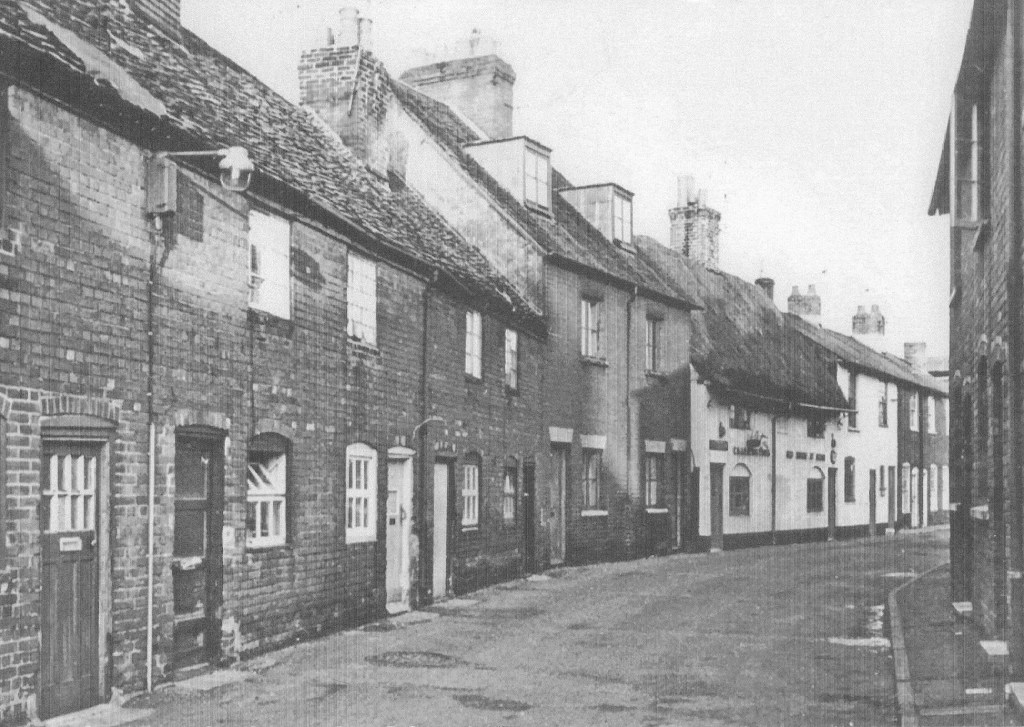

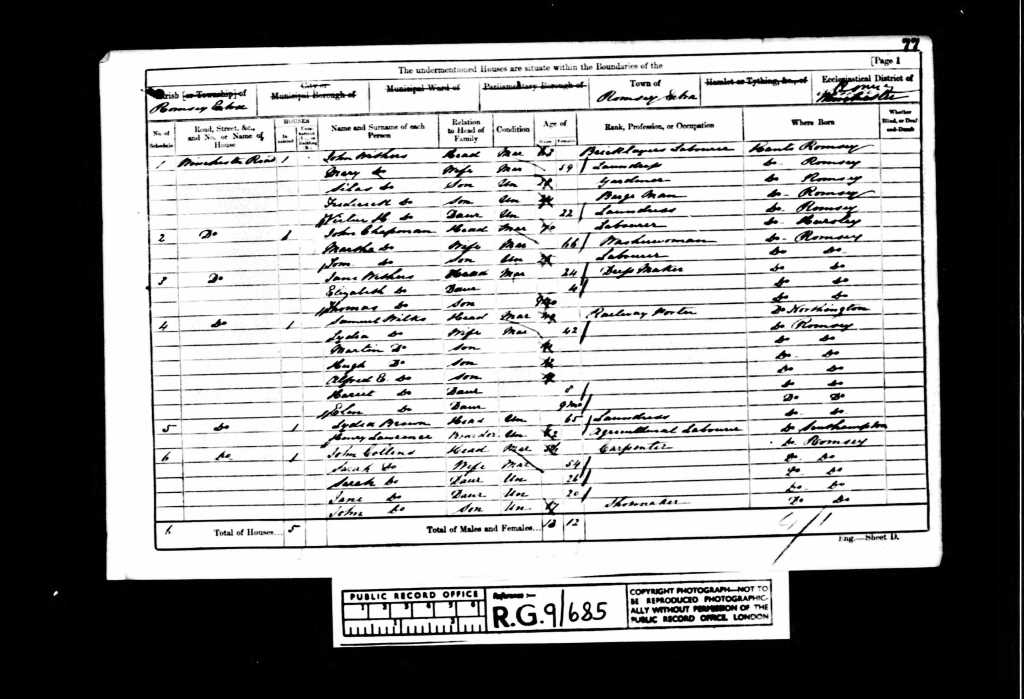
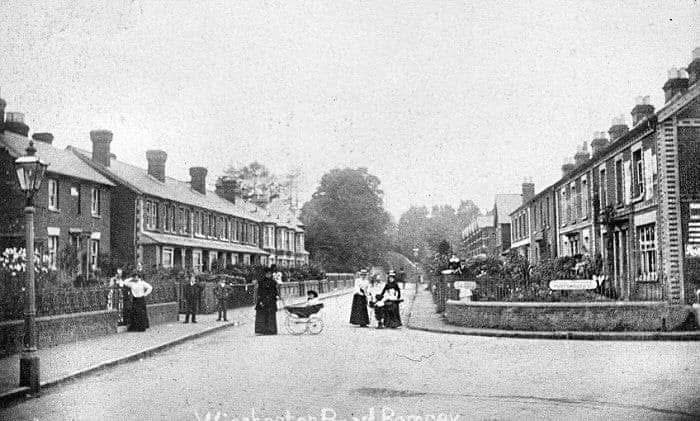
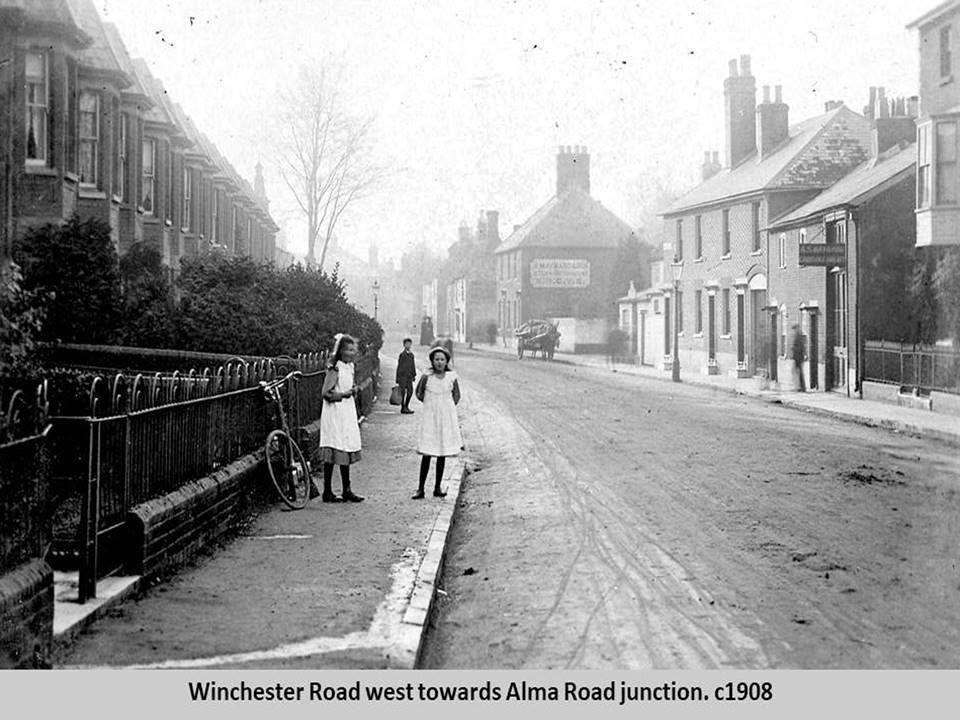
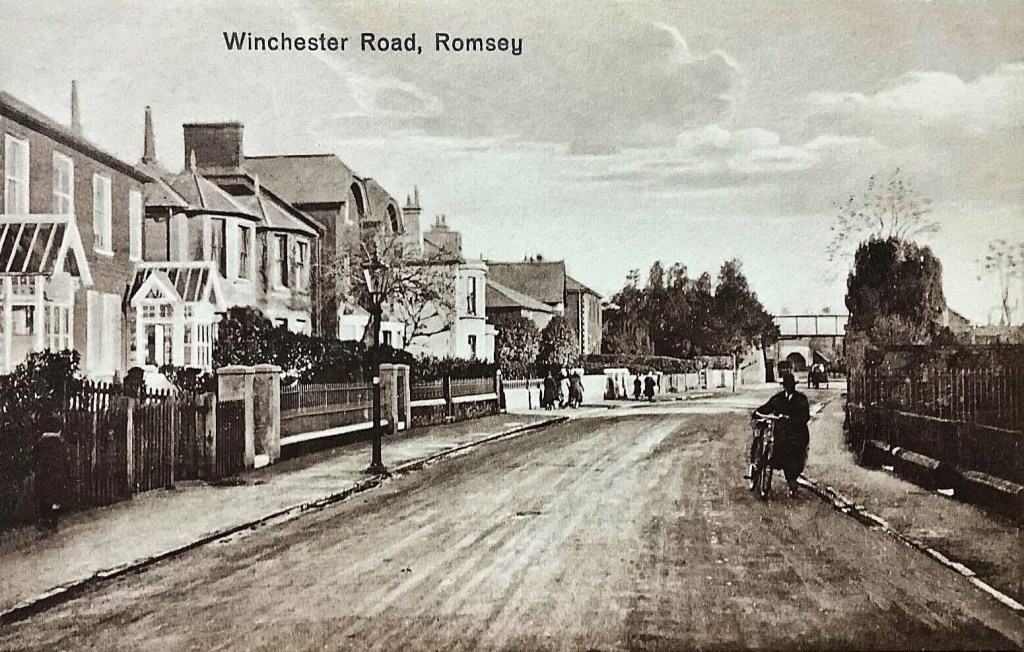
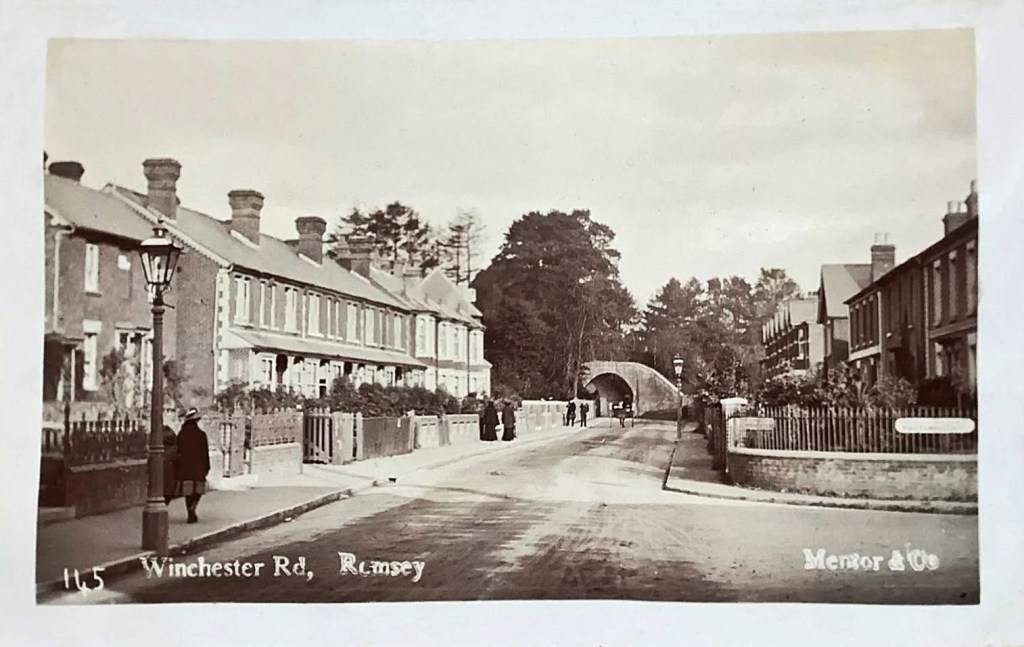
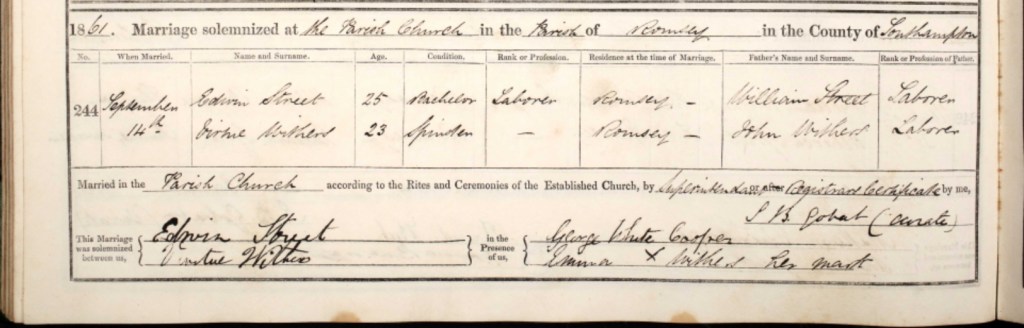
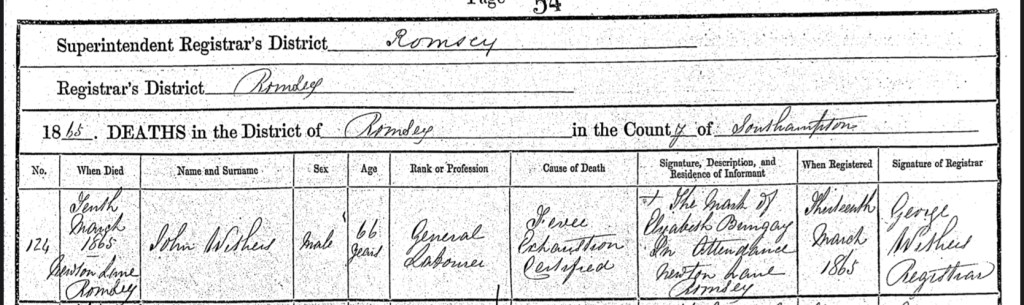
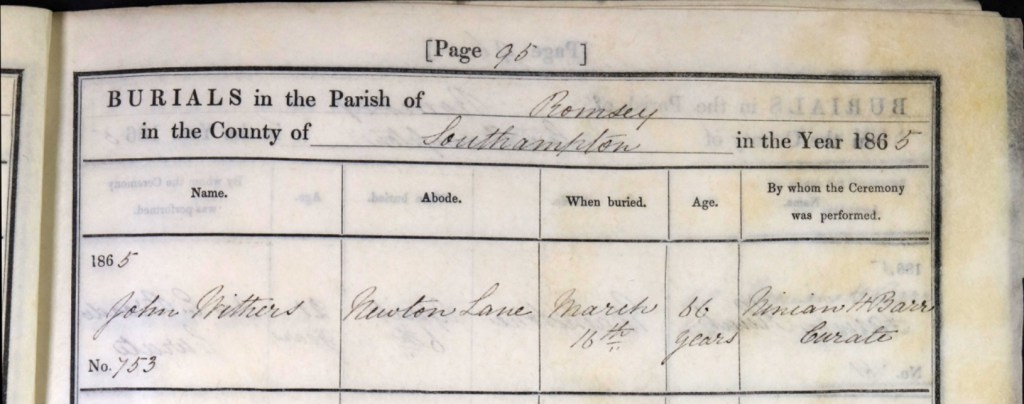
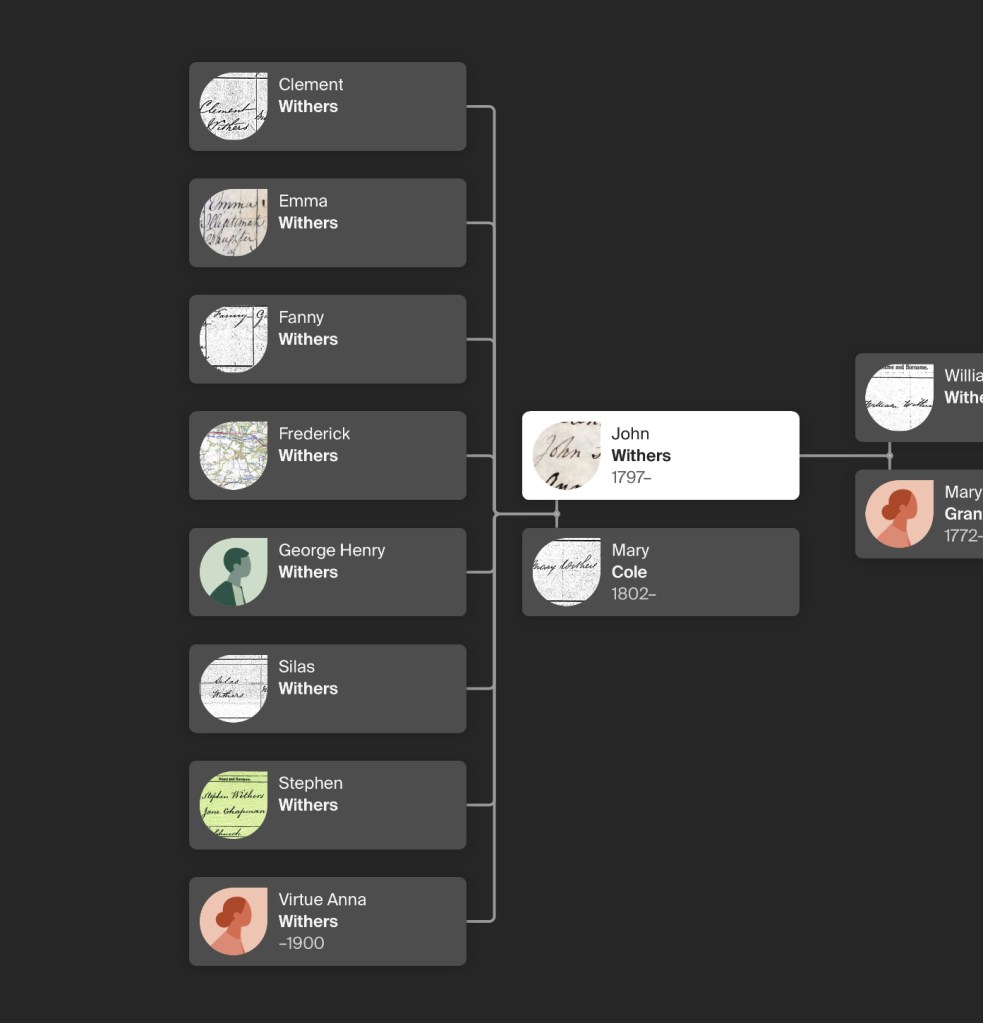
 Intwined