In the quiet corners of history, nestled between the faded pages of time-worn documents, lie the stories of our ancestors. Each name, each date, and each unexpected twist unveils a tapestry of lives lived, each thread leading us closer to understanding our own roots. Join me on a journey through the remarkable life of my second great-grandfather, Frank Whitlock, or was it Whitelock? The nuances of surname variations whisper a tale of their own, adding a layer of complexity to the quest for familial truth.
Researching one's heritage is more than just tracing lineage; it's a pilgrimage of discovery, where every revelation brings a mix of joy and contemplation. There's a profound sense of fulfillment in uncovering the next branch of your family tree, each leaf hinting at stories waiting to be told. Yet, beneath the excitement lies the sobering reality that those yellowed papers and faded ink may also harbor long-lost secrets or truths that stir the soul.
For Frank Whitlock, born in 1846 and journeying through life until 1922, the path was not merely marked by dates and places but by the resilience of a changing surname. The shifts from Whitlock to Whitelock across generations add a poignant layer to his narrative, illustrating the challenges and ambiguities faced in genealogical research.
As we delve into Frank's early years through meticulous documentation, we unravel not just a personal history but a microcosm of the broader human experience. His story, while unique, resonates with universal themes of ambition, love, hardship, and resilience. Through this blog series, we embark on a quest to piece together his life, honoring his legacy while reflecting on the significance of heritage in shaping our identities.
Join me in exploring "The Life of Frank Whitlock/Whitelock," where each chapter unfolds like a chapter in our shared human saga, a testament to the enduring power of familial bonds and the enduring quest for understanding.
So without further ado, I give you,
The Life of
Frank Whitlock/Whitelock,
1846–1922,
The Early Years,
Through Documentation.
Welcome back to the year 1846, Canford, (aka Canford Magna,) Dorset, England.
In 1846, Queen Victoria sat on the British throne, entering her ninth year of reign as a young and influential monarch. At the helm of government, Prime Minister Sir Robert Peel navigated the political landscape, steering the country through a period of significant change and reform.
Parliament in 1846 was bustling with debates over key issues such as the repeal of the Corn Laws, which aimed to reduce tariffs on imported grain to alleviate food shortages and lower prices. This legislative pivot marked a turning point in agricultural policy and set the stage for broader economic reforms.
Socially, England in 1846 was characterized by a rigid class structure. The aristocracy and landed gentry enjoyed privilege and wealth, often reflected in lavish estates and opulent lifestyles. Meanwhile, the working class labored in factories and mines, facing harsh conditions and minimal wages. The poor struggled with poverty, overcrowded housing, and limited access to education and healthcare.
Fashion trends of the time mirrored Victorian sensibilities, with women's attire featuring voluminous skirts, corsets, and intricate bonnets, while men sported tailored coats, waistcoats, and top hats. These styles underscored the era's emphasis on modesty and propriety.
Transportation in 1846 relied heavily on railways, which were expanding across the country, revolutionizing travel and commerce. Steam-powered locomotives connected cities and towns, facilitating faster and more efficient movement of goods and people.
Energy sources included coal for heating and industry, driving the burgeoning Industrial Revolution. Gas lighting illuminated streets and homes, gradually replacing older methods such as oil lamps and candles, while advancements in heating systems improved comfort during cold English winters.
Sanitation remained a pressing issue in urban areas, with inadequate sewage systems contributing to public health concerns and outbreaks of disease. Efforts to improve sanitation infrastructure were underway but faced challenges in implementation and funding.
Food staples for many included bread, potatoes, and locally sourced meats, supplemented by seasonal fruits and vegetables. The diet varied significantly between social classes, with the wealthy enjoying elaborate meals featuring exotic imports and fine wines, contrasting starkly with the simpler fare of the working class.
Entertainment in 1846 ranged from theatrical productions and musical concerts to public lectures and reading rooms. The rise of newspapers and periodicals fueled a growing appetite for literature and current affairs, while social gatherings provided opportunities for leisure and networking.
Environmental awareness was in its infancy, with industrialization bringing both economic prosperity and environmental challenges. Concerns over pollution and resource depletion emerged as factories proliferated and natural habitats faced encroachment.
Gossip and scandal were staples of Victorian society, eagerly consumed through newspapers and word-of-mouth. High society dramas and political intrigues captivated public attention, shaping perceptions of morality and social conduct.
Historically, 1846 was marked by significant events such as the Irish Potato Famine, which devastated Ireland's agricultural sector and led to mass emigration and humanitarian crises. Meanwhile, scientific advancements, including the discovery of Neptune and developments in photography, hinted at a future defined by innovation and exploration.
In Canford and across England, 1846 was a year of transition and transformation, reflecting the complex interplay of progress and challenges that defined the Victorian era.
My paternal 2nd Great-Grandfather, Frank Whitlock came into the world on Tuesday, the 24th day of February 1846, in the serene village of Canford, Dorset, England. His arrival, noted with care by his mother Sarah, was formally recorded on Thursday, the 2nd day of April 1846, in nearby Poole. Elisha Bartlett, the registrar, meticulously inscribed the details: Frank, a son, born to George Whitlock, a Labourer, and Sarah Whitlock (formerly Shears) of Canford. Sarah, unable to write her name, marked the document with an X, a testament to the times.
Among the Whitlock siblings, Frank was the third, following his elder sisters Sarah Ann, born on Sunday, the 21st day of August 1842, in Burley, Hampshire, England, and Betsy, born on Saturday, the 16th day of March 1844, also in Canford, Dorset, England. Their lives intertwined in the simplicity of rural England, amidst fields and meadows that echoed with the rhythms of rural life.
For Frank and his family, life revolved around the cycles of nature and the rhythms of labor. George, a laborer, provided for his family through honest toil, while Sarah managed their home with the quiet strength of a rural matriarch.
The surnames Whitlock and Whitelock are of Anglo-Saxon origin, and they are considered to be variant spellings of what was likely the same original name. These surnames have a long history in England and can be traced back to the early medieval period. Over time, changes in spelling and pronunciation, influenced by regional dialects and the lack of standardised spelling in earlier centuries, led to the development of these two distinct yet related forms.
The name Whitlock is generally believed to be derived from the Old English words "hwīt," meaning white, and "locc," meaning a lock of hair. As such, the name is thought to have originally referred to someone with fair or white hair, possibly used as a descriptive nickname for someone with a distinctive physical feature. Names of this kind were common in Anglo-Saxon and early medieval England, often given based on appearance, personal traits, occupation, or place of origin. It is also possible that the name could have been used metaphorically, to denote someone perceived as pure or noble in character.
Whitelock is a closely related variant, likely arising from the same etymological roots. The addition of the “e” and the longer form “-lock” may reflect a more formal or regional pronunciation, particularly in northern and eastern parts of England. Both spellings appear in records throughout English history, though "Whitelock" has often been associated with more formal usage, especially in legal or ecclesiastical contexts.
The surname appears in historical records from at least the 12th century onwards. Early examples include individuals listed in tax rolls, land charters, and legal documents. One such individual was Hugo Whitloc in the Curia Regis Rolls of 1205 in Oxfordshire. In Yorkshire and Lancashire, the name Whitelock appeared frequently in the 14th and 15th centuries. Over time, families bearing the name spread across the country and were recorded in a variety of contexts, from rural parish registers to city censuses. During the period of English emigration to the Americas, particularly in the 17th and 18th centuries, some bearers of the Whitlock and Whitelock surnames made their way to the New World, establishing families in New England, Virginia, and other colonial settlements.
Among the most notable historical figures bearing the name Whitelock was Sir Bulstrode Whitelocke (1605–1675), an English lawyer, writer, and parliamentarian during the English Civil War. He was a prominent supporter of the Parliamentarian cause and later served as ambassador to Sweden under Oliver Cromwell. His writings and records have contributed to the understanding of the legal and political transformations of that era.
In terms of heraldry, the Whitlock and Whitelock surnames are associated with family crests and coats of arms that reflect the values and aspirations of those families. The Whitlock family crest typically features a silver or white shield (symbolising peace and sincerity) with various charges such as a lion, chevron, or cross, depending on the branch of the family. Lions often represented courage, strength, and valour, while chevrons were associated with builders or those who achieved honour through faithful service. The crest itself, found above the shield in a traditional heraldic display, might include a knight’s helmet, plume, or other decorative elements. Not all Whitlock or Whitelock families would have had a unique coat of arms, as heraldic rights were granted by the College of Arms and typically associated with individuals or prominent lineages, not all bearers of a surname.
As with many surnames of Old English origin, the Whitlock and Whitelock names have remained relatively stable in form but have also seen diaspora and adaptation as families migrated and cultures blended. In the United States, Canada, Australia, and other countries with historical British influence, descendants of the original Whitlocks and Whitelocks have made their mark in various walks of life, including politics, business, military service, and the arts.
The study of the surname also offers an insight into the linguistic and social patterns of early England. It reflects a time when surnames were evolving from simple descriptors into hereditary identifiers, a transformation driven by administrative needs like taxation and record-keeping following the Norman Conquest. Names like Whitlock and Whitelock were part of a larger trend toward fixed family names, which gradually replaced the older patronymic and location-based naming customs.
The first name Frank has a long, rich history rooted in both linguistic development and cultural significance. It is a name that has traversed centuries, regions, and classes, retaining its simple strength and masculine directness through generations.
Frank is most commonly understood as a diminutive form of the name Francis, although over time it evolved into a given name in its own right. The name Francis itself derives from the Latin name *Franciscus*, meaning "Frenchman" or "free man." This Latin name became associated with the Franks, a Germanic tribe that played a key role in European history, particularly in the early medieval period. The Franks were instrumental in the fall of the Western Roman Empire and the establishment of what became the Carolingian Empire under Charlemagne. Their name was adopted into Latin as *Francus*, which later influenced the term *Franciscus*.
The association between the name Frank and the idea of freedom is historically symbolic. During the Middle Ages, to be “frank” meant to be free, as the Franks were not subject to certain taxes or laws that applied to others within the lands they ruled. As such, the name began to be used with connotations of liberty and nobility, adding an idealistic quality to its usage.
The name gained widespread popularity thanks to the veneration of Saint Francis of Assisi (1181–1226), the Italian friar and preacher who founded the Franciscan Order. Known for his humility, compassion, and love of nature and animals, Saint Francis’ legacy made the name a beloved choice for centuries, particularly in Catholic and Christian communities across Europe. As his fame grew, so did the popularity of names derived from Francis, including Frank.
In English-speaking countries, Frank started to appear more frequently during the 17th and 18th centuries, both as a nickname and as a formal first name. By the 19th century, it had become a name in its own right, particularly popular in Britain, America, and other English-speaking colonies. The Victorian era saw a boom in names that evoked old values, and Frank fit well with ideas of honesty, strength, and freedom. The name was often chosen for boys across all social classes and became especially popular in the United States.
Frank also gained cultural momentum through prominent individuals who bore the name. One of the most enduring figures was Frank Sinatra, the legendary American singer and actor, whose fame in the 20th century made Frank synonymous with charm, talent, and charisma. In politics, Frank Roosevelt, better known as Franklin Delano Roosevelt, served as the 32nd President of the United States and led the country through the Great Depression and World War II. His leadership further solidified the dignity of the name.
As a given name, Frank is also often associated with qualities like forthrightness and honesty. The adjective “frank,” meaning direct or candid in speech, while etymologically related to the tribal name of the Franks, has reinforced the cultural perception of a man named Frank as sincere and trustworthy. This added layer of meaning gives the name a timeless integrity.
In terms of popularity, Frank enjoyed significant use during the late 19th and early 20th centuries. In the United States, it was among the top 10 boys' names from the 1880s through the 1920s. Though its popularity has declined somewhat since then, it remains a classic, often used in honour of relatives or as a solid traditional choice.
In other languages, variations of Frank exist with similar roots. In French, François and in Italian, Francesco are both derived from the same Latin root. In German-speaking areas, Frank is also used and can sometimes be linked to a geographical origin, as the region of Franconia in Germany was historically connected with the Franks.
The name Frank has been both deeply historical and warmly personal. It carries the weight of ancient European tribes, saints, and kings, and also resonates with everyday people who prize its simplicity, strength, and honesty. Whether chosen for its historical resonance, its associations with famous bearers, or its solid and straightforward sound, Frank continues to be a name with enduring appeal.
Canford aka Canford Magna is a picturesque and historic village located in the county of Dorset, England, lying near the River Stour and close to the market town of Wimborne Minster. The village is steeped in history and charm, blending a medieval heritage with later Victorian influence, all set in the gentle landscape of the Dorset countryside.
The name Canford is believed to derive from the Old English "Cana’s Ford," referring to a crossing over the River Stour, which would have made the area a significant site even in Saxon times. The “Magna” was added later, from Latin, to distinguish it from the nearby Canford Heath, and to denote its status as the larger of the settlements bearing the name.
The manor of Canford was listed in the Domesday Book of 1086, where it was recorded as being under the control of the Bishop of Salisbury. It remained a manorial estate for many centuries, passing through various noble and ecclesiastical hands, shaping much of its development through feudal and post-feudal periods. The lands and rights associated with Canford were of considerable value and significance in medieval England.
A defining feature of the village's more modern history is Canford Manor, which in the 19th century became the seat of the prominent Guest family. Sir Josiah John Guest, an influential industrialist and Member of Parliament, purchased the estate in the early 1800s. He was married to Lady Charlotte Guest, a notable translator and patron of the arts, best known for her English translation of the Welsh "Mabinogion." The Guests were instrumental in the transformation of Canford Manor into an elegant and grand country estate.
In 1923, the manor was converted into Canford School, an independent co-educational boarding school which remains in operation to this day. The school is widely regarded for its academic and sporting excellence and occupies much of the architectural and landscaped legacy left by the Guests. The main building, which had been remodelled in the 19th century in the Gothic Revival style, now forms the core of the school's facilities.
The village itself has retained much of its historic charm, with cottages and houses dating from the 17th century onwards, many of which are constructed of traditional brick and flint or thatched. Canford Magna Church, dedicated to St John the Evangelist, stands at the heart of the village and dates back to the 12th century, though parts of it were restored and expanded in the Victorian period. The church has long served both the village and the school community, and it houses monuments to members of the Guest family.
In terms of its setting, Canford Magna enjoys a peaceful atmosphere, surrounded by woods, meadows, and farmland. The River Stour meanders through the landscape, offering scenic walking paths and serving as a natural boundary in various directions. This rural tranquillity has made the village a desirable place to live, particularly for those seeking heritage in a natural setting within reach of modern amenities in Wimborne and Poole.
Despite its serene appearance today, Canford Magna was once more bustling, especially during the height of the manor’s importance. Its location close to trade routes and its connection with regional markets would have made it a strategic and economically active settlement for many centuries. The arrival of the railway in nearby towns during the Victorian era connected Canford Magna to the broader world, although the village itself remained relatively undisturbed by industrial sprawl.
The preservation of the village’s historic buildings and layout is largely due to the stewardship of private landowners and institutions like Canford School, whose careful management has prevented modern overdevelopment. This has allowed Canford Magna to retain a distinctly timeless quality.
George and Sarah Whitlock celebrated their son Frank's baptism on Sunday, the 31st day of May 1846, at the picturesque Canford Magna Parish Church in Canford Magna, England. Minister Luke Hopkins, in the solemnity of the baptismal ceremony, inscribed Frank's entry into the parish register. He noted with reverence that Frank was the cherished son of George Whitlock, a laborer, and Sarah Whitlock, hailing from Kinson, a nearby village.
For the Whitlock family, this baptism marked a spiritual milestone, a moment of communal affirmation and faith, where Frank's life was blessed and his journey, both earthly and spiritual, was set forth amidst the tranquil beauty of the Dorset countryside. In the embrace of their parish community, George and Sarah laid the foundation of Frank's spiritual upbringing, nurturing his soul alongside his physical growth.
In the backdrop of Victorian England, amidst the churn of industrial progress and societal transformation, the Whitlocks forged their path with steadfastness and devotion. Each baptismal droplet that fell on Frank's brow symbolized not only a rite of passage but also a promise of hope and continuity, a testament to the enduring bonds of family and faith that sustained them through the seasons of life.
Canford Magna Parish Church, located in the village of Canford Magna in Dorset, England, stands as one of the county’s most beautiful and historically significant churches. Nestled near the banks of the River Stour and close to Canford School, the church forms a central part of the village's character and heritage. Its full name is the Church of St John the Evangelist, though it is more commonly referred to simply as Canford Magna Parish Church.
The origins of the church trace back to Saxon times, with archaeological and architectural evidence suggesting that a place of worship existed on the site before the Norman Conquest of 1066. A Saxon stone cross-head discovered in the area and early foundations beneath the current structure point to an early Christian presence. The church was later rebuilt or substantially altered during the Norman period, and by the 12th century it was firmly established within the ecclesiastical framework of the area, likely as a manorial church serving the lords of the estate and the local population.
The structure seen today is largely the result of centuries of additions and restorations. The chancel and parts of the nave contain Norman features, including some original stonework and detailing. The 15th century brought the construction of the church tower, which is still prominent today and houses a peal of bells. The tower’s proportions and sturdy form reflect the Perpendicular Gothic style that was common in late medieval England. Inside the church, there are remnants of medieval craftsmanship, including an intricately carved font and wooden fittings.
In the 19th century, during the ownership of the Canford Estate by Sir Josiah John Guest and his wife Lady Charlotte Guest, the church underwent extensive Victorian restoration. This was part of a wider movement across England during which churches were renovated and reinterpreted in the light of High Anglican ideals. The restoration was careful and respectful, helping to preserve many of the church’s earlier elements while also introducing stained glass, new furnishings, and structural reinforcements. The Guest family were also benefactors of the church, and several memorials within the building commemorate their contributions to both the estate and the community.
The churchyard surrounding the building is peaceful and well maintained, containing graves and monuments dating back several centuries. It reflects the continuity of the parish community, with burials from a variety of eras, including war memorials and inscriptions that trace local family histories. The church has long served not only as a house of worship but also as a gathering place for village life, celebrating baptisms, weddings, funerals, and the rhythms of the liturgical year.
Today, Canford Magna Parish Church continues to function as an active parish church within the Church of England. It works in close connection with Canford School, which uses the church regularly for services and ceremonial occasions, thus maintaining the deep link between education, faith, and heritage that has been a hallmark of the village since the school was established in the early 20th century.
In addition to regular services, the church engages with the wider community through events, musical performances, and outreach. The setting of the church, in its serene rural environment with historic architecture and proximity to the river, makes it a favored spot for visitors interested in ecclesiastical history and English village life.
As one approaches Canford Magna Parish Church, there is a sense of stepping into a timeless space, where generations have prayed, celebrated, mourned, and gathered. Its walls carry the marks of history, Saxon, Norman, medieval, Victorian, and continue to offer a place of reflection and continuity in a rapidly changing world.
Frank's brother, Francis Whitlock, came into the world on Sunday, the 25th day of February 1849, in their familiar home of Canford, Dorset, England. When the time came to officially register Francis's birth, their father George Whitlock undertook the journey to Poole, Dorset. It was on Monday, the 2nd day of April 1849, that George appeared before Registrar Elisha Bartlett to record the joyous event. With careful detail, Elisha Bartlett documented Francis as a son born to George Whitlock, a Labourer, and Sarah Whitlock (formerly Shears), of Cranford. In a poignant moment, George signed the document with his mark, an X, a testament to his place in a society where formal education was not always accessible.
Frank's parents, George and Sarah Whitlock, celebrated the baptism of their son Francis on Sunday, the 6th day of May 1849, at St. Mary's Church in Longfleet, Dorset, England. The Reverend E. P. Bluntly officiated the ceremony and dutifully recorded Francis's baptism in the parish register. Despite Francis's surname being recorded as Whitlock in birth registries, during his baptism, he was solemnly christened under the surname Whitelock.
This discrepancy in surnames adds a layer of intrigue to the Whitlock family history, reflecting the complexities and occasional ambiguities that genealogical research can uncover. Despite such variations, the sacrament of baptism affirmed Francis's place within the community and marked a spiritual milestone guided by the steadfast presence of his parents, George, a Labourer, and Sarah, of Longfleet.
In the quiet halls of St. Mary's Church, amidst the echoes of prayer and reverence, Francis Whitelock's baptism stood as a testament to continuity, faith, and the enduring bonds of family, etched into the annals of a changing Victorian England.
St. Mary’s Church in Longfleet, Dorset, England, stands as one of the most prominent and historically rich parish churches in the town of Poole. Situated on Longfleet Road, just north of Poole’s town centre, it has served as a spiritual, social, and architectural landmark since the early 19th century. The church is part of the Church of England and lies within the Diocese of Salisbury.
The history of the church begins in 1833, when it was consecrated to serve the growing population of Longfleet, which at the time was a small but rapidly expanding suburb of Poole. This period saw a significant rise in urban and suburban development due to the wider effects of the Industrial Revolution. Poole, traditionally a maritime and fishing town, began to see more housing developments inland, and with them came the need for a new parish church.
The original structure of St. Mary’s was designed by Edward Blore, an architect noted for his work on Buckingham Palace and various other prominent buildings. His design for the church reflected the Gothic Revival style, which was highly popular at the time, with pointed arches, a tall spire, and traditional stone construction. Over the years, the church has undergone numerous additions and restorations, adapting to the needs of its congregation while preserving its historic core.
The church tower, which was added later in the 19th century, became a distinctive feature of the local skyline. Rising high above the surrounding houses, it served not only as a spiritual symbol but also as a physical landmark, visible from much of central Poole. The bells within the tower have long marked the hours, called people to worship, and tolled for significant community events.
Inside, the church offers a blend of Victorian architecture and modern adaptations. Original wooden pews and ornate stained glass windows sit alongside more contemporary features designed to accommodate larger congregations and multi-purpose community use. The sanctuary area and chancel still bear the hallmarks of 19th-century ecclesiastical design, including carved stonework and decorative motifs.
Throughout its history, St. Mary’s has been deeply engaged with the local community. It served as a centre for charitable work, education, and support during times of hardship, including the world wars, when the church played a role in both spiritual support and memorial activity. In more recent decades, it has grown to become one of the largest and most active evangelical Anglican churches in the region.
St. Mary’s is now known for its vibrant worship, modern music ministry, youth programs, and social outreach initiatives. It attracts a large congregation and operates with a strong sense of mission both locally and globally. Its facilities have been extended over time to include meeting rooms, halls, and community spaces that support a range of events beyond traditional worship.
Despite these modern developments, the church has maintained its connection to its historical roots. Many visitors and parishioners appreciate the continuity of sacred space, where centuries of prayer and community life are still present in the fabric of the building.
The churchyard, though limited in size, contains some older graves and memorials, with inscriptions that trace the history of local families. It also reflects the changes in burial customs over the centuries, as the need for burial space shifted to other cemeteries around the town.
Today, St. Mary’s Church, Longfleet remains a cornerstone of the Poole community. It combines historical significance with a forward-looking approach to faith and service, ensuring its role as a beacon of continuity and hope in both the spiritual and civic life of the town. Its story is one of adaptation, resilience, and enduring faithfulness through nearly two centuries of Dorset’s evolving landscape.
On the eve of the 1851 census, Sunday the 30th day of March, 4-year-old Frank Whitelock was living with his parents, George and Sarah, and his sisters, Sarah Ann and Betsy, at Creekmoor in Cranford, Dorset, England. Nestled on the edge of Poole, Creekmoor was then a quiet rural settlement, far from the bustling suburb it would one day become. George, the head of the household, listed his occupation as an agricultural labourer, an honest trade tied to the soil and seasons, reflective of the life so many families like the Whitelocks lived in the Dorset countryside.
Though the family had welcomed another child, baby Francis, in 1849, his name was not recorded in the 1851 census. Whether this was due to a clerical omission, illness, or the possibility that he was elsewhere at the time, his absence leaves a quiet gap in the family’s recorded story, a reminder of how incomplete records can sometimes obscure the lives that once were.
Notably, the surname recorded for young Frank and his family, in the census was Whitelock, diverging from the name Whitlock that had been used when his birth was officially registered. This variation in spelling would follow the family through generations, weaving a subtle complexity into the threads of their story. In a time when literacy was limited and clerks often spelled names by sound, such changes were not uncommon but they can turn a straightforward lineage into a genealogist’s puzzle.
Still, there they were in Creekmoor, George and Sarah, raising their children amid the rhythms of rural life, working the land, and doing their best to build a life in a world slowly transforming around them. For young Frank, these early years were shaped by family, faith, and the humble surroundings of Dorset’s countryside, long before his own story would take its place in the unfolding legacy of the Whitlock/Whitelock name.
Creekmoor is a suburban area located within the unitary authority of Bournemouth, Christchurch and Poole, in the historic county of Dorset, England. Positioned to the north of Poole town centre and bordering the more rural areas of Upton and Lytchett Matravers, Creekmoor is both a residential community and a green, semi-urban landscape that has grown significantly over the course of the 20th century.
The name Creekmoor likely derives from the local geography "creek" referring to the small inlets of nearby Holes Bay or the numerous watercourses that once threaded through the area, and "moor" indicating the heathland and boggy ground that once defined much of this part of Dorset. In centuries past, this area would have been largely wild and undeveloped, composed of heath, woodland, and farmland, and relatively isolated from the larger settlements along the coast.
Creekmoor’s more structured development began in earnest in the post-war years, especially from the 1950s onwards, as Poole expanded rapidly due to population growth and economic development. It became an area of planned suburban housing, designed to offer affordable and family-friendly homes to the growing workforce in the region. The area attracted people working in the local manufacturing and shipping industries, as well as in the public sector.
By the 1970s and 80s, Creekmoor had evolved into a fully established residential district, with shops, schools, churches, and community facilities serving a largely working- and middle-class population. It remains largely residential in nature, with a mixture of council-built housing estates and private homes, many dating from the mid-to-late 20th century. The layout of the area reflects modern planning principles of the time, with curving roads, cul-de-sacs, and pockets of green space between housing clusters.
Creekmoor contains several small shopping parades, a medical centre, a community centre, and local pubs and restaurants. It is also home to Creekmoor Lakes and the nearby Upton Heath and Upton Country Park, which are important nature reserves and recreational spaces. These natural areas preserve a sense of the wilder, pre-development landscape of the region, with heathland flora, walking trails, and wildlife habitats.
While it may lack the long historical timeline of neighbouring Poole or Wimborne, Creekmoor is deeply tied to the modern story of Dorset’s transformation from rural counties into dynamic centres of life and work. The expansion of towns like Poole brought not only new housing but also new forms of community, and Creekmoor stands as an example of this suburban post-war era.
Education has always been a cornerstone of the area, with schools such as Hillbourne Primary and other nearby secondary options serving generations of children. The area has also seen the development of churches and faith-based community groups, including the modern Creekmoor Church, which has an active congregation and outreach programs.
Though Creekmoor is relatively modern in historical terms, its location between Poole Harbour, the Dorset heaths, and the ancient towns of the region means it is surrounded by heritage. Archaeological finds from nearby areas suggest long-term human presence across the centuries, from Roman and Saxon times through to the medieval period. While Creekmoor itself may not have notable historical landmarks, its story is intertwined with the broader changes that have shaped southern England in the 20th century: urban growth, social mobility, and the changing face of English suburbia.
Today, Creekmoor is known for its balance of quiet residential life, access to nature, and proximity to both the coast and countryside. It continues to evolve, with local improvements and developments enhancing amenities and preserving green space. It may not carry centuries-old church towers or manor houses, but it reflects a different kind of English history, one shaped by the lived experience of ordinary families, post-war planning, and community growth.
Frank’s younger brother, James Whitelock, was born on Thursday, the 4th day of September 1851, in the familiar surroundings of Cranford, Dorset, England. Just four days later, on Monday, the 8th day of September, their mother Sarah made the journey to Poole to formally register her newborn son's arrival. It was a journey made by many mothers of the time, often alone and on foot, carrying both the responsibility of motherhood and the weight of official duty.
Registrar Elisha Bartlett, who had by then become well acquainted with the Whitelock family, carefully entered James’s birth into the register. He recorded that James, a boy, was the son of George Whitelock, a Labourer, and Sarah Whitelock, formerly Shears, of Cranford. In keeping with the customs of the time, and as she had done with her other children, Sarah signed the official document with her mark, an X, speaking quietly to the challenges of literacy that so many working-class families faced in Victorian England.
Though small in detail, this simple act of registration captured not just the birth of a child, but a moment in the continuing story of a growing family. Each new name added to the register told of hope, perseverance, and the deeply rooted ties that held the Whitelocks together as they carved out their lives in the Dorset countryside.
Frank’s parents, George and Sarah, brought their young son James to be baptised on Sunday, the 5th day of October 1851, at St. Mary’s Church in Longfleet, Dorset, England. The church, nestled at the heart of the community, had already witnessed the quiet prayers and joyful baptisms of their growing family. On this autumn day, beneath its weathered stone walls and stained glass light, the family gathered once more to welcome James into a life of faith.
The minister, E. P. Blunt, recorded the baptism in the parish register, noting that James was the son of George Whitlock, a labourer, and Sarah Whitlock of Longfleet. What makes this moment particularly poignant is the quiet shift in identity woven into the records, although James’s birth had been officially registered under the surname Whitelock, the name given at his baptism was Whitlock.
This subtle but significant variation in spelling, a thread that runs throughout the Whitelock family’s history, reflects how easily names could bend and change over time. Whether it was a matter of a clerk’s ear, a family preference, or the fluid nature of record keeping in the 19th century, such differences became part of the family's legacy, adding complexity and richness to the story that unfolds with each document.
As George and Sarah stood with their baby son at the font, they likely weren’t thinking about spelling or history. They were thinking about love, protection, and faith. The name spoken aloud may have shifted, but the commitment, the hope, and the bond were the same. It was another step forward for a family rooted in resilience, quietly leaving their mark on time.
Frank’s younger brother, little James Whitelock, just eight months old, passed away on Wednesday, the 19th day of May 1852, at Canford, Dorset, England. It was a loss that no parent should have to bear. The joy of welcoming a new life had, in what must have felt like the blink of an eye, turned into the sorrow of letting go far too soon.
The very next day, on Thursday, the 20th day of May, George Whitelock made the heartbreaking journey to the Poole register office to record his son's passing. With heavy steps and an even heavier heart, he stood before Registrar Elisha Bartlett to give the painful details no father ever wishes to speak aloud. Bartlett carefully entered the loss into the official record, noting that James, just eight months old, the son of George Whitelock, a labourer, had died from "inflammation of the lungs," an illness that had taken hold just two days before. The death was certified, and George, as he had done before, signed the register with his mark, an X, etched with the silent weight of grief.
There are no documents that can truly capture the depth of love or the ache of loss. But within this simple record, the Whitelocks’ pain, their strength, and their quiet perseverance live on. Though James’s time in the world was short, his presence left a mark, on his family, in the records, and now, in the hearts of those who remember.
Inflammation of the lungs is a general term that typically refers to pneumonia or bronchopneumonia, conditions that have historically been among the most dangerous and common causes of death in infants and young children. In medical terms, inflammation of the lungs involves swelling, fluid build-up, and cellular activity in the lung tissue as a response to infection or injury. In infants, whose immune systems and lungs are still developing, this condition can become life-threatening very quickly.
In the simplest terms, when the lungs become inflamed, the alveoli, the tiny air sacs where oxygen is exchanged, fill with pus, fluid, or inflammatory cells, reducing the efficiency of breathing. In infants, the smaller size of their airways and their limited respiratory strength make it harder for them to clear secretions or fight off infections. This often results in more severe symptoms and complications compared to older children or adults.
The most common cause of inflammation of the lungs in infants is pneumonia, which can be bacterial, viral, or fungal in origin. Viral pneumonia, often caused by respiratory syncytial virus (RSV), influenza, or parainfluenza, is particularly common in children under the age of two. Bacterial pneumonia, caused by organisms like Streptococcus pneumoniae or Haemophilus influenzae type b (Hib), is also a major contributor and can be more severe if not treated promptly. In the pre-antibiotic era, bacterial pneumonia in infants was especially deadly. Fungal pneumonia is rare but may occur in immunocompromised infants or in settings with widespread fungal exposure.
Historically, inflammation of the lungs in infants was frequently listed as a cause of death on death certificates, particularly in the 18th and 19th centuries. It was often referred to in vague or general terms, such as "inflammation of the chest" or "congestion of the lungs." Physicians at the time lacked the tools to distinguish between viral and bacterial infections, and many of the symptoms, cough, fever, rapid breathing, bluish skin, and lethargy, were recognized only when the illness had already progressed to a critical stage.
Infant mortality due to pneumonia and similar respiratory infections was devastatingly high before the advent of modern medicine. In the 19th century, it is estimated that more than 20 to 30 percent of all childhood deaths were due to pneumonia or lung inflammation. In some epidemics, the rates were even higher. Infants were particularly vulnerable during the winter months, when cold and damp conditions exacerbated respiratory illnesses. Overcrowding, poor sanitation, malnutrition, and lack of medical care made the disease more widespread and harder to manage.
Even into the early 20th century, inflammation of the lungs remained a leading cause of infant mortality. Death percentages varied widely depending on the severity of the illness, the living conditions, and the medical care available. For untreated bacterial pneumonia, the death rate in infants could be as high as 50 percent. With supportive care but no antibiotics, mortality might drop to 20 or 30 percent. These numbers began to decline significantly with the introduction of sulfonamide drugs in the 1930s, and later penicillin and other antibiotics in the 1940s.
In modern times, thanks to immunizations, better nutrition, antibiotics, and advances in neonatal and pediatric care, deaths from inflammation of the lungs in infants have dramatically decreased in developed countries. Vaccines against Streptococcus pneumoniae and Haemophilus influenzae type b have been particularly important in reducing the incidence of severe bacterial pneumonia in children. In cases where children do fall seriously ill, oxygen therapy, intravenous fluids, and antibiotics can often lead to full recovery.
Globally, however, the picture is more complex. In low-income countries, pneumonia remains one of the leading causes of death in children under five years of age. According to the World Health Organization, pneumonia is responsible for about 14 percent of all deaths in children under five, claiming the lives of over 700,000 children annually as of the early 2020s. The death rate remains high where access to vaccines, antibiotics, and adequate healthcare is limited.
Inflammation of the lungs in infants continues to be a key area of concern in global health. It is not just a reflection of infectious disease, but also of broader social and environmental factors: poverty, indoor air pollution, undernutrition, and delayed access to medical care. In this way, the history of lung inflammation in infants is not just a story of disease, but one of public health, inequality, and the slow, hard-earned advances of medical science.
Though less feared in wealthy nations today, it remains a powerful reminder of how fragile early life can be, and how vulnerable the very young are to conditions that are now preventable or treatable in many parts of the world. The memory of how many infants once died from this silent inflammation still lives on in historical records, parish burial registers, and family histories, etched into the story of every nation that weathered the long struggle toward modern health care.
Frank’s baby brother, James Whitelock, was tenderly laid to rest on Sunday, the 23rd day of May 1852, in the quiet churchyard of Canford Magna Parish Church, nestled in the Dorset countryside. The same grounds where the family had celebrated baptisms now became the place of final farewell, an unimaginable shift from joy to sorrow in such a short span of time.
The minister, Frederick Brotherwaits, solemnly recorded the burial in the parish register. He noted that James Whitelock, aged just eight months, of Canford, was buried on the 23rd day of May. It was a simple entry, but behind it lived the heartbreak of two parents, George and Sarah, and a family that had already endured so much.
That Sunday, as the earth received the smallest of coffins, the Whitelocks must have stood in silent grief beneath the grey sky, surrounded by the familiar stone walls of the parish church and the murmurs of prayers gently offered. In the arms of that little village and under the care of the church that had welcomed him into the world, James was now cradled in eternal rest.
Though his time was brief, James’s life mattered deeply. And through the pages of these records, his memory continues to be held, not just as a name and a date, but as a cherished part of the Whitelock family’s journey, remembered with love, and never forgotten.
Frank’s sister, Georgiana Whitlock, came into the world on Sunday, the 5th day of June 1853, in Canford, Dorset, England, a new light for the growing family after the heartbreak of loss just the year before. Her arrival must have brought a sense of renewed joy and hope into the home, a tender reminder of life’s precious, ever-turning cycle.
On Friday, the 15th day of July 1853, Georgiana’s mother, Sarah, made the familiar journey to Poole to register her daughter's birth. It was a task Sarah had undertaken many times before, each time with the same quiet strength and sense of duty. At the register office, the trusted registrar, Elisha Bartlett, once again put pen to paper and recorded the details. He noted that Georgiana, a girl, was the child of George Whitlock, a labourer, and Sarah Whitlock, formerly Shears, of Cranford.
Though the entry was marred by a clerical slip, referring to Georgiana as a “son,” the love and intention behind the record were no less real. Sarah, unable to write her own name, signed the document with her mark, an X, a symbol of resilience, humility, and the enduring devotion of a mother doing her best for her children.
Georgiana’s birth was another step in the evolving story of the Whitlock family, a name already dancing between spellings and records, and a life soon to be shaped by the same hardworking, quietly determined roots that defined all who came before her.
On Tuesday, the 14th day of June 1853, just nine days after her birth, Frank’s baby sister was brought to St. Mary’s Church in Longfleet, Dorset, by her parents, George and Sarah. The church, which had already witnessed so many sacred milestones in the life of the Whitlock family, now became the setting for another, little Georgiana’s baptism.
The ceremony was conducted by Reverend A.C. Irvine, who gently welcomed the infant into the Christian faith. In the parish register, he recorded her as the daughter of George Whitlock, a labourer, and Sarah Whitlock, of Creekmore. But in this record, her name was slightly altered, she was baptised under the name *Georgina* Whitlock.
Such name variations were not uncommon in the 19th century, where clerical inconsistencies, family preferences, or simple spelling differences often crept into official documents. Yet behind the change, the love and intention remained steady. George and Sarah stood once again at the font, affirming their devotion to their child, offering her not only to God but to the lineage that continued to grow, despite hardships and loss.
This small entry in the register marks more than a baptism, it reflects a family deeply rooted in faith, weathering the quiet storms of rural life, and continuing forward with hope, love, and the promise of new beginnings. For Georgiana, this day marked her first step into a world shaped by both hardship and unwavering heart.
Frank’s little sister, Georgiana, just nine months old, passed away on Thursday, the 16th of March 1854, in Canford, Dorset, England. It was another profound loss for George and Sarah, one that no family, let alone one that had already known such heartbreak, should ever have to endure again.
On Monday, the 20th day of March, George made the heart-wrenching journey once more to the register office in Poole, to formally record the death of his baby daughter. The familiar registrar, Elisha Bartlett, gently entered Georgiana’s details into the register. He recorded that she was the daughter of George Whitelock, a labourer, and that she had died from pneumonia, which had gripped her tiny body for one week, and atrophy, endured for two. Her death was officially certified.
Though Georgiana’s birth had been recorded under the surname Whitlock, her passing was entered as Whitelock, yet another shift in the family’s ever-changing name, a reflection perhaps of clerical inconsistency, or the spoken word interpreted by the registrar’s ear. But no matter the spelling, her identity as a cherished daughter, sister, and soul forever woven into the Whitlock family's story remains unchanged.
Her short life, bookended by love and loss, leaves behind more than sorrow, it leaves behind a thread of memory, stitched quietly into the hearts of those who came after. Georgiana’s name lives on in the records, but more importantly, in the remembrance of a family’s strength, and the enduring tenderness that carries the lost ones with them, always.
Pneumonia and atrophy are two distinct medical conditions, but both have deep historical roots and were significant causes of illness and death, particularly before the advent of modern medicine.
Pneumonia is an acute infection that inflames the air sacs in one or both lungs, causing them to fill with fluid or pus. This infection can be caused by bacteria, viruses, or fungi, and it often follows an upper respiratory tract infection, like a cold or influenza. The symptoms include cough, fever, chills, shortness of breath, chest pain, and fatigue. Pneumonia can affect individuals of all ages but is particularly dangerous in the very young, the elderly, and those with weakened immune systems or chronic illnesses.
Before antibiotics became widely available in the 20th century, pneumonia was commonly fatal, especially in children and the elderly. It was sometimes referred to as “the old man’s friend” because it brought a relatively quick death to those who were already frail. In the 19th century, pneumonia was often reported simply as “inflammation of the lungs” on death certificates and was one of the leading causes of mortality. It remained deadly even into the early 20th century, with an average case fatality rate that could range from 20 to 40 percent depending on the severity and the patient's condition. The discovery of penicillin and the development of other antibiotics drastically reduced this death rate in developed countries.
However, pneumonia is still a global health threat. In many developing nations, it remains a leading cause of death, particularly among children under the age of five. The World Health Organization has identified it as the single largest infectious cause of death in children worldwide, with more than 700,000 deaths per year in this group alone. Vaccinations against the pneumococcus bacteria and Haemophilus influenzae type b, as well as improved nutrition, sanitation, and access to healthcare, have played a major role in reducing these numbers in places where they are widely available.
Atrophy, on the other hand, is not a disease itself but rather a condition or consequence where an organ or tissue gradually wastes away. This can result from lack of use, poor nourishment, aging, disease, or hormonal changes. There are different types of atrophy, muscular atrophy, cerebral atrophy, glandular atrophy, and more, each involving the degeneration or reduction in function of a particular body part.
In historical records, "atrophy" was sometimes used rather vaguely to describe the wasting away of the body, particularly in children or the elderly. It might have referred to what we now recognize as muscular dystrophy, chronic malnutrition, neurodegenerative diseases, or even tuberculosis. In infants, atrophy might have meant failure to thrive, where a child did not gain weight or grow as expected. In the elderly, it could reflect the general wasting that accompanied aging, dementia, or terminal illness. When recorded on death certificates, "atrophy" was often a kind of catch-all term, used when no specific cause of death could be identified but a visible wasting of the body had occurred.
Cerebral atrophy is one specific type of atrophy that affects the brain, often associated with conditions like Alzheimer’s disease, stroke, or multiple sclerosis. As neurons die and connections are lost, the brain shrinks, leading to cognitive decline, memory loss, and changes in behavior. This is one of the hallmark features of many forms of dementia. In the past, this would not have been diagnosed with such precision. Symptoms of cerebral atrophy would have been understood only as "senility" or "softening of the brain," and no effective treatments existed until relatively recently.
Mortality from conditions associated with atrophy varied widely depending on the underlying cause. For instance, in the case of diseases like Alzheimer's, the condition can last for years and ultimately be fatal due to complications such as pneumonia or malnutrition. When associated with wasting diseases or starvation, atrophy could lead to death fairly rapidly.
Today, while treatments exist to slow the progress of some conditions involving atrophy and to effectively manage most pneumonias, both still represent serious medical challenges. Pneumonia continues to be a common and potentially deadly illness, especially in vulnerable populations, while atrophy, particularly of the brain and muscles, remains a central feature of many chronic and terminal illnesses that we still do not fully understand or know how to cure. Each tells part of the story of the human body’s vulnerability and resilience across time.
On Friday, the 24th day of March 1854, little Georgiana Whitelock, was laid to rest in the peaceful grounds of Canford Magna Parish Church, the same church where, not long before, she had been baptised and gently welcomed into the community and faith of her family.
Walter Ponsonby, the minister, performed the burial service with solemn care. In the burial register, he recorded that Georgiana, of Canford, was buried that day, her tender age and the simplicity of her name speaking volumes in so few words. She was listed under the surname Whitelock, a name her family was coming to be known by more and more, even as earlier documents held other spellings.
What makes this burial record especially poignant is what surrounds it. In the register, Georgiana's name does not stand alone. Nearby are two other Whitelock or Whitlock entries, those of five-month-old James, who was buried on the 2nd day of January, and 67-year-old George, who was laid to rest just four days after Georgiana, on the 28th day of March. Whether these were kin or simply namesakes resting in the same earth, the closeness of their entries in the book tells a quiet story of shared sorrow and lineage.
For the Whitelock family, the parish grounds at Canford Magna had become more than a place of worship, they were becoming a sacred place of memory, of grief, of love held on hallowed ground. And for Frank, though still a child himself at the time, the loss of Georgiana would be part of the unseen shaping of his early years, an echo of tenderness and fragility that would linger softly in the background of his family’s story.
Frank’s younger brother, Frederick Whitelock, was born on a summers Sunday, the 8th day of July 1855, in Canford, Dorset, England. His birth would have been a bittersweet blessing for George and Sarah, still healing from the loss of Georgiana just the year before. A new child always brings hope, and one can imagine the joy Frederick brought into a home that had known both love and sorrow in equal measure.
On the 29th day of July 1855, George made his familiar journey into Poole to register his son’s birth, perhaps with a heavy heart from past visits but surely with a father’s pride in his arms. Once again, Registrar Elisha Bartlett took down the details, carefully logging Frederick’s birth into the official register. He recorded that Frederick, a boy, was the son of George Whitlock, a labourer, and Sally Whitlock, formerly Shears, of Cranford.
But in this quiet and simple entry, a small error was made, Sarah, Frederick’s mother, had been mistakenly recorded as “Sally.” Whether it was a slip of the pen, a misunderstanding of a Dorset accent, or simply the interchangeable use of names in that era, the record holds that subtle inaccuracy. Still, the story it tells is clear: of a labouring father who once again signed with his mark, an X, and a family growing amidst life’s uncertainties.
Frederick’s birth came at a time when the Whitelock name was still shifting between spellings and scribes, but what never wavered was the thread of love and determination that connected each new child to the larger tapestry of the family’s journey. In every faded registry and every mark made in ink, their story quietly lives on.
On Sunday, the 14th day of October 1855, Frank’s baby brother, Frederick Whitelock, was brought to the familiar and sacred grounds of Canford Magna Parish Church to be baptised. The same church that had witnessed both joyous beginnings and quiet farewells in the Whitlock family now opened its doors once again, this time to welcome Frederick into the faith and into the wider community that surrounded Canford Magna.
The baptism was performed by Curate Barrington Mills, who carefully recorded the details in the parish register. He noted that Frederick was the son of George Whitelock, a labourer, and Sarah Whitelock, of Canford. This time, Sarah’s name was written correctly, no Sally, no mistakes, just the simple, quiet truth of a mother and father standing before the altar with their child.
The occasion would have been one of gentle joy, a moment to exhale and feel some peace after the losses of the years before. For Frank, who was now a growing boy of nine, it may have been a moment of quiet pride, watching his baby brother swaddled in a gown, blessed by the hands of faith, and welcomed into a life still waiting to unfold.
Each baptism recorded in the Canford register is more than just a line of ink, it’s a piece of the Whitlock family’s legacy, marked by devotion, resilience, and the soft but steadfast rhythm of life moving forward.
On Wednesday, the 25th day of June 1856, heartbreak once again found its way into the Whitelock home. Ten-month-old Frederick, the youngest of the family, slipped quietly from this world in Canford, Dorset. His mother, Sarah, was by his side when he took his final breath, an image almost too heavy to bear, yet deeply telling of the quiet strength she carried within her. The same hands that had soothed him through teething and tucked him in at night were there to comfort him through his final hours.
The very next day, on Thursday the 26th day of June, Sarah made the unimaginable journey into Poole to register her baby boy’s passing. With a heart still raw and arms now empty, she stepped into the registrar’s office and faced the formalities of death. Deputy Registrar George Holloway recorded the loss in the official register. He noted that Frederick, just ten months old, the son of George Whitelock, a labourer, had died from “Teething Pneumonia” a cruel and all-too-common illness of the time. Holloway confirmed that the death had been certified and wrote down Sarah’s name, signing off the document with her mark, a simple and trembling X.
For Frank, still only a boy himself, the death of another sibling would have cast a shadow across the summer of his tenth year. The losses were becoming part of the rhythm of his early life, a sobering reality that would stay tucked into the folds of his memory, even as he continued to grow and carry the family name forward.
Frederick’s story may have been brief, but he was loved, cherished, and remembered, his tiny footprints forever part of the path the Whitelock family walked together, step by step.
Teething pneumonia is a historical term that no longer has a place in modern medical diagnosis, but it was once a common entry on death certificates for infants and toddlers, particularly during the 18th and 19th centuries. To understand it, we have to look at both the medical knowledge of the time and the high infant mortality rates that surrounded early childhood.
In those earlier centuries, teething was seen as a dangerous and often life-threatening stage in a baby’s development. Medical science had not yet established a full understanding of infection, immunity, or disease transmission. As a result, any severe illness or death that occurred during the teething period, usually from about six months to two years old, was often blamed directly on the act of teething. This included high fevers, convulsions, diarrhea, and respiratory distress. When a baby died with lung symptoms during this period, the term “teething pneumonia” might be used, even though teething itself does not cause pneumonia.
What was likely happening in many of these cases is that the child was exposed to one of the many respiratory viruses or bacteria that circulate easily in households and communities, especially in conditions of poor sanitation and overcrowding. With their developing immune systems, infants were highly vulnerable to complications such as pneumonia. Fever and inflammation of the gums caused by teething may have made the child more irritable or more prone to mouth infections, but the real cause of death was usually an infection that would today be clearly identified as bacterial or viral pneumonia.
Without antibiotics or advanced supportive care, even a relatively mild case of pneumonia could progress rapidly and become fatal in infants. The concept of teething weakening the body’s defences persisted, so the combination of a known stage of vulnerability and a visible illness led to teething being wrongly blamed for what was more likely an infectious disease.
Some infants may also have suffered from aspiration pneumonia if they were given hard substances to chew on, or if fever and swelling from teething caused choking or gagging that led to inhalation of food or saliva into the lungs. However, such events were likely rare and still wouldn’t make teething the direct cause of pneumonia. It’s important to recognize that most references to "teething pneumonia" were not based on post-mortem examinations or laboratory testing, but on clinical guesswork shaped by the knowledge and beliefs of the day.
In terms of mortality, pneumonia in infants had a high fatality rate in the 19th century. Teething was blamed not only for respiratory illnesses but for a range of symptoms caused by infections, malnutrition, and lack of hygiene. It’s estimated that in the mid-1800s, nearly one-third of infant deaths in some cities were attributed to teething-related complications, though this was likely a misattribution for other underlying conditions. Of those listed as dying from “teething pneumonia,” many were likely victims of severe bronchopneumonia, tuberculosis, or other infectious diseases.
Modern medicine no longer recognizes teething as a cause of serious illness. While it can cause discomfort, swollen gums, and minor irritability, it does not lead to high fevers or lung infections. If a teething infant develops a high fever, cough, or difficulty breathing today, it prompts an immediate search for other causes, such as viral or bacterial infection.
The term “teething pneumonia” has become an artifact of medical history, an example of how limited understanding led to misdiagnosis and shaped perceptions of childhood illness. It stands as a poignant reminder of the vulnerability of infants in an age before vaccines, antibiotics, and modern pediatric care. Today, with our deeper knowledge of disease and improved public health systems, what was once seen as a perilous stage of infancy is now just a normal developmental process, managed with comfort and reassurance rather than fear.
On Sunday, the 6th day of July 1856, little Frederick Whitelock was laid to rest beneath the soft, watching skies in the grounds of Canford Magna Parish Church, the same sacred place where he had been baptised less than a year before. The earth, familiar with both welcomes and goodbyes, opened once more for this dearly loved child.
Vicar Walter Ponsonby led the burial service, offering final prayers as Frederick’s tiny body was returned to the soil of his birthplace. In the official burial register, the vicar recorded that 9-month-old Frederick, of Canford, was buried that day, the 6th of July. Whether by clerical error or simple estimation, the register notes him as 9 months old, though he had lived 10 brief, tender months.
For his mother Sarah and father George, this was their third devastating farewell to a child, each loss leaving an ache that no words, no time, and no tradition could truly ease. And for young Frank, now ten years old, it was another goodbye that stitched itself quietly into the fabric of his childhood, a brother lost before memories could truly form, but not before love had.
Frederick now rests in the same churchyard where his siblings James and Georgiana had been laid before him. The whispers of the trees, the hush of the Dorset breeze, and the ancient stones of Canford Magna hold their stories gently. And even though their time was brief, the lives of these little ones are forever bound to the Whitelock name, etched not just in registers, but in hearts.
On the day of the 1861 census, Sunday the 7th day of April, 15-year-old Frank was living at Merley, a peaceful corner of Canford, Dorset, with those closest to him, his parents and younger brother. That spring day, the family was recorded under the name *Whitelock*, one of the many variations their surname would take across the years. These small changes in spelling, scattered across records and time, have made the task of tracing their journey all the more delicate, but all the more rewarding.
Frank, just stepping into manhood, was already contributing to the household, working as an agricultural labourer beside his father, George. At 63 years old, George was still in the fields, his hands and back shaped by decades of labour. Frank’s path would likely have followed his father’s, long hours in the Dorset soil, hard work rewarded by survival more than comfort. His mother Sarah, now 60, remained the heart of their home, having endured both the daily struggles of working-class life and the quiet grief of losing three young children.
Twelve-year-old Francis, Frank’s younger brother, was still in boyhood but on the cusp of shouldering his share of the family’s burdens. It’s easy to imagine him looking up to Frank, seeing in him both an older brother and a teacher, someone to follow into the furrows of the field and the responsibilities of life.
The census recorded that the Whitelocks were inhabiting the whole building, perhaps a modest home by today’s standards, but in those times, a full dwelling to oneself was a small but meaningful measure of stability. It was a space that held their daily lives, their quiet moments, and the legacy they were unknowingly leaving behind for those of us who would one day look back.
This was Frank’s world at fifteen, a life of toil, yes, but one surrounded by kin, and set against the backdrop of the Dorset countryside he would always call home. His story was already unfolding in quiet, steadfast chapters, each census, each document, each memory a step further along the path he was walking.
Merley, located within the civil parish of Canford Magna in Dorset, England, has a rich and evolving history shaped by rural traditions, estate ownership, and gradual suburban development. It lies just to the west of Poole, bordering the River Stour and the picturesque Canford Heath, with easy access to both the countryside and coastal areas of south Dorset.
Historically, Merley was closely tied to the larger Canford Estate, which was once owned by the wealthy and influential Guest family. The estate centered around Canford Manor, now part of Canford School, a prestigious independent school established in the 20th century. During the 18th and 19th centuries, Merley would have consisted mostly of farmland and estate cottages, home to agricultural workers, gamekeepers, and others employed by the manor or living off the land. It was a quiet and rural hamlet, with daily life governed by the rhythms of farming, estate work, and the nearby market town of Wimborne Minster.
The name Merley is thought to derive from "mere lea," meaning a clearing near a lake or pool, which would be fitting given its proximity to water sources and the River Stour. The area would have been characterized by woodland, heath, and open fields, forming part of the larger manorial holdings that dominated much of southern England prior to modern development.
The Victorian period brought changes to Merley, as it did to much of Dorset. The expansion of railways and better roadways made the area more accessible, and although Merley itself remained small, nearby towns began to grow. As part of the Canford Estate, the land was managed carefully, and the village retained much of its rural charm well into the 20th century.
Significant change came after the Second World War. As Poole expanded, demand for housing increased, and Merley began to transform from a purely agricultural community into a residential suburb. In the 1960s and 1970s, housing estates were built, particularly aimed at middle-class families looking to settle in a semi-rural environment with easy access to Poole, Bournemouth, and the surrounding countryside. This period also saw the development of Merley First School and other local amenities that helped shape the community’s modern identity.
Today, Merley is largely a residential area, with a strong sense of local identity and a mix of post-war and more recent housing. It retains green spaces, footpaths, and a connection to the wider landscape of Canford Heath and the Stour Valley. Although much of the original estate land has been sold or repurposed, the historical connection to the Canford Estate remains a point of pride for many residents.
Merley is served by nearby Wimborne for many traditional services and maintains a peaceful suburban atmosphere. The natural beauty of the surrounding area, heathland, river valleys, and wooded trails, offers a continuing link to its rural past. Though the old manor houses and agricultural buildings may have given way to modern development in places, the memory of Merley as part of a historic Dorset estate still lingers in its landscape and community.
On Monday, the 30th day of September 1867, 21-year-old Frank Whitlock, a bachelor and labourer from Holdenhurst, took the momentous step of marriage with Harriet Read, a spinster from the same village. Their union was celebrated at St. John the Evangelist Church in Holdenhurst, Hampshire, under the watchful eyes of Curate Frederick Hopkins, who performed the ceremony and recorded their details in the church’s marriage register.
In the register, Hopkins noted that Frank was the son of "Frank Whitlock," though this appears to be an error, as Frank's father was, in fact, George Whitlock. Regardless of the mix-up, it was clear that Frank was a young man of full age, now stepping forward into a new chapter of life alongside Harriet. Harriet herself was also of full age, and the daughter of James Read, a labourer, her origins closely tied to the same hard-working roots that had shaped Frank's own life.
The marriage was witnessed by Thomas and Ellen Bust, whose names are recorded alongside Frank and Harriet’s in the register. It is poignant to note that Frank, ever humble, signed the official marriage document with his mark, an X, an enduring symbol of a man who, despite the years of hard work and dedication, had never learned to write his name in full. Thomas also signed the official marriage document with his mark, an X.
Curate Frederick Hopkins, who performed the ceremony, had served as Curate at St. John the Evangelist Church from 1846 to 1875, marking this event as one of many milestones in his long service to the community. His steady hand and presence in this church, through the years, would have been a comforting and constant fixture for those who lived and married in Holdenhurst during that time.
For Frank, the day he married Harriet was not just the beginning of a new life with his beloved, but also a moment of deep significance, a step into adulthood and responsibility, a milestone that would shape the rest of his life and eventually weave his own family story into the fabric of the village of Holdenhurst.
A wedding in 1867 for Frank and Harriet, two working-class young people from Holdenhurst, would have been a deeply meaningful yet modest affair, shaped by the customs of the time, their social standing, and the rhythms of rural English life.
Frank and Harriet’s wedding would have taken place in the quiet setting of St John the Evangelist Church, a simple but sturdy Anglican church at the heart of the village. Holdenhurst, still largely untouched by industrial expansion, was a rural hamlet surrounded by farmland, hedgerows, and lanes softened by moss and age. The air would have carried the scent of early autumn, damp soil, and harvest, the changing season wrapping the countryside in golds and browns.
On the morning of the 30th of September, Harriet may have walked to the church from her family’s home, perhaps with her mother or a close friend at her side. There would have been no lavish gown or bridal veil, but rather her best dress, likely homemade or passed down, perhaps a modest cotton or wool blend in a dark or neutral colour. White wedding dresses were becoming more fashionable thanks to Queen Victoria, but among the labouring classes, practicality still ruled, and a dress you could wear again was far more valuable. A sprig of flowers, maybe from a neighbour’s garden or gathered from the hedgerow, might have been tucked into her bonnet or pinned to her bodice.
Frank would have worn his cleanest work clothes, perhaps a brushed jacket, his best shirt, and a tidy cravat. He too would have walked to the church, possibly with his witness Thomas Bust at his side, the two exchanging quiet, nervous words along the way. In all likelihood, Frank and Harriet arrived separately and stood before the curate, Frederick Hopkins, who had served the church for over two decades and was familiar to nearly every soul in the parish.
The ceremony itself was brief and deeply traditional, following the Anglican rites as laid out in the Book of Common Prayer. The vows were spoken solemnly and clearly, echoing through the cool air of the church’s stone interior. With little money for rings or music, the words and the moment itself were the heart of the ceremony. When it came time to sign the register, Frank, unable to write, left his mark with an "X," as did many working men of the time. It was a quiet testament to a life of toil, but also one of honest intention and commitment.
After the ceremony, it’s unlikely that there was a large feast or reception. Perhaps the families gathered at one of their homes or in a neighbour’s cottage, where food had been prepared ahead of time, a hearty spread of bread, cheese, cold meats, and maybe a fruit pie if the season allowed. Ale might have been shared, and neighbours could have dropped by to offer a warm handshake or a quiet blessing for the couple. In rural communities, weddings were as much about joining two families as they were about celebrating love, and the joy would have been communal, even if understated.
There would have been no photographs, no hired musicians, no grand procession through town. But what Frank and Harriet shared was something enduring: the beginning of a partnership forged not in extravagance but in shared labour, mutual respect, and the quiet understanding of a hard but honest life ahead. Their wedding day was a moment of unity, not just between bride and groom, but with their families, their church, and the land they called home.
St. John the Evangelist Church in Holdenhurst, now part of the Bournemouth area but historically within Hampshire, is a beautiful and historically rich parish church that stands as a quiet witness to centuries of rural English life. Holdenhurst itself was once a small agricultural village nestled in the gentle countryside near the River Stour, long before the seaside development of Bournemouth expanded and enveloped it in the 19th and 20th centuries.
The church is a Grade II* listed building, which indicates its particular architectural and historic interest. It is believed that there has been a place of Christian worship on this site since at least the 12th century, though the current structure was mostly rebuilt and restored in later periods. The medieval origins are still evident in its layout and the character of its stonework. Much of the current building reflects 14th and 15th-century Gothic styles, with later Victorian restorations that were typical of the 19th century, when many ancient churches were renovated to suit more contemporary religious and aesthetic sensibilities.
In the days when Holdenhurst was still a separate and fairly isolated village surrounded by farmland, St. John's would have been the spiritual and communal heart of the area. Villagers gathered here not only for Sunday services but for christenings, marriages, and funerals, the entire cycle of life centered around the church. It served as a symbol of continuity and stability, its bell calling people together in times of both celebration and sorrow.
As Bournemouth began to grow rapidly during the Victorian era, fuelled by its popularity as a health resort, the rural quietude of Holdenhurst began to fade. Railways and new housing gradually pulled the region into the orbit of the developing town. Nevertheless, St. John’s Church remained something of a sanctuary, preserving a link to the area's older, agrarian past even as the surrounding lands were transformed by suburban expansion.
The churchyard is a poignant space in its own right, containing gravestones that tell the story of generations of Holdenhurst families. Many of these inscriptions, weathered by time, give a glimpse into the lives of local farmers, labourers, children, and elders who were once the lifeblood of this small village. In particular, it’s worth noting that the church, its yard, and its surrounding village have survived the near-complete engulfing of the area by modern Bournemouth, retaining a distinct rural character within an increasingly urban landscape.
Inside, the church retains traditional features such as wooden pews, stained glass, and an atmosphere of calm and quiet reverence. The simplicity of its interior stands in contrast to the more ornate churches of the Victorian era, suggesting the enduring presence of medieval humility and rural craftsmanship.
Though Holdenhurst is no longer a village in the full sense, its farmland has been largely lost to housing estates and roads, St. John the Evangelist Church remains a steadfast link to the past. Its walls have seen centuries of devotion, weathered countless seasons, and offered comfort to countless souls. It is both a historical monument and a living place of worship, continuing to serve its community while standing as a reminder of a time when life in Holdenhurst moved to the slow rhythm of the fields, the seasons, and the steady toll of the church bell.
And so, we come to the close of Part One of Frank Whitlock’s story, his early years, lovingly pieced together through the fading ink of birth records, baptismal entries, and the quiet solemnity of parish burials. Each line in the register, each date carefully noted, has helped us bring to life not just Frank, but the world he grew up in, a world of modest cottages and windswept fields, of toil and resilience, of love and loss.
Frank’s childhood was shaped by the rhythm of rural Dorset life, in the shadow of hardship but always surrounded by the strength of family. Through the changing of names from Whitlock to Whitelock and back again, through joyful baptisms and heartbreaking goodbyes, one thing remains constant, the presence of a family doing their best with what they had. George and Sarah, his parents, stood quietly in the background, enduring, grieving, working, anchoring their children with faith, grit, and devotion. We’ve seen them make long walks into Poole to register their children's births and deaths, sign with their simple "X", and bear unimaginable losses with quiet strength.
These documents, dusty, fragile, sometimes imperfect, tell us more than facts. They reveal heart. They speak of a boy named Frank, the third child in a line of siblings whose lives flickered brightly or briefly. They tell us of a young lad who, by 15, was already working beside his father in the fields, learning the discipline of the land and the patience it requires. These were not glamorous years, but they were the foundation of who Frank would become, a man of endurance, of family, of quiet strength.
There’s a certain joy, even reverence, that comes from finding your people in the archives, those who came before, whose lives, though ordinary by some measures, are no less meaningful. And yes, sometimes the past whispers secrets or truths that stir the heart. But in Frank’s case, the documents simply show us a life unfolding, a family enduring, and a name, however it was spelled, worth remembering.
As we leave these early years behind, Frank now stands at the threshold of adulthood. A young man with calloused hands and a heart shaped by loss and love, ready to begin a new chapter as a husband to Harriet Read. From here, his story will grow beyond the fields of Canford and into a future none of them could have foreseen.
Join me in Part Two, as we follow Frank into marriage, fatherhood, and the life he built with his own two hands. The journey continues, one document, one moment at a time.
Until next time,
Toodle Pip,
Yours Lainey.
I have brought and paid for all certificates,

Please do not download
or use them without my permission.

All you have to do is ask.

Thank you.





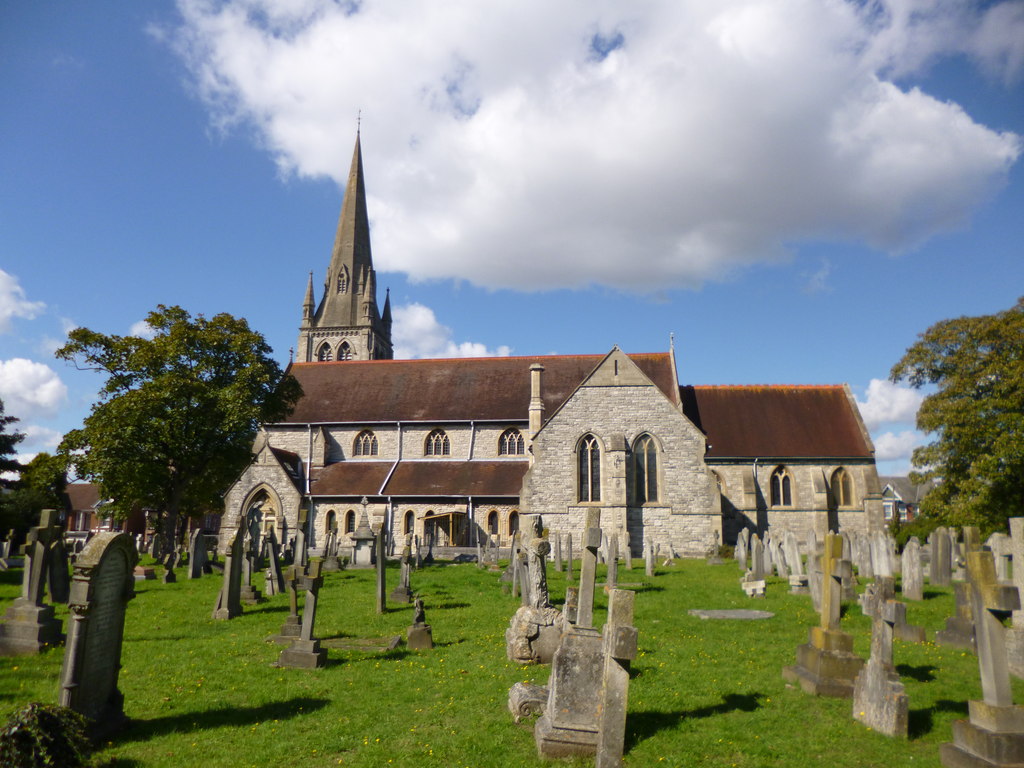
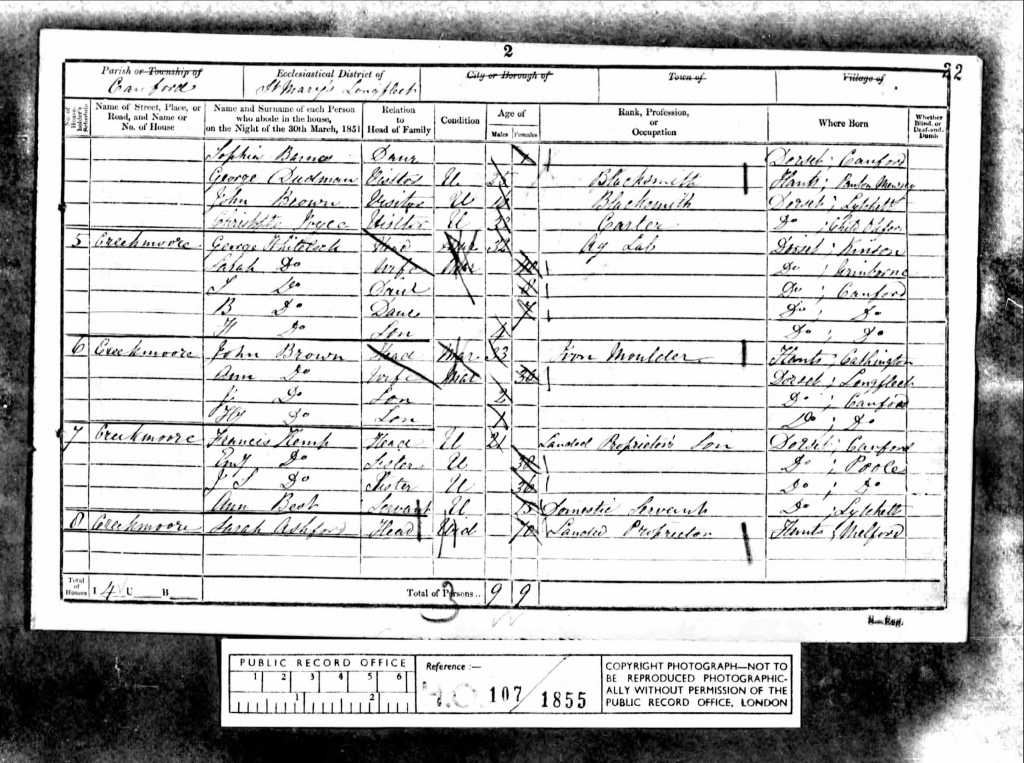









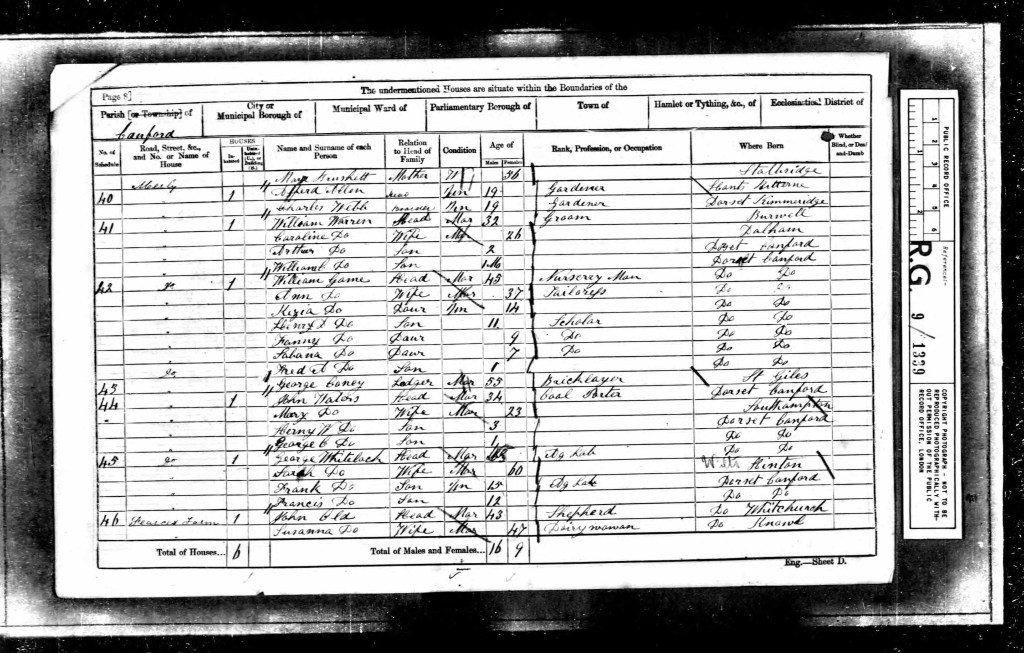
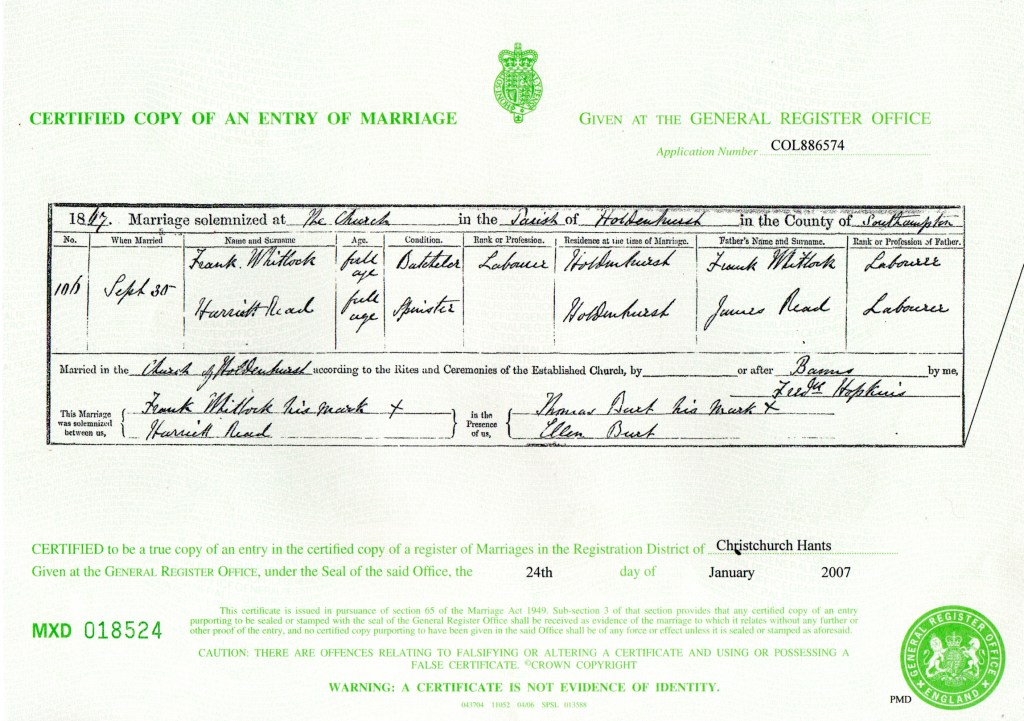
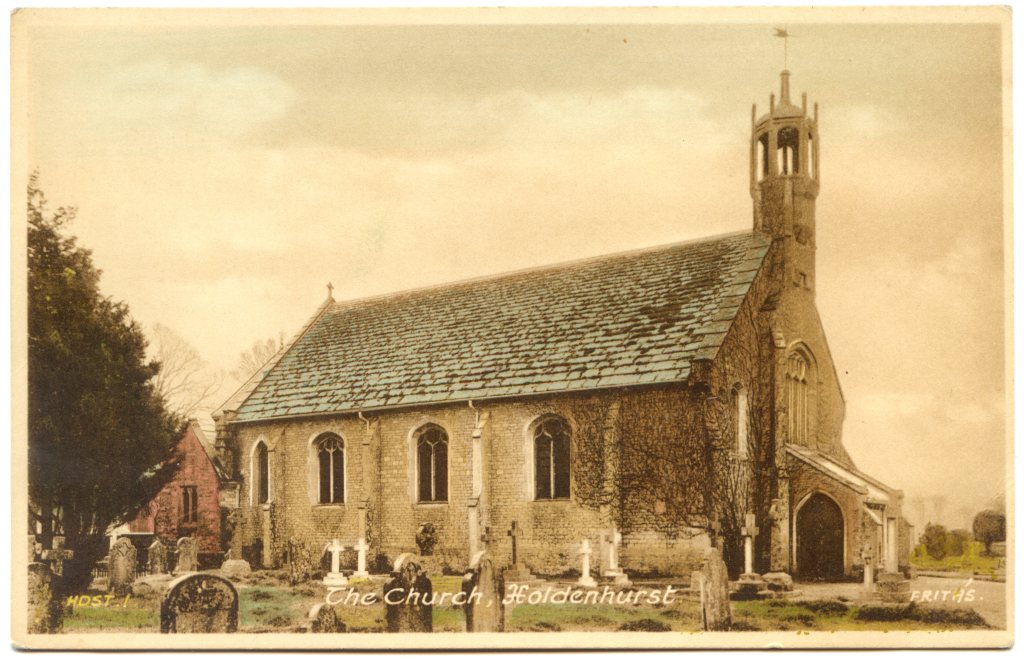
 Intwined