With the turning of a page, we step into the second chapter of Frank Whitlock’s story, a story no longer just of boyhood and the steady beat of rural life, but of love, commitment, and the quiet, sacred promise of “until death do us part.”
As Part One traced the tender, often painful path of Frank’s early years, his beginnings in the hamlet of Canford, the joys of new siblings and the heartbreak of loss, we now walk beside him as he becomes a man in full, a husband, a father, a provider. This is the part of Frank’s journey where his own choices begin to shape his legacy, and where we see not only who he was born to be, but who he became.
On a September day in 1867, Frank, at twenty-one, stood at the altar beside Harriet Read, a woman who would become his companion through every trial and every joy that followed. Their hands, calloused from work, were joined not just in marriage, but in the building of a life, of home, of family, of survival in a changing world. They would face hardship together, raise children, bury loved ones, and grow older under skies that would turn from the bright hopes of youth to the soft quiet of twilight years.
Through it all, we follow them.
Through every census taken, every child born, every small move across the map of Dorset and beyond.
Through the trials that come with poverty and labour, the shifting of surnames between Whitlock and Whitelock, and the slow turning of time that aged their hands and hearts.
There is something profoundly moving about walking through a person’s life from the outside in, from documents and dusty registers, from signatures made with an "X", to the moments in between that speak of grit and love. What makes this part of Frank’s life so special is not just the historical record, but the life that pulses between the lines, a life built from love, strengthened by struggle, and softened by devotion.
And so, we begin again, this time not with the cry of a newborn, but with the steady vow of a young man pledging himself to a woman named Harriet. Their journey together will span decades, but it begins with a simple promise. Until death do us part.
Let’s walk with Frank and Harriet, and witness a life not just lived, but deeply shared.
So without further ado, I give you,
The Life of
Frank Whitlock/Whitelock
1846–1922
Until Death Do Us Part.
Welcome back to the year 1867, Muscliff, Dorset, England. The world into which Frank Whitlock and Harriet Read were stepping as newlyweds was one of transition, caught between the old rural traditions and the unstoppable tide of modernity brought by the Industrial Revolution. In small villages like Muscliff, life still clung to the familiar rhythms of the land, yet even here, echoes of change reached through hedgerows and over stone walls, reshaping lives in quiet, persistent ways.
The throne of England was still held by Queen Victoria, who had reigned since 1837 and was now entering her third decade as monarch. She was a symbol of both stability and empire, deeply revered and widely loved, though her influence on daily governance was waning. In 1867, the Prime Minister was Benjamin Disraeli, although only briefly, he served in February and was succeeded by Lord Derby, as the country jostled politically over issues of reform. That same year, the Second Reform Act was passed, extending the vote to many urban working-class men. For the first time, men like Frank Whitlock, an agricultural labourer, were beginning to be seen, if not fully heard, in the machinery of government. It was a watershed moment in the slow, uneven march toward democracy.
In Muscliff, and villages like it, society was tightly structured. The gentry, landowners, clergymen, and those with inherited wealth, still held sway. Beneath them were the tenant farmers and skilled tradesmen. At the bottom were the labourers, like Frank, who worked the land for meagre wages, often from sun-up to sundown. Life was hard, and there was little security. Yet there was also resilience and community, deep roots formed by shared toil, church gatherings, and the quiet, abiding pride of survival.
Fashion mirrored status, though in rural areas it lagged behind city trends. A gentleman wore tailored suits, waistcoats, and top hats, while the poor wore homespun or secondhand garments, often mended many times over. For a working man like Frank, clothing was functional: sturdy trousers, a loose shirt, a thick coat if he was lucky, and boots, often patched or passed down. Women wore long skirts, shawls, and bonnets, their hands red and chapped from laundry and scrubbing floors.
Transportation was beginning to change the landscape. While most rural folk still travelled on foot or by cart, the expanding railway network was stretching its iron limbs across the countryside, bringing new goods, ideas, and people. A trip to the next village or town that once took half a day could now be made in hours. The world was shrinking, and even in Muscliff, that change could be felt.
Heating and lighting were basic at best. Fires burned in hearths, fueled by coal or wood, providing warmth and a place to cook. Candles or oil lamps gave off dim light in the evenings, their glow flickering across soot-stained walls. There was no electricity, no gas lines in cottages. The air indoors was often smoky and heavy, and chimney fires were a common danger.
Sanitation was still rudimentary. Water came from wells or communal pumps. Toilets were often little more than outdoor privies, and waste was managed poorly, if at all. Illness was commonplace, and infant mortality heartbreakingly high. A single infection could sweep through a household or village with devastating speed. Yet the people carried on, adapting to hardship as generations before them had done.
The diet of a working family was plain but filling when food was available. Bread, porridge, and potatoes were staples. Meat was a luxury, sometimes had in the form of pork or mutton. Seasonal vegetables, cheese, and eggs rounded out meals, and ale was often safer to drink than water. Sundays might bring a special treat, a small roast or a pudding, if the budget allowed.
Entertainment was simple and woven into daily life. Families gathered by the fire for storytelling or songs. Village fairs, church events, and seasonal celebrations marked the year. Reading was a growing pastime, thanks to increased literacy and the spread of cheap printed materials like the Penny Dreadfuls, though books were still a luxury for many.
The environment around Muscliff was still largely rural, with open fields, thatched cottages, and narrow lanes winding through hedgerows. Yet smoke stacks and rail lines were not so far away anymore, and industrialization had begun to touch even the most pastoral corners of England. The land was beautiful, but not untouched, its people, like Frank and Harriet, carried the weariness of hard labour and the weight of uncertainty on their shoulders.
Among the upper classes, the gossip pages of London society were filled with scandal and intrigue. The aristocracy busied themselves with balls, politics, and whispered affairs, while the working poor focused more on local happenings, who was courting whom, who had a new baby, or whose crops were failing.
The contrast between the rich and the poor was vast. The wealthy lived in grand homes with gas lighting, multiple servants, and access to the best medical care. The poor often lived in cramped cottages, scraping together coins for food and firewood. Yet even in poverty, there was dignity. Families like the Whitelocks endured not through riches, but through loyalty, faith, and love.
And so, in 1867, Frank and Harriet stood at the edge of this world, hand in hand, ready to build a life not marked by comfort or ease, but by the unbreakable bond of togetherness. Their story, like so many others, was not written in headlines or history books, but in daily acts of perseverance and grace. In that, their love became something noble, quietly heroic in a world that often asked much and gave little.
Frank and Harriet Whitlock welcomed their firstborn, a son, into the world, their hearts, and their modest home, on Monday the 18th day of November 1867, in the quiet hamlet of Muscliff, within the parish of Holdenhurst, Dorset, England. With the first cries of their newborn child came a wave of joy, responsibility, and the tender hopes that accompany new life. They named him Edward Frank Whitlock, a name that echoed his father’s and perhaps hinted at the promise of a future grounded in strength and legacy.
Less than a month later, Harriet made the journey to Christchurch, Dorset, to officially register the birth of their beloved son. On Friday the 13th day of December 1867, the registrar, Sam Bemister, recorded the details into the birth register with careful script. He noted that Edward Frank Whitlock, a boy, was the child of Frank Whitlock, a farm labourer, and Harriett Whitlock formerly Read, of Muscliff, Holdenhurst. It was a simple record, one of countless others in a volume bound by law and ink, but for Frank and Harriet, it marked the beginning of a new chapter, one written in love, and the enduring spirit of family.
Muscliff, historically part of the parish of Holdenhurst in Dorset, England, is an area that has undergone a considerable transformation over the centuries, shifting from rural farmland and riverine meadows to a residential suburb within modern Bournemouth. Its position along the River Stour and its association with the ancient Holdenhurst parish place it within a long lineage of agrarian life in southern England.
In its earliest history, Muscliff was part of the rural hinterlands of Holdenhurst, a village recorded in medieval documents and likely settled far earlier. Holdenhurst itself was considered the mother village of Bournemouth before the latter rose to prominence as a Victorian seaside resort. Muscliff, as an outlying area, would have consisted mostly of fields, scattered farmsteads, and small holdings. The landscape was dominated by agriculture, livestock, grain, hay, and market gardening would have formed the economic backbone of the area well into the 19th century.
The name Muscliff is thought to derive from the Old English, possibly meaning “Musca’s cliff or slope,” with “Musca” being a personal name and “clif” referring to a slope or riverbank. Given its location near the gentle meanders of the River Stour, this etymology makes sense. The river played a vital role in the life of the area, offering water for irrigation, transport, fishing, and later powering small mills in neighbouring communities.
By the 18th and early 19th centuries, Muscliff remained a quiet rural area, though it would have felt the slow encroachment of change. Agricultural improvements, enclosure of fields, and the increasing connectivity of Dorset through improved roads and, eventually, railways meant that isolated places like Muscliff gradually began to engage more with the wider world. Yet for a long time, life remained fairly unchanged, people worked the land, attended services at St. John the Evangelist Church in Holdenhurst, and lived in close-knit family units, often passing farms and cottages down through generations.
It wasn't until the expansion of Bournemouth in the late 19th and 20th centuries that Muscliff’s rural identity began to shift. Bournemouth’s popularity as a health resort and retirement destination brought with it new housing developments, roads, and an expanding urban footprint. The suburban growth that followed the Second World War particularly affected Muscliff, which began to see farmland replaced by housing estates, schools, and parks.
In the later 20th century and into the 21st, Muscliff became recognised as a quiet residential neighbourhood, prized for its access to green spaces, including the nearby Muscliff Park and the Stour Valley Nature Reserve. Despite suburban development, much of the area’s natural charm remains, with footpaths and cycle trails connecting to the riverbanks, woodlands, and meadows that echo its agricultural past.
The community today is a blend of long-time Dorset residents and newer families attracted by the balance of nature and town access. While the fields of old may be largely gone, the spirit of Muscliff, as a place shaped by its relationship to land, water, and community, continues to resonate. It remains a landscape where the past is not entirely erased, only reshaped, with names like Muscliff and Holdenhurst still carrying echoes of the quiet rural life that once defined the Dorset countryside.
On a spring Sunday, the 15th day of March 1868, Frank and Harriet Whitlock took their infant son, Edward Frank, into the hallowed walls of The Minster Church of St Cuthburga, nestled on the High Street in Wimborne Minster, Dorset. This grand and ancient church, steeped in centuries of faith and community, bore witness to a moment of deep personal significance for the young couple.
Rev. Charles Onslow stood at the font to perform the sacred rite of baptism. The church, with its echoes of old hymns and the soft glow of filtered light through stained glass, held space for this tender moment as Edward Frank Whitlock was gently welcomed into the Church of England and into a wider spiritual family. His name was carefully entered into the baptism register, with Rev. Onslow recording that Edward Frank was the beloved son of Frank Whitlock, a labourer, and Harriet Whitlock, of Muscliff sch church.
In that quiet ceremony, perhaps with family gathered close, hearts filled with reverence and hope, the threads of love, tradition, and faith were woven just a little more tightly around the young Whitlock family. It was more than just a ritual, it was a public promise, a prayer for protection and blessing over the life of their firstborn son.
The Minster Church of St Cuthburga, located on the High Street in Wimborne Minster, Dorset, is one of the most historically and architecturally significant churches in southern England. Its roots stretch back over 1300 years, and it stands as a profound symbol of the enduring influence of faith, tradition, and community through the centuries.
The church is named after Saint Cuthburga, a noblewoman of the 8th century who was the sister of King Ine of Wessex. She founded a Benedictine nunnery on this site around the year 705 AD. Cuthburga had previously been married to King Aldfrith of Northumbria but later took religious vows and dedicated herself to a monastic life. Her presence and influence are still honoured within the church, and she is often regarded as its spiritual founder. The original monastic community she established became a double monastery, housing both monks and nuns, and it flourished as a centre of learning and religious devotion during the Anglo-Saxon period.
The present building was largely constructed between the 12th and 15th centuries, though earlier Saxon remnants have been incorporated into its foundations and layout. The architecture is an exceptional example of the transition between Norman and Gothic styles. The twin towers are especially notable, one at the western end and a central tower over the crossing, giving the minster a distinctive and commanding appearance over the town of Wimborne.
Throughout the Middle Ages, the Minster held a special status as a royal peculiar, meaning it was exempt from the jurisdiction of the local bishop and came directly under the authority of the monarch. This gave the church considerable prestige and autonomy. It also served as a collegiate church for secular canons rather than monks after the dissolution of the monastic house during the reforms of the 10th century.
One of the most remarkable treasures within the Minster is the chained library, one of the few surviving examples of its kind in England. Established in 1686, it contains books dating back to the 14th century and reflects the Minster’s continuing role as a place of learning long after the medieval period. Visitors can still see the chains that secured the valuable volumes in place to prevent theft at a time when books were rare and expensive.
Another notable feature of the church is the tomb of King Æthelred of Wessex, the elder brother of Alfred the Great. Although overshadowed by his more famous sibling, Æthelred played a key role in defending Wessex against Viking incursions during the 9th century. His burial at the Minster adds a royal dimension to the site’s long history.
The Minster has served not only as a place of worship but also as a centre for the local community over many centuries. Baptisms, weddings, funerals, festivals, and civic occasions have all passed beneath its vaulted ceiling. During the English Civil War, the town and church were caught in the national turmoil, although the Minster itself was spared much of the destruction that afflicted other religious buildings.
Through the Victorian era, the church underwent significant restoration under the guidance of architects like Sir George Gilbert Scott, whose work helped to preserve its medieval character while addressing the wear of time. Modern additions and careful conservation have ensured that the church remains a living, functioning part of the community today.
Despite the passing centuries, the Minster Church of St Cuthburga still stands at the heart of Wimborne with a strong sense of continuity. Its bells continue to ring out across the rooftops of the town, its services are well attended, and its historic beauty draws visitors from around the world. It is not just a relic of the past, but a vibrant expression of faith, history, and identity rooted deeply in the Dorset landscape.
On a gentle spring day, Friday the 29th day of April 1870, in the quiet village of Witchampton, Dorset, Frank and Harriet Whitlock welcomed their second child into the world, a son they named William Francis. Nestled amidst green pastures and winding country lanes, Witchampton was a place where life moved with the seasons, and where the birth of a child was a moment of deep joy and hope for the future.
Frank, now working as a shepherd, would have returned home each day to the sounds of his newborn son’s soft cries and the comfort of Harriet’s gentle presence. Their modest home, though simple, was rich in love and warmth. William’s arrival added another thread to the fabric of their young family, binding them more closely together.
Harriet, with strength and devotion, made the journey to Wimborne on Tuesday the 10th day of May 1870 to formally register William’s birth. There, in the registrar's office, Samuel Smith carefully entered the details into the official record. He wrote that William Francis Whitelock, a boy, was the son of Frank Whitelock, a shepherd, and Harriett Whitelock formerly Read, of Witchampton.
Although the spelling of their surname had once again shifted slightly, what remained constant was the steadfast love between Frank and Harriet, and their quiet determination to build a life for their children grounded in hard work, family, and faith. William’s birth marked another chapter in their journey, one filled with promise, despite the challenges of the times.
Witchampton, nestled in the gentle countryside of East Dorset, England, is a village steeped in history, rural tradition, and quiet charm. Located within the Cranborne Chase and West Wiltshire Downs Area of Outstanding Natural Beauty, it lies a short distance north of Wimborne Minster and remains largely untouched by the encroachments of modern development. With roots stretching back to at least the medieval period, Witchampton is one of those quintessential English villages where the past still seems very much present.
The name Witchampton likely derives from Old English, with “wic” or “wicce” suggesting a dairy farm or perhaps a settlement linked to a person named Wicca, and “hamtun” indicating a homestead or village. There is no evidence that the name refers to witches, despite the common assumption made from its sound. The Domesday Book of 1086 records the village under various spellings, noting it as a small but significant settlement within the Hundred of Knowlton.
For centuries, agriculture formed the backbone of Witchampton’s economy. Rolling fields, managed woodland, and the fertile meadows alongside the River Allen gave rise to a landscape where sheep farming, dairy production, and later arable crops thrived. The presence of water-powered mills along the Allen is also a long-standing feature. By the 18th and 19th centuries, Witchampton was known for its paper mill, which stood on the site of earlier corn mills. The mill, at its height, employed many local people and brought a modest industrial flavour to an otherwise rural setting. It was a substantial part of the community's life until well into the 20th century.
The Church of St Mary, standing at the spiritual and geographic centre of the village, dates largely to the 14th century but incorporates earlier elements, suggesting a religious presence here long before. With its quiet churchyard, stained glass windows, and weathered stone, the church continues to serve as a place of worship and remembrance. Memorials inside tell stories of local families who lived and died here over many generations, anchoring the village firmly to its own past.
During the 19th century, Witchampton was under the influence of the Ashley-Cooper family, the Earls of Shaftesbury, whose ancestral home at nearby Wimborne St Giles brought social and economic ties. The Shaftesburys were known for their philanthropy and moral reform, particularly the 7th Earl, Anthony Ashley-Cooper, a prominent social reformer. His ideals of Christian paternalism would have had a ripple effect through the local area, including Witchampton.
The village school, almshouses, and various cottages date from this time and reflect both the generosity and the strict social hierarchy of Victorian rural life. Those who lived in Witchampton during the 19th and early 20th centuries would have experienced the shift from a largely self-sustaining agrarian economy to one increasingly connected with nearby towns and markets, thanks to improved roads and eventually the arrival of motor vehicles.
The 20th century brought significant change, as it did across the country. The First and Second World Wars took their toll on the village's population, and the agricultural economy faced pressure from modernisation. Yet Witchampton remained resilient. The closure of the mill marked the end of one era, but the village adapted and survived.
Today, Witchampton remains a small community with a population of a few hundred. It has retained much of its historic charm, with thatched cottages, flint and brick farmhouses, and the meandering course of the River Allen giving it an almost timeless feel. There is still a village hall and local events keep the community spirit alive. It is a place where nature and history blend with the daily rhythms of rural English life, and where echoes of the medieval, the pastoral, and the industrial continue to coexist peacefully beneath the green Dorset skies.
Although Frank and Harriet’s faith had seen them baptise their firstborn son, Edward, in the spring of 1868, no baptism record has yet been found for little William. It’s possible the ceremony took place quietly in a neighbouring parish not yet uncovered, or perhaps it was held informally at home, as sometimes happened in rural families where travel to church could be difficult. Whatever the reason, the absence of a written record does not diminish the love and care surrounding William’s arrival, nor his place in the family’s story. He was no less treasured, no less named in whispers and prayers, wrapped in the warmth of a family who had already known both joy and loss.
On the eve of Sunday the 2nd day of April, 1871, the census was taken, capturing a fleeting moment in time that gently framed the daily life of Frank and Harriet Whitlock. At just 25 years of age, the young couple were building their lives together in Colehill, Wimborne, Dorset, a small village nestled within the green and rolling countryside. In their modest home, which they inhabited fully, they lived with their two young sons, three-year-old Edward, curious and growing quickly, and baby William Francis, just 11 months old, likely still cradled in his mother’s arms.
Frank was recorded as an agricultural labourer, a trade he knew well and likely learned from his own father, a man of the land before him. Harriet, as many wives of the time, would not have her role listed, but her days would have been full, from the dawn chores to tending to her children, managing the household, and providing warmth and constancy in their home.
Next door, a familiar presence resided, Frank’s own parents, George and Sarah Whitlock. Now aged, but still working and living with quiet dignity, they too inhabited their own home in full. George, though advancing in years, was still described as an agricultural labourer, a testament to the enduring strength and resilience it took to raise a family through hardship, loss, and change.
This census offers more than names and ages, it offers a window into a deeply rooted family, living side by side, generations close, bound by the same soil, weathering the same seasons, and building lives with humility and grit in the heart of Dorset.
Colehill, perched on the ridge just to the northeast of Wimborne Minster in Dorset, is a place that quietly blends a sense of modern residential life with the echoes of deep historical roots and rural charm. While much of what is now Colehill developed during the 20th century as a leafy suburb of Wimborne, its land and character are part of a much older story, one deeply tied to the ancient landscape of East Dorset.
The name Colehill is relatively modern in recorded history and does not appear in early medieval documents or the Domesday Book, which suggests it was not a distinct settlement at that time. Instead, the area was likely part of the open fields, commons, and wooded lands that served surrounding parishes such as Wimborne Minster and Canford Magna. However, archaeological evidence and the landscape itself suggest long-standing human activity, with signs of prehistoric and Roman-era presence in the nearby Stour Valley and surrounding downs.
For centuries, the land now known as Colehill would have been used for agriculture, sheep grazing, and woodland management, providing timber, firewood, and common grazing rights. As Wimborne grew in the medieval period and later as a prosperous market town in the Georgian and Victorian eras, the higher ground of Colehill remained sparsely populated, mostly dotted with farmsteads and isolated cottages. It provided a scenic and somewhat elevated backdrop to the valley below, with far-reaching views towards the south and west.
The Victorian period saw the earliest signs of residential development in Colehill, as wealthier families began to build country villas and larger homes in this picturesque setting, often seeking space, fresh air, and a degree of separation from the busier market town below. The growth of the railway and the increasing mobility of the middle classes in the late 19th and early 20th centuries accelerated this trend. Colehill slowly transformed into a more substantial residential area, particularly after the First World War.
By the mid-20th century, Colehill had become an established and desirable suburb of Wimborne. Housing developments expanded during the post-war decades, particularly in the 1950s through 1970s, as families moved into newly built homes along tree-lined roads. Despite this growth, Colehill retained much of its green character. Mature woodlands, hedgerows, and open spaces continued to define the area’s feel, and planning efforts helped maintain its status as a quiet, semi-rural enclave.
Today, Colehill is known for its community spirit, good local schools, and attractive residential environment. It has a village hall, churches, shops, and is well-connected to Wimborne and the surrounding countryside. At its heart remains a sense of being close to nature: walks through Cannon Hill Plantation, views across the Stour Valley, and lanes lined with oaks and wildflowers make it a place where the natural beauty of Dorset still frames everyday life.
Although Colehill may not have the centuries-old parish church or manor house of many neighbouring villages, it holds its own place in the history of East Dorset, a story of land gradually shaped by human hands, from ancient farming to suburban homesteads, all under the same wide Dorset sky. Its growth reflects a broader story of 20th-century England, where ancient countryside and modern life have come to live side by side in quiet harmony.
Frank and Harriet’s home in Colehill, Wimborne, Dorset, was once again filled with joy and new life when their daughter, Elizabeth Mary Whitelock, was born on Thursday, the 2nd day of May, 1872. A daughter to cherish, she arrived during the gentle stirrings of spring, when the fields were greening and the days stretching longer, her birth marked a new chapter for the growing family.
Harriet, as always, took responsibility for registering her child’s birth. On Tuesday, the 4th day of June, she made her way into Wimborne, likely walking or travelling by cart, with determination and love that marked so many of her actions as a mother. At the registrar’s office, Samuel Smith officially recorded Elizabeth’s entry into the world. He wrote that Elizabeth Mary Whitelock, a girl, was the daughter of Frank Whitelock, a farm labourer, and Harriett Whitelock, formerly Read, of Colehill, Wimborne.
With her name now written in ink and her place in the family line secured, little Elizabeth joined her older brothers in the modest Whitlock household. Her birth was not just the addition of another child, it was a continuation of a story shaped by love, work, and resilience, rooted deeply in the Dorset soil.
Once again, despite searching through the parish records and available registries, there appears to be no sign of a baptism for little Elizabeth Mary Whitelock. Whether by circumstance, distance, or perhaps the quiet shift of family routines, her baptism or Christening, if it took place at all, was not recorded in the formal church registers.
It is a gentle reminder that while many milestones were faithfully documented in ink and scripture, some moments of a family's spiritual life may have passed quietly, marked only in the hearts of those who lived them. Elizabeth's absence from the baptism records does not diminish her place in the Whitelock family story, it simply adds a touch of mystery, a silent page in a tale otherwise so carefully preserved.
Frank and Harriet’s growing family was once again blessed with new life when their daughter, Annie Whitlock, was born on Sunday the 23rd day of August 1874, at Leigh Lane in the rural parish of Hampreston, Dorset, England. Her arrival marked another chapter in the Whitlock family’s journey, a household of humble beginnings, shaped by the quiet rhythms of country life and the enduring strength of love and labour.
A little over a month after Annie's birth, her mother Harriet made the journey into the nearby market town of Wimborne to formally register her daughter’s arrival. On Tuesday, the 2nd day of October 1874, before Registrar Samuel Smith, Harriet, bearing the signs of a mother’s fortitude, gave her mark, an X, to certify the event. Samuel recorded that Annie Whitlock, a girl, was the daughter of Frank Whitlock, a farm labourer, and Harriett Whitlock, formerly Read, of Leigh Lane, Hampreston.
Though the spelling of the family’s surname continued to shift between Whitlock and Whitelock, and Harriet to Harriett, what remained unshaken was their rooted presence in Dorset’s countryside, a place where every birth, every name, and every signature told a story of endurance, modest pride, and the unbroken bonds of family.
Leigh Lane in Hampreston, Dorset, is a peaceful rural road that winds through some of the most characteristically gentle and green countryside in East Dorset. It forms part of the historic parish of Hampreston, which lies between the more prominent towns of Wimborne Minster and Ferndown. While Leigh Lane itself is a quiet, narrow country lane today, it exists within a landscape shaped by centuries of agriculture, local tradition, and a strong connection to the land.
The village of Hampreston, once known as "Hameprestune" in the Domesday Book of 1086, has long held a modest but steady place in Dorset’s rural heritage. Its name likely derives from Old English roots meaning "homestead of the priests" or "homestead by the riverbank," reflecting both its ecclesiastical connections and its position near watercourses such as the River Stour and smaller local streams. Leigh Lane would have originally served as one of the access routes between farms, fields, and scattered dwellings in this largely agricultural landscape.
For hundreds of years, the lands along Leigh Lane were used for mixed farming, cattle, sheep, and arable crops. Hedgerows and woodland patches line the road to this day, reflecting ancient field boundaries that likely date back to the medieval or even Saxon period. This part of Dorset was not dominated by large manorial estates in the same way as some regions; instead, it evolved with a patchwork of smallholdings, tenant farms, and occasional gentleman’s houses that emerged during the 17th and 18th centuries.
By the 19th century, Leigh Lane would have been a quiet but functional part of the local infrastructure, used daily by farm labourers, carts, and villagers travelling between Hampreston’s core, its church, school, and outlying properties. Life here followed the seasonal rhythms of agriculture. Harvests, haymaking, and animal care defined the calendar, while social life centred on the local church of St. Mary's, a fine flint and stone building with origins in the 14th century, just a short walk from the end of the lane.
The 20th century brought gradual changes. The decline of traditional farming methods, post-war housing expansion, and the growth of nearby Ferndown all began to alter the social landscape. Even so, Leigh Lane remained relatively untouched by heavy development. Today, it is dotted with a mix of historic cottages, converted barns, and more modern rural homes, many of which offer views across fields and woodland that retain their timeless feel. The quiet, narrow nature of the lane, often bordered by high hedges and wildflowers, keeps it feeling remote, even though it is not far from more developed areas.
This is a part of Dorset where the landscape and settlement patterns have remained consistent for centuries. Horse riders, walkers, and cyclists still use Leigh Lane as a route through the countryside, while locals value its tranquility and its sense of distance from the busy modern world. Hampreston as a whole, including Leigh Lane, is a reminder of the slower pace of rural English life, where history isn’t always marked by grand monuments but is instead etched into the land itself, the pattern of fields, the line of the hedgerow, and the long memory of the soil.
Frank’s brother, 27-year-old Francis Whitlock, stepped into a new chapter of his own life when he married Mary Spencer on Monday, the 22nd of May 1876, at Canaan Primitive Methodist Chapel in Nottingham, Nottinghamshire, England. This moment marked a continuation of the Whitlock family's journey, now stretching beyond the rolling hills and quiet lanes of Dorset into the heart of the Midlands. Due to the considerable and ever-rising cost of family history research, particularly the necessity of purchasing multiple official certificates to verify and bring to life each piece of the past, I’ve had to make some difficult decisions along the way. Sadly, this means that I have not obtained marriage certificates for many of Frank’s siblings or children, including Francis and Mary’s union. It’s a sacrifice I’ve made with a heavy heart, but one that was necessary to keep this project moving forward. Each certificate purchased is a story secured, but at many pounds per document, the cost of telling every chapter in full can quickly climb into the hundreds. For those who wish to delve deeper or add to this story themselves, a copy of Francis and Mary’s marriage certificate can be purchased using the following GRO (General Register Office) reference:
I will continue to provide GRO references for marriages throughout Frank’s journey. I hope this allows you to explore further if you choose. I sincerely apologise that I cannot bring you every detail of these lives in full, but I remain devoted to telling the story with care, accuracy, and heart, with the hope that what is shared here inspires connection to those who came before us.
The Canaan Primitive Methodist Chapel in Nottingham holds a significant place in the history of Primitive Methodism in the city. Established in the early 19th century, it served as the 'mother church' of Primitive Methodism in Nottingham and was the head of the first Nottingham circuit
The congregation initially gathered in a disused factory in the Broadmarsh area, reflecting the movement's humble beginnings and its focus on serving working-class communities. Over time, the chapel became a central hub for religious and social activities, embodying the Primitive Methodist emphasis on lay preaching and community engagement.
The chapel also played a role in commemorating local individuals who served in the First World War, with a memorial listing 17 names of those who lost their lives. However, the chapel no longer exists; Canaan Street, where it was located, was removed during redevelopment of the Broad Marsh area.
Despite its physical absence, the legacy of the Canaan Primitive Methodist Chapel endures through historical records and the lasting impact it had on the community it served.
While Franks brother was getting married and starting a new life with his wife, Mary Spencer, Frank and Harriet’s beloved son, eight-year-old Edward Frank Whitelock, passed away on Monday, the 22nd day of May, 1876, at their home in Dogdean, Wimborne, Dorset, England. His mother, Harriet Whitelock, was by his side in his final moments, offering him comfort and love as his short life came to a sorrowful end. In the days that followed, Harriet, carrying the weight of a mother’s grief, made the heartbreaking journey to the registry office in Wimborne.
On Friday, the 26th day of May, 1876, Registrar Samuel Smith recorded Edward’s passing in the death register. He noted that Edward Frank Whitelock, just eight years of age, was the cherished son of Frank Whitelock, a farm labourer. The cause of death was given as cerebral disease, lasting eighteen days. His passing was certified by G.H. Batterton, M.B., M.R.C.S.
Edward’s death marked a profound loss for Frank and Harriet, a grief that would linger in the shadows of their lives for many years to come.
Cerebral disease is a broad and somewhat antiquated term that historically referred to any disorder or condition affecting the brain. In the 19th and early 20th centuries, before the development of modern neurology and diagnostic imaging, "cerebral disease" was often used in death records and medical notes to indicate a serious condition of the brain, especially when the precise cause was unknown. It might have included strokes, brain tumors, infections, degenerative conditions, epilepsy, and trauma.
In terms of historical understanding, cerebral disease was associated with symptoms like seizures, loss of consciousness, confusion, paralysis, or sudden death. Because medical science had limited tools to investigate the brain directly, diagnoses were often based on observation alone, and many different conditions were grouped under this one term.
The causes of what would have been termed cerebral disease varied widely. Infections such as meningitis or encephalitis, vascular problems like cerebral hemorrhage or thrombosis (stroke), congenital conditions, or even head trauma from accidents or falls could all result in what was referred to as a cerebral disease. In some cases, especially in the elderly, it might have referred to symptoms we would now recognize as dementia or Alzheimer’s disease.
Treatment in earlier times was minimal and often ineffective. Physicians might have prescribed rest, bleeding, purging, or the use of herbal remedies, but they had no way to treat the underlying causes. In cases of suspected inflammation or fever, opiates or sedatives were sometimes used, and cold compresses might be applied to the head. If seizures were involved, bromides or later phenobarbital might have been used after their discovery. However, without antibiotics, modern surgical tools, or brain imaging, outcomes for many cerebral diseases were poor.
Death rates associated with cerebral disease were relatively high, particularly for hemorrhagic strokes or brain infections. In the 19th century, if someone developed sudden paralysis, loss of consciousness, or convulsions, survival was uncertain. In children and infants, cerebral disease might have described neurological complications of infections or high fevers. In adults, particularly the elderly, it often marked the final stage of vascular deterioration, such as after a stroke.
Today, many specific conditions that were once grouped under this term have distinct diagnoses: ischemic stroke, brain tumor, multiple sclerosis, Parkinson’s disease, dementia, epilepsy, and more. Each now has its own pathology, diagnostic tools, and, in many cases, treatment plans that can dramatically improve outcomes. But the historic term “cerebral disease” offers a window into a time when the brain remained largely mysterious, and many illnesses that began in the head were feared and poorly understood.
Dogdean, nestled just southeast of Wimborne Minster in Dorset, is a small hamlet whose quiet, rural presence belies a long and deeply rooted history. Though now it is composed of little more than a scattering of houses, farms, and cottages along a winding country lane, its landscape and place-name suggest an enduring agricultural identity and a connection to the deep past of the Dorset countryside.
The name Dogdean is thought to derive from Old English elements, possibly "docce" meaning dock (the plant), and "denu" meaning valley, indicating a damp, fertile hollow where dock plants might have once grown in abundance. This aligns with its location on low-lying, often marshy ground just off the River Stour’s meandering floodplain. The suffix "dean" or "dene" is common in southern England and usually refers to a small wooded valley or secluded area.
Dogdean is not mentioned by name in the Domesday Book of 1086, which suggests that while the land was known and likely used agriculturally, it was not a manorial centre or a distinct settlement at that time. Instead, it was probably considered part of the wider lands around Wimborne, which was already a well-established Saxon ecclesiastical centre by the 8th century. As the Minster in Wimborne grew in religious and administrative power during the early medieval period, surrounding lands like Dogdean would have been part of the estates managed for their agricultural output.
Throughout the medieval and early modern periods, Dogdean remained rural and sparsely populated. Its gently undulating land, scattered trees, and proximity to both the Stour and the historic Roman roads around Wimborne meant it was likely used for a mix of pasture, meadows, and perhaps limited arable farming. There is also a long-standing association of the area with woodland, which may once have been part of the wider forested lands that stretched across parts of East Dorset before enclosure and clearance for agriculture.
By the 18th and 19th centuries, Dogdean had become home to several working farms and a few estate cottages. The area was quiet, outside the bounds of major roads and development, and would have been inhabited mainly by agricultural workers and their families. Life here followed the rhythm of the seasons, with livestock, haymaking, hedge-laying, and other rural crafts shaping the daily existence of its inhabitants. Nearby Wimborne was the market town where goods were traded and services accessed, but Dogdean remained apart, a place of labour and calm, surrounded by fields and thick hedgerows.
In the 20th century, as agriculture modernised and rural populations began to shift, Dogdean saw little of the housing expansion that transformed many neighbouring areas. Its position, tucked away without major through roads, helped it retain a secluded atmosphere. Some of the older farmhouses and cottages were renovated or repurposed, and a few newer homes have been built, but overall the hamlet has changed remarkably little in character.
Today, Dogdean is known more for its peacefulness than for any dramatic historic events. It remains a place where one can glimpse a version of rural Dorset that is fast disappearing. Birdsong, the sound of wind in the trees, and the sight of grazing sheep or cattle define its atmosphere. It is a place where history is not loudly announced but quietly embedded in the earth, the hedgerows, and the contours of the land. Those who live or walk there often sense that time moves a little slower in Dogdean, where the ancient rhythms of rural life are still faintly felt.
Frank and Harriet’s beloved son, Edward Frank Whitelock, was laid to rest on Saturday, the 27th day of May, 1876, in the peaceful grounds of The Minster Church of St Cuthburga, nestled along the High Street in Wimborne Minster, Dorset. The service was performed by Henry Good, who tenderly committed Edward to the earth and recorded the burial in the church register. He noted that eight-year-old Edward Whitelock, of Wimborne, was buried on the 27th of May.
It was a solemn day, heavy with grief, as the family gathered to say their final goodbye. The weight of Edward’s absence was almost too much to bear, but in the gentle hush of the ancient church, surrounded by stone walls that had witnessed centuries of lives come and go, they found a quiet space to mourn. Though his life was brief, Edward left behind a memory that would remain etched in the hearts of his parents and siblings forever.
The quiet of Dogdean must have felt heavier in the days that followed Edward’s passing. His laughter, once echoing through the fields and hedgerows, was now a memory, soft and bittersweet. Frank, a man of the land, continued his labour with quiet resolve, though his eyes carried the weight of a father’s sorrow. Harriet, ever nurturing, found herself reaching instinctively for a child who was no longer there. The loss of their firstborn son created an ache that time would never fully ease, a space in their hearts where Edward would always remain.
And yet, life in Victorian England gave little pause for grief. The soil still needed turning, mouths still needed feeding, and children, those they had, and those yet to come, still needed raising. With heavy hearts and hands joined more tightly than ever before, Frank and Harriet turned again toward the future. Though Edward’s absence would follow them like a shadow, their love endured. It deepened, matured, and carried them forward into the years still unwritten, where joy and sorrow would walk hand in hand.
After a year marked by grief and silence, a new light entered the lives of Frank and Harriet Whitlock with the birth of their son, Charlie, on Monday, the 18th day of June 1877. Born at Leigh Lane in Hampreston, Dorset, Charlie arrived in the height of summer, a season of warmth and growth, and perhaps, for Frank and Harriet, a quiet reminder that life, even in the shadow of sorrow, goes on.
Charlie was born into a home shaped by hardship but held together by deep love and resilience. His presence brought a sense of renewal to a family still learning to live with the absence of Edward. For Harriet, cradling her newborn in the same arms that had held Edward, there must have been a mixture of joy and aching tenderness, grief and hope entwined in the same breath.
On Friday, the 13th day of July 1877, Frank took on the responsibility of registering his son’s birth. He made the journey into Wimborne and stood before Registrar Samuel Smith to give the details of his child. The record shows that Charlie Whitlock, a boy, was the son of Frank Whitlock, a malt house labourer, and Harriett Whitlock, formerly Read, of Leigh Lane, Hampreston. Frank, as with all his official dealings, signed the register with his mark, an X, a symbol of quiet dignity, of a life lived through labour, not letters.
Charlie’s birth brought not just another child into the world, but another chance, another thread in the tapestry of the Whitlock family’s story. He arrived not to replace the brother they had lost, but to remind them that love, even when tempered by loss, continues to grow.
Frank and Harriet chose to mark the arrival of their newborn son, Charlie, with a baptism on Tuesday, the 31st day of July 1877. The ceremony took place at St John’s Church, nestled along Leigh Road in Wimborne, Dorset, a place where the sound of hymns had long echoed through the lives of working families like theirs. It was a summer’s day, just six weeks after Charlie’s birth, and the church would have been warm with sunlight filtering through its windows, casting soft hues over the baptismal font.
Rev. J. B. Watson, the parish priest, performed the ceremony and entered the details with care into the baptism register. He recorded that Charles, of Hampreston, the son of Frank Whitelock, a labourer, and Harriet Whitelock, was born on the 18th day of June and baptized on the 31st day of July 1877. Though the register formalised the moment, the day itself was far more than ink and parchment.
For Frank and Harriet, it was a sacred moment of dedication, a time to gather strength as a family after the storm of grief that had only recently touched their home. Charlie’s baptism was a symbol of faith, a blessing over a new life beginning under the watchful eyes of his loving parents and, perhaps, a quiet prayer that he would thrive in health, love, and grace. In a world shaped by toil and loss, this simple ceremony offered a glimpse of peace, hope, and continuity, the heart of every family’s story.
St John's Church on Leigh Road in Wimborne, Dorset, is a church with Victorian origins and a continuing role in the spiritual and social life of the local community. While not as ancient or architecturally grand as the nearby Wimborne Minster, St John's stands as an example of the 19th-century ecclesiastical building movement that accompanied the expansion of many English towns during the Victorian era.
The church was built in response to the growing population of Wimborne during the 19th century, when towns and villages across Dorset were experiencing changes driven by the Industrial Revolution, population growth, and improved transport links, including the railway. These developments brought about new housing and the need for more places of worship, especially in outlying areas where people might have found it difficult to attend services at the central Minster.
The establishment of St John’s Church was also closely tied to the broader Church of England efforts in the 19th century to expand parish structures and increase the presence of the church among the working and middle classes. New parishes were being carved out of older ones, and new churches were erected to serve them. The design of St John's reflects the Gothic Revival architectural style, which was fashionable at the time and which sought to evoke the medieval past, with its pointed arches, stained glass, and stonework.
Though smaller and more modest than medieval churches, St John's was carefully built to serve both as a house of worship and a gathering point for the local community. Over the years, it has hosted countless baptisms, marriages, funerals, and regular worship services. Like many churches established in the Victorian period, it would have had a strong emphasis on preaching, scripture, hymn-singing, and community involvement.
The church has been updated and maintained over the years, ensuring it remains fit for modern use while retaining its character. It has seen shifts in its congregational style, adapting to the needs of a changing population. Today, it remains an active Anglican church, participating in local events and continuing to serve the Leigh Park and Leigh Road areas of Wimborne. It often works in cooperation with other churches in the area, contributing to the shared mission of pastoral care, charity, and community outreach.
The church is also known for its warm and welcoming environment, with a particular emphasis on being inclusive and accessible to families and people of all ages. Its activities go beyond Sunday worship, often including youth work, social gatherings, and support groups.
St John’s Church on Leigh Road may not be one of the oldest ecclesiastical buildings in Dorset, but it holds an important place in the ongoing story of Wimborne. It stands as a reminder of the 19th-century expansion of English towns, the enduring role of the Church of England in community life, and the evolving ways in which churches continue to adapt while honouring their past.
Frank and Harriet’s home on Leigh Lane was surely filled with wonder, exhaustion, and joy in the early hours of Sunday, the 12th day of September 1880, as they welcomed not just one, but two precious daughters into their world. Twin girls, Gertrude and Mabel Whitlock, arrived just an hour apart in the quiet of the night. Gertrude was born at 2 o’clock in the morning, followed by Mabel at 3 o’clock, each tiny cry a new note in the growing symphony of the Whitlock family’s life.
The birth of twins would have been both a blessing and a challenge in rural Victorian England, especially for a working-class family like Frank and Harriet’s. With modest means but deep devotion, they would have greeted their daughters with all the love their hearts could hold, even as they braced for the doubled demands of feeding, clothing, and comforting two newborns.
On Monday, the 4th day of October 1880, Frank made the familiar journey to the registry office in Wimborne, carrying with him the solemn duty of recording his daughters’ arrivals. Registrar Samuel Smith entered the births into the official register, noting that both Gertrude and Mabel were the daughters of Frank Whitlock, a farm labourer, and Harriet Whitlock, formerly Read, of Leigh Lane, Hampreston. The times of their births, 2 AM and 3 AM, were carefully documented, distinguishing the elder and younger twin in a world where every detail mattered.
This moment, though written plainly in a government ledger, was anything but ordinary for Frank and Harriet. It was a quiet celebration of life, resilience, and the ever-deepening roots of their growing family.
On Sunday the 7th day of November 1880, Frank and Harriet carried their precious twin daughters, Mabel and Gertrude, to St James Church in the peaceful parish of Holt, nestled within the Wimborne Minster area of Dorset. It was a crisp autumn morning, and beneath the hallowed arches of the old stone church, the family gathered in quiet reverence to present their girls before God.
Reverend Edward Fiennes Trotman, the presiding minister, welcomed the family and led the baptismal service with grace and solemnity. In the soft echo of prayers and the gentle trickle of holy water from the font, Mabel and Gertrude were baptised into the Christian faith. Though their birth certificates bore the surname *Whitlock*, the baptismal register would record them under the name *Whitelock*, a subtle but recurring variation that followed the family through official records over the years.
Reverend Trotman inscribed their names in the church register, listing Mabel and Gertrude as the daughters of Frank Whitelock, a labourer, and Harriet Whitelock of Hampreston. With each carefully penned letter, their identities were secured in the spiritual community, and the memory of that day, though long past, would linger in the quiet records of the church and, perhaps more enduringly, in the hearts of those who held them close.
It was a moment of peace and promise, a ritual of belonging for two little souls whose arrival had already doubled the love in the Whitlock home.
St James' Church in Holt, near Wimborne Minster, Dorset, is a Grade II listed building with a rich history that reflects the evolving needs of its community over several centuries.
The origins of worship on this site date back to at least 1284, when Henry de Lacey obtained a licence from Edward I to build a chapel at Holt to celebrate Divine Service. This early chapel served the local population, who otherwise had to travel to Wimborne Minster for services, a journey that could be challenging, especially in poor weather.
In 1834, the original chapel was replaced by a new structure designed by John Tulloch. This building served as a chapel-of-ease to Wimborne Minster, providing a more accessible place of worship for the residents of Holt. The church features Flemish bond brickwork with ashlar dressings and a slate roof, characteristic of the period's architectural style. A notable feature is the early 17th-century octagonal timber pulpit, originally from Wimborne Minster, adorned with Corinthian columns and intricate carvings.
In 1889, the chancel was added to the church, designed by T.H. Wyatt. This addition included curvilinear tracery in the windows and a five-light east window, enhancing the church's architectural significance. The church also housed a medieval bell, also transferred from Wimborne Minster, further strengthening the historical connection between the two sites
Despite its historical and architectural importance, St James' Church was closed for worship in recent years. The closure was part of a broader reorganization within the Church of England, leading to the formation of the Wimborne Minster and the Wimborne Villages benefice, which consolidated several local parishes
Today, while no longer serving as an active place of worship, St James' Church remains a significant landmark in Holt. Its enduring presence continues to reflect the village's historical narrative and the community's longstanding commitment to faith and fellowship.
On the eve of the 1881 census, Sunday the 3rd day of April, Frank and Harriet were raising their growing family in the familiar surroundings of Leigh Lane, Hampreston, Dorset. At 35 and 36 years of age, Frank and Harriet had already weathered life’s many trials together, and their home was filled with the sounds and rhythms of childhood.
Residing with them were their children, 10-year-old William, beginning to step into early responsibilities, 8-year-old Elizabeth, 6-year-old Annie, 3-year-old Charlie, likely trailing after his older siblings with wide-eyed wonder, and their newest additions, the six-month-old twin girls, Gertrude and Mabel, whose arrival had brought fresh joy, and no doubt, a little extra chaos, to the household.
The census records show that the family inhabited the entire property, a reflection of the independence they had carved out through years of hard work. Frank, now listed as a Maltster Labourer, had likely found employment in one of the local malthouses that processed barley for brewing, a physically demanding but steady job that supported his large household.
The entire family was recorded under the surname Whitlock, continuing the trend of slight name variations across official documents. Despite the challenges of the time, there is a quiet dignity in the record of their lives, a testament to the stability and warmth Frank and Harriet had built together under their modest roof in rural Dorset.
A maltster labourer in the 1800s, particularly in 1881, would have been employed in the malting industry, which was a key part of the brewing process. Malting involves preparing barley (or other grains) for brewing by encouraging it to germinate slightly and then drying it to halt the process. This transforms the starches in the grain into sugars, which can later be fermented by yeast to produce alcohol.
The maltster was the skilled tradesman who oversaw this process, while the maltster labourer performed the heavy and repetitive physical work required to carry it out. The labourer worked under the direction of the maltster and was responsible for duties such as unloading sacks of barley, spreading it on malting floors, turning the grain regularly with wooden shovels or rakes to control the germination, then transferring it to the kilns for drying. This was hard manual labour, done in dusty, warm, and sometimes damp environments, with long hours and little automation. Work was often carried out in shifts, especially during the busy seasons, to ensure that germination was carefully managed.
In towns and rural areas where brewing was a key industry, such as parts of Hampshire, Dorset, and other agricultural counties, many local men were employed in malting houses. The trade was seasonal to some degree, and men might shift between agricultural work and work in the malthouse, depending on the time of year and demand. The work was labour-intensive and would have required a strong back, endurance, and familiarity with grain handling.
By 1881, the Victorian brewing industry was flourishing. Britain had a thriving beer-drinking culture, and many breweries were expanding thanks to technological advances, including steam power and better transportation by rail. However, in many smaller towns and villages, the methods remained traditional. A maltster labourer in a rural area would have still worked largely by hand in relatively unchanged conditions compared to those a century earlier.
Socially, a maltster labourer would have been considered part of the working class, likely earning a modest wage and living in simple housing, possibly tied to the brewery or estate. He might have rented a small cottage, perhaps with other family members also contributing to the household income through labour or domestic service. Diet would have been basic, often heavy on bread, potatoes, and beer itself, with meat as an occasional luxury.
Health and safety were minimal by modern standards. The malt dust could cause respiratory issues, and the physical nature of the work led to chronic aches and injuries. Yet it was steady employment in a time when job security was hard to come by. For many families, having a breadwinner employed regularly, even in demanding labour, was a source of stability.
The maltster labourer would have been an uncelebrated but essential figure in the brewing process, a link in the chain between the farmer and the publican, whose work ensured the smooth running of one of the country’s favourite pastimes, beer drinking.
On Wednesday the 15th day of February 1882, Frank and Harriet welcomed their precious daughter, Ellen Whitlock, into the world. She was born at their humble family home on Leigh Lane, Hampreston, Dorset, a place already filled with the laughter and love of her older siblings.
A few weeks later, on Wednesday the 22nd day of March, Frank made the familiar journey into Wimborne, perhaps with pride and a touch of weariness, to officially register her birth. At the register office, Samuel Smith carefully recorded the details: Ellen Whitlock, a baby girl, born to Frank Whitlock, a hardworking labourer in a malt house, and his wife, Harriett, formerly Read.
Frank, who may not have been confident with pen and paper, signed the official record with his simple but sincere mark, an “X”, a quiet testament to his role in welcoming another beloved child into their growing family.
On Monday the 3rd day of April 1882, just weeks after her birth, little Ellen Whitlock was carried into the peaceful stone walls of St James Church in Holt, Wimborne Minster, Dorset, the same countryside that shaped her parents’ lives. Her mother and father, Harriet and Frank, brought her to be baptised, entrusting her to faith in the same way they had done with their other children.
The private baptism was led by Curate C.G. Paget, who carefully inscribed Ellen’s name into the baptism register. He recorded that she was the daughter of Frank Whitlock, a labourer, and Harriet Whitlock, of Leigh Lane,  a simple rural address that had been home to the family through many of life’s joys and sorrows.
That day, surrounded by familiar fields and the quiet reverence of their village church, Frank and Harriet offered up their hopes and love for their newborn daughter, under the watchful eyes of both God and community.
Frank and Harriet’s precious baby girl, Ellen Whitlock, passed away on Wednesday, the 5th day of April 1882, at just seven weeks old. Her short life ended quietly at the family home in Leigh Lane, Hampreston, Dorset, the same place where she was born and cradled with love. Her mother, Harriet, remained by her side until Ellen drew her final breath, holding her close in the only comfort a mother can offer in those final moments.
In the days that followed, Harriet summoned the strength to carry out the heartbreaking task of registering her daughter’s death. On Saturday, the 8th day of April 1882, she travelled to the registry office in Wimborne, where Registrar Samuel Smith, the same man who had so recently recorded Ellen’s birth, now solemnly logged her death.
He wrote that Ellen Whitlock, just seven weeks old, was the beloved daughter of Frank Whitlock, a malt house labourer. The cause of death was given as marasmus, a condition of severe undernourishment, and the certificate was signed by Wibyke Smith. With a heavy heart, Harriet made her mark on the official document, a simple "X" that carried the full weight of a mother’s grief.
Ellen’s brief time on this earth left an imprint of sorrow, but also of love, a love that would never be forgotten by those who held her dear, even if only for a little while.
Marasmus is a severe form of malnutrition primarily affecting infants and young children, typically under the age of five. It is characterized by an extreme wasting of fat and muscle, resulting in significant weight loss and a skeletal appearance. The word itself comes from the Greek "marasmos," meaning decay, reflecting the physical degeneration that occurs with this condition. Marasmus arises due to a prolonged deficiency of calories and protein in the diet, often as a result of famine, poverty, neglect, or disease that interferes with nutrient absorption.
Historically, marasmus has been a grave issue in regions facing food scarcity or during times of social upheaval, war, or economic collapse. In the 19th and early 20th centuries, marasmus was a commonly recorded cause of death among infants in workhouses, orphanages, and impoverished urban neighborhoods in Europe and beyond. Medical understanding at the time was limited, and many children succumbed to the disease due to the lack of effective treatment, clean environments, and appropriate nourishment.
Unlike kwashiorkor, which is also caused by protein deficiency but is associated with edema and a swollen appearance, marasmus presents with visible ribcages, thin limbs, and a generally emaciated look. The skin becomes dry and loose, the eyes sunken, and the child appears irritable or lethargic. Cognitive development can also be impaired, and the immune system becomes severely weakened, leaving the child vulnerable to infections that can be fatal.
The death rate from untreated marasmus is high. In severe cases without medical intervention, mortality can exceed 50%. Even with treatment, long-term effects may persist, including stunted growth, delayed mental development, and chronic health problems. Treatment involves careful nutritional rehabilitation, starting with rehydration and gradual introduction of calories and proteins. Medical staff must avoid refeeding syndrome, a potentially fatal condition caused by too rapid re-nourishment.
In modern times, marasmus is still a major public health concern in developing countries and in areas affected by war, displacement, or natural disaster. Humanitarian efforts, including nutritional programs, education, and improved food security, have been instrumental in reducing its prevalence, though challenges remain in many parts of the world.
In historical contexts, such as in 19th-century England, marasmus frequently appeared on death certificates, especially among babies born into poverty or those institutionalized. It was often recorded alongside other contributing factors like “debility,” “lack of breast milk,” or “improper feeding,” all of which reflected the limited resources and medical knowledge of the time.
On Saturday, the 8th of April 1882, Frank and Harriet Whitlock laid their tiny daughter, Ellen, to rest in the peaceful churchyard of The Minster Church of St Cuthburga, on High Street in Wimborne Minster, Dorset. Just seven weeks after welcoming her into their lives, they found themselves saying a heartbreaking goodbye.
The funeral service was conducted by the vicar, F. J. Humphe, who gently led the small, sorrowful burial. In the burial register, he recorded the simple but heavy words, that Ellen Whitlock, only seven weeks old and of Hampreston, was buried on that same day.
Beneath the ancient stones and quiet skies of the Minster churchyard, Ellen was laid to rest, a brief life, deeply loved, and never forgotten. Her passing left a silence in the Whitlock home, but her memory would forever be cradled in the hearts of her family.
On Monday the 17th day of April, 1882, a new chapter quietly unfolded for Frank’s sister, Betsy Whitelock. At 38 years of age and still listed as a spinster, Betsy took a significant and hopeful step into married life when she wed 27-year-old bachelor John Wilson Pickering, a shoemaker by trade. Their union was solemnised at Saint Paul’s Church, Onslow Square, nestled in the heart of Kensington, England.
At the time of her marriage, Betsy was residing at Number 93, Onslow Place. The ceremony was performed by the curate of the parish, Henry J. — though his surname, sadly, is unclear in the register. As he recorded the details in the marriage book, he noted that Betsy was the daughter of George Whitelock, who was working as a gardener, and that John Wilson Pickering was the son of John Pickering, a farm manager, each of them rooted in a working-class world of honest labour and modest means.
The couple stood together with two witnesses whose names, unfortunately, have been partially lost to time; Charles and Mary Ann, with surnames too scribbled or faded to decipher clearly. Still, their presence marked a quiet support, a recognition of love sealed under the vaulted ceiling of a London church.
This moment must have been particularly poignant for Betsy, marrying later in life by Victorian standards, and perhaps finding companionship and steadiness with John after many years of independence. It also signalled the ever-branching journey of the Whitelock family, from the Dorset countryside to the city streets of Kensington, lives unfolding across miles, shaped by the enduring pull of love, labour, and legacy.
St Paul's Church, located in Onslow Square, South Kensington, London, is a Grade II listed Anglican church with a rich history dating back to the mid-19th century. Designed by architect James Edmeston in collaboration with Charles Freake's office, the church was constructed between 1859 and 1860 as part of Freake's development of the square. The building features a facade made of Kentish ragstone and is an example of the Perpendicular Gothic architectural style. Notably, the church's orientation is unconventional, with the chancel situated at the west end, contrary to traditional ecclesiastical design.
In 1876, a church hall was added to the south of the main building, which was later extended in 1893. The church became known for its evangelical tradition, particularly under the leadership of Hanmer William Webb-Peploe, who served as vicar from 1876 to 1919.
By the late 1970s, the parish of Holy Trinity Brompton (HTB) merged with the neighbouring parish of St Paul's, leading to the church being declared redundant. However, efforts by local residents and churchgoers in the early 1980s prevented its sale for private redevelopment. In the late 1980s, the Parochial Church Council successfully requested the reversal of its redundancy, allowing for the establishment of a new congregation led by curate Nicky Lee and his wife Sila.
The church experienced further developments in the following decades. In 1997, the congregation divided into three groups, leading to new church plants in Fulham and Bryanston Square, while some members returned to HTB. After a period of reduced activity, HTB resumed services at St Paul's in 2007, initiating renovations and expanding service times. By December 2009, the upstairs balcony, previously used for administrative offices, was recommissioned for worship.
Today, St Paul's Church continues to serve the community as part of the HTB network, holding regular services and maintaining its evangelical tradition. Its historical significance and architectural features remain integral to the character of Onslow Square.
Frank and Harriet’s growing family welcomed another precious life into their hearts and home when their daughter, Ellen Whitlock, my paternal great-grandmother, was born on Wednesday, the 21st day of November, 1883, at Catherine View in Christchurch, Hampshire, England. Her arrival brought a tender light into their lives, especially after the heartache they had endured just the year before.
Only nineteen months earlier, Frank and Harriet had cradled and buried their baby girl, also named Ellen, who had passed away at just seven weeks old. It’s hard not to believe that when this new little girl was born, they chose to honour the memory of their lost daughter by giving her the same name. It was perhaps a way to keep a piece of the child they had lost close to their hearts, while embracing the hope of new life.
The chill of late autumn may have filled the air outside, but within the walls of their home, a deep warmth settled as Harriet cradled her newborn daughter, while Frank, a maltster by trade, no doubt looked on with quiet pride and familiar tenderness. This new arrival marked not only the continuation of their lineage, but the expansion of the deep and enduring love that had carried them through hardship, loss, and life’s ever-turning seasons.
It was Frank himself who took on the duty of registering Ellen’s birth, and on Saturday the 29th day of December, 1883, he made his way to the registrar’s office. There, Registrar Sam H. Bermister entered Ellen’s details into the official birth register. He noted that Ellen Whitlock, a girl, was the daughter of Frank Whitlock, a maltster of Catherine View, and Harriet Whitlock, formerly Read. Frank, a devoted father and labouring man, signed the register in the only way he knew how, with his mark, a simple “X”. That mark, though humble, carried the weight of a father's pride, love, and perhaps a quiet prayer that this daughter, this Ellen, would thrive where the first could not.
Ellen’s birth was not only a moment of celebration for Frank and Harriet, it was the beginning of a legacy that would echo forward through generations, leading all the way to me.
Christchurch is a historic market and fishing town located at the confluence of the Rivers Avon and Stour, where they flow into Christchurch Harbour. Originally founded in the 7th century as a Saxon settlement named Twynham, meaning "between two rivers," it was renamed Christchurch following the construction of the priory in 1094.
The town developed into an important trading port and was fortified in the 9th century. Further defenses were added in the 12th century with the construction of a castle, which was destroyed during the English Civil War by the Parliamentarian Army
Today, Christchurch offers a blend of historical attractions and natural beauty. Visitors can explore the ruins of Christchurch Castle and the Norman House, one of the few surviving examples of Norman domestic architecture in England. The town also boasts award-winning beaches, coastal nature reserves, and two historic quays, making it a popular destination for both history enthusiasts and nature lovers
The town's proximity to the New Forest National Park provides additional opportunities for outdoor activities, including hiking and cycling. With its rich heritage and picturesque setting, Christchurch continues to be a cherished location on England's south coast.
Frank’s father, 70-year-old George Whitlock, a devoted general gardener, passed away on Friday, the 24th day of January 1890, at his home in Colehill, Wimborne, Dorset, England. In his final moments, George was not alone, his daughter, Sarah Barens of West Street, Poole, was by his side, offering comfort as he quietly drew his last breath.
It fell to Sarah to carry out the difficult duty of registering her father’s death, a task no child takes on lightly. That same day, Friday the 24th day of January 1890, she went to the registry office in Wimborne. Registrar Samuel Thomas recorded George’s passing in the death register. He documented that George Whitlock, aged 70, had died from bronchitis and the natural decline of old age. George’s death was officially certified by S. G. Parkinson, M.R.C.S.
Though his passing marked the end of a hardworking life spent in the soil and gardens of Dorset, George’s memory lived on in his children, like Frank and Sarah, who carried both his name and spirit forward.
Bronchitis and the natural decline of old age are often found together in historical records, particularly in death registers from the 18th and 19th centuries. Both represent conditions that, while different in cause and nature, frequently intersected in the lives of elderly individuals at a time when medical care was rudimentary and life expectancy far shorter than today.
Bronchitis is the inflammation of the bronchial tubes, which carry air to and from the lungs. It can be either acute, caused typically by infections such as colds or flu, or chronic, which often results from prolonged irritation due to smoking, air pollution, or occupational hazards. In the past, particularly in industrial England, chronic bronchitis was common among older adults who had lived and worked in soot-filled cities or factories. The disease causes coughing, mucus production, wheezing, and breathlessness, and in elderly individuals with already weakened respiratory systems, it could be fatal.
In historical times, bronchitis was often referred to in less specific terms, such as “catarrh,” “inflammation of the chest,” or simply as part of a general respiratory complaint. The disease was difficult to treat, especially before the development of antibiotics, and would often lead to pneumonia, another common cause of death among the aged.
The natural decline of old age, sometimes noted on death certificates as “senility,” “natural decay,” or “debility of old age,” was a catch-all term used when an elderly person died without a single obvious cause other than the cumulative toll of aging. This gradual decline might involve weakening of the heart, muscles, immune system, and cognitive faculties. Before modern diagnostics, such a diagnosis served to describe what was observable: an elderly person gradually losing strength, appetite, and clarity of mind, ultimately succumbing to the body’s decreasing ability to sustain life.
Together, bronchitis and the natural decline of old age often marked the final chapter in the life of someone who had already begun to fail physically. A bout of bronchitis in an elderly person whose heart was weak or whose immune system was diminished by age would often prove fatal. It was not uncommon for death to be recorded as due to “bronchitis and old age,” “bronchial catarrh and senile debility,” or similar phrasing.
Mortality from bronchitis was significant in the past, particularly among the elderly. Before the 20th century, death rates from bronchitis in people over sixty were high, especially in winter months when cold air and damp housing contributed to respiratory illness. Public health improvements, better nutrition, warmer homes, and access to antibiotics gradually reduced these death rates in the 20th century.
While today bronchitis is often treatable, it remains dangerous for the elderly, especially those with other health issues. But in previous centuries, without the medical tools we now take for granted, the combination of bronchitis and old age was often the final, inescapable cause of death.
By the evening of Sunday, the 5th of April 1891, the Whitlock family, Frank, aged 46, and Harriet, aged 47, were settled in their home at Fairmile, Christchurch, Dorset, England. Life had brought them from the quiet lanes of Hampreston to this new chapter, where they now resided with five of their children: Annie, 16; Charlie, 12; twin daughters Gertrude and Mabel, 11, and young Ellen, 8.
The family occupied the entire premises, a testament to their growing brood and steady presence in the community. Frank was recorded as a Maltster, a trade he had devoted years to, and it’s touching to see how the children, too, were beginning to forge their own paths. Annie was already in service, working as a general servant, while young Charlie, just 12, was contributing as a labourer. The younger girls, Gertrude, Mabel, and Ellen, were listed as scholars, their days filled with schoolbooks and learning.
In the census, Ellen appeared under the name Nelly, a sweet and familiar nickname that she would carry with her throughout her life. It’s a small detail, but one that adds a layer of warmth and personality to the family’s story during this particular moment in time.
Fairmile is a residential and semi-rural district on the eastern edge of Christchurch in Dorset, England, situated between the historic town centre and the surrounding countryside that stretches toward the New Forest and the River Avon. Though today Fairmile is best known as a peaceful, suburban area with good access to both natural beauty and urban amenities, its roots go deeper, tied to the agricultural and social changes that have shaped Christchurch over the past two centuries.
The name "Fairmile" suggests a place of open, pleasant land, likely deriving from its setting along a stretch of relatively flat and fertile ground, which historically would have been used for farming and grazing. Before the 20th century, this area was largely rural, composed of fields, hedgerows, and scattered farmsteads lying just outside the boundary of Christchurch proper. Like many outer districts of market towns, it existed in the shadow of the town’s economic and religious life, with its people depending on Christchurch for church services, market days, and civic governance.
The development of Fairmile accelerated in the late 19th and early 20th centuries as Christchurch, like many parts of the south coast, grew in response to improvements in transportation. The arrival of the railway in the mid-19th century opened the area to new possibilities, drawing in those who wished to settle near the town while enjoying more space and countryside views. Suburban expansion brought small villas, cottages, and eventually more structured housing developments during the interwar and post-war years. Fairmile became attractive to commuters, retirees, and young families alike.
One of the key features of the area is the Fairmile Road, a main thoroughfare that links Christchurch to the surrounding districts and countryside. Along this road, homes were built in various periods, including Victorian and Edwardian houses, as well as mid-20th century bungalows and newer developments. Fairmile has always retained a more tranquil atmosphere compared to the bustling town centre, with green spaces and mature trees contributing to its appeal.
Nearby natural features add to the character of Fairmile. The River Avon runs not far to the north, offering walking routes, wildlife habitats, and peaceful scenery. The proximity of the New Forest and Avon Valley makes the area especially popular with those who enjoy outdoor pursuits, and it continues to hold a semi-rural charm despite being close to Christchurch’s urban heart.
Historically, Fairmile was not a centre of commerce or industry in its own right but rather a place where agricultural workers, tradesmen, and eventually suburban dwellers made their homes. In the 20th century, local schools, churches, and small businesses developed to support the growing population, and Fairmile became well integrated into the fabric of the wider Christchurch area.
Today, Fairmile remains a sought-after residential neighbourhood, valued for its balance of accessibility and calm. It offers the best of both worlds, close to Christchurch’s historic centre with its priory, quay, and shops, yet far enough removed to provide a sense of space and peace. Though it has changed from the quiet farmland of centuries past, Fairmile still carries the memory of open landscapes and a slower pace of life, embedded in its name and the feel of its quiet streets.
Frank’s sister, 51-year-old Sarah Barnes, passed away on Tuesday, the 29th day of August 1893, at Cornelia Hospital, Market Street, Poole, Dorset, England. In her final moments, she was lovingly cared for by her husband, David Barnes of West Street, Poole, who remained faithfully by her side as she took her last breath.
In the days that followed, David bore the heavy burden of grief with quiet strength. On Sunday, the 13th day of August 1893, he made the heartbreaking journey to the registrar’s office in Poole to formally register his beloved wife’s passing. Registrar G. L. Ralfs carefully entered Sarah’s details into the death register.
He recorded that Sarah, the dearly loved wife of David Barnes, a Lath Render journeyman, had succumbed to cancer of the breast, following an operation that spanned 19 difficult days. Her final days were marked by peritonitis and syncope, lasting 7 days. Her death was certified by James A. T. Hall, L.R.C.P.
It was a sorrowful close to the life of a devoted wife, sister, and woman who left behind a family who loved her deeply.
The Cornelia Hospital in Poole, Dorset, has a rich history that reflects the town's evolving healthcare needs and philanthropic spirit.
Established in 1897, the hospital was housed in Poole Mansion, a Georgian building constructed in 1746 as a retirement home for Sir Peter Thompson, a merchant from Poole. The mansion was later acquired by Ivor Guest, 1st Baron Wimborne, and his wife, Lady Cornelia Spencer-Churchill, after whom the hospital was named.
In 1907, the hospital relocated to a purpose-built facility on Longfleet Road, designed by local architect Walter Andrew. The new building initially accommodated 17 beds and marked a significant advancement in the town's medical infrastructure.
During World War I, the Cornelia Hospital played a crucial role by admitting 2,631 military patients between 1914 and 1919. The hospital expanded its capacity with the establishment of the George and Albert military wards, operated in collaboration with the Red Cross.
In 1948, the hospital became part of the National Health Service and was renamed Poole Hospital. By the 1960s, the original buildings required modernization, leading to the construction of a new 500-bed facility, which was officially opened by Queen Elizabeth II in July 1969
Today, the legacy of the Cornelia Hospital endures through Cornelia House, a building within the Poole Hospital complex that houses the Research and Development Department of the University Hospitals Dorset NHS Foundation Trust.
Cancer of the breast and peritonitis syncope, though distinct medical conditions, can tragically intersect in the history of medicine, particularly in the era before modern diagnostics, antiseptics, and surgical techniques. Each reflects the severe limitations of 19th-century and early 20th-century healthcare and the immense suffering that could result from illnesses we now treat with more advanced interventions.
Cancer of the breast has been known for thousands of years. References to breast tumors can be found in ancient Egyptian medical texts, such as the Edwin Smith Papyrus. In the 19th century, understanding of cancer remained rudimentary, though some advances in anatomy and pathology began to provide better insights. Breast cancer was often referred to as a "scirrhous" carcinoma in old medical records, a term denoting its hard, fibrous nature. The disease was typically identified by a lump in the breast, pain, changes in skin texture, or ulceration as it advanced. Because cancer was viewed with fatalism and fear, women often delayed seeking help until it was too late.
Treatment at that time was primarily surgical, involving radical mastectomies, which were extremely invasive and painful, and carried significant risk of infection and death. There were no antibiotics, anesthetics were still relatively new and not always used effectively, and antiseptic techniques were in their infancy. Surgeons such as William Halsted later pioneered more standardized procedures in the late 19th and early 20th centuries, but outcomes remained poor, especially in cases where cancer had metastasized. Radiotherapy began to be explored in the early 1900s, but it was rudimentary. Without the benefit of hormone therapy or chemotherapy, breast cancer often returned or continued to spread internally.
Peritonitis is the inflammation of the peritoneum, the membrane lining the abdominal cavity. It is usually caused by infection, often secondary to a ruptured organ like the appendix, a perforated ulcer, or post-surgical complications. In the context of breast cancer, peritonitis could occur if the cancer had metastasized to abdominal organs, leading to complications like bowel perforation, or if the immune system was weakened and the patient succumbed to infections. It can also be a consequence of treatments or internal spread of disease.
Syncope, in this historical medical context, typically refers to sudden collapse or fainting due to reduced blood flow to the brain. On a death certificate, "peritonitis syncope" might indicate that the patient died from the shock of the infection, essentially a sudden circulatory failure triggered by the systemic spread of inflammation and infection throughout the abdomen. In modern terms, this would often be described as septic shock.
In the 1800s and early 1900s, both conditions were often fatal. Breast cancer had no effective treatment once it spread beyond the breast, and peritonitis was almost invariably deadly without antibiotics and intensive care. A woman diagnosed with both was often nearing the end of life, and her death might be described on the record as due to "cancer of the breast, peritonitis syncope," indicating an advanced stage of disease, acute infection, and a sudden, overwhelming bodily collapse.
Mortality from untreated or late-stage breast cancer in the 19th century was exceedingly high. Survival beyond five years was rare once the cancer had spread. Peritonitis likewise carried mortality rates of over 80% before antibiotics, especially in older or already weakened patients. Together, they reflect the difficult realities of pre-modern medicine, where both the nature of the disease and the limitations of care contributed to profound human suffering.
On a crisp Christmas morning, Tuesday the 25th day of December 1894, Frank and Harriet’s daughter, 22-year-old Elizabeth Mary Whitelock, walked down the aisle to marry Frederick Forster in the district of Christchurch, Hampshire, England. While many families gathered to celebrate the festive season, Elizabeth and Frederick began a new chapter in their lives, choosing this day of joy and togetherness to unite in marriage.
Though the details of their ceremony remain tucked away in history, a copy of their marriage certificate can reveal more about their special day. If you’d like to learn more about Elizabeth’s wedding, such as the church, witnesses, or even what her father listed as his occupation, you can order her marriage certificate using the following GRO reference:

Marriages Dec 1894 — Whitelock, Elizabeth Mary & Forster, Frederick — Christchurch, Volume 2b, Page 1378.

It was a Christmas Day they surely never forgot, the beginning of a life built together, grounded in love and family.
On Saturday the 3rd day of August 1895, Frank and Harriet’s eldest son, 25-year-old William Francis William Whitelock, stood at the altar to marry Alice Seymour in the district of Christchurch, Hampshire, England. It was a midsummer wedding, full of hope and the promise of a shared future. For William, who had grown from a boy in Leigh Lane to a man ready to begin his own family, this moment marked the beginning of a new chapter.
Though the finer details of their wedding day are not recorded here, they live on in the marriage register. If you’d like to uncover more about their union, such as where the ceremony took place, who witnessed it, or the occupations they listed, you can order their marriage certificate using the following GRO reference:

GRO Ref – Marriages, Sep 1895, Whitelock, William Francis / Seymour, Alice – Christchurch, Volume 2b, Page 1207.

It was a joyful day not only for William and Alice but for the Whitelock and Seymour families, a day of union, celebration, and the weaving together of two family threads.
In the final months of 1896, Frank and Harriet’s daughter, 22-year-old Annie Whitlock, embarked on a new journey as she married Joseph Elliott in the district of St. Thomas, Exeter, Devon, England. Registered in the December quarter, their union marked a new chapter not only in Annie’s life but in the story of the Whitelock family, as she stepped into a future filled with love and shared dreams.
While the ceremony details are not known from this brief record, they are preserved in the official marriage certificate. If you’d like to delve deeper into their wedding day, perhaps to learn the exact date, the church where vows were exchanged, or the names of their witnesses, you can request a copy using the following GRO reference:

GRO Ref – Marriages, December 1896, Whitelock, Annie / Elliott, Joseph – St. Thomas, Volume 5b, Page 113.

It was a milestone moment for Annie, and likely a bittersweet one for Frank and Harriet, watching another daughter begin a life of her own, carrying forward the Whitelock legacy.
Frank’s mother, Sarah Whitelock (née Shears), passed away peacefully on Friday, the 3rd day of December 1897, at the Union Workhouse in Wimborne, Dorset, England, aged 88 years. A woman who had weathered the many storms of life, Sarah’s final days were spent in the quiet confines of the workhouse, a harsh reality for many elderly in Victorian England, regardless of the love they had given or the lives they had shaped.
Her death was registered the following day, Saturday the 4th day of December, by Chas Taylor, the Master of the workhouse. Harry Slaton, the registrar, carefully entered Sarah’s details into the official death register. He recorded her as the widow of George Whitelock, a general labourer of Wimborne, and noted that she had died from bronchitis, old age, and exhaustion, a combination that paints a gentle but sobering picture of a long life coming to its natural close. Her passing was certified by Dr. W. Herbert Daweelt, M.D.
Though the record is sparse, behind it lies a life filled with family, resilience, and love, the matriarch of the Whitelock line, whose memory lived on in the children and grandchildren she left behind.
The Union Workhouse in Wimborne, Dorset, was a central institution in the town's approach to poverty and social care during the 18th and 19th centuries. Established in 1760 on East Borough, the workhouse was constructed on land purchased in 1750 for £160, with the building itself costing £1,336. It was designed to house up to 200 inmates, providing shelter and employment for the destitute of the parish.
In 1835, following the Poor Law Amendment Act, the Wimborne and Cranborne areas were initially designated as separate Poor Law Unions but merged the following year to form the Wimborne and Cranborne Union. This union encompassed 24 parishes, including Chalbury, Chettle, Corfe Mullen, Cranborne, Edmondsham, Hinton Martell, Hinton Parva, Horton, Long Crichel, Moor Crichel, Pentridge, Shapwick, Sixpenny Handley, Sturminster Marshall, West Parley, East Woodyates, West Woodyates, Wimborne, Wimborne St Giles, Witchampton, and Woodlands.
Life in the workhouse was austere and regimented. Inmates were subjected to strict routines, with early wake-up times, long working hours, and minimal leisure. Meals were monotonous and nutritionally inadequate, often leading to health issues like rickets and scurvy. The diet primarily consisted of bread and potatoes, with meat served only once a week.
The workhouse enforced strict segregation: men, women, and children were housed separately, and even married couples were divided. Children were often separated from their parents and received minimal education. The institution aimed to deter reliance on public assistance by making conditions less favorable than those of the lowest-paid laborers.
In 1839, a smallpox outbreak highlighted the overcrowded and unsanitary conditions within the workhouse. An inspection revealed that thirteen individuals were sharing five beds, many of whom were young children. This incident led to public outcry and scrutiny of the workhouse's management.
By the 1860s, the workhouse housed a diverse population, including the elderly, infirm, mentally ill, and orphaned children. The 1881 census recorded 110 residents, among them an 80-year-old tailor, a 14-year-old scholar, and a 29-year-old woman described as an "imbecile."
After the abolition of the Poor Law system in 1930, the workhouse was repurposed as a Public Assistance Institution and renamed Allen View House. The building was eventually demolished in 1958, and the site is now occupied by Allen Court.
Sarah’s children, along with family and friends, gathered with heavy hearts on Tuesday, the 7th day of December 1897, to lay her to rest in the peaceful churchyard of The Minster Church of St Cuthburga, Wimborne Minster, Dorset, a place close to home and likely close to her heart.
The service was led by the assistant curate, G. Ashuim, who recorded in the burial register that 88-year-old Sarah Whitelock, of Wimborne, was buried on that day. Surrounded by those who loved her, Sarah was finally at peace, returned to the earth in the community where she had spent her long and humble life. Her resting place now stands as a quiet tribute to a woman whose strength, love, and legacy continue through her children and their descendants.
Frank and Harriet’s son, Charlie Whitelock, a 24-year-old bachelor and hardworking blacksmith living at Number 14 Beaconsfield Road, married 25-year-old Rose Asher, a spinster from Livingstone Road, on Christmas Day, Tuesday the 25th day of December 1900. Their wedding took place in the beautiful and historic Christchurch Priory Church, nestled in the heart of Christchurch, Dorset.
The ceremony was led by Reverend Henry Bush, who carefully recorded their details in the church’s marriage register. Charlie was named as the son of Frank Whitelock, a Maltster, and Rose as the daughter of Charles Asher, a labourer. Standing beside them on their special day were their chosen witnesses, Henry Lockyer and Annie Asher, who likely held a cherished place in their hearts.
There is something deeply touching about a Christmas Day wedding. While the world around them celebrated joy and togetherness, Charlie and Rose began their own journey of love and partnership. Surrounded by the warmth of family, friends, and the spirit of the season, their vows marked the beginning of a life they would build together, one filled with hope, hard work, and devotion.
Christchurch Priory, formally known as the Priory Church of the Holy Trinity, stands as a remarkable testament to over 1,300 years of Christian worship and architectural evolution in Christchurch, Dorset. It is one of the longest parish churches in England, surpassing many cathedrals in size.
The site's sacred significance dates back to at least the 7th century, with a church likely founded by King Cynegils of Wessex, who was baptized in 635. By the time of the Domesday Book in 1086, a priory of 24 secular canons was established here.
In 1094, Ranulf Flambard, a chief minister of King William II, initiated the construction of a Norman church on the site of the earlier Saxon structure. A local legend tells of building materials mysteriously moving overnight from St. Catherine's Hill to the current location, interpreted as a divine sign.
Around 1150, Baldwin de Redvers, Earl of Devon, transformed the secular minster into an Augustinian priory. The 13th century saw significant architectural developments, including vaulted nave aisles and the construction of the North Porch.
In the 14th and 15th centuries, the nave roof reached its current height, and the Lady Chapel was added, featuring what is believed to be the first pendant vaulting in England. The tower was rebuilt between 1470 and 1480, and by 1529, the church had largely taken on its present form.
During the Dissolution of the Monasteries, the priory was surrendered in 1539. However, the townspeople successfully petitioned to retain the church, and in 1540, it was granted to them for use as a parish church, a role it continues to fulfil.
Notable features include 39 misericords dating from the 13th to 16th centuries, depicting scenes from mythology and folklore. The church also houses a monument to poet Percy Bysshe Shelley and his wife Mary Shelley, installed in 1854.
On the eve of the 1901 census, Sunday the 31st day of March, Frank and Harriet, both aged 56, were living at Number 14, Beaconsfield Road, Christchurch, Dorset, England. With them were their two youngest daughters still at home, 20-year-old Mabel and 17-year-old Ellen, who was recorded under her familiar name, Nellie. The family occupied the entire premises, making it their own home and haven.
Frank, steadfast as ever, was still working as a Maltster, a trade he had dedicated much of his life to. Mabel had taken up work as a laundress, and Nellie was working as a dressmaker, both young women employed and contributing to the household. It’s easy to imagine the rhythm of daily life in that home: the scent of clean laundry, the hum of sewing, and the quiet industry that wove their lives together. Despite the years and the changes time brings, Frank and Harriet had built a steady, hardworking family life, filled with love, routine, and the comfort of one another.
Beaconsfield Road in Christchurch, Dorset, is a residential street located just north of the town centre, within the BH23 1QT postcode area. It is situated in the Bargates district, close to the River Avon and within walking distance of Christchurch Priory and the mainline railway station.
The road was developed in the late 19th century, as part of the town's expansion during the Victorian era. By the early 20th century, Beaconsfield Road was fully built up, with terraced housing reflecting the architectural styles of that period. The area was characterized by burgage plots, long, narrow land divisions dating back to medieval times, and some of these plot boundaries still survive at the rear of properties on both sides of the road, albeit in a skeletal form.
In the early 20th century, the area saw further development, including the construction of an electricity generating station immediately north of Beaconsfield Road. The proximity to the town centre and the railway station made the area attractive for residential development, and the housing stock reflects the needs of the growing population during that period.
Today, Beaconsfield Road remains a desirable residential area, known for its characterful terraced houses and convenient location. The properties are within the catchment area for Twynham School, a well-regarded local secondary school. The street is also close to local amenities, including shops, restaurants, and healthcare facilities.
In recent years, property values on Beaconsfield Road have reflected the area's desirability. For example, a terraced house on the street sold for £392,000 in March 2024. The area's combination of historical character and modern convenience continues to make it a sought-after location in Christchurch.
Frank’s wife and soulmate Harriet passed away on Monday the 20th day of July, 1903, at the family home, Number 14, Beaconsfield Road, Christchurch, Dorset. She was 58 years old. At her side was her devoted husband, Frank, who stayed with her through her final moments, most likely holding her hand as she slipped peacefully from this world.
The very next day, despite his heartbreak, Frank gathered the strength to make his way to the registry office to officially record her passing. The registrar, Ernest G. Marshhill, carefully entered Harriet’s details into the death register. He noted that Harriet Whitelock, the wife of Frank Whitelock, a Maltster of Beaconsfield Road, had died from chronic pachymeningitis, which she had battled for six months, along with two days of bronchitis and the physical weakness that finally overcame her.
Her death was certified by A. H. B. Hartford, LRCP. Though words on a page cannot convey the depth of loss, Harriet’s passing left a quiet emptiness in the home she had helped fill with warmth, love, and resilience. She was deeply loved, and deeply mourned.
Pachymeningitis is a medical condition characterized by inflammation of the dura mater, which is the outermost and toughest of the three layers of membranes that surround the brain and spinal cord. The term comes from the Greek words "pachy" meaning thick, and "meningitis" referring to inflammation of the meninges. This condition may affect only the dura (pachymeningitis proper) or be part of more widespread meningeal inflammation.
The history of pachymeningitis in medical literature dates back to the 19th century, a time when diagnostic capabilities were limited, and understanding of neurological conditions was still developing. It was often diagnosed post-mortem, as autopsies revealed thickening and inflammation of the dura. Before modern imaging, symptoms of pachymeningitis were often confused with those of other brain diseases such as tumors, abscesses, or general meningitis.
There are two primary forms of pachymeningitis: hypertrophic pachymeningitis and infectious pachymeningitis. Hypertrophic pachymeningitis involves thickening of the dura mater without necessarily having an infection. It can be idiopathic (of unknown cause), or associated with autoimmune disorders such as rheumatoid arthritis, sarcoidosis, IgG4-related disease, or granulomatosis with polyangiitis. Infectious pachymeningitis, on the other hand, can result from bacterial, fungal, or tuberculosis infections. It may be secondary to sinus or ear infections or post-surgical complications.
The symptoms vary widely but often include persistent headaches, neurological deficits such as weakness or numbness, seizures, visual disturbances, and cranial nerve palsies. The course of the illness can be insidious, progressing over weeks or months. In some cases, the inflammation can lead to compressive effects on the brain or spinal cord.
Diagnosis today involves a combination of magnetic resonance imaging (MRI), particularly with contrast, and sometimes biopsy of the dura mater. Blood tests may be used to look for autoimmune markers or signs of infection.
Treatment depends on the underlying cause. If pachymeningitis is autoimmune, high-dose corticosteroids are typically the first line of treatment, sometimes followed by other immunosuppressive drugs. In infectious cases, long-term antibiotics, antifungal agents, or antituberculous therapy may be needed. Surgery is rarely required unless there is significant compression or diagnostic uncertainty.
The prognosis varies considerably. If caught early and treated appropriately, some forms of pachymeningitis can be managed or even reversed. However, if diagnosis is delayed or the condition is particularly aggressive, there may be permanent neurological damage. In the pre-antibiotic era and before the availability of corticosteroids, death rates were likely high, especially for infectious causes. Nowadays, with appropriate treatment, the mortality rate is significantly lower, though chronic disability can still occur in a portion of patients.
In historical terms, cases of pachymeningitis were often described in vague terms such as "brain fever" or "cerebral inflammation" in death records or case studies. The lack of clear symptoms and diagnostic tools made it a shadowy diagnosis, often associated with long, painful illnesses ending in death, especially in institutions or poor living conditions where infections were common and medical care limited.
The understanding of pachymeningitis has grown considerably with the advancement of neuroimaging and immunology, turning what was once an obscure and largely untreatable condition into one that can be managed and understood with modern medicine.
Frank and Harriet’s daughter, 22-year-old Gertrude Whitelock, and Frank Joseph James had their marriage banns called at the Christchurch Priory Church in Christchurch, Dorset, England, on three consecutive Sundays: the 23rd of August, the 30th of August, and the 6th of September, 1903. This was a significant and joyous occasion for the family, marking the beginning of a new chapter in Gertrude's life.
Although I have not been able to locate their marriage in the GRO indexes, I believe they were married on Saturday, the 26th of September, 1903. While the precise details remain elusive, it is clear that this was an important and happy moment for Gertrude and Frank, symbolizing their commitment and love for one another.
Frank and Harriet’s daughter, my paternal great-grandmother, 22-year-old Ellen Whitlock, a spinster of Number 4, Portfield Road, Christchurch, stood at the threshold of a new chapter in her life when she married 22-year-old Frank Edwin Brewer on Saturday the 21st day of April 1906. Frank, a Royal Navy Able Seaman from Ripley, met her at the altar of Ripley Independent Chapel, Christchurch, Dorset, where their vows were spoken with quiet devotion.
Minister James Leanmount conducted the ceremony, and F.W. Berncotes, the registrar, recorded the details in the marriage register. Ellen was listed as the daughter of Frank Whitelock, a maltster. For Frank Edwin, the section for his father's name and occupation was crossed through, left blank, perhaps symbolising a story untold.
Standing beside them were Walter Horman and Minnie Brewer, who signed the register as witnesses to the day Ellen became a wife. Yet, behind the happiness of that moment, there must have been a gentle ache in Ellen’s heart. Her mother, Harriet, who had passed away nearly three years earlier, wasn’t there to help fasten the buttons of her dress, to offer soft encouragement, or to hold her hand in the quiet moments before she walked down the aisle. Ellen likely carried her mother’s memory close that day, a silent presence felt in every step, every glance, every vow. It was a day filled with love and hope, but also marked by the bittersweet absence of the woman who had once held her as a baby and dreamed of this very moment.
The Ripley Independent Chapel, located in Christchurch, Dorset, England, holds a significant place in local history and religious heritage. Built in the early 19th century, it stands as a testament to the Nonconformist movement of that era, which sought religious freedom outside the established Church of England.
The chapel was constructed to provide a place of worship for dissenters who did not conform to the Anglican Church's doctrines and practices. This movement was particularly strong in the 18th and 19th centuries, reflecting broader social and religious changes across England.
Over the years, Ripley Independent Chapel has served as a focal point for community gatherings, religious ceremonies, and educational activities. It has witnessed periods of growth, adaptation to changing societal norms, and contributions to local charitable initiatives.
Architecturally, the chapel embodies the simplicity and functionality often associated with Nonconformist places of worship. Its design reflects the values of its founders, emphasizing practicality and a focus on communal worship rather than elaborate ornamentation.
Today, the chapel continues to play a role in the local community, maintaining its historical significance while adapting to contemporary needs. It stands as a reminder of the enduring legacy of Nonconformist traditions in Dorset and their contribution to the religious diversity of England.
On the eve of the 1911 census, Sunday the 2nd day of April, 64-year-old Frank, was living at Number 28, Beaconsfield Road, in the quiet town of Christchurch, Dorset, a 5 room dwelling. A widower now, he remained the head of the household and continued his lifelong trade as a maltster, no doubt still rising early to tend to the work that had long shaped his days. Living with him was his devoted daughter, 29-year-old Mabel Whitelock.
Their little home would have carried the familiar scent of malt and hearth, a gentle rhythm of daily life shared between a father and daughter. With Harriet, Frank’s beloved wife, long gone, it was Mabel who had stepped into a quiet role of companionship and care. In her father’s old age, she offered him support, not just in the running of the home but as a steady presence in his life.
It was Mabel who filled out the census return, taking responsibility for the paperwork that Frank, who had never received the education he deserved, could not complete himself. In doing so, she omitted the new questions about years married, and the number of children born, living, and deceased, perhaps unsure of how to answer, or simply overlooking them in the task.
Still, Mabel carefully noted the essentials. She recorded that Frank was employed as a worker and described herself as a housekeeper, working from home. She also made it known that she was unmarried, signing the official form with a graceful simplicity: “Miss Mabel Whitelock.” The document, though factual in nature, quietly spoke of love, duty, and the enduring ties between a father and daughter.
Beaconsfield Road in Christchurch, Dorset, is a residential street situated just north of the town centre, within the BH23 1QT postcode area. It lies in the Bargates district, close to the River Avon and within walking distance of Christchurch Priory and the mainline railway station.
The road was developed in the late 19th century, as part of the town's expansion during the Victorian era. By the early 20th century, Beaconsfield Road was fully built up, with terraced housing reflecting the architectural styles of that period. The area was characterized by burgage plots, long, narrow land divisions dating back to medieval times, and some of these plot boundaries still survive at the rear of properties on both sides of the road, albeit in a skeletal form.
In the early 20th century, the area saw further development, including the construction of an electricity generating station immediately north of Beaconsfield Road. The proximity to the town centre and the railway station made the area attractive for residential development, and the housing stock reflects the needs of the growing population during that period.
Today, Beaconsfield Road remains a desirable residential area, known for its characterful terraced houses and convenient location. The properties are within the catchment area for Twynham School, a well-regarded local secondary school. The street is also close to local amenities, including shops, restaurants, and healthcare facilities.
In recent years, property values on Beaconsfield Road have reflected the area's desirability. For example, a terraced house on the street sold for £392,000 in March 2024. The area's combination of historical character and modern convenience continues to make it a sought-after location in Christchurch.
On Monday the 28th day of March 1921, in the quiet solemnity of St James Church in Milton, Portsea, Portsmouth, a new chapter began for Frank and Harriet’s daughter, Ellen. At 37 years old, and having already weathered the heartache of widowhood, Ellen Brewer, née Whitlock, stood once again at the altar, ready to embrace love and companionship anew.
She married 31-year-old Frederick Ernest Carr, a bachelor and Private Officer serving as a stoker in the Royal Navy. Both Ellen and Frederick resided at Number 195, St. Augustine Road, a shared address that likely bore the early signs of a home already filled with mutual care and understanding.
The ceremony was performed by W. H. N. T. Brewray, who carefully recorded the couple’s details in the marriage register. Ellen was described as the daughter of Frank Whitelock, a maltster whose years of honest labour shaped so much of her early life. Frederick was the son of Harry Carr, a gardener, perhaps a man who, like Frank, understood the quiet pride of working with his hands and nurturing growth.
Among those who bore witness to their vows were Ellen’s cousin, Doris Elliott, a comforting link to her roots, and Frederick’s own father, Harry Carr. Their presence would have offered Ellen and Frederick a tender blessing of continuity, legacy, and support as they stepped into their shared future.
Living with them at their home on St. Augustine Road would have been Ellen’s beloved daughter from her first marriage, Hilda Gertrude Brewer, born in 1909. At just twelve years old, Hilda would have been at that tender age where the world starts to grow larger and more complex. No doubt, she watched her mother’s second wedding with a mixture of curiosity and hope, perhaps clutching her mother’s hand a little tighter in the days that followed. This new family unit, formed through love and loss, would have offered Hilda the steady warmth of a home rebuilt, and a mother doing her best to carry joy forward, even with a heart touched by grief.
And for Ellen, though the day was filled with hope, it may have also carried a quiet ache, wishing her dear mother, Harriet, could have been there to see her marry once more, to see the woman she had become, and to hold Hilda in her arms as family stories began anew.
St James' Church in Milton, Portsmouth, has a rich history reflecting the area's development from a rural village to an urban community.
The original church was consecrated on 3rd day of October 1841, serving as a chapelry of St Mary's, Portsea. Designed by A. F. Livesay, it was constructed in the Norman Revival style and could accommodate approximately 150 congregants. In 1844, Milton became an independent parish, with boundaries extending from Southsea Castle to Wymering. As Portsmouth expanded, the parish's area reduced, eventually focusing on Milton and Eastney.
By the early 20th century, the original church was insufficient for the growing population. An appeal in 1911 led to the construction of a new church, designed by John Oldrid Scott & Son. Completed in 1913 at a cost of £13,769, the new building was consecrated on the 25th day of July 1913 by the Bishop of Winchester. The original church was subsequently demolished, with only a portion of the south wall remaining.
The current church is a Grade II listed building, recognized for its architectural and historical significance. It continues to serve the community, offering regular services and events.
On Sunday the 19th day of June 1921, the census was completed across the country, and in its pages, we find a heartbreaking entry. Frank Whitelock, aged 73 years and 4 months, was living in Fairmile House on Jumpers Road in Christchurch, Dorset. Once the beating heart of a bustling household, a devoted husband and father, Frank now found himself within the walls of Christchurch’s workhouse, a place burdened with the stigma of hardship and last resort.
Fairmile House was never meant to be a home. It was a place many feared, a stark and often lonely destination for those with nowhere else to turn. And yet, despite his age and his surroundings, Frank was still listed as a working man, employed as a labourer for Framptons Ltd, the brewers in Christchurch. A British national and a widower, he carried on with quiet determination, continuing to labour for his livelihood when most would have long since rested.
It deeply saddens me to know that after a lifetime of hard work as a maltster, and after giving so much of himself to raise and care for his family, Frank’s twilight years were spent in such a place. His presence in the workhouse speaks volumes about the harsh realities faced by so many of his generation, men who gave their all and yet were left with so little. And still, through it all, Frank held onto the dignity of work, a steady heartbeat of purpose in a place built for those who had none.
Life as an inmate in the Christchurch Union Workhouse in 1921 would have been austere, heavily regimented, and marked by strict rules and a clear hierarchy. By this point, the institution had been running for 40 years, and though it had evolved somewhat from the harshest days of early Victorian poor relief, the experience remained grim, designed less for rehabilitation and more to deter the able-bodied poor from seeking assistance unless absolutely necessary.
Inmates entered the workhouse through a formal admission process. On arrival, they were bathed, deloused, and issued a plain uniform, with their own clothes stored or sometimes destroyed if deemed infested. They were segregated by gender and age, husbands and wives were separated, and children over a certain age were often housed in separate wards or sent to the children’s block, which Christchurch had added in the 1880s.
Accommodation was spartan. Inmates slept in dormitories with iron bedsteads and thin mattresses stuffed with straw. Windows were barred and floors scrubbed regularly. Silence was generally expected, especially during meals and at night. Beds were arranged in rows, and inmates often slept in cold conditions during the winter months, with minimal heating. Privacy was nonexistent.
Food was plain and repetitive, designed to provide basic nutrition without luxury. A typical weekly menu might include oatmeal or gruel for breakfast, bread and weak tea daily, and dinners of boiled meat with vegetables or broth. Suet pudding or rice might be served occasionally as a treat. The food lacked seasoning and variety. There were usually three meals a day, eaten in silence in the communal dining hall. Complaints about food were not encouraged and often punished.
The daily routine was rigid. The day began early, typically around 6 a.m. with a bell or whistle to wake the inmates. They were expected to wash, dress, and assemble for prayers before breakfast. After that, work commenced. Work was segregated by gender and ability. Men were typically assigned to physically demanding tasks such as stone breaking, gardening, or chopping wood. Women would do laundry, cleaning, sewing, or work in the kitchens. Older inmates or those deemed infirm were given lighter duties, but all who could work were expected to.
Discipline was strict, and rules were enforced through a system of punishments, which might include solitary confinement, reduced rations, or extra work. The Master and Matron oversaw the day-to-day running of the workhouse, and each ward had supervisors. Disobedience, sloth, or even minor infractions like speaking out of turn could lead to disciplinary action. There was also a heavy emphasis on cleanliness, order, and religious observance.
Religion played a central role in workhouse life. Anglican prayers were part of the daily routine, and all inmates were expected to attend Sunday services and sometimes weekday readings. For those of other denominations, religious provisions were meager, though official rules allowed them some rights to their own services.
Children within the workhouse might attend a basic school attached to the institution. Instruction focused on reading, writing, arithmetic, and discipline, with limited attention to broader education. The intention was to prepare them for a life of labor, often in domestic service or apprenticeships.
Medical care was available in the infirmary, which by 1921 was a more developed aspect of the Christchurch workhouse. That year, there would have been a resident nurse or medical officer on site, and the building constructed in 1913 offered improved, though still rudimentary, conditions for the sick and elderly. However, treatment was minimal and largely palliative; resources were scarce, and overcrowding was not uncommon.
Social stigma remained severe. Being admitted to the workhouse was seen as a last resort, and many tried to avoid it for as long as possible. Families might conceal their poverty out of shame, and if they entered the institution, it could affect how they were viewed for generations.
By 1921, the Poor Law was beginning to come under increasing criticism, and reform efforts were mounting. However, the full abolition of the workhouse system did not come until 1930 under the Local Government Act. For those in Christchurch’s Fairmile House, 1921 remained firmly in the era of institutionalized poverty relief, a life defined by routine, control, deprivation, and survival.
Fairmile House, located on Jumpers Road in Christchurch, Dorset, was originally established as the Christchurch Union Workhouse in 1881, replacing the earlier facility on Quay Road. Designed by architects Creeke and Burton, the new workhouse was intended to accommodate 200 inmates and featured an entrance block with an arched gateway, porter's lodge, vagrants' ward, boardroom, and married inmates' quarters. The main building was laid out in a pavilion style, with the Master's and Matron's accommodation at the center, flanked by men's and women's blocks, and included a workshop and service areas at the rear.
Over the years, the complex expanded to include a children's home and school in 1886, an additional men's pavilion in 1895, and separate infirmary blocks for men and women in the early 20th century. During both World Wars, the facility served as a military hospital. In 1930, it became the Fairmile House Public Assistance Institution under Bournemouth Corporation, and with the advent of the National Health Service in 1948, it transitioned into Christchurch Hospital.
Today, much of the original workhouse has been demolished, but elements like the entrance arch on Jumpers Road and the 1913 infirmary block remain, now integrated into modern housing and hospital facilities.
On Tuesday the 31st of January 1922, in the quiet, careworn walls of Fairmile House Workhouse in Christchurch, Dorset, Frank Whitelock’s long, hardworking life gently came to an end. He was 73 years old.
His son, Charlie, of Glendale, Fifymaurice Road, Christchurch, stood by his father’s bedside in those final moments. One can only imagine the weight in Charlie’s chest as he watched the man who had raised him, guided him, and loved him, draw his final breath. Grief must have risen like a tide, raw and aching, as the realisation set in that Frank was gone.
Yet, despite the heaviness of that loss, Charlie carried out the painful task of registering his father’s death that very same day. Perhaps it was a gesture of honour, a final act of devotion to a man who had given him and his siblings life. The Registrar, J. Blandford, recorded Frank’s details in the death register, Frank Whitelock, 73 years of age, a maltster journeyman of Glendale, Fifymaurice Road, Christchurch, had passed from valvular disease of the heart and cardiac failure. His death was certified by N. S. Deane, L.R.C.P.
Though Frank had been born into the family name of Whitlock, his death was registered under the name Whitelock, a small but telling mark of how life and legacy shift with time.
What saddens the soul most is where Frank spent his final days, in the very workhouse that once loomed as a symbol of hardship. For a man who had worked tirelessly as a maltster, who loved and raised a large family through joy and sorrow, to end his journey there feels profoundly unjust. And yet, perhaps even in that humble place, there was peace, especially with Charlie at his side.
As of now, the resting place of Frank and his beloved Harriet remains unknown. But one can only hope, and believe, that wherever they may be, they are together once more. Reunited in a place beyond pain, beyond hardship, resting in the eternal embrace of love that carried them through a lifetime.
Rest in peace,
Great, Great Grandfather
Frank Whitlock 1846 - 1922.
Your life was one of quiet strength, unshakable work ethic, and deep devotion to your family.
You faced hardships with resilience, and though your final years were marked by solitude and struggle,
your legacy lives on through the generations you helped shape.
You were a father, a husband, a maltster, and above all, a man who gave his all.
May you now find the peace and rest that this world so often withheld.
Reunited with your beloved Harriet,
may your spirits walk together once more, free, proud, and home.
You are not forgotten.
As I close the chapter on Frank’s life, my heart is full, with sorrow, admiration, and gratitude.
Frank Whitlock, later recorded as Whitelock, was not a man of fame or fortune. He didn’t leave behind great monuments or grand legacies measured in wealth or power. But what he did leave behind is something far more profound, an enduring testament to resilience, sacrifice, and quiet love.
He was born into modest means, worked tirelessly as a maltster to provide for his growing family, and weathered the unspeakable pain of burying his children and beloved wife, Harriet. He stood firm through hardship, loss, and the unforgiving tide of time, carrying the weight of his world on weathered shoulders. And though life ended for him in the cold walls of a workhouse, let it not be that which defines him.
Frank’s true legacy lives in the laughter of his children, in the strength of his descendants, and in the pages of this humble remembrance. His story, marked by both heartache and unwavering devotion, is stitched into the very fabric of our family’s history.
To walk back through his life has been a journey of love and honour. And though I still don’t know where he and Harriet now rest, I carry them both in my heart, hoping they’ve found their peace, together again in a place where no sorrow lingers.
Thank you, Frank, for every sacrifice, for every long day of work, for every act of love that helped raise generations.
Your story is safe now. You are seen. You are remembered.
And you are deeply, deeply loved.
Until next time,
Toodle pip,
Yours Lainey.
🦋🦋🦋
I have brought and paid for all certificates,

Please do not download or use them without my permission.

All you have to do is ask.

Thank you.


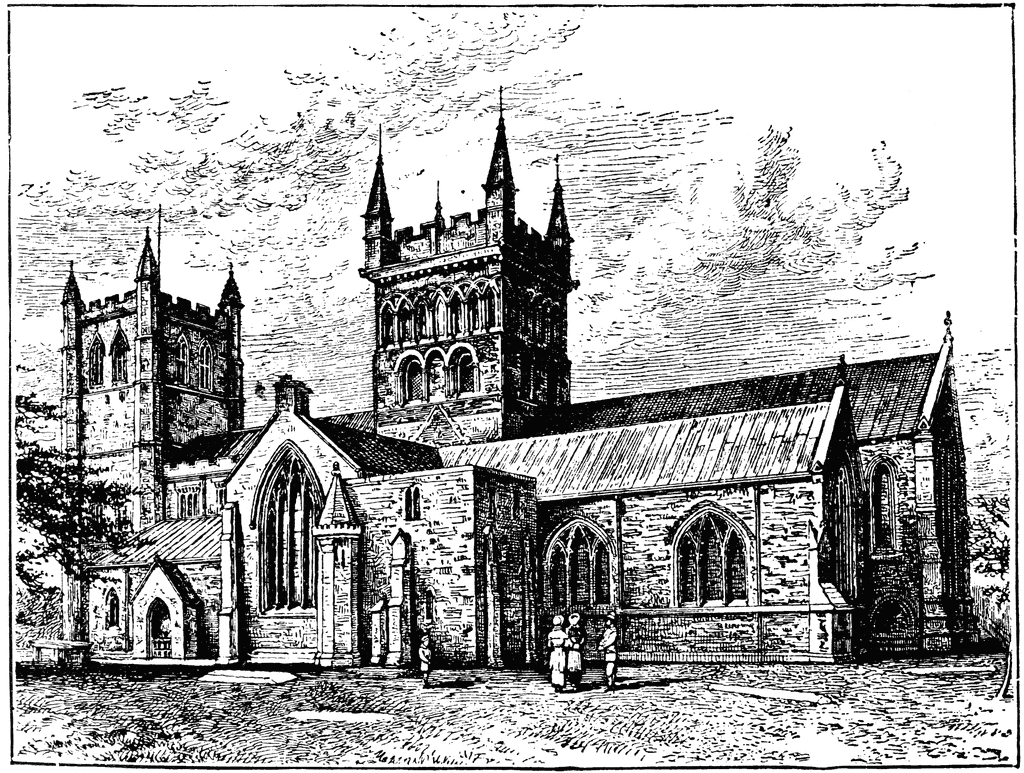




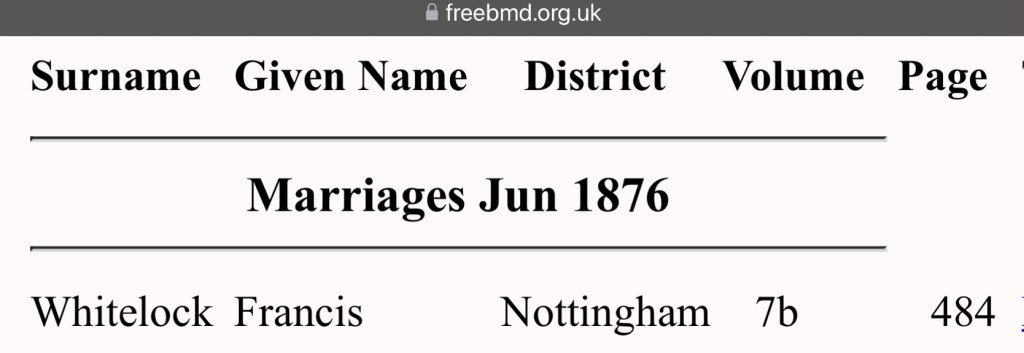
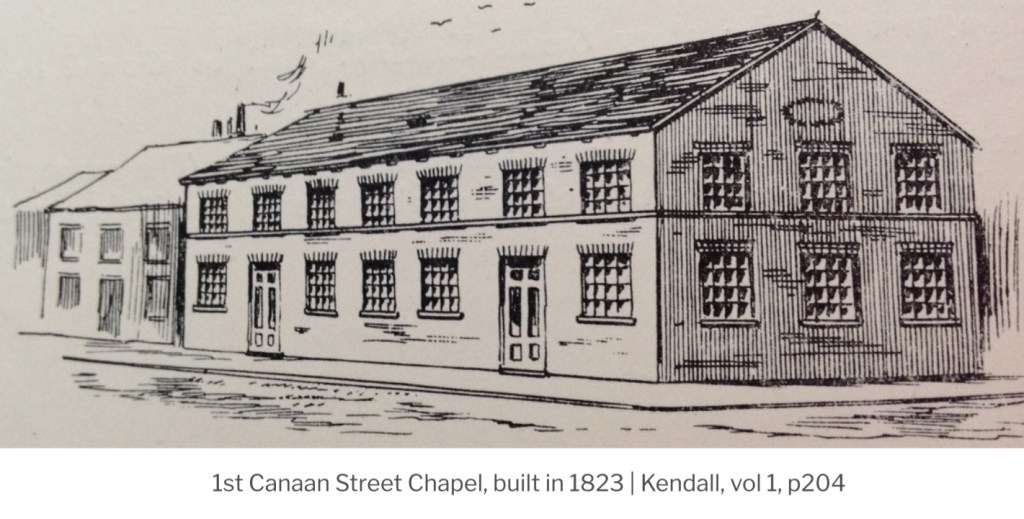

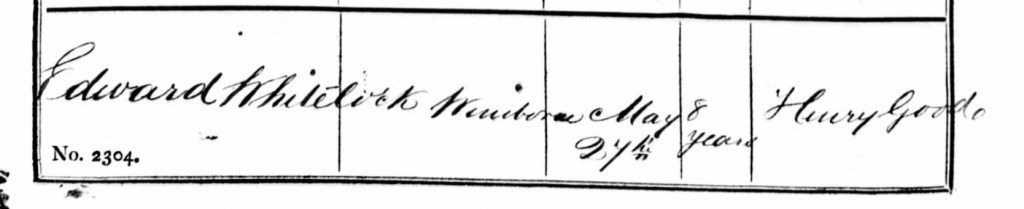





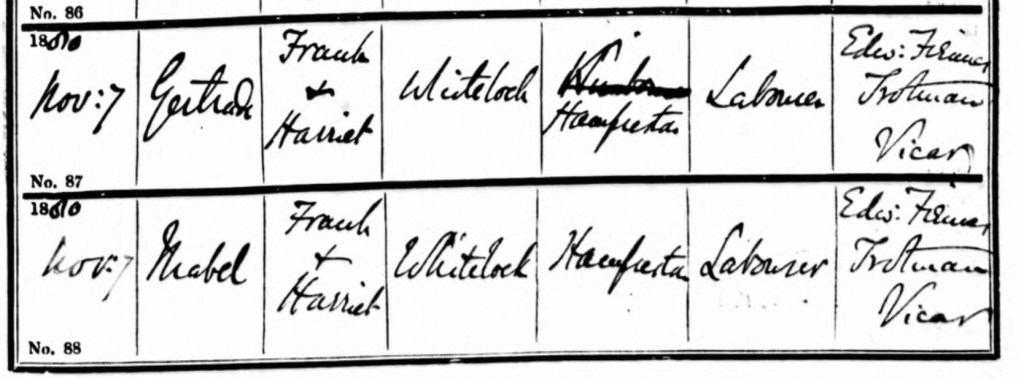

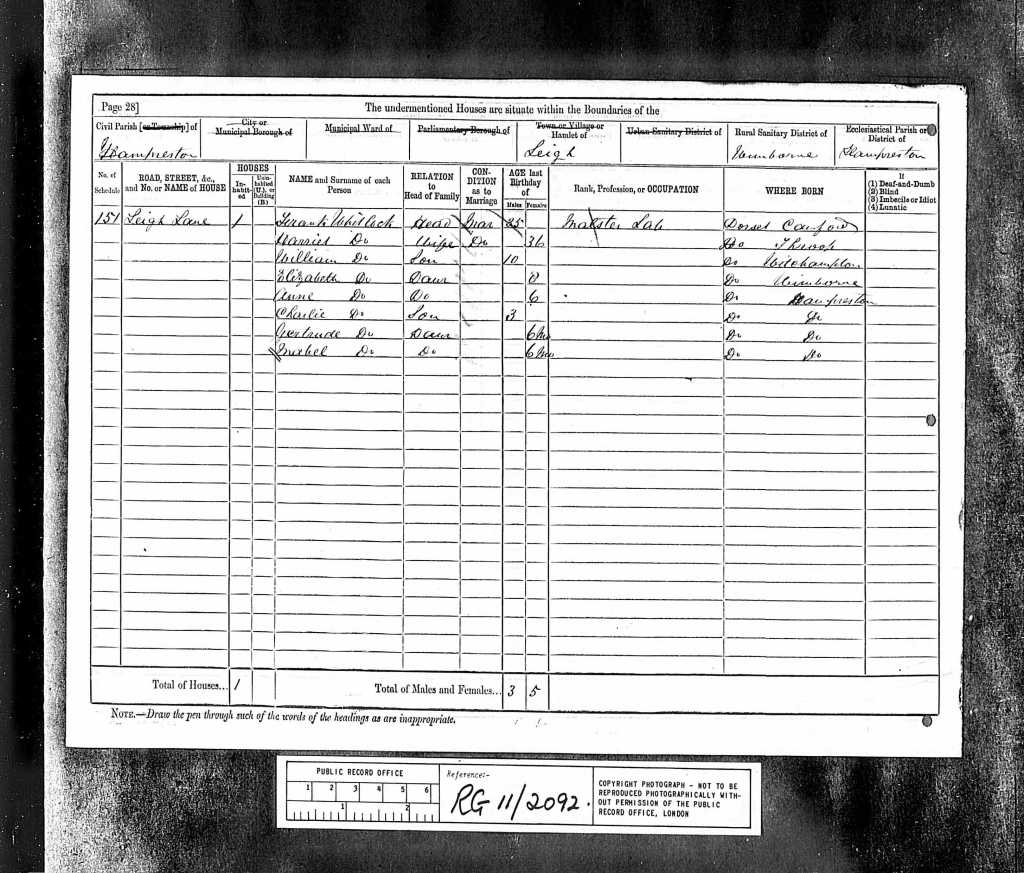




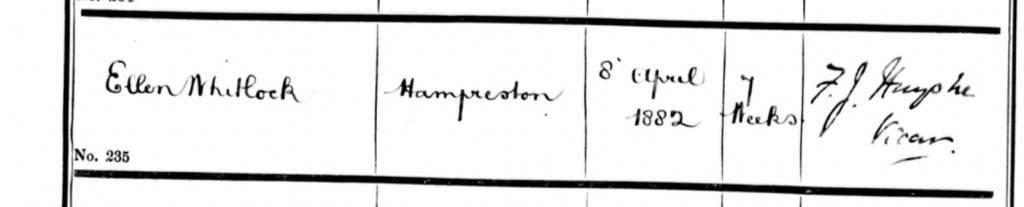
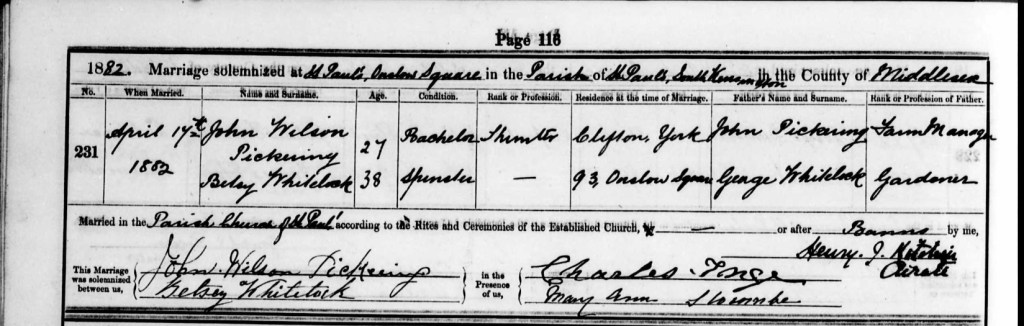
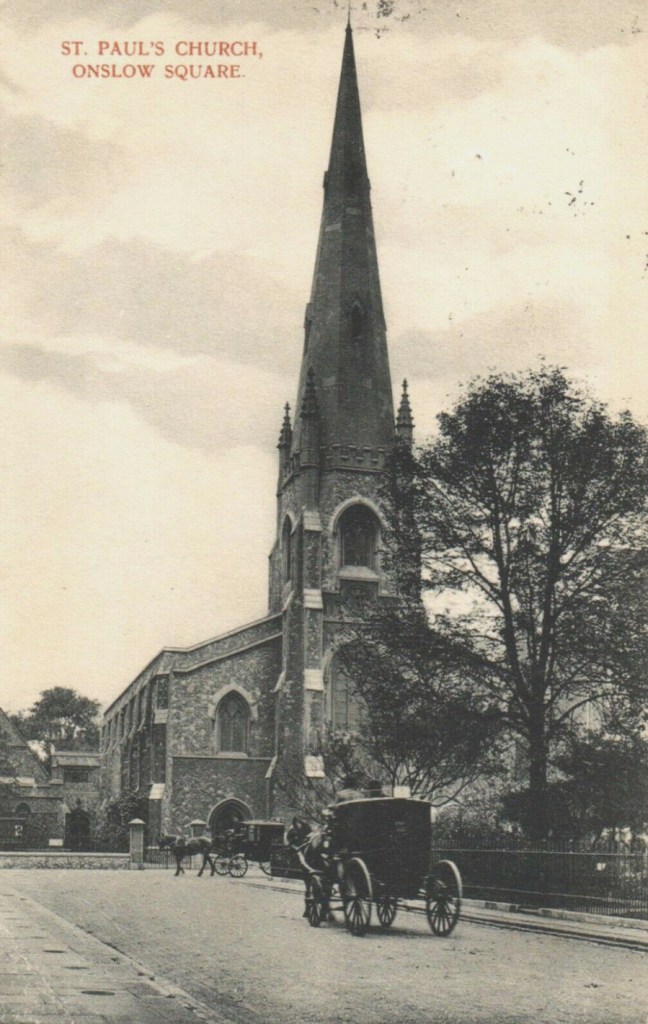


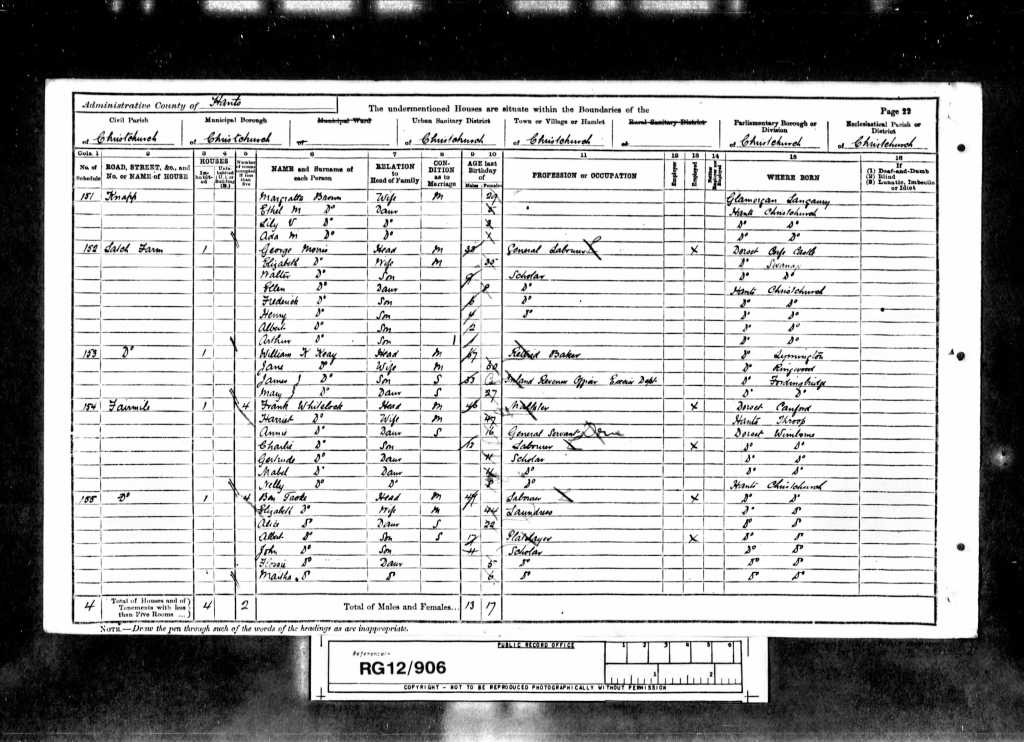


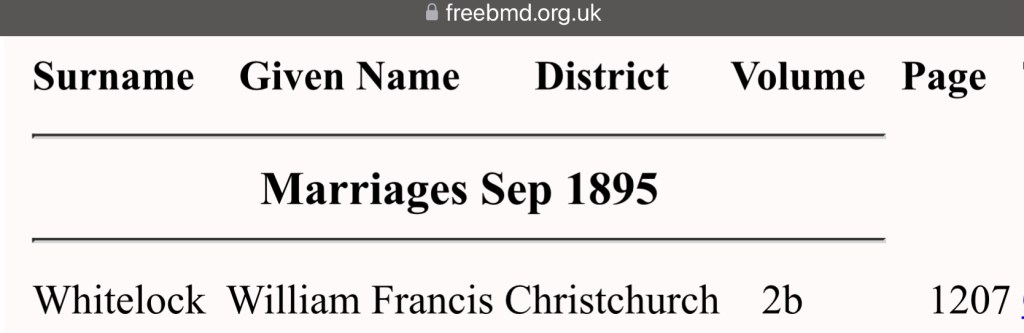
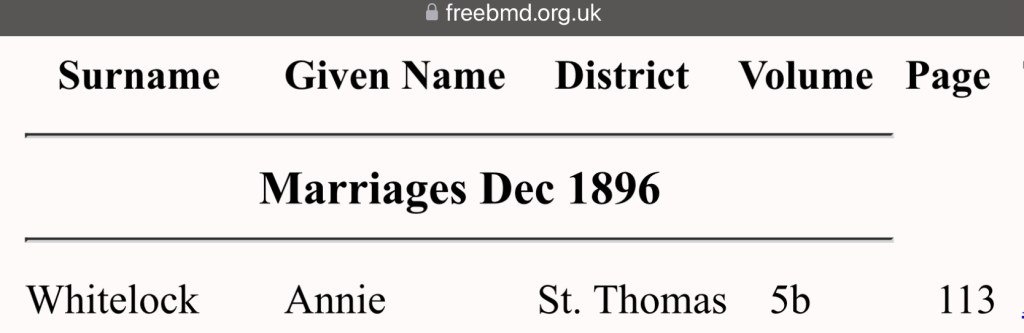

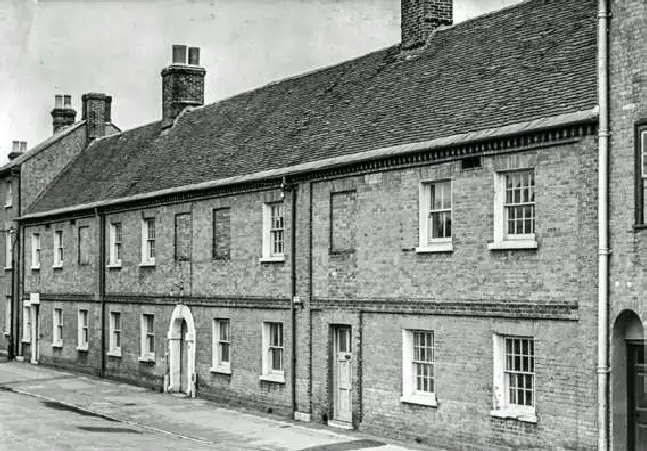


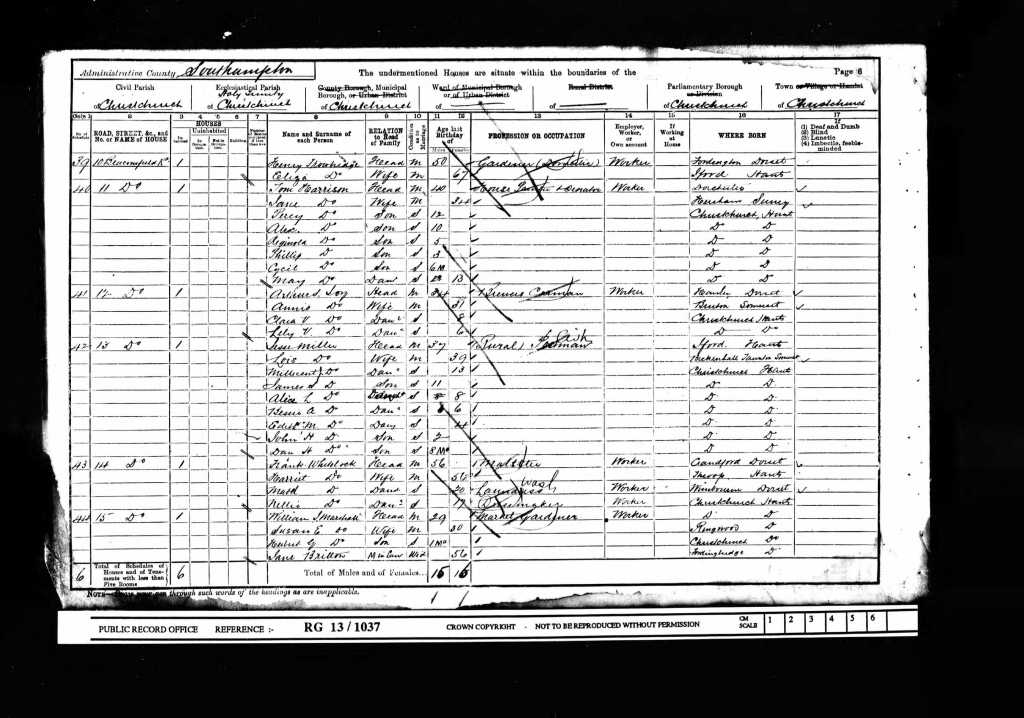
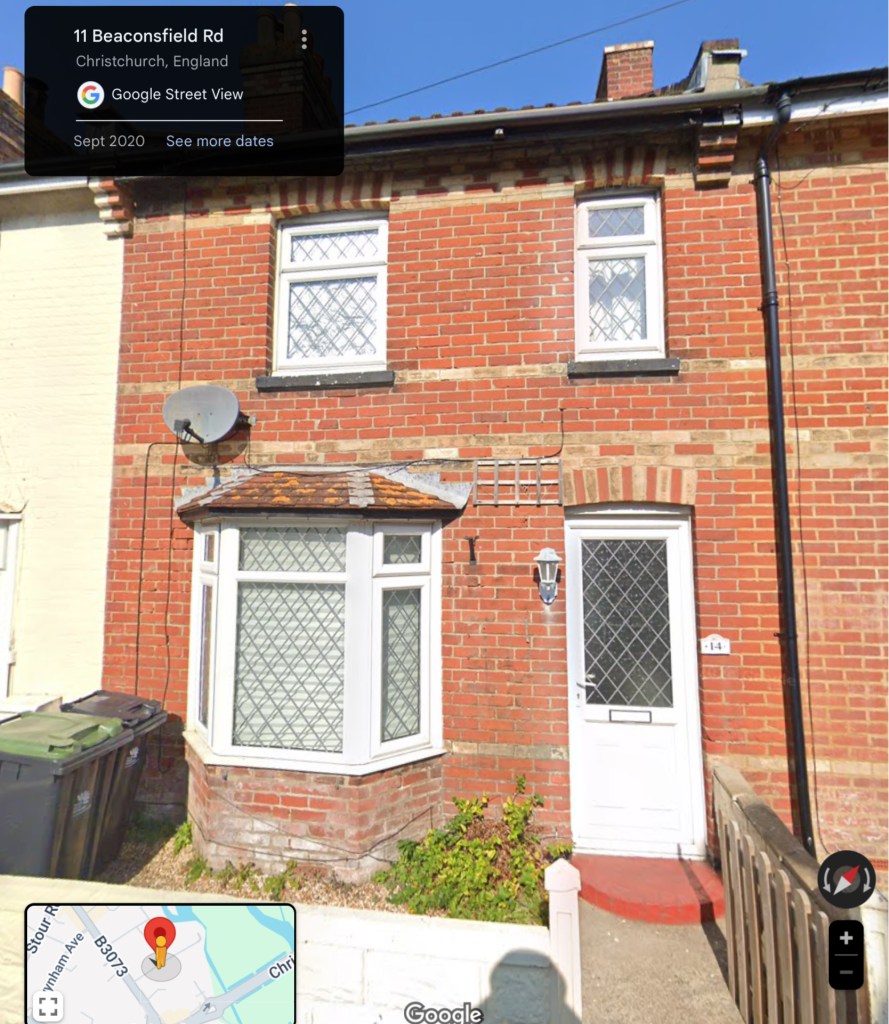
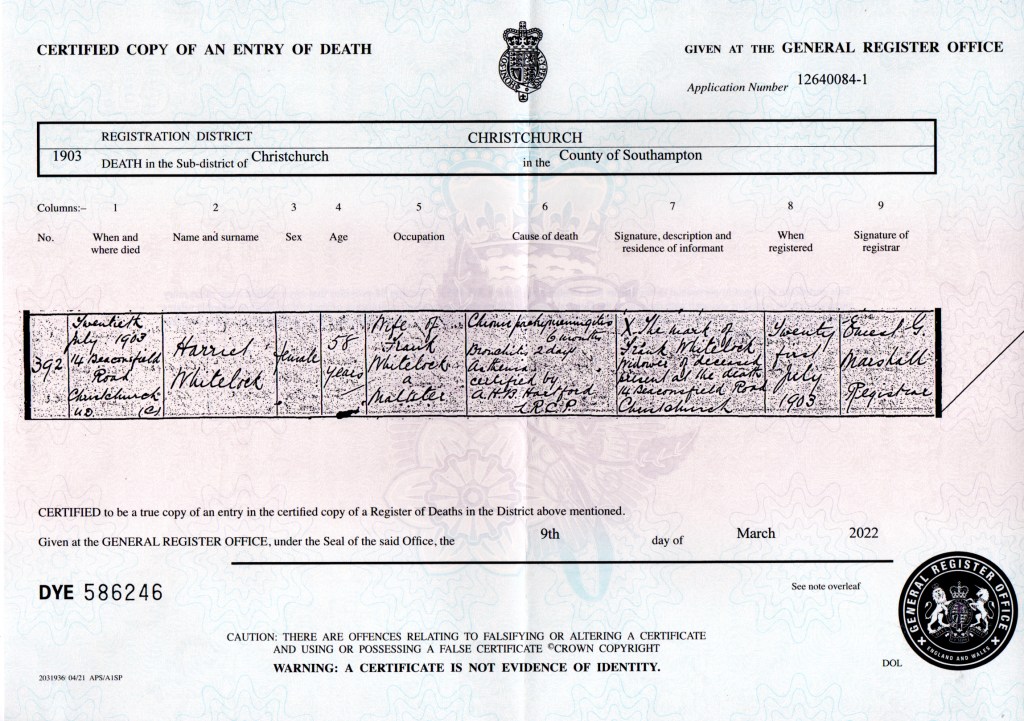

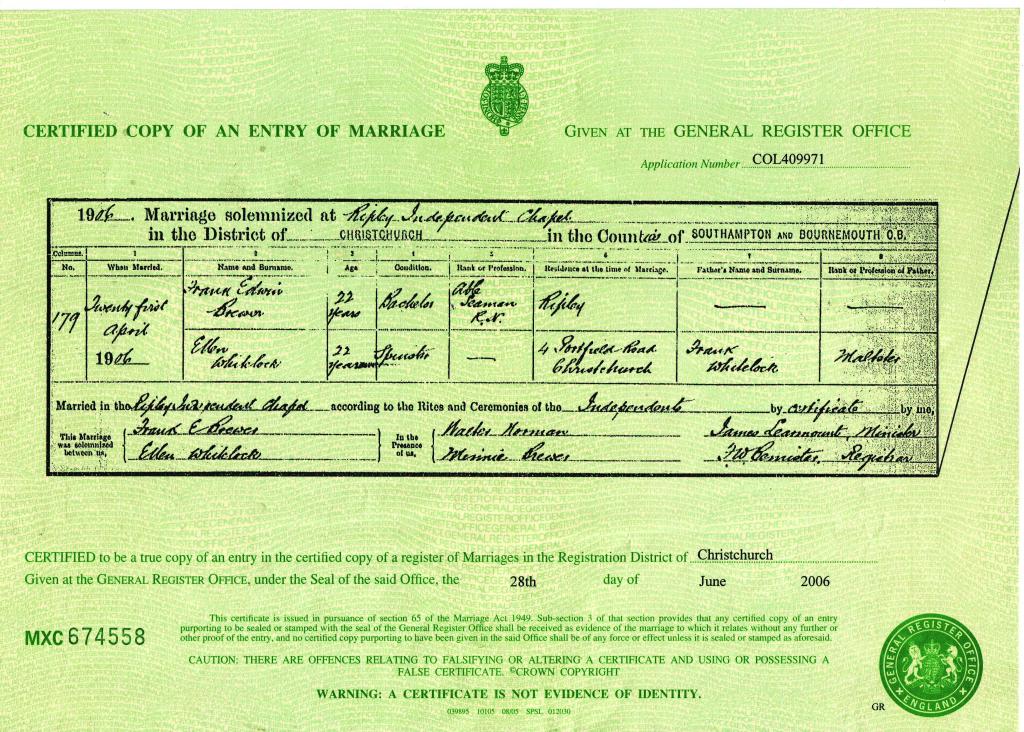
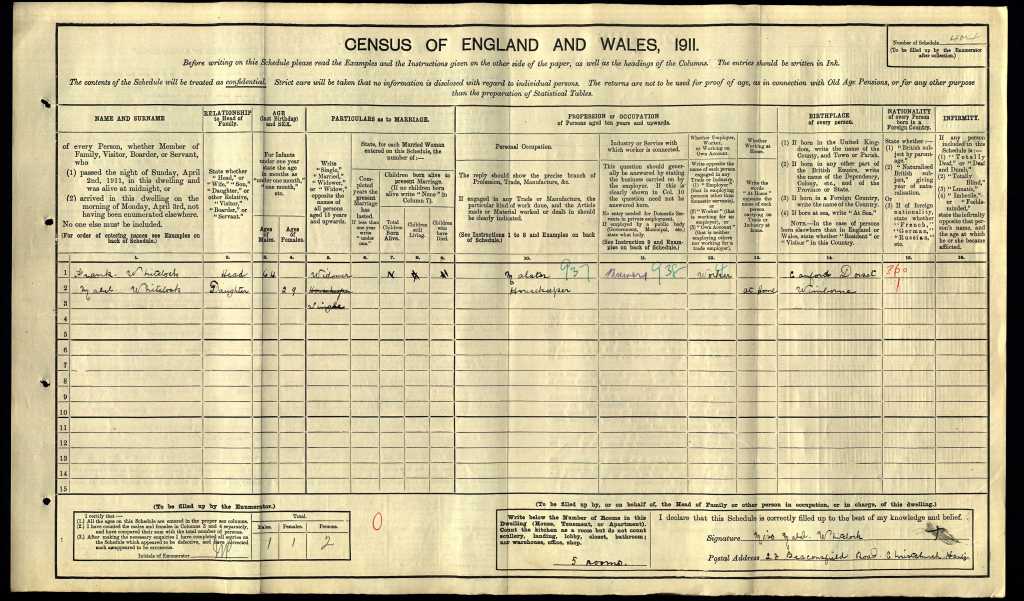
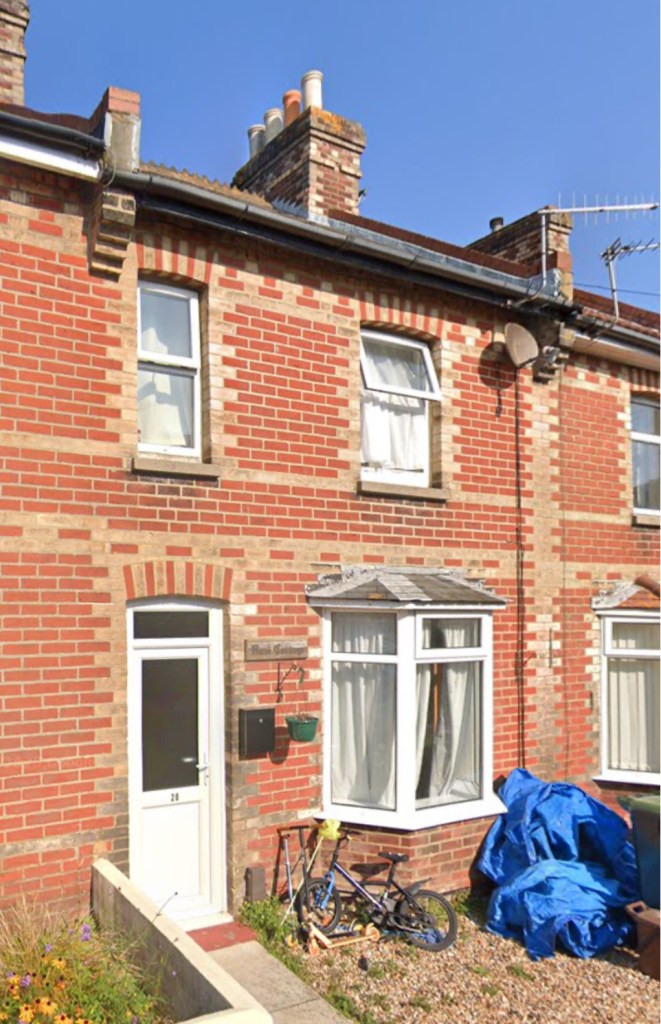
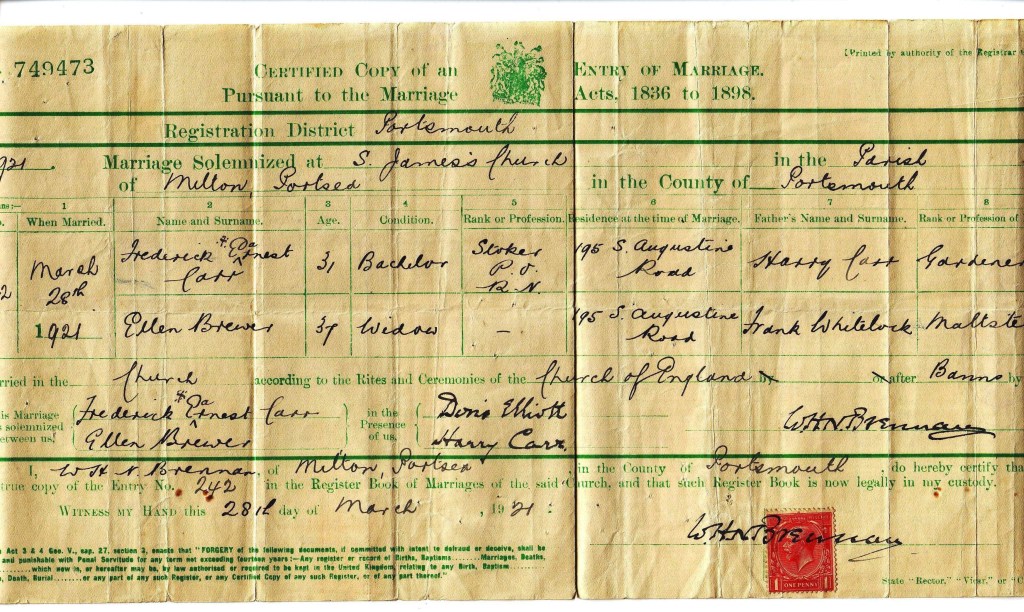
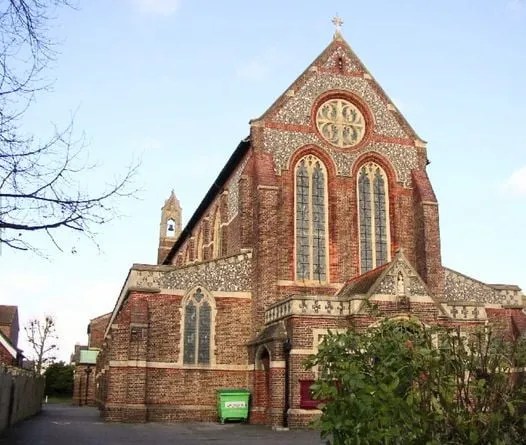
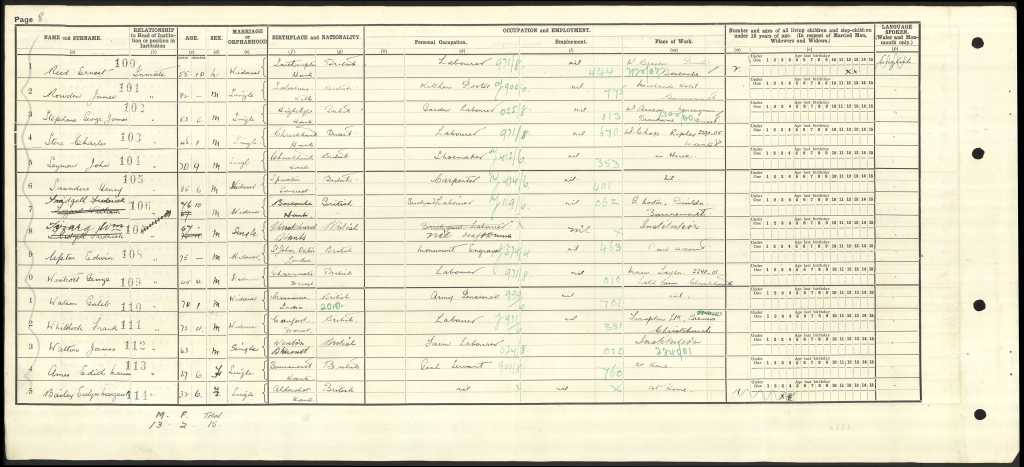
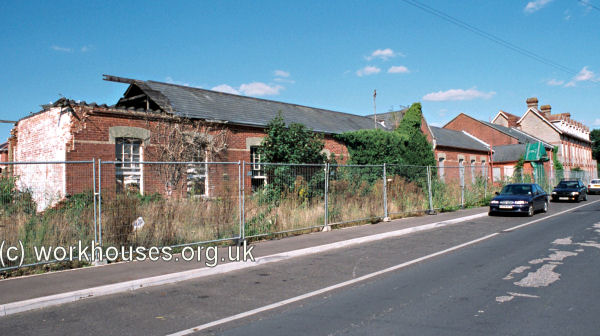

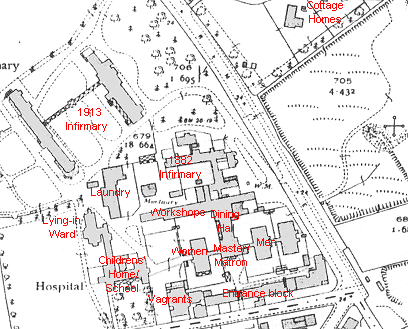
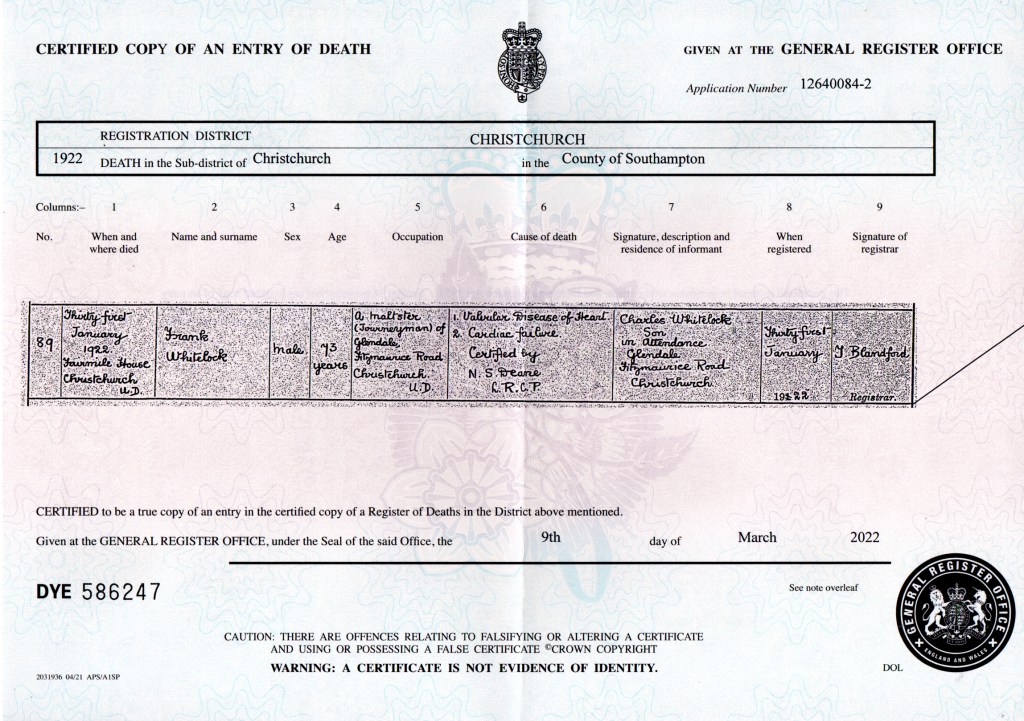
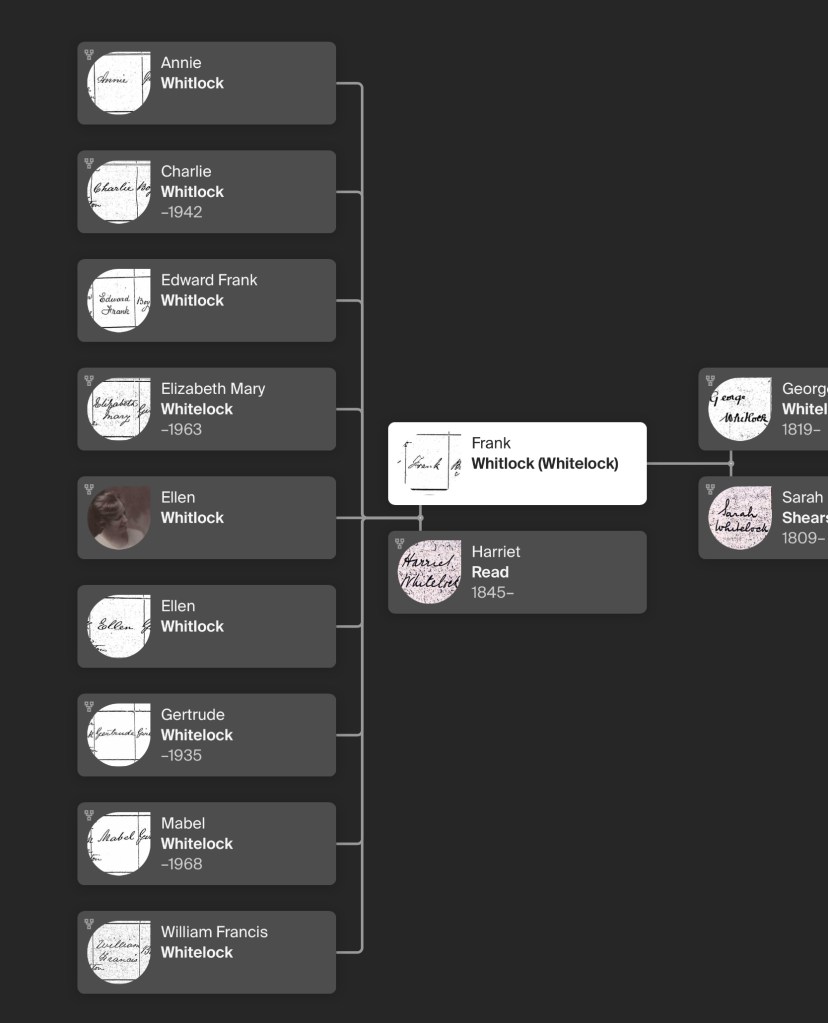
 Intwined