Welcome to "The Life Of Henry Carr, 1830–1906: The Early Years, Through Documentation."
In the tranquil village of East Tytherley, Hampshire, England, amid the whispers of history and the rustling of old parchment, lived a man whose journey resonates through generations, Henry Carr. Born around 1830, Henry Carr was not just a name in a family tree but a testament to resilience, courage, and the quiet strength that shapes familial roots.
As your guide through his story, I invite you to step back in time. Together, we'll unravel the tapestry of Henry Carr's life, woven meticulously through documents and narratives handed down over decades. From his humble beginnings in rural England to the challenges and triumphs that marked his path, each chapter reveals a glimpse of a life shaped by the currents of history and the quiet joys of everyday existence.
Join me as we delve into the archives, explore the landscapes that shaped his world, and uncover the untold stories that paint a vivid portrait of a man who left an indelible mark on his descendants. Through meticulous research and a heartfelt journey of discovery, we honor the legacy of Henry Carr, a paternal 3rd great-grandfather whose life illuminates the beauty of family history and the enduring ties that bind us across time.
Welcome back to the year 1830, East Tytherley, Hampshire, England. As we step into this year, a time both brimming with change and deeply rooted in tradition, the world around us is shaped by events and circumstances that will leave an indelible mark on history. In this quiet rural village, much like elsewhere in England, life is a mixture of slow-moving time and a rapidly transforming society.
The monarch in 1830 is King George IV, who reigned from 1820 until his death in 1830. However, his health was failing, and he was largely a figurehead during the later years of his reign. After his passing in June, his younger brother, William IV, ascended to the throne. William IV’s reign would be brief, but it would also set the stage for significant reforms in the political landscape of Britain, especially with the passing of the Reform Act just a few years later.
In terms of governance, the Prime Minister of the United Kingdom in 1830 was the Duke of Wellington, who is best known for leading the British army to victory over Napoleon at Waterloo. Despite his military prowess, Wellington’s political career was marked by his opposition to reform, which would soon be challenged by the rising demands for change from the growing middle and working classes. The British Parliament, still made up of the elite and landed gentry, was facing increasing pressure for reform, particularly from the emerging industrial cities where the population was rapidly growing and becoming more vocal.
In 1830, society was sharply divided into classes, and the distinctions between the rich, the working class, and the poor were stark. The wealthy elite, composed largely of landowners, aristocrats, and industrialists, lived lives of comfort and privilege. Their estates were grand, their wardrobes fine, and their social lives glittered with events that reinforced their status. Meanwhile, the working class, particularly in the growing industrial areas, worked long hours in factories and mines, often under hazardous conditions. For many, life was a struggle for survival, with little opportunity for advancement. The poor, who lived in slums and villages like East Tytherley, faced the hardest conditions. They had limited access to education and healthcare, and their days were filled with laborious, unceasing toil just to make ends meet.
Fashion in 1830 was still deeply influenced by the Regency period, with men wearing coats with high collars, waistcoats, and breeches, while women wore dresses with high waistlines and puffy sleeves, reflecting a return to elegance and refinement after the austerity of the Napoleonic Wars. The wealthy would flaunt their fashion in high society, while the working class wore more practical and durable clothing made from wool or cotton, often patched from years of wear.
Transportation in 1830 was beginning to undergo a revolution, though it was still limited compared to what was to come. Horse-drawn carriages were common in towns and cities, but for the wealthier, the advent of the railway was a thrilling development. The first passenger railway, the Stockton and Darlington Railway, had opened in 1825, and by 1830, the Liverpool to Manchester railway was operational, heralding a new era in travel. For many in the countryside, like in East Tytherley, the railway was still a distant innovation, and the roads remained the primary means of travel, though they were often in poor condition.
The energy that powered daily life in 1830 was largely derived from coal, which was used for heating homes, fueling steam engines, and in industrial production. The introduction of gas lighting in urban centers was still in its infancy, and most homes were lit by candles or oil lamps. Wood-burning fires were essential for warmth, though the air in cities was often thick with smoke, a byproduct of the industrial revolution and the widespread use of coal.
Sanitation in 1830 was still rudimentary, particularly in poorer areas. In towns and villages, there were few public sewers, and waste disposal was a major problem. In cities, the streets were often muddy and littered with refuse. Clean water was a luxury that only the rich could afford; for most, water came from communal wells, which were sometimes contaminated, leading to the spread of disease.
Food in 1830 was heavily dependent on local agriculture, with bread, cheese, and meat forming the staples of the diet. The wealthier could afford more variety, including imported goods such as tea, sugar, and exotic fruits, while the working class lived on simpler, more monotonous fare. Vegetables like potatoes, cabbage, and carrots were common in both diets. The poor often had little access to fresh food and relied heavily on preserved meats or cheap cuts that were not widely consumed by the wealthy.
Entertainment in 1830 was largely centered around local gatherings, fairs, and public houses, as well as concerts and theatrical performances for the upper classes. The rise of popular literature meant that books were becoming more accessible to the middle class, and the beginnings of mass media were just starting to take shape.
Diseases, particularly those related to poor sanitation and hygiene, were common and often deadly. Cholera, tuberculosis, and smallpox were all prevalent, and without the advancements in medicine that would come later in the century, many people lived in fear of the next outbreak. Child mortality rates were high, and families often buried children before they reached adulthood.
The environment in 1830 was dramatically different from what we know today. Large parts of England were still rural and largely untouched by industrialization, though the countryside was beginning to show the signs of encroaching industry. Forests were being cleared for farming, and the air in urban centers was thick with the smoke from coal burning. Despite the growing industrial activity, much of the land remained unspoiled, especially in areas like Hampshire, where small communities like East Tytherley were still disconnected from the urban boom.
Gossip in 1830, particularly in small towns, was a significant part of social life. Without the internet or modern communication tools, news traveled by word of mouth, and personal matters were often the subject of lively discussion. Local scandals, personal affairs, and the goings-on of the gentry were often shared at the market or over a pint in the local tavern.
Schooling was still a luxury for many, with education largely reserved for the children of the wealthy. In rural areas, formal schooling was limited, and many children helped their families with work on farms or in local trades. For the wealthy, private tutors and elite schools provided education in subjects like Latin, Greek, and the classics, while the working class often learned only basic reading and writing, if at all.
Among the historical events in 1830, one of the most notable was the July Revolution in France, which overthrew the Bourbon monarchy and replaced it with the more liberal July Monarchy. The revolution had widespread implications across Europe, inspiring workers and reformers in Britain. The Reform Act, which would come a few years later, was already being discussed, spurred on by these changing tides. In the naval world, the Royal Navy was still reeling from the Napoleonic Wars, but it was in a period of rebuilding and reform. The naval strength of Britain remained one of the most formidable in the world, and naval battles of this era were still heavily influenced by the tactics and vessels developed during the long wars with Napoleon.
As we explore the world of 1830, we see a society on the cusp of profound change. From the bustling cities to the quiet rural villages like East Tytherley, the year 1830 was one of transition, a time when the old ways were still in place but the new world was fast approaching. The struggles of the working class, the privileges of the wealthy, and the innovations in technology all came together to shape the society of the day, setting the stage for the dramatic transformations that would unfold throughout the 19th century.
As the year 1830 unfurled its quiet story in the heart of East Tytherley, Hampshire, England, there was a humble cottage where the Carr family lived, nestled among the rolling landscape and quiet fields. It was here, in this serene and unassuming village, that Henry Carr was born, the seventh child of John and Elizabeth Carr, a family whose roots were deeply planted in the earth of their rural surroundings. Henry's birth was a moment woven into the gentle tapestry of time, a time when the world seemed slower, simpler, and filled with the kind of quiet intimacy only a village like East Tytherley could offer.
The name Henry, passed down through generations, carries with it a legacy of strength and responsibility. Derived from the Old German *Heinrich*, meaning "ruler of the home" or "estate ruler," it speaks of a quiet authority, of a person destined not for grandeur, but for the steadiness that builds families, communities, and legacies. It is a name that calls upon leadership without the need for outward display, a name that finds its strength not in titles but in the depth of character.
Henry’s parents, John Carr, a sewyer, and Elizabeth Carr, formerly Foot, were no strangers to the hardships of life. In the small village of East Tytherley, where time often felt as though it stood still, John and Elizabeth worked the land, labored over their craft, and raised their children with the kind of love that came from a shared life of toil and joy.
Henry’s siblings, Sarah, Amelia, Charlotte, Ann, John, and Elizabeth, were his companions in this quiet world. Together, they grew up in the shadow of the land that surrounded them, their lives intertwined in the daily rhythms of farm work, family dinners, and the comforting warmth of the hearth.
Though the Carr family had their share of struggles, as did many of their time, there was always a sense of belonging and purpose. The rhythms of the seasons dictated their days, the planting in spring, the harvest in autumn, and the long winter evenings spent gathered around the fire.
Life in East Tytherley in 1830 was not one of luxury, but of simple, enduring pleasures. The sound of the church bells ringing on Sunday mornings would have filled the air, calling Henry and his family to prayer and reflection. It was here, in this humble place, that Henry’s character was shaped, steady, resilient, and, above all, quietly determined.
Henry’s early days would have been filled with the sights and sounds of rural life. The lanes of East Tytherley, narrow and often muddy, would have been familiar to him, as he played with his siblings, perhaps racing across fields or walking the paths that wound their way through the village. Their home, modest but filled with warmth, was a place where laughter echoed, where stories were passed down like precious heirlooms, and where the bond of family was strong. The light from the hearth would have danced in Henry's eyes as his parents spoke of the land, of their ancestors, and of the world beyond the village. And though East Tytherley was a small world, its influence would have been deep.
As the seventh child, Henry would have learned early on the importance of family, of shared responsibility, and of the unspoken duties that come with being part of something greater than oneself. His siblings, Sarah, Amelia, Charlotte, Ann, John, and Elizabeth, were not just family, but companions, and together they navigated the joys and sorrows of life. They would have shared everything, meals, chores, dreams, and, most certainly, the passing of time. In a world without the distractions of modern technology or the bustle of city life, family ties were everything. The simple acts of living were what bound them together, planting crops, tending to the animals, and sharing stories by the fire at night.
The years that followed Henry's birth were ones of change, not only for him, but for the world around him. England was on the cusp of transformation. The Industrial Revolution, though not yet reaching the quiet village of East Tytherley, was stirring across the country, bringing with it new ways of life, new challenges, and new opportunities. But for Henry, the world he knew would remain rooted in tradition for a little while longer. His life was to be one of enduring the land, of holding close the values of family and hard work, and of living a life measured by seasons, not by the clock.
The quiet strength of the name Henry was mirrored in his life. He would not seek to rule with power or ambition, but rather with the steady hand of a man who knew the value of patience and perseverance. There were no grand titles or accolades waiting for him. Instead, there was the land, his family, and the daily joys and struggles that defined his existence. For Henry, the world was shaped not by what was achieved in the grand halls of politics or power, but by the moments spent working the soil, caring for those he loved, and building the foundation of a family that would carry his name long after he was gone.
In the quiet of East Tytherley, in the simplicity of a life lived close to the earth, Henry’s story began. And though he was one of many children, born to parents whose names have since faded into the dust of history, Henry’s legacy, carried by the name he bore and the life he led, would echo through the generations, as a reminder that the greatest legacies are often the ones built on love, labor, and quiet strength. Through the dust of time, his story remains, waiting to be uncovered, and his name, Henry, continues to speak of a life well lived, not in grand gestures, but in the simple, steadfast moments that make up the fabric of family and life.
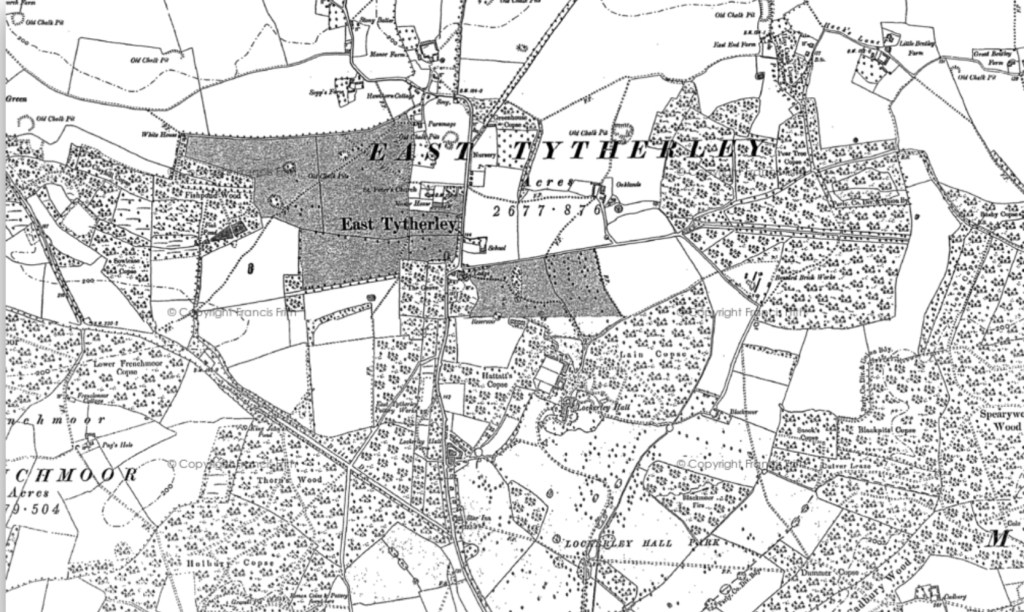
In 1830, East Tytherley, a small village nestled in the heart of Hampshire, would have offered a snapshot of rural England during a time of profound social and economic change. It was a time when the industrial revolution was reshaping cities, yet many parts of the country, particularly villages like East Tytherley, still held fast to a slower, more traditional way of life. The village itself was small, with its population likely numbering only a few hundred, living in a close-knit community where everyone knew each other.
The landscape surrounding East Tytherley was quintessentially rural, dominated by rolling hills, farmland, and dense woodlands. Agriculture was the mainstay of life, and the rhythms of the seasons dictated the pace of life. Fields of wheat, barley, and oats would have been common, as would pastures where sheep, cows, and horses grazed. The village's economy was driven by farming, with local tradesmen, blacksmiths, cobblers, and carpenters, serving the needs of the farming community. The people of East Tytherley would have lived off the land, with many families working together on farms, growing their own food, and raising livestock.
In the early 19th century, much of the population in rural areas like East Tytherley lived in simple, modest cottages made from local materials such as brick, timber, and thatch. These homes were often small and overcrowded, with one or two rooms serving as living space for entire families. The cottages were heated by small fires in hearths, and light came from candles or oil lamps. Access to clean water was limited, and many villagers would have relied on wells or streams, though these could be contaminated at times, especially in busy agricultural communities.
The village would have been a quiet and peaceful place, where life revolved around agricultural cycles and local customs. The church would have played an important role in the community. St. John the Baptist Church, a modest but significant structure, would have been at the heart of the village, with its bells ringing to mark the hours and calling people to Sunday services. Religion was central to village life, with church attendance expected from all members of the community, regardless of social class.
In 1830, East Tytherley would not have been untouched by the changes taking place in Britain. The beginnings of the railway network were beginning to take shape, though East Tytherley itself was unlikely to have seen much impact yet, as it lay some distance from the main train routes. Nevertheless, as the industrial revolution advanced, it was only a matter of time before the village would feel the ripple effects of change, from the increase in trade and travel to the rise in population and new ways of life.
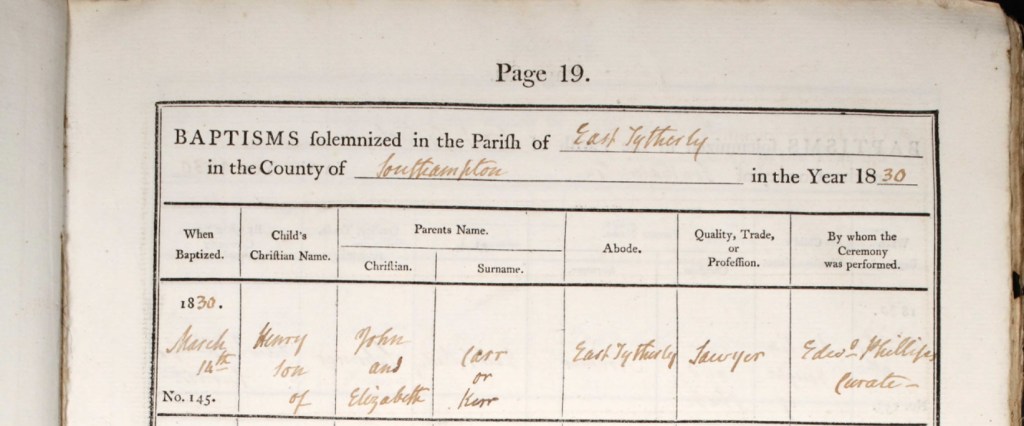
On a peaceful Sunday, the 14th day of March in 1830, the air in East Tytherley seemed to hold a quiet reverence, as the Carr family gathered at St. Peter's Church to witness a significant moment in their son Henry’s young life. In the heart of Hampshire, amid the simple beauty of the rural village, Henry Carr was baptised in the sacred surroundings of the church, a place that had seen countless milestones of life, births, marriages, and deaths, woven into the tapestry of the community’s history.
The ceremony that day was performed by Curate Edward Phillips, a man whose steady presence in the church was a guiding force for the people of East Tytherley. The Sunday service, an event marked by prayer and reflection, served as the backdrop for the baptism, where Henry was formally welcomed into the Christian faith. The register, a precious document that would one day help illuminate the lives of generations to come, recorded his name with great care.
Curate Phillips wrote that Henry, the son of John Carr, a sawyer, and Elizabeth Carr (formerly Foot), had been baptised in the name of the Father, the Son, and the Holy Spirit. The simple entry, nestled among other baptisms of that day, read: "Henry Carr, son of John, Sawyer and Elizabeth, of East Tytherley, was baptised on March 14th, 1830, No. 145." This small notation, now preserved in the annals of history, would later become a cornerstone for the story of Henry’s life.
Interestingly, that very same Sunday, another child was baptised alongside Henry, Henry Pierce, the son of Alexander and Mary. Though their lives would take different paths, their names shared a moment in time, forever linked through the same baptismal service.
The day itself, with its solemnity and its joy, must have been a moment of quiet celebration for the Carr family. As the church bells rang and the community gathered, Henry’s name was whispered into the history of East Tytherley. The record of that day, penned in the register, would travel forward in time, like a thread woven into the fabric of his family’s story, a story that would unfold with each passing year in this quiet, rural village.
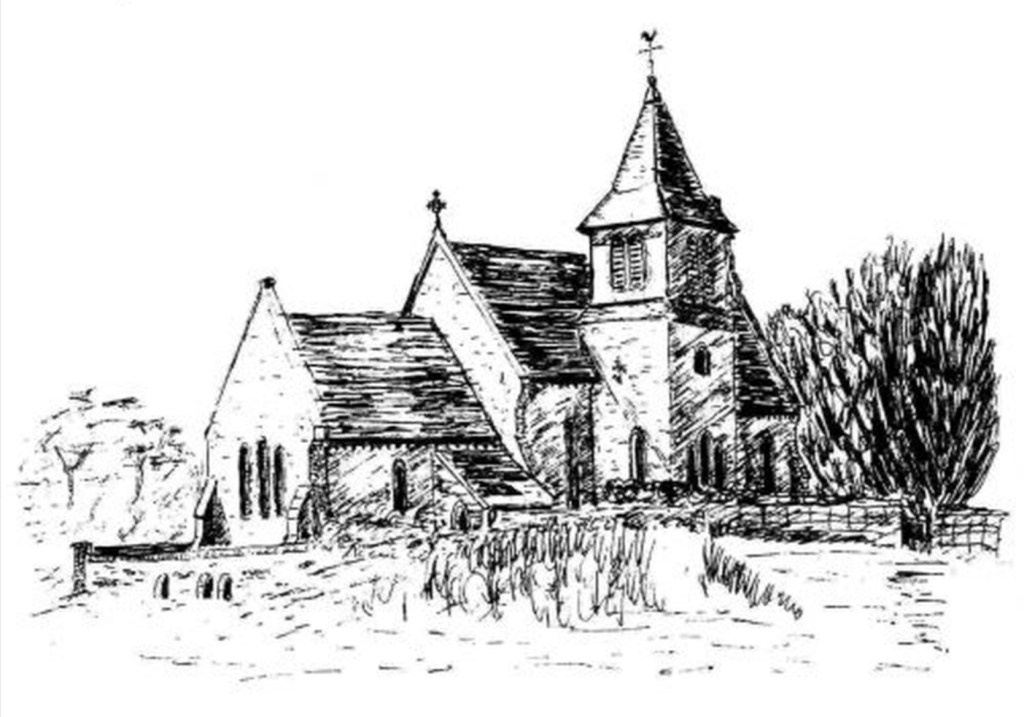
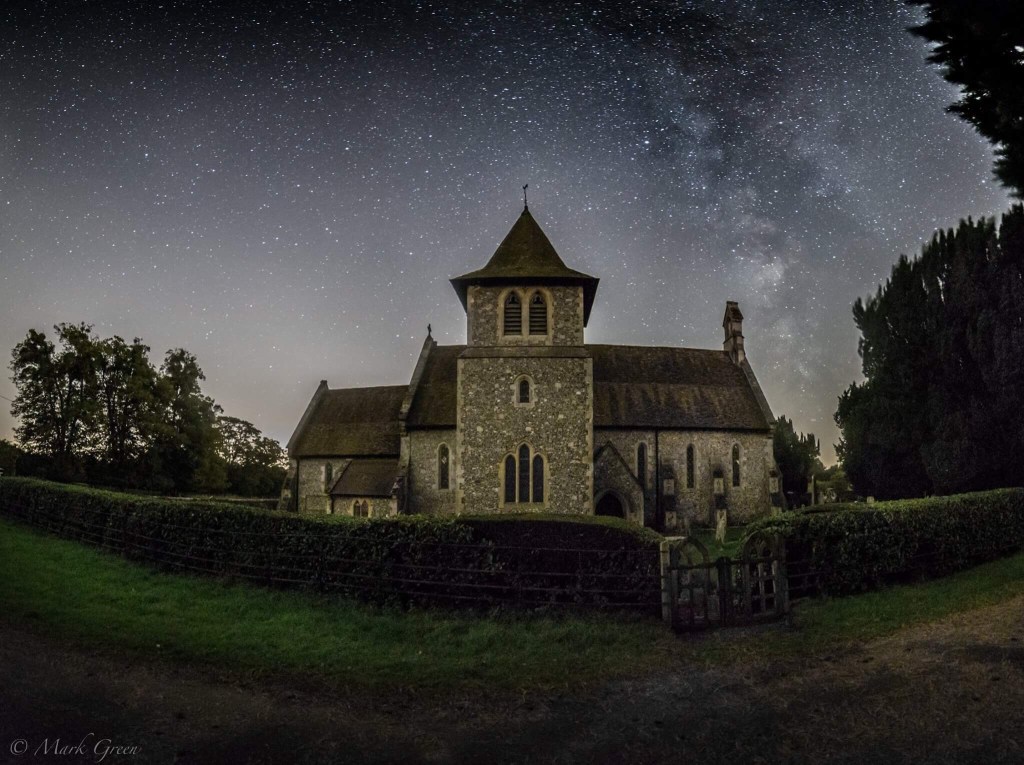
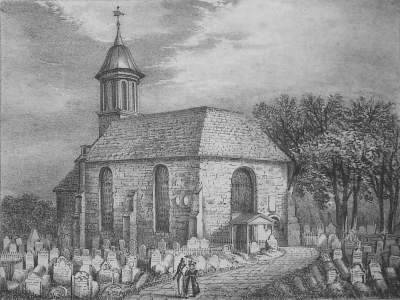
St Peter's Church in East Tytherley, Hampshire, is a historic Anglican parish church set amidst the rural landscape of the Test Valley. Known locally as “the church in the field,” it stands just north of the village hall, overlooking open farmland. The church is a Grade II listed building, reflecting its architectural and historical significance.
The church's origins date back to the 13th century, with the chancel and nave constructed during this period. In the 19th century, a significant Victorian restoration took place between 1862 and 1863, during which the porch, vestry, transepts, and a north transeptal tower were added. Notably, during the construction of the tower's foundations, a silver penny from the reign of Henry III was discovered, linking the site to its medieval past.
Inside, the church houses several historical features. The 13th-century octagonal font is the oldest element, carved with moulding at the base and stem. The interior also includes 19th-century fittings, with some late 17th-century carved mouldings reused in the pews and choir stalls. A wooden communion rail from the former manor house and a credence shelf constructed from parts of a 17th-century communion table add to the church's historical character.
The church's windows feature original 13th-century lancet lights, with some containing fragments of medieval stained glass depicting figures such as St Peter, a bishop, and an archbishop. The west end of the nave houses a notable 16th-century memorial to Richard Giffard and his family, showcasing effigies and heraldic decorations.
St Peter's Church remains an active place of worship and is part of the benefice that includes several local parishes. The church is open to visitors and continues to serve as a focal point for the East Tytherley community.
Henry’s brother, George Carr, born around the year 1833 in East Tytherley, Hampshire, England, was the younger brother of Henry Carr. The village of East Tytherley, nestled in the rolling hills of rural Hampshire, would have been the backdrop for George's early years. Like his older siblings, George's life began in a world shaped by the rhythms of farm life, family bonds, and the quiet, enduring beauty of the countryside.
Though George's birth date remains a mystery, his existence in this small, tightly-knit community would have been marked by the same simple, steadfast values that defined the Carr family. Growing up in a time when rural communities were the heart of England, George’s childhood would have been filled with the sounds of the land, the bleating of sheep, the clatter of hooves on dirt roads, and the steady work of the farm that supported his family. His name, like his brother Henry’s, was rooted in this world of simplicity and strength, a reflection of a life grounded in hard work, faith, and family.
In the early summer of 1833, on Sunday, the 9th day of June, another moment of joy and tradition marked the life of the Carr family in East Tytherley. It was on this day that George Carr, the younger brother of Henry, was baptised in the hallowed walls of St. Peter’s Church, much like his older sibling had been just a few years before. The village church, which had witnessed countless milestones of faith and life, once again served as a place of solemnity and celebration as George was welcomed into the Christian faith.
Curate Edward Phillips, a steady and familiar figure to the community, presided over the baptism with the same reverence and care that he had shown on countless other occasions. His steady hand wrote in the baptism register, noting the details of this new life being brought into the fold of the church. The entry reads simply but with significance: "George, son of John Carr or Kerr, a Sewyer, and Elizabeth Carr/Karr, of East Tytherley, was baptised on June 9th, 1833."
In the register, the names of John and Elizabeth Carr, his parents, are recorded with a slight variation, “Carr” or “Kerr” a reminder of the sometimes fluid nature of spelling and pronunciation in a time when formal records were just beginning to take shape in the way we know them today. The name George, which would later come to represent another chapter in the Carr family’s story, was now a part of the church’s history, etched into the pages of the baptism register that would one day tell the tale of his early years.
The day itself, filled with the sounds of the church bell ringing out and the soft murmurs of the congregation, was a celebration not just of George's birth but of the continuity of the Carr family’s faith and presence in East Tytherley. As the water was poured and the sacred words spoken, George became part of something greater than himself, part of the history of his family, the village, and the Christian community that had watched him grow from the day of his birth.
In the quiet of that summer Sunday, George Carr’s name was forever linked to the traditions of the church and the lineage of the Carr family, his baptism another step in the unfolding story of their lives in East Tytherley. The record of that day, written in the baptism register, would stand as a testament to a moment of love, faith, and hope for the future.
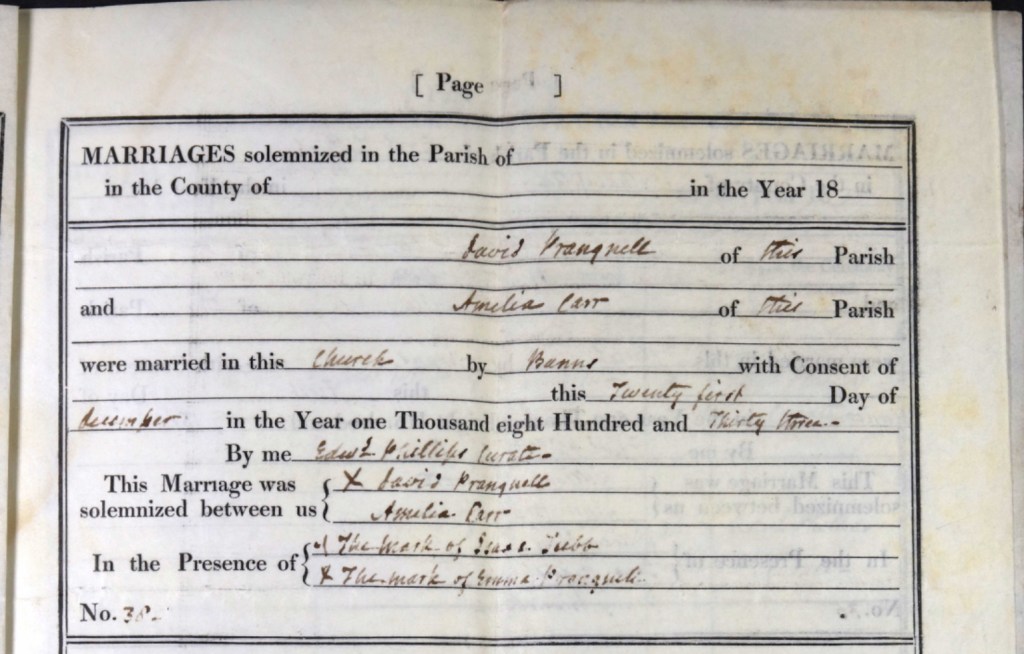
On a crisp Saturday, the 21st day of December, 1833, the village of East Tytherley witnessed a joyous yet solemn occasion as Henry’s sister Amelia Carr, at the age of 18, married David Pragnell in a ceremony held at St. Peter’s Church. The day, cold with the winter's touch, would have been filled with the warmth of family and community, as Amelia, the daughter of John and Elizabeth Carr, stepped into a new chapter of her life, joined by David, a man of the same parish who, like her, was part of the close-knit community that defined East Tytherley.
The ceremony was conducted by Curate Edward Phillips, a man well-known to the village and one who had presided over many such moments of joy and solemnity. The wedding, which took place by banns, the public declaration of the couple’s intent to marry, was a simple but meaningful affair, held in the presence of two witnesses: Edward Tubb and Edwina Pragnell. Both would have stood by Amelia and David during the service, witnessing their vows and the beginning of their shared life.
A striking detail about the wedding was that David, Edward, and Edwina all signed the official marriage register with their mark, an "X" a reminder of a time when literacy was not as widespread as it would later become. The "X" symbolized a vow, an unspoken promise of commitment, and a step into a future that was shared, despite the limitations of written words.
In the register, Curate Phillips carefully recorded the marriage details, noting that "Amelia Carr, of the parish of East Tytherley, and David Pragnell, of the parish of East Tytherley, were married by banns at St. Peter’s Church, East Tytherley, on Saturday 21st December 1833." This simple entry, marked with the presence of the couple’s closest witnesses and the signature of the officiant, was the official record of the union that would bind Amelia and David together.
Their marriage was not just a legal or religious matter; it was a union that bound them both to each other and to the community of East Tytherley. It was a promise made before God, before family, and before the village that had watched Amelia grow from a child into the woman who stood on that winter day, ready to embark on her new life as a wife. The event, though simple, was a reflection of the deep roots of tradition and faith that held the Carr family and their neighbors together, in the small, rural world they called home.
As Amelia took David's hand, and as they made their vows in the presence of god and their witnesses, their marriage became another thread in the intricate fabric of East Tytherley’s history, a quiet but powerful marker of the passage of time, of love, and of family.
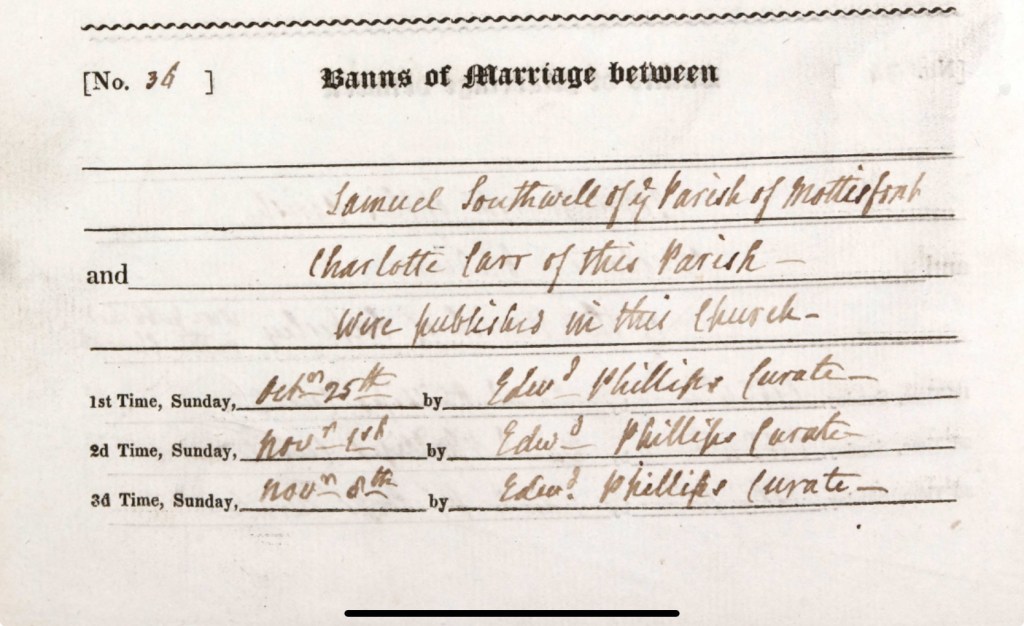
In the autumn of 1835, the air in East Tytherley would have carried the whispers of a new union soon to be celebrated. Henry’s sister Charlotte Carr, daughter of John and Elizabeth Carr, and Samuel Southwell, a man from the neighboring parish of Mottisfont, were preparing to join their lives in marriage. The couple, like many before them, would have their marriage announced publicly in the traditional manner, through the publication of banns at St. Peter’s Church.
The banns, which were read aloud on three consecutive Sundays, were an essential part of the marriage process at the time, ensuring that the community had the opportunity to raise any objections to the union before it took place. On Sunday, the 25th day of October, 1835, Curate Edward Phillips, as was customary, announced the intention of Charlotte Carr and Samuel Southwell to marry. This would have been a quiet but significant moment in the life of the village, as the sound of the curate’s voice echoed through the stone walls of St. Peter’s Church, calling the community to bear witness to the union that was to come.
The banns were then read again the following Sunday, on the 1st day of November, and once more on Sunday, the 8th day of November, 1835. Each reading was a formal declaration of the couple's intent to wed, allowing the community the time to reflect, and for the couple to be recognized publicly as soon-to-be spouses. These announcements, held at the heart of the village in the sacred space of the church, were a way of ensuring that the bond between Charlotte and Samuel would be witnessed, acknowledged, and celebrated by their neighbors and fellow parishioners.
For Charlotte, this was a moment of transition, a step from the familiar world of her family home, where she had grown up with Henry and her other siblings, to a new life with Samuel. As each bann was read, there would have been a sense of anticipation building for the couple, for their families, and for the village that had watched Charlotte grow into the woman she had become.
In a way, the reading of the banns was a gentle reminder of the interconnectedness of village life. It was not just a formal ritual; it was a moment when a community collectively took part in the lives of its members, sharing in their milestones, whether joyous or difficult. The marriage of Charlotte Carr and Samuel Southwell was not just an event for the couple, but a celebration for East Tytherley, a moment that marked the continuation of love, tradition, and connection in the village’s long history.
With the final publication of the banns on the 8th day of November 1835, the stage was set for a wedding that would soon follow, and for the promise of a new chapter in the lives of Charlotte and Samuel, one rooted in love and bound by the history of their communities.
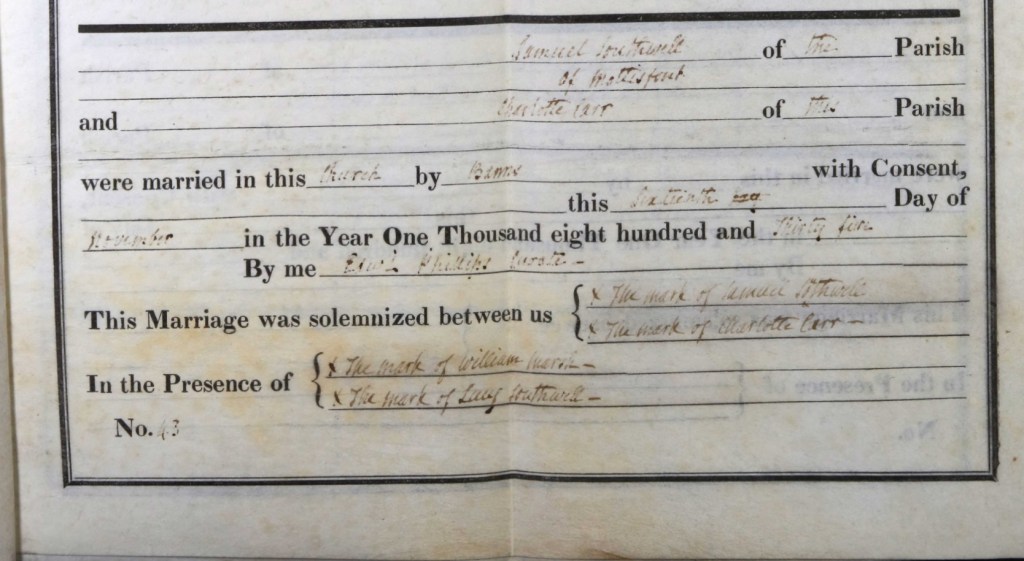
On a cool November day, the 16th day of November, 1835, Henry’s sister Charlotte Carr, the daughter of John and Elizabeth Carr, stepped forward at St. Peter’s Church in East Tytherley to marry Samuel Southwell, a man from the neighboring parish of Mottisfont. The church, as it had done for countless generations, served as the sacred space where two lives were united before God, family, and the community.
The ceremony was held by the revered Curate Edward Phillips, who, having overseen the banns for several Sundays prior, now had the honor of officiating this joyful occasion. The couple, surrounded by their closest witnesses, William Marsh and Lucy Southwell,  exchanged vows, committing themselves to one another in a union that would shape their futures.
The marriage was formalized by banns, which had been published over three consecutive Sundays, and on this day, it was sealed in the presence of the village. The names of Charlotte and Samuel, along with those of their witnesses, William and Lucy, were carefully recorded in the church’s register. An interesting detail about this entry is that all four individuals, Charlotte, Samuel, William, and Lucy, signed the official document with their marks, an "X," a testament to the time when literacy was not as widespread as it would later become. While many of the records in the church register were signed in elegant handwriting, the mark of the "X" was no less significant, standing as a symbol of commitment and a pledge to the vows made that day.
Curate Phillips, with steady hands and a practiced eye, wrote the marriage details in the register: “Charlotte Carr of the parish of East Tytherley and Samuel Southwell of the parish of Mottisfont were married in the parish of East Tytherley at St. Peter’s Church by banns on Monday the 16th November 1835.” The official record of their union would endure through time, a small yet profound moment that would one day be discovered by those tracing the paths of family histories.
The wedding, though modest in ceremony, was rich in significance. For Charlotte, it marked the end of one chapter of her life, the familiar world of childhood and home, and the beginning of another, one in which she would share her life with Samuel. Together, they would create a new family, bound by love and commitment. For the village of East Tytherley, the marriage of Charlotte and Samuel was another thread woven into the larger fabric of its history, a shared moment for the community to witness, celebrate, and remember.
In the quiet of St. Peter’s Church, the vows were spoken, the marks were made, and a new chapter in the Carr family’s story began. The echoes of that day, though faint now with the passage of time, continue to live on in the records, in the memories of those who witnessed it, and in the enduring love that Charlotte and Samuel would share as they embarked on their new life together.
In the later months of 1836, as the year drew toward its close in the quiet village of East Tytherley, Hampshire, another new life was welcomed into the Carr family. Though the exact day of his birth remains unknown, the arrival of William brought an undeniable joy to the hearts of his parents, John and Elizabeth, and to his older siblings, including Henry. In a home that had already known the warmth and bustle of family life, William’s birth added a new chapter, one full of hope, promise, and the quiet contentment that came with the addition of another child to love.
The name William, strong and resolute, held with it a powerful meaning, "resolute protector" or "strong-willed warrior." It was a name imbued with the qualities of strength, courage, and a steadfast determination to protect those one holds dear. While the world around them was in the midst of change, with the winds of industry and reform beginning to stir in the larger cities, the Carr family in East Tytherley remained grounded in the timeless values of love, faith, and family. For them, the birth of William would have been a moment of quiet celebration, an event marked not by grand gestures but by the simple joy of welcoming a new soul into their fold.
Though the specific date of William's birth is lost to time, it is clear that his arrival would have been met with the warmth and care of a family who had already seen the joy of raising children, who had witnessed the milestones of their earlier children, Henry, George, and the others, and who now saw the potential of this new life that had joined their circle. The sounds of laughter and joy would have filled the house as Henry and his siblings would have marveled at the new addition to their family. William, though a small baby in those early days, would have been cherished as part of the larger story of the Carr family, a story rooted in the fields of East Tytherley and carried forward with love through the years.
The addition of William to the family was another step in the unfolding narrative of the Carrs, a family grounded in the strength of the land and in each other. William’s name, his very being, spoke to the resilience and fortitude that would mark the Carr family's journey through the decades. Even as the world around them began to change, the love and unity of the Carrs would remain constant, their hearts forever bound to the quiet beauty of their village, and to the new lives they would bring into the world, each one a gift to be cherished.
On Sunday, the 4th day of December, 1836, the village of East Tytherley, Hampshire, saw yet another moment of joy as William Carr, the youngest son of John and Elizabeth Carr, was baptised at St. Peter's Church. This was a day of quiet significance, one that would be etched into the fabric of both the family and the village’s history.
Curate Edward Phillips, ever the steady hand in the sacred duties of the church, performed the baptismal service with reverence, marking the occasion as an important moment in the life of the Carr family. The church, with its stone walls steeped in centuries of tradition, would have been filled with the soft murmurs of prayer and the peaceful sound of water being poured. This simple ceremony, taking place in the presence of the village’s faithful, marked William's formal welcome into the Christian faith.
The details of William’s baptism were carefully recorded in the church’s register, where Curate Phillips wrote with precision, “William, son of John Kerr, a sewyer, and Elizabeth Kerr, of East Tytherley, was baptised on December 4th, No. 221.” The slight variations in spelling “Kerr” instead of “Carr” reflect the ways in which names were sometimes recorded phonetically, a practice common in those times, but the meaning and significance of the event remained clear.
In the quiet beauty of that December Sunday, as the service unfolded, Henry and his siblings must have watched with affection and pride as their new brother was christened, becoming a part of the community’s spiritual life. The baptism was not just a ritual; it was a moment where the family, the church, and the village itself acknowledged the presence of a new life, a new soul to be nurtured, loved, and protected.
As William was baptised and his name recorded for posterity in the register, the Carr family’s story continued to unfold. His entry in the baptismal book would travel through time, becoming a part of the legacy of the Carr family in East Tytherley, a legacy rooted in love, faith, and the simple yet profound acts that marked their lives. Each generation, with each baptism, carried forward the tradition of family and community, and William’s baptism on that December day was no exception. It was a moment of quiet celebration, one that would remain cherished in the hearts of the Carrs for years to come.
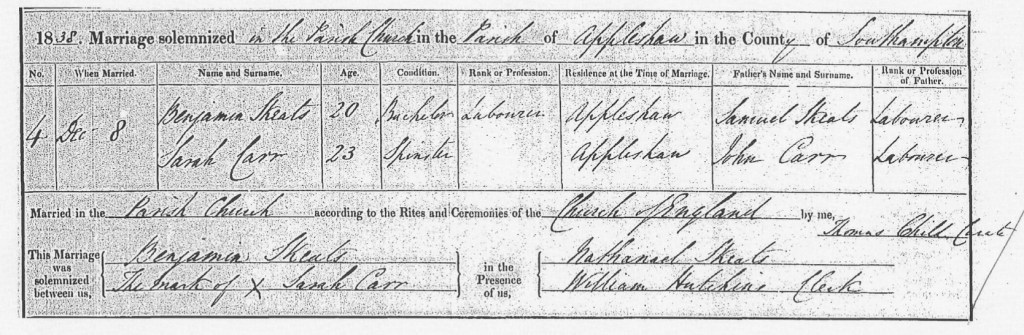
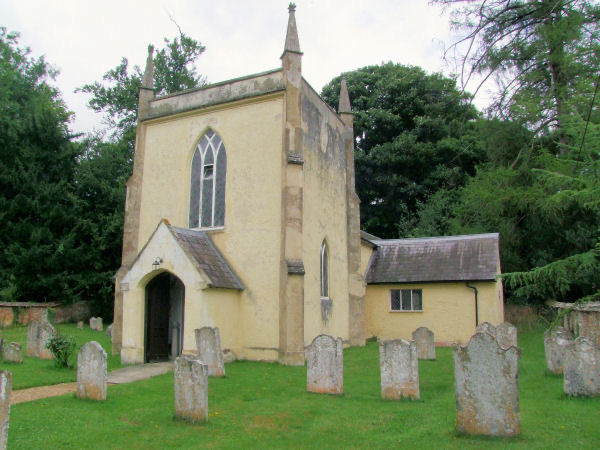
On Saturday, the 8th day of December, 1838, the quiet village of Appleshaw, Hampshire, witnessed a union that would forever join the lives of Henry’s sister Sarah Jane Carr and Benjamin Skeats. St. Peter in the Wood Church, with its timeless beauty, stood as the backdrop for this momentous occasion, a ceremony marking the beginning of a new chapter for both Sarah and Benjamin.
Sarah Jane Carr, at 23 years old, was a spinster from Appleshaw, and on that winter’s day, she stood with her heart full of hope and anticipation. Beside her was Benjamin Skeats, a 20-year-old bachelor, a labourer, whose life had been rooted in the same village, the same rhythms of rural life. Both Sarah and Benjamin, though from humble backgrounds, carried the legacy of their families, bound to one another by love and shared experiences in the small but tight-knit community of Appleshaw.
The ceremony was conducted by Curate Thomas Chill, who, as the officiant, guided them through the vows that would forever bind their lives together. With reverence, he carefully recorded the details of the marriage in the church register, marking the moment when Sarah and Benjamin became husband and wife. The entry reads: "On the 8th December 1838, in the parish church of Appleshaw, 23-year-old spinster Sarah Jane Carr of Appleshaw married 20-year-old bachelor Benjamin Skeats, a Labourer of Appleshaw. Sarah was the daughter of John Carr, a Labourer, and Benjamin was the son of Samuel Skeats, a Labourer."
The simplicity of their professions, both as labourers, reflected the lives they had lived and would continue to live, marked by hard work and the steady hand of daily life. Their families were tied by the land, their labor a reflection of the deep connection they had to their home. Their witnesses, Nathanael Skeats and William Hutchins, were present not only to sign the document but to bear witness to this significant event in the lives of Sarah and Benjamin. It was common for those closest to the couple to stand by them on such an important day, offering their support and witnessing the promise of lifelong commitment.
The act of signing the register, though formal and practical, was also deeply symbolic. Sarah and Benjamin would not have signed their names, but instead would have made their mark, an "X" a reminder of the many in their community who, though not literate in the traditional sense, knew the importance of this moment, their vows of love and commitment sealed with the most profound of promises. The "X" was their mark of trust, of faith, of a future built together.
In the small church at Appleshaw, on that cold December day, Sarah Jane Carr and Benjamin Skeats were united before God, their families, and their community. The echoes of the ceremony would live on in the hearts of those who were present, in the records that would survive through time, and in the lives Sarah and Benjamin would build together, as husband and wife. Their story, like many others, began simply, yet it was a beginning that carried with it the hopes and dreams of a future that would unfold through the years, marked by the love and partnership they pledged that day.
St. Peter's In The Wood Church, in the small village of Appleshaw, Hampshire, England, holds a rich history dating back to medieval times. Originally built in the 12th century, it stands as a testament to Norman architecture with additions and alterations over the centuries, reflecting various periods of English ecclesiastical design.
The church's location in the picturesque Test Valley adds to its charm and historical significance, serving as a spiritual center for the local community for centuries. It features typical Norman characteristics such as a solid square tower and rounded arches, blending harmoniously with later Gothic and Victorian elements.
In terms of its cultural significance, St. Peter's Church has been a focal point for local events, celebrations, and religious ceremonies throughout its existence. It remains an active place of worship and a beloved landmark in the area, attracting visitors interested in its architectural beauty and historical context.
Like many old churches, St. Peter's has its share of folklore and stories. Some locals and visitors claim to have experienced paranormal phenomena within its ancient walls, attributing these occurrences to various legends and tales passed down through generations. These stories often add a layer of mystery and intrigue to the church's already compelling history, drawing both believers and skeptics alike to ponder the supernatural aspects associated with this venerable site.
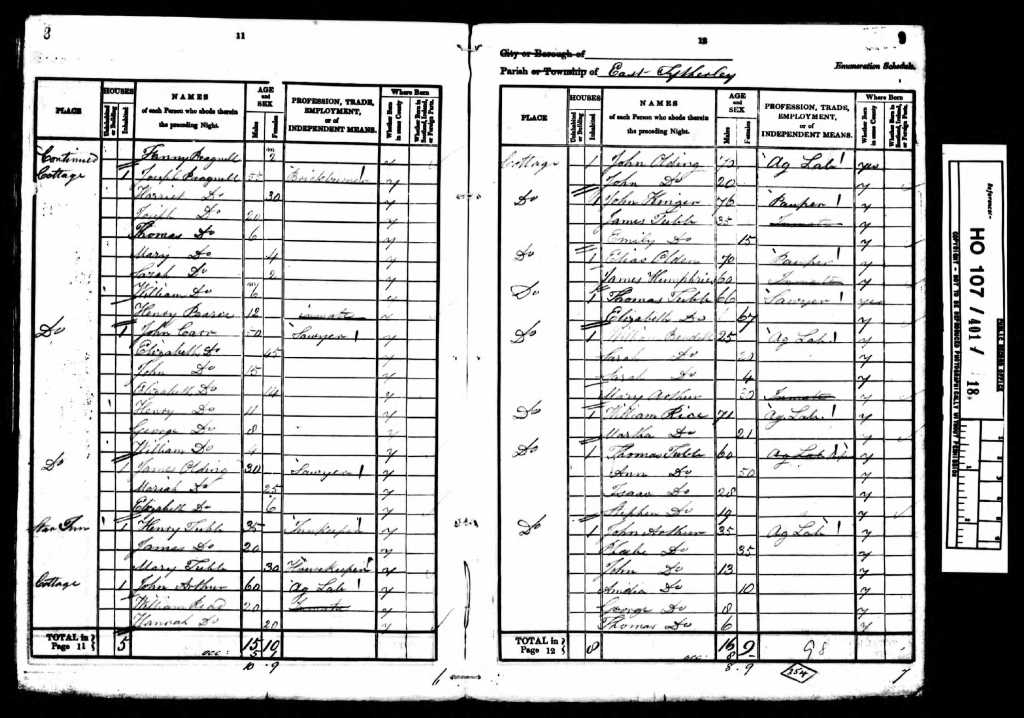
On the day of the 1841 Census, Sunday, the 6th day of June, 11-year-old Henry Carr, along with his family, was living in the quaint village of East Tytherley, Hampshire, at a place simply referred to as “Cottages.” The Carr family, though modest in means, resided in a space that would have been filled with the warmth of shared moments and the simple, quiet rhythm of rural life.
The head of the household, John Carr, was 50 years old, a sewyer by trade, working diligently to provide for his family. As a sewyer, John would have crafted and mended leather, perhaps working with boots, saddles, or other essential items that were vital to the daily life of the village. His steady work was the foundation upon which the family’s life was built, a reflection of the practicality and resilience that defined them.
Elizabeth Carr, Henry’s mother, was 45 years old at the time of the census. She was the heart of the home, likely managing the daily tasks of the household, caring for the children, and overseeing the smooth operation of life at the cottage. Her role was crucial in maintaining the warmth and stability of the family’s world, providing both comfort and guidance.
Henry’s siblings, each with their own place in the family, were living in the cottage as well. John, 15, was likely beginning to take on more responsibilities, perhaps helping his father with work or running errands for the family. Elizabeth, 14, would have been in a similar position, transitioning from childhood to the cusp of adulthood, learning from her mother the skills needed to manage a household. George, at 8, was still very much a child, learning and playing in the world around him, while little William, only 4 years old, was in those tender early years of life, full of wonder and discovery.
The Carr family occupied the whole premises of their cottage, a simple yet significant fact that paints a picture of their life in East Tytherley. The home, likely humble in its construction, would have been the gathering place where the family shared meals, stories, and warmth during the colder months, while in the summer, the open air and fields surrounding the village would have provided moments of freedom and connection to the land.
In 1841, though the world around them was beginning to change with the stirrings of the industrial revolution, Henry and his family’s life in East Tytherley remained steady, grounded in the traditions of rural England. The census record is a quiet snapshot of their existence, capturing a moment in time when the Carr family was beginning to grow older, when Henry was learning about the world around him, and when the values of hard work, family, and community were as essential as ever. It is a piece of the story of Henry’s early years, one that would eventually lead him through the many twists and turns of life, but always rooted in the simple, enduring world of East Tytherley.
On Monday, the 16th day of October, 1843, the Carr family was struck by an overwhelming loss. Henry’s sister Elizabeth Carr, at the tender age of 17, passed away in the village of East Tytherley, Hampshire, leaving behind a family and a community forever marked by her absence. Elizabeth’s untimely death was a sorrowful moment in the lives of those who loved her, a loss that reverberated not only through the Carr household but also through the close-knit community that had known her.
The cause of her death, recorded as "Phthisis," would today be recognized as tuberculosis, a disease that was tragically common in the 19th century. The illness was often long and debilitating, and in an era before the advent of modern medicine, it claimed the lives of many, especially the young and those in vulnerable health.
Mary Head, a local resident of East Tytherley, took on the responsibility of registering Elizabeth’s death on behalf of the family. This was a customary practice, as Mary, like many in the village, would have had close ties to the Carrs and understood the importance of ensuring the proper legal records were made during such a difficult time. On the 18th of October, 1843, Mary Head, in her role as a witness, formally recorded Elizabeth’s passing in the death register. Registrar L. Owen Fox was in attendance to document the details, as was the customary practice.
The entry in the death register reads: “Elizabeth Carr, 17 years old, daughter of John Carr, a sawyer, died from Phthisis, in East Tytherley, on the 16th October 1843.” This simple but profound record, now preserved in the archives of history, speaks to the fragility of life in those times, especially when faced with illnesses like tuberculosis that ravaged communities with little mercy.
The passing of Elizabeth Carr, so young and full of promise, left a deep ache in the hearts of her family. Her mother, Elizabeth, her father, John, and her siblings, including Henry, would have had to carry the weight of her absence, a quiet sorrow that would forever change their lives. In a world that was already often difficult and uncertain, Elizabeth’s death marked one of the many moments where the fragility of life was made painfully clear.
In the small village of East Tytherley, the memory of Elizabeth would have lingered in the hearts of those who knew her, as her family moved forward, forever shaped by her loss.
On Sunday, the 22nd day of October, 1843, Elizabeth Carr, beloved daughter of John and Elizabeth Carr and sister of Henry, was laid to rest in the peaceful grounds of St. Peter’s Churchyard in East Tytherley. Her burial marked the end of a brief but poignant life, one that was taken too soon by the cruel grasp of phthisis, or tuberculosis.
The ceremony, though filled with sorrow, was carried out with the reverence and solemnity befitting the final act of love and respect for a life lost. The minister, Edward Phillips, who had guided the community through many such moments, performed the burial service. In the stillness of the churchyard, surrounded by the beauty of the Hampshire countryside, Elizabeth was laid to rest in the earth, where generations of East Tytherley’s residents had been buried before her.
Edward Phillips, as was his duty, recorded the details of Elizabeth’s burial in the church’s burial register. His entry simply but profoundly states: “On the 22nd October 1843 in East Tytherley, 17-year-old Elizabeth Carr of East Tytherley was buried.” These few words in the register serve as a quiet memorial to a young life lost, capturing the moment in time when Elizabeth’s earthly journey ended, and she was laid to rest among the others in the peaceful churchyard.
As her family, her parents, siblings, and the community of East Tytherley, gathered to say their final goodbyes, the weight of the loss would have been felt deeply. Elizabeth, a bright young woman with her whole future ahead of her, was taken far too early, leaving a lasting gap in the lives of those who loved her.
The burial at St. Peter’s Churchyard, though filled with sorrow, would also have been a moment of quiet reflection, a reminder of the fragility of life, and the importance of cherishing those we hold dear. Elizabeth’s resting place, marked by the simplicity and beauty of the churchyard, became a lasting testament to her life, to the Carr family’s love for her, and to the grief they carried as they moved forward without her.
In the years to come, Elizabeth’s memory would live on in the hearts of those who knew her, and the record of her burial would stand as a poignant reminder of the pain and beauty of life in East Tytherley, a life that was too briefly lived but never forgotten.
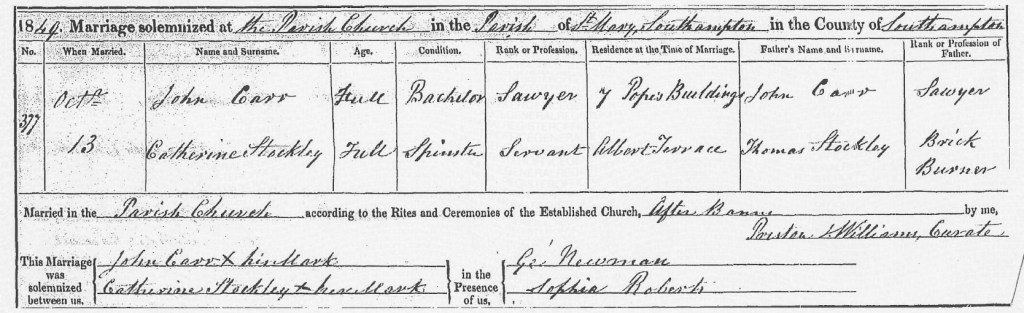
On Saturday, the 13th day of October, 1849, John Carr, Henry’s older brother, embarked on a new chapter of his life, marrying Catherine Shockley at St. Mary’s Church in Southampton, Hampshire. The church, standing as a witness to countless unions, was the perfect backdrop for the joining of John, a 24-year-old bachelor, and Catherine, a 22-year-old spinster, as they exchanged vows and began their shared journey.
The marriage ceremony was conducted by Curate P.J. Williams, who had the honor of uniting John and Catherine in front of their family and friends. The union was marked by a simple yet profound moment, the joining of two lives in the eyes of God and community. As was customary at the time, the details of the marriage were logged in the church’s marriage register, carefully documented for posterity. Curate Williams recorded: “On October 13th, 1849, at The Parish Church of St. Mary’s, Southampton, Bachelor John Carr, a sewyer of Number 7, Popes Building, son of John Carr, a sewyer, married spinster Catherine Shockley, a servant of Albert Terrace, daughter of Thomas Shockley, a Brick Burner.”
This simple entry holds a world of detail about John and Catherine’s lives. John Carr, like his father, worked as a sewyer, a craftsman in leather, a trade passed down through the generations. He lived at Number 7, Popes Building in Southampton, perhaps in a modest home where the marks of family and work shaped the daily rhythms of life. Catherine Shockley, on the other hand, was a servant, a young woman who, through her work, would have formed close bonds with the people she served, as was common at the time. Her father, Thomas Shockley, worked as a brick burner, an essential trade that tied him to the growing industrial world of the 19th century.
Both John and Catherine were of full age, legally able to marry without parental consent, marking them as adults stepping fully into the responsibilities of marriage. Their witnesses, George Newman and Sophia Robert’s, were likely close friends or family members who stood by their side on this significant day. The presence of witnesses was a way of validating the ceremony, ensuring that it was a public and legally binding union.
The day, filled with the quiet joy of two people making lifelong vows to one another, was a turning point for both John and Catherine. They were no longer just the son of John Carr and the daughter of Thomas Shockley; they were now a couple, ready to forge their future together. Their marriage, recorded in the parish records of St. Mary’s Church, would be a lasting reminder of their commitment to each other and their shared journey into the future.
As they left the church that day, John and Catherine Carr embarked on a life filled with promise, marked by the love and companionship they had pledged to one another. Their union, though simple in its details, was rich with meaning, binding them together not only in the eyes of the law but also in the hearts of their families and the community of Southampton.
St. Mary's Church in Southampton, Hampshire, is one of the city's most important and historic landmarks, reflecting the long and rich history of both the church and the city itself. The church is situated in the heart of the city, close to the city centre, and has played a central role in Southampton’s religious and community life for centuries.
The history of St. Mary’s Church dates back to the early medieval period. It is believed to have been founded in the 11th century, around the time when Southampton was growing in importance as a port and market town. The church has undergone numerous modifications and renovations over the centuries, as it expanded and adapted to meet the needs of the local population. The current building, while retaining many medieval features, incorporates elements from later periods, reflecting the development of both the church and the city.
The original church was built in the Norman style, following the Norman Conquest of England in 1066, and the oldest parts of the current structure, particularly the tower and some of the walls, date back to this period. However, much of the church was rebuilt and expanded in the 14th and 15th centuries, particularly during the late Middle Ages. The church’s tower, which remains one of its most distinctive features, was constructed in the 14th century and has since been a symbol of Southampton’s resilience and continuity.
Over time, the church became a focal point of religious and civic life in Southampton. During the 16th century, during the Reformation, the church, like many others in England, underwent significant changes, particularly with regard to its religious practices and architecture. Many of the medieval Catholic traditions were replaced by the Protestant Anglican practices that became the norm following the split with Rome. Despite these changes, St. Mary’s Church remained an essential part of the town’s spiritual and community life.
The church has witnessed several significant events in Southampton’s history, particularly in the 19th and 20th centuries. In the 19th century, much of the church’s fabric was restored and renovated as part of the Victorian restoration movement, which sought to restore medieval churches to their former glory. This restoration work included the addition of stained-glass windows, the installation of new pews, and the reordering of the interior to reflect the more ritualistic practices of the Anglican Church at the time. The church also became an important site for local events and was central to the community, hosting not only regular services but also important civic ceremonies, such as public funerals, weddings, and other significant gatherings.
In the 20th century, St. Mary’s Church was affected by the destruction caused during World War II. Southampton, being a key port city, was heavily bombed during the Blitz, and St. Mary’s Church suffered some damage, particularly to its windows and other parts of its structure. Despite this, the church was repaired and restored in the post-war years, continuing to serve as a place of worship and community gathering.
The church is also notable for its close connection to the city’s maritime history. As a major port, Southampton was closely tied to the sea, and St. Mary’s Church was an important part of the lives of many of the sailors and their families. The church’s proximity to the port and its role as a center for the local population meant that it played a part in the lives of countless individuals involved in Southampton’s maritime industries, from fishermen to sailors embarking on long voyages.
Today, St. Mary’s Church continues to serve as a place of worship and a community hub. The church is an active Anglican church and is part of the larger Diocese of Winchester. Its role in the community remains significant, offering regular services, weddings, christenings, and funerals, as well as a variety of community events. The church also maintains its role as a tourist attraction, with many visitors coming to admire its historical architecture, its beautiful stained-glass windows, and its peaceful atmosphere.
Architecturally, St. Mary’s Church is a stunning example of Gothic architecture, with its pointed arches, ribbed vaults, and intricate stone carvings. The church's tower, which rises above the surrounding buildings, is one of the tallest in Southampton and provides an excellent vantage point for viewing the city. Inside, visitors can admire the beautifully crafted wooden pews, the ornate chancel, and the exceptional stained-glass windows that depict various biblical scenes and figures.
St. Mary's Church also holds historical significance for its association with the city’s development and its enduring place in the hearts of Southampton’s residents. Its long history reflects the town’s growth from a small medieval settlement to the modern city it is today. The church has seen the rise and fall of empires, the impact of war, and the ongoing changes of a rapidly evolving society. Despite these changes, it remains a steadfast symbol of the city’s resilience, faith, and community spirit.
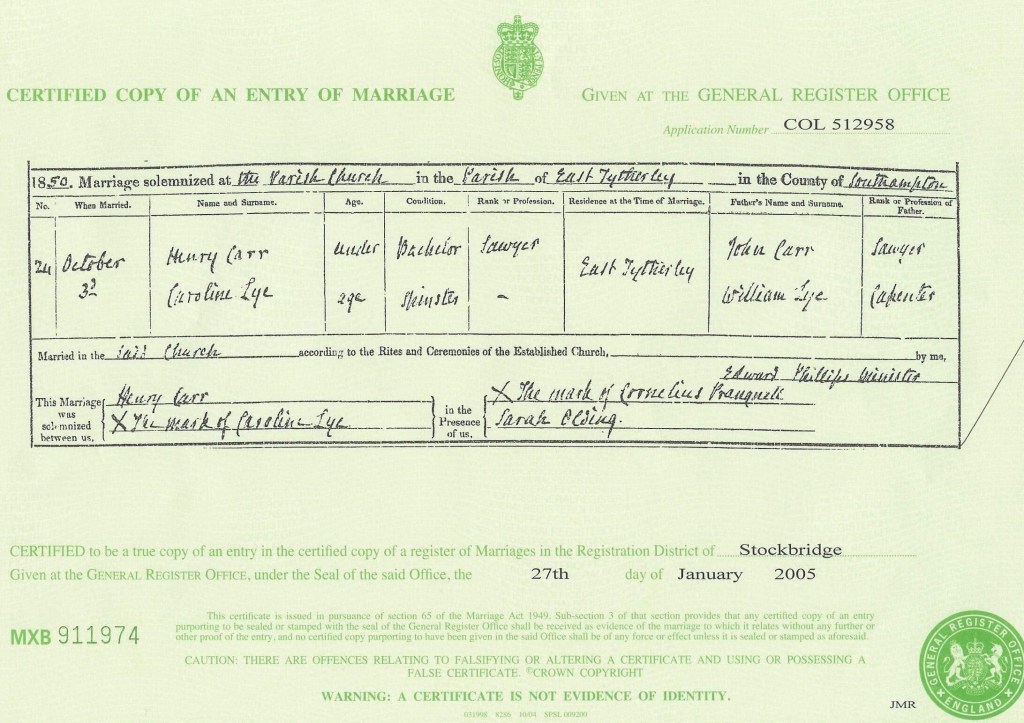
On Thursday, the 3rd day of October, 1850, a momentous occasion took place in the quiet village of East Tytherley, Hampshire, as Henry Carr, the bachelor son of John Carr, married Caroline Lye, a 29-year-old spinster, in a ceremony held at St. Peter’s Church. This union, marked by love and commitment, brought together two families from East Tytherley, and was witnessed by the people who held a special place in their hearts.
The ceremony was conducted by Minister Edward Phillips, a figure who had presided over many such significant moments in the life of the village. As with all marriages of this time, the details were carefully logged in the church’s marriage register. The entry reads: “On October 3rd at the parish church of East Tytherley, bachelor Henry Carr, a sewyer of East Tytherley, son of John Carr, a sewyer, married 29-year-old spinster Caroline Lye, of East Tytherley, daughter of William Lye, a Carpenter.” This simple record highlights the familiar pattern of trades and family ties in the village, Henry, like his father, worked as a sewyer, while Caroline’s father, William Lye, was a carpenter, providing the framework for much of the community's daily life.
The entry also reveals that Henry’s age, typically an essential piece of information, is not clearly written. Instead, a word that is now difficult to read has been inscribed in the space where his age should have appeared. This could be a result of a clerical error or perhaps an attempt to record the information in a way that was unclear with time. Nonetheless, the significance of the marriage was undiminished, as Henry and Caroline took their vows in the presence of the community.
Caroline and Henry were not alone in witnessing their marriage. Their witnesses, Cornelius Pregnell and Sarah Olding, played an important role in the ceremony, offering their presence as a form of validation. Both Caroline and Cornelius, likely unable to write their names, made their marks with an "X" on the official document, a poignant reminder of the times when many people in rural communities relied on their mark to signify their involvement in such significant events.
The marriage of Henry Carr and Caroline Lye marked the beginning of their shared life together. It was a moment of transition for both, a step into a future where they would build a family and a life, grounded in the traditions of East Tytherley and shaped by the love they shared. Their names, recorded in the church register, would travel forward in time as part of the lasting legacy of their union, a testament to the quiet yet profound commitments that defined their lives in this small village.
As the ceremony concluded and the couple walked out of the church together, their future was set. Henry and Caroline’s marriage, though documented with modest details, was rich with meaning, and it would shape the generations that followed, as their story continued in the heart of East Tytherley.
As we come to the close of Part One of Henry Carr’s life story, we pause to reflect on the early years that shaped the man he was to become. From his humble beginnings in East Tytherley, Hampshire, to the moment he stood before St. Peter’s Church, ready to take Caroline Lye’s hand in marriage, Henry’s journey was one of quiet resilience, love, and community.
The pages of his early life are filled with the names of family members, each one playing a part in the tapestry of his story, his parents, John and Elizabeth, who worked tirelessly to build a home, his siblings who shared in the joys and burdens of rural life, and the close-knit village of East Tytherley that, despite its smallness, provided a world of support and connection. It was here, among the rolling hills and the simple rhythms of farm life, that Henry’s character was forged, a young boy who grew into a man grounded in tradition, hard work, and faith.
The loss of loved ones, the simple joys of childhood, and the steady march of time all played their part in shaping Henry’s heart. He learned the value of family, of loyalty, and of quiet strength from those around him, even as the world beyond his village began to change. And in the midst of it all, he found love, a love that would carry him forward into the next chapter of his life, where his future with Caroline Lye awaited.
As we leave Henry at the threshold of marriage, we can already see the foundation of a life built on love and perseverance. Though Part One of his story ends here, his journey is far from over. The lessons of his early years, the connections with his family, and the quiet determination that defined him will carry him through the many trials and triumphs that lie ahead. In marrying Caroline, Henry is not only joining his life with hers but also embracing the next phase of his story, a chapter that promises to be rich with new experiences, challenges, and, above all, the love that will carry him through the years to come.
In reflecting on Henry’s early years, we see a man shaped by his past, but with a future yet to unfold. Part One may close, but the story of Henry Carr is far from finished. And as we look forward to the next chapter, we do so with the knowledge that the best is yet to come.
Until next time,
Toodle pip,
Yours Lainey.
🦋🦋🦋
I have brought and paid for all certificates,

Please do not download or use them without my permission.

All you have to do is ask.

Thank you.




 Intwined