Welcome to Part Two of "The Life of Henry Carr, 1830–1906: Until Death Do Us Part, Through Documentation." As we turn the page to this next chapter, we find Henry standing at the threshold of a new beginning, a moment brimming with both anticipation and reflection. The man we meet now is no longer the young boy who grew up in the rolling fields of East Tytherley, but a husband, ready to embark on the journey of married life with Caroline Lye, the woman who would stand by his side through all the years ahead.
In the quiet moments before his marriage, Henry’s world was one of steady rhythms and simple joys. Yet with Caroline, a new chapter unfolds, one where love, responsibility, and the shared dreams of two people would carry him through the next phases of his life. Their union was not just a bond between two hearts, it was the beginning of a legacy, the promise of a future built together. Together, they would face both the joys and struggles that life inevitably brings, hand in hand, their lives intertwined in ways neither of them could have foreseen.
But as we delve deeper into Henry’s life, we will see that no journey is without its trials. As his story continues, we will explore the complexities of life, the challenges that tested their resolve, and the profound moments that defined their lives together. The heartache, the triumphs, the quiet moments of joy, all of these pieces will come together to paint the picture of a man who, despite life's hardships, remained steadfast in his love, his work, and his family.
In this chapter, we witness Henry’s transformation, not only as a husband but as a father, a worker, and a man shaped by time, love, and loss. The road ahead will not always be easy, but with Caroline by his side, Henry will face it with the quiet strength and dignity that has always defined him. Through the documentation of his life, we will follow him as he walks through the years, embracing the blessings and the burdens that come with living a full life.
"Until Death Do Us Part" is not just a phrase for Henry and Caroline, it is the promise that will carry them through the decades. And as we move forward in Henry’s story, we do so with the knowledge that their journey is far from finished,  it is only just beginning.
Welcome back to the year 1851, East Tytherley, Hampshire, England. It is a year poised at the crossroads of the old world and the new. The village of East Tytherley, nestled in the rolling hills of rural Hampshire, would seem unchanged to those living there, yet across the country, the winds of transformation were blowing. The year marks a pivotal moment in British history, as society, technology, and politics continued to evolve.
The monarch in 1851 was Queen Victoria, who had ascended the throne in 1837. Her reign, which became known as the Victorian era, would come to symbolize both progress and tradition, a time when the British Empire was at its zenith, its influence stretching across continents. Queen Victoria’s reign was marked by strict moral codes and a growing sense of national pride, but also by the tumult of rapid industrialization and the rise of the middle class.
The Prime Minister of the United Kingdom in 1851 was Lord John Russell, a Whig politician who had taken office in 1846. He served as Prime Minister during a time when political reform was on the agenda. Parliament itself, still predominantly made up of landowners and the aristocracy, was in the process of responding to the growing demands of the industrial revolution. The Reform Act of 1832 had already granted more representation to the emerging middle class, but the fight for more inclusive representation was far from over.
In the social landscape of 1851, the divide between the rich, the working class, and the poor was as stark as ever. The wealthy elite, those with land, titles, and wealth, lived lives of great luxury. They resided in grand estates, attended balls, and enjoyed the privileges that came with their high status. For the middle class, this was a time of growing influence. The rise of industry and commerce allowed many in this group to accumulate wealth, and their tastes in fashion, food, and lifestyle began to reflect their newfound status. For the working class, however, life remained a struggle. They worked long hours in factories, mines, or on farms, often enduring harsh conditions for meager pay. The poor, especially those in urban areas, lived in squalid conditions, with little access to basic sanitation, health care, or education.
Fashion in 1851 was an expression of class and status. For the upper classes, it was a time of ornate and extravagant clothing, with men wearing tailored coats, waistcoats, and trousers, and women donning voluminous skirts, elaborate dresses, and intricate hairstyles. For the working class, fashion was far more utilitarian. Simple, practical clothing made of durable materials like wool and cotton was common, and clothing often had to be mended and repurposed to survive the rigors of everyday life.
Transportation in 1851 was undergoing a dramatic transformation. The railway network, which had expanded rapidly throughout the 19th century, was now reaching more and more parts of the country, including East Tytherley, which would have felt the early effects of industrialization, even if the railway itself did not yet pass through the village. Railways allowed for faster movement of goods and people, revolutionizing the economy and society. However, for those in rural areas like East Tytherley, horse-drawn carts and walking remained the primary means of transportation.
Energy sources in 1851 were still primarily based on coal and wood. In urban areas, coal-fired factories powered the engines of industry, while in rural areas, wood was used for heating and cooking. Gas lighting was beginning to replace oil lamps and candles in cities, but in villages like East Tytherley, the flicker of candlelight and the warmth of a hearth fire remained the primary sources of light and heat. Public sanitation was still rudimentary at best, and the wealthy could afford indoor plumbing, while many in rural areas relied on wells for water and outhouses for sanitation. In cities, open sewers were a common sight, contributing to the spread of disease.
The atmosphere in 1851 was one of change, but also uncertainty. The industrial revolution was transforming Britain, and while some were excited by the possibilities it offered, others were fearful of its consequences. The streets of London were bustling with new industry and commerce, while the countryside remained relatively unchanged. In East Tytherley, life would have been simpler, marked by the rhythms of farming and village life, yet the echoes of change could be felt. The 1851 Great Exhibition in London, held in the newly constructed Crystal Palace, showcased Britain’s industrial achievements, bringing together innovations in machinery, design, and art, and drawing attention from around the world.
In terms of diseases, 1851 was a time when illnesses such as tuberculosis, cholera, and smallpox were still major threats. Sanitation and hygiene were not well understood, and epidemics of cholera and typhoid fever were common in cities. In the countryside, while the population might not have faced the same overcrowding and poor sanitation as in urban areas, rural communities still faced the threat of disease, especially in times of poor harvests and unclean water supplies.
The environment in 1851 was still largely untouched in rural areas, with farmland, forests, and open countryside defining the landscape. However, the rapid rise of industry in cities like Manchester and Birmingham was beginning to alter the landscape, with the air thick with the smoke of factories and the countryside being cleared for urban development. In East Tytherley, the environment remained relatively unspoiled by industrialization, but the effects of change were coming. The Great Exhibition was a symbol of the triumphs of industry, but it also pointed to the environmental consequences of rapid expansion.
Gossip in 1851, particularly in small communities like East Tytherley, was a central part of social life. News, whether it was about local affairs, family matters, or even the latest scandal, spread quickly through word of mouth. In rural areas, the church and the local tavern would have been key gathering places where people shared news and stories, often with a sense of humor and camaraderie that helped knit the community together.
Schooling in 1851 was still a luxury for many. In rural areas, formal education was limited, with children often helping on the family farm or in local trades instead of attending school. The Education Act of 1870 would later lay the groundwork for more widespread schooling, but in 1851, education was still primarily available to the children of the wealthy or those in more urban areas. For many in East Tytherley, the basics of reading and writing were all that was needed to get by.
Among the historical events of 1851, the most notable was the Great Exhibition of the Works of Industry of All Nations, held in Hyde Park, London. This was the first international exhibition, showcasing the achievements of the industrial revolution and cementing Britain’s position as the world leader in technology and innovation. The exhibition was a symbol of national pride, drawing millions of visitors from around the globe. It was also a time when Queen Victoria’s reign seemed firmly established, with her being seen as the emblem of British strength and progress. The year also saw the continuation of the colonization of India and the expansion of the British Empire, as well as ongoing political debates around reform and the rights of the working class.
In the villages and towns like East Tytherley, however, life in 1851 remained rooted in tradition, with the quiet hum of rural life continuing amidst the vast changes happening in the cities. The year 1851 was a year of stark contrasts: of rapid industrial progress in some areas and the slow, enduring rhythms of agricultural life in others. Yet, for all the change, there remained a sense of continuity, a sense that life, though touched by the hand of progress, still moved at the pace of nature and community, where family, faith, and hard work were the cornerstones of existence.
On Friday, the 14th day of March, 1851, the Carr family of Lockerley, Hampshire, welcomed a new life into their world. Elizabeth Carr, the first daughter of Henry and Caroline, was born into a home filled with love, hope, and the promise of a new beginning. As a newborn, Elizabeth's arrival marked the beginning of a new chapter for her parents, who were now a family of three, living their lives in the tranquil village of Lockerley.
As was customary at the time, Caroline registered the birth of their daughter a little over two weeks later, on Saturday, the 29th day of March, 1851. The task of recording the birth fell to Registrar Charles Goddard, who dutifully logged the details in the birth register. In the official document, he recorded: "On the 14th of March 1851, Elizabeth Carr, a girl, was born in Lockerley, to Henry Carr, a Sawyer, and Caroline Carr, formerly Lye, of Lockerley." The details, though simple, were the official record of Elizabeth’s birth and her place in the world, a daughter born to hardworking parents, grounded in the village life of Hampshire.
Caroline, who was likely still adjusting to the joys and demands of motherhood, signed the birth register with her mark, an "X." This was a common practice at the time, especially for those who were not literate, and it stood as a quiet symbol of her acknowledgment of the new life she had brought into the world. While her mark may not have been a written signature, it held the same weight and significance, representing a mother’s responsibility and care for the new life she had created.
Elizabeth’s birth on that March day in 1851 would have brought great joy to Henry and Caroline, who now faced the challenges and joys of raising a child in the heart of rural Hampshire. For the Carr family, this was a moment of new beginnings, a chance to grow their family and continue the quiet, hard-working life they had built together. As Elizabeth grew, her presence would shape the lives of her parents and the community, as she became part of the tapestry of East Tytherley and Lockerley’s history.
Lockerley is a village and civil parish in Hampshire, England, located on the southern bank of the River Dun, about two miles upstream from its junction with the River Test. The village is situated approximately 16 miles from Winchester, Salisbury, and Southampton, with Romsey, located around 8 km to the south-east, being the nearest town.
The history of Lockerley can be traced back to the medieval period, with evidence of its existence as early as the 12th century. In the Domesday Survey of 1086, Lockerley is recorded as a manor held by Hugh de Port. The village was part of the landholdings of Romsey Abbey, a significant influence in the area until the dissolution of monasteries during the 16th century. At the time of the Domesday Survey, the village consisted of one hide of ploughland, six acres of meadow, and woodland for three pigs. However, the ploughland was later absorbed into the King's forest by William I.
Architecturally, Lockerley is home to St. John the Evangelist Church, a building constructed in 1889–90 by architect J. Colson. The church is designed in a blend of Decorated and Perpendicular Gothic styles, featuring squared grey limestone with brown limestone dressings. The church includes a chancel with an outshot, a nave with transepts, and a southwest tower with a porch beneath. Inside, the church contains a marble reredos depicting the Last Supper, stained-glass windows, and a boarded roof with ribbed detailing. The church also boasts a stone pulpit, font in the Perpendicular style, and a carved screen in the north transept behind the organ.
In addition to the church, Lockerley is home to Lockerley Camp, an Iron Age hillfort located to the east of the village. This hillfort, covering approximately five acres, is a significant archaeological site, though much of it has been reduced by ploughing. A small area to the north remains within a coppice, where the earthworks are more discernible.
In the 19th century, Lockerley Hall was built by Frederick Dalgety, a wealthy merchant. The hall was used as a place to house soldiers during the First World War, and in the Second World War, it became a massive storehouse for the US Army in preparation for the Invasion of Europe. The site included 15 miles of sidings and 134 covered sheds.
Today, Lockerley is a vibrant community with a population of approximately 827 people. The village offers various amenities such as a shop, garage, and Lockerley C of E Primary School. It also has a Baptist chapel, and the Wessex Main Line railway crosses the parish with nearby stations at Dunbridge and West Dean.
The village is home to several local social groups and clubs, contributing to a strong sense of community. Among these groups are the Acorn Club, ArtSeen, Bell Ringers, Choir, Garden Club, Lockerley Silver Band, Women's Institute, and many others that provide opportunities for social engagement and cultural activities. These groups play a significant role in maintaining the active social life of the village.
While Lockerley is rich in history and community life, there are no widely documented myths or hauntings associated with the village. The absence of such stories may be attributed to the relatively modern development of the area and its continued use as a residential and agricultural community, which can sometimes prevent the development of folklore and ghostly legends.
Today, Lockerley continues to thrive, preserving its historical legacy while fostering a vibrant community life. The village is a reflection of rural England’s enduring spirit, with its mix of ancient heritage and modern growth shaping its identity.
Henry Carr, like many men in rural England, worked as a sawyer, a role that would have required skill, strength, and endurance. As a sawyer, Henry’s daily tasks involved cutting timber into boards and planks, a job that was essential to the construction of homes, fences, furniture, and other structures in the community. The work was physically demanding, as it required both manual labor and the use of heavy tools, such as a large two-man saw, which would have been operated by Henry and an assistant, or sometimes another worker. These saws were long, with sharp teeth, and operated by a rhythm that required the coordination of both individuals, one pulling and the other pushing, as they sawed through logs of varying thickness.
Each day would have been spent in the woods or at a timber yard, where logs were brought to be cut. The smell of fresh wood and the sound of the saw cutting through it would have been constant, filling the air with the buzz of activity. Henry would likely have started his day early, working long hours to meet the demands of the job. The work would have been done outdoors in all weather conditions, whether in the cold of winter or the heat of summer, and often in muddy, rough terrain.
The wages of a sawyer in 1851 were modest, and though the job was steady, it did not provide great wealth. Sawyers were typically paid by the amount of timber they cut, so their earnings varied depending on the workload. A skilled sawyer like Henry might earn a little more than an unskilled laborer, but the wages were generally enough to support a small family. It is likely that Henry’s wages were enough for him to maintain a simple, but functional, life with Caroline and their young daughter, Elizabeth, though they would not have had much left for luxuries.
There were inherent dangers in the work of a sawyer. The large, heavy saws required a great deal of strength to operate, and the physical strain could lead to injuries. The saw itself was sharp, and the back-and-forth motion could cause accidents, such as cuts or sprains. Working in forests or timber yards, where logs were often slippery and difficult to handle, carried additional risks of falling or being struck by logs. The dangers were compounded by the fact that there were few safety measures or precautions, and many workers, including Henry, would have to rely on their own experience and caution to avoid injury. The risks were a part of the job, and it was not uncommon for men in this trade to suffer long-term physical wear and tear on their bodies due to the repetitive motions and heavy lifting.
As for the atmosphere of the workplace, it would have been one of camaraderie and hard work. Workers, such as Henry, often formed close relationships with their fellow sawyers, as they spent long hours together in the forests or yards, relying on each other to make the work go smoothly. There would have been little in the way of comfort in the workplace, but there would also have been a sense of pride in the job, as sawyers were skilled workers who provided an essential service to the community. The work would have been exhausting, but the sense of accomplishment that came with cutting and preparing timber would have made it fulfilling in its own way.
The treatment of workers, including Henry, would have largely depended on the employer. In some cases, sawyers worked as independent contractors, renting out their services to timber merchants or landowners, while in other cases, they might have been employed directly by a landowner or business. The relationship between employer and employee during this period was often hierarchical, with employers having significant power over their workers. For a man like Henry, who worked as a sawyer, the relationship with his employer would have been defined by the contract and the terms of the job. While some employers might have treated their workers fairly, providing reasonable wages and a sense of security, others might have been more exploitative, demanding long hours and offering low pay. Given that Henry was in a trade that was often associated with manual labor, it is likely that he worked for someone who saw him as a valuable but replaceable asset.
Life for Henry as a sawyer in 1851 would have been characterized by hard physical labor, modest pay, and a deep connection to the land and the rhythms of rural life. His role was essential to the community, but it came with the realities of physical strain and the risks of injury. While his employers may have been a source of both support and challenge, Henry’s experience in the workplace would have shaped his character and resilience. The work, though grueling, was a means of supporting his family and providing for the future, and it was something he would have done with pride, as many sawyers of the time did.
On Sunday, the 30th day of March, 1851, Henry Carr and his young family were living a quiet, modest life at Lockerley Green in Lockerley, Hampshire, a village nestled in the heart of rural England, a stone throw away from East Tytherley. At just 21 years old, Henry had already stepped into the role of provider for his growing family, following in the footsteps of his father, John Carr, by working as a sawyer. Henry’s craft, passed down through generations, would have been both familiar and essential to village life
 his work shaping the timber that built homes, fences, and furniture, a skill valued in a world that was still largely agrarian.
At his side was Caroline, his wife, just 19 years old, with their one-month-old daughter, Elizabeth, cradled in her arms. The young family, though newly formed, would have shared moments of joy and love, with Elizabeth’s arrival marking a new chapter in Henry and Caroline’s life together. Their small cottage at Lockerley Green would have been simple but filled with the warmth of a home being built on the foundation of young love and mutual support.
Their neighbors, James and Dinah Betteridge, would have been familiar faces in the village, their own lives intertwined with Henry and Caroline’s in the daily rhythms of rural existence. In the tight-knit community of Lockerley, where the pace of life moved with the seasons, friendships and neighbors became an essential part of the support system that helped families like the Carrs endure and thrive.
Though the world outside Lockerley was undergoing rapid changes with the rise of industrialization, the Carr family’s life remained firmly rooted in the quiet, enduring traditions of rural Hampshire. The day of the 1851 census captures a moment in time, when Henry, Caroline, and little Elizabeth were starting their family, building their home, and establishing a life that would carry them through the many years that lay ahead.
The entry in the census, which records Henry’s occupation as a sawyer and his residence at Lockerley Green, stands as a quiet testament to the strength of family, the importance of work, and the deep connections formed within communities. It is a snapshot of life for a young family at the start of their journey, one marked by love, labor, and the timeless rhythms of rural England.
Lockerley Green is a picturesque area located in the village of Lockerley, Hampshire, nestled within the scenic Test Valley region. The village of Lockerley has a long history, and Lockerley Green, with its tranquil rural setting, serves as a central and defining feature of the village. The Green is a small, open area surrounded by a mixture of residential homes and farmland, giving it a peaceful, village-like atmosphere.
The history of Lockerley Green is closely intertwined with the development of the village itself. Lockerley has been inhabited for centuries, with evidence of settlement going back to the medieval period. The village grew up around its agricultural roots, and like many rural English villages, the Green likely served as a central meeting point for the local community. In the past, village greens were often used for a variety of communal activities, including grazing livestock, hosting markets, and holding festivals or fairs. Though the exact historical uses of Lockerley Green are not well-documented, it likely served these communal functions as part of village life.
During the 19th century, as rural communities began to shift with the rise of industrialization and the expansion of the British rail network, Lockerley remained a largely agricultural community. The Green, being centrally located within the village, would have been an area where locals gathered for social and religious events. Lockerley’s status as a small, rural village meant that changes came slowly, and the Green continued to serve as a quiet, open space for its residents.
The surrounding landscape of Lockerley Green is characterized by its rural charm, with rolling hills, fields, and woodlands that form part of the picturesque landscape of the Test Valley. The Green itself is typically bordered by traditional cottages, farms, and the occasional more modern development, but much of the original rural character has been maintained. The area is known for its natural beauty, attracting visitors and local residents alike who enjoy walking, cycling, or simply appreciating the tranquility of the countryside.
The Green has become an important symbol of the village’s character, representing the peaceful and close-knit community that defines Lockerley. While it may not have the same level of historical monuments or landmarks as larger towns or cities, Lockerley Green plays a key role in the village's everyday life. It serves as a focal point for various local events, such as community gatherings, village fêtes, and annual celebrations. These events help strengthen the sense of community and allow residents to come together in this historic part of the village.
Though Lockerley itself does not have a wealth of famous historical buildings or events, it is steeped in the charm of rural England. The village has retained much of its agricultural character, and the Green stands as a reminder of the enduring rural traditions that have shaped the area. The Green is also part of the larger landscape of Hampshire, which is renowned for its beauty and historical depth, making Lockerley a quintessential example of rural English life.
On Sunday, the 13th day of April, 1851, just a month after her birth, Elizabeth Carr was baptised at St. John’s Church in Lockerley, Hampshire. The small village church, which had served as a spiritual home for many, became the place where Elizabeth was formally welcomed into the Christian faith. The air, filled with the quiet reverence of the occasion, marked the beginning of Elizabeth's journey through life, surrounded by the love of her parents, Henry and Caroline, and the close-knit community of Lockerley.
The baptism was performed by S. Austen, who, with solemnity and care, carried out the ceremony. The details of Elizabeth’s baptism were recorded in the church’s baptism register, where the entry reads: "On the 13th of April 1851, at St. John’s Church, Lockerley, Hampshire, England, Elizabeth, the daughter of Henry Carr, a sewyer, and Caroline Carr, of Lockerley, was baptised." The simplicity of the entry, marked by the act of faith and community, captured the essence of the day, a child being embraced into the traditions and faith of her family.
Elizabeth's baptism, numbered 574, was one of many in the long history of St. John’s Church, but for Henry and Caroline, it was a moment of profound personal significance. As parents, they would have watched with love and hope as their daughter received her baptism, marking the beginning of her spiritual journey. For them, this event would have been a source of comfort and joy, reaffirming their commitment not only to each other but to the new life they had brought into the world.
In the months and years to follow, Elizabeth’s name would be recorded in the annals of family history, tied to the village of Lockerley and to the church that had witnessed her first steps in the faith. The simple act of baptism on that Sunday in April 1851 would be a cornerstone of her legacy, one that would be passed down through generations.
St. John's Church in Lockerley, Hampshire, is a late Victorian church built in 1889–90 by architect J. Colson. Constructed from squared grey limestone with brown limestone dressings, it features a design that blends Decorated and Perpendicular Gothic styles. The church comprises a chancel with an outshot, a nave with transepts, and a southwest tower with a porch beneath. Notable architectural elements include a tall three-light Perpendicular window at the east end of the chancel, a vestry with a shouldered-arch door, and a southwest tower with a short octagonal spire. Inside, the chancel boasts stained-glass windows, a marble reredos depicting the Last Supper, and a boarded roof with ribbed detailing. The nave's roof is of king-post construction on arch-braces, with two trusses per bay and tracery in the spandrels. The church also houses a stone pulpit and font in the Perpendicular style, as well as a carved screen in the north transept behind the organ .
The present church replaced an earlier structure, with records indicating that a St. John's church existed in the area as early as 958 AD. The original church was depicted in a watercolor by Cassandra Austen, Jane Austen's elder sister, in 1787. The current building serves as the parish church for Lockerley and East Dean and is part of the United Benefice of Lockerley with East Dean St John .
There are no widely documented paranormal activities associated with St. John's Church in Lockerley. While many historic churches have local legends or ghost stories, no specific tales of hauntings have been recorded for this particular church. The absence of such stories may be due to the church's relatively recent construction and the continuity of its use as a place of worship, which can sometimes deter the development of folklore and ghostly legends.
On Saturday, the 7th day of May, 1853, Henry and Caroline Carr welcomed their second child, a son named George Henry Carr, into the world. The birth took place at Number 6, James Street, in the bustling city of Southampton, Hampshire. While the Carr family had previously lived in the quieter, rural surroundings of Lockerley, their move to Southampton signaled a new chapter, likely driven by the opportunities of a growing urban environment. It was here, in the heart of the city, that George Henry took his first breaths.
As was customary at the time, Caroline registered the birth of their son on the 24th day of May, 1853, a few weeks after his arrival. The task of logging the birth was handled by Registrar Robert Wakeford, who carefully recorded the details of George’s birth in the official register. The entry reads: "On the 7th of May 1853, at 6, James Street, George Henry Carr, a boy, was born to Henry Carr, a sewyer, and Caroline Carr, formerly Lye, of 6, James Street, Southampton." The precision of the words captured George’s entry into the world, the family’s new home in Southampton, and Henry’s occupation as a sewyer, which continued to define much of the family’s livelihood.
Caroline, like she had with the registration of their first child, Elizabeth, signed the official document with her mark, an "X". While her mark was a simple gesture, it carried the weight of her acknowledgment of the new life she had brought into the world, her responsibility in ensuring the proper documentation of George's birth.
The birth of George Henry Carr added another layer to the Carr family’s story, a growing family in the vibrant city of Southampton. For Henry and Caroline, George’s arrival brought joy and new responsibilities as they continued to build a life for themselves and their children in the heart of Hampshire. The entry in the birth register, though brief, marks an important milestone in their journey, and George’s name, recorded for posterity, would be a part of the history of the Carr family for generations to come.
James Street in Southampton, Hampshire, is a thoroughfare with a rich history, reflecting the city's evolution from medieval times to the present day. Located in the St Mary's area, the street has witnessed significant developments over the centuries.
Historically, Southampton was a bustling port town, and James Street was likely part of the urban fabric that supported maritime trade and the city's growth. In the 19th century, the area underwent industrialization, with the establishment of various businesses and residential developments. Notably, the building firm Joseph Bull and Sons, established in 1832, had a presence on James Street, contributing to the construction boom during that era.
In the mid-20th century, James Street became a focal point for community activities. For instance, a street party was held on June 2, 1953, to celebrate Queen Elizabeth II's coronation, highlighting the area's vibrant community spirit.
Architecturally, James Street features a mix of residential and commercial buildings, with many properties dating back to the mid-20th century. The area predominantly comprises flats, with a significant proportion being social housing. The housing stock includes mid-century flats built between 1936 and 1979, reflecting the post-war development of the city.
Regarding myths and hauntings, there are no widely documented paranormal activities associated with James Street. While many historic areas have local legends or ghost stories, no specific tales of hauntings have been recorded for this particular street. The absence of such stories may be due to the street's relatively modern development and the continuity of its use as a residential and commercial area, which can sometimes deter the development of folklore and ghostly legends.
Today, James Street continues to serve as a vital part of Southampton's urban landscape, embodying the city's dynamic history and its ongoing transformation.
On Sunday, the 31st day of July, 1853, Henry and Caroline Carr brought their son, George Henry Carr, to St. Peter’s Church in East Tytherley for his baptism. This significant event marked the formal welcome of George into the Christian faith. The quiet rural church, familiar to the Carr family and the village community, became the place where George’s spiritual journey began.
Junior curate J. Marsh performed the baptism, and as was customary, the details were carefully recorded in the church’s baptism register. The entry reads: "On the 31st day of July 1853, at the parish church of East Tytherley, George Henry Carr, son of Henry Carr, a sewyer, and Caroline Carr of East Tytherley, was baptised." The simplicity of the record captures the essence of the occasion, a new life, celebrated in the presence of the community and marked by the sacrament of baptism.
For Henry and Caroline, this baptism was an important milestone in their growing family. Their son, George, though young, was now officially embraced by the faith of his parents and their community. It was a moment of joy and significance, not just for the Carrs but for the small village of East Tytherley, where family and tradition held a special place in everyday life.
On Thursday, the 1st day of December, 1853, George Carr, the 20-year-old bachelor and sawyer from East Tytherley, married Emma Southwell, a 19-year-old spinster from Lockerley, at St. Peter’s Church in East Tytherley. The ceremony, which marked the union of two young lives, was solemnized by Joseph Mason, the officiating minister. It was a joyous occasion for both families, who had come together to witness the union of George and Emma in this quiet rural church.
The details of their marriage were carefully recorded in the marriage register, with Joseph Mason documenting: "On the 1st day of December 1853, at St. Peter’s Church, East Tytherley, 20-year-old bachelor George Carr, a sawyer of East Tytherley, son of John Carr, a sawyer, married 19-year-old spinster Emma Southwell of Lockerley, daughter of Charles Southwell, a Labourer." The register not only chronicled the wedding but also subtly underscored the continuation of family legacies, George, like his father John, worked as a sawyer, while Emma’s father, Charles Southwell, worked as a labourer, reflective of the hard-working, modest backgrounds from which they both came.
The marriage was witnessed by John Southwell, Emma’s father, and Maria Longridge, likely a close friend or relative. Maria, though present as a witness to this significant event, signed the official document with her mark, an "X," a common practice for those who could not write. Her mark, though simple, carried the same weight as a signature, signifying her acknowledgment of the marriage and her participation in this important moment in the lives of George and Emma.
The union of George and Emma marked not just the joining of two individuals, but also the blending of families and traditions that would shape their future together. As they embarked on this new chapter of their lives, George and Emma’s marriage was a reflection of the strong sense of community and family that defined life in East Tytherley and Lockerley during the mid-19th century.
On Friday, the 14th day of September, 1855, Henry and Caroline Carr welcomed their third child, a daughter named Jane Carr, into the world at their home in East Tytherley, Hampshire. The arrival of Jane marked another joyful occasion for the Carr family, as they expanded their household with another child to care for and love.
As was customary, Henry, her father, registered Jane's birth on Thursday, the 20th day of September, 1855. The responsibility of recording this new life fell to Registrar John Godwin, who carefully documented Jane's details in the official birth register. The entry reads: "On the 14th of September 1855, at East Tytherley, Jane Carr, a girl, was born to Henry Carr, a sewyer, and Caroline Carr, formerly Lye, of East Tytherley." This simple but important record captured Jane’s entry into the world, tying her to her family and the community that would nurture her in the years to come.
For Henry and Caroline, Jane's birth added another layer to their growing family, further solidifying their place in the rural world of East Tytherley. The family, now with three children, Elizabeth, George, and Jane, continued to thrive amidst the quiet rhythms of village life. Jane’s birth, documented in the registry, would forever be a part of the Carr family’s history, a reminder of the love and commitment that defined Henry and Caroline's life together.
On Sunday, the 23rd day of December, 1855, Henry and Caroline Carr brought their daughter, Jane Carr, to St. Peter’s Church in East Tytherley for her baptism. The occasion was a moment of great significance, marking Jane’s formal welcome into the Christian faith. The church, which had long been a central part of the village and the Carr family’s life, served as the setting for this special ceremony.
The baptism was performed by the incumbent, Joseph Mason, who took care in recording the details of Jane’s baptism in the church’s baptism register. The entry reads: "On Sunday the 23rd of December 1855, at the Parish church of East Tytherley, Jane Carr, daughter of Henry Carr, a Labourer, and Caroline Carr, of East Tytherley, was baptised." This record not only marked Jane’s entry into the faith but also captured the essence of her family’s life in East Tytherley, Henry, a laborer, and Caroline, her mother, living and raising their children in the heart of rural Hampshire.
For Henry and Caroline, the baptism of Jane was a celebration of family and faith. Their third child, now baptized and officially welcomed into the community’s spiritual life, was a source of pride and joy. As they stood in the church, surrounded by their village, they would have felt a deep connection to the generations that had come before them, a connection forged in the simple acts of love, faith, and community that defined their lives in East Tytherley.
On Saturday, the 26th day of April, 1856, William Carr, Henry’s brother, took a significant step in his life by marrying Eliza Noyce at St. Peter’s Church in East Tytherley, Hampshire. William, at 19 years old, was a bachelor, the son of John Carr, a sewyer, just like his father, while Eliza, 21, was a spinster from Lockerley, the daughter of Charles Noyce, a labourer. The couple stood before Curate Josiah Norton, who performed the ceremony, uniting them in marriage in front of their families and the close-knit community that gathered at the church.
The details of their union were carefully documented in the marriage register, where Curate Norton recorded: "On the 26th of April 1856, at the parish church of East Tytherley, 19-year-old bachelor William Carr, a sewyer, of East Tytherley, son of John Carr, a sewyer, married 21-year-old spinster Eliza Noyce, of Lockerley, daughter of Charles Noyce, a labourer." This simple but significant entry captured the essence of their marriage  two young people from humble backgrounds, uniting their lives in the presence of their families and their faith.
Their witnesses, Thomas Pragnell and Mary Ann Noyce, played an important role in validating the ceremony and offering their support to the newlyweds. Both William and the two witnesses, Thomas and Mary Ann, signed the official marriage document with their marks an "X". These marks, though not signatures in the traditional sense, carried the same weight and significance, representing their acknowledgment and participation in this important moment in William and Eliza’s lives.
The union of William and Eliza was more than just a legal and religious event; it was a moment of personal and familial significance. It marked the beginning of a new chapter for them, one that would build on the foundation of love, faith, and the traditions of their families. As they left St. Peter’s Church that day, they began a shared life, grounded in the simplicity of rural England, with all the challenges and joys that lay ahead. Their marriage, documented in the church register, would become a lasting part of the Carr family’s story and the history of East Tytherley.
On Monday, the 24th day of May, 1858, Henry and Caroline Carr welcomed their fourth child, a daughter named Ellen Carr, into the world. Born in the village of East Tytherley, Hampshire, Ellen’s arrival added another layer of joy to the growing Carr family. The peaceful rural setting of East Tytherley, with its rolling hills and close-knit community, would have provided a nurturing environment for the family as they continued to build their life together.
Henry, her father, registered Ellen's birth on Saturday, the 12th day of June, 1858, a few weeks after her arrival. The task of officially logging the birth was entrusted to Registrar John Godwin, who carefully recorded the details in the official birth register. The entry reads: "On Monday, the 24th of May 1858, at East Tytherley, Hampshire, England, Ellen Carr, a girl, was born to Henry Carr, a sawyer, and Caroline Carr, formerly Lye, of East Tytherley." This entry not only documented the birth but also connected Ellen to the family’s heritage, Henry, following in the footsteps of his own father, worked as a sawyer, while Caroline, née Lye, had come from a family of similar humble roots.
Ellen’s birth was yet another milestone for Henry and Caroline, adding to the joyful and loving family they had built. It was a new beginning, filled with the same hopes and dreams as those for their other children, Elizabeth, George, and Jane. As they adjusted to life with a new baby, their family continued to grow, and Ellen’s name, recorded in the birth register, would forever be a part of the Carr family’s legacy.
On Sunday, the 8th day of August, 1858, Henry and Caroline Carr brought their daughter Ellen to St. Peter’s Church in East Tytherley for her baptism, marking a significant moment in her early life. The ceremony, held in the quiet beauty of the church, was an important occasion for the Carr family, as they formally welcomed Ellen into the Christian faith. The parish church, a central part of village life, was the perfect setting for such a meaningful event, connecting the Carr family to both their community and their faith.
Incumbent Joseph Mason performed the baptism, guiding the parents and their infant daughter through the ceremony. As was customary, Joseph Mason recorded the details of the baptism in the church’s baptism register. The entry reads: "On the 8th of August 1858, at the parish church of East Tytherley, Ellen Carr, daughter of Henry Carr, a sewyer, and Caroline Carr, of East Tytherley, was baptised." This simple yet profound record captured the moment of Ellen’s entry into the spiritual life of her family, a rite of passage that marked the beginning of her own journey of faith.
For Henry and Caroline, Ellen’s baptism was a moment of joy and reflection. With their growing family, they stood together in the church, embracing their daughter’s place in the faith and the community. As the Carr family continued to build their life in East Tytherley, Ellen’s baptism would remain a cherished memory, a testament to the love, faith, and traditions that shaped their lives.
On Friday, the 25th day of January, 1861, Henry and Caroline Carr were blessed with the arrival of their fifth child, a daughter they named Charity Carr. Born in the peaceful village of East Tytherley, Hampshire, Charity’s arrival brought more joy to the growing Carr family. As with each of their children, her birth was a moment of hope and love for her parents, nestled in the familiar, close-knit community they had come to call home.
Caroline, Charity's mother, took on the responsibility of registering her daughter’s birth on Wednesday, the 27th day of February, 1861, a few weeks after her birth. The task was carried out by Deputy Registrar John Morgan, who carefully recorded the details of Charity’s birth in the official register. The entry reads: "On the 25th of January 1861, at East Tytherley, Charity Carr, a girl, was born to Henry Carr, a sewyer, and Caroline Carr, formerly Lye, of East Tytherley." The document formally marked Charity’s entry into the world, alongside the history of her family, as her name and details were added to the register.
As was the custom, Caroline, likely unable to write, signed the official document with her mark, an "X." This mark, a symbol of her acknowledgment and recognition of Charity’s birth, represented her part in this official process, even though formal signatures were not always possible for those who were illiterate. Despite the simplicity of the mark, it carried the same weight and significance as any written signature, representing a mother’s care and responsibility.
Charity’s birth, recorded in the register, would become a permanent part of her family’s history. For Henry and Caroline, her arrival was another precious moment in their lives as parents. With her siblings,  Elizabeth, George, Jane, and Ellen, Charity would grow up in the loving embrace of her family, surrounded by the rhythms of rural life in East Tytherley. Each child added a new layer of joy to the Carr family’s story, and Charity’s place in that story was now firmly etched in the records, alongside the love and hope her parents felt for her.
On the eve of the 1861 census, Sunday, the 7th day of April, Henry Carr, now 31 years old, his wife Caroline, aged 30, and their growing family were living at Number 7, Goldsmid Common, East Tytherley, Hampshire. Their home, like the village itself, was filled with the bustle of a household growing in size and responsibilities. Their children, Elizabeth, aged 10, George Henry, aged 8, Jane, aged 6, Ellen, aged 3, and baby Charity, who was just one month old, were all part of the family’s everyday life, with Henry and Caroline adjusting to their new roles as parents of a large, young family.
The Carrs’ household was situated right next door to Henry's parents, John and Elizabeth Carr, who lived at Number 6. The close proximity of the families in this rural village was typical for the time, where extended families often lived near one another, providing mutual support and connection. Henry’s brother William, along with his wife Eliza and their daughter Nancy, also lived at Number 6. The Carr family was tightly knit, both in family bonds and in their daily lives. Henry and William, following in their father John’s footsteps, were both sawyers of wood, continuing the family tradition that had been passed down from their father, who had previously worked as a sawyer as well.
At Number 7, Henry’s household was filled with the sounds of children learning, as Elizabeth, George Henry, Jane, and Ellen were all scholars, likely attending the local school and being educated in the basics of reading, writing, and arithmetic, which would have been a privilege for many children in rural communities at the time. Their learning was an important part of their upbringing, and it provided the foundation for their futures in a world that was slowly but steadily changing.
Next door at Number 8, another family, the Arthurs, lived. James Arthur, an agricultural laborer, along with his family, resided there, contributing to the rural economy and lifestyle of East Tytherley. It was not unusual for families in agricultural communities to live in close quarters, sharing the land and resources that were necessary for survival and work.
The 1861 census offers a snapshot of a family and community deeply rooted in the traditions of rural England. Henry and Caroline Carr’s home, shared with their children, was one of many in East Tytherley, where the rhythms of rural life continued to unfold. The close-knit nature of the Carr family and their connection to the land, both through work and daily life, painted a picture of a family living in harmony with the land and their community. This was a time when extended families, hard work, and a shared sense of duty were the foundation of life, and the Carr family, through their roles as sawyers, parents, and educators, were fully engaged in that world. The household at Number 7, Goldsmid Common, like the other homes in East Tytherley, was a place where life was simple but rich, marked by the values of family, work, and the bonds of community.
On Sunday, the 19th day of May, 1861, Henry and Caroline Carr brought their youngest daughter, Charity Carr, to St. Peter’s Church in East Tytherley for her baptism, a significant and joyful occasion in the Carr family’s life. The church, a central place of worship for the community, was the perfect setting for Charity’s formal welcome into the Christian faith.
The baptism was performed by Incumbent Joseph Mason, who was the Vicar of East Tytherley at the time. Joseph Mason had a noteworthy background, having served as Chaplain to the Forces in the Crimea before becoming the vicar in East Tytherley. His experience in the military, along with his position in the church, would have given him a unique perspective on life and faith, which he brought to his role in the community. Joseph Mason carefully recorded the details of Charity’s baptism in the church’s baptism register, writing: "On Sunday, the 19th of May 1861, at the Parish church of East Tytherley, Charity Carr, daughter of Henry Carr, a sawyer, and Caroline Carr, of East Tytherley, was baptised."
This moment, like those for her siblings before her, was a symbol of the continuity of family, faith, and tradition. For Henry and Caroline, Charity’s baptism was a way of marking her place within the family and the church, strengthening the bonds of love and devotion that had always been central to their lives. As the Carr family continued to grow, each baptism, whether for Elizabeth, George, Jane, or Charity, represented a milestone in their journey together, woven into the fabric of both family and community life in East Tytherley.
Charity’s baptism, performed by a man who had witnessed the harsh realities of war and the power of faith, would have been a moment of deep meaning, not just for the Carr family, but for the village that shared in the joy of this new life.
On Wednesday, the 4th day of June, 1862, the Carr family was struck by a profound loss. John Carr, beloved father and husband, passed away at the age of 75 in his home in East Tytherley, Hampshire. John’s life, marked by years of hard work as a sawyer, had come to an end after a long illness. His death was attributed to dropsy, an ailment now understood as edema, which caused painful swelling in the body, often a sign of heart failure or kidney disease.
John’s daughter, Amelia Pregnell (née Carr), was at his side when he drew his final breath. The presence of a loved one during such a time would have been a comfort to both father and daughter. Amelia, deeply affected by the loss, took on the heartbreaking responsibility of ensuring her father’s death was formally recorded. On Friday, the 6th day of June, 1862, just two days after his passing, Amelia registered John’s death, a somber task that required great emotional strength.
The death register was completed by Registrar James Bacon, who recorded the details of John’s death. In the register, he noted: "75-year-old John Carr, a sawyer, died from dropsy, on the 4th of June 1862, at East Tytherley. His death was certified." The entry, though brief, reflected the significant life of a man whose years of labor had supported not just his own family but also his community.
John’s passing left a void in the Carr family, especially for Henry, his son, and for Amelia, his daughter, who had been by his side in his final moments. His death marked the end of an era for the family, as John Carr had been a symbol of hard work and quiet strength. In the years to come, his memory would live on in the hearts of those who loved him, especially through the stories passed down by his children, who had witnessed his dedication to family and work.
On Friday, the 6th day of June, 1862, John Carr, after a life of hard work and dedication, was laid to rest at St. Peter’s Church in East Tytherley, Hampshire. His passing, just a few days earlier, had left his family in mourning, and now, in the solemnity of the churchyard, his final journey was completed. The peaceful surroundings of the churchyard, a place where so many from the village had been laid to rest before him, offered a quiet and fitting place for John to be remembered.
The burial was performed by Incumbent Joseph Mason, who had known John and his family for many years. As was customary, Joseph Mason recorded the details of John’s burial in the church’s burial register. The entry, though simple, captures the solemnity of the occasion: "75-year-old John Carr, of East Tytherley, was buried on the 6th of June 1862." This brief but important notation served as the formal acknowledgment of John’s passing, marking the end of his earthly life and the beginning of his memory’s place within the fabric of East Tytherley’s history.
For Henry, his son, and Amelia, his daughter, the loss of their father was a deeply personal moment of grief, but it was also a moment of reflection on the legacy John had left behind. As the Carr family gathered around his grave, the weight of their sorrow was softened by the quiet beauty of the churchyard, where John would now rest among generations of families who had shaped the village. His life, and his passing, would remain a part of East Tytherley’s story, forever etched into the memory of those who loved him.
On Wednesday, the 11th day of November, 1863, Henry and Caroline Carr welcomed their sixth child, a daughter named Emily Carr, into the world at Cherville Street in Romsey, Hampshire. The birth, though taking place in a new location away from East Tytherley, marked yet another joyous moment for the Carr family. The small town of Romsey would have offered a slightly different atmosphere from their rural life in East Tytherley, but for Henry and Caroline, the birth of Emily was a moment of love and hope for the future.
Caroline registered Emily’s birth on the 15th day of December, 1863, over a month after her arrival. The responsibility for formally logging the birth fell to Registrar George Withers, who recorded the details in the official birth register. His entry reads: "On the 11th of November 1863, at Cherville Street, Romsey, Emily Carr, a girl, was born to Henry Carr, a sawyer journeyman, and Caroline Carr, formerly Lye, of Cherville Street, Romsey." This record marked Emily’s formal entry into the world and tied her to her family and the growing history of the Carrs, now living in Romsey.
Caroline, likely still adjusting to life with a young baby, signed the official document with her mark, an "X,". While her mark was simple, it carried the same weight as a signature, reflecting her acknowledgment of her daughter’s birth and her role in ensuring it was officially recorded.
Emily’s birth in 1863 added another layer to the Carr family’s story, one of growth and change. With each new child, Henry and Caroline continued to build their family, and Emily’s place in that story was now firmly established in the records, a lasting testament to the love and care her parents had for her.
Cherville Street is a historic street located in Romsey, Hampshire, England. Romsey itself has a rich history, dating back to Roman times, and Cherville Street is one of the older streets in the town, bearing witness to its development over centuries. The town is well-known for its proximity to the River Test and its association with the famous Romsey Abbey, a significant historical and religious site.
Cherville Street, like many streets in Romsey, reflects the town’s evolution from a rural settlement to a market town. The street likely began as a small rural path, which developed as Romsey grew in prominence during the medieval period. The town's market status, which dates back to the 12th century, likely influenced the development of streets like Cherville Street, where merchants and townspeople would have conducted business.
During the Middle Ages, Romsey, and by extension, Cherville Street, would have seen its share of trade, particularly related to wool and other agricultural products. The nearby Romsey Abbey, established in the 9th century and rebuilt in the 12th century, would have had a strong influence on the area, with much of the surrounding land once belonging to the abbey. This ecclesiastical presence shaped the town and, by extension, the development of streets such as Cherville Street.
As Romsey expanded during the 18th and 19th centuries, Cherville Street would have evolved to accommodate the growing population and the changing nature of the town’s economy. The rise of the Industrial Revolution, although less pronounced in Romsey compared to larger cities, still affected the town, bringing new industries and altering the local way of life. Buildings on Cherville Street from this time period reflect the architectural styles and needs of the era, with many properties featuring Georgian and Victorian influences. These buildings have been well-preserved and now contribute to the character of the street, making it an area of interest for visitors.
Today, Cherville Street retains much of its historical charm, with a mix of residential and commercial properties that continue to serve the community. The street is also located within the conservation area of Romsey, meaning that it is protected for its historical value. The town's long history is still visible in the architecture, layout, and atmosphere of Cherville Street, which remains an important part of Romsey’s fabric. It provides a glimpse into the past while still serving the town’s modern needs, embodying the continuity of life in this Hampshire town.
On Wednesday, the 6th day of June, 1866, Henry and Caroline Carr welcomed their seventh child, a daughter they named Matilda Carr, at their home on Latimer Street in Romsey, Hampshire. The birth of Matilda added yet another chapter to the growing Carr family, as Henry and Caroline continued to build their lives and raise their children in the bustling town of Romsey.
Caroline registered Matilda’s birth on Thursday, the 5th day of July, 1866, almost a month after her arrival. The responsibility for logging the birth fell to Registrar George Withers, who recorded the details in the official birth register. The entry reads: "On the 6th of June 1866, at Latimer Street, Romsey, Matilda Carr, a girl, daughter of Henry Carr, a Master Sawyer, and Caroline Carr, formerly Lye, of Latimer Street, Romsey, was born." This formal record placed Matilda alongside her siblings in the family history, marking her place in the world.
Caroline, like with her other children, signed the official document with her mark, an "X," a common practice for many who were unable to read or write. Despite the simplicity of the mark, it held the same significance as a signature, signifying Caroline's acknowledgment and responsibility for the birth of her daughter.
Matilda’s birth in 1866 further enriched the Carr family story. With each new child, the family grew, their bonds strengthened, and their legacy carried forward in the village of Romsey. Matilda’s name, now etched in the birth register, would forever be part of the history of Henry and Caroline's lives, a lasting reminder of the love and dedication they poured into raising their children.
Latimer Street in Romsey, Hampshire, is a significant street with historical value that reflects the development of the town over time. Romsey itself has a long history, going back to Roman times, and Latimer Street, located within the heart of the town, has played its part in the town's growth and evolution. Romsey is particularly noted for its impressive Romsey Abbey, which was built in the 12th century and continues to be a focal point for the town’s history and identity.
Latimer Street, like other streets in Romsey, would have evolved gradually from its origins. The street's name, like many in English towns, could have roots in the medieval period, possibly associated with local landowners or influential families connected to the development of the town. Streets such as Latimer Street were likely to have been small thoroughfares that connected different areas of the town, especially as Romsey grew as a market town. The importance of trade and commerce in Romsey, particularly in the medieval and early modern periods, would have shaped the development of streets like Latimer Street, where merchants and townsfolk would have lived and worked.
During the late medieval and early modern periods, Romsey, like much of England, underwent changes as the country experienced shifts in industry, economy, and social structure. Although Romsey was not as industrialized as some larger cities, the town did see significant growth in the 18th and 19th centuries. During these times, Latimer Street would have been influenced by the construction and architecture of the Georgian and Victorian periods, with buildings likely reflecting these architectural styles. The street would have been home to both residential properties and commercial establishments, contributing to the town’s vibrancy and character.
Over the centuries, Latimer Street continued to serve as a vital part of Romsey’s layout, linking key areas of the town. Like many of the streets in Romsey, it would have also witnessed the social changes of the 20th century, with improvements to infrastructure and changes in the types of businesses that operated along the street. Today, Latimer Street retains its historic charm, with many of its buildings preserving the character of earlier centuries. It is now a mixed-use street, serving both residential and commercial purposes, and is an integral part of the town’s conservation area, meaning it is protected for its historical and architectural significance.
Latimer Street’s history is a small but significant piece of Romsey's larger narrative. The street's evolution, from a medieval thoroughfare to its modern form, is reflective of Romsey’s broader transformation from a small rural settlement to the vibrant market town it is today. The street remains a testament to the town's past and continues to contribute to its character as a historically rich and charming location in Hampshire.
On Friday, the 19th day of March, 1869, Henry and Caroline Carr joyfully welcomed their eighth child, a son named Harry Carr, at their home in Cupernham, Romsey, Hampshire. Harry’s arrival brought even more happiness to the growing Carr family, now with eight children to love and care for. As with each of their children, Henry and Caroline would have felt immense pride and gratitude for the family they had built.
Caroline, as was customary, registered Harry’s birth on Tuesday, the 30th day of March, 1869, a little over a week after his birth. Registrar George Withers, who was in attendance, carefully logged Harry’s details in the official birth register. The entry reads: "Harry Carr, a boy, was born on the 19th of March 1869, at Cupernham, Romsey, to Henry Carr, a Sawyer journeyman, and Caroline Carr, formerly Lye, of Cupernham, Romsey." This brief but important entry captured Harry's entry into the world and formally placed him in the Carr family’s history.
Harry was the eighth child of Henry and Caroline, joining his siblings,  Elizabeth (born 1851), George Henry (1853), Jane (1855), Ellen (1858), Charity (1861), Emily (1863), and Matilda (1866), all of whom had been born into a loving, hardworking family. With each child, the Carr family grew stronger, and the birth of Harry was another reminder of the bonds of family, love, and tradition that defined Henry and Caroline’s lives.
Harry Carr, my paternal 2nd great-grandfather, became a significant figure in the Carr family lineage. As the family continued to grow, so too did their legacy, marked by each child’s place in the family story. Harry’s birth, recorded in the register, would forever be part of the narrative of the Carr family, a chapter of life written in the streets of Cupernham and Romsey, and a testament to the enduring strength of family. His legacy continues to live on through me, and through the generations that followed.
Cupernham is a residential area located in Romsey, Hampshire, which is situated within the picturesque Test Valley. The area of Cupernham, while part of the larger town of Romsey, holds a distinct place in the local history and development of the region. Romsey itself is a historic market town, known for its medieval abbey, charming streets, and rich agricultural heritage. Cupernham, as part of Romsey, shares in this historical context while contributing its own identity to the town’s evolution.
The name "Cupernham" is believed to be derived from Old English, with "ham" meaning a settlement or homestead, and "Cuper" possibly referring to a local feature or person, although the exact origin of the name is not definitively known. The area’s history can be traced back to the early medieval period, though it has been more significantly developed in more recent centuries, particularly during the 19th and 20th centuries.
Historically, Cupernham was an agricultural area, like much of the surrounding region, and was part of the broader rural landscape of Romsey. During the medieval period, much of the land in and around Romsey was used for farming, and Cupernham would have been no different, serving as part of the farming estates that supplied food and resources to the town. However, with the expansion of Romsey over the centuries, Cupernham gradually transformed into a more residential area, particularly as the town’s population grew and as the Industrial Revolution influenced the development of the region.
Romsey began to expand significantly in the 19th century, with improvements in infrastructure, including the construction of railway lines and the development of local industries. This period saw the transformation of areas like Cupernham from rural farmland to residential neighborhoods. During the 20th century, further urbanization occurred, and Cupernham became increasingly integrated into the town's overall layout, with housing developments, schools, and community facilities catering to the growing population.
Today, Cupernham is primarily a residential area, offering a mix of housing types, from traditional cottages to more modern developments. It is located conveniently close to Romsey’s town center, offering access to the town’s shops, schools, and other amenities. The area retains a peaceful and suburban feel, with green spaces and a more relaxed atmosphere compared to the bustling town center. It is a sought-after area for those looking to live in close proximity to Romsey’s historic heart while enjoying a quieter, more residential environment.
Cupernham, while it may not have the same level of historic landmarks as the town center of Romsey or its famous Abbey, plays an important role in the town’s overall identity. The area’s growth and development reflect the broader changes that have occurred in Romsey over the years, from its roots as a small rural settlement to its expansion into a vibrant market town.
The area is also well-connected to the wider region, with Romsey serving as a hub for transportation, particularly through road and rail links that connect the town to nearby cities such as Southampton and Winchester. Cupernham, with its proximity to these transportation routes, benefits from convenient access to the wider Hampshire area while maintaining a sense of local community.
On the eve of the 1871 census, Sunday, the 2nd day of April, Henry and Caroline Carr, aged 41 and 40, were living in Mainstone, Romsey, Hampshire, with their children Ellen, aged 12, Charity, aged 10, Emily, aged 7, Matilda, aged 4, and Harry, aged 2. The Carr family, though facing the challenges of family life and the ever-present demands of rural living, continued to thrive. Henry supported his growing family by working as a sawyer, a trade he had followed for many years, just as his father had before him. The family lived in a modest home, and they occupied the entire premises, likely filled with the warmth of daily life, hard work, and shared moments of joy.
However, the census, as it was recorded that year, contained a few peculiarities. Strangely, Harry, their second son, was listed under the name "George H Carr," which may have been an error or misunderstanding by the census enumerator. In addition, the names of his siblings were also spelled incorrectly: Ellen appeared as "Hellin," Charity as "Chariety," Emily as "Emly," and Matilda as "Matylda." These discrepancies reflect the common difficulties in record-keeping during that time, where names could be misspelled or misheard, especially when census takers were transcribing information based on oral responses.
Despite the errors, the census remains an important document, capturing a snapshot of the Carr family’s life in 1871. It paints a picture of a hardworking family, with Henry and Caroline raising their children in Romsey, navigating the challenges of their time while continuing to build their legacy. Even with the mix-ups in names, this document serves as a vital link to the past, preserving the names and the lives of Henry and Caroline’s children, my great-grandparents and beyond.
Mainstone is a historic area situated in the western part of Romsey, Hampshire, England. It lies within the parish of Romsey Extra, which encompasses the rural surroundings beyond the town's central area, known as Romsey Infra. The distinction between Romsey Infra and Romsey Extra dates back to at least the twelfth century and may be even older.
Historically, Mainstone was part of the lands west of the River Test that were not under the ownership of Romsey Abbey.Instead, these lands were held by various lay landowners. In the 14th century, Mainstone was referred to as "Villa de Marstone" and was associated with John Pauncefot, indicating its status as a hamlet or small settlement during the medieval period. Unlike the more nucleated settlements east of the Test, the western areas, including Mainstone, were characterized by dispersed farmsteads and a more scattered pattern of habitation.
One notable building in Mainstone is 1 Mainstone, a Grade II listed structure recognized for its architectural and historical significance. This 18th-century, two-storey house features colourwashed brick, a toothed brick eaves cornice, and an old tile roof. Its distinctive features include a two-storey angular bay window facing the river and original casement windows.The building's listing underscores the area's rich architectural heritage.
In contemporary times, Mainstone maintains its rural charm while accommodating modern developments. The area hosts several residences and businesses, including the Mainstone Veterinary Clinic.
Mainstone's evolution from a medieval hamlet to a part of the broader Romsey community illustrates the dynamic history of the region. Its enduring structures and continued habitation offer a tangible connection to the past, while its present-day amenities serve the needs of the local population.
Mainstone Looking toward Romsey
Walter Biddlecombe (b.1856)Mainstone in the 1920s (Image: Romsey Local History Society)
Between 1851 and 1871, the occupation of a sawyer underwent significant changes, influenced by the broader economic and technological shifts of the time. While the basic duties of a sawyer, cutting timber, remained largely unchanged, the methods and environment in which the work was done began to evolve, especially as industrialization began to take hold across Britain.
By 1871, steam-powered machinery and mechanized saws were becoming more common in larger operations. In the early years, sawyers like Henry Carr would have been accustomed to using large two-man saws, which required strength and coordination. However, the rise of steam-powered sawmills meant that timber could be cut faster and more efficiently than ever before, reducing the need for manual labor. In Henry’s case, if he worked in a rural setting where large-scale mills hadn’t fully arrived, he would have likely continued to use traditional hand tools. Yet, the increased availability of mechanized sawmills did begin to influence the demand for manual sawyers in urban and industrial areas, where efficiency and productivity were key.
The wage increase Henry would have experienced from 1851 to 1871 would likely have been modest. Though the industrialization of sawmills created greater demand for timber, leading to a slight rise in wages, the manual labor involved in sawyers’ work remained the same, with wages often based on the amount of timber cut or a fixed rate. A sawyer working in a rural area would likely have earned more than a common laborer, but still not much more, given the physical and demanding nature of the work. The wages may have risen incrementally as the economy grew, but the rise in wages would have been moderate compared to the wider shifts in industry.
The dangers inherent in a sawyer’s job did not change much between 1851 and 1871. Working with large, sharp saws in challenging conditions continued to present significant risks. Accidents were common, with the sharp blades causing deep cuts or injuries, especially when working with large logs. The work itself was physically strenuous, and many sawyers suffered from joint pain, back problems, and repetitive strain injuries over time. In areas where steam-powered sawmills were used, the machinery introduced new dangers, such as the risk of being caught in moving parts. There was no safety equipment or regulations to protect workers from these risks, and sawyers had to rely on their skill and caution to avoid accidents. Exposure to dust and fumes in sawmills could also lead to respiratory issues, compounding the dangers of the profession.
The atmosphere of work for sawyers shifted as industrialization began to take hold, especially in urban areas where mechanized sawmills were becoming more common. In rural areas like East Tytherley, the work atmosphere would still have been more intimate, likely with smaller teams or family-run operations. Sawyers worked closely together, often in small groups, relying on each other to get the job done. By 1871, however, as the timber industry grew, working conditions in larger operations became more structured and formalized. There was pressure to meet productivity quotas, and workers were expected to produce more in less time. This led to a shift in the working environment, with fewer personal connections between employers and workers, especially in larger, more industrialized settings.
As for how sawyers were treated by their employers, the relationship between the two was still largely based on hierarchy. In rural areas like Henry’s, the employer might have been a neighbor or someone from the community, and there might have been a more personal relationship, with some recognition of the sawyer's skill and experience. However, in larger operations, the relationship between worker and employer would have been more impersonal. The employer’s main concern was productivity, and workers were often expected to meet high demands. Sawyers were typically paid modest wages for the labor-intensive work they did, and there was little in the way of compensation for injuries or other hardships. The growing industrialization of the timber industry also meant that employers had more workers to choose from, which reduced the bargaining power of workers like Henry.
On Sunday, the 9th day of April, 1871, beneath the gentle embrace of spring, Henry and Caroline Carr stood together at the threshold of faith, bringing their three beloved children, Harry, Emily, and Matilda, to be baptised in the quiet beauty of Romsey, Hampshire. The soft light filtered through the church windows, casting a serene glow as the family gathered for this tender moment of devotion. It was a day filled with love and hope, a day where the air seemed to carry the whispers of future dreams, and the promise of a life guided by faith and love.
E.L. Berthon, the officiant of this sacred rite, stood before them, performing the ceremony with a grace that matched the profound significance of the moment. As the water was poured gently over the heads of Harry, Emily, and Matilda, their names were forever written in the church’s baptism register, marked with the care of a community and family united in love. In the register, it was recorded simply but profoundly: "Harry, Emily, and Matilda Carr, children of Henry Carr, a sawyer, and Caroline Carr, of Mainstone."
For Henry and Caroline, this day was a moment not just of ceremony but of deep reflection on the journey they had taken together, building a family that was growing in both number and love. The baptisms of their children were a reaffirmation of the life they had built a life where love, faith, and family intertwined. As they stood in that sacred space, surrounded by their children, the future was filled with a quiet promise: the promise of raising their children with the same strength, devotion, and love that had guided them through their own lives.
In that tender moment, beneath the vaulted ceiling of Romsey’s church, Harry, Emily, and Matilda were more than just children being baptised, they were the heart of Henry and Caroline’s journey, the embodiment of their shared dreams, their unspoken promises, and the enduring love that would carry them all through the years to come. The day, etched forever in the pages of history, was a simple, quiet celebration, but for Henry and Caroline, it was everything.
On Monday, the 22nd day of September, 1873, in the gentle embrace of autumn, Henry and Caroline Carr welcomed their ninth child, a daughter they named Fanny Carr, into the world. Born at their home in Mainstone, Romsey, Hampshire, Fanny’s arrival was a tender moment for the family, as they continued to grow and build their lives together in the village. The quiet beauty of Romsey, with its rolling countryside and small, close-knit community, was the perfect backdrop for the Carr family’s journey.
Caroline registered Fanny’s birth on Tuesday, the 14th day of October, 1873, just a few weeks after her arrival. Registrar George Withers, who attended to the formalities, carefully recorded the details in the official birth register. In the register, he noted: "Fanny Carr, a girl, was born on the 22nd of September 1873, at Mainstone, Romsey, to Henry Carr, a Sawyer journeyman, and Caroline Carr, formerly Lye, of Mainstone, Romsey." This simple but meaningful entry marked Fanny’s place in the world, officially adding her to the growing legacy of the Carr family.
Fanny’s birth, as the ninth child of Henry and Caroline, further enriched their family. With each new child, their home was filled with more laughter, more love, and more moments of connection. Fanny would grow up surrounded by the warmth of a family deeply rooted in love and tradition, just as her siblings before her had. Though her name may have been recorded simply in the birth register, the significance of her place in the Carr family’s history was immeasurable, marking yet another chapter in their ever-growing story.
On Sunday, the 9th day of November, 1873, in the quiet yet sacred atmosphere of the Parish Church of Romsey, Hampshire (possibly Romsey Abbey), Henry and Caroline Carr brought their daughter Fanny to be baptised. This moment, both simple and profound, marked a significant step in Fanny’s journey, welcoming her into the Christian faith and the loving embrace of her family and community. The church, with its long history and towering presence in the heart of Romsey, would have provided a perfect setting for such an important occasion.
Vicar E.L. Berthon, the officiating clergyman, performed the baptism with reverence and care, as he had done for so many before. In the baptism register, Vicar Berthon carefully recorded the details of this meaningful event, ensuring that Fanny’s place in the faith was forever marked. The entry reads: "Fanny Carr, daughter of Henry Carr, a sewyer, and Caroline Carr, of Mainstone, was baptised on the 9th of November 1873." The simplicity of the entry belied the deep significance of the day, as it immortalized Fanny’s place in the life of the church and in her family’s history.
For Henry and Caroline, Fanny’s baptism was not just a ritual but a celebration of their love for their daughter and their faith. It was a moment that tied her not only to her parents but to the wider community of Romsey, and to the generations before her. The ceremony would have been a reminder of the importance of family, of tradition, and of the quiet strength found in faith, as Fanny’s journey in life began under the protection of these values.
On Sunday, the 5th day of April, 1874, Elizabeth Carr, a 23-year-old spinster from Dulwich, and William Roberts, a bachelor and coachman from Goose Green, were united in marriage at Saint Giles Church, Church Street, Camberwell, Southwark, England. The ceremony, held in the heart of London, was a moment of new beginnings for Elizabeth and William, as they pledged their love and commitment to one another before their families and the community.
Vicar James Williams, officiating with warmth and reverence, guided Elizabeth and William through their vows, marking the moment with a sense of solemn joy. As was customary, the details of their union were carefully recorded in the marriage register. Vicar Williams documented that Elizabeth and William were both of full age, meaning they had reached the legal age to marry without parental consent. The register further recorded that Elizabeth was the daughter of Henry Carr, a sawyer, and that William was the son of William Roberts, a poulterer.
Elizabeth’s marriage to William Roberts marked an important moment in the Carr family’s history, as she left the home of her parents, Henry and Caroline, to begin a new life with her husband. The witnesses to the ceremony, Henry Carr, Elizabeth’s father, and Harriett (likely a close friend or relative), stood by the couple as they exchanged vows, supporting them as they embarked on this new chapter of their lives. Both Henry and Harriett signed the marriage register, further sealing this union with their presence and endorsement.
Elizabeth’s marriage to William was not just a joining of two people but the continuation of a family story, one where love, tradition, and commitment were woven together. For Henry and Caroline, this day marked the beginning of a new phase in their own journey, as their daughter took her place in a new family.
St Giles' Church, located on Church Street in Camberwell, London, is a significant example of Victorian Gothic Revival architecture with a rich history spanning over a millennium. The original church, dating back to before 1089, was mentioned in the Domesday Book and served as the parish church for Camberwell, encompassing areas like Peckham and Dulwich. This medieval structure underwent various alterations over the centuries until it was destroyed by a fire on 7 February 1841.
Following the fire, a competition was held to design a new church, which was won by the architectural firm of George Gilbert Scott and William Bonython Moffatt. The new church was constructed between 1842 and 1844 and consecrated on 21 November 1844. Built in the Gothic Revival style, the church features a cruciform plan, a central tower with a 210-foot spire, and was originally faced with Caen stone and Sneaton stone, later refaced with Portland stone due to pollution damage.
The interior boasts a nave with a clerestory and lower aisles, arch-braced roofs, and a lierne vault at the crossing. Notable features include a 14th-century sedilla and piscina in the Lady Chapel, remnants from the original medieval church. The church also houses significant stained-glass windows, including the East Window designed by John Ruskin, depicting biblical scenes from Creation to the End of Time. Other windows by Lavers & Barraud and replacements by Ninian Comper after wartime damage add to the church's artistic heritage.
Beneath the church lies a 300-year-old crypt, which was repurposed in 1962 to house 'The Camberwell Samaritans', offering support to the homeless and distressed. This initiative evolved into the St Giles Trust, continuing its work in the community. Today, the crypt serves as an arts venue and jazz club, maintaining the church's role as a community hub.
St Giles' Church remains an active parish within the Church of England, upholding the Anglo-Catholic tradition. Regular services include a said Mass at 8:00 am and a sung Parish Mass at 10:00 am on Sundays, with a midweek said Mass at 10:00 am on Wednesdays. The church continues to be a place of worship, community engagement, and historical significance in Camberwell.
On Thursday, the 18th day of June, 1874, Henrys brother, John Carr, aged 50, and Martha Sophia Mead, aged 38, were united in marriage at Romsey Abbey, Romsey, Hampshire. This significant moment in the lives of both John and Martha marked the beginning of a new chapter for them, surrounded by the beauty of Romsey Abbey, a place filled with history and reverence.
Vicar E. L. Berthon, the officiating clergyman, led the ceremony with care and solemnity. In the marriage register, Vicar Berthon recorded that John, a 50-year-old widower and sawyer by trade, was the son of John Carr, a sawyer. Martha Sophia Mead, a 38-year-old spinster, was the daughter of William Mead, a farm bailiff. The union between John and Martha was one of love and hope for the future, coming together to build a life in the same village where both had spent much of their lives.
The witnesses to the marriage were Charles Handcock and Bessie Holloway, who stood by the couple as they made their vows and began their new life together. Charles and Bessie’s presence at the ceremony underscored the importance of community and family, as they bore witness to the joining of these two lives. Their signatures in the register confirmed the sacred promise John and Martha had made to each other.
For John, this marriage marked a new beginning after the loss of his first wife, and for Martha, it was the start of a life with a man who shared her roots in Romsey. Their marriage was more than just a union of two people; it was the merging of families and the continuation of legacies in a community where tradition, love, and connection remained at the heart of life.
On Saturday, the 9th day of June, 1877, the Carr family suffered the loss of their beloved mother, Elizabeth Carr (née Foot). At 85 years old, Elizabeth passed away at her home in East Tytherley, Hampshire. Her daughter, Sarah Skates, who lived in Appleshaw, was at her side during her final moments, offering comfort and love as her mother drew her last breath. The grief felt by the family, especially by Sarah, must have been profound, as Elizabeth’s death marked the end of an era for the Carr family.
Sarah, bearing the heavy weight of this loss, took on the responsibility of registering her mother’s death on Monday, the 11th day of June, 1877. The task, though necessary, must have been emotionally taxing. Registrar James Bacon attended to the formalities, recording Elizabeth’s death in the official register. In the death register, it was noted that Elizabeth, the widow of John Carr, a sawyer, died from "Natural Decay" at the age of 85. The record further detailed that Elizabeth's death was certified by Jas. Clapperton, L.K.C.P.L.R.C.S., a local medical professional who had attended to her in her final days.
Elizabeth’s passing was not just the loss of a mother, but the closing of a chapter in the Carr family’s history. She had lived a long life, filled with love, hardship, and the quiet strength of a woman who had seen much. Her death left a space in the hearts of her children and those who had known her, but her memory would live on in the stories and legacies she had passed down through generations. The formal entry in the death register, though simple, holds within it the story of a life well-lived and a family forever changed by her loss.
On Monday, the 11th day of June, 1877, Elizabeth Carr (née Foot) was laid to rest in the peaceful surroundings of St. Peter’s Churchyard in East Tytherley, Hampshire. The day was marked by quiet solemnity, as her family, friends, and community gathered to say their final goodbyes to a beloved matriarch. At 85 years old, Elizabeth had lived a long and meaningful life, and her passing left a deep ache in the hearts of those who had known her, especially her children.
Incumbent William Loftus performed the burial service, offering the comfort and reverence that such a moment called for. In the burial register, he recorded the simple yet profound entry: "On the 11th of June 1877, at East Tytherley, 85-year-old Elizabeth Carr, of East Tytherley, was buried." This official record marked the end of Elizabeth’s earthly journey, but it was also a testament to the life she had led, the love she had given, and the legacy she left behind.
As Elizabeth was laid to rest in the churchyard she had known for many years, her memory was woven into the fabric of East Tytherley, a village where she had spent her life raising a family, supporting her husband, and contributing to the community. Though she was gone, her presence would forever be felt in the hearts of those she had touched, and her burial in the churchyard was a final, peaceful resting place for a woman who had been the cornerstone of her family.
Henry and Caroline’s son Frederick Carr, known to those who loved him as Frank, entered the world on Saturday, the 10th day of November, 1877, in the heart of Romsey, Hampshire. His arrival was a moment of quiet joy, marking the beginning of a life that would intertwine with the rich history of the Carr family. Yet, as I seek to trace the precise details of his birth, the records seem to hold their secrets, leaving behind a mystery that refuses to be solved with certainty.
Despite my search through the records, I find myself at a crossroads, unable to locate the birth index for Frank or any other birth registered under the names Carr and Lye. Many have turned to the GRO reference that appears in the indexes — GRO Reference: CARR, FREDERICK, 1877, D Quarter in ROMSEY, Volume 02C, Page 81, and this birth entry seems to match the timeline, the place, and the name that should belong to Frank. But there is one detail that stands as a quiet puzzle. The maiden name of his mother is listed as Gifford, not Lye, as I had expected.
This small discrepancy casts a shadow of doubt, and I can’t help but wonder if this is truly the birth record of the Frank I seek. The name "Gifford" stands like an unexpected chapter in a book that was supposed to be familiar. Could it be a mistake? A misheard name, perhaps, or an unspoken story waiting to be uncovered? The quiet uncertainty remains, adding layers to a family history that I long to piece together with certainty.
In this search for Frank’s beginnings, I feel both the joy of discovery and the frustration of unanswered questions. His birth, marked by the turning of a page in time, is shrouded in the same mystery that defines so many stories of our ancestors. And yet, though the records remain elusive, the love and curiosity that drive me forward remain steadfast, and I hold onto the hope that, one day, the pieces will come together to reveal the full truth of Frank’s beginnings.
On Saturday, the 25th day of December, 1880, a day of both festive joy and new beginnings, Henry and Caroline's daughter Charity Carr, a 19-year-old spinster from Romsey, stood before the grand altar of Romsey Abbey. There, she joined hands with Alfred Earnest Newham, a 22-year-old bachelor and miller from Romsey, in a union that marked the beginning of their shared journey through life. The abbey, a place of history and reverence, would have echoed with the weight of the vows they exchanged, as love and hope filled the air on this Christmas day.
The ceremony was performed by E. L. Berthon, the officiating clergyman, who with grace and solemnity, guided Charity and Alfred through their vows. In the marriage register, E. L. Berthon carefully documented the details of the ceremony, noting that Charity was the daughter of Henry Carr, a sewyer, and Alfred was the son of Philip Newham, a miller. Their union, rooted in the humble yet enduring trades of their families, was one of love, tradition, and a commitment to build a future together.
The witnesses to this momentous event were none other than Charity’s parents, Henry and Jane Carr, who stood proudly by their daughter’s side, bearing witness to the promise of new beginnings. Their presence in that sacred moment was a reflection of the strength of family bonds, and of the deep love that tied this couple to their roots in Romsey. The day, though filled with the quiet joy of a wedding, was also a reminder of the many generations that had come before, of the values that shaped Charity and Alfred’s lives, and of the legacy they would continue to build together.
As Charity and Alfred left Romsey Abbey that day, newly bound in marriage, they stepped forward into a future filled with possibility and promise. Their story, woven into the fabric of Romsey’s history, was just beginning, and the memory of that Christmas day, a day of love and joy would remain etched in their hearts forever.
On the eve of the 1881 census, Sunday, the 3rd day of April, Henry, aged 37, and Caroline, aged 50, were living with their children Harry, aged 12, Fanny, aged 8, Geo. H., aged 3, and a lodger named James Norman, aged 66, at Toll Gate House in Romsey, Hampshire. Henry continued to support his family by working as a sawyer, a trade he had long pursued, while the family occupied the entire premises, likely in the same small, tight-knit community they had known for many years.
However, the census return for this year presents some challenges and confusion. On the form, "Harry" is mistakenly recorded as "Henry," which could be an error by the enumerator or a simple mix-up. More perplexing is the entry for "Geo. H. Carr," a 3-year-old child, who could potentially be the missing piece of the puzzle. You’ve thoughtfully explored the possibility that this child might be Frederick, also known as Frank, born in 1877. This seems plausible given the discrepancy, but there is no matching birth registration for a child named Geo. H. Carr born around 1878 in Ashfield, Hampshire.
Further complicating matters is the fact that George Henry Carr, Henry’s older son, was born on the 7th day of May, 1853, and lived until 1932, making it clear that the 1881 census child cannot be him, as he was already an adult by this time.
This leaves us with a few questions that may remain unanswered in the immediate records, and there are a few possibilities to explore further. It’s possible that Geo. H. Carr is indeed an alias for Frederick (Frank) Carr, or there might have been some informal naming convention in the family that led to him being listed under a different name on this particular occasion. It’s also possible that an error was made in either the recording of his name or the census return itself.
While the confusion surrounding the name and the lack of a matching GRO birth index are frustrating, the family’s presence in Toll Gate House in 1881 offers a glimpse into their lives during that period, and with further investigation, you may uncover more pieces of this complex puzzle.
Toll Gate House in Romsey, Hampshire, England, commonly known as Gunville Gate House, is a notable historical structure situated along Southampton Road (A3057). Constructed in 1864 by the London & South Western Railway, it was established to serve the Southampton Turnpike Road, which had been rerouted from the Broadlands estate. This building functioned as a toll house, collecting fees from travelers using the turnpike road. However, its role was relatively short-lived; tolls on turnpike roads in the UK were abolished in 1872, leading to the cessation of its toll-collecting duties.
Architecturally, Gunville Gate House is a single-storey, three-bay brick structure featuring a projecting hexagonal central bay, forming a truncated 'T' plan. This design was typical of mid-19th-century toll houses, providing the toll collector with a clear view of the road in both directions. The building's historical and architectural significance has been recognized with a Grade II listing, ensuring its preservation as part of the region's heritage.
Today, Gunville Gate House stands as a testament to the era of turnpike roads and the infrastructure that supported them.Its preservation offers insight into the transportation history of Romsey and the broader developments in road travel during the 19th century.
On Monday, the 26th day of December, 1881, a day filled with the promise of new beginnings and shared joys, two of Henry and Caroline Carr’s daughters, Jane and Ellen, celebrated a double wedding at the majestic Romsey Abbey, Romsey, Hampshire. This special day, full of love and connection, marked the start of new chapters in both their lives, as they were united in marriage to the men who would become their husbands.
The first ceremony was that of 25-year-old Jane Carr, a spinster from Romsey, who married 23-year-old Edward Augustus Cook, a painter from Eastbourne. The union was performed by Curate M. C. Barton, who, with the solemnity and care that such a momentous occasion required, logged their details in the marriage register. It was recorded that Jane was the daughter of Henry Carr, a sawyer, and that Edward was the son of Richard Cook, a plumber. The witnesses to this beautiful union were Tom P. Stares and E. Carr, who stood by Jane and Edward, bearing witness to their vows of love and commitment.
The second ceremony was for 23-year-old Ellen Carr, another beloved daughter of Henry and Caroline, who married 25-year-old George Walkin Warren, a joiner from St. Mary’s Extra, Southampton. The same Curate M. C. Barton performed the ceremony, his voice steady and full of warmth as he united Ellen and George in marriage. In the register, he recorded that Ellen, like her sister, was the daughter of Henry Carr, a sawyer, and that George was the son of James Warren, a farm bailiff. The witnesses to Ellen and George’s vows were none other than Henry Carr, Ellen’s father, and Sarah Carter, who, together, stood as witnesses to the union of two families.
On that Christmas day in 1881, as Jane and Edward, and Ellen and George, exchanged vows in the quiet reverence of Romsey Abbey, their lives were forever changed. The double wedding not only marked the beginning of two shared lives but also brought together the love and history of the Carr family with their new partners. It was a day of celebration, family, and love, a day when two daughters stepped forward into their futures, hand in hand with the ones they had chosen to walk beside for the rest of their days.
On the 20th day of November, 1886, a day full of promise and new beginnings, Henry and Caroline's son George Carr, the 33-year-old bachelor and Sergeant Major in the Second B.C.L.S. of Devonport, was united in marriage to 24-year-old Emma Oates, a spinster and certified teacher from Lymington. The sacred ceremony took place at St. Thomas the Apostle Church in Lymington, Hampshire, a place that would forever hold the memory of their vows.
B. Maturer, the officiating clergyman, performed the ceremony with reverence and care, guiding George and Emma through the words that would forever bind them together. In the marriage register, the details of their union were carefully recorded: George Carr, son of Henry Carr, a sawyer, and Emma Oates, daughter of George Oates, a gardener.
The witnesses to this momentous occasion, George and Julia Oates, likely Emma's parents, along with Annie W. Alford, stood by the couple as they pledged their lives to one another. Their presence was a symbol of the strong family ties and support that enveloped George and Emma on this special day.
The marriage of George and Emma was not only a union of two hearts but the merging of two families, each with their own rich history. For George, a career soldier, and for Emma, a dedicated teacher, their lives had already been shaped by duty and education, but on this day, they began a new chapter as husband and wife, ready to build a future together.
As the newlyweds left St. Thomas the Apostle Church, their future was filled with promise, their hearts united, and their lives intertwined in the journey ahead. The love that began on that November day would grow and endure, leaving behind a legacy that would be remembered by their families for generations to come.
St Thomas the Apostle Church in Lymington, Hampshire, England, stands as a testament to over 800 years of ecclesiastical history. Situated prominently at the top of the High Street, this Anglican parish church has been a focal point for worship and community life since the 13th century.
Originally constructed around 1250 as a chapel affiliated with Christchurch Priory, the church has undergone numerous alterations and expansions over the centuries. The earliest surviving elements include Early English architectural features such as lancet windows, a trefoil-headed piscina, and compound columns. These elements reflect the church's medieval origins and have been preserved through various restorations.
The 17th century brought significant changes, notably the addition of the tower around 1670. This tower, characterized by its limestone ashlar construction and distinctive timber cupola, houses a peal of eight bells. Five of these bells were cast in 1785 by Robert II Wells, and three were added in 1901 by John Taylor & Co.
The 18th and 19th centuries saw further modifications, including the addition of galleries supported by Tuscan columns and the construction of the narthex in 1811, which extended the church's length and enclosed the former west wall. The interior combines classical and Gothic elements, featuring a nave with a barrel-vaulted ceiling, a chancel with decorative plasterwork, and a north-east chapel built as a mortuary chapel by Hugh Courtenay, showcasing a ceiled wagon roof from around 1500.
In recognition of its architectural and historical significance, St Thomas the Apostle Church was designated a Grade II\* listed building in 1953.  The church continues to serve the community, hosting regular worship services, concerts, and civic events. It also actively engages in outreach programs and environmental initiatives, reflecting its ongoing commitment to faith and service in Lymington.
On Monday, the 5th day of March, 1888, Amelia Pragnell (née Carr), beloved sister of Henry and William Carr, passed away in East Tytherley, Hampshire, at the age of 71. Her passing was a moment of sorrow for the Carr family, and especially for her brother William, who was by her side as she drew her final breath. The loss of Amelia marked the end of a chapter in the family’s life, leaving behind the echoes of memories shared and the bonds of love that had tied them together.
In the midst of the grief, William Carr took on the heavy responsibility of registering his sister's death, ensuring that her passing was formally recorded. The very same day, he did so with the registrar, Christopher Robinson, who carefully logged the details in the death register. The entry reads: "On the 5th of March 1888, in East Tytherley, 71-year-old Amelia Pragnell, widow of David Pragnell, a carpenter journeyman, died from Bronchitis. Her death was certified by James Chapperton, M.D."
Amelia’s life had been marked by love and labor, much of it spent in the quiet rhythms of rural Hampshire. She had been married to David Pragnell, a carpenter, and together they had lived a life rooted in the same community that would now mourn her passing. Her death, caused by bronchitis, was a reminder of the fragility of life in that time, especially as many illnesses could take hold with little warning.
Though the entry in the death register is brief, it carries the weight of a life well-lived, a life intertwined with the Carr family’s story. Amelia’s passing was not just a loss for her immediate family but for the larger community of East Tytherley, where she had likely been a familiar and cherished figure. As the Carr family said their goodbyes, they were reminded of the preciousness of time and the enduring bonds that family holds, no matter the distance between them.
On Thursday, the 8th day of March, 1888, Amelia Pragnell (née Carr) was laid to rest in the peaceful surroundings of St. Peter’s Churchyard at St. Peter’s Church, East Tytherley, Hampshire. The loss of Amelia, a cherished sister and mother, left a space in the hearts of those who loved her, and her burial marked the end of a life spent in the quiet rhythms of village life.
The service and burial were performed by Stafford Bourdillon, the rector of St. John’s Church in Lockerley. His presence brought a sense of reverence and solace, guiding those gathered to say their final goodbyes to Amelia. As was customary, Stafford Bourdillon recorded the details of her burial in the church’s burial register. The entry reads: "On the 8th of March 1888, at East Tytherley, 71-year-old Amelia Pragnell, of East Tytherley, was buried."
In the solemnity of that moment, as Amelia was lowered into the earth, the Carr family was reminded of the quiet strength of the ties that bound them. Amelia’s life, filled with love and care for her family, had come to an end, but her legacy lived on in the memories of those who mourned her passing. The burial in the churchyard, beside so many who had come before, was a peaceful rest for Amelia, a woman whose life had been rooted in the heart of East Tytherley. Though she was gone, her memory would remain forever in the heart
On Friday, the 14th day of June, 1889, the Carr family experienced another deep loss as Charlotte Southwell (née Carr), beloved sister of Henry, passed away in Mottisfont, Hampshire, at the age of 72. Charlotte’s passing, after a battle with cancer of the neck, marked the end of a life filled with love, family, and quiet resilience. Her daughter, Ellen Wilton (née Southwell), was by her side as she took her final breath, offering comfort and love in her last moments. The sorrow of this moment was compounded by the responsibility Ellen bore, that of registering her mother’s death, a task that must have been heart-wrenching.
Ellen, despite the overwhelming grief, fulfilled the necessary task of ensuring her mother’s death was formally recorded on the very same day, Friday, the 14th of June, 1889. Registrar Charles Mintrim was in attendance and carefully logged the details of Charlotte's passing in the death register. The entry reads: "On the 14th of June 1889, at Mottisfont, 72-year-old Charlotte Southwell, wife of Samuel Southwell, an architectural labourer, died from cancer of the neck. Her death was certificated by Taylor, MRCS."
Charlotte's death was a painful loss for her family. The illness that had taken her life was a cruel and long battle, leaving her family with an aching absence. Yet, as the details of her life and passing were recorded, it also served as a testament to her enduring legacy, her connections, and the strength of her family. Her memory would live on in the hearts of those she left behind, especially in her children and in the love they shared throughout her life. The quiet beauty of Mottisfont, where Charlotte spent her final days, now held the memory of her life, and she was laid to rest in a place that had known her love.
Mottisfont is a small village located in the Test Valley, Hampshire, England, known for its picturesque surroundings and rich historical significance. Nestled along the River Test, Mottisfont is particularly famous for its beautiful landscapes, historic buildings, and the Mottisfont Abbey, which has been the focal point of the village's history for centuries.
The village itself has a long history, with its name believed to originate from Old English, with "Mottis" likely referring to a specific family name or local feature, and "font" meaning a spring or a source of water, referring to the river that runs through the area. The history of Mottisfont is closely tied to the development of Mottisfont Abbey, a monastic site established in the 12th century.
Mottisfont Abbey was founded around 1201 by a group of Augustinian canons and became an important religious site in the region. The abbey played a significant role in the local economy, culture, and spiritual life. The monks who lived at Mottisfont Abbey were known for their work in agriculture and the production of wine, with the fertile lands around the Abbey contributing to these industries. The Abbey continued to function as a place of religious devotion and community life until the dissolution of the monasteries under King Henry VIII in the 1530s.
Following the dissolution, Mottisfont Abbey passed into private hands. Over the following centuries, the abbey buildings were repurposed and altered. In the 18th century, the estate was acquired by the Barons of Sandys, and during this period, significant changes were made to the architecture of the Abbey. The Sandys family were responsible for transforming the Abbey into a country house, adding Georgian elements to the building and expanding the grounds. The estate was later passed to other prominent families, each leaving their own mark on the estate.
The 19th century saw further changes, as the estate was purchased by the influential family of Sir Charles H. H. F. Simpson in the early 1900s. Under their ownership, Mottisfont became known for its landscaping and beautiful gardens. The gardens at Mottisfont are renowned for their rose collection, which became one of the largest and most significant collections in the UK. The estate’s gardens remain one of its key attractions, drawing visitors from all over to see the floral displays that change with the seasons.
Mottisfont’s history is not just defined by the abbey and its grounds but also by the surrounding village. The village itself has been a quiet rural settlement for much of its history, though its fortunes have been closely tied to the success and ownership of the abbey and the surrounding estate. As with many English villages, Mottisfont's economy was historically based on agriculture, with farming and related industries playing a vital role in village life. Over time, as the estate grew in prominence, the village evolved from a small agricultural community to a more residential area.
In the 20th century, the Mottisfont estate was purchased by the National Trust, and today, it is managed as a historic site open to the public. The National Trust has carefully preserved Mottisfont Abbey, its gardens, and the surrounding estate, ensuring that visitors can enjoy the beauty and history of the area. The Abbey is now a popular site for visitors, offering both historical and cultural insights into the past, as well as access to the stunning grounds and gardens that have been cultivated over centuries.
Mottisfont has remained largely a rural village, with modern development limited in order to preserve the village's historic character. The village and surrounding countryside are known for their natural beauty, including woodlands, meadows, and riverbanks, making Mottisfont a peaceful and attractive place to visit or live. The River Test, which flows through the village, is well-known for its crystal-clear waters and has long been a favorite for anglers and nature lovers.
On Wednesday, the 26th day of June, 1889, Charlotte Southwell (née Carr) was laid to rest in the peaceful surroundings of St. Andrew’s Churchyard at St. Andrew’s Church, Mottisfont, Hampshire. After a long and difficult illness, Charlotte’s passing left a profound void in the hearts of her family, and her burial marked the end of a life that had been full of love, family, and quiet strength.
Rector F.H. Slocock performed the service and the burial, offering solemn words of comfort as Charlotte was laid to rest in the churchyard she had known throughout her life. In the burial register, Rector Slocock carefully recorded the details of the day: "On the 26th of June 1889, at Mottisfont, 72-year-old Charlotte Southwell, of Mottisfont, was buried."
The serene churchyard at St. Andrew’s Church, with its centuries-old stones and quiet beauty, now held the memory of Charlotte, a beloved sister and mother. Her family, deeply affected by her passing, would have found solace in the thought that she was laid to rest in a place so rooted in the history of Mottisfont. Though Charlotte was gone, her legacy would live on in the hearts of those she had loved and who had loved her, and her memory would forever be tied to the quiet village that had witnessed her life.
St. Andrew’s Church in Mottisfont, Hampshire, is a beautiful and historically rich place of worship that reflects the village’s long history. Mottisfont itself is a small village located in the Test Valley, and the church stands as one of the key landmarks in the area. The church has been central to the local community for centuries, and its architecture and history reflect the broader changes that have taken place in both the village and the surrounding region.
The history of St. Andrew's Church dates back to the medieval period, with the earliest parts of the structure believed to have been built in the 12th century. The church was originally part of the estate that belonged to the Mottisfont Abbey, a religious site founded in the 12th century. Mottisfont Abbey was one of the key religious institutions in the area before its dissolution in the 16th century under King Henry VIII's orders. Following the dissolution, the church came under the control of the local landowners and gradually became part of the Anglican Church's structure.
The church itself is built in the Norman style, with some parts of the building still displaying elements from that period, particularly in its chancel and nave. Over time, additional features were added, including a tower that was constructed in the 15th century. St. Andrew’s Church is a fine example of the architectural transitions that took place in English churches, from the simple designs of the early medieval period to the more elaborate styles of the Gothic and Perpendicular eras. Its most notable feature is the stunning 15th-century tower, which rises above the church and is a prominent feature in the village.
Inside, the church retains much of its historic character. The pews, altar, and other furnishings reflect the style and needs of earlier centuries. The stained-glass windows, though added over time, provide a sense of continuity with the church’s past. The church’s interior is a serene and peaceful place, offering a glimpse into the religious life of past generations.
St. Andrew's Church has been central to the spiritual life of the village for centuries, serving as a place of worship, prayer, and community gathering. Over the years, it has hosted numerous services, weddings, christenings, and funerals, as well as various other community events. The church is part of the local parish and continues to be an active place of worship, maintaining the traditions of the Anglican Church.
In terms of folklore or paranormal activity, there are no widely documented ghost stories or myths specifically associated with St. Andrew’s Church. However, like many ancient churches, it likely holds its share of local legends and historical anecdotes that add to its character and charm. The church’s long history, combined with its rural location, means that it is a quiet and contemplative place that holds a special place in the hearts of the local people.
St. Andrew’s Church stands not only as a place of religious significance but also as a historical and architectural landmark in the village of Mottisfont. The church's long history, from its origins in the medieval period to its role in the present day, reflects the broader story of the village and the Test Valley region. Its architectural beauty, peaceful atmosphere, and ongoing role in the community make it an important part of Mottisfont’s identity.
On Saturday, the 5th day of July, 1890, Henry and Caroline’s daughter Emily Carr, a 26-year-old spinster from Romsey, stepped forward into a new chapter of her life as she married 27-year-old Sidney Bungay, a bachelor and laborer, also from Romsey. The ceremony, held at the grand Romsey Abbey, was a moment of great joy and celebration for both families as Emily and Sidney exchanged their vows, surrounded by love and hope for the future.
E. L. Berthon, the officiating clergyman, led the ceremony with grace and solemnity, guiding Emily and Sidney through the sacred words of marriage. In the marriage register, he carefully recorded the details of this significant moment: Emily Carr, daughter of Henry Carr, a sawyer, and Sidney Bungay, son of Charles Bungay, a carpenter. The union, forged between two families rooted in the humble trades of Romsey, was one of shared love and new beginnings.
The witnesses to this special occasion were none other than Emily’s father, Henry Carr, and her sister Matilda Carr, who stood by her side as she made this commitment. Their presence marked not only their support but also the love that had surrounded Emily throughout her life. As Emily and Sidney left Romsey Abbey that day, they did so hand in hand, embarking on a shared journey that would carry them through the years to come. Their marriage, like so many before them, would become a part of the fabric of Romsey’s history, woven with love, tradition, and hope for the future.
On Friday, the 26th day of December, 1890, a day filled with the promise of love and new beginnings, Harry Carr, a 22-year-old bachelor and gardener from Romsey, married 22-year-old Kate Withers, a spinster also from Romsey. The union took place at the beautiful Romsey Abbey, the parish church that had witnessed so many moments of faith, love, and community throughout the years.
The ceremony was performed by J. W. S. Danbury, who, with reverence and care, led Harry and Kate through the vows that would bind their lives together. In the marriage register, he documented the important details: Harry Carr, son of Henry Carr, a sawyer, and Kate Withers, daughter of Stephen Withers, a laborer. Their union, grounded in the values of hard work and family, symbolized the joining of two lives, two families, and a future full of potential.
The witnesses to this beautiful ceremony were Harry’s sister, Matilda Carr, who stood by her brother as he made this important step, and Kate’s brother, Tom Withers, who supported his sister as she embarked on this new chapter of her life. Their presence at the ceremony underscored the importance of family and the enduring bonds that would carry Harry and Kate through the years ahead.
As they left Romsey Abbey, Harry and Kate began a life together, hand in hand, surrounded by the love and support of their families. Their marriage was a celebration of tradition, commitment, and the enduring power of love, a day that would live on in the memories of those who witnessed it, and in the history of Romsey itself.
On the eve of the 1891 census, Sunday, the 5th day of April, 60-year-old Henry and 59-year-old Caroline, along with their daughter Fanny, aged 18, and their grandson George Carr, aged 13, were residing at the Old Toll House, Southampton Road, Romsey, Hampshire. This home, also known as Gunville Gate House, provided a stable and familiar place for the family, rooted in the rhythm of daily life in the heart of Romsey.
The family occupied the entire building, each member contributing in their own way to the household. Henry, with decades of experience, was still employed as a sawyer, a trade that had supported the Carr family through the years. Caroline, though older, continued to provide for her family, and their daughter Fanny had taken up work as a dressmaker, using her skills to create and design. George, young yet industrious at the age of 13, worked as an errand boy, running messages and assisting where needed, carrying the weight of youthful responsibility on his small shoulders.
The scene at Gunville Gate House was one of hard work and perseverance, where each member of the Carr family played their part in the ongoing story of their lives. Despite the years that had passed and the challenges they had faced, they continued to build their lives together, the bonds of family still strong as they faced the future with quiet determination. The census of 1891 would forever record this moment, a snapshot of a hardworking family united under one roof, in the same house that had witnessed so many of their joys and struggles.
Between 1871 and 1891, the role of a sawyer, a profession centered around cutting timber, experienced some significant changes. This period, often described as the height of the Industrial Revolution, brought with it a host of technological, economic, and social shifts that affected both the work itself and the conditions in which sawyers labored.
In the 1870s, most sawyers, like Henry Carr, continued to use manual tools, such as the large two-man saws, to cut logs into planks and boards. This was a physically demanding job, requiring skill, strength, and endurance. However, by the 1880s and into the 1890s, steam-powered sawmills and mechanized equipment began to replace many traditional hand-operated methods. Though smaller, family-run timber operations were slower to adopt mechanization, the larger sawmills, particularly in industrial areas, saw rapid changes. These machines could cut timber faster and with less manpower, which led to a reduction in demand for manual labor. As a result, the work of the sawyer began to transition toward more specialized roles, with some sawyers working in sawmills, others continuing to cut timber by hand, and a few becoming responsible for maintaining and operating the new machinery. The manual sawyer, however, remained an essential role in rural areas where mechanization had yet to reach, such as in the quieter regions where Henry worked.
Wages for sawyers during this time also fluctuated with these changes. In 1871, wages were modest, as the work was labor-intensive but not highly specialized. Sawyers were typically paid either by the amount of timber they cut or by a fixed wage. The introduction of mechanized sawmills in the 1880s and 1890s, though raising productivity, led to both wage stagnation and decline for manual sawyers, especially as machine operators became more valued. Sawyers who worked in mills or for large landowners might have seen their wages increase slightly due to the greater demand for timber and the efficiency of the machines, but the workers who continued to labor manually did not benefit as much from these advances. In rural areas like East Tytherley, wages remained relatively steady but still reflected the physical toll of the work. For a skilled sawyer, the pay would still be enough to support a small family, but it would never have been considered a high-paying job.
The working atmosphere for sawyers during this period was one of hard labor and often harsh conditions. With the rise of mechanized sawmills, many sawyers found themselves working in larger, noisier, and more regimented environments. Workers in these industrial settings were subject to the demands of high productivity, often without the personal connection to their employers that had been common in smaller operations. Those still working manually, like Henry, would have found themselves working outside in all kinds of weather, with fewer comforts. The workplace could be a lonely, isolating place, particularly for those in the timber yards or in the forests, away from the bustle of the town.
How sawyers were treated by their employers varied, but the rise of industrialization did not always result in better treatment. Workers in mechanized sawmills were often seen as replaceable, and while some employers provided decent wages, safety measures and worker rights were rare. The treatment of sawyers depended largely on the size of the operation and the owner’s attitudes toward their workers. In smaller, rural settings, sawyers like Henry would likely have had more personal relationships with their employers, who might have been neighbors or acquaintances. However, in the larger, more industrialized sawmills, sawyers were often part of a larger, less personal workforce, with less individual attention from employers. Though wages for sawyers increased slightly during this period, the conditions of work, especially in sawmills, were dangerous and far from ideal. Many sawmills had little in the way of safety regulations, and workers were expected to meet high quotas, often at the risk of their own well-being.
The dangers faced by sawyers during this time were substantial. The manual labor involved in cutting large logs with heavy saws meant that accidents were common. Sawyers risked cuts, strains, and sprains as they handled heavy, unwieldy logs and used sharp, massive saws. The back-and-forth motion of the two-man saw made injuries almost inevitable, and working in such close quarters with heavy equipment often resulted in painful accidents. Even as mechanized sawmills began to take over, they introduced new hazards, such as the risk of being caught in the moving parts of the machines. Sawyers working with the new machines were often exposed to additional dangers, such as flying debris and the potential for more severe accidents if they were not careful. Over time, exposure to the dust and fumes in sawmills, whether manual or mechanized, caused respiratory problems and long-term health issues for many workers.
By the time the 1890s arrived, the role of a sawyer had evolved significantly. For Henry, working in a rural setting, it would have been a simpler existence, though still physically demanding. His work was more likely done in the traditional manner with hand tools, in forests or small timber yards, where the pace was slower and the demands less rigid. For many other sawyers, however, the introduction of machines began to alter the landscape. The industrialization of the timber industry began to reshape the profession, with some sawyers adapting to new technologies and others finding themselves left behind, struggling to find their place in a rapidly changing world.
The sawyer’s role in the 1870s and 1880s was marked by a transition from a more traditional, manual labor job to one that was slowly being overtaken by machines, although the impact of this shift varied greatly depending on where and how sawyers worked. For those who remained working by hand, life was hard, but their expertise and connection to the land remained central to their way of life. For those who worked in industrial sawmills, the work became faster-paced, more dangerous, and more impersonal, yet more profitable for employers. As the sawmill industry advanced, the wages and working conditions of the average sawyer were gradually shaped by these changing dynamics, and it was a time of transition, from a labor-intensive, skilled trade to a more mechanized and less personal form of work.
On Saturday, the 1st day of August, 1891, George Carr, aged 58, passed away at his home on Latimer Street, Romsey, Hampshire. His daughter Flora Carr was with him in his final moments, offering comfort and care as he succumbed to illness. The loss of George, a sawyer journeyman, was a heart-wrenching moment for the Carr family, marking the end of a life lived in hard work and dedication to his craft.
Flora, despite the deep sorrow of losing her father, took on the responsibility of registering his death on Monday, the 3rd day of August, 1891, ensuring that his passing was formally documented. Registrar Henry Bedford recorded the details in the death register, noting that George had died from Epithelial cancer of the neck, a condition that had plagued him for ten years. His death was certified by Spencer H. Simpson, a surgeon, whose confirmation of the cause underscored the long and painful illness George had endured.
The entry in the death register read: "On the 1st of August 1891, at Latimer Street, Romsey, 58-year-old George Carr, a sawyer journeyman, died from Epithelial cancer of the neck, 10 years. His death was certified by Spencer H. Simpson, surgeon."
George's passing marked not only the loss of a father and brother but also the end of an era for the Carr family. The memories of his labor, his presence in Romsey, and his connection to the history of the family would live on in the hearts of those who loved him. His death was a reminder of the toll that both time and illness can take, but also of the enduring legacy left behind by a life well-lived.
On Tuesday, the 4th day of August, 1891, George Carr was laid to rest in the serene surroundings of Romsey Old Cemetery, Botley Road, Romsey, Hampshire. The quiet cemetery, a place where so many had been laid to rest before him, became the final resting place for George, who had lived a life of hard work as a sawyer journeyman. His passing left a deep void in the hearts of his family, but his memory would live on in the stories and legacy he left behind.
George’s grave, marked as I224, became a solemn reminder of his life and the enduring bond of family. His burial in Romsey, where he had spent much of his life, connected him to the community and the land that had shaped him. Though the sorrow of his passing was heavy, the act of laying him to rest in such a peaceful place offered a sense of closure, allowing his family and loved ones to honor his memory. In the stillness of the cemetery, George's life, full of hard work and devotion, was marked by a simple stone, but his legacy would echo in the hearts of those who had known him.
Romsey Old Cemetery, situated on Botley Road in Romsey, Hampshire, was established in 1856 in response to public health concerns arising from overcrowded churchyards, notably that of Romsey Abbey. Legislation such as the Public Health Act of 1848 and the Burials Act of 1853 prompted the creation of new cemeteries to address these issues. The cemetery served as the principal burial ground for Romsey until its closure in 1983, although some reserved burial rights remain.
Architecturally, the cemetery features two chapels: a Gothic-style Church of England chapel and an Italianate non-conformist chapel. The Italianate chapel, characterized by its red brick construction with yellow brick and stone dressings, was restored in the 1990s by the Test Valley Archaeological Society. The cemetery also contains 18 official war graves recognized by the Commonwealth War Graves Commission.
Today, Romsey Old Cemetery stands as a testament to Victorian-era public health reforms and architectural design, reflecting the town's historical evolution and commitment to preserving its heritage.
On Saturday, the 3rd day of November, 1894, in the grand setting of Romsey Abbey, Henry and Caroline’s daughter Fanny Carr, a 22-year-old spinster from Romsey, married 25-year-old George Earley, a bachelor and smith, also from Romsey. The ceremony, filled with love and hope, was performed by Allan Gunn, who guided Fanny and George through their vows, marking the beginning of a new chapter in their lives.
In the marriage register, Allan Gunn carefully documented the details of their union: "22-year-old Fanny Carr, daughter of Henry Carr, a sawyer, married 25-year-old George Earley, a smith, son of Charles Earley, a shoemaker, on the 3rd of November 1894." The union between Fanny and George was not only the joining of two hearts but also the merging of two families, each with their own history and values.
The witnesses to this beautiful occasion were Fanny’s siblings, Harry and Matilda Carr, who stood by her side as she made this important commitment. Their presence at the ceremony was a reflection of the love and support that family offered on such an important day.
As Fanny and George left Romsey Abbey as husband and wife, they began their life together, ready to face the future hand in hand. Their wedding day would remain etched in the hearts of their families, a celebration of love, tradition, and the promise of a future built together.
On Saturday, the 1st day of February, 1896, a new chapter in the lives of Henry and Caroline’s daughter Matilda Carr and Henry William Shrimpton began, as they were united in marriage at The Romsey Abbey, Romsey, Hampshire. Matilda, a 29-year-old spinster and daughter of Henry Carr, a sawyer, married Henry William Shrimpton, a 26-year-old bachelor and ironmonger, son of George Stopps Shrimpton, a groom.
The ceremony was performed by Vicar J. Looks Harebourgh, whose steady hand recorded their details in the marriage register, ensuring their union would be remembered for generations. The marriage was witnessed by Matilda’s father, Henry Carr, and Mary Ann Mansbridge, who stood by the couple as they made their vows, their presence marking the significance of the moment for both families.
The union of Matilda and Henry William was not only the joining of two people, but also the coming together of two lives shaped by the traditions of Romsey. As they exchanged their vows in the tranquil beauty of Romsey Abbey, they began a shared journey filled with hope, love, and the promise of a future built together. Their marriage, like the many before it, was a symbol of family, commitment, and the timeless bonds that connect generations.
On Tuesday, the 11th day of February, 1896, the Carr family experienced a profound loss with the passing of  Henry’s brother William Carr, aged 59, at Pullens Copse, East Tytherley, Hampshire. His death, while quiet and in the comfort of his home, was soon followed by an official investigation. An inquest was held on Thursday, the 13th day of February, 1896, led by Bernard Stanfield, the coroner for Hampshire, to determine the cause of death.
Following the inquest, William’s death was formally registered by Registrar Christopher Robinson, who documented the details in the death register. It was recorded that on the 11th of February 1896, at Pullens Copse, 59-year-old William Carr, a licensed victualler, passed away from natural causes, most likely syncope, which was attributed to the fatty condition of his heart.
William’s passing marked the end of a life lived in service to his community, and the cause of death reflected the quiet realities of aging. The family’s grief was compounded by the fact that William's life had come to an end unexpectedly, and though the inquest offered clarity, the loss remained deeply felt. The entry in the death register, though a simple record, carried the weight of a life well-lived, one that had been marked by the shared history of the Carr family and the community of East Tytherley.
Pullens Copse is a small woodland area located in East Tytherley, Hampshire, in the heart of the scenic Test Valley. This peaceful copse, like many other small woods in rural England, contributes to the natural beauty and biodiversity of the region. East Tytherley itself is a quaint, rural village, and Pullens Copse plays an important part in its surrounding landscape, providing an area for wildlife and outdoor activities.
The history of Pullens Copse, while not as extensively documented as larger historical sites in Hampshire, is closely tied to the traditional rural uses of the land in this part of the Test Valley. The Test Valley is known for its charming countryside, and small woodlands like Pullens Copse have likely been part of the landscape for centuries, possibly dating back to medieval times. Historically, such woodlands were often used for a variety of purposes, including timber production, firewood gathering, and as grazing land for livestock. The area would have been managed as part of the larger farming practices that defined rural life in Hampshire.
In terms of its environment, Pullens Copse is characteristic of the woodlands in this part of southern England, consisting of a mix of native trees and plants. These small woodlands are crucial for local biodiversity, supporting a range of species of both flora and fauna. Woodlands like Pullens Copse offer a habitat for birds, small mammals, insects, and other wildlife, contributing to the ecological health of the Test Valley. The area is likely to be home to typical woodland species, such as oak, ash, and hornbeam trees, along with a variety of undergrowth plants, including bluebells, ferns, and wildflowers in the spring and summer months.
The significance of Pullens Copse to the local community in East Tytherley lies largely in its natural beauty and its role in providing a peaceful retreat for walking, wildlife watching, and other outdoor pursuits. It is not only a scenic area but also a place of local interest for those who appreciate the rural landscape and the opportunity to connect with nature. The copse contributes to the tranquil atmosphere of East Tytherley, a village known for its historical roots and traditional agricultural life.
In recent times, Pullens Copse, along with other woodlands in Hampshire, may have experienced efforts to protect and conserve the natural environment. The increase in awareness about the importance of woodlands for both environmental and recreational purposes has likely influenced local conservation efforts. Hampshire has long been a county where the preservation of natural spaces is highly valued, and smaller areas like Pullens Copse would likely be part of these initiatives, ensuring that the woodland remains a sustainable and valuable part of the local ecosystem.
Pullens Copse, while not a site of significant historical events or structures, is an integral part of the rural landscape of East Tytherley and contributes to the overall character of the area. Its presence enhances the charm and tranquility of the village, providing residents and visitors alike with a natural space to enjoy and explore. As a woodland area, it serves as a reminder of the traditional English countryside, where small, well-maintained woodlands play a vital role in the cultural and environmental landscape.
On Friday, the 14th day of February, 1896, the Southern Daily Echo, published a detailed article regarding the sudden death of Henry’s brother, William Carr, and the subsequent inquest. The article reads as follows:

SUDDEN DEATH OF A LICENSED VICTUALLER NEAR ROMSEY.
Mr. Bernard Harfield, J.P., county coroner, held an inquiry at East Tytherley, near Romsey, on Thursday respecting the death of William Carr, aged 69 years, a licensed victualler, late of the Star Inn, situated in that village.
On Tuesday morning, the deceased, accompanied by his son and other friends, left the house for a day's rabbit shooting. All went well until 2:15 p.m., when the party reached a ride running through Pullens. Here, the deceased complained of having something like a "cart-load" on his chest, and, turning around to go home, fell backwards, dead.
Dr. James Clapperton, of Broughton, who had attended Mr. Carr for the last twenty years, was called to the scene. He confirmed that Mr. Carr had been a long-time sufferer from gout and had a weak heart. Dr. Clapperton speculated that his death might have been triggered by too much walking or excitement, exacerbating the condition of his heart.
Dr. Clapperton attributed the cause of death to syncope due to a fatty heart. The jury, after hearing the evidence, was unanimous in their verdict, which was returned in accordance with Dr. Clapperton’s findings.

This article from the Southern Daily Echo, offered the community a glimpse into the tragic and sudden passing of William Carr, noting the circumstances of his death during a seemingly ordinary day out with friends. The inquest provided clarity on the cause, but it was a deeply sorrowful moment for his family, as they grappled with the unexpected loss of a beloved family member.
On Friday, the 14th day of February, 1896, William Carr was laid to rest in the peaceful surroundings of St. Peter’s Churchyard, East Tytherley, Hampshire. His passing, though sudden, was marked by a solemn and heartfelt ceremony, reflecting the deep sense of loss felt by his family and the community.
Vicar Stafford Bourdillon, who had known the Carr family and their place within the village, performed the service and the burial. His steady hand recorded the details of the day in the burial register, ensuring that William’s final resting place would be remembered. The entry reads: "On the 14th of February 1896, in East Tytherley, 54-year-old William Carr, of East Tytherley, was buried."
William’s burial in St. Peter’s Churchyard served as a quiet testament to a life lived in the heart of the village, a life filled with hard work and service to his community. Though his time on earth was brief, his legacy would live on through the memories of those who loved him, as his name was etched into the records of East Tytherley and its churchyard.
On Wednesday, the 18th day of January, 1899, Sarah Jane Skeats (née Carr), beloved sister of Henry, passed away at the age of 85 at Rustic Cottage, Chelmsford Road, Southgate, Middlesex. Her passing was a sorrowful moment for her family, especially for her son, Caleb Skeats, who was by her side when she took her final breath. Despite the grief, Caleb took on the heartbreaking responsibility of ensuring his mother’s death was formally recorded. He did so on Saturday, the 21st day of January, 1899.
Registrar John Harman Judd attended to the formalities, logging Sarah's details in the death register. The entry reads: "On the 18th of January 1899, at Rustic Cottage, Chelmsford Road, Southgate, 85-year-old Sarah Skeats, widow of Benjamin Skeats, a general labourer, died from senile decay and cardiac failure. Her death was certified by A Sidney Ransome M.B.B.C. Cantab."
Sarah’s passing marked the end of a long life, one that had seen the joys and sorrows of many years. Senile decay and the failure of her heart were the causes listed for her death, reflecting the natural course of aging. Her death certificate was signed by A Sidney Ransome, a well-respected medical professional, whose certification brought an official conclusion to the sorrowful event.
Though Sarah was gone, her memory would live on in the hearts of her family, particularly through Caleb, who had cared for her in her final moments. Her life, marked by the care and love she had given to her family, would be remembered by those who had known her in Southgate, and in the larger family legacy, as another chapter closed in the history of the Carr family.
On the eve of the 1901 census, Sunday, the 31st day of March, Henry, now 70 years old, and Caroline, aged 69, were residing in the Old Toll House on Southampton Road, Romsey, Hampshire, also known as Gunville Gate House. Their home, a modest 4-room dwelling, provided a quiet refuge for the couple after many years of hard work and raising a family. They inhabited the entire premises, living a simple life in the heart of Romsey.
At this stage of their lives, Henry continued to work as a wood sawyer, likely employed on the Broadlands estate. The estate, which had been a prominent feature of Romsey for many years, would have offered Henry steady employment, even at his advanced age, as the estate relied on skilled workers for the upkeep of its grounds and woodlands. Though Henry was now in the later years of his life, his work as a sawyer remained a central part of his routine, a continuation of the labor that had shaped much of his life.
For Caroline, her days would have been spent alongside Henry, managing the household and supporting him as they both continued to navigate the years together. Their home, though small, was filled with the love and shared memories of a lifetime spent in Romsey.
The Broadlands Estate, located near Romsey in Hampshire, is a large and historically significant estate that has played an important role in both the local area and national history. Its origins date back to the medieval period, although the estate as it is recognized today largely emerged during the 17th century and became more prominent in the 18th century.
The estate originally belonged to various landowners over the centuries, but it rose to prominence in the 17th century when it was acquired by Sir William Hervey, a prominent figure in the area. The estate, originally a modest manor, began to take shape under his ownership. Sir William's son, Lord Hervey, significantly expanded the estate in the 18th century, adding the house and improving the surrounding parkland. The Hervey family played a key role in the estate’s development, with successive generations enhancing the property and its gardens.
Broadlands became particularly famous in the 19th century due to its association with the famous politician and diplomat, the 1st Earl of Palmerston. Henry John Temple, the 1st Earl of Palmerston, was Prime Minister of the United Kingdom during two terms in the 19th century, and he made Broadlands his country residence. The estate served as a place for relaxation and retreat for Palmerston, who was known for his strong leadership and influence in British politics. His tenure at Broadlands elevated the estate’s status, attracting many notable visitors from the political and social circles of the time.
The house itself is an elegant and striking example of 18th-century architecture, blending classical and Georgian styles. Over the years, it has been renovated and expanded, with various additions and changes reflecting the tastes and needs of the families who have owned it. The house and its gardens are well-known for their beauty, with formal gardens designed in the 19th century, along with a picturesque landscape that takes full advantage of the estate's natural setting near the River Test. Broadlands has also been a center for horticultural interest, with the grounds housing a number of rare and exotic plants that have been cultivated over the years.
Broadlands also became famous for being the venue for the 1947 wedding of Princess Elizabeth (later Queen Elizabeth II) and Prince Philip, Duke of Edinburgh. The wedding reception was held at the estate, marking it as an important historical site in the context of British royal history.
Throughout its history, the estate has been used for various purposes. It has been the home of the Hervey family and other distinguished figures, and it has also been opened to the public for certain events. The estate has seen periods of prosperity and decline, but it has remained an iconic location in Hampshire. The house and its grounds are often opened for tours, showcasing the historical and architectural significance of the estate, as well as its role in shaping the history of the area.
The surrounding land of Broadlands has been meticulously cared for, and the estate is known for its expansive parkland, which includes woodlands, lakes, and carefully designed gardens. The estate is home to a range of wildlife and offers a peaceful and picturesque environment. The land surrounding the estate has been managed for agricultural purposes, and much of the surrounding landscape retains the charm of traditional English countryside.
In terms of folklore or myths, there are no widely known tales of hauntings or supernatural activity at Broadlands. However, like many estates of its age, it has undoubtedly been the subject of local legends and stories, particularly given its association with important historical figures. The estate's long history and its connections to the British aristocracy and monarchy lend it an air of prestige and mystery that adds to its allure.
Today, Broadlands remains a well-preserved historical landmark, with its impressive architecture, beautiful gardens, and rich heritage making it an important part of Romsey’s history and Hampshire’s cultural landscape. The estate continues to be a place of interest for visitors, offering a glimpse into the life of the British aristocracy and the political elite while maintaining its role as a tranquil rural retreat. The history of Broadlands is a reflection of the changing social and political landscape of Britain, and it remains an important symbol of the nation's past.
On Wednesday, the 27th day of March, 1903, Frank Carr, the son of Henry and Caroline Carr, married Louisa Mary Miller at St. Thomas à Becket Church in Warblington, Hampshire. At 25 years old, Frank, whose true identity remains somewhat mysterious, tied the knot with 23-year-old Louisa, a spinster from Warblington. The ceremony was conducted by Rector W. B. Norris, who recorded the details of their union in the marriage register.
The record indicates that Frank Carr, a bachelor from Emsworth and the son of Henry Carr, a sawyer, married Louisa Mary Miller, the daughter of Henry Miller, a pilot. The witnesses to this important occasion were Henry Miller, Louisa’s father, and Nellie Mayue, whose signatures marked their support and presence at the ceremony.
Frank, often referred to as Frederick in some records, was now embarking on a new chapter in his life with Louisa, leaving behind the mystery surrounding his birth and identity to embrace the role of a husband. This union, marked by love and the joining of two families, would carry forward the legacy of the Carr family, intertwined with the life of Louisa and her own history. As Frank and Louisa began their married life together, the events of their wedding day would remain etched in the records, though the details of Frank’s early life continued to remain elusive in some respects. The marriage, nonetheless, marked a moment of clarity for Frank, as he stepped into a new role with his new wife by his side.
St Thomas à Becket Church, located in Warblington, Hampshire, is a historic Church of England parish church with origins dating back to the Saxon era. Originally dedicated to Our Lady, the church was rededicated to St Thomas à Becket in 1796. The current structure predominantly reflects 12th- and 13th-century architecture, with minimal restoration undertaken in the 19th century.
The church's central tower retains elements of Anglo-Saxon architecture, notably the middle stage formed from the upper part of an original west-end porch. In the late 13th century, the church underwent significant enlargement, including the construction of a three-bay nave with north and south aisles and arcades. The chancel was rebuilt on the foundations of the original church, and a chapel was added to the north, now serving as the vestry. The north porch, featuring high-quality timberwork and fretwork tracery, was constructed around 1340.
The church is renowned for its collection of medieval and later monuments. Inside, there are two 14th-century tomb effigies, one depicting a praying figure in a long gown and another of a lady with finely detailed hands and facial features.The churchyard contains approximately 630 monuments, primarily from the early 18th to the late 19th centuries, including headstones with nautical scenes and allegorical carvings.
In the early 19th century, body snatching was a concern due to the church's secluded location. To deter this, two grave-watchers' huts were constructed in 1829–30 at the northwest and southeast corners of the churchyard. These single-storey structures, built of flint and brick, are now Grade II listed.
The church remains active within the parish of Warblington with Emsworth, holding regular services including Holy Communion and Matins. It also hosts community events such as exhibitions and churchyard teas, fostering a sense of community and continuity.
St Thomas à Becket Church stands as a testament to centuries of religious and architectural history, offering insight into the ecclesiastical heritage of Hampshire.
On Sunday, the 4th day of November, 1906, Henry Carr, aged 77, passed away at Gunville House, Southampton Road, Romsey, Hampshire. The passing of Henry, who had lived a long and hardworking life as a sawyer journeyman, was a moment of deep sorrow for his family. Frank Carr, Henry’s son, who was stationed at the Police Station in Amport, Andover, was with his father during his final moments, offering comfort as his father passed peacefully.
The responsibility of registering Henry's death fell to Frank, who, despite the grief of losing his father, ensured that the formalities were handled. On Monday, the 5th day of November, 1906, Frank registered the death, and Registrar Henry Bedford carefully logged the details in the death register. The record reads: "On the 4th of November 1906, 77-year-old Henry Carr, a sawyer journeyman, died of general decay." The cause of death, attributed to natural causes and the decline associated with old age, was certified by Edward Buckell, L.R.C.P.
Henry’s passing marked the end of an era for the Carr family, as he had been a cornerstone of their lives for many years. His long career as a sawyer, his presence in Romsey, and the legacy of his family would live on in the memories of those who knew him. His death was a reminder of the passage of time, but also of the strength and resilience that had defined his life. His family, though mourning his loss, would carry his memory forward, and his name would remain a part of Romsey’s history.
On Wednesday, the 7th day of November, 1906, Henry Carr, aged 77, was laid to rest in Romsey Cemetery, Botley Road, Romsey, Hampshire. His final resting place, in grave L78, marked the end of a long and meaningful life. The burial was performed by J. C. Yarborough, who recorded the details in the burial register, noting that Henry Carr, of Southampton Road, Romsey, was buried on that day.
Henry was laid to rest alongside his wife, Caroline Carr (formerly Lye), in a shared plot, marking the continuation of their journey together even in death. The couple had shared many years together, raising a family and building a life in Romsey. Their resting place, side by side, symbolized the enduring bond they had shared through the years.
A note at the bottom of a list of burials for the Carr family provides a glimpse into Henry’s life. It reads: "Henry Carr was married in East Tytherley to Caroline Lye. They were the parents of a daughter who was married in Romsey Abbey in 1881. At that time, Mr. and Mrs. Carr lived in Romsey, where he was a sawyer on the Broadlands estate."
This note serves as a small testament to the Carr family's history in Romsey, highlighting Henry’s work as a sawyer on the Broadlands estate, and offering a glimpse into the life he built with his beloved Caroline. Now, as Henry and Caroline rest together in Romsey Old Cemetery, their legacy lives on in the stories of those who came after them, woven into the history of Romsey itself.
Rest in peace, Henry Carr
1830–1906
Your journey may have ended, but the legacy of your love, strength, and unwavering dedication lives on in the hearts of your family. You shaped a life that left an indelible mark on those who knew you, and your memory will be cherished for generations to come. Your story is not just in the years you lived but in the love you gave and the lives you touched. May you forever rest in the peace you so richly deserve.
In the quiet hum of early dawn,
With calloused hands, Henry carried on,
A sawyer by trade, a man of the land,
His heart and his work always close at hand.

Through fields of green, through timbered woods,
He shaped his world with patient moods,
A craftsman’s life, simple and true,
Each stroke of the saw, each plank he grew.

He labored long with steady grace,
A humble man, a steady pace,
His heart was bound by love and care,
For his wife, his children, always there.

Through years of joy, through trials, through strife,
He built a family, a quiet life,
A love that blossomed, day by day,
A legacy that would not fade away.

Though the years grew long, and time took its toll,
Henry’s spirit remained whole,
In every ring of wood, in every breeze,
His strength, his love, his legacy would seize.

In Romsey’s fields, where he once stood,
His work remains, as it always would,
Though his hands are still, his story is bright,
A life well lived, a shining light.

Now at rest, beside his wife,
Henry Carr, you lived a life,
Of labor, love, and quiet grace,
A family’s heart, a steadfast place.

Your name lives on in those you’ve touched,
In every heart that loved you much,
Rest, dear Henry, rest with peace,
Your legacy will never cease.
As we lay Henry Carr’s life to rest in the annals of time, we cannot help but feel the weight of all that he was, a man who labored with his hands, carving out a living from wood, shaping timber as he had shaped his family’s destiny. He was more than just a sawyer on the Broadlands estate, he was a father, a husband, a figure who stood resolutely for the values of love, hard work, and quiet dedication. His hands, worn and calloused from years of toil, spoke of a life lived fully, of sweat and struggle, yet also of tenderness, of guiding his children and supporting his wife, Caroline, with an unwavering strength that did not falter in the face of hardship.
And now, after 77 years, Henry has gone. His passing leaves an empty space in the hearts of those who loved him. Yet, as the earth has embraced him in Romsey Cemetery, as he lies beside his beloved Caroline, it is not the end of his story. His legacy lives on in the whispers of the wind through the trees of Romsey, in the memories of his children, and in the love that still binds his family. They carry him in their hearts, in their blood, and in the echoes of every story shared, every lesson learned, every memory cherished.
It is the quiet strength of his life, a life defined not by grand gestures, but by steady work and constant love, that reverberates through the generations. Henry’s story is not just in the register of births, marriages, and deaths, but in the silent moments of courage, in the unspoken sacrifices, and in the love that continued to grow, rooted in the very soil he worked so hard to nourish. Though his body rests in the earth, his spirit lives on in every corner of East Tytherley and Romsey, in every whispered memory of a man who never asked for recognition but whose life was rich beyond measure in the way he touched the lives of those who knew him.
Henry Carr’s life is not defined by the passing of years, but by the love and legacy he leaves behind. And though the world moves forward, forgetting faces and names, Henry’s memory will remain eternal, forever held by those who loved him, a testament to the power of a simple life well-lived.
I would like to take a moment to express my deepest gratitude for all the help and support Jame Pitkin and Chas Burnett have provided throughout my research, not only in tracing Henry’s life but also in exploring the broader story of my paternal family.
James, your friendship, your guidance with Henry’s life, particularly through your knowledge of St. John’s, Lockerley, and St. Peter’s, East Tytherley, has been invaluable. Your insights have helped bring clarity and meaning to aspects of my family’s history that I would not have been able to uncover without your assistance.
Chas, your ongoing support has been nothing short of remarkable. Your continued help throughout my research has allowed me to piece together so many different parts of my family’s story.
I truly appreciate the time and energy you've dedicated to helping me, and I feel incredibly fortunate to have had you both by my side on this journey.
Thank you for your friendship, generosity, patience, and unwavering commitment to helping me discover my roots. Your contributions have made this process so much more meaningful, and I will always be grateful for the knowledge you’ve shared with me.
Until next time,
Toodle pip,
Yours Lainey.
🦋🦋🦋
I have brought and paid for all certificates,

Please do not download or use them without my permission.

All you have to do is ask.

Thank you.

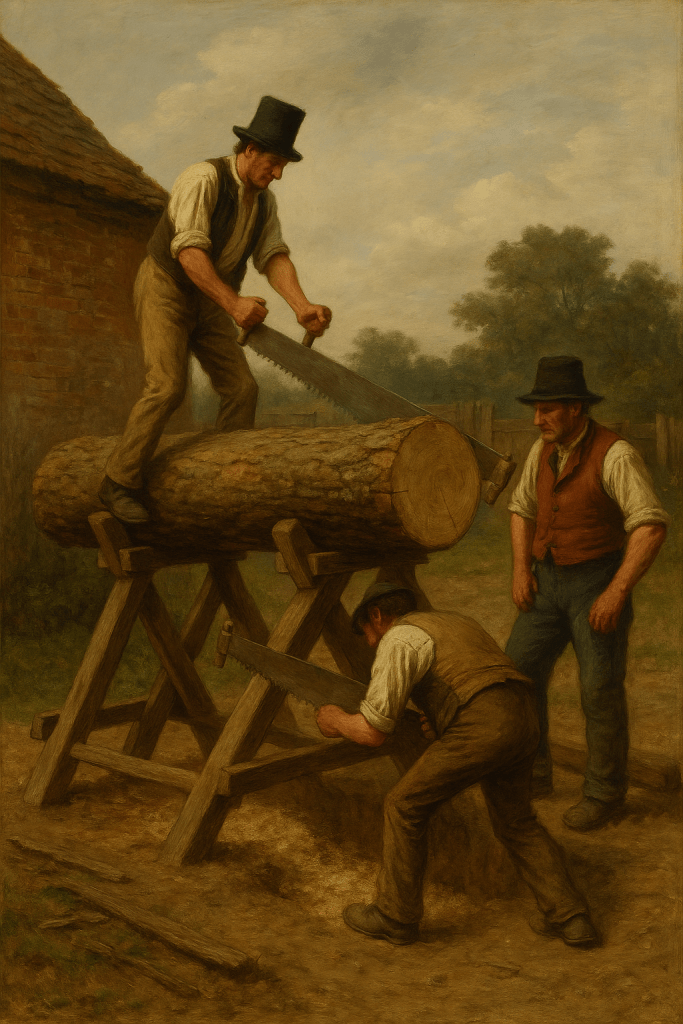
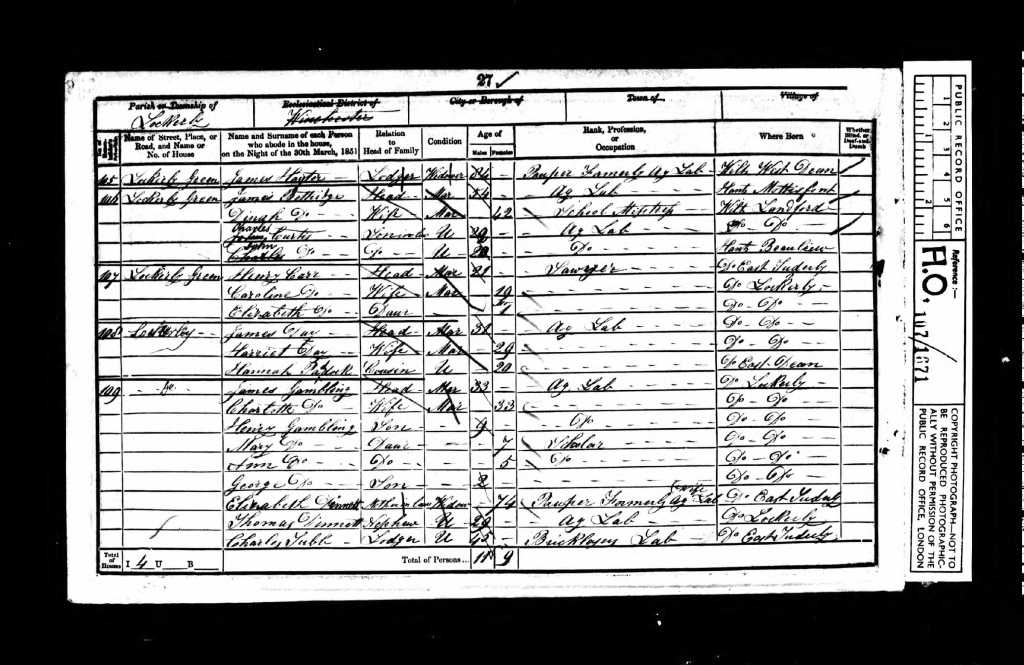
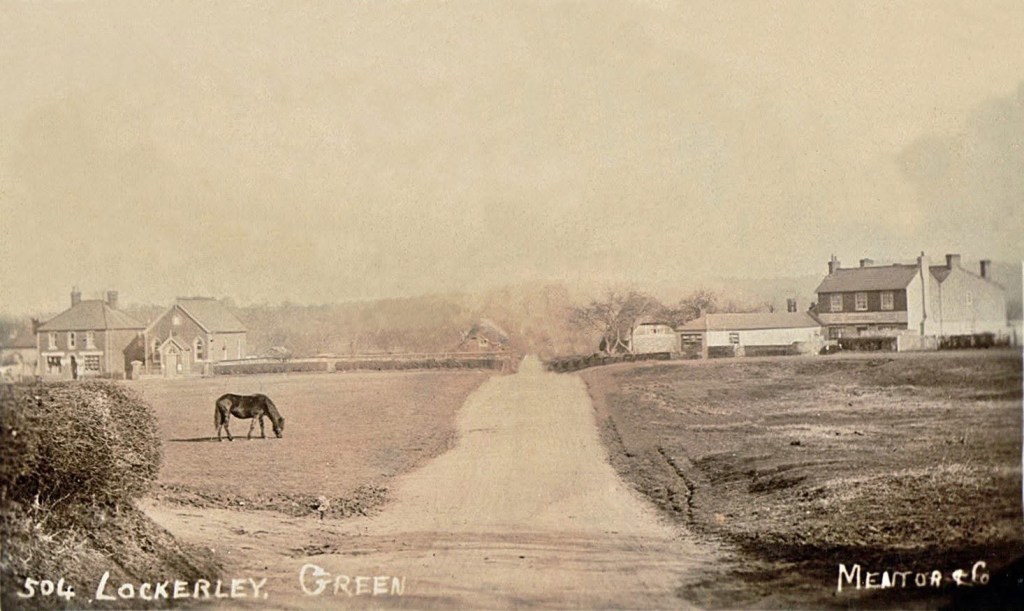

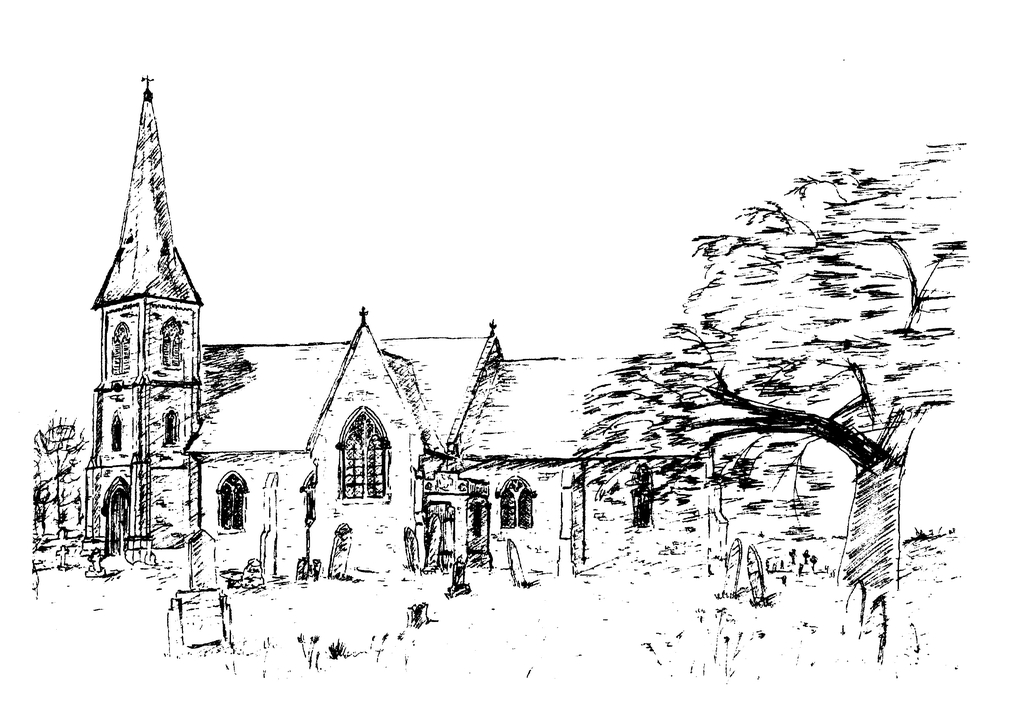

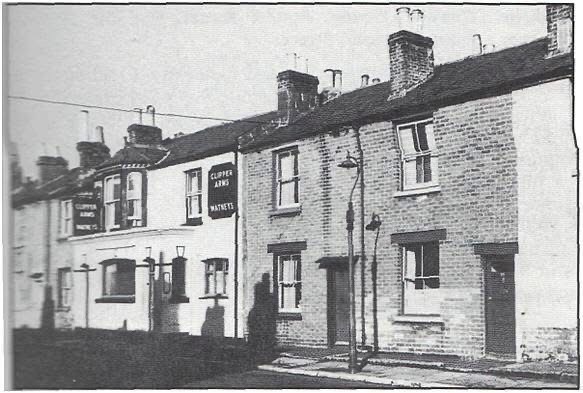












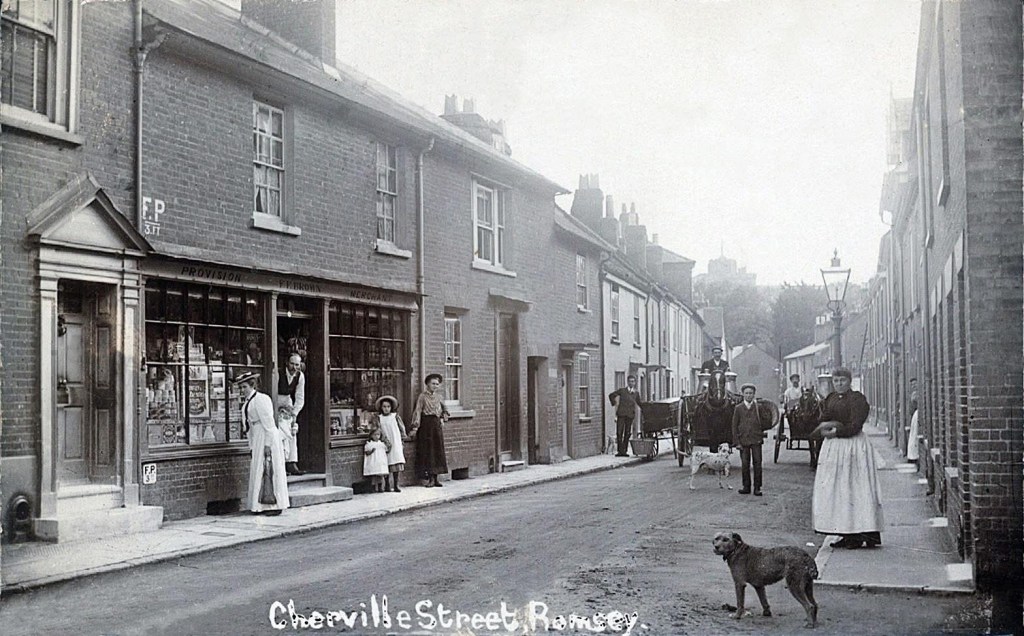

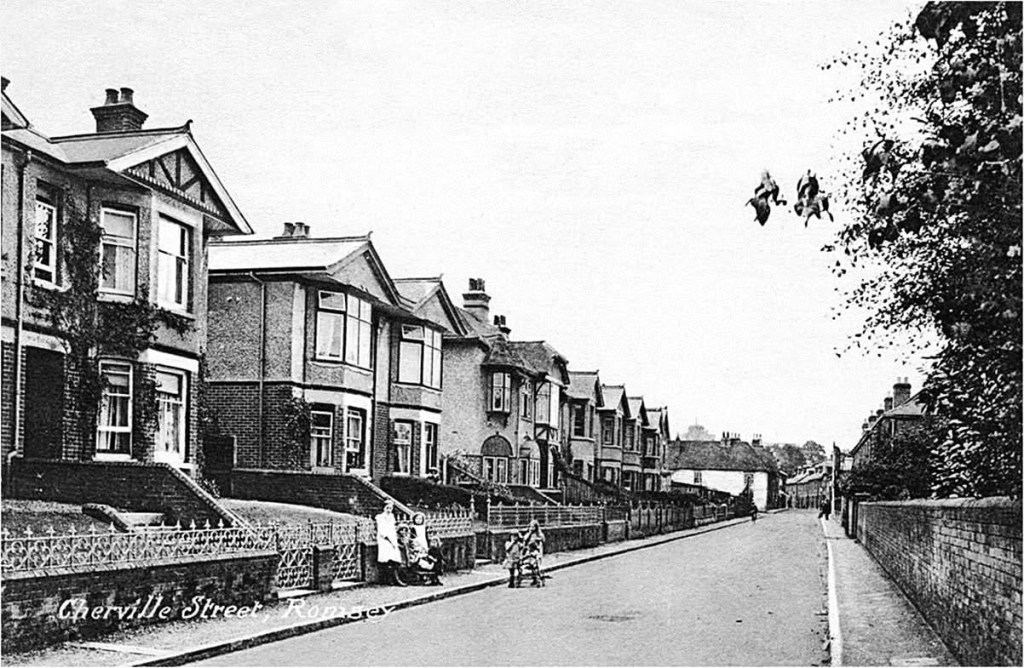

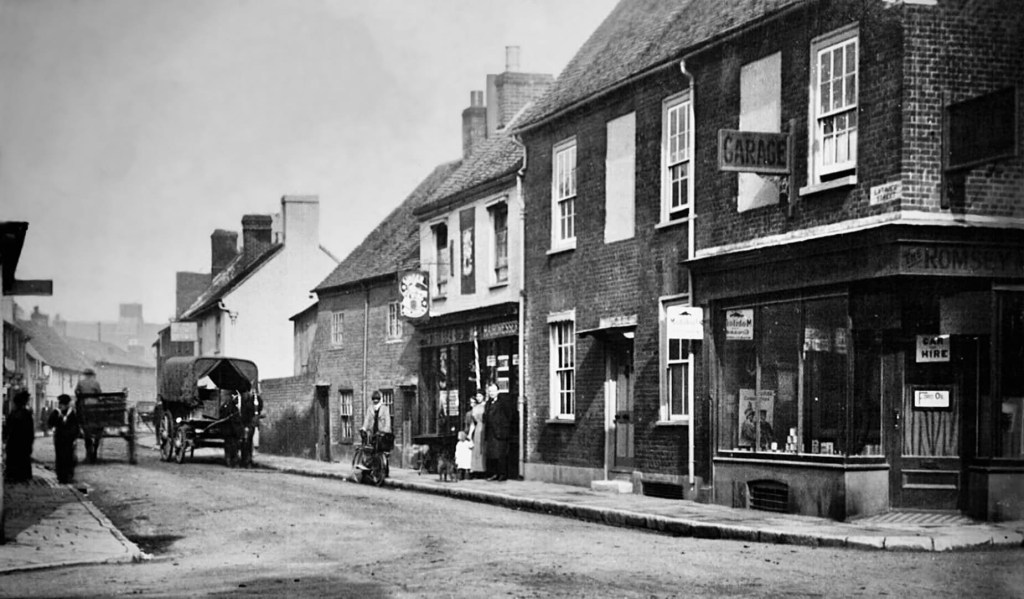
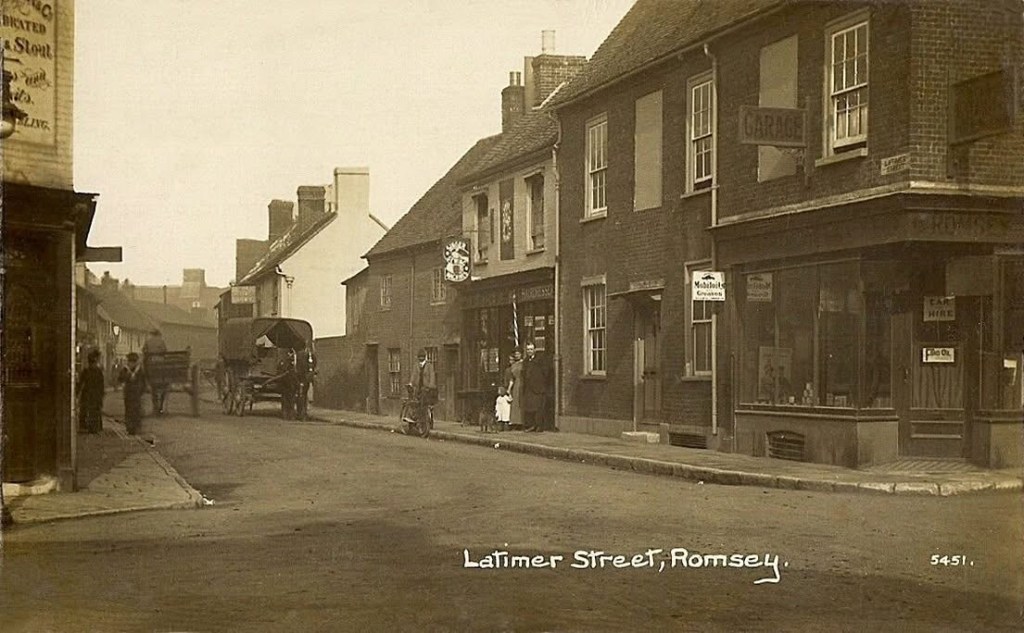
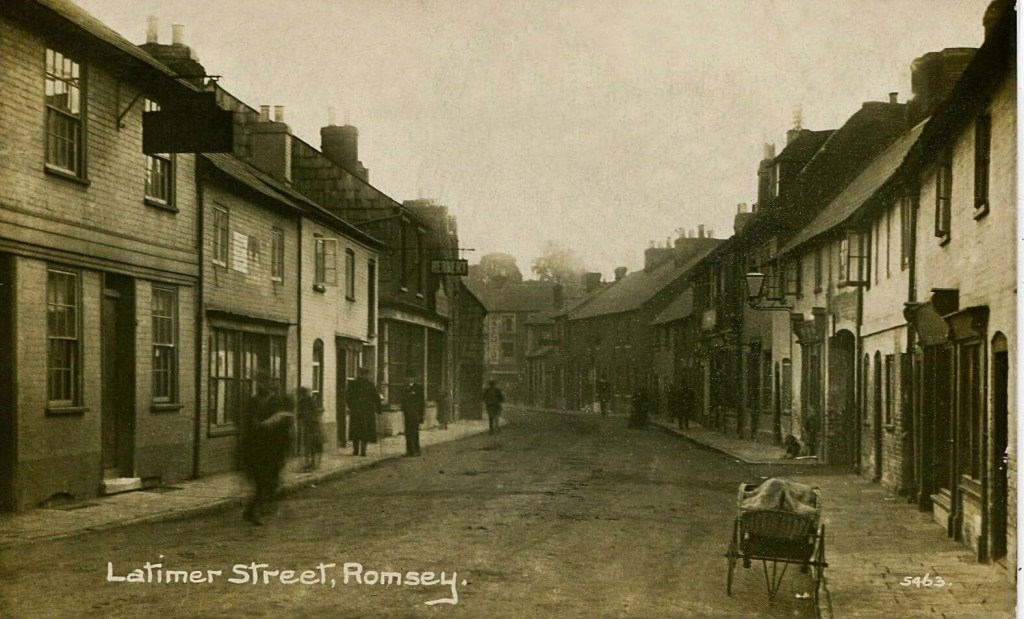
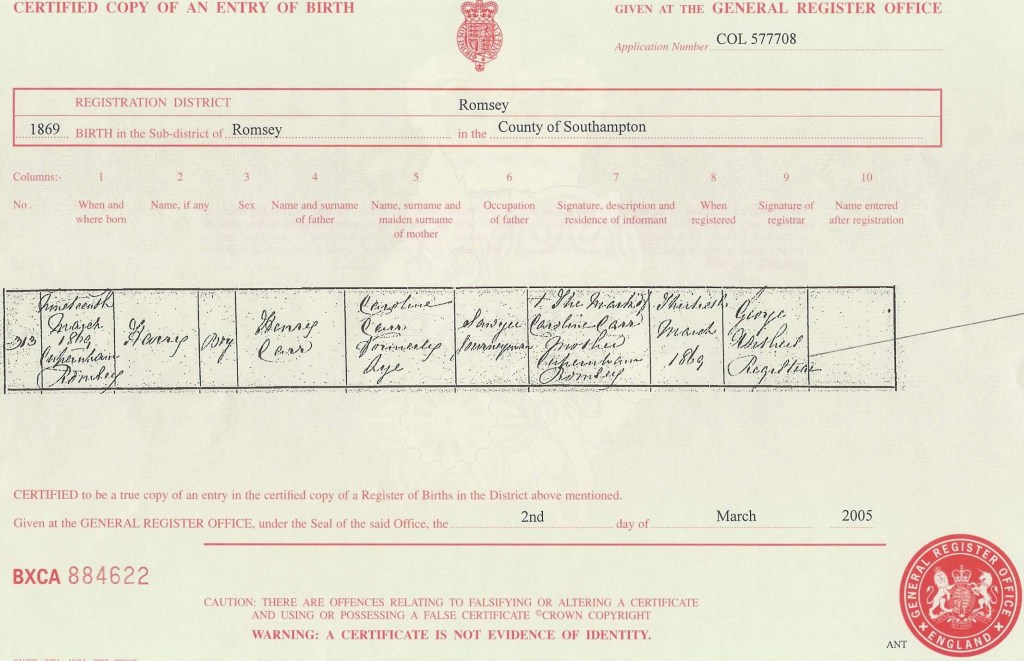

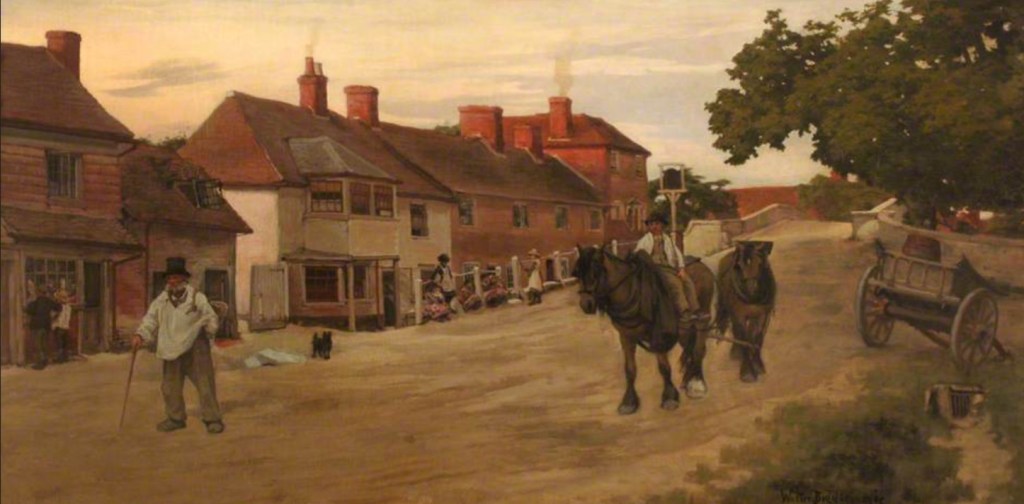
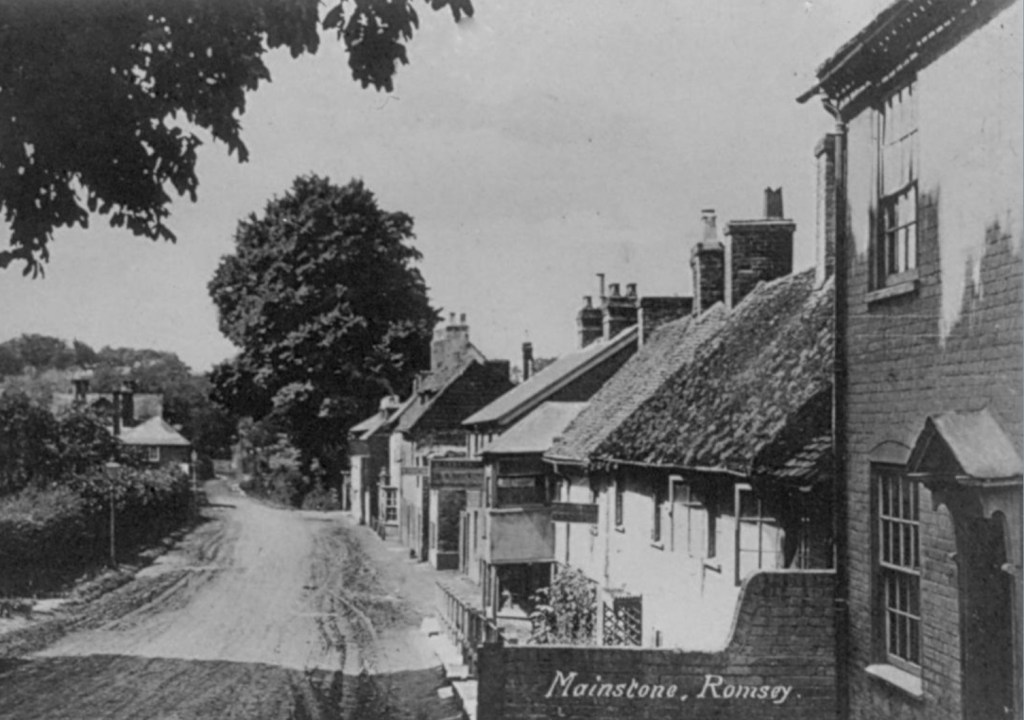
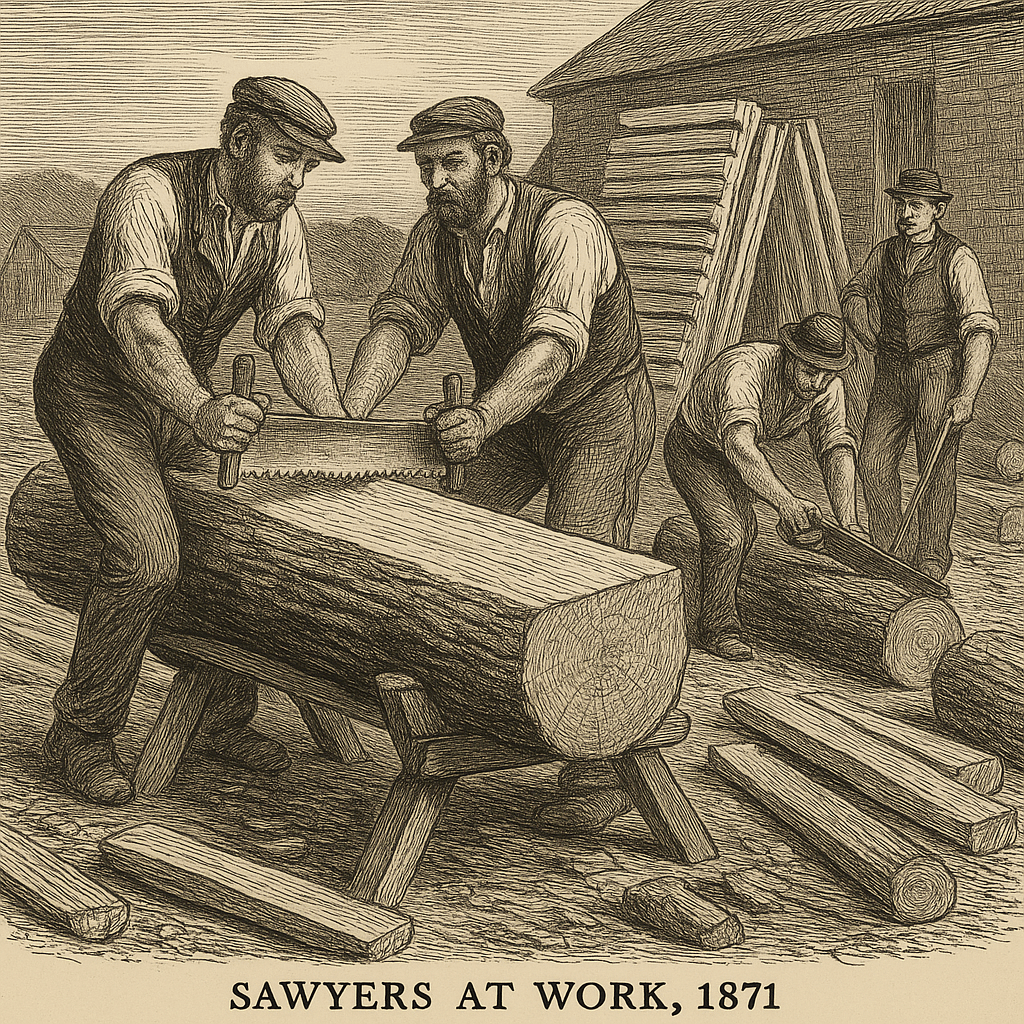
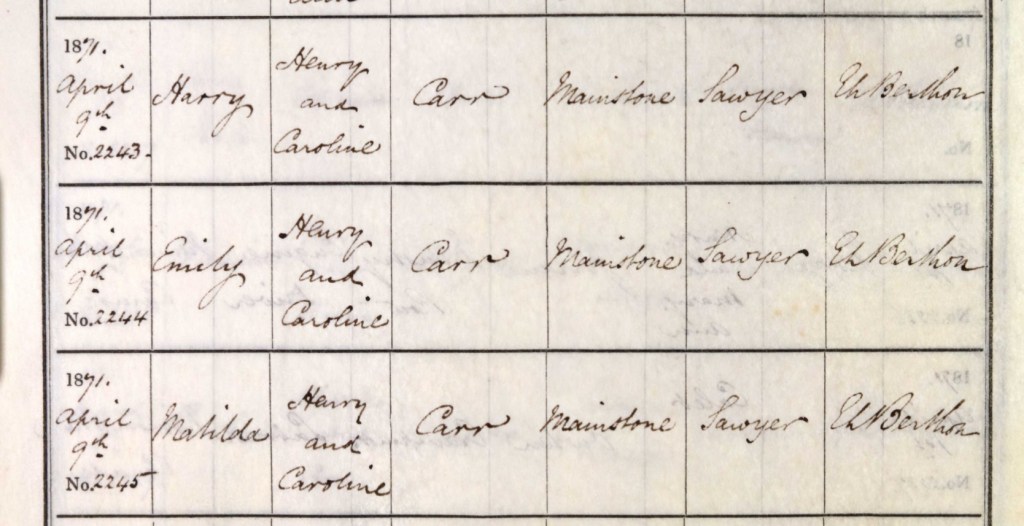


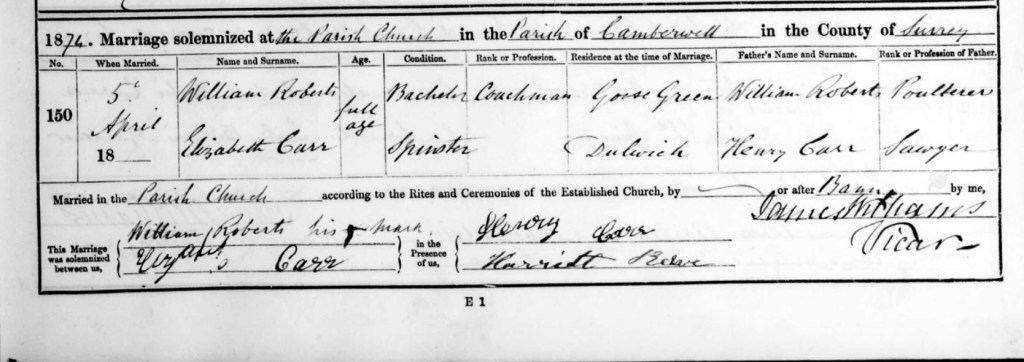
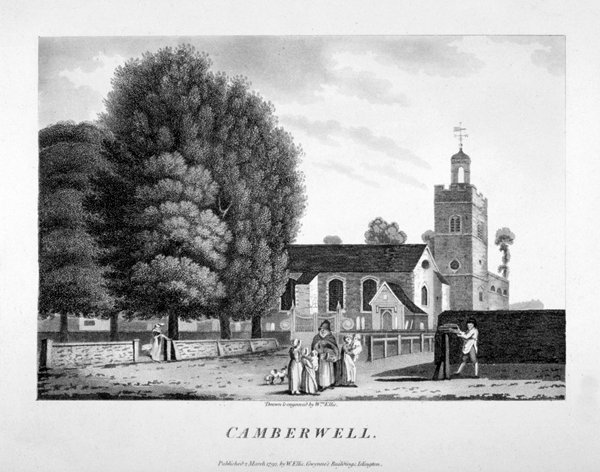
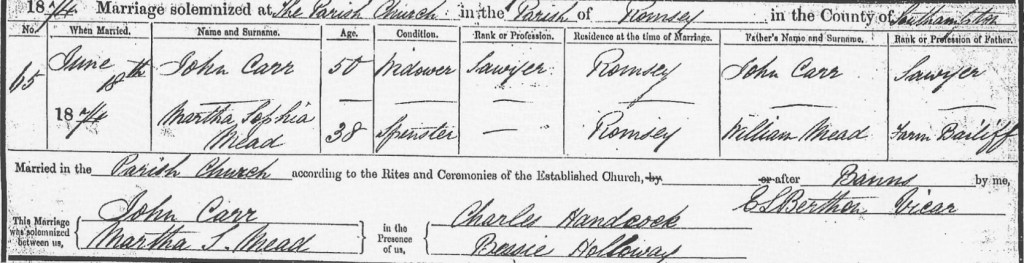



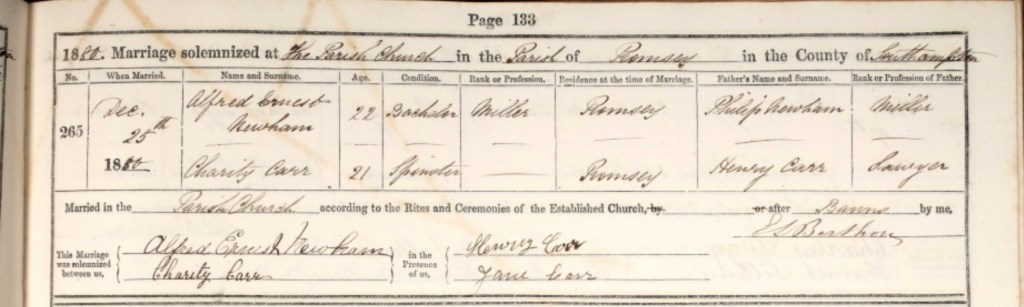
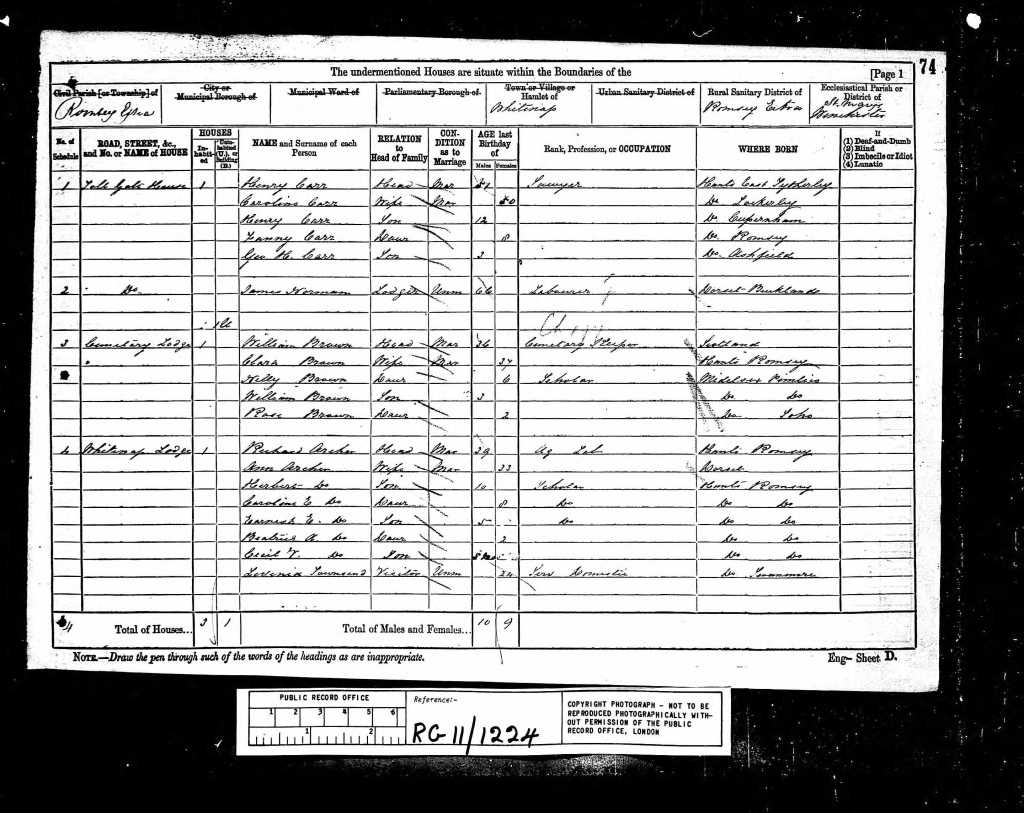
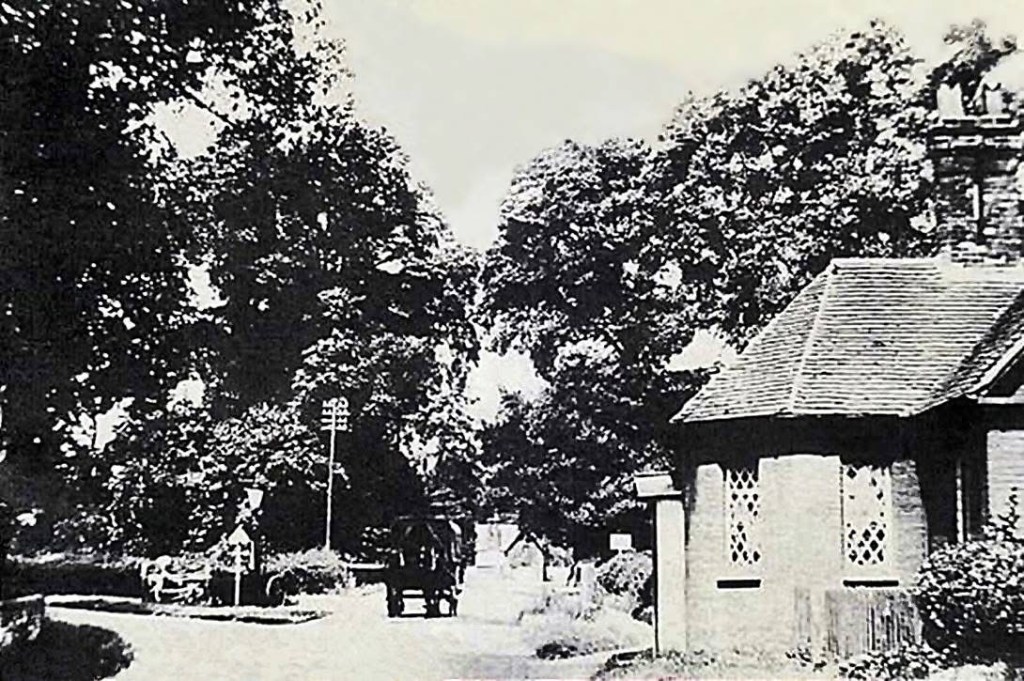
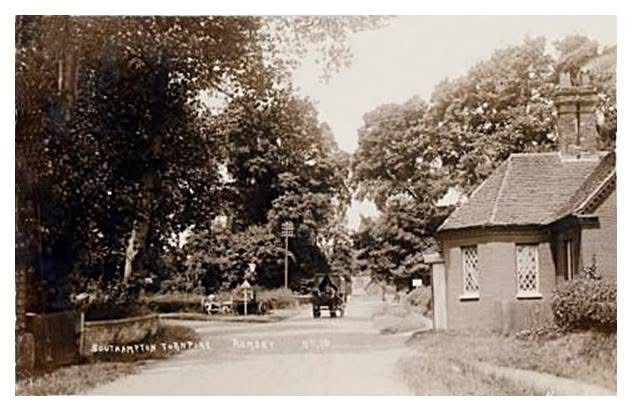
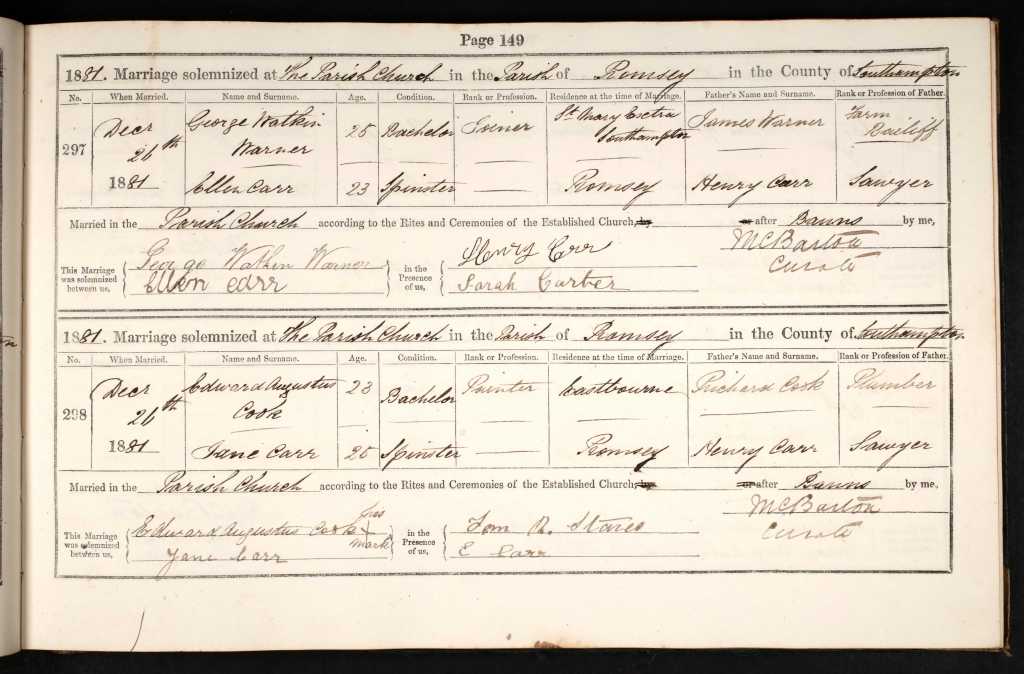
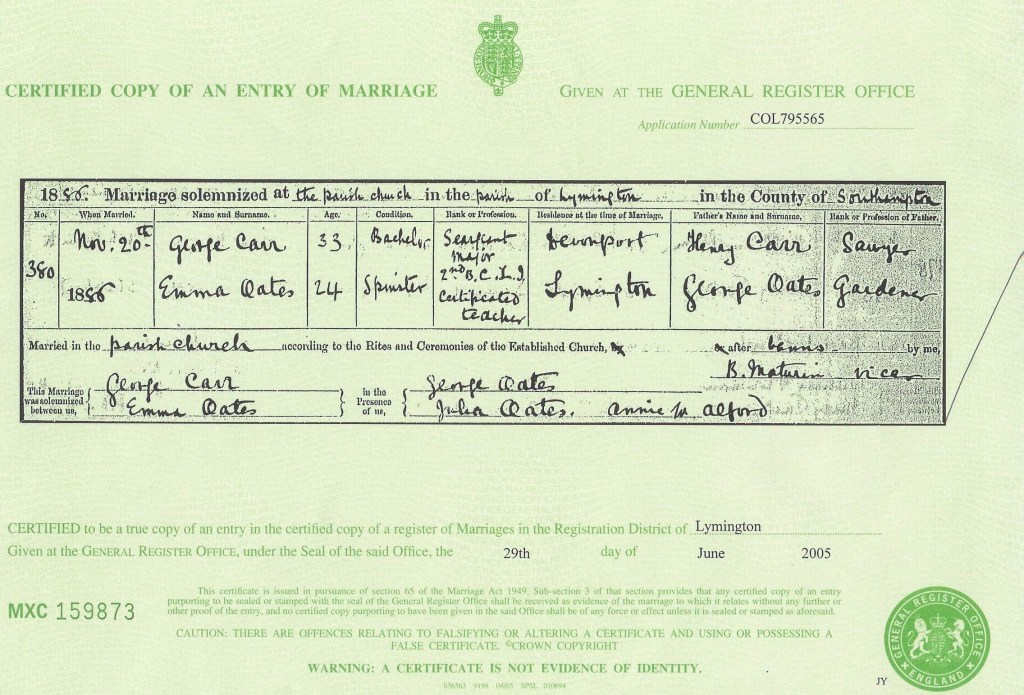
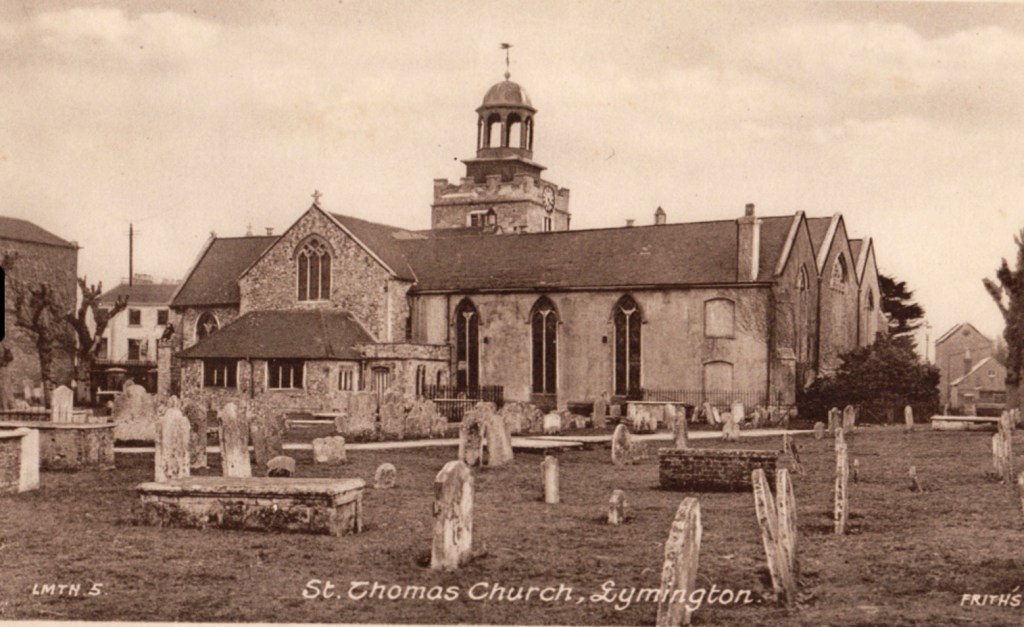

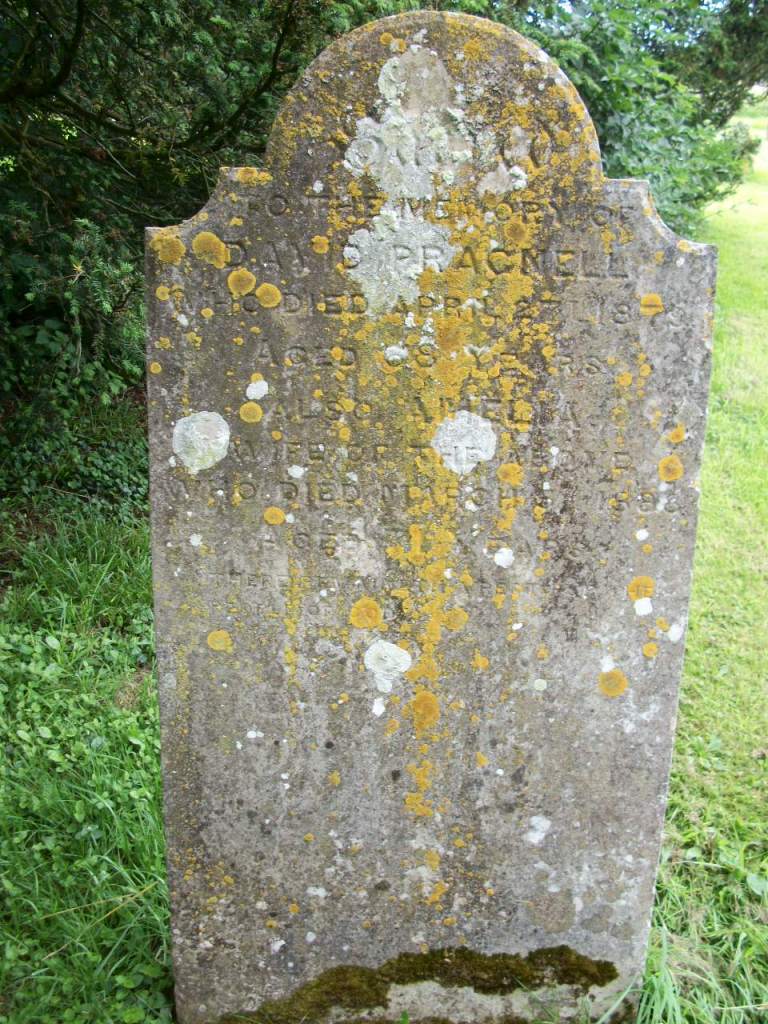


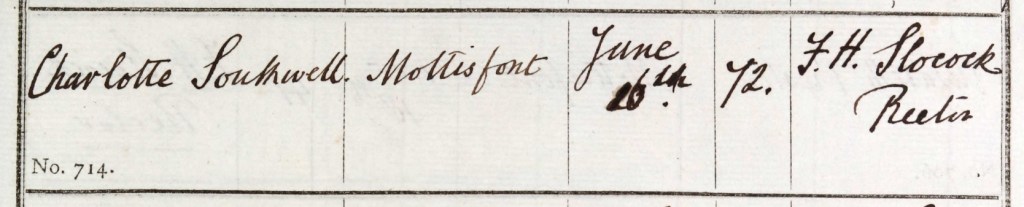
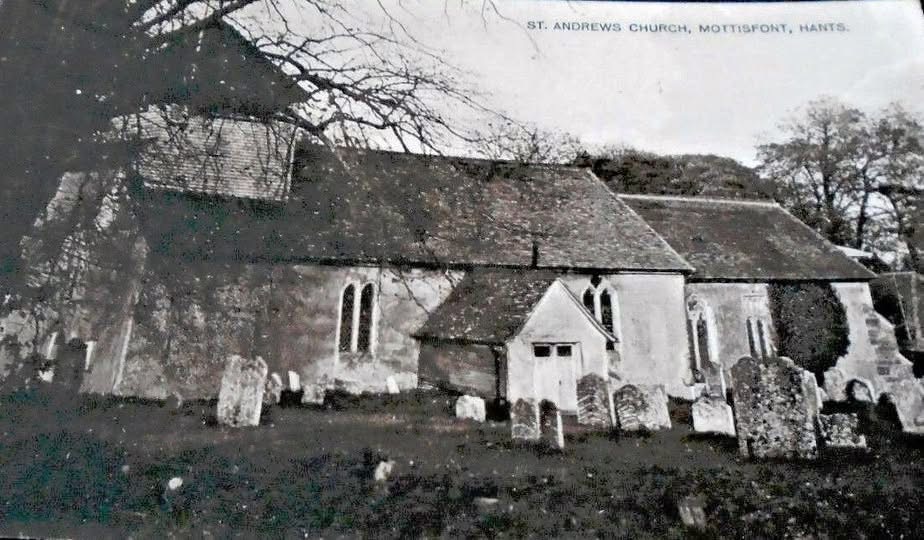
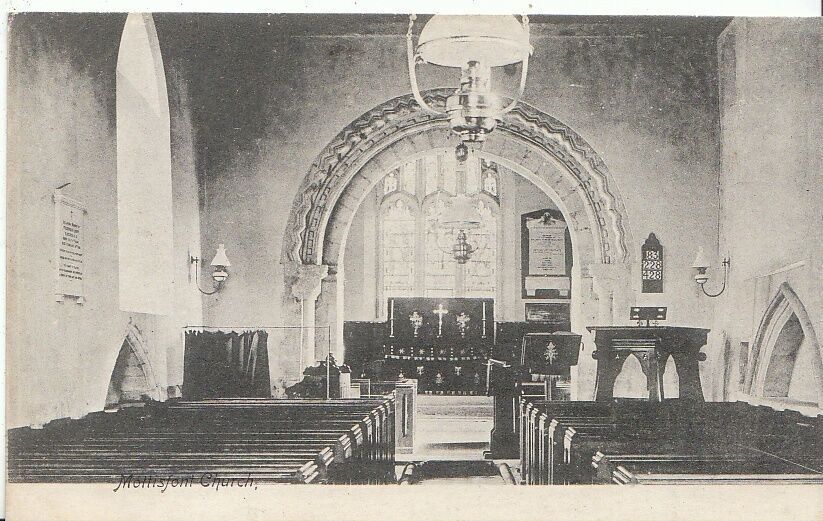
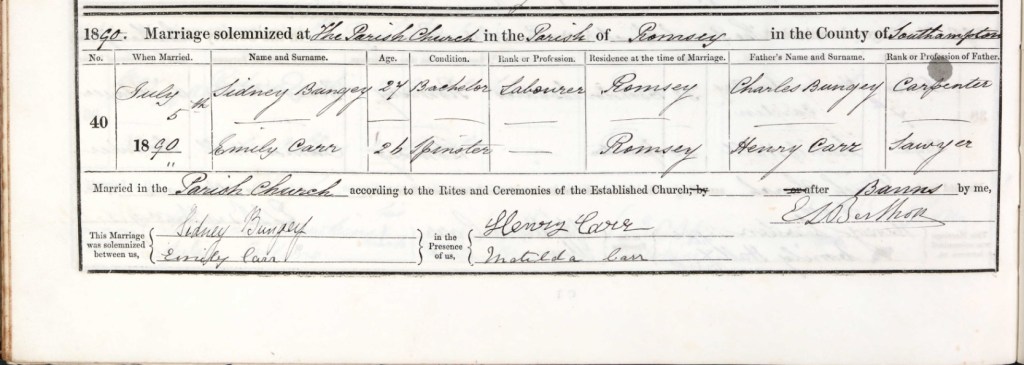
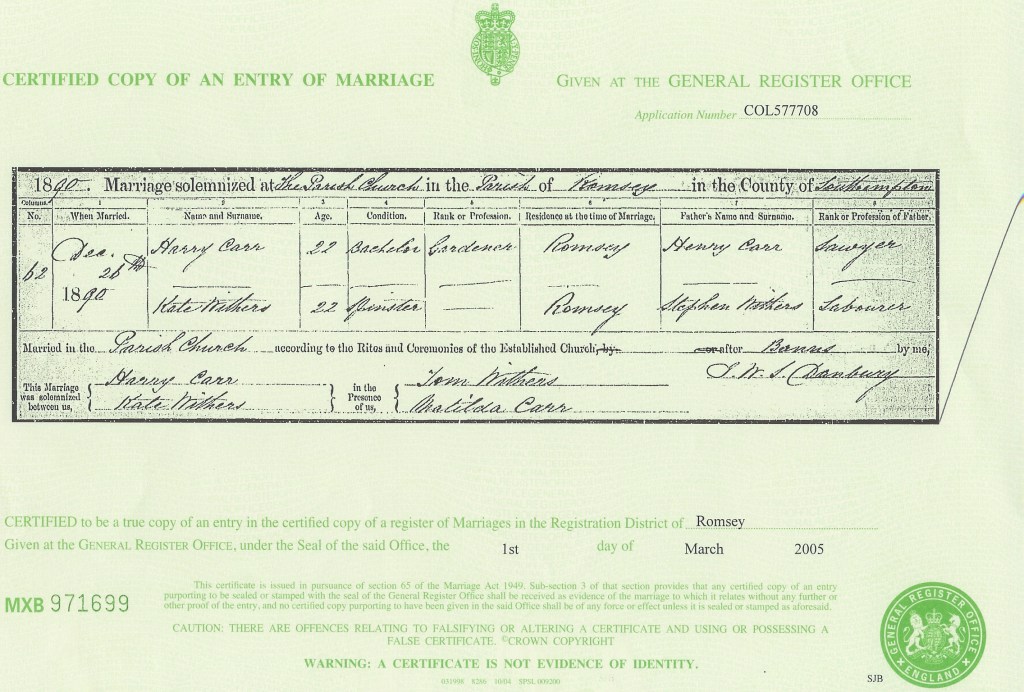

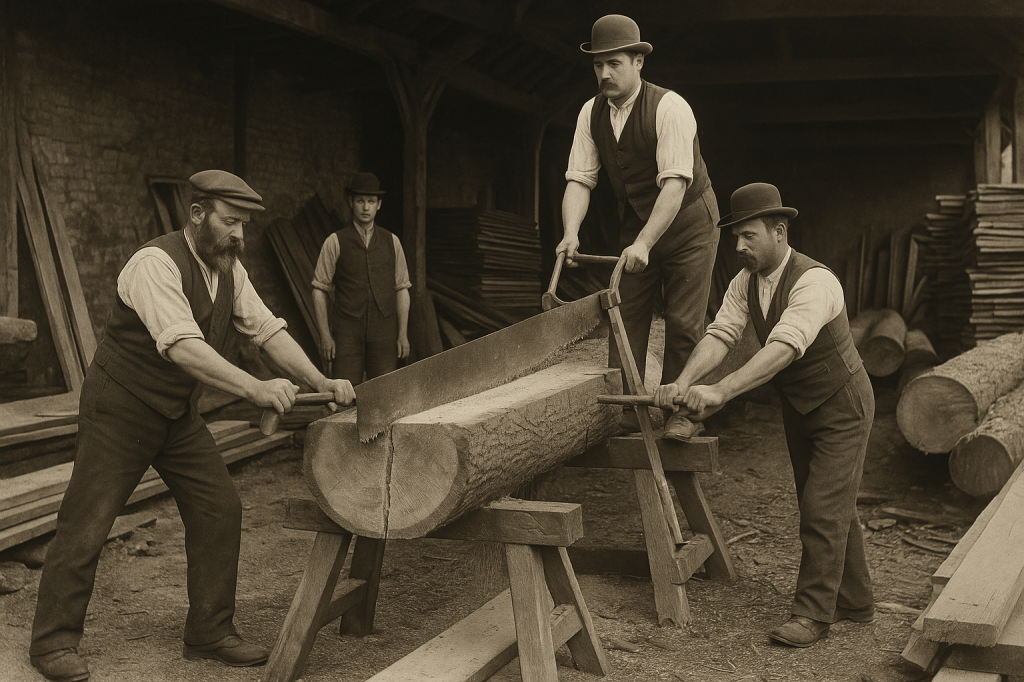


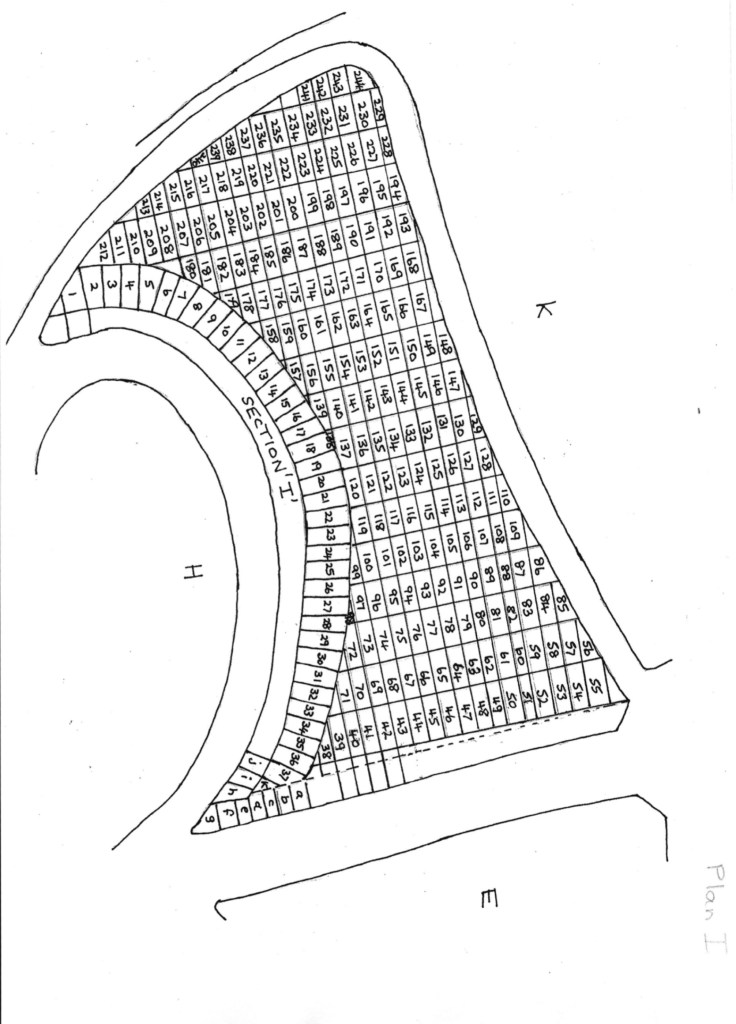
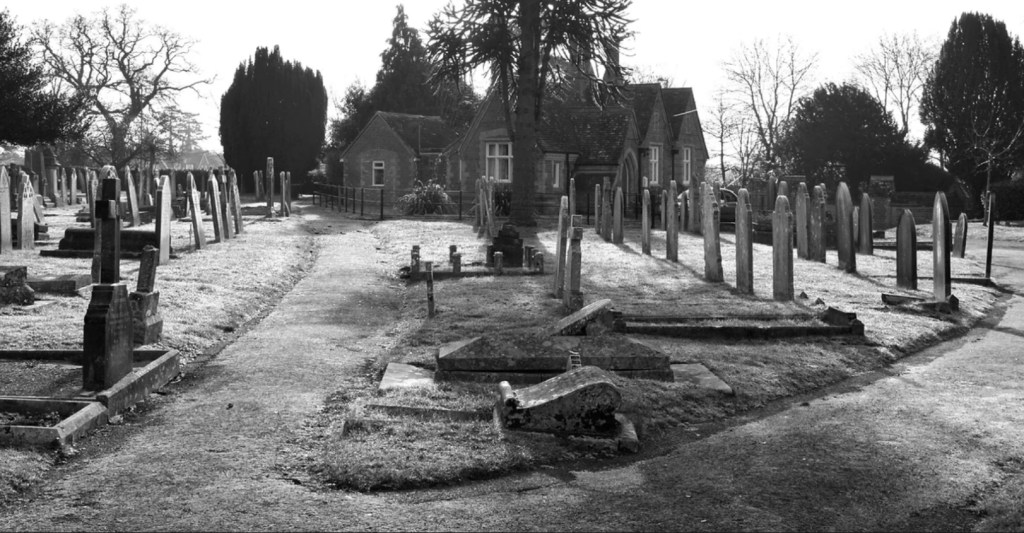
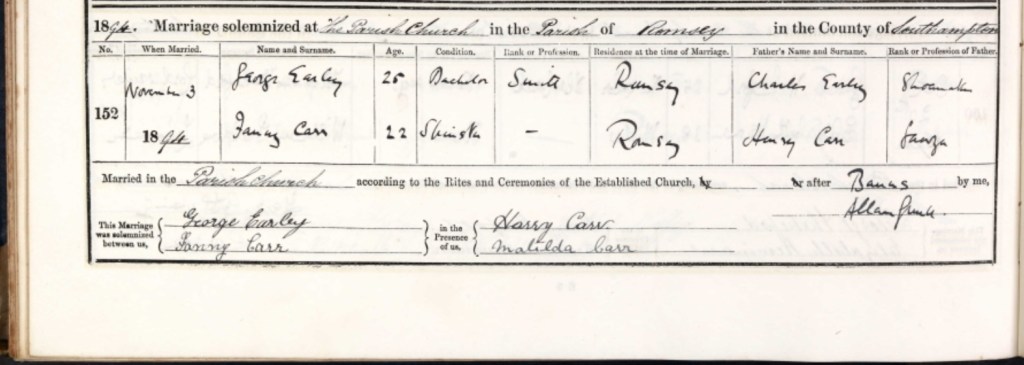
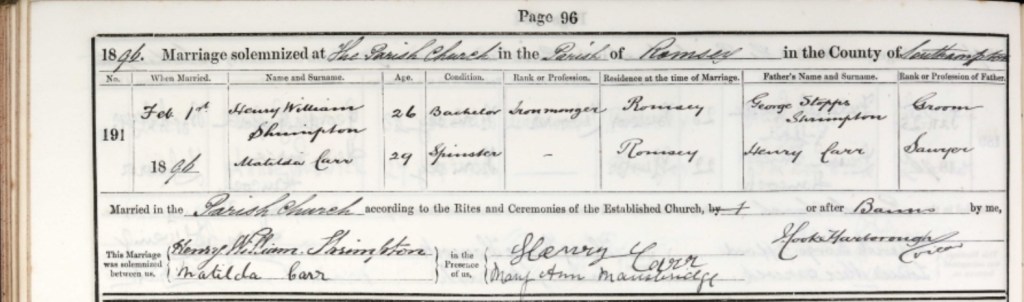

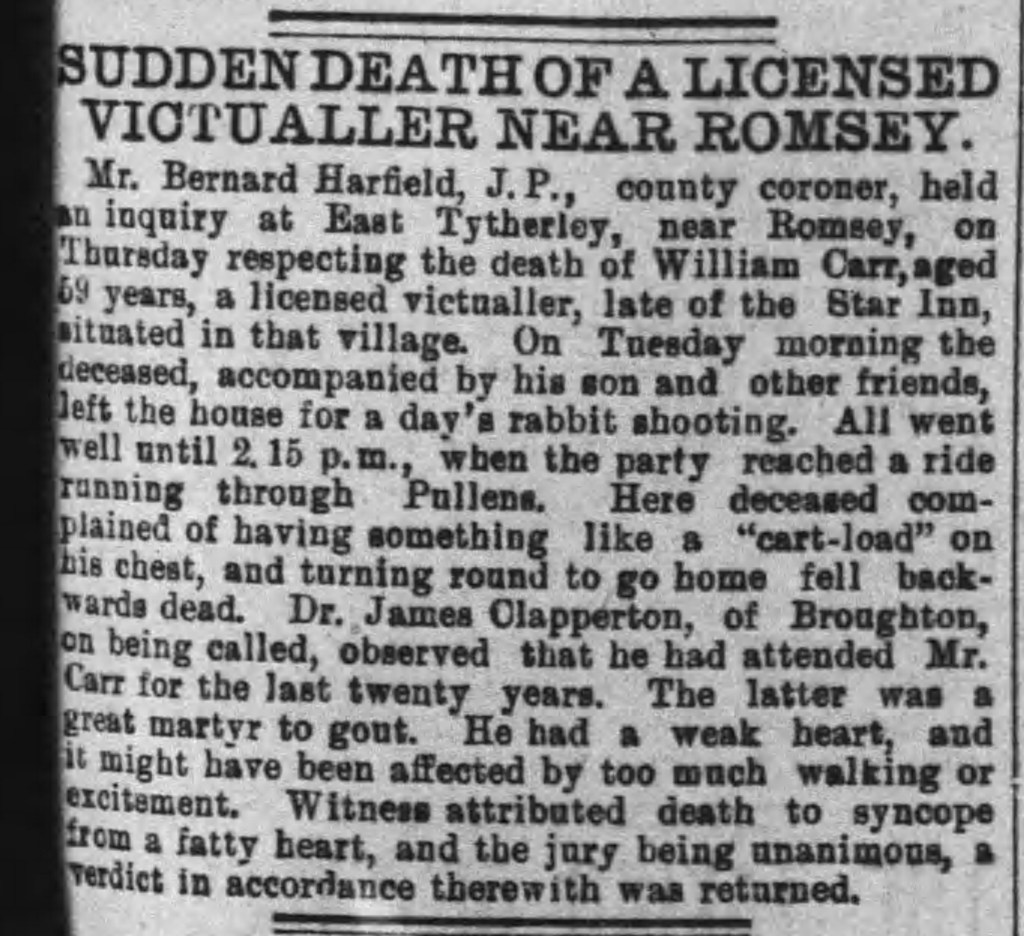
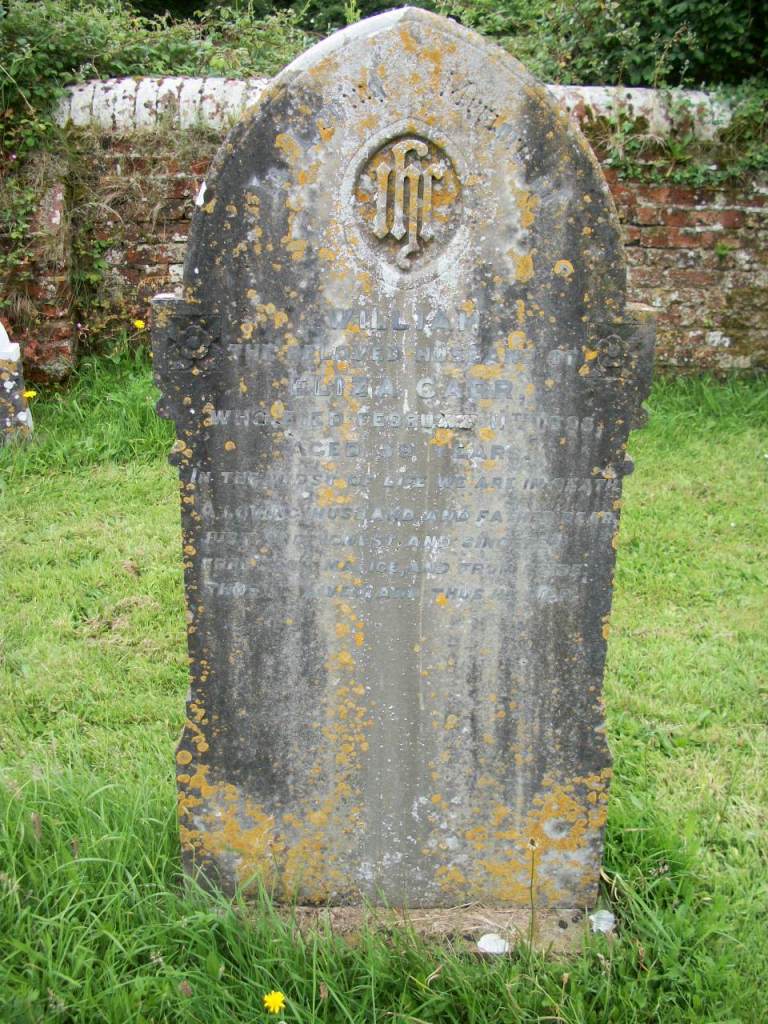


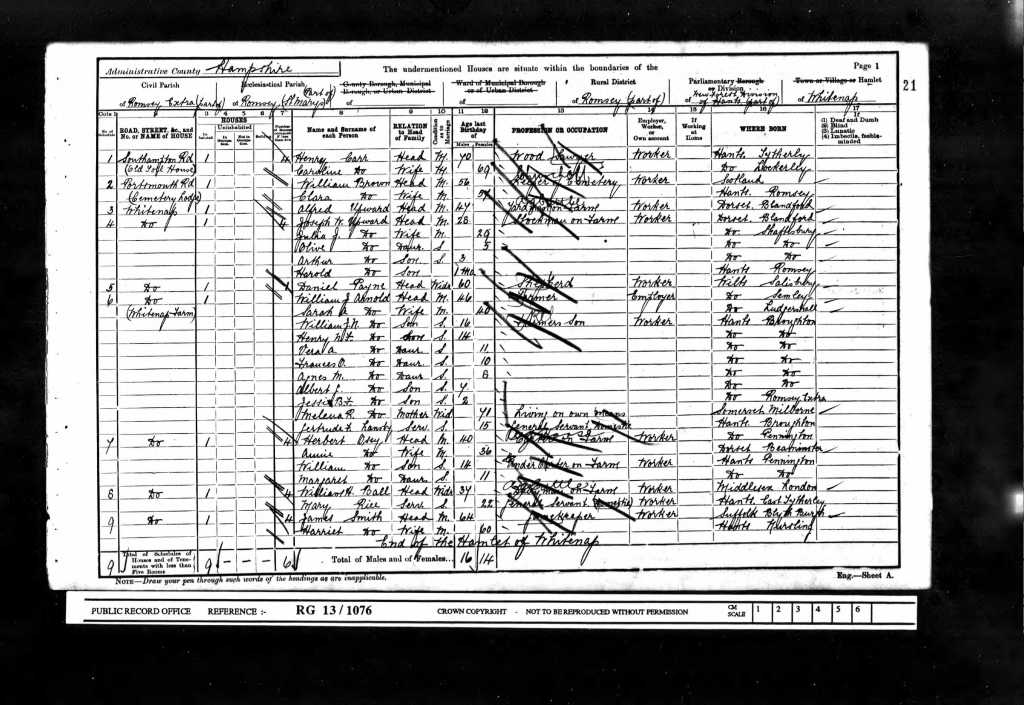
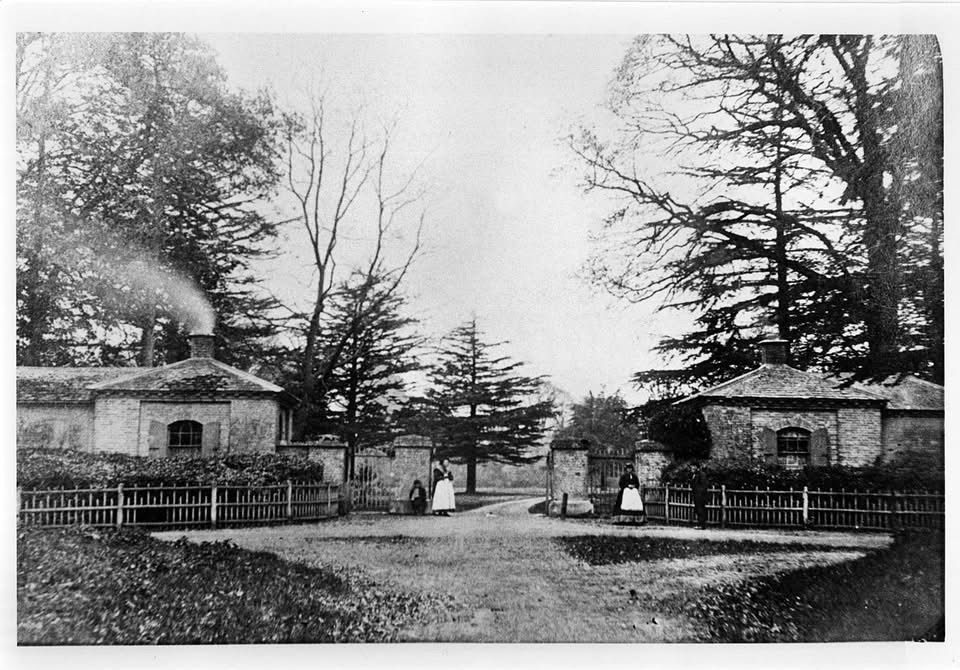

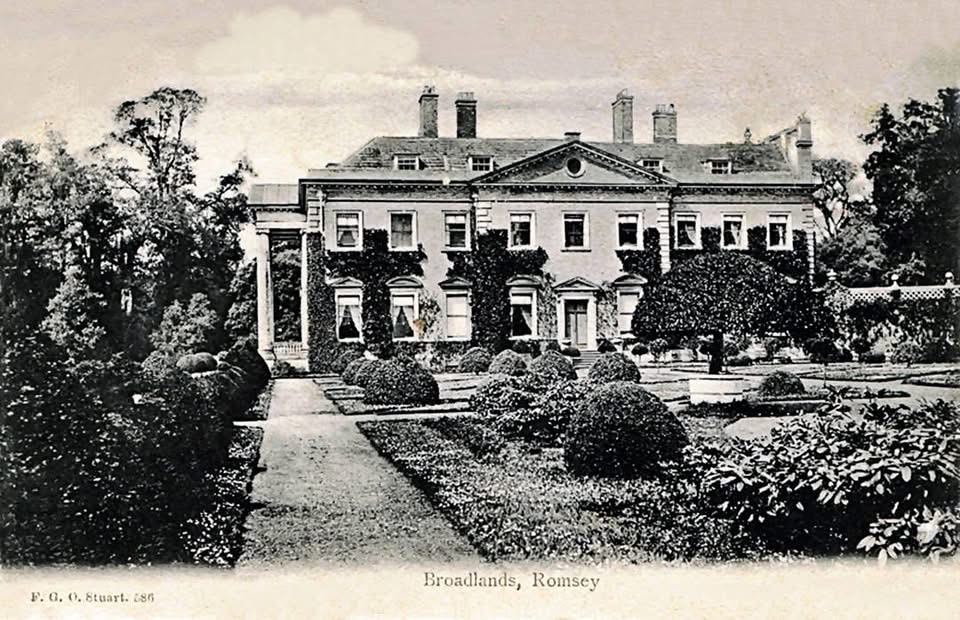
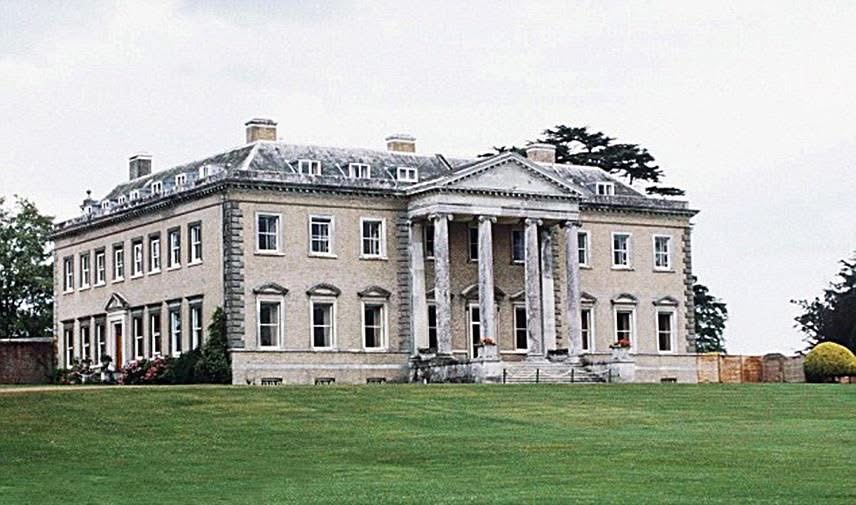
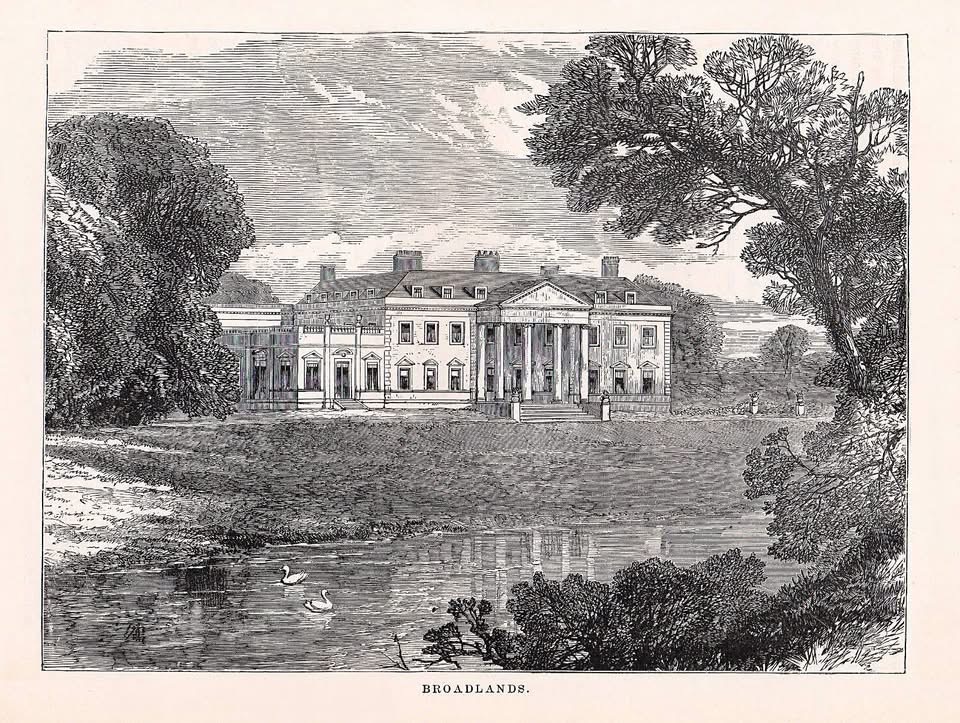
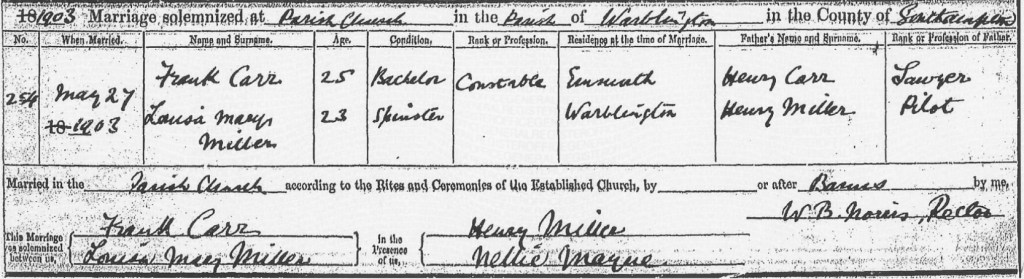




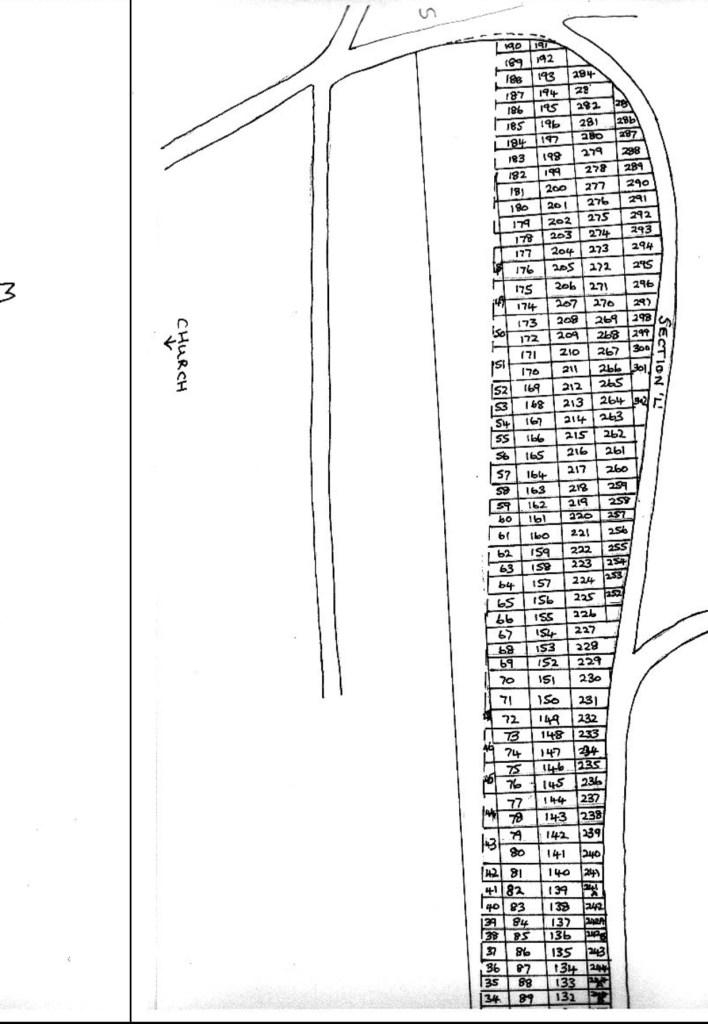
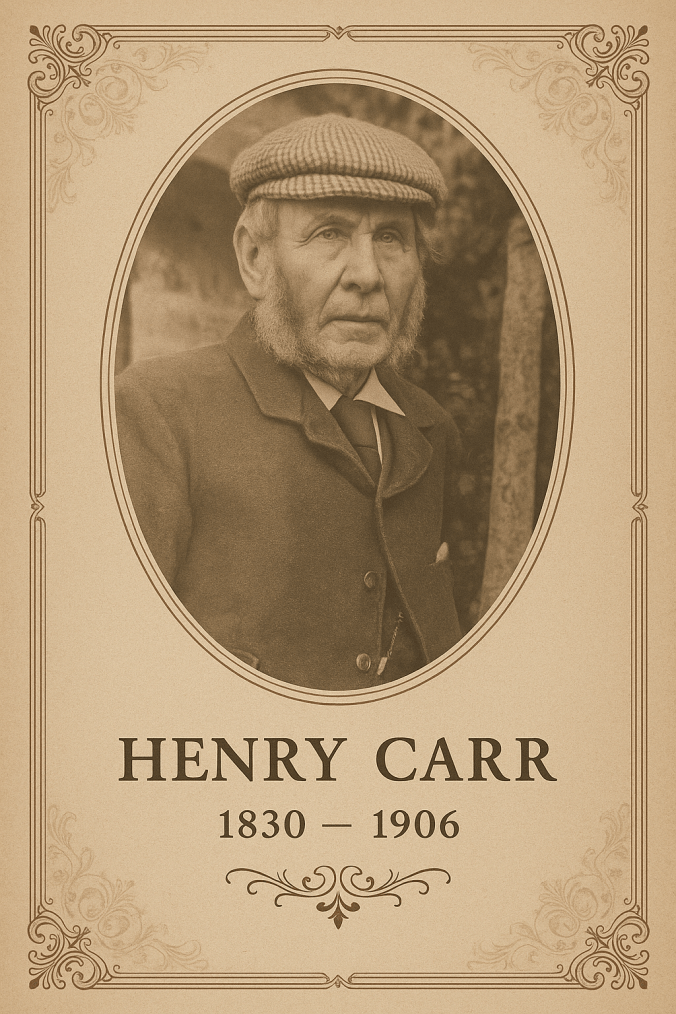
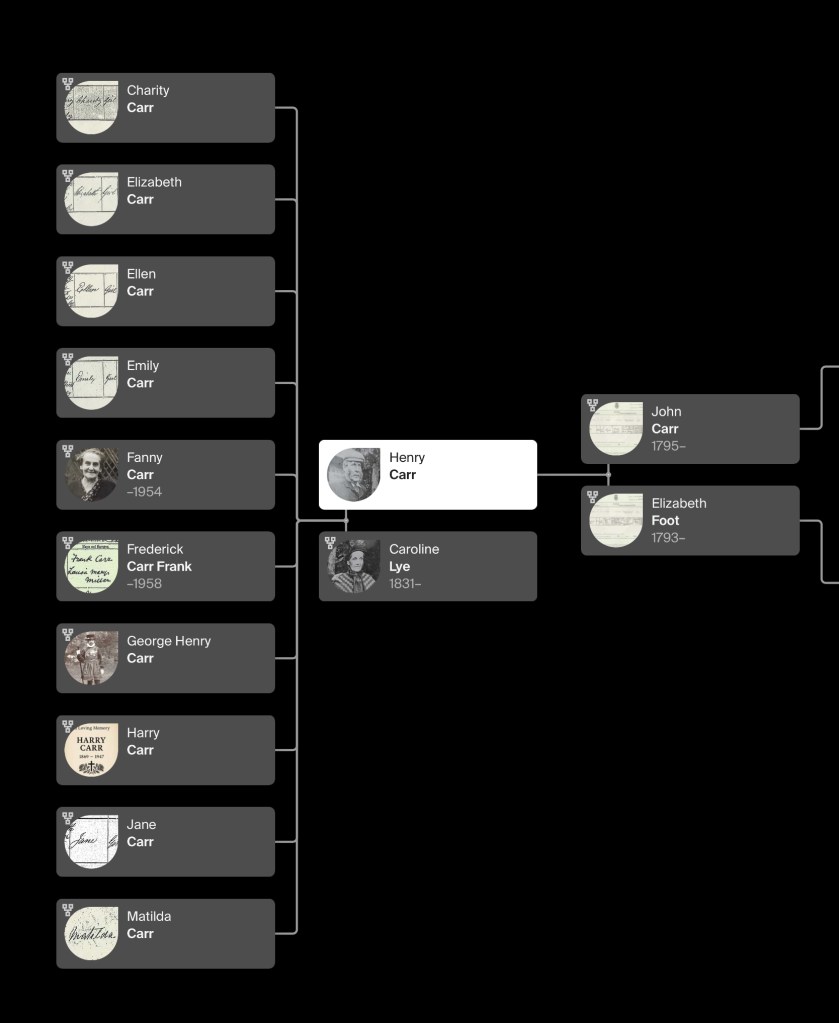
 Intwined