Welcome to “The Life of Frederick Ernest Carr 1891–1965 The Early Years Through Documentation.” His story is a journey through the fragments of history that have been pieced together through old records, documents, and archives, a journey to better understand the life of my paternal great-grandfather, Frederick Ernest Carr. Like so many of us, I know very little about my father’s side of the family, especially when it comes to Frederick and those who came before him. There are gaps in the stories I’ve heard and parts of our heritage that remain a mystery.
Tracing our heritage is not just about discovering names, dates, or places, it’s about connecting to the people who shaped us, even in ways we can’t always see. Each document, each record, helps me paint a fuller picture of who Frederick was and, in turn, who I am. Through these pieces of his life, I’m discovering the threads that connect me to my ancestors, the names and stories that run through my blood. This process of uncovering the past is not only about history, it’s a personal journey of understanding where I come from, and the lineage that lives on in me.
As I delve into these records and unravel the life of Frederick Ernest Carr, I invite you to join me in this exploration. Together, we’ll uncover more than just a name in a family tree, we’ll uncover the essence of who he was and the enduring legacy he left behind.
Welcome back to the year 1891, Fitzhugh, Millbrook, Southampton, Hampshire, England. The air carries the scent of coal smoke and damp sea breeze, and the quiet streets of Fitzhugh lie at the edge of Southampton’s expanding industrial and maritime landscape. This is late Victorian England, a time when empire and invention walk hand in hand. Queen Victoria, now in her eighty-first year and fifty-fourth year of rule, still reigns as monarch, a figure of enduring national stability and imperial grandeur. The Prime Minister is the Marquess of Salisbury, Robert Gascoyne-Cecil, a Conservative statesman who governs in a time of political conservatism laced with emerging pressures for reform. Parliament continues to operate under the two-house system at Westminster, with the House of Lords still wielding considerable influence, though calls for social and political change are beginning to stir more forcefully in the House of Commons.
In Fitzhugh and across Millbrook, the divide between the social classes is evident. The wealthy live in relative comfort, occupying villas or townhouses on the outskirts, with domestic servants, gas lighting, and well-furnished parlours. Their clothing is elaborate and refined, their children educated either at home by governesses or sent to grammar and boarding schools. Gentlemen work in business, banking, law, or hold naval or government positions, while ladies of the household manage servants, oversee social affairs, and devote time to charitable causes. For the middle and upper classes, leisure is structured and refined, and respectability is paramount.
The working class, by contrast, makes up the bulk of the population in Fitzhugh and neighbouring Millbrook. Men work at the docks, in nearby railway yards, or in trade professions such as carpentry, bricklaying, or butchery. Women often take in laundry, sew, or work in service. Children from working families attend elementary school, many leaving by the age of twelve to work. Schooling is now compulsory for children up to age ten under the Education Act of 1880, though truancy is common and economic necessity often overrides law. Boys may become apprentices or messenger boys, while girls help at home or find work in shops and households.
The poor, including the unemployed, elderly, and those on the edge of destitution, struggle to survive. They live in crowded terraced housing with shared privies and water pumps, many in substandard conditions. The Poor Law is still the safety net for those without means, with workhouses serving as a last resort. Local charities, churches, and missions provide some support, but poverty is a visible and often ignored presence.
Fashion in 1891 reflects the social order. For women of the upper classes, high-necked blouses, corseted waists, long skirts, and tailored bodices are the standard. The bustle, popular in previous decades, is giving way to a straighter silhouette. Men wear three-piece suits with waistcoats, high collars, and bowler or top hats. Working people dress more plainly in durable fabrics such as wool and cotton, often wearing patched clothing and hand-me-downs.
Transportation in and around Fitzhugh is a mix of traditional and modern. Horse-drawn carts and carriages still dominate the roads, while bicycles are becoming increasingly popular among the lower middle classes. The railway line connecting Millbrook to central Southampton, the docks, and London is vital, carrying goods and workers alike. Steam trains make travel faster than ever before, though the motor car is still a rare and unfamiliar sight.
Energy in 1891 comes mainly from coal. It powers steam engines, heats homes, and drives machinery. In Fitzhugh, chimneys send black smoke into the sky, and a haze often hangs over the rooftops. Gas lighting is common in town centres and wealthier homes, while oil lamps and candles remain in use in more modest households. Electricity is beginning to appear in large public buildings and affluent residences, but it is far from widespread.
The atmosphere in Millbrook is shaped by its dual identity as a suburban extension and an industrial neighbour to Southampton. The sounds of hammers, whistles, and carts echo across cobbled streets. Children play in the lanes, women chat at the wash house or pump, and older men lean on fences discussing the news of the day. The mix of rural and urban life gives Fitzhugh a transitional character, caught between a fading agrarian past and the advance of modernity.
Heating is rudimentary. Coal or wood-burning hearths provide warmth, but only in main rooms. Bedrooms are often unheated, and families rely on thick blankets, hot bricks, and close sleeping arrangements in winter. Cooking is done on cast iron ranges or open fires, and ventilation is poor.
Sanitation is improving but far from ideal. In Fitzhugh, outdoor privies and cesspits are still common, though sewerage systems are expanding across Southampton. Drinking water may come from pumps or standpipes, and outbreaks of waterborne diseases like typhoid are still a threat. The connection between hygiene and health is becoming clearer, and public health officials are working to improve conditions, but uneven progress leaves many households vulnerable.
Food varies by class. The wealthy enjoy multiple courses, including meat, fish, imported fruit, puddings, and cheeses. Middle-class families might afford roast dinners on Sundays and meat pies or stews during the week. The working class relies on bread, potatoes, dripping, and vegetables in season. Many supplement their meals with allotment-grown produce or bits of fish from the quay. The poorest survive on what they can afford or are given: soup, stale bread, and occasionally charity kitchen fare.
Entertainment is growing more varied. In Southampton, music halls, theatres, and pubs offer light relief. In Fitzhugh, entertainment is local and modest: church socials, family singing around the piano, cricket on the green, or reading aloud from the newspaper. Penny novels and serialised stories are popular, and libraries and reading rooms encourage the spread of literacy. The Salvation Army and temperance movements offer organised activities for working families, while children find joy in simple games, skipping, hoops, and marbles.
Diseases are still a constant presence. Tuberculosis, known as consumption, is the great killer. Diphtheria, measles, scarlet fever, and influenza sweep through homes and schools. Hospitals exist but are few and often reserved for the seriously ill or destitute. Medical care is improving, with more trained doctors and some early forms of nursing, but most care is provided at home using folk remedies, patent medicines, or advice from the local chemist.
The environment around Fitzhugh remains largely green and pleasant. Millbrook Common offers open space, and gardens flourish behind many homes. Yet nearby industrial expansion and dock development are beginning to change the landscape. Air quality suffers from coal smoke, and waste disposal is a growing concern.
Gossip flows freely. It passes from doorways, pump stations, and the pews of St James’ Church. It concerns everything from family matters to national events: who is courting, who is drinking too much, what happened in the latest royal appearance, and whether Mr Gladstone or Lord Salisbury will hold sway. Newspapers and church announcements help spread official news, but word of mouth carries more weight in local affairs.
Schooling is compulsory up to age ten under the law, but many children leave soon after. In Fitzhugh, children attend local board schools or church schools, where lessons are strict and discipline severe. Subjects focus on reading, writing, arithmetic, scripture, and moral instruction. Pupil-teachers assist with crowded classes, and attendance varies depending on work needs at home.
In wider events, 1891 is a census year. The population of England and Wales reaches over 29 million. Internationally, tensions in the British Empire continue, with colonial expansion in Africa and rising nationalist movements in Ireland and India. In science, the first telephone link between London and Paris is completed. Advances in medicine, technology, and communication are beginning to reshape society, though their full effects are not yet felt in places like Fitzhugh.
This is a year of transition in Fitzhugh and Millbrook. The habits of the Victorian age remain firmly in place, yet signs of change are stirring in every aspect of life. Beneath the soot-covered roofs and tiled hearths of Fitzhugh, families live by the rhythms of work, worship, and survival, watching the world slowly change around them.
Frederick Ernest Carr came into the world on Saturday the 10th day of October, 1891, in the comfort of his home at Number 91, Milton Road, Fitzhugh, Millbrook, Southampton, Hampshire. His mother, Kate, made the journey into Southampton on Tuesday the 17th day of November to register his birth. In the birth register, Registrar Charles Stewart carefully noted the details: on the 10th of October, a boy named Frederick Ernest Carr was born to Harry Carr, a gardener, and Kate Carr, formerly Withers, of Milton Road, Fitzhugh, Millbrook.
The names chosen for Frederick carry with them rich histories and meaningful traditions rooted in the Germanic language. Both names were widely embraced across Europe, especially in Britain during the 18th, 19th, and early 20th centuries. Each name reflects values such as strength, honor, and nobility, qualities held dear in the naming customs of the time.
The name Frederick comes from the Old High German words *fridu*, meaning "peace," and rīhhi, meaning "ruler" or "power." Thus, it signifies a "peaceful ruler" or "ruler of peace." Throughout European history, the name has been worn by kings, princes, and military leaders. In England, it found favor after the arrival of the Hanoverian dynasty in the early 18th century, with Frederick, Prince of Wales, the eldest son of King George II, helping to popularize the name in British society. Though Frederick never became king, the name carried a regal tone that remained deeply respected throughout the Victorian era, often given to boys in middle- and upper-class families, alongside names like William, Charles, or Henry.
While Frederick stood tall with its dignified presence, it also offered affectionate nicknames like Fred or Freddie, which families would use in more informal moments. These shortened versions allowed for warmth and familiarity, while the full name retained its stately character for formal occasions. Its enduring charm spanned the 19th century and extended well into the 20th.
Ernest, on the other hand, carries a different yet equally significant meaning. Derived from the Germanic word *eornost*, meaning "serious," "resolute," or "determined," Ernest conveys a sense of moral strength and sincerity. This made it particularly beloved in households where integrity was valued, especially during the Victorian period. The name entered England with the Saxons and Normans, but it gained great popularity in the 19th century, partly due to the influence of Prince Albert, Queen Victoria's husband, whose family bore the name.
Ernest's cultural presence was also cemented by literature, especially with Oscar Wilde's famous 1895 play, The Importance of Being Earnest. In the play, the name becomes a clever pun on the word "earnest," reflecting the theme of sincerity versus appearance. The play's success undoubtedly helped solidify the name's place in the hearts and minds of the British public during the late Victorian era.
Together, the names Frederick and Ernest encapsulate both strength and integrity, qualities that were highly sought after in the sons of Victorian and Edwardian England. It was not uncommon for families who valued tradition and formality to give their sons both of these names, evoking honor and resilience with each. Though their use has lessened over time, these names remain timeless, still evoking a sense of nobility and historical depth.
Milton Road in Millbrook, Southampton, where Frederick's family made their home, carries its own rich history. The area, known as Fitzhugh, takes its name from the Fitzhugh family, who owned the estate for much of the 19th century. The road's location near The Dell, the former stadium of Southampton Football Club, made it an important spot for football fans and players alike. Yet, Milton Road’s significance extends beyond the world of sport, it holds poignant connections to the Titanic disaster. Several crew members from Milton Road were aboard the ill-fated ship. Among them were Charles Donald Mackay, a steward who survived, and Edmund J. Stone, a bedroom steward, who tragically perished.
The area’s history continued to evolve with the construction of Fitzhugh House in the mid-20th century, a set of six flats built between 1936 and 1979. These flats represent a part of the ongoing architectural story of the area, which, like Frederick's life, remains intertwined with the passage of time and the lasting influence of history.
On Friday, the 1st day of January, 1892, a special moment unfolded at Romsey Abbey in Hampshire, England. Kate and Harry Carr, full of love and hope for their newborn son, Frederick Ernest Carr, gathered at the abbey for his baptism. The ceremony was led by Curate H. E. Kitihley, who carefully recorded the day’s event in the church register. In that moment, Frederick’s life, like many before him, was marked by tradition and faith. The register notes that Frederick, son of Harry, a gardener, and Kate, of Milton Road, was baptised on that cold January morning. For Kate and Harry, this was more than a simple rite of passage, it was the beginning of their son’s journey through life, a moment they would carry with them as they watched him grow.
Romsey Abbey, located in Romsey, Hampshire, England, is a historically rich religious site with origins dating back to the 10th century. The abbey was founded in 907 AD by King Edward the Elder as a Benedictine nunnery. Its early history is intertwined with the royal family, including significant donations and royal patronage.
During the 19th century, Romsey Abbey saw a series of notable clergy members. One prominent figure was the Reverend John Keble, who served as a curate there in the early 1800s before gaining fame as a leader of the Oxford Movement, which aimed to reform the Church of England.
The abbey's clergy during this period also included several vicars and curates who contributed to its religious life and community service. Records from the era detail their roles in pastoral care, sermons, and community outreach efforts.
Regarding the nuns, Romsey Abbey was historically a Benedictine nunnery until the Dissolution of the Monasteries under King Henry VIII in the 16th century. The abbey's association with nuns is central to its early history but less pronounced in the 19th century due to the dissolution.
Rumors of hauntings at Romsey Abbey have persisted over the years, with reports of ghostly apparitions and eerie sounds echoing through its ancient halls. These stories often center around the abbey's long history and the various individuals who lived and died within its walls.
One peculiar feature of Romsey Abbey is the display of human hair within its premises. This collection of hair, often intertwined with historical artifacts, is a unique and somewhat macabre aspect of the abbey's heritage, reflecting practices of remembrance and commemoration from past centuries.
Overall, Romsey Abbey stands as a testament to centuries of religious devotion, community service, and historical intrigue. Its legacy continues to attract visitors interested in exploring its architectural beauty, rich history, and enduring mysteries.
Frederick’s brother, Cecil George Carr, was born on Thursday the 12th day of December 1895, at the family home, Number 5, Lower Bannister Street, Southampton, Hampshire, England. Kate, as was the custom, made the journey into Southampton on the 21st of January, 1896, to register Cecil’s birth. In the birth register, Registrar Harry Whitchurch recorded the details with care, noting that on a day in December 1895, Cecil George Carr, a boy, was born to Harry Carr, a gardener, and Kate Carr, formerly Withers, of 5, Lower Bannister Street, Southampton. This was another cherished moment in the Carr family’s history, as Kate and Harry welcomed their second son into the world.
Lower Bannister Street in Southampton, Hampshire, England, is a historic thoroughfare with a rich heritage that reflects the city's development over the centuries. The name "Bannister" is derived from Sir Edward Banister, a 17th-century landowner whose estate encompassed the area . The street's evolution from a medieval estate to a bustling urban location is a testament to Southampton's growth.
In the 19th century, Lower Bannister Street was home to various working-class families. For instance, in 1871, Henry Bath, a gardener, resided at number 10 with his parents and siblings. This period saw the street populated by individuals engaged in trades and labor, contributing to the city's industrial expansion.
The early 20th century brought significant changes to Lower Bannister Street. In 1928, the Southampton Greyhound Racing Company opened Banister Court Stadium on Court Road, adjacent to Lower Bannister Street. This venue hosted greyhound racing and speedway events, attracting large crowds and becoming a notable entertainment hub in the city .
By the mid-20th century, urban development led to the demolition of many of the original buildings on Lower Bannister Street. The area underwent significant redevelopment, with new structures replacing the older ones, altering the street's historical landscape.
Frederick’s brother, Cecil George Carr, tragically passed away on Wednesday the 12th day of August, 1896, at just 8 months old. He died at the family home, Number 5, Lower Bannister Street, Southampton, Hampshire, England. It was a heart-wrenching moment for Kate and Harry, who had only just begun to experience the joys of parenthood with their second son. Harry, ever devoted to his family, was with Cecil at the time of his passing and, with great sorrow, took on the unbearable task of registering his death on the very same day.
Deputy Registrar H. H. William Whitchurch carefully recorded Cecil’s details in the death register. It was noted that on the 12th of August, 1896, 8-month-old Cecil George Carr, son of Harry Carr, a domestic gardener, of 5, Lower Bannister Street, Southampton, had died from definition colic convulsions. His passing was certified by R. D. H. G. William L.R.C.P. This was a moment of profound loss for the Carr family, marking the sorrowful end of Cecil’s brief life.
The term colic convulsions, is an outdated and nonspecific medical phrase that was more commonly used in the 18th and 19th centuries. It generally refers to a combination of symptoms involving intense abdominal pain (colic) and involuntary muscle contractions or seizures (convulsions). While the phrase is no longer in standard medical use, it reflected the limited diagnostic understanding of the time and was often used on early death certificates, particularly in infants and young children.
Colic, in its traditional sense, refers to severe, cramping abdominal pain, most commonly associated with gastrointestinal distress. In infants, colic typically presents as episodes of inconsolable crying, often occurring in the late afternoon or evening, possibly related to immature digestion or gas buildup. In adults, the term might have been used more broadly to describe pain due to various causes such as gallstones, kidney stones, or bowel obstruction.
Convulsions, refer to sudden, involuntary muscle contractions often linked to disturbances in brain activity. Convulsions may result from high fever (febrile seizures), epilepsy, poisoning, brain injury, or serious infections like meningitis. In historical medicine, the word was often used to describe any seizure-like activity, sometimes without distinction between different underlying causes.
When combined as colic convulsions, the term typically described a condition in infants or young children involving both abdominal pain and seizures. It might have been used in cases where a child experienced severe gastrointestinal symptoms followed by or accompanied by convulsive episodes. In reality, these symptoms could have been due to any number of now-recognised conditions, such as high fever with febrile seizures, undiagnosed infections, metabolic disorders, or toxic exposures. Because medical practitioners of the time lacked the tools for accurate diagnosis, the phrase served as a general label for a frightening and often fatal combination of symptoms in children.
Today, such symptoms would be investigated through a range of modern diagnostic techniques to determine the precise cause. Conditions that might have once been described as “colic convulsions” would now be properly diagnosed as febrile seizures, infantile epilepsy, meningitis, metabolic crises, or gastrointestinal emergencies, depending on the clinical presentation.
In historical and genealogical research, encountering the term “colic convulsions” on a death certificate, particularly in the death of a child, usually suggests a sudden, possibly febrile or infectious illness involving abdominal distress and seizures, but the exact cause often remains unknown due to the limited medical knowledge and terminology of the period.
Frederick’s parents, Harry and Kate, faced an unimaginable sorrow when they laid their precious baby boy, Cecil George Carr, to rest at Southampton Old Cemetery on Saturday the 15th day of August, 1896. He was interred in Row 0, Block 142, Number 31, and his burial was recorded as the 59,476th at the cemetery. This grave, now a part of the city's history, marks the final resting place of a boy whose life was tragically cut short.
Southampton Old Cemetery, located on Hill Lane near Southampton Common, holds deep historical significance, reflecting the city’s rich heritage. Established in 1846 following the Southampton Cemetery Act of 1843, the cemetery was created to address the need for burial space as the city's population expanded. Its design included separate sections for different religious denominations, with consecrated ground for the Church of England, designated areas for Nonconformists, and space set aside for the Jewish community. Later, in 1856, land was also allocated for Roman Catholic burials. Over the years, the cemetery expanded to cover 27 acres, accommodating over 116,000 burials.
The cemetery is renowned for its architectural features, including the Church of England mortuary chapel, designed by Frederick John Francis in the Norman style, and the Jewish mortuary chapel, also designed by Francis, which reflects Gothic Revival architecture. The perimeter wall along Hill Lane, made of coursed rubble with red brick coping, is a Grade II listed structure, further underscoring the cemetery's historical value.
The cemetery holds many individuals with connections to maritime history, with 60 headstones commemorating those who perished aboard the RMS Titanic in 1912. Today, Southampton Old Cemetery remains an active burial ground, with a limited number of interments in existing family plots each year. It is maintained by the Friends of Southampton Old Cemetery, a dedicated group of volunteers who work to preserve the site’s historical and ecological importance. The cemetery also serves as a serene green space within the city, offering visitors a place for quiet reflection and a glimpse into Southampton’s past.
For Harry and Kate, this cemetery became the final resting place for their beloved Cecil, marking a painful chapter in their family’s history, a chapter forever tied to the memory of a little boy lost too soon.
Frederick’s sister, Beatrice Eugenie Carr, was born on Saturday the 5th day of November, 1898, at the family home, Number 5, Lower Bannister Street, Southampton, Hampshire, England. Her arrival brought joy and hope to the Carr family as they welcomed their first daughter into the world. Kate, Beatrice's devoted mother, made her way to Southampton to register Beatrice's birth on the 15th day of December, 1898. In the birth register, Registrar Harry George Whitchurch carefully recorded the details, noting that on the 5th of November, 1898, Beatrice Eugenie Carr, a girl, was born to Harry Carr, a domestic gardener, and Kate Carr, formerly Withers, of 5, Lower Bannister Street, Southampton. This was a moment of new beginnings, a new chapter for the Carr family, as they celebrated the arrival of a daughter who would grow up alongside her brothers, leaving her own mark on their family history.
Frederick’s sister, Ethel Berta Carr, was born on Wednesday the 6th day of June, 1900, at Marchwood Park, Southampton, Hampshire, England, likely at the home farm. Her birth added another layer of joy and warmth to the Carr family, who had already been blessed with Frederick and Beatrice. Kate, ever devoted to her children, registered Ethel's birth on Friday the 17th day of August, 1900. In the birth register, Registrar Jame King recorded that on the 6th of June, 1900, Ethel Berta Carr, a girl, was born to Harry Carr, a domestic gardener, and Kate Carr, formerly Withers, of Marchwood Park, Marchwood. This was another cherished moment for the Carr family, marking the arrival of a second daughter who would grow up alongside her siblings, shaping the family's legacy in her own special way.
Marchwood Park, located in Marchwood near Southampton, Hampshire, is a historic estate with a rich and varied past. Originally part of the broader Marchwood area, which has seen human activity since Roman times, the estate has evolved through various phases of ownership and use.
In the 19th century, Marchwood Park was developed into a landscaped estate featuring gardens, parkland, and a lake, strategically sited in woodland with long views out. The property, formerly owned by the Holloway family, later came under the ownership of Mrs. Ross Porter. The estate's design and setting reflect the landscape aesthetics of the period.
During the Second World War, Marchwood Park played a role in the war effort. In 1939, Hubert Scott-Paine, owner of the British Power Boat Company, purchased Marchwood Park House and converted it into a training centre for female workers. The company, based in nearby Hythe, produced high-speed boats, including tenders for Imperial Airways and fast motor-torpedo boats. One of their designs formed the basis for the American PT Boat Squadron, notably PT109, commanded by future President John F. Kennedy.
In the post-war period, Marchwood Park House served as a preparatory school. Marchwood Park School opened in 1952, initially accommodating boarders from Embley Park School. The school operated through the 1950s and 1960s, with students from the local area and beyond. The school had four houses: Dibden, Beaulieu, Hythe, and Lyndhurst.
Today, Marchwood Park encompasses various properties and businesses. Home Farm, situated within the estate, is home to several enterprises, including J & V Alford Holdings Limited, J Alford Agricultural Contractors Limited, and Jackson Arenas Limited.  Additionally, the New Forest Pet Crematorium operates from Home Farm, providing services to the local community.
Marchwood Park's evolution from a private estate to a multifaceted property reflects the broader historical and social changes in the region. Its varied uses over time, from landscaped estate to wartime training centre, educational institution, and current commercial hub, highlight its adaptability and enduring significance in the Marchwood area.
On the eve of the 1901 census, Sunday the 31st day of March, the Carr family, 9-year-old Frederick, his parents 35-year-old Kate and 35-year-old Harry, along with his younger siblings Beatrice, aged 2, and 9-month-old Ethel, were living at Home Farm, Marchwood Park, Southampton, Hampshire. Harry continued his work as a domestic gardener, providing for his family in the quiet surroundings of the farm. The family shared the premises with their neighbors, Catherine Robson, and another family, Joseph West, his wife Sophia, and their two sons, Reginald and Leonard. Together, they inhabited the whole premises, each family carving out their own space in this close-knit community. This snapshot of their life in 1901 paints a picture of a humble, yet filled with love, family life in rural Hampshire.
Frederick’s sister, May Carr, was born on Tuesday the 26th day of April, 1904, at Cupernham, Romsey, Hampshire, England. Her arrival brought more joy to the Carr family as they expanded their household once again. Kate, her loving mother, registered May's birth on the 17th day of June, 1904. In the birth register, Registrar Harry Bedford carefully recorded that on the 26th of April, 1904, May Carr, a girl, was born to Harry Carr, a domestic gardener, and Kate Carr, formerly Withers, of Cupernham, Romsey. May’s birth marked another beautiful chapter in the Carr family’s story, a cherished addition to the growing family.
Frederick’s brother, Bernard George Carr, was born on Tuesday the 4th day of September, 1906, at Cupernham, Romsey, Hampshire, England. His arrival was another moment of joy for the Carr family, expanding their household once again. Kate, his devoted mother, made the journey into Romsey to register Bernard’s birth on the 11th day of October, 1906. In the birth register, Registrar Harry Whitchurch recorded the details with care, noting that on the 4th of September, 1906, Bernard George Carr, a boy, was born to Harry Carr, a domestic gardener, and Kate Carr, formerly Withers, of Cupernham, Romsey. Bernard's birth added another layer of love and life to the Carr family, marking a new chapter in their shared history.
Frederick’s grandfather, Henry Carr, passed away on Sunday the 4th day of November, 1906, at Gunville House, Southampton Road, Romsey, Hampshire, England. In his final moments, Henry was surrounded by his family, with his son, Frank Carr, who was stationed at the Police Station in Amport, Andover, by his side. Frank, deeply saddened by the loss of his father, took on the solemn task of registering Henry’s death the following day, Monday the 5th day of November, 1906.
Registrar Henry Bedford carefully recorded the details in the death register, noting that 77-year-old Henry Carr, a journeyman sewer, had passed away due to general decay. His death was certified by Edward Buckell, L.R.C.P. The passing of Henry marked the end of a significant chapter in the Carr family’s history, and his memory would live on in the hearts of those who loved him.
Toll Gate House, also known as Gunville Gate House, is a remarkable historical structure that still stands as a testament to an earlier era of travel and infrastructure in Romsey, Hampshire, England. Located along Southampton Road (A3057), this building was constructed in 1864 by the London & South Western Railway, established to serve the Southampton Turnpike Road after it was redirected from the Broadlands estate. For a brief but significant time, it served as a toll house, collecting fees from travelers using the turnpike road, a crucial artery for commerce and movement during the 19th century.
But, as is often the case with the passage of time, the role of the toll house was short-lived. In 1872, tolls on turnpike roads in the UK were abolished, marking the end of its toll-collecting duties. Yet, the house remains, a quiet relic of a bygone system that once sustained the roads vital to Britain’s economy. Its architectural beauty, too, has been preserved: Gunville Gate House is a single-storey, three-bay brick structure, with a projecting hexagonal central bay that forms a truncated 'T' plan. This design was not just functional, offering the toll collector a panoramic view of the road in both directions, but it also carried with it the elegance of the mid-19th century, echoing the era’s attention to both form and purpose.
The building’s historical and architectural significance was not lost on those who valued the preservation of the past, and Gunville Gate House has been recognized with a Grade II listing. It stands today not only as a reminder of the infrastructure that supported the transport of goods and people but also as a symbol of an age when the world was transitioning from the slow and rutted paths of the past to the more structured and reliable roads that would fuel the industrial age.
Toll houses were once an integral part of Britain’s turnpike road system, built to house the toll collectors who managed the gates, collecting fees from travelers to fund the upkeep of roads that were vital for economic and industrial growth. In a country where roads were once the responsibility of local parishes, the turnpike system marked a shift towards a more formalized approach to road maintenance. The first Turnpike Act was passed in 1663, and by the 18th century, a network of turnpike trusts had been established, responsible for building and maintaining roads across the country. These toll houses, like Gunville Gate House, were strategically placed at junctions, bridges, and town entrances, providing the toll collector a clear view of approaching traffic, while also ensuring that the roads remained in good condition.
In Romsey, a town that sat on important routes connecting Salisbury, Southampton, and Winchester, the role of toll houses was even more crucial. Gunville Gate House, with its strategic location on the Southampton Turnpike Road, became a pivotal point in the town’s transportation network. Though it no longer collects tolls, it remains a silent witness to the bustling flow of commerce and travelers that once passed through it, from farmers transporting livestock to merchants carrying goods between cities.
The decline of the turnpike system began in the mid-19th century with the rise of rail transport. The efficiency and speed of trains made the old roads seem slow and outdated. By the 1870s, most turnpike trusts were being dissolved, and in 1888, responsibility for road maintenance was largely transferred to county councils. As the importance of turnpike roads diminished, so too did the role of the toll house.
Gunville Gate House, whose role as a toll collection point ended in 1872, now stands as a Grade II listed building, preserved for its historical and architectural value. It serves as a lasting reminder of an era when the toll road system helped to shape the course of Britain’s transportation history. Though few original toll houses remain in Romsey, the memory of them lives on in the names of places, in local records, and in preserved structures like Gunville Gate House, which offers us a window into the past.
In its quiet stillness, Gunville Gate House stands as a tribute to a transformative period in Britain’s history, when the slow and uncertain paths of the past gave way to the more reliable roads that would carry both the economy and society forward. It serves as a reminder of the times when travel was managed by gates and tolls, and when the road itself was as much a part of the nation’s progress as the railways that would eventually replace it.
Frederick’s grandfather, Henry Carr, was laid to rest on Wednesday the 7th day of November, 1906, at Romsey Cemetery, Botley Road, Romsey, Hampshire, England. He was interred in grave L78. The burial was conducted by J. C. Yarborough, who recorded the details in the cemetery’s burial register. It was noted that 77-year-old Henry Carr, of Southampton Road, Romsey, was buried on that day, marking the end of his earthly journey. His resting place in Romsey Cemetery became a quiet testament to the life he had lived and the legacy he left behind for future generations of the Carr family.
On a quiet winter's day, Wednesday the 23rd day of January, 1907, Frederick's parents, Kate and Harry, stood together with their three youngest children, Ethel, May, and Bernard George Carr, at a church in Romsey, Hampshire, England. The air was crisp, filled with the soft murmur of prayers and the weight of tradition, as Vicar Horace Yarborough performed the baptisms of the three little ones, bestowing upon them names that would carry them through life. The vicar, with a steady hand, carefully recorded the sacred occasion in the baptism register. Ethel Berta, born on June 6th, 1900, May, born on April 25th, 1904, and Bernard George, born on September 5th, 1906, were all marked on that day as the children of Harry Carr, a Groom Gardener, and Kate Carr, of Cupernham, Romsey.
As the warm waters of baptism touched their brows, it was not just a ritual, it was a promise, a binding to family and faith, a memory held dear by Kate and Harry as they watched their beloved children take this important step into life’s unfolding story. The echoes of that January day would forever linger in the hearts of the Carr family, a poignant chapter in the narrative of Frederick's world.
Frederick’s brother, Stanley Henry Carr, was born on Tuesday the 5th day of May, 1908, at the family’s home, Weston Cottage, nestled in the quiet village of Nursling, Southampton, Hampshire, England. His arrival brought fresh joy to Kate and Harry, who, with each child, built their own story within the walls of their home. In the days that followed, Kate, ever dedicated to her children, made the journey to Romsey to register Stanley's birth on Saturday the 27th day of June, 1908.
Registrar Henry Bedford carefully recorded the new arrival in the birth register, noting that on the 5th of May, 1908, Stanley Henry Carr, a boy, was born to Harry Carr, a domestic gardener, and Kate Carr, formerly Withers, of Weston Cottage, Nursling. Stanley’s birth marked another cherished chapter in the Carr family's unfolding history, as they embraced the addition of another son into their fold. A new life had begun, bringing with it the promise of a future that would one day intertwine with the stories of those who came before him.
On Wednesday the 9th day of September, 1908, Frederick’s parents, Kate and Harry, gathered with their young son, Stanley Henry Carr, at St Boniface Church in Nursling, Hampshire, England, to celebrate his baptism. It was a day filled with the quiet reverence of tradition, as the waters of baptism were gently poured over Stanley, marking his entry into the fold of faith. G. Cecil White, the vicar, performed the ceremony and recorded the precious moment in the baptism register. He carefully documented that Stanley Henry Carr, the son of Harry Carr, a groom, and Kate Carr of Weston Cottages, was baptised on that autumn day, the 9th of September, 1908.
For Kate and Harry, it was another milestone in their journey as parents, a moment of reflection and hope for their youngest son, as they looked ahead to the life Stanley would lead. The memory of that day would stay with them, etched in both their hearts and in the pages of the register.
St Boniface Church in Nursling, Hampshire, is a small rural Church of England parish church with a rich history and a peaceful atmosphere. The current building, dating from the 13th and 14th centuries, stands near the site of an earlier monastery where St Boniface, born Winfrid in Crediton around 679 AD, studied under Abbot Winberht. This monastery, established in 686 AD, was the earliest Benedictine establishment in Wessex and became a major seat of learning. St Boniface produced the first Latin grammar written in England during his time there. The monastery was destroyed by Danish invaders in 878 and was never rebuilt.
The church itself features architectural elements from the 13th and 14th centuries, including a nave, chancel, and a south transept. The tower above the eaves level is hung with shingles and has a shingled broach spire. Inside, the church houses an Elizabethan pulpit, a mid-19th-century Perpendicular octagonal font, and various monuments, including a Jacobean/classical tomb of Richard (1613) and Maria (1622) Mille. The church was restored by architect G.E. Street in 1881.
St Boniface Church is a Grade II* listed building, recognized for its special architectural and historic interest. It remains an active place of worship, with services held every Sunday at 10:45 am. The church is usually open on Friday and Sunday mornings, with appointments available at other times via the Parish Office.
Adjacent to the church is a hall built in 1897 to commemorate Queen Victoria's Diamond Jubilee. Opposite the church stands Nursling House, formerly the rectory, dating back to 1778 and now privately owned.
St Boniface Church continues to be a site of historical and spiritual significance, reflecting the enduring legacy of its namesake and the rich heritage of Nursling.
On the eve of the 1911 census, Sunday the 2nd day of April, 19-year-old Frederick, along with his parents Kate and Harry, and his siblings, Beatrice, aged 12, Ethel, aged 10, May, aged 7, Bernard, aged 5, and Stanley, aged 3, were living at Weston Cottage in Nursling, Southampton, Hampshire, England. Their home was a modest five-room dwelling, filled with the energy of a growing family.
Kate and Harry, having been married for 20 years, had experienced the joys and heartaches of life, including the loss of one of their children. By this time, they had seven children in total, six of whom were living. Frederick, now a young man, had begun to carve his own path as a Third Dairyman on a farm, while his father, Harry, continued his work as a Domestic Groom Gardener, providing for his family as he had done for years.
The 1911 census captured this moment in their lives, a snapshot of a hardworking family, rooted in love and resilience, navigating the rhythms of rural life. Frederick stood at the threshold of adulthood, while his younger siblings filled the house with laughter and dreams of their own futures. It was a chapter in the Carr family story that spoke of both continuity and change, a moment of pause before the years ahead would bring new challenges and milestones.
Living in a cottage like Weston Cottage in Nursling, Southampton, Hampshire, England, in 1911 would have been a simple, though hard-working, existence. The cottage itself would have been modest, with a few rooms, perhaps one or two bedrooms, a living room, and a small kitchen. Heat would likely come from a coal or wood-burning stove, which would be used not only for warmth but for cooking as well. The walls would have been thick to help keep the cold out, and the floors could have been bare, or covered with a simple rug or mat.
For a family like the Carrs, daily life would have been full of routine, built around the needs of the household and the land. Kate, as the mother and homemaker, would have spent much of her day attending to the children, cooking, cleaning, and managing the household chores. Water would have been fetched from a well or pump, possibly some distance away, and the family would have relied on candles or gas lamps for lighting after dark. Heating the home in the winter months would have been a daily task, as keeping warm in a small cottage would have been challenging, especially during cold months.
Frederick, at 19 years old, would likely have spent his days working on a nearby farm as a Third Dairyman, tending to the cows, milking them, and ensuring the dairy was kept clean and stocked. His work would have started early in the morning, before most people in the village had risen, as dairy work is done at the start of the day. This would have been a physically demanding job, with a steady rhythm of chores to ensure the milk was collected, processed, and delivered as required.
Harry, Frederick’s father, would have worked as a Domestic Groom Gardener. His tasks would include caring for horses, maintaining the garden, and doing various outdoor work. This might involve tending to the vegetable garden, keeping the pathways clear, and managing any animals the family kept. His work would have been seasonal, with more time spent on planting and harvesting during the warmer months and maintaining the gardens and grounds in the winter.
As for the children, Beatrice, Ethel, May, Bernard, and Stanley, they would have been involved in daily chores as well, helping where they could. The older children might help with cleaning, laundry, and looking after the younger ones. They would have spent some time in school but also be expected to contribute to the household, particularly in the care of the home and the younger siblings.
Life in the cottage would have been shaped by the seasons, with outdoor work in the summer and colder, cozier indoor tasks in the winter. There would have been a strong sense of community, with neighbors such as the West family close by. Socializing, when it occurred, would have been in the form of visits to other cottages, gatherings at the local church, or perhaps the occasional local market. Life was focused on the land, family, and community, and every day required effort, cooperation, and resilience. The world outside of their village, while growing and changing, felt distant and out of reach for many families living in cottages like Weston Cottage. Life was defined by the rhythm of the seasons and the hard work of sustaining a home and family.
Being a Third Dairyman on a farm in 1911 was a demanding and physically challenging job, with long hours and responsibilities that kept workers busy from dawn to dusk. As a Third Dairyman, Frederick would have been one of the less experienced workers in the dairy, and his tasks would have been closely supervised by more senior dairy staff. Still, the job would have required a good deal of skill and physical endurance.
A typical day would have begun early, often before the sun had risen, as the first task of the day was to milk the cows. In those days, mechanized milking machines were not yet common, so everything had to be done by hand. Milking cows was a repetitive and time-consuming task that had to be performed twice a day, usually in the early morning and late afternoon or evening. Frederick would have had to ensure that each cow was milked thoroughly and carefully, which could take several hours depending on the size of the herd.
After milking, the next set of tasks involved the cleaning of the cows and the milking equipment. Hygiene was important in the dairy business, as any contamination could spoil the milk. Frederick would have been responsible for cleaning the milking equipment, including the pails and the barn, where the cows were kept. He would also need to make sure that the cows were fed and had access to fresh water, as healthy, well-fed cows were essential for producing good-quality milk.
Throughout the day, a Third Dairyman would also be involved in other chores around the dairy farm. This might include helping to process and prepare the milk, whether by separating the cream from the milk, churning the cream into butter, or sometimes even helping to make cheese if the farm produced those products. In addition to the milking and dairy processing, a Third Dairyman might assist with other general farm tasks, such as maintaining fences, mucking out the barn, and caring for the farm animals, including any calves or young stock that were being raised.
The hours for a Third Dairyman would be long. While exact hours could vary, it was common to work from 5 a.m. or earlier until after sunset, with breaks only for meals. This often meant 12-hour days, six days a week, and in some cases, working on Sundays as well. The physical strain of the job, bending over to milk the cows, working in the cold and wet early mornings, and the repetitive nature of the tasks, would have been tough on the body. The pay for a Third Dairyman was typically modest, with wages not much higher than the average agricultural worker’s. It wasn’t unusual for dairy workers to earn only a few shillings a week, which meant that many workers, including Frederick, would have to live frugally and depend on the support of their families.
The dangers involved in being a Dairyman were also real. Cows, especially those that were not used to human contact, could be unpredictable and dangerous. They might kick, trample, or become agitated, which posed a risk of injury. Milking by hand also involved a certain level of skill, as doing it too quickly or without proper technique could lead to injury or strain. Additionally, the physical labor of cleaning out barns and handling large animals in confined spaces could also lead to accidents or mishaps. The farm was a place of hard labor, and the risk of injury was always present.
Despite the hard work and long hours, the role of a Dairyman was important in rural communities. The milk produced on farms like the one where Frederick worked would have been essential for local consumption and trade. The job required patience, endurance, and dedication, and while it was physically demanding, it was also vital for the functioning of the local agricultural economy.
For a young man like Frederick, working as a Third Dairyman was likely a step toward gaining more experience and possibly advancing to a higher position in the dairy operation as he honed his skills over the years. However, the life of a dairy worker in 1911 was not one of luxury or ease, but one of daily toil and perseverance, set to the rhythm of the seasons and the needs of the farm.
Frederick enlisted in the Royal Navy on the 12th of August, 1912, at just 19 years old, committing to five years of active service with an additional seven years in the reserve. Assigned the service number SS 112645, he began his naval career as a Stoker, Second Class. This role required him to maintain and fuel the engines of coal-powered warships, a physically demanding position that would shape his resilience and work ethic throughout his service.
At the time of his enlistment, Frederick was described as 5 feet 4 inches tall, with a 36-inch chest, brown hair, hazel eyes, and a fresh complexion. A scar on the top of his right forefinger was also noted, likely a mark from the physical labor he had endured either during his carter days or as part of his naval training and duties.
His naval training began at HMS Victory II, Portsmouth, from the 12th to the 31st of August, 1912, a crucial period in Frederick’s introduction to naval life. Afterward, he was assigned to HMS Renown, a large cruiser, from the 1st of September to the 10th of October, 1912. This short posting allowed him to integrate into fleet operations and continue his training.
HMS Victory II was not a single ship, but rather a shore-based administrative and training establishment used by the Royal Navy. The Royal Navy frequently named such establishments after famous ships, and in this case, the name Victory referred to the historic HMS Victory, Admiral Lord Nelson’s flagship at the Battle of Trafalgar. The designation Victory II indicated a subsidiary depot or subdivision of the main HMS Victory.
Located in Portsmouth, Hampshire, England, HMS Victory II operated as an administrative headquarters and training center. It was active during the early 1900s through the First and Second World Wars. The establishment processed naval personnel, provided technical and trade training, handled pay and pension matters, and oversaw reservists and those waiting for new sea postings. Although the name suggests a ship, HMS Victory II was primarily a land-based facility, and those listed as serving aboard it were usually stationed ashore.
Personnel such as Frederick Ernest Carr were frequently attached to HMS Victory II while transitioning between ship postings, undergoing instruction, re-engaging for further service, or awaiting discharge. The name appears regularly in service records, not as a ship that was sailed, but as an administrative hub that managed large numbers of Royal Navy personnel.
Training at HMS Victory II included technical instruction for stokers and engine room staff, covering skills such as boiler operation, coal handling, and mechanical systems. Instruction in naval discipline, parade drills, anti-gas training, and physical readiness were also part of the curriculum. During wartime, the establishment adapted to support re-training and the management of personnel being recalled to duty.
There is often confusion between HMS Victory and HMS Victory II. HMS Victory was a real warship, most famously associated with Lord Nelson, and today serves as a museum ship. HMS Victory II, by contrast, was a shore-based name used for administrative and training functions within the Portsmouth division.
As the Royal Navy modernized and restructured in the mid-twentieth century, establishments like HMS Victory II were reorganized, renamed, or absorbed into new training commands. Although the name Victory II eventually disappeared from naval listings, its function was vital to the smooth operation of the Royal Navy during both world wars.
Frederick was transferred to HMS Renown on 1 September 1912, where he served for a little over a month before returning to Victory II in October. In January 1913.
HMS Renown was a second-class predreadnought battleship built for the Royal Navy in the early 1890s. Intended to command cruiser squadrons operating on foreign stations, the ship served as the flagship of the North America and West Indies Station and the Mediterranean Fleet early in her career. Becoming obsolete as cruiser speeds increased, Renown became a royal yacht and had all of her secondary armament removed to make her more suitable for such duties. She became a stoker's training ship in 1909 and was listed for disposal in 1913. The ship was sold for scrap in early 1914.
Design and description
Production of a new 12-inch gun was behind schedule and the three battleships planned for the 1892 Naval Programme that were intended to use the new gun had to be delayed. In their stead, an improved Centurion-class battleship design was chosen to keep the workers at Pembroke Dockyard fully employed. No formal requirement for a second-class battleship suitable for use as the flagship on foreign stations or to reinforce cruiser squadrons existed at the time, but the decision to build the ship was strongly influenced by the views of the Controller of the Navy, Rear Admiral John A. "Jacky" Fisher and the Director of Naval Intelligence, Captain Cyprian Bridge who favoured smaller ships with a smaller main armament and large secondary armament. They pressed for additional ships of this type as substitutes for the two other battleships originally programmed, but this was rejected by the Admiralty as there was no demand for additional second-class battleships.
The Director of Naval Construction, William Henry White, submitted three designs in early April 1892 and the smallest one was chosen on 11 April. The design was quite innovative in several different ways. It was the first battleship to use Harvey armour, which allowed the secondary casemates to be armoured, the first to use a sloping armour deck and the first to provide armoured shields over the main armament.
General characteristics
Renown had an overall length of 412 feet 3 inches (125.7 m), a beam of 72 feet 4 inches (22.0 m), and a draught of 27 feet 3 inches (8.3 m) at deep load. She displaced 11,690 long tons (11,880 t) at normal load and 12,865 long tons (13,071 t) at deep load. The ship had a metacentric height of 3.75 feet (1.1 m) at deep load.
In 1903, the crew numbered between 651 and 674 officers and ratings. She was considered to handle well by her captains and was a good sea-boat. In view of her intended duties abroad, her bottom was coppered to reduce biofouling.
Propulsion
Renown was powered by a pair of three-cylinder vertical triple-expansion steam engines, each driving a single propeller. Steam for the engines was provided by eight cylindrical boilers at a working pressure of 155 psi (1,069 kPa; 11 kgf/cm2). The engines were designed to produce a total of 10,000 indicated horsepower (7,500 kW) which was intended to allow her to reach a speed of 17 knots (31 km/h; 20 mph). The engines proved to be more powerful than anticipated and Renown reached 18.75 knots (34.73 km/h; 21.58 mph) during sea trials under forced draught. The ship carried a maximum of 1,890 long tons (1,920 t) of coal, enough to steam 6,400 nautical miles (11,900 km; 7,400 mi) at 10 knots (19 km/h; 12 mph).
Armament
She was armed with four 32-calibre, breech-loading 10-inch (254 mm) Mk III guns in two twin-gun barbettes, one forward and one aft. Each gun was provided with 105 shells. Her secondary armament consisted of ten 40-calibre quick-firing (QF) 6-inch (152 mm) Mk II guns. Half a dozen of these guns were mounted in casemates on the sides of the hull and the remaining guns were mounted on the upper deck in casemates in the superstructure. Defence against torpedo boats was provided by a dozen QF 12-pounder (3 in (76 mm)) 12 cwt guns.[Note 1] Eight of these were mounted on the upper deck amidships. They fired 12.5-pound (5.7 kg) shells at a muzzle velocity of 2,548 ft/s (777 m/s).[8] 200 rounds per gun were carried by each ship. Renown also carried eight QF 3-pounder (47 mm (1.9 in)) Hotchkiss guns. Each gun was provided with 500 rounds of ammunition. She had five 18-inch torpedo tubes, one in the stern above water and two on each broadside underwater.
Armour
The ship's protection was generally composed of Harvey armour and her waterline main belt was 6–8 inches (152–203 mm) thick. It was 210 feet (64.0 m) long amidships and 7.5 feet (2.3 m) high of which 5 feet (1.5 m) was below the waterline at normal load. Fore and aft oblique bulkheads, 10 inches (254.0 mm) and 6 inches (152 mm)] thick, connected the belt armour to the barbettes. The upper strake of six-inch armour was 180 feet (54.9 m) long and 6.75 feet (2.1 m) high. It covered the ship's side between the rear of the barbettes up to the level of the main deck. Oblique bulkheads six inches thick connected the upper armour to the barbettes.
Renown was the first British battleship to be built with a sloped armoured deck behind the main belt as was commonly used on British protected cruisers. The top of the protective deck was even with the top of the main armoured belt and sloped down at 45° angle to meet the bottom of the belt. It was 2 inches (51 mm) thick on the flat and 3 inches (76 mm) on the slope and ran between the barbettes. Outside the barbettes, the lower deck was three inches thick and ran towards the ends of the ship.
The barbettes were protected by 10-inch (254 mm) armour plates. The gun turrets that protected the main armament were six inches thick on their face, with three-inch sides and a 1-inch (25 mm) roof. They were initially built without a rear plate because of weight distribution problems with the turrets. The upper deck casemates were protected by 4-inch (102 mm) plates on the front and sides, but the main deck casemates had six-inch faces and sides. The stern torpedo tube was protected by a mantlet three to six inches thick. The sides of the forward conning tower were 9 inches (229 mm) thick while those of the rear conning tower were only three inches in thickness.
Construction and career
HMS Renown, flagship of the North America and West Indies Station, at Halifax circa 1898
Renown was laid down at Pembroke Dockyard on 1 February 1893 and launched on 8 May 1895. She was completed in January 1897 at a cost of £751,206, but then underwent lengthy sea trials that included the changing of her propeller blades that lasted until June. The ship commissioned on 8 June 1897 and served as flagship for the Commander-in-Chief, Vice Admiral Sir Nowell Salmon, VC, on 26 June, at the Fleet Review at Spithead for the Diamond Jubilee of Queen Victoria, with the Prince of Wales aboard. She was briefly attached to the 1st Division, of the Channel Squadron, from 7 to 12 July for manoeuvres off the south coast of Ireland. On 24 August, Renown became Fisher's flagship, relieving the protected cruiser Crescent as flagship of the North America and West Indies Station. The ship continued as such until beginning a refit in May 1899.
Upon completion of her refit in July, she transferred to the Mediterranean Fleet, once again becoming Fisher's flagship. A strong proponent of the design of Renown, Fisher also found her highly desirable for the hosting of the social events required of a flagship in peacetime. Captain Hugh Tyrwhitt was appointed in command on 19 March 1900. Renown also underwent a special refit at Malta from February to May 1900 to meet Fisher's requirements for her. This included the transfer of the main deck 12-pounders to the superstructure. The ship recommissioned on 19 November 1900, and served as flagship until Fisher ended his tour as Commander-in-Chief on 4 June 1902, after which she continued to serve in the Mediterranean Fleet as a private ship under a new captain, Arthur Murray Farquhar.[14] Renown participated in combined manoeuvres off Cephalonia and Morea between 29 September and 6 October 1902.
After the manoeuvres ended, she was detached from the Mediterranean Fleet and returned to the United Kingdom to be specially fitted out at Portsmouth to carry the Duke and Duchess of Connaught on a royal tour of India. These modifications included removal of the main deck six-inch guns. After the modifications, she was nicknamed the "Battleship Yacht." Renown carried the Duke and Duchess on their royal tour of India from November 1902 to March 1903. The ship rejoined the Mediterranean Fleet in April. In August, she relieved Venerable as flagship of the fleet so that the latter ship could undergo a refit. From 5 to 9 August 1903, Renown participated in manoeuvres off the coast of Portugal.
Renown was placed into reserve at Devon on 15 May 1904, although she participated in manoeuvres the following month. On 21 February 1905, the ship began a special refit at Portsmouth to configure her as a royal yacht. During the refit, the remainder of her secondary armament was removed to increase her accommodations. On 8 October, Renown left Portsmouth bound for Genoa, Italy. At Genoa, the Prince and Princess of Wales—the future King George V and Queen Mary—embarked for a royal tour of India. The first-class protected cruiser Terrible escorted the ship during the tour. At the conclusion of the tour, Renown departed Karachi on 23 March 1906 and arrived at Portsmouth on 7 May. She was placed into reserve on 31 May.
In May 1907, Renown was attached to the Home Fleet as a "subsidiary yacht". Between October and December 1907, Renown carried King Alfonso XIII and Queen Victoria Eugenia of Spain on an official trip to and from the United Kingdom. The ship was transferred to the 4th Division, Home Fleet, at Portsmouth on 1 April 1909. Five months later, 25 September, she began a refit in Portsmouth Dockyard to convert her for use as a stoker's training ship.
Renown briefly served as a tender to HMS Victory in October before her refit was completed in November. During the Coronation Review at Spithead on 24 June 1911 for King George V, the ship was used as an accommodation ship. She was slightly damaged when water tanker Aid rammed her on 26 November 1911. Renown was offered for sale on 31 January 1913 and partially dismantled. In December 1913, she was moored at the Motherbank, awaiting disposal. On 1 April 1914 she was sold at auction to Hughes Bolckow for scrap at a price of £39,000. She was broken up at Blyth.
Frederick, still serving in the Royal Navy, was stationed aboard the Victory II in Portsmouth, Hampshire, England, from Sunday the 20th of October 1912 until Friday the 17th of January 1913. During this period, he was part of the naval life in Portsmouth, a crucial time for both his personal journey and the broader events unfolding during those years.
Frederick's paternal grandmother, Caroline Carr, nee Lye, passed away on Thursday the 5th day of December, 1912, at the age of 84, in her home at Number 3, Portersbridge Street, Romsey, Hampshire, England. Caroline's daughter, Fanny Early, nee Carr, was by her mother’s side in her final moments and, filled with grief, took on the solemn task of registering her mother's death the following day, Friday the 6th day of December, 1912.
Registrar Henry H. Saxby carefully recorded the details in the death register. It was noted that Caroline Carr, widow of Henry Carr, a sewer by trade, had died on the 5th of December from senile decay, a natural decline that often accompanies old age. Caroline’s death was certified by F. W. Maus, M.R.C.S., a medical professional who had attended her in her final days. This marked the end of an era for the Carr family, as Caroline's passing left a gap in the family that would be felt by all who knew her.
Portersbridge Street in Romsey, Hampshire, is a historic thoroughfare that reflects the town's rich architectural and cultural heritage. Situated in the heart of Romsey, this street is characterized by its sinuous layout, a testament to the town's medieval origins and the organic development of its street patterns over centuries.
The street is lined with several Grade II listed buildings, each contributing to the area's historical significance. Notable among these are numbers 2 and 4, which showcase architectural elements from the 18th and early 19th centuries, including timber-framed structures and red brick facades . Similarly, numbers 26 to 30 exhibit late 18th-century design features, such as brick construction with sash windows and decorative cornices.
Beyond its architectural appeal, Portersbridge Street has evolved to accommodate modern residential needs while preserving its historical character. The area remains a sought-after location within Romsey, balancing the charm of its past with the conveniences of contemporary living.
Frederick’s grandmother, Caroline Carr, nee Lye, was laid to rest on Monday the 9th day of December, 1912, in grave L78 at Romsey Cemetery, Botley Road, Romsey, Hampshire, England. The burial was performed by L. M. Luehem, who recorded Caroline’s details in the cemetery’s burial register. It was noted that 84-year-old Caroline Carr, of 3 Portersbridge Street, Romsey, was laid to rest on that somber day, marking the end of her long life.
While it is unknown whether Frederick was granted compassionate leave from the Navy to attend his grandmother's funeral, one can only hope that, if possible, he was allowed the chance to say his final goodbyes to a beloved matriarch. The bond between grandmother and grandson must have been one of love and shared history, and it would have been deeply meaningful for Frederick to honor her memory in her final resting place. Although the official record does not reveal whether he was present, I soulfully wish that Frederick was given that opportunity to be by his family’s side, as they said their farewells to Caroline.
Frederick’s military journey continued with a return to HMS Victory II before he was posted to HMS Minerva, a light cruiser, where he served from the 18th of January, 1913, to the 31st of July, 1914. It was during this time that Frederick began to refine his skills as an engine room rating.
HMS Minerva was an Eclipse-class protected cruiser built for the Royal Navy in the mid-1890s.
Construction and operational history
The ship was laid down at Chatham Dockyard, Kent, on 4 December 1893, and was floated out on 23 September 1895.
Pre-1914
HMS Minerva served in the Channel Squadron after her launch. She again served in the Channel Squadron from March 1901, including as guard ship at Cowes in early 1902.[citation needed] . At the 1901 Census of England and Wales she was recorded as being at Gibraltar with the Training Squadron. She was used in the spring of 1902 for a series of trials to compare her cylindrical boilers with the Belleville boilers of HMS Hyacinth, with the performance of the boilers being compared at various powers in tests in the English Channel, followed by long sea runs to the Mediterranean Sea and back. While the Belleville water-tube boilers of Hyacinth proved to be more efficient than Minerva's cylindrical boilers, and lighter, but on the long runs to and from the Mediterranean, Hyacinth's boilers proved prone to leaks, and suffered a burst boiler tube. The results of these and similar trials led to the use of Belleville boilers in new construction to be stopped.
She took part in the fleet review held at Spithead on 16 August 1902 for the coronation of King Edward VII, and visited the Aegean Sea with other ships of the Channel squadron and Mediterranean Fleet for combined manoeuvres in September and early October 1902, returning to Chatham on 20 October. Captain Doveton Sturdee was appointed in command on 17 October 1902.
The ship was present at the relief operations in Sicily after the great earthquake and tsunami in the Strait of Messina, 28 December 1908. The crew qualified for the Medal of Merit for Participation in the Relief of the Earthquake in Calabria and Sicily, instituted by the King of Italy Vittorio Emanuele III.
Minerva transferred from the Mediterranean to the United Kingdom in 1912, taking part in the rescue attempts when the submarine HMS B2 was sunk in a collision in October 1912.
First World War - Minerva in WWI.
On the outbreak of the First World War in August 1914, Minerva was part of the 11th Cruiser Squadron based in Ireland, but was detached to join the 5th Cruiser Squadron in September, with the responsibility of intercepting enemy merchant shipping trying to return to Germany or Austria. During these operations it captured and scuttled the Austrian merchant ship Bathori off Vigo, in North-West Spain on 3 September 1914. Minerva escorted a troop convoy from Britain to Egypt in November 1914, and formed part of the Allied naval forces supporting the Gallipoli Campaign. When the Turkish torpedo-boat Demirhisar attempted to attack Allied troop ships near Chios on 16 April 1915, Minerva, together with the destroyers Jed, Kennet and Wear, forced Demirhisar to run aground, where the Turkish torpedo boat was later destroyed. Minerva supported the landing at Cape Helles in April and at Suvla Bay in August.
Minerva was deployed to the China Station in 1916, and then to the Indian Ocean and Red Sea in 1917, then remaining off East Africa until the end of the war. She returned to Queenstown, Ireland in 1920, and was sold for scrapping on 5 October 1920.
Frederick was promoted to Stoker, First Class, on the 12th of August, 1913.
He briefly served aboard HMS Dido II from Friday 29th August 1913 until Tuesday 28th October 1913., before returning to HMS Victory II for further training or to teach others, from 29th October 1913 to the 22nd November 1913.
HMS Dido was an Eclipse-class protected cruiser built for the Royal Navy in the mid-1890s.
Eclipse-class second-class protected cruisers were preceded by the shorter Astraea-class cruisers. Dido had a displacement of 5,600 long tons (5,700 t; 6,300 short tons) when at normal load. It had a total length of 373 ft (114 m), a beam of 53 ft 6 in (16.31 m), a metacentric height of around 3 m (9 ft 10 in), and a draught of 20 ft 6 in (6.25 m). It was powered by two inverted triple-expansion steam engines which used steam from eight cylindrical boilers. Using normal draught, the boilers were intended to provide the engines with enough steam to generate 8,000 indicated horsepower (6,000 kW) and to reach a speed of 18.5 knots (34.3 km/h; 21.3 mph); using forced draft, the equivalent figures were 9,600 indicated horsepower (7,200 kW) and a speed of 19.5 knots (36.1 km/h; 22.4 mph). Eclipse-class cruisers carried a maximum of 1,075 long tons (1,092 t) of coal and achieved maximum speed of 20 knots (37 km/h; 23 mph) in sea trials.
It carried five 40-calibre 6-inch (152 mm) quick-firing (QF) guns in single mounts protected by gun shields. One gun was mounted on the forecastle, two on the quarterdeck and one pair was abreast the bridge. They fired 100-pound (45 kg) shells at a muzzle velocity of 2,205 ft/s (672 m/s). The secondary armament consisted of six 40-calibre 4.7-inch (120 mm) guns; three on each broadside. Their 45-pound (20.4 kg) shells were fired at a muzzle velocity of 2,125 ft/s (648 m/s). It was fitted with three 18-inch torpedo tubes, one submerged tube on each broadside and one above water in the stern. Its ammunition supply consisted of 200 six-inch rounds per gun, 250 shells for each 4.7-inch gun, 300 rounds per gun for the 76 mm (3.0 in)s and 500 for each three-pounder. Dido had ten torpedoes, presumably four for each broadside tube and two for the stern tube.
Dido was laid down at London and Glasgow Shipbuilding Company's Govan, Glasgow shipyard on 30 August 1894. An initial attempt to launch the ship on 18 March 1896 proved unsuccessful, with the ship sticking on the slipway, but a second attempt on 20 March proved successful, with the ship being completed on 10 May 1898, at a cost of £252,278.
While serving in the Mediterranean she cruised Greek waters in March 1900. She was later posted to the China Station. In October 1901 she left Hong Kong homebound, arriving at Sheerness 14 December. She paid off at Chatham on 11 January 1902 and was placed in the Fleet Reserve as an emergency ship.
It was more than a year until she was commissioned again in February 1903 with the crew of HMS Galatea, succeeding her as coast guard ship at Humber district based at Hull. She received a Le Cheminant chronometer from the Royal Observatory on 17 March 1916.
One of the highlights of his early naval service was being posted to HMS Invincible, a prestigious battlecruiser, from Saturday the 29th day of October to Tuesday the 3rd day of November, 1913. HMS Invincible would go on to see action during the Battle of Jutland, a pivotal engagement in World War I.
HMS Invincible was the lead ship of her class of three battlecruisers built for the Royal Navy during the first decade of the twentieth century and the first battlecruiser to be built by any country in the world. During the First World War, she participated in the Battle of Heligoland Bight in a minor role, as she was the oldest and slowest of the British battlecruisers present. During the Battle of the Falkland Islands, Invincible and her sister ship Inflexible sank the armoured cruisers Scharnhorst and Gneisenau almost without loss to themselves, despite numerous hits by the German ships.
She was the flagship of the 3rd Battlecruiser Squadron during the Battle of Jutland in 1916. The squadron had been detached from Admiral Beatty's Battlecruiser Fleet a few days before the battle for gunnery practice with the Grand Fleet and acted as its heavy scouting force during the battle. She was destroyed by a magazine explosion during the battle after the armour of one of her gun turrets was penetrated.
Perhaps the most significant part of Frederick’s service came when he was transferred to HMS Swift, a flotilla leader destroyer, from the 3rd of November, 1913, to the 5th of September, 1915. Swift was known for its speed and played a critical role in naval operations in the North Sea and English Channel, particularly in the early stages of World War I. His service on this vessel, one of the most active and crucial during the war, further honed his skills and cemented his place in the heart of the conflict.
HMS Swift was a unique destroyer leader designed and built for the Royal Navy prior to World War I, another product of Admiral "Jackie" Fisher's relentless quest for speed. The class was envisioned as a large ocean-going destroyer, capable of both the usual destroyer requirements and of high-speed scouting duties for a major fleet.
Fisher put his specification to the Director of Naval Construction (DNC) in October 1904 (320 feet (98 m), 900 tons, 36 knots (67 km/h; 41 mph)). The DNC replied that it was not strong enough. In 1905 a revised design for 33.5 knots (62.0 km/h; 38.6 mph) from 19,000 shp (14,000 kW) on a 1,400 t hull was pushed through followed by one for 36 knots on 1,350 tons from 29,000 shp (22,000 kW).
Given only four weeks to produce their tender, the major shipyards - Cammell Laird, Thornycrofts, Fairfields, John Brown and Armstrong Whitworth - put forward designs. There were problems meeting the requirements and the high cost of the designs (for example, Armstrong's design was priced at £284,000, compared to £139,881 for HMS Afridi, a destroyer of the 1905 Tribal class). A final design was not agreed until mid-December 1905; Cammell Laird only taking the order on their proviso that amendments would be needed. The vessel was 340 feet (100 m), 1,680 tons, armed with four Mark VIII 4-inch guns and two 18-inch (457 mm) torpedo tubes, and 30,000 shp (22,000 kW) oil-fired Parsons steam turbines with four shafts. The vessel was priced at £236,000 and given the building name Flying Scud (changed to Swift in April 1906). Work started in December 1906 and she was launched on 7 December 1907.
In the initial contract the Admiralty included an offer of £18,000 for every knot more than 36 knots. In trials over a measured mile at Skelmorlie in March 1909 she suffered a number of mechanical failures and never managed better than 35.099 knots, at a shocking fuel consumption of 27.5 tons/hour out of a total stock of only 180 tons. Later trials, up to September 1909, used 26 different propeller designs in an attempt to reach the required speed. The Admiralty finally accepted her as she was for £236,764 with £44,240 in penalties for the failure to reach contracted speed and late delivery. After arguments from the builder as to the difficulty of the task the penalties were reduced to £5,000. Reports to the press at the time claimed Swift could reach 38 knots.
Despite being the prototype for her class, no other leaders were built before the outbreak of war in 1914. Her weak armament, and high cost caused Arthur Wilson to note "I do not think we require any repetition of Swift in the immediate future." Naval historian Antony Preston has for this reason given a sharp criticism of the ship, describing it as a 'very expensive and disappointing outcome'.
At the beginning of the war as leader of the 4th Torpedo Boat Destroyer Flotilla she joined the Grand Fleet. In October, Swift was dispatched from Scapa Flow to search for the protected cruiser HMS Hawke when she did not return from patrol. Instead, Swift found one of Hawke's rafts carrying one officer, and 21 men. Hawke had been torpedoed and sunk by a German U-boat, with only a handful of survivors. The extreme weather of the northern winter seas was more than Swift could withstand and in 1915, after a short refit, she was reassigned to the Dover Patrol. In 1916 her two forward 4-inch guns were replaced by a single BL 6-inch Mk VII gun on a P Mk III mount (the Tribal-class HMS Viking was similarly rearmed, making them the only two destroyers of the Royal Navy ever to carry such weapons). The intention was to counter the superior range of the 10.5 cm (4.1-in) SK L/45 carried by German torpedo boats. Her forward decks were reinforced to cope with the mass and recoil of the new gun and she also received additional bridge structures and two anti-aircraft guns.
On the night of 20–21 April 1917, while commanded by Ambrose Peck and accompanying the destroyer HMS Broke, she engaged a force of six enemy destroyers in the Battle of Dover Strait. In a confused fight she hit G85 with a torpedo while Broke rammed, and became enmeshed with, G42. The remaining German ships fled, Swift pursued but took several hits and was compelled to slow. She returned to assist Broke and rescue survivors of G 42 before returning to Plymouth. The 6-inch gun was found to have poor performance, though plans to upgrade it to a powered P Mk VI mount or replace it with two high velocity QF 4-inch Mk Vs did not materialize and she retained that armament for the rest of her service.
In the spring of 1918 she was with the Offshore Squadron during the First Ostend Raid. Quietly sidelined and scrapped after the war, her size was not approached in the Royal Navy until the Tribal class of 1936.
Frederick served aboard the HMS Attentive II, his service began on Saturday the 11th September 1915.
HMS Attentive II was the shore-based headquarters of the Dover Patrol during the First World War. Established in 1914, this facility operated until its decommissioning on 31 October 1919. As a shore establishment, HMS Attentive II played a crucial role in coordinating the operations of the Dover Patrol, which was responsible for securing the English Channel, protecting maritime traffic, and supporting military operations along the Belgian coast.
The Dover Patrol's duties included mine-laying, anti-submarine warfare, escorting convoys, and conducting raids against enemy positions. HMS Attentive II served as the administrative and operational hub for these activities, overseeing the deployment of naval vessels, managing logistics, and facilitating communication between units. The establishment's strategic location in Dover allowed for effective control over the narrowest part of the English Channel, a critical area for both defensive and offensive naval operations during the war.
Personnel assigned to HMS Attentive II included a mix of Royal Navy and Royal Naval Reserve members. Among them were individuals like Frank William Gee, a Second Hand in the Royal Naval Reserve, and Albert Henry Strong, an Ordinary Telegraphist, both of whom served at the establishment during the war.
The naming convention of shore establishments as "HMS" followed Royal Navy tradition, designating land-based facilities with ship names to maintain administrative consistency. This practice allowed for streamlined record-keeping and personnel assignments, treating shore bases with the same protocols as seafaring vessels.
After the conclusion of World War I, HMS Attentive II was decommissioned as part of the broader demobilization and restructuring of the Royal Navy. Its contributions to the war effort, particularly in coordinating the vital operations of the Dover Patrol, remain a significant part of naval history. Unfortunately I haven’t been able to locate a photo.
Frederick returned to the HMS Victory II in Portsmouth, Hampshire, England, from Wednesday the 27th day of October 1915 to Saturday the 30th day of October 1915. During this time, he was either undergoing further training or possibly assisting in training others, as he continued to serve and develop his skills in the Royal Navy.
Frederick served aboard the HMS Gibraltar, from Saturday the 31st day of October 1915 to Friday the 5th day of May 1916.
HMS Gibraltar, launched in 1892, was an Edgar-class first-class protected cruiser constructed by R. Napier & Sons in Glasgow. Measuring 387 feet in length with a beam of 60 feet and a draught of 24 feet, she displaced approximately 7,700 tons. Powered by two shafts and four double-ended cylindrical boilers, her engines produced 12,000 horsepower, enabling a top speed of 20 knots under forced draught.
Her armament comprised two 9.2-inch guns, ten 6-inch quick-firing guns, twelve 6-pounder guns, and four 14-inch torpedo tubes. The ship's armor included decks ranging from 3 to 5 inches, 6-inch casemates, and a 12-inch conning tower.
In her early career, HMS Gibraltar served on various foreign stations, including the Mediterranean, Pacific, and China. Notably, in 1901, she became the flagship of Rear-Admiral Arthur Moore on the Cape Station. During World War I, despite being considered obsolete, she served with the 10th Cruiser Squadron on Northern Patrol and was later converted into a depot ship based in the Shetland Islands.
After decades of service, HMS Gibraltar was sold for breaking up in September 1923.
Frederick’s maternal grandfather, Stephen Withers, passed away on Saturday, the 22nd day of April, 1916, at the age of 83, at his home at Number 33, Winchester Road, Romsey, Hampshire, England. His daughter, Edith M. Hole, nee Withers, who lived at Number 79, The Hundred, Romsey, was by his side and took on the heartbreaking responsibility of registering her father’s death on Monday, the 24th day of April, 1916.
Interim Registrar Joshua Munday carefully recorded the details in the death register, noting that Stephen Withers, a general laborer, had passed away from arteriosclerosis and bronchitis, conditions that had likely contributed to his decline in health. His death was certified by J. P. Watkins, M.R.C.S. Stephen’s passing marked the end of another generation in the family, leaving behind a legacy that would be remembered by his children and grandchildren. The loss of Stephen Withers was a deeply significant moment in the family’s history, as it marked the closing of one chapter and the beginning of another.
Arteriosclerosis and bronchitis are two distinct medical conditions that affect different systems in the body, though both were common causes of illness and death in past centuries and remain important health concerns today. Understanding their nature, causes, and how they were historically treated provides insight into both medical progress and the human experience of disease.
Arteriosclerosis is a general term used to describe the thickening, hardening, and loss of elasticity of the arteries. This condition develops gradually over time and primarily affects older adults. In a healthy individual, arteries are flexible and elastic, allowing them to efficiently carry oxygen-rich blood from the heart to the rest of the body. With arteriosclerosis, the arterial walls become stiff and thick, which can restrict blood flow and lead to further cardiovascular complications. There are different forms of arteriosclerosis, with atherosclerosis being the most common. In atherosclerosis, fatty deposits called plaques build up inside the arteries, narrowing the space through which blood can flow. This can lead to high blood pressure, coronary artery disease, heart attacks, strokes, and other circulatory problems. Risk factors include aging, high cholesterol, smoking, diabetes, obesity, lack of exercise, and a family history of heart disease.
Historically, arteriosclerosis was poorly understood and often considered a natural part of aging. Before the 20th century, the term “senile arteriosclerosis” was frequently used on death certificates to describe age-related arterial stiffening, often linked with sudden collapse, stroke, or heart failure in elderly individuals. There was no effective treatment, and recommendations were usually limited to dietary moderation, rest, and occasionally medications like digitalis to support heart function. It was only with the development of modern cardiology in the 20th century that the underlying causes of arteriosclerosis were identified, and treatment became more preventive, involving lifestyle changes, cholesterol-lowering drugs, and better control of blood pressure and diabetes.
Bronchitis, in contrast, is an inflammation of the bronchial tubes, which are the air passages that carry air to and from the lungs. When these tubes become inflamed, the lining swells and produces mucus, leading to coughing, wheezing, chest discomfort, and difficulty breathing. Bronchitis can be acute or chronic. Acute bronchitis is usually caused by viral infections and is short-term, lasting a few days to a couple of weeks. Chronic bronchitis, a form of chronic obstructive pulmonary disease (COPD), is a long-term condition most often caused by smoking and prolonged exposure to air pollutants or industrial dust.
In the 19th and early 20th centuries, bronchitis was a common diagnosis, particularly among the working class and elderly. Cold, damp living conditions, exposure to coal smoke, and industrial pollution contributed to high rates of respiratory illness. Bronchitis was often listed as a cause of death, especially in winter months when chest infections were more prevalent. Treatment was largely supportive and included warm drinks, poultices, mustard plasters, inhalation of steam or camphor, and rest. In some cases, opiates were used to suppress coughing, and quinine or cod liver oil was administered to support general health. There were no antibiotics to address secondary bacterial infections until the mid-20th century, so complications like pneumonia could be fatal.
Today, acute bronchitis is typically managed with rest, fluids, and sometimes inhalers if breathing is impaired. Chronic bronchitis, often associated with smoking, is treated with bronchodilators, corticosteroids, oxygen therapy, and lifestyle changes including smoking cessation. Public health improvements and cleaner air have reduced its prevalence in many countries, though it remains a major issue in areas with high pollution or smoking rates.
Arteriosclerosis and bronchitis, though affecting different systems, were both emblematic of the challenges faced in pre-modern medicine, conditions influenced by aging, environment, and lifestyle, with limited understanding or means of effective treatment. Modern medicine has greatly improved outcomes for both, but their historical impact remains deeply woven into the story of health and mortality in the past.
Frederick’s grandfather, Stephen Withers, was laid to rest on Wednesday, the 26th day of April, 1916, at Romsey Old Cemetery, Botley Road, Romsey, Hampshire, England. He was interred in plot L31-83, a final resting place in the peaceful surroundings of the cemetery. W. E. B. Stewart led the service, providing comfort and closure to the family during this sorrowful time. The details of Stephen's burial were carefully recorded in the parish register, with the note that 83-year-old Stephen Withers, of Number 33, Winchester Road, Romsey, was buried on April 26th, 1916. This marked the end of Stephen’s life, but his memory and the legacy of his family would continue, carried forward by those who loved him.
Frederick served aboard the training ship HMS Victory II on several occasions during the next stage of his naval career. His service aboard the ship included the period from Saturday the 6th day of May 1916 to Thursday the 8th day of June 1916, followed by another stint from Friday the 9th day of June 1916 to Wednesday the 4th day of October 1916. He returned once more from Thursday the 5th day of October 1916 to Thursday the 5th day of April 1917, and again from Friday the 6th day of April 1917 to Tuesday the 11th day of December 1917. During these times, Frederick was either undergoing further training or assisting in the training of others, honing his skills as part of the Royal Navy's training program.
Frederick served aboard the HMS Caradoc from Wednesday the 12th of December 1917 to Wednesday the 20th of February 1918. HMS Caradoc (D60) was a C-class light cruiser of the Royal Navy, specifically part of the Caledon subclass. Laid down on the 21st of February 1916 at Scotts Shipbuilding and Engineering Company in Greenock, she was launched on the 23rd of December 1916 and commissioned on the 15th of June 1917.
During World War I, HMS Caradoc was assigned to the 6th Light Cruiser Squadron of the Grand Fleet. She played a part in the Second Battle of Heligoland Bight in November 1917, where British forces aimed to disrupt German minesweeping operations. While Caradoc’s direct role in the battle was limited, she was part of the broader British naval efforts to assert dominance in the North Sea. In late 1918, Caradoc was deployed to the Baltic Sea to support anti-Bolshevik forces during the British campaign in the region. Here, she provided vital naval gunfire support and assisted in operations designed to secure the independence of Baltic states amidst the chaos of the Russian Civil War.
In the years following the war, Caradoc continued to serve in various capacities. She was stationed with the Mediterranean Fleet, where she supported operations during the Russian Civil War in the Black Sea. Later, she was deployed to the Far East and the North America and West Indies Station, highlighting the Royal Navy's global reach during this period. Notably, in 1927, she was involved in the Nanjing Incident, where she helped protect British and other foreign nationals during civil unrest in China.
With the onset of World War II, Caradoc was recommissioned in September 1939 and assigned to the North American Station. She played a crucial role in intercepting German blockade runners, including the ships Emmy Friedrich and Rhein, which were scuttled by their crews to avoid capture. In early 1942, Caradoc was transferred to the Eastern Fleet, though she saw limited action. By mid-1943, she had been converted into a gunnery training ship in Durban, South Africa, and later served as an accommodation ship in Ceylon (now Sri Lanka). In August 1945, she briefly served as the fleet flagship before returning to the United Kingdom. At the close of the war, Caradoc was placed in reserve and eventually sold for scrap in April 1946.
Throughout her service, HMS Caradoc exemplified the versatility and global presence of Royal Navy cruisers in the early 20th century. From her involvement in significant naval battles to her support in global conflicts, Caradoc's legacy is a testament to the strength and adaptability of the Royal Navy during a period of immense change.
Frederick returned to the HMS Victory II from Thursday the 21st day of February 1918 to Thursday the 16th day of May 1918. During this time, he continued his naval training, either undergoing further instruction himself or assisting in the training of others, further honing his skills as part of the Royal Navy’s ongoing efforts to maintain a capable and prepared fleet.
Frederick served aboard the HMS Conquest from Friday the 17th day of May 1918 to Monday the 30th day of September 1918. HMS Conquest was a light cruiser of the Royal Navy that served during the First World War. As part of the Caroline class, a group of six cruisers built under the 1913–1914 naval programme, Conquest was designed for fleet scouting and protection duties. These cruisers were intended to bridge the gap between the earlier Arethusa-class cruisers and later designs.
Built by Chatham Dockyard, HMS Conquest was launched on the 20th of January 1915 and was commissioned into the Royal Navy on the 1st of June 1915. The ship displaced around 4,200 tons, measuring approximately 446 feet in length. Powered by steam turbines driving four shafts, Conquest could reach speeds of up to 28 knots. Armed with a range of guns, including two six-inch main guns and various smaller-calibre weapons, she was equipped to engage enemy destroyers and light cruisers.
At the time of her commissioning, HMS Conquest was assigned to the Harwich Force, a naval formation tasked with patrolling the North Sea and defending the eastern approaches to the English Channel. Operating under the overall command of the Grand Fleet, the Harwich Force frequently engaged in reconnaissance, convoy escort, and skirmishes with German naval units operating from occupied Belgian ports.
One of the most notable actions of HMS Conquest came in 1916 during a German raid on the east coast of England. On the 25th of April 1916, the German Navy launched a bombardment on the towns of Lowestoft and Great Yarmouth. HMS Conquest, serving with the Light Cruiser Squadron at the time, was struck by enemy shellfire during the engagement. Despite sustaining damage and casualties, she remained operational and returned to port under her own power, demonstrating the resilience of the crew and the ship.
Following repairs, HMS Conquest continued her service with the Royal Navy, primarily in patrol and escort roles. She remained a vital part of the naval efforts, contributing to the protection of maritime trade routes from German surface raiders and U-boats. After the war ended in 1918, HMS Conquest served for a short time before being placed in reserve. Like many wartime-built cruisers, her design was eventually outpaced by newer vessels and evolving naval tactics. In 1930, she was decommissioned and sold for scrap, bringing an end to her distinguished career.
The legacy of HMS Conquest lies in her service during a period of intense naval conflict, contributing significantly to the Royal Navy’s efforts in safeguarding Britain’s coasts and maritime interests during the First World War. For sailors like Frederick Ernest Carr, who served aboard her, HMS Conquest represented both a challenging and purposeful posting, during a time when the outcome of the war at sea was still uncertain.
Once again, Frederick returned to the HMS Victory II in Portsmouth, Hampshire, England, from Tuesday the 1st day of October 1918 to Monday the 25th day of November 1918. During this time, he was either undergoing further training or possibly assisting in the training of others, continuing to hone his skills as part of the Royal Navy’s ongoing efforts to prepare its sailors for the challenges of naval service.
As a First Class Stoker in the Royal Navy, Frederick’s training would have been both specialized and technical, ensuring that he was fully capable of performing his duties aboard the ship. One of his primary responsibilities was to operate and maintain the ship’s steam engines, a task that required extensive training in engine room operations. Frederick would have learned how to operate the steam engines that powered the ship, ensuring that the engines were running efficiently at all times. This would have involved managing the steam pressure, temperature, and ensuring that the boilers were adequately fueled to provide the necessary steam.
He would have also been trained in boiler maintenance, which was an essential part of his role. The ship’s boilers needed constant attention to ensure they were in good condition, and Frederick would have learned how to inspect and clean them regularly to avoid breakdowns. This maintenance was crucial, as any failure in the boilers could cause significant operational issues. Frederick would have been tasked with firing the boilers, which involved shoveling coal into the furnace to maintain the correct temperature and pressure. This was a physically demanding job, requiring stamina and strength to perform for long shifts, especially in the hot conditions of the engine room.
In addition to the technical aspects of engine and boiler management, Frederick’s training would have included firefighting techniques, which were essential in the high-risk environment of the engine room. Given the presence of flammable materials and the high heat, learning how to handle fires safely would have been crucial. Frederick would have also been trained in emergency procedures, including how to deal with potential steam explosions or other hazardous situations that could arise in the engine room.
Stokers like Frederick were also responsible for troubleshooting and repairing mechanical issues. As a First Class Stoker, Frederick would have gained experience in diagnosing and fixing problems with the ship’s engines or machinery. This required a deep understanding of how the various mechanical systems worked and the ability to quickly identify issues and make necessary repairs to ensure the ship remained operational.
Beyond the technical skills, Frederick’s role would have involved a focus on safety and discipline. As a senior stoker, he would have been tasked with supervising other junior stokers and ensuring they were performing their duties safely and efficiently. He would have mentored them in the proper procedures for handling coal, maintaining machinery, and keeping the engine room clean and operational. As a mentor, Frederick would have taught them the importance of safety, including how to properly handle and store hazardous materials in the engine room.
Stokers also needed to be physically fit and capable of enduring long hours of hard labor in extremely hot and uncomfortable conditions. Frederick’s training would have included physical conditioning to prepare him for the demanding work in the engine room. He would have been trained to manage his physical stamina during long shifts, where the work was grueling and intense. The engine room was often one of the hottest places on the ship, and stokers had to endure the heat while performing strenuous physical tasks, such as shoveling coal into the boilers and repairing equipment.
In addition to the technical and physical aspects of his training, Frederick would have learned the importance of teamwork and discipline aboard the ship. The Royal Navy operated under a strict hierarchy, and maintaining good relationships with the rest of the crew was essential. Frederick’s training would have emphasized naval protocols, communication, and the importance of working together to keep the ship running smoothly. He would have been trained to understand his role within the broader crew and how his work as a stoker contributed to the success of the ship’s missions.
Finally, as a First Class Stoker, Frederick would have been tasked with not only performing these duties himself but also teaching and supervising junior stokers. He would have ensured that his subordinates were adequately trained in all aspects of their roles, from boiler operation to fire safety, and would have been responsible for maintaining high standards of work in the engine room. This supervisory role meant that Frederick had to be knowledgeable, reliable, and able to guide his fellow stokers in the best practices for engine room management and safety.
Frederick served aboard the HMS Effingham from Tuesday the 26th day of November 1918 to Friday the 3rd day of January 1919. HMS Effingham was a heavy cruiser of the Royal Navy and part of the Hawkins class, which had been conceived during the First World War in response to the threat posed by German commerce raiders. The Hawkins-class cruisers were designed for long-range operations and were intended to patrol the vast expanse of the British Empire, ensuring maritime dominance and protecting vital trade routes.
Laid down in 1917 at Portsmouth Dockyard, HMS Effingham was launched on the 8th of June 1921. Despite the construction beginning during the war, she wasn’t completed until after its conclusion, and was commissioned into service in 1925. Economic pressures and naval treaty restrictions influenced both her design and the delays in her completion. Once finished, Effingham displaced over 9,000 tons and measured about 600 feet in length. She was originally armed with seven 7.5-inch guns, along with anti-aircraft artillery and torpedo tubes, making her a formidable ship suited for cruiser engagements and patrol duties.
In her early years, Effingham was assigned to the East Indies Station, where she undertook extended patrols and diplomatic visits, showcasing British naval power across the empire’s colonial territories. By the 1930s, she returned to home waters and underwent a significant refit. During this time, her original armament was replaced with nine 6-inch guns, making her more in line with contemporary cruiser designs and better suited to her evolving operational role. This refit changed her classification to a light cruiser, though she retained much of the robustness of her original design.
When the Second World War broke out in 1939, HMS Effingham was brought back into active service. Initially, she performed convoy escort and protection duties in the North Atlantic and surrounding waters. In 1940, she was tasked with supporting the Allied campaign in Norway, a challenging and high-stakes operation marked by difficult conditions, swift troop movements, and the competing efforts of both Allied and German forces to control key ports and routes.
Tragically, during one of these operations in May 1940, HMS Effingham met her end. While transporting troops and supplies to Bodø in northern Norway, the ship struck an uncharted rock in narrow fjord waters near Bliksvær on the 18th of May. The grounding caused severe damage to her hull, and the decision was made to abandon the ship and scuttle her to prevent the vessel from falling into enemy hands. Remarkably, the evacuation was carried out in an orderly fashion, and the majority of the personnel on board, including soldiers and crew members, were successfully rescued.
The loss of HMS Effingham was a significant event during the Norwegian campaign, although it was not due to enemy action. It highlighted the dangers of operating large warships in poorly charted waters under wartime pressure. Her career, though tragically cut short, spanned the twilight of the First World War and the early years of the Second World War, serving both in peacetime and in the heat of conflict. For sailors like Frederick Ernest Carr, serving aboard Effingham meant being part of a modern and vital cruiser, contributing to British naval strength during a time of immense global uncertainty.
At the time of his enlistment, Frederick was twenty years old, standing five feet four inches tall, with a chest measurement of thirty-six inches. He had brown hair, hazel eyes, and a fresh complexion. His medical record also noted a scar on the top of his right forefinger and another on the left side of his neck. These small physical details offered a snapshot of a young man about to embark on a life of service in the Royal Navy.
As time passed and Frederick’s career progressed, his physical characteristics evolved. Upon reassessment later in his service, his height was recorded at five feet eight inches, with a chest size of thirty-eight inches, blue eyes, and a fair complexion, reflecting the natural changes that come with age and the physical demands of naval life.
Throughout his time in the Navy, Frederick consistently earned high marks for both character and ability. His record regularly rated him as Very Good in conduct and Satisfactory in his duties, which spoke volumes about his discipline, reliability, and dedication. Whether in times of peace or during the chaos of wartime, these ratings were a testament to his unwavering commitment to excellence. His service spanned several ships, including HMS Swift, HMS Gibraltar, HMS Victory II, HMS Caradoc, and HMS Conquest, and across each vessel, Frederick's reputation for professionalism remained strong.
Frederick’s dedication was further acknowledged through the awarding of three Good Conduct Badges, a prestigious honor reserved for sailors who consistently demonstrated exemplary behavior. The first badge was granted on the 12th of August 1914, a recognition of his early commitment to the highest standards of naval conduct.
On Monday, the 28th day of March, 1921, amidst the quiet solemnity of St. James Church in Milton, Portsea, Portsmouth, a new chapter began for 31-year-old Frederick, a bachelor and Private Officer in the Royal Navy, serving as a stoker. He married 37-year-old Ellen Brewer, née Whitlock, a woman who had already weathered the heartache of widowhood. Together, they took a step forward into a future filled with new beginnings, love, and shared understanding.
At the time, both Frederick and Ellen resided at Number 195, St. Augustine Road, a shared address that would have soon echoed with the early signs of a home where both would bring their experiences, tenderness, and resilience. The ceremony was performed by W. H. N. T. Brewray, who, with care, recorded the couple's details in the marriage register. Ellen, the daughter of Frank Whitlock, a maltster whose hard work and dedication shaped her early years, was joined in union with Frederick, the son of Harry Carr, a gardener. It is easy to imagine that, like Frank, Harry, too, understood the pride in working with one's hands and nurturing growth, qualities that both men likely passed on to their children.
Among those witnessing the vows were Ellen's cousin, Doris Elliott, a comforting link to her past, and Frederick's own father, Harry Carr. Their presence, perhaps understated yet deeply significant, offered Frederick and Ellen a tender blessing of continuity, legacy, and support as they embarked on their shared journey. This was a union steeped in both the joy of a new beginning and the quiet remembrance of what had been.
Living with them at their home on St. Augustine Road would have been Ellen's beloved daughter from her first marriage, Hilda Gertrude Brewer, born in 1909. At just twelve years old, Hilda would have been at that delicate age where the world begins to expand, filled with both wonder and growing complexity. As she stood alongside her mother during the wedding, one can only imagine the mixture of curiosity and hope she must have felt, perhaps holding her mother's hand a little tighter in the days that followed. This new family, born out of love and loss, would have offered Hilda the steady warmth of a home being rebuilt, a place where love could blossom again. With her mother's courage and resilience, Hilda would have found a steady embrace, as her mother's heart, touched by grief yet filled with a quiet hope, carried them both forward into the future.
Their new life together marked the beginning of something deeply meaningful, a family finding its way back to joy, even after the hardest of losses. Frederick and Ellen's marriage was not just a union of two individuals but a blending of past memories and new hopes, creating a foundation for a family rooted in love and understanding.
St James' Church, Milton, Portsmouth, has a rich history reflecting the area's development from a rural village to an urban community.
The original church was consecrated on 3rd day of October 1841, serving as a chapelry of St Mary's, Portsea. Designed by A. F. Livesay, it was constructed in the Norman Revival style and could accommodate approximately 150 congregants. In 1844, Milton became an independent parish, with boundaries extending from Southsea Castle to Wymering. As Portsmouth expanded, the parish's area reduced, eventually focusing on Milton and Eastney.
By the early 20th century, the original church was insufficient for the growing population. An appeal in 1911 led to the construction of a new church, designed by John Oldrid Scott & Son. Completed in 1913 at a cost of £13,769, the new building was consecrated on the 25th day of July 1913 by the Bishop of Winchester. The original church was subsequently demolished, with only a portion of the south wall remaining.
The current church is a Grade II listed building, recognized for its architectural and historical significance. It continues to serve the community, offering regular services and events.
Frederick Ernest Carr's early years were shaped by the steady rhythm of a life built on hard work, familial love, and resilience. From his birth on the 10th of October, 1892, in Southampton, to his time in the Royal Navy, Frederick’s life was one of steady progress, each chapter marked by perseverance and dedication to those he loved. He grew from a young boy in a hardworking family, to a sailor who endured the rigors of naval life, facing both the quiet moments and the challenges that shaped him into the man he became.
His journey was one of growth, both personal and professional, as he worked through the years with an unshakable sense of duty. Through the early loss of loved ones, the hardship of laborious work, and the long hours at sea, Frederick's heart remained steadfast. He carried with him the lessons of his parents, Kate and Harry, whose love and hard work laid the foundation for his own future.
And then, in 1921, when Frederick married Ellen Brewer, he not only found a partner but a true soulmate. Ellen, with her own history of loss and love, became the woman who would walk beside him through the next chapters of life. Together, they built a home and a future rooted in understanding, care, and shared hopes. Their union marked the beginning of a new chapter, a journey of love that would carry them both forward through the rest of their lives.
As we close this first part of Frederick's life story, we remember him not just for his achievements, but for the quiet strength and love that defined his early years. From the hard-working boy who learned the value of family to the steadfast sailor who faced the challenges of war, Frederick’s life is one of resilience, love, and a deep sense of commitment. The man who married Ellen, his true love and soulmate, had already lived a life rich in experience, and together, they would begin a new chapter filled with shared dreams and lasting love.
Until next time,
Toodle pip,
Yours Lainey.
🦋🦋🦋
I have brought and paid for all certificates,

Please do not download or use them without my permission.

All you have to do is ask.

Thank you.

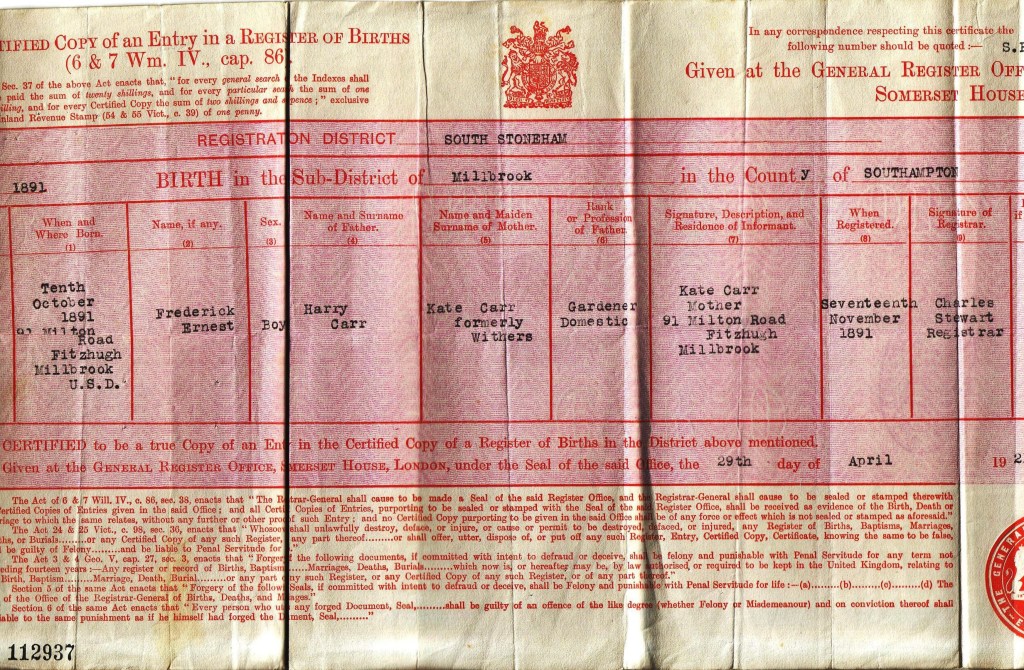

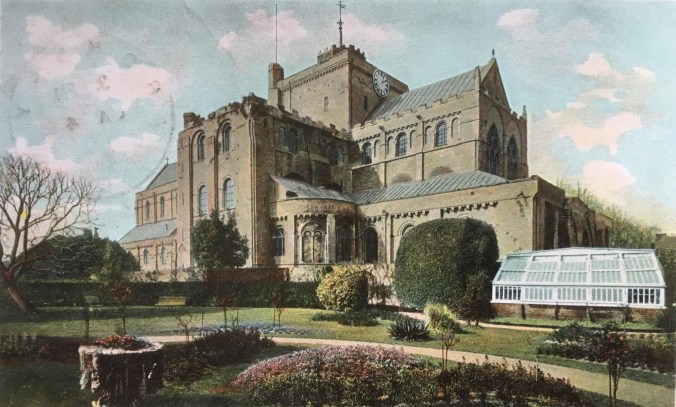
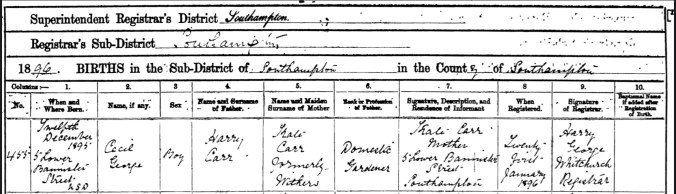
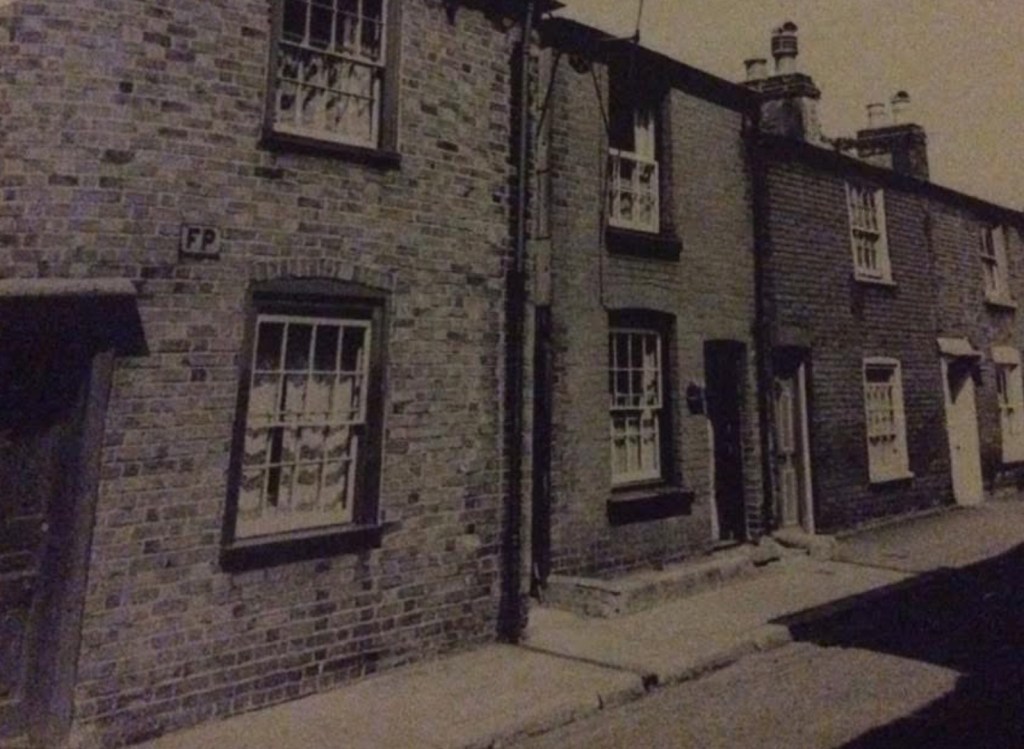
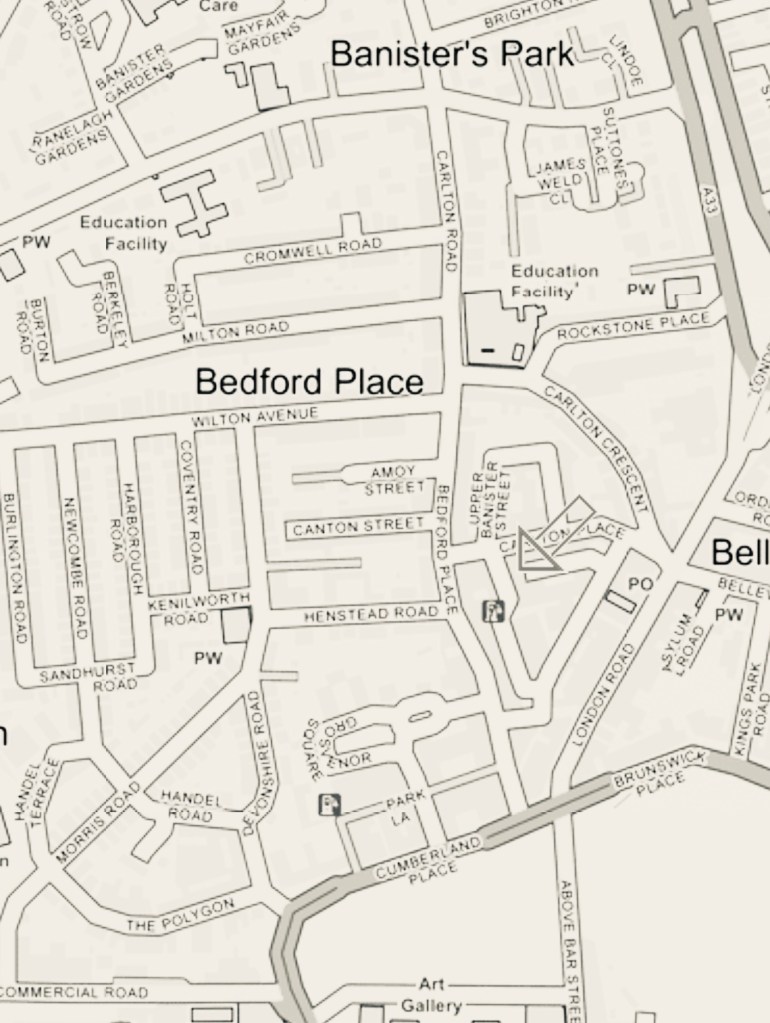
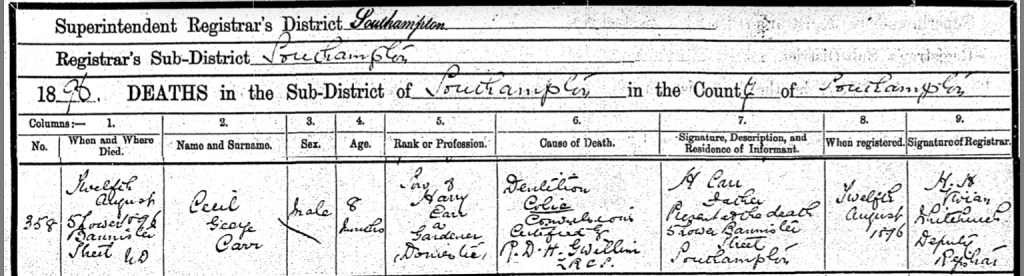



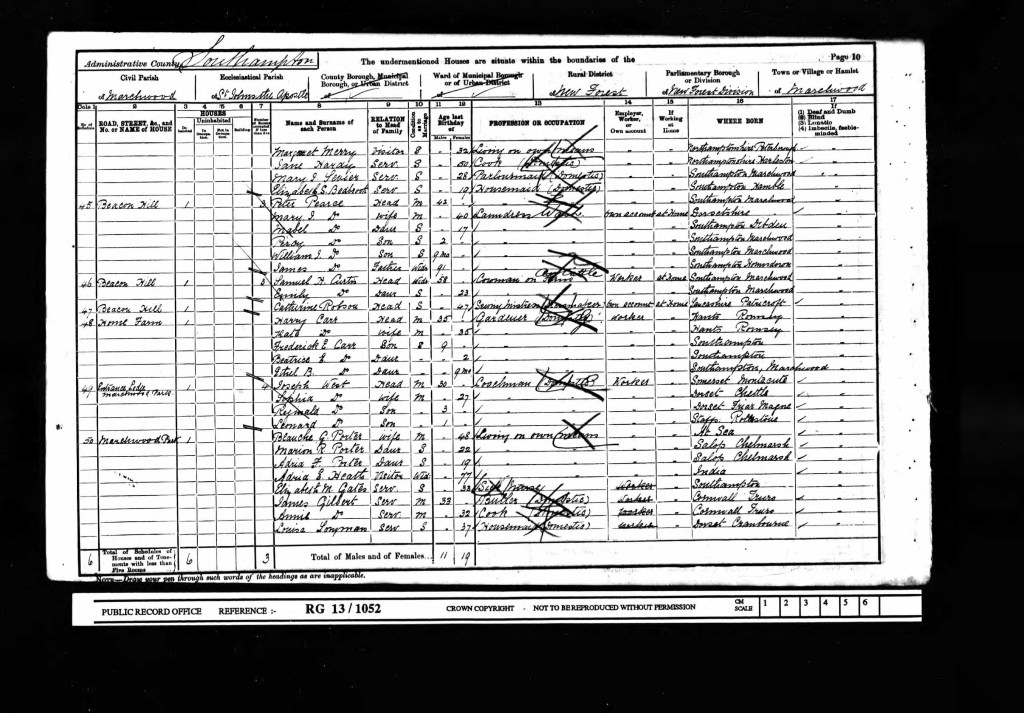



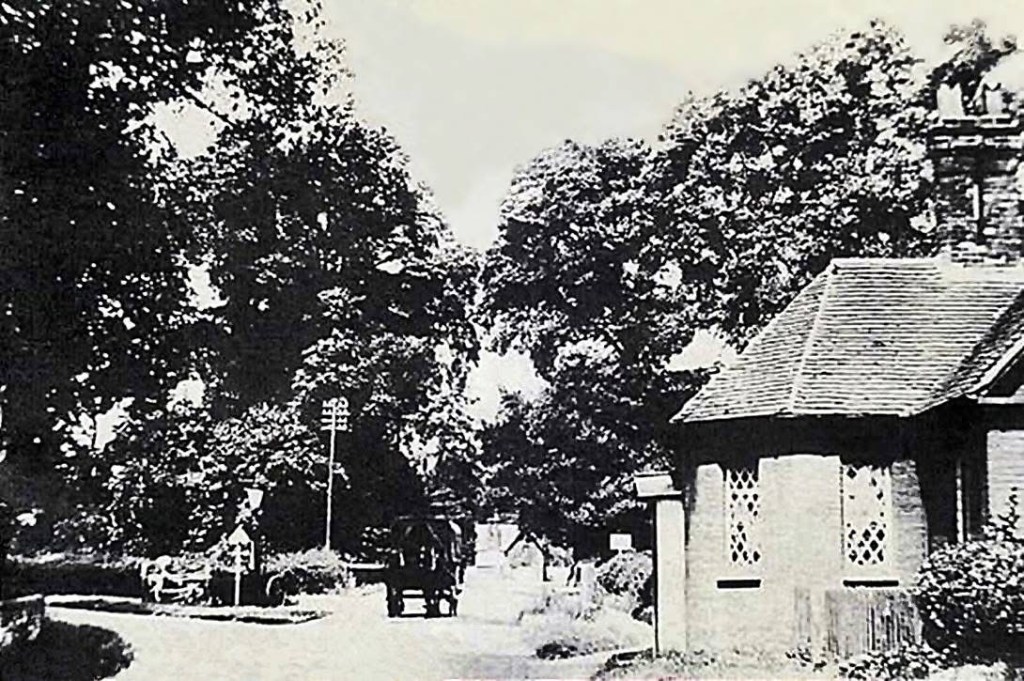
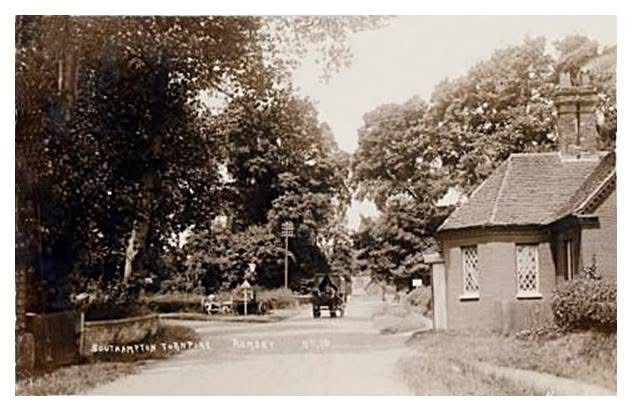




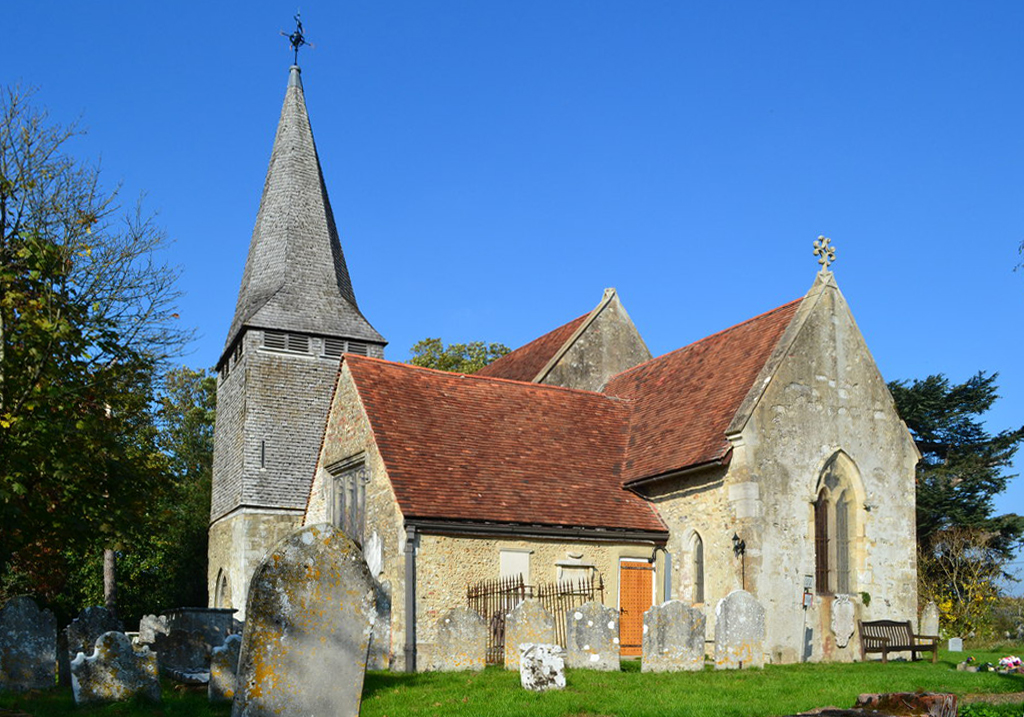
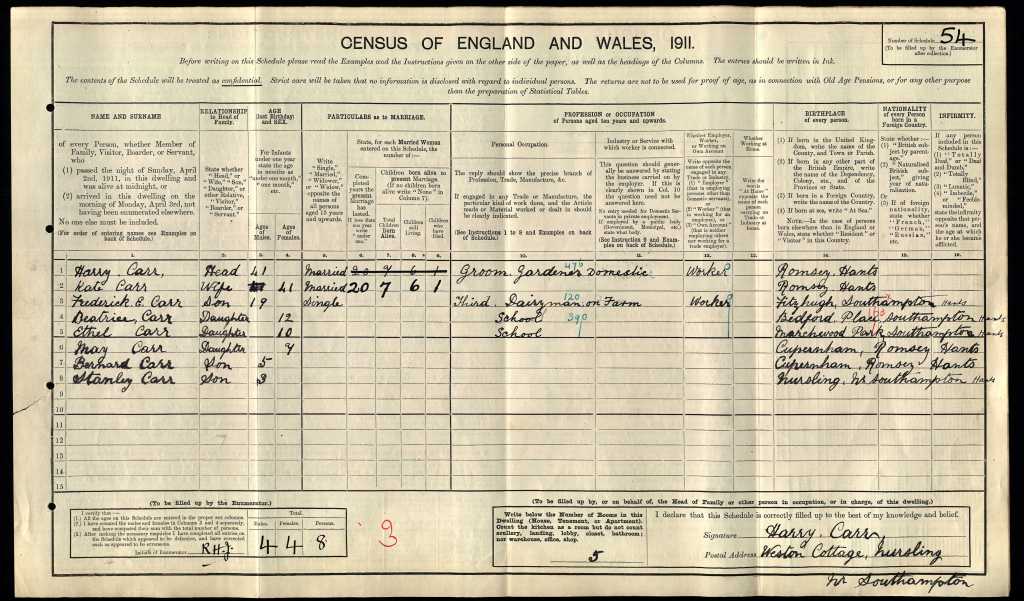

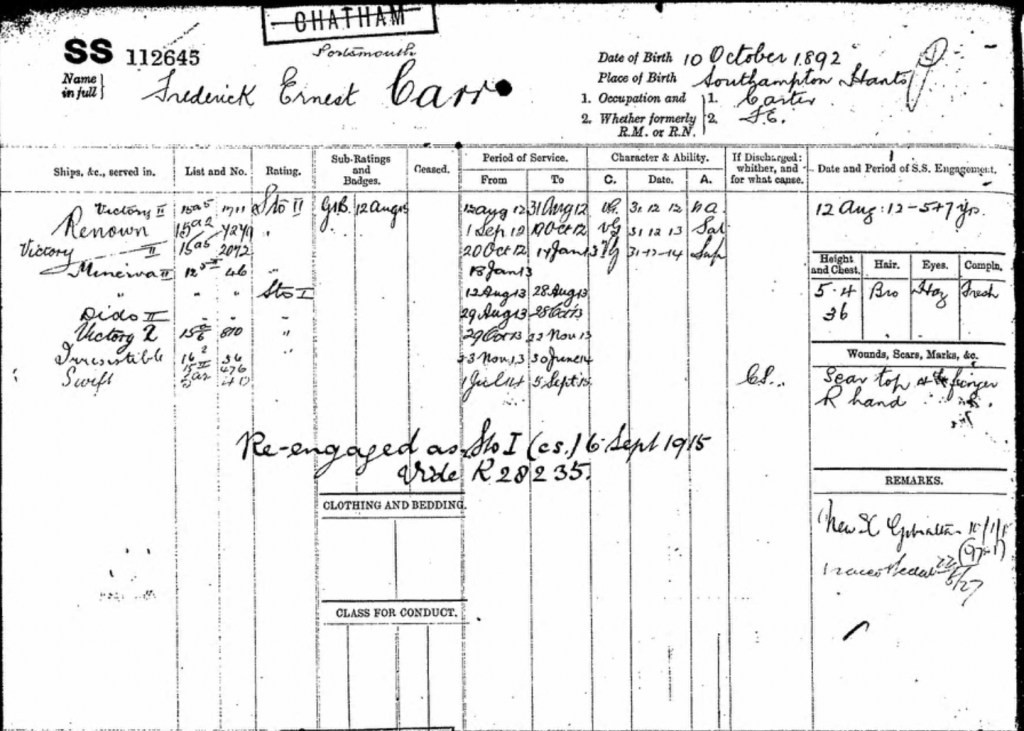
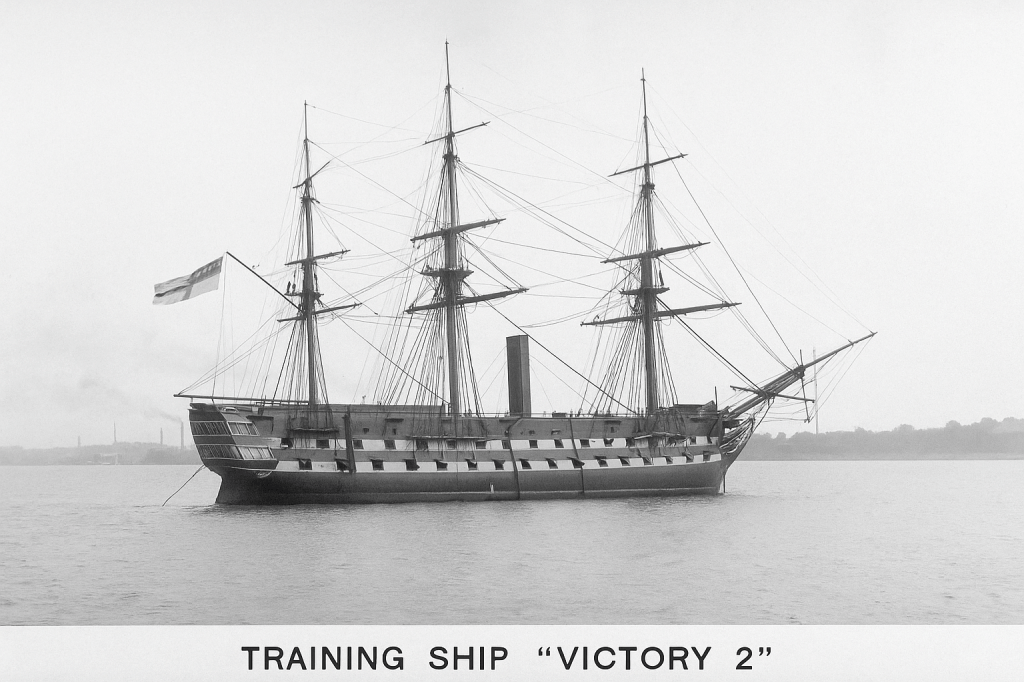
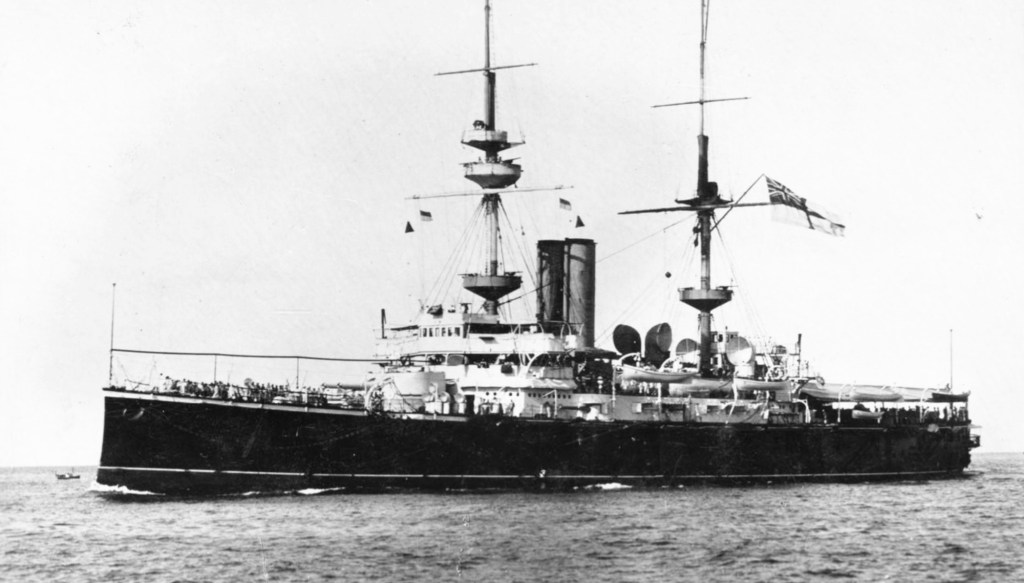

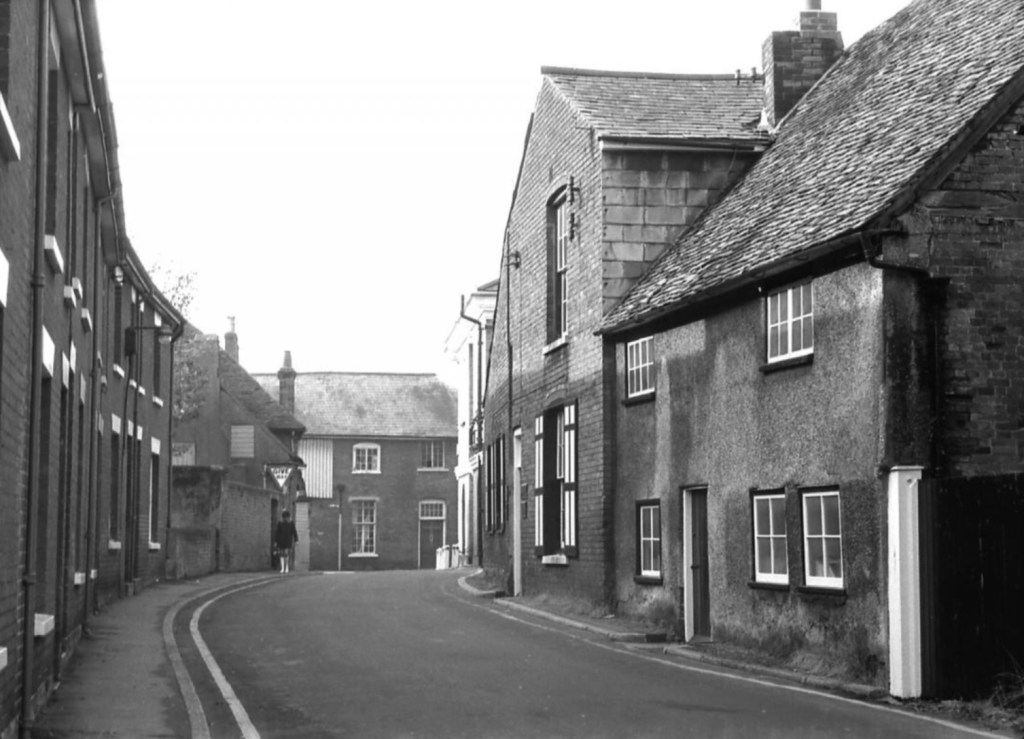
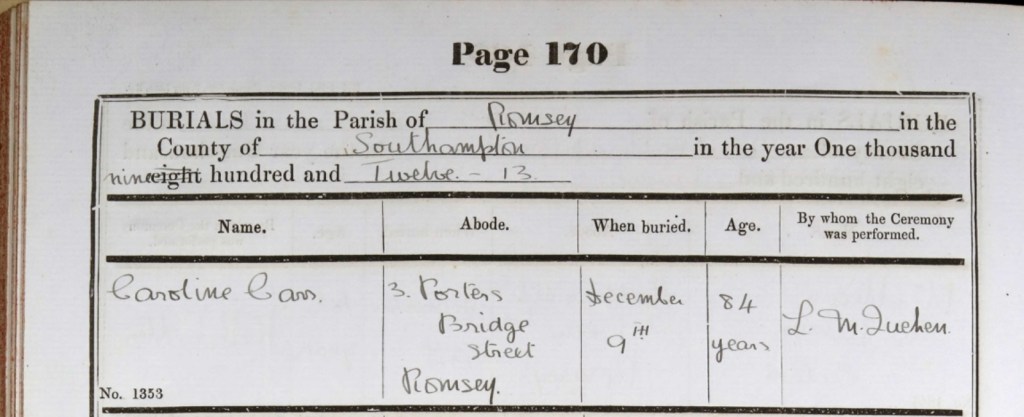
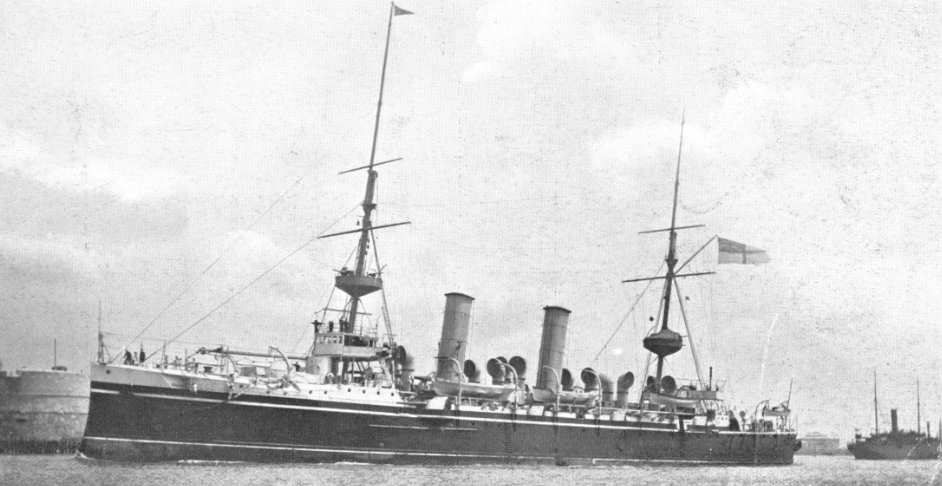
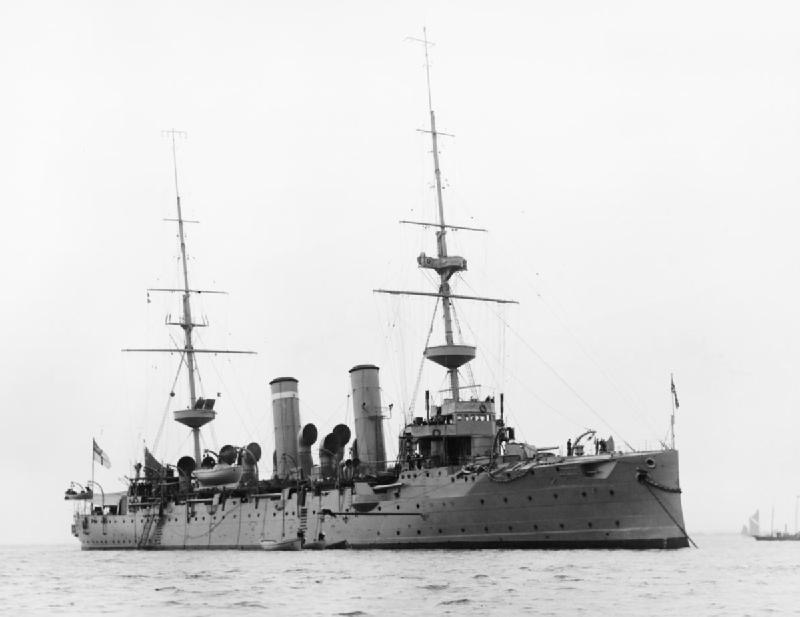

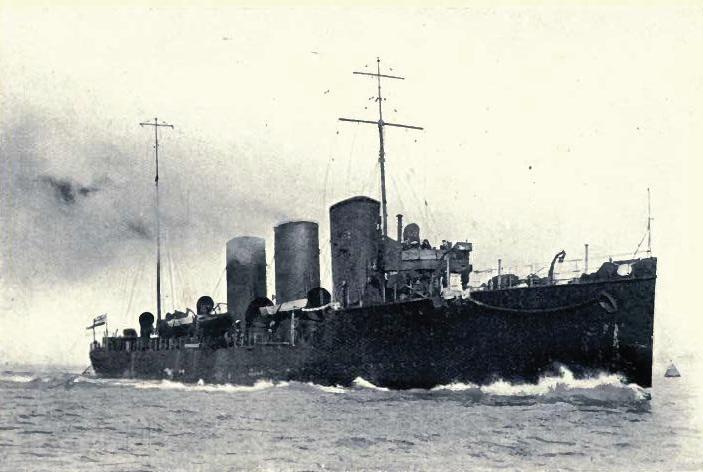
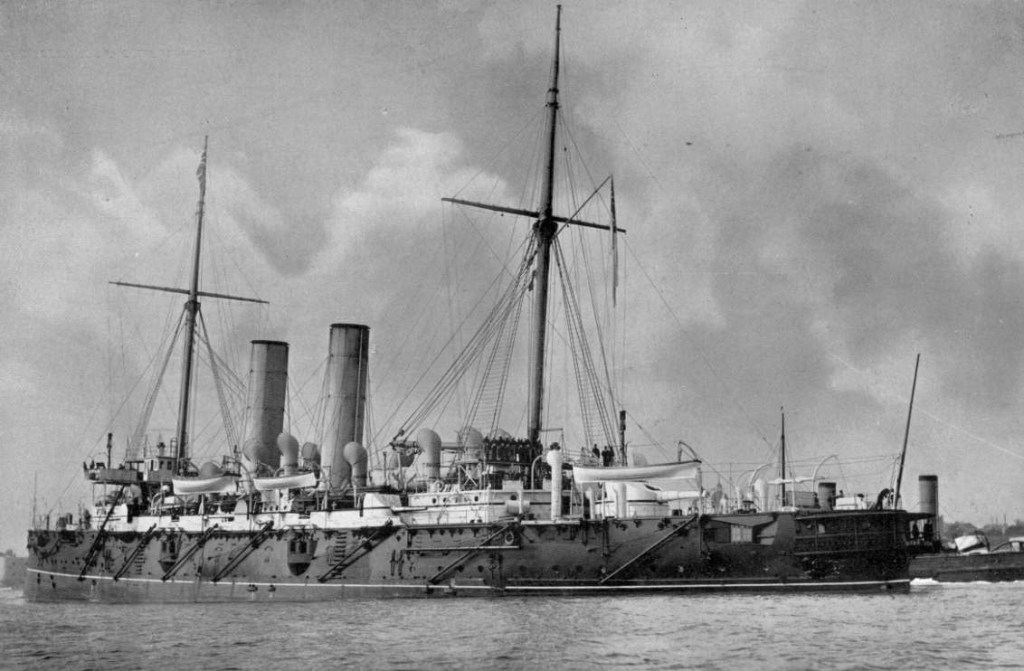
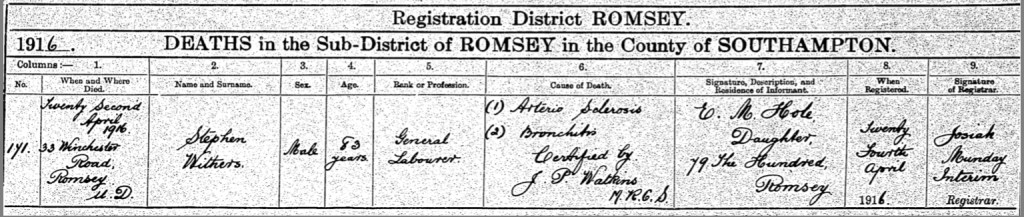

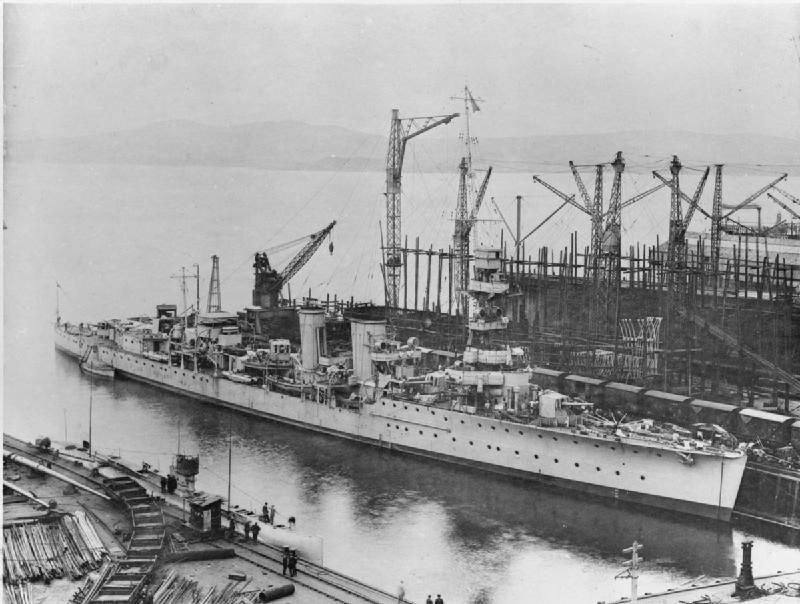
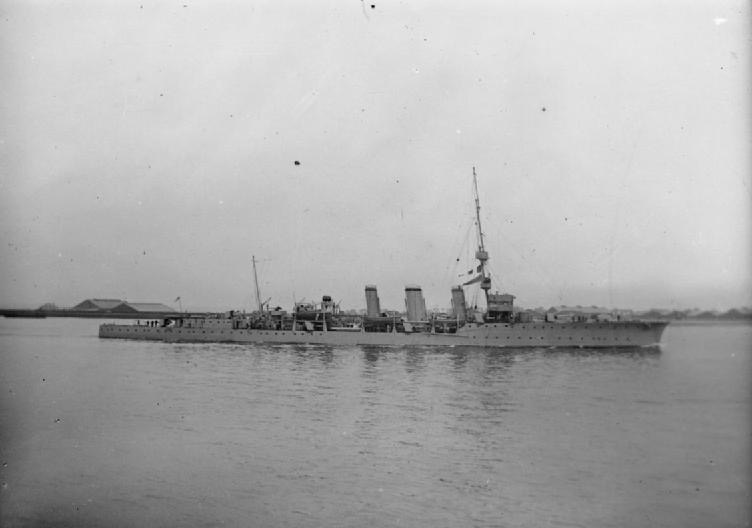
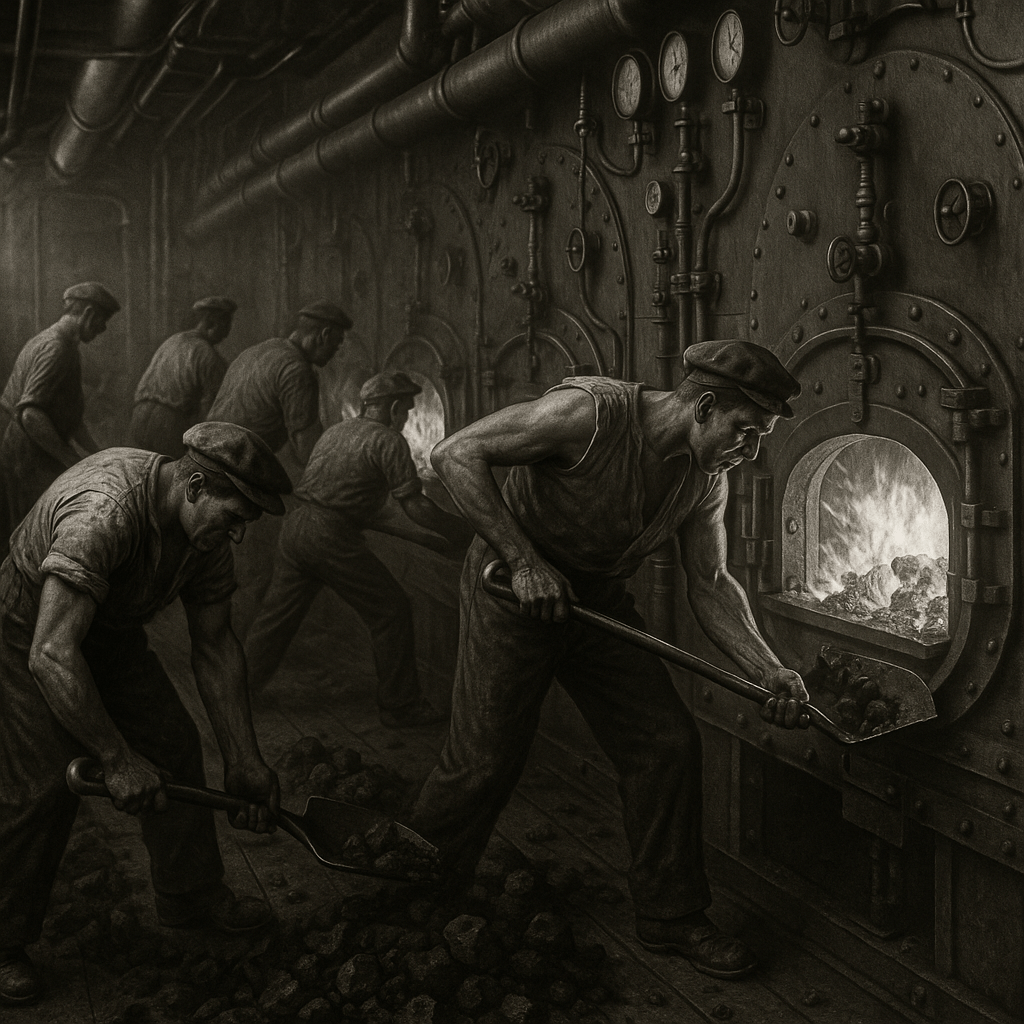
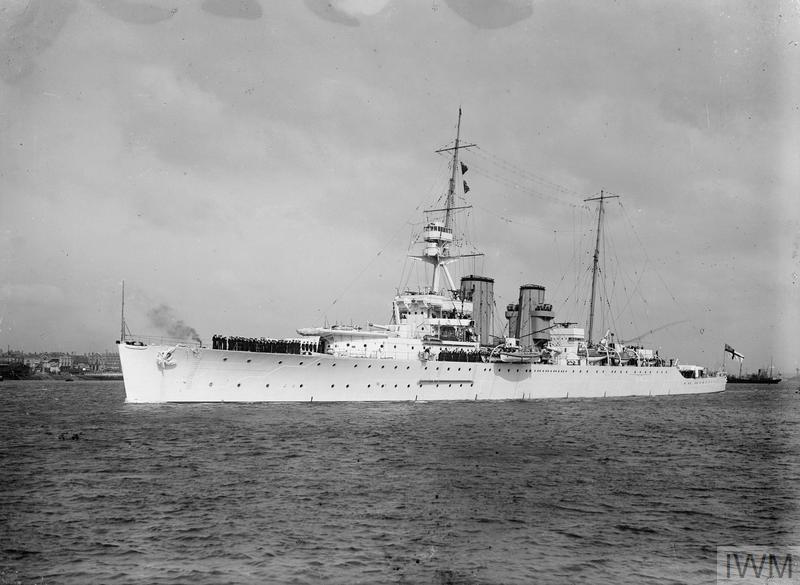
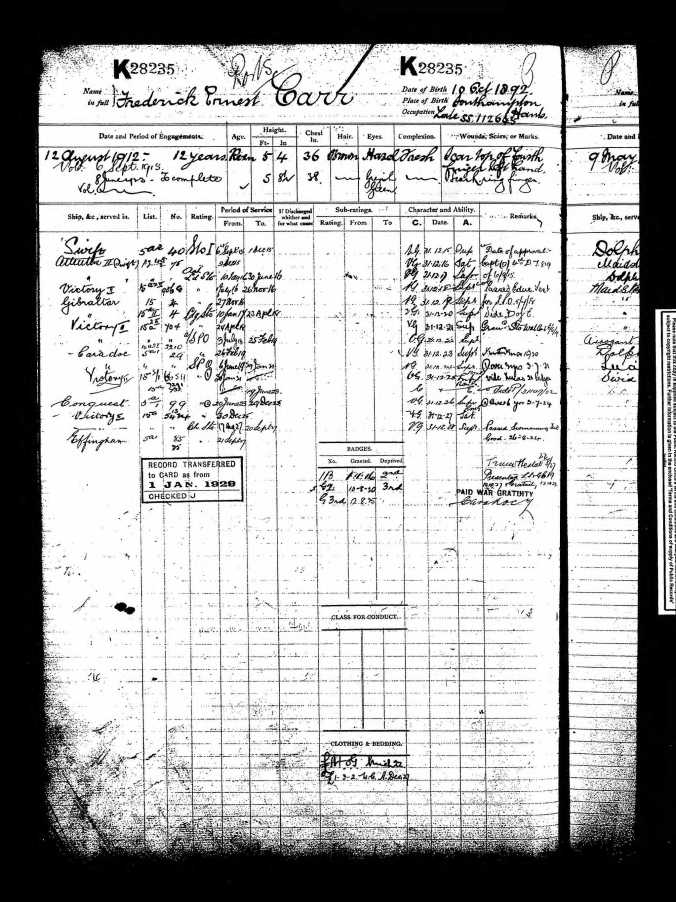
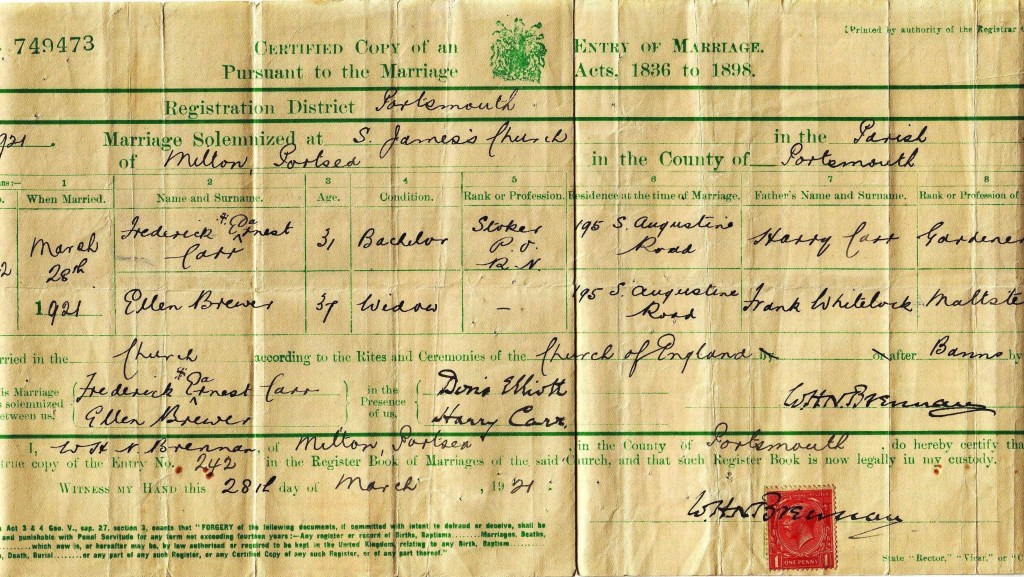
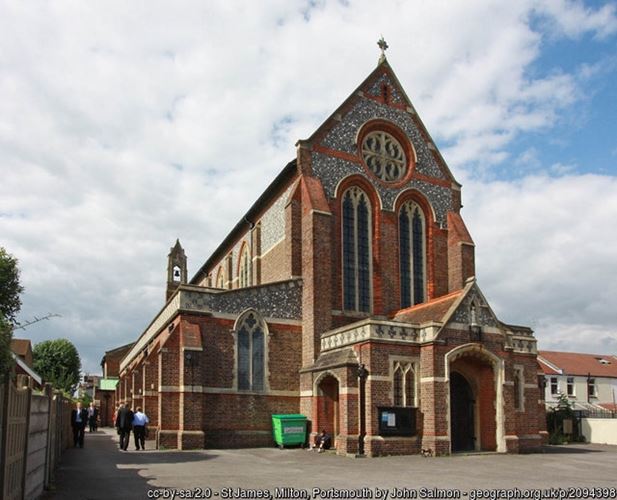
 Intwined