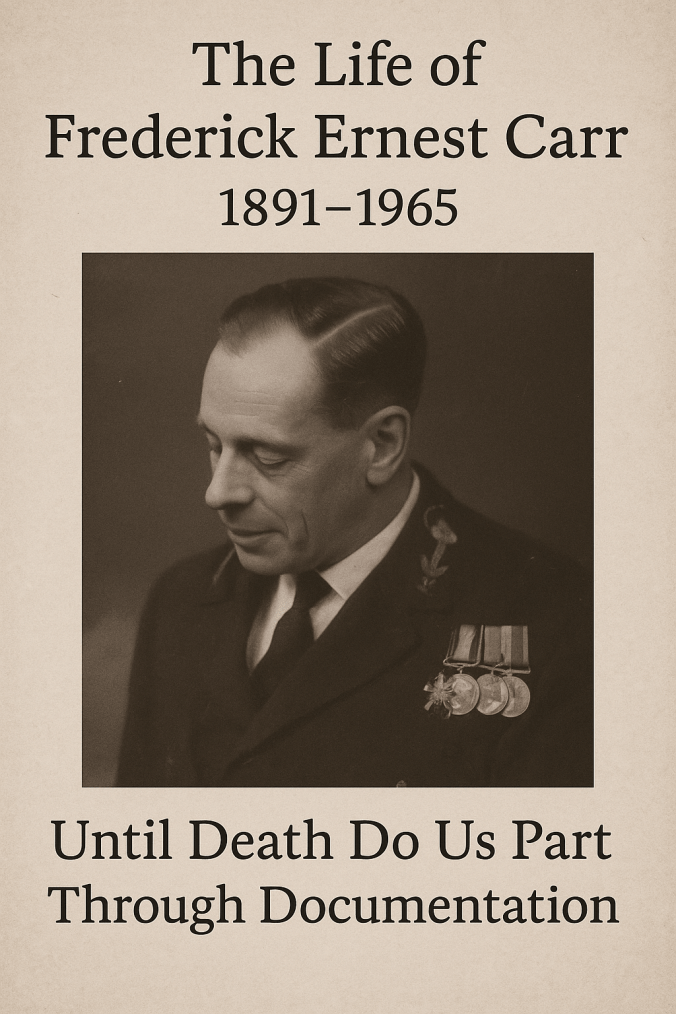
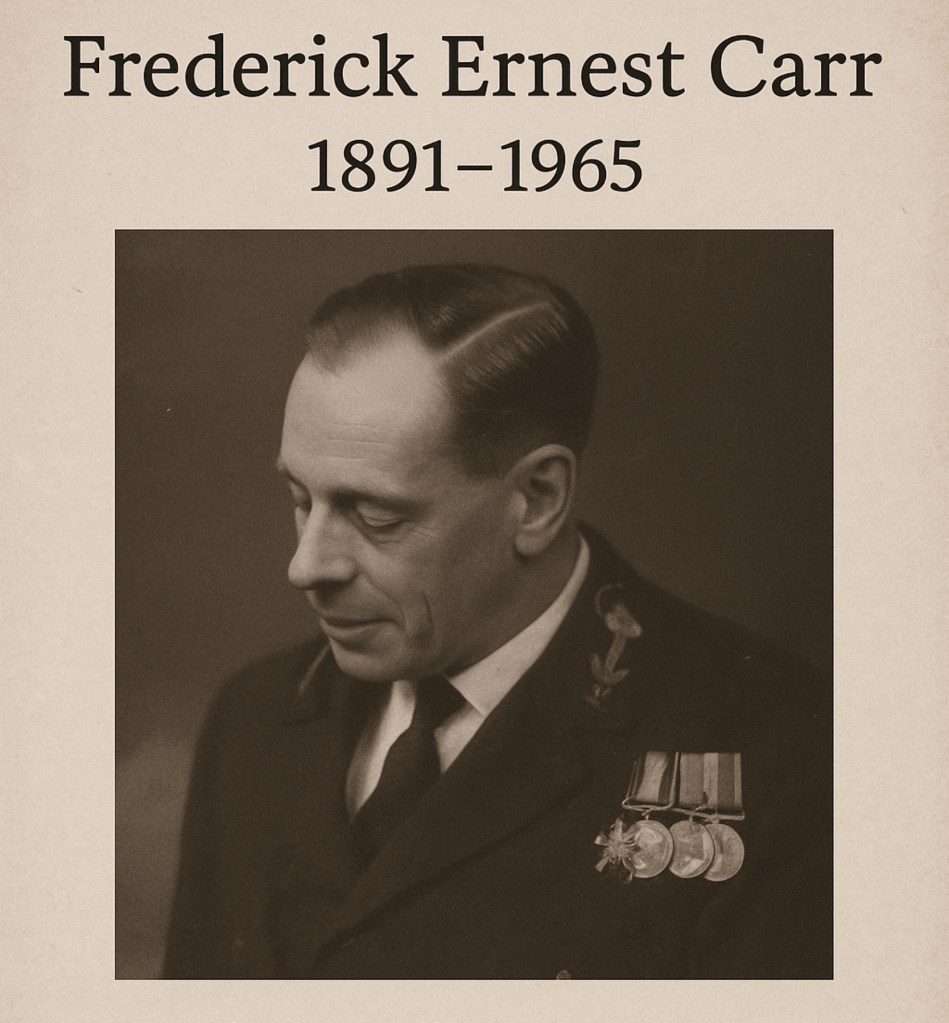
The Life of Frederick Ernest Carr 1891–1965: Until Death Do Us Part Through Documentation, begins a new chapter, a journey of discovery and heartache, as I attempt to piece together the life of my great-grandfather through the faded remnants of history. Growing up, I knew very little about Frederick, only that he was a man who had lived a full life, and yet, his story was a mystery to me. I never heard a single story about him. Not one word of his life, no anecdotes or memories passed down through the generations. As I began to delve into family history research, the puzzle pieces started to fall into place, each document uncovering another layer of his life. And with each discovery, I found myself both fascinated and deeply moved, as if each record brought me closer to understanding the man he was.
What I’ve learned so far has been truly heartwarming. To finally catch glimpses of my heritage, to see fragments of the man who shares my blood, has been an incredibly rewarding experience. Yet, it also brings a quiet sorrow. My beloved father, who passed before I could ask him about his family, is no longer here to answer the questions I have. There was so much I wish I had asked him, stories, memories, the little details of family life that now feel like they were forever lost. Heartbreakingly, he was taken before I had the chance to understand the importance of family history, before I could ask the questions that now echo in my mind.
As I move forward in telling Frederick’s story, I do so with the bittersweet knowledge that I cannot hear his voice, nor my father’s, to share what they knew. But through these documents, I hope to keep their memories alive, to honor the lives they lived, and to finally learn, through history, what I was never able to ask. This chapter is my way of connecting with the past that I never fully understood, an exploration of the life Frederick led, as a husband, a father, and a man who left behind a legacy I am only now beginning to uncover.
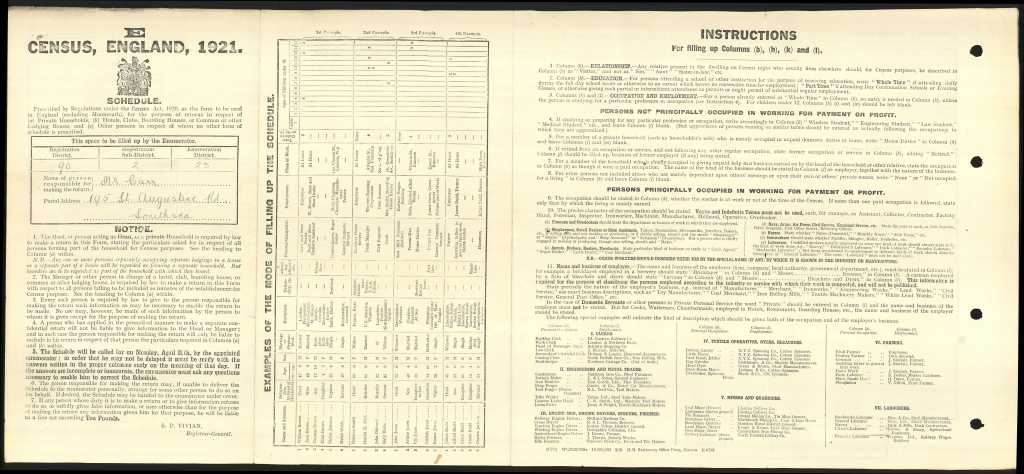
Welcome back to the year 1921, Southsea, Portsmouth, Hampshire, England. The Great War is over, but its shadow still lingers in the streets, in the hearts of families who lost loved ones, and in the cautious optimism that marks daily life. Southsea, with its broad esplanades, pebble beaches, and genteel charm, remains a place where naval prestige meets seaside tradition. The town hums quietly with the routines of naval officers, dockworkers, local traders, and holidaymakers who are slowly returning to the coast for leisure.
The monarch is King George V, who has reigned since 1910 and is still firmly in place as a constitutional monarch, respected for his wartime leadership and public devotion. His influence is symbolic but deeply felt, especially among military families in Portsmouth, the city that houses Britain’s greatest naval port. The Prime Minister is David Lloyd George, leading a coalition government dominated by his Liberal faction and the Conservatives. His postwar administration faces economic turmoil, labour unrest, and growing demands for Irish independence and social reform. Parliament is beginning to reflect the new voices of the modern British electorate, especially following the Representation of the People Act of 1918, which greatly expanded suffrage, including giving the vote to many women for the first time.
Society in 1921 is adjusting to peace but not yet at ease. The rich, especially those with inherited wealth or profitable wartime investments, remain comfortable. They live in large, well-kept houses with gardens, served by reduced but still present domestic staff. Their homes are lit by electricity or gas, they dress in fine, tailored clothes, and enjoy meals with multiple courses. They attend the theatre, travel by motorcar, and read the Times or Daily Telegraph, over breakfast. Many are conservative in outlook, wishing to preserve the old order even as it slips away.
The working class has seen both progress and pain. Many working men returned from war to find their jobs gone or their wages reduced. Trade unions are powerful and active, demanding better conditions and pay. In Portsmouth, dockworkers, sailors, and tradesmen form the backbone of the local economy, and strikes are not uncommon. Women, who had filled many roles during the war, are now being pushed back into domestic life or into lower-paid work, though some retain clerical or teaching positions. The poor remain precarious, often living in overcrowded housing with shared toilets, limited running water, and little job security. Charities and the church still play vital roles in their lives.
Fashion in 1921 is changing. For women, the old corseted forms are giving way to a looser, more boyish silhouette. Skirts have risen to mid-calf, hair is bobbed, and the beginnings of flapper fashion are appearing, though still tame compared to what the decade will bring. Men wear suits with narrow trousers, waistcoats, and trilby hats. Uniforms remain common in a city so closely tied to the military, and the presence of navy blues and brass buttons is part of the local identity.
Transportation in Southsea is a blend of old and new. Trams rattle through the streets, taking residents to shops, the Common, and the seafront. Motorcars are increasingly common among the middle classes, though still a luxury. Bicycles remain a popular and affordable means of transport, especially for workers. Rail connects Portsmouth to London and beyond, and steamships still glide in and out of the harbour, carrying passengers and goods across the Solent to the Isle of Wight and the continent.
Energy in 1921 is provided mainly by coal. It fuels the trains, powers the naval ships, heats homes, and runs factories. Electricity is becoming more available in towns like Southsea, especially in wealthier areas and public buildings, but many homes still rely on gas lamps or oil for light and coal fires for warmth. The air is often smoky, especially in the dockyard and working districts, and the streets can be grey with coal dust and fog in colder months.
Heating is centred around the hearth. Coal grates heat sitting rooms and kitchens, while bedrooms remain chilly. Hot water bottles and heavy blankets are used to keep warm at night. Lighting is improving, with electric lights in modern homes, but many still rely on gaslight or oil lamps. Sanitation is better than it was a generation earlier. Most homes have indoor plumbing and running water, though the poorest areas still make do with shared taps or outside privies. Public health campaigns have made hygiene a social value, and cleanliness is strongly associated with respectability.
Food in 1921 is modest but improving. The war had brought rationing and shortages, and while supplies have stabilised, the memory lingers. Bread, potatoes, and tea remain staples. Working families eat stews, pies, and preserved foods. The middle and upper classes enjoy roast dinners, puddings, and increasingly diverse ingredients, some imported from across the Empire. Tinned goods are more common, and sugar and butter are still valued. Seaside vendors sell fish and chips, ice cream, and tea to day-trippers.
Entertainment is undergoing a quiet revolution. Theatres are popular, especially for variety shows and light opera. The cinema is gaining ground, with silent films drawing large audiences. Radio broadcasting is still in its infancy but beginning to appear as a technological curiosity. Dance halls attract younger crowds, while brass bands, choral societies, and church socials offer more traditional forms of entertainment. Books are widely read, with authors like H.G. Wells, E.M. Forster, and Arnold Bennett commanding attention.
Diseases still pose serious threats. Tuberculosis remains common, especially among the poor, and outbreaks of influenza or measles can sweep through schools and crowded neighbourhoods. Vaccination campaigns are underway, and hospitals are better equipped, but medicine is still without antibiotics, and many conditions remain untreatable. Doctors make house calls, and chemists provide many remedies over the counter.
The environment of Southsea in 1921 is both pleasant and worn. The seafront, with its gardens and piers, is kept attractive for visitors. Inland, the older parts of the town are densely built, with rows of terraced housing and signs of industrial soot. Parks and commons offer open space, and children play in alleys and yards with skipping ropes and marbles.
Gossip moves quickly in a town like Southsea. News travels by voice, through the church, in the pub, and in the pages of the local paper. Topics range from local scandals to the latest royal appearances, the fashion of the Queen’s daughter, or rumours about new naval deployments. In a community so tied to the armed forces, tales of heroism, loss, or naval gossip are never far from conversation.
Schooling is compulsory up to the age of fourteen under the Education Act of 1918. Children attend elementary or grammar schools, depending on their abilities and family means. Discipline is strict, uniforms are common, and lessons focus on reading, writing, arithmetic, geography, scripture, and history. Secondary education is available to a growing number of pupils, and the path to university, though narrow, is becoming more accessible for some through scholarships.
In national and international affairs, 1921 is a year of negotiation and unease. The Irish War of Independence is nearing its end, leading to the Anglo-Irish Treaty signed in December, which will eventually establish the Irish Free State. Britain’s empire remains vast, but there is increasing resistance and unrest in India, the Middle East, and Africa. At home, economic depression is settling in, with unemployment rising and industry slowing. Strikes and industrial disputes mark the year, including a major coal strike in the spring.
Naval matters remain vital in Portsmouth and across Britain. The Royal Navy is transitioning from its wartime strength to a peacetime footing, and debates swirl over budget cuts, technological advances, and Britain’s naval supremacy. The Washington Naval Conference begins in November 1921, with major powers including Britain, the United States, and Japan meeting to discuss arms limitations. The conference marks a turning point in naval diplomacy, aiming to prevent a post-war arms race and reduce tensions among naval powers. In Portsmouth, sailors and dockworkers are keenly aware of these changes, as they may affect jobs, shipbuilding contracts, and the shape of Britain’s future fleet.
Southsea in 1921 stands at a crossroads. It remains proud of its military traditions, its seaside elegance, and its role in Britain’s story. Yet the postwar years have brought uncertainty, and the town, like the nation, is adjusting to a new world, less confident, more democratic, and full of slow but steady change.
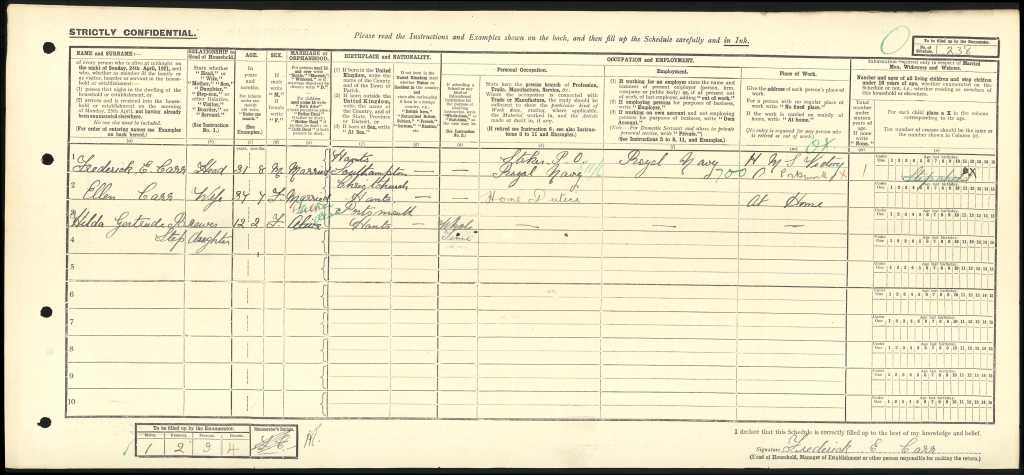
On Sunday, the 19th day of June, 1921, 31-year-old Frederick Ernest Carr, a married man and a Stoker in the Royal Navy, lived at Number 195, St. Augustine Road, Southsea, Portsmouth, Hampshire, England. He shared his home with his wife, Ellen Carr, aged 37, and his stepdaughter, Hilda Gertrude Brewer, who was 12 years old. Frederick’s work took him to H.M.S. Victory in Portsmouth, a prestigious naval base, where he continued his service in the Royal Navy, contributing to the efforts of the time.
The family of three resided in the bustling Highland ward of Portsmouth, a lively and vibrant part of the city, surrounded by the hum of daily life, trade, and the ebb and flow of the coastal life. As a Stoker, Frederick’s role was demanding, but he balanced this with the quieter, tender responsibilities of family life at home. The household, though small, was filled with the shared rhythm of naval duty and domestic care, in a city that itself seemed to pulse with energy and purpose. This was a time when Frederick was firmly planted in the heart of his family’s story, living with Ellen and Hilda in a home that provided both the shelter and support needed for the challenges of life in a coastal, military town.
St Augustine Road in Southsea, Portsmouth, Hampshire, is a residential street that reflects the broader historical development of Southsea during the late 19th and early 20th centuries. Southsea itself began as a fashionable Victorian seaside resort, evolving from marshland into a dense residential suburb and commercial area. The area saw significant growth during the Victorian era, with the construction of terraced housing to accommodate the expanding population associated with Portsmouth's naval and dockyard activities.
The housing on St Augustine Road predominantly consists of terraced houses, many of which date back to this period of expansion. These homes often feature characteristic architectural details of the time, such as bay windows and decorative brickwork. Over the years, some properties have been modernised or converted to accommodate multiple occupants, reflecting the area's appeal to both families and students.
The street benefits from its close proximity to several local amenities. Residents have easy access to shops, cafes, and restaurants, particularly along nearby Albert Road, known for its diverse range of independent businesses and vibrant nightlife. Additionally, the seafront and Southsea Common are within walking distance, offering recreational spaces and scenic views.
Working as a Stoker in the Royal Navy during Frederick's time would have been a physically demanding and essential role. As a Stoker, his primary responsibility would have been to maintain and fuel the engines of the coal-powered warships of the Royal Navy, an exhausting and unrelenting task. The job was far from glamorous, but it was crucial to the functioning of the ship, ensuring that the engines were always running smoothly and that the vessel was powered for both combat and travel.
Frederick, as a Stoker, would have worked in the ship’s engine room, a hot, noisy, and cramped space deep within the bowels of the ship. The engine room was often one of the least desirable places to work on a ship due to the heat and the physical exertion required. His day would have started early, often before dawn, and stretched well into the evening, with shifts that could be grueling and long. It was not uncommon for Stokers to work 12 to 14-hour days, sometimes even longer, depending on the needs of the ship and the ship's movements. These long hours meant that the Stokers worked in a constant state of exhaustion, surrounded by the roar of engines, the suffocating heat of the coal fires, and the smell of burning coal and oil.
To keep the engines running, Frederick would have had to shovel coal into the furnaces, a task that required strength and stamina. The engine rooms were incredibly hot, with temperatures reaching upwards of 120°F (49°C), and it would have been physically demanding to shovel coal into the furnaces for hours on end. The coal itself would have been heavy, and Frederick would have needed to be in good physical condition to handle the constant labor. It was not only about shoveling coal, but also about ensuring the furnaces were working efficiently, checking the pressure gauges, and making sure everything was operating smoothly.
The work was also dangerous. Stokers were exposed to the risk of burns from the hot surfaces of the furnaces, as well as the danger of accidents in the engine room. The intense heat meant that Stokers could easily suffer from heat exhaustion or heatstroke. The engine room was also filled with the potential for injuries from moving parts, the heavy coal, and the cramped, awkward spaces in which they had to work. Additionally, the pressure to keep the ship's engines running smoothly meant that there was little room for error. Any breakdowns or failures in the engine room could leave the ship stranded or unable to perform its duties, especially during times of conflict.
In terms of pay, a Stoker in the Royal Navy would have been on a relatively modest wage, especially when compared to the officers or other higher-ranking personnel. Stokers were typically paid less than other crew members, and the pay was often just enough to get by. The pay for a Stoker in the early 1900s would have been a few shillings per week, enough to cover basic living expenses but not enough to offer much beyond that. Despite the hard work, long hours, and often dangerous conditions, the pay reflected the demanding nature of the job, making it a role often filled by men with a strong sense of duty, perseverance, and resilience.
The role of a Stoker was essential during this time in the Royal Navy, especially with the naval fleet relying on steam power to operate their ships. A Stoker’s work ensured that the ship could travel at speed, maintain power during battle, and keep its engines running under challenging conditions. While the job was hard, dirty, and sometimes dangerous, it was vital to the Navy’s success. The dedication and hard work of men like Frederick, who spent long hours in the engine rooms, were a crucial part of the naval machinery that allowed the Royal Navy to operate effectively.
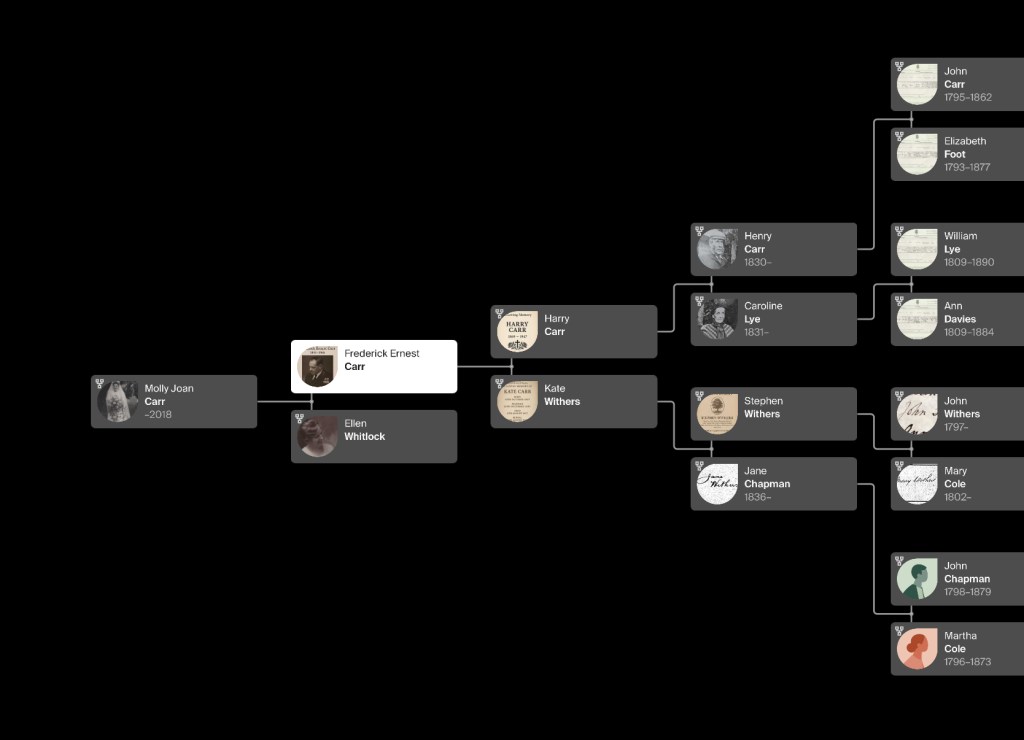
On Sunday, the 5th day of March, 1922, a new light shone in the lives of Frederick and Ellen Carr with the birth of their daughter, Molly Joan Carr. In the quiet comfort of their home at Number 195, St. Augustine Road, Southsea, Portsmouth, Hampshire, England, Molly entered the world, bringing with her the promise of new beginnings and the gentle joy of a growing family. She was to become my paternal grandmother, a woman whose presence would ripple through the generations, leaving a legacy of love and strength.
Her father, Frederick, filled with love for his little girl, took on the solemn yet joyful task of registering her birth on Tuesday, the 28th day of March, 1922. In the birth register, Registrar W. H. Beale penned the details of that precious day, marking that Molly Joan Carr, a girl, was born on the 5th of March, 1922, at their home on St. Augustine Road. The record also notes that Molly was the daughter of Frederick Ernest Carr, a Stoker Petty Officer with H.M.S. Victory, and Ellen Carr, née Brewer, formerly Whitlock.
Molly’s arrival was not just a birth, it was a blessing, a continuation of the family story that would weave itself through the tapestry of generations to come. For me, Molly represents a link to the past, a cherished part of my heritage that now feels so close as I unravel the stories of her parents and the love that created our family. Through her, I touch the echoes of those who came before me, and the legacy of love and resilience she helped to build.
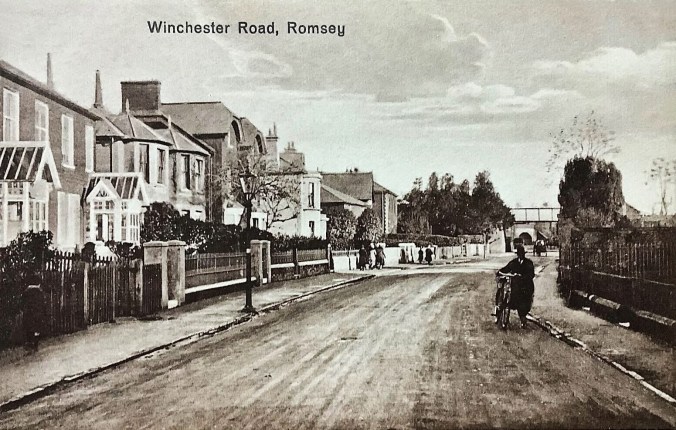
Frederick's maternal grandmother, Jane Withers, nee Chapman, drew her final breath on Thursday, the 15th day of November, 1923, at the age of 84, in the comfort of her home at Number 33, Winchester Road, Romsey, Hampshire. It was a moment that closed a chapter of life, and yet, her memory would live on through her family, those who had loved her and carried her spirit.
Her daughter, Edith Hole, nee Withers, who had been by her side in those last moments, took on the heartbreaking task of registering her mother's death that very same day. It was a sorrowful duty, one that would forever bind Edith to the memory of her mother’s passing. Deputy Registrar M. K. Monday recorded the details in the death register, noting that Jane, the widow of Stephen Withers, a general labourer, had passed away from Sencetus. Her death was certified by G. H. Johnson, M.R.C.S., a sign of the medical care Jane had received in her final days.
Jane’s passing marked the end of an era for her family, but her legacy remained, a matriarch who had shaped the lives of those around her. Though she was gone, the love and strength she had given to her children would continue to flow through the generations, carrying with them the memory of Jane and the life she had lived.
Winchester Road in Romsey, Hampshire, is a historic thoroughfare that has played a significant role in the town's development. In 1851, it was already an established route, connecting Romsey to Winchester and facilitating trade and travel. The road was part of a network of turnpike roads constructed in the mid-eighteenth century, which included Winchester Road to the east and Greatbridge Road to the north. These roads were crucial for transportation, especially before the advent of the railway system.
One notable establishment along Winchester Road was the Romsey Union Workhouse, located on the north side of the road to the northeast of the town. Built in 1774, it served as a place of last resort for the poor and destitute. A parliamentary report from 1777 recorded parish workhouses in operation at Romsey Extra for up to 150 inmates, and at Romsey Infra for up to 60.  The workhouse on Winchester Road was enlarged in 1836 to accommodate more inmates. It was a relatively small U-shaped building, with males accommodated on the west side and females on the east. The site included a large garden and a detached ward for infectious cases.
In the late 19th and early 20th centuries, the area around Winchester Road began to develop more rapidly. The construction of the railway line between Salisbury and Bishopstoke (Eastleigh) in 1846 had already begun to influence the town's expansion. By the 1860s, a second railway line to Southampton was built, and the canal was closed, leading to further changes in the town's infrastructure.
Today, Winchester Road remains an important part of Romsey's landscape. It is home to a mix of residential properties, including terraced houses and flats, with average house prices in the area reflecting its desirability.  The road's rich history is evident in the architecture and layout, serving as a testament to Romsey's development over the centuries.
Frederick’s grandmother, Jane Withers, nee Chapman, was laid to rest on Monday, the 19th of November, 1923, on what would have been her 87th birthday, in Romsey Cemetery, Botley Road, Romsey, Hampshire, England. She was interred in plot number L31-84, beside her beloved husband, Stephen Withers, marking the end of their shared journey through life.
Her remains were conveyed to the cemetery in a glass hearse, a poignant symbol of the solemnity of the occasion. Behind the hearse followed a single coach carrying the mourners, her sons, Tom, Howard, and Fred Withers, her daughters, Kate and Edith, and Emma, her daughter-in-law. The scene was one of quiet reverence, the final act of farewell for a woman who had shaped the lives of those around her with love and care.
The service was conducted by the Reverend A. J. Robertson, M.A., who led the ceremony in honor of Jane's life. Her coffin, made of plain elm with brass fittings, was simple yet dignified, a fitting tribute to the quiet strength she had shown throughout her years. The breastplate of the coffin was inscribed with the words:
*Jane Withers, Died November 18, 1923, Aged 86 years.*
As Jane was laid to rest, it marked not only the end of her life but the beginning of a cherished memory for those who had loved her. Though she had passed from this world, her legacy lived on in the hearts of her family, who carried forward the lessons of love, resilience, and family that she had imparted throughout her long life.
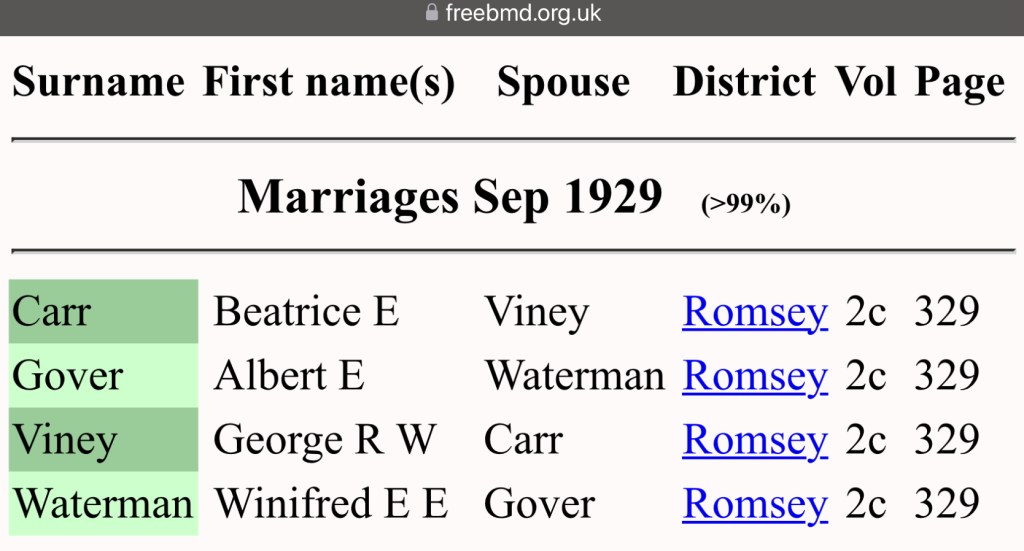
Frederick’s sister, Beatrice Eugenie Carr, at the age of 29, married George Robert William Viney in the district of Romsey, Hampshire, England, in the September quarter of 1929. While I would love to share every detail of her union, the rising costs of research, subscriptions, and certificates have made it impossible for me to purchase the marriage certificates to accompany Frederick’s story. This decision weighs heavily on me, as I so desperately wish I could provide the full, rich tapestry of his siblings’ and children’s lives for you. Unfortunately, my resources are limited, and while this saddens me, I hope you understand the constraints I face.
If you wish to obtain a copy of Beatrice and George’s marriage certificate, I am more than happy to provide you with the necessary details. You can find the record under the following GRO reference:

**GRO Ref - Marriages Sep 1929, Carr, Beatrice E, Viney, George R W, Romsey, Volume 2c, Page 329**

I truly appreciate your understanding, and I apologise from the depths of my heart for not being able to provide the full story as I would have liked. The pieces I can offer, though limited, come from a place of love and deep respect for the family’s history.
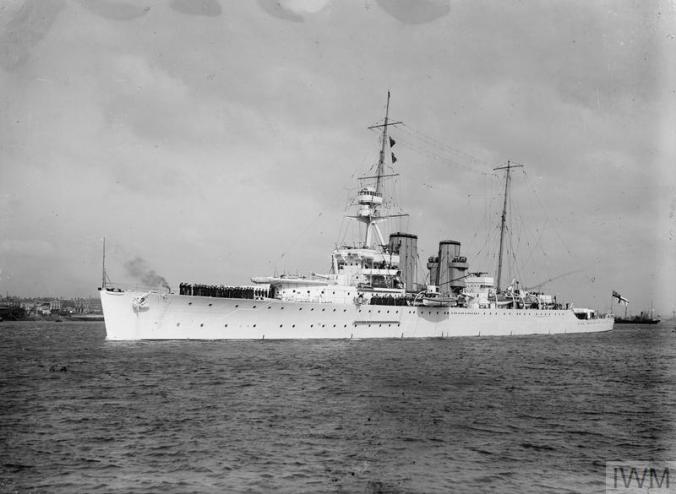
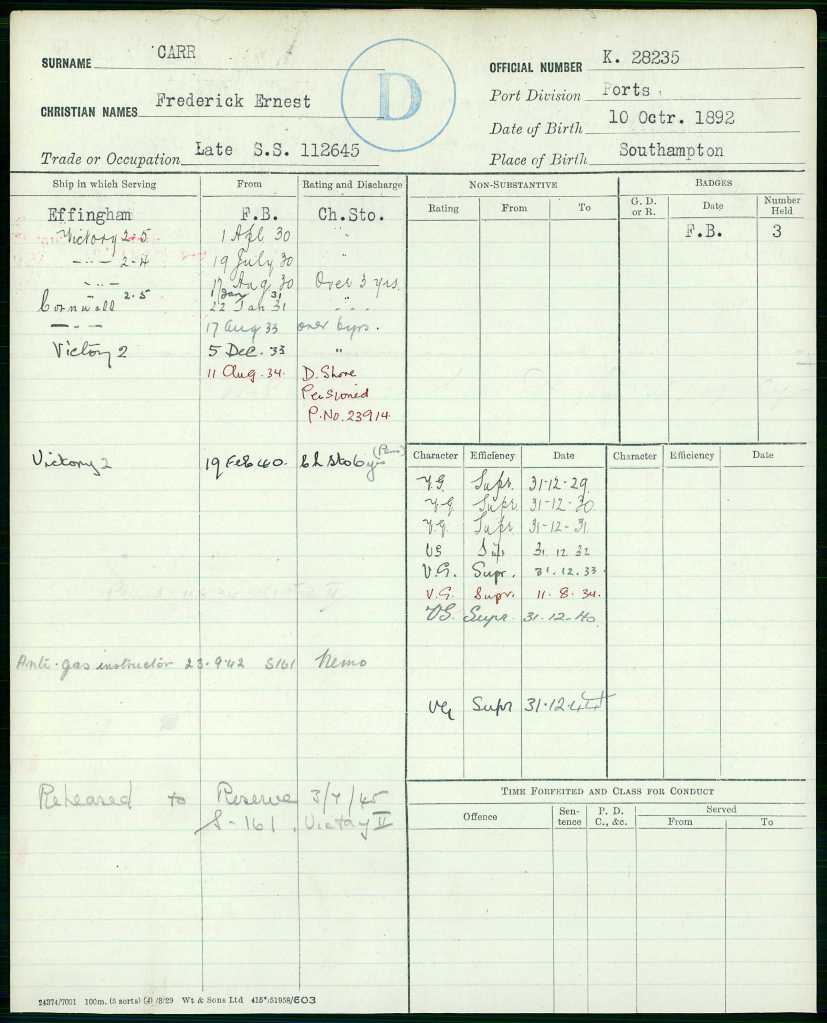
Frederick Ernest Carr’s naval career, spanning both the interwar period and the tumult of the Second World War, is a testament to his unwavering dedication, adaptability, and skill in serving his country. After a period away from active service, Frederick re-entered the Royal Navy on Tuesday the 1st day of April 1930, during a time of shifting global tensions and technological advancements in naval warfare. Assigned to HMS Effingham, he was officially rated as Chief Stoker, a role that reflected the depth of his experience and the respect he had earned within the service. His time aboard HMS Effingham extended into mid-1931, with records indicating that he spent over three years on this vessel. During this time, he would have overseen the crucial tasks of maintaining the ship’s engines and ensuring the smooth running of its coal-powered machinery, responsibilities that would have evolved with the growing demands of naval technology.
On the ship, Frederick would have worked in the heart of the engine room, an environment that was both physically demanding and vital to the operation of the vessel. He would have been responsible for ensuring the coal-fired engines were functioning properly, managing the fuel supplies, and maintaining the efficiency of the ship’s propulsion systems. The role of a Chief Stoker involved overseeing a team of stokers, ensuring they worked cohesively under the intense heat and pressure of the engine room. The work was grueling, with long hours and little respite, but it was essential to the success of any naval mission.
Throughout his time on HMS Effingham, Frederick’s leadership would have been key to keeping the ship operational, especially during the long voyages and in the preparation for the inevitable conflicts that were brewing on the horizon. His experience as a Stoker, both as a petty officer and later as a Chief Stoker, would have made him a seasoned member of the crew, someone the officers and his fellow sailors could depend on to maintain the ship’s readiness. This time aboard the Effingham helped prepare Frederick for the challenging years to come, as the world edged closer to war, and his expertise in handling the complexities of naval machinery would continue to be vital.
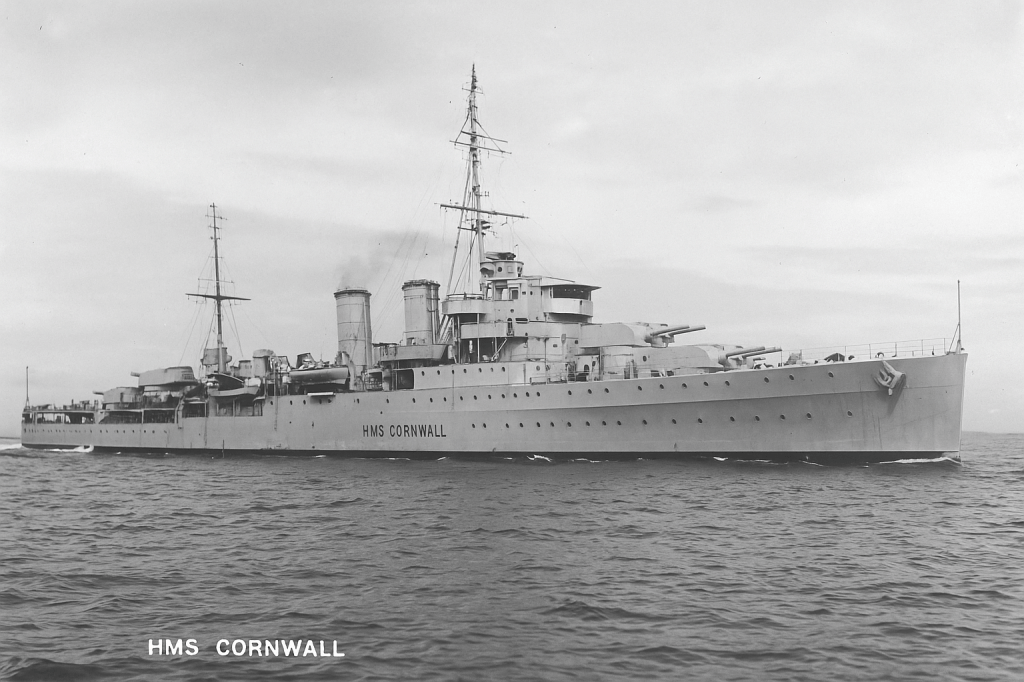
Frederick’s military journey then took him to HMS Cornwall, where he was posted on the 27th of January, 1931. This ship, a light cruiser in the Royal Navy, provided Frederick with the opportunity to further hone his skills and solidify his reputation as a dependable and hardworking member of the crew. Over the course of more than three years aboard HMS Cornwall, Frederick demonstrated steady commitment and resilience, adapting to the demands of his role and the changing dynamics of naval service. This period marked a time of growth and development, where Frederick continued to prove himself as a reliable Stoker, ensuring the ship’s engines ran smoothly, and supporting the overall operational readiness of the vessel.
During this time, Frederick’s character and professionalism would have been invaluable as he navigated the challenges of shipboard life, often working in the demanding, high-pressure environment of the engine room. His dedication to his duties helped to ensure the ship’s continued performance, solidifying his reputation not only as a skilled seaman but as a man of reliability and resolve, qualities that would carry him through the remainder of his naval career.
HMS Cornwall was a County-class heavy cruiser of the Royal Navy, part of the Kent subclass, which was built during the interwar period as a result of the limitations imposed by the Washington Naval Treaty of 1922. The treaty restricted the size and armament of warships, and the County-class cruisers were among the first to be designed within those constraints. HMS Cornwall was laid down in 1924 at Devonport Dockyard, launched on 11 March 1926, and commissioned into service on 8 May 1928.
The ship was named after the county of Cornwall in southwest England and was one of thirteen County-class cruisers constructed to strengthen Britain's cruiser force. As built, HMS Cornwall displaced around ten thousand tons and measured over six hundred feet in length. Her main armament consisted of eight eight-inch guns mounted in four twin turrets. She was designed to operate independently on long-range patrols, with an emphasis on protecting British trade routes and showing the flag throughout the empire.
In her early years, HMS Cornwall was assigned to the Royal Navy's East Indies Station, a critical area of operation covering a vast region from the eastern coast of Africa to the Indian subcontinent and beyond. Her responsibilities included protecting maritime commerce, projecting British power, and supporting colonial interests across the region. This role suited the County-class cruisers well, as they were built for endurance and capable of extended deployment without regular resupply.
Frederick Ernest Carr served aboard HMS Cornwall from 22 January 1931 to 17 August 1933. His service aboard this cruiser spanned over three years, a period which would have involved long postings at sea, port visits in colonial territories, and the constant rhythm of life aboard a major warship of the Royal Navy. These years were marked by peacetime operations, but the presence of the Royal Navy in far-flung regions was essential for maintaining stability and readiness in an uncertain global climate.
During Frederick’s time aboard, HMS Cornwall would have participated in a range of naval exercises, inspections, and diplomacy-related missions, particularly in the Indian Ocean and along British trade routes. She served not only as a deterrent but also as a floating ambassador of British sea power. Conditions aboard would have been both disciplined and demanding, with a crew numbering several hundred and strict routines dictating daily life.
After Frederick's time on board, HMS Cornwall continued her service with distinction. When the Second World War began, she was once again called into front-line duties. In 1942, during the Japanese expansion in the Indian Ocean, HMS Cornwall and her sister ship HMS Dorsetshire were attacked and sunk by Japanese carrier aircraft south of Ceylon during the Indian Ocean Raid on 5 April 1942.
Although this loss came after Frederick’s time on board, the ship’s legacy and his service aboard her remain part of a significant chapter in the history of the Royal Navy. Serving on HMS Cornwall would have offered Frederick exposure to wide-ranging duties, new territories, and a deeper involvement in the strategic mission of Britain’s global naval presence during the interwar years.
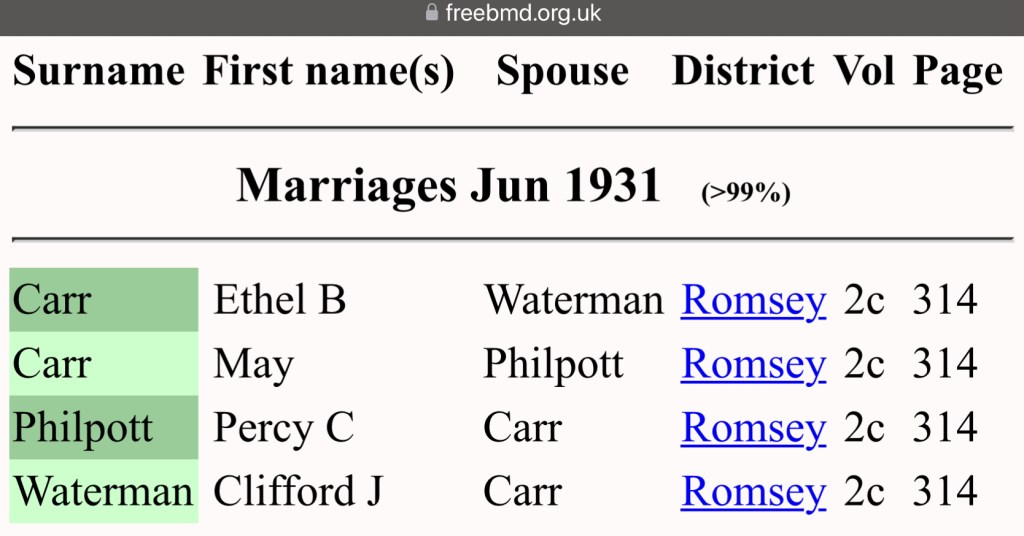
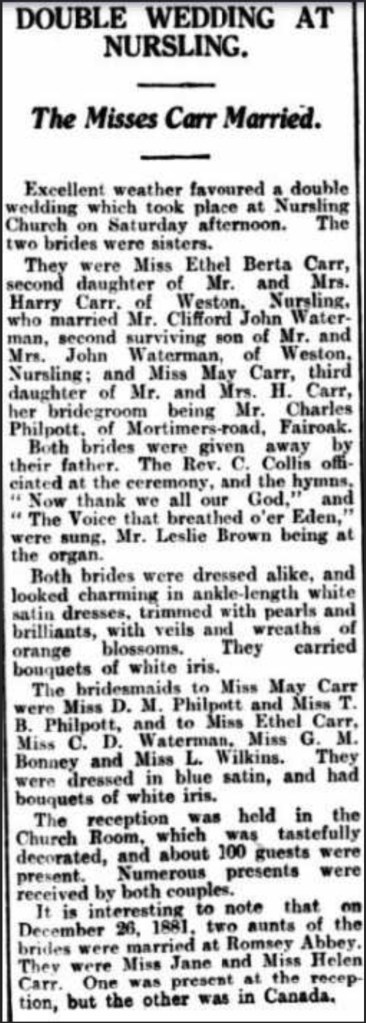
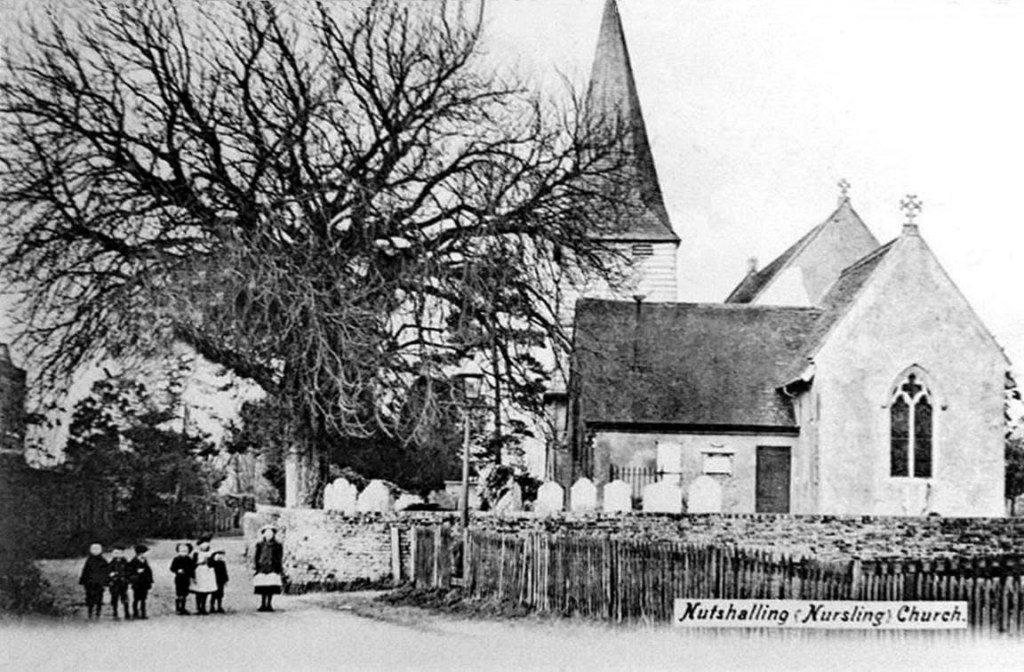
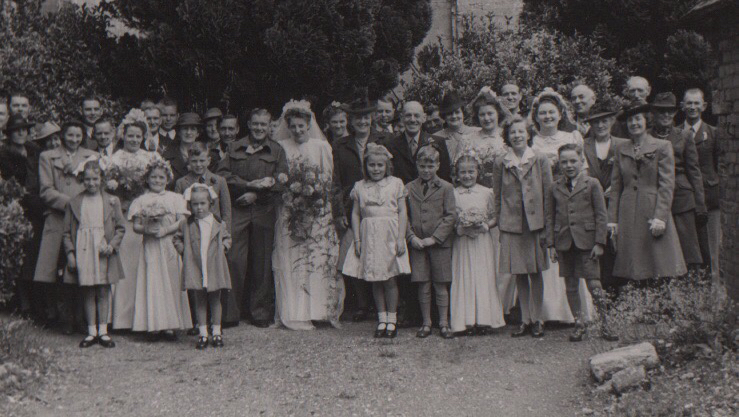
On Saturday, the 6th day of June, 1931, Frederick's sister's, Ethel and May, shared a beautiful and memorable day in a double wedding ceremony at their local parish church, St. Boniface Church, Nursling, Hampshire, England. The day was filled with joy, love, and a deep sense of family as both Ethel Berta Carr, the second daughter of Kate and Harry, and May, the third daughter of Kate and Harry, took their vows. Ethel married Clifford John Waterman, the second surviving son of Mr. and Mrs. John Waterman of Weston, Nursling, while May married Charles Philpott, of Mortimers Road, Fairoak. Both brides were given away by their father, Harry, as he proudly escorted them down the aisle. The ceremony was officiated by Rev. C. Collis, who guided them through the sacred vows that would mark the beginning of their new lives. The brides were dressed in matching, ankle-length white satin gowns, delicately trimmed with pearls and brilliants, each adorned with a veil and a wreath of orange blossoms. Their elegance and grace were matched only by the beauty of the bouquets they carried, lovely white irises, symbolizing purity and hope. The love and connection between the sisters were evident as they walked down the aisle together on this special day. Ethel’s bridesmaids were Miss C. D. Waterman, Miss G. M. Bonney, and Miss L. Wilkins, while May’s bridesmaids were Miss D. M. Philpott and Miss T. B. Philpott. The bridesmaids wore beautiful blue satin dresses and, like the brides, carried bouquets of white irises, completing the serene and enchanting look of the bridal party. After the ceremony, the reception was held in the Church Room, which was elegantly decorated to reflect the joyous occasion. Around 100 guests gathered to celebrate the newlyweds, enjoying an afternoon filled with laughter, love, and happiness as the two sisters and their husbands began their new journeys together. For those interested in obtaining copies of their marriage certificates, they can be found under the following GRO references:
**GRO Ref - Marriages June 1931, Carr, May, Philpott, Percy C, Romsey, Volume 2c, Page 314.**
This double wedding not only marked a beautiful chapter in the lives of Ethel and May but also brought joy and unity to the entire Carr family. The love shared on that summer day is now a cherished memory, woven into the fabric of their family's history.
On Saturday the 13th day of June, 1931, the Hampshire Advertiser published an article about the joyous double wedding of Frederick’s daughters, Ethel and May. The article reads as follows:

DOUBLE WEDDING AT NURSLING.
The Misses Carr Married.
Excellent weather favoured a double wedding which took place at Nursling Church on Saturday afternoon. The two brides were sisters.
They were Miss Ethel Berta Carr, second daughter of Mr. and Mrs. Harry Carr of Weston, Nursling, who married Mr. Clifford John Waterman, second surviving son of Mr. and Mrs. John Waterman, of Weston, Nursling; and Miss May Carr, third daughter of Mr. and Mrs. H. Carr, her bridegroom being Mr. Charles Philpott, of Mortimers Road, Fairoak.
Both brides were given away by their father. The Rev. C. Collis officiated at the ceremony, and the hymns,"Now thank we all our God," and "The Voice that breathed o'er Eden," were sung. Mr. Leslie Brown was at the organ.
Both brides were dressed alike, and looked charming in ankle-length white satin dresses, trimmed with pearls and brilliants, with veils and wreaths of orange blossom. They carried bouquets of white irises.
The bridesmaids to Miss May Carr were Miss D. M. Philpott and Miss T. B. Philpott, and to Miss Ethel Carr, Miss C. D. Waterman, Miss G. M. Bonney, and Miss L. Wilkins. They were dressed in blue satin, and had bouquets of white irises.
The reception was held in the Church Room, which was tastefully decorated, and about 100 guests were present. Numerous presents were received by both couples.
It is interesting to note that on December 26th, 1881, two aunts of the brides were married at Romsey Abbey. They were Miss Jane and Miss Helen Carr. One was present at the reception, but the other was in Canada.

This heartfelt article in the Hampshire Advertiser, captured the beauty of the day, the joy of two sisters sharing a special moment, and the deep sense of family that tied the Carr family together. The wedding was not only a celebration of love but a connection to past family traditions, further marking the Carr family’s rich history.
On the 5th of December 1933, Frederick was transferred back to HMS Victory II. With its advanced technology and distinguished service, Victory II would have been a fitting environment for Frederick to continue honing his skills. By this time, his role as a Stoker had become deeply ingrained in his character, and he was likely entrusted with overseeing the operations of the engine room, ensuring the smooth and efficient running of the ship’s power systems during its various duties. The challenges aboard Victory II would have deepened his experience and further solidified his reputation as a reliable and skilled member of the crew.
Frederick’s time aboard all the naval ships, including Victory II, played a crucial role in cementing his reputation within the Royal Navy. His dependable nature and his solid experience in maintaining and fueling the engines of these ships ensured that he was seen as a trusted and valued Stoker. This role was vital to the successful operation of any vessel, and Frederick's expertise in this area made him an indispensable part of the crew. The years he spent aboard some of the Navy’s key ships were defining moments in his naval career, shaping him into the experienced and capable man who would go on to serve throughout the Second World War.
After years of active service, Frederick was discharged to shore on the 11th day of August, 1934, and pensioned under Admiralty reference P.No. 23914. This marked a temporary departure from the Royal Navy, a pause in his long and dedicated service. Yet, it was clear that Frederick’s journey in the Navy was far from over. His sense of duty and commitment to his country remained steadfast, even as the world around him began to change.
When the storm clouds of war gathered over Europe and the Second World War broke out, Frederick rejoined the Royal Navy, once again answering the call of duty. The world was on the brink of turmoil, and Frederick’s unyielding sense of responsibility led him back to the Navy, where he knew his skills and experience would be needed more than ever. His return to service was a testament to his resilience, and his dedication to defending his country in its time of greatest need. This chapter of his life would prove to be one of the most challenging and transformative, as Frederick once again donned the uniform of a Stoker, preparing to face the dangers and uncertainties of the war.
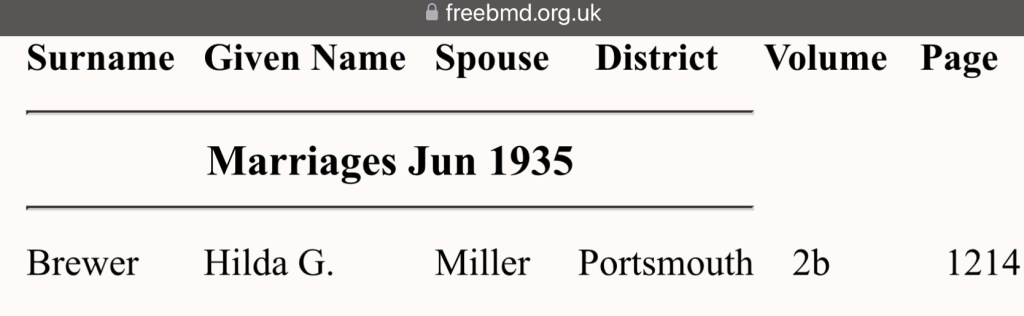
Frederick’s stepdaughter, Hilda Gertrude Brewer, married Frederick W. Miller in the June quarter of the year 1935, in the district of Portsmouth, Hampshire, England. This union marked an important chapter in Hilda's life, as she started her own journey of love and partnership.
For those interested in obtaining a copy of their marriage certificate, you can do so with the following GRO reference:

Marriages Jun 1935, Brewer, Hilda G, Miller, Frederick W, Portsmouth, Volume 2b, Page 1214.

This significant event in Hilda’s life is another thread in the fabric of Frederick's family history, woven into the larger story of his loved ones as they navigated their own paths, both in peace and in times of war.
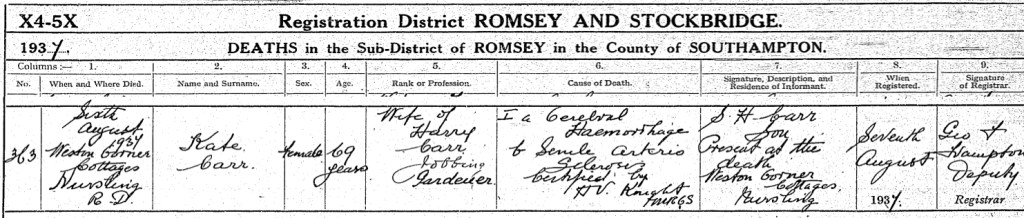
Joy was short-lived for Frederick and his family, as his beloved mother, Kate Carr, nee Withers, sadly passed away on Friday, the 6th day of August, 1937, at the age of 69, in her home at Weston Corner Cottage, Nursling, Southampton, Hampshire, England. The loss of Kate, a beloved mother and wife, brought a heavy sorrow to the Carr family.
Kate’s son, Stanley Henry Carr, who was by her side when she passed, took on the heartbreaking task of registering her death the very next day, Saturday, the 7th day of August, 1937. The deputy registrar, George F. Hampton, recorded Kate’s details in the death register. He noted that Kate, the wife of Harry Carr, a jobbing gardener, had died from central haemorrhage and senile arteriosclerosis. Her death was certified by H. V. Knight, M.R.C.S.
The terms central haemorrhage and senile arteriosclerosis, though now outdated, were used in medical contexts to describe conditions that were unfortunately common in the elderly during that time. Central haemorrhage refers to bleeding within the brain, often caused by chronic high blood pressure, and typically linked to strokes. Senile arteriosclerosis, a term used to describe the hardening and thickening of the arteries due to aging, was frequently found in those who experienced strokes or other vascular events.
At that time, these conditions were poorly understood, and modern treatments were not yet available. The outcome was often fatal, as there were limited options for intervention or even for accurately diagnosing such conditions before death. Treatment focused on comfort, and sadly, the prognosis was rarely favorable.
Kate’s death marked the loss of a matriarch, a woman who had lived through decades of change and had seen the world around her transform. Her passing left an indelible mark on her family, and her memory would be carried by those who had loved her most. As we reflect on her life, we remember Kate not only for the way she lived, but for the way she shaped the lives of her children, who would carry her spirit forward.
Central haemorrhage and senile arteriosclerosis are terms historically used in medical contexts to describe serious conditions commonly associated with aging and vascular disease. Central haemorrhage refers to bleeding that occurs deep within the central regions of the brain, particularly in areas such as the basal ganglia, thalamus, or brainstem. These types of haemorrhages are most often the result of chronic high blood pressure and are classified as intracerebral haemorrhages. Their onset is typically sudden, and they can cause symptoms including loss of consciousness, paralysis, or death, depending on the location and severity of the bleeding. In older medical records, central haemorrhage frequently appeared as a cause of death in elderly patients who suffered sudden strokes.
Senile arteriosclerosis, an outdated term, referred to the progressive thickening and hardening of arterial walls due to the aging process. The word “senile” signified its link to old age, while “arteriosclerosis” described the general condition of stiffened arteries. As people aged, their arteries would gradually lose elasticity and, in many cases, become narrowed by fatty deposits. This condition restricted blood flow and often led to complications such as high blood pressure, heart disease, kidney dysfunction, and an increased risk of stroke. In many cases, the two conditions were linked, as arterial stiffening from senile arteriosclerosis could lead directly to a central haemorrhage.
Together, these terms were frequently used on historical death certificates and in medical reports to describe the sequence of age-related vascular deterioration that often ended in a fatal cerebral event. In modern practice, these general terms have been replaced by more specific diagnoses such as intracerebral haemorrhage secondary to hypertensive small vessel disease, or cerebrovascular accident due to atherosclerosis.
Historically, both central haemorrhage and senile arteriosclerosis were not well understood and offered few treatment options. Before the development of modern diagnostic tools, especially imaging technologies like CT scans or MRIs, diagnoses relied solely on observed symptoms. Sudden paralysis, unconsciousness, or speech difficulties led physicians to suspect a brain haemorrhage, although confirmation often came only after death through autopsy.
Treatment for central haemorrhage during earlier times focused entirely on comfort rather than intervention. Patients were typically confined to bed, kept warm, and given sedatives such as morphine to ease distress. In earlier centuries, physicians sometimes employed bloodletting or purgatives in keeping with outdated humoral theories. Without any means to halt the bleeding or relieve pressure on the brain, outcomes were almost always poor, particularly when the haemorrhage affected critical parts of the brain.
Similarly, senile arteriosclerosis was viewed as a natural and irreversible part of aging. Physicians might suggest a light diet, reduced intake of alcohol, and rest to ease symptoms. Occasionally, drugs like digitalis were prescribed to improve heart function and support circulation, but they did not address the underlying vascular damage. Postmortem examinations often revealed arteries that were severely calcified and narrowed, particularly in elderly individuals who had died of strokes or heart failure.
In contrast, modern medicine treats central haemorrhage as a critical emergency that is now clearly understood and more effectively managed. Diagnosis is quickly established through imaging, allowing physicians to take immediate steps to stabilize the patient. Blood pressure is carefully managed to prevent further bleeding, and in some cases, surgery may be performed to remove the accumulated blood or relieve intracranial pressure. Specialized stroke units offer focused care and rehabilitation, which has led to improved outcomes compared to the past.
Senile arteriosclerosis is now described more precisely as age-related atherosclerosis or vascular stiffening, and it is managed through comprehensive risk reduction strategies. These include controlling blood pressure and cholesterol, managing diabetes, promoting physical activity, and encouraging a healthy diet. Medications such as statins, antihypertensives, and antiplatelet drugs are widely used to prevent vascular complications. In addition, regular monitoring of vascular health and growing awareness of the role vascular disease plays in cognitive decline have made this a central focus of geriatric and neurological medicine.
Where these conditions were once seen as unavoidable consequences of aging and met with resignation, they are now approached with preventive care, targeted treatment, and advanced diagnostic tools. This shift in understanding has allowed for better health outcomes, longer life expectancy, and improved quality of life in older adults.
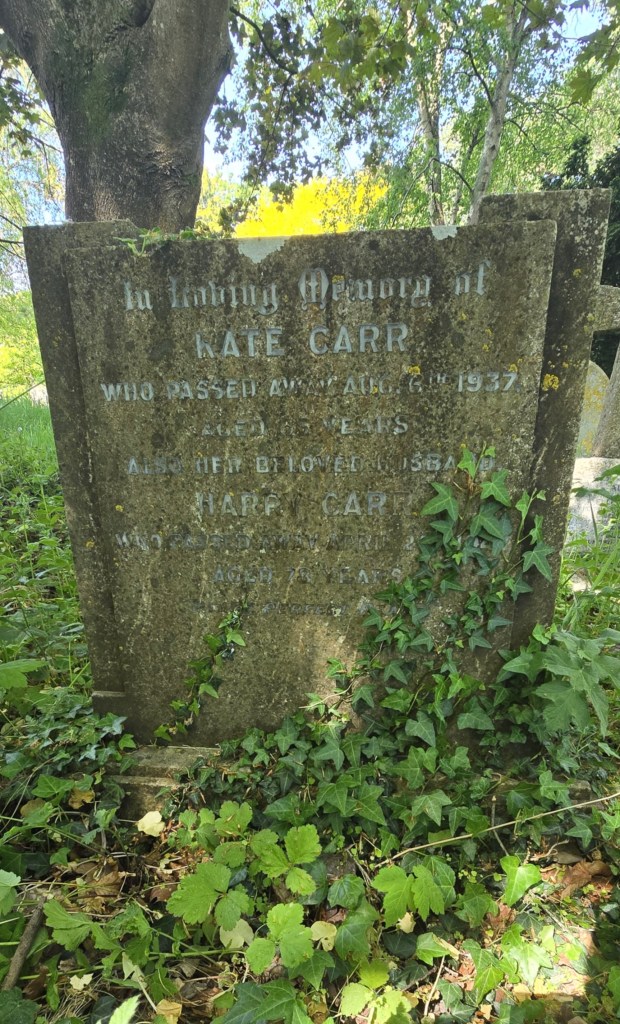
Frederick’s mother, Kate Carr, was laid to rest on Tuesday, the 10th of August, 1937, at St. Boniface Church, Nursling, Hampshire, England. Her passing left a void in the hearts of her family, but she was remembered with great love and reverence as she was laid to rest in the tranquil grounds of the churchyard.
Kate’s beloved husband, Harry Carr, would later be laid to rest beside her, creating a final resting place for the couple who had shared so many years together. Their shared grave became a symbol of the love they had nurtured throughout their lives.
The memorial inscription on their gravestone reads:

*"In loving memory of Kate Carr, passed away Aug 6th 1937 aged 65 years, also her beloved husband Harry Carr, passed away April 26th 1947 aged 78 years. 'Peace perfect peace.'"*

These words, simple yet deeply profound, reflect the quiet, enduring love between Kate and Harry. They were a family that had weathered the trials of life together, and their resting place at St. Boniface Church stands as a lasting testament to their shared journey, now etched in memory for generations to come. The phrase "Peace perfect peace" is a fitting tribute to the calm and serenity that now rests with them, a final peace after a lifetime of love and hard work.
Frederick’s brother, Stanley Henry Carr, at the age of 29, married Rose M. Drake in the October to December quarter of the year 1937, in the district of Romsey, Hampshire, England. This union marked a significant chapter in Stanley’s life, as he and Rose embarked on their own journey together.
For those interested in obtaining a copy of their marriage certificate, it can be purchased with the following GRO reference:

GRO Ref - Marriages, December 1937, Carr, Stanley H, Drake, Rose M, Romsey, Volume 2c, Page 291.

This marriage represents another important moment in Frederick's family history, a union of love and commitment that would influence the generations that followed.
On the day of the WW2 National Registration, Friday the 29th day of September, 1939, Frederick and Ellen were residing at Number 73 Upton Crescent, Nursling, Hampshire, England. By this time, Frederick had transitioned from his active service in the Royal Navy to civilian life. He was working as a school caretaker, a role that allowed him to provide for his family while reflecting his strong work ethic and sense of responsibility. In addition, Frederick was listed as a Chief Stoker Royal Navy pensioner, with the service number K282, a recognition of his years of dedicated service to the Navy.
Ellen, his beloved wife, was a housewife, performing the unpaid domestic duties that were a central part of life at home. The 1939 Census recorded Frederick’s date of birth as the 10th day of October, 1891, and Ellen’s as the 21st day of November, 1885. This snapshot of their lives during the early years of the Second World War shows them settled in a home, continuing their journey together, with Frederick's naval career now behind him and the quiet rhythms of everyday life taking center stage.
Upton Crescent is a residential street situated in the village of Nursling, within the Test Valley district of Hampshire, England. The development of Upton Crescent commenced in the 1930s, marking one of the initial significant housing expansions in the Nursling and Rownhams area. This growth was part of a broader trend of suburban development during that period, catering to the increasing demand for housing outside urban centers.
Historically, the area where Upton Crescent now lies was part of the Upton estate, which included Upton House, a country residence that once stood prominently in the locality. The estate's transformation into a residential neighborhood reflects the mid-20th-century shift from rural estates to suburban housing developments.
Today, Upton Crescent is characterized by a variety of detached bungalows and houses, many of which have been modernized or extended over the years. The street is known for its spacious plots and proximity to local amenities, making it a desirable location for families and retirees alike. Its location offers convenient access to Southampton and the surrounding areas, with the M271 motorway nearby facilitating easy transportation links.
The community in Upton Crescent benefits from the tranquility of suburban living while being close to essential services and recreational facilities, including the nearby Romsey Golf Club. The blend of historical roots and modern conveniences contributes to the street's appeal within the Nursling area.
On the 19th day of February, 1940, Frederick returned to service with the Royal Navy, rejoining HMS Victory II, this time rated as a Leading Stoker in the Royal Fleet Reserve. His wealth of experience, dependability, and natural leadership quickly became apparent, and his ability to handle new challenges led to his appointment as an Anti-Gas Instructor on the 23rd of September, 1942. This new role was vital to wartime readiness, as chemical warfare became an increasing threat during the Second World War. Frederick’s transition from the hands-on work of maintaining engines to training others in the critical skills of defense against gas attacks marked a significant shift in his responsibilities. This new assignment was documented in official memo 5161, signifying his growing role in the Navy’s efforts to prepare for every possible challenge.
Throughout his service during the war, Frederick’s character and efficiency were consistently praised. His official records reflect that he was rated as Very Good, in character and Superior in efficiency throughout the entirety of his wartime service, with these formal entries continuing to affirm his exceptional dedication and performance until the end of 1944. These positive evaluations, along with his steady progression and increasing responsibilities, underscored not only his professionalism but also his integral role in the Royal Navy during one of the most challenging and tumultuous periods of the 20th century. Frederick’s service is a testament to his unwavering commitment and the critical role he played in supporting the defense efforts of his country.
The followingyear, on the 3rd day of July, 1945, after decades of devoted service spanning two world wars, Frederick returned to the naval reserve from HMS Victory II. By the end of his illustrious career, Frederick had earned three Good Conduct Badges, a testament to his unwavering discipline and exemplary service in the Royal Navy. His record was without blemish, no disciplinary actions, no forfeitures, only the marks of a man who had dedicated his life to the Navy with quiet pride and steadfast commitment.
Frederick’s time in the Royal Navy is not merely a personal achievement; it is a reflection of the core values that have long defined the British naval tradition: reliability, discipline, and a resolute dedication to duty. His story is a reminder of the countless individuals whose lives in service to their country, while not always marked by grand gestures, are nonetheless the very backbone of military strength.
From his early days working aboard coal-fired cruisers at the dawn of the 20th century to his later role as an Anti-Gas Instructor during the Second World War, Frederick’s naval journey mirrored the evolution of naval warfare itself. It was a path of personal growth and resilience, shaped by global conflict and the changing demands of military technology. Through it all, Frederick stood as a pillar of reliability and dedication, facing challenges with an unshakable commitment to his service and his country.
His legacy, one defined not by fame or accolades but by the steady, dependable service he provided, is a legacy that speaks volumes about the dedication of those who serve in silence, without expectation of recognition. Frederick’s life and work are a shining example of the quiet strength that has always been at the heart of the Royal Navy, and a legacy that continues to resonate long after his time in service.
Frederick and Ellen's daughter, 24-year-old Molly Joan Carr, a spinster, married 26-year-old bachelor Donald George Newell on Saturday, the 1st of June, 1946, at Romsey Abbey, Romsey, Hampshire, England. The ceremony was performed by Vicar W. H. Corban, who recorded the details of their marriage in the register. According to the entry, Molly was the daughter of Frederick Ernest Carr, a Stoker, while Donald was the son of Frank Newell, a builder's labourer. Donald's profession or rank at the time of the marriage was listed as H.M. Forces, reflecting his service in the military.
The couple’s wedding was witnessed by Molly’s father, Frederick Ernest Carr, and Leslie Albert Bundey, adding to the significance of the day as they stood by the couple in this joyful moment of their lives.
As much as I would like to share every detail of my grandparents' marriage certificate, I am unfortunately unable to do so due to the 100-year law, which prevents access to marriage records that are not yet 100 years old. However, the memory of their union, and the love that began on that beautiful day in 1946, remains an important part of my family’s history, passed down through the generations.
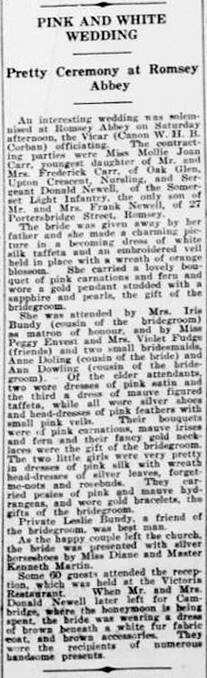
On Friday the 7th day of June 1946, the Romsey Advertiser Newspaper printed an article about Mollie Carr and Donald George Newells wedding at the Romsey Abbey. It reads as follows -

PINK AND WHITE WEDDING
Pretty Ceremony at Romsey Abbey
An interesting wedding was solemnised at Romsey Abbey on Saturday afternoon, the Vicar (Canon W. H. B. Corban) officiating.  The contracting parties were Miss Mollie Joan Carr, youngest daughter of Mr. and Mrs. Frederick Carr, of Oak Glen, Upton Crescent, Nursling, and Sergeant Donald Newell, of the sommerset light infantry, the only son of Mr. and Mrs. Frank Newell, of 52 Portersbridge Street, Romsey.
The bride was given away by her father and wore a charming picture in a becoming dress of white silk taffeta and an embroidered veil  held in place with a wreath of orange blossoms. She carried a lovely okay and firm and what a gold pendant studied with a sapphire and pose the gift of the bride.
She was attended by Mrs. Iris Bundy (sister of the bridegroom) as matron of honour, and by Miss Peggy Envest and Mrs Violet Fudgd (friends) and two small bridesmaids Anne Doling (cousin of the bride) and Ann Dowling (cousin of the bridegroom)
Of the elder Attendance two wore dresses of pink satin and the third a dress of mauve fringed taffeta, while all wore silver shoes and head dresses of pink feathers with small pink veils. Their bouquets were of pink mauve irises and fern and their fancy gold necklaces were a gift of the bridegroom.
 The two little girls were very pretty in dresses of pink silk net with wreath head-dresses of silver leaves, forget-me-nots and rosebuds. They carried posies of pink and mauve hydrangeas and wore gold bracelets, the gift from the bridegroom.
L private Leslie Bundy, a friend of the bridegroom was the best man.
As the happy couple left the church the bridge was presented with silver horseshoe by Miss Diane and Master Kenneth Martin. Some 60 guests attended the reception which was held at the Victoria Restaurant.
When Mr. and Mrs. Newell  later left for Cambridge, where the honeymoon is being spent, the bridge was wearing a dress of brown  beneath a white fur fabric coat, and brown accessories. They were the recipients of numerous handsome presents.
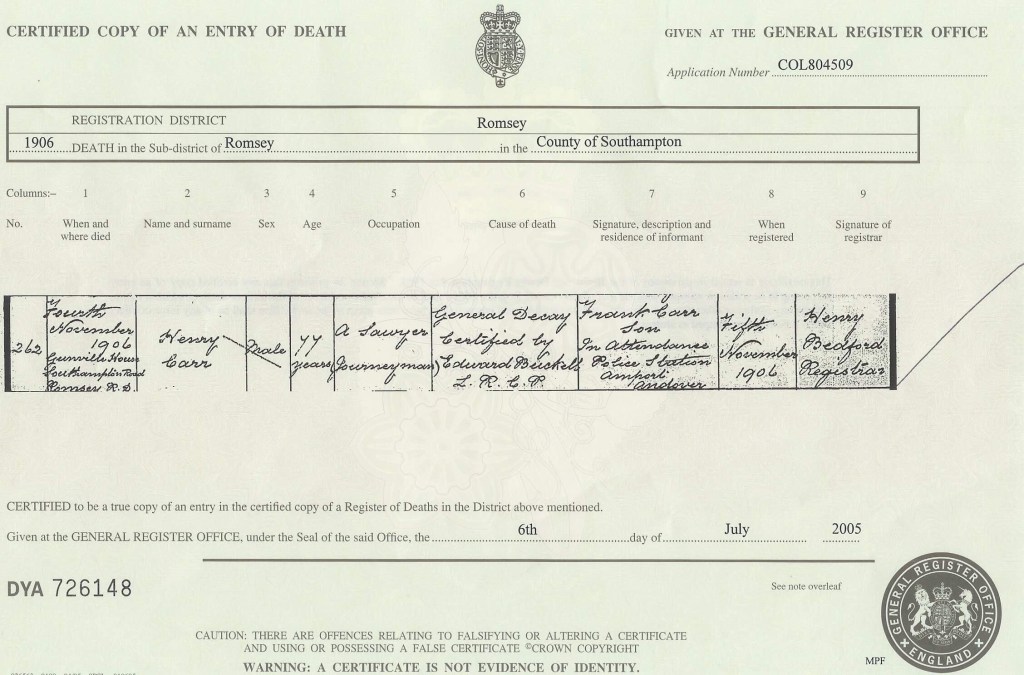
Frederick’s father, Harry Carr, sadly passed away on Saturday, the 26th of April, 1947, at Church Cottage, Nursling, Hampshire, England. He was 78 years old at the time of his death. Harry’s son, Bernard George Carr, who was with him during his final moments, registered his father’s death on Tuesday, the 29th of April, 1947. The death was logged by Deputy Registrar G. W. ?, (Surname is unclear) with the details recorded in the register. The cause of death was listed as heart failure, Paroxysmal Tachycardia, and Cardiac Dilation, with Harry passing away at Church Cottage, Nursling. His death was certified by Thos Fisher, the medical director.
The medical terms heart failure, paroxysmal tachycardia, and cardiac dilation, though commonly seen in historical records, refer to serious cardiovascular conditions that often work together to indicate the decline of the heart’s ability to function properly. Heart failure describes a weakened heart that is no longer able to pump blood efficiently to meet the body's needs. This condition is usually the result of long-term strain or damage, leading to a decline in the heart’s function. Symptoms often include breathlessness, fatigue, and swelling due to fluid retention. In earlier times, the diagnosis of heart failure was often based on visible symptoms, as medical tools for internal imaging were unavailable.
Cardiac dilation, refers to the enlargement or stretching of the heart’s chambers, particularly the ventricles, which are responsible for pumping blood. When the heart muscle weakens due to long-term disease, it may attempt to compensate by enlarging the chambers, but this adaptation often worsens the situation, reducing the heart’s effectiveness even further. Over time, this can lead to greater difficulties in maintaining proper circulation and oxygen delivery to the body.
Alongside these, paroxysmal tachycardia refers to a condition in which the heart experiences sudden, rapid beats, often exceeding 100 beats per minute, sometimes occurring with little to no warning. The term "paroxysmal" indicates that the episodes begin and end abruptly. This condition can be either supraventricular or ventricular in origin. Paroxysmal supraventricular tachycardia (PSVT) originates in the upper chambers of the heart and is typically less dangerous, though it can cause distressing symptoms like palpitations, shortness of breath, and dizziness. Paroxysmal ventricular tachycardia (PVT), which originates in the lower chambers, is more concerning and can lead to severe complications like fainting, blood pressure drops, and even cardiac arrest.
In the context of Harry’s death, the combination of heart failure, cardiac dilation, and paroxysmal tachycardia suggests the gradual and progressive failure of his cardiovascular system, likely exacerbated by long-term strain on the heart and age-related changes to the blood vessels. These conditions, while closely related, reflect different aspects of the heart’s struggle to function effectively.
Historically, treatments for these conditions were limited. Without modern diagnostic tools like electrocardiograms (ECGs) and imaging technologies, physicians could only diagnose such conditions based on clinical symptoms. Heart failure was often treated with bed rest, a restricted diet, or sedatives. Medications like digitalis were sometimes used to strengthen the heart’s contractions, while diuretics were prescribed to reduce fluid retention. Unfortunately, these treatments were largely palliative, offering little more than temporary relief.
Today, the understanding and treatment of heart failure, cardiac dilation, and paroxysmal tachycardia have advanced significantly. Modern cardiology provides more precise diagnoses through imaging and ECG technology, and treatment options now include medications like beta-blockers, calcium channel blockers, and procedures such as pacemakers or surgery to repair valve issues. Paroxysmal tachycardia can now be managed through medications or interventions like catheter ablation to stop the abnormal heart rhythms at their source.
Harry’s passing, attributed to heart failure, paroxysmal tachycardia, and cardiac dilation, marks the culmination of a lifetime of wear on his heart. These conditions, once seen as inevitable consequences of aging, are now better understood and more effectively treated, offering hope for better outcomes today. Harry’s death was a profound loss for his family, and his memory, shaped by a lifetime of dedication to his work and loved ones, continues to live on.
Frederick’s father, Harry Carr, was laid to rest on Wednesday, the 30th day of April, 1947, at St. Boniface Church, Nursling, Hampshire, England. His burial was recorded in the old register with entry number 35. Harry was reunited in rest with his beloved wife, Kate, who had been laid to rest on Tuesday, the 10th of August, 1937. Their graves are now a place where the love they shared during their lives continues to be honored.
The memorial inscription on their headstone reads:

"In Loving memory of Kate Carr, passed away Aug 6th 1937, aged 65 years. Also her beloved husband Harry Carr, passed away April 26th 1947, aged 78 years. ‘Peace perfect peace.’”

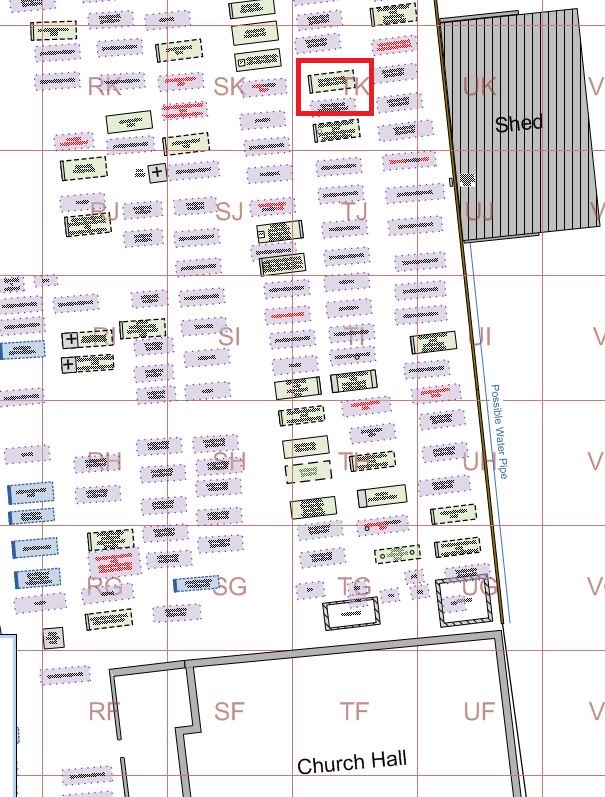
If you walk toward the back of the churchyard, you’ll find their grave about halfway down on the right-hand side, in the second row, level with the corrugated shed in the next-door garden. The headstone is pointing away from the path, making it a bit tricky to spot unless you know exactly where to look. But for those who know, it stands as a quiet, steadfast tribute to their lives together, a place of rest for a couple whose legacy lives on through their family and the generations that follow.
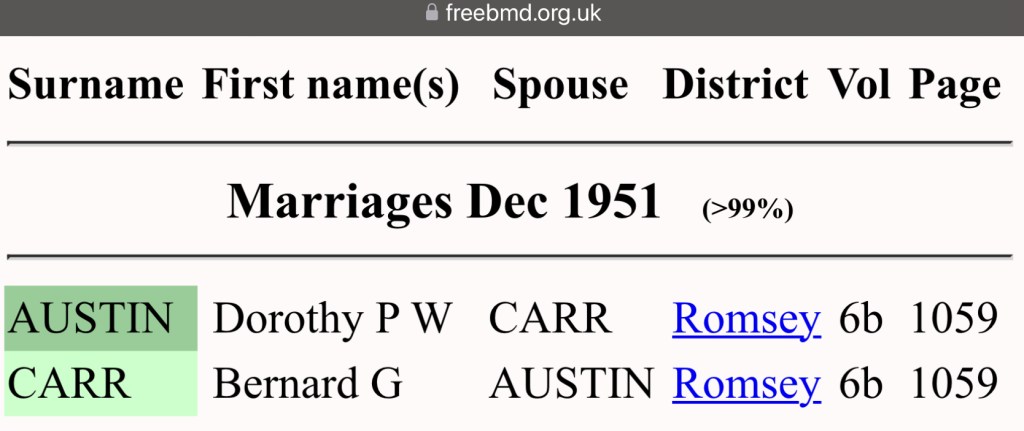
Frederick’s brother, 45-year-old Bernard George Carr, married Dorothy P. W. Austin in the October to December quarter of the year 1951 in Romsey, Hampshire, England. This union marked an important moment in Bernard's life, as he embarked on a new chapter with Dorothy.
If you wish to order a copy of their marriage certificate, you can do so using the following GRO reference:

GRO Ref - Marriages Dec 1951, AUSTIN, Dorothy P W, CARR, Bernard G, Romsey, Volume 6b, Page 1059.

This marriage represents another significant event in the Carr family’s history, a reflection of life continuing with love and connection as the years passed.
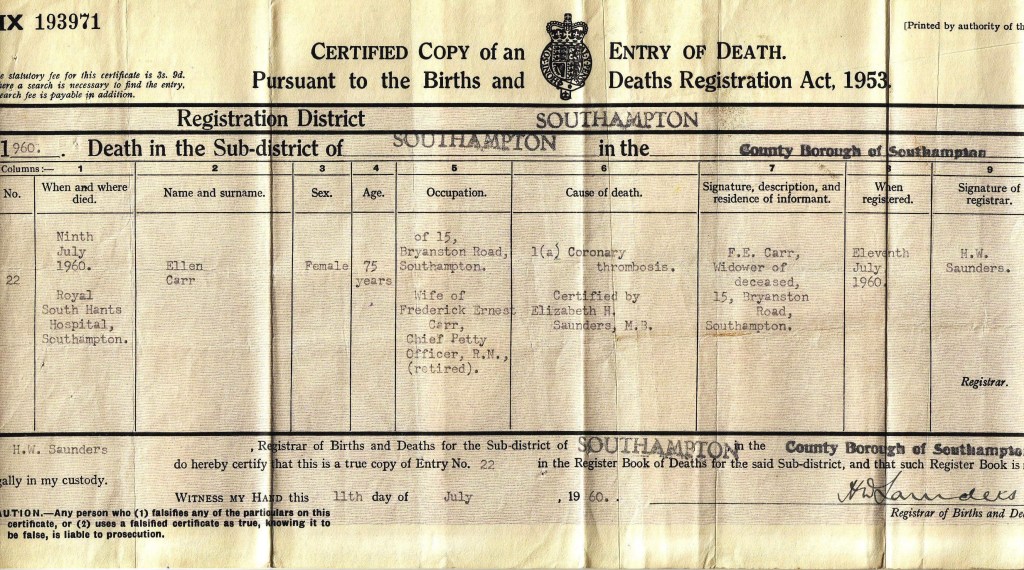
Frederick’s beloved wife, Ellen Carr, passed away on the Sunday, the 9th day of July, 1961, at The Royal South Hants Hospital, Southampton, Hampshire, England. She was 75 years old, and her passing left a deep ache in the heart of her devoted husband, Frederick. The two had shared a lifetime of love, companionship, and countless moments of tenderness, making her loss all the more profound.
In the wake of this heart-wrenching loss, Frederick, ever faithful and loving, registered Ellen’s death on Tuesday, the 11th day of July, 1961. Registrar H. W. Saunders carefully recorded Ellen’s details in the death register, noting that she was the wife of Frederick Ernest Carr, a retired Chief Petty Officer of the Royal Navy. Ellen had passed away at the Royal South Hants Hospital, Southampton, from coronary thrombosis. Her death was certified by Elizabeth H. Saunders, M.B.
Ellen’s passing was not just the end of a life, but the closing of a beautiful chapter in the shared story of Frederick and Ellen’s love. Their years together had been a testament to the strength of their bond, one built on trust, affection, and unwavering support for one another. As Frederick faced life without her, he was left with the painful emptiness of a world that no longer contained the one who had been his constant companion, his love, and his rock. Yet, even in death, Ellen’s memory would live on in the very core of Frederick’s being, as he carried her love with him for the rest of his days.
Her memory, love, and the life she shared with Frederick live on in the hearts of her family.
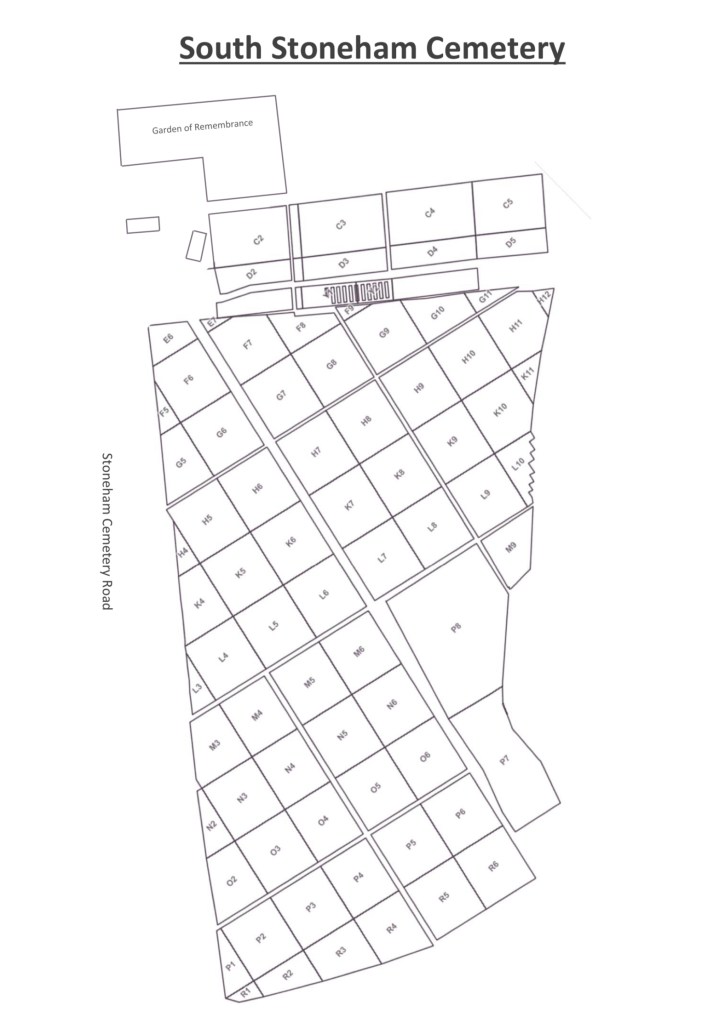
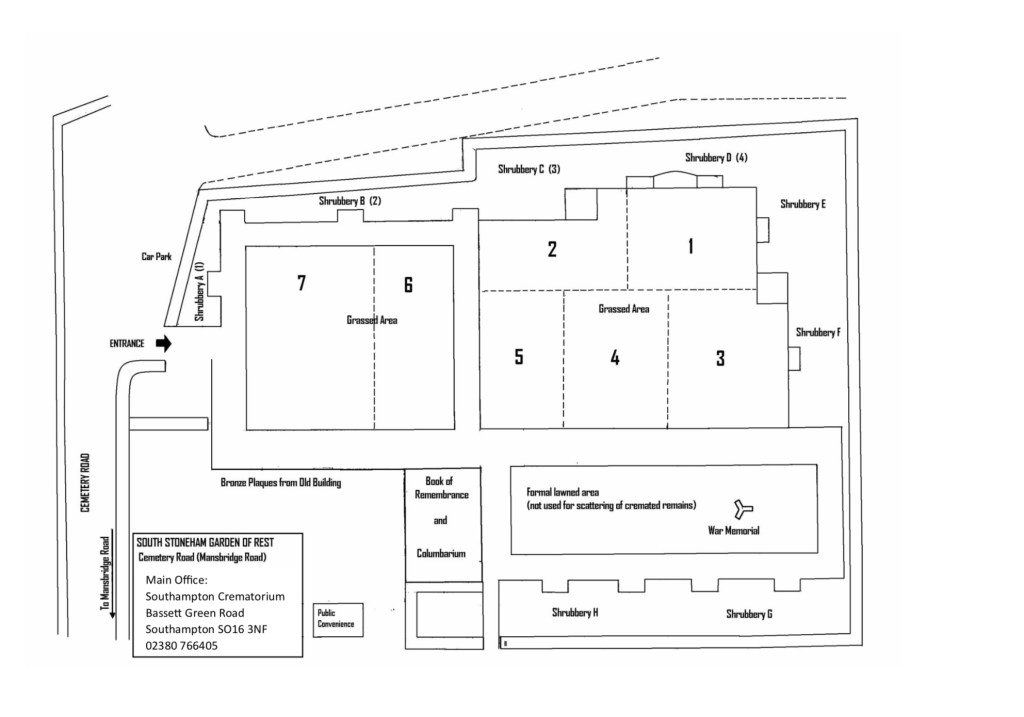
Ellen, was cremated on Wednesday, the 13th day of July, 1960. Her ashes were scattered in the South Stoneham Garden of Rest, South Stoneham Cemetery, Stoneham Cemetery Road, Swaythling, Southampton, in section 6 of the cemetery.
This peaceful and tranquil garden offers a beautiful resting place for Ellen, nestled in the serene surroundings of the cemetery’s lush landscape. The Garden of Rest at South Stoneham is known for its quiet beauty, offering families a reflective space to honor their loved ones. Ellen's final resting place is among nature, where the trees and plants offer a sense of calm and timeless remembrance.
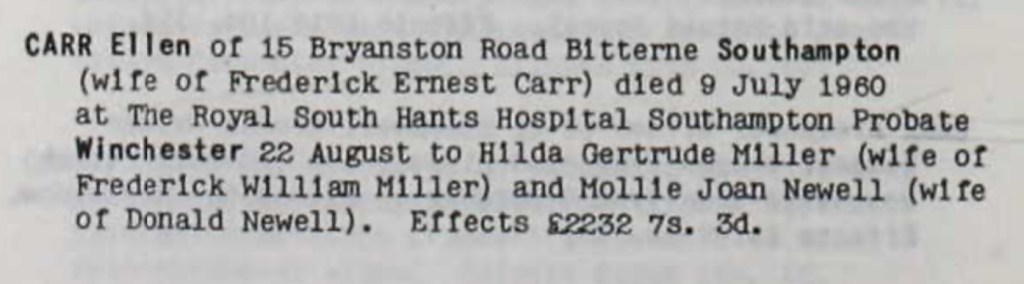
Following Ellen’s death, her probate was granted on Monday the 22nd of August, 1960, in Winchester, Hampshire, England. The probate reads as follows:

“CARR Ellen of 15 Bryanston Road, Bitterne, Southampton (wife of Frederick Ernest Carr) died 9 July 1960 at The Royal South Hants Hospital, Southampton. Probate Winchester 22 August to Hilda Gertrude Miller (wife of Frederick William Miller) and Mollie Joan Newell (wife of Donald Newell). Effects £2232 7s 3d.”

This document reflects the legal process following Ellen's passing, outlining the distribution of her estate and naming her daughters, Hilda and Mollie, as the executors. The amount of her estate, £2232 7s 3d, serves as a testament to the life she led, one marked by love, family, and the care she gave to those around her.
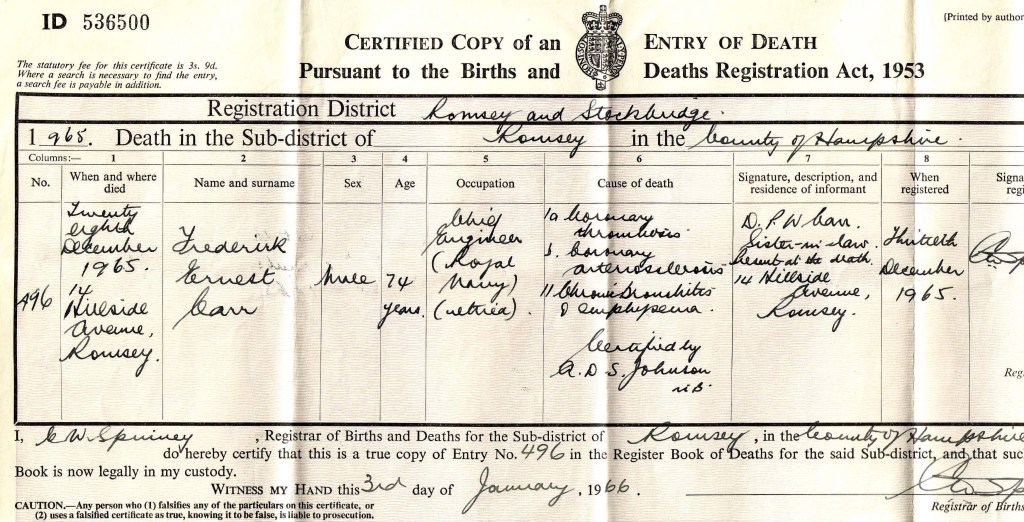
Frederick Ernest Carr passed away on Tuesday, the 28th day of December, 1965, at his home at Number 14, Hillside Avenue, Romsey, Hampshire, England. His sister-in-law, Dorothy P. W. Carr (née Austin), was with him during his final moments and, out of love and responsibility, took on the task of registering his death on Thursday, the 30th day of December, 1965.
The registrar, whose name is unfortunately cropped from Frederick's death certificate, recorded the details of his passing in the death register. It was noted that Frederick, at 74 years old, a retired Royal Navy Chief Engineer, died on the 28th of December, 1965, at Number 14, Hillside Avenue, Romsey. The cause of death was listed as coronary thrombosis, coronary arteriosclerosis, and chronic bronchitis and emphysema. His death was certified by A. D. S. Johnson, M.B.
His memory, his years of service, and the love he shared with his family live on. The impact of his life, his legacy, and the love he gave to those around him are enduring.
Coronary thrombosis, coronary arteriosclerosis, chronic bronchitis, and emphysema, are all serious medical conditions affecting the cardiovascular and respiratory systems. Each of these illnesses played a major role in the patterns of morbidity and mortality during the 20th century, especially in industrialised countries. Although they affect different organs, they are often interconnected through common risk factors such as smoking, ageing, and poor cardiovascular health.
Coronary thrombosis refers to the formation of a blood clot (thrombus) within one of the coronary arteries, which supply blood to the heart muscle. When such a clot obstructs the flow of blood, part of the heart muscle is deprived of oxygen, resulting in damage or death of the tissue, what is known today as a myocardial infarction or heart attack. This condition often presents suddenly, with symptoms such as severe chest pain, shortness of breath, nausea, sweating, and anxiety. If untreated, coronary thrombosis can quickly lead to heart failure or death. In earlier decades, before the development of advanced medical interventions such as clot-busting drugs, angioplasty, and coronary bypass surgery, the survival rate for a major coronary thrombosis was relatively low. Patients were typically treated with strict bed rest, sedatives, and oxygen, and outcomes largely depended on the size and location of the clot.
Coronary arteriosclerosis, sometimes referred to as coronary atherosclerosis, is the gradual hardening and narrowing of the coronary arteries due to the buildup of fatty deposits called plaques. This condition typically develops over many years and is a leading cause of coronary heart disease. As the arteries narrow, blood flow to the heart is reduced, potentially causing angina (chest pain) and increasing the risk of coronary thrombosis. Arteriosclerosis is closely linked to factors such as high blood pressure, high cholesterol, smoking, diabetes, poor diet, and a sedentary lifestyle. In the 19th and early 20th centuries, this condition was not well understood and was often diagnosed post-mortem or inferred from signs such as breathlessness, fatigue, or angina. Modern medicine now allows for early detection and management through lifestyle changes, medication, and surgical interventions.
Chronic bronchitis is a long-term inflammation of the bronchial tubes, which carry air to and from the lungs. It is characterised by a persistent cough that produces mucus for at least three months in two consecutive years. The inflammation causes thickening of the airway walls, narrowing of the air passages, and excessive mucus production, all of which make breathing difficult. Chronic bronchitis is one of the primary conditions classified under the umbrella of chronic obstructive pulmonary disease (COPD). The main cause is long-term exposure to irritants, most commonly cigarette smoke, though air pollution and occupational dust and chemicals can also contribute.
Emphysema is another major form of COPD and is usually associated with chronic bronchitis. In emphysema, the walls between the air sacs in the lungs (alveoli) are gradually destroyed, reducing the surface area for gas exchange and trapping air in the lungs. This causes shortness of breath, reduced oxygen exchange, and a sensation of being constantly winded. Patients often develop a characteristic barrel-shaped chest and may experience weight loss, fatigue, and frequent respiratory infections.
Chronic bronchitis and emphysema often appear together in people with long-term smoking histories and are progressive in nature. By the mid-20th century, these conditions were among the leading causes of disability and death in industrialised nations. Treatment in earlier times focused on symptom relief, cough syrups, expectorants, and rest, while modern management includes bronchodilators, corticosteroids, pulmonary rehabilitation, oxygen therapy, and smoking cessation programs.
All four of these conditions, coronary thrombosis, coronary arteriosclerosis, chronic bronchitis, and emphysema, are deeply influenced by lifestyle and environmental factors. Their prevalence increased dramatically in the 20th century with the rise of smoking, industrial pollution, and longer lifespans. Today, they remain major public health concerns, though advances in prevention, diagnosis, and treatment have significantly improved outcomes for many patients.
Frederick was cremated on Saturday, the 1st day of January, 1966, and his ashes were scattered in the South Stoneham Garden of Rest, South Stoneham Cemetery, Stoneham Cemetery Road, Swaythling, Southampton. His resting place is in section 2 of the cemetery, a serene and peaceful area within the beautiful grounds.
Southampton Crematorium is home to the tranquil and reflective Gardens of Remembrance, nestled in a natural woodland setting. This peaceful space offers a quiet place to gather one’s thoughts before or after a service. The 15 acres of grounds are constantly evolving, providing a habitat for wild deer and a variety of plants, shrubs, and trees. However, due to the undulating landscape, some areas can be difficult to access for wheelchair users.
The cemetery also features the Daisy Garden, named in memory of the daughter of the parents who established the Southampton Baby Memorial Fund. This area provides families with a peaceful space to remember their babies, offering comfort in knowing their little ones are not alone.
The South Stoneham Garden of Remembrance, located at the north end of South Stoneham Cemetery, is a more formal section of the grounds, with its own Book of Remembrance and Flower Room. The grounds are also home to ponds, with pond plaques available for remembrance at both cemeteries.
Frederick’s ashes rest in this serene setting, where his memory can be cherished in a place of natural beauty and tranquility.
Rest in peace, Frederick Ernest Carr.
Your service, dedication,
and the love you shared with your family will always be remembered.
May you find eternal peace,
and may your legacy continue to inspire those who follow.
Through stormy seas and skies so wide,

A steady heart, a quiet guide,

Frederick sailed, with duty sworn,

A life of service, love was born.
From Southampton’s streets he came,

To rise in honor, build his name,

A stoker strong, with hands that gave,

His silent strength the world did crave.
He served with pride, both far and near,

Through war’s dark days, through times of fear,

A sailor's heart, a gentle hand,

He fought for peace, and made his stand.
And then he found his love so true,

With Ellen by his side, he grew,
Their love, a flame that ever burned,

A bond unbroken, never turned.
They raised a family, built a home,

Through every challenge, they would roam,

Their hearts entwined, their dreams the same,

In every step, they played life’s game.
Through years of toil, and days of rest,

He gave his all, he gave his best,

But in the quiet, his love shone,

A man of grace, his work well done.
Though time has passed, his memory stays,

A legacy that lights our ways,
Frederick’s life, a guiding star,

His love, his strength, will travel far.
Rest now, dear soul, your work is through,

But all you gave, we’ll carry true,

In every heart, in every song,

Frederick, your spirit lives on strong.
As we close the chapter on the life of Frederick Ernest Carr, we are left with the powerful legacy of a man who devoted himself fully to those he loved, to his country, and to a life of unwavering dedication and service. From his early years in Southampton to his distinguished career in the Royal Navy, Frederick’s journey was not one of grand gestures, but one of quiet strength, resilience, and a deep commitment to duty. He weathered the storms of life with grace, and his story is woven into the fabric of history, though often in ways unseen and uncelebrated.
Frederick's devotion to his family, his steadfast love for his wife Ellen, and the strength of his bonds with his children and loved ones are testament to the depth of his character. Through decades of naval service, the love he shared with his family, and the challenges he faced, Frederick’s life was one of steady progress and quiet heroism. His legacy lives on in the generations that followed, in the quiet moments of remembrance, and in the stories that we now hold close to our hearts.
As I reflect on his life, I cannot help but feel a profound sense of gratitude for the pieces of his story I’ve uncovered. Though there is so much I will never know, there is also a deep sense of connection to this man who carried so much within him, strength, love, sacrifice, and an unwavering commitment to the people and causes he held dear. Frederick’s journey, though it may have ended, continues to echo in the lives of those who remember him. His life was a testament to the power of love, the importance of service, and the quiet dignity of a life well-lived.
Great- Grandad , you may be gone, but you will never be forgotten. Rest in peace, knowing your story has been told, your life honored, and your legacy carried on by those who came after you.
Until next time,
Toodle pip,
Yours Lainey.
I have brought and paid for all certificates,

Please do not download or use them without my permission.

All you have to do is ask.

Thank you.









 Intwined