In the quiet village of East Tytherley, Hampshire, beneath the rolling fields where the trees sway gently in the breeze, a boy was born in 1809, William Lye, the man whose life would weave itself into the fabric of my own family’s story. Though the world he knew was vast and tumultuous, shaped by war, change, and the steady march of time, it is in the pages of history that his journey breathes again. Through the whispers of old documents, the echo of his footsteps is heard, resonating through centuries of forgotten days, reminding us of the tender, human spirit that walked this earth long before we were ever born.
To speak of William Lye is to speak of more than dates and events, it is to trace the outline of a life lived with all its struggles and triumphs, its quiet moments and grand dreams. It is to hold in our hearts the intimate truth that we are but fragments of those who came before us, shaped by their choices, their loves, and their very existence. His life, though touched by the hardships of the world around him, was a testament to perseverance, to hope, to the unyielding pursuit of something greater than oneself.
In the dust of old records, the scent of ink on aged parchment, the story of William Lye is not merely a history of dates and names, it is a heartfelt letter to the past, to a man who lived through the ever-changing tides of time, yet whose heart remained steadfast. Each document is like a small, fragile window into his world, offering us glimpses of a life filled with complexities, love, loss, and hope. Through these papers, we step back in time to witness not only the history of an individual but the pulse of an entire era.
As we embark on this journey through the life of William Lye, let us remember that every story told is a small act of remembrance. It is through these words, these documents, that his life finds its place once more, woven into the tapestry of my own, a testament to the enduring power of family, memory, and love.
Welcome back to the year 1809, East Tytherley, Hampshire, England. The world is undergoing a significant period of political, social, and economic change, and life in this year would have been shaped by the dynamics of class, the effects of war, and the evolution of everyday living conditions. It is a time when Britain is firmly entrenched in the Napoleonic Wars, and domestic life in the country is evolving amidst both progress and hardship.
The reigning monarch in 1809 is King George III. Though he had been unwell for several years with what was later understood as a mental illness, he remained on the throne, and his son, the Prince Regent, effectively carried out the duties of the monarchy in his stead. The Prince Regent, later to become George IV, was known for his extravagant lifestyle and indulgence in luxury. This period is often associated with the Regency Era, named for the Prince Regent, and it is a time when aristocratic fashion, cultural pursuits, and societal divisions were highly pronounced.
The Prime Minister in 1809 was Spencer Perceval. He was the only British Prime Minister to have been assassinated, which would happen in 1812. Perceval's tenure was marked by a continued focus on the war with France, which dominated much of British politics and society at the time. The political landscape was one of intense conflict, both internationally and domestically, as the country was deeply involved in the Napoleonic Wars and dealt with rising political and social pressures at home.
The structure of British Parliament was dominated by the wealthy and landowning classes, with the majority of the population having no political representation. The right to vote was limited to property owners, and the industrial working class, as well as the poor, had no say in the shaping of the nation's laws and policies. Political reform movements were starting to gain momentum, though it would be several decades before significant changes, like the Reform Act of 1832, would be implemented.
The social classes in 1809 were sharply divided. The wealthy aristocrats and landowners lived in grand homes, often in rural estates or urban mansions. They enjoyed a life of leisure and luxury, filled with balls, dinner parties, and other social gatherings. In stark contrast, the working class and the poor lived under difficult conditions. Many of the working class were employed in factories, on farms, or in domestic service, often working long hours for low wages in hazardous conditions. The poor lived in overcrowded and unsanitary conditions, particularly in urban areas, where disease and poverty were rampant.
Fashion in 1809 was influenced by the neoclassical style, which was popular throughout Europe. For women, high-waisted gowns made of muslin, often in pale colors, were the height of fashion. These dresses were simple and graceful, sometimes adorned with ribbons or lace. Men’s fashion was characterized by tailcoats, breeches, and waistcoats, often in dark colors, with cravats or neckties being a notable feature. For both genders, fashion was a clear marker of social status, with the wealthier classes indulging in the finest fabrics and tailoring.
Transportation in 1809 was slow and often uncomfortable. The majority of people traveled by horse-drawn carriage or on foot, and those who lived in rural areas, such as East Tytherley, would have relied heavily on walking or riding horses. Roads were poorly maintained, and journeys could be long and arduous. The first public railways were starting to appear, but they were still in their infancy, and travel by rail was not yet common.
Housing varied greatly depending on one's social standing. The wealthy lived in large, well-furnished homes, while the poor often resided in cramped, damp, and unhealthy conditions, particularly in the rapidly growing cities. In the countryside, cottages were small and simple, often made from local materials like stone or thatch. Housing in the cities was often overcrowded, and the lack of proper sanitation led to the spread of diseases.
Energy for heating and lighting was rudimentary. Most homes, regardless of their size, were heated with open fires, and candles or oil lamps were used for lighting. In the cities, gas lighting was starting to be introduced in some public spaces, but it was far from widespread. Wood and coal were the main sources of fuel, and they were often expensive for the working class.
Sanitation was a significant issue in 1809, especially in urban areas. There were no proper sewage systems, and waste was often dumped in the streets. This led to poor hygiene and contributed to the spread of diseases like cholera and typhus. In rural areas, people relied on privies or cesspits, but these too were prone to contamination.
Food was varied depending on one's social class. The rich enjoyed a wide variety of meats, cheeses, wines, and fresh produce, often imported from abroad. The working class had a more limited diet, consisting mostly of bread, cheese, potatoes, and whatever meat or fish they could afford. The poor often had little variety in their diet and struggled to get enough to eat, especially in times of economic hardship.
Entertainment in 1809 varied widely depending on one's social status. The wealthy enjoyed theater, opera, and ballet, often attending performances in London's West End or at other grand venues. Public events, like horse races and balls, were also popular among the aristocracy. For the working class, entertainment was simpler, often consisting of fairs, street performances, and community gatherings. Reading was popular among the middle and upper classes, and literature flourished during this period, with writers like Jane Austen, Lord Byron, and Samuel Taylor Coleridge gaining prominence.
Diseases were a constant threat to public health in 1809. The lack of proper sanitation and the spread of infections made epidemics common. Cholera, tuberculosis, smallpox, and typhus were particularly deadly. Medical knowledge was limited, and treatments were often ineffective or harmful. The discovery of germ theory and the development of vaccines were still far in the future.
The environment in 1809 was not as heavily industrialized as it would become in later decades, but pollution from factories, coal-burning, and industrial activities was already becoming an issue, particularly in the growing urban centers. Deforestation was also a concern, as the demand for timber, fuel, and land for agriculture was high.
Gossip and news were important parts of social life. People relied on newspapers, pamphlets, and word of mouth to keep up with current events. The government, however, tightly controlled the press, and dissenting opinions were often suppressed. News of the Napoleonic Wars, the movements of troops, and the latest royal developments were often hot topics in conversation.
Schooling in 1809 was a privilege that was not universally accessible. The wealthy could afford private tutors and boarding schools, while the poor had little to no access to formal education. Some charitable organizations provided schooling for the poor, but it was limited, and many children were put to work at an early age. Education was seen as essential for the upper classes but less important for the working class.
This snapshot of life in 1809 highlights a world that is shaped by division, both social and political, but also one that is beginning to experience the seeds of change. The Napoleonic Wars continue to cast a shadow over the nation, but behind the battles and struggles of the time, there are movements afoot that will, in time, alter the course of history.
The first name William has a long and rich history, with origins that trace back to medieval Europe. The name itself is of Germanic origin, derived from the elements "wil," meaning "will" or "desire," and "helm," meaning "helmet" or "protection." As a result, the name William can be interpreted to mean "resolute protector" or "strong-willed protector." The name became widely popular in the English-speaking world due to its association with the famous historical figure William the Conqueror, the Norman king who successfully invaded England in 1066.
William the Conqueror, born in 1028 as William I of Normandy, was one of the most influential figures in English history. His conquest of England and his subsequent reign led to the widespread adoption of the name William among both the aristocracy and the general population. Following the Norman Conquest, many of William's descendants, including kings and nobles, also carried the name, which helped solidify its popularity in England and beyond.
In the centuries that followed, the name William became common throughout Europe, especially in England, Scotland, and later in the United States. It was borne by several English kings, including William II, William III, and William IV, further embedding the name in the royal and aristocratic circles. It was also a name used by numerous saints, particularly St. William of York, which added to its religious significance in Christian contexts.
The name William also gained popularity through various historical figures and literary works. Famous men with the name William include William Shakespeare, the legendary playwright, whose works have had a profound and lasting impact on English literature and culture. In addition, William Wordsworth, the renowned poet, helped elevate the name through his contributions to the Romantic literary movement.
Throughout history, the name William has been used by many notable figures in a variety of fields, including politics, the arts, military leadership, and science. Over time, it became a classic and enduring name that was passed down through generations. In the English-speaking world, it remained one of the most popular names for boys throughout the 19th and 20th centuries. Even today, the name William continues to be widely used in many countries and cultures, often shortened to common nicknames such as Bill, Will, or Billy.
The name's popularity has transcended regional and cultural boundaries, with various variations and forms emerging in different languages. For example, in German, it is Wilhelm; in French, it is Guillaume; and in Spanish, it is Guillermo. Despite these variations, the name retains its fundamental meaning and historical significance across different cultures.
In addition to its widespread use as a first name, William has also appeared frequently as a surname. In many cases, people with the surname William or its variations may trace their ancestry back to a male ancestor named William, further perpetuating the name’s legacy.
The surname Lye is of English origin, and it is believed to have derived from a place name or a descriptive term related to the landscape. The name "Lye" is thought to be derived from the Old English word "lye," meaning a meadow or a clearing in the woods, often referring to a piece of land that was cleared for farming or settlement. This suggests that the surname Lye could have originally been a locational surname, given to people who lived near or worked in a meadow, clearing, or a piece of land. Such surnames were commonly adopted in medieval England as families began to take names based on their locations or occupations.
The surname Lye could also be connected to other place names in England, particularly in regions where such clearings were common. There are several locations in England, such as Lye in Worcestershire, that likely contributed to the adoption of the surname. People from these areas may have adopted the name to signify their origin. Over time, families who adopted the surname Lye were likely spread out across different parts of England, especially in counties like Worcestershire, Gloucestershire, and Somerset.
In the context of heraldry, the family crest for the Lye surname is not as commonly documented as some other, more widespread surnames, but like many English surnames, it would have been associated with certain symbols, colors, and mottos specific to the family or region. Family crests were often granted to distinguish noble or gentry families, and while not all families with the surname Lye would have had an official crest, the family name's association with land and rural life may have been reflected in a simple, nature-based symbol, such as a tree, a meadow, or a piece of land.
As with many surnames, the history of the Lye family would have been influenced by the social, cultural, and geographical context in which the family lived. The Lye surname, like many others, would have been passed down through generations, evolving in both form and usage over time. The name may have spread to other regions, including parts of the British Empire during the colonial period, leading to its presence in countries such as Canada, the United States, and Australia.
Living in East Tytherley, Hampshire, in 1809, would have been a quiet, rustic existence, far removed from the bustling urban centers of England. This rural village, nestled among the rolling hills of Hampshire, would have been a close-knit community where the rhythms of life were deeply connected to the land and the seasons. For William and his family, East Tytherley would have been both a haven and a place where the challenges of everyday life were met with resilience and a strong sense of tradition.
The homes in East Tytherley in 1809 were likely simple, functional structures, reflecting the agrarian nature of the area. William’s family, as was typical for rural villages, would have lived in a cottage or small house made from local materials. The houses were often built from timber, brick, or stone, with thatched roofs being common in the countryside. These homes would have been small, cozy, and modest in design, with rooms that served multiple purposes. There was no central heating, so families relied on the warmth of a fire in a hearth to keep their homes livable during the cold winter months. The hearth would also have been used for cooking, and meals were often simple, with fresh, locally sourced ingredients when available.
Inside, the homes were functional but sparsely furnished. Candles or oil lamps would have provided the only source of light after dark. Furniture was typically handmade, and it wasn’t uncommon for entire families to share a single room. The kitchen or living room would have been the center of the home, a place where the family gathered to eat, work, and spend time together. William, being the second-born child, would have shared the family’s humble space with his parents and his older sister Phoebe, and possibly other siblings, as it was common for families to live in close quarters.
The community of East Tytherley would have been small, with a strong sense of kinship and mutual support. People knew one another well, and their lives were intertwined through shared responsibilities. Many of the villagers would have worked the land, growing crops, raising livestock, or engaging in trades like carpentry, which was Francis Lye's occupation. William’s father, as a carpenter, would have been an important part of the village, crafting and repairing structures that were essential to the community. As a family, they would have participated in local events and communal activities, whether that was working together to harvest crops or attending village gatherings.
Religion would have played a central role in their lives, with the Church of England being the dominant faith in the area. The family would have attended services at St. Peter’s Church, which served as both a place of worship and a social hub. Church attendance was a regular part of life for the people of East Tytherley, offering both spiritual guidance and a sense of connection to the wider world. The rituals of the church, such as baptisms, marriages, and funerals, were significant events in the community, marking the passages of life and providing a shared sense of belonging.
In 1809, East Tytherley was still far removed from the industrial changes that were sweeping through the rest of England. The air was likely fresh, and the surrounding countryside, with its fields and woodlands, would have been a constant source of beauty and sustenance for the family. The village would have been quiet, with the sounds of nature and the occasional clatter of horse-drawn carts or the calling of workers in the fields. Though the Industrial Revolution had begun to take hold in other parts of the country, the rhythms of rural life in East Tytherley remained largely unchanged.
Life for William’s family was shaped by the land, the seasons, and the close ties they shared with their neighbors. Their home, though modest, would have been filled with the warmth of family, faith, and community. It was a world where tradition and continuity were deeply valued, and where each day was a quiet testament to the resilience and strength of the people who lived there.
On Sunday, the 19th day of March, 1809, beneath the solemn archways of St. Peter’s Church in East Tytherley, Hampshire, the infant William Lye was christened into the embrace of his community and his faith. The minister, Edward Phillips, with steady hands and a reverent heart, performed the baptism, marking this sacred moment in the life of young William. It was a day filled with the soft echoes of tradition, where the water touched his brow and the blessings of the church surrounded him, weaving him into the fabric of both his family and the village that would nurture him.
This baptism, like countless others before and after, was not just a religious rite but a communal event, a public declaration of a child’s place in both the spiritual and social life of East Tytherley. For Francis and Elizabeth, it was a moment of profound significance, symbolising the beginning of William’s journey not only as their son but as a member of the wider community, bound by faith, family, and the shared rhythms of rural life. St. Peter’s, with its timeworn stones and steady presence, stood as a witness to the passing of generations, and on that March day, it added another chapter to the living history of the Lye family.
St. Peter's Church in East Tytherley, Hampshire, is a historic parish church that stands as an important focal point for the local community. The church is located in the peaceful and scenic village of East Tytherley, which is nestled in the rolling countryside of Hampshire. The church has played a central role in the life of the village for centuries, offering spiritual guidance and serving as a place of worship, reflection, and community gathering.
The history of St. Peter's Church dates back to the medieval period. The earliest records suggest that there was a church on the site as early as the 12th century. The church was originally part of a larger ecclesiastical estate, and it was likely built to serve the growing population of East Tytherley and the surrounding area. Over the centuries, St. Peter's Church underwent several modifications and restorations, reflecting the changing architectural styles and the evolving needs of the community.
One of the key historical periods for St. Peter's Church came in the 13th century, when significant structural changes were made. During this time, the church was expanded, and elements of the early medieval architecture were replaced with more refined Gothic designs. The nave, chancel, and tower that stand today are largely products of this period, and their design reflects the transition from Norman to Gothic styles that were common in England during the 12th and 13th centuries. St. Peter's Church, with its simple yet elegant design, is an example of how rural churches adapted to the needs of local populations while still incorporating elements of grandeur.
In the centuries that followed, St. Peter's Church continued to be an important center for both religious and community life in East Tytherley. It was used for a variety of purposes, including regular Sunday services, weddings, baptisms, and funerals. Many local families would have been married, christened, and buried within the churchyard, making it an integral part of the village's spiritual and social fabric.
Over the centuries, the church also became the site of significant local events. One of the most notable events in the history of St. Peter's Church was the marriage of local villagers, which occurred regularly and often marked significant social occasions. Weddings were joyous events that brought the community together, with the church providing a place for vows to be exchanged and families to celebrate. Similarly, funerals were important events, as the churchyard became the final resting place for many of the village's inhabitants, with graves marking the passage of time and the lives of those who had lived in East Tytherley.
St. Peter's Church also became a repository for local records, and many historical figures from the area were either married or buried there. The church is home to several memorials and plaques that commemorate the lives of local individuals, including some whose families have had a long association with East Tytherley.
Regarding hauntings or rumors of paranormal activity, as with many ancient churches in rural England, there have been occasional stories and whispers about supernatural occurrences at St. Peter's Church. While there are no widely documented hauntings associated with the church, the building's long history and the events that have taken place there could easily give rise to such rumors. The church, being a place where generations of families have celebrated life and mourned the dead, is often the subject of local folklore.
Some visitors to the church and the surrounding churchyard have reported strange sensations, especially at night when the church is empty and the countryside is silent. The quiet atmosphere, combined with the ancient nature of the building, may create an eerie setting that inspires feelings of unease. Some local stories mention ghostly figures or unexplained sounds, though these tales tend to be more rooted in the imagination of those who have lived in the area for generations.
The churchyard, with its centuries-old gravestones, also holds an air of mystery. As with many ancient churchyards, there are often stories passed down through the community about the spirits of those buried there. However, these stories are largely anecdotal and have not been formally substantiated. The charm and peacefulness of the church and its grounds also likely help to quell any sense of fear, making it a place of quiet reflection and reverence rather than one associated with dark legends.
In more recent years, St. Peter's Church continues to serve as a place of worship for the people of East Tytherley. It remains an active church, hosting regular services and continuing its role as the spiritual heart of the community. The church’s historic charm and quiet location make it a place of tranquility, and its role in local life has not diminished despite the changes that have occurred over the years.
On Saturday, the 24th day of May, 1828, a significant chapter in the life of William Lye unfolded. At the age of 19, William, a young bachelor from the parish of Lockerley, took Ann Davies, a spinster also from Lockerley, as his bride. The union was solemnized in the sacred space of St. John’s Church, Romsey Road, Lockerley, Hampshire, where the couple exchanged vows before God and their community. The ceremony, performed by banns by J. Heathcote A Wake, was witnessed by two individuals whose presence marked the solemnity of the occasion, Thomas Coats and William Harrison, who, in turn, would sign their names in the register, immortalizing their part in this life-altering moment.
Ann, a young woman beginning her own journey alongside William, and Thomas, a figure who would likely have been part of the village’s social fabric, both made their marks with an “x” on the official record, a testament to the simplicity yet profound significance of their roles in this moment of union. In a world where literacy was not universal, the act of marking the document with an "x" was as much a sign of the bonds of community as it was a reflection of the humble, practical nature of rural life.
This marriage, simple yet deeply meaningful, set the course for William and Ann’s shared future, binding them together in a partnership that would see them through the challenges and joys of life. It was a celebration of love and commitment, witnessed by a small but important circle of family and friends. For William, the young man from East Tytherley, this was a step into adulthood, one that would change the trajectory of his life, and in time, the lives of those who would come after him.
St. John’s Church in Lockerley, Hampshire, is a charming and historic church that has served the local community for centuries. Located in the heart of the picturesque village of Lockerley, which lies in the Test Valley, the church is an important part of the area’s history, culture, and spiritual life.
The history of St. John’s Church dates back to the medieval period, though the current structure reflects several stages of development over the centuries. The original church was likely built around the 12th century, though records from that time are sparse. The church’s dedication to St. John the Evangelist indicates its religious association with the Christian tradition, particularly with the apostle John, one of the most prominent figures in the New Testament. The church’s early history is tied to the broader religious and agricultural practices of the village, which has been a rural community for much of its existence.
Over the centuries, St. John’s Church was subject to several expansions and renovations. The original Norman structure would have been relatively simple, reflecting the needs of a small rural community. However, as Lockerley grew and developed, particularly during the medieval and post-medieval periods, the church was modified to accommodate a larger congregation and to reflect the changing architectural styles of the time. One of the most notable periods of change came in the 19th century, when the church was rebuilt in the Victorian era.
The current building of St. John’s Church was constructed in 1889–90 under the direction of the architect J. Colson, in a style that blends both Gothic and Perpendicular Gothic elements. This period saw significant growth in the Test Valley, and Lockerley, with its proximity to the town of Romsey, benefitted from an expanding population and increased prosperity. The design of the church reflects the period's architectural tastes, with soaring arches, intricate stained-glass windows, and the use of local materials that give the church a distinctive character.
St. John’s Church is a relatively large and impressive building for a rural village church. The structure features a chancel with an outshot, a nave with transepts, and a southwest tower that adds a sense of grandeur to the village’s skyline. The church’s stained-glass windows, depicting various scenes from the Bible, are particularly beautiful, and they provide a striking contrast to the stonework of the building. The wooden roof of the nave, designed with king-post trusses on arch-braces, is another notable feature of the interior, displaying the craftsmanship of the period.
Over the years, St. John’s Church has been at the center of life in Lockerley, hosting regular religious services, weddings, baptisms, and funerals. The churchyard is the final resting place for many of the village’s residents, with gravestones marking the passage of time and offering a sense of continuity to the village’s history. The church continues to play an important role in the spiritual life of the community, offering a space for worship, reflection, and prayer.
In addition to its role as a place of worship, St. John’s Church has also served as a venue for significant community events. The church is a place where people come together to mark important milestones, both religious and personal. Many of the village’s residents, both past and present, have been married, baptized, or buried in the church, giving it a special place in the collective memory of Lockerley.
The churchyard itself is a peaceful and tranquil space, with the graves of local families dotting the landscape. These graves serve as a reminder of the long history of Lockerley, and they provide a connection to the past. The churchyard is not only a site of historical importance but also a beautiful setting for reflection, surrounded by the natural beauty of the Hampshire countryside.
As for rumors of hauntings, like many historic churches, St. John’s has been the subject of local legends and ghost stories. However, there are no widely documented or substantiated paranormal occurrences associated with the church. Given the long history of the building and the village, it is not unusual for local folklore to suggest the presence of spirits or supernatural events. In many cases, such stories are passed down through generations, often becoming part of the cultural fabric of a place. While there may be occasional whispers or tales shared by the community about unexplained occurrences, there is no firm evidence to suggest that the church is haunted.
William and Ann’s firstborn son, Uriah Lye, came into the world around 1829 in the village of Lockerley, Hampshire, England. Though the exact date of his birth remains elusive, the census records offer a glimpse into his early life. The 1841 census, listing him as a young boy, provides an estimated birth year of about 1829, located in Hampshire. Similarly, the 1851 census confirms his birth year as approximately 1829, noting that he was born in Lockerley, near Romsey, a picturesque area rich with the quiet rhythms of rural life.
Uriah, as the first son of William and Ann, would have been the focus of his parents’ hopes and dreams, carrying with him the legacy of their union and the promise of a new generation. The early years of his life, in the heart of Hampshire, would have been shaped by the surrounding countryside and the intimate community of Lockerley. Growing up in this close-knit parish, with its rustic charm, he would have experienced the simple yet steadfast joys of childhood, perhaps playing in the fields, helping his father with work, and learning the ways of the village.
Though the exact details of Uriah’s early years remain hidden within the gaps of the records, these glimpses of his birth and the references to Lockerley and Hampshire paint a picture of a life deeply rooted in tradition, in the land, and in the quiet stability of rural England. His presence, as William and Ann's firstborn, would have been both a joy and a symbol of continuity for the Lye family, a living testament to the future they hoped to build.
Lockerley is a small, picturesque village located in the heart of Hampshire, England, nestled in the scenic Test Valley. This rural village, surrounded by beautiful countryside, has a long history and continues to be an important part of the local landscape and community. Although it is now a peaceful and relatively quiet place, Lockerley has experienced significant historical developments over the centuries, from its early beginnings to its modern-day role in the region.
The origins of Lockerley can be traced back to the medieval period. The name "Lockerley" is believed to have Old English roots, with "leah" meaning a wood or clearing, suggesting that the area was likely once a forest clearing that was settled by early Anglo-Saxons. It was part of the larger agricultural community in Hampshire, with farming and related activities playing a central role in the village's economy and daily life.
By the 11th century, Lockerley was already established as a small settlement, and like many villages in Hampshire, it was part of the land holdings of the local abbey. In the Domesday Book, which recorded details about England in 1086, Lockerley is listed as a manor with a modest population and farmland. The village remained a rural agricultural hub for many centuries, and its history is deeply tied to the land around it, with farming continuing to be the main occupation for local residents up until the 20th century.
As the centuries passed, Lockerley experienced the typical changes that affected many small rural communities. The arrival of the Normans in the 11th century had a lasting effect on the structure and governance of local communities, and the gradual growth of nearby towns like Romsey brought additional trade and development opportunities. Despite these changes, Lockerley remained largely a farming village, and its rural charm was preserved.
During the 19th century, like many parts of rural England, Lockerley began to see more development, especially as the Industrial Revolution spread throughout the country. While the village itself did not experience the same level of industrialization as larger urban areas, it benefited from the growth of transportation networks, including the construction of railways, which made it easier to transport goods and connect to larger towns and cities. This period saw Lockerley grow slowly in population, with the construction of new homes and buildings to accommodate residents who worked in agriculture or nearby industries.
One of the most significant developments in Lockerley’s history came in the early 20th century when the area saw a shift from purely agricultural life to a more suburbanized and residential community. As people began to move away from cities to the countryside, Lockerley became an attractive place to live for those seeking a quieter, rural lifestyle, but still within reach of urban amenities.
Today, Lockerley remains a relatively small, close-knit village, although it has seen some modern developments in recent decades. The village is well-known for its scenic beauty, with rolling hills, fields, and woodlands that are characteristic of the Test Valley. The village is a popular location for walking, cycling, and outdoor activities, with many residents and visitors enjoying the nearby countryside and its rich natural environment. The River Test, which runs through the valley, is famous for its trout fishing and scenic beauty and adds to the appeal of the surrounding area.
The village is home to a number of historic buildings, including the Church of St. John the Evangelist, which dates back to the 19th century and serves as an important focal point for local residents. The church, along with the nearby Lockerley Hall, provides a glimpse into the village’s historical and architectural development. While Lockerley is not known for grand castles or monuments, it is rich in local heritage, with its historic buildings and traditional country houses offering a window into the past.
Throughout the 20th and 21st centuries, Lockerley has maintained its small village charm, with a population that continues to be active in community life. The village is home to various social groups, clubs, and activities, which provide opportunities for residents to engage with one another and contribute to the vitality of the community. The Lockerley Fête, for example, is a popular annual event that celebrates local culture, bringing people together for fun and festivities.
Despite its historical importance and ongoing contributions to local life, Lockerley remains primarily a quiet residential village, with much of its character tied to its agricultural roots and the natural beauty of the Test Valley. It is a peaceful place that continues to serve as a retreat for those looking to escape the bustle of urban life while remaining connected to the history and traditions of rural England.
On Sunday, the 1st day of March, 1829, a day filled with quiet reverence, William and Ann Lye brought their son, Uriah, to the sacred space of St. John’s Church in Lockerley, Hampshire, to be baptized. This moment marked a significant occasion in the life of young Uriah, as he was welcomed into the Christian faith under the watchful eyes of his parents and the community. The baptism was performed by J. Heathcold Tragete, a minister whose role it was to guide the souls of Lockerley’s inhabitants through such pivotal moments.
As the ceremony unfolded, the details of this sacred rite were carefully recorded in the baptism register of the parish church. The entry, which immortalized Uriah’s place in the church’s history, reads: "On the 1st March 1829 at the Parish Church of Lockerley, Uriah Lye, son of William Lye, a Labourer, and Ann Lye, of Lockerley was baptized." These words, etched in ink on the page, tell the story of a young life beginning its journey, one that would intertwine with the histories of the Lye family and the village of Lockerley, marking Uriah’s entrance into a world shaped by faith, family, and tradition.
In this moment, Uriah’s name was not just recorded for posterity, it was bound in a promise, a promise of belonging, both to his parents and to the wider spiritual and social community of Lockerley. His baptism at St. John’s Church, under the guidance of J. Heathcold Tragete, was a beginning, an enduring mark of the legacy of the Lye family in this small Hampshire parish.
William and Ann’s first daughter, Caroline Lye, who would later become my 3rd great-grandmother, was born around 1831, though the exact year varies slightly across the census records. Her birth, likely in the rural tranquility of Lockerley, Hampshire, would have marked another milestone in the growing Lye family. The 1841 census lists Caroline with an estimated birth year of about 1831 in Hampshire, providing a first glimpse into her early years. As time passed, her birth year would shift slightly, reflecting the imprecision of the census records, which often relied on estimations rather than exact dates.
The 1851 census narrows it down further, estimating Caroline's birth year to be about 1832, in the village of Lockerley. The 1861 census returns place her birth year as around 1831, but this time in East Tytherley, the village where the Lye family had strong roots. Throughout the following decades, the census returns consistently show Caroline as being born around 1831 in Lockerley, first in 1871, then again in 1881, and even in the 1891 census. In 1901, the birth year is recorded as 1832, while the 1911 census notes it as 1830, reflecting the slight variances in record-keeping over the years.
Despite the minor differences in the records, one thing remains clear, Caroline Lye was a child of Lockerley, Hampshire, a daughter born into a family and community shaped by tradition, hard work, and the passage of time. Her life, as captured in these census returns, paints a picture of continuity, a life threaded through generations of the Lye family in Hampshire, where names and dates would weave together to form the foundation of a legacy.
On Sunday, the 13th day of November 1831, William and Ann Lye presented their daughter, Caroline, for baptism at St. John’s Church in Lockerley, Hampshire. It was a moment of deep significance for the Lye family, as their daughter was brought into the Christian faith, surrounded by the spiritual community of Lockerley. The baptism was performed by Curate William P. Hudlow, whose presence marked this sacred occasion in the life of the Lye family.
In the baptism register, the details of Caroline's baptism were carefully logged. The entry reads: "Caroline Lye, daughter of William Lye, a carpenter, and Ann Lye of Lockerley, was baptised on the 13th November 1831, in the parish of Lockerley in the county of Southampton." These words, recorded with a steady hand, etched Caroline’s name into the legacy of both her family and the church, marking the beginning of her spiritual journey and solidifying her place within the history of Lockerley.
Caroline’s baptism, on that quiet November day, was a quiet yet profound event, one that would resonate through the years, binding her not only to her parents but also to the broader community of Lockerley, whose influence would shape her life in ways both seen and unseen.
William and Ann's second daughter, Harriet Lye, was born around 1834 in Lockerley, Hampshire, England. Though the exact year of her birth remains unclear, the census returns offer a glimpse into her early life. The 1841 census simply lists her birthplace as Hampshire, offering little more than a broad indication of the area where she was born. As the years went on, the census records begin to refine her birth location.
In the 1851 census, Harriet's birthplace is listed as Lockerley, which aligns with the location her family had ties to, grounding her within the familiar community where her parents had first settled. By the 1861 census, her birthplace is recorded as East Tytherley, a small yet significant shift, indicating the family's possible move or the way records were noted in that time. This same location is repeated in the 1881 census.
In the 1871 and 1891 censuses, Harriet’s birthplace is once again listed as Lockerley, returning to the village where her family had deep roots. Despite the occasional shifts in the precise details, it is clear that Harriet's life unfolded in the countryside of Hampshire, a region rich with tradition, community, and the quiet pulse of rural life.
Harriet's story, as chronicled in these census returns, reflects not only the changes within the Lye family but also the stability of a rural existence, where families like the Lyes lived in harmony with the land and with one another. Her presence in these records provides a tangible connection to the past, offering a glimpse into the life of a young woman growing up in the heart of Hampshire during a time of significant social and political change.
On Thursday, the 17th day of April, 1834, William and Ann Lye brought their daughter, Harriet Adelaide Lye, to be baptized at St. John’s Church in Lockerley, Hampshire. In the baptism register, her name is recorded simply as Adelaide Lye, marking the formal entry of the Lye family’s second daughter into the Christian faith. The baptism was performed by Curate William P. Hudlow, whose steady hand logged the details of this significant event.
The register reads: "Adelaide Lye, daughter of William Lye, a carpenter, and Ann Lye of Lockerley, was baptised on the 17th April 1834, in the parish of Lockerley in the county of Southampton."
This entry immortalizes Harriet's place in the spiritual and social community of Lockerley, tying her to the traditions of the church and the legacy of her family in the village.
For William and Ann, this baptism was not just a religious rite but a powerful moment in their lives, marking their daughter’s formal welcome into the faith and community. It was a promise of belonging, a moment of hope and continuity, as they celebrated the birth of another daughter into a world defined by family, faith, and the quiet, enduring rhythms of rural Hampshire.
Around the year 1837, William and Ann welcomed their second son, Charles Lye, into the world. Though the exact date of his birth remains uncertain, the census returns provide us with glimpses of his early life and the place where he was born. The 1841 census lists Charles with an estimated birth year of 1837 and indicates that he was born in Hampshire, though it does not specify the exact location. As the years passed, the census returns refined his birthplace.
The 1851, 1871, and 1881 censuses all record Charles's birth year as 1838, with Lockerley being consistently listed as his birthplace. These records suggest that Charles, like many of his siblings, grew up in the village of Lockerley, where the Lye family had strong ties. In the 1891 census, his birth year is again listed as 1837, with Lockerley noted as his place of birth, showing a return to the earlier estimate.
Though the precise details of Charles's birth year vary slightly across the census records, one constant remains, he was a son of Lockerley, born into a community steeped in tradition, faith, and the steady pace of rural life. The shifts in his recorded birth year reflect the imperfect nature of early record-keeping, but they also provide a historical thread that traces the Lye family’s roots in Hampshire, a place that would shape Charles’s life and the lives of those who came after him.
On Tuesday, the 13th day of June, 1837, William and Ann Lye brought their son, Charles, to be baptised at St. John’s Church in Lockerley, Hampshire. The baptism was performed by Curate Edward Duroford, marking an important moment in Charles’s life and the Lye family's journey. The event was officially recorded in the baptism register, which states: "Charles Lye, son of William Lye, a carpenter, and Ann Lye, of Lockerley, was baptised on the 13th June 1837, in the parish of Lockerley in the county of Southampton."
This record immortalises Charles’s entry into the Christian faith, and his baptism was a significant event for William and Ann, binding their son not only to their family but also to the wider community of Lockerley. The ceremony, conducted with reverence in the local parish church, was a solemn occasion that would carry meaning for the Lye family for generations to come, as Charles’s name was woven into the spiritual and historical fabric of the village.
William and Ann’s third son, George Lye, was born on Thursday, the 8th day of March 1849, in East Tytherley, Hampshire, England. His birth was registered on Wednesday, the 25th day of March 1849, by his mother, Ann. Ann, ensuring that the details of her son’s arrival were officially logged, took the responsibility of registering his birth.
Registrar Luther Owen Fox carefully recorded George's details in the birth register. The entry reads: "On the 8th March 1849, at East Tytherley, George Lye, a boy, was born to William Lye, a carpenter, and Ann Lye, formally Davis, of East Tytherley." It is worth noting that while Ann’s maiden name is recorded as Davis in the register, it was actually Davies, reflecting a small but significant error in the official record.
As was customary, Ann signed the official document with her mark, an "X," as she was unable to write her name fully. This mark, though simple, carries with it the weight of her role in securing her son’s place in history, ensuring his birth was recorded in the annals of East Tytherley.
George’s birth, officially documented in this way, further solidified the Lye family’s place in the community of East Tytherley. His arrival marked another chapter in the family’s story, and though the name of his mother was slightly miswritten, his legacy would be one carried forward through generations.
William and Ann Lye baptized their son, George, on Wednesday, the 25th day of March 1840, at St. Peter's Church in East Tytherley, Hampshire, England. The baptism was performed by Curate Edward Phillips, whose careful recording in the register immortalized this important moment in the life of the Lye family.
The baptism entry reads: "George Lye, the son of William Lye, a Carpenter, and Ann Lye, of East Tytherley, was baptised on the 25th March 1840, in the parish of East Tytherley." This solemn event marked George’s official entry into the Christian faith and tied him to the traditions of both his family and the community of East Tytherley.
In the peaceful surroundings of St. Peter’s Church, George’s baptism was not just a religious rite, but a moment of deep connection, between parent and child, family and faith, and between George and the wider village community. Through this simple yet profound ceremony, George’s name was forever inscribed in the spiritual and social fabric of East Tytherley.
William’s father, Francis Lye, passed away on Friday, the 17th day of April 1840, at his home in East Tytherley, Hampshire. In his final moments, his daughter-in-law, Ann Lye, was with him, offering support and witnessing his passing. Ann, fulfilling the responsibility of registering his death, made her way to the local registrar’s office on Monday, the 20th day of April 1840.
Registrar Owen carefully recorded Francis’s details in the death register. The entry reads: "On the 17th April 1840 at East Tytherley, 72-year-old carpenter Francis Lye died from Pneumonia." This entry not only captures the cause of Francis’s death but also marks the end of his long life, a life lived through the changing times of rural England, as a carpenter, a father, and a man whose presence was no doubt felt in his community.
Ann Lye, unable to write her name, signed the official document with her mark, an "X," a simple but poignant symbol of her role in officially recording her father-in-law’s death. Her mark, though not a signature, spoke volumes of the humble, personal nature of the task at hand and the sorrow she must have felt as she took the final steps of ensuring Francis’s passing was officially noted in the annals of East Tytherley. Francis’s death marked a profound moment in the life of the Lye family, as they mourned the loss of the patriarch who had lived and worked in the village for many years.
William laid his father, Francis Lye, to rest on Tuesday, the 21st day of April 1840, at St. Peter’s Churchyard in East Tytherley, Hampshire. The funeral and burial were conducted by Curate Edward Phillips, who oversaw the final rites for the family patriarch. In the quiet of the churchyard, Francis was laid to rest, his life now recorded in the parish’s burial register.
Curate Phillips carefully logged the details of Francis’s burial, noting: "72-year-old Francis Lye, of East Tytherley, was buried on the 21st April 1840 in the parish of East Tytherley." This simple entry marks the end of a long life, a life lived in service to his family and community, and the final chapter in the story of a man who had witnessed the passage of many years in the tranquil village of East Tytherley.
Francis’s burial at St. Peter’s Churchyard, the very place where many of the Lye family’s ancestors and loved ones had been laid to rest, served as both a physical and symbolic return to the community that had shaped his life. In the presence of his family, including William, his passing was marked not only by sorrow but by the quiet dignity of a life well-lived, now immortalized in the sacred grounds of St. Peter’s.
On the eve of the 1841 census, Sunday, the 6th day of June, 30-year-old William Lye, along with his 30-year-old wife Ann and their children, was residing at a cottage in East Tytherley, Hampshire. Their household consisted of their eldest son Uriah, aged 12, Caroline, 10, Harriet, 8, Charles, 4, and their youngest son, George, who was just 1 year old. Also living with them was William’s 70-year-old mother, Elizabeth, who, as recorded in the census, was listed as a pauper.
William, a carpenter by trade, worked diligently to support his growing family. The 1841 census paints a picture of a family striving to maintain their livelihoods in a quiet, rural English parish, where William’s skill in carpentry would have been an essential part of the local economy. His mother, Elizabeth, though advanced in years, was still a part of the household, though her status as a pauper suggests that she was no longer in a position to contribute financially to the family.
The census entry provides a glimpse into the close-knit nature of the Lye family. They lived in a humble cottage in East Tytherley, and though the family’s fortunes were modest, they were bound together by love and a shared sense of responsibility. The details recorded in the 1841 census reflect not only the practicalities of everyday life but also the quiet perseverance of a family navigating the challenges of rural life in 19th-century England.
The household was enumerated in the civil parish of East Tytherley, within the Thorngate Hundred, Hampshire, and the details of their living situation were recorded under the registration district of Stockbridge. The specific census record is identified by Piece 401, Book 18, Folio 8, Page number 9.
In 1841, working as a carpenter in East Tytherley, Hampshire, would have been a physically demanding yet skilled occupation. As a carpenter, William would have been part of a long tradition of craftsmanship that had been passed down through generations. Carpentry was a respected trade in rural England, but it was also one that required hard work, patience, and a deep understanding of materials and construction techniques.
Carpenters in this period primarily worked with wood to build homes, barns, furniture, and other essential structures. In East Tytherley, a small rural village, much of the carpentry work would have revolved around the needs of the local community, repairing and maintaining buildings, making repairs to farming equipment, and constructing new homes or outbuildings as the population grew. While carpentry had been practiced for centuries, the 19th century saw it become more specialized. The Industrial Revolution had begun to make some tools more efficient, but much of the work was still done by hand. A carpenter in 1841 would rely on basic hand tools like saws, chisels, planes, and hammers, and often worked in close quarters with other tradesmen, such as stonemasons or blacksmiths, depending on the project.
As for William's wages, carpenters in rural England in the early 19th century were not among the highest-paid workers, but they were typically better off than laborers who worked the land. A carpenter could expect to earn about 10 to 15 shillings per week, though this varied depending on skill level, location, and the availability of work. Since East Tytherley was a small village, William may have worked on a more local level, doing jobs for neighbors or within the parish. If he were working for a larger landowner or as part of a building crew on a bigger project, his pay might have been higher, though this would have been less frequent in a village like East Tytherley.
The work was not without its dangers. Carpenters faced risks from the use of sharp tools and heavy materials. Injuries such as cuts, splinters, and bruises were common, and the risk of more serious accidents, like falling from scaffolding or being struck by falling beams, was always present. In a rural setting, there would have been limited access to healthcare or treatment for such injuries, so safety was often left to the individual. The physical nature of the work could also lead to long-term problems, such as back pain or arthritis, especially as William aged.
As a carpenter, William would likely have worked long hours, especially during peak times of the year when construction projects were underway. The workday would have started at dawn and continued until dusk, with breaks for meals. Unlike modern office jobs, carpenters in rural England did not have fixed hours or weekends off. If William had work, he would have worked as long as it took to finish the job, often in cold, damp conditions in the winter or under the heat of the sun in summer. There would have been no paid vacation, and if work slowed down, William’s family would have to make do with the little money he could bring home.
Carpenters during this time were generally self-employed or worked for local employers. William might have worked as part of a small group of tradesmen who were hired by a landowner or a local community to build or repair structures. It was common for carpenters in villages like East Tytherley to have a direct relationship with their employers or clients, which meant that the treatment they received could vary. If William worked for a local landowner or master builder, he might have been treated with respect and compensated fairly, but in some cases, tradesmen could be exploited, especially if they were hired on a piece-rate basis or had to compete for limited work. Given that William was a carpenter, it’s likely that his skills were in demand, especially if he had built a reputation for quality work, which might have afforded him some respect and steadier employment.
The history of carpentry dates back thousands of years, but by the early 19th century, it was beginning to change under the influence of the Industrial Revolution. While many aspects of carpentry still relied on hand tools and manual labor, new methods and tools were starting to emerge. The use of steam power, for instance, was beginning to revolutionize industries like furniture-making and millwork, though these changes were more noticeable in cities than in small rural villages like East Tytherley. Despite these innovations, carpenters like William still relied on their knowledge of wood and craft, as much of the work in rural England remained traditional.
Carpentry, while a vital and respected occupation, would have required a certain level of resilience, both physically and mentally. The nature of the work meant long hours, physical strain, and dealing with unpredictable weather and materials, but it also offered a degree of independence and pride. For William, working as a carpenter in East Tytherley, it would have been a life built on skill, community, and the simple but necessary act of constructing the world around him.
William and Ann’s daughter, Jane Lye, was born on Monday, the 5th of June, 1843, in East Tytherley, Hampshire, England. Ann registered Jane’s birth on Monday, the 10th of July, 1843. The details of Jane’s birth were recorded by the registrar, whose surname appears unclear but is noted as L. Owen in the birth register.
The entry reads: "On the 5th June 1843 in East Tytherley, Jane Carr, a girl, daughter of William Lye, a Carpenter, and Ann Lye, formally Davis, of East Tytherley, was born." There is a notable error in the record, where Jane’s father is mistakenly listed as William Carr, when it should have been William Lye. Additionally, Ann’s maiden name is recorded as "Davis" in this document, though it was actually "Davies." This discrepancy between "Davies" and "Davis" appears consistently throughout various official documents, reflecting the recurring inconsistencies in how Ann’s maiden name was documented.
Ann, unable to write her name, signed the official document with her mark, an "X," a common practice for those who were not literate at the time. This mark is a simple yet significant symbol of her involvement in registering her daughter’s birth, securing Jane’s place in the official records of East Tytherley despite the small errors in the documentation. These inconsistencies in names, though minor, provide an interesting glimpse into the challenges of record-keeping in rural England during the 19th century.
William and Ann baptized their daughter, Jane Lye, on Friday, the 16th day of June 1843, at St. Peter’s Church in East Tytherley, Hampshire, England. The baptism was performed by Curate Edward Phillips, who recorded the details in the baptism register. The entry states: "Jane Lye, the daughter of William Lye, a carpenter, and Ann Lye, of East Tytherley, was baptised on the 16th June 1843 in the parish of East Tytherley in the county of Southampton."
This baptism was an important moment in Jane’s early life, marking her official entry into the Christian faith and tying her to both her family and the local community of East Tytherley. The event was solemnized within the historic walls of St. Peter’s Church, where many before her had been baptised, further solidifying her place in the traditions and legacy of the parish.
William and Ann’s hearts were shattered on Tuesday, the 7th day of January 1845, when their beloved 1 and 1/2-year-old daughter, Jane, passed away in the quiet village of East Tytherley, Hampshire. Little Jane’s life was so brief, yet it carried the weight of dreams unfulfilled, laughter never heard, and a love that was never to be fully lived. In those tender moments before her passing, Mary Olden, a familiar soul from the village, was there to comfort Jane, standing witness to the heartbreaking scene that no parent should ever have to endure.
The weight of loss was too great for words, and it was Mary who, with a heavy heart, took on the unbearable task of registering Jane’s death on Thursday, the 9th day of January 1845, in Stockbridge. The grief of that moment must have been all-consuming, as the registrar, L. Owen Fox, carefully recorded in the death register the devastating details: "On the 7th January 1845, in East Tytherley, one and a half-year-old Jane Lye, the daughter of William Lye, a carpenter, died from Scarlet Fever." The very thing that claimed Jane’s life, an illness that could take so much from a family in such a short span of time, was now etched forever in the official records, but it could never fully capture the deep loss that William and Ann felt.
Scarlet fever is an infectious disease caused by a bacterial infection, typically resulting from a group A Streptococcus (GAS) bacteria, which also causes other illnesses such as strep throat. Scarlet fever predominantly affects children between the ages of 5 and 15, though it can occur in adults as well. The disease is characterized by a distinctive red rash, which gives the condition its name, as well as a high fever and sore throat. It has been known for centuries and was once a serious childhood illness before the advent of antibiotics.
The history of scarlet fever dates back to ancient times, with references to it appearing in medical texts for centuries. However, it was not until the 18th and 19th centuries that it began to be better understood, particularly as medical science advanced. During this time, scarlet fever was recognized as a distinct condition due to its distinct rash, sore throat, and fever, and it was often a cause of death in children before modern treatments were developed.
In the 19th century, scarlet fever was a leading cause of mortality in children. The disease spread easily in crowded living conditions, such as schools or households with multiple children. In some cases, complications from scarlet fever could lead to serious illnesses, such as kidney disease (post-streptococcal glomerulonephritis), rheumatic fever (which could cause long-term heart damage), or abscesses in the throat. For many years, there were no effective treatments for scarlet fever, and it was often fatal, especially in less developed areas or where medical care was inadequate.
The breakthrough in the understanding and treatment of scarlet fever came in the 20th century with the development of antibiotics, particularly penicillin, which proved to be effective in treating the bacterial infection. This significantly reduced the mortality rate from scarlet fever, making it much less deadly than in the past. As a result, scarlet fever gradually became less feared, and today, with prompt medical treatment, the disease is rarely fatal. However, it remains contagious and can still spread in communities, particularly in environments like schools and childcare settings.
The symptoms of scarlet fever typically appear 1 to 2 days after exposure to the bacteria. Early signs include a sore throat, fever, and a red, blotchy rash that usually appears first on the chest and neck before spreading to other parts of the body. The rash feels rough, like sandpaper, and it turns pale when pressed. Another characteristic of scarlet fever is a “strawberry tongue,” which appears swollen and red, with a bumpy texture. The rash often fades after a few days, but the skin may peel, particularly on the hands and feet.
In addition to the rash and fever, other common symptoms include headache, nausea, vomiting, and abdominal pain. Some children may also experience swollen lymph nodes in the neck, and the throat may appear red and inflamed. Scarlet fever is typically diagnosed based on these symptoms, though a throat culture or rapid strep test can confirm the presence of group A Streptococcus bacteria.
Scarlet fever is highly contagious, spreading through respiratory droplets when an infected person coughs or sneezes. It can also be transmitted by direct contact with an infected person’s skin or through shared objects, such as towels, that may be contaminated. The incubation period for scarlet fever is usually 1 to 2 days, and a person remains contagious until they have been treated with antibiotics for at least 24 hours.
Treatment for scarlet fever involves a course of antibiotics, typically penicillin or amoxicillin, which can clear the infection and prevent complications. In most cases, children recover fully within 7 to 10 days, though it is important for them to rest, stay hydrated, and take medications as prescribed. If left untreated, complications can arise, including rheumatic fever or kidney problems, which can lead to long-term health issues. Therefore, it is essential to seek medical attention if scarlet fever is suspected.
In modern times, the incidence of scarlet fever has declined dramatically, thanks to the widespread availability of antibiotics and improvements in public health measures. However, there are occasional outbreaks of the disease, particularly in children’s schools or daycare centers, where the bacteria can spread rapidly. Efforts to prevent the spread of scarlet fever focus on proper hygiene practices, including handwashing, avoiding close contact with infected individuals, and ensuring that children who are diagnosed with the disease stay home from school until they are no longer contagious.
Despite its history as a feared and deadly illness, scarlet fever is now generally manageable with modern medical treatments. However, because of its contagious nature and potential for complications, it remains an important public health concern, especially in areas where antibiotic resistance may become an issue or where access to medical care is limited. Today, scarlet fever is more likely to be treated effectively without significant long-term health consequences, as long as proper medical care is sought promptly.
The following day, on Friday, the 10th day of January 1845, Jane was laid to rest in the soft earth of St. Peter’s Churchyard, East Tytherley, where the timeless stones of the church had witnessed the passing of generations. Curate Edward Phillips performed the burial, and again, his steady hand recorded the sorrowful entry in the burial register: "18-month-old Jane Lye of East Tytherley was buried on January 10th in the parish of East Tytherley in the County of Southampton." The words, though factual, could not possibly encapsulate the pain that William and Ann carried with them for the rest of their lives.
In the cold, quiet cemetery, their precious daughter was laid to rest, the earth swallowing her tiny form, yet her spirit would never be forgotten. William, a father who had worked tirelessly with his hands to provide for his family, now found himself with empty arms, the weight of his loss a burden he would carry forever. His love for Jane, so raw, so pure, was unspoken in the register, but it lived in every moment of his grief, a grief that no amount of time would heal.
For William and Ann, this was a heart-wrenching chapter in their lives, a moment that no parent should ever experience. The love they held for Jane was immeasurable, and though her time on this earth was fleeting, her place in their hearts would remain eternal.
Thomas Lye was born on Monday, the 27th day of October 1845, in the quiet village of East Tytherley, Hampshire, England, to William Lye, aged 36, and Ann Lye, née Davies (often recorded as Davis). After the excitement and challenges of raising a family in rural England, Ann took the responsibility of registering Thomas's birth on Monday, the 10th day of November 1845, in Stockbridge, ensuring that her son's arrival was officially recorded in the parish's vital records.
Registrar L. Owen Fox was present to log the birth, and his entry in the birth register reads: "On the 27th October 1845, Thomas Lye, a boy, the son of William Lye, a labouring carpenter, and Ann Lye, formerly Davis, of East Tytherley, was born in East Tytherley."
Though the birth register offers a factual recounting of Thomas’s birth, the significance of his arrival cannot be captured by mere words on a page. For William and Ann, Thomas’s birth represented a new chapter, a moment of joy in the midst of their struggles. Thomas was born into a world that, despite its challenges, was full of hope for the future, where the Lye family could hold on to the love they had for one another, even in the face of the loss and hardships they had already faced.
As the newest member of their family, Thomas was a symbol of continuity, a living testament to the resilience of his parents, who continued to build their lives together, despite the hardships of rural life in 19th-century England. His arrival in East Tytherley, though simply recorded in official documents, held a deeper meaning for William and Ann as they welcomed him with open arms into their small, close-knit world.
William and Ann baptised their son, Thomas, on Saturday, the 1st day of November 1845, at St. Peter’s Church in East Tytherley, Hampshire, England. The baptism was performed by Curate Edward Phillips, who carefully logged the event in the church’s baptism register. The entry reads: "Thomas Lye, the son of William Lye, a carpenter, and Ann Lye of East Tytherley, was baptised on November 1st in the parish of East Tytherley in the county of Southampton."
This sacred moment marked Thomas's formal entry into the Christian faith, surrounded by the traditions of his family and community. His baptism in the serene setting of St. Peter’s Church would have been a poignant event for William and Ann, a symbol of hope and renewal in the life of their young family. As the newest member of the Lye family, Thomas’s baptism was both a blessing and a connection to the spiritual and social heritage of East Tytherley, forever binding him to the legacy of his parents and the village where he was born.
William's mother, Elizabeth Lye, née Torrington, passed away on Thursday, the 29th day of October 1846, at her home in East Tytherley, Hampshire, England. In her final moments, Elizabeth Carr, likely a close friend or relative, was with her, providing comfort and support. The heart-wrenching task of registering Elizabeth’s death fell to Elizabeth Carr, who did so on Saturday, the 31st day of October 1846, in Stockbridge.
Registrar L. Owen Fox was present to log the details of Elizabeth's death in the official records. The entry in the death register reads: "77-year-old Elizabeth Lye, widow of Francis Lye, a former carpenter, died from gangrenous ulcers of the leg, 1 week, on the 29th October 1846, in East Tytherley." The record further notes that Elizabeth’s death was certified, a reflection of the medical attention she received during her final illness.
Elizabeth's passing marked the end of a long life, one that had been closely tied to the village of East Tytherley, where she had raised her family. Having outlived her husband, Francis, and witnessed the growth of her children, Elizabeth's death was a significant loss, not only to her immediate family but also to the small community that had known her. As the widow of Francis Lye, a former carpenter, she had lived through many changes, and her death signified the close of an era in the Lye family’s history. The gangrenous ulcers that contributed to her death would have been a painful affliction, highlighting the difficulties of medical care during the period, especially in rural areas like East Tytherley.
Elizabeth's death left behind a legacy of family and community ties, and though the official record may capture only the medical details, it cannot fully convey the profound sorrow experienced by her son, William, and the rest of her family.
Gangrenous ulcers of the leg are a serious medical condition that involves the death of tissue in the leg, typically accompanied by infection, poor blood circulation, and the breakdown of skin and underlying tissues. These ulcers, also known as chronic leg ulcers, are often a consequence of conditions that affect the blood vessels, such as peripheral artery disease (PAD), diabetes, and venous insufficiency. Gangrenous ulcers can develop as a result of poor circulation that impairs the ability of tissues to receive adequate oxygen and nutrients, leading to tissue death, infection, and in severe cases, amputation.
The history of gangrenous ulcers of the leg is intertwined with the broader history of wound care and the understanding of infection and circulatory diseases. Before the development of modern medical treatments, gangrenous ulcers were often seen as fatal and untreatable. The condition was common in pre-modern societies, especially before the advent of antibiotics and surgical techniques that could prevent infection from spreading.
Historically, the most common cause of gangrenous ulcers was infection, often stemming from traumatic injuries, poor hygiene, or underlying medical conditions that compromised the immune system or circulation. In the past, the survival rate for individuals with gangrenous ulcers was low, as the infection could spread rapidly through the body, causing sepsis or systemic infection. With the lack of antibiotics and modern surgical techniques, amputations were often performed as a last resort to save a person's life.
The term "gangrene" refers to the death of body tissue, and it can be caused by either a lack of blood flow (ischemic gangrene) or infection (infected gangrene). In gangrenous ulcers of the leg, both poor circulation and bacterial infection play crucial roles. The ulcer typically begins as a wound or injury that does not heal due to compromised circulation. Over time, the lack of blood flow prevents the area from receiving sufficient oxygen and nutrients, which causes the tissue to break down and die. Infection often complicates the condition, leading to further tissue death and the potential for life-threatening complications.
The clinical presentation of gangrenous ulcers of the leg includes an open, painful wound that may have a foul odor, which is indicative of infection. The surrounding skin may appear red, swollen, and inflamed. In more advanced cases, the affected tissue becomes necrotic, turning black and hard. Symptoms such as fever, chills, and a general feeling of illness may suggest that the infection is spreading, which can lead to systemic complications like sepsis.
The treatment of gangrenous ulcers of the leg has evolved dramatically over time. In ancient and medieval times, there were few options for treating infections or improving circulation, so gangrene often led to death. Surgeons in ancient civilizations such as Egypt and Greece understood the need for amputation in cases of severe gangrene, though their ability to perform such procedures was limited by the lack of antiseptics and anesthesia. The development of surgery in the 19th century, along with the discovery of antiseptics, improved the treatment options for gangrenous ulcers, but they were still limited.
With the development of antibiotics in the mid-20th century, treatment for infected ulcers and gangrene improved significantly. Antibiotics like penicillin allowed doctors to combat the bacterial infections that often accompanied gangrenous ulcers. The use of modern surgical techniques, including debridement (the removal of dead tissue), allowed for more effective management of the wounds. Advances in vascular surgery also played a crucial role in improving the circulation to affected limbs, thereby helping to prevent the formation of gangrenous ulcers in the first place.
In modern medicine, the treatment of gangrenous ulcers of the leg involves a multifaceted approach. The first priority is addressing the underlying condition, such as improving blood circulation through the use of medications, angioplasty, or surgical bypass if necessary. If infection is present, antibiotics are prescribed to combat the bacterial pathogens. In many cases, debridement of the ulcer is performed to remove necrotic tissue, and advanced wound care techniques are used to promote healing. In some instances, if the ulcer does not respond to treatment or if the infection spreads, amputation of the affected limb may be required to save the patient’s life.
Prevention of gangrenous ulcers is largely focused on managing risk factors such as poor circulation, diabetes, and venous insufficiency. Proper wound care, early intervention in cases of leg ulcers, and lifestyle changes such as improving diet and exercise can help reduce the risk of developing these ulcers. For individuals with diabetes or peripheral artery disease, regular monitoring and treatment are crucial to avoid complications such as gangrene.
William’s beloved mother, Elizabeth Lye, née Torrington, was laid to rest at St. Peter’s Churchyard, St. Peter’s Church, East Tytherley, Hampshire, England, on Saturday, the 31st day of October 1846. Her burial, following her passing just two days earlier, was performed by Minister Edward Phillips. The solemnity of that day, the quietness of the churchyard, and the finality of her resting place must have weighed heavily on William’s heart.
Minister Edward Phillips recorded Elizabeth’s burial in the church’s burial register, noting: "77-year-old Elizabeth Lye of East Tytherley was buried on the 31st October 1846, in the parish of East Tytherley in the county of Southampton."
The earth that now rests upon Elizabeth was not just the final place of her physical form, but the cradle of memories, of a life lived, a mother who had witnessed so much. William, who had watched his mother age and now found himself without her, must have felt the deep sorrow of losing the person who had given him life, guidance, and love. St. Peter’s Churchyard, where she was laid to rest, stood as a place not just for the departed, but for the enduring love that lives on in the hearts of those who remain. Elizabeth’s resting place, marked by time and the peaceful stillness of the village, would forever hold the legacy of a mother and a woman who had touched the lives of many.
William and Ann were blessed with the arrival of their fifth son, Harry Lye, on Friday, the 1st day of December 1848, in Lockerley, Hampshire, England. As with all their children, Harry’s birth was a moment of hope and joy amidst the routine of rural life. His mother, Ann, took on the responsibility of registering his birth on Monday, the 18th day of December 1848, ensuring that his arrival was officially recorded in the records of the parish.
Registrar William (whose surname is unclear, possibly Green) was present to log the details of Harry's birth in the birth register. The entry states: "Harry Carr, son of William Lye, a carpenter and wheeler, and Ann Lye, formerly Davis, was born on the 1st December 1848 in Lockerley."
There is a small but notable mistake in the register, where Harry’s surname is listed as "Carr" instead of "Lye." This kind of error was common in the 19th century, especially when registrars were not always familiar with the families they were recording.
Ann, still unable to write her name, signed the birth register with her mark, an "X." This mark is a symbol of her involvement in the official process, even though literacy was not widespread among the rural population. For Ann and William, Harry’s birth was not just a statistic but a moment of love and anticipation, marking the arrival of another precious life into their growing family.
William and Ann baptised their son, Harry Lye, on Sunday, the 28th day of January 1849, at St. John’s Church, Lockerley, Hampshire, England. The baptism took place during the Sunday service, with Curate George Austin presiding over the ceremony. His gentle hands and solemn words marked the occasion as Harry was welcomed into the Christian faith.
In the baptism register, Curate Austin carefully recorded the details of Harry’s baptism, noting: "Harry Carr, the son of William Lye, a carpenter, and Ann Lye of Lockerley, was baptised on the 28th January 1849, in the parish of Lockerley, in the county of Southampton."
Once again, there is a small error in the register, as Harry’s surname is recorded as "Carr" instead of "Lye." Though these mistakes were common during the time, it did not lessen the significance of the event. The baptism marked Harry's place in both his family and the spiritual community of Lockerley, binding him to the traditions and history of the parish. This simple yet profound moment would have been a source of joy and pride for William and Ann, as they embraced their son in the warmth of faith and family.
On a crisp autumn day, Thursday, the 3rd day of October 1850, William Lye’s beloved daughter, Caroline, stepped into a new chapter of her life. A young woman of 29, Caroline stood at the threshold of a future filled with hope, love, and the promise of new beginnings, her heart intertwined with that of Henry Carr. The ceremony took place at the familiar and sacred St. Peter’s Church in East Tytherley, the very place that had witnessed so many milestones of the Lye family. In that hallowed space, where generations had been baptized, wed, and laid to rest, Caroline and Henry exchanged vows, uniting their lives in a bond that would endure through the years.
William, must have stood proudly, his heart swelling with emotion as he watched his daughter find her place beside Henry, a man she would journey through life with. The ceremony was performed by Minister Edward Phillips, who, with a steady hand and a warm heart, recorded the union in the church’s marriage register. "On October 3rd, at the parish church of East Tytherley," the record reads, "29-year-old spinster Caroline Lye, of East Tytherley, daughter of William Lye, a Carpenter, married bachelor Henry Carr, a sewer of East Tytherley, son of John Carr, a sewer."
Caroline, so young and full of life, had chosen a partner to walk beside her through the unknown roads ahead. Her journey, from the time she was a little girl born into the Lye family, had shaped her into the woman she was, strong, yet tender, independent, yet bound by the love of family. The union with Henry was not just the joining of two people, but the merging of two worlds, Caroline’s quiet life in East Tytherley, shaped by her father’s steady hands as a carpenter, and Henry’s, rooted in his craft as a sewer, a life marked by its own quiet resilience.
As the vows were exchanged, witnesses Cornelius Pregnell and Sarah Olding stood by, observing this momentous occasion. Both Caroline and Cornelius, unable to sign their names, made their marks with an "X" on the document, a humble yet significant gesture. Their marks, simple, yet enduring, were a testament to the time they lived in, a time when not everyone had the privilege of literacy, but where love and commitment still held the power to transform lives.
But beyond the registry and the formality of the day, Caroline’s marriage to Henry Carr was a turning point for the Lye family. It was a celebration not only of the love between Caroline and Henry but of the generations of Lyes that had come before her, and the legacy they had built in East Tytherley. For Caroline was not just a daughter of William, she was my paternal third great-grandmother, a link in the chain of a family whose story began long before her wedding day.
The day would have been one of joy, but it was also bittersweet for William. As a father, watching his daughter step away from his care and into the arms of another man must have stirred a mix of emotions. There was pride, surely, but also the quiet sorrow that comes with the inevitable passing of time. Caroline’s departure from the family home marked the end of one era, but the beginning of another. As William watched his daughter marry, he must have felt a deep sense of fulfillment, knowing that his family would carry on, and that his daughter would live a life of her own, yet still forever intertwined with his.
Caroline’s marriage was more than just a union of two hearts, it was a continuation of a legacy, a testament to the love and sacrifices of William and Ann Lye, who had built a life in East Tytherley, and to the generations that would follow. It was the moment when a daughter, full of the strength and love passed down to her, took her place in the world, leaving behind a legacy of her own. And as William watched her marry, he must have felt the weight of that legacy on his shoulders, a weight of love, history, and the quiet beauty of a life lived in the small moments of family, faith, and love.
On the eve of the 1851 census, Sunday, the 30th day of March, the Lye family gathered in their home on Street, East Tytherley, Hampshire. It was a moment of quiet reflection, a pause before the official record would capture the details of their lives in this small, picturesque village. William, now 47 years old, stood as the head of the household, a man whose steady hands had shaped the very homes and structures of East Tytherley. His wife, Ann, 41, stood beside him, a woman whose love and strength had held their family together through the years, nurturing and guiding their children with unwavering care.
Their children, now young adults and adolescents, filled the home with their youthful energy and promise. Harriett, at 15, was no longer a child but a young woman on the cusp of womanhood, her future unfolding before her. Charles, 13, had already begun following in his father’s footsteps, working as a carpenter, just as William had once done. It must have been a source of great pride for William to see his son taking up the trade, continuing the legacy that had been passed down through the generations. George, 11, and Thomas, 5, were scholars, their minds still growing, their futures still uncertain, but with the promise of education and possibility. Little Harry, at just 2 years old, was the youngest in the family, bringing a sense of innocence and joy to the household.
William’s profession as a Master Carpenter was more than just a job, it was the heartbeat of the family. It was a vocation that had sustained them, shaping their world with every nail driven into wood, every structure built with care and craftsmanship. As a Master Carpenter, William was likely in charge of overseeing projects, perhaps managing a small crew or taking on the more complex aspects of construction. His skills were highly valued in the rural community, and his work would have left a lasting imprint on East Tytherley, from homes to outbuildings, barns to furniture.
As the census taker prepared to document the family’s details, there was a sense of pride in the Lye household. The steady rhythm of their daily lives, shaped by William’s craft and Ann’s nurturing presence, had created a home that was rich in love, hard work, and family. It was a snapshot in time, one of many that would pass, but for William and Ann, it was a reminder of the life they had built together and the children they had raised with such devotion. The future stretched out before them, uncertain but filled with hope, as they looked ahead to the new chapters of their lives.
William and Ann’s 3-year-old son, Harry Lye, was taken from them far too soon, passing away on Tuesday, the 10th of August, 1852, in East Tytherley, Hampshire. The anguish of losing such a young child, especially to a cruel and devastating illness like Typhoid Fever, must have been unimaginable. For seven long days, Harry had been gravely ill, and the weight of the fever would have been a terrible burden on his parents, unable to do anything but watch as their little boy struggled.
On Wednesday, the 11th day of August 1852, L. Owen Fox, the registrar from Broughton, Stockbridge, whom had been at Harry’s side when he died and he officially register Harry’s death. His presence at Harry's side during the passing would have been a rare and poignant moment, a reminder of the closeness of small communities, where even the most difficult of tasks was shared. In the death register, the details were recorded with a heavy heart: "Harry Lye, the 3-year-old son of William Lye, a carpenter, died from Typhoid Fever, 7 days. He died from this awful disease on 10th August 1852 in East Tytherley."
The entry noted that Harry’s death was "certified," which typically means that the cause of death had been confirmed, likely by a doctor or a medical professional. However, it’s important to understand that while the registrar was present for the official documentation, they were not usually there at the time of death itself. In this case, it seems that the community, with its close bonds, would have ensured the proper registration of the event, likely with a family member or neighbor informing the registrar.
The registration of Harry’s death, though an official act, cannot begin to capture the pain and heartbreak that William and Ann must have felt. Losing a child to such a tragic illness, especially in a time when medical knowledge and resources were limited, left behind a grief that would echo through the years. For William and Ann, Harry’s passing was not just the loss of a son, but the loss of innocence and joy that he brought into their lives.
I’ve never come across a certificate indicating that the registrar was present at the time of death. Could he have been a friend of the family? Or possibly a relative? Perhaps it had something to do with Typhoid Fever, or maybe I’ll never know for certain.
What I understand, though, is that it was very uncommon for a registrar to be present at the time of death. In fact, registrars typically did not witness the death itself. Their role was to officially record the death after being informed by a family member, friend, or someone close to the deceased.
When a death occurred, it was usually a relative or a neighbor who would register it with the local registrar. In rural areas, where medical professionals were few and far between, it was often a close family friend or a neighbor who took on the responsibility of registering the death. The registrar would then log the details, including the cause of death, which was provided by the family or, in some cases, by a doctor if one had been consulted.
Typhus fever is a group of infectious diseases caused by bacteria of the genus *Rickettsia*. The disease is typically transmitted to humans through the bite of an infected arthropod, such as lice, fleas, or ticks. There are several types of typhus, with the two most well-known being epidemic typhus (often called louse-borne typhus) and endemic or murine typhus (transmitted by fleas). While typhus is now less common in developed countries due to improved living conditions and modern medicine, it has historically been a significant cause of mortality and illness, particularly in crowded or unsanitary conditions.
The history of typhus fever spans centuries, with the disease causing widespread outbreaks, particularly during times of war, famine, and social upheaval. Epidemic typhus, in particular, has been linked to times of social collapse and poor hygiene, as it is transmitted by body lice, which thrive in crowded, unhygienic conditions. It was often associated with large populations living in close quarters, such as in military camps, refugee populations, or places affected by famine and war. Typhus outbreaks were especially common in Europe during the 17th and 18th centuries and continued into the 19th and early 20th centuries.
Epidemic typhus was particularly devastating during the Napoleonic Wars and World War I, where soldiers, refugees, and civilians lived in overcrowded conditions that promoted the spread of lice, which acted as vectors for the disease. During these outbreaks, typhus fever could kill a significant portion of the affected population. One of the most notable events in the history of typhus fever was the devastating outbreak among Russian soldiers and civilians during the Russian Revolution and the subsequent Russian Civil War in the early 20th century. Typhus also played a significant role in the suffering of populations during World War II, particularly in concentration camps, where unsanitary conditions contributed to the rapid spread of the disease.
The symptoms of typhus fever vary depending on the type, but they generally include high fever, chills, headache, muscle aches, and a rash. In epidemic typhus, the rash typically starts on the trunk and spreads outward. In severe cases, patients may experience confusion, delirium, and organ failure, which can lead to death if not treated promptly. The incubation period for typhus fever usually lasts from 7 to 14 days after infection, depending on the species of *Rickettsia* causing the illness.
Treatment for typhus fever has greatly improved since the discovery of antibiotics. Before the advent of antibiotics, there were no effective treatments for typhus, and the disease was often fatal, especially in severe cases. In the 20th century, the development of antibiotics like chloramphenicol, tetracycline, and doxycycline made it possible to treat and cure typhus infections. Modern antibiotics are highly effective when given early in the course of the illness, dramatically reducing the risk of complications and death. This has made typhus much less of a public health concern in most parts of the world today, though outbreaks still occur in regions with inadequate sanitation and healthcare infrastructure.
In addition to antibiotics, efforts to control typhus outbreaks have focused on controlling the insect vectors that spread the disease. Improving hygiene, reducing the population of lice, fleas, and ticks, and enhancing public health infrastructure have been key in reducing the transmission of typhus in many areas. These preventive measures have been particularly important in combating endemic typhus, which remains more common in certain regions, especially where rats, fleas, and poor living conditions contribute to its spread.
The development of the first vaccine for typhus came in the 20th century. Typhus vaccines, though not widely used in general populations, have been important for military personnel, workers in high-risk areas, and those in humanitarian crises. These vaccines help provide immunity in environments where typhus is likely to spread, such as in refugee camps, areas affected by natural disasters, or during wartime.
Typhus fever's historical significance cannot be overstated. In earlier centuries, it was one of the leading causes of death, particularly in conditions where people lived in overcrowded and unsanitary environments. Major outbreaks, especially during times of war and famine, had devastating effects on civilian populations and military personnel alike. Typhus became a symbol of the profound impact that unsanitary living conditions could have on human health. It also highlighted the critical importance of controlling insect vectors, improving sanitation, and developing effective treatments.
William and Ann’s beloved son, Harry Lye, was laid to rest on Wednesday, the 11th day of August 1852, at St. Peter’s Churchyard, St. Peter’s Church, East Tytherley, Hampshire, England. The sorrow of losing their young son was a pain no parent should have to bear, but it was within the quiet peace of the churchyard that Harry would find his final resting place.
The burial was conducted by Incumbent Joseph Mason, who, with reverence, recorded the details of Harry’s passing in the church’s burial register. The entry reads: "3 and 3/4 year old Harry Lye of East Tytherley was buried on August 11th 1852 in the parish of East Tytherley in the county of Southampton."
The small grave, nestled in the peaceful surroundings of St. Peter’s Churchyard, became the final resting place of a young life full of promise. For William and Ann, this loss would forever leave a hole in their hearts, but the memory of Harry, now laid to rest in the soil of their beloved village, would live on in the quiet echoes of the churchyard, a reminder of a child gone too soon.
William and Ann’s hearts were broken once more when their 7-year-old son, Thomas Lye, tragically passed away on Thursday, the 26th day of August 1852, in East Tytherley, Hampshire. The sorrow of losing their second child in such a short time, and both to devastating fevers, must have been unbearable. Thomas had been gravely ill for 28 days, battling Typhus Fever, a disease that was as merciless as it was common during that time, especially in rural communities where medical resources were limited.
L. Owen Fox, the registrar from Broughton, was in attendance and took on the solemn task of registering Thomas's death on the 30th day of August 1852. He carefully recorded the heartbreaking details in the death register: "7-year-old Thomas Lye, son of William Lye, a carpenter, died after 28 days of being gravely ill with Typhus Fever, on 26th August 1852 in East Tytherley." The entry also notes that his death was certified, which means a medical professional had confirmed the cause of death.
For William and Ann, the loss of Thomas was another cruel chapter in their already grief-stricken lives. After the death of their young son Harry just weeks earlier, they must have felt as though their world was being shattered. The quiet countryside of East Tytherley, which had once held so much promise for their family, now seemed to echo with the weight of their sorrow.
Thomas’s death, recorded in the official register, is more than just an entry in a book, it is a testament to the pain that William and Ann endured, and to the love they carried for their children, now lost to the ravages of illness. Though the registrar’s words cannot convey the depth of their grief, they serve as a solemn reminder of a young life taken too soon, and a family’s unspoken sorrow.
William and Ann’s beloved son, Thomas, was laid to rest on the 27th day of August 1852, at St. Peter’s Churchyard, St. Peter’s Church, East Tytherley, Hampshire, England, 16 days after the heartbreaking burial of his younger brother, Harry. The grief that William and Ann must have felt was immeasurable, as they buried their second child in such a short span of time, in a place that had already become far too familiar for their tender hearts.
Incumbent Joseph Mason performed the burial and the service, offering what comfort he could to a family in deep sorrow. As was customary, he recorded Thomas’s information in the burial register, marking the solemn occasion with these words: "Thomas Lye, of East Tytherley, the son of William Lye, a carpenter, was buried on 27th August 1852 in the parish of East Tytherley in the county of Southampton."
The burial of Thomas, beside his brother Harry, in the peaceful churchyard of St. Peter’s, would have been a bittersweet moment for William and Ann. The quietness of the churchyard, filled with the weight of their grief, would forever hold the memory of their sons, who had been taken too soon. The finality of the earth resting over them, in the place where generations of Lyes had lived and been laid to rest, would provide some small measure of solace in their immeasurable loss. Their love for Thomas, like the love for Harry, would live on in the echoes of St. Peter’s Churchyard, where both children were now at peace.
After the grief and loss that had shadowed their lives, there was finally a moment of joy for the Lye family when Uriah Lye, their eldest son, married Eliza Smith on Tuesday, the 6th day of February 1855, at St. George’s Church, East Stonehouse, Devon. This occasion, filled with hope and promise, marked a new beginning for Uriah and Eliza, a chance to build a life together, full of the love and happiness that had been so scarce in their home for the past few years.
The ceremony was performed by John Gray Goodrick, who recorded their union in the marriage register. The details were documented with care: "On the 6th February 1855, at the parish church of East Stonehouse in the county of Devon, 26-year-old bachelor Uriah Lye, a private in the Royal Marines, of 19 Dunford Street, son of William Lye, a carpenter, married 24-year-old spinster Eliza Smith, of 19 Dunford Street, daughter of Charles Smith, a Police Constable."
The couple’s witnesses were Thomas Rookley and another individual whose surname remains unclear. Both Uriah and Thomas signed the official document with an "X," marking their inability to write their names, a common practice at the time, reflecting the challenges many faced with literacy.
For William and Ann, watching their son Uriah marry was a bittersweet joy. After enduring the pain of losing so many loved ones, seeing their son begin a new chapter with Eliza must have been a source of great pride and hope. Uriah’s marriage to Eliza represented not just the union of two hearts, but a new generation of the Lye family, one that would carry on the legacy of resilience and love through the years. Despite all the sorrow, this moment of happiness shone brightly for the Lye family, offering them the comfort of new beginnings amidst the darkness of their past.
St. George's Church, located in East Stonehouse, Devon, is a significant and historic place of worship in the region. The church has played an important role in the religious and social life of the community for centuries, serving as a spiritual center for the people of East Stonehouse and the surrounding areas. Situated in the heart of East Stonehouse, which is now part of Plymouth, the church is an enduring landmark that reflects the area's historical development.
The history of St. George’s Church dates back to the 18th century, with the church being built in the early 1700s to serve the growing population of East Stonehouse. At the time, East Stonehouse was expanding as a result of the development of the naval base in Plymouth, which brought both military personnel and civilians to the area. The construction of St. George’s Church was part of this broader expansion of infrastructure to meet the needs of the growing population.
The church itself was designed in the classical style, which was popular during the 18th century. The building’s architecture reflects the design trends of the period, with clean lines, a simple yet elegant exterior, and a well-proportioned structure. Over time, the church underwent several changes and improvements, with additions made to accommodate the growing congregation and to update the building's design as architectural tastes evolved.
One of the key historical events in the life of St. George’s Church was its role in serving the spiritual needs of the local community during times of conflict. As the area was closely linked to the naval activities of Plymouth, St. George’s Church was a place where sailors, military personnel, and their families gathered for worship. The church also played an important role in the local community, hosting various ceremonies, including weddings, christenings, and funerals. Many of the sailors and military personnel who passed through East Stonehouse would have worshipped in the church, marking significant moments in their lives before embarking on voyages or serving overseas.
St. George’s Church also played a role in the social history of the area. Over the centuries, it became a focal point for community gatherings, offering a space for local events, socializing, and support. The church's close association with the Royal Navy, given its location in East Stonehouse, contributed to its importance as a communal hub during both peacetime and conflict.
In addition to its role as a place of worship and community gathering, St. George’s Church has been involved in significant historical events over the years. The church, like many in the region, witnessed the challenges of World War II. During the war, Plymouth, including East Stonehouse, was heavily bombed due to its strategic location near naval installations. St. George’s Church, though damaged during the bombing raids, survived the war and continued to serve the community in the post-war years.
The church has also been a place of reflection and remembrance, particularly for the military and naval personnel who lived and worked in East Stonehouse. Over the years, St. George's has been a site for memorials and commemorations of those who lost their lives in service to the country. These memorials often include plaques, stained-glass windows, and inscriptions that honor those who served in the Royal Navy and the armed forces.
Architecturally, St. George’s Church is known for its simple yet striking design. It features a classic rectangular shape, a tall spire, and large windows that allow natural light to flood the interior. The church’s interior is equally elegant, with pews arranged around a central altar, and a well-crafted organ that has provided music for countless services over the years. The building has been well-maintained, with ongoing restoration efforts ensuring its preservation as a historical and architectural treasure.
Over the years, the area surrounding St. George's Church has evolved significantly. East Stonehouse, once a bustling district in its own right, became part of the larger city of Plymouth in 1914. As Plymouth expanded and modernized, the church remained an important focal point in the community. Today, it continues to serve as an active parish church, providing a place for regular services, weddings, baptisms, and funerals. It also hosts various community events, bringing people together for both religious and social occasions.
In terms of rumors of hauntings or paranormal activity, St. George's Church, like many old buildings with a long history, has been the subject of occasional ghost stories and local legends. Some visitors and residents have reported feelings of unease or strange occurrences within the church or its grounds, which is common in buildings with centuries of history. However, there are no widely known or substantiated accounts of hauntings at St. George’s Church. The church, with its rich history and connection to the community, remains a place of reverence and peace.
After years of hardship and loss, William and Ann found a moment of joy when their daughter, Harriet Adelaide Lye, married George Pragnell on Thursday, the 6th day of November 1856, at St. Peter’s Church in East Tytherley, Hampshire. It was a day of new beginnings for Harriet, one of love and promise, as she stepped into a future with George by her side.
The ceremony was performed by Minister Joseph Mason, who, with solemnity, recorded their union in the marriage register. The entry reads: "On the 6th November 1856, at the parish church of East Tytherley, in the county of Southampton, spinster Harriet Lye, of East Tytherley, daughter of William Lye, a carpenter, married bachelor George Pregnell, a labourer of West Tytherley, the son of Robert Pregnell, a joiner."
The couple's witnesses were James and Ellen Pregnell, who stood beside them as they made their vows. Harriet, unable to write her name, signed the document with her mark, an "X," reflecting the reality of her time, where literacy was not always a given.
For William and Ann, watching Harriet marry must have been a bittersweet joy. After enduring so many losses, seeing their daughter begin a new chapter with George must have offered a glimmer of hope. Harriet’s marriage to George Pragnell was not just the union of two people, it was a beacon of resilience, a reminder that despite all the sorrow they had faced, life and love still carried on. The union was a testament to their family’s enduring strength, and it was a joy that would bring warmth to their hearts in a time that had known too much pain.
The loss of William and Ann’s son, Uriah Lye, in 1858, far from home in Australia, was a heartbreaking chapter in their lives. Although details are scarce at present, his passing in a distant land must have been a deep sorrow for his parents, who had already endured so much grief. Uriah’s journey to Australia would have been a significant part of his life, and his death there, away from the village of East Tytherley where he was born, makes his loss all the more poignant.
As a son who had grown up in a small rural village, the news of his passing would have traveled slowly back to William and Ann, leaving them to cope with the loss of a child they had seen grow into a man. For a family that had already known the pain of losing several children, Uriah’s death in a foreign land only added to the weight of their sorrow.
The story of Uriah Lye, though the details of his death remain a mystery for now, is a part of the rich tapestry of the Lye family’s history, one marked by resilience, love, and, sadly, loss. His memory lives on in the hearts of those who remember him, and his life continues to be a testament to the enduring bond of family, no matter how far apart they may be.
On the eve of the 1861 census, Sunday, the 7th day of April, William Lye, aged 52, and his wife Ann, aged 51, along with their son George, aged 21, were living at Carpenters Cottage in East Tytherley, Hampshire. The cottage, which likely bore the mark of William’s work as a carpenter, was home to the family as they continued their lives in the small, close-knit village. Both William and George were employed as carpenters, a profession that had sustained their family for generations, and which provided the backbone of their livelihood.
Though the family was occupying the entire premises of Carpenters Cottage, the exact location and details about the cottage itself remain elusive in historical records. Despite spending many hours researching, you haven’t been able to uncover any additional information about Carpenters Cottage or its precise location in East Tytherley. It is possible that the cottage was a simple, utilitarian home, perhaps connected to William’s trade as a carpenter, and it may have been a local name used to refer to a home or property linked with his craft.
East Tytherley, like many rural villages, had limited formal documentation of individual buildings and properties, especially for small cottages. This could explain why finding more detailed information about Carpenters Cottage has proven difficult. The home, though seemingly modest, would have been a place of work and warmth for the Lye family, a space where William and George would have worked together, crafting wood and building the structures that helped define their community.
While we may not have further details on Carpenters Cottage at this moment, it still holds significance as a symbol of the family’s life and work in East Tytherley, a tangible reminder of William and Ann’s enduring connection to their home and their craft.
In 1861, William Lye, as a carpenter in East Tytherley, would have been engaged in a profession that required both skill and physical labor. Carpentry, especially in rural villages, was essential to everyday life, and William would have been busy with a range of tasks, from building and repairing homes to crafting furniture and maintaining tools for farming communities. He might have worked on domestic properties, constructing wooden structures such as houses, barns, and outbuildings. Additionally, William would have been responsible for the smaller details of construction, like doors, windows, and wooden fixtures. The work would have been steady, but the demand for carpenters could fluctuate based on the needs of the local community.
During this period, the job of a carpenter was still primarily manual. William would have relied on hand tools, saws, hammers, chisels, planes, and other basic equipment, to carry out his work. While some advances in tools had been made, carpenters like William were still accustomed to working with the same basic tools that had been used for centuries. The atmosphere of his workshop, whether it was part of his home at Carpenters Cottage or another location, would have been filled with the sounds of wood being shaped, the scent of freshly cut timber, and the steady rhythm of the carpenter’s craft.
Carpentry was a labor-intensive profession, and as the head of the household, William would have worked long hours to meet the needs of his family. His workday would have begun at dawn and continued until dusk, with breaks for meals. The hours were long, and there were no set weekends or paid holidays. If there was work to be done, William would have worked as much as needed. During busy times, such as after harvest or in periods of economic growth, his workload would have increased, while during lean times, there could have been less work, making it difficult to maintain a steady income.
Wages for carpenters in 1861 were modest but generally better than those of unskilled laborers. William, as an experienced carpenter, could have earned between 10 to 15 shillings a week, depending on the type and amount of work available. The wages were enough to provide for his family, but they would not have afforded luxuries. Much of the Lye family’s life would have been centered around practical needs and hard work.
William’s relationship with employers would have varied depending on whether he was working as an independent contractor or employed by a landowner, master builder, or another business. If he worked for a local landowner or builder, William’s pay and conditions would have been dictated by the terms of the contract, and he might have faced conditions that weren’t always favorable. For independent carpenters, like William, there was the potential for more autonomy, but also the challenge of finding consistent work. Regardless of the specific arrangement, the work was physically demanding, and the relationship with employers or clients was typically straightforward, focused on the completion of the task at hand.
The dangers of carpentry were ever-present. William would have worked with sharp tools, heavy materials, and precarious ladders. Injuries like cuts, bruises, splinters, and back pain from heavy lifting were common. Accidents could easily occur if tools were mishandled, or if proper safety precautions weren’t taken. The physical nature of the work could also take a toll on the body, particularly over time. Constant bending, lifting, and repetitive motions could lead to long-term conditions like joint pain or arthritis. If William were working on scaffolding or at heights, there was also the risk of falls, which could result in serious injury or worse.
The work of a carpenter in 1861 had been relatively unchanged for centuries, but there were subtle shifts occurring that would begin to reshape the profession. The Industrial Revolution had begun to influence carpentry, especially in larger cities, where mechanized tools and mass production started to emerge. However, in a rural village like East Tytherley, these changes had not yet fully penetrated daily life. Carpentry was still deeply rooted in traditional methods, and William’s work would have been shaped by craftsmanship and individual skill rather than machines. Despite these changes on the horizon, William would have continued to work with his hands, relying on skill and experience to create the wooden structures that were vital to the life of the community.
By 1861, the world around William was beginning to shift. The social and economic changes of the 19th century were impacting rural communities, and while some carpenters in urban areas had started to work with new tools or machines, life in East Tytherley remained much as it had for generations. William’s craft was still valued, but the growing demand for industrial goods and the slow advance of mechanization meant that the traditional methods of carpentry would soon face a slow and steady decline. The way William had learned the trade was beginning to change, and he would have likely watched, with both pride and concern, as the industrial world encroached on the quiet village life he knew so well.
Through all the physical labor, long hours, and challenges that came with his work, William’s role as a carpenter was a central part of his identity and a source of pride. It was through his hands that the homes and structures of East Tytherley took shape, and the work he did was both practical and essential to the community. Despite the emerging industrialization, for William, being a carpenter meant carrying on a long-standing tradition of craftsmanship and providing for his family through skill, dedication, and hard work.
On Saturday, the 19th day of September 1863, William and Ann’s son, George Lye, married Amelia Pregnell at St. Peter’s Church in East Tytherley, Hampshire. The ceremony was performed by Minister Joseph Mason, who carefully recorded the details of their union in the church’s marriage register. The entry reads: "On the 19th September 1863, at the parish church of East Tytherley, in the county of Southampton, 23-year-old bachelor George Lye, a carpenter of East Tytherley, son of William Lye, a carpenter, married 19-year-old spinster Amelia Pregnell of East Tytherley, daughter of Joseph Pregnell, a brick maker and burner."
Their witnesses, George Colin’s and Sarah Pregnell, stood by as George and Amelia exchanged their vows, marking the beginning of a new chapter in both their lives. George’s marriage was not only a significant moment in his life but also a continuation of the Lye family’s legacy, which had been built on the skilled craft of carpentry and the steadfast love of family.
For William and Ann, watching their son marry must have been a bittersweet joy. Their family, having experienced so much loss, could now celebrate a new union, a fresh beginning for George, and a hopeful future with Amelia. Their names, recorded in the church register, were woven into the history of East Tytherley, forever marking the day their son married and began a family of his own.
On Sunday, the 25th day of December 1864, William and Ann’s son, 27-year-old Charles Lye, married Mary Olden at St. Mary Abbots Church in Kensington, Middlesex, England. The ceremony was performed by Curate W. E. Stocker, who recorded their union in the marriage register with care and precision. The entry reads: "On the 25th December 1864, in the parish church of Kensington, Middlesex, bachelor Charles Lye, of Notting Dale, a carpenter, son of William Lye, a carpenter, married spinster Mary Olden, of Number 2, Addison Road, daughter of John Olden, a Labourer."
Both Charles and Mary were of full age at the time of their marriage, and their witnesses, William Olding and Harriet Olden, stood by them as they made their vows, marking the beginning of a new life together. This union, held in the heart of Kensington, far from the quiet rural life of East Tytherley, signified a shift for Charles. As a carpenter, Charles would have worked to establish himself in London, likely taking up new opportunities in the city while continuing the family trade.
For William and Ann, the marriage of their son Charles was a moment of joy, especially considering the many hardships they had faced as a family. Charles’s wedding in London represented a new chapter, one filled with the promise of new beginnings and the continuation of the Lye family’s legacy. His move to Kensington, where he married Mary, also marked a broader journey beyond the confines of East Tytherley, reflecting the changing times of the Lye family as they expanded their horizons.
St. Mary Abbots Church, located in the heart of Kensington, Middlesex (now part of Greater London), is an iconic and historically significant landmark that has played an important role in the life of the area for many centuries. Its location in Kensington, an area with a rich history, contributes to the church’s enduring relevance, and the building itself is a fine example of ecclesiastical architecture in the Victorian era.
The history of St. Mary Abbots dates back to medieval times. The church's name, "Abbots," refers to its historical association with the abbey of the Benedictine monks who once resided in the area. The original church was established around the 11th century, during the reign of William the Conqueror, and it was associated with the Benedictine abbey of Westminster. Over the centuries, the church experienced numerous changes, particularly after the dissolution of the monasteries in the 16th century under King Henry VIII. The abbey was dissolved, and the church was subsequently taken into the control of the parish.
During the 17th and 18th centuries, St. Mary Abbots Church underwent several reconstructions, though it continued to serve the local community. However, by the early 19th century, the church had fallen into a state of disrepair. In 1861, the decision was made to rebuild the church, largely due to the increasing population in Kensington and the growing demand for a larger and more substantial place of worship. The Victorian architect Sir George Gilbert Scott was commissioned to design the new church, and he produced a design that would reflect the grandeur and ambition of the era.
The church that stands today, completed in 1872, is a stunning example of Victorian Gothic Revival architecture. The building is constructed of red and yellow brick with a striking stone tower that rises above the surrounding buildings of Kensington. The church’s design incorporates elements of traditional Gothic architecture, including pointed arches, ribbed vaults, and an intricately detailed facade. The tower is particularly noteworthy for its height and its commanding presence in the Kensington skyline. It was intended to reflect both the growing importance of the church and the increasing affluence of the Kensington area.
Inside, St. Mary Abbots Church is equally impressive, with a large and airy interior that is bathed in light from its tall, beautifully designed stained-glass windows. These windows depict scenes from the Bible and are an important part of the church's aesthetic and spiritual appeal. The church also contains a number of significant features, such as a carved wooden pulpit and a finely crafted organ. The overall design emphasizes light, space, and the reverence associated with the church’s religious purpose.
Over the years, St. Mary Abbots has remained an important center of worship in Kensington. It has been at the heart of local life, hosting regular services, weddings, christenings, and funerals, and providing a place of spiritual solace for the residents of the area. The church also has a strong community presence, with various groups and activities organized throughout the year. In addition, it is the venue for many cultural and musical events, thanks to its impressive acoustics and its status as a central part of Kensington’s cultural heritage.
St. Mary Abbots also has a notable association with the royal family. It is located near Kensington Palace, the former royal residence of Princess Diana and other members of the British royal family. As a result, the church has been the site of many royal weddings, baptisms, and other ceremonies. It has been a place for both the local community and the elite of London to gather, reflecting the long-standing social importance of Kensington.
In terms of folklore or myths, there are no widely known stories of hauntings or supernatural events specifically associated with St. Mary Abbots Church. However, as with many historic churches in the United Kingdom, it is not uncommon for visitors to share stories of feeling a spiritual presence or experiencing moments of quiet reflection in the serene and sacred space. The church’s long history and its connection to both the spiritual and social fabric of Kensington contribute to its sense of timelessness, and it continues to be a place of peace, beauty, and tradition.
On the eve of the 1871 census, Sunday, the 2nd day of April, William and Ann Lye were residing at Turnpike Gate in East Tytherley, Hampshire, England. William, now in his 60s, was still working as a carpenter, a profession that had been the foundation of his life and his family's livelihood for many years. Despite the passing years, his skills and experience would have been in demand, and his work would have been integral to the community, as carpentry was essential in rural villages like East Tytherley.
Along with William and Ann, there were five lodgers residing in their home, perhaps a reflection of the economic realities of the time or the need for additional income. These lodgers included George Vay, aged 32, William Luck, 26, George E. Thomas, 37, Edmond Pardas, 25, and 13-year-old George Thomas. The presence of these lodgers suggests that William and Ann’s household had expanded beyond their immediate family, with these men and the young boy likely working as laborers or apprentices, possibly in carpentry or related trades, though their exact roles are not specified. The addition of lodgers would have meant a busier household, with more people under their roof, but it also provided a means of support and perhaps companionship for the aging couple.
The 1871 census offers a glimpse into William and Ann’s life, where the steady rhythm of their daily routines continued, despite the changes and challenges they had faced over the years. Their home at Turnpike Gate was not only a place of family but also one of shared space with others in the community, which was common in rural areas where resources were limited, and people often relied on each other for support. William’s work as a carpenter remained central to their existence, and the household, though expanded with lodgers, still centered around the enduring legacy of the Lye family.
Ten years later, on the eve of the 1881 census, Sunday, the 3rd day of April, 72-year-old William Lye and his wife, Ann, also 72, were living in one of the cottages nestled between Middle Farm and Lockerley Hall in East Tytherley. After a lifetime of hard work, they had settled into a quieter, more peaceful existence in the latter years of their lives, surrounded by the rolling fields and tranquility of the Hampshire countryside.
Having spent much of his life as a carpenter, William had transitioned to working as a wheelwright, crafting and repairing wheels for carts and carriages. His skills were still in demand, particularly in a rural area where transportation relied heavily on horse-drawn vehicles. Given their proximity to Lockerley Hall, it’s likely that William was serving the needs of the estate, helping maintain or create the wooden wheels necessary for the estate’s agricultural and transport activities.
The census entry reflects a calm, contented phase of their life. With their household now reduced to just the two of them, William and Ann’s bond had likely deepened, having weathered the ups and downs of life together. Once a bustling household filled with children, their home at "Cottage" between Middle Farm and Lockerley Hall was now a quieter place, a simple retreat in the heart of the Hampshire countryside.
Looking back on the years leading up to this point, William and Ann had faced much loss, hardship, but also enduring love and resilience. As they entered their later years, they could take comfort in knowing that they had built a life full of meaning. Their contributions to the community, their home, and their family were lasting legacies, and though the inevitable passage of time was upon them, they had lived a life well-lived, with each chapter full of purpose.
Lockerley Hall, located in East Tytherley, Hampshire, is a historic country house with deep roots in the local community and a rich history spanning several centuries. Set amidst the rolling hills and beautiful countryside of the Test Valley, Lockerley Hall is a stately home that has been central to the history and development of the area, contributing to the rural landscape and heritage of East Tytherley.
The history of Lockerley Hall dates back to the 19th century, though the exact date of its construction is somewhat unclear. The house was likely built during a period of agricultural prosperity in the area, when wealthy landowners were building country estates. The house became the center of a large estate that would have been part of the local agricultural economy, with the land around it used for farming, forestry, and possibly some hunting grounds. Lockerley Hall, as with many country estates of the time, was a symbol of the wealth and status of its owners.
In its early years, Lockerley Hall was home to the prominent families that played a key role in the local area. The estate was used for both residential purposes and as a working farm, and like many country estates of the time, it would have been central to the social life of the region. The grand house, surrounded by lush gardens and parkland, would have been the setting for various gatherings, including local events, aristocratic visits, and community occasions.
During the 19th century, as England underwent significant changes, particularly with the rise of industrialization, Lockerley Hall, like many similar estates, experienced shifts in ownership. The estate passed through several notable families, including the Dalgety family, who made substantial improvements to the house and the surrounding grounds. The Dalgetys were a wealthy merchant family, and under their stewardship, Lockerley Hall became an even more prominent estate, contributing to the economic and social life of the area.
In the 20th century, the house underwent further changes. Like many large estates, Lockerley Hall faced financial challenges and changing social dynamics. After the Second World War, the house, which had been largely maintained for the landed gentry, eventually passed into new hands. The rise of the National Trust and the movement away from large private estates meant that many such houses were either sold, converted into public use, or redeveloped for new purposes.
Today, Lockerley Hall remains an important historical landmark. While it is no longer the grand, privately owned estate it once was, it continues to be part of the rural landscape of East Tytherley. The hall’s grounds are still a site of natural beauty, with sprawling gardens, woodlands, and views of the Test Valley. The estate remains a symbol of the area’s agricultural past and its role in shaping the social fabric of the region.
The hall itself is a fine example of Victorian architecture, with its formal facades and large windows, reflecting the wealth and influence of its former owners. The surrounding parkland and gardens are still enjoyed by those who visit, offering a peaceful retreat into nature. Although not as widely known as some of the more famous stately homes in England, Lockerley Hall's quiet elegance and historical significance make it an important part of Hampshire’s architectural and social history.
In addition to its architectural and historical importance, Lockerley Hall is also a part of the community’s ongoing life. It is occasionally used for private events, such as weddings and functions, and the estate’s grounds provide a stunning backdrop for outdoor activities. The hall remains a place where the history of the land is tied to the lives of those who have lived and worked on it, and it continues to be part of the local narrative in East Tytherley and the surrounding area.
In 1881, William Lye’s daily life as a wheelwright in East Tytherley, Hampshire, would have been shaped by the demands of his trade and the rural community in which he lived. As a wheelwright, his primary role was to craft and repair wheels for carts, carriages, and wagons, all of which were crucial for transportation in a rural area that still relied heavily on horse-drawn vehicles. His daily tasks would have involved working with wood, shaping it into spokes, rims, and hubs, and fitting metal bands around the wooden wheels to reinforce them. The work was physically demanding, requiring skill and precision to ensure the wheels were durable and safe.
William would have begun his work early in the morning, as the long daylight hours of rural life dictated the workday. He would have worked long hours, typically from dawn until dusk, with breaks for meals. The work schedule wasn’t fixed, as it was dictated by the amount of work he had and the seasons. In the busy agricultural seasons, particularly during harvest, William might have found himself working overtime to meet the increased demand for carts and wagons. In quieter months, the work could slow, but the steady nature of rural craftsmanship would still provide some regularity.
William’s wages, as a skilled tradesman in his early 70s, were likely modest but sufficient to support his family. A wheelwright at this time could expect to earn between 12 to 20 shillings per week, depending on the demand for his services and the location of his work. William’s pay would have been enough for his basic needs, but like many working-class families in rural areas, it would not have left much for luxuries or savings. If he worked on larger estates or for more affluent clients, such as those at Lockerley Hall, his earnings might have been a little higher, but rural wages were often determined by the local economy and the availability of work.
The risks associated with working as a wheelwright were ever-present. William would have used a range of hand tools, saws, chisels, hammers, and planers, each capable of causing injury if mishandled. The work was labor-intensive, requiring him to bend, lift heavy materials, and use force when shaping and assembling wheels. He also worked with fire when fitting metal bands around the rims of the wheels, adding an extra layer of danger. Burns, cuts, and bruises were common in his trade, and the constant physical strain of working with heavy tools and materials could have led to chronic pain in his joints or back.
William’s relationship with employers or clients would have varied depending on the nature of his work. If he were working for a larger estate, like Lockerley Hall, he might have been employed on a contract basis, where the terms of his work and pay would have been dictated by the estate owners. However, it was also likely that William, in his later years, worked as an independent wheelwright, dealing directly with local farmers, landowners, and villagers who needed his services. In such cases, his reputation for quality craftsmanship and his longstanding presence in the community would have been central to securing work. The respect he garnered for his skills would have likely afforded him a certain level of stability and trust in his professional relationships.
Despite the challenges, William’s role as a wheelwright was one of great importance in his community. In rural Hampshire, where mechanization had not yet taken hold, his craft was still essential for the day-to-day functioning of local farms, trade, and transportation. His work connected him to the heart of village life, and his skill ensured that goods and people could be moved efficiently from place to place. Even as the world around him began to change, with the rise of industrialization and the increasing use of machinery, William’s craftsmanship would have remained highly valued, particularly in a rural setting where tradition and skilled labor were integral to everyday life.
William's heart was shattered on Sunday, the 13th day of April 1884, when his beloved wife, Ann Lye, née Davies/Davis, passed away in East Tytherley, Hampshire. After decades of shared love, laughter, and sorrow, the woman who had stood by his side through every triumph and tragedy was taken from him, leaving behind an aching void. Ann, at 72, had borne the weight of illness for a year, her body weakened by bronchitis and dropsy, yet her love remained steadfast, even in her final days. It was in those quiet, tender moments of her passing that Emily Harrison of East Tytherley, a witness to this heartbreaking scene, offered solace as Ann drew her last breath.
In the wake of Ann’s death, Emily Harrison bore the heavy responsibility of registering her passing, a task that no friend or family member should ever have to face. On Monday, the 14th day of April 1884, with a heart full of sorrow, Emily made her way to Stockbridge, where Registrar Christopher Robinson recorded the painful truth in the death register. "72-year-old Ann Lye, wife of William Lye, a Carpenter journeyman, died from Bronchitis and Dropsy, 1 year, on the 13th of April 1884 in East Tytherley," the entry reads. The words seemed to freeze time, capturing the end of a chapter, yet they could never truly convey the depth of William’s loss. The death was certified by Dr. Jas Clapperton, lending an official recognition to the life that had now slipped away.
For William, this was the ultimate sorrow, the kind of grief that no earthly comfort could mend. The woman who had shared his dreams, his struggles, and his joys was no longer there to hold his hand through the quiet days of their later years. His heart, once filled with the rhythm of their shared life, now felt the quiet, empty ache of absence. Every corner of their home, once filled with her warmth and presence, would forever carry the shadow of her loss. And yet, though Ann was gone, her memory would live on, etched into the very fabric of William’s heart, a love that death could not erase.
Ann's passing marked the end of an era for William. She had been his anchor, his companion, his love. Her name, forever recorded in the death register, became a quiet monument to the life they had built together. The grief he carried would remain with him, but it was also a testament to the depth of the love that had filled their years. As he continued his days without her, William would surely carry her memory in every moment, her spirit ever present, woven into the tapestry of his life and the quiet lanes of East Tytherley where they had shared so much.
William’s heart was broken as he laid the love of his life, his soulmate, and his best friend, Ann Lye, née Davies/Davis, to rest on Tuesday, the 15th of April 1884. The grief that enveloped him as he stood at the edge of St. Peter’s Churchyard, where so many of his family’s memories had been built, was immeasurable. The earth that would now cradle Ann’s body was the same earth they had walked together, hand in hand, through the years. Their love, deep and enduring, had weathered time’s challenges, and now, William found himself alone, holding onto the quiet yet fierce love that had defined his life with Ann.
Incumbent William Loftus performed the solemn burial, his steady presence offering a small measure of comfort in the midst of William’s profound sorrow. As the service unfolded, the weight of finality settled over the quiet churchyard, and Ann was gently laid to rest, her spirit now joining the timeless landscape of East Tytherley. In the burial register, the entry recorded the painful truth: "72-year-old Ann Lye, of East Tytherley, was buried on the 15th April 1884 in the parish of East Tytherley, in the county of Southampton."
This moment, filled with sorrow and finality, marked the end of a chapter in William’s life, one that had been written with years of love, shared memories, and the quiet companionship of a couple who had lived through everything together. Yet, though Ann’s body had returned to the earth, her spirit would remain with William, in every corner of their home, in every path they had walked side by side. Her resting place in the peaceful churchyard would forever be a reminder of the love that transcended even the inevitable passage of time.
On Tuesday, the 9th day of September 1890, William Lye, aged 82, passed away at the Union Workhouse in Stockbridge, Hampshire. His death marked the end of a long and hardworking life, one that had been spent crafting the homes, wheels, and tools that shaped the fabric of East Tytherley. William, once a carpenter journeyman, had weathered the changes and challenges of time, but now, in his final years, he found himself in the care of the workhouse, a place that would have been both a practical necessity and a sorrowful reflection of the fragility of life.
Joseph Mulliner, the master of the Stockbridge Union Workhouse, took on the difficult duty of registering William’s death the following day, Wednesday, the 10th of September 1890. Registrar John Wakeford was present to log the details of William’s passing in the official death register. The entry reads: "82-year-old William Lye, a carpenter journeyman of the parish of East Tytherley, died on the 9th September 1890, at the Union Workhouse, Stockbridge, from Apoplexy. His death was certified by Walter K Loveless, LRCR - LRCS."
The cause of death, apoplexy, a condition often linked to stroke, marked a sad but perhaps not unexpected end for a man who had lived through so much. The fact that his death was certified by Dr. Walter K Loveless suggests that medical care, though limited, was provided during his time at the workhouse. But for William, the journey that had begun in the quiet countryside of East Tytherley had come to a close in the workhouse, far from his beloved home and the life he had known with Ann.
For William’s family, his death was a final chapter in a story of love, resilience, and hard work. The Union Workhouse, a place often associated with the poor and the elderly, would have been a difficult place for someone who had spent most of his life providing for others. Yet, in his passing, William’s legacy lived on, not just in the work he did as a carpenter, but in the family and community he had helped build. His death, recorded with precision and care in the register, marks not just the end of his life, but the enduring memory of a man who had touched the lives of so many.
The Stockbridge Union Workhouse in Hampshire, like many workhouses of its time, was a grim place where the poor, sick, elderly, and destitute were sent when they had no other means of support. Established under the Poor Law Amendment Act of 1834, the workhouse in Stockbridge was intended to provide shelter and basic sustenance for those in need, but conditions were often harsh and unforgiving. The workhouse was designed to discourage dependency, with the philosophy being that the conditions inside should be harder than living outside to motivate people to avoid seeking assistance unless absolutely necessary. Inmates, referred to as "paupers," were expected to work in exchange for their food and lodging. The institution was structured to be highly regimented, with strict rules governing daily life. The residents were often divided by gender and age, and families were typically separated.
The conditions of life for those inside the workhouse were far from comfortable. The food was basic, the work was menial and exhausting, and the treatment of residents could be harsh. Work was assigned based on the abilities of the individuals, and for many, the tasks they were required to perform were physically taxing, including agricultural labor, stone breaking, or domestic chores. The workhouse was a place of last resort, and those who found themselves there were often in desperate circumstances, without family or means to survive independently.
For someone like William, a patient who died at the Stockbridge Union Workhouse in 1890, his final years would have been marked by the deep stigma of poverty and the dehumanizing conditions that many residents experienced. William, if he was one of the many elderly or ill individuals in the workhouse, would have likely been sent there after his health deteriorated to the point where he could no longer care for himself. Many individuals in such circumstances had nowhere else to turn, as charitable institutions were few, and the poor law system offered no alternatives.
In the late 19th century, workhouses, while less harsh than in earlier decades, still presented difficult conditions. By this time, the Victorian era was at its peak, and attitudes toward the poor were often rooted in moral judgment. People in the workhouse were expected to live as frugally as possible, and any perceived laziness or reluctance to work could lead to even harsher treatment. Inmates had little privacy and were subject to strict rules regarding their behavior. The ill and elderly were often housed in separate wards, where they could be more closely monitored, but the medical care provided was minimal at best. Medical practices were rudimentary compared to modern standards, and the conditions in the workhouse were often unsanitary, increasing the likelihood of disease spreading.
William's experience in the workhouse would have involved being isolated from the outside world, surrounded by others who were similarly destitute or sick. If he was one of the ill patients in the workhouse at the time, he may have spent his final days in a hospital ward or a sickroom, with minimal attention and care, save for what the overworked staff could provide. In the absence of modern medicine, the treatment for illness was often limited to basic comfort measures. Many of the ailments common in workhouses, such as tuberculosis, pneumonia, malnutrition, and infectious diseases, were difficult to treat, and many patients died from complications.
For someone like William, death in the workhouse in 1890 would have been a quiet and unceremonious event. While records show that many deaths in workhouses were noted, it was common for the deceased to be buried in unmarked graves in nearby churchyards or in the workhouse's own burial ground. The death of a pauper in the workhouse, particularly one without family or wealth, was often a brief entry in the workhouse register with little fanfare. There would have been no family to mourn him, no large funeral procession, and little recognition of his life beyond his time in the workhouse.
While the Stockbridge Union Workhouse did eventually close in the early 20th century, its legacy as a place where the poor and destitute were sent to endure harsh conditions remains a somber reflection of the Victorian social welfare system. For William Lye and others like him, the workhouse was both a place of refuge from the harsh realities of poverty and a symbol of the deep social divisions that characterized the era. His death there would have been an anonymous end to a life that, by all accounts, had been marked by hardship and the neglect of the broader society.
Apoplexy is a term that was historically used to describe a sudden, severe medical event that typically results in the loss of consciousness or the sudden onset of paralysis. The term is now largely outdated in modern medicine, having been replaced with more specific diagnoses such as stroke or cerebral hemorrhage, which provide a clearer understanding of the underlying causes and mechanisms of the condition.
The word "apoplexy" originates from the Greek word "apoplēxia," meaning "a stroke" or "to be struck with a blow," which reflects the sudden, violent nature of the condition. In earlier medical history, apoplexy was used to describe a wide range of acute medical events, particularly those that involved sudden neurological impairment, such as paralysis or a loss of consciousness. The understanding of apoplexy and its causes has evolved over time as medical knowledge has advanced.
Historically, apoplexy was often considered a catastrophic event, usually linked to a stroke or a massive hemorrhage in the brain. It was commonly associated with conditions like high blood pressure, heart disease, or the build-up of plaque in the blood vessels. However, in the pre-modern era, there was little understanding of the exact biological mechanisms behind apoplexy, and the condition was often thought to be related to "humoral imbalances" in the body, according to the humoral theory of medicine, which was dominant in ancient and medieval medical thought.
The symptoms of apoplexy, as understood historically, included a sudden loss of speech, paralysis, convulsions, and an inability to move or feel parts of the body, particularly one side. The onset of these symptoms was often so rapid and dramatic that it was described as a "stroke," implying that the person was struck down, sometimes leading to death. When the term apoplexy was used, it often referred to what we now recognize as a stroke caused by a hemorrhage (a ruptured blood vessel in the brain) or an ischemic stroke (caused by a blockage in the blood supply to the brain).
In many cases, individuals who experienced apoplexy would either die immediately or lose function in certain parts of the body, such as the face, arm, or leg, depending on which part of the brain was affected. The condition could also lead to speech impairments, cognitive dysfunction, and, in the most severe cases, permanent paralysis or coma. Recovery from apoplexy, if it occurred, was rare, and many survivors were left with lasting disabilities.
As medical science progressed, particularly with the development of modern neurology in the late 19th and 20th centuries, doctors began to understand the exact causes of what was once called apoplexy. The discovery of the role of blood clots, brain hemorrhages, and blood vessel blockages in causing strokes helped shift the focus of treatment away from the general and vague notion of apoplexy. The advent of imaging technology, such as CT scans and MRIs, allowed doctors to pinpoint the precise location of brain damage, making it possible to identify strokes, aneurysms, and other neurological conditions more accurately.
Today, the term apoplexy is no longer commonly used in medical practice, as it is considered an antiquated and non-specific term. The more precise terms, such as stroke, hemorrhage, or ischemic attack, are used instead, allowing for a better understanding of the causes, treatment, and prevention of these serious health conditions. Stroke is now recognized as one of the leading causes of death and disability worldwide, with treatment options ranging from medication to surgical interventions, and with a focus on rehabilitation for those who survive.
Prevention of conditions that lead to apoplexy, such as hypertension, heart disease, and poor lifestyle habits, is a significant focus of modern medicine. The management of risk factors such as high blood pressure, smoking, excessive alcohol consumption, and poor diet plays a key role in reducing the risk of strokes and other neurological impairments.
William Lye was brought back to East Tytherley, the village that had been the heart of his life, and laid to rest on Saturday, the 13th day of September 1890, at St. Peter’s Churchyard, St. Peter’s Church. After a life spent working with his hands, building and shaping the world around him, his final journey brought him home, where he had once lived with Ann and raised his family. The tranquility of the churchyard, a place where so many of his ancestors had found their final resting place, now became the site of his own.
Incumbent J. H. Milne performed the burial, offering a solemn and respectful farewell to a man who had lived through decades of hard work, love, loss, and the passage of time. In the burial register, the details of William’s death were recorded: "82-year-old William Lye of Stockbridge Union was buried on 13th September 1890 in the parish of East Tytherley, in the county of Southampton."
Though the workhouse had been where William spent his final days, his burial in East Tytherley marked his return to the land he had known and loved. In the peaceful surroundings of St. Peter’s Churchyard, William was laid to rest, his memory forever intertwined with the village he had helped build through his craft and love for his family. As the earth embraced him, so too did the community he had been a part of, holding him in the quiet embrace of history and remembrance.
Rest in peace, William Lye
(1809–1890).
Your life, full of quiet strength, love, and dedication, has left a lasting mark on your family and your community.
Though the years have passed, your legacy endures through the hands you shaped, the lives you touched, and the love you gave.
You may no longer walk among us, but your story, your spirit, and your family will carry your memory forever.
May you now find peace in the embrace of time,
your journey complete.
In East Tytherley’s quiet lanes,
Where time moves slow, where hearts still beat,
A man was born, with hands so skilled,
To craft and build, his dreams fulfilled.
William Lye, a carpenter's son,
Whose work began when he was young,
Through wood and stone, his story told,
A legacy, both strong and bold.
With Ann by his side, love's guiding light,
They built a life, both day and night,
Through joy and loss, through pain and cheer,
Their bond grew stronger year by year.
His hands shaped more than just the wood,
They built a family, strong and good,
Through every task, through every trade,
A silent promise he had made.
But time, so fleeting, steals away,
The ones we love, the light of day,
And though the years may bring the night,
His memory still burns so bright.
For though he’s gone, his love remains,
In every home, in every grain,
His legacy, in wood and stone,
Is etched forever, carved in bone.
So rest now, William, in peace so deep,
Your life a story we will keep,
Through every tree and every beam,
You live on in our hearts and dreams.
As we come to the end of the journey that was William Lye’s life, we are left with the quiet echo of a man who lived with strength, resilience, and love.
From his humble beginnings in East Tytherley to the work he tirelessly carried out as a carpenter, and later as a wheelwright, William built more than just structures, he built a legacy. His hands shaped not only the wood and wheels that served his community, but also the lives of his children and the very home he shared with Ann, his beloved wife, his soulmate, and his best friend.
William's life was one marked by loss and hardship, but also by love and unshakable determination. He saw the passing of loved ones, the shifting tides of time, and yet he remained steadfast, offering his skills, his heart, and his spirit to those around him. Even in his final years, when he found himself in the Union Workhouse, far from the home he had once known, he faced the end with the same quiet dignity that had defined his life. The peacefulness of St. Peter’s Churchyard, where his body was laid to rest beside his family, serves as a testament to the life he lived humble, yet full of meaning.
As we reflect on William’s story, we see not just the man who crafted wooden wheels, but the father, the husband, and the community member who helped to shape the world around him. He may be gone, but his legacy lives on in the stories shared, the memories passed down, and the foundation he built for those who came after him.
Rest in peace, William Lye. Your journey may have ended, but your story, and the love you gave, will never be forgotten. You are home now, in the place where your life began, where your hands worked, and where your heart will forever remain.
Until next time,
Toodle pip,
Yours Lainey.
🦋🦋🦋
I have brought and paid for all certificates,

Please do not download or use them without my permission.

All you have to do is ask.

Thank you.
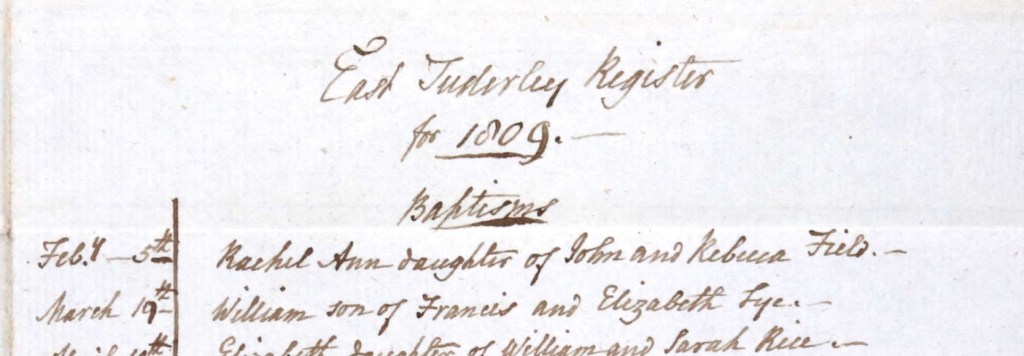
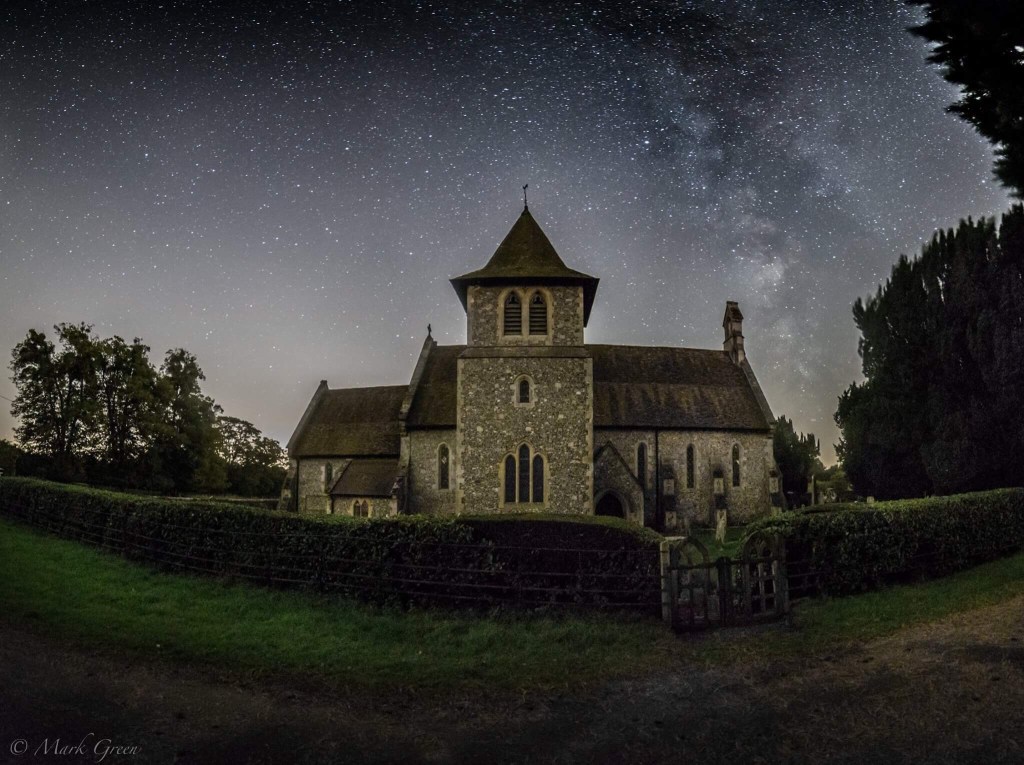
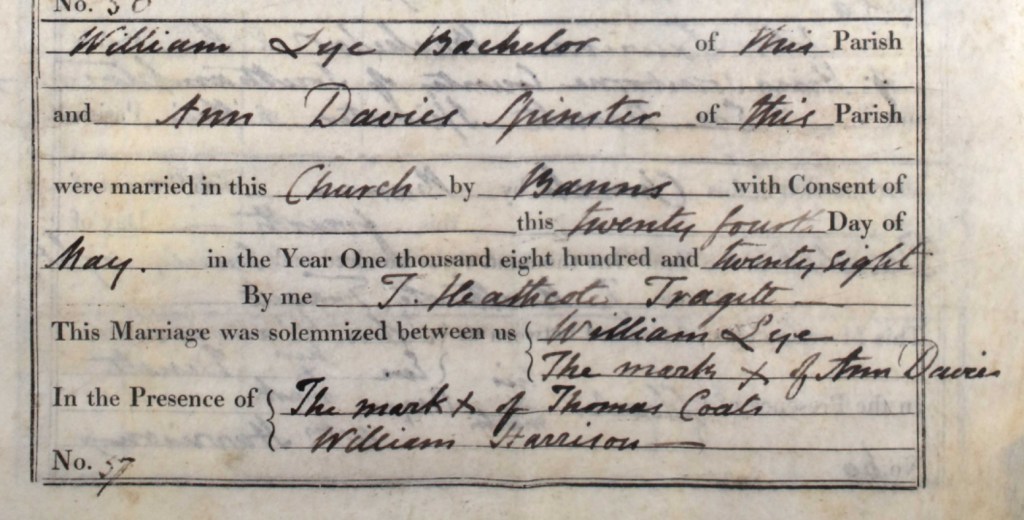


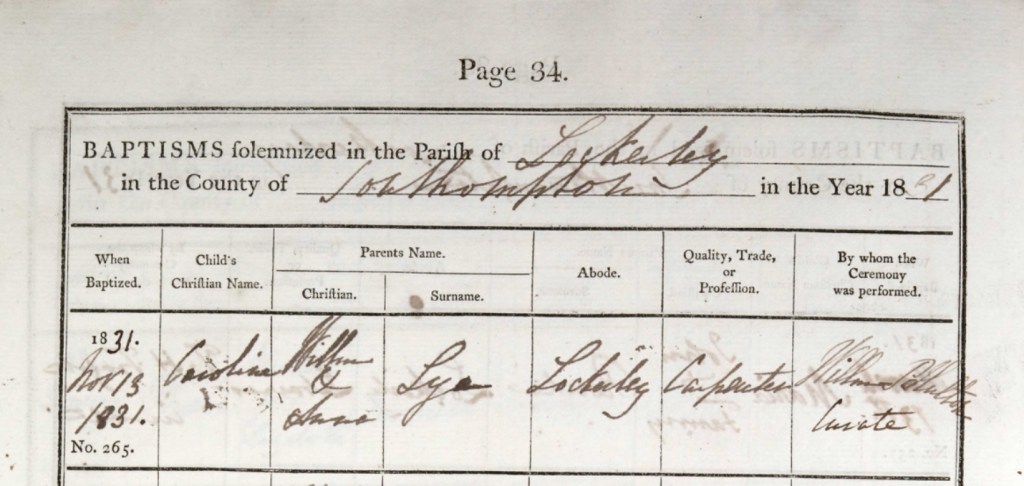





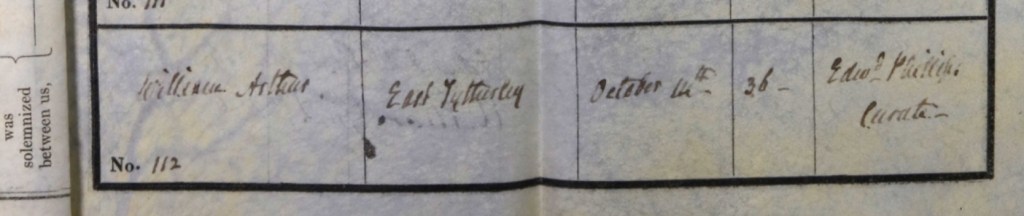
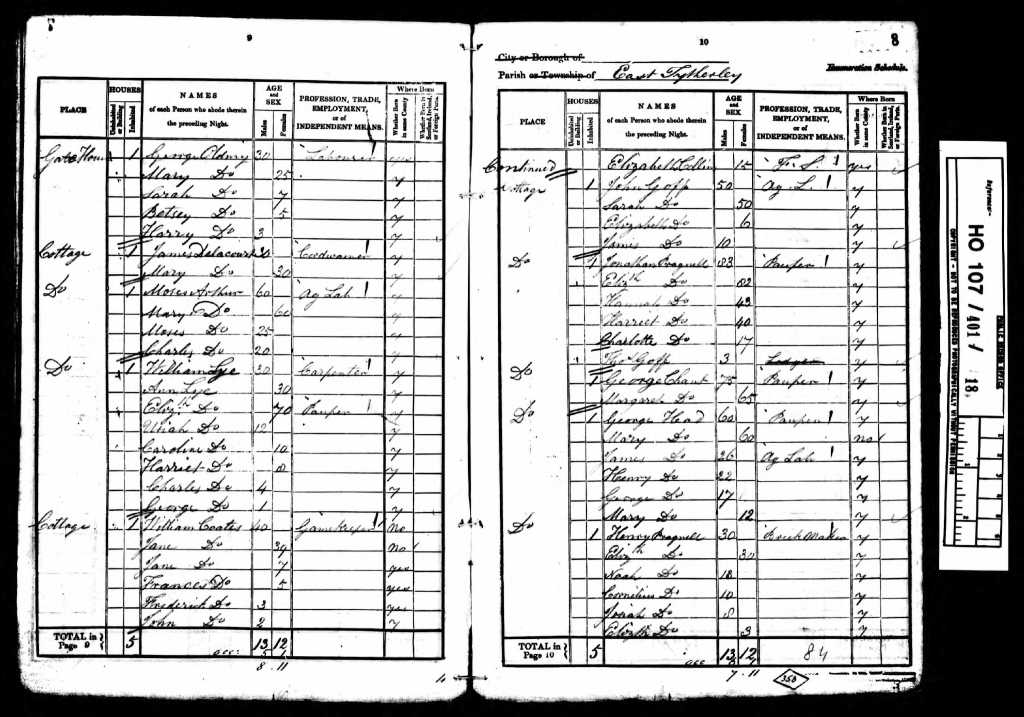
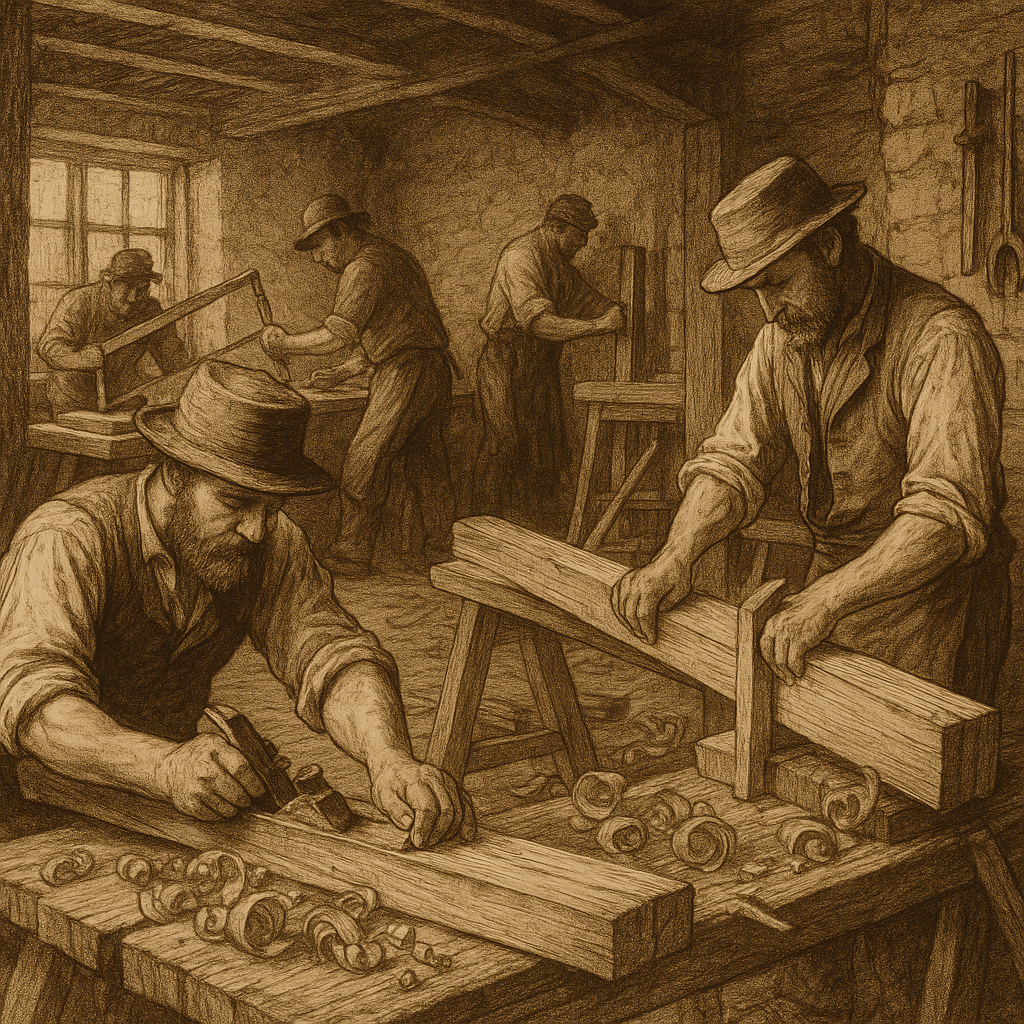

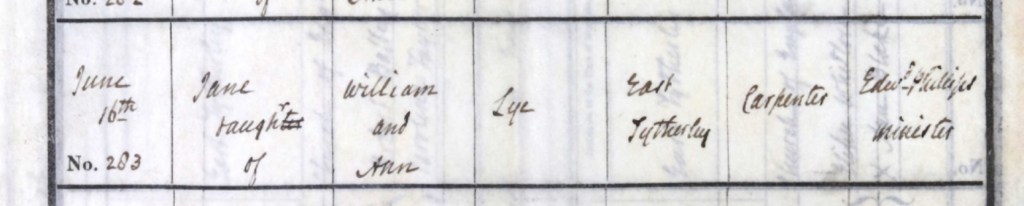





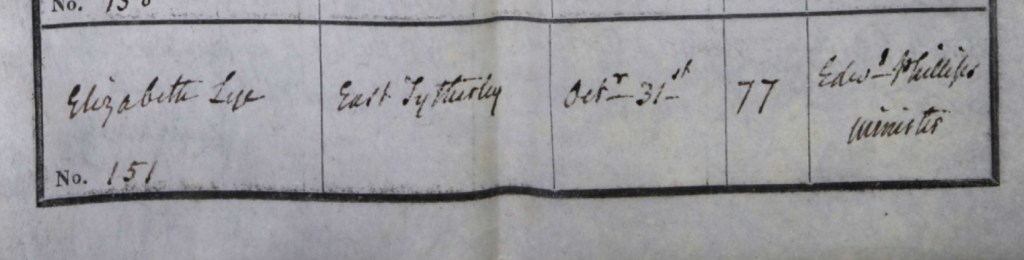

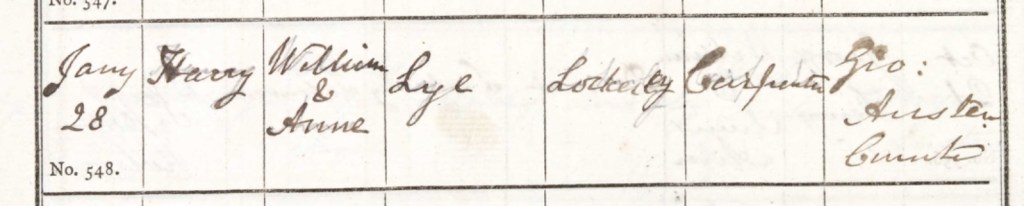
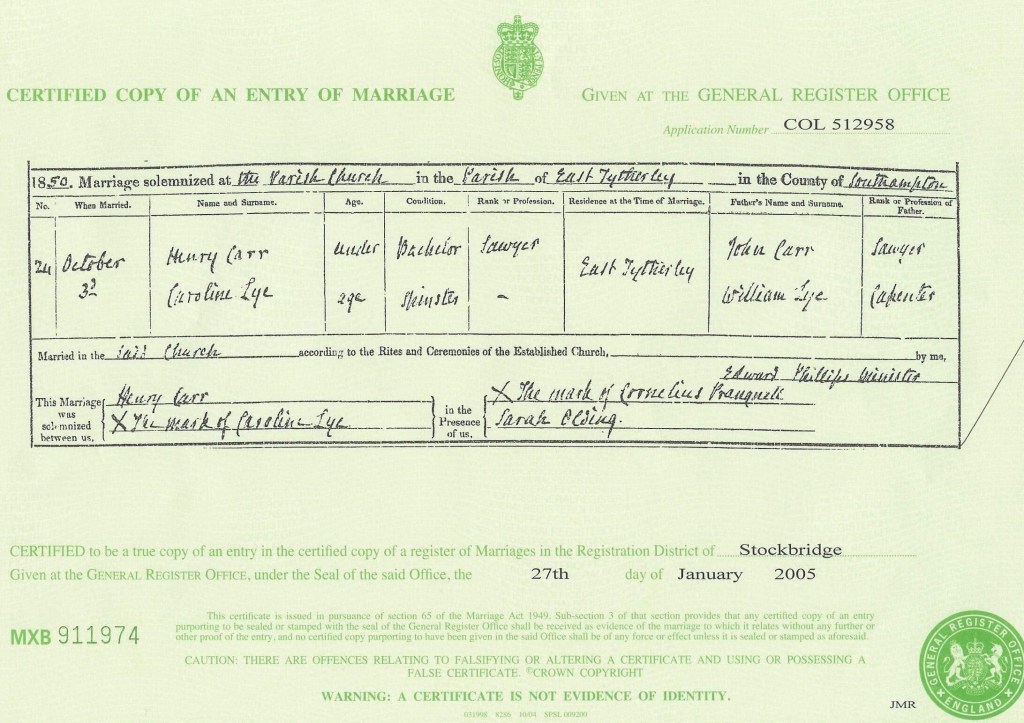

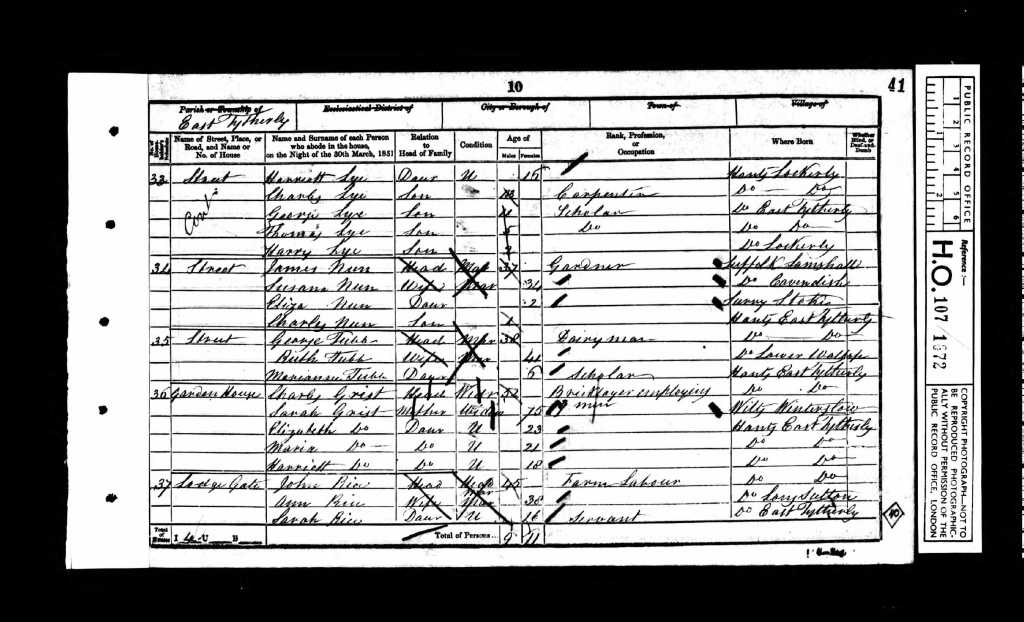

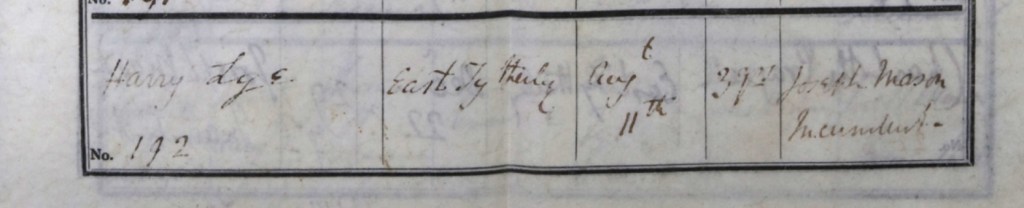

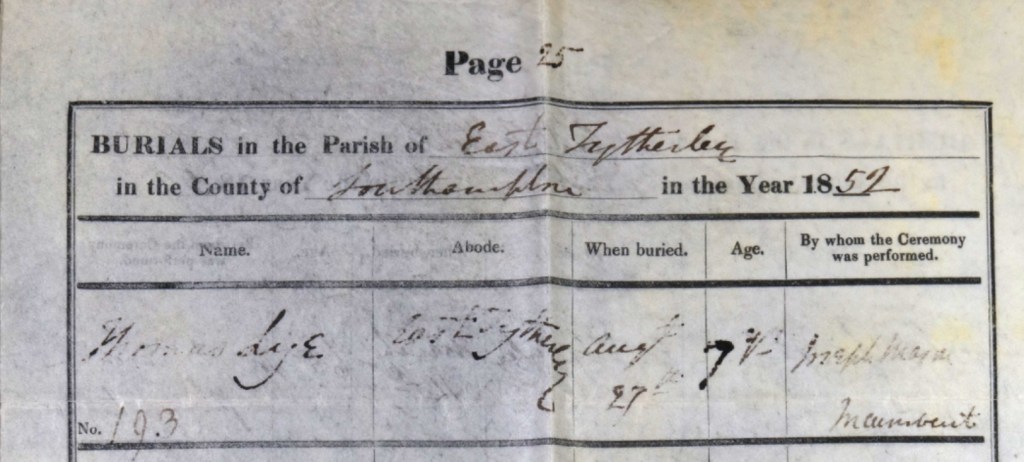
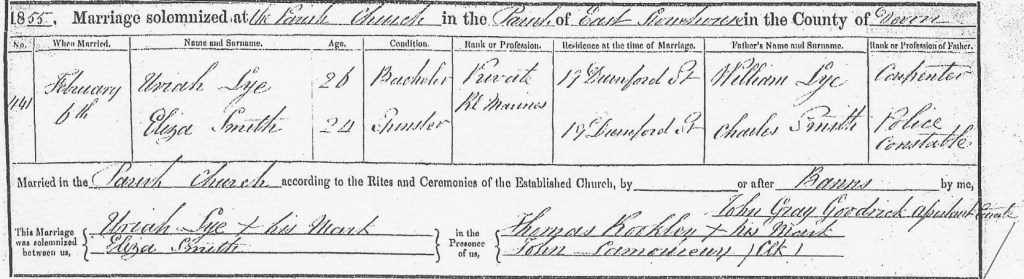
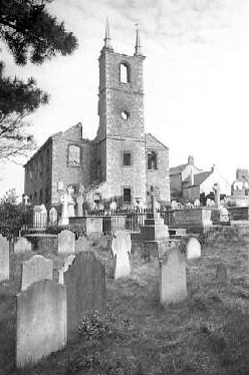
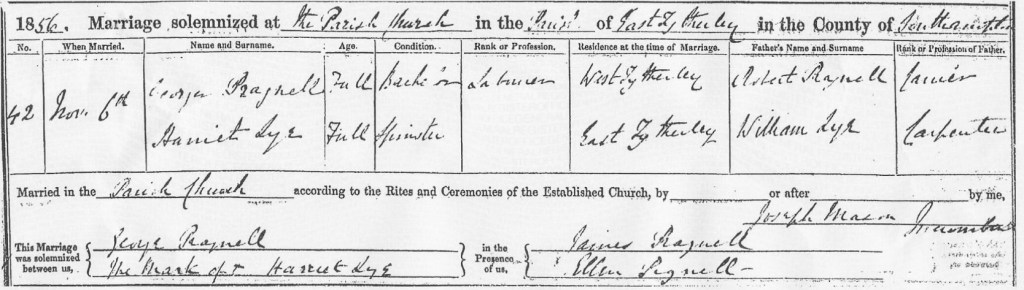
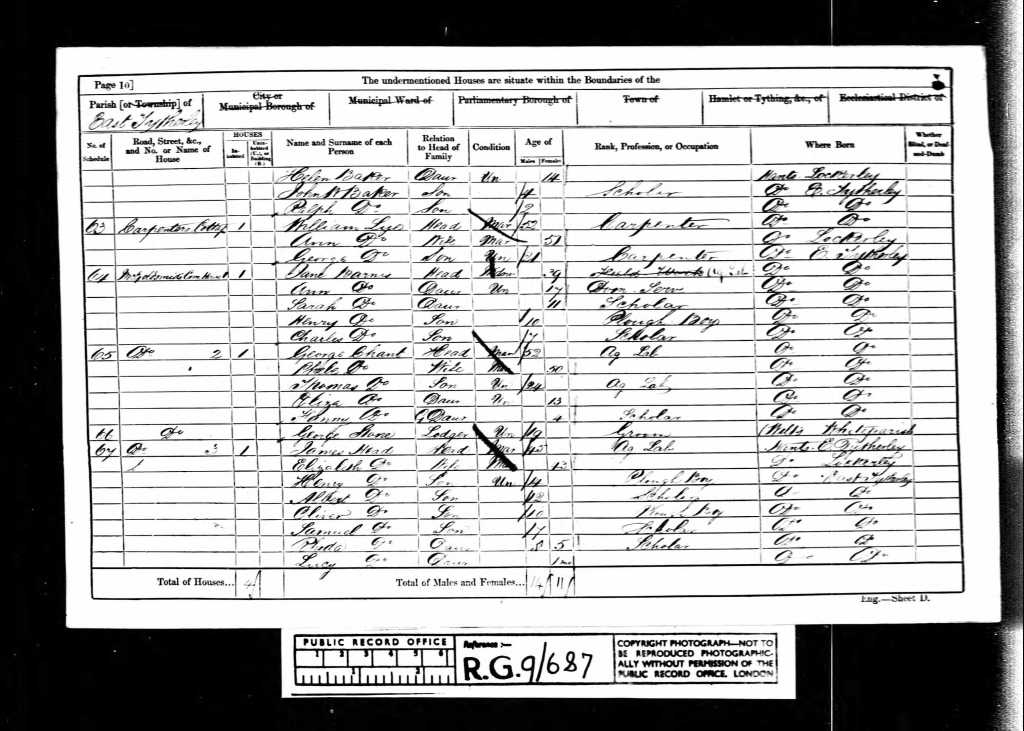
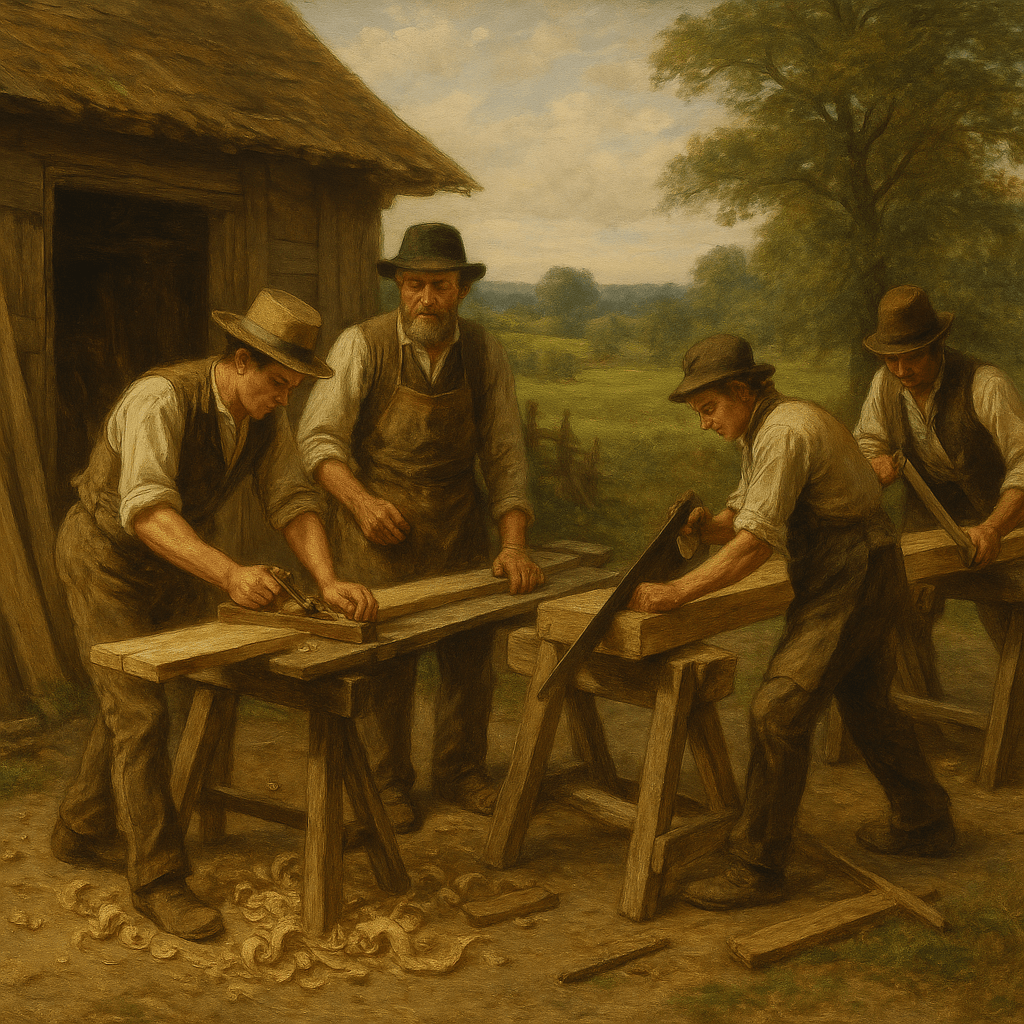
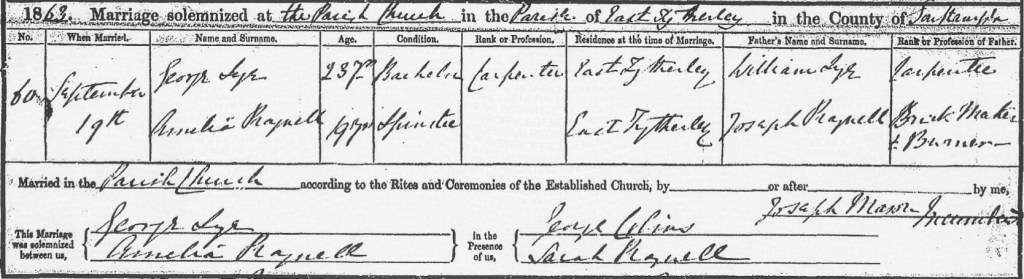
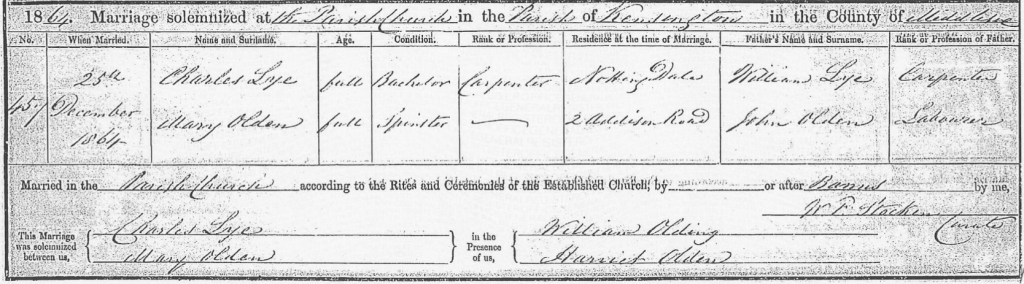
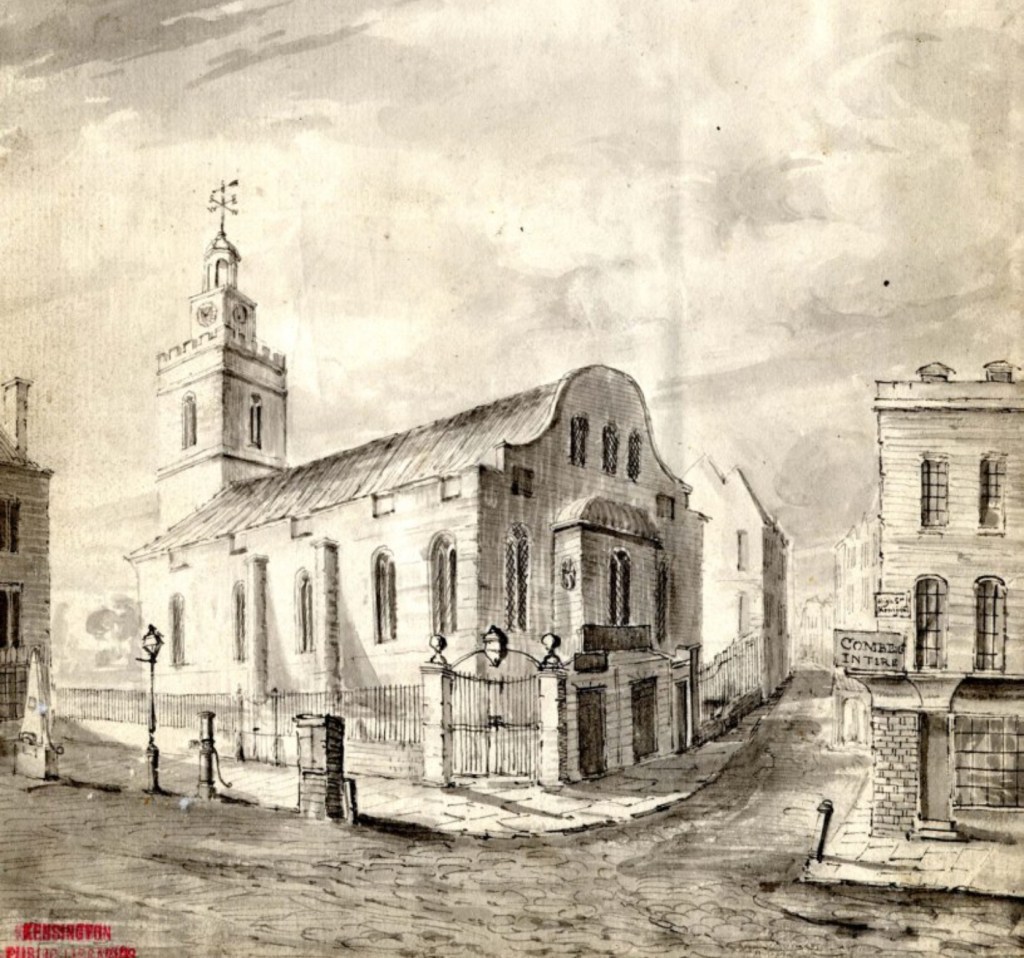
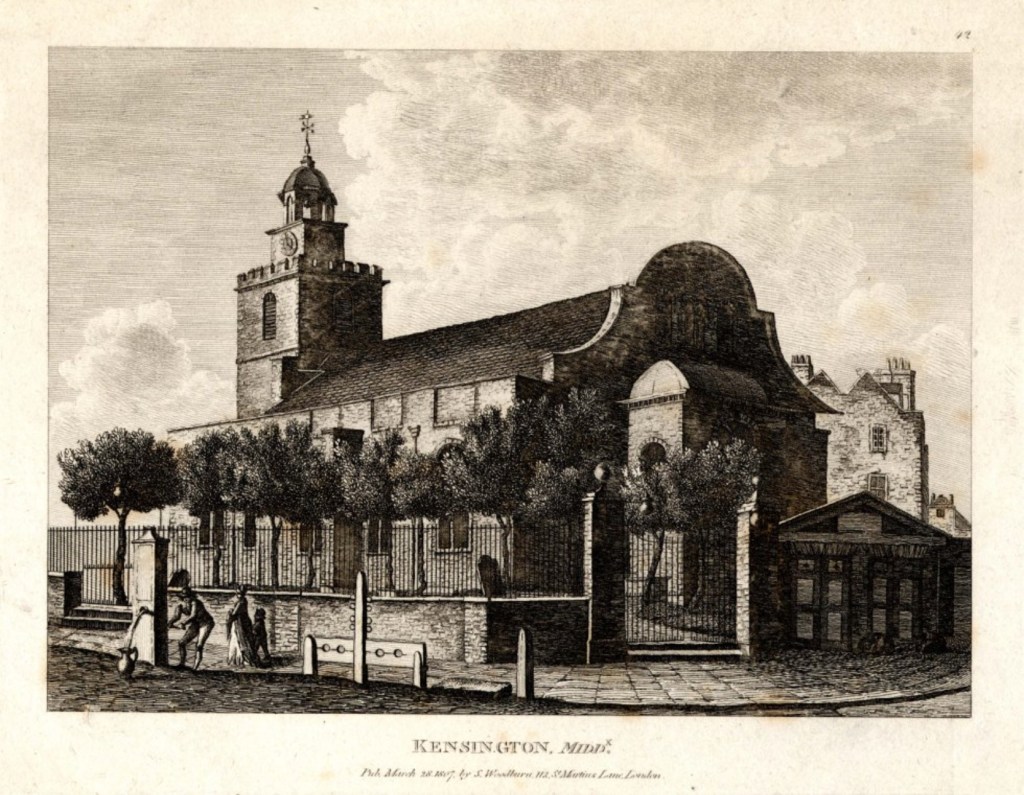
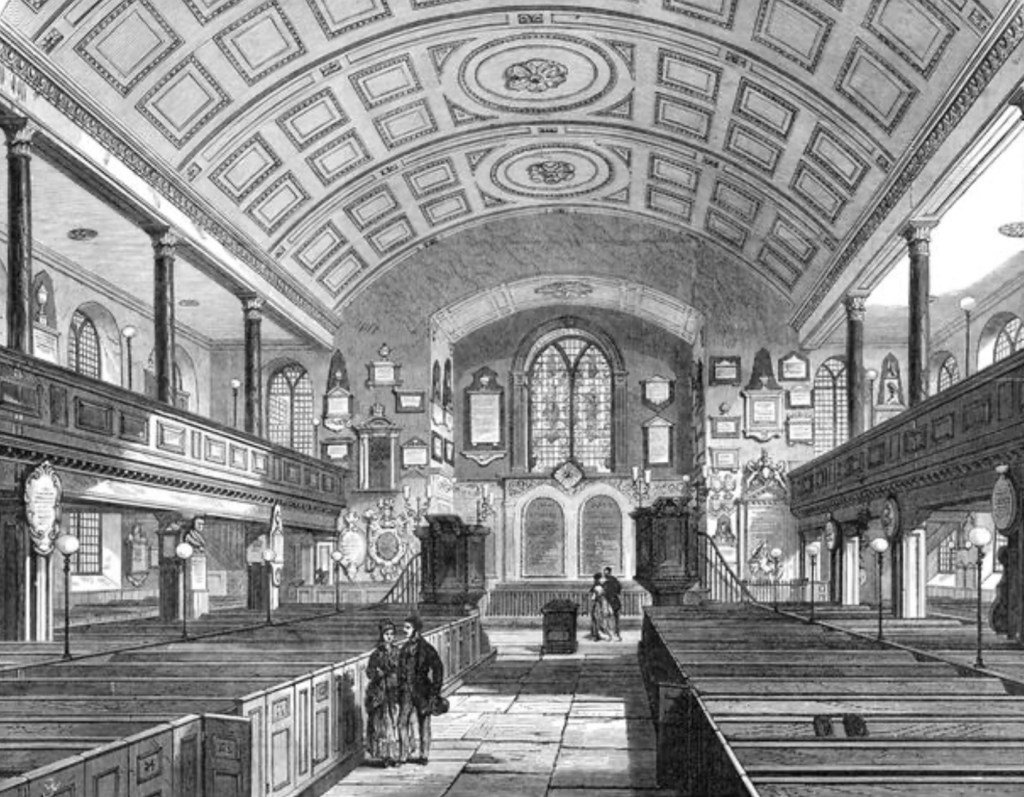
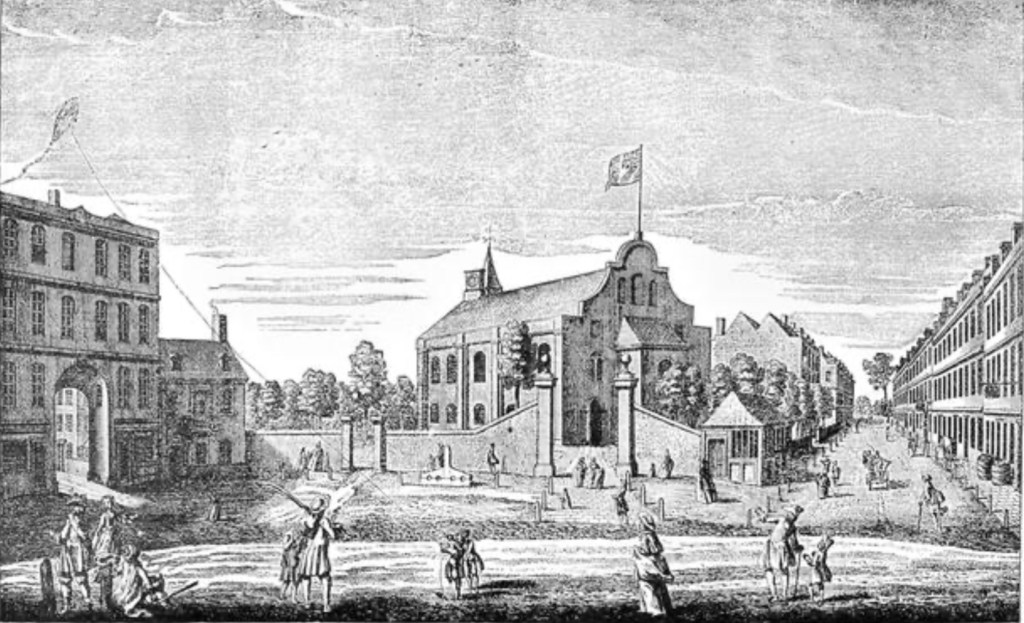
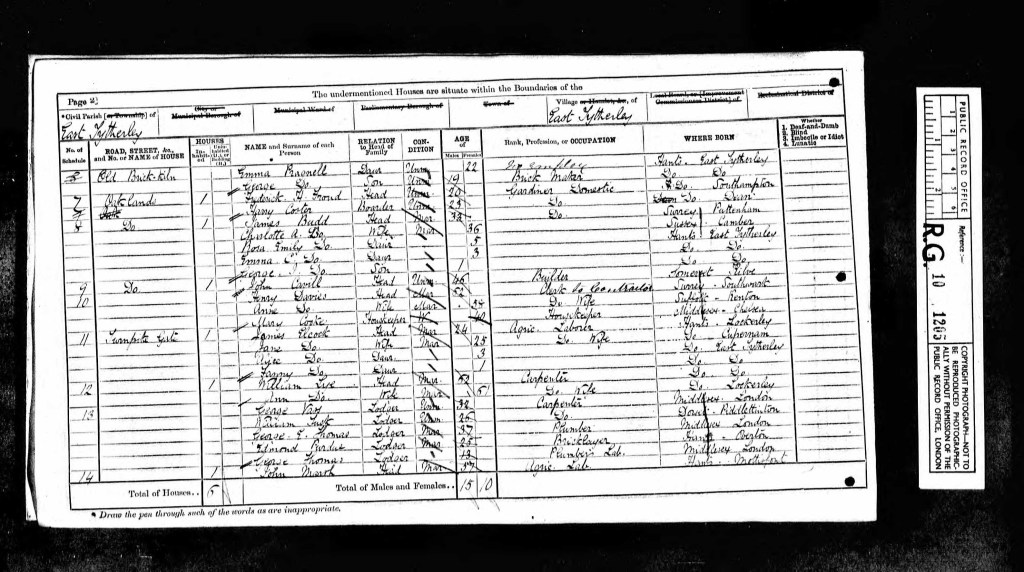
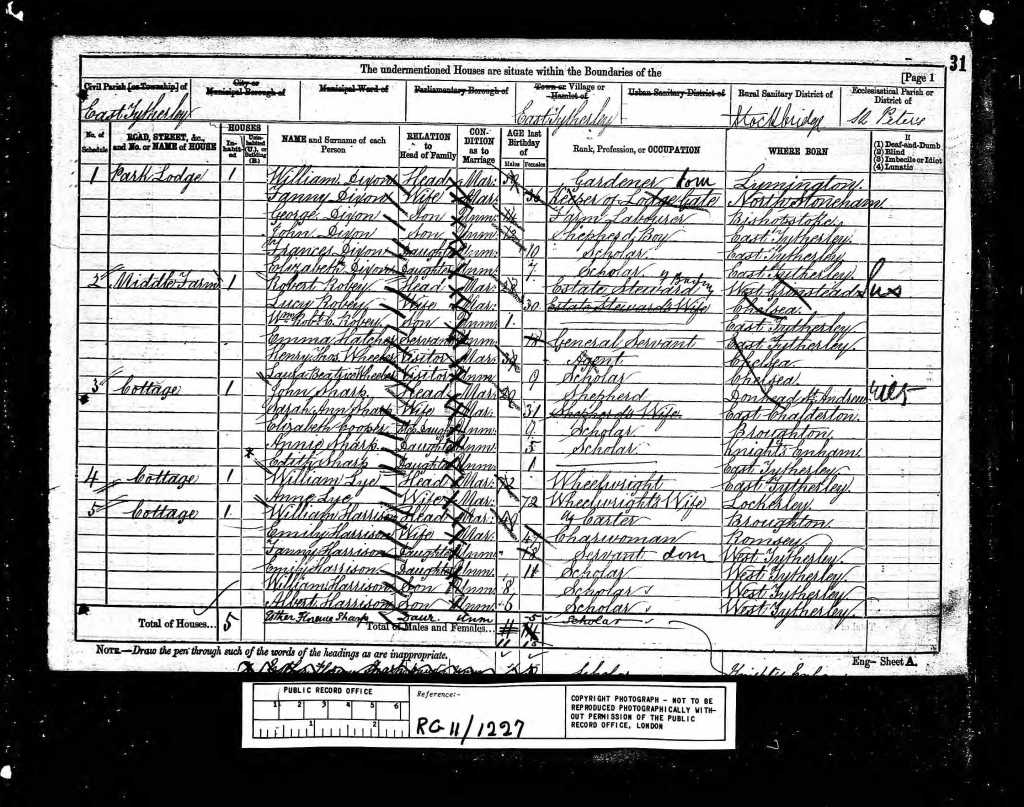
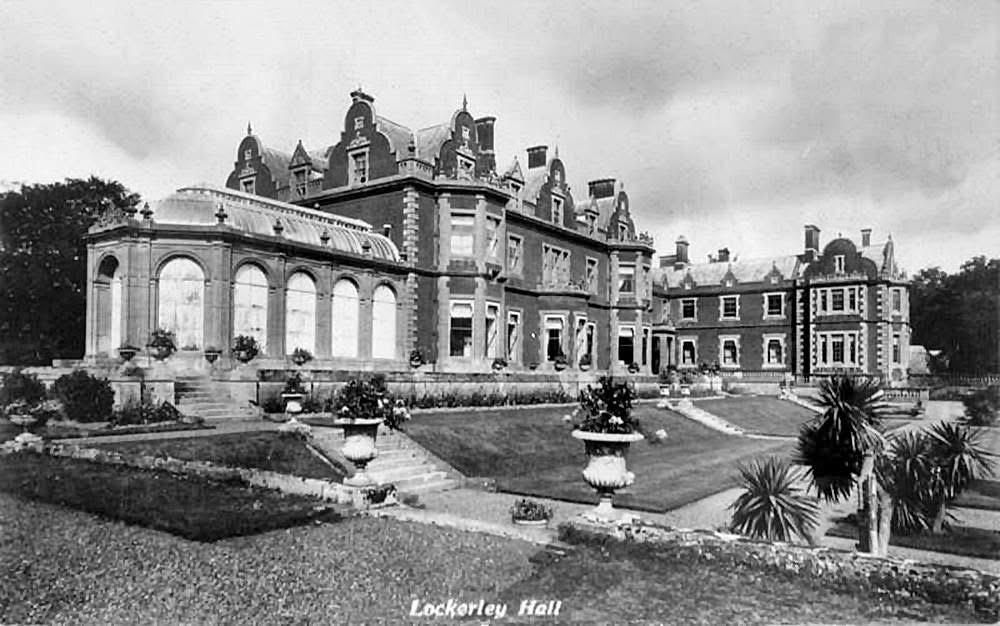
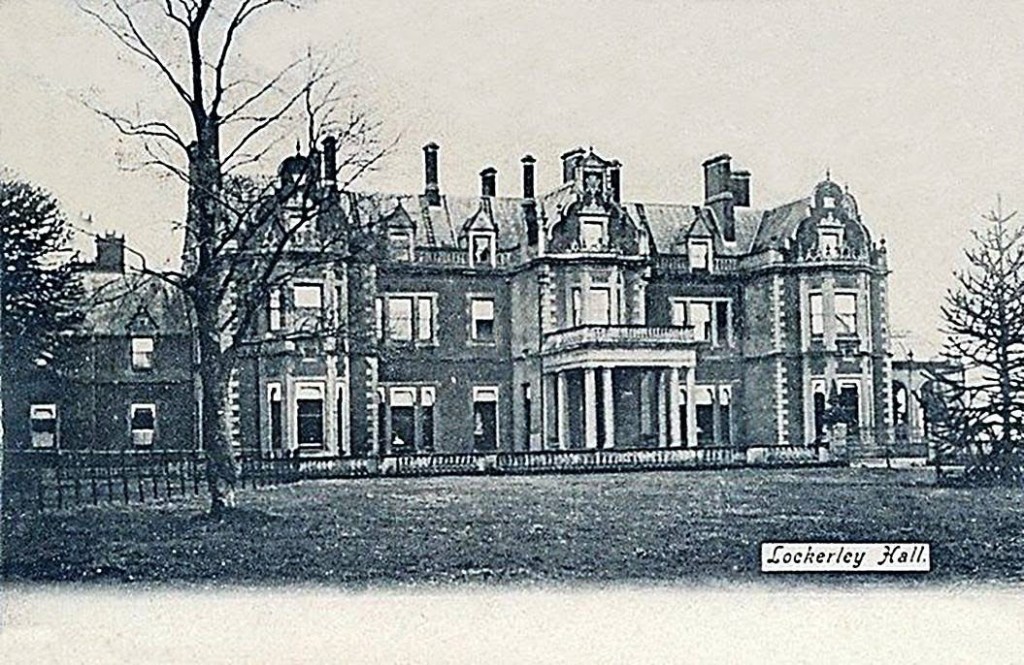
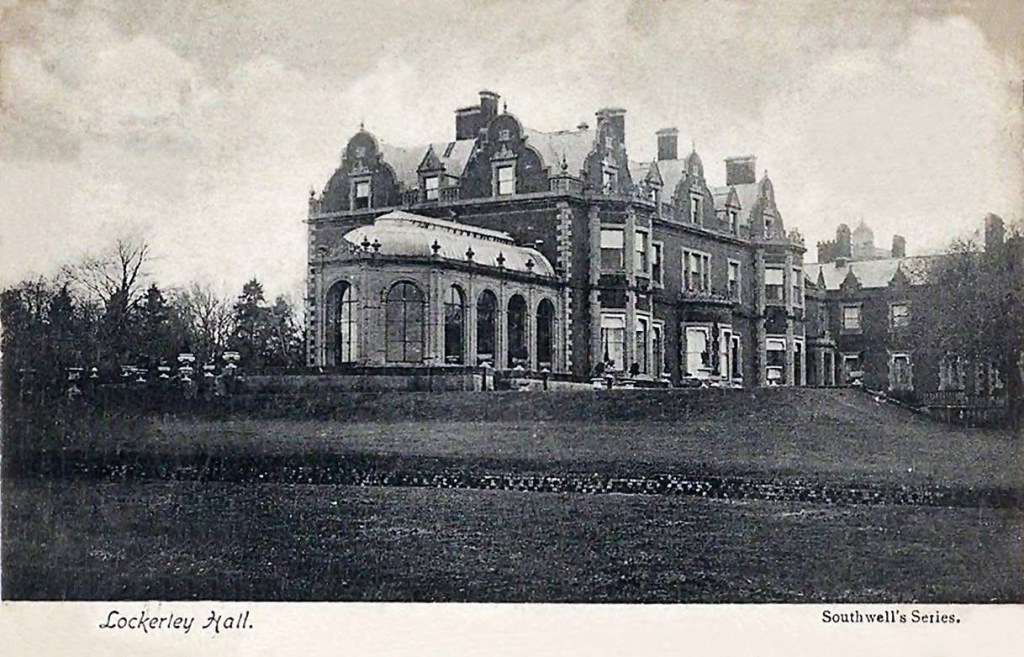
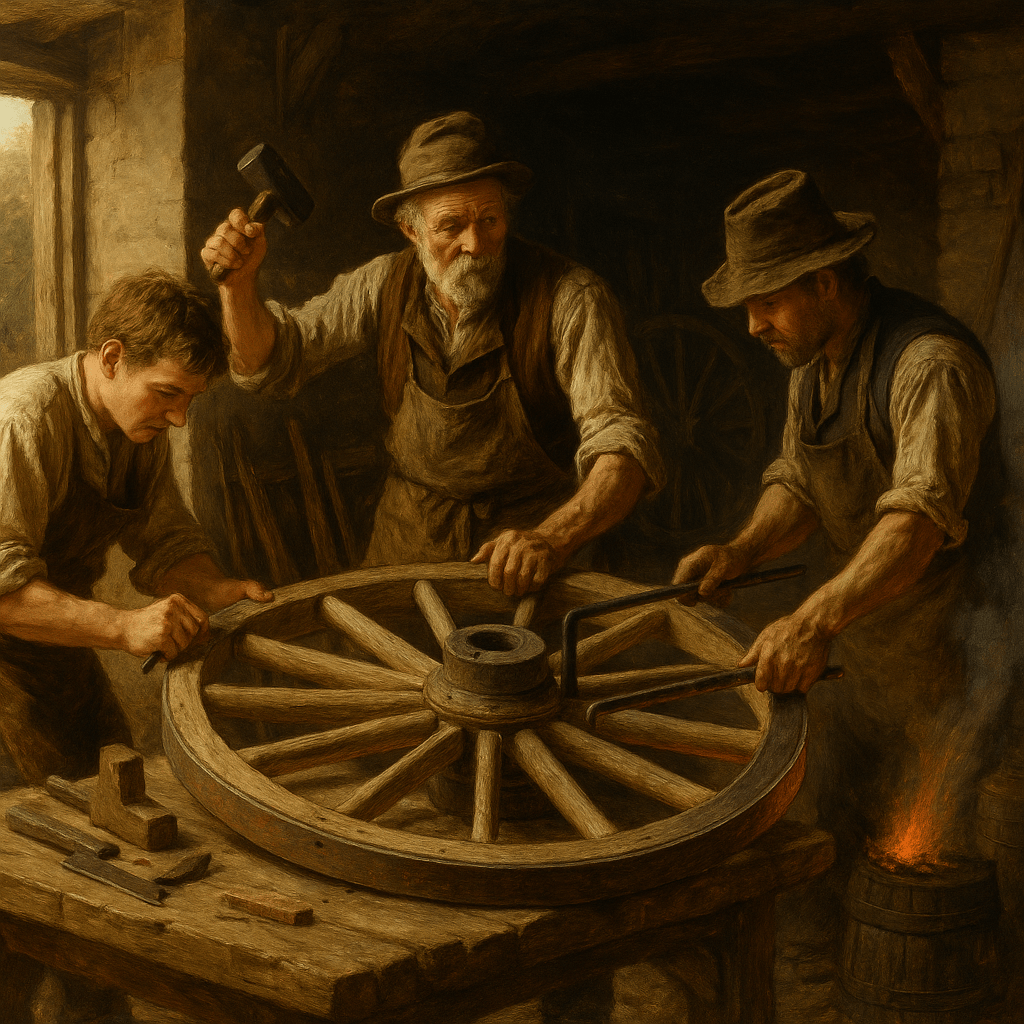



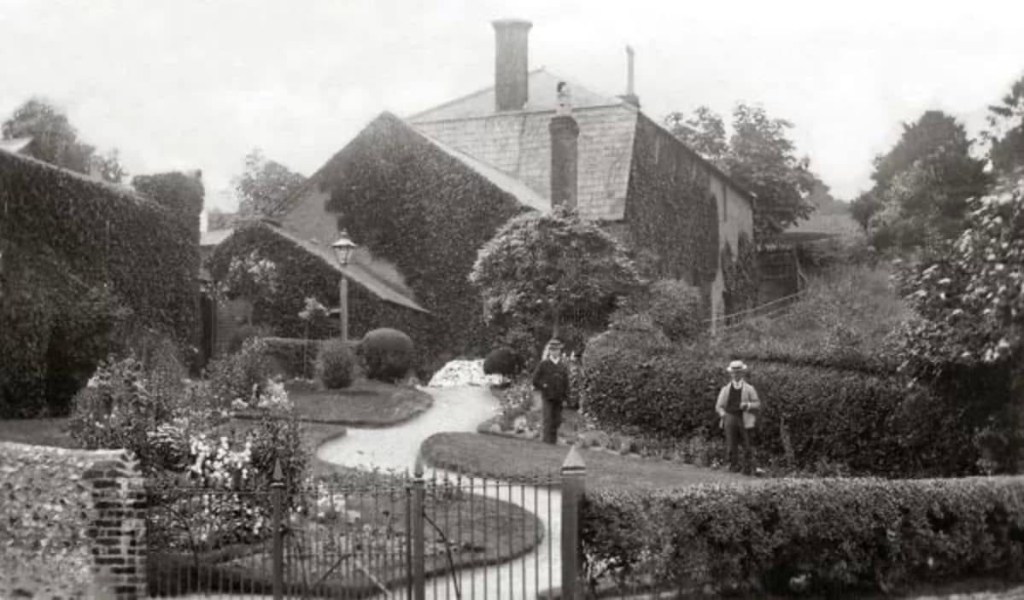
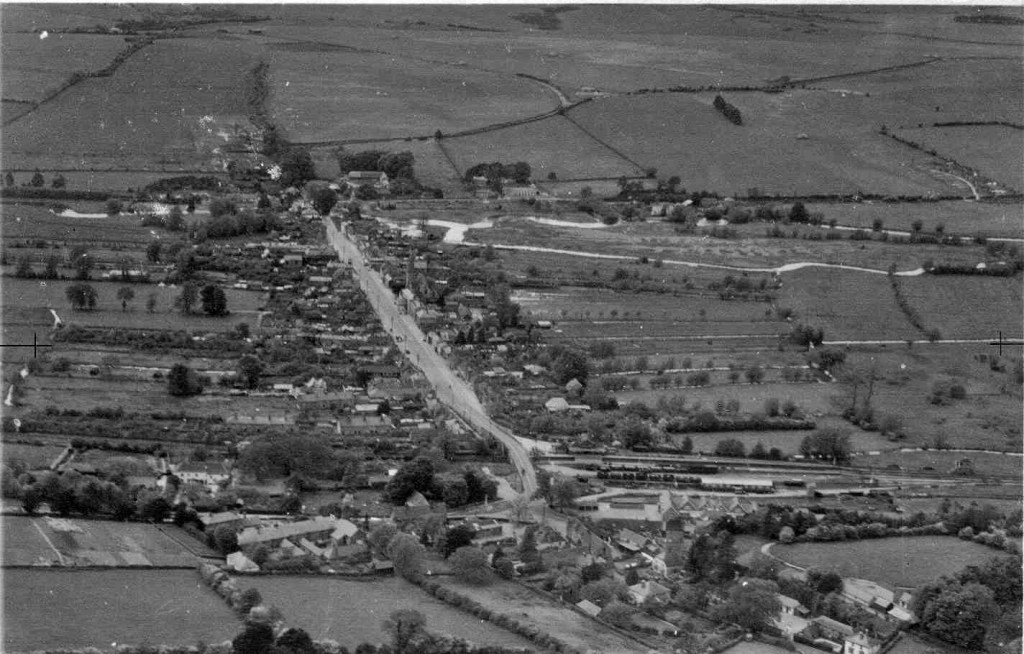

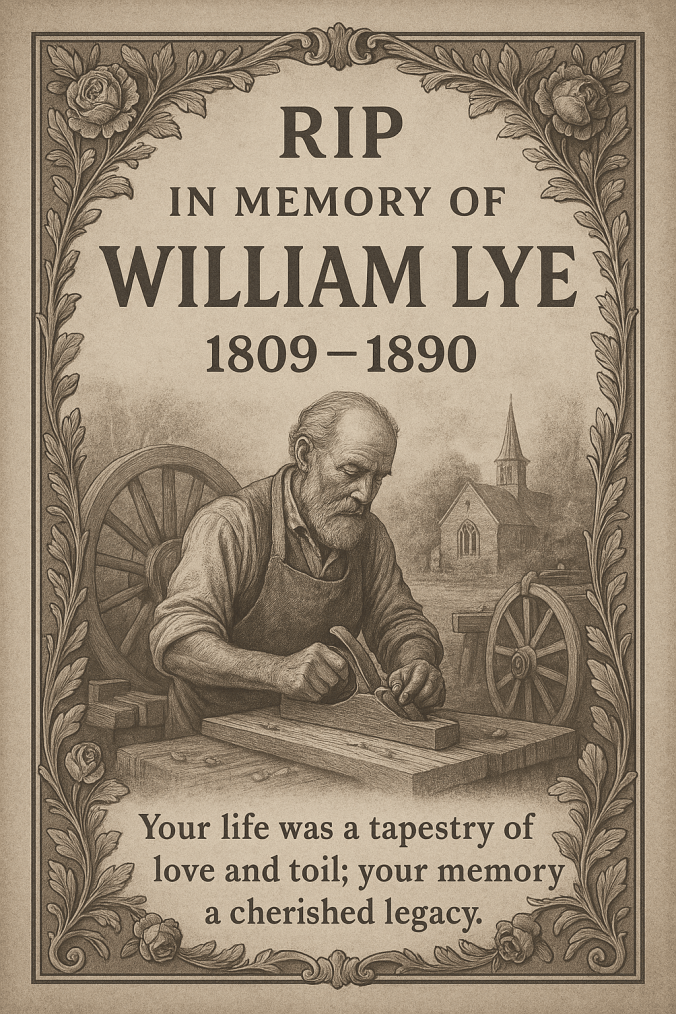
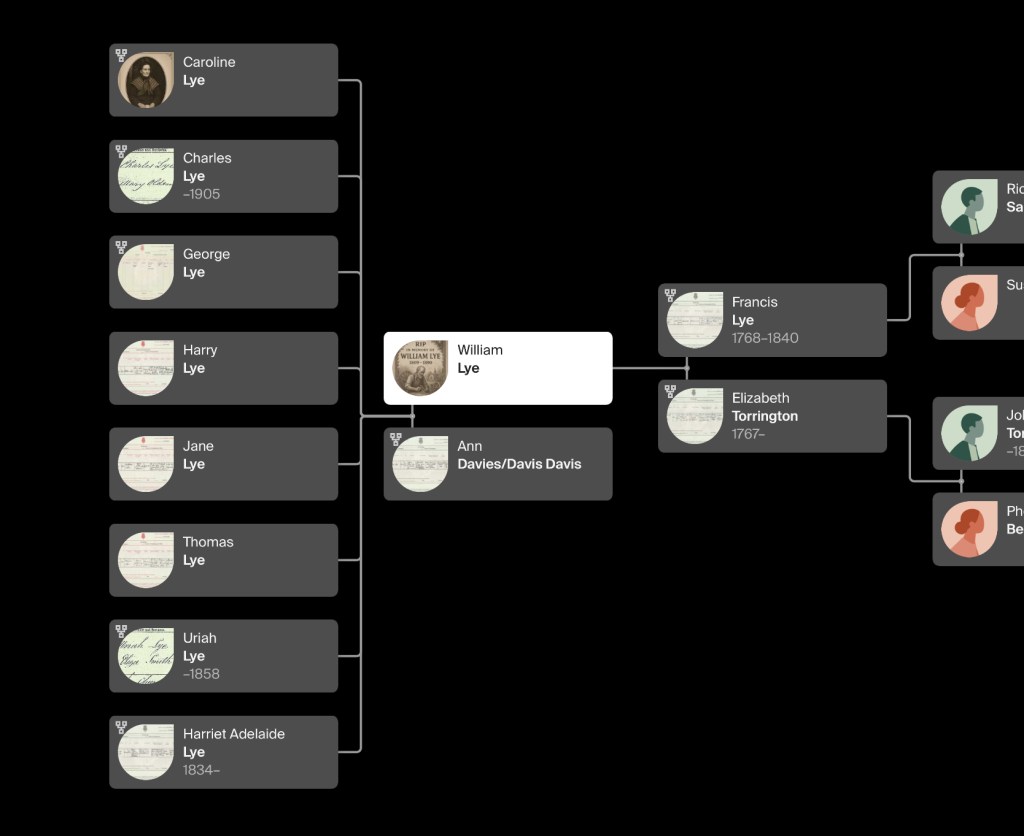
 Intwined