In the quiet embrace of history, amidst the whispers of time, there exists a tale woven with threads of resilience and discovery, a tale that begins with the enigmatic figure of Caroline Lye. Born in 1831, her life unfurled against the backdrop of an era steeped in change and challenge. Yet, her story, "The Life of Caroline Lye 1831–1912: The Early Years Through Documentation," is not just a chronicle of dates and places, but a testament to the enduring power of family history.
For me, the journey to unravel Caroline's life began not in the warmth of shared memories, but in the quiet ache of absence. It was after my father's untimely passing when I was merely 19 that I first ventured into the labyrinth of my paternal lineage. What I found were fragments, whispers, dusty documents and faded photographs, glimpses into a past that had eluded my grasp for so long.
Through countless hours of meticulous research, each page turned was a step closer to understanding. With every discovery, I unearthed more than names on a family tree; I discovered roots that anchored me to a narrative rich in courage and determination. Caroline, through her struggles and triumphs, became not just a distant ancestor, but a guiding light in my quest to know where I belong.
In her footsteps, I found the humble strength of those who came before me, individuals whose resolve shaped destinies and whose sacrifices seeded futures. Their legacy became my compass, guiding me to embrace my role as a custodian of our family's story. Their stories, once lost in time, now resonate with purpose as I strive to honor their memory and carry forward their dreams.
"The Life of Caroline Lye" is more than a homage; it is a tribute to resilience, a celebration of lineage, and a testament to the enduring bond that transcends generations. Through these pages, I invite you to journey alongside me as we unveil the tapestry of Caroline's life, a life that echoes with the spirit of those who dared to dream and, in doing so, shaped the course of our family's history.
Welcome back to the year 1831, Lockerley, Hampshire, England. The year is marked by significant social, political, and cultural changes, not just in the small rural village of Lockerley but throughout England and the wider British Empire. It is a time of social contrast, industrial advancement, and political unrest. The backdrop of this year reflects the enduring power of monarchy, the growing influence of the working class, and the increasing inequality between the rich and the poor. Let's step into the atmosphere of 1831, where each aspect of life, from politics to daily living, tells a story of a nation on the cusp of great transformation.
At the helm of the British Empire is King William IV, who ascended to the throne in 1830 after the death of his brother, King George IV. William IV was seen as a more popular monarch than his predecessors, though his reign was not without controversy. Known as the "Sailor King" due to his naval background, William IV faced the challenges of an increasingly industrialized society and the demands for reform that were growing louder in the wake of the Industrial Revolution. While he is remembered as a relatively benevolent monarch, his reign was marked by a need for change, particularly in the social and political landscape, which would set the stage for the reforms of the following decades.
In the political arena, the Prime Minister in 1831 was Charles Grey, 2nd Earl Grey. He led the Whig Party and was instrumental in the passing of the Reform Act of 1832, a landmark piece of legislation aimed at addressing the growing demand for electoral reform. The Whigs were a progressive party that favored reform, in contrast to the Tories, who were more conservative. The Reform Act sought to rectify the system of parliamentary representation, which had not evolved to reflect the significant population growth in industrial towns and cities. Despite his successes, Grey faced opposition from various factions in Parliament, particularly from the landed gentry and the Tory opposition, who feared that extending the franchise would erode their power.
The social divide between the rich, the working class, and the poor in 1831 was pronounced and stark. The rich, typically the landed aristocracy or wealthy industrialists, enjoyed lives of comfort and privilege. Many of the wealthy had large estates in the countryside or grand houses in the cities, employing a significant number of servants and living a lifestyle defined by luxury and influence. The working class, however, was beginning to feel the impact of industrialization. Many worked in the factories, mines, and mills that were sprouting up across the country. These workers faced long hours, poor conditions, and minimal wages, yet their labor was essential to the nation's growing economy. The poor, often living in overcrowded, unsanitary conditions, faced a life of struggle. The rural poor, such as those in Lockerley, would typically live in small cottages on farms or as tenants of wealthy landowners, while the urban poor were often relegated to slums in cities like London, Manchester, or Birmingham.
Fashion in 1831 was heavily influenced by the Regency style, which had evolved out of the earlier Georgian period. For men, this meant tailored coats, waistcoats, breeches or trousers, and top hats, reflecting the wealth and status of the upper class. Women wore empire-waisted dresses, often made of light fabrics, with high necklines and short sleeves, accessorized with bonnets and shawls. Fashion was a sign of social status, and the rich often set trends that were copied by the middle and lower classes, though the latter could only afford simpler versions of the latest styles.
Transportation in 1831 was rapidly evolving, but the majority of people still relied on horse-drawn carriages for travel, especially in rural areas like Lockerley. The roads were often in poor condition, and travel could be slow and uncomfortable. Railways were beginning to expand across the country, with the first railway lines having been laid in the early 19th century. The Stockton and Darlington Railway had opened in 1825, and the Liverpool and Manchester Railway followed in 1830, marking the start of the railway revolution that would transform the British transport system in the years to come. However, in rural areas, people continued to rely on the traditional methods of transport for several more decades.
Housing in 1831 was starkly divided between the rich and poor. The wealthy lived in grand country houses or in the elegant townhouses of London, while the working class lived in crowded, often poorly constructed homes. In rural areas like Lockerley, cottages for farm workers and tenant farmers were basic, with limited space, few amenities, and often shared walls. In cities, the poor lived in overcrowded slums where sanitation was minimal, and multiple families might share a single room. These conditions contributed to the spread of disease, particularly during periods of epidemics.
Heating and lighting were still rudimentary by today’s standards. Wealthier homes used coal or wood-burning fireplaces for heat, while the poor often made do with simple stoves or open fires. In urban areas, coal was a primary source of fuel for heating and industry. Lighting was typically provided by candles or oil lamps. Gas lighting was starting to be introduced in some cities, but it had not yet become widespread, and electric lighting was a long way off.
Sanitation was a major concern in 1831, especially in rapidly growing cities. Many people still relied on open sewers or cesspits, and the lack of proper waste disposal and clean drinking water contributed to frequent outbreaks of disease. Cholera, dysentery, and typhus were common, particularly in the overcrowded slums of industrial cities. In rural areas like Lockerley, sanitation was slightly better, but the conditions were still primitive by modern standards.
Food in 1831 varied significantly between the classes. The wealthy could afford a diet of meats, fruits, and imported goods, while the poor subsisted on simpler, more monotonous diets. Bread, porridge, and potatoes were staples for the working class. Meat was a luxury that only the rich could afford regularly. The growing availability of goods thanks to industrialization and better transport networks meant that food prices were generally lower, but many in the working class still struggled to afford enough to eat.
Entertainment in 1831 was largely centered around social gatherings, public events, and simple pleasures. The wealthy enjoyed operas, concerts, theater performances, and balls, while the working class found entertainment in public houses, local festivals, and fairs. Popular entertainment for the poorer classes included music and dance, with local taverns often providing the setting for lively gatherings. Newspapers were becoming more accessible, providing people with news and entertainment, and many people were becoming more literate as education slowly spread.
Diseases in 1831 were a constant threat. Epidemics such as cholera, typhus, smallpox, and tuberculosis ravaged populations, particularly in urban areas. The lack of effective treatments, poor hygiene, and overcrowding contributed to the spread of these diseases. Vaccination was not widespread, and many of the advances in medicine that we take for granted today had not yet been discovered.
The environment in 1831 was much different from what we know today. Industrialization was rapidly changing the landscape, particularly in urban areas. In the countryside, agriculture still dominated, with fields, hedgerows, and open spaces. However, industrial pollution from coal-burning factories and the early use of steam engines were beginning to have a significant impact on the environment, particularly in cities.
Gossip and social news were central to the lives of many in 1831, particularly in small rural communities like Lockerley. With limited access to information, word of mouth was often the primary way people learned about events, local affairs, and news from far away. In the cities, newspapers were beginning to play a larger role in spreading news, but in rural villages, people still relied on gossip and informal communication.
Schooling in 1831 was not universally accessible. Education was largely reserved for the children of the wealthy, and even then, it was often focused on basic literacy and manners. The education system was in the process of reform, with movements beginning to advocate for the education of the poor. It was not until later in the century that more comprehensive education systems would be put in place, but in 1831, formal schooling was still not a right for every child.
Religion in 1831 played a significant role in everyday life. The Church of England was the established church, and for many, religion provided the foundation for their daily lives. Regular attendance at church services was common for the upper and middle classes, and even the poor would often attend services as part of their community life. However, religious movements were growing in influence, and the early 19th century saw the rise of other denominations, including Methodism, which provided spiritual guidance to the working class and offered a sense of community outside of the Church of England.
Caroline Lye’s early life was woven into the rich tapestry of rural England, where the quiet lanes of Lockerley, Hampshire, England, would serve as the cradle for her childhood. Born around 1831, she arrived into a family that already had an established presence in this tranquil corner of the world. Her father, William Lye, a carpenter by trade, and her mother, Ann Lye (née Davies), were both in their early twenties, and Caroline was their second child. The first, Uriah Lye, had been born two years earlier, in 1829, and the two would share a close bond as they grew up in this close-knit rural community.
The exact moment of Caroline's birth remains elusive, as the fluctuations in recorded dates across various census records reveal. Born during a time when exact birth dates were less meticulously kept, the discrepancy between different census returns is part of the elusive mystery that surrounds her early years. The 1841 census, for instance, places Caroline’s birth year around 1831, but like many records of the era, it offers an estimate rather than a precise figure. This shifting nature of historical documents, a common feature of genealogical research, mirrors the ebb and flow of time itself, where memories fade, and records blur.
The 1851 census, however, presents a slightly more refined date, adjusting her birth year to approximately 1832, within the same village of Lockerley, where she had been born. By the time the 1861 census was taken, Caroline’s birth year was listed as around 1831, but the location was now given as East Tytherley, a nearby village where the Lye family’s roots had begun to take hold. Through these shifting records, Caroline's place within the family and the larger community begins to emerge, a young woman born into the bustle of rural life, whose story would, in time, echo across generations.
As the years passed, the family continued to be documented in successive census returns. The 1871, 1881, and 1891 census records consistently mark Caroline’s birthplace as Lockerley, with her birth year firmly set around 1831. Even the later records of 1901 and 1911, which were compiled in the twilight years of her life, reflect some variation in the year, 1832 and 1830, further testament to the sometimes imprecise nature of historical records, especially when it comes to personal details.
These subtle discrepancies in Caroline’s birth date may seem insignificant, but they reveal much about the lived experience of individuals in the 19th century, where the recording of exact birth dates was often secondary to the act of living itself. Yet, each census return brings us closer to understanding the journey of this remarkable woman, whose legacy, rooted in the small village of Lockerley, would live on in the hearts of those she left behind, including her descendants, whose search for her story would one day illuminate the path through the centuries.
In the year 1831, Lockerley, Hampshire, would have been a small rural village situated within the beautiful Test Valley, a region known for its rolling hills, farmland, and quiet country life. At this time, the village was still largely agricultural, with many of the people living off the land and working on farms, raising livestock, and growing crops. Industrialization had not yet deeply penetrated the countryside, so life in Lockerley would have remained relatively simple and connected to traditional ways of life, with most residents relying on local resources for sustenance and daily needs.
The homes were modest, often small cottages or farmhouses. These dwellings would have been built using local materials such as timber, brick, and stone. In the more rural areas, many homes were likely constructed from timber with thatched or slate roofs. The homes of farmers and laborers would have been functional but basic, typically consisting of one or two rooms, with a central hearth for cooking and heating. A fire would have been essential for warmth, cooking, and light, especially during the colder months. The wealthier residents, such as the landowners or gentry, would have lived in more substantial houses made from brick or stone, often with larger gardens and surrounding farmland.
The interiors of these homes would have been simple. In the cottages, furniture would have been sparse and functional, with wooden tables and chairs, straw or hay mattresses for sleeping, and a fireplace that was the focal point of the living area. In the wealthier homes, there may have been more comfort, with better furnishings, tapestries, and a greater variety of household goods, but the atmosphere would still have been practical and geared towards utility. Lighting would have been provided by candles or oil lamps, and in more affluent homes, there may have been decorative furnishings and richer materials used for furniture and flooring.
The village of Lockerley would have had a close-knit, rural community. In such a small village, nearly everyone knew each other, and the rhythm of daily life revolved around the agricultural calendar and church activities. People in the village worked together to manage the land, maintain the roads, and provide for one another, often coming together for local events, such as harvest festivals or village fairs. The sense of community was strong, with residents relying on each other for support, whether for practical matters or in times of difficulty, such as illness or loss.
At the heart of the community stood St. John’s Church, which would have been an essential focal point for the spiritual and social life of the village. The church, built in the 19th century in a traditional Gothic style, would have provided a space for regular religious services, baptisms, weddings, and funerals. Sunday services were a central part of village life, and St. John’s would have been a place where the community gathered for worship and reflection. The church also likely played a role in the moral and social fabric of Lockerley, serving not only as a place of prayer but also as a venue for social interaction and a source of guidance for the local population. The churchyard would have been the final resting place for many villagers, and gravestones marking the lives of those who had passed would have added to the village’s historic atmosphere.
Life in Lockerley in 1831 would have been deeply rooted in tradition, with many of the community’s activities governed by the rhythms of nature, planting and harvesting crops, caring for animals, and taking part in seasonal festivities. The agricultural landscape that surrounded the village was its lifeblood, and much of the work was seasonal, involving hard physical labor, often with long hours. Villagers who were not directly involved in farming might have worked as tradesmen, such as blacksmiths, carpenters, or shoemakers, providing essential services to the local community.
Roads were still largely unpaved in many areas, making travel difficult, especially in wet weather. Horse-drawn carts were the primary method of transport for most villagers, and it was common to see people walking long distances to reach the nearest town for trade or to conduct business. The advent of railways in the mid-19th century had not yet fully reached the rural villages, so Lockerley would have remained quite isolated, with few external influences penetrating the village.
The village’s agricultural nature meant that the landscape was dominated by fields, hedgerows, and patches of woodland, with the occasional farmstead or cottage scattered throughout the valley. The sounds of livestock, the chirping of birds, and the rustling of trees would have filled the air, making Lockerley an idyllic and quiet place to live, though life could be challenging for those without means.
Despite the peaceful setting, the reality for many in 1831 would have been one of hardship. The difference between the wealthy and the poorer classes was significant. The landed gentry or wealthy landowners in Lockerley would have had grander homes, large estates, and a degree of financial security that ensured their status. The working class, however, lived in simpler homes and often struggled to make ends meet. Many of them worked on farms, but they were often at the mercy of the landowners, with limited opportunities for social mobility. The poor, who lived on the margins of society, had few resources and often faced tough living conditions, including overcrowded housing and a lack of basic amenities like running water or effective sanitation.
Many homes in Lockerley would have used outside privies or cesspits, and waste disposal was often inefficient. Disease outbreaks, particularly from poor hygiene, were common, with conditions like cholera, dysentery, and typhus posing serious threats. Medical care was limited, and many villagers relied on folk remedies and local healers rather than trained doctors. Vaccines and antibiotics had not yet been discovered, so infectious diseases could spread rapidly, especially in poor living conditions.
Produce would have been locally sourced, with people eating what they could grow, raise, or catch. The diet of the working class would have been simple and monotonous, primarily consisting of bread, porridge, potatoes, and vegetables, with meat being a luxury reserved for the wealthier members of the community. The wealthier families in the village would have had more variety in their diet, including fresh meats, seasonal fruits, and imported goods like tea, sugar, and spices. The rise of market trading was beginning to allow for greater access to products, but much of the food was still grown or raised locally.
There would have been local fairs, dances, and social gatherings at the village pub or the church hall. The church also played a role in community life beyond just religious services, hosting events like harvest festivals, social gatherings, and educational activities. For the wealthier villagers, leisure activities could include horseback riding, attending local events in nearby towns, or hosting social gatherings at their estates.
On Sunday, the 13th day of November, 1831, Caroline was baptised at St. John’s Church, Lockerley, Hampshire, England. This act of faith, performed by Curate William P. Hudlow, was not just a rite of passage but a testament to the Lye family’s deep-rooted connection to the village of Lockerley.
The baptism register records that Caroline, the daughter of William Lye, a carpenter by trade, and Ann Lye (née Davies), was brought to the church to be blessed by the waters of baptism. It was in this sacred space, nestled in the quiet parish of Lockerley, within the county of Southampton, that her name would be forever inscribed in the annals of the community. The very act of baptism, an ancient and revered tradition, served to bind Caroline to her family, her faith, and her heritage.
Though this moment occurred nearly two centuries ago, it is a precious touchstone in the journey of Caroline’s life. It marks the beginning of a legacy that would span generations, connecting not only Caroline but her descendants to the history of Lockerley, to the Lye family’s roots in the village, and to the community that witnessed her baptism. Through this sacred ceremony, Caroline was symbolically embraced by the love of her parents, the faith of her church, and the community that would carry her story forward.
In a way, Caroline’s baptism on that crisp November day in 1831 reflects the quiet significance of her life, a life marked by steady, humble progress in a rural English village, where every event, no matter how small, was a stitch in the larger tapestry of history. The records, though simple, now serve as the bridge between past and present, offering us a glimpse into the world that shaped Caroline and reminding us of the powerful role that faith, family, and tradition played in the lives of those who came before us.
St. John’s Church in Lockerley, Hampshire, is a charming and historic church that has served the local community for centuries. Located in the heart of the picturesque village of Lockerley, which lies in the Test Valley, the church is an important part of the area’s history, culture, and spiritual life.
The history of St. John’s Church dates back to the medieval period, though the current structure reflects several stages of development over the centuries. The original church was likely built around the 12th century, though records from that time are sparse. The church’s dedication to St. John the Evangelist indicates its religious association with the Christian tradition, particularly with the apostle John, one of the most prominent figures in the New Testament. The church’s early history is tied to the broader religious and agricultural practices of the village, which has been a rural community for much of its existence.
Over the centuries, St. John’s Church was subject to several expansions and renovations. The original Norman structure would have been relatively simple, reflecting the needs of a small rural community. However, as Lockerley grew and developed, particularly during the medieval and post-medieval periods, the church was modified to accommodate a larger congregation and to reflect the changing architectural styles of the time. One of the most notable periods of change came in the 19th century, when the church was rebuilt in the Victorian era.
The current building of St. John’s Church was constructed in 1889–90 under the direction of the architect J. Colson, in a style that blends both Gothic and Perpendicular Gothic elements. This period saw significant growth in the Test Valley, and Lockerley, with its proximity to the town of Romsey, benefitted from an expanding population and increased prosperity. The design of the church reflects the period's architectural tastes, with soaring arches, intricate stained-glass windows, and the use of local materials that give the church a distinctive character.
St. John’s Church is a relatively large and impressive building for a rural village church. The structure features a chancel with an outshot, a nave with transepts, and a southwest tower that adds a sense of grandeur to the village’s skyline. The church’s stained-glass windows, depicting various scenes from the Bible, are particularly beautiful, and they provide a striking contrast to the stonework of the building. The wooden roof of the nave, designed with king-post trusses on arch-braces, is another notable feature of the interior, displaying the craftsmanship of the period.
Over the years, St. John’s Church has been at the center of life in Lockerley, hosting regular religious services, weddings, baptisms, and funerals. The churchyard is the final resting place for many of the village’s residents, with gravestones marking the passage of time and offering a sense of continuity to the village’s history. The church continues to play an important role in the spiritual life of the community, offering a space for worship, reflection, and prayer.
In addition to its role as a place of worship, St. John’s Church has also served as a venue for significant community events. The church is a place where people come together to mark important milestones, both religious and personal. Many of the village’s residents, both past and present, have been married, baptized, or buried in the church, giving it a special place in the collective memory of Lockerley.
The churchyard itself is a peaceful and tranquil space, with the graves of local families dotting the landscape. These graves serve as a reminder of the long history of Lockerley, and they provide a connection to the past. The churchyard is not only a site of historical importance but also a beautiful setting for reflection, surrounded by the natural beauty of the Hampshire countryside.
As for rumors of hauntings, like many historic churches, St. John’s has been the subject of local legends and ghost stories. However, there are no widely documented or substantiated paranormal occurrences associated with the church. Given the long history of the building and the village, it is not unusual for local folklore to suggest the presence of spirits or supernatural events. In many cases, such stories are passed down through generations, often becoming part of the cultural fabric of a place. While there may be occasional whispers or tales shared by the community about unexplained occurrences, there is no firm evidence to suggest that the church is haunted.
The name Caroline has a rich history and has been a popular given name in many countries, particularly in English-speaking ones, throughout the centuries. It is of Latin origin and is a feminine form of the male name Carolus, which itself is derived from the Germanic name Karl. The name Karl means "man," "free man," or "strong," and the name Caroline, as its feminine counterpart, shares these associations with strength, freedom, and nobility.
Caroline gained popularity in Europe during the 17th and 18th centuries, largely due to its association with royalty and nobility. One of the key influences on the name's popularity was Queen Caroline of Ansbach, the wife of King George II of Great Britain. Queen Caroline was a respected and influential figure in the early 18th century, known for her intelligence, her involvement in the arts, and her support of scientific advancements. Her prominence helped establish the name Caroline as one associated with grace, beauty, and royal lineage.
Throughout history, the name Caroline continued to be used by several notable figures, further solidifying its place in the cultural lexicon. It was common among aristocratic families in Europe, and it was not uncommon to find several royal or noble women bearing the name. The name was used in various forms across different languages and regions, such as "Carolina" in Spanish and Italian, and "Caroline" in English and French.
The name Caroline became particularly fashionable in the 18th and 19th centuries, reaching its peak in the Victorian era, when names with classical or royal associations were highly popular. During this time, it was often chosen for daughters in aristocratic families, but it also gained popularity among the general public. It is a name that conveys elegance and sophistication, and it was frequently used in both literature and society.
In the 19th century, Caroline also appeared in various literary works and plays, where it was associated with characters of beauty, virtue, and high social standing. These portrayals helped to reinforce the name’s association with nobility and refinement. The name continued to be popular throughout the 20th century, and it is still used today in many countries.
In terms of meaning and symbolism, Caroline carries associations of strength, dignity, and freedom. The name's roots in the Germanic word "Karl," meaning "man" or "free man," give it a sense of empowerment, and it has long been associated with strong, independent women who embody these qualities. The name has often been seen as elegant and regal, making it a popular choice for both first names and middle names.
In modern times, Caroline remains a classic and timeless name. While it is not as commonly used today as it was in previous centuries, it still retains its charm and continues to be chosen by many parents. The name also has a variety of diminutive forms, such as Carrie, Carly, or Lina, which provide more casual or affectionate alternatives for family and friends.

The surname Lye is of English origin, and it is believed to have derived from a place name or a descriptive term related to the landscape. The name "Lye" is thought to be derived from the Old English word "lye," meaning a meadow or a clearing in the woods, often referring to a piece of land that was cleared for farming or settlement. This suggests that the surname Lye could have originally been a locational surname, given to people who lived near or worked in a meadow, clearing, or a piece of land. Such surnames were commonly adopted in medieval England as families began to take names based on their locations or occupations.
The surname Lye could also be connected to other place names in England, particularly in regions where such clearings were common. There are several locations in England, such as Lye in Worcestershire, that likely contributed to the adoption of the surname. People from these areas may have adopted the name to signify their origin. Over time, families who adopted the surname Lye were likely spread out across different parts of England, especially in counties like Worcestershire, Gloucestershire, and Somerset.
In the context of heraldry, the family crest for the Lye surname is not as commonly documented as some other, more widespread surnames, but like many English surnames, it would have been associated with certain symbols, colors, and mottos specific to the family or region. Family crests were often granted to distinguish noble or gentry families, and while not all families with the surname Lye would have had an official crest, the family name's association with land and rural life may have been reflected in a simple, nature-based symbol, such as a tree, a meadow, or a piece of land.
As with many surnames, the history of the Lye family would have been influenced by the social, cultural, and geographical context in which the family lived. The Lye surname, like many others, would have been passed down through generations, evolving in both form and usage over time. The name may have spread to other regions, including parts of the British Empire during the colonial period, leading to its presence in countries such as Canada, the United States, and Australia.
Born around 1834, Caroline’s sister, Harriet Lye came into the world in the quiet countryside of Lockerley, Hampshire, England, though the precise year of her birth, like so many of the children of her time, remains a mystery, obscured by the limitations of record-keeping in the 19th century.
Harriet’s early life, much like that of her sister Caroline, is gently woven through the pages of census records, offering a fragmented yet telling portrait of her birth and upbringing.
The 1841 census provides only a broad brushstroke of her early life, listing her birthplace as simply "Hampshire," offering little more than a general indication of the region where Harriet’s story began. In the vast expanse of England, this bare detail leaves us with more questions than answers, but it is the first clue in tracing the path that would unfold over the coming decades.
As time moved forward, the census returns would begin to provide more specificity, grounding Harriet within the community that would shape her childhood. By 1851, the census lists her birthplace as Lockerley, the village where her family had firmly planted their roots. This aligns with what we know of the Lye family’s ties to the area, a place that would always be central to their lives, even as they grew and moved in search of opportunity.
The 1861 census, however, introduces a shift, as Harriet’s birthplace is now noted as East Tytherley, a nearby village with its own historical significance. This change could reflect the possibility that the Lye family had relocated, or it may simply be an example of how record-keeping varied across different periods. Nevertheless, this slight alteration in her birthplace gives us a glimpse into the fluid nature of family life at the time, a life that was undoubtedly marked by transitions, even if they were not always captured in precise detail.
Yet, as the years went on, Harriet's birthplace would return to the village of Lockerley, once again recorded in both the 1871 and 1891 censuses. The return to this familiar location symbolizes a reconnection with the roots that had always anchored the Lye family. It reminds us that no matter where life may take us, the places we call home remain etched in the records of time.
Through these varying census entries, Harriet's life takes shape, revealing a family that, like so many others in rural England, experienced both continuity and change. These records, imperfect as they may be, are all we have to trace the steps of a woman who, though she lived in the shadows of history, contributed to the rich legacy of the Lye family, a legacy that continues to echo through generations.
Harriet Adelaide Lye, like her sister Caroline, was introduced to the world with the sacred act of baptism, a defining moment that marked her place within the embrace of faith and family. On Thursday, the 17th day of April, 1834, at St. John’s Church in Lockerley, Hampshire, Harriet was baptized in a ceremony led by Curate William P. Hudlow. It was here, in the hallowed walls of this quiet church, that she was formally received into the community of believers and her name was inscribed into the baptism register.
The baptismal record, though simple, holds within it a wealth of meaning. Curate Hudlow recorded her name as Adelaide Lye, the daughter of William Lye, a carpenter by trade, and Ann Lye (formerly Davies) of Lockerley. Though the name "Harriet" would later be used to refer to her, it was in this moment, as Adelaide Lye, that her journey was marked by the church, an institution that would play a significant role in the lives of many families during that era. The ceremony, set within the parish of Lockerley in the county of Southampton, was not just an individual event but part of the greater tapestry of the Lye family’s history in this rural village.
In the quiet beauty of that April day, Harriet Adelaide Lye's story began in the most profound way, by being welcomed into the arms of her community and the traditions that would shape her future. This baptism, performed by a man whose hands had guided many such ceremonies, carried with it the hopes of her parents, William and Ann, who saw in her the continuation of their own family’s legacy. It was a moment when past, present, and future converged, marking the beginning of a life that would unfold alongside her siblings, in the ever-changing rhythm of life in Hampshire.
In the years to come, the name Adelaide would be carried with Harriet through the records of time, her story quietly preserved in the annals of the church. And though her baptism may have been a modest affair in the grand scheme of history, it was, for the Lye family, a profound milestone, a moment of celebration, a promise of faith, and the assurance of a place within the spiritual lineage of their community.
Born around the year 1837,  Caroline’s brother Charles' exact birth date remains elusive, lost in the delicate threads of time and the limitations of record-keeping during the 19th century. Yet, it is through these imperfect documents that we can begin to piece together the outline of his life, anchored in the rural countryside of Hampshire.
The story of Charles Lye, much like that of his siblings, is revealed through the patchwork of census records, offering us glimpses into his early years in the village of Lockerley.
The 1841 census gives us our first look at Charles, estimating his birth year as 1837, though it offers little more detail about the place of his birth, simply indicating that he was born in Hampshire. This vague entry mirrors the broader trend of early census records, where precision was often sacrificed in favor of broad strokes. Still, it provides us with the first clue of his existence in this tranquil English landscape, a village that would remain an integral part of his story.
As the years passed, more refined census records began to emerge, each contributing a layer of detail to the portrait of Charles's life. The 1851 census marks his birth year as 1838, a shift that would be repeated in the 1871 and 1881 censuses. These records also confirm that Charles, like many of his siblings, was born in Lockerley, an ever-present detail that grounds his life within the Lye family's enduring connection to the village. This repetition of Lockerley as his birthplace provides a sense of stability, a reminder of the deep roots the Lye family had in this rural corner of Hampshire.
By 1891, the census once again lists Charles's birth year as 1837, a return to the earlier estimate, with his place of birth consistently noted as Lockerley. These fluctuations in his recorded birth year reflect the inherent imperfections of the time, where details like exact dates could easily be misremembered or approximated. However, they also provide us with a historical thread that traces the family's origins and anchors Charles firmly in the village where his family had long made their home.
While the precise details of his birth year may remain somewhat uncertain, one thing is clear: Charles Lye was a son of Lockerley, a product of the enduring traditions and rhythms of rural English life. His story, etched into the fabric of his community, mirrors that of countless others who grew up in this same village, with the steady pulse of life offering a sense of continuity that shaped generations. Through these fluctuating records, we are reminded of the imperfections of history, but also of the enduring ties that bind families to the places they call home.
On Tuesday, the 13th day of June, 1837, Caroline’s brother Charles Lye, the third child of William and Ann Lye, was baptized at St. John’s Church in Lockerley, Hampshire. In a small but significant ceremony, Curate Edward Duroford performed the baptism, formally welcoming Charles into the faith and community of his family. The baptismal register records that Charles was the son of William Lye, a carpenter, and Ann Lye, who resided in Lockerley, a village that would remain central to the Lye family’s story.
The simplicity of the entry in the baptism register may seem modest, but it carries with it a profound significance. It marks a sacred moment in Charles's early life, one that ties him to the community of Lockerley and to the enduring traditions of faith that his family held dear. The ceremony, though perhaps unassuming by modern standards, was a pivotal moment in the life of a child, marking his place not just within the family but within a wider spiritual lineage that stretched through generations.
This baptism, recorded in the parish of Lockerley in the county of Southampton, serves as a permanent reminder of Charles’s connection to this quiet, rural corner of England. It is here, in the embrace of this community, that his story began rooted in the faith of his parents and the steady rhythms of village life. The event, simple yet profound, symbolized the beginning of a life that would unfold in the shadow of Lockerley’s familiar streets, where his family’s legacy would continue to grow and endure across the years.
On Thursday, the 8th day of March, 1849, George Lye was born in East Tytherley, Hampshire, England, into the Lye family, who had established themselves in this quiet village. His birth, however, was officially recorded nearly a year later, on Wednesday, the 25th of March, 1840, a slight discrepancy that hints at the nuances and occasional delays in the vital record-keeping of the time.
The task of registering George’s birth fell to his mother, Ann Lye, who dutifully reported the event to the local registrar, Luther Owen Fox. As she made her mark on the birth register, a simple "X," it became a poignant symbol of both the quiet resilience of mothers and the less-than-perfect record-keeping that was common in those days. Ann’s signature, or rather her mark, which was often seen in lieu of a written name, paints a vivid picture of her life as a working-class woman of the time. Ann’s maiden name, "Davies," was often recorded as "Davis" in official documents, further illustrating the fluidity of names in an era when exact spelling was often at the mercy of the person transcribing the information.
The registrar’s entry reads: "George Lye, a boy, born on the 8th of March, 1849, at East Tytherley, to William Lye, a carpenter, and Ann Lye, formerly Davis, of East Tytherley." Though the year of registration is notably earlier than the actual birth, this record stands as a testament to George’s arrival into the world and the steady presence of his parents, who laid the foundations for his future.
For George, as for his siblings, the Lye family’s roots in East Tytherley would shape his early years. This birth registration, though simple in its structure, represents a crucial moment in his life, a moment when he was formally recognized in the eyes of the state and the community. It is a snapshot of a time when the legacy of one’s family, marked by births, baptisms, and registrations, was the anchor to which generations of families like the Lyes could look back upon to understand where they came from and, ultimately, where they were headed.
East Tytherley is a small, rural village located in the picturesque Test Valley, Hampshire, England. Known for its tranquil setting and natural beauty, East Tytherley is a quintessential English countryside village that has preserved much of its historical charm. The village is surrounded by rolling hills, woodlands, and farmland, contributing to its peaceful atmosphere and making it a popular destination for outdoor enthusiasts and those seeking a quieter way of life. Though not a major urban center, East Tytherley’s history and connection to the surrounding area make it a significant part of the Test Valley.
The history of East Tytherley dates back to medieval times, with its name believed to have Anglo-Saxon origins. The name “Tytherley” is thought to be derived from Old English, with “leah” meaning a wood or clearing, suggesting that the area was once a forest clearing settled by early Anglo-Saxons. The village of East Tytherley is part of a broader area that was settled and cultivated in the early medieval period, and like many rural English communities, it evolved over time from small agricultural settlements into the peaceful village it is today.
East Tytherley was historically part of the larger manor of Tytherley, which was mentioned in the Domesday Book of 1086, a comprehensive survey commissioned by William the Conqueror. The village and surrounding land were home to farms and agricultural estates, and like many such villages, it was heavily dependent on the surrounding countryside for its livelihood. The manor and its estates would have played a significant role in the local economy, with the land worked by both farmers and laborers.
The development of East Tytherley over the centuries was shaped by broader historical events, including the Norman Conquest, which had lasting effects on land ownership and settlement patterns in England. During the medieval period, the village would have been part of a feudal system, with landowners and lords holding sway over the surrounding territory. Over time, as England moved into the post-medieval period, East Tytherley began to see more modern agricultural practices and shifts in land use.
By the 19th century, as the industrial revolution began to spread across the country, East Tytherley remained relatively untouched by major industrialization, preserving its rural character. The village’s residents continued to work in agriculture, farming the land and using traditional methods to produce crops and raise livestock. While nearby towns such as Romsey saw some industrial growth, East Tytherley remained a peaceful and largely agricultural community.
The 19th century also saw some architectural developments in the village, as new houses and buildings were constructed, many of them in the classic rural English style. The village saw a gradual population increase as more people moved to the countryside in search of a quieter life away from the urban centers. Despite this increase in population, East Tytherley remained a small, close-knit community, with most of the village’s activity centered around farming and agricultural work.
In the 20th century, like many rural villages in England, East Tytherley underwent significant changes, particularly in terms of transport and infrastructure. With the expansion of road networks and improved connections to nearby towns and cities, the village became more accessible to those wishing to commute or visit. This accessibility helped to increase the popularity of East Tytherley as a desirable place to live, particularly for people seeking to escape the hustle and bustle of urban life while still being within reach of amenities.
Today, East Tytherley is a peaceful, residential village that retains its rural charm and historical character. The village is home to a small population, many of whom work in nearby towns or in industries related to agriculture, tourism, and local services. The village is well-known for its scenic beauty, and the surrounding countryside offers numerous opportunities for outdoor activities such as walking, cycling, and birdwatching. The nearby River Test, famous for its trout fishing and natural beauty, adds to the allure of the area.
In terms of historical landmarks, East Tytherley is home to several notable buildings, including the charming St. Peter’s Church. The church, with its simple yet beautiful design, has served the village for centuries, offering a place for worship, reflection, and community gathering. The churchyard is home to many of the village’s residents, with gravestones marking the passage of time and connecting the present community to those who lived in East Tytherley in centuries past.
The village’s history is also reflected in its connection to the wider Test Valley area. As with many villages in Hampshire, East Tytherley has strong ties to the agricultural heritage of the region, and the surrounding farmland continues to play an important role in the local economy. The village’s location in the Test Valley also places it within the heart of an area known for its outstanding natural beauty, which has been a significant factor in its appeal to residents and visitors alike.
East Tytherley, like many rural villages, is also a place where the past is kept alive through community events, local traditions, and the ongoing stewardship of its heritage. The village is active in maintaining its historical buildings and landscapes, ensuring that the character of the area is preserved for future generations. The tight-knit community continues to be involved in local activities, including seasonal events, village fetes, and other social gatherings that foster a sense of belonging and connection to the village’s long history.
On Wednesday, the 25th day of March, 1840, in the tranquil setting of St. Peter’s Church in East Tytherley, Caroline’s brother George Lye was baptised, a moment that would forever bind him to his faith, his family, and the village that had nurtured him. The baptism, performed by Curate Edward Phillips, was a sacred event that marked George’s official welcome into the Christian community.
The baptismal register records the details of this occasion with simplicity and grace. George Lye, the son of William Lye, a carpenter, and Ann Lye, of East Tytherley, was baptized on that day in the parish of East Tytherley, Hampshire. This entry not only affirmed George’s place in the spiritual life of the community but also solidified his connection to his parents and to the village where the Lye family had long planted their roots.
Though the ceremony was likely quiet and modest, it carried immense meaning for the Lye family. For William and Ann, it was a moment of joy and hope, a promise for George’s future that would be nurtured by faith and community. The act of baptism, in the humble setting of East Tytherley’s parish church, was both a personal and communal event, a tradition that bound generations together, creating an enduring connection between the individual and the broader fabric of society.
Through the careful entries of Curate Phillips, we are granted a glimpse into a day when George, like so many before him, was embraced by the sacred rituals that shaped the lives of families in rural England. His baptism, on that crisp March day, remains a lasting testament to the Lye family’s journey, rooted in tradition, faith, and the quiet beauty of life in East Tytherley.
St. Peter's Church in East Tytherley, Hampshire, is a historic parish church that stands as an important focal point for the local community. The church is located in the peaceful and scenic village of East Tytherley, which is nestled in the rolling countryside of Hampshire. The church has played a central role in the life of the village for centuries, offering spiritual guidance and serving as a place of worship, reflection, and community gathering.
The history of St. Peter's Church dates back to the medieval period. The earliest records suggest that there was a church on the site as early as the 12th century. The church was originally part of a larger ecclesiastical estate, and it was likely built to serve the growing population of East Tytherley and the surrounding area. Over the centuries, St. Peter's Church underwent several modifications and restorations, reflecting the changing architectural styles and the evolving needs of the community.
One of the key historical periods for St. Peter's Church came in the 13th century, when significant structural changes were made. During this time, the church was expanded, and elements of the early medieval architecture were replaced with more refined Gothic designs. The nave, chancel, and tower that stand today are largely products of this period, and their design reflects the transition from Norman to Gothic styles that were common in England during the 12th and 13th centuries. St. Peter's Church, with its simple yet elegant design, is an example of how rural churches adapted to the needs of local populations while still incorporating elements of grandeur.
In the centuries that followed, St. Peter's Church continued to be an important center for both religious and community life in East Tytherley. It was used for a variety of purposes, including regular Sunday services, weddings, baptisms, and funerals. Many local families would have been married, christened, and buried within the churchyard, making it an integral part of the village's spiritual and social fabric.
Over the centuries, the church also became the site of significant local events. One of the most notable events in the history of St. Peter's Church was the marriage of local villagers, which occurred regularly and often marked significant social occasions. Weddings were joyous events that brought the community together, with the church providing a place for vows to be exchanged and families to celebrate. Similarly, funerals were important events, as the churchyard became the final resting place for many of the village's inhabitants, with graves marking the passage of time and the lives of those who had lived in East Tytherley.
St. Peter's Church also became a repository for local records, and many historical figures from the area were either married or buried there. The church is home to several memorials and plaques that commemorate the lives of local individuals, including some whose families have had a long association with East Tytherley.
Regarding hauntings or rumors of paranormal activity, as with many ancient churches in rural England, there have been occasional stories and whispers about supernatural occurrences at St. Peter's Church. While there are no widely documented hauntings associated with the church, the building's long history and the events that have taken place there could easily give rise to such rumors. The church, being a place where generations of families have celebrated life and mourned the dead, is often the subject of local folklore.
Some visitors to the church and the surrounding churchyard have reported strange sensations, especially at night when the church is empty and the countryside is silent. The quiet atmosphere, combined with the ancient nature of the building, may create an eerie setting that inspires feelings of unease. Some local stories mention ghostly figures or unexplained sounds, though these tales tend to be more rooted in the imagination of those who have lived in the area for generations.
The churchyard, with its centuries-old gravestones, also holds an air of mystery. As with many ancient churchyards, there are often stories passed down through the community about the spirits of those buried there. However, these stories are largely anecdotal and have not been formally substantiated. The charm and peacefulness of the church and its grounds also likely help to quell any sense of fear, making it a place of quiet reflection and reverence rather than one associated with dark legends.
In more recent years, St. Peter's Church continues to serve as a place of worship for the people of East Tytherley. It remains an active church, hosting regular services and continuing its role as the spiritual heart of the community. The church’s historic charm and quiet location make it a place of tranquility, and its role in local life has not diminished despite the changes that have occurred over the years.
On the eve of the 1841 census, on Sunday, the 6th day of June, 10-year-old Caroline Lye, along with her parents, 30-year-old William and 30-year-old Ann, and her siblings 12-year-old Uriah, 8-year-old Harriet, 4-year-old Charles, and 1-year-old George, were living in a humble cottage at East Tytherley, Hampshire. This cottage, the third of 12 that stood between the Gate House and The Star Inn, was nestled within the shadow of Lockerley Hall, a historic estate owned by the Dalgety family.
The Lye family’s cottage, situated near the Gate House, was part of a small community that existed along the road leading to Lockerley Hall, a place of distinction and privilege compared to the more modest homes of the surrounding workers and tenants. As the family’s primary breadwinner, William Lye worked as a carpenter, likely providing services to the local community and possibly for the larger estate itself. His role as a craftsman would have been integral to maintaining the homes and structures in East Tytherley.
Ann, Caroline's mother, tended to the household, caring for her young children and looking after her elderly mother-in-law, Elizabeth. At 70, Elizabeth was marked in the census as a "pauper," a designation that indicated she was dependent on public assistance, likely due to her age and health. Her inclusion as a pauper highlights the precarious nature of life in rural England, where elderly and infirm members of the community often required care and support from others, be it from their families or local parish relief.
The cottages along this stretch of road were located near the imposing and beautiful Lockerley Hall, which, at the time, was owned by the Dalgety family. The Hall, a symbol of wealth and status in the area, was home to Frederick Gonnerman Dalgety, who resided there during the Lye family’s time in the cottages. The Dalgety family’s long history with Lockerley Hall continued until 1983, making them a lasting fixture in the community.
Though the Lye family lived in relative simplicity compared to the Dalgetys at Lockerley Hall, the proximity of their cottage to such a significant estate speaks to the contrasting lives of the working class and the landed gentry during the 19th century. The Lyes, with their humble cottage, would have experienced the ebb and flow of rural life in East Tytherley, where they worked hard, supported one another, and navigated the difficulties of life with resilience. At the same time, the presence of Lockerley Hall and the Dalgety family would have been a reminder of the social hierarchy that defined the world around them.
As the census records capture, Caroline and her family were part of this landscape, quietly contributing to the fabric of village life while living in the shadows of the grand estate. Their lives, shaped by both hardship and community, became intertwined with the history of Lockerley and the surrounding land, leaving a legacy that would continue for generations to come.
Lockerley HallThe Gare House, Lockerley Hall.
On Monday, the 5th day of June, 1843, Caroline Lye’s sister, Jane Lye, was born in East Tytherley, Hampshire, England. This new addition to the Lye family, like her siblings before her, became part of the fabric of the rural community that had nurtured her family for generations. Ann, Jane’s mother, registered her birth on the 10th day of July, 1843, a little over a month after her birth. This delay, though not uncommon for the time, serves as a reminder of the slower pace of life and the somewhat less precise record-keeping practices of the era.
The birth register, maintained by the local registrar, L. Owen Fox, carefully logged the details of Jane’s arrival. It reads: "Jane Carr, a girl, daughter of William Lye, a carpenter, and Ann Lye, formerly Davis, of East Tytherley, was born on the 5th June 1843 in East Tytherley." This entry, though seemingly straightforward, contains an interesting and recurring detail: Ann’s maiden name is listed as "Davis" rather than the more accurate "Davies."
This discrepancy between "Davies" and "Davis" appears consistently across various official documents, reflecting the subtle inconsistencies in how names were recorded in 19th-century England. In a time when spelling was often not standardized, names were sometimes written phonetically or according to the judgment of the registrar, leading to the confusion that would later become a part of the historical record. This small but significant difference in Ann’s maiden name serves as a reminder of the human element behind these official documents—how the imperfect recording of details can subtly shape the story of a family’s history.
Ann, who signed the birth register with her mark, an "X," further underscores the humble, working-class nature of the Lye family. Her use of a mark instead of a signature, a common practice at the time for those who were illiterate or who had limited formal education, provides a glimpse into the lives of many families during the 19th century, where formal education and literacy were not as widely accessible as they are today.
Despite the small discrepancies in the official documents, the birth of Jane Lye was an important event in the lives of the Lye family. She became part of the continuing legacy of a family whose roots were firmly planted in East Tytherley, a village that would shape the Lye family's history for generations to come. Through the records, we gain a sense of the world they inhabited, where each new birth, each new name, added to the enduring story of a family, shaped by time, place, and the hands that carefully recorded their story.
On Friday, the 16th day of June, 1843, under the soft glow of a Hampshire afternoon, Caroline’s dear sister, Jane Lye, was brought into the fold of the faith at St. Peter’s Church in East Tytherley. The solemnity of the moment, as pure and simple as the country air itself, would forever mark her as a child of this close-knit village, nestled in the rolling hills of southern England. It was here, in this humble church, that Curate Edward Phillips, with gentle hands and a steady heart, performed the baptism that would seal Jane’s place in the sacred community of East Tytherley.
The baptismal register, now a cherished relic of time gone by, speaks softly of that day. It notes, with precision and care, that Jane Lye, the daughter of William Lye, a carpenter, and Ann Lye, of East Tytherley, was baptised on the 16th of June, 1843, in the parish of East Tytherley, in the county of Southampton. Though the words themselves are plain, they carry with them the weight of generations, the threads of family, faith, and village life all woven into this one precious moment. This small act, humble in its nature, was a thread in the fabric of the Lye family's tapestry, each stitch binding them closer to the land they called home and to one another.
Caroline, though not the center of this particular story, was undoubtedly present in the quiet intimacy of the occasion. Perhaps she stood by her mother, Ann, as she gazed upon the christening of her younger sister, feeling the bond of family grow even deeper, even as the years passed by. In a home built on love and simple, steadfast faith, the baptism of little Jane was but one chapter of many in the story of the Lye family, a story filled with moments of joy, struggle, and a quiet endurance that would echo across generations.
The register, with its carefully inked words, tells the world of Jane’s arrival into the fold, but it also speaks to something more eternal, the legacy of Caroline’s family, whose lives would continue to intertwine, not only with one another but with the land that held them so firmly. And in this moment, in the soft glow of that June day, Caroline’s heart must have swelled with the quiet knowledge that her sister, too, had been blessed under the same sacred roof that had witnessed their own births, their baptisms, and all the small, beautiful moments that make a family’s story.
On Tuesday, the 7th day of January, 1845, in the quiet village of East Tytherley, the world grew dimmer for the Lye family. Little Jane, barely a year and a half old, was taken from them by the cruel hand of Scarlet Fever, a heartbreaking reminder of the fragility of life in those early years. Her tiny, innocent life, so full of promise, was snatched away far too soon, leaving behind a void that no words could fill.
In the tender, sorrowful moments that followed Jane’s passing, Mary Olden, a kind soul from East Tytherley, was there, offering comfort in the darkest of times. It was she who bore the heavy, heartbreaking task of registering Jane’s death, her heart no doubt aching as she carried out this final act of care. On Thursday, the 9th day of January, 1845, in Stockbridge, she stood before Registrar L. Owen Fox, who dutifully recorded the sad details in the death register.
The register, in its cold formality, preserves the following,"On the 7th of January 1845, in East Tytherley, one and a half-year-old Jane Lye, the daughter of William Lye, a carpenter, died from Scarlet Fever." And there, amidst the inked words, the grief of a mother and father, siblings, and the tight-knit community of East Tytherley pulses, still echoing through the years.
For Caroline, the loss of her baby sister was a sorrow too deep to measure. It was a loss that rippled through the Lye family, leaving a sorrowful shadow over the hearts of all who loved little Jane. As a sister, Caroline must have felt the sting of this empty space left behind, a space that no one could fill. Though young, she would have understood that the laughter and joy once so easily shared with Jane would now be silenced forever.
The death of Jane, though a quiet entry in the annals of official records, marked a profound and painful moment in Caroline’s life, a moment that would shape her understanding of both the tenderness and the heartbreak of the human experience. In the years to come, as Caroline grew and her life unfolded, the memory of her beloved sister would remain, a bittersweet thread woven into the very fabric of her own story.
Scarlet fever is an infectious disease caused by a bacterial infection, typically resulting from a group A Streptococcus (GAS) bacteria, which also causes other illnesses such as strep throat. Scarlet fever predominantly affects children between the ages of 5 and 15, though it can occur in adults as well. The disease is characterized by a distinctive red rash, which gives the condition its name, as well as a high fever and sore throat. It has been known for centuries and was once a serious childhood illness before the advent of antibiotics.
The history of scarlet fever dates back to ancient times, with references to it appearing in medical texts for centuries. However, it was not until the 18th and 19th centuries that it began to be better understood, particularly as medical science advanced. During this time, scarlet fever was recognized as a distinct condition due to its distinct rash, sore throat, and fever, and it was often a cause of death in children before modern treatments were developed.
In the 19th century, scarlet fever was a leading cause of mortality in children. The disease spread easily in crowded living conditions, such as schools or households with multiple children. In some cases, complications from scarlet fever could lead to serious illnesses, such as kidney disease (post-streptococcal glomerulonephritis), rheumatic fever (which could cause long-term heart damage), or abscesses in the throat. For many years, there were no effective treatments for scarlet fever, and it was often fatal, especially in less developed areas or where medical care was inadequate.
The breakthrough in the understanding and treatment of scarlet fever came in the 20th century with the development of antibiotics, particularly penicillin, which proved to be effective in treating the bacterial infection. This significantly reduced the mortality rate from scarlet fever, making it much less deadly than in the past. As a result, scarlet fever gradually became less feared, and today, with prompt medical treatment, the disease is rarely fatal. However, it remains contagious and can still spread in communities, particularly in environments like schools and childcare settings.
The symptoms of scarlet fever typically appear 1 to 2 days after exposure to the bacteria. Early signs include a sore throat, fever, and a red, blotchy rash that usually appears first on the chest and neck before spreading to other parts of the body. The rash feels rough, like sandpaper, and it turns pale when pressed. Another characteristic of scarlet fever is a “strawberry tongue,” which appears swollen and red, with a bumpy texture. The rash often fades after a few days, but the skin may peel, particularly on the hands and feet.
In addition to the rash and fever, other common symptoms include headache, nausea, vomiting, and abdominal pain. Some children may also experience swollen lymph nodes in the neck, and the throat may appear red and inflamed. Scarlet fever is typically diagnosed based on these symptoms, though a throat culture or rapid strep test can confirm the presence of group A Streptococcus bacteria.
Scarlet fever is highly contagious, spreading through respiratory droplets when an infected person coughs or sneezes. It can also be transmitted by direct contact with an infected person’s skin or through shared objects, such as towels, that may be contaminated. The incubation period for scarlet fever is usually 1 to 2 days, and a person remains contagious until they have been treated with antibiotics for at least 24 hours.
Treatment for scarlet fever involves a course of antibiotics, typically penicillin or amoxicillin, which can clear the infection and prevent complications. In most cases, children recover fully within 7 to 10 days, though it is important for them to rest, stay hydrated, and take medications as prescribed. If left untreated, complications can arise, including rheumatic fever or kidney problems, which can lead to long-term health issues. Therefore, it is essential to seek medical attention if scarlet fever is suspected.
In modern times, the incidence of scarlet fever has declined dramatically, thanks to the widespread availability of antibiotics and improvements in public health measures. However, there are occasional outbreaks of the disease, particularly in children’s schools or daycare centers, where the bacteria can spread rapidly. Efforts to prevent the spread of scarlet fever focus on proper hygiene practices, including handwashing, avoiding close contact with infected individuals, and ensuring that children who are diagnosed with the disease stay home from school until they are no longer contagious.
Despite its history as a feared and deadly illness, scarlet fever is now generally manageable with modern medical treatments. However, because of its contagious nature and potential for complications, it remains an important public health concern, especially in areas where antibiotic resistance may become an issue or where access to medical care is limited. Today, scarlet fever is more likely to be treated effectively without significant long-term health consequences, as long as proper medical care is sought promptly.
On Friday, the 10th day of January, 1845, the sorrow that had gripped the Lye family was quietly marked by a final, heartbreaking act. Little Jane, who had been taken too soon by the cruel hand of Scarlet Fever, was laid to rest in the peaceful grounds of St. Peter’s Churchyard in East Tytherley. The chill of winter hung in the air, but the weight of grief was felt far more deeply than the cold.
At St. Peter’s Church, Curate Edward Phillips, with reverence and compassion, performed the burial, gently guiding Jane’s small body into the earth. It was a moment of solemnity, where faith and sorrow intertwined. The burial register, an official record of Jane’s passing, solemnly records the facts, “18-month-old Jane Lye of East Tytherley was buried on January 10th, 1845, in the parish of East Tytherley in the County of Southampton.”
Though these words, simple and formal, remain in the parish records, they carry with them an ocean of emotion, the silent mourning of a family who had loved this little girl with all their hearts. For Caroline, the pain of losing her baby sister would be etched into her soul, a quiet sorrow she would carry with her throughout her life. The memory of Jane, of the life that had been so tenderly woven into their family story, would live on in their hearts, even as her body was returned to the earth.
The churchyard at St. Peter’s, with its ancient stones and peaceful surroundings, would forever be the final resting place of Jane Lye, a small, fleeting life that left an indelible mark on the world and on those who knew and loved her. In the quiet corners of East Tytherley, the loss of little Jane echoed through the generations, a reminder of the fragility of life and the depth of love within the Lye family.
On Monday, the 27th day of October, 1845, a new life was welcomed into the Lye family, Caroline's brother, Thomas. Born in the heart of East Tytherley, Hampshire, to William, aged 36, and Ann, also 36, Thomas’s arrival brought a glimmer of joy and hope to the family amidst the passage of time. His birth, though modest and humble, marked another chapter in the story of the Lye family, who had lived for generations in this quiet corner of England.
Ann, Thomas’s devoted mother, registered his birth on Monday the 10th of November, 1845, in Stockbridge, a little over two weeks after his arrival. The delay was not uncommon in those days, but it was a moment filled with significance as Ann, with her tender hands, signed her mark on the official document. Her maiden name, “Davis,” once again appeared, though it was often recorded as “Davies” in the various records that followed. This small discrepancy, repeated across many documents, serves as a reminder of the sometimes imperfect nature of the past, yet also highlights the fragility of life’s details, carried from one generation to the next.
The birth register, recorded by Registrar L. Owen Fox, simply and firmly states, "On the 27th October 1845, Thomas Lye, a boy, the son of William Lye, a labouring carpenter, and Ann Lye, formerly Davis, of East Tytherley, was born in East Tytherley." Though the words are factual, they speak of something much deeper, the continuation of a family’s story, a life that would unfold with the rhythm of the seasons in the same village that had witnessed the lives of so many before him.
For Caroline, Thomas’s birth marked a new chapter of sisterly bonds and growing familial love. She would have watched as her family grew, her heart swelling with the presence of another sibling, another connection that would deepen their shared story. And though the years would bring their own challenges, Thomas’s arrival into the world was a simple and profound reminder of the enduring strength of the Lye family, a family grounded in East Tytherley, where the bonds of love and memory would forever weave their lives together.
On Saturday, the 1st day of November, 1845, a moment of quiet reverence and joy unfolded at St. Peter’s Church in East Tytherley, as Caroline’s brother, Thomas Lye, was baptised. In the soft light of that autumn day, Curate Edward Phillips, with steady hands and a gentle heart, performed the sacred ceremony, marking Thomas’s entrance into the community of faith.
The baptism, though modest by today’s standards, was a deeply significant moment for Caroline’s parents, William and Ann. It was in this very church, on this very day, that their son was bound to the traditions of their family, their faith, and their home. The baptismal register, which holds these details for posterity, tells us simply but profoundly that "Thomas Lye, the son of William Lye, a carpenter, and Ann Lye, of East Tytherley, was baptised on November 1st, 1845, in the parish of East Tytherley in the county of Southampton."
The entry in the register, though formal, reflects a moment that would forever be etched in the hearts of the Lye family. It signifies not only Thomas’s official welcome into the faith but also a reaffirmation of the bonds that tied the Lye family to East Tytherley, to their church, and to one another. For Caroline, it would have been yet another chapter in the unfolding story of her family, as she stood beside her parents, watching her younger brother be embraced by the same traditions that had marked her own early years.
This baptism, though a single moment in the passage of time, was a lasting symbol of the enduring connection between the Lye family and the land they called home. It was a quiet celebration, a reminder of the simple joys that were cherished amidst the complexities of life. And as Thomas grew, the memory of this sacred day would remain with him, woven into the very fabric of his identity, just as it remained forever in the pages of the church register, marking the beginning of his own journey of faith and family.
On Friday, the 1st day of December, 1848, in the quiet village of Lockerley, Hampshire, a new chapter was written in the life of the Lye family with the birth of Harry Lye. This small but significant moment, as a newborn boy entered the world, added another thread to the tapestry of a family already defined by hard work, perseverance, and the enduring connections to their village.
Harry's mother, Ann Lye, registered his birth on Monday, the 18th day of December, 1848, just a few weeks after his arrival. The registration took place in Stockbridge, where Registrar William (whose surname is unclear, possibly Green) recorded the essential details in the birth register. The entry reads, "Harry Lye, son of William Lye, a carpenter and wheeler, and Ann Lye, formerly Davis, was born on the 1st December, 1848, in Lockerley." The mention of "wheeler" alongside "carpenter" reflects the multifaceted skills that William, as a laborer, would have used to support his family in the rural setting of the time.
Ann, as was common for many working-class women, signed the register with her mark, an "X," symbolizing her literacy challenges in a time when formal education was not accessible to all. This humble mark, though simple, represents the hands that nurtured the children of the Lye family, quietly shaping their futures and guiding them through life’s many trials.
The inclusion of Harry Lye into the family was another joyful yet humbling moment for Caroline, her siblings, and their parents. Harry’s birth, recorded in the official pages of the birth register, served as both a personal and communal milestone. Though life in Lockerley was simple and often filled with hard work, the Lye family’s bond to one another, strengthened by each new life, endured across the decades. For Caroline, the birth of her brother would become a cherished memory in the ongoing story of their family’s shared journey in this peaceful, rural landscape.
On Sunday, the 28th day of January, 1849, Caroline’s brother, Harry Lye, was baptized at St. John’s Church in Lockerley, Hampshire, England. The small stone church, nestled in the heart of the village, became a place of solemnity and joy as Curate George Austin conducted the Sunday service and gently performed Harry’s baptism. It was a moment of profound significance for Caroline’s parents, William and Ann, as their son was welcomed into the fold of the Christian community.
The baptismal register, now a cherished link to the past, records the event with simplicity, "Harry Lye, the son of William Lye, a carpenter, and Ann Lye of Lockerley, was baptized on the 28th January 1849, in the parish of Lockerley, in the county of Southampton." These few words, carefully written by the curate, immortalize the moment when Harry was bound not only to his family but also to a greater legacy of faith and tradition that had been passed down through generations.
As Curate Austin made the sign of the cross, Caroline and her family must have gathered together in the pews, witnessing their youngest member of the family take part in a ritual that had connected generations before him. This baptism was not just a personal milestone for Harry, but a moment that united the Lye family with their village, their church, and their shared past.
For Caroline, the baptism of her younger brother would have been a bittersweet and hopeful occasion, bittersweet in the sense of the memories of her late sister Jane, but hopeful as the family grew stronger and more tightly woven together with each new life. Harry’s baptism marked not just the beginning of his spiritual journey, but also another chapter in the ongoing story of a family deeply tied to the land and the traditions that had nurtured them all.
On Thursday, the 3rd day of October, 1850, Caroline Lye, at 29 years old, entered into matrimony with Henry Carr at St. Peter’s Church in East Tytherley, Hampshire. The serene village church, bathed in the golden light of autumn, hosted a moment of deep personal and familial significance. The ceremony was performed by Minister Edward Phillips, who recorded the union in the marriage register with a quiet reverence that would forever bind Caroline and Henry in the sacred vows of marriage.
The marriage entry, written with careful strokes, captures this pivotal moment in Caroline’s life, “On October 3rd at the parish church of East Tytherley, 29-year-old spinster Caroline Lye, of East Tytherley, daughter of William Lye, a carpenter, married bachelor Henry Carr, a sawyer of East Tytherley, son of John Carr, a sawyer.” The simplicity of the words belies the profound significance of the occasion, the joining of two lives, two families, in a bond that would shape their futures.
The witnesses to this momentous event were Cornelius Pregnell and Sarah Olding, who stood by the couple as they made their vows. Interestingly, both Caroline and Cornelius signed the official marriage register with their marks, an "X," a reminder of the limitations of education and literacy that many in their community faced, despite the depth of love and commitment they held. It was a quiet gesture, yet a powerful one, reflecting the enduring strength of the working class at the time.
An unusual detail appears in the record as well: Henry’s age, though expected in such a document, is not clearly written. Instead, an unclear word is written in the place where his age should have been noted, a curious discrepancy that leaves a small mystery in the official account of their marriage. Yet, this small detail does not diminish the beauty or importance of the day.
For Caroline, this marriage marked the beginning of a new chapter, one in which she would build a life with Henry Carr, creating a new family that would carry forward the legacy of their love and commitment. It was a day of quiet joy, one marked by simplicity and sincerity, a moment when, despite the uncertainties of life, Caroline and Henry pledged themselves to one another in front of their community, their friends, and the witnesses who would hold the memory of that day for years to come.
As we close the first chapter of Caroline Lye's life story, we are left with a sense of both quiet sorrow and profound hope. From her birth in the peaceful village of Lockerley in 1831 to her marriage in 1850, Caroline's early years were marked by the love of a close-knit family, the joys of sisterhood, and the bittersweet loss of loved ones, like her baby sister Jane. Her family, though humble, was rooted in the land and in a deep, enduring faith that held them together through both trials and triumphs.
The journey that began with the gentle baptismal waters at St. John’s Church and was followed by the steady rhythms of life in East Tytherley, where births, deaths, and marriages shaped the fabric of her world, led Caroline to a momentous day, her marriage to Henry Carr. This was not just the joining of two people, but a continuation of the family legacy, a new chapter in a long line of ancestors whose lives and choices shaped the course of her own.
Through the hardships and the quiet joys, Caroline’s early life was a testament to resilience, to love, and to the unbreakable ties that bind families across time. Though we know only fragments of the lives of those who came before her, we can see in Caroline’s story the heart of the Lye family, humble, strong, and enduring. And with the love she would soon share with Henry, Caroline’s journey from daughter to wife, from sister to partner, would shape the path for generations to come.
The early years of Caroline’s life have taught us that in every loss there is a deeper appreciation for the moments of joy, that in the simplest of lives, the greatest of legacies are built. And as we turn the page to the next part of her journey, we carry with us the memory of the family, the love, and the strength that marked the beginning of Caroline’s story. The seeds planted in these early years would blossom into a future of hope and continuity, ever rippling forward through the generations.
Until next time,
Toodle Pip,
Yours Lainey.
🦋🦋🦋
I have brought and paid for all certificates,

Please do not download or use them without my permission.

All you have to do is ask.

Thank you.
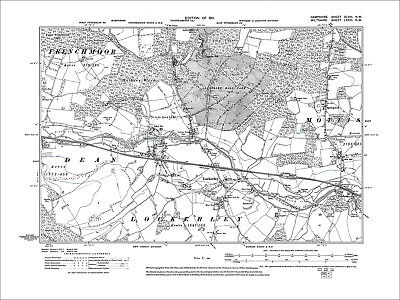
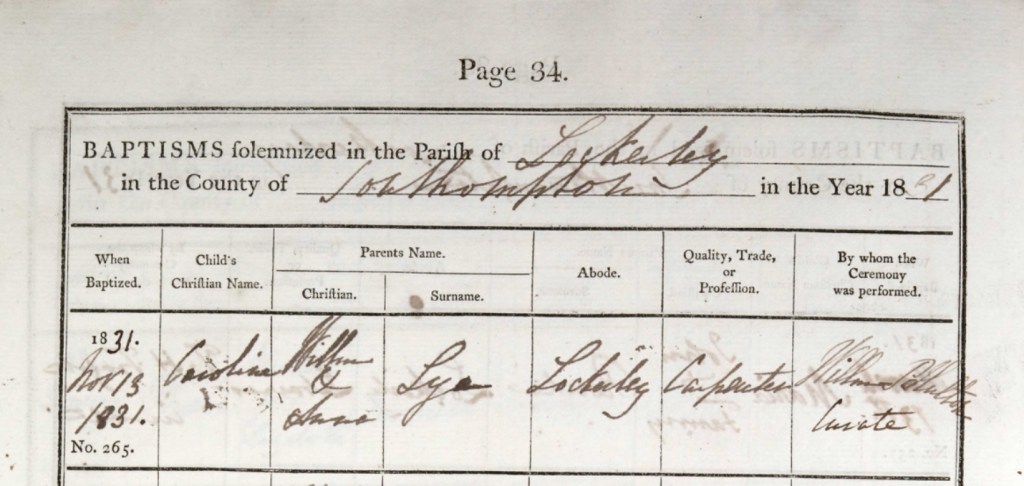




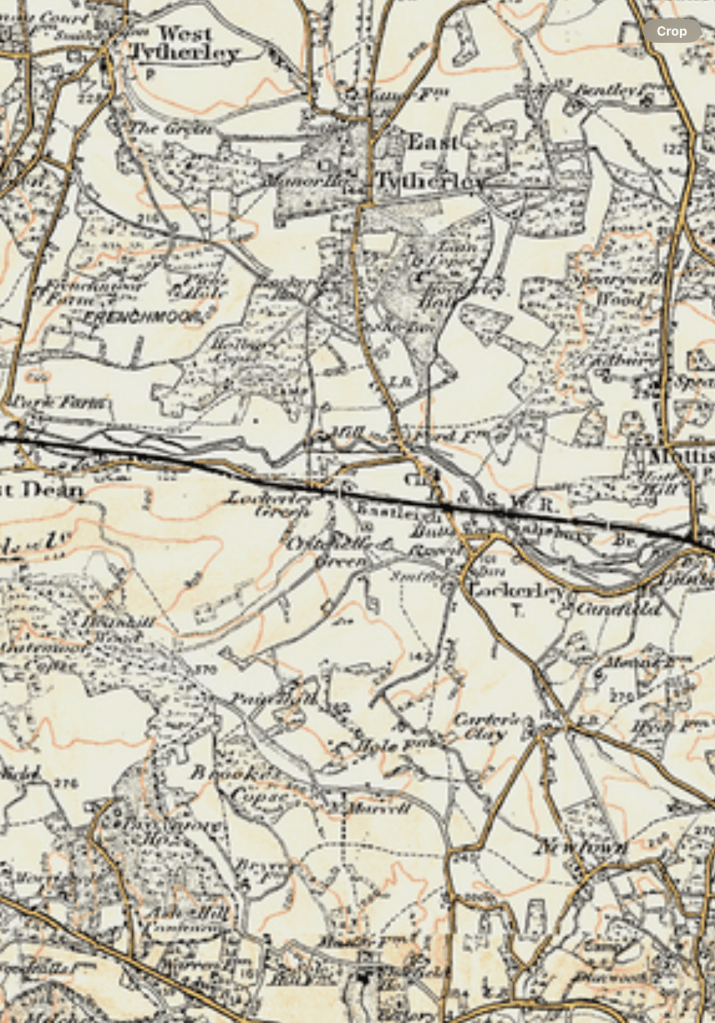

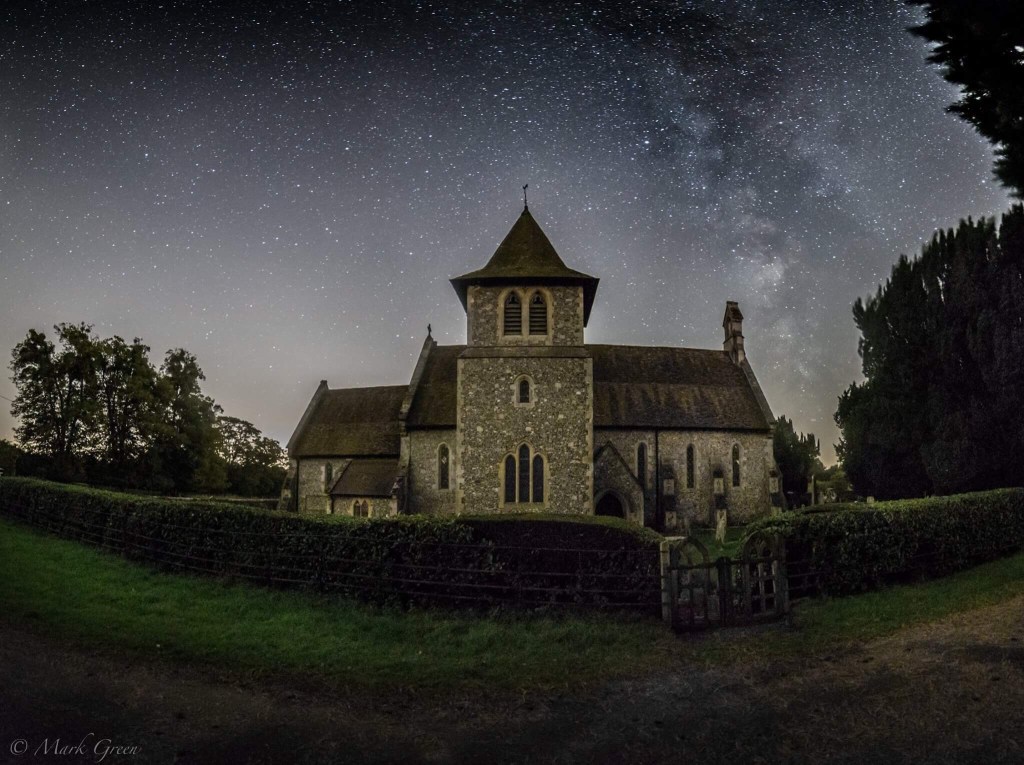
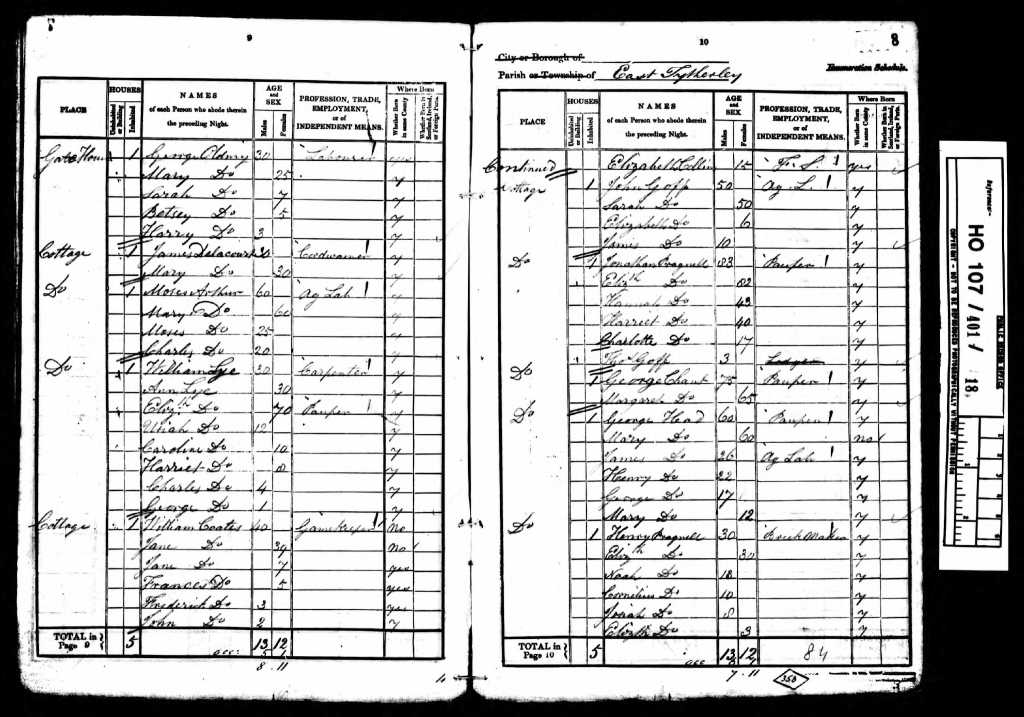

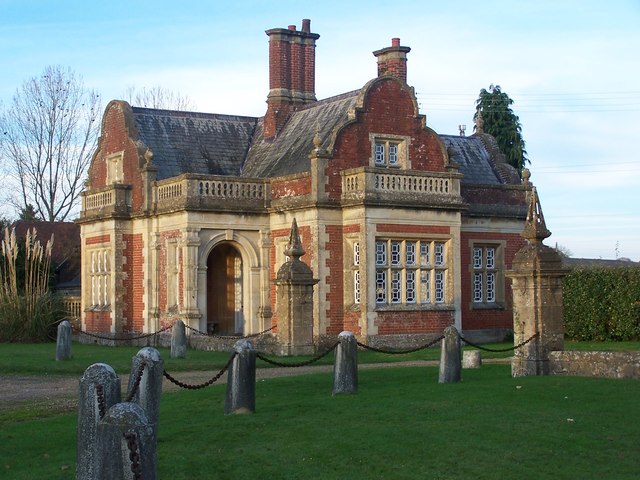

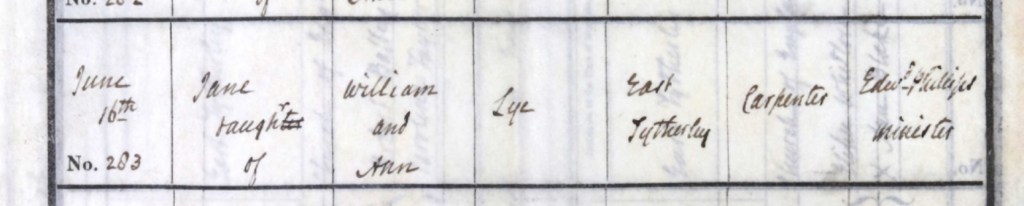





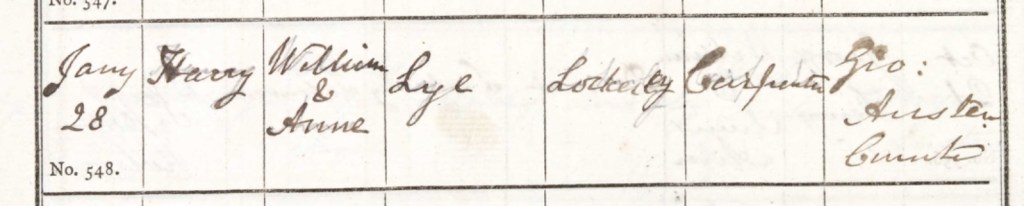
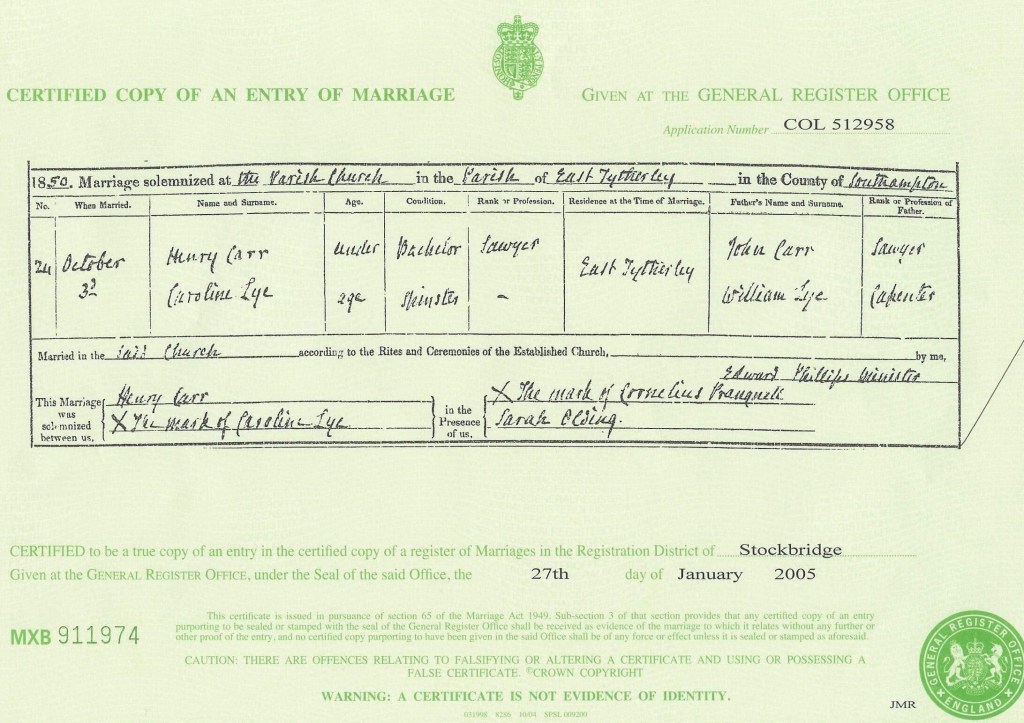
 Intwined