As we turn the page to the next chapter in Joseph Newell's life, we step into a new season, one marked by both the quiet passage of time and the weight of unspoken promises. The years that follow his early life will reveal the man he becomes, the husband, the father, the individual whose choices ripple across the generations. The youthful days of laughter and loss have passed, and now, Joseph stands on the threshold of adulthood, ready to embrace the joys and challenges that life has in store.
The path ahead is not without its trials. We find him on the brink of a new beginning, the union of marriage, where he will take his vows to the woman who will stand beside him through all that life may bring. With his heart full of both hope and trepidation, Joseph is about to embark on the greatest journey of all: the promise of forever, made in front of loved ones and God, knowing that in the quiet moments of their vows, he is not only committing to a life with Mary but also to the shared future that will shape his every step.
In the chapters that follow, we witness Joseph navigating the joys of new beginnings, marriage, family, and the steady march of time, and the inevitable sorrow that accompanies them. For love, as beautiful and powerful as it is, is never without its challenges. Through these pages, we will witness the depth of Joseph's character, his capacity to endure hardship, and his unwavering commitment to the life he has chosen, until the very end.
This chapter, "Until Death Do Us Part," is not simply the story of a man’s life but the story of a love that endures, of a family that grows, and of a legacy that is passed down through the generations. It is the story of Joseph Newell’s commitment, to his wife, his children, and the family he worked so hard to build, written in the delicate ink of time and memory.
Welcome back to the year 1805, Mitchelmersh, Hampshire, England. It is a time when the country is caught in the throes of a world teetering between war and peace, a year marked by both personal and national upheaval. The world Joseph Newell, my 5th great-grandfather, inhabits is one where the old world of tradition is slowly yielding to the forces of change, a world where the pulse of everyday life beats with the sounds of rural rhythms and the shadows of distant conflict.
In 1805, George III remains the monarch, though his reign is shadowed by his ongoing health struggles. The king, often incapacitated due to his bouts of mental illness, is increasingly overshadowed by his son, the Prince of Wales, who serves as Prince Regent. This is a time of political tension, as Britain is embroiled in the Napoleonic Wars, and George’s health, coupled with the strain of ongoing conflict with France, places a heavy burden on the royal family and the country. The Prime Minister at this time is William Pitt the Younger, a capable leader in a nation at war, though his political career is marred by the stress of prolonged conflict. The political landscape is dominated by the looming threat of Napoleon’s expansionism, and Britain, under Pitt’s leadership, remains deeply involved in the struggle to preserve its place in the world.
Parliament is a place of great importance, though it remains largely inaccessible to the majority of people. Voting is restricted to a small proportion of the population, with political power remaining firmly in the hands of the aristocracy and wealthy landowners. The gap between the rich, working class, and poor is wide and deeply entrenched. The rich, consisting of the aristocracy and landed gentry, live lives of comfort and luxury, often residing in grand estates, surrounded by vast tracts of land. They wear fine clothes, dine on rich foods, and employ servants to tend to their every need. In contrast, the working class labors in agriculture or trade, earning a meager wage for long hours of hard work. The poor, often living in squalor, struggle to survive, relying on charity or the occasional work offered by the wealthy. The differences between these classes are sharp, with little opportunity for movement between them, and the system remains largely unchanged for generations.
Fashion in 1805 is defined by elegance and simplicity, though it varies dramatically between the classes. For the wealthy, fashion is an expression of status. Men wear tailored coats, waistcoats, breeches, and stockings, while women wear empire-waisted gowns made of light fabrics such as muslin or silk. These dresses, often simple in cut but elaborate in their accessories, reflect the growing influence of Neoclassical style. The working class, in stark contrast, wears practical, often worn clothing made from coarse wool and linen. While the rich dress for show, the poor wear clothes suited for work, durable but unrefined.
Transportation is rudimentary, with most people relying on walking or riding horses. For the wealthier classes, coaches and carriages are common, though travel is slow and uncomfortable. The roads are often in poor condition, making long journeys arduous, though the invention of the steam engine is on the horizon, with early experiments taking place in parts of England. The prospect of faster transportation is on the verge of transforming society, though that change is still a few decades away. Travel, for most, remains a matter of necessity, rather than pleasure, and the landscape is traversed at a leisurely pace, with no expectation of the rapid mobility we take for granted today.
Housing is vastly different depending on one’s social class. The wealthy live in sprawling estates or grand townhouses, with many rooms, beautiful furnishings, and servants’ quarters. Their homes are heated by large fireplaces, which also serve as the main source of cooking, and are lit by candles or oil lamps. For the working class, housing is often cramped, with many people living in small cottages or crowded tenements. These homes, often poorly built and poorly insulated, are cold in the winter and stifling in the summer. Fireplaces provide the main source of warmth, but many families rely on shared hearths in communal living spaces. Light is provided by candles, which are expensive and often in short supply.
In terms of hygiene, the situation is grim for much of the population. Bathing is infrequent, with many people only washing their faces and hands regularly. The wealthy might take a bath in a large tub, but even they are not accustomed to regular cleanliness. The streets of towns and villages are filthy, with waste often thrown into the streets or dumped in communal pits. Public baths exist in some larger towns, but they are not widespread, and many people are unaware of the importance of hygiene in disease prevention. As a result, diseases spread rapidly through the population, particularly in overcrowded areas.
Sanitation is poor, and most homes, even those of the wealthy, do not have plumbing. Waste is disposed of in privies, and sewage often finds its way into the streets or water supplies. Public health is still a developing field, and the connection between poor sanitation and disease is not widely understood. Illnesses like smallpox, tuberculosis, and dysentery are common, with life expectancy being low, particularly for the poor.
Food in 1805 is basic, especially for the working and poor classes. A typical diet consists of bread, porridge, and vegetables, with occasional meat, often salted or preserved. Meat is more common among the wealthier classes, where it can be afforded more regularly. The rich dine on roasted meats, pies, and pastries, washed down with wine or ale. The poorer classes make do with simple stews, soup, and bread, though famine is a constant threat due to crop failures or the economic strain of war. For those in rural areas, food is grown locally, though food preservation methods are limited, and fresh produce can be scarce in the winter months.
Entertainment in 1805 is centered around social gatherings, public spectacles, and religious observances. The wealthy attend the theatre, balls, and concerts, while the working class enjoys simpler pleasures like fairs, dances, or local festivities. Gossip is an integral part of life, particularly in smaller rural communities like Mitchelmarsh, where news spreads quickly, and social dynamics are heavily influenced by local reputations. The church plays a central role in the life of many people, with regular attendance being expected, particularly in rural areas. Religion is a defining feature of the culture, offering both spiritual comfort and social structure, with the Church of England being the dominant faith.
Diseases, like smallpox and typhus, ravage the population regularly, especially in the poorer, more crowded areas. Lack of sanitation and the absence of modern medicine mean that illness often runs rampant, leaving families devastated by death. Vaccination, a new and unproven idea, is beginning to take hold, but it is far from widespread. Childbirth is also a perilous time for women, with high mortality rates for both mothers and infants due to a lack of proper medical care.
The environment in 1805 is still relatively unspoiled in rural areas, though industrialization is beginning to take hold in urban centers. In the countryside, the land is farmed by smallholders and tenants, and large estates are still owned by the wealthy. Nature is intertwined with daily life, as it is a source of both sustenance and labor. Yet, as industrial factories begin to spring up in some areas, pollution and deforestation will soon change the landscape. For now, however, the air is still clean, and the countryside remains a place of peace and beauty.
In 1805, life for many is defined by hard work and survival, but there is also an underlying sense of tradition, faith, and community. The industrial revolution is on the horizon, but for now, rural England remains largely unchanged, with its rhythms shaped by the seasons and the needs of the land. In Mitchelmersh, Hampshire, Joseph Newell’s life is unfolding in a world where time moves slowly, where change is happening, but not yet fully realised . It is a time of contrasts, of beauty and hardship, of faith and fear, of enduring legacies and new beginnings.
Joseph and Mary had begun to settle into the rhythm of married life, a new chapter filled with the discovery of each other’s personalities, habits, and the quiet moments of intimacy that come with living as a couple. The peaceful, steady pace of rural life in one of the charming villages of Hampshire, whether in Lockerley, Awbridge, or Michelmersh, provided them a comfortable backdrop as they made a home together. In the months following their marriage, they began to adapt to the new roles of husband and wife, facing the daily responsibilities of their small household, and slowly building the foundation for their future together.
It was just three to four months into their marriage when Mary gave birth to their first child, a son they named Joseph, my 4th Great-Grandfather. The arrival of this little one filled their home with joy, marking the beginning of their journey as parents. Joseph was born sometime around October 1805, though pinpointing the exact date and location of his birth has proven difficult. The census records offer a glimpse into the shifting nature of their lives, with each one suggesting different places and dates. The 1841 census lists his birth year as around 1805 in Hampshire, the 1851 census specifies Awbridge, Hampshire, the 1861 census records Michelmersh, Hampshire, and the 1871 census places him in Romsey, Hampshire. By the 1881 census, Joseph's birthplace is noted as Lockerley, Hampshire.
The inconsistency of the census records has made it challenging to definitively determine where Joseph was born. However, it is the baptismal record that offers the most concrete evidence. From this, it seems likely that Joseph was born in Michelmersh, Hampshire, England, which may have been where his parents were living at the time of his birth. Despite the discrepancies in the censuses, his baptism ties him to this small village, adding a sense of certainty to his birth's location.
As Joseph grew, so did his family’s story, one shaped by the small but significant moments of rural life in Hampshire, woven together by love, faith, and the shared experiences of Joseph and Mary as they built their life and their family in this peaceful corner of England. The quiet village life, with its rolling hills and fields, would have shaped the man Joseph would become, a part of the landscape and the family history that stretches back through time.
Michelmersh, a small village located in Hampshire, England, lies in the picturesque Test Valley, an area known for its rural charm and natural beauty. The village is steeped in history, and its development has been closely tied to the agricultural heritage of the region. Though it is now a quiet village, Michelmersh’s roots go back to medieval times, and its story is one of gradual transformation from a rural settlement to a part of the modern Hampshire landscape.
The origins of Michelmersh can be traced to the Saxon period, when it was likely a small agricultural settlement. The name "Michelmersh" is believed to derive from Old English, with "Michel" meaning "great" and "mersc" referring to a marsh or wetland area. This suggests that the village may have been originally located near marshy ground or a significant water source, an aspect that likely influenced its early settlement and development.
During the medieval period, Michelmersh was part of a larger manor system that was prevalent in England. The village was connected to the wider network of agricultural estates that characterized much of England at the time, with its economy largely based on farming, particularly the cultivation of crops and the raising of livestock. The presence of a local church, St. Mary’s Church, would have been central to village life during this period, serving as both a spiritual center and a communal gathering place.
In the Domesday Book of 1086, which recorded a detailed survey of England commissioned by William the Conqueror, Michelmersh is mentioned as part of the land held by the Norman lords. The records from this time show that the village, like many others, was a small yet thriving agricultural community, though it would have been under the control of a local lord. Over the centuries, the land would pass through the hands of various noble families, contributing to the shaping of the village's future.
During the 16th and 17th centuries, Michelmersh, like much of rural England, experienced significant changes as the English economy shifted. The rise of enclosed farming and the increasing importance of trade and commerce during the early modern period altered the social and economic fabric of many rural communities. Michelmersh saw the construction of larger homes and farmsteads, and as agriculture remained a cornerstone of village life, there was a growing emphasis on improving farming methods and land management.
The 18th and 19th centuries brought further transformations to Michelmersh, particularly with the onset of the Industrial Revolution. While the village itself remained largely agricultural, nearby towns like Romsey began to experience industrial growth. The arrival of the railway in Romsey, for example, contributed to changes in trade and transportation, which in turn affected rural areas like Michelmersh. During this period, the village remained a peaceful and rural community, though it likely saw an increase in population as people sought work in nearby towns or on larger farms.
The 20th century brought more changes to Michelmersh, especially as rural communities like it began to adapt to the demands of modern life. Agriculture continued to be an important part of the local economy, but the development of modern roads, schools, and social services allowed for better integration into the growing town networks. The construction of new homes and the expansion of residential areas saw Michelmersh become a part of the broader Romsey area, although it retained its character as a small village.
Today, Michelmersh is a quiet residential area that still holds much of its historical charm. Many of the original buildings, including the church, have been preserved, and the village is surrounded by farmland and open countryside, contributing to its appeal as a rural retreat. The local population is small, but the community remains active and engaged, with many residents valuing the village's historical connections and its peaceful surroundings.
Michelmersh’s location in the Test Valley ensures that it continues to benefit from the natural beauty of the area, with the River Test flowing through the region and providing opportunities for outdoor activities such as walking, cycling, and fishing. The village’s historical roots in agriculture continue to be a significant part of its identity, even as it has become more residential in character.
On a chilly autumn day, Sunday, the 13th day of October, 1805, the Newell and Kemish families gathered once more at St. Mary’s Church in Michelmersh, Hampshire, England, this time for a deeply meaningful occasion. Just nearly four months after Joseph and Mary had taken their marriage vows within the same sacred walls, they returned to the church, their hearts filled with joy and gratitude. Today, it was their firstborn son, Joseph, who was at the center of this momentous event.
The crisp autumn air, with its hint of approaching winter, had settled over the village, and the sound of church bells calling the faithful to worship echoed through the quiet countryside. Inside the ancient stone walls of St. Mary’s, the flickering light from candles cast a warm glow over the congregation, filling the church with a sense of reverence and peace. The families, united by love and faith, came together not only to worship but to witness the beginning of young Joseph’s spiritual journey.
As the Sunday service unfolded, Joseph and Mary stood by the baptismal font, ready to offer their son to the Christian community and welcome him into the faith. It was within these walls, which had witnessed countless generations before them, that Joseph’s life would be marked with the sacred waters of baptism. The ceremony, simple yet profound, was a rite of passage for their son, a step into the family of believers, joining not only his immediate family but the larger, eternal community of the Church.
The solemnity of the occasion was tempered by the joy of parents who, after months of anticipation, were now able to see their son take his place in the spiritual life of their village. Joseph and Mary’s hearts must have swelled with pride and love as they held their son, knowing that this act of baptism would forever link him to the traditions of his family and faith.
The Rector, with a steady hand and a prayerful heart, poured the holy water over the baby’s head, welcoming him into the Christian fold. The congregation, their faces filled with warmth and blessing, watched as Joseph was gently embraced by the faith that had sustained his parents and their ancestors for generations. In that moment, the church was filled not just with the sound of the Rector’s words but with the love of a community united in faith, a community that held Joseph in their hearts as he took his first steps on a lifelong journey of spiritual growth.
This day, in the quiet autumn air, was a testament to the strength of family and faith, and to the enduring legacy that would pass down through the generations. As Joseph Newell’s name was recorded in the baptismal register of St. Mary’s Church, his story began to intertwine with the many lives that had come before him, marking the start of a new chapter in the life of the Newell family, a chapter that would be shaped by love, tradition, and the quiet grace of community.
St. Mary’s Church in Michelmersh, Hampshire, is a beautiful and historic parish church that has played a central role in the spiritual and community life of the village for many centuries. Located in the peaceful countryside of Hampshire, St. Mary’s Church serves as an important landmark and is deeply connected to the village’s history and its people.
The history of St. Mary’s Church dates back to medieval times, with the first references to the church appearing in documents from the 12th century. The church was likely built during the Norman period, though there have been many modifications and restorations over the centuries, reflecting the changing architectural styles and the needs of the community. Like many churches in rural England, St. Mary’s would have served not only as a place of worship but also as a central gathering point for the village, hosting baptisms, marriages, and funerals.
The architecture of St. Mary’s Church is an example of the typical styles seen in rural churches of this era. The building is constructed from local stone, and its design has been influenced by both Romanesque and Gothic architectural styles. The church features a simple yet elegant structure, with a nave, chancel, and tower. The tower, which would have served as a symbol of the church’s prominence in the village, is an important feature of the church’s exterior. Over the centuries, the church has undergone various renovations and extensions to meet the needs of the growing population, but its fundamental design has remained faithful to its original structure.
One of the key periods in the history of St. Mary’s Church came in the 19th century when many churches were restored or rebuilt under the guidance of architects and scholars of the time. During this period, St. Mary’s underwent significant restoration work, likely driven by the Victorian-era passion for restoring medieval churches. This restoration would have focused on preserving the architectural integrity of the church while adding new elements to accommodate the expanding congregation. The addition of stained-glass windows, the improvement of the interior furnishings, and the enhancement of the church’s acoustics were likely part of this restoration process, reflecting the era's fascination with Gothic Revival architecture.
The churchyard surrounding St. Mary’s Church is also an integral part of its history. Like many rural churches in England, the churchyard is the final resting place for many generations of the village’s residents. The graves and memorials found in the churchyard are a testament to the people who lived in Michelmersh throughout the centuries, offering a glimpse into the village’s past. Some of the gravestones are centuries old, and their inscriptions and symbolism provide valuable insights into the local history and the families who lived in the area. The churchyard also serves as a peaceful place for reflection and a reminder of the deep connection between the village and its church.
St. Mary’s Church has continued to play a central role in the life of Michelmersh. The church still holds regular services, including Sunday worship, weddings, baptisms, and funerals, serving as a focal point for the spiritual life of the community. The church is not only a place of worship but also an important cultural and social center for the village. It is a place where the community gathers for events, celebrations, and activities that bind the people together. The church has also hosted special events, such as concerts and festivals, which have helped bring the community together and allow people to celebrate their shared heritage.
In terms of local folklore and rumors of hauntings, St. Mary’s Church, like many historic churches, has been the subject of occasional ghost stories. While there are no widely documented or well-known accounts of hauntings, it is common for older buildings, particularly churches, to inspire tales of supernatural occurrences. The church’s long history and its connection to the lives of the people of Michelmersh provide a natural backdrop for such stories. The churchyard, with its centuries-old graves, might contribute to an eerie atmosphere, especially in the stillness of the early morning or evening. However, these tales are generally passed down through generations and are part of the local folklore rather than established facts.
In the quaint village of Michelmersh, Hampshire, England, in the spring of 1807, the air was filled with the sweet scent of blooming flowers, their delicate petals swaying in the gentle breeze. After a long, cold, and dark winter, the sun finally began to warm the earth and lift the spirits of all who had endured the harsh months. It was during this season of renewal and new beginnings that Joseph and Mary Newell welcomed their second child into the world, a daughter they named Mary.
Joseph, at the age of about 23, and Mary, just 21, were still in the early years of their marriage, but their bond had already grown stronger with the birth of their first son and the shared experience of raising him. Now, with the arrival of their daughter, their family was growing, and their hearts were once again filled with love and joy. Little Mary’s arrival in the spring, when life itself seemed to awaken, felt like a perfect harmony of nature and life itself. Her presence brought a new light into their home, as the Newell family blossomed in this new chapter of their journey together.
The village of Michelmersh, still rooted in the simplicity of rural life, was the perfect backdrop for such a moment. The gentle rhythms of agriculture, the soft murmur of village life, and the bond of family were all present as Joseph and Mary adjusted to the quiet joy of having a second child to love and care for. Though they faced the challenges of daily life, there was a sense of peace and contentment in their growing family, especially in a time when the beauty of spring mirrored the hope and potential of new life.
For Joseph and Mary, this moment of welcoming Mary Newell into their family was one of promise. In the delicate spring air, the Newell household was filled with the joy of anticipation, as this baby girl would come to play her part in the tapestry of the Newell family, carrying forward the legacy of love, faith, and family that had begun with Joseph’s own birth decades earlier.
On Sunday morning, the 9th day of August 1807, as the church bells of St. Mary’s rang out across the village of Michelmersh, Hampshire, the Newell and Kemish families made their way to the cool, refreshing sanctuary of the church for the Sunday service. The bells, their sound carrying over the rolling countryside, heralded not only the start of a day of worship but also a significant moment in the lives of Joseph and Mary Newell. This was not just any ordinary service; it was a celebration of the life of their daughter, Mary, and her welcome into the Christian community.
The air was still and peaceful, with the gentle hum of village life momentarily quieted as the families gathered inside the sacred walls of St. Mary’s. The church, ancient and full of history, stood as a testament to the enduring faith of the community. Joseph and Mary, with their newborn daughter Mary in their arms, stood together by the baptismal font, ready to give their daughter a place in the house of God and the Christian community. Their son, Joseph, stood at their ankles, his small presence a reminder of the love and joy that filled their home. The godparents, chosen with care, stood beside them, ready to make their vows to support the child in her faith.
As the service unfolded, there was a quiet reverence in the air. The congregation, gathered to witness the moment, shared in the joy and solemnity of the occasion. The clergyman, with steady hands and a prayerful heart, gently took baby Mary from her parents and, with great tenderness, poured holy water over her head. In that moment, little Mary was baptized, her name inscribed not only in the baptismal register but also in the hearts of all those who had gathered to welcome her into the fold of the Christian faith. The cool water, symbolizing both purity and renewal, marked the beginning of her spiritual journey, a journey that would be shaped by the love and guidance of her parents, her godparents, and her community.
As the clergyman pronounced her officially welcomed into the house of God, a sense of peace and gratitude filled the church. The Newell family, surrounded by their loved ones, knew that this day would be remembered for the rest of their lives. It was a day when their daughter, Mary, took her first steps into the larger world of faith, and the Newell family’s story grew once more, woven into the fabric of the Christian community in Michelmersh.
Long warm summer days, filled with the wonderful sounds of babies’ cries and toddlers running free in the garden, were slowly creeping into autumn. The gentle shift of the seasons was undeniable as the days began to grow shorter, and the earth started to prepare itself for the hibernation of winter. While other families were savoring the last days of summer, the Newell household, so full of life and joy just a short time before, was suddenly plunged into an unthinkable darkness.
Joseph and Mary’s world, once filled with the sweet sounds of their young daughter Mary’s coos and the brightness of new life, was overwhelmed with despair when their baby girl fell ill. The illness came suddenly and without warning, casting a shadow over their home. In a time when medical knowledge and treatments were scarce, Joseph and Mary were helpless, their hearts heavy with fear and grief as they watched their beloved child suffer.
Despite their hopes and prayers, little Mary, who had only been born in the spring of that same year and was baptised in August, tragically passed away in late August, 1807, in Michelmersh, Hampshire. She was less than a year old. The pain of losing a child, so young and full of promise, is a grief that no parent should ever have to bear, and Joseph and Mary were left to mourn the loss of their precious daughter, taken from them far too soon.
The village of Michelmersh, which had once echoed with the sounds of celebration and joy, now felt silent and heavy with sorrow. For Joseph and Mary, the death of their daughter marked a devastating turning point in their lives, one that would cast a long shadow over their hearts. The small body of their beloved Mary was laid to rest, and the pain of her absence lingered in every corner of their home.
In the days that followed, as autumn began to settle in and the days grew colder and darker, the world seemed to move on, but for Joseph and Mary, the light had dimmed, and their hearts were broken. The memory of their daughter, though brief, would stay with them forever, a reminder of the fragility of life and the deep, unspoken love that binds a parent to their child, no matter how short the time they are given together.
On Thursday, the 27th day of August 1807, Joseph, Mary, and their son Joseph made the heart-wrenching journey to St. Mary’s Church, a place that had once been filled with the sweetest memories of their lives, their wedding and the baptisms of their children. But today, this church, so full of joy in the past, became the site of unimaginable grief as the family came to lay their precious baby Mary to rest.
The air was thick with sorrow as they gathered around the tiny, freshly dug grave. Their hearts must have felt as though they were being torn apart with every passing moment, the weight of the loss too great to bear. As the small coffin, so delicate and fragile, was lowered into the earth, the profound sadness of the moment would have been overwhelming. To see their daughter, whom they had loved so dearly, whose life had only just begun, taken from them in the blink of an eye, was an agony that no parent should ever have to endure. The anguished silence that filled the air as they said their final goodbyes is a sound that would have haunted their hearts forever.
St. Mary’s Church, which had once echoed with the joy of their wedding vows and the celebration of their children’s baptisms, now stood as a silent witness to their heartbreak. The memories of happier days, of promises made and new life celebrated, seemed distant and bitterly unreachable in the face of this loss. The church, a place that should have been a sanctuary of peace, had now become a symbol of the pain they carried, a constant reminder of the child they had lost far too soon.
I cannot even begin to imagine the anguish Joseph and Mary must have felt as they faced this devastating moment. No words could ease the pain of burying their child, their beloved daughter Mary. The grief they carried with them that day would be something they would live with for the rest of their lives, a sorrow that no parent should ever have to experience, yet one that Joseph and Mary bore with a strength that can only be understood through the quiet, enduring love they held for their lost child.
In 1808, Boxing Day, observed on the 26th of December, was a quiet and charitable occasion rooted in tradition rather than festivity. It was primarily a day for giving, when wealthier households and churches distributed Christmas boxes containing food, coins, or small gifts to servants, tradespeople, and the poor. These boxes were often prepared in advance and handed out as a gesture of goodwill. Servants who had worked on Christmas Day were typically granted this day off to visit their families, often taking with them the boxes provided by their employers. Among ordinary people, the day was marked by a simple meal or gathering, often using leftovers from Christmas, and included visiting friends or relatives who lived nearby. There was no commercial activity or organized sport associated with the day as we see in the modern era. In the context of 1808, with Britain still engaged in the Napoleonic Wars, the mood of the season was tempered by national concerns, and many families would have been mindful of loved ones serving abroad. In rural areas such as Hampshire or Devon, Boxing Day would have been a modest observance, focused on charity, community, and rest.
It was on this Boxing Day, Monday the 26th day of December, 1808, that Joseph’s sister, 18-year-old Sarah Newell, was married to Richard Roude at St. John’s Church in Lockerley, Hampshire, England. The union was a joyous occasion, marking the beginning of a new chapter for Sarah, and a moment of celebration amidst the quieter observance of the holiday. The church, filled with a sense of community, became the backdrop for this important moment in Sarah's life, as she took the vows that would bind her to Richard.
The marriage registry from that day reads as follows:

Richard Roude & Sarah Newell, both of this Parish, were married in this Chapel by Banns this twenty-sixth day of December in the year one thousand eight hundred & eight by me O. D.H. John
This marriage was solemnized between us:
Richard Roude
The mark X of Sarah Newell
In the presence of:
Francis Winsor
The mark X of Hannah Winsor

Sarah and Richard’s wedding was a quiet, yet significant event. It was a union celebrated in the company of close family and friends, yet marked by the larger national context of the time. As Joseph’s sister embarked on this new chapter with her husband, her family no doubt wished her well, mindful of both the joy of the occasion and the challenges the world outside still faced. For Sarah, it was the beginning of a new life, shaped by the bonds of family, love, and community.
In late winter or early spring of 1811, when the snowdrops and hellebores began to brighten the long grey days, Joseph and Mary Newell, at about 27 and 25 years of age respectively, welcomed their newborn daughter, Roda Newell, into their hearts and home. The season, with its quiet beauty and gentle promise of renewal, seemed the perfect backdrop for the arrival of a new life. The earth, still waking from the cold grip of winter, mirrored the warmth and joy that filled their home with the birth of their daughter.
As was common in 1811, the exact date of Roda’s birth remains unknown, as birth certificates had not yet been introduced. However, the census records provide some insight into her birth year and location. The 1841 census records her birth year as 1811 in Hampshire. By the time of the 1851 census, she is listed as being born in Mitchelmarsh, Hampshire, England, and in the 1861 census, her birthplace is recorded as Lockerley, Hampshire, England. These varying locations in the records make it challenging to pinpoint the exact place of Roda’s birth, but they offer a sense of the fluidity of Joseph and Mary’s life in Hampshire at the time, moving between these nearby villages as their family grew.
Roda’s birth, a moment of joy in the quiet countryside, marked another chapter in the Newell family’s life, a chapter defined by the love, faith, and steady rhythm of rural life in Hampshire. As she grew, Roda would be shaped by the values and traditions of her parents and their community, carrying forward the legacy of the Newell name.
On Friday, the 24th day of March, 1811, as the spring sun glistened through the trees, casting a warm glow on the world that hummed with the songs of birds, and as spring flowers burst into life with vibrant color, Joseph and Mary stood together in St. Mary’s Church in Michelmersh, Hampshire, surrounded by family and friends. The air was filled with a quiet sense of joy as they gathered for the baptism of their newborn daughter, Roda. The church, with its centuries of history, seemed to echo with the blessings of generations past, and on this day, it was a place of hope, faith, and new beginnings.
As the baptismal service unfolded, Joseph and Mary would have felt a deep sense of gratitude and love for the child they had been blessed with. Roda, their precious daughter, was being welcomed into the Christian faith, and in that sacred space, her life was marked with holy water, her name inscribed in the book of faith. The warmth of the sun outside, the beauty of the flowers, and the promise of spring’s renewal reflected the joy in Joseph and Mary’s hearts.
Yet, amidst the celebration, the memory of their first daughter, Mary, lay just outside the church in the churchyard, a quiet reminder of the fragility of life. The grave of little Mary, who had passed away just months earlier, served as an ever-present echo of how fleeting life can be. Though Roda was a new beginning, the family’s grief over the loss of their first child could never be fully erased. The joy of this day, while profound, was tinged with the sorrow of what had been lost. Joseph and Mary, standing in the church surrounded by their loved ones, could not help but feel the bittersweet weight of the moment, celebrating the life of their new daughter, while remembering the life of the one they had lost too soon.
In the quiet of the church, the warmth of family and faith, and the beauty of the spring day, the Newell family found themselves at a crossroads, where life and death intertwined, where joy and sorrow coexisted, and where the promise of new beginnings offered a sense of hope in the face of heartache.
In 1814, as winter turned to spring, the world seemed to breathe a collective sigh of relief. The biting cold, once so harsh and unyielding, began to soften, surrendering to the gentle warmth of the sun's first touch. The snow, once a thick blanket over the earth, started to melt away, revealing patches of earth eager to feel the warmth again. The trees, bare and skeletal in their winter stillness, began to bud with tiny green shoots, promising new life. The air, once sharp and crisp with frost, became tinged with the sweet scent of awakening flowers and fresh grass. Birds returned, their songs cutting through the quiet as if to celebrate the earth's renewal. Even the sky seemed to change, its deep, wintry gray lifting to reveal brighter shades of blue, stretching wide with possibilities.
The world, no longer trapped in the stillness of winter, began to move again, gently shifting from slumber into a vibrant, blossoming vitality. It was as though nature itself was stretching, shaking off the last remnants of cold, and embracing the warmth and hope of spring. In the quaint village of Michelmersh, Hampshire, in the home of Joseph and Mary, new life was entering their world, hearts, and home, a son whom they called David Newell.
A baby, like the renewal of spring, carries the promise of new beginnings and fresh hope. Much like the first buds that appear after the harsh winter, a baby arrives with a sense of delicate potential, full of untapped possibilities. Their first cries echo the songs of birds returning, a sound full of life and vitality, signaling a new chapter in the world’s cycle.
Their tiny hands grasp and stretch, just as the earth awakens to new growth, reaching for the warmth of love and care. The innocence in their gaze mirrors the purity of spring mornings when everything feels renewed and untouched. Each giggle and smile blooms like a flower, spreading joy and light, much like the blossoming petals that color the landscape.
In their presence, there's a quiet transformation, as if the world itself is gently shifting from one season to another. Just as spring brings the earth to life after a cold, dormant period, a baby brings a family or a community to life, filling it with love, wonder, and the promise of growth. Both are symbols of renewal, a reminder that life continues to unfold, always blossoming in unexpected, beautiful ways.
Though David’s exact birth date is not known, census records offer clues about his birth year and location. The 1841 census suggests he was born in 1818 in Hampshire, while the 1851 census states he was born around 1814 in Michelmersh, Hampshire. By 1861, he is listed as being born in Awbridge, Hampshire, England, with later census records in 1871 and 1881 noting his birth year as 1815 and his birthplace as Awbridge. The 1891 census places his birth in 1813 in Awbridge, Hampshire, England. These varying dates and locations reflect the mobility of the Newell family and the challenges of pinning down exact details in an era before modern records, but they also show the consistency of David’s presence in the heart of Hampshire, the landscape of his family’s history.
David’s arrival in the world, much like the blooming flowers of spring, was a renewal for the Newell family. His presence brought with it new joy, new beginnings, and the unfolding of yet another chapter in the ongoing story of their lives.
On a spring morning, Sunday the 8th day of May 1814, nature gently awakened after a long winter’s nap. The air was crisp and cool, yet carried a hint of warmth as the sun began to rise, filling the sky with soft pastel hues, pale blues blending with pinks and oranges on the horizon. There was a freshness in the air, filled with the sweet scent of blossoming flowers and newly sprouted leaves. Birds sang joyfully, their melodies weaving through the air as if to celebrate the return of vibrant life. Dew glistened on the grass and leaves, reflecting the morning light like tiny crystals. Everything seemed to be in harmony, as nature slowly came alive again, casting off the quiet slumber of winter.
It was on that beautiful spring morning, Sunday the 8th of May 1814, that the Newell family walked up the hill to their parish church, St. Mary’s Michelmersh, Hampshire, for the baptism of their son David. This was to be a deeply spiritual and community-centered event, a cherished milestone for the Newell family.
Joseph and Mary arrived at the church with their son David in tow, ready to have him baptized in this sacred space. The ceremony followed the Book of Common Prayer, the foundation of Anglican worship at the time. David’s baptism would have taken place at the church’s 14th-century font, beautifully recarved in the early 16th century. The font, featuring a cushion bowl with intricately carved lilies and grotesques on the corners, would have added to the timeless nature of the occasion. The priest, Henry Woodlock, would have solemnly administered the sacrament of baptism, marking David’s entry into the Christian faith and welcoming him into the church community.
The congregation, made up of local villagers, would have participated in the service with prayers and hymns, their voices lifting in unity and faith. Joseph and Mary’s family members and godparents, gathered close, underscored the significance of the event as not only a religious occasion but a deeply familial one. The atmosphere within the church would have been filled with reverence, as the ancient stone walls and medieval architecture stood as a testament to the centuries of faith that had come before them. The soft voice of the clergyman, the murmurs of the congregation, and the solemnity of the sacrament would have created a profound sense of continuity with the past, binding David’s family to the generations that had passed through St. Mary’s before them.
For Joseph and Mary, this baptism was not just a religious ritual, but a deeply personal moment in their son’s life. It was a way of embracing their faith and their place within their community. Their hearts would have swelled with pride as they watched their son, David, take his first steps into the Christian faith, as part of a tradition that had stood for centuries.
After the baptism, Clergyman Henry Woodlock recorded David’s information in the baptism register. In his neat hand, the entry reads:

"David Newell, son of Joseph Newell, a labourer, and Mary Newell of Michelmersh, was baptized on the 8th day of May 1814, in the parish of Michelmersh, in the county of Southampton."

Alongside David’s baptism, Elizabeth Jewell was also baptized during the same Sunday service, marking another important moment in the lives of two families, bound together by faith, community, and shared history.
David’s baptism at St. Mary’s Church in 1814 was a moment of profound significance. It connected his family to centuries of tradition, marking the beginning of his journey within the Christian faith and the wider world. This simple yet powerful act of baptism was not just a ritual, but a celebration of new life, love, and the hope of generations to come.
In 1814, Joseph Newell’s work as a laborer, whether on the land or in the building trades, would have been shaped by the demands of the rural community and the economy of Hampshire. While much of the work in rural England at this time was agricultural, the building trade also offered employment for many like Joseph, particularly in areas experiencing growth or in need of maintenance. The work would have varied greatly depending on the type of labor he was engaged in, but regardless of the specific trade, Joseph’s day-to-day life would have been characterized by long hours, physical strain, and modest wages.
If Joseph worked as a general agricultural laborer, his work would have revolved around the land, as I previously described, plowing, sowing, harvesting, and maintaining the farm. However, if he worked as a building laborer, which was also common in rural areas where villages were expanding or maintaining their infrastructure, his work would have focused on the construction and repair of structures, including houses, barns, churches, and other essential buildings.
In the building trades, laborers like Joseph would have been involved in the manual work of constructing and maintaining structures. This could include tasks such as hauling materials, mixing mortar, carrying bricks or stone, digging foundations, and performing basic carpentry or masonry under the direction of skilled tradesmen. The work was demanding and could require long days spent lifting heavy loads and performing repetitive tasks, often in poor weather conditions. The building trades, though seasonal, were often steady work for those in rural areas, especially if there was ongoing demand for repairs or new buildings in the community. However, much like agricultural laborers, building laborers were at the mercy of the market and the availability of work.
Wages for a building laborer were similar to those of agricultural laborers, generally low, with pay usually being a few shillings a day. Skilled tradesmen such as masons, carpenters, and bricklayers would have earned slightly more, but for Joseph, whether in agriculture or construction, his pay would have been modest. He might have been paid weekly or daily, though pay was often inconsistent, and laborers would be subject to the whims of their employers, many of whom could be harsh in their treatment. Building laborers, in particular, often worked for contractors or landowners who needed workers for specific projects, and these employers had significant control over the work and the wages.
The work itself would have been grueling. Building structures with rudimentary tools and without modern machinery meant long hours of hard labor. In both agricultural and building trades, Joseph would have worked from sunrise to sunset, sometimes even longer during busy periods such as harvest or construction deadlines. His hands would have been rough from constant use of tools, and injuries, whether from falling debris, mishaps with heavy materials, or accidents with tools were common. There was little in the way of safety measures, and the danger of working with stone, timber, and primitive scaffolding meant that even minor mistakes could lead to serious injuries.
As a building laborer, the conditions could be even more hazardous than agricultural work. Building sites, particularly in rural areas, were often chaotic and disorganized, with workers of varying skill levels and tools not always suited for the job. The seasonal nature of building also meant that work could be sparse during the winter months, when the weather made construction difficult, and laborers might have to seek other work or survive on meager savings until the weather improved.
Joseph’s treatment by his employer would have been dictated by the power dynamics of the time. Laborers were generally seen as expendable, and while some employers might have had long-standing, more respectful relationships with their workers, many saw laborers as a source of cheap, replaceable labor. In construction, like on farms, workers were often at the mercy of the employer, subject to long hours, meager pay, and sometimes harsh working conditions. It was a precarious existence, with little job security and no legal protections for workers, especially in rural areas like Hampshire.
The danger of diseases was another factor Joseph would have faced. In the winter, the cold and dampness of building sites or agricultural fields could cause illness, and the poor sanitation and lack of medical care in rural areas meant that even small injuries could turn into something much worse. Diseases like typhus, dysentery, or respiratory illnesses spread quickly, and without proper treatment, they could devastate entire families and communities.
Despite these hardships, the building trade, like agricultural labor, was an integral part of the rural economy, and men like Joseph would have been essential in helping to maintain and expand the infrastructure of villages like Romsey and the surrounding areas. They helped build the homes, barns, churches, and infrastructure that were needed for daily life. In the context of 1814, Joseph’s labor, whether in agriculture or building, would have been a cornerstone of rural society, a testament to the strength and resilience of those who worked the land or built the homes and communities around them.
Joseph’s work was marked by the harsh realities of daily life in 1814, with long hours, physical strain, and modest wages. Yet, despite the difficult conditions, it was the labor of men like Joseph that kept rural England functioning, providing the necessary foundation for families to survive, thrive, and grow. Whether his labor was spent in the fields or on construction sites, Joseph’s daily life was shaped by the demands of his work, his reliance on his strength, and his perseverance in the face of difficult conditions.
In the winter of the year 1816, in their home in Awbridge, Hampshire, England, Joseph, aged about 33, and Mary, aged about 30, welcomed their daughter, Mary Ann Newell, into their growing family. The cold winter air, filled with the promise of a new life, would have contrasted sharply with the warmth and joy that filled the Newell household with the birth of their daughter. As the world outside lay still, the home would have come alive with the sounds of new beginnings, baby cries, whispered words of love, and the careful tending of a young family.
The 1851 census provides the birth year and location of Mary Ann, listing her as born in 1818 in Awbridge, Hampshire, England. However, later census records tell a slightly different story. The 1861 census lists her birth year as 1817 in Awbridge, while the 1881 census records her birth year as 1815, still placing her birth in the village of Awbridge. The discrepancies in the census records, common for the time, make it difficult to pinpoint the exact year of her birth, but it is clear that Mary Ann was a cherished child, born into the Newell family and raised in the rural tranquility of Awbridge.
Joseph and Mary’s home, set against the backdrop of the Hampshire countryside, would have been a place filled with love, care, and hard work. As their family grew, so too did their connection to the land, the community, and the generations that came before them. Mary Ann’s arrival was another moment in the Newell family’s story, a story that wove together the threads of faith, family, and the enduring hope that each new life brings.
Awbridge is a small, rural village located in the heart of Hampshire, England, nestled in the picturesque Test Valley. The village is surrounded by the natural beauty of rolling hills, woodlands, and farmland, characteristic of this region. Despite its peaceful setting, Awbridge has a history that spans centuries, marked by its connection to the local agricultural economy, its rural charm, and the development of the surrounding area.
The origins of Awbridge are thought to date back to the Anglo-Saxon period, with early settlement likely concentrated around a small rural community. The name "Awbridge" is derived from Old English, with "aw" meaning a stream or waterway and "bridge," likely referring to a crossing over a stream or river. This suggests that the village may have been established near a natural crossing point, with its development tied to the availability of water and the strategic location of the land. The presence of water likely played a vital role in the settlement's early development, providing both sustenance and a transport route for the surrounding agricultural lands.
During the medieval period, Awbridge would have been a small but essential part of the local agricultural landscape. As part of the Test Valley region, it would have been surrounded by fertile land used for farming, with many villagers likely working as farmers, laborers, or tradespeople. The influence of local landowners and the agricultural system of manorialism would have shaped the economy and social structure of the village. Like many rural English settlements of the time, Awbridge would have been governed by a local lord or landowner, and the majority of its inhabitants would have been tied to the land they worked.
In the 12th and 13th centuries, the area saw gradual changes with the establishment of churches, which became central to village life. St. Mary’s Church in nearby Michelmersh would have been an important place of worship and community gathering for residents of Awbridge. Throughout the medieval period, churches were the focal points not only for religious ceremonies but also for social and cultural events. The church would have played a key role in the daily life of the villagers, providing spiritual guidance, marking important life events such as marriages and baptisms, and offering support to those in need.
Awbridge remained a quiet agricultural village for much of its history, with small-scale farming being the primary occupation. However, during the 19th century, as the Industrial Revolution began to affect various parts of England, the agricultural landscape in and around the village started to shift. While Awbridge remained largely rural, neighboring towns and villages began to experience industrialization and urbanization. The construction of the nearby railway network, for example, facilitated the movement of goods and people, bringing changes to rural areas like Awbridge, which were once isolated from larger markets. This shift in transportation routes meant that goods could be sold further afield, opening up new economic possibilities for the local population.
Despite these broader societal changes, Awbridge retained much of its rural character throughout the 19th and 20th centuries. The development of the surrounding countryside and the expansion of nearby towns like Romsey influenced the village, but it remained a small, tight-knit community where agriculture and farming continued to be central to life. The growth of residential properties in the area in the mid-20th century brought more people to the village, as families sought the quiet countryside and rural charm while still being within commuting distance of larger towns and cities.
Today, Awbridge is a charming and peaceful village, characterized by its rural setting and close proximity to nature. While it has seen some modern developments, it retains a sense of historical continuity, with many of its older buildings still standing. The village is a mixture of traditional cottages and more modern homes, with its population having grown in recent decades. Many of the older homes in the area reflect the agricultural heritage of the village, with buildings made of local stone, brick, and timber. The surrounding farmland and countryside continue to play a significant role in the village’s identity, and Awbridge remains an attractive area for those seeking a quiet, rural lifestyle.
Awbridge’s location in the Test Valley means it is surrounded by some of Hampshire’s most beautiful countryside, with numerous walking and cycling routes that allow residents and visitors to enjoy the natural beauty of the region. The village has maintained its community-oriented atmosphere, and its rural charm makes it an appealing place for those who enjoy the tranquility of country life while still being close to larger towns and cities for work or recreation.
Under a winter's sky, Joseph and Mary made their way to St. Mary’s Church, high on the hill in the whimsical village of Michelmersh, to celebrate the baptism of their daughter, Mary Ann. It was Sunday, the 15th day of December, 1816, a day that would mark a significant moment in their lives. The crisp winter air would have greeted them as they approached the church, its spire standing tall above the village. As they arrived at the church, they were surrounded by family and friends who had gathered, not only for the Sunday service but to witness the baptism of Mary Ann into the Christian faith, a rite of passage for the young child and an important family tradition.
During the service, clergyman Henry Woodlock called the Newell family to the baptismal font, where, with quiet reverence, he administered the sacrament of baptism to Mary Ann. The church, its ancient stone walls echoing with the voices of the congregation, would have been filled with a sense of community and faith. The soft flicker of candlelight, the hymnals being sung by the congregation, and the weight of the sacrament being administered created an atmosphere of deep meaning for Joseph and Mary, as their daughter was welcomed into the Christian fold.
As the service came to an end, the family and the community gathered outside, many likely taking a moment to visit the graves of their lost loved ones, paying respects to those who had passed before them. In that quiet moment, with the churchyard peaceful and still beneath the winter sky, the Newell family would have felt the passage of time, their daughter now part of the long line of faith and tradition in the village of Michelmersh.
Clergyman Henry Woodlock, having officiated the ceremony, recorded Mary Ann’s baptism in the parish register. His neat handwriting documented the event, stating:
"Mary Ann Newell, daughter of Joseph Newell, a labourer, and Mary Newell of Michelmersh, was baptised on December 15th, 1816, in the parish of Michelmersh, in the county of Southampton."
In that moment, a new chapter began for Mary Ann, one that would be woven into the fabric of her family's story, connected not only by the love of her parents but also by the enduring faith that had been passed down through generations.
The autumn of 1819 in Awbridge, Hampshire, England, was marked by a blend of changing seasons, local agricultural rhythms, and the ever-present social dynamics that defined rural life in early 19th-century England. As the days grew shorter and the air began to cool, the landscape transformed in anticipation of the colder months ahead.
Awbridge was ablaze with the vibrant colors of autumn. The leaves of oak, beech, and ash trees turned to deep amber, gold, and russet, creating a blanket of crisp foliage on the ground. The morning air was fresh and chill, with mist clinging to the fields and woodlands, casting an ethereal quality over the land. Farmers, having spent the summer months laboring in the fields, were now focused on completing the final tasks of harvest. The last apples and pears were picked, grains were stored away, and vegetables were gathered in preparation for the coming winter. The autumn also brought with it the tradition of slaughtering livestock, an essential task as it was no longer practical to keep certain animals through the colder months without access to fresh pasture.
Awbridge village, life continued to be shaped by the rhythm of the agricultural calendar. The cooler weather signaled a change in routine. The harvest celebrations had begun to wind down, and the evenings grew colder. The hearth, the heart of every home, became a place of warmth and togetherness. Families gathered around the fire, preparing for the long winter months ahead. With the slower pace of autumn settling in, there was a sense of reflection and preparation for the months of hibernation and rest.
It was during this time, within the walls of Joseph and Mary’s home, that a new life began. Their home, already filled with the warmth of family and the quiet sounds of daily life, was now filled with the first cries of their newborn son, James. While his exact birthdate remains uncertain, the census records give us insight into the year and place of his birth. The 1841 census suggests he was born in 1821 in Hampshire. The 1851 census lists him as born in Awbridge, Hampshire, while the 1861, 1871, and 1881 censuses indicate he was born in Awbridge as well, with the 1891 census suggesting he was born in Michelmersh, Hampshire. The varying records reflect the fluidity of rural life during the period, where families moved, sometimes frequently, within nearby villages, and where exact dates of birth were not always diligently recorded.
James’s arrival, though a moment of joy in the Newell household, was also a reminder of the constant cycle of life and death in the world around them. The harsh rhythms of rural life, marked by seasons of plenty and scarcity, birth and loss, were always present, but James’s birth offered the Newell family a new beginning, a new chapter in their story. The promise of spring might still be months away, but in the quiet, reflective autumn of 1819, the Newell family, like many others, looked to the future with hope, their hearts swelling with the love of a new child who would carry their legacy forward into the coming years.
On the crisp autumn morning of Sunday the 24th day of October, 1819, the village of Michelmersh stirred gently beneath the soft, golden light of the early sun. The air was cool, heavy with the scent of damp earth and fallen leaves. It was a quiet Sunday, the kind that whispered with anticipation, for today was not just any Sunday, it was a day of sacred rites at St Mary's Church. The sound of the church bells rang out over the village, calling the faithful to gather for a service that would mark the beginning of a new journey for three children, including James Newell, son of Joseph and Mary.
Joseph and Mary Newell arrived at the church with their infant son cradled in Mary’s arms, wrapped tightly in a woolen blanket. James, his face peaceful in sleep, was unaware of the significance of the day. For Joseph and Mary, however, this was a moment they had awaited with quiet joy, a moment when their beloved child would be welcomed into the Christian community. As they entered the church, the familiar atmosphere of St Mary’s enveloped them, the coolness of the stone walls, the soft flicker of candlelight, and the murmurs of the small but faithful congregation who had gathered in their Sunday best.
The church, with its ancient stone walls and humble wooden pews, was lit by the flickering flames of candles, their warm glow dancing across the surfaces of the stone floor. The tall, narrow windows allowed shafts of sunlight to filter in, casting a gentle light over the kneeling villagers. The air was fresh, and though the warmth of the hearth fire could not fully banish the chill, it provided comfort against the morning’s coolness. The priest, Henry Greene, stood at the altar, preparing for the service that would unite these children in faith.
The ritual began in the customary manner, with the congregation joining in prayers and hymns, their voices filling the church in harmony. But today, there was an added sense of reverence, as three children were to be baptised into the Christian faith. Each family, standing in quiet anticipation, awaited their turn. Mary’s heart beat softly in her chest as she and Joseph moved forward with James to the baptismal font, where Father Greene awaited them.
As the water from the ancient font trickled gently over James’ forehead, marking the sign of the cross, the priest spoke the words of baptism. The congregation, humble and steadfast, watched in silence, their prayers unspoken but felt in the stillness. James was now officially part of the Christian community, his soul touched by the sacrament, his name now written in the annals of the parish of Michelmersh. Henry Greene, the clergyman who performed the baptism, recorded in the parish register that James Newell, son of Joseph and Mary Newell, was baptized on this day, the 24th of October, 1819, in the parish of Michelmersh, in the county of Southampton.
As the Newell family moved aside, another family stepped forward. Frederick Arthur White, a child of Sarah White, also a resident of Michelmersh, was to be baptized. Sarah, a farmer by trade, watched proudly as her son was brought forward for the same sacred ceremony. The soft rustle of Sarah’s dress, the gentle whisper of prayers, and the flickering light from the candles filled the church as Frederick Arthur’s baptism took place. The simple but profound ritual of water and prayer marked him as a child of God, his name, too, etched in the baptismal records of St Mary’s.
The day’s sacred rituals were not yet complete. Another child, Charles Hay Clarke, stepped forward with his parents, Caroline and David Clarke, humble labourers who, like Joseph and Mary, had made their home in the village. The same prayers were spoken, the same water sprinkled gently over the child’s head. Charles Hay, like the others, was welcomed into the fold of the Christian community, his life now marked by the waters of baptism.
The three ceremonies, all performed by Henry Greene, were not simply religious rituals but communal moments that bound the village together in shared faith. Each baptism, though intimate and personal for the families, was a moment that rippled outward, touching the hearts of the entire congregation. There, in that sacred space of stone and light, the bonds of community were renewed and strengthened.
As the final hymn filled the church, the congregation rose, their voices blending together in a chorus of praise and hope. The families of the baptized children stood close, their hearts full, their spirits lifted by the significance of the day. The sunlight had grown stronger now, spilling across the stone floor, casting long shadows in the church. Outside, the world seemed to pause, as though holding its breath for these new beginnings.
Later, as the last of the villagers left the church, their footsteps soft against the gravel path, Joseph and Mary Newell, proud parents of James, stood for a moment in the churchyard. Their son, now marked by the sacred water of baptism, lay peacefully in Mary’s arms. It was a moment that would live in their hearts forever, a moment that tied James’ fate to the parish of Michelmersh, and to the timeless rituals that had been performed here for centuries.
On that quiet Sunday in October 1819, within the walls of St Mary’s Church, three children were baptised, James Newell, Frederick Arthur White, and Charles Hay Clarke, each child, in their own way, becoming part of the sacred, enduring fabric of the community. The sound of their names, spoken by the priest and echoed by the congregation, would forever resonate in the hearts of those present, marking the day as one of quiet joy, renewal, and faith.
In the early summer of 1832, as the sun began to warm the fields of Lockerley, the quiet rhythms of the countryside seemed to hum with the passing of time. The earth, fertile and enduring, had long been the backdrop of Joseph Newell's life, his father's hands had worked this land, shaping it as surely as they had shaped Joseph into the man he had become. Joseph's life had been steeped in the lessons of hard work, resilience, and quiet strength. His father had taught him the skills he would need for life, how to till the soil, how to build with steady hands, how to love the land that had given them everything. It was in these fields that Joseph had grown, not just in stature, but in character, learning the value of honest labour and the steadfastness that came with it.
But in June of 1832, those familiar fields would witness a loss that would forever change the course of Joseph’s life. His father, the man who had been his guide, his teacher, and his strength, passed away. The sorrow of that day would be etched deeply into Joseph's heart, for this was a loss that could not be measured by any one moment, but by the weight of a lifetime of love and shared work. His father had been the steady hand that had shaped his world, the voice of wisdom that had taught him everything he knew. Now, with his father’s passing, Joseph was left to face the world without the guiding presence of the man who had walked beside him through every season of life.
Joseph’s father had been a man of the land, like so many others of their time. His hands, weathered by years of toil, had shown Joseph how to be a man of the earth, how to live in harmony with the seasons, how to endure. The lessons his father had imparted were not just in the skills of working the land, but in the quiet strength of being a father, of being a man who would stand by his family no matter the hardships they faced. His father’s passing was not just the loss of a parent, but the loss of a lifetime of shared experiences, of guidance, and of love.
The grief that Joseph must have felt in those first days after his father’s death was immeasurable. The man who had taught him everything, who had stood as the cornerstone of his life, was gone. Yet, even in the depths of his sorrow, Joseph would have known that the lessons his father had taught him, about work, about family, and about love, would stay with him forever. His father’s legacy would live on, not in the fields alone, but in Joseph himself, in the quiet way he moved through the world, in the strength he found in the face of hardship, and in the love he would one day pass on to his own children.
Joseph’s father was laid to rest in the fields that had been so much a part of his life, and though the earth took his body, it could not take the legacy he had left behind. As Joseph stood in those fields, the same ones where he had learned to walk, to work, and to dream, he carried with him the memory of his father, a memory that would remain rooted in his heart, much like the land itself. The grief of that loss would never fully leave him, but in the quiet, enduring spirit of his father, Joseph would find the strength to continue, to carry on the work, and to live the life that his father had prepared him for. The fields of Lockerley, so full of memories, would always echo with the love and lessons of the man who had taught him how to live.
Under the warm, golden light of the summer sun, the fields of Lockerley stretched out in every direction, filled with the steady rhythm of labourers tending the land. The earth, rich and fertile, had long been the heart of the Newell family’s life, shaped by years of toil and sweat. On that quiet Friday, the 15th of June, 1832, the fields seemed to stand still, as though the very land itself was holding its breath in mourning. St. John’s Church, nestled in the heart of the village, stood as a silent witness to the grief that was unfolding in the churchyard.
Joseph, Mary, and their children, along with Joseph’s siblings and their families, gathered around a grave that was now a final resting place for the man who had shaped their lives in ways both seen and unseen, Joseph’s father, Joseph Newell. The man who had taught him the value of hard work, who had shown him the way of the land, was now gone. The grief was heavy in the air, as thick as the summer warmth, and it settled in the hearts of those who had loved him most.
Joseph stood silently, his heart filled with an ache that words could not express. His father had been his guide, his mentor, and his rock. He had spent his life working the earth, teaching Joseph not just how to plow a field or tend to animals, but how to live with integrity, with strength, and with love for family. The loss was profound, and as he stood in the churchyard, surrounded by his own children and family, Joseph could not help but feel the weight of the years that had passed, the quiet turning of seasons, and the finality of death.
Mary, too, stood by his side, her face marked by the quiet sorrow that comes with the loss of someone who has been a part of your life for so long. She had known Joseph’s father as a partner in both love and labour, and now, in this moment of sorrow, she felt the weight of his absence just as deeply. The children, too, though young, could feel the shift in the air, the quiet sadness that hung like a shadow over them. They had known their grandfather through Joseph’s stories, through the lessons he had passed on, and now, they too would carry the memory of a man who had built their lives with his hands, his love, and his unwavering dedication.
The churchyard, though peaceful, was now a place of heavy hearts. The sun shone down, casting long shadows over the gathered family, yet even in the brightness of the day, there was a certain stillness, a quiet reverence for the man who had passed. As the final words were spoken, and the earth was gently returned to the grave, Joseph stood, his heart breaking, but also filled with the quiet understanding that his father’s legacy would live on in him, in his children, and in the land that they had all worked so hard to till.
William P. Hullon, who had performed the burial, recorded the solemn details in the burial register with care. He noted that on the 15th of June, 1832, 83-year-old Joseph Newell of Lockerley was laid to rest in the parish of Lockerley, in the county of Southampton. The act of signing the register was a simple formality, yet in it lay the final recognition of a life that had been quietly extraordinary. Hullon’s signature, though just a mark on paper, was a final tribute to Joseph Newell, whose hands had shaped the land and whose love had shaped a family.
For Joseph and his family, the day was not just the end of his father’s life but a quiet celebration of all he had given, his wisdom, his labour, and his love. The day, though filled with sorrow, was also a testament to the enduring legacy of the man who had taught them all how to live with quiet strength, and whose spirit would continue to live on in the very fields that had defined his life.
In the days that followed, the earth, now a final resting place for Joseph Newell, would continue to roll under the hands of his family. Though Joseph’s father had passed, his memory would forever be etched in the land they worked, in the hearts of those who had loved him, and in the lessons he had passed down to the generations that followed. His legacy, like the land, would endure, and in every furrow, every harvest, and every story told, he would live on.
On a crisp autumn day, Tuesday the 23rd day of October, 1821, Joseph’s brother, 31-year-old Richard Newell, and Mary Elsey stood together in Saint Margaret's Church in East Wellow, Hampshire, united by love and a shared life ahead. Both from the same parish, their journey towards this moment was not one of grand declarations or expensive ceremonies, but one grounded in simple faith, love, and the desire to build a life together. The church, with its familiar stone walls and the echoes of past ceremonies, stood as a timeless witness to their vows.
The ceremony was a quiet affair, marked not by signatures but by heartfelt marks, humble crosses made by hand, testifying to their bond in a world where education may have been scarce but devotion was never lacking. The congregation, though small, was filled with those who mattered most to Richard and Mary, including William Bell, Matthew Major, and Elizabeth Elsey, whose presence was also marked with crosses. Each individual, in their own way, witnessed the union of Richard and Mary, offering their support and prayers for the journey ahead.
As Richard and Mary stood before Vicar Thomas Penton, they pledged their lives to one another. Their vows, spoken with sincerity and love, were solemnised by the vicar under the age-old banns of marriage, a tradition as enduring as the faith that guided them. The ceremony was not just about formalities, but about the commitment to a shared future, built on love, trust, and the promise of standing side by side through the trials and joys of life.
The marriage register, filled out by Vicar Penton, immortalised the moment with the following words:

Richard Newell of this Parish and Mary Elsey of this Parish
were married in this Church by Banns with consent of this twenty-third Day of October in the Year One thousand eight hundred and twenty-one
By me Thomas Penton (Vicar)
This Marriage was solemnized between us:
The mark X of Richard Newell
The mark X of Mary Elsey
In the Presence of:
The mark X of William Bell
Matthew Major
The mark X of Elizabeth Elsey.

In the quiet simplicity of the ceremony, Richard and Mary began their new life together, their marriage not only a bond between two individuals but a reflection of the community around them. Their journey was one that would be defined by love, faith, and the unwavering support of those who witnessed their vows, and in the heart of Saint Margaret's Church, their shared life had truly begun.
Saint Margaret's Church in East Wellow, Hampshire, is a beautiful and historic parish church that has stood as a central spiritual and community landmark for many centuries. Located in the picturesque surroundings of the Test Valley, the church is an integral part of East Wellow, a village with a rich history tied to the local agricultural community and its connections to the broader historical developments of Hampshire.
The history of Saint Margaret’s Church can be traced back to the 12th century, with the earliest known reference to the church appearing in the Domesday Book of 1086. The church was built during a time when many villages in England were establishing places of worship and community gathering, and it has since played a significant role in the religious and social life of the village. The church’s name, "Saint Margaret," likely refers to Saint Margaret of Antioch, a Christian martyr whose feast day is celebrated in June. Saint Margaret was revered in medieval Christian communities, particularly in England, where many churches were dedicated to saints who had strong associations with faith and protection.
Saint Margaret’s Church has seen several architectural modifications over the centuries, but much of the original Norman structure remains, particularly in the form of the church’s solid stone walls and simple, unpretentious design. The church was built in the Romanesque style, typical of early medieval churches, and it would have been a simple, functional building intended to serve the needs of the local population. Over time, as the church became a focal point for the growing community, various changes were made to accommodate the increasing number of parishioners and to reflect the evolving architectural tastes of the time.
During the 13th century, the church underwent its first major expansion, as many churches did during the medieval period. This expansion likely included the addition of a chancel and the extension of the nave, as well as the inclusion of larger windows to allow more light into the building. As was common in many rural churches, St. Margaret’s was at the heart of village life, providing not only a place for worship but also a space for social and community activities. During this time, the churchyard would have also served as the burial ground for local residents, with gravestones marking the lives of those who had contributed to the local community.
Over the centuries, the church continued to evolve, particularly during the Victorian era when many older churches were restored or rebuilt. In the 19th century, Saint Margaret’s Church underwent significant restoration work under the direction of Victorian architects who were dedicated to preserving medieval structures. During this time, the church was modernized with the addition of stained-glass windows, new pews, and other decorative features that reflected the Gothic Revival style that was popular during the period. The restoration also helped to maintain the integrity of the church’s structure, ensuring that it remained a functioning place of worship for generations to come.
One of the most notable features of Saint Margaret’s Church is its beautiful churchyard, which is the final resting place for many generations of Wellow residents. The churchyard is home to a variety of graves and memorials, some of which date back to the medieval period. The gravestones, many of which are carved with intricate symbols and inscriptions, provide insight into the lives of the people who lived in Wellow and the surrounding area over the centuries. The churchyard is not only a place of remembrance but also serves as a peaceful and tranquil area, surrounded by trees and greenery, where locals and visitors alike can reflect and appreciate the history of the village.
In addition to its religious functions, Saint Margaret’s Church also played an important role in the social life of East Wellow. Like many churches in rural England, Saint Margaret’s was the center for various community events, including festivals, fairs, and charitable activities. The church was a space where people came together to celebrate important events in the church calendar, such as Christmas, Easter, and harvest festivals. These occasions were important not only for their religious significance but also as social events where the community could gather and bond.
Saint Margaret’s Church has been a part of the local community for over 900 years, and it continues to be an active place of worship and community gathering. The church holds regular services, including Sunday worship, as well as special events like weddings, christenings, and funerals. It remains a beloved part of East Wellow, serving as a reminder of the village’s deep historical and spiritual roots. The church also hosts occasional concerts, events, and educational programs, continuing its role as a cultural and social center for the village.
As for rumors of hauntings or supernatural occurrences, like many historic churches, Saint Margaret’s Church has been the subject of local folklore and ghost stories. While there are no widely known or documented cases of hauntings, the church's long history, the age of its structure, and the quiet, serene atmosphere of the churchyard may naturally lead to tales of mysterious happenings or eerie experiences. Churches with such a long history often become part of local ghost lore, and their dark corners and ancient gravestones sometimes inspire imagination and stories passed down through generations.
In the late winter of the year 1822, Awbridge, Hampshire, England, lay beneath a thick, still blanket of frost, as if nature herself had drawn the curtains of the earth closed, preparing for a long, quiet slumber. The trees, their branches skeletal and bare, stood like ancient sentinels, silhouetted against the pale, steel-gray sky. The wind, cold and biting, whispered secrets through the empty branches, carrying with it the scent of woodsmoke from distant chimneys and the sharp tang of ice.
The world felt hushed, as though the earth was holding its breath, caught between the harshness of winter's final grasp and the hopeful stirrings of spring just beyond the horizon. The ground was hard and unyielding, the snow that had fallen in thick drifts now compacted into frozen mounds, casting shadows that seemed to stretch on forever. The air itself shimmered with an ethereal quality, crisp and clear, as if the very atmosphere had been polished by the cold.
Beneath this quiet, frozen exterior, there was an undercurrent of anticipation, a sense that something was about to shift. The days were lengthening ever so slightly, the first hints of pale sunlight beginning to stretch across the frozen landscape in the early morning hours. The world felt poised on the edge of change, as if the weight of the cold winter would soon be lifted by the tender, thawing touch of spring.
In the village of Awbridge, nestled in the folds of the Hampshire countryside, life moved more slowly now, the rhythms of the earth mirroring the slower pace of human activity. The fields were empty, the animals huddled in their barns, and the fire in the hearth became the heart of the home, a flickering flame that brought warmth and light to the otherwise dim, gray days. Yet, even in the quiet of this season, there was a quiet promise in the air: winter would not last forever, and soon, the world would awaken once more.
Within the walls of Joseph and Mary’s home, amidst the calm of the winter season, there was a new life that brought a renewed sense of hope. Mary had just given birth to their seventh child, a daughter whom they named Eliza Newell. Though the exact date of her birth is not known, the census records offer glimpses into the year and location of her arrival. The 1841 census lists her as born in 1822 in Hampshire, while the 1851 census places her birth in 1821 in Awbridge, Hampshire. The 1861 and 1871 censuses both give her birth year as 1823 in Awbridge, and the 1881 census again suggests 1823 in Awbridge.
Despite the variations in the records, it is clear that Eliza was born into a time of quiet transition, where the weight of winter was slowly giving way to the promise of new beginnings. As the seasons shifted and nature stirred once again, so too did the Newell family’s story continue, with Eliza’s birth marking another chapter in their journey, a chapter full of the hopes and possibilities that spring brings, even in the heart of winter.
On Sunday, the 10th day of February 1822, the Newell family gathered at St. Mary’s Church, Michelmersh, the church that had been a part of their lives for many years. It was the place where Joseph and Mary had married, a symbol of faith, community, and family. Once again, they came together, not only for Sunday service but to baptise their seventh child, Eliza, into the Christian faith. The ancient walls of St. Mary’s had witnessed many milestones in their lives, and now it was the sacred setting for Eliza’s entry into the Christian community.
The congregation, gathered in the warmth of the church, was led by the priest, Henry Woodlock. His voice, steady and reverent, called the community to prayer and song, creating an atmosphere of shared faith and devotion. As Eliza was brought forward, her parents, Joseph and Mary, stood together with her, their hearts full of hope for their daughter’s future. The ceremony was a familiar one, filled with the comforting rhythm of words and prayers that had been repeated through generations.
As the holy water from the ancient font trickled gently over Eliza’s forehead, the sign of the cross was made, and Henry Woodlock spoke the words of baptism. The sacred act marked not only her place in the Christian faith but also her bond with the Newell family and the village of Michelmersh. In that moment, she was welcomed into the community, surrounded by the love and support of her parents and the congregation.
In addition to Eliza’s baptism, two other children were baptised that day, Samuel Kemish, the son of Benjamin and Charlotte Kemish, also of Michelmersh, and James Copelborne, the son of Thomas and Sarah Copelborne, also of Michelmersh. Samuel’s father, Benjamin, was a laborer, and Thomas Copelborne was a farmer. These baptisms, performed by Henry Woodlock, were not just religious rituals but moments that bound these families to each other and to the larger Christian community in Michelmersh.
As the service drew to a close, Henry Woodlock recorded the baptisms in the parish register. His careful writing captured the significance of the day, and the entry gives the following details :
On the 10th February 1822, Eliza Newell daughter of Joseph Newell, a labourer and Mary Newell of Michelmersh, was baptised in the parish of Michelmersh in the county of Southampton.
Alongside Eliza’s baptism, the register also recorded the baptisms of Samuel Kemish and James Copelborne, each child marked by the same sacrament and welcomed into the fold of the Christian faith. The Newell family, along with the Kemish’s and Copelbornes, stood together in this sacred moment, united by their shared faith and the timeless rituals that had connected families for generations.
As they left St. Mary’s Church that day, the Newell family, like the others, carried with them the sense of renewal and hope that baptism symbolised. For Eliza, it was the beginning of her spiritual journey, and for Joseph and Mary, it was a moment of love and pride, as they stood in the church that had been a part of their lives, watching their daughter take her first steps into the larger world of faith and community.
In the winter of 1825, in the village of Awbridge, Hampshire, England, the landscape was bound by a blanket of frost so thick that the world appeared frozen in time. The bare trees, their skeletal branches twisted and gnarled against the cold, stood as silent sentinels, casting long, spindly shadows over the snow-covered earth. The wind, sharp and biting, swept through the narrow lanes, carrying with it the scent of damp wood and the earth’s frozen breath. The sky was a heavy, slate gray, as though the heavens themselves had pressed down upon the land, burdened by the weight of the season.
In the small, remote village of Awbridge, nestled in the rolling hills of Hampshire, the cottages huddled together like old friends, their chimneys releasing the faintest puffs of smoke into the cold air. The lanes were quiet, muffled by the thick layer of snow that clung to every surface. The ground was frozen solid, and the river that wound lazily through the village had become a sluggish ribbon of ice. The earth seemed to be in a deep, quiet sleep, waiting for the warmth of spring to awaken it once more.
Within one of those humble cottages, warmth flickered and danced from a crackling fire in the hearth. It was in this humble, yet cozy, abode that Mary, her face pale and drawn with the effort, was preparing to bring new life into the world. The room was small, lit only by the soft glow of a few candles. The fire crackled, casting flickering shadows on the walls, as the warmth from the hearth tried to fend off the chill that still clung to the edges of the room.
Joseph, a labourer by trade, stood by his wife’s side, his strong hands holding hers gently but firmly. His brow was furrowed in concentration, his own breath a soft puff of steam in the cold room. He looked at his wife with eyes filled with concern, but also with a quiet, steadfast love. His world, he knew, was about to change in ways that only the arrival of a child could bring. Mary’s cries of pain filled the room, a stark contrast to the silence of the winter world outside. The midwife, with a firm, practiced touch, moved quietly about the room, murmuring comforting words to Mary as she assisted her through the ordeal.
The fire in the hearth crackled louder, as if to reassure the family that warmth and light would always follow even the darkest, coldest nights.
The hours seemed to stretch endlessly. The room, small as it was, felt both heavy with anticipation and too hot with the heat of the fire., everything was focused on the task at hand.
At last, with a final, desperate cry, Mary gave birth to her son. The room seemed to hold its breath for a moment, as if the world itself was pausing, waiting for this new life to emerge into the world. The baby’s first cry pierced the stillness, fragile yet unmistakable. The midwife, her hands deft and warm, placed the newborn boy into Mary’s arms, and Joseph’s heart surged with an overwhelming sense of love and relief.
"John," Mary whispered, her voice thick with exhaustion and joy. "John Newell."
The name seemed to carry a weight of its own, grounding the child in the history of their family and their village. The room, with its flickering candlelight and warm hearth, felt sacred, as though the very air had been touched by something divine. Mary gazed at her son, her tired eyes filled with tears, her heart swelling with the purest form of love.
Joseph looked down at the child, his hands trembling slightly as he reached out to touch the baby’s tiny fingers. He felt the weight of his responsibilities, but also the fierce pride of being a father.
The midwife smiled gently, wiping the newborn’s face with a soft cloth and wrapping him in a warm, thick blanket. "A fine boy," she murmured, glancing at Joseph with approval. "Another fine son for you both."
Joseph’s chest swelled with pride. "John," he repeated, the name settling into his heart. "He will be a strong one."
The birth of their son was a promise of warmth in a world that had been cold and still. In the deep winter of 1825, in the village of Awbridge, Hampshire, the world had shifted in the most profound way for Joseph and Mary.
As the night deepened the cottage grew quiet, save for the soft sounds of a baby’s breathing and the crackling of the fire. In that small, intimate space, with the warmth of the hearth surrounding them, Joseph and Mary settled into the joy and responsibility of parenthood, knowing that the winter might be cold and long, but within the walls of their home, love and life would always endure.
The census records provide glimpses into John’s birth year and location, though discrepancies in the data make pinpointing the exact details a bit elusive. The 1841 census places his birth year as 1825 in Hampshire, while the 1851 census lists him as born in 1825 in Awbridge. The 1861, 1871, and 1881 censuses state he was born in 1826, still in Awbridge, and the 1891 census marks his birth year as 1826 in Michelmersh, Hampshire. The varying years are indicative of the challenges of recording precise birth information at the time, but the common thread remains clear: John was a child of Awbridge, born into a community steeped in the rhythms of rural life.
John’s arrival in the cold of winter was not just a new beginning for Joseph and Mary, but a continuation of their family’s story, a story that would unfold over the coming years in the quiet, hard-working world of early 19th-century Hampshire.
On a chilly Sunday morning, the 27th day of February, 1825, the bells of the Michelmersh parish church, St. Mary’s, rang out across the Hampshire countryside, calling the faithful to worship. Among the congregation that gathered under the wooden beams of the old church was Joseph Newell, a labourer known throughout the village for his steady hands, quiet determination, and unwavering devotion to his growing family. His wife, Mary, stood at his side, cradling their infant son, John, wrapped tightly against the late winter cold. This day was more than the usual Sabbath rest; it was to be their son's baptism, a sacred rite woven into the heart of village life.
The service began with familiar hymns, sung softly by voices roughened by work and weather, and prayers in the old rhythm of the Book of Common Prayer. As Curate John Irwin led the congregation through scripture and sermon, Joseph sat still, his calloused hands folded, his mind wandering between the worn words of the liturgy and the worn soil of the fields he tilled six days a week. Life for Joseph was one of endurance: long hours harvesting and planting, earning just enough to keep bread on the table, with little left over. Yet here, in the quiet warmth of the church, there was a rare peace, a glimpse of meaning beyond the toil.
When the time came for the baptism, Joseph rose with Mary and walked to the stone font near the altar. With solemn reverence, they gave their child into the arms of the church. Curate Irwin, in calm tones, poured the water over John's brow, baptizing him in the name of the Father, the Son, and the Holy Spirit. The infant stirred and whimpered softly as the cold water touched him but was soon calmed by his mother’s embrace. Joseph, standing nearby, felt a swell of hope, a sense that though his own life was shaped by labour and sacrifice, perhaps John’s path might stretch a little further, rise a little higher.
The congregation watched with quiet joy, as they always did when a child was received into the fold. After the final hymn faded and the blessing was spoken, families filed out into the grey afternoon, cloaks drawn tight against the wind. Joseph lingered for a moment, his hand resting gently on Mary’s back, the weight of the week ahead already settling on his shoulders, but softened now, by the promise of his son’s life newly begun.
Inside the church, Curate Irwin filled in the baptism register with care. He documented that on the 27th of February 1825, John Newell, son of Joseph Newell, a labourer, and Mary Newell of Michelmersh, was baptized in the parish of Michelmersh in the county of Southampton.
In that simple Sunday service, beneath stone and timber worn by generations, another Newell was welcomed into both the church and the enduring rhythm of village life. The ceremony, though modest, marked the beginning of John’s life in the faith, a life intertwined with the traditions of Michelmersh and the love of his parents, whose hopes for him burned quietly yet steadfastly in the midst of their own hard work and sacrifices.
On Sunday, the 29th day of July, 1827, in the quiet village parish of Sherfield English, Hampshire, Joseph and Mary Newell’s eldest son, also named Joseph, stood at the altar of Saint Leonard’s Church beside Louisa Roude, the woman who had captured his heart. Both were children of the parish, shaped by its lanes, its fields, and its rhythms. That summer had been kind, a rare stretch of warmth and golden light had settled gently over Hampshire, bringing with it dry paths, humming hedgerows, and the scent of ripening grain in the air. It was through this peaceful countryside that Joseph and Mary made their way to the church, hand in hand, their younger children in tow to watch their son marry the love of his life.
For Joseph the elder, who had given his life to his family, the day was more than a marriage, it was a milestone. He had raised his son through hard winters, long days of toil, and the quiet sacrifices only a working father knows. And now, as he watched his son take his place at the altar, forming a family of his own, his heart surely swelled with pride. Joseph Jr. made his mark in the register with a simple cross, an unadorned yet powerful gesture in a world where literacy was rare among the labouring class, but love and loyalty were spoken fluently in deeds. Louisa, too, marked her name with care, her own cross resting beside his, two humble symbols of a bond forged not in ease, but in sincerity.
The vows they spoke were witnessed by Joe Moore and Elizabeth Kemish, whose presence offered not just legality, but warmth and shared community joy. Rector John Ware led the ceremony, his voice rising gently in the cool stone church as sunlight filtered through the windows, blessing the new couple with a quiet glow. For those present, especially Joseph’s father, it was a moment that needed no grandeur, it was rich enough. Here was the fruit of his life’s work, a son ready to stand on his own, to build, to love, and to carry the family name forward.
Later, the newlyweds and their witnesses gathered to sign the marriage register, which still reads:

MARRIAGES solemnized in the Parish of Sherfield English in the County of Hants in the Year 1827.
Joseph Newell, a Bachelor, of this Parish and Louisa Roude, a Spinster, of this Parish were married in this Church by Banns with Consent of (parties of age) this twenty-ninth Day of July in the Year One thousand eight hundred and twenty-seven.
By me John Ware, Rector.
This Marriage was solemnised between us:
Joseph Newell + his mark
Louisa Roude X her mark
In the Presence of:
Joe Moore
Elizabeth Kemish X her mark
No. 43

In the stillness of Saint Leonard’s Church, surrounded by familiar faces and blessed by a season of rare warmth, Joseph and Louisa’s life together began. It was a union not born of wealth, but of working hands, faithful hearts, and the enduring hope passed down from father to son. For Joseph the elder, watching his boy step into manhood and matrimony, it was a quiet triumph, a legacy sown in toil and now blossoming in love.
Saint Leonard’s Church in Sherfield English, Hampshire, has a rich history that stretches back over many centuries. The church has been a central part of the village’s religious and community life, and its history reflects the broader development of the area from medieval times to the present.
The original Saint Leonard’s Church is believed to have been built in the early medieval period, likely during the Norman era, around the 12th century. The church would have been a simple structure, typical of rural churches of the time. As was common with churches in small villages, it was likely constructed with local materials such as stone and timber, with a simple design reflecting the needs of the local community. The church was dedicated to Saint Leonard, a popular saint during the medieval period who was often invoked for protection and for his association with prisoners and captives. Saint Leonard’s cult was widespread across England, and many churches were named in his honor.
The original church at Sherfield English served as a focal point for the small agricultural community, providing a place for worship, social gatherings, and important life events such as baptisms, marriages, and funerals. The church would have also been a place where the villagers came together for communal activities, and it played an essential role in maintaining the spiritual and social fabric of the community. Over time, the church likely underwent several modifications and additions, particularly in the 14th and 15th centuries, as the village expanded and the needs of the local population grew. These changes were likely driven by the growing wealth of the parish as the agricultural economy strengthened.
In the 19th century, however, the old church began to show signs of wear and was no longer able to adequately serve the growing population of Sherfield English. By the early 1800s, the church building had become dilapidated and was deemed inadequate for the needs of the parish. At this point, the decision was made to construct a new church to better serve the community. The new Saint Leonard’s Church was built in 1840, a year that saw the completion of many church restoration projects across rural England, driven in part by the Victorian era’s focus on reviving medieval architectural styles.
The new church was built on a site adjacent to the old church, though some sources suggest that it may have been on the same footprint or nearby. The architect responsible for the design of the new church was likely influenced by the popular Gothic Revival style of the time, which was characterized by pointed arches, stained-glass windows, and spires. The new church was intended to accommodate the needs of the growing population of Sherfield English, and it was designed to be larger and more architecturally impressive than its predecessor. The construction of the new church was part of a broader trend of church building and restoration during the Victorian period, a time when many rural churches were being rebuilt or restored to reflect the prosperity of the period.
The old Saint Leonard’s Church, after the new one was completed, was demolished, as was often the case with churches that were deemed structurally unsound or inadequate for modern use. It is common for older church buildings to be torn down when a new structure is built, particularly if the old building no longer meets the needs of the local population or has fallen into disrepair. It is likely that the materials from the old church were repurposed for the new construction, as was the custom at the time, though no records have definitively confirmed this.
Today, Saint Leonard’s Church stands as a beautiful example of Victorian church architecture, with its stained-glass windows, pointed arches, and graceful tower. The church continues to serve the community, offering regular worship services, community events, and providing a space for reflection and connection. The church is also known for its picturesque setting within the village, surrounded by well-kept churchyards and the rolling countryside of Hampshire. The new church, while a product of the 19th century, retains the essence of the old church’s purpose to serve as a spiritual hub for the village of Sherfield English.
As the summer of 1828 drew to a close, the village of Awbridge in Hampshire was wrapped in golden light and quiet rhythms. Fields heavy with harvest, hedgerows thick with blackberries, and the sound of carts creaking along dusty lanes created a scene that mirrored the peaceful lull of the season. It was a time of plenty, when the land gave back to those who had worked it faithfully. And it was in this tranquil moment, beneath the ever-watching skies of southern England, that Joseph and Mary Newell welcomed their ninth son into the world, a bonnie, strong boy they named Charles.
For Joseph, the birth of little Charles was both a joy and a quiet reckoning. A labourer by trade, Joseph’s life had been one of unrelenting effort, sunup to sundown in the fields and farmyards of Michelmersh and Awbridge, his back bent to the will of the earth. His hands, rough and hardened from decades of toil, held his newborn son with the gentlest care, as though every callous spoke of the love and sacrifice that had brought him to this moment. Each of his children had come into the world as both a blessing and a burden: more mouths to feed, more futures to hope for. Yet, in Charles, born at the cusp of summer’s end, there was something special, something that felt like a promise. A soft beginning, wrapped in a hard-won life.
Mary, weary but proud, watched as Joseph cradled their son near the open window, where warm air carried the scent of hay and the faint hum of bees. Their home, modest like most in the village, was a cottage where laughter mingled with the clatter of work, and where faith was stitched into the fabric of daily life. Together, they had weathered hunger, hard winters, illness, and loss. Yet here they stood again, side by side, bringing another life into the world with nothing but their strength and love to offer him.
Charles would grow up not with luxury, but with the richness of roots, of family, tradition, and a name carried with quiet pride. His earliest years would be spent among brothers who taught him to climb trees, mend boots, and keep secrets; among sisters who shared their bread and their lullabies; and in the shadow of a father whose dignity was built not of titles or learning, but of endurance, kindness, and the honest labor of his hands.
August 1828 was not marked by grand events or royal decree in Awbridge. But for the Newell family, it was a turning point, a new chapter. It was the moment when Joseph, tired but unbowed, held his ninth son against his chest and whispered a silent prayer, perhaps of thanks, perhaps of hope, that Charles would find in this world a path gentler than his own, but just as rooted in love.
On the morning of Sunday, the 31st day of August 1828, a soft mist clung to the hedgerows of Awbridge as the Newell family stirred before dawn. The lowing of cattle and the distant song of a lark heralded the beginning of a sacred day, one that would see their newborn son, Charles, baptized into the Church of England at St. Mary’s, Michelmersh. It was a day of solemnity and joy, woven into the quiet fabric of rural Hampshire life.
Joseph Newell, strong and weather-worn, helped Mary wrap Charles in the finest blanket they owned, white wool, carefully kept for occasions such as this. The baby’s cheeks were flushed with the healthy pink of late summer birth, his eyes still blinking at the brightness of a world so new. Mary adjusted her shawl, her arms cradling her ninth child with the practiced tenderness of a mother who had walked this road many times before.
The journey from Awbridge to Michelmersh was just over two miles, but it felt longer with tired children and a baby in arms. Still, there was a sense of occasion, of reverence, as the family stepped out together. The older children walked ahead, boots kicking up dust from the dry August lane, while Joseph carried a small satchel with food and a clean cloth for the baby. The road wound gently through the Hampshire countryside, past thickets of blackberry bramble and sun-drenched meadows where sheep grazed lazily under oaks and elms. Dragonflies hovered over shallow streams, and the air smelled of cut hay and wild mint crushed beneath foot.
As they climbed the gentle rise toward Michelmersh, the tower of St. Mary’s Church came into view, its weathered stone and flint walls rising above the trees like a sentinel of the generations who had come before. For Joseph, that sight brought comfort. He had stood at that font before, eight times already, and each time it reminded him that, though his life was marked by labor and routine, he was part of something greater, a long chain of faith, family, and belonging.
The church bells began to toll as they arrived, their sound echoing across the valley in slow, steady peals. Villagers filed in through the arched doorway, dressed in their Sunday best, nodding greetings and offering warm smiles to the Newells. The interior of St. Mary’s was cool and dim, the stone floor worn smooth by centuries of footsteps. Light filtered through the small stained-glass windows, casting soft colors over the wooden pews.
During the service, Charles slept peacefully in Mary’s arms, only stirring slightly at the rustle of the prayer book or the murmur of hymns sung by voices aged and young alike. When the moment came for the baptism, Joseph and Mary stepped forward to the ancient font, their hearts full. Curate John Jemvey, with hands practiced and gentle, took Charles and baptized him in the name of the Father, the Son, and the Holy Ghost. Water trickled over his brow like a blessing from heaven itself. The name “Charles Newell” was spoken aloud, echoing softly in the stone church and rising like incense with the prayers of the congregation.
After the service, the family remained for a moment at the church door, looking out across the countryside that was both home and legacy. Joseph stood tall, his arm around Mary, his heart quietly full. They had come from simple means, by a simple road, but what they had built, what they carried forward in the life of this child, was anything but small.
Inside the church, Curate John Jemvey filled in the baptism register, recording that on the 31st August in the year 1828, Charles Newell, the son of Joseph Newell, a labourer and Mary Newell, of Michelmersh, was baptized in the parish of Michelmersh, in the county of Southampton. With a careful hand, he signed his name: John Jemvey, Curate.
And so, Joseph, Mary, and their children made their way back to Awbridge that afternoon, the sun now warm on their backs, the sound of the bells slowly fading into silence. Behind them lay the hallowed walls of St. Mary’s. Ahead, the everyday work of life. But in their hearts was the memory of this sacred day, of Charles’s baptism, of God’s grace, and of the love that carried them, step by step, down that winding country road.
As the land awoke from its winter slumber in the early spring of 1830, new life stirred not only in the fields of Hampshire but also in the humble cottage of Joseph and Mary Newell in the village of Awbridge. With the soft light of spring warming the damp earth outside, Mary gave birth to their tenth child, a son, whom they named George Newell. Though the exact date of his birth would fade into the mists of time, the moment itself was unforgettable, the cry of a healthy child rising into the morning air, a fresh beginning for a family already rich in love, if not in means.
George’s arrival marked yet another chapter in the story of a family shaped by devotion and endurance. Joseph, a labourer whose hands bore the marks of years spent working the soil, would have greeted his son with quiet pride. Mary, seasoned by motherhood but no less tender, would have held her newborn close, wrapping him in the warmth of her embrace and the rhythm of a home that pulsed with life, noise, and care.
Though no formal record notes the precise day of George’s birth, the historical breadcrumbs left behind in census returns help piece together the path he walked. In the 1841 census, George is listed as born in 1831 in Hampshire, a rounding that was common at the time. But in the decades that followed, 1851, 1861, 1881, 1891, and 1901, he is consistently recorded as born in 1830, always in Awbridge, the village that cradled his early years. Only in 1871 does the record briefly waver, noting Romsey as his birthplace, perhaps a clerical error, or a nod to the broader parish region.
Whatever the case, George’s roots were firmly planted in Awbridge soil, nurtured by the same land his father worked and the same walls that echoed with the laughter and footsteps of his many siblings. His was a birth not announced in newspapers or marked with ceremony, but deeply felt in the hearts of his parents. He arrived as the fields began to green again, as lambs stumbled through meadows and blossoms pressed through frost-softened branches, a fitting beginning for a life that would grow from the quiet strength of family and the enduring spirit of rural Hampshire.
In George’s birth, there was no fanfare or outward celebration, no grand announcements or festive gatherings. Yet, in the steady rhythm of his family’s life, there was something deeply sacred about his arrival. As spring softened the earth, it carried with it the promise of another Newell child, one more link in the chain of a family whose love and commitment to one another would grow in quiet strength. George’s story began as simply and humbly as his birth, yet it was a story woven into the fabric of Awbridge, the land that nurtured him, and the family that would forever shape his path.
On the Sunday morning of the 25th day of April, 1830, the village of Awbridge, nestled in the gentle hills of Hampshire, awakened to the soft embrace of spring. The air, crisp and cool, carried the fresh scent of earth newly awakened from its winter slumber, as the first warm rays of sunlight bathed the land in a gentle, golden light. The trees, their branches now heavy with tender green leaves, swayed in the breeze, and the soft murmur of birdsong filled the air, heralding the new season with vibrant life.
Joseph and Mary, living in the quiet, humble cottage in Awbridge, had prepared for this special day with quiet joy. Today was no ordinary Sunday, it was the day they would walk together as a family to St Mary’s Church in Michelmersh, where their son, George, would be baptised. George, lay peacefully in Mary’s arms, unaware of the important ritual that was to take place, but cherished deeply by his parents, whose hearts swelled with pride and anticipation.
The cottage was filled with the soft rustling of Sunday preparations. The children, excited for the occasion, donned their best clothes, their shoes scuffing against the stone floors. The day was filled with a sense of purpose and reverence, for this was a moment that would mark a new chapter in their son's life. The air outside, still cool from the lingering traces of winter, carried the sounds of farm animals and distant chatter, but for Joseph and Mary, their attention was solely focused on the day ahead.
Joseph, his face filled with quiet pride, stood by the door, looking out at the village. The sun had risen over the rooftops, casting its warm light across the fields and the narrow lanes. The walk from Awbridge to Michelmersh was a long one, but it was filled with moments of reflection and family. As they stepped outside, the children skipped ahead, their voices carrying through the morning air as they made their way down the familiar path. The walk was a quiet joy, a peaceful journey through the countryside, with the rich, green fields surrounding them on all sides, dotted with wildflowers of every shade.
As they approached Michelmersh, the familiar spire of St Mary’s Church rose above the village, a comforting beacon in the distance. The deep toll of the church bell rang through the air, calling the villagers to gather for worship. The sound was a signal that today was not like any other. The Newells walked into the churchyard, and Joseph looked at Mary with a soft smile, knowing that this day would forever be etched in their hearts.
Inside St Mary’s, the warm light from the tall windows streamed in, casting soft beams across the stone floor. The church, ancient and familiar, stood in peaceful reverence, filled with the fragrance of the spring flowers that adorned the altar. The congregation was already gathered, their faces filled with quiet anticipation. Curate John Jemvey, a man of calm presence and steady hands, stood at the altar, ready to guide the Newell family through the sacred ritual of baptism.
Joseph and Mary, along with their son George, approached the altar. Mary, holding the baby in her arms, stepped forward as Curate Jemvey greeted them with a warm smile. He gestured for them to stand before the baptismal font, where the water, clear and cool, shimmered in the soft light. The congregation fell into a quiet stillness, the air thick with reverence.
With gentle hands, Curate Jemvey took the child, George, from Mary’s arms and held him over the font. His voice, rich with tradition and faith, echoed softly as he spoke the words of baptism. “I baptise thee, George Newell, in the name of the Father, the Son, and the Holy Spirit.” The cool water splashed gently over George’s forehead, and for a moment, the entire church seemed to pause, holding its breath. George, unaware of the significance of the moment, lay peaceful and still, wrapped in the warmth of his parents' love.
As the service continued, Curate Jemvey led the congregation in hymns of praise, their voices rising together in reverence. The light from the windows seemed to deepen as the sun climbed higher, and the peaceful sounds of the church filled the air. The baptism was a quiet event, but it was also filled with joy, the joy of new life, the joy of faith, and the joy of a new beginning for George Newell.
At the conclusion of the service, Curate Jemvey made his way to the baptism register, his quill poised in hand. He carefully wrote the details of the baptism, ensuring that George’s entry into the Christian community would be documented for future generations. The words in the register read,
“On the 25th April 1830, George Newell, son of Joseph Newell, a labourer, and Mary Newell of Michelmersh, was baptised in the parish of Michelmersh in the county of Southampton.” Curate Jemvey signed his name in the register, completing the record of the day’s sacred ceremony.
Joseph and Mary, standing close together, watched as their son’s name was added to the parish records. In that moment, their hearts were filled with a profound sense of peace and connection, both to the church, which had welcomed their son, and to the generations who had come before them. The ritual, the name in the register, and the gentle touch of the water marked a moment in time, a moment they would carry with them always.
As the service came to a close, the Newells, now with their son baptised and a part of the Christian community, left the church together, their hearts full. The sun had climbed higher in the sky, and the world outside was bathed in the golden warmth of a spring morning. The birds sang from the trees, and the flowers swayed gently in the breeze as the family made their way back home to Awbridge.
The journey felt different now. Their son, George, had been embraced by faith, and the future seemed brighter, filled with the hope of new beginnings. As they walked together, their hearts beat in quiet rhythm with the life of the land around them. The seasons had changed, and in the light of this spring day, so had their family, forever marked by the sacred act of baptism, and the love that had brought them together.
In the early summer of 1832, as the sun began to warm the fields of Lockerley, the quiet rhythms of the countryside seemed to hum with the passing of time. The earth, fertile and enduring, had long been the backdrop of Joseph Newell's life, his father's hands had worked this land, shaping it as surely as they had shaped Joseph into the man he had become. Joseph's life had been steeped in the lessons of hard work, resilience, and quiet strength. His father had taught him the skills he would need for life, how to till the soil, how to build with steady hands, how to love the land that had given them everything. It was in these fields that Joseph had grown, not just in stature, but in character, learning the value of honest labour and the steadfastness that came with it.
But in June of 1832, those familiar fields would witness a loss that would forever change the course of Joseph’s life. His father, the man who had been his guide, his teacher, and his strength, passed away. The sorrow of that day would be etched deeply into Joseph's heart, for this was a loss that could not be measured by any one moment, but by the weight of a lifetime of love and shared work. His father had been the steady hand that had shaped his world, the voice of wisdom that had taught him everything he knew. Now, with his father’s passing, Joseph was left to face the world without the guiding presence of the man who had walked beside him through every season of life.
Joseph’s father had been a man of the land, like so many others of their time. His hands, weathered by years of toil, had shown Joseph how to be a man of the earth, how to live in harmony with the seasons, how to endure. The lessons his father had imparted were not just in the skills of working the land, but in the quiet strength of being a father, of being a man who would stand by his family no matter the hardships they faced. His father’s passing was not just the loss of a parent, but the loss of a lifetime of shared experiences, of guidance, and of love.
The grief that Joseph must have felt in those first days after his father’s death was immeasurable. The man who had taught him everything, who had stood as the cornerstone of his life, was gone. Yet, even in the depths of his sorrow, Joseph would have known that the lessons his father had taught him, about work, about family, and about love, would stay with him forever. His father’s legacy would live on, not in the fields alone, but in Joseph himself, in the quiet way he moved through the world, in the strength he found in the face of hardship, and in the love he would one day pass on to his own children.
Joseph’s father was laid to rest in the fields that had been so much a part of his life, and though the earth took his body, it could not take the legacy he had left behind. As Joseph stood in those fields, the same ones where he had learned to walk, to work, and to dream, he carried with him the memory of his father, a memory that would remain rooted in his heart, much like the land itself. The grief of that loss would never fully leave him, but in the quiet, enduring spirit of his father, Joseph would find the strength to continue, to carry on the work, and to live the life that his father had prepared him for. The fields of Lockerley, so full of memories, would always echo with the love and lessons of the man who had taught him how to live.
Under the warm, golden light of the summer sun, the fields of Lockerley stretched out in every direction, filled with the steady rhythm of labourers tending the land. The earth, rich and fertile, had long been the heart of the Newell family’s life, shaped by years of toil and sweat. On that quiet Friday, the 15th of June, 1832, the fields seemed to stand still, as though the very land itself was holding its breath in mourning. St. John’s Church, nestled in the heart of the village, stood as a silent witness to the grief that was unfolding in the churchyard.
Joseph, Mary, and their children, along with Joseph’s siblings and their families, gathered around a grave that was now a final resting place for the man who had shaped their lives in ways both seen and unseen, Joseph’s father, Joseph Newell. The man who had taught him the value of hard work, who had shown him the way of the land, was now gone. The grief was heavy in the air, as thick as the summer warmth, and it settled in the hearts of those who had loved him most.
Joseph stood silently, his heart filled with an ache that words could not express. His father had been his guide, his mentor, and his rock. He had spent his life working the earth, teaching Joseph not just how to plow a field or tend to animals, but how to live with integrity, with strength, and with love for family. The loss was profound, and as he stood in the churchyard, surrounded by his own children and family, Joseph could not help but feel the weight of the years that had passed, the quiet turning of seasons, and the finality of death.
Mary, too, stood by his side, her face marked by the quiet sorrow that comes with the loss of someone who has been a part of your life for so long. She had known Joseph’s father as a partner in both love and labour, and now, in this moment of sorrow, she felt the weight of his absence just as deeply. The children, too, though young, could feel the shift in the air, the quiet sadness that hung like a shadow over them. They had known their grandfather through Joseph’s stories, through the lessons he had passed on, and now, they too would carry the memory of a man who had built their lives with his hands, his love, and his unwavering dedication.
The churchyard, though peaceful, was now a place of heavy hearts. The sun shone down, casting long shadows over the gathered family, yet even in the brightness of the day, there was a certain stillness, a quiet reverence for the man who had passed. As the final words were spoken, and the earth was gently returned to the grave, Joseph stood, his heart breaking, but also filled with the quiet understanding that his father’s legacy would live on in him, in his children, and in the land that they had all worked so hard to till.
William P. Hullon, who had performed the burial, recorded the solemn details in the burial register with care. He noted that on the 15th of June, 1832, 83-year-old Joseph Newell of Lockerley was laid to rest in the parish of Lockerley, in the county of Southampton. The act of signing the register was a simple formality, yet in it lay the final recognition of a life that had been quietly extraordinary. Hullon’s signature, though just a mark on paper, was a final tribute to Joseph Newell, whose hands had shaped the land and whose love had shaped a family.
For Joseph and his family, the day was not just the end of his father’s life but a quiet celebration of all he had given, his wisdom, his labour, and his love. The day, though filled with sorrow, was also a testament to the enduring legacy of the man who had taught them all how to live with quiet strength, and whose spirit would continue to live on in the very fields that had defined his life.
In the days that followed, the earth, now a final resting place for Joseph Newell, would continue to roll under the hands of his family. Though Joseph’s father had passed, his memory would forever be etched in the land they worked, in the hearts of those who had loved him, and in the lessons he had passed down to the generations that followed. His legacy, like the land, would endure, and in every furrow, every harvest, and every story told, he would live on.
In the late autumn of 1834, as the leaves of November clung to the branches in their final burst of color before winter's cold grasp, Joseph’s beloved mother, Emma Newell, formerly Drake, passed quietly from this world. She had lived 88 full years, her life woven into the fabric of the village of Lockerley, where the gentle hills rolled beneath the soft gray sky, and the frost began to creep across the land, heralding the arrival of winter. The days had shortened, the air had grown brisk with the scent of wood smoke, and the earth, heavy with the weight of fallen leaves, seemed to sigh as the final chapter of Emma’s life was written.
Joseph had sat at her side, his heart heavy with grief, the weight of years of love and shared memories now pressing upon him like the chill that crept into the bones of the earth. His mother’s passing left a quiet ache that seemed to stretch across the countryside, as though the very land mourned her loss. The familiar sound of the Lockerley wind, which had often swept through the fields and past their cottage, now felt colder, sharper. The flowers that had bloomed around her home in the spring and summer were long gone, replaced by the barren limbs of trees and the frost-kissed earth.
Joseph’s grief was raw, and though the world outside carried on with the rhythms of the season, gathering the harvest, preparing for the cold months ahead, his heart felt hollow, as though the warmth of his mother’s presence had been swept away with the last breath of autumn. The village seemed quieter, too, as if Emma’s spirit had left a silence behind her, one that could not be filled by time or seasons. The air, once filled with the promise of renewal, now carried a deep and bittersweet melancholy, and Joseph, though surrounded by family and the rhythms of life, could not escape the aching absence left by his mother’s passing.
On a cold December morning, Thursday, the 4th day of December, 1834, the pale light of the winter sun struggled to break through the heavy clouds, casting a muted glow over the earth. The frost that clung to the fields and trees sparkled faintly as the Newell family made their way from their home in Awbridge to St John’s Church in Lockerley. The bitter chill in the air seemed to seep into their bones, but it was the weight of grief that truly burdened their hearts. The church, standing stoic against the gray sky, had always been a place of meaning for Joseph. It was where his own story began, where, many years ago, he had been baptised as a child, his mother Emma watching proudly, her face radiant with joy as her son was welcomed into the Christian faith. That memory, so vivid in his mind, was now shadowed by the sorrow of her passing.
Though Joseph no longer attended St John’s, the church had remained a deeply significant part of his life. It was in its hallowed walls that he had taken his first steps in faith, and now, it was here that he stood, his heart heavy, as his mother, Emma Newell, was laid to rest. The cold, wintry wind seemed to still for a moment as the family gathered around her grave in the churchyard, their breath visible in the frozen air. Silence enveloped them as Emma’s body was gently lowered into the earth. In that profound stillness, the weight of a lifetime of memories pressed down on Joseph, memories of a mother who had loved him unconditionally, who had nurtured him, guided him, and taught him the values that shaped the man he had become.
Silent tears traced the contours of Joseph’s face as he whispered a final goodbye to the woman who had taught him how to love, how to care for a woman, how to raise his children with kindness and integrity. She had been his teacher, his protector, his unwavering supporter, and now, in the quiet of that cold churchyard, she was gone. The grief was raw, the loss too deep for words, but as he stood there, looking down at the place where she would rest for eternity, his heart swelled with a love that could never be extinguished, a love for the mother who had shaped every part of him.
Curate Edmund Brunsford, who had known the Newell family for many years, stood solemnly by, offering a prayer for the departed. After the final rites were spoken, he carefully recorded Emma’s details in the burial register, his quill moving methodically across the page. The words he wrote were simple but profound, “On the 4th of December 1834, Emma Newell, aged 88, of Lockerley, was buried in the parish of Lockerley, in the county of Southampton.” He paused for a moment, then carefully signed his name, marking the final chapter of Emma’s earthly life.
As the family slowly turned away from the grave, the weight of the day pressed upon them, but the love and lessons Emma had given them remained etched in their hearts. The sun, though faint, broke through the clouds just for a moment, casting a soft light over the churchyard, as if the earth itself was offering its own quiet tribute to a woman who had given so much of herself to those she loved. And in the stillness of that December morning, with the world holding its breath, Joseph whispered one last, silent prayer for the mother he would forever carry in his heart.
In the early spring of 1838, Joseph and Mary’s daughter, Rhoda Newell, a young spinster from the parish of All Saints, Southampton, stood on the threshold of a new chapter in her life. Her forthcoming marriage to James Kemish, a bachelor from the local parish of East Wellow, Hampshire, England, was formally announced through the reading of banns, a long-standing tradition that echoed through the quiet church over three Sundays.
On Sunday, the 25th day of March, Sunday the 1st day of April, and Sunday the 8th day of April 1838, the vicar, J. T. Giffard, read their names aloud before the congregation, marking the sacred intent of Rhoda and James to join their lives in marriage. Each reading brought Rhoda closer to the altar, to the promise of a shared life, and to the forging of a new family. Surrounded by the familiar pews and prayers of the parish community, Rhoda’s journey toward marriage was not only a personal milestone but also a reflection of the quiet strength and faith she carried into her future.
The banns of their marriage were read as follows:

\[No. 80]
Banns of Marriage between James Kemish, of this Parish, Bachelor and
Rhoda Newell, of the Parish of All Saints, Southampton, Spinster.
1st Time, Sunday, March 25, by J. T. Giffard, Vicar
2nd Time, Sunday, April 1, by J. T. Giffard, Vicar
3rd Time, Sunday, April 8, by J. T. Giffard, Vicar

With no objections raised, the banns confirmed their union and Rhoda’s commitment to this new chapter in her life. Her path to marriage was not only marked by love for James but also by the unspoken support of her parents, her faith, and the enduring rhythm of life in her village. It was the beginning of a new family, founded in tradition, faith, and the promise of tomorrow.
As the spring flowers unfurled their delicate petals and the call of the cuckoo echoed across the Hampshire countryside, a tender milestone was unfolding in the life of Joseph and Mary Newell. Far from her family home in Awbridge, their daughter Rhoda Newell, now 27 years old, was preparing to take a step that would forever change her path. With the warmth of spring brushing the cobbled streets of Southampton, Rhoda stood in All Saints Church, on Thursday, the 12th day of April, 1838, ready to marry the love of her life, James Kemish.
For Joseph, a father who had watched his children grow with weather-worn hands and a heart softened by love, this moment would have been one of both pride and quiet ache. Rhoda had been born into the gentle chaos of a large family, nurtured among the fields and woods of Awbridge, cradled in a home built not from wealth, but from unwavering devotion. Now she was stepping into a life of her own, hand in hand with James, a man rooted in the villages surrounding Romsey Extra, residing in East Wellow, and the son of James and Mary Kemish, formerly Drake. A man with a shared rhythm of rural life and humble beginnings, much like her own father.
Though the church where they wed stood tall and formal in the bustling town of Southampton, it is not hard to imagine that Rhoda carried the scent of home in her memory, the hedgerows of her childhood, her mother’s gentle voice, her father’s steady presence.
It pains me deeply that I cannot tell you more. The soaring cost of genealogical research, especially marriage certificates, has meant making difficult decisions. I have chosen not to purchase the marriage records of Joseph and Mary’s children at this time, a decision not made lightly, and one that sits heavy on my heart. I know how precious the missing details are, the names of witnesses, the signatures, the marks of family who stood proudly by. I wish I could offer them all to you now.
However, should you wish to explore further, you can order Rhoda and James’s marriage certificate using the following GRO reference:
GRO Reference – Marriages Jun 1838, NEWELL, Rhoda / KEMISH, James – Southampton, Volume 7, Page 207.
Rhoda’s wedding day was more than a formal event, it was a culmination of her parents’ love and sacrifice, a new beginning born of old roots. Though the full story may be beyond our reach for now, what remains is powerful, a daughter of Awbridge, stepping into her future with courage, love, and the legacy of Joseph and Mary carried gently in her heart.
All Saints Church in Southampton, Hampshire, is one of the city's significant landmarks, with a rich history that dates back to medieval times. Situated in the heart of Southampton, this church has been a focal point for both religious and social life, adapting and evolving over the centuries to meet the needs of the community.
The history of All Saints Church can be traced back to the 13th century, although there are indications that a church had existed on the site even earlier. The exact date of its founding is unclear, but the first documented mention of the church appears in records from the late medieval period. The church was likely established as part of the town’s growing population and its increasing importance as a port town. Southampton, during this time, was a bustling port, and the church played an important role in the spiritual life of both the local population and the sailors who frequented the town.
The church was originally a parish church, serving the growing community of Southampton. Its location in the center of the town, close to the bustling harbor, made it an important gathering place for worship, as well as a space for significant social and community events. During the medieval period, churches like All Saints were not only places of religious worship but also served as community hubs, where people came together for local meetings, to hear news, and to mark key life events like baptisms, marriages, and funerals.
Architecturally, All Saints Church is a fine example of Gothic design, though it has been altered and restored over the centuries. The building has a simple yet striking design, featuring pointed arches, ribbed vaults, and large windows. Over time, the church underwent several extensions and modifications, particularly in the 14th and 15th centuries, as Southampton’s population grew. These changes helped accommodate the increasing number of people attending services and participating in the life of the church. The tower of the church, added later, became a defining feature of its skyline, offering a view of the city and the harbor.
During the late 16th and 17th centuries, the church, like many others in England, was affected by the social and political upheavals of the time, particularly the English Civil War and the subsequent rise of Puritanism. Many churches across England suffered from neglect, disrepair, and even desecration during these periods. All Saints Church, however, managed to survive through these difficult times, though it likely saw a reduction in the number of parishioners attending services during periods of conflict and religious tension.
In the 19th century, All Saints Church underwent a significant restoration, following the Victorian-era passion for restoring medieval buildings. This period saw the church receiving new stained-glass windows, and many of the internal features were updated to reflect the Gothic Revival style that was popular at the time. The restoration efforts helped to preserve the church’s historical integrity while also meeting the needs of a growing and more diverse population.
The church’s location in the heart of Southampton made it an important place for civic life, and it has seen its fair share of historical events. Over the years, the church has hosted memorials, concerts, and public gatherings, becoming a symbol of the town’s resilience and cultural identity. One of the key moments in the church’s history occurred during World War II. During the Blitz, Southampton, as a major port city, was heavily bombed, and All Saints Church was damaged by bombings in 1940. The church, like many others in the city, suffered from the destruction brought by air raids. However, the church was later restored, and its resilience during the war became a symbol of the city’s endurance through hardship.
Today, All Saints Church continues to serve as an active place of worship and community engagement. It is one of the oldest buildings in Southampton, offering a space for reflection and connection in the heart of a city that has grown and evolved significantly since its medieval roots. The church remains a popular venue for weddings, baptisms, and other religious ceremonies, while also hosting cultural events, concerts, and exhibitions. Its striking architecture and historical significance make it an important landmark in Southampton, a reminder of the city’s long and varied history.
In addition to its religious functions, All Saints Church is a place of historical interest. Its proximity to the bustling city center and the harbor means that it continues to be a part of the daily life of Southampton, and it attracts visitors and tourists who are drawn to its architectural beauty and historical significance. The churchyard, with its centuries-old gravestones, serves as a reminder of the generations of people who have lived, worked, and died in Southampton, contributing to the rich history of the city.
On a cold but bright Monday morning, the 18th day of February, 1839, the small parish of Michelmersh, Hampshire, seemed to pause, holding its breath for a moment. The day was crisp with the lingering chill of winter, but the sun, pale and shy behind the gray clouds, shone down on the earth, casting long, soft shadows over the snow-covered fields. The air, sharp and fresh, seemed to stir with the weight of anticipation, for it was a day of profound significance, a day of change for Joseph and Mary Newell’s daughter, Mary Anne.
At the ancient stone church of St Mary’s, a place that had witnessed so many sacred moments in the Newell family’s history, births, baptisms, marriages, and farewells, Mary Anne stood, her heart a mix of quiet nerves and overwhelming love, beside Charles Moody, her chosen partner for life. Hand in hand, they were ready to pledge themselves to each other in marriage, a promise that would bind them together in faith, love, and the shared hope of the future.
Mary Anne, now 22 years old, had spent her youth in the familiar rhythm of hard work and family duty. In the register, she was described as a spinster of full age and a servant by occupation. These words, simple and modest, spoke volumes of the life she had known. She had grown up in the close-knit Newell household, where she had learned the value of contributing, enduring, and caring for those around her. The sounds of the village, of her siblings’ laughter, of her father Joseph’s steady voice, of the quiet hum of everyday life, had filled her ears since childhood. She had lived in the fields of Michelmersh, where the seasons turned in their slow, predictable rhythm, and in those fields, she had been shaped by the love and teachings of her parents. Mary Anne had learned early on that life was not easy, but that it was made meaningful through work, through family, and through the simple, steady acts of love that held everything together. And now, on this cold morning, she was about to step into a new role: a wife.
Charles Moody, her groom, stood beside her, a labourer like her father Joseph, and his father before him. He, too, came from the same roots of humble working-class life, a life built not on wealth or titles but on honest, steady work. Their professions, though modest as they appeared in the church register, spoke to the dignity they held in their hearts. These were men and women who had carved out lives for themselves not through privilege but through determination, resilience, and a shared understanding that the true value of life lay not in riches but in the strength of family bonds and the simplicity of honest work.
As the ceremony unfolded, Curate John Jemvey, whose steady voice had surely guided many families through significant moments, led Mary Anne and Charles in the solemn exchange of vows. The church, with its worn stone and stained glass, seemed to hold its breath, witnessing the beginning of a new chapter for this young couple. In this sacred moment, before God and their closest witnesses, Mary Anne and Charles signed the marriage register, not with elegant flourishes but with a simple mark, an “X,” their signatures in the form of humility and commitment. It was a powerful symbol in its simplicity. The "X" was not a sign of illiteracy but a mark of devotion, a symbol of the promise they made to each other: a promise of loyalty, of love, and of a life built not on material wealth but on shared faith and determination.
Among the witnesses were those who had shared their journey, David Newell, likely Mary Anne’s brother, and Ann Rood, both of whom also marked the register with their “X.” Their presence, their marks, were not just signatures in ink but the testament of a community, of a family bound together not just by blood but by memory, by shared history, and by the quiet love that had woven their lives together over the years.
As the ceremony drew to a close, Mary Anne stood with a quiet strength that spoke to the legacy of her parents, Joseph and Mary Newell. Though life ahead would undoubtedly bring the same struggles and hardships that her parents had known, days filled with hard work, sacrifices, and the challenges of making ends meet, Mary Anne did not shrink from the future. Instead, she embraced it with a heart full of hope and love. With Charles by her side, she was ready to build something of her own. A future grounded not in wealth or ease, but in love, in work, and in the enduring bonds of family.
The cold February sun broke through the clouds just as the service ended, casting a soft golden light over the churchyard. As Mary Anne and Charles walked from St Mary’s, hand in hand, their hearts were full,not of riches or grandeur, but of a love so deep it would carry them through whatever trials lay ahead. They had begun something new, but it was something old as well,the same love, faith, and commitment that had bound the Newell family for generations. Their journey together had just begun, and though the road ahead might be long and hard, they would walk it together, side by side, in the light of their shared promises.
On the crisp autumn morning of Thursday, the 24th day of December, 1840, in the heart of the Hampshire countryside, the world seemed to pause just for a moment. The earth, heavy with the frost of early winter, shimmered beneath the pale sunlight that struggled to break through the low-hanging clouds. The air was cold and biting, the scent of damp earth mixing with the sharpness of the winter winds. The small parish of Michelmersh, wrapped in its familiar quietude, stood still in the embrace of the season as Joseph and Mary Newell’s son, David, took a monumental step forward in his life.
At 27 years old, David had already been shaped by years of labor, by the steady rhythm of work that had come to define him. Like his father, Joseph, a humble labourer, David knew the value of honest toil, the ache in his hands, the strength in his heart, and the quiet dignity of a life built by the land. His hands, worn and calloused from years of hard work, told the story of a man who had walked the same path his father had, one where nothing came easy, but everything was earned with effort and endurance.
That morning, David stood in the familiar stone church of St. Mary’s in Michelmersh, a place that had seen so many moments of sacred significance for the Newell family. It was here that David had been baptized, here that his family had gathered for births, baptisms, marriages, and goodbyes. Now, with his bride standing beside him, David was ready to make a new promise, one that would bind him to Ann Hay, his chosen partner for life.
Ann, at 22 years old, was as much a part of this village as David. Like him, she had been raised in the rhythm of honest work, her life woven into the fabric of Michelmersh’s hard but beautiful existence. Ann’s father, Joseph Hay, was also a labourer, and in his steady work, Ann had learned the same values that had shaped David. They shared not just their trade, but their heritage, the same quiet strength, the same unwavering loyalty to family and faith.
The ceremony, though simple, was profound in its meaning. The rector, whose name isn’t clear, stood before them, guiding them through the sacred words of the marriage service. The church, with its timeworn stones and stained-glass windows, held them in a silence that was both heavy and holy. The vows exchanged between David and Ann were not adorned with grand words or lofty promises. They were simple, straightforward, and true, just as their lives had been. When it came time to sign the marriage register, David and Ann did not sign with inked signatures of elegant penmanship. Instead, they made their mark with a simple “X” a mark that symbolized not a lack of education, but the profound humility and sincerity of their commitment to one another. In that simple mark, there was power, an unspoken promise of devotion, trust, and love.
The witnesses to this union, Robert Kemish and Ann Elsey, stood quietly beside them, their presence not just ceremonial but deeply meaningful. Their “X” marks on the register were more than just signatures; they were symbols of support, of community, and of the family bonds that had held David and Ann up through their lives. This moment was not just about the vows exchanged before the rector, it was a reminder that David was not walking this road alone. He was surrounded by people who had witnessed his growth, his struggles, and now his triumphs.
For Joseph and Mary Newell, standing quietly in the back of the church, their hearts would have been full. They had raised David with all the love and lessons they could offer. To see him now, a man, standing at the altar with his bride, ready to begin his own family, must have filled them with a quiet pride. The Newell family had always been marked by resilience, by hard work, and by the deep bonds of love. Though David’s marriage was not a grand affair, it was sacred and meaningful in its simplicity. It was a union built on faith, on trust, and on the enduring strength that had carried his parents through their lives.
As the service concluded and David and Ann walked out of the church together, hand in hand, the world outside had begun to shift. The cold December sun had begun to pierce through the clouds, casting a soft golden light on the village that had been their home. For David and Ann, this was just the beginning. The road ahead would be filled with challenges, as life always is. But they were ready to face it together, side by side, with love, with work, and with the strength of the generations that had come before them.
In the distance, the church bell tolled, its sound filling the air with the weight of tradition, of commitment, and of the enduring power of love. The Newells had built their family on the foundation of these simple, sacred moments, moments like this one, when love was pledged, lives were joined, and the future was filled with hope. And as the bells rang out over the Hampshire countryside, the Newell legacy continued, not in grandeur, but in the quiet, steadfast love that would carry David and Ann through the years ahead.
In the summer of 1841, on Sunday, the 6th of June, as the sun stretched its golden fingers across the village of Awbridge, Hampshire, the air was thick with the promise of long days and warm skies. The village, tucked quietly in the rolling hills near Romsey, seemed to pulse with the rhythm of the land, the steady growth of crops, the hum of life in the cottages, and the unwavering march of the seasons. It was a peaceful, pastoral place, where time moved slowly, marked by the planting of seeds and the harvests that followed. But on this evening, under the soft glow of twilight, Awbridge became part of something much larger, something historic. It was the night of the first fully systematic national census, a moment that would forever capture the essence of ordinary lives, the quiet dignity of the people who worked the land, and the families who called this corner of Hampshire home.
In the days leading up to June 6th, a local enumerator, likely a trusted figure such as the schoolmaster or parish clerk, made his rounds through the village, delivering blank forms to each household. In Awbridge, as in many rural places, literacy was limited, and so, in the days following, this enumerator would have returned to the homes to fill out the forms himself, carefully recording the names and details of the village’s inhabitants. The evening would have been still, the scent of freshly baked bread likely filling the air as he made his way from cottage to cottage, asking questions with a quiet deliberation. The sounds of children, perhaps muddy from the fields, would have echoed in the doorways, their small voices rising in the background, while the enumerator gently noted each family’s particulars, preserving their story in neat script.
Among those recorded that night was the Newell family, a cornerstone of the community in Awbridge, their roots deep in the soil of this rural village. The census entry for Joseph Newell paints a portrait of a life lived with both simplicity and strength. At 57 years old, Joseph was still working as a labourer, a role that had defined his life, just as it had his father’s before him. His wife, Mary, 55, kept their home with quiet grace, the heart of a family that had been built over decades of hard work, love, and sacrifice. They lived in a modest cottage in Awbridge Hamlet, their home a sanctuary for their children, who still shared the space with them: James, 20, Eliza, 19, John, 16, Charles, 12, and George, 10.
The census recorded that the Newell family occupied the entire premises, a simple but meaningful detail. Their home was entirely their own, filled with the sounds of daily life, children playing, the crackling of a fire, the shared laughter and quiet moments of connection. It was a home of their own making, modest but rich with love, shaped by the hard work of Joseph and Mary, who had given everything to raise their children with dignity and hope. The census did not mention relationships explicitly, but the names alone spoke volumes, children who had likely worked alongside their parents in the fields or served in nearby homes, contributing in every way they could to the survival of the family. Joseph’s role as a labourer was noted plainly, a man whose hands bore the marks of a life spent working the land, his back bent with the weight of countless tasks performed under the unrelenting skies of Hampshire. His was a life etched into the very fabric of the village, a life built not on wealth or status, but on endurance, on grit, and on the strength of his family.
The 1841 census entry is brief, yet it captures the essence of Joseph and Mary Newell’s world. It preserves a moment in time when they were together, bound not only to the land that had shaped their lives but to each other, and to the children they had raised with love and hard work. It is a testament to the quiet, resilient lives of rural families, lives often overlooked by history but vital to the heartbeat of the country.
In its simplicity, the census entry is a window into the world of the Newells, a world of modest means but immeasurable love. It tells the story of a family that, though they had little in material wealth, had everything they needed in the strength of their bonds. They were not a wealthy family, but they were rich in something far more enduring, love, resilience, and a deep connection to the land and to each other. As the enumerator finished his task, the ink dried on the page, and the history of the Newell family, along with so many others, was quietly sealed. This first census, though a simple record, became something more, it was a snapshot of life, a testament to the quiet but powerful lives that shaped the fabric of rural England. A moment passed, but it would live on, captured forever in the words of the census, and in the hearts of those who remember.
In 1841, working as a labourer in Awbridge, Hampshire, was a life marked by hard physical toil, long hours, and modest pay. Men like Joseph Newell, who had worked the land all his life, knew the value of effort, endurance, and the quiet dignity that came with a life rooted in the earth. As a labourer, Joseph spent his days working in the fields, on farms, or performing manual tasks for local landowners. The work was often grueling, with little time for rest, and was dictated by the rhythms of the seasons. In the spring and summer, the days were long, and much of the work focused on sowing crops, tending to livestock, and harvesting. In the winter, when the weather grew colder and the days shorter, work slowed, but the labourer was still expected to carry out tasks such as maintaining fences, repairing farm tools, or clearing snow.
The wages of a labourer in 1841 were low, and Joseph would have earned only a modest income. On average, a rural labourer earned between 8 to 12 shillings a week, though this could fluctuate depending on the season. In the busier harvest months, when extra hands were needed, he might have earned more, but during the off-season, the work was scarce, and so were the wages. With such a limited income, Joseph’s family would have struggled to make ends meet, especially with a growing household. Food, clothing, and simple comforts were hard-earned, and there was little room for anything beyond the essentials.
Joseph’s days would have been long and physically demanding. A typical workday for a rural labourer might stretch from sunrise to sunset, with only a short break for a meagre meal. In the peak of summer, this could mean working 12 to 14 hours a day. Even in winter, though work was less frequent, a labourer could still expect to work 8 to 10 hours a day, depending on the weather. The physical nature of the work took its toll on the body, and labourers like Joseph often faced the risks of injury—whether from heavy lifting, accidents with tools, or the fatigue that came from long hours of repetitive tasks. The cold, wet weather of winter added its own challenges, making work more difficult and increasing the likelihood of illness, such as colds or pneumonia.
Despite the hardships, Joseph’s relationship with his employer was likely a simple, transactional one. As a labourer, he would not have had the privilege of steady, long-term employment, especially as farming was often seasonal. He would have been hired for specific tasks, such as plowing, sowing, or harvesting, and paid on a weekly or monthly basis. The wages were set by the employer, who had the power to hire or dismiss labourers depending on the demand for work. In many cases, Joseph’s employer would have been a local landowner or tenant farmer, with whom he might have had little personal relationship. The employer’s focus was on getting the most work out of his labourers at the lowest cost, and so there was little regard for the welfare of the workers beyond what was necessary to ensure their continued service.
Labourers like Joseph often lived in small cottages, their homes modest and often overcrowded. The Newell family, for example, likely lived in a cottage with several children, sharing the space with little more than the basic necessities. There was little opportunity for comfort or luxury, and the family depended on Joseph’s wages to survive. It was not uncommon for large families to live together under one roof, with the parents and children working in the fields or in local homes, contributing in whatever way they could to help make ends meet.
The work itself was hard, but it was made harder by the conditions. The rural life in Hampshire, though peaceful in its surroundings, was fraught with challenges. Illness and injury were frequent, and a labourer’s work was always subject to the unpredictable whims of the weather. In winter, the cold and damp seeped into the bones, and in the summer, the heat could be unbearable. But despite these challenges, there was a sense of camaraderie among the labouring families. Neighbours helped each other during the busy harvest, and families relied on each other to make it through the tough times. The community was close-knit, and in many ways, this was the only source of comfort for families like the Newells.
Joseph’s role as a labourer was one that defined his life. It was a life of hard work, of endurance, and of love for his family. Though he would never have been wealthy, Joseph’s dignity came not from his earnings, but from his ability to provide for his family through sheer effort. His hands, rough and weathered from years of work, were the testament to a life of quiet sacrifice. His strength was not just in the physical labour he performed, but in the resilience that kept him moving forward, day after day, through the challenges of his work and the hardship of his life. The labourer’s life was not an easy one, but for men like Joseph, it was the only life they knew, and they carried it with quiet pride.
In the summer of 1845, on a quiet Monday, the 28th of July, Joseph and Mary Newell’s son, 25-year-old James, stood before the altar at St. Thomas à Becket Church in Warblington, Havant, Hampshire. It was there, in the gentle embrace of the countryside, that James married Charlotte Tewsley, whose name, as recorded in some documents, was also spelled Tuesley. Their marriage, recorded in the September 1845 GRO register, reflected the simple yet profound union between a young man and a woman who, like James, had been shaped by the steady rhythm of rural life. The marriage certificate can be accessed with the following GRO reference: Marriages, September 1845, Newell, James, TUESLEY, Charlotte, Havant, Volume VII, Page 169.
While their marriage on that summer day was the beginning of a new chapter, the years that followed would bring unexpected twists. Over time, James and Charlotte’s paths would diverge, and both would eventually remarry. Charlotte’s second marriage, to Henry Brown, presents a mystery that has puzzles me. On her marriage certificate to Henry, Charlotte listed herself as a widow. This raises a significant question, as James, her first husband, did not pass away until 1900, years after Charlotte remarried. Despite James being alive, Charlotte referred to herself as a widow, which suggests that their marriage had ended long before she found a new partner. It is likely that James and Charlotte’s relationship had faltered, and the quiet separation that followed may have led Charlotte to identify herself as a widow, even though James was still living.
James, for his part, remarried in 1851, and his new marriage seemed to mark the official end of his time with Charlotte. But what happened between their wedding in 1845 and their separation? Did the passing years lead to an estrangement that caused Charlotte to be recognised socially as a widow? It remains unclear, but it is evident that their lives moved in different directions, despite the fact that James was alive when Charlotte remarried.
For Joseph and Mary Newell, the news of their son’s marriage and eventual separation from Charlotte would have been both a proud and confusing time. James, like his father before him, had committed himself to a life of steady work and loyalty, and though his early marriage to Charlotte didn’t last, the love and values instilled in him by Joseph and Mary would carry him through the ups and downs of life. As James remarried in 1851, the Newell family continued on, their story unfolding with the same quiet resilience that had shaped Joseph’s own journey. The events of James' life, though marked by heartache and confusion, were ultimately a reflection of the challenges faced by many in the working class relationships tested by time, hardship, and the unpredictable turns of life.
St. Thomas à Becket Church in Warblington, Hampshire, is a historical and architectural gem, with a rich history that spans over a thousand years. The church is situated in the village of Warblington, near the coastal area of Emsworth, and stands as a testament to the development of religious life in this part of Hampshire over the centuries. It has witnessed many changes in the region, from medieval times through to the modern day, reflecting the broader religious and social evolution of England.
The origins of St. Thomas à Becket Church can be traced back to the early medieval period, with the church first being built in the 12th century. The church was originally part of a small rural settlement, and it was likely founded during the Norman period, following the conquest of England in 1066. The church’s dedication to St. Thomas à Becket is significant, as Thomas Becket was a prominent archbishop of Canterbury who was murdered in 1170. His martyrdom led to his canonization, and churches dedicated to him were built across England in the years following his death. The dedication to St. Thomas à Becket reflects the influence of the cult of the saint and the religious fervor of the time.
The original church building would have been simple in design, with a focus on practicality and functionality, as was common for churches in rural England during this period. It would have been constructed using local materials, such as stone and timber, with a design that suited the needs of the small, agricultural community in Warblington. Over time, the church evolved and expanded to accommodate the growing population, especially during the later medieval period.
During the 14th and 15th centuries, St. Thomas à Becket Church underwent significant modifications, particularly with the addition of a tower and other architectural features. This period of church building was marked by the growth of the local population and the increasing wealth of the parish, which allowed for the church to be enhanced and made more imposing. The church's tower, which remains one of its most prominent features, was likely added during this time, reflecting both the architectural style of the period and the importance of the church in the local community.
The church was also a center for worship and community life in Warblington, as was common for many rural churches. It played a central role in the village’s social and spiritual activities, providing a space for regular religious services, as well as key life events such as baptisms, weddings, and funerals. Like many other churches of the time, St. Thomas à Becket Church was also used for the administration of sacraments and the provision of charity to the poor. It would have been a place for the community to come together, particularly on Sundays and during important feast days.
The church’s role as a place of worship remained central throughout the centuries, but it was not immune to the turbulent events of English history. In the 16th century, during the English Reformation, the country underwent significant religious changes, and Warblington was no exception. The dissolution of the monasteries under Henry VIII, and the subsequent changes in religious practice, impacted churches across England. While St. Thomas à Becket Church remained a functioning parish church, it was affected by the shifting religious landscape of the time.
The church also experienced further changes during the Victorian period, when many older churches were restored or rebuilt. In the 19th century, St. Thomas à Becket Church was the subject of restoration efforts aimed at preserving its medieval features while updating the building to meet the needs of a growing population. The Victorians were particularly invested in restoring churches, and many old churches across England were modified to reflect the Gothic Revival style that was popular at the time. The restoration of St. Thomas à Becket Church was likely aimed at reinforcing its role as a place of worship and ensuring its structural integrity for future generations.
One of the most distinctive features of St. Thomas à Becket Church is its churchyard, which is home to a number of historic graves. The churchyard serves as a reminder of the village’s long history, and the graves provide insight into the lives of the people who lived in Warblington over the centuries. Many of the gravestones are marked with inscriptions and symbols that reflect the cultural and religious beliefs of the time, adding to the churchyard’s historical significance.
St. Thomas à Becket Church also has a close connection to the surrounding community, and it continues to serve as a vibrant place of worship today. It remains an important part of the spiritual life of the village of Warblington and continues to hold regular services, including Sunday worship, as well as special ceremonies such as weddings and christenings. The church also hosts events for the local community and is an important cultural landmark in the area.
Throughout its long history, St. Thomas à Becket Church has withstood the challenges of time, conflict, and change. Its architecture, rich history, and connection to the community make it a key feature of Warblington. The church’s enduring presence serves as a reminder of the village’s medieval roots, as well as its ability to adapt and thrive through the centuries.
On Wednesday, the 8th day of October, 1845, in the quiet, unassuming village of Lockerley, Hampshire, Joseph Newell’s brother, John, stood once again before the altar of St. John’s Church. But this time, he was not the hopeful young man beginning his life with a bride; he was a widower, carrying the heavy weight of a love lost. The years had shaped John’s life with both the quiet dignity of hard work and the pain of personal loss, yet on this autumn day, there was a glimmer of hope in his heart, hope for love renewed.
Joseph, a man of few words but great strength, had lived a life shaped by the same rhythm of rural life as his brother John, teaching him the virtues of endurance, resilience, and love that endured hardship. As a labourer, Joseph had spent his days working the land, his back bent under the weight of honest work. His hands, calloused and weathered from years of shaping the earth, had provided for his family, imparting to John the importance of patience, hard work, and unwavering commitment. John, much like his brother Joseph, had learned these same lessons of endurance and sacrifice, albeit through his own experience.
For John, standing at the altar once more, was a culmination of his father’s and brother’s teachings. A labour by trade, John had followed a similar path to Joseph, working long hours, much as his brother had done in the fields. The work was grueling, yet honest, just as Joseph had always taught him. But unlike Joseph, John had faced the sorrow of losing his first wife, and now, he stood at the altar again, seeking a new beginning.
On that crisp autumn day, John stood beside 27 year old Caroline Roud, a woman who, like him, had been raised in the quiet perseverance of rural life. Caroline, too, had known the steady rhythm of toil, the value of home and family, and the quiet strength that came from living through hardship. Caroline’s father, John Roud, had been a labourer much like John and Joseph, and the two fathers had shared an unspoken bond through their shared hard work and their devotion to their families. Caroline, too, had experienced the quiet endurance that had shaped John’s character, and now, in this moment, she was about to join him in a new chapter of their lives.
The ceremony was held in the weathered stone church of Lockerley, a place where the walls had witnessed the vows of many before them. The air in the church was thick with the weight of tradition, each stone echoing with the vows of generations past. The marriage was solemnised by Curate John Jemvey, his voice carrying the deep resonance of history and faith as he guided them through the rites of the Church of England.
As John and Caroline made their vows, their hearts were steady, though marked by the quiet sorrow of their pasts. Neither could write, so both made their mark on the register with a simple “X” a humble but powerful symbol of their commitment, one born not of skill or elegance, but of authenticity and love. This mark, though unadorned, spoke volumes about their journey, the resilience of their spirits and their shared desire to move forward, hand in hand.
Their vows were witnessed by James Pope and Mary Olden, who, too, made their marks, standing not just as formal witnesses but as silent supporters of the love that had brought John and Caroline together. In their presence, John and Caroline found not only the legal endorsement of their union but also the quiet, unspoken strength of community. It was a reminder that no one walks through life’s challenges alone, and that the bonds of family, of friendship, and of love extend far beyond the walls of the home.
For Joseph, who had lived a life defined by sacrifice and quiet strength, John’s remarriage would have been a bittersweet moment. The lessons he had taught his brother, lessons of enduring hardship, of loving through pain, of working through the struggles of life, were all present in this moment. John, like his brother before him, had faced the sorrow of loss and had risen again, ready to begin anew, to love again.
The small, humble ceremony marked not just the beginning of a new chapter for John and Caroline, but a continuation of the legacy of resilience that Joseph had passed on. Through his brother’s example, John had learned that love does not end with loss, that it can still flourish even after hardship, and that it is never too late to begin again.
As John and Caroline stood together in the quiet of the church, surrounded by the cool autumn air and the turning leaves of Hampshire, they were bound by something more than just the vows they had made. They were bound by a legacy of love, of endurance, and of the quiet strength that had shaped their lives. Their marriage, humble yet profound, was a testament to the enduring power of love to heal, to renew, and to continue the work of those who had come before.
In the summer of 1849, Joseph and Mary Newell’s daughter, 27-year-old Eliza, took a step into a new chapter of her life, one that would forever change the course of her journey. Eliza, who had grown up in the quiet rhythms of rural life, was now ready to marry John Terry, a man from Awbridge, in a union that marked both the end of her youth and the beginning of a shared future.
Eliza’s marriage to John Terry, recorded in the July quarter of 1849 in the district of Romsey, Hampshire, was a moment of quiet significance. John, the son of Richard Terry and Lucy Terry (formerly Whitmerch), had roots that ran deep in the same soil as Eliza’s. He, too, had been raised in the simplicity of rural life, shaped by the same rhythms of work and family. His parents, Richard and Lucy, had lived and worked in Awbridge, a nearby village, where John would have grown up with a similar understanding of the hard, honest work that defined so many lives in this part of Hampshire.
Though the details of their ceremony are not readily available, it is easy to imagine the scene, Eliza, standing before family and friends, her heart filled with the quiet joy of a new beginning. The village church, a place where so many Newells had gathered for baptisms, marriages, and burials, would have been filled with the presence of loved ones, all witnessing the moment when Eliza and John pledged their futures to one another.
Eliza’s life had been shaped by her parents, Joseph and Mary, who had worked tirelessly to provide for their large family. From a young age, Eliza would have learned the value of hard work and dedication. Like many women in her time, her life had been intertwined with the daily rhythms of family and home. She would have spent countless hours helping her mother with household chores, tending to younger siblings, and likely assisting in the fields when needed. Her marriage to John was not just the union of two individuals but the continuation of her family’s legacy, a legacy built on endurance, love, and the quiet strength that came from years of hard work and shared responsibility.
John, too, would have come from a family rooted in similar values. His father, Richard, and mother, Lucy, would have instilled in him the same principles that guided Joseph and Mary, the importance of loyalty, of care for one’s family, and of the quiet dignity that came with hard, honest labour. John’s family, like Eliza’s, was bound to the land, and together, Eliza and John would begin their own chapter in that same story.
The union of Eliza and John Terry, though modest in its simplicity, would have been a reflection of the enduring nature of love and family in the rural communities of Hampshire. It was not marked by extravagance but by the steady hope that such unions represent, the promise of companionship, of shared toil, and of the quiet support that comes from building a life together.
For Joseph and Mary, seeing their daughter married to John Terry would have been a bittersweet moment. Eliza, their eldest daughter, was leaving the family home, stepping into a new life with a man she would build a future with. The passing of time, with its inevitable changes, must have filled Joseph and Mary’s hearts with a sense of both pride and sorrow. But in Eliza’s marriage to John, they would have seen the fruits of their labor, their values of hard work, love, and commitment passed on to the next generation.
In the warm summer of 1849, in the heart of Hampshire, Eliza and John Terry began their life together, bound by love, by family, and by the shared understanding of what it meant to work, to endure, and to build a life rooted in the land they both called home. Their marriage was not just a union of two people, but a continuation of a legacy that would live on in their children and in the generations that followed. And though the specifics of their wedding day are lost to time, their story is woven into the tapestry of the Newell and Terry families, a testament to the enduring power of love and family in the heart of rural England.
If you wish to purchase a copy of their marriage certificate, you can do so with the following GRO reference:
GRO Reference - Marriages, September, 1849, NEWELL, Eliza, TERRY, John, Romsey, Volume VII, Page 263.
A new year had arrived in 1851, bringing with it the promise of fresh starts and untold possibilities. The air was filled with hope, and for Joseph and Mary’s son, 32-year-old James Newell, this year marked the beginning of a new chapter in his life. On a crisp winter day, in the first months of the year, James married Caroline Ventham, a woman whose quiet strength and love would soon intertwine with his own. The marriage took place in the January to March quarter of 1851, in the district of Romsey, Hampshire, another moment in the Newell family's long history, quietly recorded in the annals of time.
James, like his father Joseph, had been shaped by a life of hard work and resilience. His hands, weathered from years of labour, had known the rhythm of the land. But in marrying Caroline, James was not only joining her in love but beginning to build a future of his own, one shaped by partnership and mutual support. Caroline, too, had seen the hardships of rural life. She came from a family that had known the unrelenting demands of toil, and like James, she understood the value of hard work, the quiet strength needed to navigate the challenges of everyday life.
The ceremony, likely modest but filled with deep significance, was a quiet affirmation of their commitment to one another. It was solemnised and recorded in the civil registers, with the marriage certificate available through the following GRO reference: Marriages Mar 1851, Newell, James, VENTHAM, Caroline, Romsey, Volume VII, Page 221. For James and Caroline, this marriage was a turning point, a moment of hope in the cold of winter, a promise of companionship that would carry them through the seasons of their lives.
Yet, as is often the case with matters of the heart, James’ marriage to Caroline was shrouded in some confusion. As I mentioned earlier, there were lingering questions about his first marriage to Charlotte Tewsley. James and Charlotte had married in 1845, but their paths had diverged in time. The records suggest that Charlotte, much later in life, remarried a man named Henry Brown on Sunday the 15th day of November, 1863, in Hackney, Middlesex, when she was 40 years old. What is most puzzling is that on her marriage certificate to Henry, she registered herself as a widow, despite James still being alive until 1900.
This raises questions about the end of James and Charlotte’s marriage. Did they separate, perhaps without formal divorce, with Charlotte left to consider herself a widow in the eyes of the world? Was there some misunderstanding, or perhaps even a long period of estrangement? While the truth of their separation remains unclear, it seems that James and Charlotte’s paths had already split before Charlotte remarried, and James’ second marriage to Caroline Ventham was the start of a new chapter for him, one filled with hope and a future with someone new.
For Joseph and Mary, seeing their son marry again after the complexities of his first marriage would have been bittersweet. They had raised James with the same love, patience, and hard work that had guided their own lives. The Newell family had weathered many challenges, and James’ remarriage was yet another reminder that life’s journey is never a straight path. But it was also a sign of resilience of the human heart’s ability to heal, to move forward, and to begin anew, no matter the sorrow or confusion that may come along the way.
As James and Caroline began their life together, the world around them slowly shifted from the cold of winter to the warmth of spring, the promise of new beginnings symbolized not only by the changing seasons but by the life they were about to build. Their story, like so many before them, was one of love, hope, and the enduring power of new beginnings, even in the face of life's complexities. Though the past may have held its questions and uncertainties, the future was now theirs to shape, together.
On the eve of the 1851 census, Sunday, the 30th day of March, Joseph Newell, now 68 years old, stood at the threshold of a new chapter in his life. The familiar rhythm of hard labor, which had defined his days for decades, had begun to slow, as the weight of age and years of toil settled into his bones. Joseph, once a proud and steadfast labourer, had taken up a new trade, that of a broom maker. Though the shift in his work was a quiet one, it spoke volumes about the resilience of his spirit. A broom maker’s trade was a humble one, yet it was a reflection of Joseph’s adaptability, his ability to shift with the seasons of life, much like the land he had spent so many years working. It was a craft that required skill, precision, and patience, traits Joseph had cultivated through years of working with his hands.
Mary, his wife of many years, was now around 64, her once youthful hands worn and weathered by the years of motherhood, care, and the constant ebb and flow of farm life. Together, they had built a family, a life rooted in the rhythms of rural England, shaped by both joy and hardship. Their children, John, now 26, Charles, 22, and George, 21, had grown into young men who had, like their father, learned the value of hard work. Though Joseph no longer toiled in the fields alongside them, his legacy was still present in the quiet determination that ran through each of his sons. John, Charles, and George, all working as agricultural labourers, carried with them the lessons Joseph had taught them: the importance of duty, of perseverance, and of a steady hand in the face of adversity.
On this particular Sunday evening, the Newell family’s home at Awbridge Common was filled with the warmth of togetherness. The evening sun cast long, golden shadows across the landscape of Hampshire, the soft hum of the countryside settling over the house. The familiar sounds of their modest home, Mary’s soft voice, the clink of metal on wood as Joseph worked, and the quiet conversations among the children, filled the space. Their cottage, though simple, was the heart of their world, a testament to a lifetime of love, hard work, and endurance.
The census, to be taken the following day, would mark another quiet moment in their lives, a reminder of how far they had come, how much they had weathered, and how the years had shaped them. The Newell family’s entry on the census would reflect not only their names but the lives they had lived, Joseph, no longer a labourer in the fields, but a broom maker, his sons still working the land, the rhythm of their lives marked by the seasons and the steady work that had sustained them for so long.
For Joseph, the shift in his work was a reflection of the passage of time. He had spent much of his life bent under the weight of hard labour, tilling the earth, building and repairing, shaping the land with the same steady hands that had once held the plough. Now, at the end of his days, he found peace in a quieter trade, one that still required skill but allowed him to rest from the unrelenting toil of his youth. Yet, in his heart, he knew that the work had never truly stopped. His sons still worked the land, still carried the mantle of his life’s labour, and they would continue to do so long after he was gone.
As Mary and Joseph sat together that evening, surrounded by their children, the weight of the years seemed to fall away. The house at Awbridge Common was filled with warmth, not just from the fire in the hearth, but from the love that had bound this family together. The world outside, the fields they had all worked, would continue to change, but in this small home, they had found a sense of stability, of belonging.
The 1851 census would mark a moment of reflection for Joseph and Mary, a time to look back on the lives they had built together. Their children were now adults, walking their own paths, yet still rooted in the values Joseph and Mary had taught them: the importance of family, of perseverance, and of enduring love. As they prepared for the census, Joseph and Mary must have been filled with a quiet pride, knowing that their legacy, though humble, was one of love, hard work, and the strength of family.
Awbridge Common is a rural area located in the village of Awbridge, Hampshire, within the picturesque Test Valley region of southern England. The common is situated on the outskirts of the village, surrounded by rolling fields, woodlands, and farmland, characteristic of the area’s scenic beauty and agricultural heritage. Awbridge itself is a small village with a deep historical connection to the surrounding countryside, and Awbridge Common plays an integral role in its landscape and rural identity.
The history of Awbridge Common, like many commons in England, is closely tied to the medieval system of land ownership and usage. Commons were areas of land traditionally available for use by local people, particularly those who did not own land of their own. These areas were used for grazing livestock, gathering firewood, and other common rights that were granted to the local population. The common land in Awbridge, likely dating back to the medieval period, would have been a resource for the villagers, providing essential services and supporting the agricultural activities of the surrounding community.
In the Middle Ages, common land was essential for sustaining rural villages, and Awbridge Common would have been no exception. Livestock such as cattle, sheep, and horses would have grazed on the common, and the area would have been an important part of the local economy. The common also likely provided resources such as firewood, herbs, and wild plants that were used for food, medicine, and other necessities. The practice of common land usage was part of a larger system of open-field farming, which characterized much of England’s rural landscape during the medieval period.
As time progressed, however, the use of common land in England began to change. The Enclosure Acts of the 18th and 19th centuries led to the privatization of many commons across the country. Landowners enclosed common areas to create larger, privately owned fields, often for more efficient farming or the growing demand for industrialization. This process resulted in the loss of common rights for many rural communities, though some commons, such as Awbridge Common, retained their open status and continued to serve as shared spaces for the village.
Awbridge Common, despite the broader trend of enclosure, has remained an important part of the local community’s heritage. It is a space that has been preserved as part of the village’s landscape, continuing to provide a natural area for recreation, walking, and connection to the countryside. Today, it remains an open area, providing a peaceful and picturesque environment that offers local residents and visitors an opportunity to engage with the natural beauty of the Test Valley.
The surrounding area of Awbridge is primarily rural, with agriculture playing a key role in the local economy. Fields are used for the cultivation of crops and the grazing of livestock, and the village itself retains much of its traditional character. While the surrounding landscape has adapted to modern farming practices, the presence of Awbridge Common ensures that a piece of the historic rural lifestyle remains, offering both a recreational space and a reminder of the village’s agricultural past.
Awbridge Common also plays an important role in the village’s social fabric. It is a space where the community can come together, whether for informal gatherings, local events, or simply enjoying the countryside. The natural beauty of the common, with its wide open spaces, trees, and views of the surrounding hills, makes it a popular destination for walking, dog walking, and other outdoor activities. The area is a part of the larger cultural and environmental landscape of Awbridge, helping to preserve the rural character of the village while also providing a space for leisure and recreation.
In 1851, Joseph Newell’s work as a broom maker would have been an essential part of his daily life, especially after transitioning from farm labor to this craft. The skill of broom making, though humble, required both precision and physical strength. In his home workshop in the rural village of Awbridge, Joseph would have spent long days creating brooms for local residents and farmers, whose lives depended on such simple yet vital tools.
The work involved gathering twigs, often from heather or birch, which were flexible and durable, and binding them together around wooden handles. The process required Joseph to be both strong and meticulous, using sharp tools to bind, trim, and finish each broom. While this was a physically demanding task, it also provided a steady rhythm to his life, offering a break from the seasonal upheavals of farm work.
As a self-employed craftsman, Joseph didn’t have a direct employer, but he would have sold his brooms to local shopkeepers or directly to the people of Awbridge. His relationship with these customers would have been informal but reliable, based on mutual respect and the need for his products. Many rural families relied on his work, especially during times of year when cleaning was needed most, and Joseph would have had a steady clientele. Though he worked independently, the business side of his craft likely involved informal agreements and barter.
The wages Joseph earned would have been modest, typical for a skilled tradesman in a rural community. On average, he might have made between 8 to 12 shillings a week, a sum enough to support his family but hardly lavish. His work hours were long, dictated by the seasons and the available light. He would have worked from sunrise to sunset, spending long hours shaping the brooms. During the winter months, when days were shorter, Joseph would have been less busy, but during peak times like the spring cleaning season, he would have been working overtime to fulfill the demand. There were no set holidays, and working days were often six to seven days a week.
While Joseph worked alone, in some cases, he may have interacted with larger merchants or shopkeepers who bought his goods for resale in nearby markets. If he worked in a more communal setting, such as a workshop with other artisans, he would have been treated as part of a larger business, but his role would still have been solitary. The wages would have been dictated by the quality of his work, but with few protections or benefits, as was typical for rural craftsmen in the 19th century.
The risks involved in broom making were numerous. Joseph worked with sharp tools, such as knives and needles, which could easily cause cuts or injuries. Additionally, the repetitive nature of the work could lead to physical strain, especially from bending over while working or lifting heavy bundles of twigs. The confined, poorly lit spaces where broom makers often worked posed additional risks, such as poor posture and eye strain. Over time, Joseph could have experienced musculoskeletal pain from years of labor in less-than-ideal conditions.
Dust from the twigs and materials used to make the brooms was another potential hazard. Long exposure to the dust could have caused respiratory problems, and working with wire or other binding materials could have led to small but painful injuries from splinters or cuts. Though Joseph likely had a well-honed technique for working with these materials, the risks to his health were ever-present.
Joseph’s life as a broom maker was marked by long hours, modest earnings, and the quiet satisfaction of a job well done. He crafted an essential product for the community, but his work came with physical and emotional costs. Despite the challenges, he remained committed to his craft, ensuring that his family would have what they needed, and that his community could continue to thrive with the simple tools that were so often taken for granted. His life as a broom maker was a testament to the resilience and steady determination that defined Joseph, just as it had defined his years working the land. Through his craft, he continued to serve his family and community, passing down a legacy of hard work that would endure beyond his own lifetime.
On a warm summer’s day, Thursday, the 5th day of June, 1852, the village of Lockerley, where the Newell family had deep roots, became the backdrop to a sorrowful moment in Joseph Newell’s life. On this quiet day, heartbreak touched the Newell family when Joseph’s brother, John Newell, passed away. John, who had lived a life marked by hard work, resilience, and a quiet strength, was 75 years old when his time came. His final breath was taken with Fanny Roud by his side, a woman whose own heart would bear the weight of the moment. In the stillness of the village, as the sun cast a soft glow across the fields, the loss of John reverberated through the Newell family, leaving a quiet ache in the hearts of those who loved him.
Fanny, though grieving deeply, took on the solemn and heart-wrenching task of registering John’s death, a duty that fell to her as the closest of kin. On Saturday, the 7th day of June, just two days after John’s passing, she made her way to the Romsey registrar’s office. The weight of the task was heavy, but Fanny, though her heart must have been breaking, completed it with quiet dignity. She met with Registrar Charles Goddard, who carefully documented John’s death in the official register. His hands, though steady in their work, could not erase the sadness that lingered in the room as he wrote down the details of the event.
In the official record, Charles Goddard wrote that, on the 5th of June, 1852, John Newell, a 75-year-old broom maker, had passed away from dropsy, a condition that had weighed heavily on his health for the last two years. The registrar carefully noted that John’s death had been certified, a formality in the midst of grief. It was a simple, factual statement, but for those who knew John, it was more than just words in a book. It was the final recognition of a life lived, one filled with quiet toil, steady hands that had crafted brooms for the community, and a heart that had beat alongside those he loved, including Joseph, his brother.
For Joseph, the news of John’s passing must have been a heavy blow. Though the years had passed and their paths had diverged, the bond of brotherhood that had once tied them together in youth would have remained, unspoken but ever-present. The Newell family had seen its share of trials and losses, but the passing of John marked a particularly poignant moment in Joseph’s life. The weight of time, the passage of years, and the quiet inevitability of death had come to claim another of Joseph’s loved ones, leaving him to carry the loss of his brother in the quiet places of his heart.
As Fanny walked away from the registrar’s office, the reality of John’s death would have weighed heavily on her. She had cared for him in his final days, witnessed the slow fade of life, and now she had given the official record of his passing. It was a task that no one ever truly wishes to carry, but it was one she had borne with grace and a quiet strength that would have been shared by the Newell family as they mourned.
On that warm summer day, when the world around them continued its steady march, the Newell family faced a quiet grief. John Newell’s passing was not just the loss of a brother, but the loss of a man whose life had been intertwined with the heartbeats of those who knew him. It was a reminder, too, of the inevitable passage of time, of the fragility of life, and of the enduring legacy of love and hard work that John had left behind. The Newell family, though grieving, would carry his memory with them, shaped by his life, by his example, and by the quiet strength that had defined him.
On Friday, the 8th day of June, 1853, the peaceful parish churchyard of St John’s Church in Lockerley, Hampshire, became the final resting place for Joseph's beloved brother, John. The earth, softened by the gentle hand of time, received the body of a man whose life had been one of quiet service, humble resilience, and unyielding love for the land and the people he called home. Lockerley, the village that had shaped him, watched over his final moments, the same countryside that had nurtured his childhood now witnessing the end of his long journey.
The ceremony was simple, as was John’s life, marked not by grandeur, but by quiet dignity and the strength of those who had lived much in the shadows of hard work and dedication. The officiating Minister, Joseph Mason, stood with reverence before the gathered family and friends, his voice gentle but firm as he commended John’s soul to the care of a higher power. The words he spoke carried the weight of John’s years, a life that had been lived fully in the service of others, shaped by the same land that had watched Joseph and John grow from boys to men.
John Newell, like his brother Joseph, had been born into a world of relentless work and steadfast values. Raised in the rural heart of Hampshire, he had spent his life not in pursuit of wealth or titles, but in the quiet toil that came with working the land, tilling soil, sowing seed, and harvesting what the earth had to offer. He had lived through decades of change, his hands growing worn and calloused, his back bent by the demands of his trade, yet always with a heart full of loyalty to his family, to his home, and to the community that had shaped him.
Though his age was not recorded in the parish register, John’s years were reflected in the lines etched upon his hands, hands that had laboured endlessly, and in the quiet legacy he left behind in the memories of those who had known him. His life had been one of simplicity, but in its simplicity lay a profound strength. His was a life lived not for recognition, but for love, love for his family, his work, and his land.
As the soft tolling of the bell from St. John’s Church rang out, its sound filling the stillness of the afternoon, John’s name was recorded in the parish register, line 289, a small, but significant entry marking the passing of a life that had been woven into the very fabric of Hampshire. The bell, steady and enduring, seemed to echo with the weight of all the lives that had come before, all the lives that had shaped the land, and all the lives that would follow.
John was laid to rest among kin and countrymen, beneath the very skies that had watched over his labours and joys. The rolling hills of Hampshire, the fields he had worked, and the paths he had walked now stood as his final testament. Though his presence was no longer there, the echoes of his life would remain in the land that had defined him. In the hearts of his family, John’s memory would live on, etched in their minds as a man whose strength was not in wealth or fame, but in the quiet, steady love he had given to his family, his community, and the earth that had been his constant companion.
For Joseph, this day marked the painful loss of his brother, a man who had shared his childhood, his labour, and his life. But in this quiet moment, as John was laid to rest in the soil that had known his every step, there was also a sense of peace, knowing that, in the end, his brother’s life had been lived with love, with dignity, and with a quiet resilience that would never be forgotten.
As autumn began to fade in 1852, the earth itself seemed to reflect the sorrow that was settling over Joseph and Mary Newell's family. The crisp air, once filled with the promise of harvest and change, now carried the heavy burden of impending loss. Joseph’s beloved wife, Mary Newell, formerly Kemish, whose life had been woven through the fabric of Hampshire for 66 years, was nearing the end of her long and devoted journey. On Friday, the 19th day of November, 1852, in the quiet village of Michelmersh, her body, worn and weary from years of work, love, and sacrifice, finally gave way, and her spirit drifted away, leaving her family to mourn the quiet passing of a matriarch who had shaped so much of their world.
By her side in her final moments was Caroline Newell, possibly her daughter in-law who had loved and cared for Mary. As Mary took her final breath, Caroline, though deeply grieving, stepped forward to shoulder the heavy responsibility that would fall to her, the task of recording Mary’s death. The weight of that duty must have been unbearable, yet with the strength passed down from Mary herself, Caroline carried it out with dignity, even in the midst of her sorrow.
On Monday, the 22nd day of November, 1852, Caroline made her way to the registration office in Romsey, Hampshire, where Registrar Charles Goddard would be in attendance. With great care and precision, he recorded the details of Mary’s passing in the death register, each word etched carefully onto the page, marking the end of a life that had been both quietly powerful and deeply loved. As he documented Mary’s name, he noted that on the 19th of November, 1852, in Michelmersh, Mary Newell, aged 66, wife of Joseph Newell, a broom maker, had passed away after suffering from a disease of the heart and oedema of the lungs, a painful condition that had no doubt left her struggling in her final days. The registrar also noted that her death had been certified, a formal recognition of the loss that had now been recorded in the legal records, but which could never truly encapsulate the depth of grief that Caroline, and indeed, the entire family, was feeling.
For Joseph, the loss of his beloved wife was a sorrow too deep to fully comprehend. Mary had been the cornerstone of his life for so many years, a partner in both hardship and joy, in raising their children, in shaping their home, and in navigating the quiet struggles that came with their life as rural working people. To see her slip away from him after so many years of steadfast partnership must have left him with a profound emptiness. The years they had spent together, building a family, working side by side, must have seemed so distant now. His heart, no doubt heavy with grief, would carry on, but there would always be a quiet ache in the spaces where her presence had once filled the air, her warmth, her voice, the strength of her love.
Mary’s passing marked the end of an era for the Newell family. She had been the thread that bound them together, the steady hand that had guided their household, and the quiet force of love that had shaped her children’s hearts. As Caroline made her way back to Michelmersh, the weight of the world seemed to settle more heavily on her shoulders. The quiet village of Michelmersh, with its fields and winding paths, would never be the same without Mary’s presence.
Though her name would be recorded in the register of deaths, it is the memory of her life that would live on in her family’s hearts, the memory of a woman whose love had been as steady as the land she had walked upon, whose strength had been quiet but unbreakable. Mary Newell may have passed from this world, but her legacy would live on in the lives of her children and in the love that had shaped them all.
On a cold, sorrowful winter’s day, Tuesday, the 23rd day of November, 1852, the world seemed to hold its breath as Joseph and his children made their way from their home in Awbridge to the village of Mitchelmersh. The fields, barren and quiet under the weight of the season, seemed to mirror the heaviness in their hearts. The landscape was still, but the sorrow that hung in the air was anything but. Tears, silent and steady, traced the faces of Joseph and his children, their grief palpable as they followed the coffin of Mary, Joseph’s beloved wife and the heart of their family, toward the graveyard at St. Mary’s Church. This was the final goodbye, a moment that would forever alter the course of their lives.
The churchyard, which had witnessed so many milestones in their lives, now became a place of finality, where Mary would be laid to rest. Joseph, heartbroken and overwhelmed with grief, tried his best to stay strong for his children. They had lost their mother, the one who had held their world together, the one whose wisdom had guided them through life’s twists and turns. Mary had been their comfort, their protector, and the warm presence that had made their house a home. She was the one who always had an open arm, a loving embrace, and the comforting solace of a cup of tea to share.
But for Joseph, the loss was immeasurable. Mary had been more than his wife, she had been his rock, his confidante, his lover, his closest friend. Through all the trials, the joys, and the heartaches they had faced, she had been by his side, steady and unwavering. She had given him strength, and now, in this moment, he felt more lost than he had ever been before. How could he continue without her? How could he move forward when she had been the one who had made every day worth living?
As he stood in the churchyard, watching Mary’s coffin lowered into the earth, Joseph’s mind surely wandered back through the years. It was here, in this very sacred place, that he had first pledged his life to her, so many years ago, on their wedding day. Time had passed, so much time, that they had buried a child here, a heart-wrenching loss that they had endured together. They had watched their children grow, fall in love, and marry, each milestone a reflection of the life they had built. And now, Joseph was alone, lost in the deepest grief, standing in the place where their shared journey had begun.
With the finality of the burial, as the last earth was gently settled over Mary’s grave, Joseph’s heart broke all over again. The world felt emptier, colder, without her by his side. He was only half the man he had been with her, her absence was a chasm in his heart, and he wondered how he would go on. How could life continue without the one person who had made everything meaningful?
In the midst of his grief, Recor John Pierce Maurice offered words of sympathy and comfort, trying to ease the weight of loss that was so crushing. His kind words were a small solace in the overwhelming silence that followed. And as the burial was completed, John Pierce Maurice carefully recorded Mary’s death in the register. He noted, with precision, the details of her passing: On the 23rd of November 1852, Mary Newell, aged 66, of Michelmersh, was laid to rest in the parish of Michelmersh, in the county of Southampton. The recor signed his name, but no words could truly capture the depth of the loss that Joseph and his children felt. In this sacred place, a chapter had closed, a chapter marked by love, hardship, and unwavering devotion.
Joseph, though broken, would carry her memory with him, etched in his heart forever. The journey of their lives together, now at its end, would continue in the lives of their children, in the land they had worked, and in the love that had shaped every moment of their shared years. Mary was gone, but the love she had given would remain, woven into the very fabric of their family and their lives. And though Joseph would never be the same, he knew that, somehow, he would carry on, for he still had the strength of her love within him, even in her absence.
As spring gently gave way to the warmth of summer, on Monday, the 4th of June, 1855, Joseph Newell stood quietly in the small parish of Cliddesden, Hampshire. His son, 27-year-old Charles, was at the altar of St. Leonard’s Church, his heart swelling with emotion as he gazed at Ann Cook, the woman who would change the course of his life. The day was filled with the promise of new beginnings, of love that would carry them forward into a shared future. Yet, for Joseph, though his heart swelled with pride for his son, there was an ache that lingered just beneath the surface, a quiet grief that was hard to ignore.
Joseph had always stood beside Mary, his steadfast partner in life. They had shared everything together, the joys, the struggles, the long days of labour, and the quiet moments of rest. Now, on this significant day, Joseph found himself walking this path without her by his side. The absence of Mary, who had always been his support and his anchor, felt heavier than ever as he watched his son step into a new chapter of his life.
Joseph’s heart, though filled with pride for Charles, a son who had grown into a man he could be proud of, was also filled with sorrow. His eyes, though focused on the ceremony, saw not just his son marrying Ann, but glimpsed the passing of time, the years that had quietly slipped away. His life with Mary, once filled with the joy of raising children and working the land side by side, had shifted. She was gone now, leaving a hole that no one, not even the love of his son’s union, could fill.
The ceremony, though simple, was filled with significance. Charles, a labourer like his father, had learned the value of hard work, resilience, and family. Ann, whose life had been shaped by the same humble principles, was joining Charles in a marriage built on trust and enduring love. Together, they would carve out their own future, rooted in the same values that Joseph and Mary had instilled in their children.
But as Joseph stood in the church, watching Charles exchange vows with Ann, the absence of Mary by his side was palpable. The woman who had once been beside him in every significant moment of their children’s lives was no longer there to share in the joy of their son’s marriage. It would have been a difficult day for Joseph, who had always counted on her presence for strength. But as he watched his son make his vows, he must have known that this was what life had always been about building something that would carry forward, through the generations, beyond even death.
Charles and Ann’s marriage was not marked by grand celebrations or lavish ceremonies, but by something far more enduring: love, trust, and the quiet dignity of two people coming together to share their lives. Their vows, made not in elaborate words, but in humble marks, spoke volumes about the lives they had led and the life they would continue to build together. For Joseph, the simplicity of their union was a reflection of the values he had worked so hard to instill in his children. It was a union born of understanding, shaped by the simple yet profound strength of hard work, shared responsibility, and the deep bonds of family.
As the ceremony concluded, and Charles and Ann walked down the aisle hand in hand, stepping into the future they would build together, Joseph stood with his heart full of mixed emotions. His son, now a man starting his own family, had grown into someone he could be proud of. Yet, there was a deep, quiet sorrow within him, a longing for the woman who should have been standing beside him, sharing in this moment.
Joseph’s mind wandered, remembering how Mary’s presence had always brought balance, how they had shared everything, every moment, every joy, every sorrow. The loss of her was still so fresh, so raw. Yet, in the faces of his children, in the love that now bound Charles and Ann, he could still feel her presence. Her legacy was not gone. It was woven into the lives of their children, and in their hands, it would continue.
In the days that followed, as Charles and Ann began their married life, Joseph reflected on the life he had shared with Mary. His heart was filled with both pride and quiet reflection. The family that had been built with love and hard work would continue to grow and evolve. Joseph would carry on, with the values he and Mary had instilled in their children, and with the strength of the love they had shared. In the simple marks of Charles and Ann’s wedding, Joseph knew that their legacy would endure, simple, enduring, and built to last, just as Mary had taught him. Even in her absence, she would always be with him.
St. Leonard's Church in Cliddesden, Hampshire, is a charming and historically significant place of worship that has stood at the heart of the village for centuries. The church’s history is intertwined with the development of Cliddesden, a rural village situated near Basingstoke, in the scenic countryside of Hampshire. The church has played an important role in both the spiritual life and the social history of the village, reflecting the broader changes in the English countryside over the centuries.
The origins of St. Leonard's Church can be traced back to the medieval period, though it is believed that a church has stood in the village for much longer. The earliest known records of the church date to the 12th century, during the Norman period, when many churches were founded or rebuilt across England. It is likely that the original structure was a simple Norman church, built to serve the needs of a small, rural community. The church’s dedication to St. Leonard is significant, as St. Leonard was a popular saint in medieval England, known for his association with healing and the care of the sick. His cult was widespread, and many churches were named in his honor during the Middle Ages.
The early history of St. Leonard’s Church would have been typical of many small rural churches in England during this time. The church would have been a place for regular religious services, as well as a focal point for community events such as weddings, baptisms, and funerals. The village of Cliddesden, like many rural communities, would have been primarily agricultural, and the church would have been central to the life of the parish. The original building would have been modest in size, constructed with local materials such as stone and timber, and would have had a simple design to meet the needs of the community.
During the 14th and 15th centuries, as the population grew and the economy of the region developed, St. Leonard's Church likely underwent several modifications and expansions. These changes would have included the addition of a chancel and other architectural features, such as larger windows and more elaborate furnishings, to accommodate the needs of the parishioners. Like many churches of this period, St. Leonard’s would have been a hub of social and religious life, where villagers gathered not only for worship but also to discuss local matters, hear news, and share important life events.
The 16th century brought significant changes to the English religious landscape with the Reformation. During this time, the Church of England split from the Roman Catholic Church, and the practices and rituals of the Catholic Church were replaced with those of the newly established Protestant Church. St. Leonard's Church, like many others, would have experienced the effects of these religious changes. The Dissolution of the Monasteries under King Henry VIII likely had an impact on the church, though it survived through this tumultuous period and continued to serve the village as a place of Protestant worship.
By the 19th century, St. Leonard’s Church was in need of restoration, as was common with many rural churches. The Victorian era was a period of renewed interest in medieval architecture, and many churches across England were restored to reflect Gothic Revival styles. St. Leonard’s Church was extensively restored in the mid-19th century, with the addition of new features such as stained-glass windows and more ornate decorations. The restoration efforts were part of a broader movement to preserve and enhance England's religious heritage, and they ensured that the church remained a vibrant part of the community. The restoration also likely involved repairs to the church's structure, including the roof and walls, to ensure that it remained a safe and functional place of worship.
The church is an example of a small but important rural parish church, and it continues to play a central role in the life of Cliddesden. The architecture of St. Leonard's Church reflects its long history, with elements from the medieval period, as well as the Victorian restoration, contributing to its current form. The church's tower is one of its most prominent features, and it remains a key landmark in the village, offering a view of the surrounding countryside. The interior of the church is similarly a blend of old and new, with its historical elements preserved alongside modern touches that make the church a welcoming space for contemporary worship.
St. Leonard’s Church remains an active place of worship, holding regular services for the community. It also hosts events such as weddings, christenings, and funerals, continuing its role as a place where significant life events are marked. In addition to its religious functions, the church is a gathering place for the village, and it continues to be a symbol of the community’s heritage and faith. The churchyard, which contains the graves of past villagers, is an important part of the church, offering a peaceful space for reflection and remembrance.
Today, St. Leonard's Church is not only a place of worship but also a testament to the rich history of Cliddesden. The church’s long history, its architectural beauty, and its continuing role in village life make it an important part of the community's identity. The church is a reminder of the enduring spiritual and cultural legacy of rural England and the close connection between the church and the village community over the centuries.
Just over a month later, on Saturday the 7th day of July 1855 the Newell family gathered once again, this time to celebrate a joyous occasion, the marriage of Joseph and Mary’s son, 25-year-old George Newell. It was a day filled with both excitement and reflection, as George, who had grown from a young boy into a man, stood ready to step into a new chapter of his life. The scene was set at the grand and majestic Parish Church of Romsey, Hampshire, known also as Romsey Abbey, a place of quiet reverence and beauty, where countless lives had been celebrated and mourned. On this day, the Abbey, with its towering stone walls and intricate stained glass windows, was alive with the warmth of summer sunlight, pouring through the colorful glass in beams of light that danced across the pews and altar.
The ceremony was held under the watchful gaze of the magnificent stained glass windows, which cast a kaleidoscope of colours onto the stone floor. The sunlight seemed to bless the couple and their families as they gathered in the splendor of the Abbey, the air thick with the joy of a new beginning. A. W. Hodgson, the officiating minister, stood at the altar with George, a man both filled with nervous anticipation and quiet pride, as they awaited Sarah White’s arrival. The church, with its centuries of history and hallowed walls, felt as though it too stood still in reverence for this moment of union.
George’s eyes never left the aisle as Sarah, his bride-to-be, appeared at the back of the church, walking toward him with grace and poise, her father, John White, by her side. The sight of Sarah, radiant and beautiful in her bridal gown, filled George’s heart with emotion, as this was the woman he had chosen to share his life with. Joseph, sitting quietly among the family, watched his son with a mix of pride and bittersweet sorrow. This moment, though full of joy, marked another step in the passage of time, his children, once young and so in need of his guidance, were now starting families of their own. With each passing year, Joseph’s heart both swelled with pride and felt the weight of change as his children stepped further into their own lives.
The ceremony unfolded, and as the vows were exchanged, there was a deep sense of love and devotion between George and Sarah. They stood before God, family, and friends, promising to build a life together, bound by love, commitment, and the shared strength of their families. It was a simple yet profound moment, and for Joseph, sitting quietly yet proudly, it marked the beginning of a new chapter not only for George and Sarah but for the Newell family as a whole.
At the conclusion of the ceremony, George and Sarah, alongside their witnesses, William White and Emma Day, signed the marriage register. The moment was captured with care and precision by A. W. Hodgson, who filled out the document, ensuring that the details of this joyous occasion would be forever preserved. The entry in the register read: "On the 7th of July, 1855, at the Parish Church in the Parish of Romsey in the County of Southampton, 25-year-old bachelor George Newell, a labourer of Romsey, son of Joseph Newell, a labourer, and 24-year-old spinster Sarah White, a servant of Romsey, daughter of John White, a labourer, married in the Parish Church according to the Rites and Ceremonies of the Established Church by Banns, by me, A. W. Hodgson, Officiating Minister, in the Presence of William White and Emma Day."
For Joseph, the day was filled with pride. As he watched George step into his new life, he must have felt a deep sense of accomplishment, knowing that his son had become a man of integrity, ready to build a future with the woman he loved. But there was also a quiet, bittersweet recognition that, as his children grew and began to build their own lives, the family that had once been so closely knit would continue to change and evolve. The warmth of the summer sun, the beauty of the church, and the joy of the union were all part of a larger story, a story of love, of family, and of the passage of time. As George and Sarah left the church, their hands clasped tightly together, Joseph knew that the legacy of love and hard work that he and Mary had built would continue to live on in the lives of their children, as they too began to write their own stories of love and family.
Romsey Abbey, nestled in the heart of Hampshire, England, is a remarkable tapestry of faith, royalty, resilience, and mystery. Its origins reach back to the year 907 AD, when King Edward the Elder, son of Alfred the Great, established a religious house for nuns under the care of his daughter, Elflaeda. This early nunnery, later refounded by King Edgar in 967 under the rule of St. Benedict, flourished under the spiritual guidance of Abbess Ethelflaeda, an enigmatic figure remembered not only for her leadership, but for her ascetic rituals, including the chanting of psalms while standing naked in the icy waters of the River Test by night.
By around 1000 AD, a stone church and nunnery stood at Romsey, serving as a place of education and worship for the daughters of nobility. Construction of the present building began between 1120 and 1140, with significant expansions in the following centuries, including the graceful arches of the nave and a north aisle to accommodate the growing town. By the 1230s, the abbey was home to over 100 nuns. Yet its golden age was not to last. The devastation of the Black Death in 1349 reduced the number of nuns to just nineteen. Still, the shared use of the abbey by both the convent and local townspeople likely spared it from the fate of many monasteries that were demolished during Henry VIII's Dissolution of the Monasteries. When Romsey Abbey was suppressed in 1539, its nuns were dispersed, but the townspeople, recognizing its importance, purchased the building in 1544 for £100 to serve as their parish church.
Over time, parts of the building were removed, including the Lady Chapel and the north aisle, deemed unnecessary and too costly to maintain. The Abbey also bore the scars of the English Civil War, when Parliamentary troops desecrated the interior, tearing up seats and destroying the organ. In the austere Puritan years that followed, preachers like the so-called ‘intruder’ John Warren imposed their stern reforms upon the sacred space.
By the eighteenth century, Romsey Abbey had entered a long twilight of neglect. Visitors lamented the condition of the once-majestic church, with over 40 windows bricked up and the grandeur of earlier centuries fading into silence. But the nineteenth century sparked a revival. Under the guidance of the Rev. Edward Lyon Berthon, a new energy took root. Romsey also saw curates like John Keble serve here in the early 1800s, Keble would go on to become a leading light in the Oxford Movement, shaping the future of the Church of England. Other clergy played vital roles in restoring the Abbey’s spiritual life and reconnecting it to the local community.
Though no longer home to Benedictine nuns after the sixteenth century, the memory of their presence lingers. Legends whisper through the ancient stones of Romsey Abbey, telling of ghostly figures drifting down shadowy aisles and mysterious sounds echoing after dark. A peculiar and macabre relic housed within the display of human hair reminds visitors of the past's intimate rituals of grief and remembrance.
Romsey Abbey remains not only a monument to architectural beauty and sacred devotion, but also a living story, centuries in the making. It stands as a witness to England’s shifting tides of faith, monarchy, war, and reformation, and continues to inspire awe, reflection, and wonder in all who walk beneath its arches.
Christmas Day had come and gone, and with it, the warmth of the season had faded into a quiet, somber stillness. On Boxing Day, Wednesday the 26th day of December, 1860, the air in the small village of Awbridge was thick with a sense of loss. A day that should have been filled with the laughter of family, the warmth of good food, and the simple joy of gifts, had instead become one of sorrow. For in the home of Joseph Newell, the man who had spent his life working the land and shaping his family with love and dedication, his life was slipping away.
For three long weeks, Joseph had battled an illness that had left him weak and frail, his body succumbing to the unrelenting toll of age. And now, in these final moments, Joseph lay on his bed, his life drawing to a close. The room, usually filled with the hum of daily life, was quiet, save for the gentle whispers of prayer and the soft rustle of Mary Ann Moody’s presence by his side. Mary Ann, though not his wife, had been a constant in his life for many years, a trusted companion and caretaker. Now, in his final hours, she remained by his side, offering comfort, holding his hand, and praying for peace as Joseph’s breath slowed, each one drawing him nearer to the end of his earthly journey.
With a final sigh, Joseph exhaled his last breath, and the room fell still. In that moment, Mary Ann opened the window, a simple but profound gesture to set his soul free, allowing the winter air to enter, as though inviting his spirit to rise and join the loved ones who had gone before him, most dear among them, his beloved Mary, who had long since passed from this world. Joseph’s life, though quiet and humble, had been marked by love and labour, and now he was free from the confines of his weary body, ready to be reunited with the woman he had once walked beside in life.
Three days later, on Saturday, the 29th day of December, 1860, Mary Ann Moody, her heart heavy with grief, made the journey to Romsey, the nearby town, to register Joseph’s death. In the bitter chill of winter, she walked the familiar roads, her sorrow a constant companion. When she arrived at the register office, Registrar John Bayley was in attendance, his words of comfort and sympathy offering little relief for the weight of Mary Ann’s heartache. Yet, as she stood there, surrounded by the formality of the office, the reality of her loss began to sink in, the man who had been a constant presence in her life, a fatherly figure, a companion, and a friend, was gone.
With care, and perhaps a quiet reverence, John Bayley documented Joseph’s passing in the register. He wrote that, on the 26th of December, 1860, in Awbridge, Joseph Newell, aged 79, a broom maker by trade, had passed away after three weeks of suffering from paralysis. The registrar noted that his death had been certified, a formal record to mark the end of a life, but to those who had loved Joseph, it could not capture the depth of their grief. The life he had led was one of simplicity, yet it had been rich with meaning, a life built on love, hard work, and the quiet strength of a man who had given everything for his family.
For Mary Ann, the journey to register Joseph’s death was not just a physical one, but an emotional odyssey as well. In the space of a few days, she had watched someone she cared for deeply slip away, and now, she carried his memory with her, marking his death in the annals of time. Yet even in her sorrow, she knew that Joseph’s legacy would live on, not in the registry of death, but in the love he had shared, the family he had raised, and the land he had shaped with his hands.
As Mary Ann returned to Awbridge, the weight of the loss settled deeper within her. The village, which had witnessed so many moments in Joseph’s life, now stood as a silent witness to the end of his journey. But in the hearts of those who had loved him, Joseph’s memory would endure. Though his body had left this world, his spirit, his lessons, and the love he had given would remain, carried on by those who had walked beside him through life.
A new year loomed just beyond the horizon, but on that cold, sorrowful Monday, the 31st day of December, 1860, the Newell family found no joy in its promise of new beginnings. Instead, they gathered in the bleak quiet of the winter's day, their hearts heavy with grief, around a freshly dug grave in the churchyard of St. Mary’s Church, Michelmersh. This was a day marked by deep sorrow, as the family said their final goodbyes to the man who had shaped their lives in ways both grand and simple, Joseph Newell, their father.
Joseph had been the pillar of their lives, the steady hand that had guided them, the wise man who had taught them the lay of the land and the rhythms of the seasons. He had known the soil and the sky as intimately as he had known his own heart, and it was through his lessons that they had learned not just how to survive, but how to endure, how to work with dignity, and how to love. He had been a steadfast husband to their mother, Mary, the woman he had built a life with, through joy, through hardship, through everything. Now, they stood at the edge of the grave, the man who had taught them so much about life, love, and endurance, ready to be laid to rest beside the woman he had loved for so many years.
Rector John Pierce Maurice, who had also stood at Mary’s side when she was laid to rest just a few years earlier, now stood at the graveside once again, this time with a heavy heart, murmuring quiet prayers. His words, though meant to comfort, were barely audible over the soft whisper of the winter wind and the quiet sobs of the family. Joseph’s body, once strong and full of life, was now lowered gently into the earth, the sacred soil of Michelmersh embracing him in the same way it had embraced so many of the Newell family before him. As the earth settled over him, Joseph was reunited with his beloved Mary, together again, where they belonged.
The coldness of the day seemed to seep into every corner of the churchyard, but there was a warmth, too, in the hearts of those who stood around the grave. They knew Joseph was gone, but his legacy, the love, the lessons, the strength, would remain in them, in their memories, in their very bones. The world felt quieter, emptier without him, but his presence would endure in their lives, in the way they continued to live by the principles he had instilled in them.
After the burial, Rector Maurice carefully filled in the burial register, his pen steady despite the weight of the moment. He recorded the solemn details with precision, though no words could fully capture the depth of the loss that Joseph’s family was feeling. On the 31st of December 1860, Joseph Newell, aged 79, a broom maker of Michelmersh, was buried in the parish of Michelmersh, in the county of Southampton.
The rector signed his name with care, and though the formality of the act was small in comparison to the grief the family carried, it marked the finality of Joseph’s earthly journey. His life, his love, and the years of toil and devotion he had given to his family and his work were now sealed in the register, a lasting testament to a life well lived.
As the family stood in the silence of the churchyard, the finality of Joseph’s passing began to settle in. The winds of winter seemed to mourn with them, yet there was a quiet, peaceful understanding that Joseph, the man who had given them everything, was now with the woman he had loved, in a place where there was no more pain, no more struggle, only peace. And though Joseph had passed from this world, the legacy of his love and strength would live on in the hearts of his children, forever guiding them through the challenges of life, just as he always had.
Rest in peace,
Joseph Newell
1783–1860
Your life, filled with love, resilience, and quiet strength, continues to echo through the hearts of your family. You have left behind a legacy that will endure for generations, a legacy shaped by the lessons you taught, the love you shared, and the steady hands that worked the land.
Now reunited with your beloved Mary, may you find eternal peace.
You will be remembered always.
As I sit and reflect upon the life of Joseph Newell, a man I never met yet whose presence resonates deeply within my heart, I am struck by the strange and beautiful bond that can form between an ancestor and their descendant. Through the quiet rhythms of my family research, I have discovered the life of a man who, in many ways, brought me into being, a life marked by hard work, love, and resilience. It is funny, isn’t it, that among the countless names and stories I’ve uncovered, one particular person can touch my heart in such an inexplicable way? And yet, my 5th Great-Grandfather Joseph Newell is one of those people.
It may sound strange, but as I write his story, I find myself overwhelmed with emotion. A love I can’t quite explain begins to build within me for him, and for his life that has shaped mine, even from a distance of time and space. Tears were shed as I wrote his story, especially as I faced the heartbreaking loss of his daughter, Mary, the wedding of his son Joseph my 4th Great-Grandfather, the deep grief of losing his beloved wife Mary, and the sorrow of Joseph’s own passing. These are moments that feel so very real, and so close, even though they happened so long ago. In truth, it’s hard not to feel an overwhelming sense of connection and loss as I walk through the chapters of his life.
What is perhaps the most poignant to me, however, is how Joseph’s story intersects with my own personal journey. There’s a deep, almost spiritual connection to Lockerley, where Joseph lived and worked, and especially to St. John’s Church, where my husband and I renewed our wedding vows. I have stood in that church, feeling the weight of history beneath my feet, and I find myself drawn back to it, just as Joseph’s family was drawn to it. And one day, as I reflect on the paths that bind me to the past, I hope to find my final resting place within those very church grounds, where so many of my ancestors now rest.
Joseph Newell may not have known me, but through the stories of his life, through the legacy he left behind, I have come to know him in a way that feels deeply personal. In his own humble way, he brought me into this world, and through his struggles, his love, and his unshakable resilience, I find a connection that transcends time. As I close this chapter of his life, I am reminded that we are all part of something much larger than ourselves, something woven together by the lives of those who came before us. Joseph’s story, though complete, is still a part of me, and will forever play upon my heartstrings.
In the quiet hills where the fields stretch wide,
Joseph worked with hands that never tired,
A life of labor, a life of grace,
In Hampshire’s soil, he found his place.

Through long, hard years and fleeting days,
He walked the earth in humble ways.
With Mary by his side, their hearts entwined,
In love and toil, their fates aligned.

Through the seasons, he toiled, through sun and rain,
In every struggle, he bore the strain.
With steady hands and a heart of gold,
He built a life, both strong and bold.

His children grew in the land he’d known,
Their roots deep in the soil he’d sown.
Through joy, through grief, through every trial,
He taught them strength, he taught them mile by mile.

But time is cruel, and age does come,
And Joseph’s years, they slowly numbed.
Yet in his heart, his love still burned,
A flame that through the ages churned.

His wife, his love, his guiding star,
Was taken from him, though not too far.
In quiet grief, he found his way,
His soul entwined with hers each day.

And when his time had come to rest,
He left this world, his heart at best.
Though his hands now still, his spirit flies,
To meet his love beneath the skies.

Joseph Newell, a man so true,
Through toil, through tears, through skies so blue.
His legacy lives in the hearts he touched,
In every stone, in every clutch.

In every field where the wind does blow,
In every song where the rivers flow,
His love endures, both pure and free,
In every part of you and me.
Until next time,
Toodle pip,
Yours Lainey.
I have brought and paid for all certificates,

Please do not download or use them without my permission.

All you have to do is ask.

Thank you.
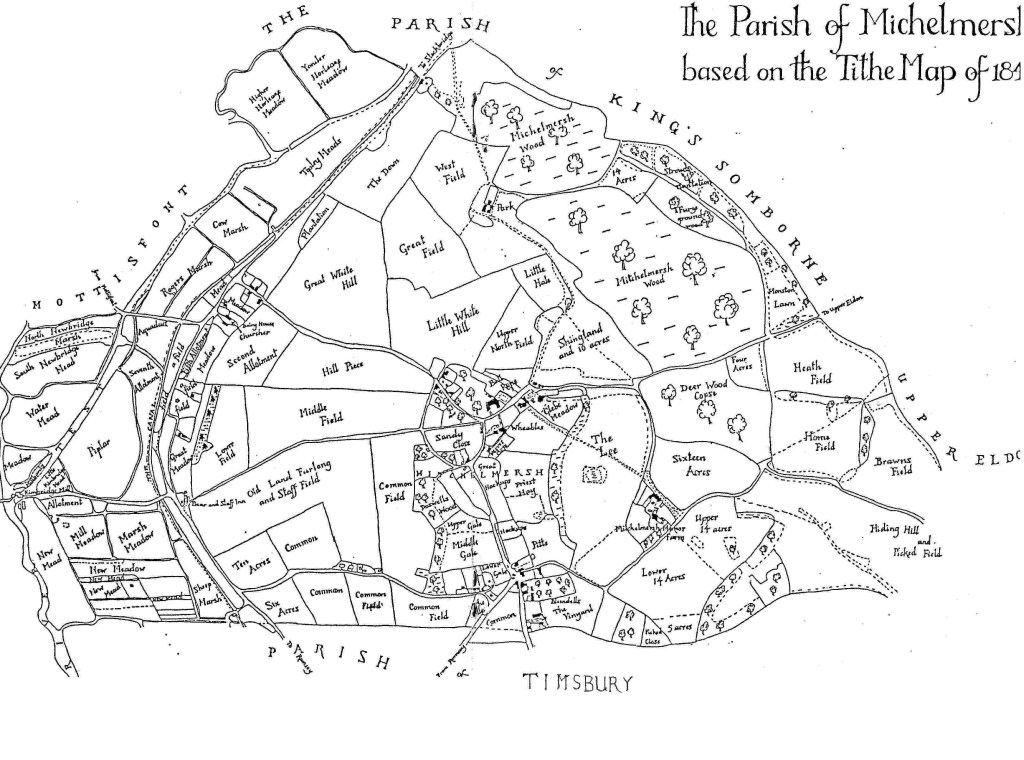

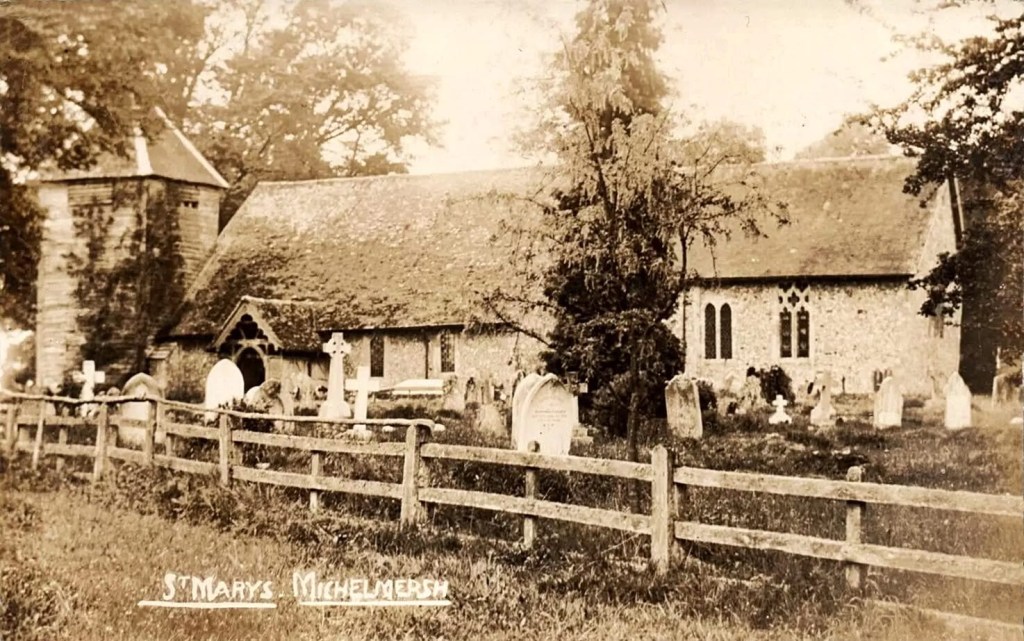
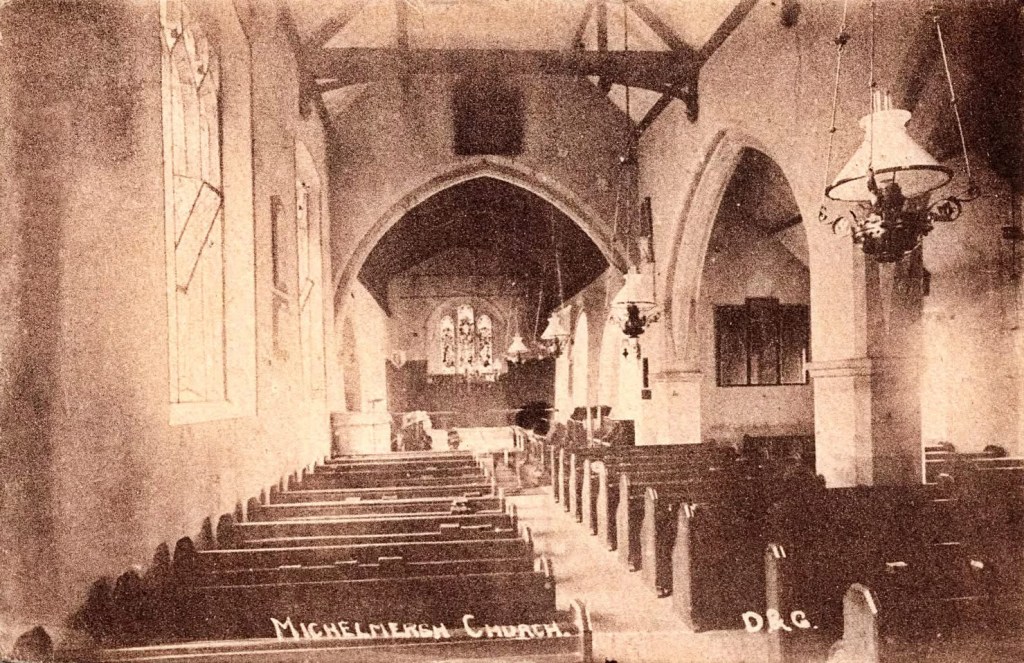
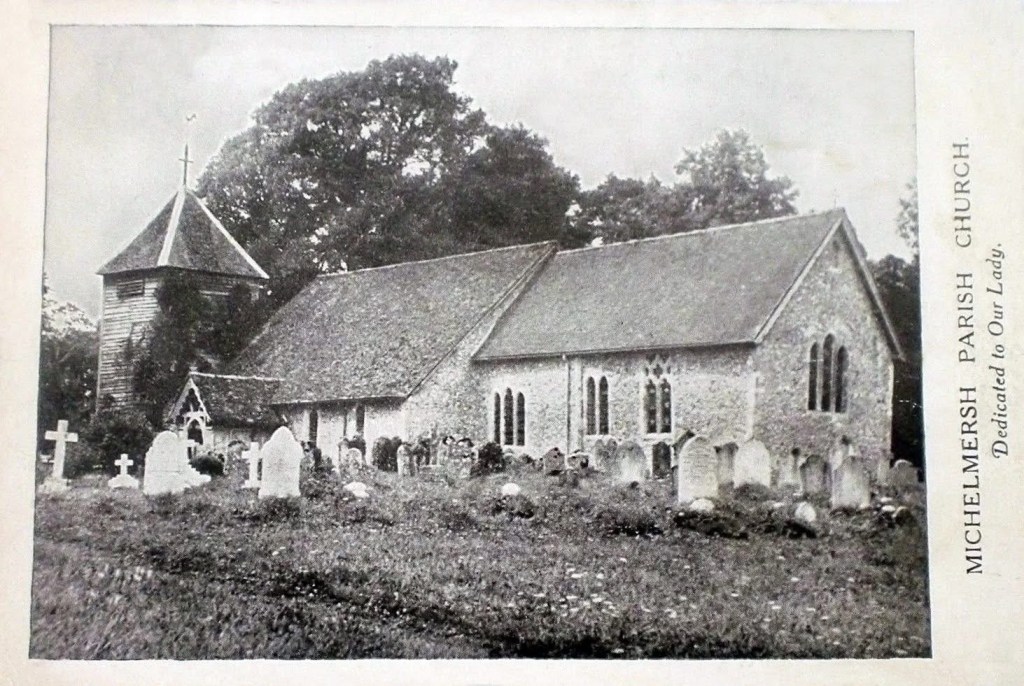

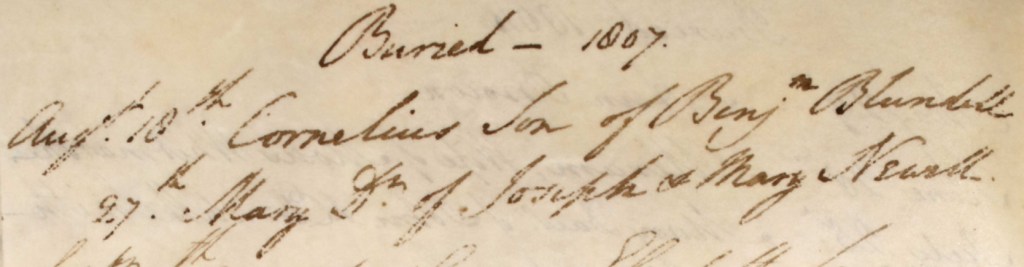
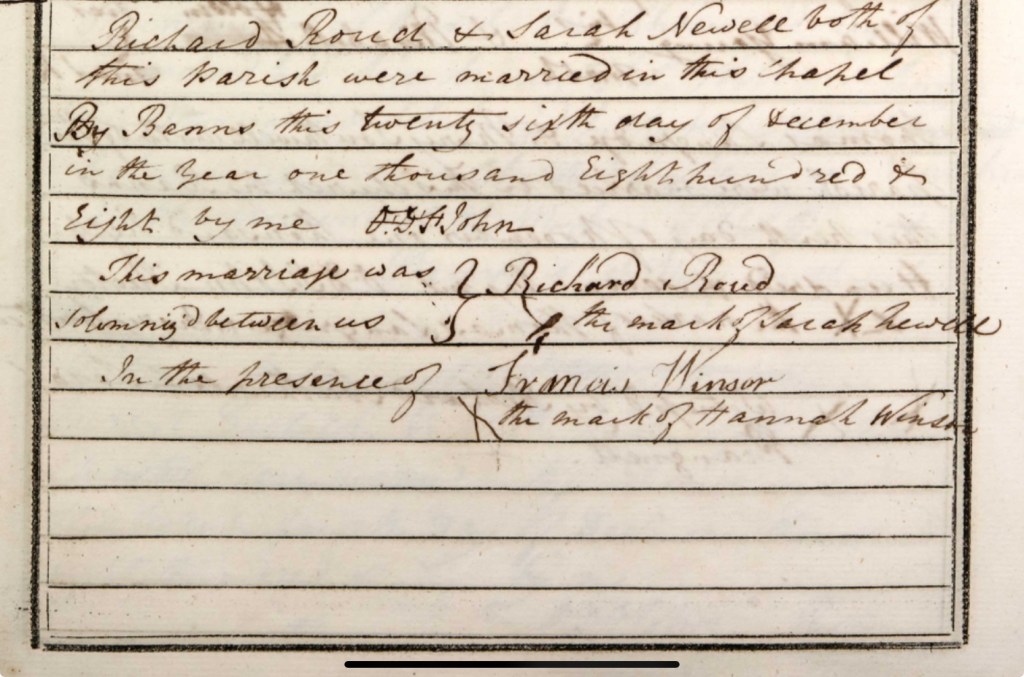





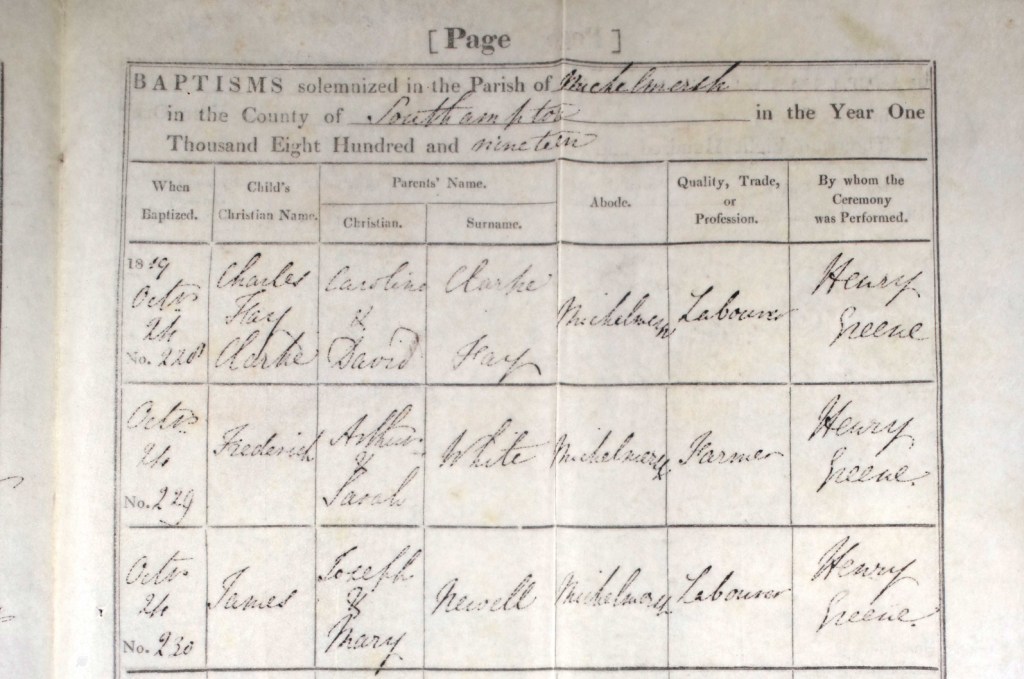
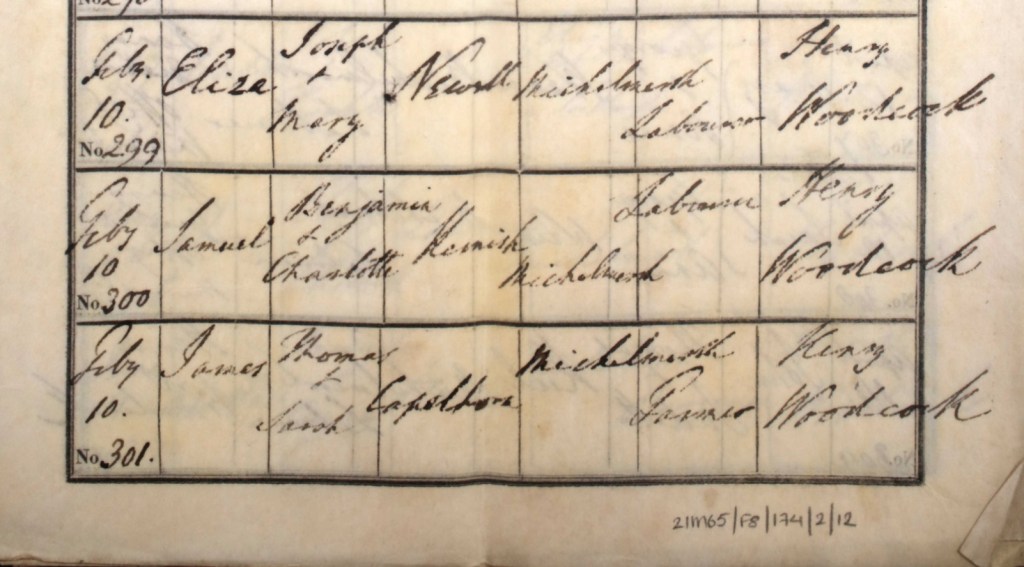
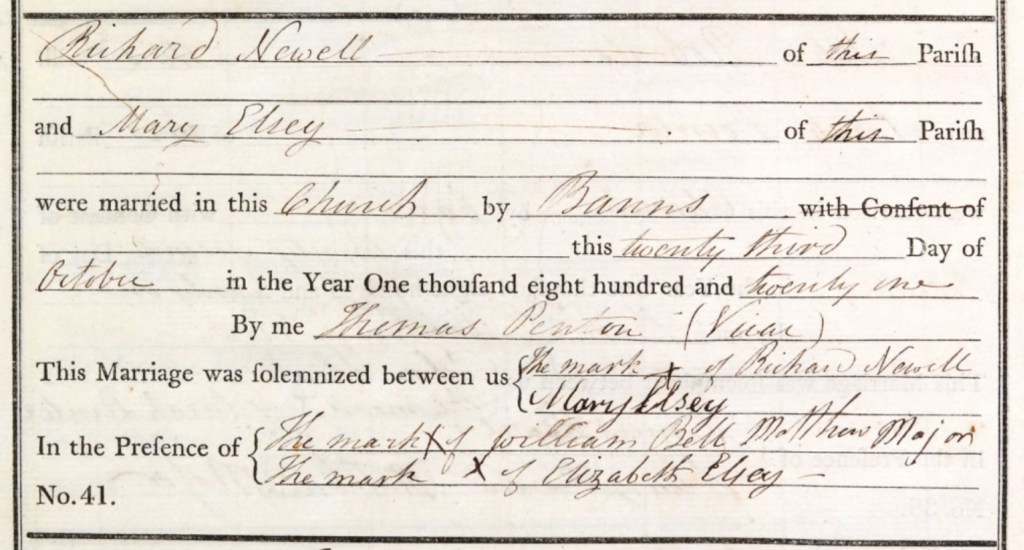
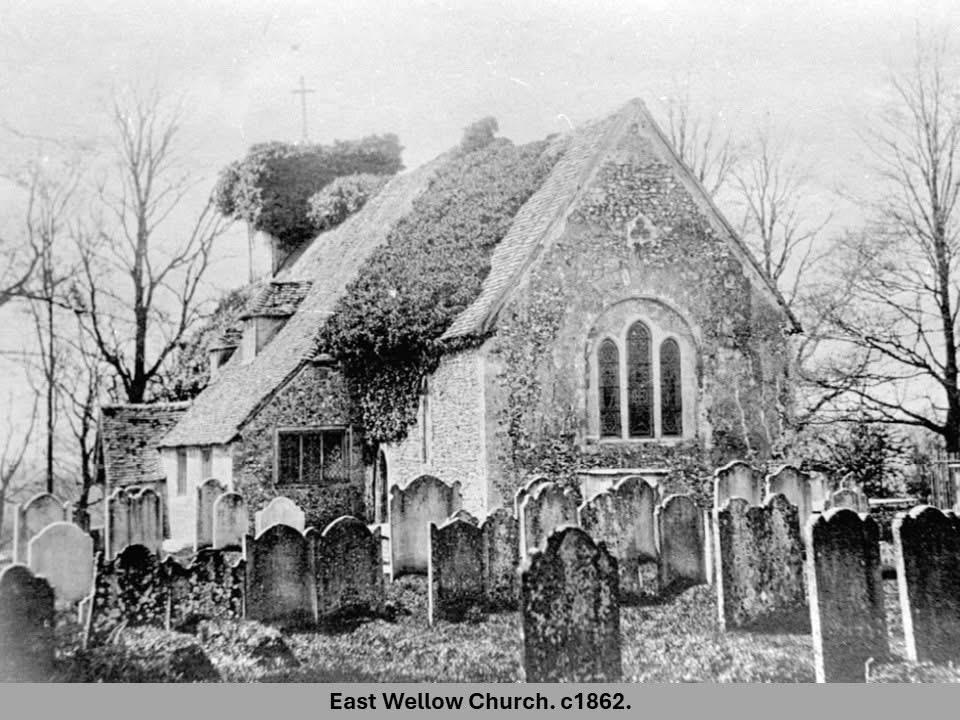
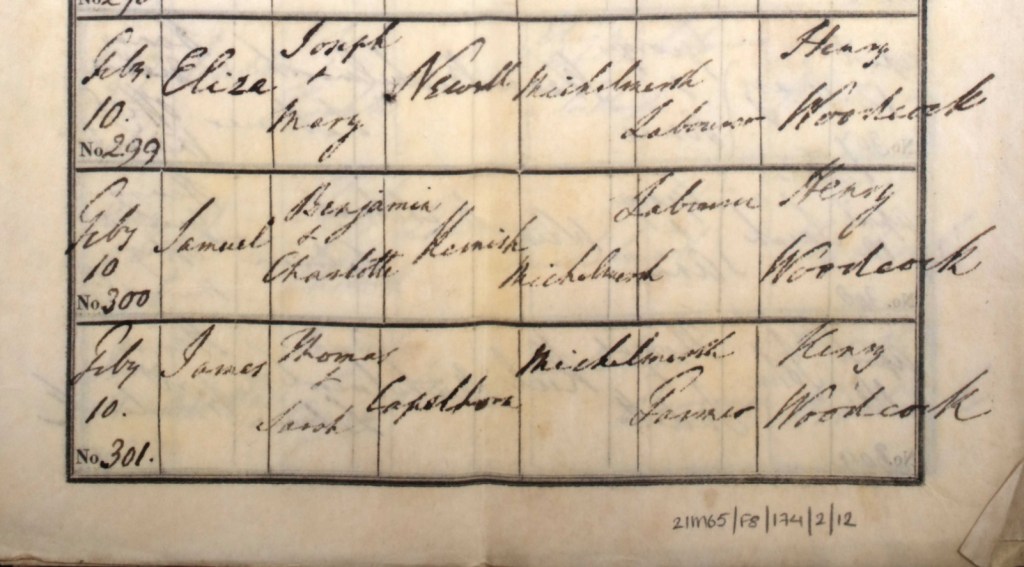
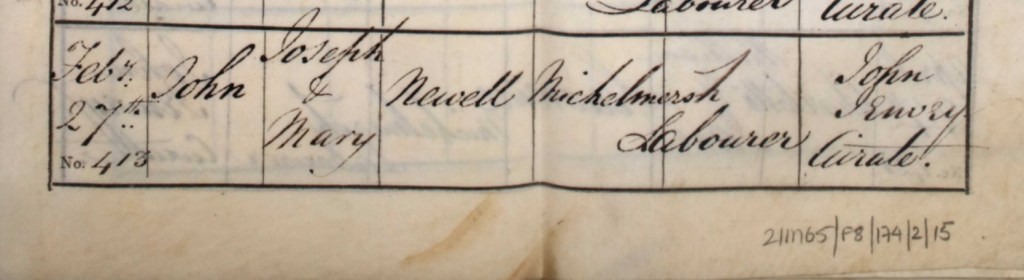
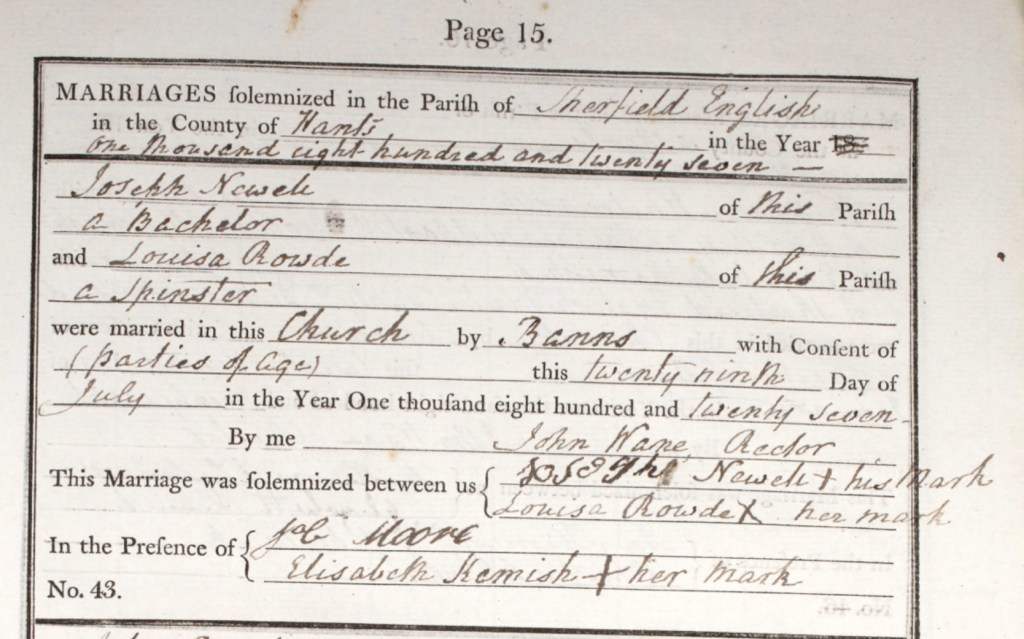
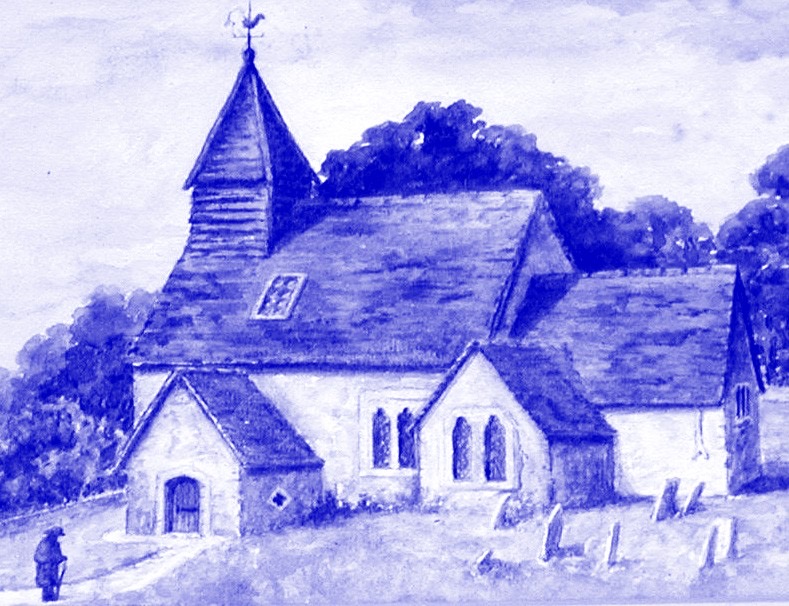


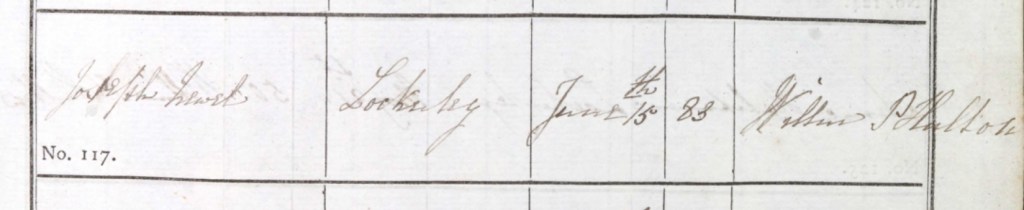

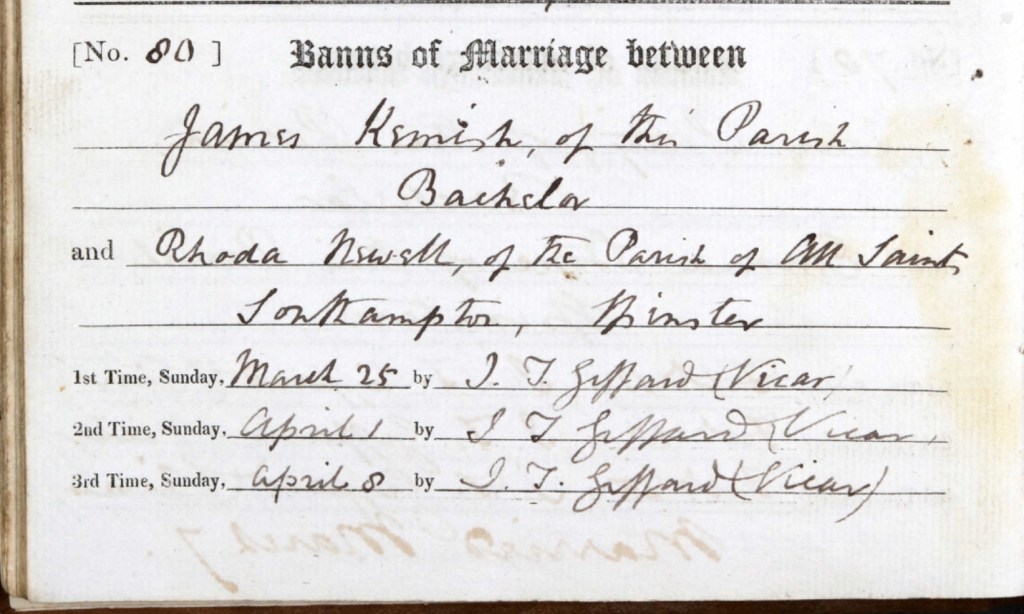

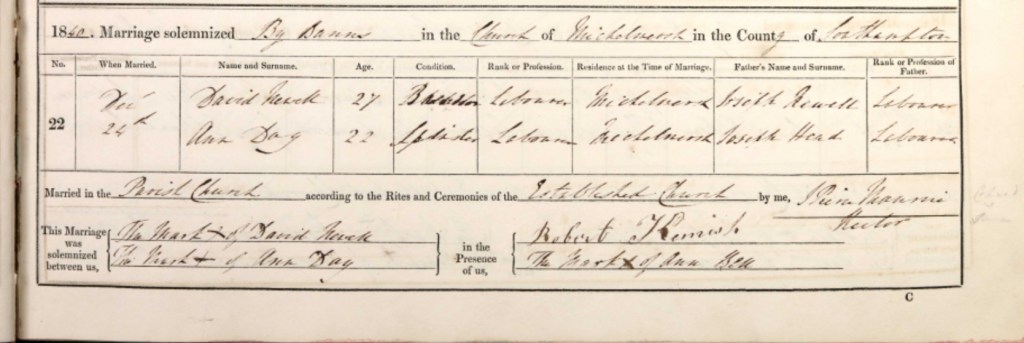
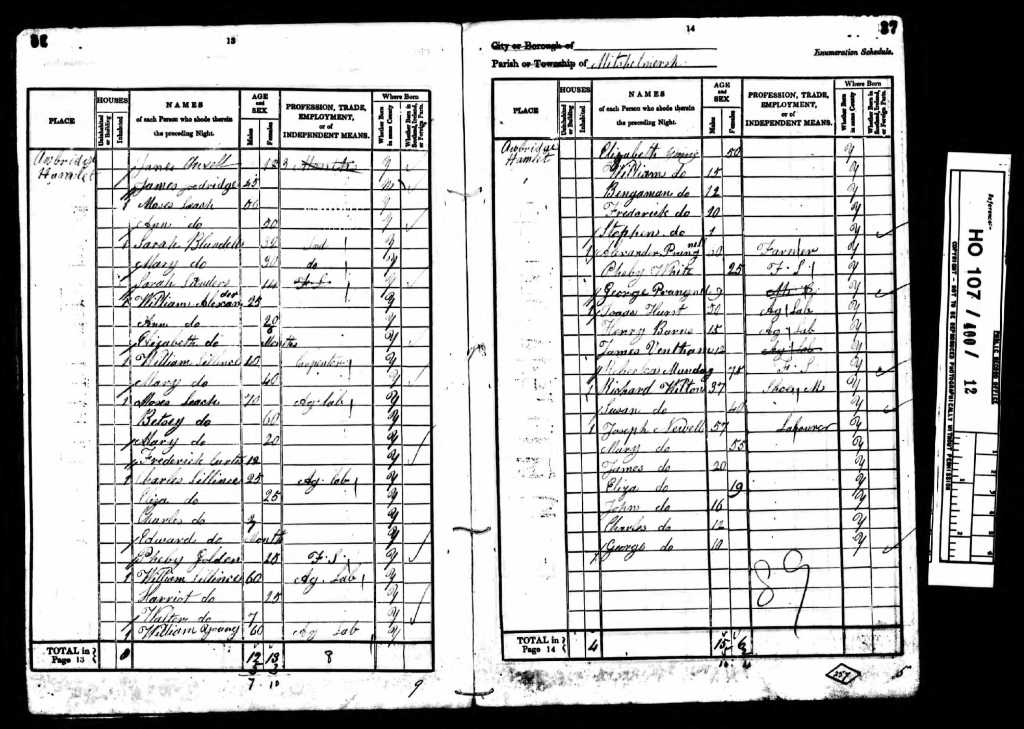
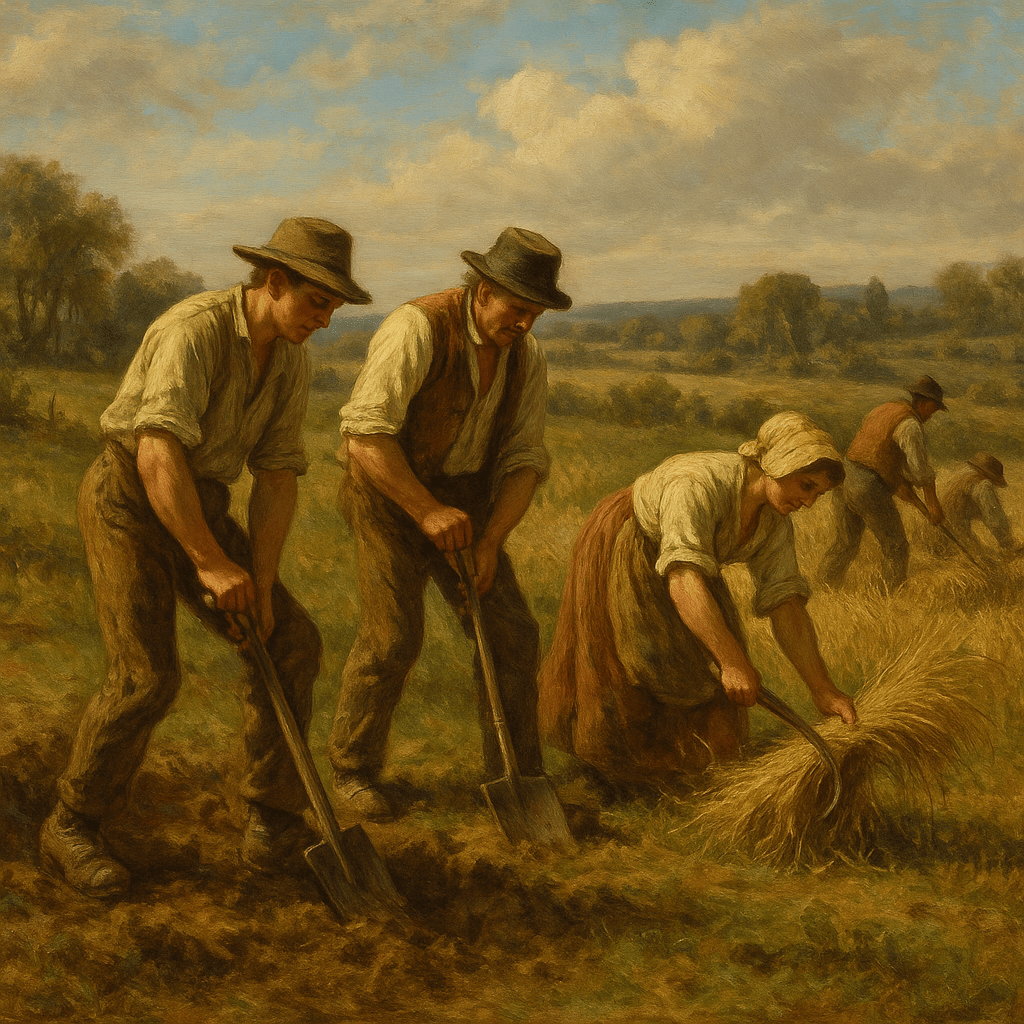
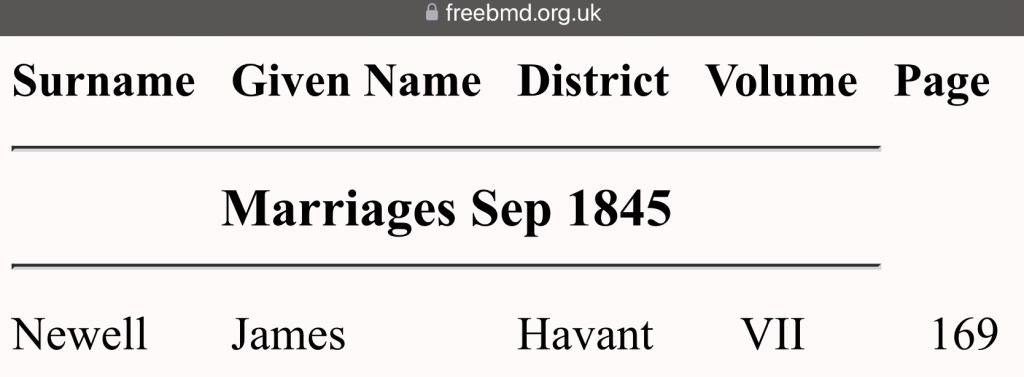
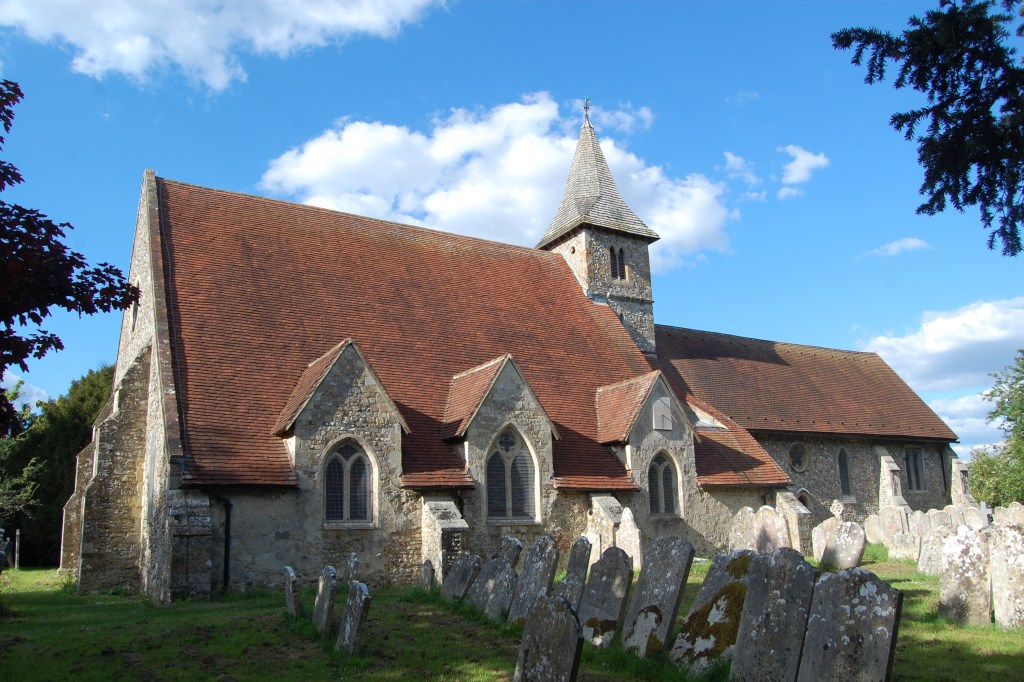


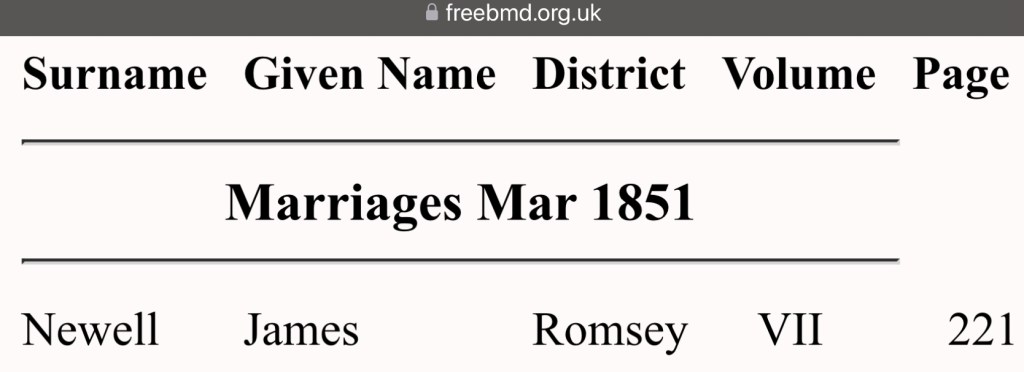
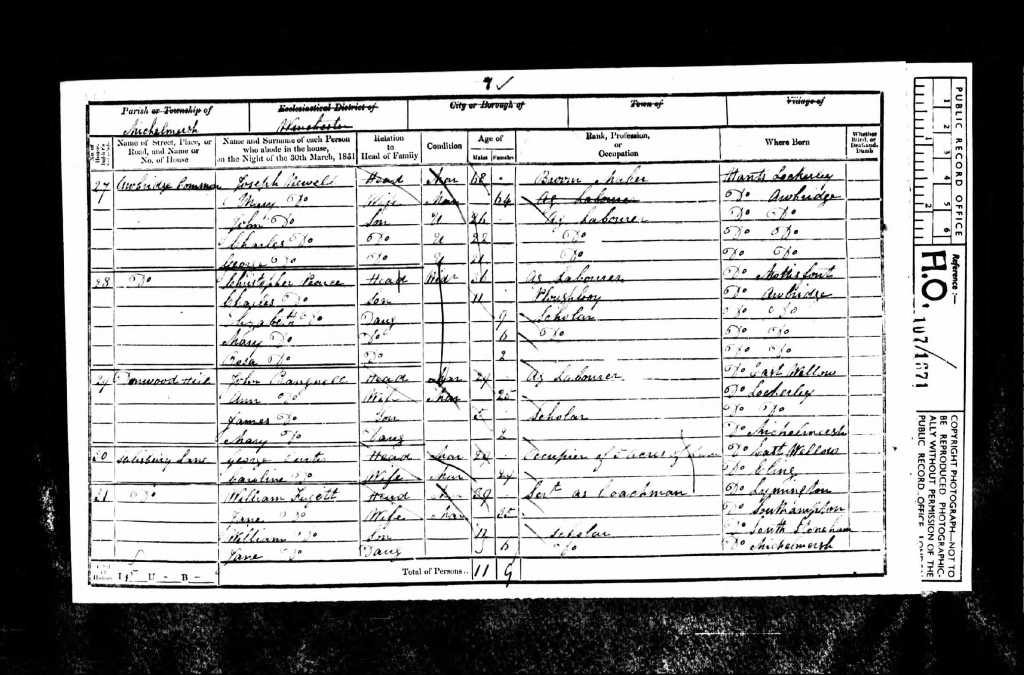

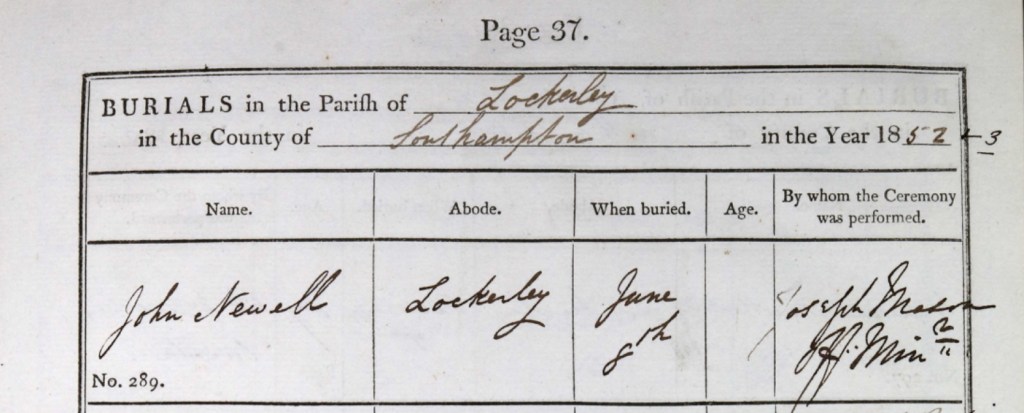
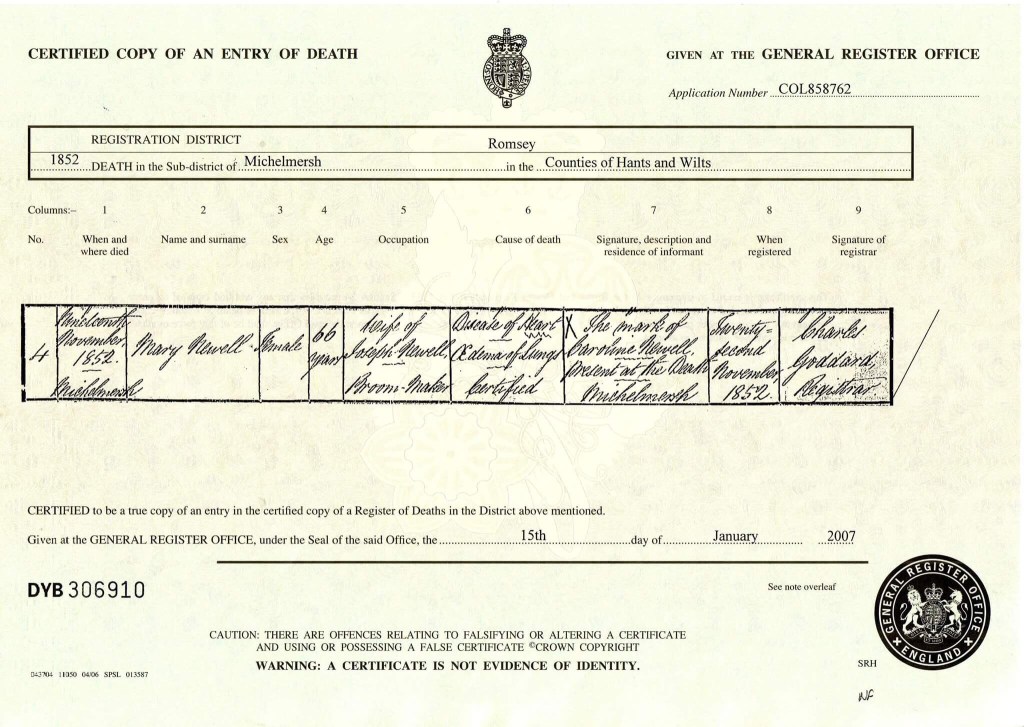
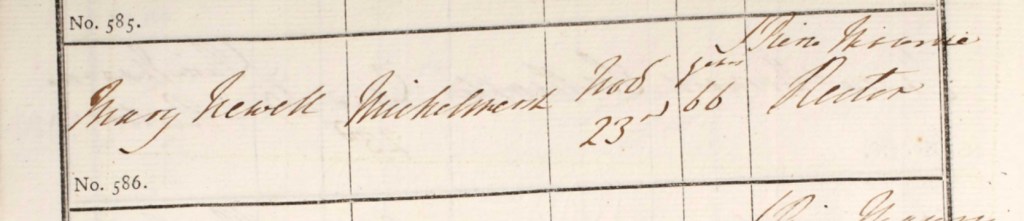
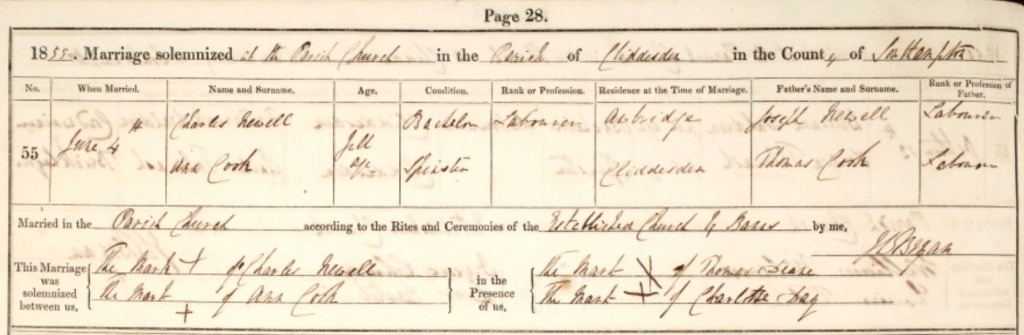
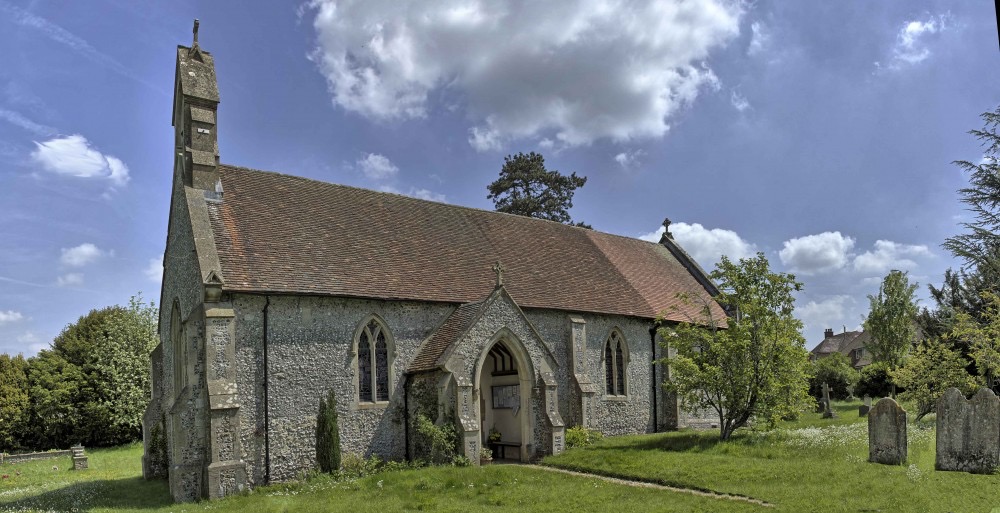
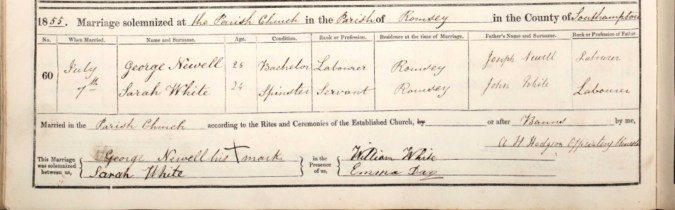
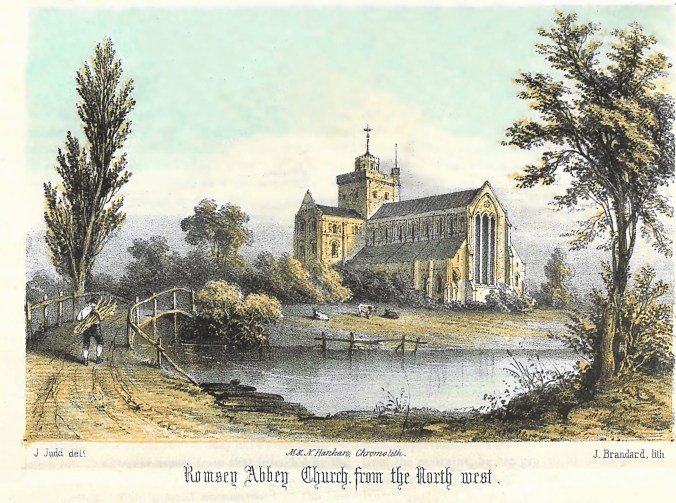
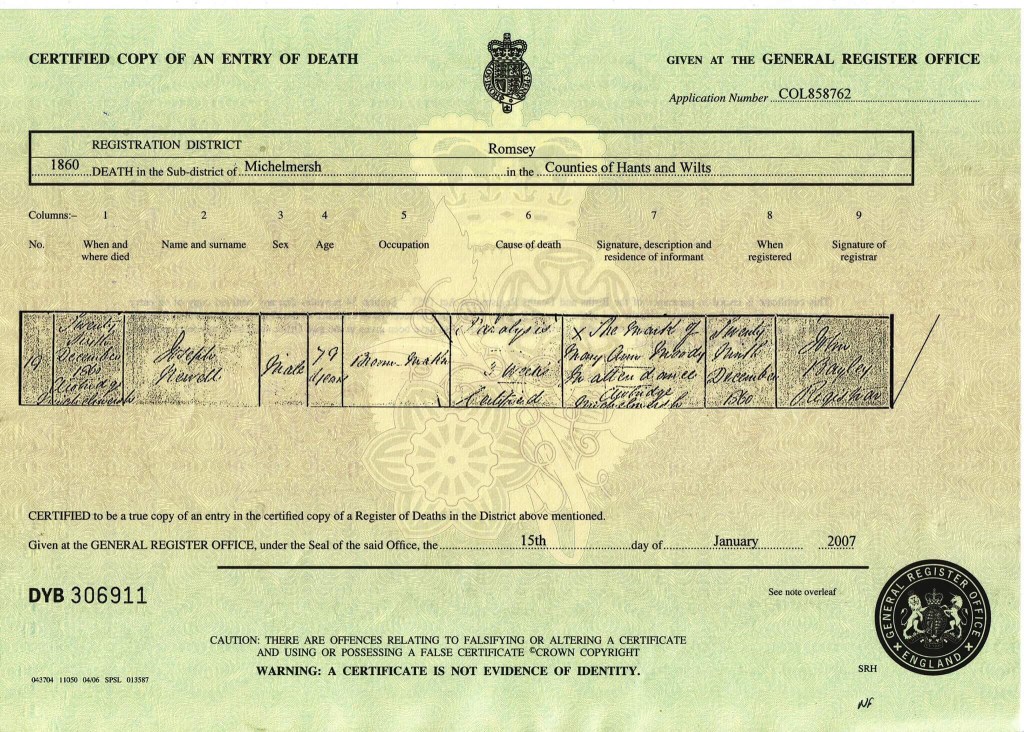

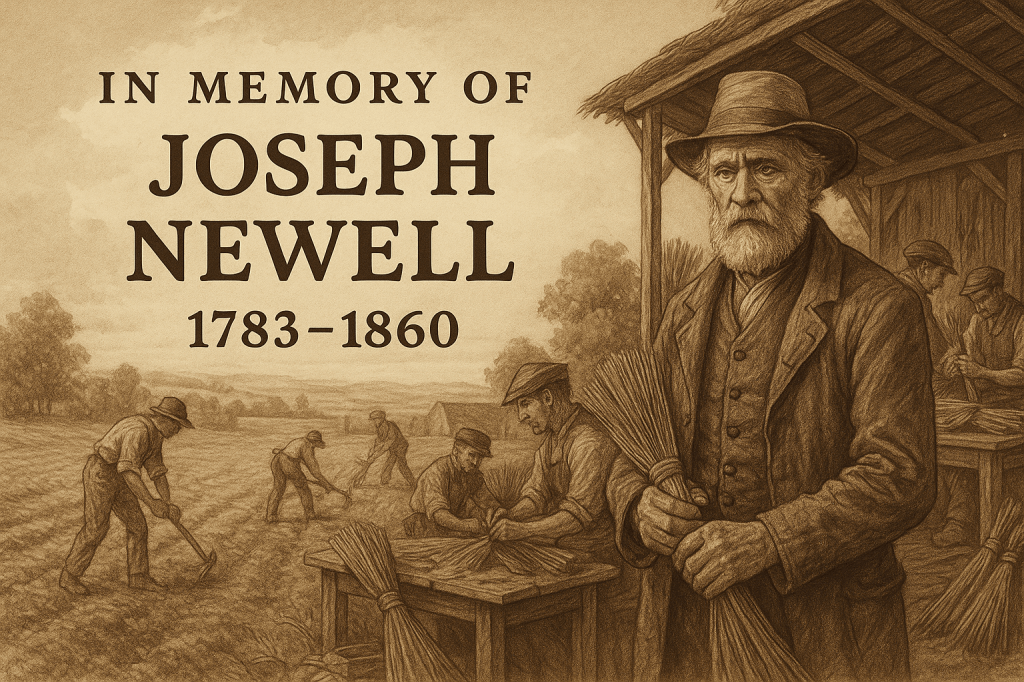
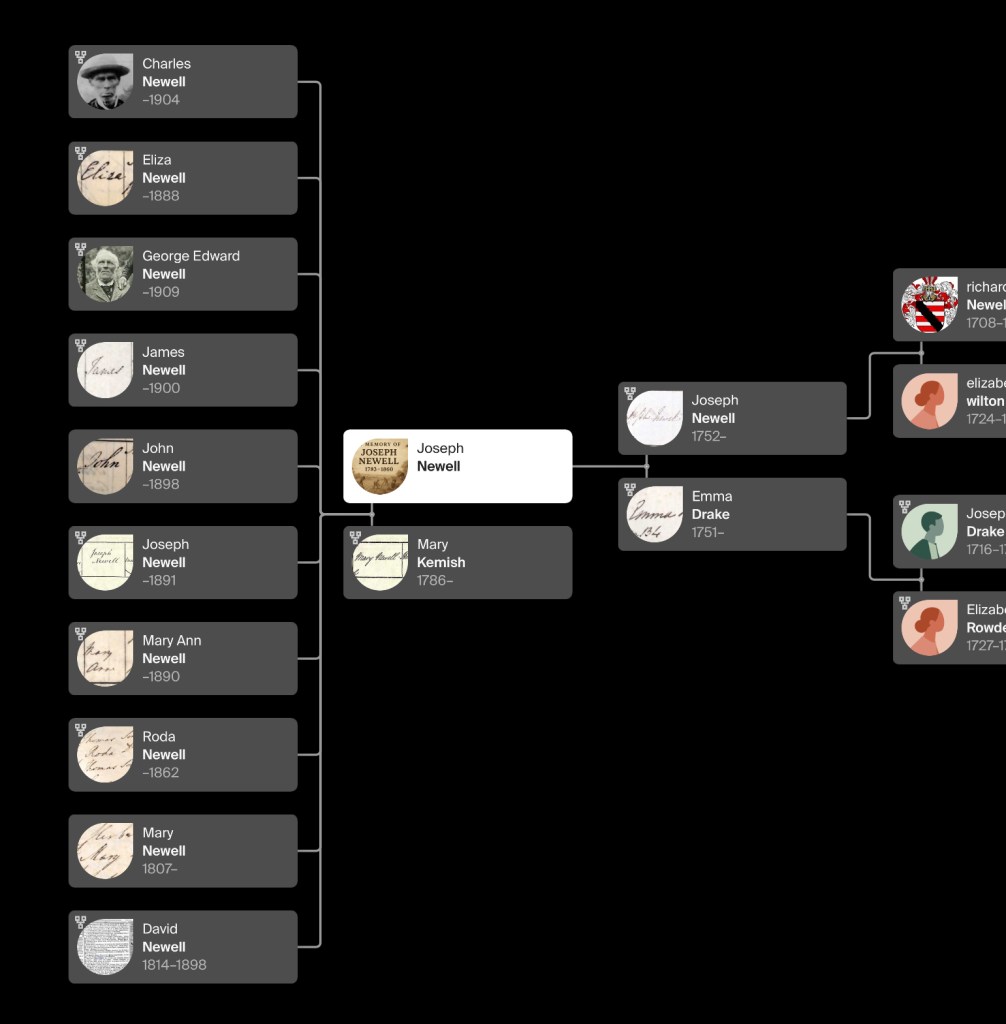
 Intwined