There are few things more powerful than the pull of family history, a thread that tugs at your heart and stirs a deep sense of connection to the past. As I trace the life of my paternal 4th great-grandfather, Joseph Newell, who lived from 1805 to 1891, I find myself immersed in a journey not just through time, but through the very essence of what it means to belong, to struggle, and to endure. This is a story of resilience, told through the fragile records of an era that was just beginning to recognise the value of its people.
Working with the early parish records of Hampshire, I often found myself in awe of the way those faded entries, penned in ink and soot, could hold so much weight, yet so little clarity. The task of piecing together Joseph’s early years was nothing short of an act of love. In a time before birth, marriage, and death certificates were available in 1837, and before the census began in 1841, the details of a life like Joseph's were often hidden, encoded in cryptic notations or buried beneath layers of bureaucracy. Each discovery, each fragile record, felt like a victory, a moment of reconnection with a man who lived through the turbulent political changes of his time, a man whose life is forever tied to the forces that shaped our very world.
Joseph Newell’s story is not just the story of one man, it is the story of a family’s struggle for recognition in a time of profound change. The lack of formal records only heightened the challenge of tracing his path. Yet in that very absence, there is something deeply political, the invisible struggles of the common man, those whose lives were rarely documented, yet whose impacts ripple through history. As I stand at the intersection of personal history and political change, I feel both a weight and a privilege to uncover the early years of Joseph’s life, to give voice to the unsung narratives that built the foundation of our modern world.
Join me as we revisit the life of Joseph Newell, an ordinary man who, like so many others, lived through extraordinary times. Through the lens of these early records, we begin to understand not only his story, but the story of a time when the very act of being recorded was a political statement in itself.
Welcome back to the year 1805, Michelmersh, Hampshire, England. It is a time when the country is caught in the throes of a world teetering between war and peace, a year marked by both personal and national upheaval. The world Joseph Newell, my 4th great-grandfather, inhabits is one where the old world of tradition is slowly yielding to the forces of change, a world where the pulse of everyday life beats with the sounds of rural rhythms and the shadows of distant conflict.
In 1805, George III remains the monarch, though his reign is shadowed by his ongoing health struggles. The king, often incapacitated due to his bouts of mental illness, is increasingly overshadowed by his son, the Prince of Wales, who serves as Prince Regent. This is a time of political tension, as Britain is embroiled in the Napoleonic Wars, and George’s health, coupled with the strain of ongoing conflict with France, places a heavy burden on the royal family and the country. The Prime Minister at this time is William Pitt the Younger, a capable leader in a nation at war, though his political career is marred by the stress of prolonged conflict. The political landscape is dominated by the looming threat of Napoleon’s expansionism, and Britain, under Pitt’s leadership, remains deeply involved in the struggle to preserve its place in the world.
Parliament is a place of great importance, though it remains largely inaccessible to the majority of people. Voting is restricted to a small proportion of the population, with political power remaining firmly in the hands of the aristocracy and wealthy landowners. The gap between the rich, working class, and poor is wide and deeply entrenched. The rich, consisting of the aristocracy and landed gentry, live lives of comfort and luxury, often residing in grand estates, surrounded by vast tracts of land. They wear fine clothes, dine on rich foods, and employ servants to tend to their every need. In contrast, the working class labors in agriculture or trade, earning a meager wage for long hours of hard work. The poor, often living in squalor, struggle to survive, relying on charity or the occasional work offered by the wealthy. The differences between these classes are sharp, with little opportunity for movement between them, and the system remains largely unchanged for generations.
Fashion in 1805 is defined by elegance and simplicity, though it varies dramatically between the classes. For the wealthy, fashion is an expression of status. Men wear tailored coats, waistcoats, breeches, and stockings, while women wear empire-waisted gowns made of light fabrics such as muslin or silk. These dresses, often simple in cut but elaborate in their accessories, reflect the growing influence of Neoclassical style. The working class, in stark contrast, wears practical, often worn clothing made from coarse wool and linen. While the rich dress for show, the poor wear clothes suited for work, durable but unrefined.
Transportation is rudimentary, with most people relying on walking or riding horses. For the wealthier classes, coaches and carriages are common, though travel is slow and uncomfortable. The roads are often in poor condition, making long journeys arduous, though the invention of the steam engine is on the horizon, with early experiments taking place in parts of England. The prospect of faster transportation is on the verge of transforming society, though that change is still a few decades away. Travel, for most, remains a matter of necessity, rather than pleasure, and the landscape is traversed at a leisurely pace, with no expectation of the rapid mobility we take for granted today.
Housing is vastly different depending on one’s social class. The wealthy live in sprawling estates or grand townhouses, with many rooms, beautiful furnishings, and servants’ quarters. Their homes are heated by large fireplaces, which also serve as the main source of cooking, and are lit by candles or oil lamps. For the working class, housing is often cramped, with many people living in small cottages or crowded tenements. These homes, often poorly built and poorly insulated, are cold in the winter and stifling in the summer. Fireplaces provide the main source of warmth, but many families rely on shared hearths in communal living spaces. Light is provided by candles, which are expensive and often in short supply.
In terms of hygiene, the situation is grim for much of the population. Bathing is infrequent, with many people only washing their faces and hands regularly. The wealthy might take a bath in a large tub, but even they are not accustomed to regular cleanliness. The streets of towns and villages are filthy, with waste often thrown into the streets or dumped in communal pits. Public baths exist in some larger towns, but they are not widespread, and many people are unaware of the importance of hygiene in disease prevention. As a result, diseases spread rapidly through the population, particularly in overcrowded areas.
Sanitation is poor, and most homes, even those of the wealthy, do not have plumbing. Waste is disposed of in privies, and sewage often finds its way into the streets or water supplies. Public health is still a developing field, and the connection between poor sanitation and disease is not widely understood. Illnesses like smallpox, tuberculosis, and dysentery are common, with life expectancy being low, particularly for the poor.
Food in 1805 is basic, especially for the working and poor classes. A typical diet consists of bread, porridge, and vegetables, with occasional meat, often salted or preserved. Meat is more common among the wealthier classes, where it can be afforded more regularly. The rich dine on roasted meats, pies, and pastries, washed down with wine or ale. The poorer classes make do with simple stews, soup, and bread, though famine is a constant threat due to crop failures or the economic strain of war. For those in rural areas, food is grown locally, though food preservation methods are limited, and fresh produce can be scarce in the winter months.
Entertainment in 1805 is centered around social gatherings, public spectacles, and religious observances. The wealthy attend the theatre, balls, and concerts, while the working class enjoys simpler pleasures like fairs, dances, or local festivities. Gossip is an integral part of life, particularly in smaller rural communities like Mitchelmarsh, where news spreads quickly, and social dynamics are heavily influenced by local reputations. The church plays a central role in the life of many people, with regular attendance being expected, particularly in rural areas. Religion is a defining feature of the culture, offering both spiritual comfort and social structure, with the Church of England being the dominant faith.
Diseases, like smallpox and typhus, ravage the population regularly, especially in the poorer, more crowded areas. Lack of sanitation and the absence of modern medicine mean that illness often runs rampant, leaving families devastated by death. Vaccination, a new and unproven idea, is beginning to take hold, but it is far from widespread. Childbirth is also a perilous time for women, with high mortality rates for both mothers and infants due to a lack of proper medical care.
The environment in 1805 is still relatively unspoiled in rural areas, though industrialization is beginning to take hold in urban centers. In the countryside, the land is farmed by smallholders and tenants, and large estates are still owned by the wealthy. Nature is intertwined with daily life, as it is a source of both sustenance and labor. Yet, as industrial factories begin to spring up in some areas, pollution and deforestation will soon change the landscape. For now, however, the air is still clean, and the countryside remains a place of peace and beauty.
In 1805, life for many is defined by hard work and survival, but there is also an underlying sense of tradition, faith, and community. The industrial revolution is on the horizon, but for now, rural England remains largely unchanged, with its rhythms shaped by the seasons and the needs of the land. In Michelmersh, Hampshire, Joseph Newell’s life is unfolding in a world where time moves slowly, where change is happening, but not yet fully realised. It is a time of contrasts, of beauty and hardship, of faith and fear, of enduring legacies and new beginnings.
In the quiet, misty autumn of 1805, amidst the gentle hills and rolling fields of Michelmersh, Hampshire, England, a new life began. My 5th great-grandparents, Joseph Newell and his young bride, Mary Newell (formerly Kemish), were embarking on a life together, just as the crisp, autumn air whispered of change. Joseph, only about 21 years old, and Mary, barely 18, had married just a few months prior, on the 22nd of June that same year. The setting was their parish church, St. Mary's Church in Michelmersh, where vows were exchanged and promises made in the presence of family, the very foundation of their life ahead.
By October 1805, their small home in Michelmersh became a place of new beginnings with the birth of their first son, also named Joseph Newell. As was the case at the time, there were no birth certificates to mark the exact date of his arrival. The practice of recording births in such a formal manner wouldn’t come until 1837, leaving us with only the clues offered by the census records of later years. These records, though invaluable, provide rough approximations of his birth year and place, yet they are far from conclusive.
The 1841 Census, which offers little more than approximations, notes Joseph's birth around 1805 in Hampshire, while the 1851 Census places him in Awbridge, Hampshire, England. The 1861 Census lists his birthplace as Mitchelmarsh, Hampshire, and the 1871 Census mentions Romsey, Hampshire, England, as his home. The 1881 Census, the last of its kind during his lifetime, places him in Lockerley, Hampshire, England. Each census entry adds a layer to the mystery, but none of them pinpoints his birth with certainty.
Despite these varying records, there is a deep, instinctive pull that leads me to believe that Joseph’s birth took place in Mitchelmarsh, Hampshire. The most compelling piece of evidence comes from a document that reveals his baptism, a sacred moment that solidifies the connection between his early life and the land where he was raised.
Though we may never know with absolute certainty the exact place of Joseph’s birth, these documents offer a glimpse into a life that, though shrouded in time and distance, still speaks to us today. Through the murky waters of historical records, we catch a fleeting glimpse of the man he became, shaped by the quiet, rolling hills of Hampshire, and by the tender, formative years spent with Mary, his wife, in the small, close-knit village of Michelmersh.
Michelmersh, also spelt as Mitchelmersh, a small village located in Hampshire, England, lies in the picturesque Test Valley, an area known for its rural charm and natural beauty. The village is steeped in history, and its development has been closely tied to the agricultural heritage of the region. Though it is now a quiet village, Michelmersh’s roots go back to medieval times, and its story is one of gradual transformation from a rural settlement to a part of the modern Hampshire landscape.
The origins of Michelmersh can be traced to the Saxon period, when it was likely a small agricultural settlement. The name "Michelmersh" is believed to derive from Old English, with "Michel" meaning "great" and "mersc" referring to a marsh or wetland area. This suggests that the village may have been originally located near marshy ground or a significant water source, an aspect that likely influenced its early settlement and development.
During the medieval period, Michelmersh was part of a larger manor system that was prevalent in England. The village was connected to the wider network of agricultural estates that characterized much of England at the time, with its economy largely based on farming, particularly the cultivation of crops and the raising of livestock. The presence of a local church, St. Mary’s Church, would have been central to village life during this period, serving as both a spiritual center and a communal gathering place.
In the Domesday Book of 1086, which recorded a detailed survey of England commissioned by William the Conqueror, Michelmersh is mentioned as part of the land held by the Norman lords. The records from this time show that the village, like many others, was a small yet thriving agricultural community, though it would have been under the control of a local lord. Over the centuries, the land would pass through the hands of various noble families, contributing to the shaping of the village's future.
During the 16th and 17th centuries, Michelmersh, like much of rural England, experienced significant changes as the English economy shifted. The rise of enclosed farming and the increasing importance of trade and commerce during the early modern period altered the social and economic fabric of many rural communities. Michelmersh saw the construction of larger homes and farmsteads, and as agriculture remained a cornerstone of village life, there was a growing emphasis on improving farming methods and land management.
The 18th and 19th centuries brought further transformations to Michelmersh, particularly with the onset of the Industrial Revolution. While the village itself remained largely agricultural, nearby towns like Romsey began to experience industrial growth. The arrival of the railway in Romsey, for example, contributed to changes in trade and transportation, which in turn affected rural areas like Michelmersh. During this period, the village remained a peaceful and rural community, though it likely saw an increase in population as people sought work in nearby towns or on larger farms.
The 20th century brought more changes to Michelmersh, especially as rural communities like it began to adapt to the demands of modern life. Agriculture continued to be an important part of the local economy, but the development of modern roads, schools, and social services allowed for better integration into the growing town networks. The construction of new homes and the expansion of residential areas saw Michelmersh become a part of the broader Romsey area, although it retained its character as a small village.
Today, Michelmersh is a quiet residential area that still holds much of its historical charm. Many of the original buildings, including the church, have been preserved, and the village is surrounded by farmland and open countryside, contributing to its appeal as a rural retreat. The local population is small, but the community remains active and engaged, with many residents valuing the village's historical connections and its peaceful surroundings.
Michelmersh’s location in the Test Valley ensures that it continues to benefit from the natural beauty of the area, with the River Test flowing through the region and providing opportunities for outdoor activities such as walking, cycling, and fishing. The village’s historical roots in agriculture continue to be a significant part of its identity, even as it has become more residential in character.
On a crisp and chilly autumn day, Sunday, the 13th day of October, 1805, the familiar sound of church bells rang through the air, calling the faithful to St. Mary’s Church in Michelmersh, Hampshire. It was the same hallowed place where, only a few months earlier, Joseph’s parents had exchanged their vows of marriage on the 22nd day of June. Now, the Newell and Kemish families once again gathered, but this time, their hearts were full of joy and thanksgiving as they came together to celebrate the birth of Joseph’s and Mary’s firstborn son. It was a day of great significance, as this new life was to be welcomed into the Christian faith and community, a cherished moment in both family and spiritual life.
Within the ancient, stone walls of St. Mary’s, the air heavy with the scent of candles and incense, Joseph and Mary stood before the congregation. Their hearts swelled with both pride and devotion as they brought their son, Joseph Newell, to be baptised during the Sunday service. The humble and sacred ritual unfolded quietly, marking a new chapter for their family, as their son was blessed and united with the Christian community.
The Rector, a steady figure of calm and reverence, approached the baptismal font with a prayerful heart. With a gentle but sure hand, he poured the holy water over young Joseph’s head, a solemn act that symbolised his entry into the faith. It was a simple yet profound moment, where a child’s life was intertwined with something much larger, an eternal bond of faith and family.
When the service concluded, and the congregation began to file out of the church, the Rector took a moment to record the baptism in the parish register. With the quill in his hand, he wrote a short, straightforward line beneath the list of baptisms for 1805: "October 13th, Joseph, son of Joseph and Mary Newell." It was a humble inscription, but it carried with it the weight of tradition and the sacredness of the moment, immortalising young Joseph’s entry into both his family’s legacy and the Christian faith.
St. Mary’s Church in Michelmersh, Hampshire, is a beautiful and historic parish church that has played a central role in the spiritual and community life of the village for many centuries. Located in the peaceful countryside of Hampshire, St. Mary’s Church serves as an important landmark and is deeply connected to the village’s history and its people.
The history of St. Mary’s Church dates back to medieval times, with the first references to the church appearing in documents from the 12th century. The church was likely built during the Norman period, though there have been many modifications and restorations over the centuries, reflecting the changing architectural styles and the needs of the community. Like many churches in rural England, St. Mary’s would have served not only as a place of worship but also as a central gathering point for the village, hosting baptisms, marriages, and funerals.
The architecture of St. Mary’s Church is an example of the typical styles seen in rural churches of this era. The building is constructed from local stone, and its design has been influenced by both Romanesque and Gothic architectural styles. The church features a simple yet elegant structure, with a nave, chancel, and tower. The tower, which would have served as a symbol of the church’s prominence in the village, is an important feature of the church’s exterior. Over the centuries, the church has undergone various renovations and extensions to meet the needs of the growing population, but its fundamental design has remained faithful to its original structure.
One of the key periods in the history of St. Mary’s Church came in the 19th century when many churches were restored or rebuilt under the guidance of architects and scholars of the time. During this period, St. Mary’s underwent significant restoration work, likely driven by the Victorian-era passion for restoring medieval churches. This restoration would have focused on preserving the architectural integrity of the church while adding new elements to accommodate the expanding congregation. The addition of stained-glass windows, the improvement of the interior furnishings, and the enhancement of the church’s acoustics were likely part of this restoration process, reflecting the era's fascination with Gothic Revival architecture.
The churchyard surrounding St. Mary’s Church is also an integral part of its history. Like many rural churches in England, the churchyard is the final resting place for many generations of the village’s residents. The graves and memorials found in the churchyard are a testament to the people who lived in Michelmersh throughout the centuries, offering a glimpse into the village’s past. Some of the gravestones are centuries old, and their inscriptions and symbolism provide valuable insights into the local history and the families who lived in the area. The churchyard also serves as a peaceful place for reflection and a reminder of the deep connection between the village and its church.
St. Mary’s Church has continued to play a central role in the life of Michelmersh. The church still holds regular services, including Sunday worship, weddings, baptisms, and funerals, serving as a focal point for the spiritual life of the community. The church is not only a place of worship but also an important cultural and social center for the village. It is a place where the community gathers for events, celebrations, and activities that bind the people together. The church has also hosted special events, such as concerts and festivals, which have helped bring the community together and allow people to celebrate their shared heritage.
In terms of local folklore and rumors of hauntings, St. Mary’s Church, like many historic churches, has been the subject of occasional ghost stories. While there are no widely documented or well-known accounts of hauntings, it is common for older buildings, particularly churches, to inspire tales of supernatural occurrences. The church’s long history and its connection to the lives of the people of Michelmersh provide a natural backdrop for such stories. The churchyard, with its centuries-old graves, might contribute to an eerie atmosphere, especially in the stillness of the early morning or evening. However, these tales are generally passed down through generations and are part of the local folklore rather than established facts.
The forename Joseph is of Hebrew origin and is derived from the name Yosef, which means “He will add” or “God will increase.” It carries with it a strong biblical association, as Joseph is a prominent figure in the Old Testament, known for his story in the Book of Genesis. The name Joseph was historically used to denote a person who was hoped to bring blessings, additions, or prosperity to a family. Over time, it became widely adopted in many cultures and regions, both in Christian and Jewish communities, due to its biblical significance.
The name Joseph first gained prominence in the Christian world due to its association with Saint Joseph, the husband of the Virgin Mary and the earthly father of Jesus Christ. Saint Joseph is revered for his humility, piety, and role as the protector of the Holy Family. His influence made the name extremely popular in Christian-majority regions and cultures. The use of Joseph as a given name spread throughout Europe during the Middle Ages, particularly in Catholic and Orthodox communities, as it symbolized faith, virtue, and the idea of divine protection.
In addition to its religious significance, the name Joseph was adopted widely across different social classes, partly due to its biblical roots, but also because of its widespread use in royal and noble families throughout Europe. Joseph was frequently given to sons in these families, becoming a traditional name for heirs and often being used to mark the continuity of a family’s legacy. The name was also widely used in Jewish communities, as it has strong historical and religious significance in Jewish tradition, particularly because of Joseph, the son of Jacob, who played a key role in the story of the Israelites in Egypt.
The name Joseph also experienced a surge in popularity during the 18th and 19th centuries in English-speaking countries, partly due to the influence of religious figures, literature, and even monarchs. In the United States, Joseph was a common name, particularly in the 19th century, and was frequently used for boys of all social classes. In many cultures, it became a favored name passed down through generations, often paired with various middle names or as part of a familial tradition.
Throughout history, many notable figures have carried the name Joseph, contributing to its lasting popularity. For example, Joseph Haydn, the renowned Austrian composer, was one of the most influential figures in classical music. Another famous Joseph was Joseph Stalin, the leader of the Soviet Union, whose name became infamous in the 20th century for his political role. There were also numerous saints, leaders, scholars, and artists named Joseph, each of whom contributed to shaping the name's association with influence and respect.
Joseph has been used in various forms in many different languages, such as José in Spanish, Giuseppe in Italian, and Josef in German. This wide variation of the name reflects the global spread and cultural integration of Joseph as a timeless and cross-cultural name. The popularity of the name in different regions also led to many adaptations and diminutives of Joseph, such as Joe, Joey, and Josie, which are still commonly used as informal versions of the name today.
The surname Newell is of Anglo-Saxon origin, with its roots deeply embedded in early English history. It is derived from the Old English personal name “Niwehelm,” a combination of the words "niwe" (meaning “new”) and "helm" (meaning “helmet” or “protection”). The name likely referred to a person who was either a newcomer or someone who provided protection or a strong defense, possibly a person who was seen as a protector in a new settlement or a leader in a newly established area. Over time, the name evolved into various forms, including Newell, Noel, and Newall, depending on regional dialects and the influence of other languages.
The surname Newell first appears in historical records in the 12th and 13th centuries, particularly in the northern and midlands regions of England. The family name was likely given to people based on their occupation or characteristics, in this case, perhaps a role related to defense, protection, or being part of a new settlement. The Newell family name was passed down through generations, and over time, it spread across England and later to other countries, especially with the migration of English settlers during the colonization of the Americas.
As the surname became more widespread, it was adopted by individuals in different parts of England and later by families in places like Ireland, the United States, Canada, and Australia, reflecting the global movement of the Newell family members. In some cases, the surname Newell was used as a locational surname, referring to individuals from places named Newell or similar variations. These locations may have been named after a prominent individual with the surname or because they were newly established settlements.
Throughout history, various notable people have carried the Newell surname. In particular, the name Newell became associated with early colonial history in America. Many early settlers with the surname Newell arrived in North America, and their descendants contributed to the development of the country in the 18th and 19th centuries. Some of these individuals were involved in trade, agriculture, or military service, and their legacy can still be found in the American cultural and historical landscape today.
The Newell family crest and coat of arms, like many English family crests, represents the historical significance of the name and the noble lineage associated with it. The coat of arms for the Newell family typically features elements related to strength and protection, as implied by the original meaning of the name. While the specific design may vary, heraldic symbols often include shields, crests, and other elements that reflect the family’s heritage. The Newell family coat of arms may feature a helmet, which ties back to the meaning of "helm" (protection), along with a shield decorated with various colors and symbols that were associated with the virtues of strength, loyalty, and defense. Family crests often reflect the characteristics valued by the family and might include animals or symbols representing courage, power, or honor.
In addition to the coat of arms, the Newell family crest may have featured a motto, which is common in English heraldry. Mottos were used to convey the ideals or values of the family, such as loyalty, bravery, or service to others. The motto associated with the Newell family crest could vary, but it would typically reflect the family’s pride in their heritage and their commitment to ideals of protection and strength.
Today, the surname Newell continues to be found in many parts of the world, particularly in English-speaking countries. The name still carries with it a sense of history and pride, rooted in the values of protection and strength that the name’s original meaning conveyed. While the family crest may not be widely used outside of genealogical or heraldic circles, it remains an important part of the heritage for those who trace their lineage to the Newell family.
In the quaint village of Michelmersh, Hampshire, the spring of 1807 brought with it a renewed sense of hope and life. As the last whispers of winter receded and the earth began to stretch awake, the air was filled with the scent of blooming flowers, their vibrant colors swaying gently in the breeze. The sun, now a welcome presence in the sky, warmed not only the earth but also the spirit of those who had endured the long, cold, and dark winter months.
It was during this season of renewal that Joseph Newell's sister, Mary Newell, was born. Her arrival, like the first bloom of spring, marked a new beginning for the Newell family. The village of Michelmersh, nestled amidst the hills of Hampshire, was a place where the rhythm of life followed the seasons, and the birth of a child was always a cause for celebration, a reminder of life's ongoing cycle, of the future unfolding before them, full of promise.
On the morning of Sunday, the 9th day of August, 1807, the air in the village of Michelmersh, Hampshire, was filled with the familiar sound of church bells ringing out, their toll echoing across the fields and down the winding village lanes. It wasn’t just any Sunday morning, but one filled with anticipation and joy as Joseph, his parents, and other members of the Newell and Kemish families made their way into the cool, welcoming embrace of St. Mary’s Church for Sunday service.
Yet, this day was special, beyond the usual rituals of prayer and worship. It was a day of great significance for Joseph’s sister, Mary, for this was the moment she would be formally welcomed into the Christian faith and the religious community. As the congregation gathered, a sense of reverence and joy filled the air, as it was not only a time for communal worship but also a time for the family to celebrate their little one’s first step into the sacred fold.
Joseph's parents, Joseph and Mary, stood proudly at the baptismal font, with baby Mary cradled gently in her mother’s arms. Joseph, the elder brother, stood at their ankles, eager to witness the ritual. The godparents, selected with care, stood by their side, ready to take on their sacred role in this important moment. With calm and devotion, the clergyman, dressed in his robes, performed the baptism, gently pouring holy water over baby Mary’s head. The water, a symbol of purity and grace, marked her entry into the house of God and the broader Christian community, a blessing that would follow her through the years of her life.
After the service, as the congregation slowly dispersed and the quiet hum of village life resumed, the clergyman made his way to the baptism register. With a steady hand, he inscribed the details of the day’s sacred event: "August 9th, Mary, daughter of Joseph and Mary Newell." This simple line, written with care, would forever preserve the memory of Mary’s baptism, an act of faith that tied her to her family, her faith, and the community in a bond that would last through the years.
The long, warm days of summer, filled with the joyful sounds of babies crying and toddlers running freely through the garden, were beginning to fade as autumn crept in. The once-golden light of the sun, so full of life and warmth, began to grow dimmer, and the days slowly stretched longer, casting shadows over the land as the earth prepared to hibernate for the coming winter. It was a time when many families enjoyed the final moments of summer’s embrace, savoring the last whispers of the season before the cold took hold.
But for Joseph, his parents Joseph and Mary, and their family, those final days of summer would soon be overshadowed by a tragedy that would cast a long, dark shadow over their lives. In late August of 1807, only weeks after the joyful celebration of her baptism, Joseph’s sister, Mary, fell gravely ill. The village that had once echoed with her laughter and innocence now seemed unbearably quiet. Despite the love and care surrounding her, Mary’s young life, just beginning, was tragically cut short.
The loss of baby Mary, the bright light that had only just been welcomed into the family and the Christian faith, was devastating. Her passing, in the same year she was born and baptized, was a cruel reminder of the fragility of life, and the Newell family’s hearts were shattered in a way that words could hardly capture. While the world around them shifted from the warmth of summer into the quiet stillness of autumn, their lives were plunged into a sorrowful darkness, a grief that would follow them through the changing seasons.
On Thursday, the 27th of August, 1807, in the deepest sorrow and despair, Joseph, his parents Joseph and Mary, and their closest family and friends made the somber journey to St. Mary’s Church. It was the same church where, just weeks before, they had gathered in joy to celebrate the baptism of baby Mary. But now, they returned to lay their beloved child, sister, and daughter to rest. The warmth of that earlier celebration seemed like a distant memory, replaced by the cold weight of grief that hung heavily over them.
The family gathered around a small, freshly dug grave, their hearts breaking with every passing moment. They stood in silent anguish as Mary’s tiny coffin, so small and fragile, was lowered into the earth. No parent, no sibling, should ever have to endure the heart-wrenching experience of burying a sibling, a daughter. I cannot even begin to imagine the depth of the pain they must have felt, the unbearable sorrow as they said their final, tearful goodbyes to their precious baby Mary.
St. Mary’s Church, once filled with the joy of weddings, baptisms, and the promise of new beginnings, was now forever marked by the grief of Mary’s burial. The laughter, the hymns, the sense of community, all of it now seemed to carry the weight of sorrow that would forever change the fabric of this place. The walls of St. Mary’s, once a sanctuary of happiness, had become a silent witness to the devastation that loss can bring.
After the funeral service, as was customary, the clergyman recorded the heartbreaking event in the parish's burial register, under the list of burials for 1807. His careful script, etched into the pages of history, reads: "August 27th, Mary, daughter of Joseph and Mary Newell." These simple words would forever commemorate the life of a child taken too soon, a reminder of the fragile nature of life and the lasting impact of those we love.
I have tried my utmost to locate the resting place of baby Mary, hoping to bring some peace to her memory, but despite my efforts, I have been unsuccessful in finding her grave. It remains one of the many unanswered questions in this chapter of Joseph’s story, yet her memory lingers, carried in the hearts of those who loved her, and in the pages of history where her brief but impactful life will never be forgotten.
Mary Newell, a life so tender and fleeting, whose legacy endures not in the years she lived, but in the hearts of her grieving family.
In the late winter or early spring, when snowdrops and hellebores began to brighten the long, grey days and the earth seemed to slowly stir from its cold slumber, Joseph was introduced to a new addition to his family, a baby sister, Roda Newell. Her arrival brought a small but radiant spark of joy into the Newell household, as the family embraced this new life, full of promise and potential.
As was the custom in those early days, birth certificates did not exist in 1811, so the exact date of Roda’s birth remains unknown. However, through the clues provided by the census records of the years to come, we can piece together an approximate picture of her birth. The 1841 Census notes her birth year as 1811, simply listing her birth location as Hampshire. The 1851 Census refines this further, specifying Mitchelmarsh, Hampshire, as her birthplace, while the 1861 Census places her in Lockerley, Hampshire, England.
While we may never know the exact day or month Roda was born, these records help us trace her footsteps through time, offering a glimpse into the early years of her life, and her place within the ever-growing Newell family. Her arrival, like the gentle flowers of spring, marked a moment of renewal, a fresh start for the family as they welcomed another child into their fold.
On Friday, the 24th day of March, 1811, as the spring sun glistened through the trees, the air alive with the hum of birdsong, and spring flowers burst into vibrant life, a light mist rolled softly off the hills and fields. The earth, freshly awakened from its winter slumber, was being prepared by laborers who worked diligently in the fields, sowing the seeds that would soon bloom in the warmth of the coming months. It was in this season of renewal and growth that Joseph, his parents Joseph and Mary, and their family gathered in St. Mary’s Church in Michelmersh, Hampshire, for a joyous occasion, the baptism of Joseph’s sister, Roda Newell.
The church, with its ancient stone walls and timeless presence, stood as a backdrop to this sacred moment. The atmosphere inside was filled with reverence, as the clergyman, dressed in his finest vestments, performed the baptism, welcoming Roda into the Christian faith. As the holy water was poured over her head, a blessing that would stay with her throughout her life, the family watched in quiet joy, knowing that this was a moment that would bind Roda to her faith, her family, and her community forever.
After the ceremony, the clergyman, with careful hand and measured grace, inscribed the details of Roda’s baptism in the parish register. Under the list of baptisms for the year 1811, a simple but historic line was written, preserving the memory of this moment for generations to come: "24th, Roda, dr of Joseph and Mary Newell." These words, though brief, carry the weight of a life entered into the Christian fold, a life that, while still unfolding, had already begun to leave its mark on the Newell family history.
In 1814, as the first whispers of spring arrived, the world seemed to breathe a collective sigh of relief. The biting cold, once so harsh and unyielding, began to soften, yielding to the gentle warmth of the sun's first touch. The trees, which had stood bare for months, began to bud, their branches eager for the return of life. The air, once sharp and crisp with frost, now carried the sweet scent of awakening flowers and fresh grass, filling the lungs with the promise of renewal. Birds, who had taken refuge in distant lands, returned with joyous songs, their melodies cutting through the quiet of the morning as if to celebrate the earth's rebirth.
In the quaint village of Michelmersh, Hampshire, within the home of the Newells, the season of new beginnings mirrored what was happening within their own lives. Joseph, his parents Joseph and Mary, and his sister Roda, were filled with joy as they welcomed a new member into their family. Joseph’s beloved mother had just given birth to a son, a baby brother for Joseph and Roda, whom they named David Newell.
Although the exact date of David’s birth remains elusive, the census records provide us with a glimpse into the year and place of his birth. The 1841 Census notes his birth year as 1818, though this seems to be an estimate. The 1851 Census more accurately places his birth around 1814 in Michelmersh, Hampshire, England, and the 1861 Census records the same, with the addition of Awbridge, Hampshire, as his location. The 1871 and 1881 Censuses place him in Awbridge, with birth years listed as 1815 and 1814 respectively, while the 1891 Census revises it once more, marking his birth year as 1813 in Awbridge, Hampshire, England.
Though the records vary in exact detail, they all tell the same story: the arrival of David Newell into the Newell family, a joyful new life in the midst of spring's renewal, forever marking his place within the fabric of their history.
On that beautiful calm spring morning, Sunday, the 8th day of May, 1814, the Newell family made their way up the hill to their parish church, St. Mary’s, in Michelmersh, Hampshire, with hearts full of hope and joy. The sun was bright, casting a warm glow over the land, while the soft spring breeze whispered through the trees. Joseph, his parents Joseph and Mary, along with his sister Roda and baby David, arrived at the church, ready to witness a momentous occasion in their family’s life, the baptism of Joseph's little brother, David.
Inside the sacred space of St. Mary’s, with its stone walls and aged wooden pews, the family gathered with reverence, preparing for the blessing that would welcome David into the Christian community. The clergyman, Henry Woodlock, stood ready to perform the Sunday service and to baptize young David. His steady presence brought a sense of calm and tradition to the occasion as he poured holy water over David’s head, officially bringing him into the fold of the faith.
After the ceremony, as the service concluded and the congregation began to disperse, the clergyman took a moment to record the day’s events in the baptism register. In his neat script, he documented David’s baptism with the following entry: "David Newell, son of Joseph Newell, a labourer, and Mary Newell of Michelmersh, was baptised on the 8th day of May 1814, in the parish of Michelmersh, in the county of Southampton." Not only did David’s baptism take place on this day, but also that of Elizabeth Jewell, who was baptised during the same Sunday service.
In this humble but profound moment, David’s life was forever marked in the pages of the church register, a moment that would echo through the generations. The Newell family’s faith and devotion to their community were now tied to David’s presence in this sacred space, as his journey began with the blessings of the church and the love of his family.
In the winter of 1816, as the world outside lay still beneath a blanket of cold and silence, the Newell family’s home in Awbridge, Hampshire, came alive with the sounds of new beginnings. The biting chill of the season may have gripped the landscape, but within the walls of their home, warmth filled the air. The cries of a newborn baby echoed, a beautiful symphony of life and hope. This was a moment of joy, a new chapter for Joseph and his growing family as they welcomed Mary Ann Newell into their world.
Joseph, his parents, Joseph and Mary, and his sister Roda, who had known the soft joy of a newborn’s presence before, now shared in the excitement of this new life. The home, once quieter, now resonated with the comforting hum of family care: the tender whispers of love, the careful tending to the needs of the young family. There was something precious in these quiet, intimate moments, so full of promise, so full of the life that Joseph had yet to experience fully.
Unfortunately, the exact date of Mary Ann’s birth is lost to history, but like a puzzle waiting to be solved, the census records offer us a glimpse into the time and place of her arrival. The 1851 census gives her birth year as 1818 in Awbridge, Hampshire, while the 1861 census suggests it was 1817, still in the same village. The 1881 census shifts it again, placing her birth year in 1815, but still grounding her firmly in Awbridge. These differing dates add a layer of mystery to her story, but they also remind us of the imprecision of the past, where lives were recorded not in the precise manner we might wish but in ways that reflect the limitations of the time.
Despite the discrepancies, these records show us that Mary Ann was born in Awbridge, a village nestled in the heart of Hampshire, whose history, though quiet, is still rich with the stories of families like the Newells. And though we may never know the exact moment Mary Ann was born, the love and care she received from her family during those first days and years are undeniably clear. In the warmth of their home, as they embraced this new life, she became part of the fabric of Joseph's family, a thread woven into the tapestry of his growing story.
Awbridge is a small, rural village located in the heart of Hampshire, England, nestled in the picturesque Test Valley. The village is surrounded by the natural beauty of rolling hills, woodlands, and farmland, characteristic of this region. Despite its peaceful setting, Awbridge has a history that spans centuries, marked by its connection to the local agricultural economy, its rural charm, and the development of the surrounding area.
The origins of Awbridge are thought to date back to the Anglo-Saxon period, with early settlement likely concentrated around a small rural community. The name "Awbridge" is derived from Old English, with "aw" meaning a stream or waterway and "bridge," likely referring to a crossing over a stream or river. This suggests that the village may have been established near a natural crossing point, with its development tied to the availability of water and the strategic location of the land. The presence of water likely played a vital role in the settlement's early development, providing both sustenance and a transport route for the surrounding agricultural lands.
During the medieval period, Awbridge would have been a small but essential part of the local agricultural landscape. As part of the Test Valley region, it would have been surrounded by fertile land used for farming, with many villagers likely working as farmers, laborers, or tradespeople. The influence of local landowners and the agricultural system of manorialism would have shaped the economy and social structure of the village. Like many rural English settlements of the time, Awbridge would have been governed by a local lord or landowner, and the majority of its inhabitants would have been tied to the land they worked.
In the 12th and 13th centuries, the area saw gradual changes with the establishment of churches, which became central to village life. St. Mary’s Church in nearby Michelmersh would have been an important place of worship and community gathering for residents of Awbridge. Throughout the medieval period, churches were the focal points not only for religious ceremonies but also for social and cultural events. The church would have played a key role in the daily life of the villagers, providing spiritual guidance, marking important life events such as marriages and baptisms, and offering support to those in need.
Awbridge remained a quiet agricultural village for much of its history, with small-scale farming being the primary occupation. However, during the 19th century, as the Industrial Revolution began to affect various parts of England, the agricultural landscape in and around the village started to shift. While Awbridge remained largely rural, neighboring towns and villages began to experience industrialization and urbanization. The construction of the nearby railway network, for example, facilitated the movement of goods and people, bringing changes to rural areas like Awbridge, which were once isolated from larger markets. This shift in transportation routes meant that goods could be sold further afield, opening up new economic possibilities for the local population.
Despite these broader societal changes, Awbridge retained much of its rural character throughout the 19th and 20th centuries. The development of the surrounding countryside and the expansion of nearby towns like Romsey influenced the village, but it remained a small, tight-knit community where agriculture and farming continued to be central to life. The growth of residential properties in the area in the mid-20th century brought more people to the village, as families sought the quiet countryside and rural charm while still being within commuting distance of larger towns and cities.
Today, Awbridge is a charming and peaceful village, characterized by its rural setting and close proximity to nature. While it has seen some modern developments, it retains a sense of historical continuity, with many of its older buildings still standing. The village is a mixture of traditional cottages and more modern homes, with its population having grown in recent decades. Many of the older homes in the area reflect the agricultural heritage of the village, with buildings made of local stone, brick, and timber. The surrounding farmland and countryside continue to play a significant role in the village’s identity, and Awbridge remains an attractive area for those seeking a quiet, rural lifestyle.
Awbridge’s location in the Test Valley means it is surrounded by some of Hampshire’s most beautiful countryside, with numerous walking and cycling routes that allow residents and visitors to enjoy the natural beauty of the region. The village has maintained its community-oriented atmosphere, and its rural charm makes it an appealing place for those who enjoy the tranquility of country life while still being close to larger towns and cities for work or recreation.
Under a winter's sky, with the gentle trickle of frost settling over the landscape, Joseph and his family made their way to St. Mary’s Church, perched high on the hill in the village of Michelmersh. The crisp air was filled with a quiet anticipation, for this Sunday, the 15th day of December, 1816, was not just any service, it was the day they would celebrate the baptism of Joseph’s little sister, Mary Ann.
The Newell family, joined by close friends and extended family, gathered in the church, their breath visible in the cool air. The warmth of the community and the sacredness of the occasion filled the space, offering a stark contrast to the chill outside. Family members had come, not only to attend the Sunday service, but to witness this important moment in Mary Ann’s life, when she would be welcomed into the Christian faith and community.
As the service unfolded, the clergyman, Henry Woodlock, called the Newell family to the baptismal font, a place where new lives were marked and blessed. Joseph and his parents, Mary and Joseph, stood together with little Mary Ann in their arms, ready to see her baptised, her name written into the spiritual life of their community. Henry Woodlock, with the reverence of his calling, performed the baptism, the holy water spilling gently over Mary Ann’s head, a symbolic act that would bind her to the faith and the legacy of her family.
When the service ended, and the congregation slowly made their way out of the church, the day’s momentous occasion was recorded in the baptismal register by the clergyman. Henry Woodlock carefully inscribed: "Mary Ann Newell, daughter of Joseph Newell, a labourer, and Mary Newell of Michelmersh, was baptised on December 15th, 1816, in the parish of Michelmersh in the county of Southampton."
This simple, solemn entry, though brief, would forever memorialise the day Mary Ann joined the Christian faith, marking her place in the Newell family’s story, as well as the enduring connection between their lives and the church that had witnessed so many important moments in their history.
Joseph Newell stood at the window of his home in the quiet village of Awbridge, Hampshire, gazing across the sweeping fields that stretched out before him. It was the autumn of 1819, and the countryside was alive with colour, splashes of fiery red, burnt orange, and soft gold. The trees, once full and green, now stood as naked skeletons, their branches lightly dusted with the remnants of the season’s most brilliant display.
The air was cool, sharp even, with the unmistakable scent of earth and damp wood. The fading warmth of the day still hung in the sky, casting long shadows over the fields, but Joseph knew that soon enough the dark would settle in, and the cold would creep across the land like a slow, uninvited guest.
It had been a season of change for Joseph. The harvest had been bountiful this year, and the village had a sense of quiet satisfaction in its work. But for Joseph, the most significant change had come not from the fields or the crops, but from within the walls of his own home.
His mother Mary, had given birth to a baby boy James. The news had spread through the village like wildfire. Joseph had been nervous at first, unsure how he would feel about a new sibling, life was hard in the homes of a humble Labourers but when he held James for the first time, wrapped in a soft woolen blanket, his heart had softened. The tiny weight in his arms, the warm little breath on his chest, it stirred something deep within him, a bond that no words could fully express.
Joseph’s thoughts drifted to the new life that had entered the world. His mother, tired but proud, had smiled through her exhaustion as she held James in her arms. It was a bittersweet moment, one that reminded him of the passage of time, of how much had changed in just a few short years. The house was filled with the soft sounds of James’ cries, a new rhythm that would fill their home with life in ways Joseph hadn’t imagined.
The sound of the village church bells ringing the hour brought him back to the present. The village had always been steady, predictable, but Joseph knew that this season, with the birth of his baby brother, would mark a turning point. Perhaps it was the promise of new life, or the hope of better things to come, but there was something in the air—something different.
As Joseph watched his mother, he felt a flicker of warmth in his chest, not from the hearth, but from the thought of James, just a few hours old, resting peacefully in his mother’s arms. He could hear the soft murmur of her voice, comforting the baby as she rocked him gently to sleep.
Smoke rose from the chimneys of nearby homes, signaling the end of the day. The village was winding down, families retreating to the warmth of their hearths. Joseph took a deep breath, and smiled to himself. Today, he felt a quiet contentment, a sense of peace that came from knowing the village, the land, and his family were enduring. And with the arrival of James, a new chapter was unfolding in the story of his life.
He glanced one last time at the fields, the trees, the sky. It was all familiar, steady, unchanging and yet, it felt different now. Life was still unfolding, as it always had, but the arrival of his baby brother had brought with it a sense of hope, a sense of renewal. The season was turning, and so too was his place in the world.
As he stood in the warmth of his home, he could hear the soft coo of James. Joseph paused for a moment, a quiet smile tugging at his lips. The world had shifted slightly, and he couldn’t help but feel that with the birth of his brother, everything, everything, was just as it should be.
Though James’s exact birthdate remains uncertain, the census records give us an idea of his place in time. The 1841 census lists his birth year as 1821 in Hampshire, while the 1851 census specifies 1821 in Awbridge. The 1861, 1871, and 1881 censuses list his birth year as 1820, still in Awbridge, and the 1891 census places it as 1819 in Michelmersh. Despite the varying dates, these records confirm James's place in the unfolding story of Joseph’s life, the arrival of a new sibling that marked a profound change, a new chapter in the continuing tale of their family.
On Sunday, the 24th day of October, 1819, the village of Michelmersh was bathed in the golden light of a crisp autumn morning, the kind of morning that carried with it the scent of damp earth and the promise of cooler days ahead. The wind rustled through the trees that lined the path to Saint Mary’s Church, sending a shower of amber leaves spiraling to the ground. Joseph Newell, now 14 years old, walked with his family along the cobbled street, their footsteps echoing in the quiet of the village.
The church stood as it had for centuries, its stone walls worn by time, its spire reaching toward the heavens like a silent sentinel over the village. The sound of distant bells rang through the air, their deep tones calling the villagers to gather. Today was a special day, not just for Joseph, but for his entire family. The baptism of his baby brother, James, had come, a joyous occasion for the Newell household and the community alike.
As they entered the church, the warmth of the interior greeted them, the light filtering through the stained-glass windows casting colorful patterns upon the stone floor. The air inside was thick with the smell of candle wax and incense, mingling with the musty scent of aged wood. The small congregation had already begun to assemble, murmuring greetings to one another in hushed tones as they took their places on the wooden pews. The priest, Henry Greene, stood near the altar, preparing for the service. His robe, dark and simple, contrasted with the soft glow of the candles that flickered around him.
Joseph’s heart beat a little faster as he took a seat with his mother, Mary, beside the pulpit, cradling baby James in her arms. At 14, Joseph was no longer a boy, though he felt the burden of his age in ways that sometimes caught him off guard. The weight of responsibility, toward his family, his community, was beginning to settle on his shoulders, and yet today he felt the simple joy of being part of something bigger than himself. He glanced at James, his baby brother, wrapped in a soft woolen blanket, his tiny face framed by delicate features. Joseph felt a swell of pride and responsibility as he watched his mother with James, the joy of the moment clear on her face.
As Henry Greene began the service, his voice rang out clear and steady, filling the church with a solemn reverence. The words of the liturgy wove through the air, rich with the history of the land and the faith that had bound the people of Michelmersh together for generations. The font, an ancient stone basin worn by centuries of use, sat at the front of the church, ready to welcome James into the fold of the Christian faith.
When the moment came, Henry Greene took James gently from Mary’s arms, his hands steady and sure. He held the child over the font, the water glistening as it caught the light, a symbol of purification and new beginnings. The congregation watched in silence, the soft sound of the baby’s cries mingling with the solemnity of the service. As the water touched James’s forehead, the priest spoke the ancient words, marking the beginning of a new chapter in the child’s life.
Alongside James’s baptism, two other children were welcomed into the faith. Frederick White, the son of Arthur and Sarah White, farmers who lived nearby, stood beside his parents, his wide eyes taking in the ceremony. Charles Hay Clarke, the son of David and Caroline Clarke, labourers from Michelmersh, was baptized next, his tiny hands grasping at the air as he was held by his mother.
The air in the church seemed to hum with the weight of the moment, the sacredness of the ritual, and the joy of new life. The three baptisms, one after another, bound the children together in a shared experience, though they knew little of what the future held for them.
Once the final prayers were spoken, the congregation stood, their voices lifting in a hymn of gratitude and praise. The soft strains of the organ filled the space, its notes echoing off the stone walls. As the last verse ended, the service came to a close, and Henry Greene made his way to the altar to record the events of the day.
With the church still reverberating with the echoes of the hymn, Henry Greene opened the ancient baptismal register. His quill scratched across the parchment, the ink glistening in the soft light as he carefully wrote the names of those who had been baptized. When he came to James Newell’s name, he paused for a moment, his hand steady as he recorded the date: 24th October 1819. He wrote that James was the son of Joseph Newells, a labourer, and Mary Newells, also of Michelmersh. The ink dried quickly, and with a final flourish, he signed his name at the bottom of the page.
The ceremony was over, but for Joseph, the significance of the day was only just beginning to settle in. He watched as his mother, still holding James, stepped into the light from the altar, her face soft with the joy of a mother whose child had been blessed. For a moment, everything in the church seemed to pause, time itself holding its breath as the community, bound by faith and shared history, stood together in the knowledge that they were part of something far larger than themselves.
At 14 years old, Joseph understood more than he might have before, he was part of a cycle, a tradition that had spanned generations, one that held his family, his village, and his faith together. As he followed his mother and the rest of his family out of the church, the autumn sunlight warmed his face. Today, with the baptism of James, his baby brother had been welcomed into the same faith, the same community that had shaped Joseph’s life. In a way, it was a beginning, a new chapter for his family. And Joseph knew that it was just the start of many more seasons to come.
In the late winter of 1822, the small village of Awbridge, Hampshire, was blanketed in a soft layer of snow, its quiet streets and fields wrapped in a hush of cold. The bitter winds whipped through the bare branches of the trees, but inside the Newell household, warmth filled the air. The hearth crackled with life, its flames dancing as the first light of dawn slowly seeped through the frost-covered windows, casting a soft glow over the humble cottage. It was within these familiar walls that Joseph Newell’s life was about to change once again.
On this crisp, quiet morning, his sister Eliza was born. At 17, Joseph had already begun to feel the weight of responsibility growing heavier on his shoulders. Life in the Newell household had not been easy, but the arrival of Eliza brought with it a new kind of softness, a tenderness that Joseph hadn’t expected. Watching his mother, Mary, cradle the newborn in her arms, her face glowing with the joy that only a mother could know, Joseph was struck by the depth of emotion that this new life had awakened in him.
The tiny cries of Eliza, so sharp and fragile, filled the room, a stark contrast to the stillness of the winter outside. Her presence, delicate and full of promise, seemed to breathe new life into the Newell family, a reminder that even in the harshest of seasons, there is always room for new beginnings. Joseph, who had been growing into the young man that life demanded, now found his heart swelling with a deeper sense of duty. He was no longer just a son; he was now an older brother, tasked with guiding and protecting the little girl who would grow up beside him, sharing in the small joys and struggles of life in their close-knit Hampshire village.
Though the exact date of Eliza’s birth remains unknown, the census records provide a glimpse into her arrival. According to the 1841 Census, she was born in 1822 in Hampshire, and the 1851 Census also confirms 1821 as her birth year, still in Awbridge. The 1861 Census notes her birth as 1823 in Awbridge, while the 1871 Census revises it again to 1822. The 1881 Census settles on 1823, all confirming that she was born within the same rural village that Joseph had come to know as his world.
In the years to come, Eliza would grow up beside Joseph, both of them tethered to the same rhythms of village life. Her arrival marked not just the expansion of the family, but the deepening of Joseph’s sense of duty, responsibility, and love. And so, amidst the quiet of that winter morning, a new chapter began, one that would shape the story of the Newell family for years to come.
On Sunday, the 10th day of February, 1822, the crisp air of winter still clung to the land as the Newell family made their way to St. Mary’s Church in Michelmersh, a few miles from their home in Awbridge. The journey was long, and the path to the church was icy, but Joseph, now 17, helped his mother, Mary, carry his baby sister, Eliza, wrapped snugly in a woolen blanket, her tiny face peeking out with a quiet curiosity. The day was special, Eliza was to be baptized, and as the family approached the church, Joseph could feel the weight of the occasion, the quiet anticipation that filled the air.
The church stood as it always did, its stone walls heavy with history, the bells tolling as the Newells entered, their footsteps soft against the cold stone floor. Inside, the warmth of the church was a welcome contrast to the winter chill. The flicker of candles and the scent of incense filled the space, creating an atmosphere of reverence and solemnity. Joseph stood beside his mother as they waited for the service to begin, watching the gentle stirrings of Eliza in her mother's arms. The newborn’s eyes were wide and unblinking, taking in the world for the first time, while Mary’s face glowed with a quiet, loving pride.
The priest, Henry Woodlock, stood before the altar, his voice firm and clear as he began the service. The congregation gathered in a circle of faith, and as the familiar hymns echoed through the church, the significance of the moment felt heavier than ever. It wasn’t just Eliza’s baptism, Joseph could sense the solemn unity of the community, as lives were joined together through shared rites and prayers.
When it was time, Eliza was taken from Mary’s arms, her soft cry filling the church as she was gently placed in the hands of Father Woodlock. The priest held the child over the baptismal font, the cool water gleaming in the candlelight as he uttered the ancient words, marking her as a member of the Christian faith. The water, a symbol of purification and renewal, touched her small forehead, and in that moment, Joseph felt a deep connection to his sister, a bond only felt in the quiet of his heart.
As Eliza was baptised, two other children, Samuel Kemish and James Copelborne, were also welcomed into the faith. Samuel was the son of Benjamin and Charlotte Kemish, a laborer family from Michelmersh, and James, the son of Thomas and Sarah Copelborne, a farming family in the village. All three children, so small and innocent, were now tied together by the sacred ritual, each of their lives intertwined in the community’s shared faith.
After the service, as the final prayers were spoken and the congregation rose to their feet, Henry Woodlock moved to the altar to fill in the baptism register. His quill scratched across the parchment, the ink flowing smoothly as he recorded the events of the day. When he came to Eliza’s name, he paused for a moment, carefully writing: 10th February 1822, Eliza Newells, daughter of Joseph Newell, a labourer, and Mary Newell of Michelmersh, was baptised in the parish of Michelmersh, in the county of Southampton. With a final flourish, he signed the registrar, his inked mark sealing the day in history.
Joseph stood by quietly, watching his baby sister in his mother’s arms, feeling a new sense of responsibility as an older brother. The baptism, the journey to Michelmersh, and the shared moments of faith had brought the family closer, and Joseph knew that the village, the church, and the community would continue to shape their lives. Eliza, so small and innocent in her mother’s arms, had just begun her journey, one that, like his own, would be marked by these small yet significant moments of connection and belonging.
In the late winter of 1825, the cold winds swept through the narrow lanes of Awbridge, a small village nestled in the heart of Hampshire, where the Newell family made their home. The frost clung to the trees and the rooftops, casting a quiet stillness over the landscape. Inside the warmth of their cottage, however, the Newell family was welcoming yet another new chapter. Joseph, now 20 years old, stood on the cusp of manhood, having already seen the births of his siblings, each one marking a different stage of his own growth. Yet this winter, a new addition to the family would bring with it both joy and reflection, his brother, John.
Though the precise details of John's birth year are shrouded in some mystery, the census records offer a glimpse into the ebb and flow of time and memory. The 1841 census places John's birth year in 1825, confirming his arrival in Hampshire, while later records, such as the 1851 census, affirm he was born that same year in Awbridge. However, as the years passed and more censuses were taken, 1861, 1871, and 1881, John's birth year shifts to 1826, though still within the familiar borders of Awbridge. By the time the 1891 census was recorded, the year moved again, this time placing his birth in Michelmersh, just a stone's throw away from Awbridge. These discrepancies were nothing new to Joseph, who had long come to accept the fluidity of family history and the passing of time. The dates might differ, but John had always remained a constant, a younger brother, a companion, and a vital part of the ever-expanding Newell family.
At 20, Joseph had already begun to shoulder many of the responsibilities of adulthood. He worked the land alongside his father, tending to the crops and possibly animals, and helped care for his growing family. The duties of an older brother were familiar to him, having seen his sisters, Eliza and Mary, born into the family. But John’s birth brought with it a new kind of realisation. His younger brother, still so small and fragile in his mother's arms, would grow up alongside him, sharing the same village, the same experiences, and the same rhythms of rural life. The bond of brotherhood that would grow between them would, in its own quiet way, be a reflection of Joseph's own life, a journey of growth, labor, and connection to the land and family.
In the early days of John's life, Joseph often found himself watching his mother, Mary, with quiet admiration. The winter winds howled outside, but inside, the warmth of the hearth seemed to hold the family together. John slept soundly in the cradle near the fire, his small body curled into the comfort of his mother's love. Meanwhile, the older siblings, Joseph, and the others, moved about the house with a sense of quiet purpose. The pace of their lives, though simple, moved forward steadily. In the small hours of the day, life went on, with new life filling the space and creating the promise of something to come.
Joseph found himself wondering what kind of life John would lead. Would he stay in Awbridge, working the same fields their father had tended? Or would he one day seek a life beyond the familiar lanes of their village, beyond the fields that had been his ancestors’ livelihood? Whatever the future held, Joseph knew one thing for certain, the bond between them, as brothers, would be unwavering. It would remain steady through the trials and joys of life, unbroken by time or distance.
As John slept peacefully in his cradle, Joseph took a moment to reflect on the future. There was much to be done, many seasons yet to come. For now, though, he watched his brother, feeling the weight of his own responsibilities grow just a little heavier. Yet, with that weight, a quiet joy filled the room, the promise of new life and the continuation of the Newell family's story carrying them into the years ahead.
On Sunday, the 27th day of February, 1825, the quiet parish of Michelmersh was bathed in the soft, golden light of early spring. The air, crisp with the last vestiges of winter, carried the scent of damp earth and the promise of a new season on the horizon. The warmth of this early spring did not just come from the budding world outside, but from within the walls of St. Mary’s Church, where the steadfast love of family and faith filled every corner of the space. Joseph, now a man of 20 carried his baby brother, John, close to his chest as they entered the church. The weight of responsibility felt both familiar and comforting. Holding John, Joseph’s heart swelled with pride. He glanced at his parents, his mother, Mary, looking every bit the devoted mother she had always been, and his father, Joseph, whose quiet strength had long been the bedrock of their family’s life. Today, however, was not just another day. Today was a day for solemnity and hope, as little John, so small and fragile just months ago, was about to take his first step in his spiritual journey.
As they made their way to the pew, Joseph stood beside his parents, his gaze fixed on John. The baby looked up with wide, trusting eyes, as though sensing the sacredness of the moment. The familiar sound of whispered prayers began to fill the church as Curate John Irwin, with his steady hands and compassionate heart, prepared for the baptism. The holy waters poured softly over John’s small head, marking not only the beginning of his spiritual journey but also the deep connection that had always bound the Newell family together.
Joseph felt the weight of tradition in the air, the legacy of faith that had been passed down through generations, and a quiet joy stirred in his heart. This was not merely a ritual, it was a promise. A promise that their faith, their family, and their love would carry John forward in life. As the waters touched his brother’s forehead, Joseph couldn’t help but reflect on his own childhood, on the days when his parents had looked to him for help, when his siblings had been welcomed into the world with the same faith, the same love. Now, it was John’s turn to be embraced by the same community, the same traditions.
The simple, loving ceremony filled the church with quiet reverence, the small parish watching in collective silence as the baby was welcomed into the Christian faith, his family’s love surrounding him. In the hushed space of St. Mary’s, the sacredness of the moment wrapped itself around Joseph, creating a bond between the present and the past. He felt the lives of those who had come before him, their names etched into the history of this church, this community. It was in this moment that he understood that John, though young and innocent, was already part of something far greater, a legacy of faith, family, and love that would continue to grow.
After the baptism, Curate Irwin moved to the altar, carefully recording the event in the baptism register, under the year 1825. His quill scratched across the parchment with practiced precision as he wrote: February 27th, John Newell, son of Joseph Newell, a labourer, and Mary Newell of Michelmersh, was baptised in the parish of Michelmersh, in the county of Southampton. The ink dried quickly, and with a final flourish, the Curate signed the register.
Joseph, standing by his parents, felt the profound weight of the day. The ceremony might have been simple, but the love, the hope, and the promise that filled the room were immeasurable. Little John, his baby brother, was not only a child of the Newell family but now a child of faith, a child destined to grow up surrounded by love and guided by the same steady values that had shaped Joseph’s own life. As he stood there, a quiet smile tugging at his lips, Joseph knew that this was just the beginning. John’s journey was only starting, but it would be one full of faith, support, and the unwavering foundation of family and love.
On Sunday, the 29th day of July, 1827, the village of Sherfield English woke to a warm, golden morning, the kind of summer day that promised new beginnings. Joseph stood in the cool shadows of Saint Leonard’s Church, his heart swelling with emotion, his hands slightly trembling with a mixture of anticipation and reverence. This was the day he had long dreamed of, a day that would forever change his life. He had worked the land alongside his father for years, his days shaped by the rhythms of village life, but now, standing beside Louisa Roude, the woman he loved, everything felt different. This moment, in this sacred space, marked the beginning of a new chapter, one that would be defined by their deep, enduring love.
Joseph and Louisa’s wedding, like most country weddings of the time, was simple but deeply meaningful. The day had been carefully prepared, with the couple both feeling the weight of tradition. In keeping with the custom of the day, their marriage was solemnised by banns, a public declaration made in church in the weeks leading up to the ceremony. Louisa had spent hours sewing the gown she wore that day, a modest but beautiful dress made from the finest fabric she could afford. It was typical of the time for a bride to wear a gown of white or light colors, signifying purity and new beginnings, though Louisa’s gown would have been unadorned, simple, and made to last. Joseph, too, wore his best suit, dark and sturdy, the kind of clothing a young labourer might wear for important occasions. Both of them, children of the parish, familiar with its fields and its pews, stood together before the altar as the summer sunlight streamed softly through the church’s tall windows, bathing them in a warm, almost ethereal glow.
As the ceremony unfolded, the minister, Rector John Ware, guided them through the sacred vows. Joseph, standing beside Louisa, his heart full of devotion, spoke the words with quiet sincerity:
"I, Joseph Newells, take thee, Louisa Roud, to my wedded wife, to have and to hold, from this day forward, for better, for worse, for richer, for poorer, in sickness and in health, to love and to cherish, till death us do part, according to God’s holy ordinance; and thereto I give thee my troth."
Louisa, in turn, made her promise, her voice soft but steady, her vow just as powerful:
"I, Louisa Roud, take thee, Joseph Newells, to my wedded husband, to have and to hold, from this day forward, for better, for worse, for richer, for poorer, in sickness and in health, to love and to obey, till death us do part, according to God’s holy ordinance; and thereto I give thee my troth."
These were not grand, dramatic promises, but simple, deeply personal vows that reflected the quiet strength of their love. The words “to love and obey” may have seemed formal, but they were spoken with a sense of mutual respect, knowing that their marriage would be one of equal partnership, love, and care for each other. After these vows were exchanged, Rector John Ware declared, "Those whom God hath joined together let no man put asunder," and Joseph and Louisa were now husband and wife.
The words spoken between them were not grand or theatrical but sincere, steeped in the quiet reverence that marked so much of country life. Hymns, familiar and comforting, rang out through the church. “The Lord’s My Shepherd” was often sung at weddings of this time, its words of comfort and faith echoing through the village church, as well as “Guide Me, O Thou Great Redeemer,” a hymn filled with devotion and hope for the journey ahead. The readings, too, were timeless, with passages from the Bible that spoke of love, commitment, and faith. The words of 1 Corinthians 13, “And now these three remain: faith, hope and love. But the greatest of these is love,” would have been included, simple, yet profound, just like their lives.
The prayers, as was customary in rural weddings, were also deeply personal and communal. As they knelt, Joseph and Louisa offered quiet prayers of thanks and hope, entrusting their union to God’s care. The Rector, John Ware, led them through the sacrament with a steady, comforting presence, ensuring that the moment was sacred but not overly formal. The whole community, though small, was there to witness the union, each face in the crowd familiar to Joseph, each of them a witness to the love that had brought him and Louisa together.
After the ceremony, the signing of the register was a simple but poignant moment. Joseph, a bachelor and the son of a humble labourer, made his mark with a cross, his penmanship a reflection of the world he had been raised in, where devotion mattered far more than skill with a pen. Louisa, a spinster in the old language of the register, did the same, her own cross beside his. Their vows, their promises, were recorded in the church’s registry by hand, written with care by the rector, as was customary in a time when such moments were cherished and preserved.
Witnessed by Joe Moore and Elizabeth Kemish, two faces Joseph knew well from his village, the ceremony wasn’t just a matter of legality; it was a celebration of the love and community they shared. Afterward, Joseph and Louisa, with their witnesses by their side, signed the register, marking the moment for posterity, their names forever etched into the history of Saint Leonard’s Church. The register read:

“MARRIAGES solemnised in the Parish of Sherfield English
in the County of Hants in the Year 1827.

Joseph Newell, a Bachelor, of this Parish and Louisa Roude, a Spinster, of this Parish
were married in this Church by Banns with Consent of (parties of age)
this twenty-ninth Day of July in the Year One thousand eight hundred and twenty-seven.
By me John Ware, Rector.

This Marriage was solemnised between us:
 Joseph Newell X his mark
 Louisa Roude X her mark
.
In the Presence of:
 Joe Moore
 and Elizabeth Kemish X her mark
. No. 43”

As they walked out of the church, the newlyweds were greeted by a bright, sunny afternoon. The day, so full of love and joy, seemed to hold its breath as the couple made their way through the churchyard, hand in hand, with their family and friends behind them. The celebrations afterward would have been simple, held in the home of Joseph and Louisa’s family or perhaps in a small village hall. There would have been cake, a humble but sweet affair, made by Louisa’s mother, and perhaps a few local ales shared with friends and family. The music might have been provided by a local fiddler, and the air would have been filled with the laughter of those who had witnessed the beginning of Joseph and Louisa’s life together.
For Joseph, this was a moment that transcended time, a moment where two hearts, bound by faith, community, and a love built on simple, enduring values, would walk forward into the future, hand in hand. The quiet ceremony, the vows exchanged, the simple joys of the day, held more meaning than any grand gesture ever could. And as he and Louisa made their way back to their cottage after the festivities, Joseph knew that the love they shared was not just for the moment but would endure through the seasons to come, strong, steady, and full of promise. The hills of Hampshire had witnessed his life thus far, and now they would bear witness to the life he would build with Louisa, side by side.
Saint Leonard’s Church in Sherfield English, Hampshire, has a rich history that stretches back over many centuries. The church has been a central part of the village’s religious and community life, and its history reflects the broader development of the area from medieval times to the present.
The original Saint Leonard’s Church is believed to have been built in the early medieval period, likely during the Norman era, around the 12th century. The church would have been a simple structure, typical of rural churches of the time. As was common with churches in small villages, it was likely constructed with local materials such as stone and timber, with a simple design reflecting the needs of the local community. The church was dedicated to Saint Leonard, a popular saint during the medieval period who was often invoked for protection and for his association with prisoners and captives. Saint Leonard’s cult was widespread across England, and many churches were named in his honor.
The original church at Sherfield English served as a focal point for the small agricultural community, providing a place for worship, social gatherings, and important life events such as baptisms, marriages, and funerals. The church would have also been a place where the villagers came together for communal activities, and it played an essential role in maintaining the spiritual and social fabric of the community. Over time, the church likely underwent several modifications and additions, particularly in the 14th and 15th centuries, as the village expanded and the needs of the local population grew. These changes were likely driven by the growing wealth of the parish as the agricultural economy strengthened.
In the 19th century, however, the old church began to show signs of wear and was no longer able to adequately serve the growing population of Sherfield English. By the early 1800s, the church building had become dilapidated and was deemed inadequate for the needs of the parish. At this point, the decision was made to construct a new church to better serve the community. The new Saint Leonard’s Church was built in 1840, a year that saw the completion of many church restoration projects across rural England, driven in part by the Victorian era’s focus on reviving medieval architectural styles.
The new church was built on a site adjacent to the old church, though some sources suggest that it may have been on the same footprint or nearby. The architect responsible for the design of the new church was likely influenced by the popular Gothic Revival style of the time, which was characterized by pointed arches, stained-glass windows, and spires. The new church was intended to accommodate the needs of the growing population of Sherfield English, and it was designed to be larger and more architecturally impressive than its predecessor. The construction of the new church was part of a broader trend of church building and restoration during the Victorian period, a time when many rural churches were being rebuilt or restored to reflect the prosperity of the period.
The old Saint Leonard’s Church, after the new one was completed, was demolished, as was often the case with churches that were deemed structurally unsound or inadequate for modern use. It is common for older church buildings to be torn down when a new structure is built, particularly if the old building no longer meets the needs of the local population or has fallen into disrepair. It is likely that the materials from the old church were repurposed for the new construction, as was the custom at the time, though no records have definitively confirmed this.
Today, Saint Leonard’s Church stands as a beautiful example of Victorian church architecture, with its stained-glass windows, pointed arches, and graceful tower. The church continues to serve the community, offering regular worship services, community events, and providing a space for reflection and connection. The church is also known for its picturesque setting within the village, surrounded by well-kept churchyards and the rolling countryside of Hampshire. The new church, while a product of the 19th century, retains the essence of the old church’s purpose to serve as a spiritual hub for the village of Sherfield English.
As the sun set on Joseph’s early years, casting long shadows over the rolling hills of Hampshire, he found himself standing at the threshold of a life that had been shaped by the land, by family, and by faith. The roads he had walked, through the fields of his childhood, alongside his father, through the quiet moments of joy and hardship, had all led him to this point. His early years, though filled with simplicity, had been rich with the kind of love and connection that would carry him forward into the unknown.
Joseph had seen the birth of siblings, the loss of innocence, and the steady unfolding of life, where the rhythm of each season marked the passage of time, but never stopped it. He had stood beside his parents through days of toil, shared moments of celebration with his siblings, and now, with Louisa by his side, he was ready to forge a future of his own.
As the sun dipped below the horizon, Joseph reflected on the road ahead. The journey was far from over, but the foundation he had built, of love, of family, of a deep-rooted connection to the land, would carry him through whatever lay ahead. His life, though still young, had been filled with moments that would forever echo in his heart: the laughter of his siblings, the warmth of his mother’s arms, the quiet strength of his father’s guidance, and now, the promise of a new beginning with Louisa.
The story of Joseph’s early years was one of love, of hard work, of simple joys and deep connections. But it was also a story of growth, of stepping into the future with hope in his heart, knowing that no matter where life took him, he would always have the strength of his family, his faith, and the land that had raised him. As he looked to the future, Joseph knew that this was only the beginning, a beginning shaped by the love and lessons of his early years, and the promise of all the seasons yet to come.
Until next time,
Toodle pip,
Yours Lainey.
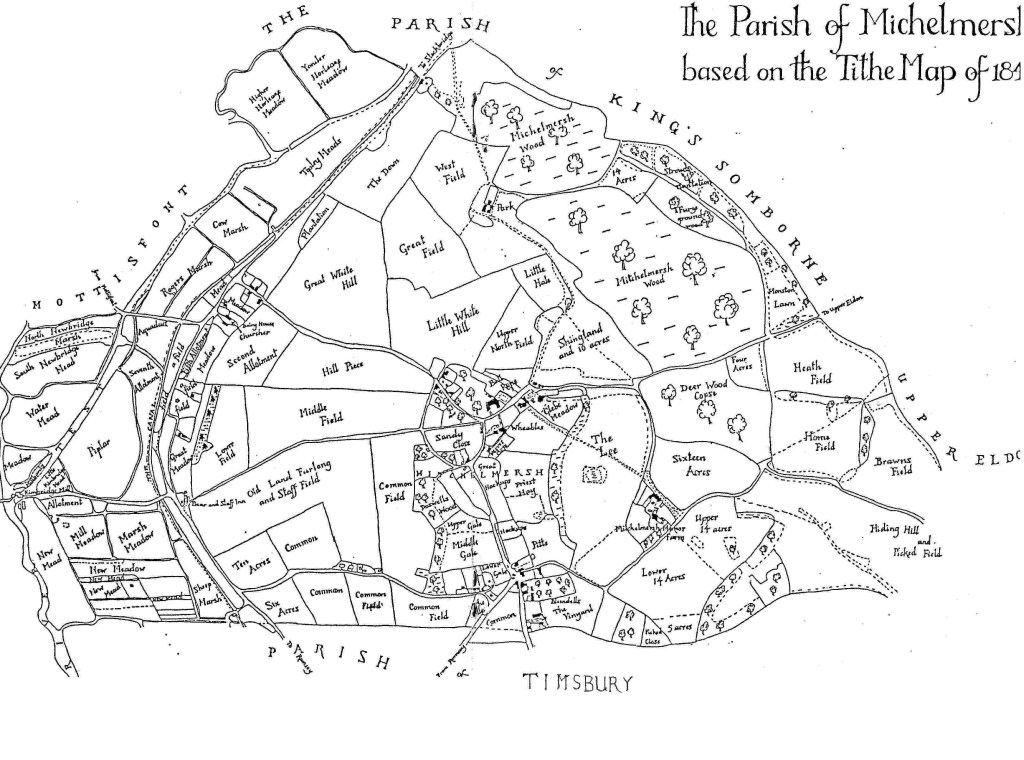

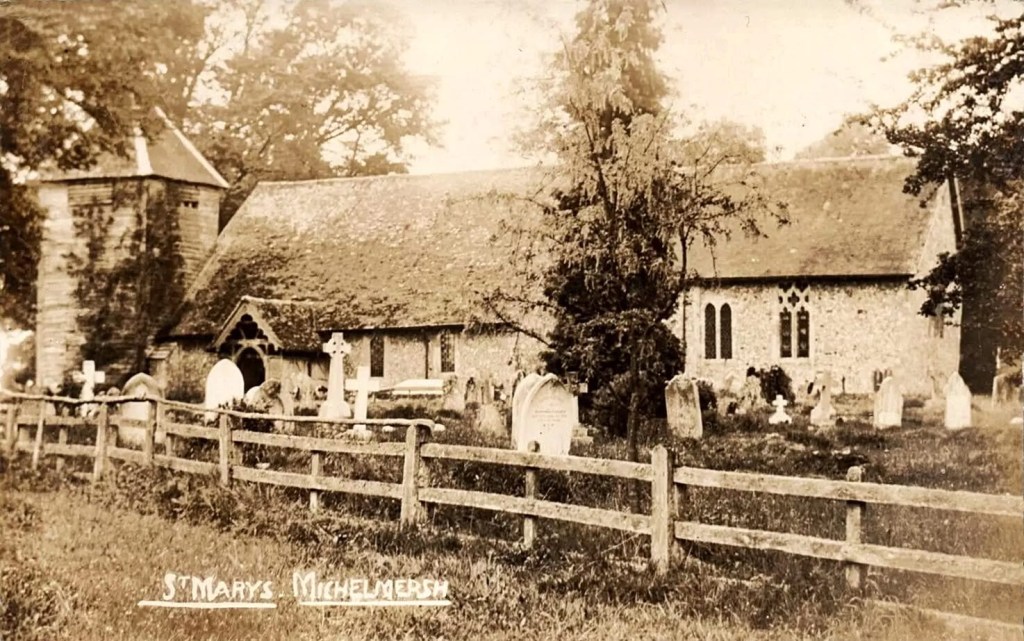
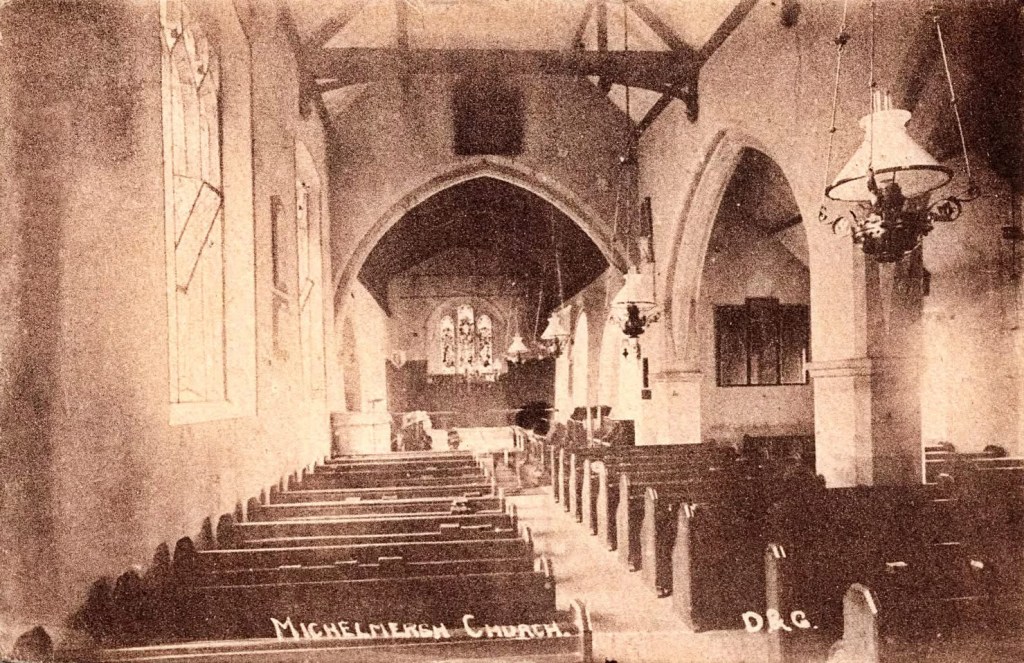
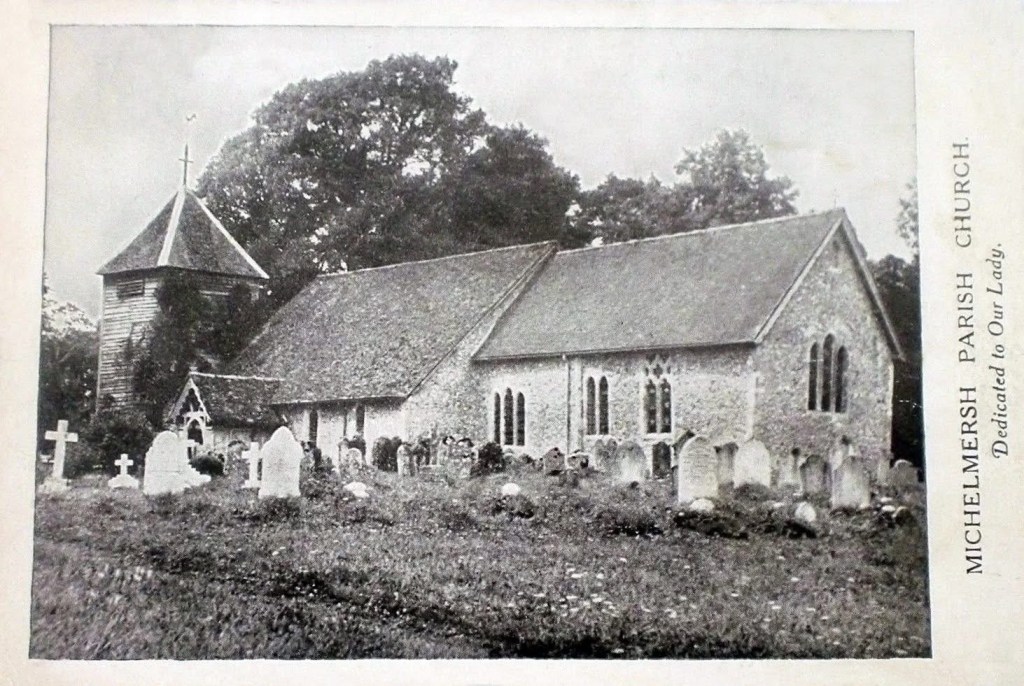


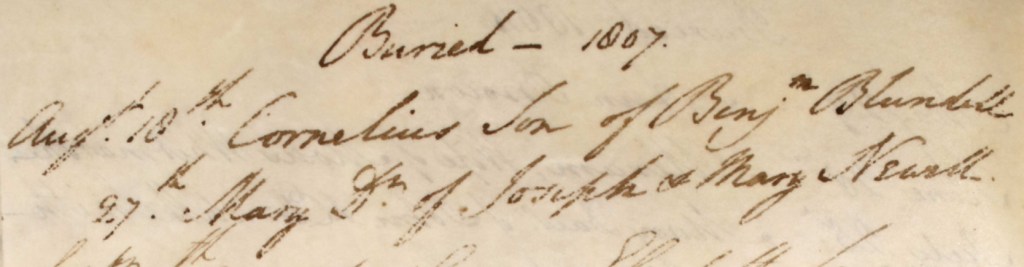




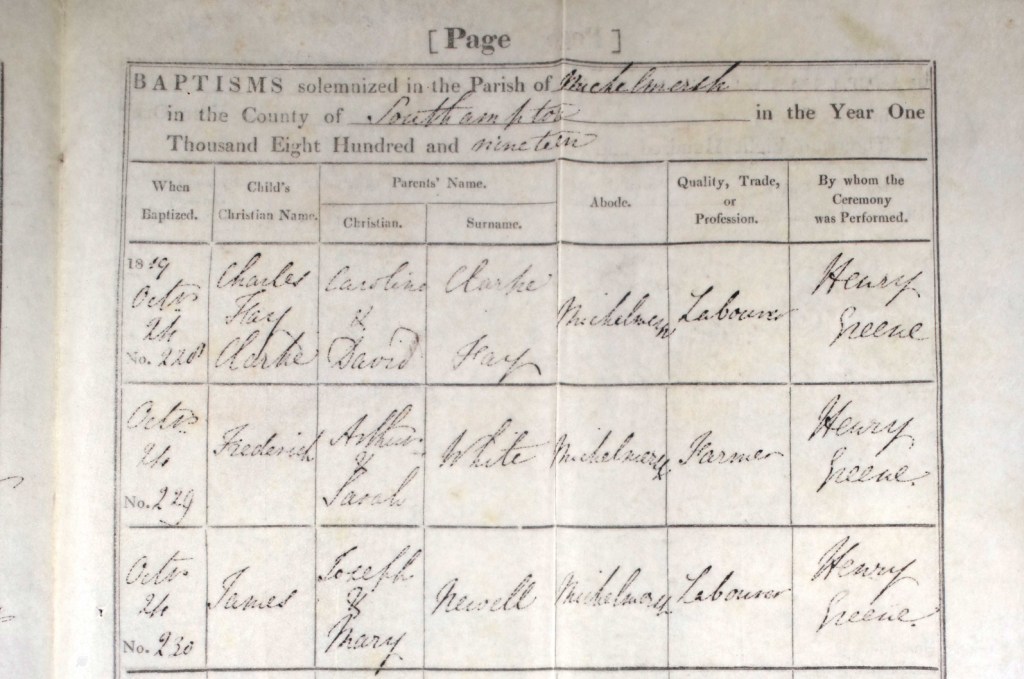
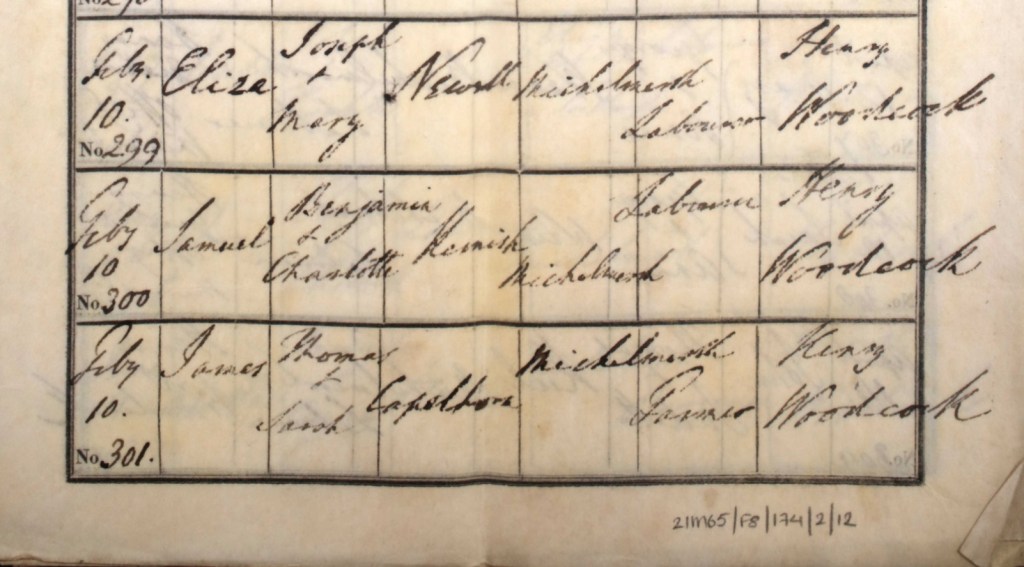
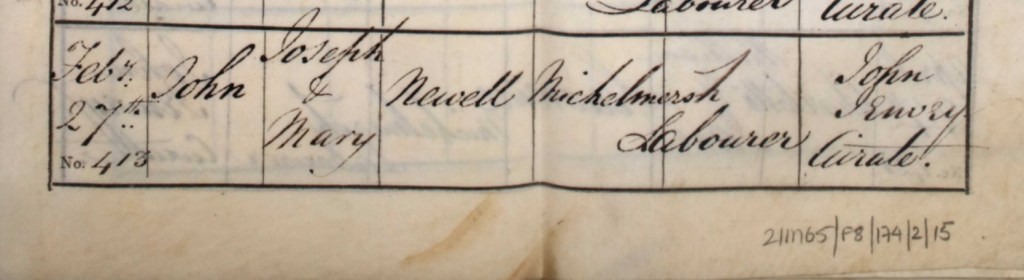
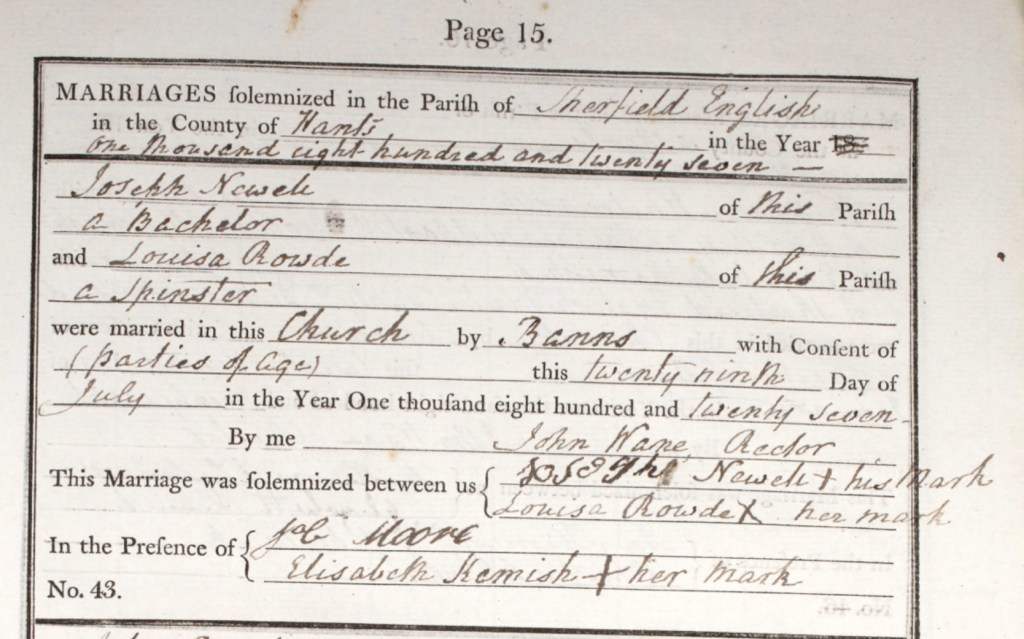
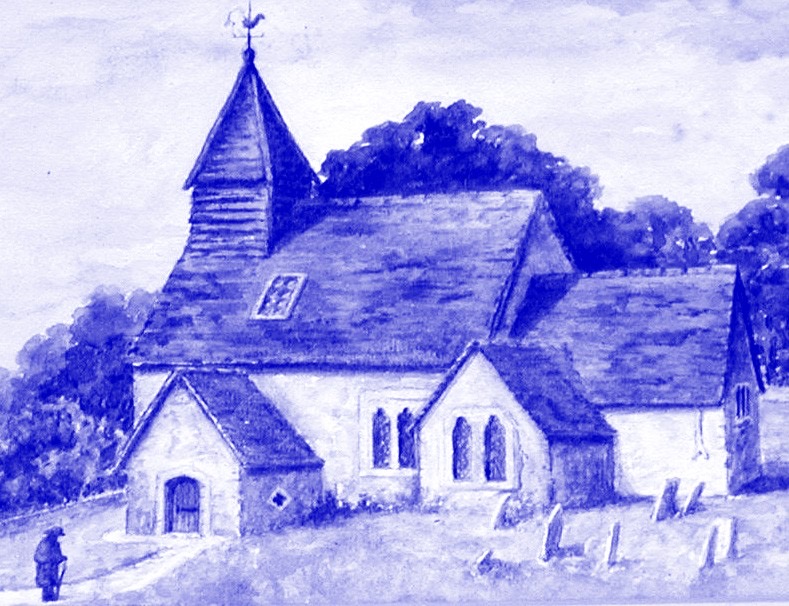
 Intwined