In the quiet corners of history, amid the pages of faded documents, lies the remarkable journey of Joseph Newell. Born in 1828, his life spanned an era of transformation and resilience, leaving an indelible mark on the tapestry of our ancestry. As I embark on this journey of rediscovery, I invite you to join me in revisiting the life of my 3rd great-grandfather, Joseph Newell. Through meticulous documentation and treasured narratives passed down through generations, we will unveil the early chapters of his life, capturing the essence of a man whose footsteps resonate through time.
Tracing my family tree has been an adventure both challenging and deeply rewarding. The main paternal line, which traces directly back to Joseph, has been especially poignant in my search, as I uncover the names, stories, and struggles of those who came before me. It’s a line rich with both triumphs and hardships, but finding these connections has not been easy. Working with records from the 19th century, especially before the advent of standardised census data and birth, marriage or death certificates, has often felt like piecing together a puzzle with missing pieces. Parish records, when available, have been invaluable, but they are often fragmented or incomplete, leaving gaps in our understanding.
Many of the early years of Joseph’s life remain shrouded in mystery, and tracing his origins before the census records and certificates were widely kept presents a unique challenge. What I’ve come to realise through this process is that genealogy isn’t just about finding names and dates, it’s about uncovering the lives of real people who lived, worked, and loved in a time that feels distant yet so closely intertwined with our own. These early records tell a story of resilience, perseverance, and the quiet strength that has been passed down through the generations.
This blog, "Revisited - The Life of Joseph Newell 1828–1909: The Early Years Through Documentation," is my way of sharing that journey with you. It is a tribute to the life of a man whose experiences shaped not only his own family but whose legacy continues to ripple through time, connecting us to a rich history that demands to be remembered.
Welcome back to the year 1828, Awbridge, Hampshire, England. As you step into this time, you’ll find yourself in a world teeming with change, yet deeply rooted in tradition. The year 1828 sits in the middle of the early 19th century, an era marked by both the lingering shadows of Georgian society and the beginnings of Victorian progress.
The monarch of the time is King George IV, who, though a man of extravagant tastes and a love for the arts, was also a figurehead largely overshadowed by his regency. He had been suffering from various health issues and had little direct influence over the day-to-day governance. By 1828, he had been on the throne for just a few years, following the death of his father, George III. His reign was marked by a period of political and social upheaval, even as he continued his lavish lifestyle in contrast to the struggles of the common people.
Prime Minister at the time was the Duke of Wellington, Arthur Wellesley, a man more famous for his military exploits, especially at the Battle of Waterloo in 1815, than his political acumen. His time in office, though short, was marked by the tense political climate of the time, with increasing demands for reform, especially from the working classes and the growing middle class. The government was still largely dominated by the landed gentry, though the Industrial Revolution was beginning to shift power dynamics across the nation.
In Parliament, the landscape was still one of exclusivity and tradition. Most members were drawn from the aristocracy, with few opportunities for those outside the elite to influence the decision-making process. The Reform Bill, which would eventually expand voting rights, was still a distant dream, though movements for such change were already beginning to stir. The voices of the poor, the working-class, and women were, for the most part, excluded from the halls of power, yet they were becoming increasingly vocal in their dissatisfaction.
Fashion in 1828 reflected the elegance and restraint of the late Georgian period, transitioning slowly into the more restrictive Victorian style that would dominate the next few decades. Men’s attire included waistcoats, cravats, and tailored coats, often adorned with extravagant embellishments, especially in the higher echelons of society. Women, too, wore elaborate gowns with high waistlines, their dresses often accentuated by large, voluminous skirts supported by crinolines. Corsets were a common sight, creating a pronounced hourglass figure, while accessories such as gloves, shawls, and bonnets were integral to a woman’s attire.
Transportation was undergoing significant transformations. Though horse-drawn carriages and carts were still common, the advent of steam-powered engines was slowly changing how people moved. The first public railway had begun operations in the early 19th century, but in 1828, the vast majority of people still traveled on foot or by horse, either in private coaches or on the ubiquitous mail coaches that carried passengers and goods between towns. The industrial revolution was bringing new forms of transport, though the trains were still few and far between in most rural areas.
Housing in 1828 varied greatly depending on one’s social class. In Awbridge and other rural villages, homes were mostly modest, with thatched roofs and stone or timber walls. The wealthier families lived in large, stone-built homes, often with a garden or estate, while the poorer inhabitants made do with simple cottages. The working class often lived in small, cramped spaces, which offered little privacy or comfort. Urbanization was beginning to draw people to cities in search of work, but rural life remained the norm for the majority.
The atmosphere in England during this time was one of tension and anticipation. The Industrial Revolution was underway, and while it promised progress, it also brought uncertainty and fear. The air in many towns was thick with smoke from factory chimneys, and the countryside was changing as new factories and railroads began to reshape the land. It was a time of great social divide, where the wealth of the industrialists contrasted sharply with the impoverished lives of the factory workers.
Heating and lighting were among the major challenges of everyday life. In homes, the primary sources of heat were coal-burning fireplaces, which filled the rooms with warmth but also with smoke. Some wealthier homes had early forms of gas lighting, though for most, candles were still the primary means of illumination after dark. In the streets, gas lamps were beginning to appear, but they were far from ubiquitous, and many areas relied on oil lamps or, more commonly, the glow of bonfires.
Hygiene was still in its infancy, and the cleanliness of people varied widely depending on their social standing. For most, daily bathing was not a regular practice, and the idea of hygiene as we understand it today was far from widespread. Many people washed in cold water, with soap being a luxury for the wealthy. Public baths existed in some larger cities, but they were not common in smaller rural areas like Awbridge. Sanitation was also primitive; many homes had no indoor plumbing, and chamber pots were common. Waste was often dumped in the streets or in rivers, leading to unsanitary conditions, especially in more densely populated urban areas.
Food was simple for most people, with diets heavily reliant on bread, porridge, and vegetables. Meat was a rarity for the working class but could be found on the tables of wealthier families, often in the form of roast beef, mutton, or game. In rural areas, food was often sourced locally, and many families grew their own vegetables and raised livestock. Dairy products, such as milk and cheese, were staples, though milk had to be consumed quickly due to the lack of refrigeration. Tea, sugar, and coffee were becoming increasingly popular, though they were still considered luxury items for the rich.
Entertainment in 1828 was often found in the form of social gatherings, local fairs, and the theatre. The arts were in full bloom, with literature and music being especially cherished. People would gather in drawing rooms to listen to live music or to recite poetry, and theatre performances were a popular form of entertainment in the cities. For the working class, fairs and festivals were the primary forms of entertainment, with games, food stalls, and the occasional travelling circus providing respite from the hardships of daily life.
Diseases were a constant threat, with outbreaks of cholera, smallpox, and tuberculosis being common. Medical knowledge was limited, and treatments often involved leeches, bloodletting, or herbal remedies, many of which were more harmful than helpful. Life expectancy was low, particularly for the poor, who lived in crowded, unsanitary conditions. Epidemics could wipe out entire communities, and vaccinations, though available for some diseases, were not widely accepted or understood.
The environment was being slowly altered by the Industrial Revolution. The air in cities became thick with the smoke of factories, and rivers were polluted with industrial waste. While the countryside of Hampshire remained relatively untouched, urban areas were rapidly changing. The natural world was often seen as a backdrop to the industrial and agricultural advances, with little concern for conservation or environmental sustainability.
Gossip in 1828, like today, was an ever-present force in society. In small communities like Awbridge, word of mouth spread quickly, and the latest local scandal or piece of news could be the talk of the village for days. People’s lives were scrutinized, and reputations were often built or destroyed on the whims of public opinion.
Schooling in 1828 was not a universal right. Education was primarily reserved for the wealthy, with many children from poor families not receiving any formal schooling at all. Those who did attend school often learned basic reading, writing, and arithmetic, with girls typically being taught domestic skills, while boys received a more varied education. The church played a significant role in education, and religious instruction was an integral part of most curricula.
Religion was a central part of life in 1828, with the Church of England being the dominant force in Hampshire. Sunday services were a weekly ritual, and religious observances influenced many aspects of daily life. The church was not just a place of worship but also a social center where people could gather and discuss matters of both faith and community.
The year 1828 was one of transition. England was teetering between the old ways of the past and the new industrialised future. People were beginning to grapple with the possibilities of a changing world, but in rural Hampshire, much of life was still dictated by tradition, nature, and the rhythms of the seasons. Yet, change was on the horizon, and the echoes of progress were already beginning to shape the landscape of England’s future.
In the autumn of 1828, Awbridge, Hampshire, England, was a canvas painted in shades of amber, russet, and gold, as the land gently prepared for the stillness of winter. The crisp air carried whispers of change, and the countryside seemed to hum with a quiet anticipation. It was in this very season, amidst the delicate rustling of falling leaves, that Joseph Newell was born, the firstborn son of Joseph and Louisa Newell, in the small, peaceful village of Awbridge.
The day was a tender one, with the soft hues of the setting sun casting their warm glow upon the earth. Louisa, having just experienced the awe-inspiring journey of childbirth for the first time, was exhausted but overcome with joy. Her heart swelled with love and pride as she cradled her newborn son, a little soul whose arrival would forever change the course of their lives. In her weary arms, he was a promise, a continuation of all that had come before him and all that was to come.
Joseph, his father, stood by her side, his heart full to the brim with emotion. His chest swelled with pride as he gazed upon his son, this tiny being who would carry not just his name but the legacy of generations past. He, too, was Joseph, a name passed down through time, a name shared with his father before him. The weight of that lineage, though invisible, hung like a mantle upon the infant’s fragile shoulders, as though the very blood running through his veins carried the stories of his forebears, the strength, the resilience, the unspoken dreams of those who came before him.
Though the precise date of his birth remains a mystery, the census records of the years to come offer us fragments of a life unfolding. The 1841 census, with its vague and often imprecise details, points to the year 1828 as the moment Joseph came into this world, born in the heart of Hampshire. Yet as time passed, the records, like the shifting sands of time, gave us various glimpses, 1829 in Sherfield English according to the 1851 census, 1830 in Hampshire by the 1861 record, and then, with a tenderness that speaks to the familiarity of his roots, 1829 in Awbridge in the 1871, 1881, 1891, and 1901 censuses. Each entry, though seemingly contradictory, tells us one truth, that Joseph’s life was inextricably bound to this corner of England, to the land and the people who shaped him, and to the humble village that bore witness to the quiet growth of a boy into a man.
Awbridge is a small, rural village located in the heart of Hampshire, England, nestled in the picturesque Test Valley. The village is surrounded by the natural beauty of rolling hills, woodlands, and farmland, characteristic of this region. Despite its peaceful setting, Awbridge has a history that spans centuries, marked by its connection to the local agricultural economy, its rural charm, and the development of the surrounding area.
The origins of Awbridge are thought to date back to the Anglo-Saxon period, with early settlement likely concentrated around a small rural community. The name "Awbridge" is derived from Old English, with "aw" meaning a stream or waterway and "bridge," likely referring to a crossing over a stream or river. This suggests that the village may have been established near a natural crossing point, with its development tied to the availability of water and the strategic location of the land. The presence of water likely played a vital role in the settlement's early development, providing both sustenance and a transport route for the surrounding agricultural lands.
During the medieval period, Awbridge would have been a small but essential part of the local agricultural landscape. As part of the Test Valley region, it would have been surrounded by fertile land used for farming, with many villagers likely working as farmers, laborers, or tradespeople. The influence of local landowners and the agricultural system of manorialism would have shaped the economy and social structure of the village. Like many rural English settlements of the time, Awbridge would have been governed by a local lord or landowner, and the majority of its inhabitants would have been tied to the land they worked.
In the 12th and 13th centuries, the area saw gradual changes with the establishment of churches, which became central to village life. St. Mary’s Church in nearby Michelmersh would have been an important place of worship and community gathering for residents of Awbridge. Throughout the medieval period, churches were the focal points not only for religious ceremonies but also for social and cultural events. The church would have played a key role in the daily life of the villagers, providing spiritual guidance, marking important life events such as marriages and baptisms, and offering support to those in need.
Awbridge remained a quiet agricultural village for much of its history, with small-scale farming being the primary occupation. However, during the 19th century, as the Industrial Revolution began to affect various parts of England, the agricultural landscape in and around the village started to shift. While Awbridge remained largely rural, neighboring towns and villages began to experience industrialization and urbanization. The construction of the nearby railway network, for example, facilitated the movement of goods and people, bringing changes to rural areas like Awbridge, which were once isolated from larger markets. This shift in transportation routes meant that goods could be sold further afield, opening up new economic possibilities for the local population.
Despite these broader societal changes, Awbridge retained much of its rural character throughout the 19th and 20th centuries. The development of the surrounding countryside and the expansion of nearby towns like Romsey influenced the village, but it remained a small, tight-knit community where agriculture and farming continued to be central to life. The growth of residential properties in the area in the mid-20th century brought more people to the village, as families sought the quiet countryside and rural charm while still being within commuting distance of larger towns and cities.
Today, Awbridge is a charming and peaceful village, characterized by its rural setting and close proximity to nature. While it has seen some modern developments, it retains a sense of historical continuity, with many of its older buildings still standing. The village is a mixture of traditional cottages and more modern homes, with its population having grown in recent decades. Many of the older homes in the area reflect the agricultural heritage of the village, with buildings made of local stone, brick, and timber. The surrounding farmland and countryside continue to play a significant role in the village’s identity, and Awbridge remains an attractive area for those seeking a quiet, rural lifestyle.
Awbridge’s location in the Test Valley means it is surrounded by some of Hampshire’s most beautiful countryside, with numerous walking and cycling routes that allow residents and visitors to enjoy the natural beauty of the region. The village has maintained its community-oriented atmosphere, and its rural charm makes it an appealing place for those who enjoy the tranquility of country life while still being close to larger towns and cities for work or recreation.
On a quiet, autumn Sunday, the 26th day of October, 1828, the air in the near by village of Sherfield English, Hampshire, was tinged with the soft, golden hues of falling leaves, as the land prepared itself for the coming winter. The winds whispered gently through the trees, and the village was enveloped in the kind of peaceful stillness that only the rural countryside could offer. It was in this very season, where nature seemed to be cloaked in the warmth of autumn’s embrace, that a humble but profoundly significant event unfolded within the sacred walls of St. Leonard’s Church.
In the heart of the village, beneath the weathered stone arches and ancient timbers of the church, Joseph was about to be welcomed into a life of faith, family, and heritage. Joseph, the beloved son of Joseph and Louisa, was to be baptised in a ceremony that would forever mark the beginning of his spiritual journey. His family, living in the nearby village of Michelmersh, could have scarcely known then how their child’s story would intertwine with the rich tapestry of time. They were of modest means, living simply but with a love for each other and a quiet respect for the traditions of their community.
The service was solemn and filled with meaning as the reverend, Thomas Pentin, who served as the curate of the parish, carefully performed the sacred rite. With each word spoken, each prayer uttered, and each movement of the water, the little child, Joseph, was embraced by the ancient traditions that had passed from generation to generation. The tiny ripples in the baptismal font were but a reflection of the ripples Joseph would create in the lives of those who came after him.
After the ceremony, the Reverend Pentin took up his pen with care, and in the delicate, looping script of the time, he recorded the event that would forever bind Joseph to the history of this place. His words, penned carefully into the register, captured the essence of the moment, marking it in the annals of the church’s long history: “1828, October 26th, No. 245, Joseph Newell, son of Joseph and Louisa, surname Newell, abode Michelmersh.”
With a final flourish, the Reverend Pentin signed his name, sealing the memory of the day in ink, and with that, a quiet but profound legacy was born. Joseph’s baptism in that small, humble church was not just a spiritual milestone for him and his family, it was a moment that would echo through the corridors of time, quietly reminding us of the beginnings of a life that would unfold against the backdrop of England’s rural beauty, a life that was marked by simple beginnings but destined to become part of a much larger story.
Though the world beyond the walls of St. Leonard’s Church moved on in its constant march, on that autumn day in 1828, time seemed to slow forte Newell family, as the rituals of faith and love wrapped themselves around them like a soft, comforting blanket. In those sacred moments, he was not just a child of Joseph and Louisa, not just a boy baptised in the waters of tradition, he was a son of Hampshire, a child of the land, a soul destined to walk through the pages of family history, forever connected to this small parish and the people who had loved him since his first breath.
Saint Leonard’s Church in Sherfield English, Hampshire, has a rich history that stretches back over many centuries. The church has been a central part of the village’s religious and community life, and its history reflects the broader development of the area from medieval times to the present. The original Saint Leonard’s Church is believed to have been built in the early medieval period, likely during the Norman era, around the 12th century. The church would have been a simple structure, typical of rural churches of the time. As was common with churches in small villages, it was likely constructed with local materials such as stone and timber, with a simple design reflecting the needs of the local community. The church was dedicated to Saint Leonard, a popular saint during the medieval period who was often invoked for protection and for his association with prisoners and captives. Saint Leonard’s cult was widespread across England, and many churches were named in his honor. The original church at Sherfield English served as a focal point for the small agricultural community, providing a place for worship, social gatherings, and important life events such as baptisms, marriages, and funerals. The church would have also been a place where the villagers came together for communal activities, and it played an essential role in maintaining the spiritual and social fabric of the community. Over time, the church likely underwent several modifications and additions, particularly in the 14th and 15th centuries, as the village expanded and the needs of the local population grew. These changes were likely driven by the growing wealth of the parish as the agricultural economy strengthened. In the 19th century, however, the old church began to show signs of wear and was no longer able to adequately serve the growing population of Sherfield English. By the early 1800s, the church building had become dilapidated and was deemed inadequate for the needs of the parish. At this point, the decision was made to construct a new church to better serve the community. The new Saint Leonard’s Church was built in 1840, a year that saw the completion of many church restoration projects across rural England, driven in part by the Victorian era’s focus on reviving medieval architectural styles. The new church was built on a site adjacent to the old church, though some sources suggest that it may have been on the same footprint or nearby. The architect responsible for the design of the new church was likely influenced by the popular Gothic Revival style of the time, which was characterized by pointed arches, stained-glass windows, and spires. The new church was intended to accommodate the needs of the growing population of Sherfield English, and it was designed to be larger and more architecturally impressive than its predecessor. The construction of the new church was part of a broader trend of church building and restoration during the Victorian period, a time when many rural churches were being rebuilt or restored to reflect the prosperity of the period. The old Saint Leonard’s Church, after the new one was completed, was demolished, as was often the case with churches that were deemed structurally unsound or inadequate for modern use. It is common for older church buildings to be torn down when a new structure is built, particularly if the old building no longer meets the needs of the local population or has fallen into disrepair. It is likely that the materials from the old church were repurposed for the new construction, as was the custom at the time, though no records have definitively confirmed this. Today, Saint Leonard’s Church stands as a beautiful example of Victorian church architecture, with its stained-glass windows, pointed arches, and graceful tower. The church continues to serve the community, offering regular worship services, community events, and providing a space for reflection and connection. The church is also known for its picturesque setting within the village, surrounded by well-kept churchyards and the rolling countryside of Hampshire. The new church, while a product of the 19th century, retains the essence of the old church’s purpose to serve as a spiritual hub for the village of Sherfield English.
As autumn 1830 draped its golden hues over the landscape, gently coaxing leaves to dance their final waltz from the trees, life unfolded in the serene fields of Michelmersh, Hampshire. The earth, preparing for winter’s embrace, seemed to hold its breath as each season held its own quiet magic. In Joseph’s humble abode, nestled amidst this tranquil setting, his parents, Joseph and Louisa, carefully nurtured their home, where warmth and love were cultivated with every passing day. It was here, in this simple and sacred space, that the story of their family, his family, would grow, one chapter at a time.
It was in this cozy haven, surrounded by the beauty and solitude of the Hampshire countryside, that Joseph’s family grew. The gentle embrace of a new life arrived in the form of a sister, Emma. Though the exact day of her birth remains lost to the passing of time, the love with which she was welcomed into the world is undeniable. Her entrance into the family was a moment of pure joy, filling their home with the soft sounds of a baby’s cries and the sweet warmth of new beginnings.
The census records, like whispers from the past, give us glimpses into Emma’s life, piecing together the faint outlines of a story that time has obscured. The 1841 census tells us that she was born in 1830 in Hampshire, the very land her parents had grown to love. By 1851, she was listed as having been born in Sherfield English, though the precise date is still veiled in mystery. By 1871 Emma birthday place was listed as Awbridge, and by 1881, it had changed to Romsey, though the details of those years remain scattered across the pages of history.
Yet, despite the gaps in the records, one thing is clear, Emma’s birth marked a new chapter in the life of the Newell family, a moment forever etched in the hearts of Joseph and his parents Joseph and Louisa. In the warmth of their home in Michelmersh, amid the beauty of the Hampshire countryside, a sister and daughter was born, her name whispered softly in the quiet hours of the evening. And though we may not know the precise date of her arrival into this world, we know, without a doubt, that her presence was as vital and as cherished as the very land that cradled her in its embrace.
On Sunday, the 19th day of December, 1830, a sacred moment unfolded within the quiet, ancient walls of Saint Leonard’s Church in Sherfield English, Hampshire. The winter air outside was sharp, yet inside, the soft warmth of the service wrapped itself around the congregation like a comforting embrace. It was here, in this hallowed space, that Emma Newell, Joseph’s beloved sister, was welcomed into the Christian faith through the tender rite of baptism. The church, with its weathered stones and age-old timbers, had seen countless souls pass through its doors, but on this particular day, it was Emma's turn to become a part of its sacred history.
The baptism was solemnly performed by Reverend Thomas Pentin, the curate of the parish. His steady hand moved carefully as he wrote in the baptismal register, each word a small testament to the life of a child whose future had yet to unfold. With reverence and precision, he filled out the details of the service, noting the date, December 19th, 1830, and the name of the child being baptised: Emma. The record, now a treasured echo of the past, reveals the connection between the Newell family and the land that had embraced them for so long. The entry reads:
"Dec 19th, No. 275, Emma, Joseph and Louisa, Newell, Michelmersh, Labourer."
The careful script of the Reverend captured the essence of a family bound by love and humble toil. In his meticulous handwriting, he recorded the names of her parents, Joseph and Louisa, both of whom worked tirelessly to provide for their family in the rolling fields of Michelmersh. The final touch of the Reverend's work was his signature, a quiet marker of his role in this sacred ceremony. Yet, in a small slip of the quill, Reverend Pentin spelled the surname as “Newel” instead of “Newell” a subtle reminder of the passage of time and the imperfections woven into the fabric of history.
Though the day itself may seem ordinary in the grand sweep of the years, Emma's baptism marked a significant milestone in her journey. It was more than a simple rite, it was the beginning of her life within the faith, a moment when the love of her parents and the blessings of the community came together in a quiet, profound way. And as the pages of history turned, this small but meaningful entry would remain a lasting testament to a family, to a moment in time when Emma was brought into the fold of something greater than herself, in a little church that stood as the heart of Sherfield English.
As the first whispers of spring broke through the chill of winter, the land of Michelmersh, Hampshire, seemed to stir from its slumber. The cuckoo’s song filled the air, heralding the arrival of warmer days, while the lambs frolicked happily in the fields, their tiny legs carrying them in joyous leaps. It was 1833, a year where the days grew longer, the earth began its renewal, and life itself seemed to hold a promise of fresh starts and new beginnings.
In the heart of this vibrant season, Joseph and his parents, Joseph and Louisa, were experiencing their own new beginning, a moment of joy that would forever mark the passage of time in their home. The arrival of Phoebe, Joseph’s sister, filled their modest cottage with a fresh burst of life. The soft cries of a newborn echoed through the walls, blending with the light patter of toddler feet, the sounds of a growing household and the steady heartbeat of a family expanding in love.
Though the exact date of Phoebe’s birth remains veiled in the mists of time, the echoes of her arrival can still be heard in the census records that span the years. The first mention of her comes in 1841, where she is listed as born in 1832 in Hampshire, the very land her family had long called home. The records shift slightly as the years pass, tracing her movements as she grew. In 1851, she is again noted as born in Romsey, the nearby town that would later become a part of her life’s story. The 1861 census places her in Michelmersh, the village that held the memories of her early years, while 1871 reaffirms her birthplace as Michelmersh. By 1881, the census records it as Awbridge, though the name is spelled "Awebridge," a small misspelling in a world where accuracy was often a casualty of the times. The same happens again in 1891, when "Awebridge" makes another appearance. Even as the years move on, Phoebe’s connection to these places remains unbroken, with later census entries in 1901 and 1911 showing her in both Michelmersh and Awbridge, near Romsey.
Each of these fleeting glimpses, through numbers, names, and dates, tells a quiet, intimate story of a young girl growing up in the heart of Hampshire. The years may have shifted the details, but what they reveal is a woman whose life was rooted deeply in the land and the people she called her own. Phoebe’s birth, though the exact day and month may forever remain a mystery, is a moment that will always echo in the hearts of her family, as a symbol of the ever-changing but constant rhythm of life, love, and growth.
In that small, humble cottage, surrounded by the beauty of the Hampshire countryside, Joseph family found new joy, and their hearts swelled with pride at the birth of Phoebe. With the dawn of spring came the promise of a new chapter, one filled with laughter, growth, and the quiet miracle of a family expanding in the warm embrace of love.
On Sunday, the 19th day of May, 1833, as the sun gently warmed the Hampshire earth, Joseph and his family, his parents, Joseph and Louisa, along with his siblings, Emma and baby Phoebe, made their way from their home in Michelmersh to the ancient, weathered walls of St. Leonard’s Church in Sherfield English. The path, familiar yet sacred, led them toward a day filled with both tradition and joy. This was not just another Sunday. This was a day of new beginnings, a day to welcome Phoebe into the Christian faith and the embrace of their community.
The church, with its centuries-old stones and the faint scent of incense that had lingered within its walls for generations, stood as a witness to the sacred ritual about to unfold. Within its hallowed interior, Phoebe, the youngest of the Newell family, would be baptised, marking her entrance into a life of faith and community.
The service, solemn and reverent, was conducted by Reverend Thomas Pentin, the curate of the parish. His steady hand and quiet presence guided the family through this important moment, ensuring that Phoebe’s baptism would be remembered not only by those who gathered but by the very fabric of the church itself, which had seen so many similar rites over the years.
As the ceremony came to a close, Reverend Pentin took up the baptismal register with care, knowing that this small entry would forever mark the beginning of Phoebe’s spiritual journey. In his careful handwriting, he recorded the details of the baptism: "On the 19th May 1833, Phoebe Newell, daughter of Joseph Newell, a labourer, and Louisa Newell, of Michelmersh, was baptised in the parish of Sherfield English in the county of Southampton." The reverend’s pen moved with the kind of quiet precision that signified the importance of the moment, each word written with purpose, each detail captured for posterity.
With a final flourish, Reverend Pentin signed his name at the bottom of the page, sealing the memory of the day in ink. Phoebe, though small and fragile in her infancy, had just taken her first step into a larger world, the world of faith, family, and community. Her baptism that day would echo through the years, not just in the pages of the register, but in the hearts of those who loved her and in the village that had watched her grow.
In the quiet corners of that ancient church, surrounded by the prayers and hopes of her parents and siblings, Phoebe Newell became, in that single, sacred moment, part of something much larger than herself, a story that would span generations and be remembered for the love and devotion that filled the hearts of those who gathered in her name.
On a summer's day, Saturday, the 28th day of June, 1834, as the warmth of the season bathed the village of Michelmersh, a new soul entered the world. Joseph’s brother, Enos Newell, was born amidst the gentle sway of the countryside, his arrival marking yet another cherished moment in the growing Newell family. The day, though ordinary in its pace, was destined to become a significant chapter in their story, a day of joy for Joseph, Louisa, and their children, a day when the household was made whole with the birth of a son, a brother, and a new life.
While the exact location of Enos’s birth remains a mystery, lost to time and the vagaries of history, the census records and his baptism offer us clues, each document piecing together the puzzle of his early years. His baptism records state that at the time of his christening, the Newell family was residing in Michelmersh, a place where Joseph and Louisa had already begun to establish their roots. Yet, as the years passed, the census records painted a different picture, one of movement and change, as the family sought to find new ground.
The 1841 census tells us that Enos, still a child, was living in Hampshire, in the village of Awbridge, a nearby hamlet that became a home for the Newells during their early years. As the years continued, the records shifted slightly. By 1851, Enos’s birthplace was listed as Sherfield English, an area that, though not far from Michelmersh. By 1861, the census returned to Michelmersh, recording his birthplace as that village, where the Newells had spent their earliest days. The pattern continued, with the 1871 and 1881 censuses placing Enos in Michelmersh and Awbridge, respectively. Even in 1891, his birth remained listed in Awbridge, the family’s home continuing to shift between these nearby villages, reflecting the fluidity of their life during those times.
Despite the mixed information from the census records and baptism, one thing is clear, Enos Newell’s life was deeply intertwined with the landscape of Hampshire, marked by a series of moves that were common for families of their time. From Michelmersh to Awbridge, from Sherfield English to the surrounding villages, Enos’s journey through childhood, adolescence, and adulthood was one of quiet resilience, shaped by the love and support of his family and the ever-present beauty of the countryside that had witnessed his growth.
Though we may never know the exact details of his early years or the precise location of his birth, the records and memories left behind offer a glimpse into the life of a boy who grew up in the heart of Hampshire, a place that shaped him and would forever be a part of his story. In the warmth of summer, on that quiet June day in 1834, Enos Newell was born into a world of promise and potential, his path forever linked to the land and the people who loved him.
Under the warm embrace of the summer sun, on Sunday, the 20th day of July, 1834, Joseph and his family made their way to St. Leonard’s Church in Sherfield English for a day that would forever mark a significant moment in their lives. It was not just a regular Sunday, but a day to celebrate the baptism of Joseph’s younger brother, Enos Newell. The church, standing as it had for generations, held a sense of timelessness, its ancient stone walls steeped in history and tradition, ready to witness yet another sacred rite of passage.
As the family gathered within the cool, stone interior of the church, the air filled with reverence and anticipation. The ceremony was led by C. H. Hodgson, the Vicar of the Cathedral at Sarum, whose steady voice carried the weight of tradition as he performed the baptismal service for the young child. It was a quiet yet profound moment, the words of the ritual speaking of faith, of community, and of a family bound together by love and the blessings of their shared faith.
After the baptism, as the echoes of the service slowly faded into the quiet hum of the countryside, Reverend Hodgson took up the baptismal register with care. With steady hands, he filled out the necessary details of the day’s ceremony, ensuring that the birth and baptism of Enos Newell would be recorded for posterity. In his elegant script, he carefully noted:
"1834, 20th July, No. 318, Enos. Born June 26th, Joseph and Louisa, Newell, Michelmersh, Labourer."
These simple words, written with reverence and care, would become a permanent record of Enos’s entry into the Christian faith. And with a final stroke of his pen, C. H. Hodgson signed his name, forever marking the day when Enos, a boy born into a world of change and growth, was welcomed into the fold of the community and the faith. The ceremony, though seemingly modest, was a defining moment for the Newell family, a day of joy, a day of connection, and a day when the love that bound them together was blessed by the sacred act of baptism.
In 1836, as the winter winds blew cold and the sky hung heavy with grey clouds, mist rolled over the quiet village fields of Awbridge, Hampshire, shrouding the landscape in a soft, ethereal veil. The days grew shorter, and the world seemed to hold its breath in the stillness of the season. It was within this serene and somewhat somber backdrop that a new light was brought into the Newell household. Louisa, Joseph’s mother, had just given birth for the fifth time. The cries of a newborn filled their cosy home, echoing through the walls as the family welcomed another member, Joseph’s sister, Mary Ann Newell.
As Joseph gazed at his new baby sister, a sense of wonder filled his heart. She was small, fragile, yet full of life, a fresh presence in their already bustling household. Joseph, with his tender eyes, watched over her, marveling at the miracle of new life. In that moment, their home seemed filled with a new kind of warmth, a deeper love, as Mary Ann became a part of their family’s unfolding story.
Though Mary Ann’s exact birthdate and location remain shrouded in mystery, the census records offer us a glimpse into the approximate details of her early years. The 1841 census places her birth year as 1836 in Hampshire, confirming her arrival in the same county that had cradled her parents for much of their lives. However, as time passed, the records began to shift. By 1851, Mary Ann was recorded as being born in Sherfield English in 1837, a slight difference in the year that adds a layer of uncertainty to the exact moment of her birth. The 1881 census then lists her birth year as 1837, while the 1891 census places her birth year in 1839, further deepening the mystery of her precise arrival.
Despite the variations in the records, one thing remains clear, Mary Ann was born into a family whose lives were intricately connected to the land, and her place in their hearts was irreplaceable. The details may fade with time, but the love and joy she brought into the Newell family that winter day in 1836 would remain as constant as the changing seasons around them.
Her presence, so precious and deeply woven into the fabric of their family, would continue to echo through the years, a reminder of the ties that bind siblings together. As Joseph looked at his baby sister, he surely saw not just the miracle of her birth but the promise of a lifetime shared with her, a lifetime filled with the quiet beauty of family, love, and the ever-present flow of time.
On Sunday, the 14th day of February, 1836, as the world outside celebrated the early stirrings of spring, the Newell family found their own reason for joy. While Valentine’s Day was recognised as a day dedicated to love and affection, it held an even more profound significance for Joseph and his family, as this day marked the baptism of his sister, Mary Ann Newell, into the Christian faith.
As the soft light filtered through the windows of St. Leonard’s Church in Sherfield English, the congregation gathered in reverence. The day, though it was filled with the cultural undercurrents of affection and the early whispers of spring, was deeply personal for the Newell family. It was on this day, amid the quiet beauty of the service, that Mary Ann was welcomed into the church, her baptism marking the beginning of her spiritual journey. The ceremony was performed by W. H. Tomlinson, the Officiating Minister, whose steady hands guided the sacred rite.
After the service, as the murmurs of the congregation faded into quiet reverence, Reverend Tomlinson took to the baptismal register with careful precision. He filled in the details of the day’s ceremony with a sense of duty and care, recording for history the moment when Mary Ann Newell, daughter of Joseph and Louisa, was christened. In his neat handwriting, he documented:
“On the 14th of February 1836, Mary Ann Newell, the daughter of Joseph Newell, a labourer, and Louisa Newell, of Awbridge, was baptised at the parish church of Sherfield English in the county of Southampton.”
With the final stroke of his pen, Reverend Tomlinson signed his name, leaving behind a permanent record of this significant moment in the Newell family’s life.
While the world outside was beginning to embrace the coming of spring and the celebration of love, for the Newell family, this particular Sunday was a day that bound them not only to the tradition of love but also to the shared bond of faith. As Mary Ann was baptised on this special Valentine’s Day, it was a moment filled with love, faith, and hope, a day that would forever remain etched in their hearts, linking her with the generations of their family and the larger community of faith that would support her throughout her life.
As the spring of 1838 unfurled its green beauty across the Hampshire landscape, with butterflies fluttering gracefully in the soft breeze and flowers blooming in the warmth of the season, a new chapter began for the Newell family. On Saturday, the 12th day of May, Joseph’s brother, David Newell, was born in the tranquil village of Michelmersh. The air was filled with the promise of new life, and David’s arrival brought with it a fresh wave of joy to the family. His birth, on a day when the earth seemed to awaken with the vibrancy of spring, marked a moment of happiness and renewal for Joseph, Louisa, and the rest of the Newell family.
A few weeks later, on the 4th day of June 1838, Louisa made her way to Romsey to officially register David’s birth. The journey, perhaps not long but no doubt significant, was a reflection of the care and responsibility Louisa took in ensuring that each of her children’s milestones was recorded in the official books of the time. Upon her arrival, Registrar Thomas Green was in attendance, prepared to document the details of the newest Newell’s birth.
In the official birth register, Thomas Green carefully recorded the details of David’s arrival:
"David Newell, a boy, was born to Joseph Newell, a Broom maker, and Louisa Newell, formerly Rowd, on the 12th May 1838 in Michelmersh."
Louisa, in her quiet grace, signed the document with a mark, an ‘X’, a humble symbol of her presence and role in ensuring her son’s name was added to the pages of history. Though she could not write her name in a formal script, her mark spoke volumes of her love and care in this moment. It was a signature of a mother’s devotion, a mother who had brought forth another child into the world with all the tenderness and hope that new life brings.
As the warm days of spring stretched on, David’s birth became another treasured memory for the Newell family, and though the registration was a formality, it was a crucial moment in securing his place in the world. His arrival, accompanied by the gentle spring breeze and the sound of nature waking up, was more than just a mark in a register, it was a promise of life ahead, of growing up in the heart of Hampshire, surrounded by family, love, and the quiet beauty of the land that would shape his future.
On Sunday, the 10th day of June, 1838, beneath the soft light filtering through the ancient windows of St. Leonard’s Church in Sherfield English, Hampshire, the Newell family gathered for a moment of deep significance. It was not just another Sunday, it was the day that young David Newell, Joseph’s brother, was brought forward for baptism, marking the beginning of his spiritual journey within the Christian faith. The family, residents of Awbridge in the parish of Michelmersh, stood in quiet reverence, their lives intertwined with the rhythms of the Hampshire countryside.
Joseph’s fathers Joseph, a humble labourer by trade, and his wife Louisa, Joseph’s mother, stood side by side, their hearts full of hope and love as their young son, David, was presented for this sacred rite. The day was steeped in the quiet tradition of the church, where generations before had been welcomed into the faith. Reverend J. Davies, with his steady and respectful presence, guided the ceremony with care. As he gently poured the baptismal water over David’s head, the echoes of prayers and blessings filled the air, marking David’s formal welcome into the Christian community.
In that stillness, within the warm embrace of the parish church, David was not only baptised but also surrounded by the love and devotion of his parents, who hoped for a future of faith, kindness, and strength for their son. The small, intimate ceremony held great meaning for Joseph and Louisa, as they entrusted their son’s path to the nurturing hands of faith and community.
After the service concluded, Reverend Davies took to the baptism register, carefully recording the details of the day’s event. With steady hand and quiet reverence, he filled in the information with the precision of tradition, ensuring that this sacred moment would be preserved for future generations. He wrote:
“On the 10th June 1838, David Newell, son of Joseph Newell, a labourer, and Louisa Newell, of Awbridge, was baptized in the parish of Sherfield English, in the county of Southampton.”
And with a final flourish, Reverend Davies signed his name, sealing the memory of this day in the church’s history. For the Newell family, this moment was more than just a baptism; it was a day filled with love, faith, and the promise of a bright future ahead for the youngest Newell, David.
As the first hints of spring began to stir in the village of Michelmersh, Hampshire, a new chapter unfolded in the Newell household. On Wednesday, the 4th day of March, 1840, Joseph’s sister, Sarah Newell, was born, filling their humble home with the soft cries of a newborn and the tender promise of a growing family. The air outside, still touched by the chill of winter, began to carry the sweetness of new life, and inside, Louisa, Joseph’s devoted mother, welcomed another child into their world.
Her arrival was not just a personal joy for Joseph and Louisa but a significant moment in the Newell family’s journey. Sarah’s birth, though quiet in its beginnings, would become a cherished memory for the family, another piece in the fabric of their lives that they would carry forward through the years.
A few weeks later, on Thursday, the 26th day of March, 1840, Joseph, no doubt with a sense of responsibility and care, traveled to Romsey to officially register Sarah’s birth. The registrar, Thomas Green, was in attendance, ready to record the details of the new life that had entered the world. With steady hands, he filled out the official birth register, ensuring that Sarah’s place in history was preserved. He recorded the details in his clear, methodical handwriting:
"On the 4th March 1840, in Mitchelmersh, Sarah Newell, a girl, daughter of Joseph Newell, a broom maker, and Louisa Roud of Mitchelmersh, was born."
Joseph, likely weary from his travels but steady in his purpose, signed the document with a simple mark, an 'X', a humble symbol of his role in this official act. His mark, though not in the form of a written signature, spoke volumes about his presence and his commitment to his family, even in the moments when the formalities of life required such documentation.
As the days passed, Sarah’s birth became another precious memory in the Newell family’s history, her name inscribed not just in a registry but also in the hearts of those who loved her. She was another piece of the Newell legacy, bound to the quiet rhythms of Hampshire, a daughter whose presence would continue to shape the family story for years to come.
On Sunday, the 29th day of March, 1840, a warm spring day, the Newell family made their way from their home in Awbridge to the old, hallowed walls of St. Leonard’s Church in Sherfield English, Hampshire. The air was fresh with the scent of new beginnings, as nature herself seemed to celebrate the arrival of spring. This Sunday, however, was more than just a regular service. It was a day marked by faith, love, and tradition, the day Joseph’s sister, Sarah Newell, was to be baptised.
As the family gathered in the pews, their hearts swelled with love and hope for Sarah’s future, while the soft murmurs of the congregation faded into a quiet reverence. J. H. Pragitt, the officiating minister, led the service with a steady hand and a calm voice. As the service unfolded, the Newell family and the chosen godparents approached the baptismal font, where Sarah, still so small, was gently welcomed into the Christian faith. In that sacred moment, with the water flowing over her head, she was embraced not just by her family but by the community of believers, her life now connected to the greater family of God.
After the service concluded, and the final prayers had been said, J. H. Pragitt took to the baptism register, carefully documenting the important details of the ceremony. With great care, he filled in the information, ensuring that Sarah’s baptism would be remembered and recorded for the future. In his neat, deliberate handwriting, he wrote:
"March 29th, No. 397, Sarah, Joseph and Louisa Newell, Awbridge, Broom Square."
Once the register was complete, J. H. Pragitt signed his name, marking the event as a moment of faith, family, and tradition, a day when Sarah Newell was not only welcomed into the family she was born into but also into the greater spiritual family of the church.
For the Newell family, this day was one of quiet joy, filled with the hope that Sarah, like the spring flowers blooming outside, would grow strong in faith and in love. It was a day that would be remembered in their hearts for years to come, a day that would live on not only in the pages of the church register but in the legacy of their lives together.
On the eve of the 1841 census, Sunday, the 6th day of June, the Newell family was living in the village of Awbridge Hamlet, nestled in the heart of Hampshire. It was a family of varying ages and stages, each member weaving their own small story into the fabric of the household. The family home, modest yet filled with warmth, housed 13-year-old Joseph, his parents 36-year-old Joseph and Louisa and his younger siblings, Emma, aged 11; Phoebe, aged 9; Enos, aged 7; Mary, aged 5; David, aged 3; and the youngest, Sarah, who was just one year old. Their father, Joseph, worked as a labourer, a humble yet essential occupation, contributing to the well-being of his growing family.
As the family settled into their routine, their living space was carefully documented by the census taker. In the columns designed to record the state of the residence, it was marked with a "U" in the column for "uninhabited or building," and a "1" in the "inhabited" column, indicating that their home was very much a place of life and activity. The Newell family was not alone in this village, next door, Joseph’s uncle, named David, lived with his wife, Ann. They, too, were residing in a home that was fully inhabited, as indicated by the census record.
The presence of family next door added another layer of connection and support within the small hamlet. As neighbours, the two households would have been part of a close-knit community, where familial bonds and shared responsibilities were a constant. The bustling Newell household, with its young children and the steady work of Joseph Sr. as a labourer, was not isolated. It was part of a larger network of family and neighbors, their lives quietly interwoven in the fabric of rural life.
This snapshot of the Newell family on the eve of the 1841 census reveals not just names and ages, but the way life was lived in Awbridge Hamlet, filled with the sound of children’s laughter, the humble rhythm of work, and the presence of a family whose lives were tied closely to the land and to each other. The census record, though a formal document, offers us a window into the world of the Newells, simple, yet full of life, love, and the quiet endurance that marked the lives of families in rural England during the 19th century.
On Sunday, the 8th day of June, 1842, as the warm days of summer began to settle over Hampshire, Joseph’s sister Eliza Newell was born in their family’s humble home in Mitchelmersh. The village, with its quiet streets and rolling countryside, held within it the promise of a new life, and Eliza’s arrival brought joy and wonder to the Newell family. As her soft cries filled the air, Louisa, her mother, held her close, a new daughter to care for and love, her family growing yet again with the arrival of a girl.
Though Eliza’s birth would forever be a part of the Newell family’s story, the details of her arrival needed to be officially recorded. On Saturday, the 2nd day of July, 1842, Louisa made the journey into Romsey, the nearby market town, to register her daughter’s birth. The road may have been familiar, but the task she undertook that day was one of both duty and importance, ensuring that Eliza’s name would be preserved for the future.
At the registry office in Romsey, William Green, the deputy registrar, was present to oversee the recording of Eliza’s birth. With careful hands, he filled in the details of the day’s event, recording her name and the essential information that would mark her place in history. His writing, neat and deliberate, preserved Eliza’s arrival in the world for future generations:
"On the 8th of June 1842, Eliza Newell, a girl, was born in Mitchelmersh, the daughter of Joseph Newell, a broom maker, and Louisa Newell, formerly Roud, of Mitchelmersh."
As was customary, Louisa signed the birth register with a simple mark, an ‘X’. Though Louisa’s mark may seem humble, it held within it the weight of her care for her family, her love for her children, and her role in making sure their lives were officially documented. The mark, though not a signature, was a quiet testament to her devotion, a mother’s symbol in a time when formal education and literacy were not always universal.
With Eliza’s birth officially recorded, Louisa left Romsey, carrying with her not just a document but the love of a mother for her newborn daughter. The details of that day, as preserved in the birth register, would remain part of the Newell family’s story forever, marking the day when Eliza was welcomed into their lives and their hearts.
On Sunday, the 23rd day of July, 1843, a day bathed in the soft warmth of summer, Joseph’s sister, Eliza Newell, was brought to St. Leonard’s Church in Sherfield English, Hampshire, to be baptized. The church, with its ancient stone walls and sacred atmosphere, had witnessed countless baptisms over the years, and now, it was Eliza’s turn to be welcomed into the Christian faith.
In a moment of family connection, Joseph’s cousin, Charles Newell, the son of David and Ann Newell, was baptised in the very same service. The two children, Eliza and Charles, stood together before the font, their lives intertwined not just by blood but by the shared experience of this sacred rite of passage.
The service was led by Reverend William Tomlinson, who guided the families through the ceremony with a steady hand and reverence. The church, quiet and filled with the weight of tradition, became the space where Eliza and Charles were embraced by the faith and the community. The sounds of prayers and blessings filled the air, marking this day as a significant moment in both their lives.
After the service, Reverend Tomlinson recorded the details of the baptisms in the church’s register, ensuring that the names and histories of these two children would live on through the years. With careful handwriting, he wrote:
“On the 23rd July 1843, Eliza Newell, the daughter of Joseph Newell, a Labourer, and Louisa Newell of Awbridge, Michelmersh, and Charles Newell, the son of John Newell, a Labourer, and Ann Newell of Awbridge, Michelmersh, were baptized in the parish of Sherfield English in the county of Southampton.”
This entry in the register, simple yet profound, captured the essence of a day filled with love, faith, and family. It was a day that would forever connect Eliza and Charles not only to the spiritual community but to each other, bound by the shared experience of baptism, a rite that would remain a cherished memory in the hearts of their families for years to come.
As the autumn leaves of amber, reds, and oranges floated gently down from the trees, the fields of Mitchelmersh, Hampshire, were alive with the hum of agricultural laborers gathering the harvest. The smell of smoke from cottage chimneys clung to the cool air, adding to the warmth of the season. It was a time of plenty, with the harvest flourishing and nature’s cycle unfolding beautifully. But in the home of Joseph and his family, there was an additional reason for celebration, as new life had just entered their world.
On Saturday, the 16th day of September, 1848, Joseph’s sister, Jane Newell, was born, a fresh, precious life in a family already brimming with love and activity. Her arrival brought a new joy to the Newell household, nestled in the heart of Mitchelmersh, where the earth was rich with the fruits of labor, and the warmth of family and community surrounded her from the very start.
A few weeks later, on Saturday, the 30th day of September, their mother Louisa made the journey into the nearby market town of Romsey to officially register Jane’s birth. The task was an important one, ensuring that Jane’s existence would be formally recorded in the eyes of the law and history. At the registry office, William Green, the registrar, was in attendance, ready to document the details of this significant event. With steady hands, he filled out the birth register, carefully noting the day and place of Jane’s arrival:
"On the 16th September 1848, in Mitchelmersh, Jane Newell, a girl, daughter of Joseph Newell, a Broom Maker, and Louisa Newell, formerly Roud, of Mitchelmersh, was born."
After recording the details, Louisa, no doubt weary from the journey but resolute in her care for her family, signed the document with a simple mark, an ‘X’. Though she could not write her name in a formal hand, this mark carried with it the weight of her love, her devotion, and the importance of her child’s place in the world.
With Jane’s birth officially recorded, the Newell family returned to their lives in Mitchelmersh, filled with the quiet joy of a new daughter. Jane, born into a home full of work, love, and the warmth of the harvest season, was now officially part of the legacy that had been carried through generations in the heart of Hampshire. Her birth was not just an entry in a register, it was the beginning of her own unique journey, one that would unfold against the backdrop of a world rich with family, tradition, and the simple beauty of rural life.
On Wednesday, the 18th day of October, 1848, in the quiet market town of Romsey, Hampshire, Joseph’s sister, Jane Newell, was brought into the light of faith through her baptism. The Wesleyan Methodist Chapel, a humble and welcoming place of worship, stood as a beacon of community and devotion in the heart of the town. Inside, voices raised in simple devotion and fellowship filled the air, and on that particular day, the warmth of the congregation enveloped the Newell family as they gathered to mark the spiritual beginning of Jane’s life.
Reverend Edward Crofts, a steady and compassionate figure in the chapel, performed the sacred rite. With gentle hands, he received little Jane into the Methodist faith, the ceremony marking not just her introduction to the Christian community but the beginning of a journey of faith and love. The chapel, with its quiet reverence, became the place where Jane's life was publicly intertwined with that of her family and faith.
As the ceremony concluded, Reverend Crofts took up the baptismal register, his pen steady as he recorded the day’s significant event. With a sense of care and purpose, he filled in the details of Jane’s baptism, ensuring that her place in both her family’s history and the spiritual community was forever preserved. His words, carefully written, reflect the importance of the occasion:
“On the 18th October 1848, Jane Newell, the daughter of Joseph Newell and Louisa Newell of Awbridge in the county of Hants, who was born on the 16th of September 1848, was baptized at the Wesleyan Methodist Chapel, Romsey, in the county of Hants.”
After recording the details, Reverend Crofts signed his name, sealing the memory of the day in the chapel’s register. Jane’s baptism, marked by the warmth of her family and the fellowship of the congregation, was more than just a ceremonial act, it was the beginning of a life grounded in faith, community, and the enduring love of a family whose roots ran deep in both the land and their spiritual convictions.
The Wesleyan Methodist Chapel in Romsey, Hampshire, is an important historical and architectural landmark in the town. Romsey, with its rich history, was a thriving market town in the 18th and 19th centuries, and the Wesleyan Methodist Chapel played a central role in the religious life of the town, particularly during the 19th century when Methodism was spreading rapidly across England.
The roots of Methodism can be traced back to the 18th century, with John and Charles Wesley, two Anglican clergymen, being key figures in the movement. They sought to reform the Church of England but eventually separated to form the Methodist movement due to theological differences. Methodism, with its emphasis on personal piety, social justice, and vibrant worship, spread quickly throughout England, particularly in the industrial towns and villages where the working class was seeking spiritual guidance and community support.
In Romsey, the Methodist movement gained significant traction during the early 19th century, with the first Wesleyan Methodist Chapel being built around 1814. The chapel was constructed at a time when religious revival was sweeping across the country, and it became an important center for worship, community activities, and social gatherings in Romsey. The chapel was located in a central part of the town, making it accessible to local residents, and it provided a space for people who were drawn to the Methodist faith but were not able to find a suitable place of worship within the Church of England.
The architecture of the Wesleyan Methodist Chapel in Romsey was typical of the Methodist chapels built during this period. The building was designed to reflect the simplicity and practicality that Methodism espoused. The interior of the chapel would have been designed to foster a sense of community and inclusivity, with long pews arranged to face the pulpit, where the preacher would deliver a sermon focused on personal salvation and social responsibility. The chapel likely had a plain and functional appearance, with minimal decoration, in keeping with the Wesleyan emphasis on piety and simplicity.
In the 19th century, the Methodist movement was growing rapidly, and Romsey was no exception. The chapel became an essential part of the religious landscape of the town. It offered regular services, as well as Bible studies, prayer meetings, and social gatherings. The Methodist chapel was also a place of outreach and charity, as the Wesleyan tradition emphasized social action, particularly in the areas of education, health, and welfare. The chapel served not only as a place for spiritual enrichment but also as a space where people from different walks of life could come together to support one another.
By the mid-19th century, the need for a larger chapel in Romsey became apparent, as the congregation continued to grow. The original building was no longer able to accommodate the increasing numbers of worshippers. As a result, a new and larger chapel was built in 1869, continuing the legacy of Methodism in the town. This new chapel, located on The Abbey, Romsey, was designed to reflect both the practical needs of the growing congregation and the aesthetic values of the time, incorporating elements of Victorian Gothic architecture.
The Wesleyan Methodist Chapel continued to be a vibrant part of Romsey’s religious life into the 20th century. The chapel became a focal point for the local Methodist community, offering regular services, youth groups, and social activities. The chapel also played an important role in the town’s social life, providing a meeting place for people to gather, share news, and support one another.
However, as with many churches and chapels in the 20th century, the changing religious landscape and demographic shifts in the town led to a decline in the number of attendees. As the population of Romsey grew and changed, particularly after the Second World War, the chapel saw fewer regular worshippers, and the need for such a large place of worship diminished. In the late 20th century, the Wesleyan Methodist Chapel was eventually closed, and its role in the religious life of Romsey came to an end. The building was then sold and converted into a private house.
On the eve of the 1851 census, Sunday, the 30th day of March, the Newell family was living in Upper Rattley, a quiet part of Awbridge, Hampshire. The countryside was beginning to stir with the arrival of spring, the fields outside buzzing with the signs of new life and the promise of another season of hard work. In the warmth of their home, 22-year-old Joseph, along with his parents, 46-year-old Joseph and Louisa, and his siblings, Emma, aged 20; Enos, aged 16; Mary Ann, aged 14; Sarah, aged 11; Eliza, aged 8; and the youngest, Jane, aged 2, lived their lives marked by the quiet rhythms of rural England.
Joseph, following in his father's footsteps, worked as a broom maker, a trade that had supported their family for many years. The same craft was carried on by his father, Joseph, who had spent much of his life shaping the materials of the land into useful, humble tools. The work was steady, if not glamorous, and it was one of many quiet, essential trades that held together rural communities like theirs.
Emma and Mary Ann, both young women in their twenties and teens, had found their own ways of contributing to the household. They worked as shirt makers, a skill that was common for women of the time, making clothes and providing for the family with their fine needlework. Enos, still in his teens, worked as a plough boy, helping to tend the land as he grew into a young man, learning the trades that were expected of him in the rural way of life. Sarah and Eliza, though young, were already scholars, attending school and learning the basics of reading, writing, and arithmetic, preparing for lives that would one day carry them beyond childhood.
The family’s census record provides a snapshot of a life shaped by simple but important work. Their household was full of the noise of growing children, the clatter of tools, and the steady hum of rural life. Together, they were bound by love, faith, and the steady hands of those who worked the land and crafted their future with each passing season. As they waited for the census taker to arrive, the Newells were a family like so many in rural Hampshire, filling their days with labor, learning, and the quiet bonds of family life.
Upper Ratley, located in the rural village of Awbridge, Hampshire, is a charming and quiet area situated in the heart of the Test Valley. Awbridge itself is a small, peaceful village with deep historical roots, and Upper Ratley is part of this beautiful and pastoral landscape. Hampshire, known for its rich natural beauty, is home to rolling hills, woodlands, and fertile agricultural land, and Upper Ratley is a prime example of the idyllic countryside that characterizes much of the region.
The name "Ratley" itself is thought to derive from Old English, with "raet" meaning "a cleared area" and "leah" referring to a "meadow" or "woodland." This suggests that Ratley may have originally been an area of cleared land within a larger forested region. Historically, Ratley was likely a rural settlement or farmstead, and like many places in Hampshire, it developed alongside the agricultural traditions of the region. Its proximity to the nearby market town of Romsey made it an important area for local trade, and its agricultural output likely contributed to the town's economy.
In terms of historical development, Upper Ratley and the surrounding area of Awbridge would have been part of the rural fabric of the Test Valley, which has long been associated with farming, livestock raising, and later, more modern agricultural practices. In the medieval period, this area would have been primarily agricultural, with farming communities scattered across the land, cultivating crops and raising animals for subsistence and trade. Over time, as the region evolved, the landscape of Upper Ratley would have seen changes with the rise of more modern farming techniques, as well as the construction of roads and buildings.
Like many rural areas in Hampshire, Upper Ratley was influenced by the broader agricultural landscape of the region. The area would have been home to both tenant farmers and landowners, and over the years, it developed into a quiet, peaceful residential area. The rural lifestyle was characterized by close-knit communities, where the village center served as a place for both social and economic activity. The natural beauty of the area, with its meadows, fields, and woodlands, made it an attractive place for settlement, and the land was primarily used for farming until the modern era.
In the 19th and 20th centuries, as the rural population grew and as transport networks improved, Upper Ratley and Awbridge saw gradual development. The construction of new homes and the growth of nearby towns and cities, like Romsey, meant that places like Upper Ratley began to see more residents seeking the tranquility of the countryside while still being close enough to urban centers for work and leisure. This period saw many traditional farmhouses being replaced with larger, more modern residences, although Upper Ratley has managed to retain much of its rural charm.
Upper Ratley today remains a quiet, residential area, known for its peaceful environment and natural beauty. The surrounding countryside is still largely agricultural, with fields and pastures characterizing much of the landscape. The area is popular for those who enjoy outdoor activities such as walking, cycling, and enjoying the nearby woodlands and river valleys. It remains a small part of Hampshire, offering a rural lifestyle that has remained remarkably unchanged despite the broader development of surrounding areas.
The area’s history is intertwined with that of Awbridge, a nearby village that was historically centered around agriculture. The village has retained much of its character, with a number of historic buildings and homes dating back to the 17th and 18th centuries. Upper Ratley, as part of Awbridge, shares in this history, contributing to the larger narrative of rural life in Hampshire.
In 1851, Joseph’s work as a broom maker would have been both physically demanding and reliant on traditional craftsmanship. His days would have been filled with the preparation of broomcorn, which was a type of sorghum harvested in the late summer and fall. This was the main material for the brooms, with the stiff stalks used to form the brush. Joseph would have spent time gathering, soaking, and trimming the broomcorn to prepare it for use. The broomcorn had to be softened by soaking it in water before it could be properly shaped. After that, he would gather the bristles together and bind them to a wooden handle, which was typically made from local woods such as ash or hazel.
Working as a broom maker required both skill and patience. The tools Joseph used were basic, sharp knives for trimming and cutting, a hammer for fixing the bristles to the handle, and twine or wire for binding. Though simple, these tools were essential for producing a functional broom, and craftsmanship was key to ensuring that the brooms would last. The process could be repetitive and labor-intensive, as the bristles had to be evenly spaced and securely attached, with the handle smoothed and shaped to ensure comfort during use. Each broom was a product of both skill and hard work, and a broom maker like Joseph would have honed his craft over years of experience.
Joseph would have worked in conditions that were typical for rural trades in the 19th century. His workspace, whether it was a small shop or a corner of his home, would have been cramped, and during the darker months of the year, lighting would have been minimal. The work was done by hand, and Joseph would have spent long hours on each broom, especially when he was busy filling orders. The lack of artificial lighting would have meant working by daylight, and in the colder months, heating would have been minimal. The work itself could be physically taxing, with repetitive motions that might cause strain on the body, particularly on the back and wrists.
The dangers of broom making were mostly linked to the sharp tools used for cutting and trimming, which could lead to accidental injuries. Additionally, the physical strain of long hours spent shaping the brooms could lead to musculoskeletal problems. There was also the potential risk of inhaling dust from the broomcorn or the wood, which might cause respiratory issues, a common concern in many small, rural trades. The process was not inherently dangerous compared to other labor-intensive trades, but like many manual occupations, it required constant care and attention to avoid injury.
Joseph’s wages as a broom maker would have been modest, typical of rural craftsmen at the time. His income would have been dependent on the number of brooms he could produce and sell. It was common for a broom maker to earn between 5 to 10 shillings a week, depending on his output and the demand for his products. A well-made broom might have sold for 1 to 3 shillings, depending on the quality and materials used. The prices were relatively low, given that the materials, broomcorn, wood, and twine, were all fairly common, but the labor involved in making each broom was what defined its value.
If Joseph worked for an employer, he would have received a fixed wage, which was typically lower than what a self-employed broom maker might earn from selling directly to customers. In this case, Joseph would have likely worked in a small workshop or factory under a larger employer who would provide the materials and handle the business side of things. His work would have been dictated by the employer’s needs, and while he may have enjoyed a degree of camaraderie with other workers, he would have had little say in the pricing or selling of the brooms.
Alternatively, if Joseph was self-employed, he would have had more control over his work, but with it came the challenge of securing customers. In this case, Joseph would have had to sell his brooms directly to farmers, households, and businesses in the local area, perhaps even traveling to nearby towns like Romsey to reach new customers. He would have depended on word of mouth, referrals, and his reputation for quality to sell his products. Many rural craftsmen relied on local markets, going door-to-door or trading with other merchants, and Joseph would have been no different. Though being self-employed allowed him some independence, it also meant that Joseph was at the mercy of local demand and competition from other craftsmen.
Whether working in a small workshop for an employer or as an independent craftsman, Joseph would have faced the realities of rural life in 1851, modest pay, long hours, and the physical demands of his craft. But despite the challenges, broom making was a valuable trade in rural communities, providing a practical tool needed by nearly every household and farm. In this sense, Joseph’s work, though humble, was a cornerstone of daily life, contributing to the smooth functioning of his community. The life of a broom maker like Joseph was shaped by hard work, the steady rhythm of labor, and the unspoken pride of crafting something that people depended on, even if it was something as simple as a broom.
In early summer, on Wednesday, the 16th day of June, 1852, Joseph's beloved maternal grandmother, Anstice Roud formally Long, known affectionately as Ann, passed away at her home in Sherfield English, Hampshire. She had lived a full life, but now her journey had come to its end. Her passing was a deeply sorrowful moment for her family, especially for her husband, William Roud, who had been by her side as she took her final breath.
The grief-stricken William, heartbroken at the loss of his wife, made the solemn journey to the nearby market town of Romsey the following day, Thursday, the 17th day of June, 1852, to notify the registrar of Anstice’s death. At the registration office, Registrar Charles Goddard was in attendance to oversee the documentation of Anstice's passing. With care, he filled in the details of her death in the register for that year.
The entry in the death register, carefully written in clear, formal script, recorded the essential details of Anstice's life and death. It read as follows:
"No: 471, When died: 16th June 1852, Sherfield English.
Name and Surname: Ann Roud
Sex: Female
Age: 72
Rank or Profession: Wife of William Roud, Broom Maker
Cause of Death: Anasarca, 12 months, Certified.
Signature Description and Residence of Informant: The mark of William Roud, present at the death, Sherfield English.
When registered: 17th June 1852.
Signature of Registrar: Charles Goddard, Registrar."
In his grief, William, unable to write his name, signed the register with a simple mark, an ‘X’ which represented both his presence at the death and his role in ensuring his wife’s passing was formally recorded. The registrar, Charles Goddard, completed the document with his signature, marking the official registration of Anstice Roud’s death.
This was a moment of sorrow for the Newell and Roud family, as they said goodbye to a beloved wife, mother, and grandmother. Yet the entry in the register ensured that Anstice's life and death were preserved in history, a record of a woman who had lived and passed in the quiet village of Sherfield English.
On Friday, the 18th day of June, 1852, Joseph’s beloved grandmother, Anstice Roud (née Long), was laid to rest in the quiet grounds of St. Leonard’s Church, Sherfield English, Hampshire, in the old, original church that had served the village for centuries. Her passing, still fresh in the hearts of her loved ones, marked the end of her journey, but her legacy would remain with her family and the community.
The funeral service was performed by Curate George Henry Stoddart, who, with reverence and care, oversaw the burial of Anstice. It was a simple, yet solemn ceremony, conducted with the respect that such a significant moment in a family’s life demanded. As the earth was gently placed over Anstice’s resting place, her family, though grieving, found comfort in knowing that she had been given a peaceful farewell, surrounded by the traditions of faith and the familiar beauty of the parish church.
After the burial, Curate Stoddart took up the burial register, meticulously recording the details of the day’s ceremony. His clear handwriting preserved Anstice’s final resting place for future generations, ensuring that her life and death would not be forgotten. The entry in the burial register was as follows:
Name: Ann Roud
No. 186
Abode: Sherfield English
When buried: 18th June 1852
Age: 72
By whom the ceremony was performed: Curate George Henry Stoddart
This simple but profound entry marked the final chapter of Anstice Roud’s life in the official records of Sherfield English. The village, with its long history and its community of close-knit families, held her memory in its quiet corners, and her passing, though deeply sorrowful for her family, was now woven into the fabric of the parish’s shared history.
As the autumn of 1852 faded away and the chill of winter began to settle in, Joseph’s paternal grandmother, Mary Newell (née Kemish), also felt the gradual fading of her life. On Friday, the 19th day of November, 1852, in the quiet village of Michelmersh, Hampshire, Mary passed away, leaving behind a legacy of love and hardship, and her family in mourning.
It was Caroline Newell, possibly Mary’s daughter-in-law, wife of James Newell of Michelmersh, who stood by her side in her final moments. With a heart full of grief, Caroline took on the heartbreaking responsibility of ensuring that Mary’s death was officially recorded. On Monday, the 22nd day of November 1852, Caroline traveled to Romsey to the registrar's office, where she notified the authorities of Mary’s passing.
Registrar Charles Goddard, the official in charge of documenting such events, was in attendance. With care and precision, he filled out the necessary forms, recording the details of Mary’s death for posterity. The information he recorded was as follows:
Name: Mary Newell
Date of Death: 19th November 1852
Age: 66
Residence: Michelmersh
Cause of Death: Disease of the heart and oedema of the lungs, certified
Occupation: Wife of Joseph Newell, a Broom Maker
After filling in the details of the death, Registrar Goddard signed the register, ensuring that Mary’s passing was officially recorded in the annals of Romsey and Hampshire. Caroline, though overwhelmed by the sorrow of the loss, signed the document as the informant, her name forever linked to this solemn act.
Mary Newell's death marked the end of an era for the family. She had been the wife of Joseph Newell, a humble broom maker, and had spent her life contributing to her family and community. Her passing, while deeply sad, was a part of the natural rhythm of life, and her name would remain in the parish records as a testament to the family she had raised.
On a grey and cold late autumn's day, Tuesday, the 23rd day of November, 1852, the quiet churchyard of St. Mary’s Church in Michelmersh, Hampshire, became a place of solemn remembrance. The Newell family, Joseph included, along with the Kemish family, gathered tearfully around a freshly dug grave, an open space in the earth that would soon be the resting place for Joseph's beloved grandmother, Mary Newell. The autumn sky was heavy, its grey clouds reflecting the somber mood of the family as they prepared to say their final goodbyes.
At the age of sixty-six, Mary had lived a full, albeit humble, life, and on this cold, overcast day, her earthly journey came to a close. The mourners stood quietly as her coffin, draped in simple yet respectful cloth, was lowered into the grave. The reverent silence was broken only by the solemn words of Rector John Pierce Maurice, whose voice would have echoed gently beneath the heavy sky. His prayers and words of comfort marked the final moments of Mary’s life on earth, as she was laid to rest in the soil of the place that had been her home for so many years.
After the burial, as the mourners began to slowly disperse, Rector Maurice turned to the burial register to record the details of the ceremony. With his steady hand, he filled in the necessary details of Mary’s death and burial, ensuring that the events of the day would be preserved for future generations. The entry in the parish register read as follows:
Mary Newell, No. 586
Michelmersh, Nov 23rd, 1852
Age: 66
And in the final box, Rector Maurice signed his name:
J. Pierce Maurice, Rector
This final act, marking the end of Mary Newell's earthly life, sealed her place in the records of Michelmersh. The memory of her, laid to rest in the quiet churchyard, would live on in the hearts of those who loved her, and in the pages of the parish register, where her name and life would remain forever etched.
On a cold winter's day, Saturday, the 29th day of January, 1853, the humble but significant union of Joseph Newell and Jane Wilton took place in the ancient stone walls of St. Mary’s Church, Michelmersh. The church, standing tall and solemn against the grey sky, would have been bathed in the soft glow of flickering candles, their warm light a stark contrast to the chill of the outside air. The scent of woodsmoke from nearby cottages might have mingled with the freshness of the winter air as Joseph and Jane, along with their families, gathered in this sacred space, ready to begin a new chapter of their lives.
Joseph, at 26, was a labourer, his hands worn from hard work, and his heart full of hope as he stood before the altar, dressed in his best attire. His clothing, while simple, would have been the finest he could afford. His face, likely weathered by years of working in the fields, would have shown a deep sense of solemnity and determination, a man ready to take the responsibility of marriage. Beside him stood his father, Joseph, whose own life of labor had paved the way for his son. Joseph, the younger, would have looked to his father with pride and respect, knowing that in his union with Jane, he was not only creating a life with his bride but also continuing a tradition of hard work and devotion that his father had passed down to him.
Jane, at 24, stood beside him, dressed in a simple gown that would have been one of her few prized possessions. As a servant, her means were modest, but there would have been something quietly beautiful about her on that day, a quiet strength in her eyes and a soft smile that would have spoken of her love for Joseph and her excitement for their future together. Jane’s hands, too, would have been those of a hard worker, perhaps with the marks of long hours spent tending to others, yet today, her hands were placed gently at her side as she awaited the moment when she would become Joseph’s wife.
The church, a place of deep significance for their community, was humble but reverent. The old wooden pews, polished by the wear of many years of faithful attendance, creaked slightly as the congregation settled. The stone walls, worn by time, held echoes of past weddings, baptisms, and prayers, and today, those walls would witness the vows of Joseph and Jane, binding them together in the eyes of the church, their community, and God.
The officiating minister, J. Pierce Maurice, would have stood at the altar, his presence calm yet authoritative. With his clerical robes flowing and his voice steady, he would have led the couple through the service, carefully reciting the traditional words that would make their bond official. The ceremony was conducted according to the rites and ceremonies of the Church of England, with the banns of marriage being read in the weeks leading up to the event. As the couple exchanged their vows, the solemnity of the moment would have filled the space. Joseph and Jane, standing before the altar, exchanged not only words but promises of love, commitment, and mutual care.
When the time came for the vows to be sealed, Joseph and Jane signed the register. However, both, in keeping with the customs of their time and their humble status, marked the document with their "X" rather than a written signature. This simple mark, made with careful intent, represented far more than just the formality of their marriage, it was a testament to their deep commitment to each other, made despite their modest means. Their marks, though humble, spoke volumes about the strength of their bond, a bond that would grow and be tested with each passing year.
The ceremony would have been witnessed by Robert Wilton, possibly Jane’s brother, and Phoebe Newell, Joseph’s sister, who also made their marks, signifying their support for the couple’s vows and their commitment to stand by them as they embarked on this new journey. The presence of family, gathered to witness this union, added a sense of warmth to the otherwise cold day. Their quiet smiles and shared joy would have been a source of comfort and support, as Joseph and Jane took this life-changing step.
As the service concluded, the couple would have walked from the church, their hearts full of love, their minds filled with hopes and dreams for the future. The cold air of winter would have greeted them as they stepped outside, but the warmth of their shared commitment would have kept the chill at bay. The community, though small, would have celebrated this union in their own quiet way, acknowledging that in the simplicity of this rural church, two lives had come together, and a new family had been born.
The wedding at St. Mary’s Church in Michelmersh, though modest, was one filled with hope, love, and a deep sense of devotion, not only to each other but to the lives they would build together. For Joseph and Jane, their union was more than just a ceremony, it was the beginning of a life rooted in the values of faith, hard work, and family, and a promise to share in the journey of life, side by side, as partners in every sense of the word.
As the early years of Joseph’s life come to a close, we find him standing on the precipice of new beginnings, yet still firmly rooted in the foundations that shaped him. The pages of his youth, filled with humble moments and the steady rhythm of rural life in Hampshire, have painted the picture of a young man grounded in family, faith, and love. He was shaped by the hardworking hands of his father, the quiet strength of his mother, and the tender bonds of siblings who filled the rooms of their home with both laughter and quiet support.
Through the years of hard work in the fields, the struggles of a simple life, and the joy of family celebrations and losses, Joseph learned the value of devotion, both to his craft and to those he loved. His story, though woven with the everyday lives of countless others, is rich with the depth of a life lived with purpose. Each person he encountered, each moment that shaped him, left an imprint on his heart. His commitment to his family, the love he carried for his wife Jane, and the bonds of his faith formed the unshakable core of who he was.
Now, as we turn the page on this first chapter of Joseph’s life, we leave behind the days of his youth, his quiet beginnings, and the early days of his marriage. But we do so with the knowledge that his journey, though humble in its start, is far from over. The road ahead, filled with new challenges, triumphs, and heartbreaks, is waiting for him, just as it waits for all of us. In the quiet strength of his early years, Joseph laid the groundwork for the man he would become, resilient, faithful, and ever committed to those he loved. And though the early years may have been marked by simple days, it is in those quiet moments that the true power of his story is born.
As part one of Joseph’s story draws to a close, we are reminded that every life, no matter how ordinary it may seem, is a tapestry of love, hardship, and growth. Joseph’s story is no exception. It is in the seemingly small moments, the daily routines, and the bonds of family that the most profound transformations take place. And as we look ahead to the next chapter, we carry with us the legacy of his early years, the lessons learned, the love shared, and the quiet strength that will carry him into the future.
Until next time,
Toodle pip,
Your Lainey.
🦋🦋🦋
I have brought and paid for all certificates,

Please do not download or use them without my permission.

All you have to do is ask.

Thank you.
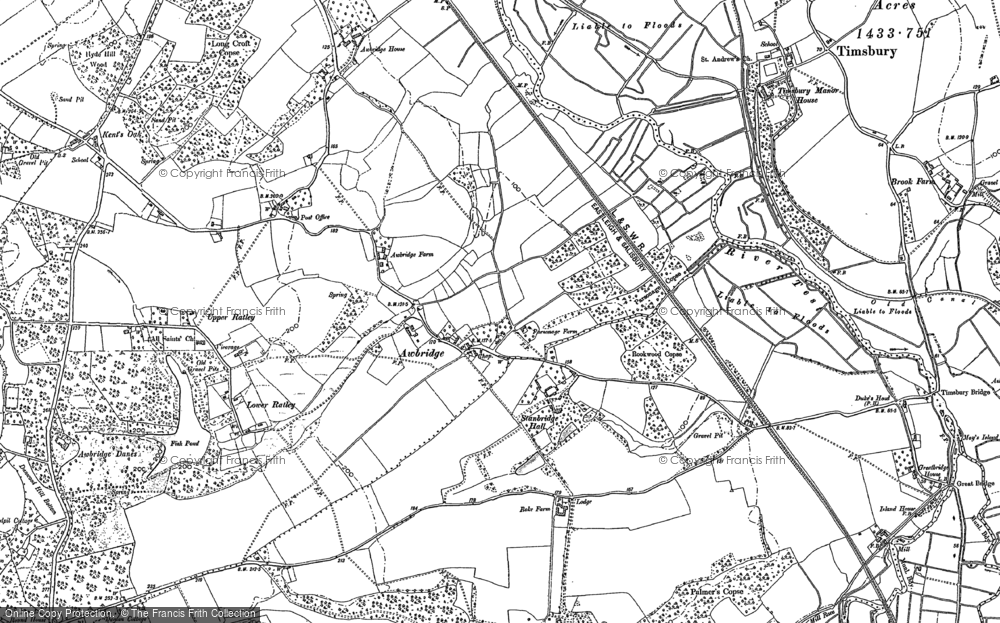
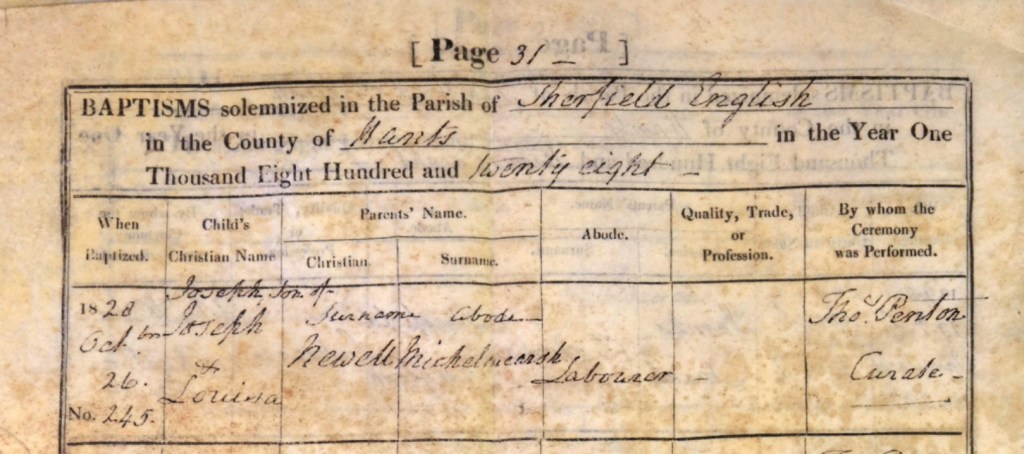
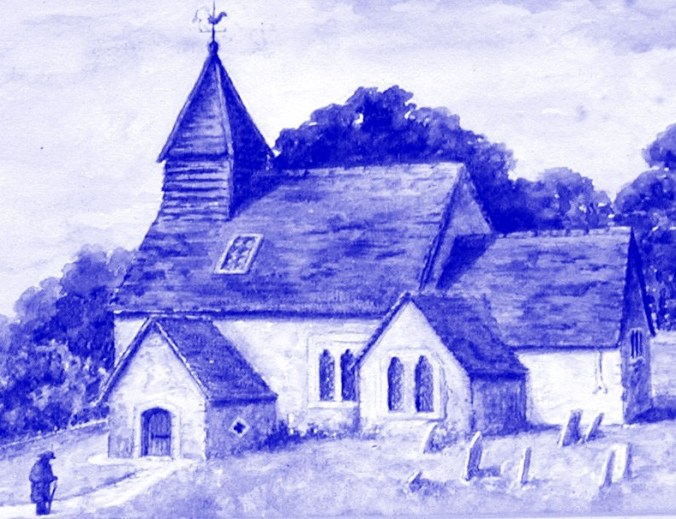


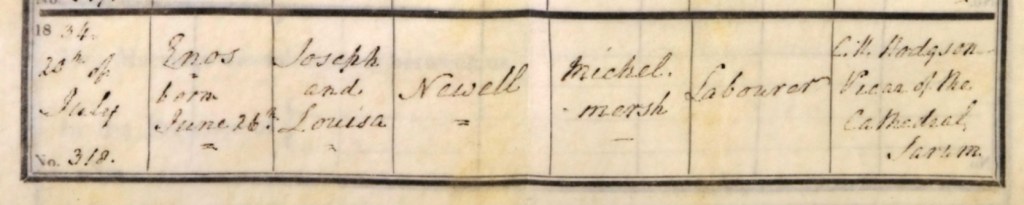







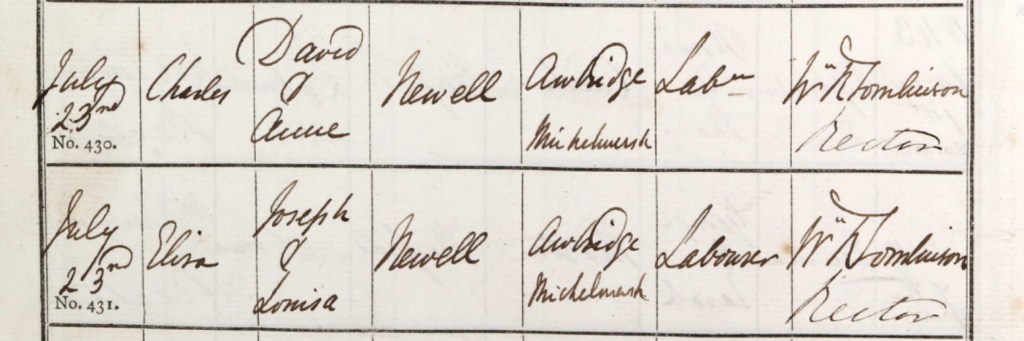


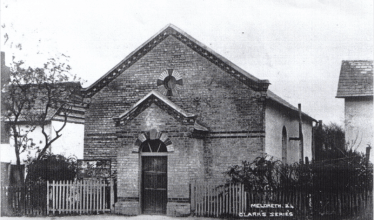
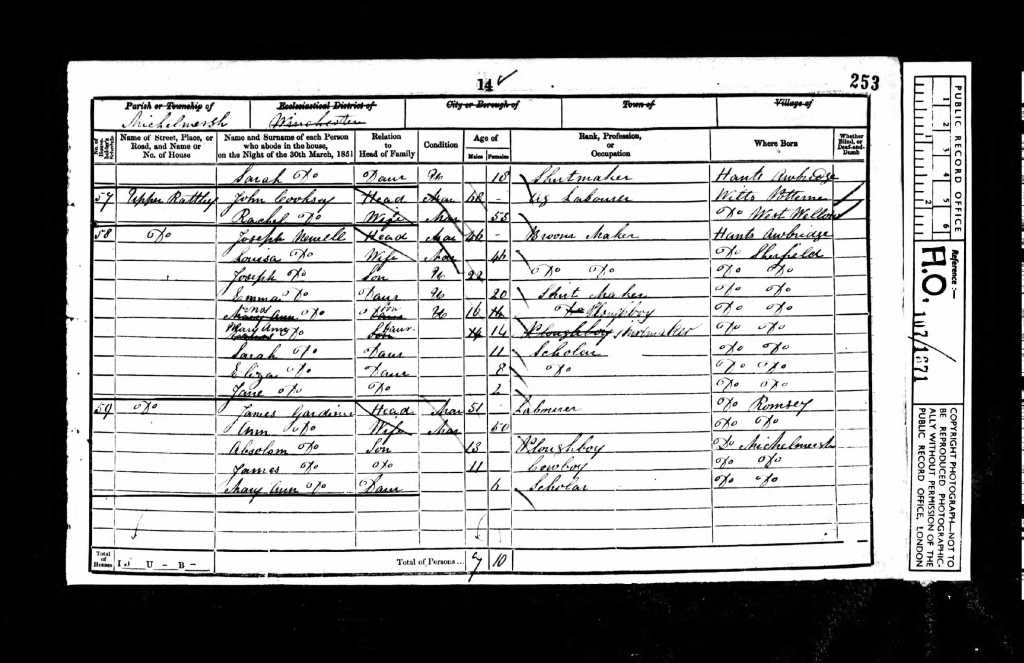
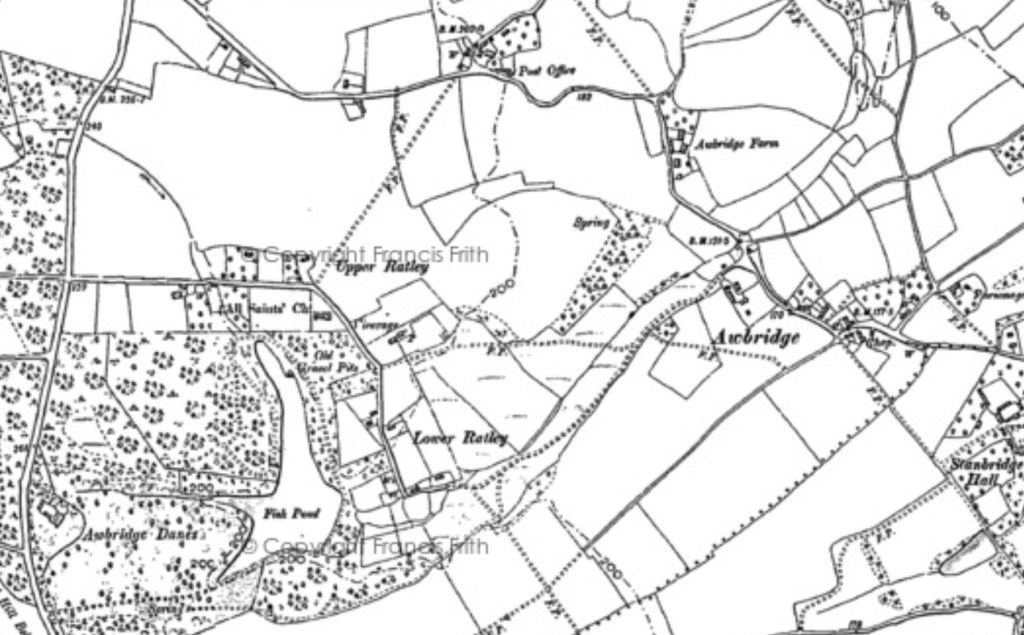
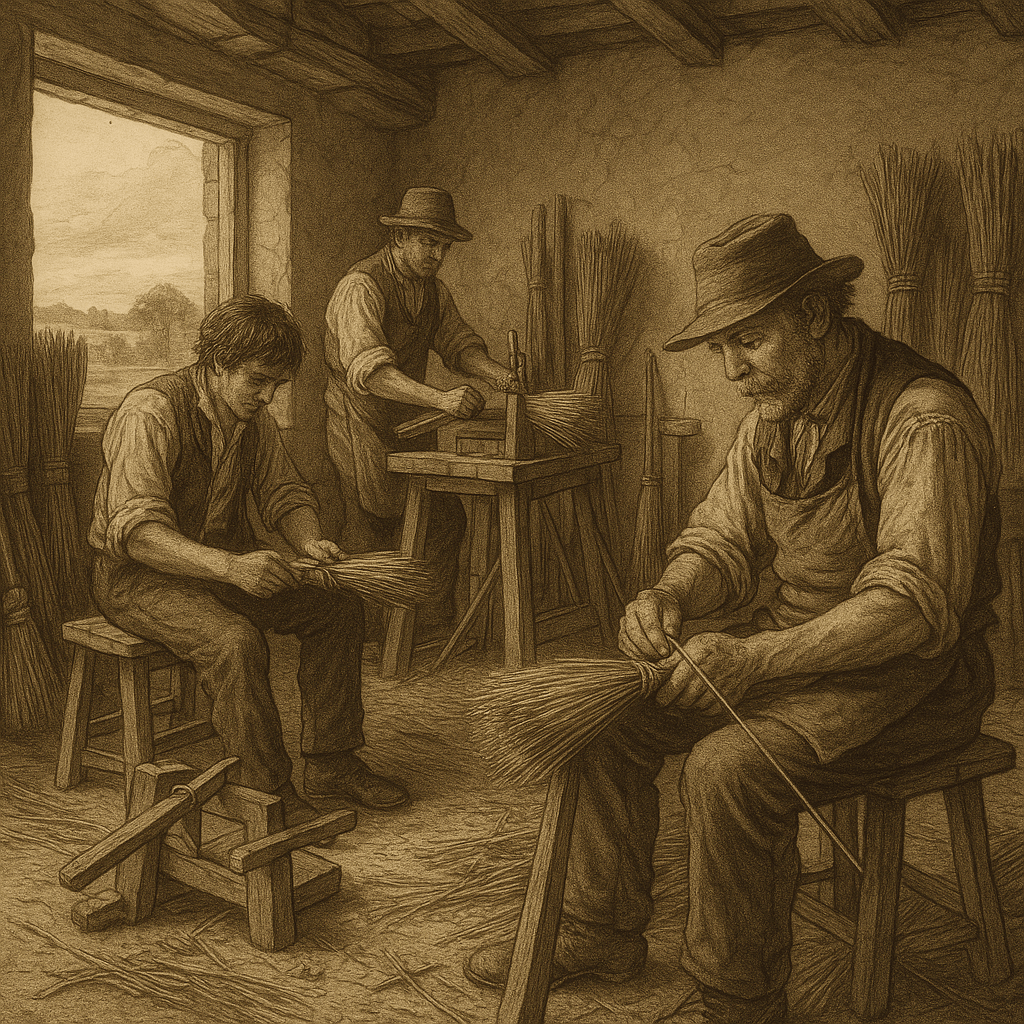


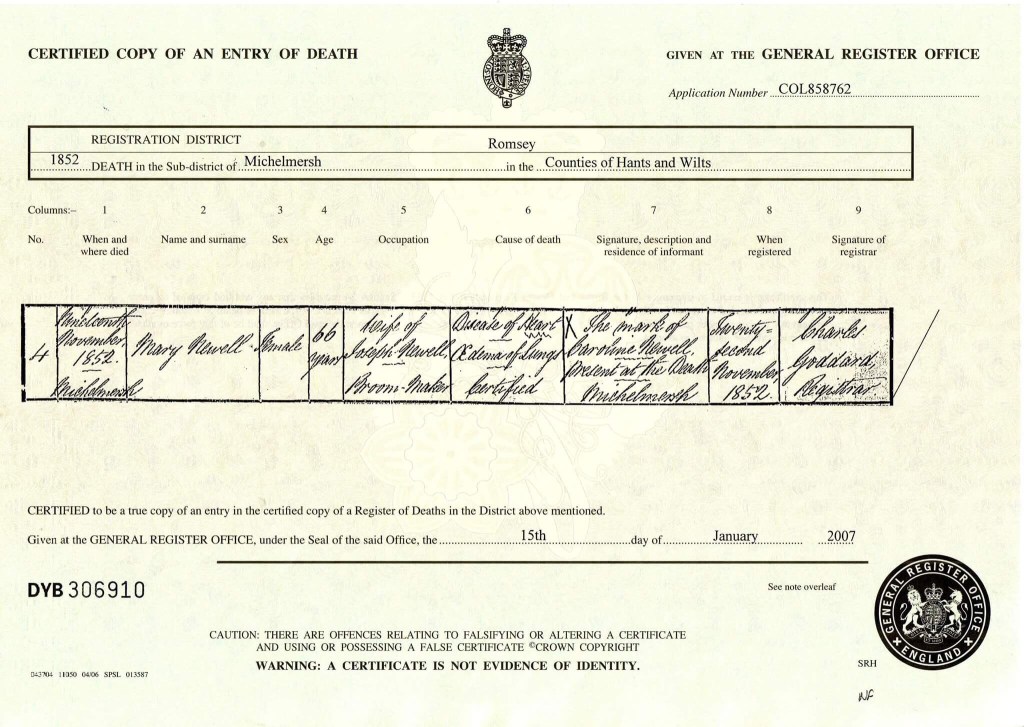
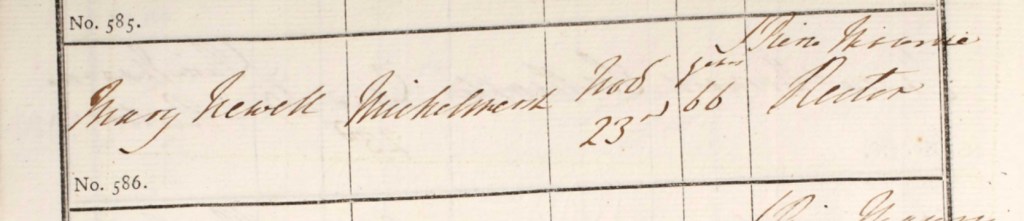
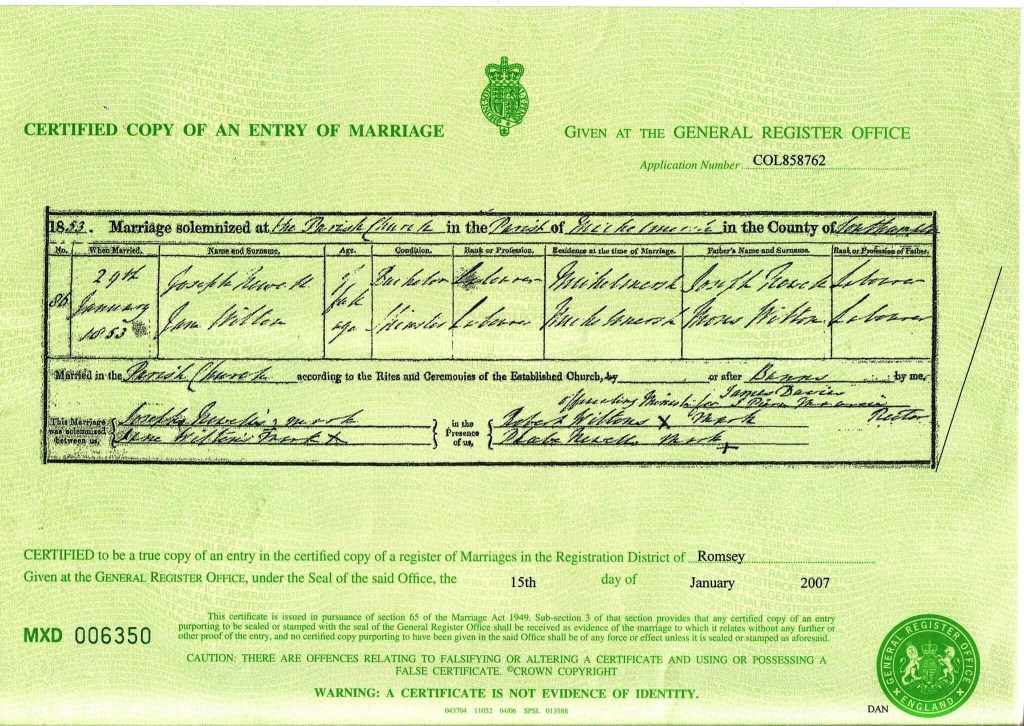
 Intwined