As we turn the page to part two of Joseph Newell’s story, we step into the years that followed his marriage to Jane Wilton, a time when life unfolded with both its challenges and its triumphs. Their love, born in the humble surroundings of their youth, now blossomed in the quiet days of their shared life together. From the moment Joseph and Jane exchanged their vows in the winter of 1853, their journey became a partnership, a promise to face whatever came their way, hand in hand, through the ups and downs of life.
The early years of their marriage, filled with love and hope, were a testament to their shared commitment. They worked side by side, building not just a life but a family. The struggles of rural life, the long hours of labor, the sacrifices, and the joy of seeing children born into the world, each chapter of their journey deepened the bond between them. Through every challenge they faced, Joseph and Jane’s love remained a constant, the heart of their family, their home, and their story.
But as with every life, time is relentless, and the pages of Joseph’s life began to turn, marking the passing of years, the ebb and flow of joy and sorrow. From the births of their children to the loss of loved ones, from moments of quiet joy to the deep, heart-wrenching grief of parting, Joseph’s journey was one of profound emotion and resilience. It was in the depth of his love for his family that he found the strength to weather the storms of life, and it was in his unshakable faith that he found peace.
In this second chapter of Joseph’s life, we follow him through the years of both love and loss, from the early days of his marriage to the eventual quiet, inevitable farewell that life demands. His story, once again, is shaped not by grand gestures but by the simple, enduring moments of everyday life, a testament to the power of family, the value of hard work, and the beauty of love that endures until the very end.
As we revisit Joseph Newell’s life from his marriage to the final chapter, we do so with the understanding that every moment, every document, every word recorded, is a piece of a larger story, one that speaks to the heart of what it means to live, to love, and to endure. From the first vows spoken on a cold winter’s day to the final breath that marked the end of his journey, Joseph’s story is a poignant reminder that it is not the years we live but the love we give that leaves the most lasting impact. And as we walk through this next part of his journey, we honor that love, his love for his wife, his children, his family, and the quiet, unbreakable strength that saw him through to the end.
39 days after Joseph’s and Jane’s wedding, on Tuesday, the 8th day of March, 1853, in the small, tranquil village of Michelmersh, Hampshire, Joseph and his wife Jane were blessed with the birth of their first son, Edward Newell. The arrival of their son marked a new chapter in their lives as a family, filling their home with the sounds of a newborn’s cries and the promise of new beginnings.
As was customary, Jane, the mother, took on the responsibility of registering Edward's birth, ensuring that his arrival would be recorded in the official records. On Friday, the 8th day of April, 1853, Jane made her way to the registrar's office, where Charles Goddard, the registrar, was in attendance to document the details of the birth.
In the register for Births in the District of Michelmersh, in the County of Hants and Wilts, Charles Goddard carefully filled in the necessary information, ensuring that Edward's birth was officially recorded for the future. The details were recorded as follows:
"No. 40
When Born: 8th March 1853, Michelmersh.
Name: Edward
Sex: Boy
Name and Surname of Father: Joseph Newell
Name and Maiden Surname of Mother: Jane Newell, formerly Wilson
Rank or Profession of Father: Labourer
Signature, Description, and Residence of Informant: The mark of Jane Newell, Mother, Michelmersh.
When Registered: 8th April 1853
Signature of Registrar: Charles Goddard, Registrar"
In keeping with the customs of the time, Jane, unable to sign her name, made her mark, a simple ‘X’ which served as her signature and an acknowledgment of her role as the informant. Charles Goddard, as the registrar, signed the document, completing the official registration of Edward’s birth.
Thus, with a simple mark and the careful recording of the details, Edward Newell’s arrival into the world was formally acknowledged and would be preserved in the records of Michelmersh for generations to come. His birth, though marked by the modest circumstances of his family, was a significant and joyful event in the lives of Joseph and Jane, and would be remembered as the beginning of their journey into parenthood.
On Sunday, the 10th day of April, 1853, in the peaceful parish of Michelmersh, Hampshire, the echoes of faith filled the air as two children were welcomed into the Christian community through the sacred rite of baptism. The day was one of quiet joy and deep meaning, marked by the gentle murmurs of prayers and the solemnity of the church’s ancient stone walls. Among the children being baptised was Edward Newell, the firstborn son of Joseph and Jane Newell. Born into modest circumstances, Edward’s life was rooted in the rhythms of rural Hampshire, where his father Joseph worked as a labourer, shaping the land with his hands, and his mother, Jane, nurtured their growing family with love and care.
The baptism, conducted by Reverend J. Pierce Maurice, was not only a spiritual milestone for young Edward but also the beginning of his journey through life. As his name was spoken gently in the church, it marked his entry into the faith, and in that moment, he was embraced not only by his parents but by the wider community that would watch him grow. The quiet, reverent ceremony was a reminder of the long line of generations before him, who had gathered in that very place to worship, hope, and seek comfort in times of joy and sorrow.
On the same day, another child was baptised, William Glasspool, the son of Henry and Elizabeth Glasspool. Like Joseph, Henry Glasspool was a labourer, and their families, no doubt, knew each other well in the close-knit community of Michelmersh. The two boys, born into neighbouring homes, were baptised side by side, their names etched into the fabric of the village’s shared history. Their lives, though just beginning, were already intertwined with the soil of Michelmersh, with the changing seasons, and with the people who worked, prayed, and lived alongside them.
Reverend Maurice, standing at the heart of it all, guided these young lives into faith, offering not just the sacrament of baptism, but a moment of connection, of hope, and of blessing that would echo through the years. It was his steady hand that filled in the register for Baptisms solemnised in the Parish of Michelmersh in the County of Southampton in the Year 1853, ensuring that these significant moments were preserved for future generations. The details were recorded with careful precision:
"When Baptised - 1853 April 10th, No. 523
Child’s Christian Name - Edward Newell
Parents Names - Joseph and Jane Newell
Abode - Michelmersh
Quality, Trade, or Profession - Labourer
By whom the Ceremony was performed - J. Pierce Maurice, Rector"
This simple, yet profound, act of recording the details of Edward’s baptism ensured that his entry into the Christian faith was not just a moment to be remembered by his family, but also a part of the rich tapestry of the community that surrounded him. The blessing given to him on that day would continue to ripple through the years, intertwined with the lives of those around him, as he grew up in the warmth of the parish, shaped by the land, the people, and the faith that had first welcomed him.
In the spring of 1854, as the first blossoms of the season began to color the quiet countryside, the still walls of St. Mary’s Church in Michelmersh, Hampshire, became the setting for a moment of great personal significance for Joseph’s sister Phoebe Newell and her soon-to-be husband, Edward Wilton. The church, a place where so many life events had unfolded over the years, now held within it the tender anticipation of a new beginning for Phoebe. She stood, listed as a spinster in the banns, on the threshold of a life-altering commitment. Her heart, no doubt full of quiet hope, was ready to marry Edward Wilton, a widower, whose life had already known love and loss.
The solemnity of the moment was marked by the careful reading of their banns, a tradition that invited the parish to acknowledge the upcoming union. The name of Phoebe Newell, with gentle reverence, was read aloud by the rector, J. Pierce Maurice, on three successive Sundays, the 26th of March, the 2nd of April, and the 9th of April 1854. Each reading of the banns was a public invitation to the community to offer any objections, though none came. The church, with its weathered stone walls, must have seemed to hold its breath during those three Sundays, as Phoebe’s name reverberated through the pews, echoing the quiet anticipation of the life that was about to unfold.
For Phoebe, who had spent her life in the rhythms of the village, this moment must have been both exhilarating and reflective. It marked not just a new chapter for her, but a second chance for Edward, who had lost his first wife. For Phoebe, this was an opportunity to build a future, to step into partnership and love with someone who had shared similar experiences of loss, but who now offered her the chance of a life shared.
As her name was read aloud, it signified a turning point in her life, a moment of quiet but profound change. With each reading, Phoebe was not only being bound to Edward through the eyes of the law and faith, but was also being bound to the community of Michelmersh, where her future, now entwined with Edward's, would unfold. The banns, inscribed on the page of history, speak softly of a woman who, in the face of life’s trials, was ready to embrace love, a new partnership, and the possibility of joy.
And so, in the gentle spring of 1854, Phoebe Newell’s name echoed through the church, a tender promise of hope, love, and a future that would begin anew, just as the earth itself was blooming with the promise of the season.
On Saturday, the 29th day of April, 1854, the quiet village of Michelmersh, Hampshire, witnessed the union of two lives in the timeworn stone of St. Mary’s Church. Beneath its ancient arches, where generations before had stood to make similar vows, Joseph's sister, Phoebe Newell, was married. A woman of quiet strength and resilience, Phoebe, now of full age, had worked as a labourer, much like her father, Joseph Newell, whose hands were shaped by the very rhythms of village life. On this spring day, Phoebe was ready to pledge herself to Edward Wilton, Joseph’s brother-in-law, a widower and shoemaker by trade.
Edward, like Phoebe, came from humble roots. His father, Moses Wilton, had laboured for his living, passing down to Edward the values of diligence and resilience that had sustained their family for generations. Both Phoebe and Edward, shaped by hard work and modest beginnings, stood in the church, ready to form a new family of their own. The connection between them was not just through marriage, but through shared experiences of loss and the determination to build a future together.
The ceremony, steeped in the traditions of the Church of England, was conducted by the rector, J. Pierce Maurice, whose steady presence helped guide them through this significant moment in their lives. The vows they exchanged were not just words but promises of love, commitment, and partnership, spoken before the church and their community. The beauty of the moment was marked not only by the formalities but by the quiet joy shared between Phoebe and Edward as they stepped forward into a new chapter of their lives.
Though Phoebe and Edward’s witnesses, Jesse Linch and Mary Ann Newell, could not sign their names, marking instead with simple "X"s, their presence was a testament to the support of family and community. In those marks, there was no less meaning; they spoke volumes about the ties that bound them all together, about the unspoken love and commitment that connected them to the couple. Their presence at this momentous occasion was a quiet yet profound acknowledgment of the importance of kinship, community, and tradition.
Joseph and Jane, no doubt, watched as their sister, Phoebe, entered into this new life with Edward. Just as their own wedding had once bound the Newell family to one another, Phoebe’s marriage to Edward Wilton once again brought together two families, both deeply rooted in the rhythms of village life. It was a moment of joy and reflection, the merging of lives and families that would strengthen the bonds of kinship that had always held them together. As Phoebe and Edward made their vows, their love and commitment to one another were not just a joining of hearts but a continuation of the ties that bound their families, ties that would only grow stronger with each passing year.
As the year of 1854 drew to a close and the village of Awbridge, Hampshire, began to prepare for the Christmas season, Joseph and Jane were quietly awaiting their own Christmas miracle. The crisp winter air, the scent of wood smoke from cottages, and the glow of lanterns heralded the approaching festive season, but for Joseph and Jane, this year was destined to be one filled with even more meaning. On Saturday, the 10th day of December 1854, their home in Awbridge, Michelmersh, was blessed with the arrival of their second child, a healthy, bonnie son they named Frederick Newell.
Joseph, a proud father of now two sons, looked down at his wife, Jane, as she held their newborn son in her arms. There, in that quiet, tender moment, his heart swelled with love and pride. The birth of Frederick was no small feat. In an era when childbirth carried more risks than today, Jane had not only survived the ordeal, but had given Joseph the greatest gift he could have imagined, a healthy son, a little brother for Edward, to carry on the family name.
As they settled into their new rhythm as a family, celebrating the festive season with the warmth of new beginnings, the Newells' hearts were full. The joy of welcoming their second son was only heightened by the anticipation of what the New Year would bring. As was customary, Jane made her way to the registry office in Romsey, Hampshire, in the New Year to officially register Frederick’s birth. On the 12th day of January, 1855, she was met by registrar Charles Goddard, who carefully recorded the details of the birth in the register for 1854 births in the district of Michelmersh in the counties of Hants and Wilts.
Mr. Goddard filled in the register with care, ensuring Frederick’s birth was officially recorded. The details were carefully written as follows:
No. 271
When Born: 10th December 1854, Awbridge, Michelmersh
Name: Frederick
Sex: Boy
Name and Surname of Father: Joseph Newell
Name and Maiden Surname of Mother: Jane Newell, formerly Wilton
Rank or Profession of Father: Agricultural Labourer
Signature, Description, and Residence of Informant: Jane Newell, Mother, Awbridge, Michelmersh
When Registered: 12th January 1855
Signature of Registrar: Charles Goddard, Registrar
The box marked "Baptismal Name if added after Registration of Birth" was left blank.
Frederick's birth, though formally registered with the local authorities, carried more than just a name. It carried the promise of new life, new hope, and the continuation of the Newell family legacy, a legacy that Joseph and Jane would continue to nurture with love, devotion, and a deep sense of pride. As they looked to the future with two sons now in their care, they knew that their journey was just beginning, and the love they shared would continue to grow with each new chapter.
On a cold winter’s day in 1855, as the village of Michelmersh nestled beneath a blanket of frost, the parish of St. Mary’s Church came together in the warm embrace of its ancient stone walls. Inside, the echoes of generations past seemed to hum quietly, as the living voices of today joined in a moment of sacred ritual. Among those gathered stood Joseph and Jane, their hearts brimming with love and devotion as they cradled their infant son, Frederick, in their arms. This day was to be a day of deep significance, as they brought their beloved son before the Lord to be baptised, beginning his journey of faith.
On that Sunday, the 28th day of January, under the guidance of Rector J. Pierce Maurice, Frederick was gently baptised in the cool waters of the font, his small body being welcomed into the Christian faith. The sacred rite was a moment of reverence, marking the beginning of a new chapter in Frederick’s life. A small soul, full of promise and potential, he was now part of a larger family, bound not only by blood but also by the faith that had been passed down through generations.
But Frederick was not alone in receiving this sacred welcome. On that very same day, his young aunt, Joseph’s sister, six-year-old Jane Newell, the daughter of Joseph and Louisa Newell, also stood before the font. This was her second baptism, a tender reminder of both childhood wonder and the ever-present grace of the church. As she gazed at the font, perhaps with a child’s curious eyes, she, too, was baptised alongside her nephew, creating a bond that would be cherished forever. It was a rare and beautiful moment, an aunt and nephew, bound by their shared lineage and now by the waters of baptism, their lives intertwined in both love and faith.
Rector J. Pierce Maurice, after performing the ceremony, carefully recorded these moments in the register for Baptisms solemnised in the Parish of Michelmersh in the County of Southampton for the year 1855. The entries, filled with precision, marked not just the birth of a new life but the continuation of a family’s legacy of faith. The details were written as follows:
"When Baptised - 1855 January 28th, No. 574
Child’s Christian Name - Frederick Newell
Parents Names - Joseph and Jane Newell
Abode - Michelmersh
Quality, Trade, or Profession - Labourer
By whom the Ceremony was performed - J. Pierce Maurice, Rector"
And then, beside it, in careful script:
"When Baptised - 1855 January 28th, No. 573
Child’s Christian Name - Jane Newell
Parents Names - Joseph and Louisa Newell
Abode - Michelmersh
Quality, Trade, or Profession - Labourer
By whom the Ceremony was performed - J. Pierce Maurice, Rector"
In the margin next to Jane’s entry, Rector Maurice thoughtfully added "aged 6 years," a simple but poignant note that marked her young age and her place in this tender moment of faith.
That Sunday, the church witnessed not just the act of baptism but the weaving together of family, faith, and love. It was a moment of deep unity, a moment when the Newell family’s generations, both near and far, were joined together in the sacred waters of St. Mary’s. It was a day when the bonds of blood were further strengthened by the spiritual bond of the church, and that love and devotion would echo through time, a testament to the enduring strength of family and faith. For Frederick and Jane, their lives would forever be intertwined not just by their shared name, but by the love, care, and faith that would guide them through the years to come.
On a warm summer’s day, Monday, the 14th day of July, 1856, in the peaceful village of Awbridge, Hampshire, Joseph and Jane Newell welcomed a new addition to their family. Their daughter, Mary Emily Newell, was born, bringing light and joy into their hearts. Though her full name was Mary Emily, it was the name "Emily" that would come to be more commonly spoken within the family, a tender reminder of the love and promise she carried.
Just a few weeks later, on Tuesday, the 5th day of August, 1856, Jane made the journey to the nearby market town of Romsey to ensure that her daughter’s birth would be officially recorded. In Romsey, at the registry office, Registrar George Withers was in attendance, ready to document the details of this important moment in the Newell family’s history. With careful precision, he filled in the register for 1856 births in the District of Michelmersh in the County of Hants and Wilts, ensuring that Mary Emily's arrival would not be forgotten.
The details of her birth were recorded as follows:
No. 431
When Born: 14th July 1856, Awbridge, Michelmersh
Name: Mary Emily
Sex: Girl
Name and Surname of Father: Joseph Newell
Name and Maiden Surname of Mother: Jane Newell, formerly Wilton
Rank or Profession of Father: Agricultural Labourer
Signature, Description, and Residence of Informant: Jane Newell, Mother, Awbridge, Michelmersh
When Registered: 5th August 1856
Signature of Registrar: George Withers, Registrar
Mary Emily’s birth was more than just an entry in the register, it was a symbol of love, hope, and resilience in the Newell family. Her arrival was a new beginning for her parents, Joseph and Jane, whose lives were already marked by the rhythms of rural life and the deep connection to the land. Their little girl, born on a warm summer day, brought a new light into their home, and she would grow up surrounded by the love of her family, the beauty of her surroundings, and the quiet strength that was the foundation of her parents’ lives.
For Joseph and Jane, the birth of Emily was a reminder of the resilience of their family. Despite the challenges of rural life, despite the hardships of hard labor and simple living, the Newell family was strengthened by the love that bound them together. Mary Emily’s arrival was a fresh, beautiful chapter in that story, and as she grew, she would carry with her the love and hope that her parents had poured into her from the very beginning.
On a quiet, beautiful summer’s day, as dragonflies danced over fields of ripening wheat and the morning mist sparkled in the sun's rays, the village of Michelmersh was bathed in the gentle warmth of August. On Sunday, the 17th day of August, 1856, Joseph Jane, Edward and Frederick stood together in the peaceful sanctuary of St. Mary’s Church, their hearts full of love and anticipation as Joseph and Jane brought their newborn daughter, Emily (Mary), to be baptised.
The church, its stone walls steeped in history, was filled with the soft murmur of prayers and the quiet reverence of the villagers who gathered to witness this sacred moment. Joseph, a humble agricultural labourer by trade, stood beside his wife with a quiet pride, his weathered hands, worn from long hours in the fields, cradling his precious daughter with the gentlest care. His hard work in the fields had shaped him, yet in this moment, he was tender and still, a father, full of devotion and promise.
Emily’s baptism was not just a ceremonial act, it was a deeply personal commitment for Joseph. It was his solemn vow to care for his child, to guide her, and to provide for her in the best way he knew how. As the baptismal waters were gently poured over Emily’s head, it symbolised new beginnings for her, but also a new chapter in Joseph’s journey as a father, one marked by love, labor, and quiet faith.
The reverent ceremony was solemnised by the rector, J. Pierce Maurice, whose steady voice offered words of faith and hope for the young child, as well as prayers of blessings for the Newell family. The church, with its timeless presence, became the sacred place where Emily was formally welcomed into the Christian faith, surrounded by the love of her parents and the community.
After the service, Rector J. Pierce Maurice carefully filled in the details of Emily’s baptism in the official register for Baptisms solemnised in the Parish of Michelmersh, in the County of Southampton, for the year 1856. Each box was filled with precision, ensuring that this important event would be preserved for future generations. The details were recorded as follows:
When Baptised: 17th August 1856, No. 601
Child’s Christian Name: Emily
Parents Names: Joseph and Jane Newell
Abode: Michelmersh
Quality, Trade, or Profession: Labourer
By whom the Ceremony was performed: J. Pierce Maurice, Rector
The act of documenting the baptism was more than just a formal recording, it was a sacred part of the ritual, ensuring that Emily’s entry into the faith would be forever remembered. For Joseph, this moment was a powerful symbol of his role as a father, and as he stood there beside his wife, with their daughter in his arms, he silently vowed to protect, nurture, and guide her, just as the baptismal waters promised new beginnings and endless possibilities.
The memory of that Sunday, in the warmth of the summer air and the glow of the church's stone walls, would stay with the Newell family forever, a testament to their love, their faith, and the enduring bond they shared.
In the year 1857, the quiet villages of Michelmersh and Sherfield English became the backdrop for the union of two families, the Newells and the Marshalls. The marriage banns for Joseph’s brother, Enos Newell, and Mary Marshall were announced in both parishes, reflecting the deep ties they had to their communities. The first set of banns was read in St. Leonard’s Church in Sherfield English, where Enos and Mary were well-known. Enos, a bachelor of Sherfield English, and Mary, a spinster of the same parish, were publicly declared in preparation for their marriage. These banns were read on three consecutive Sundays, March 1st, 8th, and 15th, 1857, by J. S. Echalay, Curate, in accordance with the Church of England’s legal and religious customs. This public announcement was a formal invitation to the community to voice any objections before the couple could be married.
The second set of banns was published at St. Mary’s Church in Michelmersh, where Enos had lived, and also in the parish of Sherfield English, Mary’s home. In this instance, Enos was listed as a bachelor of Michelmersh, and Mary Ann Marshall, as a spinster of Sherfield. These banns were read on the Sundays of March 8th, 15th, and 22nd, 1857, by the Rector, J. Pierce Maurice. The second publication of the banns was another step in fulfilling the legal requirements for their marriage, cementing the union between the two families and the communities they belonged to.
The banns were officially recorded as follows:
The first set of banns was read between Enos Newell, a bachelor of the Parish of Michelmarsh, and Mary Marshall, a spinster of the same parish, on the 1st, 8th, and 15th of March, 1857 by J. S. Echalay, Curate.
The second set of banns was published between Enos Newell, a bachelor of the Parish of Michelmersh, and Mary Ann Marshall, a spinster of the Parish of Sherfield. These banns were read on the 8th, 15th, and 22nd of March, 1857 by J. Pierce Maurice, Rector.
The public reading of the banns was a customary ritual in the Church of England, marking the formal step toward marriage. For Enos and Mary, this moment was a significant one, as it publicly confirmed their intention to marry. Their union, confirmed by both communities, symbolized the blending of two families and the beginning of a shared life together. The Newell and Marshall families, rooted in their villages, now found their lives even more deeply intertwined, united by both love and tradition.
On Friday, the 3rd day of March, 1854, in the peaceful parish of Sherfield English, William Roud, a devoted broom maker and the maternal grandfather of Joseph Newell, peacefully passed away at the age of 79. His life had been marked by a humble dedication to his craft, creating everyday tools with care and pride. Over the years, his hands had shaped the brooms that had been used in homes and farms alike, a quiet contribution to his community. His death, when it came, was the result of natural decay, a gentle passing that marked the end of a life spent in the service of family and hard work.
As William’s health declined with age, he was not alone in his final moments. His daughter-in-law, Amelia Roud, née Bailey, stood by his side, faithfully witnessing his departure and bearing the weight of sorrow as she prepared to fulfill the necessary duty of informing the registrar of his death. Amelia, perhaps weary from the long days of care, now had to carry the sadness of losing a loved one, but her presence was a comfort to William in those last moments.
On Tuesday, the 7th day of March, 1854, Amelia made her way to Romsey, where she notified the registrar of William’s death. George Withers, Registrar for the Michelmersh district, took down the necessary details, officially recording William’s passing. His careful handwriting immortalized the final chapter of a man whose life had been one of modest but steady labor.
The details of William Roud's death were officially recorded as follows:
No.: 269
When Died: 3rd March 1854, Sherfield English
Name and Surname: William Roud
Sex: Male
Age: 79 years
Rank or Profession: Broom Maker
Cause of Death: Natural Decay, Certified
Signature, Description, and Residence of Informant: The mark of Amelia Roud, Present at the Death, Sherfield English
When Registered: 7th March 1854
Signature of Registrar: George Withers, Registrar
William's passing marked the end of an era for the Newell and Roud family, a quiet yet deeply felt loss. His legacy lived on in the work he had done, the tools he had crafted, and in the generations that had come from his line. Though his life had been simple, it had been filled with dedication and care, values that would continue to shape the family he left behind.
On Wednesday, the 8th day of March, 1854, Joseph’s grandfather, William Roud, was laid to rest in the peaceful churchyard of St. Leonard’s Church in Sherfield English, Hampshire, at the age of 79. William had lived nearly eight decades, a life marked by quiet resilience and humble labour, shaping the community and family around him with his steady, unwavering work. As he was gently lowered into the earth, surrounded by the fields and village that had cradled him for so many years, his passing brought to an end a long chapter of steadfast commitment to his craft and to his loved ones.
His funeral was tenderly conducted by the curate, J. S. Echalaz, in the same parish that had witnessed the full arc of his life. The simple yet meaningful ceremony reflected William's humble life, and the close-knit community of Sherfield English gathered to bid him farewell. Though William's life had been simple, his legacy endured in the love he had given and the care he had shown to those around him. His passing left a gentle yet lasting mark, a reminder of a life lived with dignity, honesty, and quiet devotion.
The details of William's burial were recorded with care by Curate J. S. Echalaz in the register for Burials in the Parish of Sherfield English in the County of Southampton for the year 1854. The entry reads:
Name: William Roud
No. 210
Abode: Sherfield English
Date of Burial: 8th March 1854
Age: 79
By whom the ceremony was performed: J. S. Echalaz, Curate
The quiet passage of William Roud, recorded in the pages of the church’s register, stands as a testament to his life, simple, honest, and deeply rooted in the community that he loved. As the years pass, his name remains in the churchyard, a reminder of a man who had quietly shaped the lives of those around him, and whose spirit would live on in the hearts of his family for generations to come.
On Sunday the 12th day of August, 1855, in the gentle hush of late summer, Joseph Newell stood among the gathered family and neighbours inside Saint John’s Church in Lockerley. He had made the journey from Michelmersh with quiet pride in his heart, for today, his younger sister Mary Anne was to be married. At just 19 years old, Mary Anne was taking a bold step into adult life, and though Joseph had seen her grow from a barefoot child into a strong, capable young woman, he couldn’t help but feel a flicker of protectiveness. She was still, in his heart, his little sister.
Joseph knew Jesse Finch well enough. A labourer like himself, Jesse came from solid, honest stock. The son of William Finch, Jesse shared Joseph’s world, the long days in the fields, the weathered hands, the weary but satisfying end to a day's work. It gave Joseph comfort to know that Mary Anne would be with someone who understood what it meant to live close to the land, to make a life from hard graft and quiet love.
Inside the stone church, simple and steady like the people it served, Joseph watched as Mary Anne stood before the altar beside Jesse. The Reverend W. Hooker prepared to join them in marriage, his voice calm and familiar. The moment came for Mary Anne and Jesse to sign the register, but neither could write their name. Instead, with careful humility, they each made their mark, an “X” penned with reverence and resolve. Joseph felt a welling in his chest. These weren’t just lines in a book. They were symbols of something much deeper: of trust, of beginning, of a shared promise forged without fanfare but with deep meaning.
Joseph stood nearby as witnesses Enos and Emma, Mary Anne’s younger siblings, also gave their marks. Joseph hadn’t been asked to sign the register that day, but he didn’t need ink to mark the memory. He had carried Mary Anne through illness as a child, had worked beside her on the land, had watched her grow up in the same stone-floored cottage they’d both called home. And now, he watched her become a wife. It stirred something tender and proud in him. This marriage, though simple, was a step forward not just for Mary Anne, but for the whole family.
In the marriage register for 1855, Reverend Hooker recorded every detail with care:
No.: 72

When Married: August 12th, 1855
Name and Surname: Jesse Finch, Mary Anne Newell

Age: Full Age, 19 years.

Condition: Bachelor, Spinster
.
Rank or Profession: Labourer, —

Residence at the Time of Marriage: Lockerley, .

Father’s Name and Surname: William Finch, Joseph Newell.

Rank or Profession of Father: Labourer, Labourer
.
Married in the Parish Church according to the Rites and Ceremonies of the Church of England by me, The Revd. W. Hooker, Curate
.
This Marriage was solemnized between us:
Jesse Finch, his X mark,
Mary Anne Newell, her X mark
.
In the Presence of us:
 Enos Newell, his X mark,
Emma Newell, her X mark.
As they stepped out into the sunlight, Joseph may have offered Mary Anne a small smile or a soft squeeze of her hand, too modest to speak what he felt. But in that smile was everything: pride, love, hope, and a brother’s quiet promise that no matter how far she stepped into her new life, she would never be alone.
On a crisp spring day, Saturday, the 28th of March, 1857, within the humble yet sacred walls of St. Leonard’s Church in Sherfield English, Joseph’s brother Enos Newell stood before the altar to pledge his heart and future to Mary Marshall. At just 22 years old, Enos, a labourer from Michelmersh and the son of Joseph Newell, also a labourer, took the solemn step of marriage with the full weight of sincerity, commitment, and love. Though he was not able to sign his name, his “X” carried with it the power of his promise, a simple mark, yet a profound symbol of his devotion.
Enos was not alone in this moment. His witnesses, Edward Wilton and Sarah Wilton, lent their support and presence, bearing witness to this sacred covenant. The ceremony was solemnised by Curate J. S. Echalay, guided by the timeless rites of the Church of England. As Enos stood there, his calloused hands steady, the weight of his life as a labourer was present, yet in that moment, he was transformed from a man of the land to a man of love and responsibility. His vows, spoken in faith and humility, were not just a promise to Mary but a commitment to the life they would build together, a life grounded in love, loyalty, and the simple strength of devotion.
The details of the marriage were carefully recorded by Curate J. S. Echalay in the 1857 marriage registry for the parish of Sherfield English, reflecting this humble yet significant union. The entry reads:
Marriage solemnized by Banns in the Parish of Sherfield English in the County of Southampton
22-year-old bachelor Enos Newell, a labourer of Michelmersh, son of Joseph Newell, a labourer, and 21-year-old spinster Mary Marshall, of Sherfield English, daughter of William Marshall, a labourer
Married in the Parish Church according to the Rites and Ceremonies of the Church of England by me, J. S. Echalay, Curate.
This marriage was solemnized between us:
Enos Newell, his mark X
Mary Marshall
In the Presence of us:
Edward Wilton
Sarah Wilton, her mark X
The ceremony, though simple, marked a powerful transformation for Enos. It was a moment of new beginnings, an ordinary man, a labourer of Michelmersh, stepping forward not just as a provider of the land but as a devoted husband, a man of love, and a man of faith. The union between Enos and Mary, marked by the presence of family and friends, would be remembered as a moment where love took root, ready to grow and flourish in the years to come.
On a sorrowful spring day, Thursday, the 27th day of March, 1858, the Newell family faced the unbearable loss of their beloved baby girl, Emily (Mary). Just one year old, Emily was the cherished daughter of Joseph Newell, a hardworking general labourer, and his devoted wife, Jane. Though her time on this earth was heartbreakingly brief, Emily had been deeply loved and cradled in the arms of her family until her final moments. The cause of her passing remained unknown, a haunting uncertainty that only deepened the grief of her parents.
Her mother, Jane, was present at her death, a quiet witness to the loss of the child who had filled her heart with so much love and hope. Despite her overwhelming sorrow, Jane bravely made the journey to Romsey on Monday, the 29th day of March, to register Emily’s death, fulfilling the necessary legal requirement during a time of profound personal grief.
Emily’s death was officially recorded, though the memory of her short life remained forever etched in the hearts of those who loved her. A tender soul lost too soon, she was remembered with both love and sorrow, a spirit that had touched their lives with joy despite her brief stay.
John Bayley, the Registrar in attendance, carefully filled in the death register for the District of Michelmersh in the Counties of Hants and Wilts. The details were recorded as follows:
No. 331
When Died: 27th March 1858
Where Died: Awbridge, Michelmersh
Name and Surname: Emily Newell
Sex: Female
Age: 1 year
Rank or Profession: Daughter of Joseph Newell, General Labourer
Cause of Death: Unknown — Certified
Signature, Description, and Residence of Informant: The mark of Jane Newell, present at the death, Awbridge, Michelmersh
When Registered: 29th March 1858
Signature of Registrar: John Bayley, Registrar
Jane, unable to write her name, signed with her mark, an “X”, a silent testimony to the anguish of a mother who had just lost her precious child. The simplicity of her mark conveyed a depth of emotion that words could not express, a heartbreaking symbol of a mother's love and loss. Emily’s passing left a permanent void in the Newell family, but her memory lived on in the hearts of her parents and all who knew her, a beloved child whose life, though short, was cherished and will never be forgotten.
As the spring breeze gently rustled through the newly leaved trees and the daffodils swayed with the soft air, Joseph and Jane Newell stood together in the churchyard of St. Mary’s Church in the quiet parish of Michelmersh on Tuesday, the 30th of March, 1858. They were not there for a Sunday service, but for a sorrow far greater than anything they had known. That day, their hearts broke as they gently laid their precious daughter, little Emily Newell, to rest. Just one year old, Emily’s life had only just begun, and yet her time had been tragically cut short.
Emily, whose laughter and innocence had filled the hearts of her parents, was laid to rest in the very churchyard where she had been baptised, surrounded by the village that had witnessed her grow. The ceremony, solemnly conducted by Rector J. Piers Maurice, was a moment of deep sorrow. The same church that had once cradled Emily in joy now echoed with the grief of her family. As the earth was gently placed over her small coffin, the heavens themselves seemed to weep for the loss of such a tender soul.
Though Emily’s time on earth was far too short, the love she had brought into her family’s life would live on, enduring far beyond the spring day when she was returned to the earth. Her innocence, her gentle presence, and the love she had given would never be forgotten by those who had known her.
Rector J. Piers Maurice, in his solemn duty, recorded Emily’s burial in the register for Burials in the Parish of Michelmersh in the County of Southampton for the year 1857. The details were carefully filled in:
Name: Emily Newell
No. 663
Abode: Michelmersh
When Buried: 30th March 1858
Age: 1 year
By whom the ceremony was performed: J. Piers Maurice, Rector
Though Emily was gone, her memory was not. She had been a light in the lives of Joseph and Jane, and though they now walked through the darkness of their grief, they carried her love with them forever. The quiet service that laid her to rest was the final act of tenderness, marking the end of her brief but beautiful life, a life that would remain forever in the hearts of those who loved her.
As the harvest season neared and the trees wore their glorious robes of copper, amber, and red, the countryside around Awbridge seemed to hum with quiet anticipation. Within their modest home in the Hampshire village, Joseph and Jane Newell were preparing not for crops, but for the arrival of new life. On Thursday, the 22nd day of September 1859, after a long and weary labour, Jane gave birth to their fourth child, a daughter, whom they named Ellen.
In that tender moment, as Joseph looked upon his wife and their newborn child, his heart swelled with love and pride, yet beneath it all, a quiet fear stirred. The memory of their beloved daughter Emily, lost in infancy just the year before, still haunted them. Would this daughter survive the cruel uncertainties of early life? Would Ellen be spared?
More than a month later, on Tuesday, the 25th day of October 1859, Jane once again journeyed into the nearby market town of Romsey to fulfil her duty and legally register Ellen’s birth. It was a bittersweet visit, familiar, and yet shadowed by the memory of her last meeting with the registrar, John Bayley, who had recorded Emily’s death. Now, with cautious hope, Jane returned to have Ellen’s name officially inscribed.
John Bayley recorded the details in the 1859 register for Births in the District of Michelmersh, in the County of Hants and Wilts. Each box was filled out with formal care:
No.: 327
When Born: Twenty-second September 1859, Awbridge, Michelmersh
Name, if any: Ellen
Sex: Girl
Name and Surname of Father: Joseph Newell
Name and Maiden Surname of Mother: Jane Newell, formerly Wilton
Rank or Profession of Father: Farm Labourer
Signature, Description, and Residence of Informant: The mark of Jane Newell, Mother, Awbridge, Michelmersh
When Registered: Twenty-fifth October 1859
Signature of Registrar: John Bayley, Registrar
Ellen's birth marked a quiet renewal for the Newell family, a fragile but bright hope in the golden light of autumn. As the land prepared to rest, her tiny cry was a sign that life, in all its delicate beauty, continued.
As winter approached and the last of the harvest was gathered in, the village of Michelmersh settled into the rhythm of shorter days and colder nights. On Sunday the 16th day of October 1859, families made their way to St Mary’s Church for the weekly service, the crisp autumn air filled with the scent of woodsmoke and damp earth. Among them were Joseph and Jane Newell, their sons Edward and Frederick, and the newest addition to their family, baby Ellen, wrapped warmly and held close.
This Sunday was not like every other. It was a special day for the Newell family, the day baby Ellen would be baptised and welcomed into the Christian faith. Dressed in their Sunday best, the family took their place among the congregation as Rector J. Piers Maurice greeted the worshippers, his voice echoing gently beneath the stone arches.
As the service unfolded, the moment came when Joseph and Jane were called forward with baby Ellen in their arms. Alongside them stood Ellen’s godparents, witnesses and spiritual guides for the journey ahead. At the font, J. Piers Maurice spoke the sacred words and poured holy water over Ellen’s tiny head, marking her with the sign of the cross. Pride welled up in Joseph’s heart as he watched his daughter formally welcomed into the community of faith, a moment of light and blessing after the sorrow of loss the family had known.
After the ceremony and the close of the service, Rector J. Piers Maurice carefully recorded the occasion in the parish baptismal register for the year 1859. With steady hand, he filled each designated space:
When Baptised: October 16th, 1859
No.: 669
Child’s Christian Name: Ellen
Parents’ Names: Joseph and Jane Newell
Abode: Michelmersh
Quality, Trade, or Profession: Labourer
By whom the Ceremony was performed: J. Piers Maurice, Rector
In that small village church, surrounded by the warmth of community and tradition, Ellen’s baptism became a moment of hope and renewal, her name now inscribed both in the register and in the hearts of those who loved her.
On Sunday the 14th day of October, 1860, the Awbridge countryside was cloaked in the golden hues of early autumn, amber leaves drifting from oaks and maples, the air cool but not yet sharp. Joseph and his family, dressed in their finest clothes, made the journey into the nearby market town of Romsey for a day that carried both joy and the quiet ache of time passing, the wedding of his younger sister, Emma Newell.
Within the solemn and timeworn walls of the Parish Church in Romsey, Hampshire, Emma stood at the altar beside William Turton, a fellow Romsey resident and labourer, the son of Theodore Turton, also a labourer. Their union, like so many of their generation, was not rooted in privilege or wealth, but in the enduring strength of working-class life, built on love, loyalty, and a shared understanding of labour and perseverance.
The marriage was solemnised by Banns, according to the rites and ceremonies of the Established Church of England, and officiated by Curate Freeman R. Stratton. He carefully recorded each detail in the official marriage register, noting that both bride and groom were of full age. Emma entered the marriage as a spinster, and William as a bachelor. Both resided in Romsey at the time of their wedding.
When it came time to sign the register, neither Emma nor William wrote their names, instead, each made their mark with an “X,” a simple symbol that nonetheless carried all the weight and intention of a lifetime vow. Their witnesses, John Turton and Jane Turton, also marked the register with “X,” their presence a quiet testimony to the strength of family ties and shared commitment.
Curate Stratton signed at the bottom of the page, sealing the record with the formality of the Church but also with a human understanding of what had taken place, a sacred commitment between two ordinary people, faithfully entered into.
As Joseph stood in the church that day and watched his sister become a wife, he felt a swell of emotion rise in his chest. Emma, his baby sister, was now stepping into a new life, beginning a family of her own. He remembered the days of their childhood in the fields, climbing trees and scraping their knees, running through the very countryside now touched by autumn’s golden breath. Life had moved on, as it always does. But in that moment, with vows spoken and futures joined, time paused just long enough to witness love, memory, and hope converge beneath the stone arches of Romsey’s ancient church.
On Boxing Day, Wednesday the 26th day of December, 1860, a day usually filled with family, warmth, and the gentle joy of shared meals and laughter, Joseph faced a sorrow that would linger far beyond the season. In the quiet village of Awbridge, Hampshire, his grandfather, also named Joseph Newell, was nearing the end of his life. After three long weeks of illness, his body, once strong and resilient from years of labour as a broom maker, was failing. The home that had once echoed with the sounds of daily work and familiar voices was now hushed, overtaken by the stillness that precedes death.
At his side was his devoted daughter, Mary Ann Moody, Joseph’s aunt, offering comfort in those final moments. She sat with her father, praying softly, her hand resting in his, as his breath grew shallow. When it came, his final breath passed gently, almost imperceptibly, and with it, the spirit of a man who had shaped so much of the family’s history slipped quietly away. The window was opened, a simple, time-honoured gesture to release his soul, free to join his beloved wife Mary, and all those he had loved and lost before.
Three days later, on Saturday the 29th day of December, still heavy with grief, Mary Ann made the solemn journey into the nearby town of Romsey to register her father’s death. Each step along the cobbled streets was weighed down with memory and mourning. Her thoughts lingered on her father's quiet strength, his hands that had worked for decades, and the aching void left behind.
At the registrar’s office, John Bayley was present to receive her. He listened with care, then recorded the necessary details in the official register, preserving the passing of another life in quiet ink:
Death Register, District of Michelmersh, Counties of Hants and Wilts
No.: 108
When and Where Died: Twenty-sixth December 1860, Awbridge, Michelmersh
Name and Surname: Joseph Newell
Sex: Male
Age: 79 years
Occupation: Broom Maker
Cause of Death: Paralysis, 3 weeks, Certified
Signature, Description and Residence of Informant: The mark of Mary Ann Moody, daughter, present at the death, Awbridge, Michelmersh
When Registered: Twenty-ninth December 1860
signature of Registrar: John Bayley
Though the register closed that day with a signature, for the family left behind, Joseph’s memory lived on. The pain of his passing was real and deep, but so too was the legacy he left behind, of honest labour, family love, and a life quietly and fully lived.
On that cold and sorrowful Monday, the 31st day of December, 1860, while the rest of the world looked to the coming of a new year with hope and renewal, Joseph’s family found no comfort in the turning of the calendar. Instead, they gathered in the hushed churchyard of St. Mary’s Church, Michelmersh, where the winter air bit at their faces and the bare trees stood solemnly, like silent mourners. The earth was hard, the sky grey, and the day reflected the heaviness of their grief as they prepared to lay to rest a beloved patriarch, Joseph Newell, Joseph’s grandfather and namesake.
The man they buried that day had been a quiet pillar of their lives. A master broom maker, he had worked the land and lived simply, guiding his children and grandchildren with patient hands and a steady heart. To Joseph, the loss was almost too much to bear. His grandfather had not only passed down skills and stories, but had been a constant presence, loving, kind, and full of quiet wisdom. Their bond had been deep, forged through years of work, family traditions, shared sorrows, and quiet joys.
Rector John Piers Maurice stood by the graveside with gentle solemnity, offering prayers as the casket was lowered into the frozen earth. His words were soft, carried away on the winter wind. As soil was gently returned to the ground, there was a finality in the moment, Joseph had returned to the very land he had walked, worked, and loved, reunited now in death with his dear wife Mary, and with the generations who had gone before.
After the burial, as tradition and duty required, Rector Maurice took up his pen and solemnly entered the final details into the Michelmersh parish burial register, ensuring that Joseph Newell's life, so interwoven with the village, would not be forgotten:
Burials in the Parish of Michelmersh, in the County of Southampton, in the year 1860.
Name: Joseph Newell No 695
Abode: Michelmersh
When Buried: December 31st
Age: 79
By whom the ceremony was performed: John Piers Maurice, Rector
The ink dried on the page, but for Joseph and his family, the legacy of their grandfather lived on in memory, in craft, and in the enduring love of a family bound together through the deepest sorrows and the simplest of lives.
As dusk settled over the Hampshire countryside on Sunday the 7th day of April, 1861, the quiet hamlet of Awbridge prepared for the stillness of another night. But this evening carried a unique significance. It was census night across England and Wales, an undertaking that, once every ten years, captured a moment in time, recording the lives of ordinary people in extraordinary detail. For Joseph and his family, it was no different. That night, their home, humble and full of life, stood as a testament to their journey so far.
Joseph, now 31 years old, lived in Awbridge with his wife Jane, who at 29 had already borne the weight and joy of motherhood and the deep sorrow of losing a child. Their three surviving children, Edward, age 10, Frederick, age 6, and baby Ellen, just 1, filled the home with energy, curiosity, and the tender innocence of youth. Though the census form was simply filled with names, ages, and occupations, behind each entry lay stories of love, labour, and perseverance.
Their home in Awbridge, which they occupied in full, was likely modest but serviceable, perhaps a cottage of brick or flint, with low ceilings and a hearth that served as the centre of warmth and family gathering. As night fell, the children may have been settled into bed while Joseph and Jane, weary from the day, reflected on the life they had built in this quiet part of Hampshire. By candlelight or oil lamp, the census enumerator would have visited their door, or perhaps left a form earlier that week, returning to collect it the following morning.
Joseph reported his occupation as an "agricultural labourer," but that label, simple as it was, concealed the breadth of his effort. His days were spent in service to the land or perhaps on the expanding rural estates and farms in the area, where England's agricultural economy was beginning to shift. With calloused hands and an aching back, he earned just enough to sustain his growing family. The work was hard, but steady, and for Joseph, it was a source of pride and identity.
The 1861 census itself was the fourth national count taken in England and Wales. It was far more structured and comprehensive than earlier versions. Overseen by the General Register Office, enumerators were appointed to gather information from every household, recording it on pre-printed forms known as household schedules. Most individuals could not read or write fluently, so the enumerators often filled in the forms themselves, based on verbal responses. Once completed, these household schedules were transcribed into large, bound enumeration books, the very ones preserved to this day.
For families like Joseph’s, being recorded in the census was not just a bureaucratic task, it was a quiet declaration of their existence. Their presence, noted on a single page among hundreds, confirmed that they were part of the national story. And while their names might have been ordinary to those reading them at the time, to Joseph, they were everything, his wife, his children, his purpose.
It was a still, spring night in Hampshire. The census takers went about their duties, unaware of the personal meaning their work would hold for generations to come. And within a simple home in Awbridge, the Newell family was counted, not just in numbers, but in love, labour, and memory.
In 1861, Joseph, listed as an “architectural labourer” in the Hampshire hamlet of Awbridge, would have been engaged in the gritty, physically punishing world of mid-Victorian construction. The title might sound lofty, but in reality, it placed him on the bottom rungs of England’s rapidly expanding building trade. “Architectural labourer” was a term often used for those assisting in the construction of buildings, churches, estate houses, barns, stables, and sometimes even railway stations or bridges, as the countryside slowly modernised.
Joseph would have been hired either directly by a master builder or indirectly through a foreman who managed gangs of labourers. Awbridge, being rural and close to larger towns like Romsey, would have seen occasional building projects, often tied to agricultural estates or church improvements. Given the region's reliance on farming, much of the architectural work was likely centred around barns, farmhouses, and estate improvements driven by the landowning gentry.
His day would have begun before sunrise, often around 5 or 6 a.m., depending on the season. There was no standardised shift; the hours stretched with the daylight. In spring and summer, he could easily be working 11 to 12 hours a day, six days a week. Winters shortened the workday, but not the hardship. Sunday was a day of rest by both law and custom, not out of generosity, but piety and tradition.
The tasks Joseph performed were laborious and relentless. He would have mixed lime mortar by hand using a shovel and wheelbarrow, hauled bricks or stone, dug out foundations with pick and spade, erected scaffolding, and cleaned up after masons and carpenters. Though not a skilled tradesman himself, he supported those who were, the bricklayers, masons, carpenters, and glaziers, ensuring the site moved steadily forward. On sites with more complex or decorative architecture, like Gothic church restorations, he might have handled shaped stone or ornate timber, though always under the close direction of more experienced workers.
Pay for someone in Joseph’s position was meagre. A common labourer might earn between 10 and 14 shillings per week, depending on the employer and the season. In comparison, a skilled mason could earn up to 25 or 30 shillings. Labourers were always the most expendable, most numerous, and most poorly paid. If weather stopped work, Joseph wouldn’t be paid. If he became ill or injured, he might lose his job altogether. The Newell family would have felt every missed day of wages at the table and in the firewood pile.
The work was dangerous. Falls from scaffolds were common, as were crushed limbs from falling stones, bricks, or improperly secured timbers. The inhalation of lime dust or stone particles posed long-term health risks. Accidents were dealt with on-site, often with little more than crude first aid and a send-off home. Employers were rarely liable, and safety regulations, if they existed, were minimal and unenforced.
As for how Joseph would have been treated, respect was rare. He was expected to work hard, obey orders, and not ask questions. Deference to overseers and tradesmen was part of the unspoken contract. Yet, among his fellow labourers, there was often camaraderie. Shared hardship forged bonds, and stories, songs, and muttered complaints passed between them as they worked. Joseph, with his wife Jane and young children waiting for him at home, likely felt a constant pressure to keep going, no matter how exhausted or battered his body became.
The work was dirty, demanding, and often thankless, but it was honest. And for a man like Joseph, it provided a thread of stability in a world that was always shifting, new buildings rising, new lives beginning, and old ones fading. His labour, though largely invisible in the records of history, quite literally shaped the landscape of Victorian Hampshire.
The sun rose early on Friday the 8th day of August, 1862, a pale disc behind a veil of summer mist, as the village of Awbridge stirred gently to life. Dew silvered the hedgerows, and the fields beyond the Newells’ cottage glowed softly with ripening grain. The scent of hay and honeysuckle drifted through open windows, mingling with the lowing of cows in distant pastures.
Inside the modest cottage at the edge of the village, a hush had settled. Joseph Newell stood just outside, cap in hand, pacing slowly along the gravel path, eyes fixed on the lane. The soft crunch under his boots was the only sound he made. The midwife, a woman of steady hands with nearly twenty years’ experience, had arrived just before dawn, summoned on foot by their eldest son, Edward.
Within the house, Jane Newell lay on a straw-stuffed mattress, her cheeks flushed, her dark curls clinging damply to her brow. Though the shutters were drawn to keep out the heat, the summer air pressed heavily into the room. A cloth soaked in cool water rested on her forehead. A kettle hissed gently on the hearth, and a basin of clean linen stood nearby.
The labour had begun in earnest the previous evening. Through the long hours of the night, Jane bore the pain in quiet endurance, gripping the wooden bedstead while the midwife murmured calm encouragements in a low, steady voice.
At last, as the village clock gave a muffled chime, the child was born.
A boy.
He came into the world red and squalling, fists clenched tight, with a shock of damp hair and a powerful cry. The midwife, satisfied, wrapped him in clean muslin and laid him in Jane’s arms. Jane wept softly, holding him close, her face filled with relief and wonder.
Outside, the church bell tolled once. Joseph stepped quietly into the cottage just as Jane whispered, “Harry. His name is Harry.”
Joseph crossed the room, his boots heavy on the wooden floor. He looked down at his newborn son, his eyes wide and shining. “Strong lad,” he said softly, his voice catching. “Just like his grandfathers.”
Later that day, neighbours passed by the cottage, offering quiet smiles and small gifts, eggs, a jar of honey, and a fresh loaf of barley bread. Children lingered by the hedge, whispering and hoping to glimpse the baby. As the sun dipped behind the trees that warm August evening, the Newells’ chimney released a thin trail of smoke into the soft peach sky, while inside, the family of six rested in the deep, peaceful hush of summer and new life.
On the second of September, Jane, with baby Harry in her arms, accepted a ride into the nearby town of Romsey in a horse and trap. Her purpose was clear: to register her son’s birth. Upon arrival, she was greeted by John Bayley, the registrar, who carefully entered the child’s details into the official register for the district of Michelmersh, in the counties of Hants and Wilts.
Harry Newell, a boy, born on the eighth of August 1862 in Awbridge. His father, Joseph Newell, was a farm labourer. His mother, Jane Newell, formerly Willstee, made her mark beside the entry as the informant, giving her residence as Awbridge, Michelmersh. The birth was registered on the second of September 1862, and signed by John Bayley, Registrar.
With her duty done and the child now officially named and recorded, Jane returned home through the quiet lanes of late summer, carrying with her not just her newborn son, but the formal beginning of his story.
In 1862, Joseph’s life as a farm labourer in the rural village of Awbridge, Hampshire, was defined by hard physical work, long hours, and modest rewards. His days began before dawn and often stretched until dusk, particularly in spring and summer when the demands of the agricultural calendar were at their peak. On most mornings, Joseph would rise before the sun, often by 4 or 5 a.m., wash quickly with cold water from a basin, and eat a simple breakfast, perhaps bread with dripping or porridge, before heading out to the fields.
He likely worked six days a week, from Monday to Saturday, with Sunday reserved for church and rest, though even on Sundays the care of animals or emergency tasks might pull him back into labour. His employer was likely the tenant of a local estate farm, perhaps one of the larger landowners in the Michelmersh parish area. The relationship between worker and employer was deeply hierarchical. Joseph would have been expected to follow orders without question, and though some farmers treated their labourers with a degree of fairness, others were harsh, viewing their workers as little more than tools in the field. There was little in the way of job security or protection, and a poor harvest, a minor injury, or simply falling out of favour with the farm bailiff could mean losing one’s place.
Joseph’s duties changed with the seasons. In early spring, he would have helped with ploughing and planting, guiding horses to pull heavy ploughs through clay-rich soil, sowing seed by hand, or setting turnips in orderly rows. Summer brought long days of hoeing, weeding, and harvesting hay. Come autumn, he would help gather grain crops like wheat and barley with a scythe or sickle, stacking sheaves into stooks for drying, and loading wagons. In winter, the work slowed but never stopped, he might be repairing fences, spreading manure, ditching, or feeding livestock.
The work was grueling. Days in the field were spent bending, lifting, and walking for miles. There was no machinery to ease the burden; only simple tools like hoes, pitchforks, and spades. Farm labourers like Joseph were exposed to every kind of weather, blistering heat, biting cold, rain that soaked through clothes by midday. Injuries were common. A twisted ankle from uneven ground, a deep cut from a scythe, or a back thrown out from lifting too much were all dangers that could result in lost wages or worse, permanent impairment. Medical care was sparse, often unaffordable, and even small wounds could fester dangerously.
Joseph’s pay would have been meagre. In 1862, the average weekly wage for an agricultural labourer in Hampshire was around 9 to 10 shillings. This might barely cover the cost of rent, food, clothing, and coal. Any extra income had to come from occasional piecework, or from Jane taking on seasonal work, such as gleaning after harvest, washing clothes, or midwifery. Some farms provided tied cottages as part of a worker’s employment, and if Joseph lived in such a home, his tenancy would have depended entirely on remaining employed.
Despite the hardship, there was also a rhythm to this life that was deeply rooted in the land. Joseph worked not only for survival but for dignity. The sense of providing for his growing family, Jane, Edward, Frederick, Ellen and baby Harry, offered him strength. He likely took a quiet pride in watching the crops rise from seed to sheaf, in the feel of the earth in his hands, and in the knowledge that his labour, however poorly rewarded, helped to feed his community.
He might have walked home at dusk with aching muscles, his clothes streaked with mud or hay, his hands calloused and split. Yet even then, he would arrive to the smells of Jane’s cooking, the chatter of children, and the glow of a modest hearth fire. Perhaps they shared a pot of stew or bread and cheese, before collapsing into sleep, knowing it would all begin again with the next dawn.
Joseph’s life as a farm labourer was one of toil and humility, anchored in a deeply traditional way of life that was already beginning to change with the slow march of industrialisation. But in 1862, in the small, hedged fields of Awbridge, it remained a life of quiet endurance, shaped by the seasons, strengthened by family, and written into the very soil he worked.
On Sunday the 12th day of October 1862, under the amber warmth of early autumn, the Newell family prepared themselves for a day of both solemnity and celebration. Joseph and Jane, with their children Edward, Frederick, Ellen, and baby Harry, made their way from their modest home in Awbridge to the parish church of St Mary’s in Michelmersh. The walk, familiar and peaceful, carried the quiet reverence of generations who had trodden the same country lanes for worship and rites of passage.
The church bells chimed gently in the clear morning air, echoing across fields and cottages, calling the faithful to service. St Mary’s stood dignified among the trees, its stone walls warmed by the morning sun and its stained-glass windows catching the light. Inside, the scent of beeswax and old wood mingled with the faint perfume of damp autumn leaves brought in on the boots of villagers.
As the congregation took their seats, Rector J. Piers Maurice, ever warm and composed, greeted them one by one with his familiar smile and firm handshake. His presence carried a reassuring continuity, he had baptised many in the church, and would go on to bury others. His voice, calm and clear, led the service through hymns and prayer until the time came for baby Harry’s baptism.
Joseph held Harry close as he and Jane, along with the chosen godparents, stepped forward to the ancient stone font. Louisa, their dear friend or perhaps kin, took her place at Jane’s side, her face a mixture of pride and quiet reverence. As the Rector intoned the words of the baptismal rite, he cupped the holy water and poured it gently over Harry’s downy head, marking the sign of the cross upon the boy’s brow. A silence fell, sacred and deeply moving, as the congregation witnessed Harry's formal welcome into the Christian family.
After the service, as the congregation mingled in the churchyard and autumn leaves fell gently on the worn path, Rector Maurice stepped back into the vestry and opened the thick, leather-bound register. With a steady hand and practiced formality, he filled in the child’s details in the Baptism Register for 1862:
When Baptised: October 12th
No.: 732
Child’s Christian Name: Harry
Parents’ Names: Joseph and Jane Newell
Abode: Michelmersh
Quality, Trade, or Profession: Labourer
By whom the Ceremony was performed: J. Piers Maurice, Rector
Each word he penned was more than a record, it was a legacy, an anchor for the Newells in the ever-turning wheel of village life. For Joseph and Jane, watching over their children in the fading golden light, it was a moment of joy, hope, and faith, quietly folded into the rhythms of family and the land they called home.
On Saturday the 26th day of September, 1863, as the autumn sun cast a golden hue across the Hampshire countryside, Saint Leonards, the Parish Church in Sherfield English stood quietly beneath a canopy of slowly turning leaves. Within its weathered stone walls, a moment of profound meaning unfolded for the Newell family.
Joseph Newell had made the journey from Awbridge to witness the marriage of his younger brother, David Newell, a man of full age whose life, like Joseph’s, had been grounded in the honest rhythms of rural labour and family duty. David had worked the fields of Michelmersh much of his life, his hands calloused by years of toil and his heart shaped by the same values instilled in them all, loyalty, humility, and devotion.
That morning, David stood at the front of the church, dressed in his best, modest attire, waiting quietly for his bride, Sarah Dunn. Sarah, also of full age, came from nearby Romsey, the daughter of James Dunn, a fellow labourer whose life mirrored those of the men gathered in solemn attendance. She, like many women of her station, was no stranger to hard work or quiet endurance. On this day, however, she stepped forward not as a labourer’s daughter, but as a woman beginning a new life, hand in hand with David.
The church was modestly adorned, no elaborate decorations or grand procession, but instead the gentle simplicity that marked so many country weddings of the time. The pews held family and neighbours, most dressed plainly, their presence marking the strength of close-knit community ties. Among them, Joseph likely stood beside his wife Jane, with thoughts full of memory, pride, and hope for his brother’s future.
Officiating the ceremony was E. Forbes Smith, the parish minister, who welcomed the couple and spoke with the dignity of the Church of England’s ancient rites. The banns had been called in previous weeks, as tradition required, and now, with solemn voices and steady hands, the vows were spoken.
Because neither David nor Sarah could write, they each marked the marriage register with an “X”, a gesture both humble and powerful, not a mark of ignorance, but a silent pledge etched with resolve. Witnessing the union were Joseph’s and David’s brother In-Law, Edward Wilton and their sister, Phoebe Wilton, the latter also signing with her mark, a sign of their shared world and working-class roots.
Reverend Smith carefully recorded the details into the official register, filling out each space with reverence and formality:
No. 56
When Married: September 26th, 1863
Name and Surname: David Newell, Sarah Dunn.
Age: Full Age, Full Age.
Condition: Bachelor, Spinster.
Rank or Profession: Labourer, (Blank)
Residence at the Time of Marriage: Michelmarsh, Romsey.
Father's Name and Surname: Joseph Newell, James Dunn.
Rank or Profession of Father: Labourer, Labourer.
Married in the Parish Church according to the Rites and Ceremonies of the Church of England by me, E. Forbes Smith, Officiating Minister
This Marriage was solemnized between us:
David Newell — his mark “X”
Sarah Dunn — her mark “X”
In the Presence of: Edward Wilton, Phoebe Wilton her mark X.
As the couple stepped out of the church, as husband and wife, the autumn wind whispered through the trees, and the fields beyond rolled gently beneath the sky. There was more than likely no carriage procession, no lavish celebration, only shared smiles, handshakes, and perhaps a small gathering in a nearby cottage with bread, cider, and well-wishes.
And for Joseph, watching his brother take this step, it was a moment of bittersweet reflection,  another chapter begun, another bond strengthened in the story of the Newells.
On a cold winter’s day, Tuesday the 5th of January 1864, in the small Hampshire village of Awbridge within the parish of Michelmersh, Joseph’s beloved wife Jane gave birth to my paternal second great-grandfather, Alfred Newell. It happened in their modest but loving home, where warmth came not from fine things, but from the closeness of family and the quiet strength of love.
Joseph was once again working the land as a farm labourer, his hands rough from toil, providing as best he could in those lean and uncertain times. Jane, formerly Wilton, tended their growing household, her days filled with care and sacrifice. It was she who, just weeks after Alfred’s birth, made the journey into the market town of Romsey to officially register her son’s arrival. With a steady heart and trembling hands, she gave notice of his birth and signed with her mark—a simple X—yet one that carried the deep weight of pride and devotion.
Registrar John Bayley received her, as he had done in times of joy and sorrow, and carefully entered the details into the official register for 1864 births in the Sub-district of Michelmersh in the Counties of Hants and Wilts. Each box was filled with solemn precision:
No: 417
When and Where Born: Fifth January 1864
Name, if any: Alfred
Sex: Boy
Name and Surname of Father: Joseph Newell
Name, Surname and Maiden Surname of Mother: Jane Newell, formerly Wilton
Occupation of Father: Farm Labourer
Signature, Description, and Residence of Informant: The mark of Jane Newell, Mother, Awbridge
When Registered: Fifth February 1864
Signature of Registrar: John Bayley, Registrar
Name entered after registration: —
Alfred’s birth marked more than just another child welcomed into the Newell home, it was a renewal of hope following so much sorrow. For Joseph and Jane, who had known the pain of burying young children, Alfred’s safe arrival was a gift, a light in the long shadows of grief. And for me, generations later, he became more than a name in a ledger. He is a thread in the long tapestry of our family’s story, a living link between past and present. He carried forward the dreams and dignity of those who came before him and in doing so, he helped shape who I am today.
On Wednesday the 10th day of February, 1864, the small stone church of Sherfield English stood quiet under a pale winter sky. The trees were bare, and a thin frost still clung to the hedgerows, but within the church, warmth gathered, not from fire, but from family, community, and the solemn promise of a new beginning.
It was here, within these ancient walls, that 21-year-old Eliza Newell, Joseph’s younger sister, stepped forward in her Sunday best to be wed. A spinster from Lockerley, her life until then had likely been one of modest means, spent helping at home, assisting neighbours, and carrying the quiet duties expected of a young woman in a rural village. She had grown up surrounded by the cadence of the countryside, her hands shaped by work, and her heart shaped by kinship.
Her groom, John Emm, was a shepherd by trade, just 23 years old, and already a man accustomed to solitude and hard labour. Like his father before him, he worked the fields and hillsides around Sherfield, watching over flocks in all seasons. Their meeting had likely come through shared circles of neighbours, local markets, or the crossing paths of working lives that so often intertwined in the countryside.
The marriage was carried out with the rites and ceremonies of the Church of England, announced through banns read aloud in the Sundays leading up to the service. Curate H. Graystone, who had likely presided over many such unions in the parish, led the ceremony. Though unadorned by grandeur, there was reverence and meaning in each word spoken beneath the vaulted stone roof.
In the parish register, Curate Graystone recorded their names and details with careful script:
Name and Surname: John Emm and Eliza Newell
Age: 23 and 21
Condition: Bachelor and Spinster
Rank or Profession: Shepherd (John), [left blank for Eliza]
Residence at the Time of Marriage: Sherfield (John) and Lockerley (Eliza)
Father's Name and Surname: John Emm and Joseph Newell
Rank or Profession of Father: Shepherd and Labourer
When the moment came to sign, Eliza hesitated. Like so many women of her class and time, she had likely never been taught to write her name. With quiet dignity, she made her mark, a simple "X", on the register, a symbol of consent and commitment that carried just as much weight as any signature. John Emm, by contrast, signed his name in full, a gesture that might have felt momentous to them both.
Standing close by as witnesses were Eliza’s brother David Newell, who also made his mark, and a woman named Sarah, whose surname remains uncertain, possibly another Newell, possibly their sister Sarah. Sarah signed her name with a steady hand, the only woman among them to do so, and stood tall beside the young couple.
After the service, they may have shared a simple gathering with bread, a jug of ale, and the hum of quiet joy. There would be no great feast, no fine dress, just warmth and support from those who mattered most. For Joseph, watching his sister step into married life would have stirred both pride and a quiet ache, knowing the weight of what lay ahead, the blessings and burdens alike.
As the winter sun dipped lower and the bells of Sherfield Church echoed faintly over the frosted fields, Eliza and John Emm began their life together, their love, like so many in that era, built not on wealth or ease, but on resilience, kinship, and the shared promise of a future carved from the land they knew so well.
It was Sunday, the 14th day of February, 1864, and the soft winter light filtered through the tall, stained glass windows of St Mary’s Church in the quiet Hampshire parish of Michelmersh. The air was fresh, scented faintly with wax polish of the old wooden pews. Bells had rung out across the village earlier that morning, their sound carried gently on the breeze, calling the faithful to worship as they had for centuries.
Inside the church, the stone walls held the hush of reverence. The congregation was dressed in their Sunday best, men in pressed jackets, women in bonnets and shawls, children scrubbed and solemn. The Newell family sat quietly near the front, Joseph in his work-worn coat and Jane cradling their infant son, Alfred, who would be baptised that day. The child, not more than a few months old, was wrapped in a plain but carefully washed christening gown, his round cheeks pink with the summer warmth and the attention of neighbours and kin.
The rector, the Reverend, John Piers Maurice, stood before the altar in his white surplice, his voice measured and calm as he led the morning service. Psalms were sung from well-thumbed hymnals, voices rising in humble harmony, accompanied by the faint wheeze of the small village organ. Prayers were spoken for the parish, for the Queen, for the harvest to come, and for the souls of those recently departed. The readings were solemn but comforting, their words weaving through the congregation and settling like a balm.
As the service reached its midpoint, the baptismal rite began. The congregation turned to watch as Joseph and stepped forward, Jane holding Alfred close to her chest. They stood at the stone font near the rear of the church, beneath the arched window where dappled light played on the worn flagstone floor. The rector smiled gently, dipping his fingers into the cool water of the font as he spoke the ancient words of blessing.
“In the name of the Father, and of the Son, and of the Holy Ghost,” he said, as the water was poured over Alfred’s brow. The child gave a little shiver but did not cry, and Jane looked down at him with eyes full of quiet pride and deep maternal love. The rector marked the sign of the cross on Alfred’s forehead and welcomed him into the fellowship of the church.
After the baptism, a final hymn was sung and the congregation filed slowly out into the sunlight, pausing to congratulate the family, to coo at the baby, and to exchange gentle words of gossip or gratitude. The bells rang once more, a joyful peal that echoed over the fields and hedgerows.
Rector, John Piers Maurice filled in the register for
No: 761
When Baptized: 14th February 1864
Child's Christian Name: Alfred
Parents' Names:Joseph and Jane
Surname: Newell
Abode: Michelmersh
Quality, Trade, or Profession: Labourer
By whom the Ceremony was performed: H. Price Maurice, Rector
Entry Number:761
Joseph and Jane carried their son home that day not just as parents, but as witnesses to a sacred beginning, a promise made before God, amidst their neighbours and their faith, in the heart of a village that held them close.
On Sunday the 10th day of April, 1864, sorrow returned to the Newell home in Awbridge with a devastating blow. Just as the village stirred to life beneath a pale spring sky and the hedgerows began to blossom with new life, inside Joseph and Jane’s cottage the air was heavy with stillness. Their little boy, Harry, just one year and six months old, had taken his last breath.
The child they had prayed for, rocked to sleep cradled in their arms, and wrapped in blankets stitched by loving hands, was now gone. Bronchitis, that cruel and silent killer of the young and vulnerable, had taken hold of Harry’s tiny lungs. Despite their efforts, despite Jane’s sleepless nights and Joseph’s desperate hopes, it was not enough. He died in his mother’s arms, his breath fading like mist in the morning sun.
It had been just a few short years since they had lost their daughter Eliza, and although time had moved forward, their hearts had never fully healed. Losing Harry reopened the wound with even greater cruelty. To hold a child in life is to believe in the future, to lose them is to feel that future shatter. Jane, broken and inconsolable, wept into the blankets that still smelled of their son. Joseph stood by, shoulders squared not from strength but from duty. He was a man made to work the fields, to endure hardship and weather, but no hardship in the fields could prepare him for this kind of pain.
He longed to collapse, to grieve openly, but he knew Jane and the children needed him. He was the head of their small family, the bearer of burdens, and now he bore the greatest burden of all, how to carry his wife through this abyss of sorrow when he was drowning in it himself.
On Monday, the 11th day of April, with the smell of freshly turned soil in the air and Harry’s absence echoing through every breath, Jane somehow found the strength to leave the house. Clutching her shawl and led by duty more than will, she made her way to Romsey. Likely offered a seat beside the registrar’s hearth, she sat with hollow eyes before John Bayley, the man who had recorded Harry’s birth less than two years before. He was now tasked with the unthinkable, writing the final words of her baby’s short life into the permanent register.
There, in the stark black ink of the 1864 deaths register for the district of Michelmersh in the counties of Hants and Wilts, Harry’s details were inscribed:
No. 238
When Died: Tenth April 1864, Awbridge, Michelmersh
Name and Surname: Harry Newell
Sex: Male
Age: 1 year
Rank or Profession: Son of Joseph Newell, Farm Labourer
Cause of Death: Bronchitis, Certified
Signature, Description, and Residence of Informant: X, The mark of Jane Newell, present at the death, Awbridge, Michelmersh
When Registered: Eleventh April 1864
Signature of Registrar: John Bayley, Registrar
A small "X" was made where Jane’s name would have gone, a symbol that said everything and nothing. Too weak to write, too full of sorrow to speak, it was a quiet cry of heartbreak pressed into paper.
Back in Awbridge, the cottage stood silent once more. The children, confused and unsure, clung to their parents, waiting for signs of comfort. And Joseph, with dirt still beneath his nails from the fields and pain carved deep in his brow, took Jane’s hand in his and promised himself he would not let this grief undo them.
But the loss of Harry would never leave them. His absence became part of the walls, part of the silence that settled in the corners of their lives. A missing voice, a pair of arms never filled again. In the midst of a village preparing for spring, one small home would remain in winter for a very long time.
As bluetits sang their tender lullaby from the budding hedgerows, and daffodils, crocuses, and irises swayed in the soft breath of the spring breeze, the world seemed to offer a cruel contrast to the grief that consumed Joseph and Jane Newell. Spring had come to Awbridge, painting the countryside with promise and renewal, but for Joseph and Jane, it brought only sorrow. Their eyes, red and tired from days of crying, could not see the season’s beauty. Their hearts were broken, hollowed by the weight of loss, as they prepared for a journey no parent should ever have to take.
On Friday the 15th day of April, 1864, they followed the small coffin of their beloved son Harry, only one year and six months old, from their cottage to the churchyard of St Mary’s Church in Michelmersh. The coffin, so heartbreakingly small, was carried with quiet reverence. Neighbours lined the lane in silence, some with caps held to chests, others with handkerchiefs pressed to their mouths. The journey to the church stretched endlessly in grief.
At the gates of St Mary’s, the familiar figure of Rector J. Piers Maurice waited to receive them, his countenance marked with gentle sympathy. He had seen sorrow many times within these church walls, but few things weighed heavier on a man of God than the burial of a child. With compassion in his voice and prayers carefully chosen for comfort, he led the grieving family through the burial service.
As Harry’s tiny body was lowered into the earth, beside kin who had gone before, Joseph and Jane stood hand in hand, their fingers locked in a desperate attempt not to fall apart. The sobs that rose from Jane’s throat seemed to come from the earth itself. Joseph tried to hold her steady, but his own grief trembled through him like a storm barely restrained. It was as though a piece of each of them had been placed in the ground with Harry, lost forever in the soil of Michelmersh.
When the mourners had slowly drifted away, leaving only the stillness of the churchyard and the hush of the trees, Rector Maurice returned to his vestry and opened the parish register. With a steady but heavy hand, he recorded the burial of Harry Newell, just as he had documented the baptisms and marriages of the Newell family before. But this entry was different, sadder, quieter.
In the register for BURIALS in the Parish of Michelmersh in the County of Southampton for the Year 1864, he wrote:
Name: Harry Newell
No.: 735
Abode: Michelmersh
When buried: April 15th
Age: 1 year, 6 months
By whom the Ceremony was performed: J. Piers Maurice, Rector
Each word penned into the page was a final act of remembrance, a quiet acknowledgment of a life too short, but deeply loved. And as the ink dried, a breeze stirred the blossoming trees in the churchyard above Harry’s grave, as if nature itself were pausing to mourn alongside the Newells.
As the final clods of earth settled over the grave of baby Harry on that quiet April day in 1864, a chapter in Joseph Newell’s life closed not with resolution, but with sorrow. The early years of his marriage to Jane had been marked by the simple rhythms of rural life, labour, love, children, and church, but also by repeated, searing grief. They had begun with hope, built a home, brought children into the world, and carried the responsibilities of family and faith with quiet dignity. But loss had stalked them, first their daughter Eliza, now their baby son Harry, each death a blow that left invisible scars upon their hearts.
And yet, through it all, Joseph remained steady. Not unshaken, never untouched, but enduring. He worked the land with tired hands and buried his dead with reverence. He stood by Jane, her rock and her refuge, even as he too bent beneath the weight of mourning. In the records left behind, census pages, baptism books, death certificates, and parish registers, his story whispers through the ink, not of fame or fortune, but of the quiet strength it takes to carry on when life wounds deeply.
This first part of Joseph’s journey, as a married man, drawn from the official hand of history and the imagined breath of everyday life, reveals not just the facts, but the heart behind them. A man of the soil, a husband, a father, a mourner. A man who, through joy and sorrow, remained faithful to his duty, his family, and his place in the world.
And though the road ahead would continue, more years, more change, and still more trials, the foundation of Joseph’s story had been laid in love, loss, and perseverance.
To be continued.
Until then,
Toodle pip,
Yours Lainey.
🦋🦋🦋
I have brought and paid for all certificates,

Please do not download
or use them without my permission.

All you have to do is ask.

Thank you.

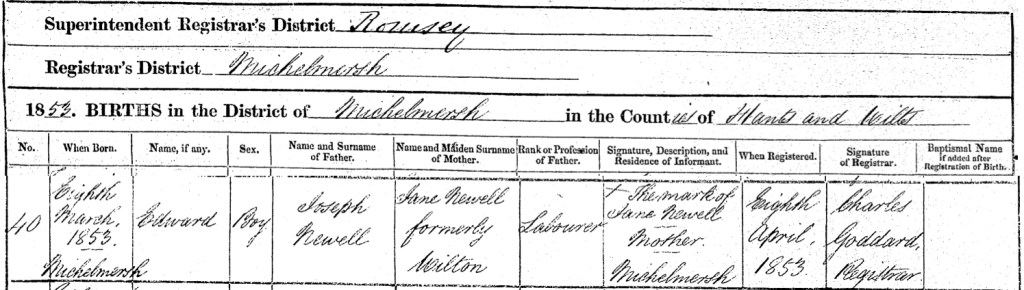
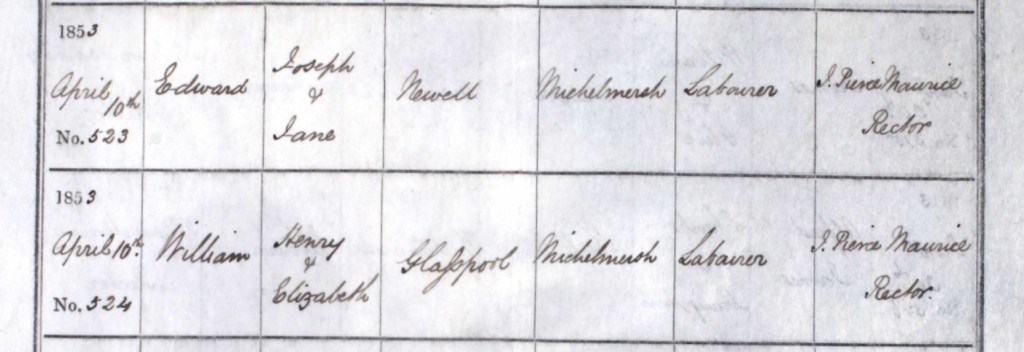
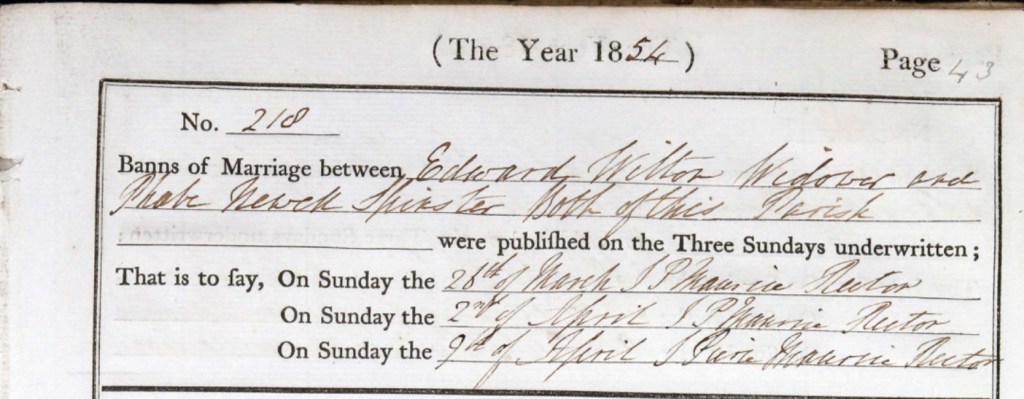
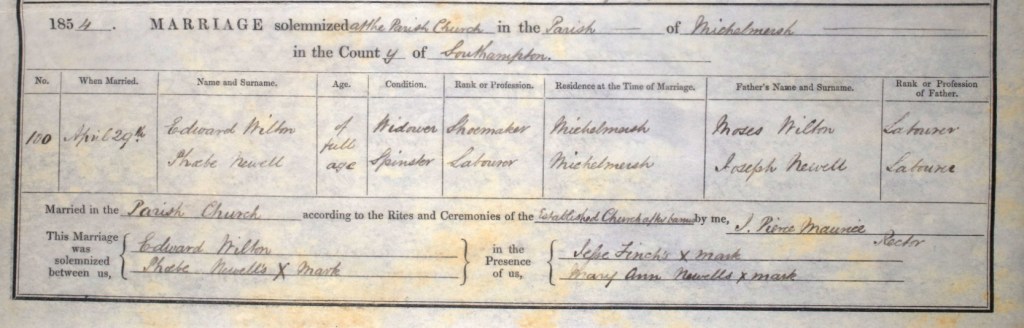

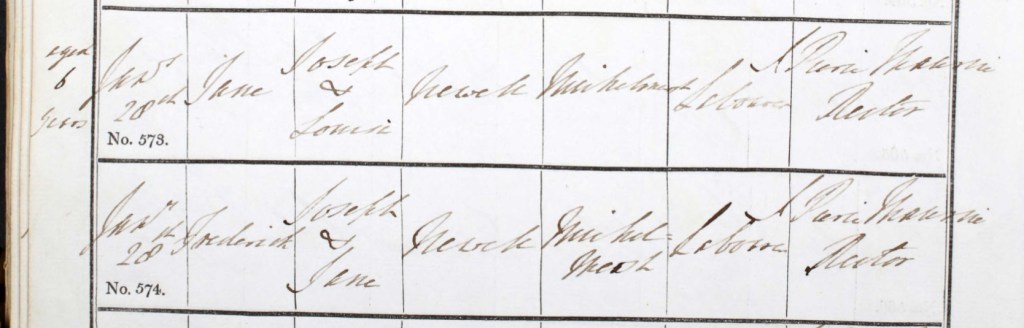
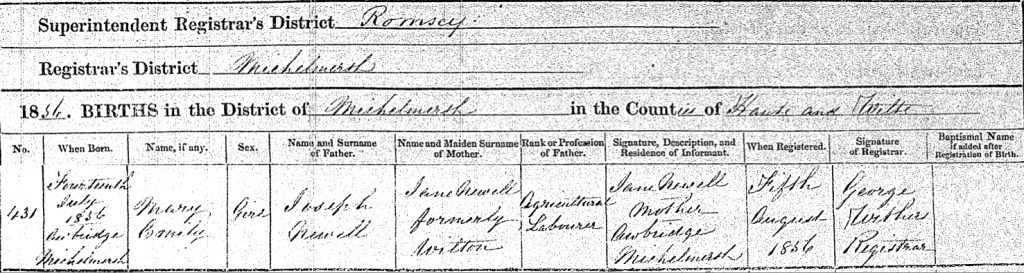
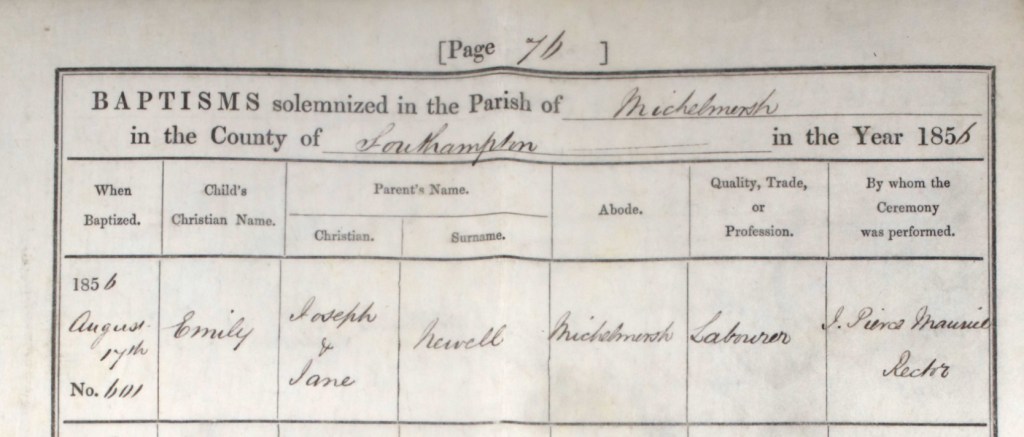
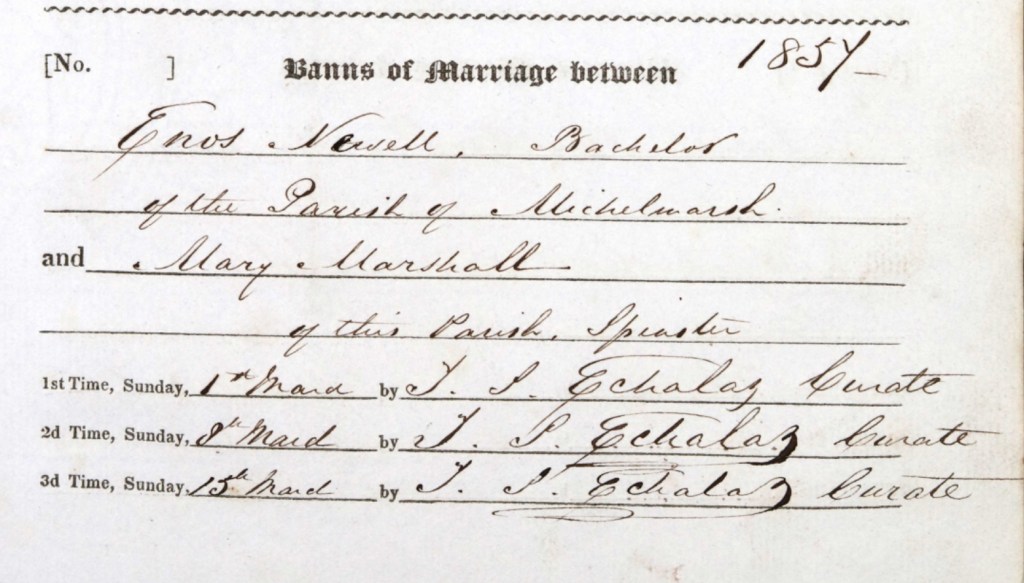

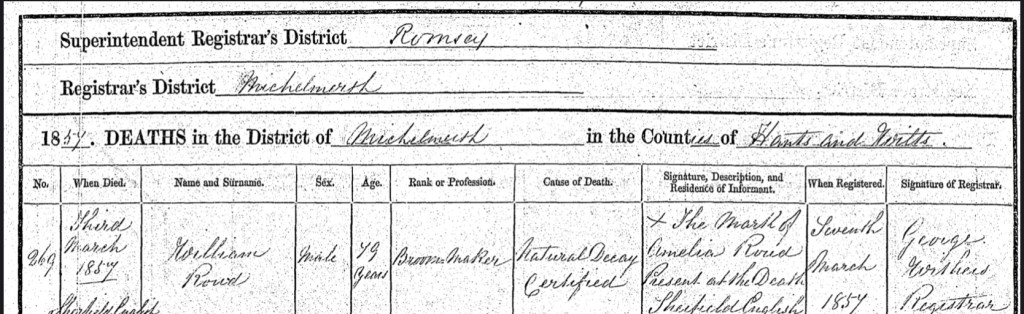

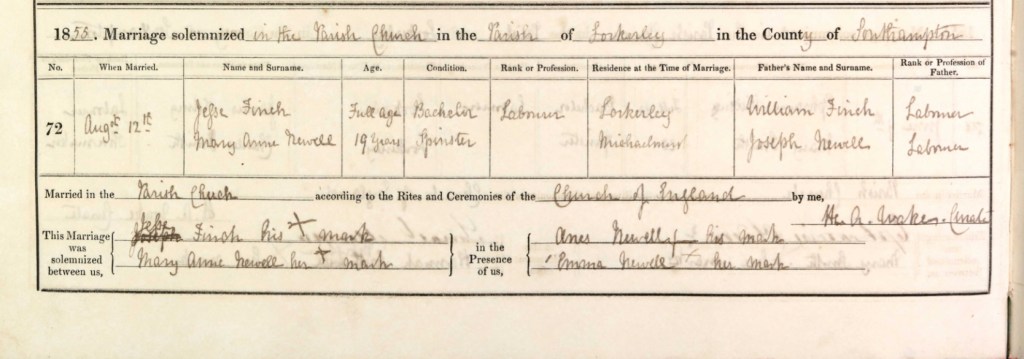
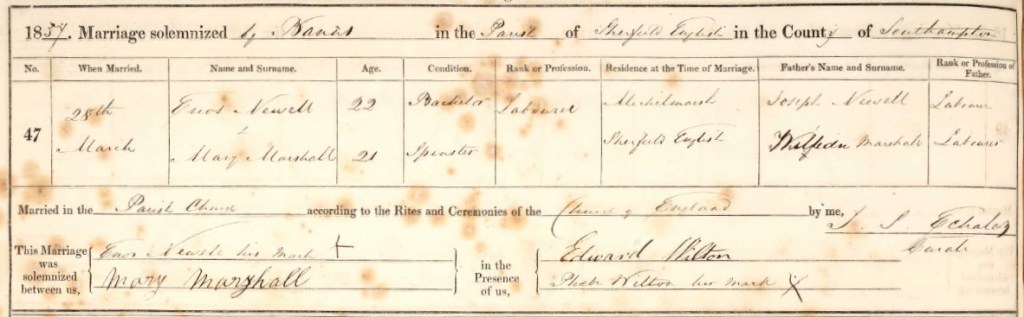
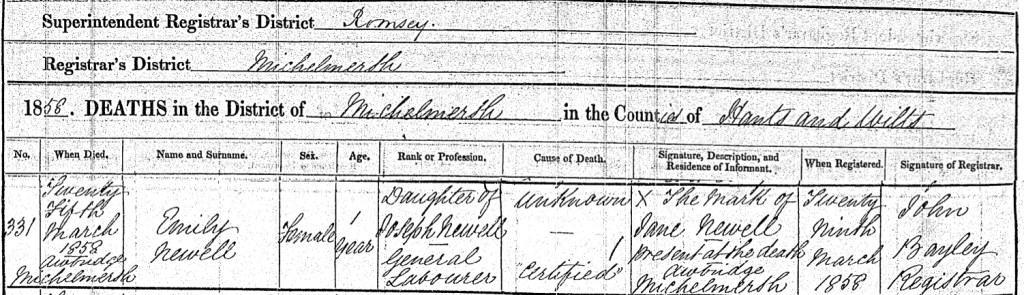

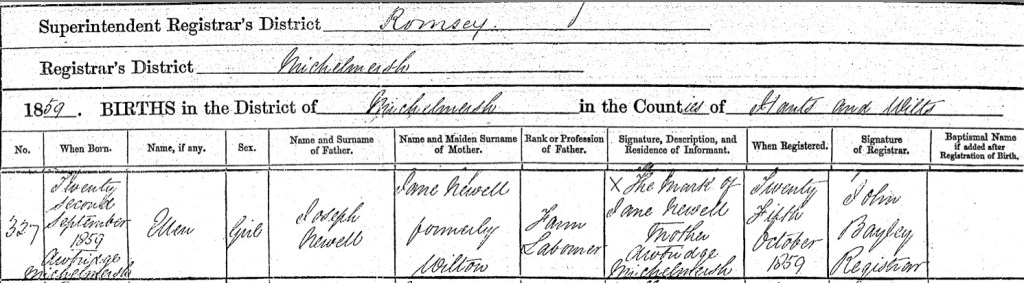

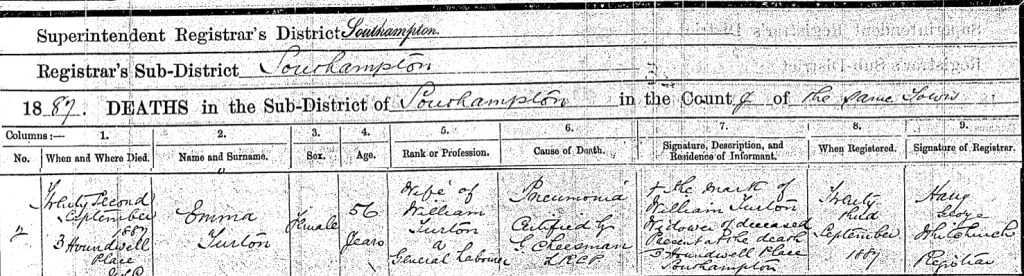
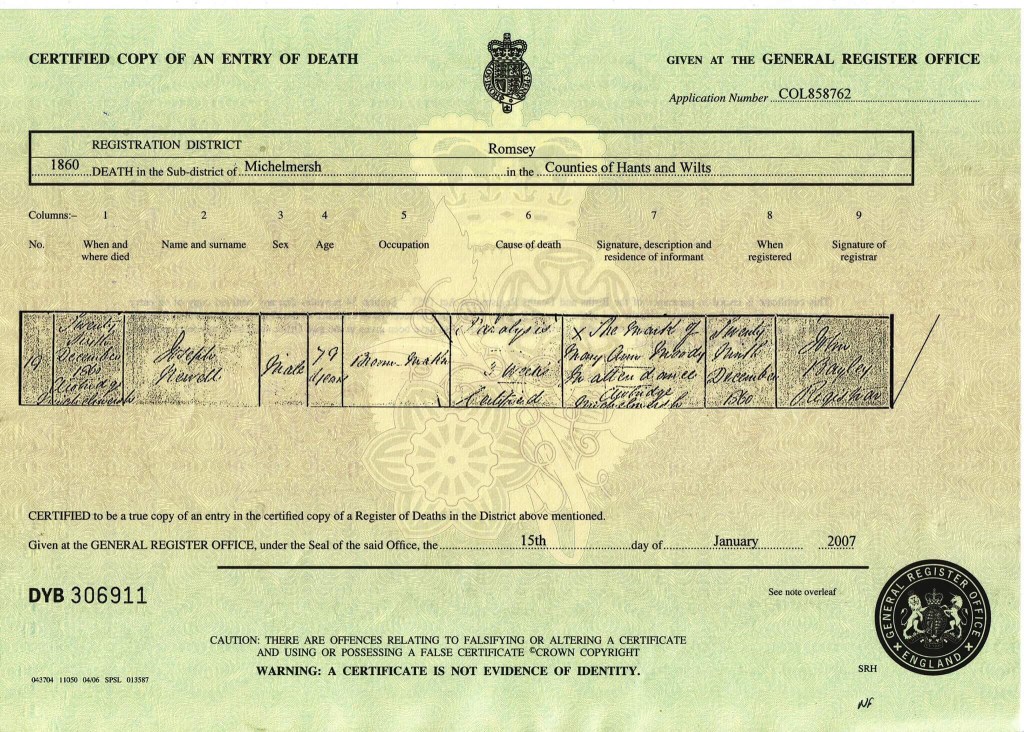

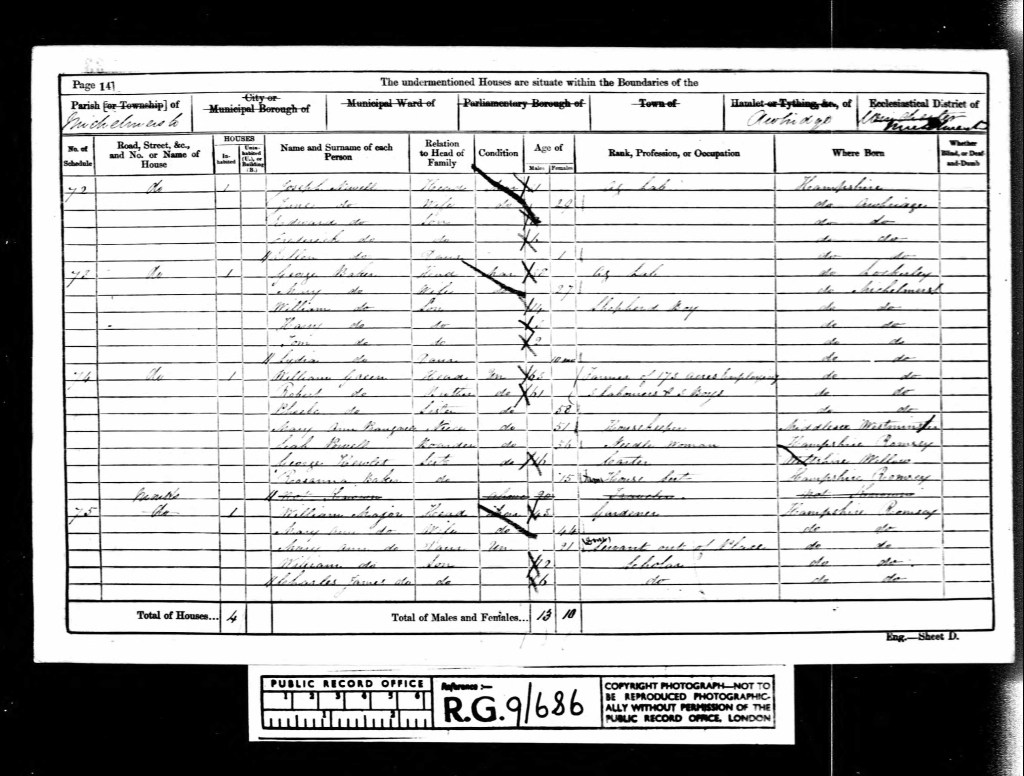
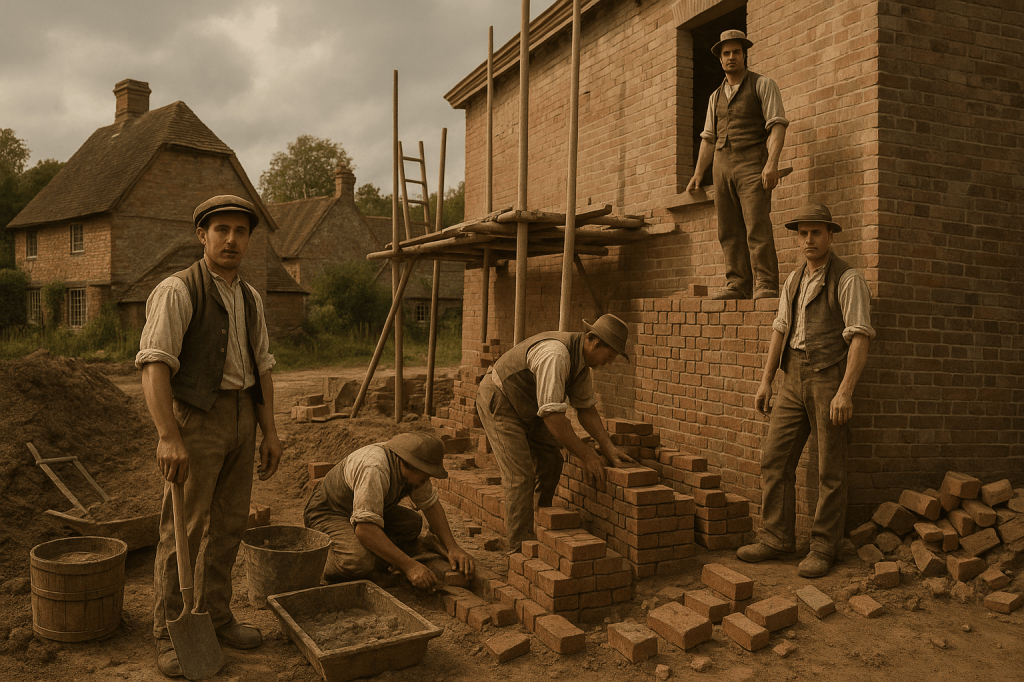
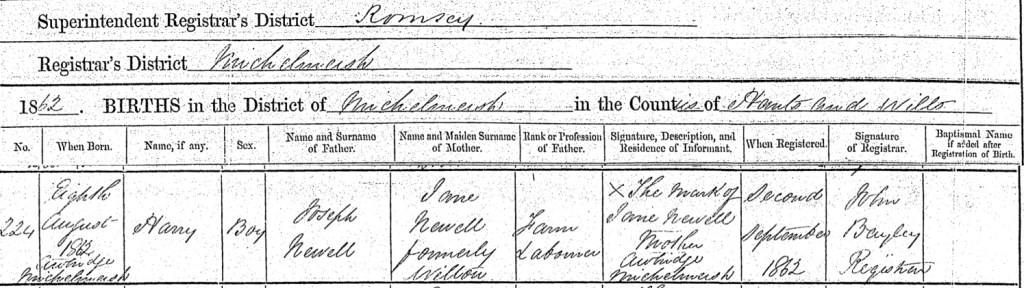
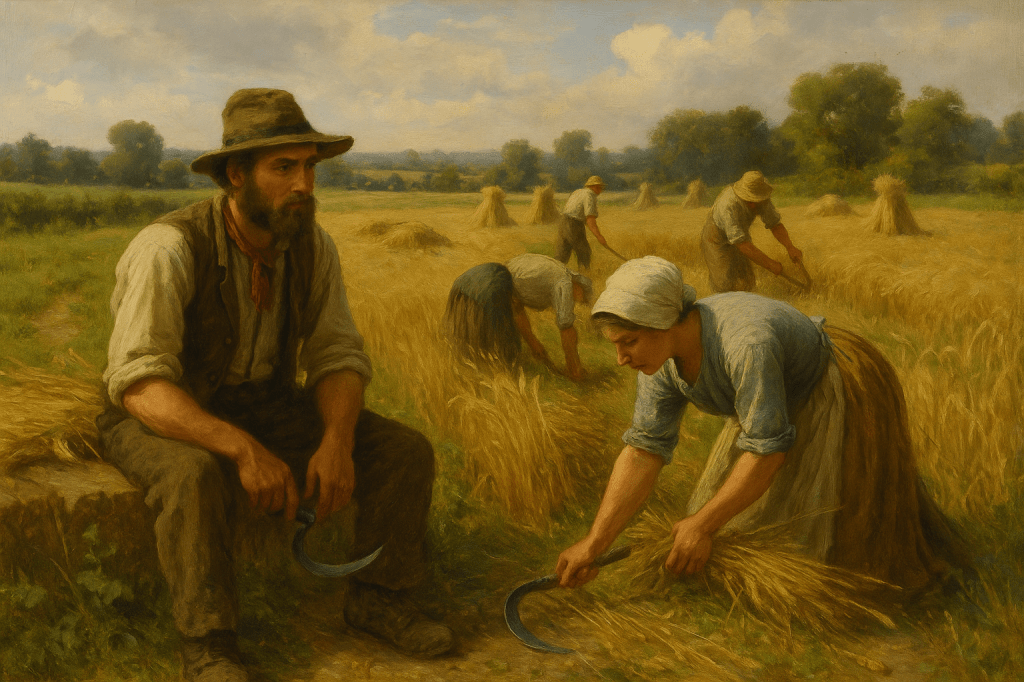

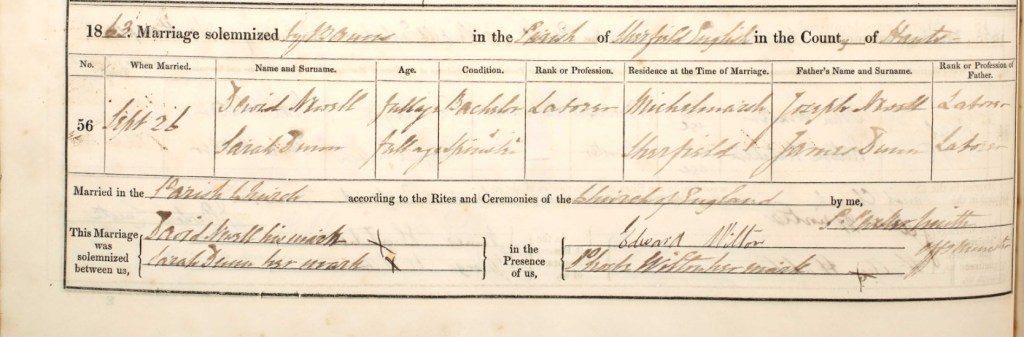
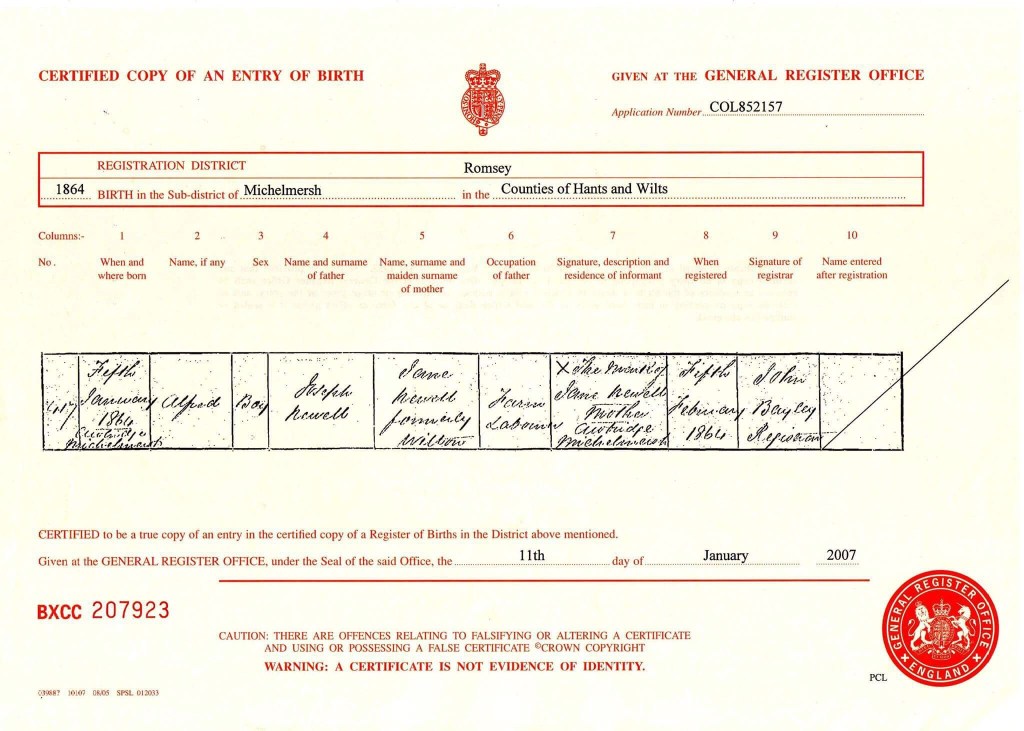
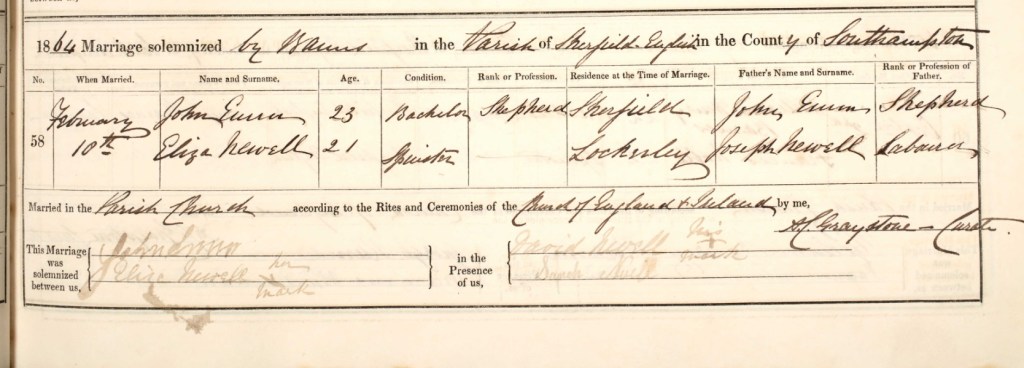
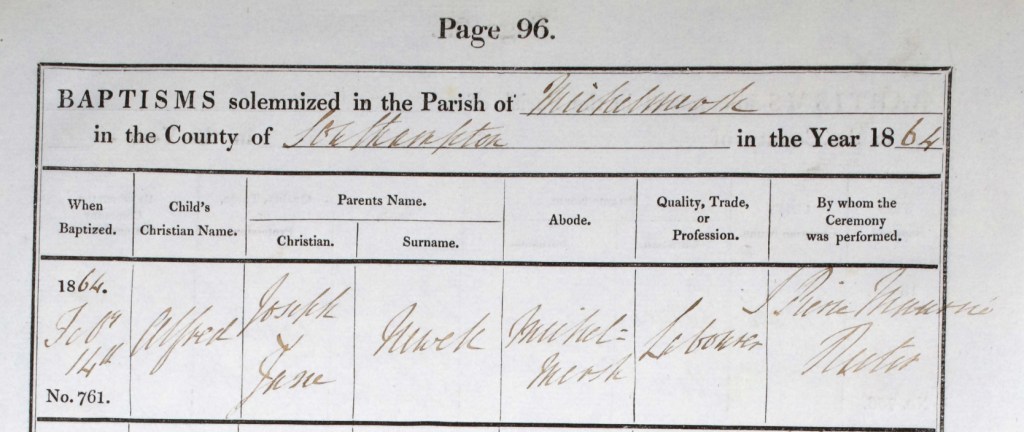
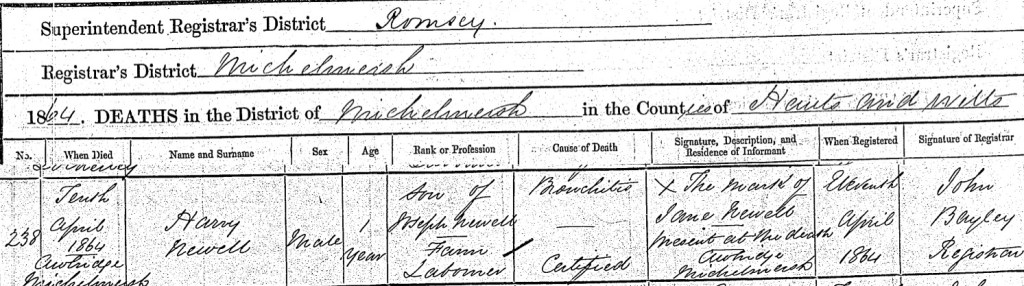

 Intwined