In the quiet village of Awbridge, Hampshire, England, amid the tranquil fields and winding lanes of the mid-19th century, a young life began that would weave its way through the fabric of time, leaving a legacy of resilience and discovery. Alfred Newell, born in 1864 to Joseph and Jane Newell, entered a world touched by both hope and sorrow. He arrived as the sixth child in a bustling household, where the laughter of siblings mingled with the everyday rhythms of rural life.
Yet, nestled within the joyous chaos of a growing family, there existed a poignant note of loss. Alfred's sister, Mary Emily Newell, fondly remembered as Emily, left this world far too soon, her light dimming at just one year old. In the gentle embrace of history, these early threads of Alfred's life paint a picture of beginnings marked by both the promise of tomorrow and the shadows of yesterday.
As we embark on this journey through Alfred's life, we are reminded of the profound significance of tracing our heritage, a journey that not only unveils the stories of those who came before us but also enriches our own understanding of identity and belonging. In retracing Alfred's footsteps, we uncover not just a chronicle of events, but a narrative woven with resilience, passion, and the timeless quest for connection.
And woven into the tapestry of Alfred's story is the intriguing revelation of DNA exploration, an integral part of understanding our lineage today. Through modern tools, we peer into the past with newfound clarity, discovering connections that span generations and continents. Alfred's tale will later intertwine with the revelations brought by DNA, illuminating corners of his life that were once obscured by time.
Join me as we journey through "Revisited: The Life of Alfred Newell 1864–1939, The Early Years Through Documentation," where each chapter unfolds a new chapter in the saga of a man whose life embodies the spirit of exploration, both of the world around him and the lineage within.
Welcome back to the year 1864, Awbridge, Hampshire, England. Life in the mid-19th century was shaped by significant changes, with England in the midst of the Victorian era. It was a time of contrasts, as industrialisation and progress were changing the fabric of society, while many parts of rural England, like Awbridge, remained steeped in agricultural tradition.
At the helm of the British Empire in 1864 was Queen Victoria, who had ascended to the throne in 1837. Her reign, known as the Victorian era, was marked by a period of great expansion and change for Britain. The British Empire was at its height, with colonies stretching across much of the globe. Queen Victoria was a symbol of stability and moral values, and her reign brought a sense of pride and identity to the nation.
The Prime Minister in 1864 was Lord Palmerston, who had been a key figure in British politics for much of the 19th century. Palmerston, a member of the Whig party, was known for his energetic and sometimes brash foreign policy, particularly during the Crimean War and in his dealings with European powers. His leadership was a reflection of the confidence Britain had in its global power, even though domestic issues such as industrialization, urbanization, and the treatment of the working classes were starting to cause social strain.
In Parliament, the political landscape was in a period of flux. The 1860s were marked by social and political movements, including the ongoing push for political reform and the extension of suffrage, though only men with property could vote at this point. The working-class struggles for better wages and conditions were beginning to gain attention, and workers' rights were becoming a growing issue in the public consciousness.
In Awbridge and similar rural communities, the stark differences between the rich, working class, and poor were readily apparent. The rich were often landowners or wealthy merchants, living in large homes with servants, enjoying a lifestyle marked by leisure, luxury, and more opportunities for education and travel. The middle class, while not as wealthy as the upper class, had steadily grown during this period, thanks to the rise of commerce, industry, and services. This group often lived comfortably, with better access to education and healthcare. The working class, on the other hand, had to contend with difficult conditions. Many lived in cramped, overcrowded housing, worked long hours in factories or on farms, and struggled with poverty. In rural areas like Awbridge, the majority of the population would have been employed in agriculture, working on small family farms or for larger estates.
Fashion in 1864 reflected the rigid social structure of the time. For women, fashion was marked by wide crinolines and elaborate dresses, with corsets creating an hourglass figure. Men typically wore suits with long frock coats, waistcoats, and trousers, while accessories such as top hats and pocket watches were common. Fabrics ranged from wool and cotton for the working classes to silks and velvets for the upper classes. Clothing was often quite expensive, particularly for women, and fashion played a significant role in displaying social status.
Transportation in 1864 was a mixture of old and new. In Awbridge, and many other rural areas, horse-drawn carriages and carts were still the primary means of transportation for those who could afford them. For longer journeys, many people relied on the expanding rail network, which had transformed travel in the United Kingdom. The railways had opened up vast areas of the country to easier travel, making it faster to transport goods and people across Britain. However, many of the working classes still had to walk or use bicycles, which were just beginning to gain popularity.
Housing in 1864 varied greatly depending on one’s social class. The wealthy lived in large, often opulent homes, often on estates with gardens and land. These homes were well-maintained, with servants to care for them. The middle class lived in comfortable, detached or semi-detached houses, while the working class often lived in small, cramped cottages or houses with poor ventilation and minimal sanitation. In the towns and cities, the poor lived in crowded, unsanitary conditions, with families often sharing rooms or even beds.
Heating and lighting were a challenge for most people in 1864. The wealthier households could afford coal or wood to heat their homes, while the poor often had to make do with minimal heat or would bundle up in blankets during the colder months. Lighting came from oil lamps, candles, or gas lamps in urban areas. In rural areas like Awbridge, lighting would have been much dimmer, with kerosene lamps used sparingly.
Hygiene and sanitation were rudimentary in 1864. Most people bathed infrequently, and bathing was typically done in a tin bath filled with water heated on the stove. Soap was available but often quite basic. Clean drinking water was not always readily accessible, and waste disposal systems in rural areas were primitive. Sewage was often dumped in open gutters, and people disposed of waste in pits or outhouses.
Food in 1864 was influenced by social class. The wealthier classes had access to a variety of meats, vegetables, and exotic foods brought from the colonies. A typical upper-class meal might include multiple courses, with meat, fish, and decadent desserts. The middle class enjoyed a more varied diet, though they still relied heavily on bread, potatoes, and seasonal vegetables. The working class had a much more limited diet, with bread and potatoes forming the base of most meals. Meat was a luxury for them, and many poor families had to rely on cheap cuts or offal. Many families also preserved food by salting or pickling it to ensure a steady supply during the winter months.
Entertainment in 1864 was a reflection of the time’s class divide. The upper classes enjoyed opera, theatre, and private social gatherings, while the middle classes might attend public concerts or the occasional theatre performance. The working class often relied on simple pastimes such as fairs, dances, and gatherings in local pubs. News was spread through newspapers, and many people gathered in the evenings to hear the latest stories or political debates. For children, games and outdoor activities were common, with simple toys or hand-crafted items being the norm.
Diseases were a significant concern in 1864. Many diseases, such as cholera, tuberculosis, and smallpox, were widespread and often fatal. Sanitation and medical understanding were limited, and outbreaks of infectious diseases were common. Vaccinations were in their infancy, and public health initiatives were not as advanced as they would become in the 20th century. Child mortality was high, and many children died from diseases that are now easily preventable.
The environment in 1864 was largely rural in areas like Awbridge. Agriculture dominated the landscape, and much of the natural environment was shaped by farming and forestry. In the cities, pollution was already becoming a problem, particularly with the rise of coal-fired industries. However, in rural areas, the countryside was still relatively untouched, and many people lived close to nature, relying on the land for their livelihood.
Gossip and local news were spread by word of mouth, and communities like Awbridge were small enough that everyone knew each other’s business. People would often gather in the village square or at the local pub to exchange news, share stories, and discuss local affairs.
Schooling in 1864 was still developing. Education was not yet compulsory, and many children, particularly in rural areas, received only basic education, if any. For those who did attend school, the curriculum was simple, focusing on reading, writing, and arithmetic, with religious instruction being a central part of education. Wealthier children were more likely to receive a comprehensive education, while working-class children had to help with family work or farm duties, limiting their formal schooling.
Religion in 1864 was central to daily life. The Church of England was the established church, and most people in Awbridge would have been regular attendees of services. Religion was a significant part of both social life and education, with church events, festivals, and holidays marking the rhythm of life. Nonconformist denominations, such as Methodism, were also growing in influence during this period.
On a bitter winter’s morning, Tuesday the 5th day of January, 1864, in the quiet, windswept village of Awbridge, nestled within the parish of Michelmersh, Hampshire, England, a child was born, a child whose life would ripple through time, stretching out into the heart of my family’s history. It was on this cold, expectant day that Alfred Newell came into the world, cradled in the loving arms of his mother, Jane Newell, formerly Wilton. Their modest home, humble yet warm, echoed with the sound of new life, while the world outside lay still under a blanket of frost.
Alfred’s father, Joseph, a farm labourer by trade, worked the earth with hands weathered and worn from years of toil. His life was one of hard labour, the kind of struggle known only to those who sweat under the open sky, bound to the land in ways that no book or ledger could fully capture. Yet, despite the roughness of his hands and the demands of his work, Joseph’s heart swelled with love for the child who had just arrived, bringing with him a hope that had long been absent from their lives.
Jane, his wife, a woman whose strength and sacrifice were woven into the fabric of their growing household, had already known the pain of loss. She had walked the lonely path of grief before, burying children in the cold earth, each loss a sharp sting in her mother’s heart. But Alfred’s birth was different. He was the light that pierced the shadow of past sorrows, a promise that not all the lives they brought into the world would be taken so soon. His arrival was a balm to wounds that time could not yet heal, and a symbol of the resilience of love, even in the harshest of times.
On Friday the 5th day of February, it was Jane who, with quiet determination, made the journey into the nearby market town of Romsey. There, she sought out the registrar, John Bayley, a man who had seen the joy of new beginnings and the sorrow of untimely ends. As the cold winter air swirled around her, she stood before him and with a mother’s mark, ensured that Alfred’s birth was recorded for all to see, though his story had just begun.
The ledger was filled with details, solemn and precise, as though marking the beginning of a legacy that would endure for generations to come. It is here that Alfred’s existence was immortalized in ink and paper:
No: 417.
When and Where Born: Fifth January 1864.
Name, if any: Alfred.
Sex: Boy.
Name and Surname of Father: Joseph Newell.
Name, Surname, and Maiden Surname of Mother: Jane Newell, formerly Wilton.
Occupation of Father: Farm Labourer.
Signature, Description, and Residence of Informant: The mark of Jane Newell, Mother, Awbridge.
When Registered: Fifth February 1864.
Signature of Registrar: John Bayley, Registrar.
Alfred’s birth, simple as it might seem in the sterile language of officialdom, marked a moment far beyond the confines of a mere entry. It was a new beginning. For Joseph and Jane, whose hearts had known the ache of burying their children too soon, Alfred’s safe arrival was a silent victory, a glimmer of hope that life might yet be kind. The world outside, cold and unyielding, seemed a little softer with him in it.
For me, generations later, Alfred’s name is more than a mere record in an old ledger. He is the thread that connects me to a past I never knew, a quiet hero whose legacy is intertwined with mine. He is a living echo of the dreams and struggles of those who came before me, a link between the world of the past and the world I now inhabit. And in carrying forth their dignity, their resilience, their quiet hope, Alfred helped to shape the person I am today, an invisible bridge across time that brings us closer, even as we remain separated by the years.
On Sunday, the 14th day of February, 1864, a soft, golden winter light filtered through the towering, stained-glass windows of St. Mary’s Church, nestled in the heart of the serene Hampshire parish of Michelmersh. Outside, the chill of the season hung in the air, crisp and clear, while the faint scent of wax polish from the well-worn pews mingled with the lingering breath of the earth. Earlier that morning, the bells of St. Mary’s had rung out across the village, their timeless chimes floating on the breeze, inviting all who could hear to gather in the sacred space of worship. Those bells seemed to whisper not just a call to prayer, but to the pulse of time itself, to the deep currents of continuity, faith, and belonging that had shaped generations before.
Inside the church, the stone walls cradled the hush of reverence, the very air thick with history and hope. The congregation, arrayed in their Sunday best, filled the pews, men in pressed jackets, women in bonnets and shawls, children scrubbed clean and sitting with solemn patience, their small hands folded in their laps. Near the front sat the Newell family, Joseph and Jane, dressed simply yet with the quiet dignity of people whose lives were marked by both toil and tenderness. Jane cradled their infant son, Alfred, who would be baptised that day, nestled securely in her arms. Alfred, no more than a few months old, rested peacefully in the softness of his mother’s embrace, swathed in a simple, carefully laundered christening gown. His small face, round and cherubic, bloomed with the tender pink of innocence, his cheeks flushed by the warmth of summer’s memory and the adoring gazes of those around him.
The rector, the Reverend John Piers Maurice, stood before the altar in his flowing white surplice, his voice steady and soothing as he led the service. Psalms were sung from the timeworn hymnals, the voices of the congregation rising in gentle harmony, their words mingling with the faint wheeze of the ancient village organ. Prayers were offered for the parish, for the Queen, for the harvest to come, and for the souls of those who had passed. The readings, familiar yet ever comforting, wove through the gathered hearts like a balm, their ancient words settling with the kind of peace only time could bestow.
As the service neared its midpoint, the moment arrived for the sacred baptismal rite. All eyes turned toward the Newell family as they slowly stood and made their way forward. Joseph, his weathered hands clasped firmly at his sides, walked with quiet reverence. Jane held Alfred close to her chest, her eyes soft with the overwhelming love that only a mother can know. Together, they stood before the stone font, near the rear of the church beneath the arched window where dappled light from outside cast dancing patterns across the worn flagstone floor. The rector, with a gentle smile, dipped his fingers into the cool, crystal-clear water of the font and, with the weight of centuries in his voice, began the ancient words of blessing.
“In the name of the Father, and of the Son, and of the Holy Ghost,” he said, as the water fell onto Alfred’s brow. The child, barely old enough to understand, gave a tiny shiver but remained silent, as though instinctively sensing the sacredness of the moment. Jane’s gaze softened, her eyes brimming with an unspoken pride, her heart full of the love that only a mother can feel in such a moment, love, hope, and a quiet prayer that her son’s life would unfold with grace and strength. The rector then marked the sign of the cross on Alfred’s forehead, and with those simple words, he welcomed him into the fellowship of the Church, binding him into a community that stretched back through the ages.
The ceremony, brief but profound, drew to a close with a final hymn. Its notes floated through the sacred space like a sweet promise, a song of renewal and grace. Slowly, the congregation began to file out into the sunlight, pausing to offer congratulations to the Newell family, to coo at the baby, to exchange murmured words of goodwill and shared village gossip. The bells rang once more, this time with a joyful peal that echoed over the fields and hedgerows, signaling not just the birth of a child but the beginning of a new chapter in the life of the Newell family, in the life of the village, and in the unfolding story of time.
Later, the rector, John Piers Maurice, carefully recorded the baptism in the parish register, his handwriting precise, as it had been for countless other children before Alfred. The words, written with a sense of solemnity and care, immortalized the moment for all time:
No: 761
When Baptized: 14th February 1864.
Child's Christian Name: Alfred.
Parents' Names: Joseph and Jane Newell.
Abode: Michelmersh.
Quality, Trade, or Profession: Labourer.
By whom the Ceremony was performed: H. Price Maurice, Rector.
As Joseph and Jane carried their son home that day, it was not only as parents but as witnesses to something much deeper, a sacred beginning, a promise made before God, a pledge of love and devotion surrounded by the warmth of community and faith. That promise, whispered in the stillness of the church and echoed in the ringing bells, would carry with Alfred throughout his life—a quiet reminder that he was not just another child, but a cherished thread in the unbroken fabric of history.
Alfred’s name, too, was woven into a rich tapestry of tradition. It carried with it deep historical roots, traced back to the Old English name Ælfræd. It combined the words "ælf," meaning "elf" or "supernatural being," and "ræd," meaning "counsel" or "advice." The name was often interpreted as "elf counsel" or "wise counsel," suggesting a person imbued with wisdom and guidance, perhaps with an air of mystical authority, a sage whose words were worth their weight in gold.
Alfred’s name had been carried through the centuries, finding its place in the annals of English history, with one of its most famous bearers being King Alfred the Great, the 9th-century Anglo-Saxon king of Wessex, whose wisdom and leadership in the face of Viking invasions earned him a place among England’s greatest monarchs. His reign, marked by efforts to unite the kingdom, promote education, and safeguard the English people, helped to cement the name Alfred as a symbol of wisdom, strength, and noble leadership.
By the 19th century, the name had become a beloved one, carrying with it echoes of those great leaders, those wise counselors of the past, and it was to be passed down in family after family, as it was in the Newell household. Alfred’s name was not just a personal identifier, it was a link to a noble legacy that stretched across the years.
And, just as the name Alfred carried the weight of history, so too did the surname Newell. Rooted in Anglo-Saxon heritage, the name came from the Old English personal name “Niwehelm,” which combined "niwe" (new) and "helm" (helmet or protection). It was likely a name given to those who arrived in new lands or settlements, perhaps those who offered protection, leadership, or strength to a fledgling community. Over time, the name evolved through various forms, Newell, Noel, Newall, and spread throughout England, from the northern and midlands regions to other corners of the world.
The Newell name, like Alfred’s, carried its own legacy, one of strength, resilience, and protection. Those who bore the name throughout history were often linked to the early colonial history of America, contributing to the growth of nations and communities, embodying the spirit of pioneers who built and defended new worlds.
In their shared heritage, Alfred and the Newell family stood as a testament to the enduring strength of name, faith, and lineage, each generation adding its own layer of meaning to the legacy that stretched before them. And as Alfred’s story unfolds, one thing remains clear: the quiet strength and deep love with which he was surrounded would continue to shape the course of history for generations to come.
St. Mary’s Church in Michelmersh, Hampshire, is a beautiful and historic parish church that has played a central role in the spiritual and community life of the village for many centuries. Located in the peaceful countryside of Hampshire, St. Mary’s Church serves as an important landmark and is deeply connected to the village’s history and its people.
The history of St. Mary’s Church dates back to medieval times, with the first references to the church appearing in documents from the 12th century. The church was likely built during the Norman period, though there have been many modifications and restorations over the centuries, reflecting the changing architectural styles and the needs of the community. Like many churches in rural England, St. Mary’s would have served not only as a place of worship but also as a central gathering point for the village, hosting baptisms, marriages, and funerals.
The architecture of St. Mary’s Church is an example of the typical styles seen in rural churches of this era. The building is constructed from local stone, and its design has been influenced by both Romanesque and Gothic architectural styles. The church features a simple yet elegant structure, with a nave, chancel, and tower. The tower, which would have served as a symbol of the church’s prominence in the village, is an important feature of the church’s exterior. Over the centuries, the church has undergone various renovations and extensions to meet the needs of the growing population, but its fundamental design has remained faithful to its original structure.
One of the key periods in the history of St. Mary’s Church came in the 19th century when many churches were restored or rebuilt under the guidance of architects and scholars of the time. During this period, St. Mary’s underwent significant restoration work, likely driven by the Victorian-era passion for restoring medieval churches. This restoration would have focused on preserving the architectural integrity of the church while adding new elements to accommodate the expanding congregation. The addition of stained-glass windows, the improvement of the interior furnishings, and the enhancement of the church’s acoustics were likely part of this restoration process, reflecting the era's fascination with Gothic Revival architecture.
The churchyard surrounding St. Mary’s Church is also an integral part of its history. Like many rural churches in England, the churchyard is the final resting place for many generations of the village’s residents. The graves and memorials found in the churchyard are a testament to the people who lived in Michelmersh throughout the centuries, offering a glimpse into the village’s past. Some of the gravestones are centuries old, and their inscriptions and symbolism provide valuable insights into the local history and the families who lived in the area. The churchyard also serves as a peaceful place for reflection and a reminder of the deep connection between the village and its church.
St. Mary’s Church has continued to play a central role in the life of Michelmersh. The church still holds regular services, including Sunday worship, weddings, baptisms, and funerals, serving as a focal point for the spiritual life of the community. The church is not only a place of worship but also an important cultural and social center for the village. It is a place where the community gathers for events, celebrations, and activities that bind the people together. The church has also hosted special events, such as concerts and festivals, which have helped bring the community together and allow people to celebrate their shared heritage.
In terms of local folklore and rumors of hauntings, St. Mary’s Church, like many historic churches, has been the subject of occasional ghost stories. While there are no widely documented or well-known accounts of hauntings, it is common for older buildings, particularly churches, to inspire tales of supernatural occurrences. The church’s long history and its connection to the lives of the people of Michelmersh provide a natural backdrop for such stories. The churchyard, with its centuries-old graves, might contribute to an eerie atmosphere, especially in the stillness of the early morning or evening. However, these tales are generally passed down through generations and are part of the local folklore rather than established facts.
On Sunday, the 10th day of April 1864, in the quiet village of Awbridge, the Newell family endured a heartbreak so sharp and cruel that it would forever alter the fabric of their lives. Just a few months shy of his second birthday, Alfred’s little brother, Harry Newell, passed away from bronchitis at the tender age of 1 year and 6 months. The house that had once echoed with the innocent laughter of children was now filled with the still, suffocating silence of loss.
The following day, Monday the 11th day of April, Alfred’s mother, Jane, gathered the remnants of her strength and, despite the grief that surely weighed on her heart, made the somber journey to Romsey. There, in the stillness of the town, she would fulfill the painful duty of registering the death of her precious child, her spirit undoubtedly heavy with sorrow.
Upon her arrival at the registry office, she was met by Registrar John Bayley, who, like so many others in the village, would have known the heartache that came with such a loss. Perhaps he offered her a few kind words, a comforting gesture, or a hot cup of sweet tea to warm her hands and soothe her aching soul. But there, in that quiet room, it was John who would take the details of Harry's death and commit them to the official register, a permanent mark on paper for a fleeting life lost too soon.
With careful precision, John Bayley recorded the details of the tragedy in the 1864 death register for the district of Michelmersh, in the counties of Hampshire and Wiltshire:
No: 238.
When Died: 10th April 1864, Awbridge, Michelmersh.
Name and Surname: Harry Newell.
Sex: Male.
Age: 1 year.
Rank or Profession: Son of Joseph Newell, Farm Labourer.
Cause of Death: Bronchitis, Certified.
Signature, Description, and Residence of Informant: X, The mark of Jane Newell, present at the death, Awbridge, Michelmersh.
When Registered: 11th April 1864.
Signature of Registrar: John Bayley, Registrar.
For Jane, this moment, this act of registering her son's death, would have been excruciating. The weight of grief she carried, already burdened by the loss of her daughter Emily (Mary) just six years earlier in 1858, would have seemed unbearable. The sorrow of losing a child once more, just as they had lost Emily, was a cruel and heart-wrenching blow, a blow that no mother should ever have to bear. And as for little Alfred, though he could not yet understand the gravity of the loss, the heartache that enveloped the Newell home must have left a shadow on his early childhood, one that would follow him through the years.
For Joseph and Jane, the pain of losing Harry was a bitter reminder of the fragility of life and the cruel uncertainty that hung over their children. Their hearts, already heavy with grief from the loss of their daughter, would have been consumed by fear for the lives of their remaining children, especially young Alfred. The family, bound by love and torn apart by loss, must have feared that no measure of hope could shield them from further heartbreak. In the silence that followed Harry’s passing, Alfred’s parents clung to their son, fearing that the shadow of sorrow might claim him too, and yet holding onto the smallest threads of hope that they could find.
The death of little Harry Newell marked a turning point in the Newell family’s journey, a moment of heartbreak that rippled through their lives, shaping the course of their future and casting a shadow over Alfred's early years. Yet, amidst this overwhelming grief, the family would continue to carry on, bound by the strength of their love and the memory of those they had lost too soon.
As the soft melodies of bluetits echoed their sweet lullaby and the delicate petals of daffodils, crocuses, and irises swayed gently in the spring breeze, the Newell family gathered to lay their beloved Harry to rest. On that sorrowful spring day, Friday the 15th day of April, 1864, Alfred’s little brother, just a year and a half old, was carried to his final resting place in the tranquil grounds of St. Mary’s Churchyard, St. Mary’s Church, Michelmersh, Hampshire. The beauty of the season, so full of life and renewal, stood in stark contrast to the sorrowful heaviness that hung in the air, a reminder of the fragile thread by which life is held.
Rector J. Piers Maurice stood waiting for them, his heart heavy with compassion for the family he had come to know so well. With kind and tender words, he offered prayers for the soul of little Harry and for the family whose grief was so profound. The ceremony, though brief, was one marked by reverence and deep sorrow, as friends and family gathered in quiet mourning, seeking comfort in one another and in the solemn rituals of farewell.
After the mourners had slowly dispersed, each carrying with them the weight of their own grief, Rector J. Piers Maurice remained in the churchyard, his thoughts no doubt lingering on the fragile life that had been lost. With careful precision, he returned to his duties, filling in the official register for Burials in the Parish of Michelmersh in the County of Southampton, in the year 1864. With each word written, the memory of little Harry was etched into the annals of the parish, his name now forever part of the church’s history.
In the solemnity of that moment, Rector Maurice filled in the details of Harry Newell’s burial:
Name: Harry Newell
.
No. 735
.
Abode: Michelmersh
.
When Buried: 15th April 1864
.
Age: 1 Year, 6 Months
.
By Whom the Ceremony Was Performed: J. Piers Maurice, Rector.
And so, with the writing of those few words, Harry Newell’s brief life was commemorated in the pages of the parish register, a humble tribute to a child whose life was cut short far too soon. As spring bloomed around the churchyard, the echoes of grief mingled with the songs of the birds and the whispers of the wind, a reminder that life, no matter how fleeting, leaves an indelible mark on those who live it and those who remain behind.
On a frosty winter’s day, Friday the 9th day of February 1866, in the quiet village of Awbridge, Hampshire, Alfred’s sister Rose Newell was born, a small, delicate soul wrapped in the hope of new beginnings. Though the shadow of grief still lingered from the loss of little Harry, Jane and Joseph allowed themselves, for a moment, to believe in the promise of the future. Their hearts, though heavy, could not help but rejoice at the birth of their daughter, a symbol that life, though fragile, would continue to unfold.
After Jane had taken the time to recover from the birth, she once again gathered her strength and made the journey to Romsey. The task of officially registering the birth of her daughter awaited her, a responsibility she bore with quiet resolve. On Saturday the 17th March 1866, it was Registrar John Bayley who greeted her warmly, offering his friendly smile and words of congratulations as he escorted her into the office. There, in the humble registry room, he took up the pen to record the birth of their precious Rose in the official register for 1866 births in the District of Michelmersh in the Counties of Hampshire and Wiltshire.
With the same care and precision that marked the entries of so many before, Registrar Bayley filled in the details of Rose Newell’s birth in the register, ensuring that her life, though only just begun, would be remembered in the annals of the parish:
No: 190.

When Born: 9th February 1866.

Name, if any: Rose.

Sex: Girl.

Name and Surname of Father: Joseph Newell.

Name and Maiden Surname of Mother: Jane Newell, formerly Wilton.

Rank or Profession of Father: Farm Labourer.

Signature, Description, and Residence of Informant: X the mark of Jane Newell, Mother, Awbridge, Michelmersh.

When Registered: 17th March 1866.

Signature of Registrar: John Bayley, Registrar.

Baptismal Name if Added After Registration of Birth: [left blank].
In those simple entries, Rose Newell was immortalized in the register, a small but enduring mark in the world. As Jane left the registrar’s office and made her way back to Awbridge, the weight of the past softened, if only for a moment, and the promise of her daughter’s future shone a little brighter in the quiet of her heart.
On a peaceful spring Sunday, the 15th day of April, 1866, the quiet parish of Michelmersh gathered once more within the ancient embrace of St. Mary’s Church. The sunlight filtered through the stained-glass windows, casting colorful patterns across the weathered stone walls, while the air was thick with the sweet scent of blooming fields that surrounded the church. It was a day that seemed to embody the quiet, steady pulse of rural Hampshire life, a life that moved slowly, marked by seasons and milestones, by births, and baptisms.
Among the congregation stood Joseph and Jane Newell, their hearts full with the love they had for their infant daughter, Rose, who was nestled in Jane's arms. Alfred, their older son, stood at their ankles, a small figure among the larger crowd, still too young to grasp the fullness of the moment but perhaps sensing the weight of the occasion. Rose, just a few weeks old, was about to be welcomed into the care of the Church, her small life now intertwined with the faith that had sustained generations before her.
Reverend J. Piers Maurice, the steady and familiar rector of the parish, stood at the baptismal font, as he had done so many times before for families in the village. With a gentle touch, he poured the holy water over Rose’s brow, his voice soft and steady as he invoked the sacred words of the Christian faith. The congregation, heads bowed in quiet reverence, witnessed the tender moment. It was a baptism marked not by grandeur, but by the deep, enduring love of a family bound to one another through faith and tradition.
In the humble rituals of this ceremony, Joseph, a farm labourer, and Jane, his steadfast wife, presented their daughter not in search of wealth or glory, but in the quiet strength of love, devotion, and the hope that her life would be anchored in the shared beliefs of their village. Rose’s name, Rosa Newell, was marked with solemn grace as the congregation continued to pray for her journey, her life now consecrated by the act of baptism.
After the service, as the congregation slowly began to disperse, Rector Maurice returned to his duties. With the same precision and care that he had shown for every baptism before, he filled in the register for Baptisms solemnized in the Parish of Michelmersh in the County of Southampton for the year 1866. Each word carefully recorded, he immortalized the moment of Rose’s baptism, ensuring that the memory of this sacred event would endure in the annals of the church.
In the register, the details were written:
When Baptized: April 15th, 1866.

No: 7.
Child's Christian Name: Rosa.

Parents' Names: Joseph and Jane Newell.

Abode: Michelmersh.

Quality, Trade, or Profession: Labourer.

By whom the Ceremony was performed: J. Piers Maurice, Rector.
In this quiet act, the legacy of Rose Newell was secured in the records of the Church, a name now tied to the community, to faith, and to the quiet rhythms of rural life. For Joseph and Jane, this moment was a reminder of the continuity of their family, of their deep connection to the land, the faith, and the village that had embraced them all.
On Friday, the 26th day of April, 1867, in the quiet, rural village of Awbridge within the parish of Michelmersh, a new life entered the world. Alfred’s brother, Ephraim Newell, was born into the loving arms of his parents, Joseph and Jane. Their home, modest and humble, was filled with the warmth of new beginnings and the promise of the future. Joseph, around 38 years of age, and Jane, about 35, had already known the weight of grief and loss, but now, in the stillness of spring, their hearts swelled with hope for this new child, a son, a new chapter in their family’s story.
Joseph, a farm labourer, had hands that bore the marks of honest toil, rough and calloused, shaped by years of hard work on the land. And Jane, gentle but resilient, cradled their newborn son with all the tenderness of a mother who understood the fleeting nature of time, holding him close as the sounds of birdsong filled the air and the scent of tilled earth mingled with the fresh spring breeze.
When the time came to register Ephraim’s birth, Jane, her heart full of pride and love for her new son, made the journey to Romsey. There, she met with the registrar, John Bayley, who would record her child’s birth in the official records. Though unable to write her own name, Jane made her mark with quiet dignity, an X that carried the weight of a mother’s love and her deep sense of responsibility. In that small gesture, she fulfilled a sacred duty, the legal act that would mark the beginning of Ephraim’s life journey, even as it spoke volumes about the simplicity and sincerity of their lives.
On Saturday the 25th of May, 1867, the details of Ephraim’s birth were officially entered into the 1867 Births register for the District of Michelmersh in the County of Hampshire and Wiltshire. The words were carefully recorded, marking the start of Ephraim Newell’s journey in the world:
Number: 315.

When Born: 26th April 1867.

Name, if any: Ephraim.

Sex: Boy.

Name and Surname of Father: Joseph Newell.

Name and Maiden Surname of Mother: Jane Newell, formerly Wilton.
Rank or Profession of Father: Farm Labourer.

Signature, Description, and Residence of Informant: X the mark of Jane Newell, Mother, Awbridge, Michelmersh.

When Registered: 25th May 1867.
Signature of Registrar: John Bayley, Registrar.

Baptismal Name if added after Registration of Birth: [blank].
In those simple entries, Ephraim Newell’s name was secured in the records, a testament to the quiet, enduring lives of his parents. His story, though humble, was now forever linked to the soil of Hampshire, to the land that had shaped his father’s life, and to the village that had witnessed the joys and sorrows of his family. For Joseph and Jane, the birth of Ephraim was a moment wrapped in hope and filled with the unspoken dreams of a family that had weathered loss and embraced the promise of new beginnings.
On a warm Sunday, the 16th day of June, 1867, the ancient stone walls of St. Mary’s Church in Michelmersh once again bore witness to a timeless ritual, a baptism that had wrapped generations of villagers in the comforting embrace of faith, tradition, and hope. The sun filtered through the stained-glass windows, casting colorful patterns across the pews, and the sweet scent of flowers from the nearby fields drifted in on the summer breeze. It was a day that felt both serene and profound, as the church pulsed with the quiet energy of new beginnings.
That morning, Alfred's younger brother, Ephraim Newell, held tenderly in the arms of his mother, Jane, was brought before the font by his parents, Joseph and Jane. The couple, quiet and hardworking, had walked through life’s joys and burdens together, and now, they stood with humble pride, ready to commit their son to the care of God. The Reverend J. Piers Maurice, steady and kind, poured the holy water over Ephraim’s brow, his voice gentle and resonant as he spoke the words of blessing. The air in the church was thick with prayer and reflection, and the quiet murmur of the congregation, joined in faith, filled the sacred space.
For Joseph and Jane, this moment was more than just a ritual, it was the culmination of their love, sacrifice, and the quiet devotion they had poured into their children. Behind the simple act of baptism was the weight of a father's weary hands from long days spent toiling in the fields, a mother's sleepless nights filled with whispered lullabies, and a community that, though quiet, surrounded them with warmth and support.
Not long after Ephraim’s baptism, another child was carried to the same font, Kate Emily Newell, Alfred and Ephraim’s cousin. Kate Emily was born to Joseph’s brother, David, and his wife Frances. The connection between these two children, born to two branches of the same family, was a blessing in itself, a beautiful reminder that the roots of the Newell family were intertwined deeply in the soil of Michelmersh. As Kate Emily’s parents stood beside the stone basin, their daughter swaddled in a gown lovingly prepared for her, they, too, joined in the same vows of faith and commitment. The Reverend Maurice, steady in his role, performed the same ritual with warmth and solemnity, uniting the two young lives in a shared grace, a shared heritage, and a shared moment that would live on in the hearts of their families for generations to come.
After the service, Reverend Maurice carefully opened the register for Baptisms solemnised in the Parish of Michelmersh in the County of Southampton for the year 1867. With thoughtful precision, he filled in the details of both baptisms, ensuring that these two children, born into the Newell family, would forever be recorded in the annals of the church’s history:
When Baptized: June 16th, 1867.

No: 35.

Child's Christian Name: Ephraim.

Parents' Names: Joseph and Jane Newell.

Abode: Michelmersh.

Quality, Trade, or Profession: Labourer.

By whom the Ceremony was performed: J. Piers Maurice, Officiating Minister.
And for Kate Emily:
When Baptized: June 16th, 1867.

No: 36.
Child's Christian Name: Kate Emily.

Parents' Names: David and Frances Newell.

Abode: Michelmersh.

Quality, Trade, or Profession: Labourer.

By whom the Ceremony was performed: J. Piers Maurice, Officiating Minister.
In the simple act of filling in these boxes, the lives of Ephraim and Kate Emily were immortalized in the sacred records of the parish. For both families, this was a moment of great joy, a celebration of their shared faith and love for their children, and a recognition that, though life’s journey was often marked by hardship, these children were a continuation of a legacy built on love, resilience, and community. The moment would live on, etched not just in the register, but in the hearts of the families who gathered in the quiet comfort of St. Mary’s Church.
On the eve of the 1871 census, Sunday, the 2nd day of April, the Newell family of Ratley, Awbridge, Hampshire, gathered together in their humble home, marking a quiet but significant moment in the life of young Alfred. At 7 years old, Alfred stood alongside his parents, Joseph and Jane, as they, along with their other children, filled the house with the warmth of family life. Their home, modest and simple, was full of life, shaped by the steady rhythm of hard work and the deep-rooted love that bound them all.
Joseph, aged 43, worked as an agricultural labourer, his calloused hands worn from years of toil in the fields. Jane, 39, provided the quiet strength and resilience that held the family together, supporting her husband and children through the changing seasons. The household was bustling with energy from their children, each contributing in their own way. Edward, 18, and Frederick, 16, worked as shepherds, caring for the sheep and contributing to the farm’s upkeep. Alfred, still young at 7, and his younger siblings, Ellen, 11, and Rosa, 5, were all listed as scholars, a sign of the education they received, even in the midst of rural life.
The Newell family’s story, though humble, was woven into the fabric of rural Hampshire, a testament to the enduring strength of family and tradition. The following day, the 3rd of April, the census enumerator would arrive, tasked with gathering key details about every household in the country. It was this very moment, captured in time, that would officially mark the Newells in the 1871 census. Their names and their lives would be forever recorded as part of the larger community and the nation’s history.
The 1871 census was part of a series of decennial surveys conducted by the British government to gather information about the population, its structure, and its needs. On that day, the government had sent enumerators to each household to collect details, from the names and ages of every individual living there to their occupations and relationships to the head of the household. It was a formal occasion, where the head of the household, usually Joseph, in this case, would provide the information, and the enumerator would record it. This census, unlike earlier ones, asked not just for the names and ages of each person, but also for the relationship to the head of the household. For example, Alfred was listed as the son of Joseph and Jane, alongside his siblings and the rest of the family.
For the Newells, this census marked more than just a routine tally. It captured their daily lives, the love that connected them, and the hard work that defined their existence in rural Hampshire. It was a testament to the strength of family and community in the face of changing times, and a snapshot of their place in the ongoing story of England. In the years to come, this document would serve as an official record of the family’s existence, a piece of history that would trace their names for generations.
By Sunday the 3rd day of April, 1871, the census enumerator had recorded the details of the Newell household at Ratley, Awbridge, Hampshire, including Joseph and Jane, their children Edward, Frederick, Alfred, Ellen, Rosa, Ephraim, and Emmeline. Each name, each occupation, Edward and Frederick as shepherds, Alfred and his younger siblings as scholars, was a marker of the Newell family’s life and their role within the community. It was a moment that, while simple, would echo through time as part of the greater tapestry of England’s population, forever recorded in the 1871 census.
 In 1871, children living in Awbridge, Hampshire, would have attended local schools that were part of the broader educational system of rural England at the time. The educational landscape in England during the 19th century was varied and often depended on the specific community and its proximity to larger towns. In rural areas like Awbridge, formal education was not as widespread as it would later become, and the availability of schools varied.
At the time, the formal schooling system was still in its early stages of development. Education was not yet compulsory, and there was no national standard for schooling, which meant that many children in rural areas had limited access to formal education. In the early 19th century, the church played a significant role in providing education, particularly in smaller villages like Awbridge. It was common for a village to have a small school run by the church or a local philanthropist.
By 1871, Awbridge did not yet have a dedicated school building, and children in the village would have likely attended a local school in a nearby town or village. The closest school to Awbridge at the time would have been in Romsey, a larger market town a few miles away. Romsey would have had more established educational facilities, possibly including a church school or a National School, which were the main types of schools in rural areas at the time.
National Schools were established under the National Society for Promoting Religious Education, founded in 1811. These schools aimed to provide basic education with a religious foundation, often affiliated with the Church of England. In Romsey, a National School would have been a possibility for children from Awbridge to attend, and it would have provided instruction in subjects such as reading, writing, and arithmetic, with an emphasis on moral and religious teachings.
Additionally, there could have been other informal arrangements for children in Awbridge to receive an education. Some children might have attended a private school or a "dame school" (a school run by a local woman, often in her home). These schools were more common in rural areas and often had smaller numbers of students, providing very basic education.
Children in Awbridge in 1871 would have had limited access to schooling compared to urban areas, and their time in school would have been relatively short, as they were expected to help with household duties or work on the family farm once they were old enough. The school day was often long by modern standards, and lessons focused on practical skills that would be useful for the children’s future work, particularly in agriculture. In some families, children might not have attended school regularly, as their labor was needed at home or on the farm.
Ratley is a small, rural area situated within the parish of Awbridge in Hampshire, England, located in the picturesque Test Valley. The village of Awbridge, with its historic charm and tranquil environment, is known for its agricultural heritage and scenic beauty, and Ratley is one of its small communities. While Ratley itself may not have a large population or notable landmarks today, its connection to Awbridge and its history reflect the rural, agricultural life that defined much of Hampshire, particularly during the 19th and early 20th centuries.
Historically, Ratley would have been part of the farming landscape of the Test Valley. During the 19th century, most of the people in rural Hampshire worked in agriculture. Small villages like Ratley were primarily home to farmworkers, tradespeople, and laborers who contributed to the cultivation of the land and the production of goods. Many of the houses in Ratley would have been modest, simple cottages built to house the families who worked on nearby farms or in local industries. These homes would have been built from local materials, with thatched roofs or slate tiles and small gardens for growing vegetables or keeping animals.
In the 19th century, life in Ratley would have been hard for most families, with the majority of people relying on farming as their main livelihood. The work would have been physically demanding, with long hours spent tending to crops or livestock, often dictated by the seasons. Farmers in Ratley would have raised sheep and cattle, grown cereals like wheat or barley, and produced other crops to sustain their families and the local community. Most people lived a subsistence lifestyle, and while the village would have been small, it likely had a strong sense of community where everyone contributed to the daily workings of the area.
The social structure in Ratley, like much of rural Hampshire, was deeply shaped by class and the agricultural economy. The landowners and wealthier families would have lived in larger houses or estate properties, possibly with significant landholdings, while the majority of the population would have been tenants or workers who lived in more modest cottages. The differences between the wealthier landowners and the working class were evident in daily life, with the wealthy having access to more resources, better living conditions, and more opportunities for education and leisure.
In terms of infrastructure, Ratley in the 19th century would have had very basic amenities. Roads would have been unpaved, and transportation was primarily by foot or horse-drawn carriage. There was no running water or sewage systems, and much of life in Ratley was shaped by the rhythms of nature and the seasons. Heating and lighting would have come from coal or wood fires, and candles would have been used for light after dark.
Ratley, being a small rural area, would have been part of the larger parish of Awbridge, which included the local church, St. John the Baptist Church, in Lockerley, as a central institution and after 1876 All Saints Church in Church Lane, Awbridge. The church would have played an important role in the social and spiritual life of the community, with regular services, festivals, and baptisms. Religious observances would have been an essential part of life, and the churchyard would have served as the final resting place for many of the community’s residents.
As industrialisation began to transform much of England during the 19th century, rural areas like Ratley remained largely unaffected by the rapid growth seen in towns and cities. However, improvements in transportation, particularly the expansion of the railway network, brought some changes to rural areas. The nearby town of Romsey, a larger market town, benefited from the railways, which facilitated trade and travel. Ratley, while still a small rural community, was connected to these broader changes, even if its daily life continued to center on farming and agriculture.
In the early 20th century, Ratley, like many rural villages, would have felt the effects of broader social and economic changes. World War I and World War II had a profound impact on rural communities, with many men leaving to fight in the wars, and women taking on new roles in the workforce. Life in Ratley would have been shaped by these global events, but the community’s agricultural roots remained strong.
Today, Ratley, as part of the parish of Awbridge, remains a quiet and peaceful area. The picturesque countryside and its proximity to Romsey, with its market town charm, make it an attractive location for people seeking a rural lifestyle while still being close to larger towns. The legacy of its agricultural past is still visible in the surrounding landscape, and the village continues to be a peaceful part of the Test Valley.
On Saturday, the 2nd day of March, 1872, in the quiet village of Awbridge, Hampshire, England, the soft cries of a newborn baby boy, Alfred’s brother Robert Newell, pierced the stillness of the morning, rising and falling with the wind that stirred through the hedgerows. His arrival brought new life to the Newell family, a welcome sound in a world where joy and hardship often intertwined. As his tiny cries echoed, they filled the home with the promise of a future, and a new chapter was written in the story of the Newell family.
When Jane, Alfred’s mother, regained her strength after the birth, she once again made the journey into Romsey, a journey she had made before to register her children’s births. With a mother’s quiet resilience, she carried Robert to the registrar’s office to fulfill the necessary duties. On Thursday the 4th of April, 1872, Registrar John Bayley, with the precision of his office, carefully recorded Robert’s birth in the official register for the district of Michelmersh, in the counties of Hampshire and Wiltshire.
With careful attention, Registrar Bayley filled out the official entries in the 1872 birth records, ensuring that Robert’s name was immortalized in the parish registry:
Number: 26.

When and Where Born: 2nd March 1872, Awbridge, Michelmersh, Hants.
Name, if any: Robert.

Sex: Boy.

Name and Surname of Father: Joseph Newell.

Name and Maiden Surname of Mother: Jane Newell, formerly Wilton.

Rank or Profession of Father: Farm Labourer.

Signature, Description, and Residence of Informant: X the mark of Jane Newell, Mother, Awbridge.

When Registered: 4th April 1872.

Signature of Registrar: John Bayley, Registrar.

Baptismal Name if Added After Registration of Birth: [blank].
In those simple entries, Robert’s existence was officially marked, and his journey through life was set in motion, recorded not just in the family’s memory, but now in the official records of the community.
On Sunday, the 27th day of October, 1872, the air in Michelmersh was cool and still, the trees just beginning to loosen their grip on the last of their golden leaves. The countryside was moving gently into the embrace of autumn, and the quiet village felt steeped in the tranquility of the changing season. Light filtered through the old, wavy glass of St. Mary’s Church, casting sacred, soft patches across the worn pews and weathered stone floors, filling the church with a peaceful glow. It was a moment suspended in time, a reflection of the sacredness of life’s quiet milestones.
At the stone font, in the presence of his family and the neighbours who had watched him grow, Alfred’s baby brother, Robert, was about to be baptised. The air was filled with the comforting scent of damp wood and beeswax, a smell so familiar in the sacred space where so many before had been welcomed into the faith. Robert, still small and soft in his mother’s arms, was the newest member of the Newell family to undergo this sacred rite.
Reverend J. Scott stepped forward, his presence calm and sure. With steady hands, he poured holy water over Robert’s brow. The splash of water, the soft blessing, and the faint, instinctive cries of the baby echoed through the old nave, filling the church with the promise of new beginnings. It was a quiet but powerful moment, a promise made, not just to Robert, but to the whole family and the community that embraced them.
After the service, Reverend Scott carefully opened the parish register for BAPTISMS solemnized in the Parish of Michelmersh in the County of Southampton for the year 1872. With a precise hand, he filled in the details of Robert’s baptism, ensuring that this moment in the Newell family’s life would be recorded for eternity:
When Baptised: 27th October 1872.

No. 164.

Child’s Christian Name: Robert.

Parents’ Names: Joseph and Jane Newell.

Abode: Michelmersh.

Quality, Trade, or Profession: Labourer.

By whom the Ceremony was performed: J. Scott, Officiating Minister.
In these simple yet significant entries, Robert’s baptism was sealed in the record of the church, ensuring that the quiet promises made in the old church that day would be carried forward in the history of the Newell family, a new chapter written in the sacred tradition of faith and community.
On the crisp winter morning of Saturday, the 23rd day of December, 1877, in the heart of Turnham Green, Alfred’s brother Edward Newell, the firstborn son of Joseph and Jane, stood within the warm, sacred walls of Christ Church, nestled along Town Hall Avenue in Chiswick, Middlesex. The day outside was pale and soft, the light filtered through the quiet hush of the season, a reflection of the stillness that seemed to envelop the church. Inside, the old stone sanctuary was filled with a deep serenity, a place poised to witness a moment that would forever shape the lives of two people.
At 24 years old, Edward stood steady at the altar, perhaps wearing his railwayman’s uniform, an outward symbol of his hard work and steady presence in the world. As Eliza Ann Cable, just 20 years old and radiant with quiet determination, approached him, it seemed as though all the noise of the world outside faded away. The air in the church shimmered with stillness as vows were spoken and hands were joined beneath the tall, sacred arches of Christ Church.
The ceremony, simple yet profound, reached its quiet conclusion. Minister Sam Arnot led Edward, Eliza Ann, and their witnesses, Edward Joseph Lapworth and Mary Annie Lapworth, to the register, where the formality of the moment met the permanence of history. Beneath the weight of the pen, the marriage was etched into the official record for 1877, a moment forever sealed in ink and memory.
The details of the marriage, now captured for posterity, were recorded with care in the church’s marriage register:
Marriage Number: 464.

Date of Marriage: 23rd December 1877.
Groom:

Name and Surname: Edward Newell.

Age: 24.
Condition: Bachelor.

Rank or Profession: Signal Railwayman.

Residence at the Time of Marriage: Turnham Green.

Father’s Name and Surname: Joseph Newell.

Rank or Profession of Father: Labourer.
Bride:

Name and Surname: Eliza Ann Cable
.
Age: 20.

Condition: Spinster.

Residence at the Time of Marriage: Turnham Green.

Father’s Name and Surname: Walter John Cable.

Rank or Profession of Father: Hair-dresser.
Married in the above church according to the Rites and Ceremonies of the Church of England after Banns by me, Sam Arnot, Minister.
This Marriage was solemnized between us:
 Edward Newell and Eliza Ann Cable.
In the Presence of:
 Edward Joseph Lapworth and Mary Annie Lapworth.
In that simple, sacred moment, Edward and Eliza Ann began their shared journey through life, the vows spoken that day creating a bond that would carry them through both joy and sorrow. Their marriage, forever recorded in the pages of the church’s register, would not only mark the beginning of their lives together but also connect them to the long history of those who had walked this path before them.
On Monday, the 25th of November, 1878, Alfred's grandmother, Louisa Newell, formerly Louisa Roude, passed away at the age of 74 in Newtown, Lockerley, Hampshire, England. Louisa had lived a long life, the greater part of it spent by the side of her husband, Joseph Newell, a broom maker who stood steadfast beside her through the years. In her final moments, it was Joseph who remained by her side, offering comfort as she succumbed to paralysis, a condition noted by the attending physician, Dr. Cornelius Peach.
Though her death was formally certified with clinical precision, the heart of Louisa’s story lies in the quiet, tender presence of Joseph, who, with a trembling hand, gave his mark as witness to the death of his beloved wife. That small, humble gesture spoke volumes about the depth of their shared life, their love, and the loss he would carry for the rest of his days. The years they had walked together, side by side, had shaped them both, and now, in this moment of grief, Joseph's mark was a poignant symbol of devotion and sorrow.
On Wednesday the 27th of November, 1878, Joseph formally registered Louisa's death. Registrar John Bayley ensured that Louisa's passing would be recorded with care and precision in the official registry for the Sub-district of Micheldever, in the Counties of Hampshire and Wiltshire. The details of Louisa’s death were filled out with the same formality that accompanied all such registries, but it is the presence of Joseph, the widower, and his simple mark that imbues these words with the depth of a shared life and a poignant loss.
Registrar Bayley filled out each box in the 1878 Death register with careful attention, memorializing Louisa’s life and the moment of her passing:
No. 174.

When and Where Died: 25th November 1878, Newtown, Lockerley, Hampshire.

Sex: Female.

Age: 74.

Rank or Profession: Wife of Joseph Newell, Broom maker.

Cause of Death: Paralysis, certified by Cornelius Peach, M.R.C.S.

Signature, Description, and Residence of Informant: X the mark of Joseph Newell, widower of deceased, present at the death, Newtown, Lockerley.
When Registered: 27th November 1878.

Signature of Registrar: John Bayley, Registrar.
In those few words, Louisa Newell’s passing was recorded, but it was the presence of her husband, Joseph, and the quiet sorrow reflected in his mark that gave weight and meaning to the formal registry. Her memory would not just live in the ink of the official document, but in the hearts of those who had known her, and in the legacy she left behind through her family.
On Friday, the 29th of November, 1878, Alfred’s grandmother, Louisa Newell, was laid to rest in the peaceful grounds of All Saints Churchyard, All Saints Church, Awbridge, Romsey, Hampshire, England. She was the fourth burial to take place in this hallowed ground. The air was cool, the sky heavy with the quiet promise of winter, and the churchyard, though somber, seemed to hold a sense of reverence as Louisa's family gathered to honor her memory.
Clement Smith, the parish minister, led the service and the burial with a quiet dignity, offering words of comfort and solemnity to those gathered. His presence, steady and compassionate, guided the Newell family through this tender moment, as they said their final goodbyes to Louisa. In keeping with the tradition of the parish, after the service, Clement Smith made his way to the parish register for burials, recording Louisa’s passing with care and precision.
In the register for burials in the Parish of All Saints, Awbridge, for the year 1878, Clement Smith filled in the details of Louisa’s burial:
No. 4.

Name: Louisa Newell.

Residence: Newtown, Lockerley.

Date of Burial: 29th November 1878.

Age: 74.

Signature of Officiant: Clement Smith.
In the quiet of the churchyard, amidst the headstones and the passing seasons, Louisa’s legacy lived on, forever tied to the land that had cradled so many generations of her family.
All Saints Church in Awbridge, Hampshire, is a historic and beautiful church situated in the peaceful surroundings of the Test Valley. It has become a central part of the community, offering a place for worship and reflection. While the village of Awbridge itself dates back to the medieval period, All Saints Church was not constructed until later, it was completed in 1876.
The church was built in the mid-19th century to accommodate the growing population of Awbridge. Prior to the establishment of All Saints Church, the community likely relied on nearby churches for worship, but as the village expanded, it became necessary to have a dedicated church for the people of Awbridge. The church was built in a traditional style, using local materials, and it was designed to blend seamlessly with the surrounding countryside. All Saints Church became a focal point for the community, offering a space for people to gather for worship, weddings, baptisms, and funerals.
The first recorded burial in the churchyard, according to the burial register I have access to, was on the 10th of May, 1878. This burial was that of Edith Ester Olding, a five-month-old child who was laid to rest by Clement Smith. This marks the beginning of the many burials that have taken place in the churchyard since then. Over the years, the churchyard has become the final resting place for many of the village's residents, with gravestones and memorials that tell the stories of those who lived in Awbridge and the surrounding area.
In the early years following its construction, All Saints Church underwent some modifications and enhancements to meet the needs of the growing congregation. The church was expanded in the 20th century, and additional features, such as stained-glass windows, were added, enhancing its beauty and spiritual atmosphere. The church remains a cherished building within the village, providing a serene space for worship and a sense of connection to the past.
Like many historic sites, All Saints Church and its churchyard have been the subject of local folklore and ghost stories. Over the years, there have been rumors of hauntings and strange occurrences in the churchyard. Some visitors and locals have reported seeing shadowy figures moving between the gravestones, especially during the evening or early morning hours. There have also been accounts of mysterious noises, such as footsteps or whispers, heard when no one else is present. These stories have contributed to the church’s mysterious reputation, although there is no solid evidence to confirm the supernatural tales.
Despite these stories, All Saints Church remains a peaceful place of reflection, offering a space where the people of Awbridge continue to come together for worship and to honor their loved ones. The churchyard, with its collection of gravestones, serves as a quiet reminder of the lives that have been lived in the village, marking the passing of generations.
In conclusion, All Saints Church in Awbridge, built in 1876, is a significant part of the village’s history and continues to play an important role in the community. The first recorded burial in the churchyard, that of Edith Ester Olding in 1878, marks a poignant moment in the church's history. While the church has become the subject of local legends and ghost stories, it remains a place of peace, reflection, and spiritual connection for the residents of Awbridge.
Church of All Saints, Awbridge 1879 (Built 1876)
On Saturday, the 21st of December, 1878, Alfred’s grandmother, Sarah Ventham, née Wilton, formerly Carley, passed away at the age of 81 in the quiet village of Awbridge, Michelmersh, Hampshire. Sarah had lived a long and humble life, shaped by the rhythms of rural England, and now, in her final moments, she passed quietly, the weight of old age and chronic bronchitis, a common affliction of the elderly in those times, taking its toll.
Sarah had been the devoted wife of James Ventham, a farm labourer, and it was James himself who stood by her side in her final moments. Their years together had been marked by simple yet profound love, and now, as her devoted husband and newly made widower, James made his mark on the death certificate, a poignant and silent reflection of his grief and perhaps his inability to write. That mark, simple yet deeply meaningful, spoke volumes about the life they had shared and the dignity with which they had both lived it. It was a symbol of their shared struggles, their quiet resilience, and the weight of loss that James now carried alone.
Two days later, on Monday the 23rd of December, Sarah’s death was formally recorded by John Bayley, the local registrar, who had witnessed the closing chapter of many local lives. With the care and precision expected of him, Bayley filled in the details of Sarah’s passing in the death register:
No. 179.

Date and Place of Death: 21st December 1878, Awbridge, Michelmersh.

Name and Surname: Sarah Ventham.

Sex: Female.

Age: 81 years.

Occupation: Wife of James Ventham, Farm Labourer.

Cause of Death: Old age, Chronic Bronchitis.

Informant: The mark of James Ventham, Widower of deceased, present at the death, Awbridge, Michelmersh.

Date Registered: 23rd December 1878.

Registrar: John Bayley, Registrar.
Sarah’s passing, just days before Christmas, must have cast a shadow over what should have been a time of joy and celebration. Yet, even in death, she was a part of the fabric of her community, her life now part of the enduring history of Awbridge and Michelmersh. Her passing marked the end of a life lived in full, across nearly a century of change in rural Hampshire, a life touched by the ordinary yet significant moments that shaped generations.
Alfred’s grandmother, Sarah Ventham, who had lived a long and humble life rooted in the Hampshire countryside, was laid to rest on Friday, the 27th day of December, 1878, in the quiet churchyard of All Saints Church, Awbridge, Hampshire, England. At the age of 81, Sarah had witnessed great changes in the world around her, from rural hardship to the growth of a nation. She had endured personal sorrows, including the loss of her first husband and the steady burdens of old age. Despite these challenges, she remained a steady presence in her community, a woman of resilience and quiet strength.
The burial service was solemnly conducted by Clement Smith, who, with care and reverence, committed her body to the earth in the same parish where she had lived, struggled, and raised her family. Sarah’s life, marked by love, hardship, and survival, came to its final rest in the place she had called home for so many years.
Clement Smith recorded Sarah’s details in the register for BURIALS in the Parish of All Saints Awbridge in the County of Southampton for the year 1878, ensuring that her passing would be preserved in the parish’s records:
Name: Sarah Ventham.
Abode: Awbridge.
When Buried: 27th December 1878.
Age: 81.
By whom the Ceremony was performed: Clement Smith.
Sarah’s life and passing were recorded with quiet dignity in the parish register, her name now etched among generations of local souls. In this simple entry, her place in the enduring story of the Awbridge community was secured, a lasting tribute to a woman who had lived and loved within its embrace.
On a spring day, Saturday, the 1st day of May, 1880, in the peaceful parish of Awbridge, Hampshire, All Saints Church stood quietly among the blossoms and birdsong, its ancient stone walls ready to witness a sacred union. For Alfred, this day marked a significant moment not just in his sister Ellen’s life, but in the heart of their family. Ellen, at just 20 years old, stepped forward into a new chapter, her heart no doubt filled with both hope and nerves. Dressed in modest finery, she stood hand in hand with Charles Kemish, a 25-year-old porter from the parish of Ropley. Alfred, though not mentioned as present, surely felt the weight of this moment, his sister, so close to him through the years, now making her own way, stepping into a future alongside Charles.
Charles, the son of the late Robert Kemish, a blacksmith whose strength and craft were passed down through his son’s hands, stood beside Ellen with quiet assurance. Together, they were ready to build a life, a life not filled with grandeur, but one grounded in the everyday work of life, shared purpose, and mutual devotion. The love they had for one another was simple, yet steadfast, much like the lives Alfred’s family had lived in rural Hampshire.
The ceremony itself was conducted with care and reverence by Reverend M. C. Barton, who solemnized their marriage after the reading of the banns. The church, a constant in the lives of those who had walked its floors for generations, held them in its ancient embrace. Alfred’s heart may have been heavy with both pride and a touch of sorrow, knowing that his sister was taking this step, but also filled with hope for the future she was about to build.
After the ceremony, Reverend Barton carefully recorded the details of their marriage in the parish register for 1880, on page 3. The neat handwriting captured the details of this sacred union:
No: 5.

When Married: 1st May 1880.

Name and Surname: Charles Kemish and Ellen Newell.

Age: 25; 20.

Condition: Bachelor; Spinster.

Rank or Profession: Porter; —.

Residence at the time of Marriage: Ropley; Awbridge.

Father’s Name and Surname: Robert Kemish (deceased); Joseph Newell.

Rank or Profession of Father: Blacksmith; Labourer.
Married in the Church of All Saints according to the Rites and Ceremonies of the Established Church, after Banns, by me, M. C. Barton.
This Marriage was solemnised between us:
 Charles Kemish and Ellen Newell.
In the Presence of us: Edward Wilton and Phoebe Wilton (her X mark).
For Alfred, it must have been deeply meaningful to see his aunt and uncle, Edward and Phoebe Wilton, stand as witnesses to Ellen’s vows. Phoebe, unable to write her name, pressed her mark, an “X” that would forever hold the weight of their shared family history, love, and support. The simplicity of this mark, alongside Edward’s name, was a reminder of the quiet strength of family, where love was always spoken in actions, not words.
As Alfred watched his sister step into this new life, he knew that their family was evolving. Ellen’s marriage marked not just the joining of two lives, but the continuation of the bond between them all, a family rooted in faith, love, and the resilience that had carried them through life’s challenges. Alfred, as her brother, stood alongside her in spirit, bearing witness to the beginning of a new chapter in her life.
On the eve of the 1881 census, Sunday the 3rd day of April, 17-year-old Alfred Newell found himself at a crossroads between childhood and the responsibilities of adulthood. Living with his family in Ratley, Awbridge, Hampshire, Alfred's life was shaped by the steady rhythms of rural existence. His home, shared with his 52-year-old father Joseph, his 49-year-old mother Jane, and his younger siblings, Rosa, Ephraim, Emmeline, and Robert, was full of energy and purpose. As Alfred stood at the threshold of adulthood, the weight of the farm, the family legacy, and the future of his siblings were already part of his growing sense of responsibility.
Alfred’s father, Joseph, a hardworking farm labourer, had always been a figure of stability in his life. They worked together, side by side, in the fields, Joseph, who had weathered years of physical toil, passing on the lessons of hard work to Alfred, who at 17 was beginning to feel the full weight of these expectations. The bond they shared was not just one of father and son, but one of co-laborers, both helping to sustain the family and the life they had built.
Rosa, Alfred’s 15-year-old sister, was working as a general domestic servant, helping to support the household in ways that were often unseen but crucial. Ephraim, only 13, worked as a post boy, carrying messages and parcels throughout the community. His work, though different from Alfred's, was just as important, helping to keep the gears of the small village turning. Emmeline, 12, and Robert, 9, were still in school, but already their future paths were taking shape, each of them learning and growing in a world that balanced hard work with the promise of education.
Next door to Alfred’s family lived his Great-Uncle George Newell, a master woodman who worked with timber, and his wife, Sarah Newell (née White), along with their seven children. The presence of George and Sarah’s large family next door was a constant reminder of Alfred’s deep-rooted connection to his extended family and the legacy of hard work that ran through their veins. The families were intertwined not just by blood, but by the shared daily struggles and triumphs of rural life—an unspoken understanding of what it meant to live and labor in a small, close-knit community.
As the census was about to be taken, Alfred, along with his family, would become part of the official record. The census, a decennial survey of the population, was a way for the government to gather essential demographic information about every household in the country. On that Sunday, the 3rd of April, Alfred likely didn’t think much about the significance of the upcoming census. The enumerator, who would arrive soon after, would visit each home in the area, gathering vital details such as the names, ages, occupations, and relationships of each member of the household. The information would be recorded in a national registry, ensuring that families like Alfred’s were documented and their stories preserved for the future.
For Alfred, this was a moment in time, his family’s life captured not just in the mundane details of the census, but in the rhythm of their existence. The hard work of his father, the quiet strength of his mother, the bond he shared with his siblings, and the unspoken ties to his extended family all came together in this single moment. The census would be a snapshot of their lives in 1881, a record of the Newell family in the village of Awbridge, Hampshire, a family rooted in the land, bound together by love and hard work, and now immortalized in the pages of history.
In 1881, Alfred Newell, working as a general farm labourer in Awbridge, Hampshire, would have led a life deeply shaped by the demanding nature of agricultural work. Farming was at the heart of the local economy, and many people, including Alfred, were involved in a range of physical tasks necessary for running the farm. As a general farm labourer, Alfred’s work would have varied, and his role was crucial to the smooth operation of the farm.
His daily tasks would have included feeding and caring for livestock, such as cows, sheep, and horses. He would also have been involved in general maintenance of the farm, which included repairing fences, maintaining tools, and ensuring that the farm buildings were in good condition. Additionally, Alfred would have spent much of his time working in the fields, depending on the season. In the spring, he would have helped plant crops, while during the harvest, he would have worked long hours collecting crops. The work was physically demanding, requiring strength and stamina, and Alfred would have spent much of his day outdoors, working from sunrise to sunset, particularly during the busy seasons.
The long working hours were typical for farm labourers in rural England in the late 19th century. Alfred’s day would have started early, around dawn, and continued until the evening. Depending on the season, he could have worked up to 12 to 14 hours a day, especially during planting and harvesting. The work was exhausting, and there were few breaks. The day would have been broken only by a short break for a simple lunch, often consisting of bread and cheese or other basic fare that could be quickly eaten during the brief respite.
The pay for someone like Alfred was typically low, with farm labourers earning about 10 to 12 shillings a week. In rural areas like Awbridge, wages for farm labourers were generally on the lower end of the scale. Many labourers lived in farm cottages provided by their employers, and in some cases, their room and board were included as part of the compensation. Despite this, the wages were not enough to provide a comfortable lifestyle, and most farm labourers struggled to make ends meet. Alfred’s life would have been modest, with little disposable income and a reliance on the farm for much of his livelihood.
The work on the farm was not without danger. Alfred would have been exposed to a range of physical risks, particularly when working with animals. Livestock such as cows and horses could be unpredictable and dangerous, and Alfred might have been at risk of being kicked, bitten, or knocked over. Working with heavy farm equipment, such as ploughs and sickles, also carried the risk of injury, particularly in the absence of modern safety measures. Accidents could happen, and minor injuries like cuts and sprains could easily become infected and lead to more serious health problems without the benefit of modern healthcare.
The working conditions for farm labourers like Alfred were harsh, and employers had a great deal of control over their workers. Alfred’s employer, likely a local farmer or landowner, would have expected long hours of hard work. While the relationship between farm labourers and their employers could vary, Alfred would have had little recourse if he was mistreated. In rural areas like Awbridge, where job opportunities were limited, farm labourers were at the mercy of their employers, with few alternatives available. Employers could be strict, enforcing long hours and high expectations of productivity, and discipline was often harsh. Farm labourers could be punished for minor infractions, and corporal punishment was not uncommon in cases of disobedience or mistakes.
Alfred’s social life would have been limited, and he would have spent most of his time working on the farm. Any time off would likely have been spent attending church services, socializing with family and friends, or participating in the occasional village gathering, such as a local fair or festival. However, these opportunities for leisure would have been few, as Alfred’s time was primarily dedicated to work. In the evenings, after his long day, Alfred would have returned home to a modest cottage where he lived, possibly with his family. The cottage would have been simple, with a small kitchen and living space, and it would have been heated by a wood or coal fire. Living conditions for farm labourers were basic, and the cottages were often cramped and lacking modern conveniences.
Alfred’s diet would have been simple, largely based on the foods that were available locally or grown on the farm. Bread, potatoes, and seasonal vegetables would have made up the bulk of his meals, with occasional meat, especially if the farm provided livestock for slaughter. Meals would have been hearty but plain, designed to sustain him through the demanding workday.
Despite the hardships of his life, Alfred’s work on the farm was essential to the local economy. Like many farm labourers in rural Hampshire, he would have played a key role in maintaining the farm and ensuring that it operated smoothly. Though his life was challenging, it was rooted in the rhythms of rural agricultural life, where the work was hard but necessary, and the sense of community was strong. Alfred would have shared his days with other farm workers, building relationships and contributing to the life of Awbridge in ways that were often invisible to those outside the farming community.
Alfred's second eldest brother, 27-year-old Frederick Newell, married Fanny Young in the district of Romsey, Hampshire, England, during the July to September quarter of the year 1882. This union, though recorded in the local registers, remains a part of the story of the Newell family, marking the growth and changes that shaped Alfred's life and the lives of those around him. Frederick's marriage represents a pivotal moment in the family, as another brother embarked on his own journey, building a family of his own in the wider world beyond their rural life in Awbridge.
Unfortunately, due to the rising costs of family history research subscriptions and certificates, I have had to make the difficult decision not to purchase the marriage certificates that do not already tie directly into Alfred's story. It wasn’t an easy decision to make, and I hope you understand my situation. Family history research is indeed an expensive pursuit, and while I would love to gather every available document, the financial strain has made it necessary to limit my resources.
For those interested, you can still purchase a copy of Frederick and Fanny's marriage certificate directly through the General Register Office (GRO) with the following reference:
Marriages, September 1882, Newell, Frederick.
Young, Fanny.
Romsey, Volume 2c, Page 138a.
I hope this note clarifies the situation and that you understand the limitations I’m currently working with. I remain committed to sharing the story of Alfred and his family to the best of my ability within the resources available. Thank you for your understanding.
On three quiet Sundays, April 14th, 21st, and 28th, 1889, Alfred found his sister Rose’s name echoing through the hallowed walls of the parish church in Romsey. The banns were read with care by Vicar C. L. Burthon, his voice rising through the stillness of the church, as Rose, at 23 years old, sat among the congregation with her father Joseph and mother Jane by her side. It must have been a moment filled with quiet reflection for Alfred, who had watched his sister grow from a child in the family home in Awbridge to the young woman now preparing to leave that world behind and begin a life of her own.
For Alfred, hearing Rose’s name spoken in the context of marriage, beside Albert Smetham’s, was a moment of change, a shift that marked not only the beginning of a new chapter for Rose, but for their family as well. No longer would Rose be simply “someone’s daughter” or “someone’s sister” in the eyes of the community; she was becoming a wife, her own person, standing on the brink of a future full of promise and uncertainty.
Alfred, sitting quietly in the pews or perhaps standing just behind his parents, might have felt a mixture of pride, nostalgia, and perhaps a touch of sadness. Rose was taking a step away from the shared life they had always known, and in that moment, Alfred was reminded of how much they had all changed over the years. The church, once a place where Alfred had learned the rhythm of his family’s faith and traditions, now became a place where life was moving forward in ways that would change them all.
As the banns were read, the voice of Vicar Burthon carrying through the space, it was a ritual both formal and deeply personal. Rose’s name was spoken aloud not once, but three times, and with each reading, her impending marriage became more real. Alfred may have felt his own heart beat a little faster with the rhythm of these words—his sister was becoming someone else’s partner, her life weaving into Albert’s, and with that, the fabric of their shared history was shifting.
The banns were formally recorded in the parish register, a lasting document that would preserve this moment for generations to come. Vicar Burthon, with a steady hand, wrote the details in the register, capturing the moment in ink:
No. 284
Banns of Marriage between Albert Smetham, Bachelor of this Parish, and Rose Newell, Spinster of the Parish of Awbridge
1st Time: Sunday, April 14th, by C. L. Burthon, Vicar
2nd Time: Sunday, April 21st, by C. L. Burthon, Vicar
3rd Time: Sunday, April 28th, by C. L. Burthon, Vicar
For Alfred, these words, preserved in time, became more than just entries in a ledger. They marked the transformation of his sister from the girl he had known all his life into the woman about to begin her own family with Albert.
Meanwhile, back in Awbridge, on those very same three Sundays, Alfred would have also been present as Rose’s banns were read in the familiar sanctuary of All Saints Church. Alfred, sitting among the congregation, would have felt that same deep sense of change as Vicar G. Stainer-Jones spoke Rose’s name aloud in front of their neighbours. This was not just a formal announcement, it was Awbridge embracing Rose’s transition, the village she had always known now sending her off as a wife. Rose’s name, once spoken by family and friends with the affection of a daughter and sister, was now spoken with reverence and joy, confirming to the community that a new chapter was unfolding for her.
Vicar Stainer-Jones, in keeping with the tradition of the parish, wrote the banns in the register with clarity and care:
No. 30
Banns of Marriage between Albert Smetham of the parish of Romsey, Bachelor, and Rose Newell, Spinster of this parish, were published, as follows:
1st, on Sunday, April 14th 1889 by G. Stainer-Jones, Vicar
2nd, on Sunday, April 21st 1889 by G. Stainer-Jones, Vicar
3rd, on Sunday, April 28th 1889 by G. Stainer-Jones, Vicar
Written in the margin: Married at Awbridge 4/5/89
That simple note, almost an afterthought, carried the weight of a promise fulfilled. Rose’s journey was now complete, at least in this part of her life. From daughter to wife, her transformation was marked in ink, in ceremony, and in the hearts of the people who knew her. For Alfred, witnessing these banns, his sister’s name spoken three times in church, must have left him with a sense of bittersweet pride, the village had embraced her as she was about to embrace a new life, one he would only witness from afar. It was a moment in time, both personal and public, that would remain in his memory forever.
On Thursday, the 27th day of February, 1890, in the quiet Hampshire market town of Romsey, Alfred's son, Frank Rudgley (my great grandfather), came into the world under difficult circumstances. Frank was born in the Romsey Workhouse, a place often associated with hardship, isolation, and social stigma. His mother, Estelle Rudgley, was a young domestic servant and already a mother of two. It’s easy to imagine Alfred, a man of humble means and hardworking roots, perhaps unaware of the quiet arrival of his son or perhaps, at the time, forced into the shadows of secrecy.
Estelle, likely alone and vulnerable, registered the birth on Thursday, the 6th of March, 1890, in Romsey. Her name alone was recorded on the birth certificate, and no father was listed. However, through the gift of modern DNA testing, the truth has emerged with near certainty: Frank’s father was Alfred Newell. Though his name was not officially recorded, Alfred’s blood now runs through the generations that followed, linking him, in ways that were once hidden, to a legacy of resilience, strength, and family.
Though Alfred’s role in Frank’s early life may have been clouded in secrecy, the story of Frank’s birth is now part of Alfred’s own family history, tying him forever to the man whose name was passed down through generations. Frank’s birth was registered in a formal record, but for Alfred, this moment likely remained hidden for many years.
Estelle signed the birth register herself, providing the workhouse as her residence. Registrar G. Bedford, who recorded the details, filled out the forms with the precision of his office. The entry reads:
No.: 47
When and Where Born: 27th February 1890, Workhouse, Romsey U.S.D.
Name, if any: Frank
Sex: Boy
Name and Surname of Father: (Blank)
Name, Surname, and Maiden Surname of Mother: Estelle Rudgley, Domestic Servant
Occupation of Father: (None listed)
Signature, Description, and Residence of Informant: Estelle Rudgley, Mother, Workhouse, Romsey
When Registered: 6th March 1890
Signature of Registrar: G. Bedford, Registrar
Name Entered After Registration: (Blank)
Though Frank’s entry into the world may have been humble, perhaps even shadowed by difficulty and secrecy, his life would go on to leave a legacy rooted in resilience and connection. Alfred’s role in this story, though not publicly acknowledged at the time, connects him to Frank in ways that now endure. Frank’s life and legacy are a testament to the unseen bonds of family that tie together even in the most challenging circumstances. His birth, once hidden in the archives, is now woven into the larger tapestry of Alfred’s family story. Today, Frank’s memory continues to be honored by his descendants, a quiet yet powerful link in the chain of family history that started with Alfred.
On a tranquil spring day, Wednesday, the 2nd day of April, 1890, Frank Rudgley was baptised at the historic Romsey Abbey, a place steeped in centuries of tradition and solemnity. His baptism took place just under two months after his birth in the Romsey Union Workhouse, a setting that reflected the difficult and uncertain beginnings of his life. The circumstances of Frank’s entry into the world were filled with hardship, yet this sacred moment in the Abbey marked a new chapter, one of recognition, care, and spiritual welcome.
Frank's baptism, despite the silence surrounding the details of his birth, was conducted with dignity by Reverend A. E. Courtenay, whose voice carried through the ancient walls of the Abbey, bringing with it a sense of peace and acceptance. As the water was gently poured over Frank’s head, his name, Frank Rudgley, was spoken aloud in the Abbey, yet the baptismal register notably omitted the name of his father, Alfred Newell. This absence, a reflection of the societal stigma of the time, left a quiet space in the record, a silence that spoke volumes about the difficulties faced by Alfred and Estella, his mother.
Despite this omission, the act of baptism itself was a significant moment of belonging. It was a formal acknowledgment of Frank’s place within the church and the wider community of Romsey, a community that, though unaware of the full story behind his birth, nonetheless embraced him in this sacred ritual.
After the ceremony, Reverend A. E. Courtenay opened the heavy leather-bound register for BAPTISMS solemnized in the Parish of Romsey in the County of Southampton in the year 1890. With steady hands, he filled in Frank's details, ensuring that the moment would be preserved in the parish records:
Baptism Date: 2nd April 1890

Name: Frank

Abode: Union House

Father's Name: — (not recorded)

Mother's Name: Estella Rudgley

Officiating Minister: A. E. Courtenay
Though Frank’s entry into the world may have been marked by hardship and anonymity, his baptism at the Romsey Abbey remains a recorded moment of recognition, care, and spiritual welcome into the community of Romsey. In this sacred space, Frank’s life was acknowledged, and for a moment, the hardship surrounding his birth was softened by the acceptance and love of the community.
It is unknown if Alfred, Frank’s father was there, if he sat quietly in the pews, perhaps anonymously, or if he stood by Estella’s side. But one thing is certain, Alfred’s love for his son was unwavering, even if it couldn’t yet be openly expressed. Though Alfred’s name was not recorded in the baptismal register, his love, his connection to Frank, and his quiet presence in this moment were felt deeply, even if not openly acknowledged. In the heart of Romsey Abbey, Frank’s baptism became a poignant reminder that, despite the difficulties of their early lives, family, love, and belonging would always find a way to endure.
Romsey Abbey, nestled in the heart of Hampshire, England, is a remarkable tapestry of faith, royalty, resilience, and mystery. Its origins reach back to the year 907 AD, when King Edward the Elder, son of Alfred the Great, established a religious house for nuns under the care of his daughter, Elflaeda. This early nunnery, later refounded by King Edgar in 967 under the rule of St. Benedict, flourished under the spiritual guidance of Abbess Ethelflaeda, an enigmatic figure remembered not only for her leadership, but for her ascetic rituals, including the chanting of psalms while standing naked in the icy waters of the River Test by night.
By around 1000 AD, a stone church and nunnery stood at Romsey, serving as a place of education and worship for the daughters of nobility. Construction of the present building began between 1120 and 1140, with significant expansions in the following centuries, including the graceful arches of the nave and a north aisle to accommodate the growing town. By the 1230s, the abbey was home to over 100 nuns. Yet its golden age was not to last. The devastation of the Black Death in 1349 reduced the number of nuns to just nineteen. Still, the shared use of the abbey by both the convent and local townspeople likely spared it from the fate of many monasteries that were demolished during Henry VIII's Dissolution of the Monasteries. When Romsey Abbey was suppressed in 1539, its nuns were dispersed, but the townspeople, recognizing its importance, purchased the building in 1544 for £100 to serve as their parish church.
Over time, parts of the building were removed, including the Lady Chapel and the north aisle, deemed unnecessary and too costly to maintain. The Abbey also bore the scars of the English Civil War, when Parliamentary troops desecrated the interior, tearing up seats and destroying the organ. In the austere Puritan years that followed, preachers like the so-called ‘intruder’ John Warren imposed their stern reforms upon the sacred space.
By the eighteenth century, Romsey Abbey had entered a long twilight of neglect. Visitors lamented the condition of the once-majestic church, with over 40 windows bricked up and the grandeur of earlier centuries fading into silence. But the nineteenth century sparked a revival. Under the guidance of the Rev. Edward Lyon Berthon, a new energy took root. Romsey also saw curates like John Keble serve here in the early 1800s, Keble would go on to become a leading light in the Oxford Movement, shaping the future of the Church of England. Other clergy played vital roles in restoring the Abbey’s spiritual life and reconnecting it to the local community.
Though no longer home to Benedictine nuns after the sixteenth century, the memory of their presence lingers. Legends whisper through the ancient stones of Romsey Abbey, telling of ghostly figures drifting down shadowy aisles and mysterious sounds echoing after dark. A peculiar and macabre relic housed within the display of human hair reminds visitors of the past's intimate rituals of grief and remembrance.
Romsey Abbey remains not only a monument to architectural beauty and sacred devotion, but also a living story, centuries in the making. It stands as a witness to England’s shifting tides of faith, monarchy, war, and reformation, and continues to inspire awe, reflection, and wonder in all who walk beneath its arches.
On the eve of the 1891 census, Sunday, the 5th day of April, 27-year-old Alfred stood at the threshold of his own life, yet still deeply rooted in the rhythms of his family and their humble existence in Ratley, Awbridge, Hampshire. The sun was setting over the fields, casting a warm golden glow over the modest four-room dwelling that Alfred shared with his parents, 62-year-old Joseph and 59-year-old Jane, and his younger brother Robert, just 19. Their small home, nestled beside the vicarage, held the quiet, steady heartbeat of a working-class family whose lives had been shaped by the land.
As Alfred looked around, he could sense the passage of time. They had lived here, side by side, for years, and although their world was simple, it was one defined by love, hard work, and a deep connection to the land that had sustained them. The census would soon arrive, but even as the forms would be filled, it felt like an intimate moment in their lives, this snapshot of a family that had seen both joy and hardship, yet remained together.
The census, conducted by the enumerator, was a government effort to collect vital information on the population. It was an annual ritual that gathered personal data, from names and ages to occupations and relationships. The census official visited every household, ensuring that every family member was accounted for and recorded. In the case of Alfred’s family, their entry would show that they were all still living together, working as general labourers. Joseph, Alfred, and Robert were men of the land whose days began long before the sun rose over the hills and ended after the fields had emptied of the day’s work. Their hands were rough from years of toil, their backs strong from lifting the burdens of the earth, and though their wages were modest, their pride in their honest work ran deep. There was dignity in their lives, even in the simplicity of their labor.
Alfred, now 27, was a man whose body had already borne the marks of hard work, but whose spirit was still bound to the rhythms of this rural life. He had seen the seasons change, and with them, the challenges that life had thrown at him. Yet, he had always remained anchored by the love of his family and the steady knowledge that they were all in this together.
The census recorded Alfred’s family in their modest home, each of them marked as a general labourer. Joseph, Jane, Alfred, and Robert were all listed, their names preserved in the official records of 1891. But beyond the ink on the paper, these names represented a family’s unwavering commitment to one another and to the land they had worked together for years.
Next door, in the vicarage, the Reverend George H. Jones and his three servants lived a life very different from Alfred’s. Their world was one of service, but their surroundings spoke of wealth and privilege, a sharp contrast to the hard-scrabble existence of Alfred and his family. The disparity between the two households was striking, yet it was a reminder of the different lives that could exist side by side in this small village.
Just a stone’s throw away from Alfred's home, his aunt Eliza Terry (née Ventham), Jane’s sister, lived with her husband, James, and their three children, Walter, Edith, and Arthur. Sharing their home, too, was James Ventham, Alfred’s grandfather (and Jane’s stepfather), a man who, despite the years that had passed, remained part of the fabric of their family.
Two doors down from Alfred’s house, his great-uncle George Newell, Joseph’s uncle, still resided with his wife Sarah and their children, Margaret and Truman. The Newell family was tightly knit, with generations living in close proximity, their lives intertwined by shared history and mutual support.
As the 1891 census was taken, Alfred’s world seemed both small and expansive. Within the modest walls of his home, the love, labor, and bonds of family were what mattered most. And yet, beyond his immediate household, the presence of relatives, uncles, aunts, and cousins, reminded him that they were all part of a much larger story, a story that had been unfolding for generations in the quiet corners of Hampshire.
In a way, the census was more than just an official record. It was a snapshot of a moment in time, a moment where Alfred’s life and the lives of his family would be preserved for future generations. It was a moment of quiet reflection on the work, sacrifice, and love that defined the lives of those who came before him and those who would follow.
Meanwhile Alfred's 1-year-old son, Frank Rudgley, was living in a modest two-room dwelling on Newton Lane in Romsey, Hampshire, with his mother, 29-year-old Estella, and his half-sisters, 6-year-old Alice Louisa Rudgley and 5-year-old Florence Ellen Rudgley. Their small home, likely cramped yet full of warmth, was situated in a working-class part of Romsey, a place where life was defined by both struggle and quiet resilience. The family inhabited the whole premises, and though their circumstances may have been modest, there was love, care, and the strength of a mother holding her family together.
Estella, working as a laundry worker, likely spent long hours in hard labor to support her children. The work was physically demanding, but it was a steady job that allowed her to provide for Alice, Florence, and little Frank. As a single mother, Estella’s life was undoubtedly filled with challenges, but her determination to care for her children and provide them with what they needed was unwavering. Her work, though exhausting, was a reflection of the quiet strength she carried each day, as she balanced the duties of raising three children and working tirelessly to make ends meet.
Alice and Florence, at 6 and 5 years old, were both attending school, beginning their education and taking the first steps toward a future that, while shaped by their mother’s hard work, would hopefully be brighter than the one Estella had known. For Frank, at just one year old, life was still a simple, innocent world of family, safety, and the quiet rhythm of home.
Their living conditions, a small two-room dwelling, reflected the realities of working-class life in rural England at the time. The family would have had little space, but it was theirs, filled with the day-to-day routines that brought them closer, even in the smallest of spaces. On the eve of the census, their names, though modest, were being documented in the official records. The census enumerator would come by to record the details of their household, names, ages, occupations, and relationships, but in that small home on Newton Lane, there was far more to their lives than what could be written down.
As Estella cared for her children, she was also shaping the future for Frank, Alice, and Florence, showing them the value of resilience, hard work, and love. Little did she know that the story of their lives would continue to be woven into the larger tapestry of Alfred’s family, and that one day, her children’s names would become part of the legacy that stretches back to their father, Alfred Newell.
Newton Lane in Romsey, Hampshire, is a historic thoroughfare nestled within the town's conservation area. It is recognized as one of Romsey's ancient streets, alongside others like Latimer Street and Portersbridge Street. The lane's proximity to the River Test and the former Romsey Barge Canal suggests its historical significance in local trade and transportation.
In the 19th century, Newton Lane was home to families involved in canal operations. The Withers family, for instance, had several members working as bargemen and barge drivers. This highlights the lane's role in supporting the town's economic activities during that period.
Architecturally, Newton Lane features a mix of historical and modern buildings. A notable structure is the Grade II listed east-to-west wing behind number 31, reflecting the area's architectural heritage. In recent times, the lane has seen the development of modern townhouses and apartments, blending contemporary living with historical charm.
In 1891, Alfred Newell, working as a general labourer, would have experienced a life defined by hard, physical work and long hours. General labourers in rural areas like Awbridge, Hampshire, often took on a wide variety of tasks, ranging from agricultural work to manual labor in construction or on local estates. These tasks were necessary to support the agricultural and industrial economy of the time, but they were also physically demanding, often requiring more endurance than specialized skills.
Alfred’s daily life as a general labourer would have revolved around performing a variety of jobs as dictated by the needs of his employer, whether they were a local farmer, landowner, or someone in need of manual help on their property. A general labourer’s tasks could include digging ditches, maintaining roads, assisting in construction projects, or doing heavy lifting for tasks around the farm or estate. During harvest or planting seasons, his duties would likely have focused on the fields—helping with sowing, reaping, or tending to crops. At other times of the year, he might have been tasked with less specialized work, such as carrying heavy loads, building fences, repairing tools, or maintaining buildings on the property.
Alfred’s workday would have started early, often at dawn, and lasted until the evening, sometimes stretching 12 to 14 hours. The long days were a result of both the demands of the job and the limited daylight in the colder months. Work would typically stop for a midday break, during which Alfred would have eaten a simple lunch, often bread and cheese, or perhaps leftovers from the previous evening’s meal. The break would have been brief, as there was always more work to be done, and many labourers felt the pressure to complete their tasks within the limited time available.
In terms of pay, general labourers like Alfred were often paid relatively low wages. A farm or estate labourer’s pay in 1891 would likely have been around 12 to 15 shillings per week, though this could vary depending on the region and the nature of the work. This sum was barely enough to live on, especially for someone who had to support a family. In some cases, accommodation might be provided on the property, reducing the amount needed for rent, but it was still a modest existence. The pay, although important, did not offer much flexibility for savings, and any extra expenses for clothing, tools, or other essentials had to be carefully managed.
As for the dangers Alfred would have faced, working as a general labourer was fraught with physical risks. Working with heavy tools and in the elements meant that accidents could happen regularly. Alfred would have been exposed to potential injury from the tools he used—axes, shovels, hammers, or even horses and other animals, which could be unpredictable. The work was often done without safety precautions, and accidents from falls, cuts, or strains were common. Additionally, working on farms or estates meant long hours in the sun or rain, and Alfred would have been at risk of heatstroke or exposure to the elements, which could result in illness. The physical toll of constant manual labor could also lead to long-term health issues, such as arthritis, back problems, or muscle strain.
Alfred’s relationship with his employer would have depended on the individual employer, but generally, farm or estate labourers were considered at the bottom of the social hierarchy. While some employers might have been fair, providing good working conditions and reasonable wages, others might have been more exploitative, offering minimal pay for hard labor with little consideration for the health or well-being of their workers. Labourers like Alfred had little recourse if they were treated poorly, as work in rural areas was often scarce, and jobs were hard to come by. This made workers reliant on their employers for both their livelihood and their sense of security.
Socially, Alfred’s life would have been restricted mostly to his work and the community in Awbridge. There would have been limited opportunities for leisure, and much of his time would have been devoted to working, either on the farm or performing manual tasks for others. When not working, Alfred might have attended local church services, participated in village events, or spent time with family and friends in the village. However, given the demands of his job, his personal time would have been limited.
Alfred’s employer would have expected him to perform his tasks efficiently, but there would have been little sense of advancement for someone in his position. As a general labourer, Alfred would not have had specialized skills that would have helped him secure a higher position or better pay. Many general labourers in rural communities were bound to a life of hard work with few opportunities for upward mobility, unless they were able to acquire new skills or resources that could help them move into a different line of work.
On Thursday, the 19th day of November, 1891, Alfred’s beloved grandfather, Joseph Newell, passed away peacefully at the age of 86 at the home of his daughter, Eliza Emm, in Butts Green, Lockerley, Hampshire. For Alfred, this loss would have been a profound moment, a quiet but deep reminder of the passage of time and the generations that had come before him. The crisp air carried the scent of wood smoke from nearby chimneys, and the landscape around Butts Green was wrapped in the soft golden glow of autumn. The trees, now mostly bare, stood against a grey sky, their limbs swaying gently in the breeze, as if nature itself was reflecting on the end of Joseph’s long and meaningful life.
Inside Alfred’s aunt Eliza’s home, where Joseph had spent his later years, the atmosphere was calm, though thick with the weight of the moment. The fire in the hearth crackled softly, casting warm, flickering shadows across the room. Joseph, a master broom maker by trade, had spent his life shaping tools to make others’ work easier, but now, in his final moments, the work that had sustained him had ended. For Alfred, hearing of his grandfather’s passing must have stirred something deep within, memories of Joseph’s steady presence, his wisdom, and the quiet strength that had always been there throughout Alfred’s life. Joseph had been a man of the land, of hard work, and of a legacy that, though humble, would live on through his children and grandchildren.
As Joseph lay in his final moments, he was not alone. His daughter, Eliza, Alfred’s aunt, stood by his side, offering comfort in his last moments, a reflection of the deep love and familial bonds that had always defined Joseph’s life. It was Eliza who gave her mark to the death register, a simple but profound symbol of the grief she felt and the love she held for her father. For Alfred, knowing that Eliza had been there, in the quiet of his grandfather’s last moments, would have been a bittersweet comfort. It was a reminder of the ties that bound them together as family, the unspoken connection that transcended words.
The attending doctor described Joseph’s passing as "decay of nature," a gentle phrase for a life that had run its full course. It wasn’t a dramatic end, but one that spoke to the natural flow of time, the fading of strength, and the closing of a chapter in a life well lived. Joseph’s passing was part of the cycle of life, a reminder to Alfred of the inevitable march of time. Still, there must have been a sense of pride in Alfred’s heart, pride for the legacy his grandfather had left, for the family Joseph had built, and for the quiet example he had set.
Joseph’s death was formally recorded by Registrar Henry G. Saxby on Saturday, the 21st day of November, 1891, in the 1891 Death Register for the Sub-district of Michelmersh, in the counties of Hants and Wilts. Though the official entry is simple, it marks the end of a life lived with purpose, a life that would continue to resonate in the generations that followed:
No.: 296.
When and Where Died: 19th November 1891, Butts Green, Lockerley.
Name and Surname: Joseph Newell.
Sex: Male.
Age: 86 years.
Occupation: Broom Maker (Master).
Cause of Death: Decay of nature, certified by Frank H. Taylor, M.R.C.S.
Signature, Description, and Residence of Informant: The mark of Eliza Emm, daughter, present at the death, Butts Green, Lockerley, Hants.
When Registered: 21st November 1891.
Signature of Registrar: Henry H. Saxby, Registrar.
For Alfred, the words on the register may have been simple, but they carried the weight of his grandfather’s legacy, one built through hard work, family, and the quiet dignity of a life well lived. Though Joseph’s work as a broom maker may have been humble, his impact on his family and the community was immeasurable. Alfred would have carried his grandfather’s memory forward, cherishing the lessons passed down through the years and holding onto the values that had shaped his own life. Joseph’s life had ended, but his legacy would continue to be woven into the fabric of Alfred’s story, a thread in the long tapestry of their family’s journey.
Butt’s Green is a small, rural locality in the village of Lockerley, Hampshire, located in the heart of the beautiful Test Valley. The area is nestled within the picturesque landscape of southern England, surrounded by farmland, woodlands, and rolling hills. Like many parts of Hampshire, Butt’s Green is a place of tranquility and natural beauty, offering a peaceful and traditional rural setting.
The name "Butt’s Green" is believed to be of Old English origin, with "Butt" likely referring to a meadow or piece of pastureland. The term “Green” typically refers to an open, grassy area, often in the center of a village or settlement. In historical terms, a "Green" would be a common area where animals were grazed, or where people gathered for communal activities. Therefore, Butt’s Green could have once been a shared pasture or meadow area used by the local community of Lockerley for grazing livestock and other agricultural activities.
Historically, Lockerley, including areas like Butt’s Green, would have been an agricultural community, with farming being the central occupation of its residents. The landscape of Lockerley is marked by its fertile land, with agriculture playing a dominant role in the lives of the people who lived there. In the past, communities such as Butt’s Green would have relied heavily on the land for sustenance, with crops being grown and animals such as cattle and sheep raised for food, wool, and milk. The connection to the land and nature was deeply ingrained in the local culture, and it was not unusual for rural settlements like Butt’s Green to be defined by their agricultural heritage.
The village of Lockerley, where Butt’s Green is located, has a long history, with evidence of settlement in the area dating back to at least the medieval period. During the Middle Ages, the area would have been part of a larger agricultural estate, with the surrounding land used for farming and livestock grazing. The presence of a church, such as St. John the Baptist Church in Lockerley, would have been central to the community, and it is likely that services and social gatherings took place there. Butt’s Green, as part of Lockerley, would have been connected to these community life events and religious practices, contributing to the village’s sense of unity and belonging.
By the 18th and 19th centuries, the region began to see gradual changes, particularly as the agricultural revolution transformed farming methods. The introduction of new technologies, better crop rotation methods, and the enclosure of common lands affected villages like Lockerley and areas such as Butt’s Green. While the land remained central to life in Lockerley, the increased efficiency in farming meant that fewer people were needed to work the land, and some residents began to move to nearby towns and cities in search of new opportunities. Despite these changes, rural areas like Butt’s Green retained much of their traditional character, with farming continuing to be a staple of life.
The 19th and early 20th centuries saw the expansion of the railway and improvements in transport, which affected even the most rural areas. While Lockerley and Butt’s Green remained quiet and agricultural, they were no longer as isolated as they once were. The nearby market town of Romsey became a more accessible hub for trade, and the wider area began to see the growth of residential housing as people from urban areas moved to the countryside in search of a quieter, more peaceful lifestyle.
Today, Butt’s Green remains a tranquil, rural area with a strong connection to its agricultural past. The land around Butt’s Green is still used for farming, and much of the area retains its natural beauty, with fields and woodlands surrounding the small community. The houses in the area are typically traditional cottages or farmhouses, many of which have been updated to meet modern living standards while maintaining their historic charm. The landscape around Butt’s Green is dotted with scenic walking paths, cycling routes, and outdoor spaces that attract visitors seeking a rural retreat.
Butt’s Green, along with Lockerley, remains a close-knit community, with a strong sense of local identity and pride. The area is still shaped by its agricultural roots, and the natural environment continues to play a central role in the lives of its residents. The village is relatively small, but it offers a peaceful, rural lifestyle that contrasts with the hustle and bustle of nearby towns and cities.
On Saturday, the 21st day of November, 1891, the small village of Awbridge, Hampshire, was cloaked in the quiet sorrow of Alfred’s grandfather Joseph Newell’s funeral. It was a day that would forever be etched in Alfred's heart, marking the end of a significant chapter in his life and the life of his family. The weight of loss hung in the crisp air as the funeral procession began from the home of Joseph and his daughter, Alfred’s aunt, Eliza Emm, in Butts Green, Lockerley. The path they walked was familiar to them all, the same countryside paths that had seen so many of their lives intertwined.
Alfred, though a young man at 27, walked alongside his father, his brothers, sisters, cousins, and relatives, each of them bearing the heavy weight of grief in their hearts. The mourners walked in solemn step, following the simple wooden coffin that held the body of a man who had lived through so much, the trials of life, the joys of family, and the quiet dignity of hard work. Joseph, a master broom maker, had shaped the lives of those who had come after him, and now they, in turn, were there to honor him.
The pallbearers, likely Joseph’s sons and local men who had shared in his years of toil, bore the casket with quiet reverence, their hands trembling slightly with the weight of both the physical burden and the emotional load of saying goodbye. Alfred, walking behind the coffin, must have felt the enormity of the moment, the man who had shaped so much of his own life, now laid to rest. His memories of Joseph, of the strength and wisdom he had shared, must have flooded his mind as he walked toward the churchyard of All Saints Church.
As the procession reached the church, the familiar building stood silent, its weathered walls bearing the weight of generations who had come and gone. Inside, Reverend George Haines Jones waited, ready to conduct the service that would send Joseph off with the final words of comfort and remembrance. The bells tolled in the distance, their slow peal carrying through the village, echoing the sorrow of the loss but also a sense of farewell, of a life well lived. Each toll of the bell seemed to resonate within Alfred’s chest, marking the end of an era.
The funeral service unfolded with a quiet reverence. Reverend Haines Jones read the timeless words of Scripture, Psalm 23, the comforting promise of peace, "The Lord is my shepherd; I shall not want," and other verses that spoke of comfort in the valley of the shadow of death. Alfred would have found solace in these words, but also a deeper understanding of the passage of time. They were words of peace, yes, but also of inevitability, reminding all present that Joseph’s life had come full circle, that it was time for him to rest.
When the service concluded, the mourners gathered once more beneath the open sky. The grave was ready, and with a careful, steady hand, Alfred’s grandfather Joseph was lowered into the earth. The sound of the ropes creaking, the soft thud of soil as it gently covered the casket, and the steady voice of the vicar offering the final blessing "Earth to earth, ashes to ashes, dust to dust" brought home the finality of the moment. Alfred must have stood still, the earth beneath him and the words of the vicar settling into his heart, realizing that Joseph was now truly gone.
The finality of the moment weighed heavily on Alfred as the crowd slowly dispersed, each person carrying their own grief, their own memories of Joseph. As the last of the mourners left, Vicar George Haines Jones turned to the parish register, his quill in hand, and carefully entered the details of the day, preserving the moment in ink for all time. The words, though simple, held the weight of everything Joseph had been:
Burial Register Entry – All Saints Church, Awbridge, County of Southampton, 1891
Name: Joseph Newell.
Abode: Lockerley.
When Buried: 21st November 1891.
Age: 78.
By whom the ceremony was performed: George Haines Jones, Vicar.
For Alfred, Joseph’s death marked the end of an era in his own life. The quiet dignity of his grandfather, the man who had worked with his hands, who had shaped his family’s future, was now laid to rest. The grief Alfred felt was not only for the loss of Joseph but for the realisation that so many of the connections that had anchored him were slipping away. But even in that sadness, Alfred knew that Joseph’s legacy, the lessons, the strength, and the resilience, would live on in him and in the generations that followed. Joseph Newell’s life, though quietly humble, had been one that had touched everyone around him. His memory, recorded in the church’s register, would live on, a testament to a life well lived and a family that would carry his name forward.
On a bitterly cold winter’s Sunday, the 3rd day of January, 1892, as the snow-filled sky threatened to unleash its full force, Alfred’s step-grandfather, James Ventham, was found dead in bed at his modest home in Awbridge, Hampshire. James, 82 years old, had lived a life marked by rural toil and endurance, facing both the struggles of his personal journey and the sweeping social and agricultural changes of his time. For Alfred, this news was more than the loss of a step-grandfather, it was the loss of a man who, despite not sharing blood, had held a deep and meaningful place in his life.
James had been a constant figure for Alfred, perhaps even more so than his biological grandfather, Moses Wilton, whom Alfred had never known. James had been a steady presence, someone whose life was shaped by hard work in the fields, a man whose quiet strength and resilience were woven into the very fabric of Alfred’s childhood. Though James was not his blood relative, Alfred had come to love him as one. The loss of James was a blow that cut deep, not just because of the passing of a family member, but because of the many shared moments and memories they had built over the years.
James’s death was unexpected, and the shock of his sudden passing left the family reeling. On the following day, an inquest was held by Bernard Hargreaves, Coroner for Hampshire. The cause of death was recorded as syncope, a sudden loss of consciousness, likely due to heart failure. For Alfred, this suddenness must have felt especially poignant. The man he had known all his life was now gone, and though his passing was peaceful, it left a void that was anything but quiet.
In the aftermath of his death, no family member registered the passing, instead, the authorities took charge, reflecting the solitary nature of his last moments and the detached, often impersonal processes of rural governance in Victorian England. James, who had worked the land for so long, now had his death recorded in official records, as was the custom, but the ceremony and the personal grief were felt more keenly by those who loved him.
James’s death was formally recorded on Tuesday the 5th of January, 1892, by Henry H. Saxby, the Registrar. His details were entered carefully into the official register, preserving the moment of his passing for posterity:
No.: 115.

When and Where Died: 3rd January 1892, at Awbridge in the Parish of Michelmersh, RSD.

Name and Surname: James Ventham.

Sex: Male.

Age: 82 years.

Occupation: Agricultural Labourer.
Cause of Death: Found dead in bed. Probable cause of death: Syncope.

Signature, Description, and Residence of Informant: Certificate received from Bernard Hargreaves, Coroner for Hampshire. Inquest held 4th January 1892.

When Registered: 5th January 1892.

Signature of Registrar: Henry H. Saxby, Registrar.
Though the official words of the registrar speak in clinical terms, they cannot capture the full weight of the loss for Alfred. James had been a steady hand in his life, a quiet guide who had taught him the value of hard work and the importance of family, even if that family was not defined by blood. In his heart, Alfred had come to see James as a grandfather, a figure of wisdom and love, someone who had given him a sense of continuity and connection to the past.
Alfred’s grief over James’s death was not just for the passing of a family member but for the memories they had shared, the long talks, the lessons learned, the quiet presence that had always been there. In a way, James’s death represented the closing of a chapter for Alfred, a shift in his life that was both painful and inevitable. Even as the snow fell outside, the coldness of loss settled deep in Alfred’s heart.
On a cold winter’s morning, Saturday, the 9th day of January, 1892, Alfred’s step-grandfather, James Ventham, was laid to rest in the churchyard of All Saints Church, Awbridge, Hampshire, in the village that had been his home for much of his long and hardworking life. The bitter January air carried the sorrow of the day, but in the quiet of the churchyard, there was a sense of peace that spoke to the life James had lived. At 82 years old, James had witnessed much, from the challenges of rural toil to the changes that swept through the land. Yet, despite the struggles and hardships, his life was marked not by recognition or wealth, but by quiet endurance, honesty, and a simplicity that made him beloved by those who knew him.
For Alfred, standing among the mourners, this moment felt like the closing of a chapter. James had not only been his step-grandfather, but a constant figure in his life, a man whose hands had worked the Hampshire soil with dedication, shaping a life not for the glory of riches, but for the quiet dignity of hard work. Alfred, though he had not shared blood with James, had come to see him as family, a man whose wisdom and quiet strength had shaped his own understanding of life. As the family gathered to honor James, Alfred’s heart would have been heavy with a deep sense of loss, the passing of a man who had been a grandfather to him, whose presence would no longer be there to guide him.
The Reverend G. W. Haines Jones stood solemnly over James’s grave, his voice steady as he read the burial rites, commending James’s soul to rest in the very earth he had spent his life tending. The words were simple but full of meaning, honoring a man whose life, though quiet and unassuming, had left a lasting impact on those around him. Alfred may have felt the weight of each word, the reverence in the vicar’s voice reflecting his own respect for a man who had lived faithfully and worked hard, never asking for recognition but always giving to those around him.
After the burial, as the mourners slowly dispersed into the cold, Reverend Haines Jones turned to the parish register and carefully recorded the details of James’s passing. The entry in the BURIALS register for the Parish of All Saints, Awbridge, in the County of Southampton, read simply, but with the weight of a life well-lived:
Year: 1892.
No: 61.
Name: James Ventham.
Abode: Awbridge.
Date of Burial: 9th January 1892.
Age: 82.
By whom the ceremony was performed: G. W. Haines Jones, Vicar.
James’s burial, though humble, was a reflection of the quiet, steadfast life he had led. His death, though marked by grief, was not simply an end but the closing of a chapter in a legacy that would live on through his children and grandchildren. Though Alfred may have felt the sting of loss deeply in that moment, he would carry the memory of James with him for the rest of his life.
The love and legacy James left behind ripple through the generations, not remembered for grand deeds or accolades, but for a life lived faithfully, rooted in the heart of the Hampshire countryside. Alfred, along with the rest of James’s descendants, would carry his memory forward, not just in the official records, but in the quiet, enduring values that James had passed on through his actions, hard work, integrity, and the quiet strength of a life well lived.
In the summer of 1892, as the warmth of June spread through the countryside, Alfred's younger brother, Ephraim Newell, stood quietly in the parish church of St. James, Dorset, England, as the gentle echoes of his name filled the sacred space. Not once, but three Sundays in succession, June 12th, June 19th, and June 26th, the banns of marriage were read aloud to the congregation, declaring Ephraim’s intention to wed Ada Florence Stone, a young woman from the parish of St. Mary’s, Sholing. Ada, the daughter of George Stone and Ester Jane Stone (formerly Smith), was to be the woman with whom Ephraim would share his life.
For Ephraim, a bachelor of humble means and quiet strength, the reading of the banns was more than just a tradition, it was the unfolding of a new chapter, the first public declaration of a promise. Each time his name was spoken from the pulpit, it echoed through the church like a heartbeat, soft yet insistent, marking a turning point in his life. These words, spoken before God, his neighbours, and the place that had shaped him, were a public promise, a statement of devotion. It was not just the formal words of marriage, but a transformation, a shift from being a son to becoming a husband, from a solitary life to one shared with another.
As the banns were read, Ephraim stood there, perhaps with his thoughts drifting toward the future he was about to embrace. Under the timeless arches of the parish church, with the sun streaming through stained glass windows, he was not just stepping toward Ada, but into a future he was ready to build. With steady hands and an open heart, Ephraim was preparing to embark on a journey of love and companionship. His quiet resolve and humble nature, much like Alfred’s, had always been rooted in the land and the simple truths of life. But now, as his name was declared in the church, Ephraim was being shaped by love, a love that would guide him as he walked toward his new life with Ada.
The banns, though a customary tradition, were a tender reflection of change, an acknowledgment that Ephraim’s life was about to be intertwined with someone else’s. Alfred, though perhaps not physically present in the church to witness the readings, would have undoubtedly carried his brother in his thoughts that day. In his heart, Alfred would have felt the shift of this moment, the slow, steady beat of Ephraim’s life moving toward the future, just as his own had once moved forward, full of hope and uncertainty.
The marriage banns were formally recorded as follows in the parish register, a timeless reflection of the promise made by two hearts, soon to be joined:
Page 275

The Year 1892

No. 1386

Banns of Marriage between
 Ephraim Newell of this Parish, Bachelor, and Ada Florence Stone of the Parish of St. Mary’s Sholing, County of Southampton, Spinster

Were published, as follows:

1st, on Sunday June 12 by [signature (unclear)]

2nd, on Sunday June 19 by [signature (unclear)]

3rd, on Sunday June 26 by J. A. Lawson.
In those sacred moments, as the words of the banns were spoken over Ephraim and Ada, a transformation was taking place, not just for them, but for Alfred, too. His younger brother was stepping into the future, moving forward with the same quiet determination that had marked the Newell family for generations. It was likely that Alfred, though distant from the church, carried his brother’s name in his heart, silently wishing him well, knowing that this step would mark a new chapter in the shared story of their lives.
In the summer of 1892, as the days stretched long beneath the warmth of the Hampshire sun, Alfred’s younger brother, 26-year-old Ephraim Newell, stepped forward to embrace a new chapter in his life. He married Ada Florence Stone, a woman whose name would soon be woven into the fabric of his world, as they bound their lives together in love. Their marriage, solemnized in the July to September quarter of that year, took place in the district of South Stoneham, Hampshire, England. It was a moment of quiet yet profound significance, as Ephraim, with his humble ways and steady heart, moved from the solitary path of bachelorhood to the shared journey of a husband, walking hand in hand with Ada.
For Alfred, this day would have carried a quiet weight. His brother, once a young child under the same roof, was now forging his own path, taking a bride and beginning a family of his own. Though Alfred may not have been by his side in the church, he surely carried his brother in his thoughts and his heart, knowing that this was a moment not just of change for Ephraim, but a shift for the entire family. Alfred, too, would have felt the subtle passage of time, the seasons of their lives turning once more, marking Ephraim’s transformation from son to husband, from the solitude of youth to the bond of partnership.
The beauty of this union was simple, but in its simplicity lay its strength. Ephraim and Ada, joined in their vows, would walk forward together, not bound by wealth or grandeur, but by something far deeper, the quiet promise of shared years, of support and love that would grow as the years passed. Alfred, ever steady and reflective, would have understood this as a moment not just of two hearts coming together, but of a family evolving, expanding, and weaving its threads further into the tapestry of life.
For those who wish to witness this beautiful beginning, the record of Ephraim and Ada’s marriage can be found, a testament to a love that began on this summer’s day:
GRO Reference - Marriages Sep 1892, NEWELL, Ephraim, STONE, Ada Florence, South Stoneham, Volume 2c, Page 135.
This simple entry in the official record is more than just a formality. It’s a quiet symbol of the bond that began in that church, a bond that would last through the years, passing into the hands of their descendants. For Alfred, it would have been a deeply personal moment, the quiet joy of seeing his younger brother take his place beside the woman he would grow old with, knowing that, though life would carry them down different roads, their hearts would always remain linked.
On Monday, the 21st day of November, 1892, within the modest, unadorned walls of the South Stoneham Register Office in Hampshire, two lives, quietly yet profoundly, were woven together. Alfred Newell, a 29-year-old gardener, and Estella Rudgley, a 30-year-old spinster, stood side by side, not in a grand church but in a simple room where love, though unembellished, was no less deep. There, in that humble setting, they exchanged vows that would bind them not just legally, but emotionally and forever, each of them ready to begin a life built on steady love, unwavering trust, and the quiet strength of shared lives.
Alfred, the son of Joseph Newell, a labourer whose hands had been shaped by the soil of Hampshire, carried with him the weight of generations. His life, shaped by the earth and seasons, was one of hard work and quiet pride. Estella, daughter of Andrew Rudgley, a humble carter, brought her own quiet resilience. Her roots were just as deep, planted firmly in the rhythms of honest labour, a life of dedication and care. Together, they stood in this simple office, already grounded in a shared life at 10 Pound Street, Shirley, Millbrook, a place they called home and a place that now symbolised the unity of their love.
Though their marriage took place not in a cathedral but in a register office, there was no lack of solemnity or depth. The room was filled not with grandeur but with the simple, pure promises of two hearts finding their way to one another. With Daniel Boys and Mary Barfoot standing as their witnesses, they exchanged vows, knowing that their union, like the love that had brought them together, needed no adornment or grand ceremony. The registrar, A. Ingram, and the superintendent registrar, M. R. Douglas, recorded their promises in the marriage register, marking the beginning of a journey that would span lifetimes.
In the official register for 1892, the words of their union were carefully preserved:
No.: 26

When Married: 21st November 1892

Name and Surname: Alfred Newell, Estella Rudgley

Age: 29 years, 30 years

Condition: Bachelor, Spinster

Rank or Profession: Gardener, —

Residence at the Time of Marriage: 10 Pound Street, Shirley, Millbrook (both)

Father’s Name and Surname: Joseph Newell, Andrew Rudgley

Rank or Profession of Father: Labourer, Carter

Married in the Register Office according to the Rites and Ceremonies of the Registrar by certificate by me, A. Ingram, Registrar
, Superintendent Registrar: M. R. Douglas
This Marriage was solemnized between us:

A. Newell

E. Rudgley
In the Presence of us:

Daniel Boys

Mary Barfoot
For Alfred, this day marked not just the beginning of his life with Estella, but the quiet, steadfast promise of a future together, one where love would take root and grow, just as the plants he tended in his garden. In the simplicity of the ceremony, Alfred would have felt the depth of the moment. It was not in the elaborate gestures, but in the quiet commitment between them, that their love was sealed. The days ahead would not always be easy, but they would face them hand in hand, just as they had faced life so far, with resilience, dedication, and a shared understanding of the life they were about to build together.
And so, with their vows spoken, Alfred and Estella became bound not just in law, but in heart. In that humble office, under the weight of the promises they made to one another, the foundation was laid for a lifetime of shared journeys, quiet moments, and steadfast love. Though the world outside may have been simple, within that room, their union was everything.
As we come to the close of Part 1 of Alfred’s story, we stand at the crossroads of his early years, a time marked by quiet resilience, unspoken strength, and the enduring love of family. His journey, shaped by the steady rhythms of rural life in Hampshire, was one of both hardship and hope, a life woven with the threads of work, family, and the land that sustained him.
Alfred’s story, though not one of grand gestures or dramatic turns, is a testament to the power of simple, steadfast love, the kind that quietly shapes lives and endures through time. From his early years as a son of the earth, working beside his family, to the bonds he formed with those he loved, Alfred’s heart remained steady, grounded in the values passed down through generations. His journey was one of growth, of finding love in unexpected places, and of shaping a future built not on wealth or fame, but on the quiet dignity of hard work and deep connection.
As we leave these early years behind, we carry with us the echoes of Alfred’s life, his love for his family, his quiet strength, and his unyielding commitment to the future. Part 1 is but a chapter in a much larger story, and while we close this first page, we know that Alfred’s life is still unfolding, still building, still shaping the legacy that will continue to inspire those who come after him.
In these early years, Alfred may have stood at the threshold of his future, but it was here, in the quiet moments of his youth and early adulthood, that the foundation of his life was laid, a foundation that would carry him through the years to come, through triumphs and trials, through love and loss, always grounded in the heart of the family and the land that had shaped him. And so, with the close of Part 1, we leave Alfred at the start of his journey, knowing that his story is far from finished, and that the best chapters are yet to come.
Until next time,
Toodle pip,
Yours Lainey.
🦋🦋🦋
I have brought and paid for all certificates,

Please do not download
or use them without my permission.

All you have to do is ask.

Thank you.
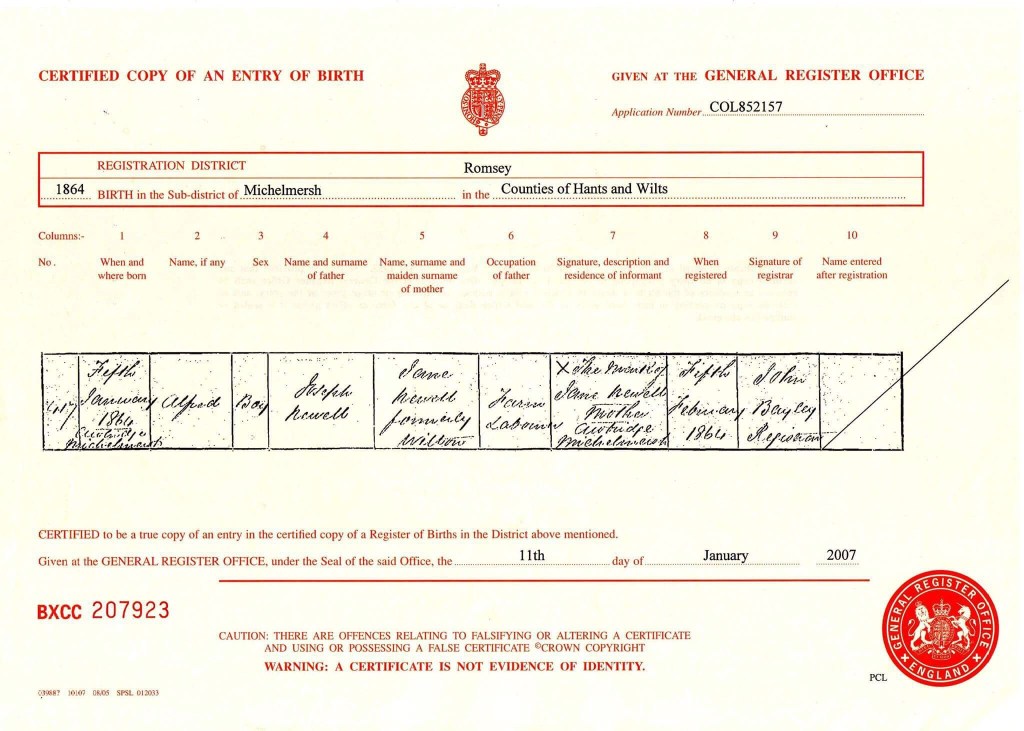
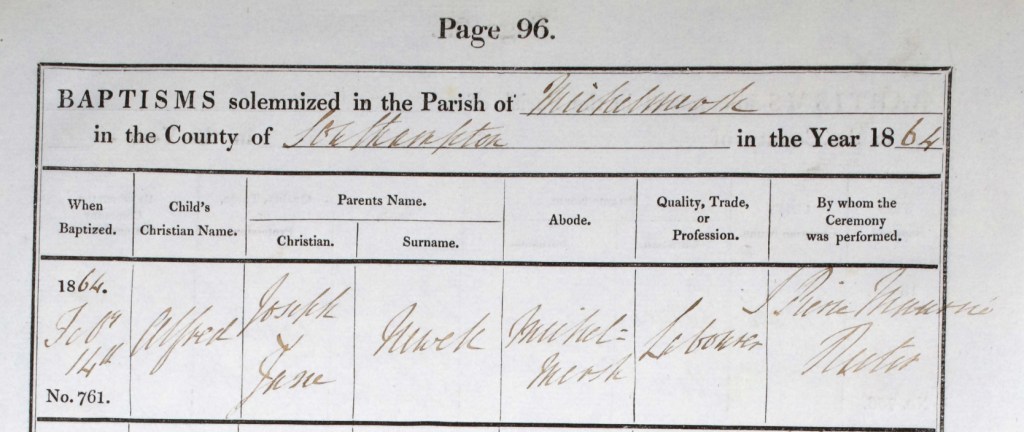
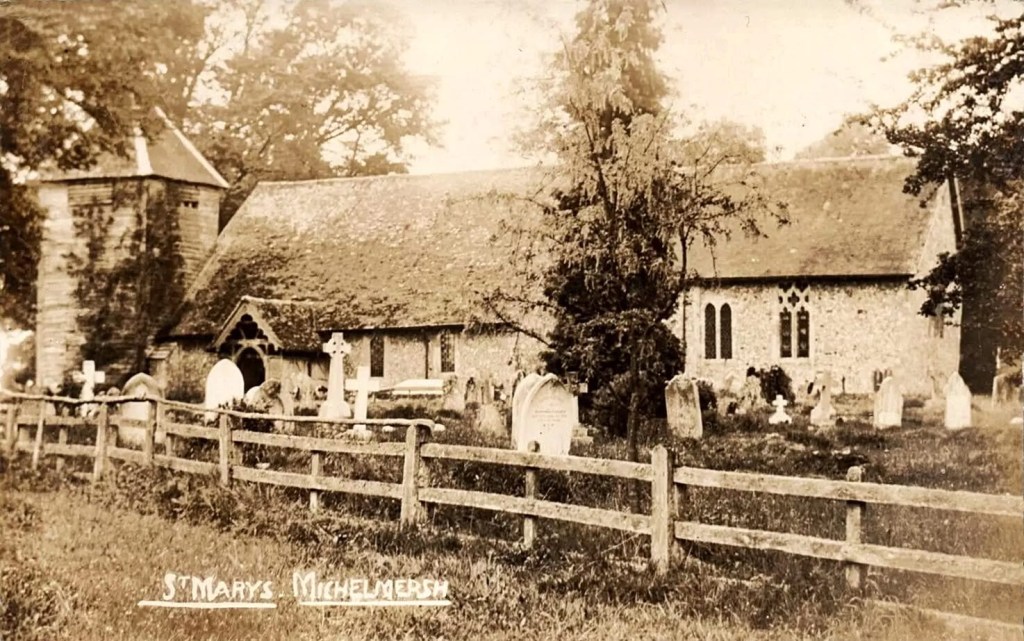
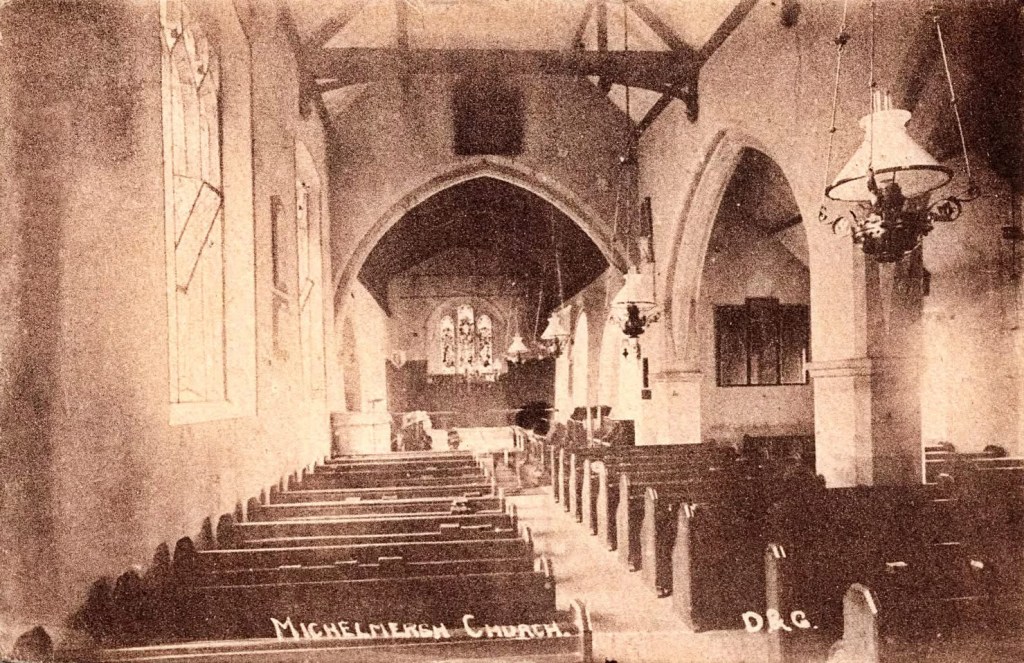
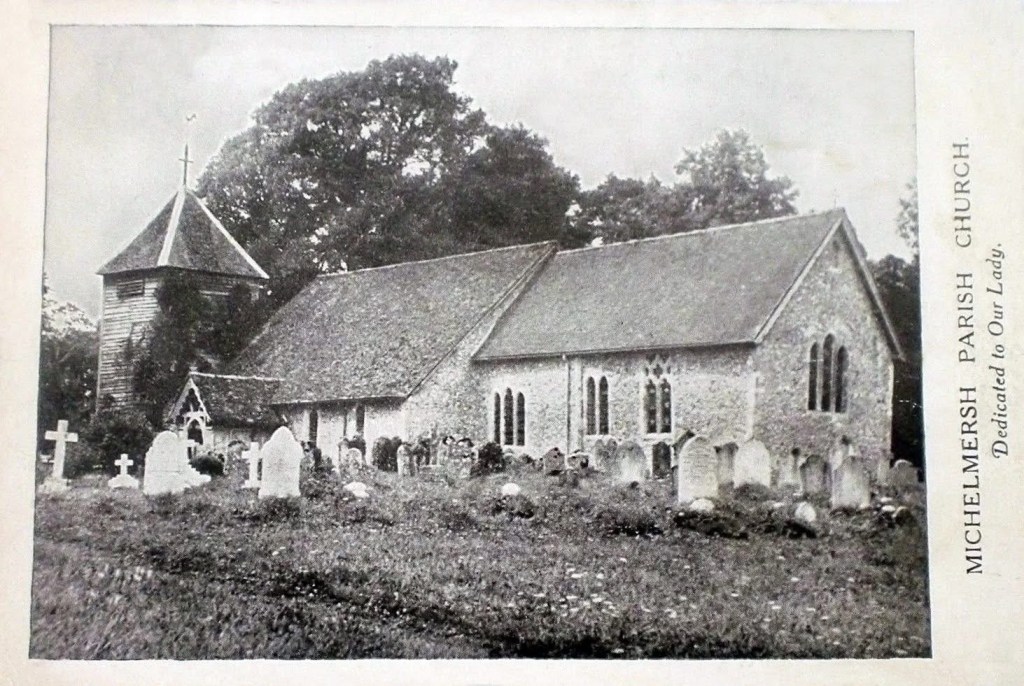
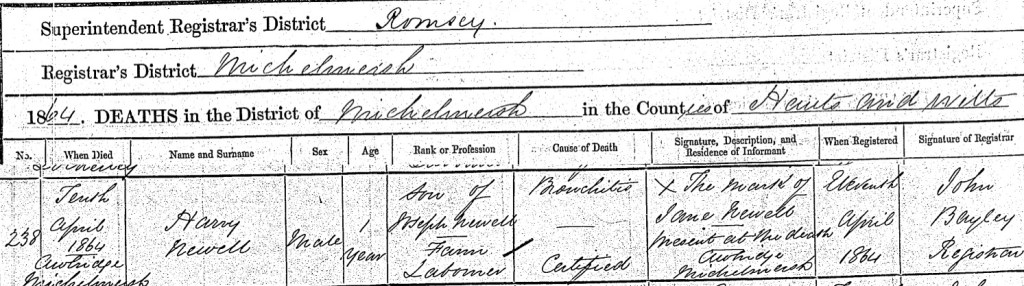

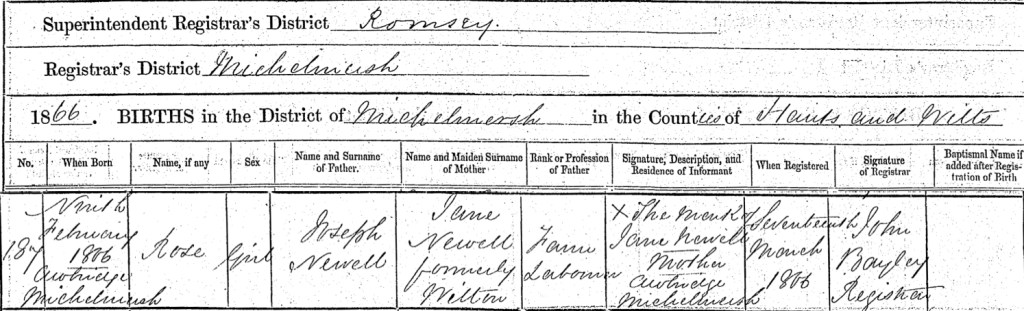

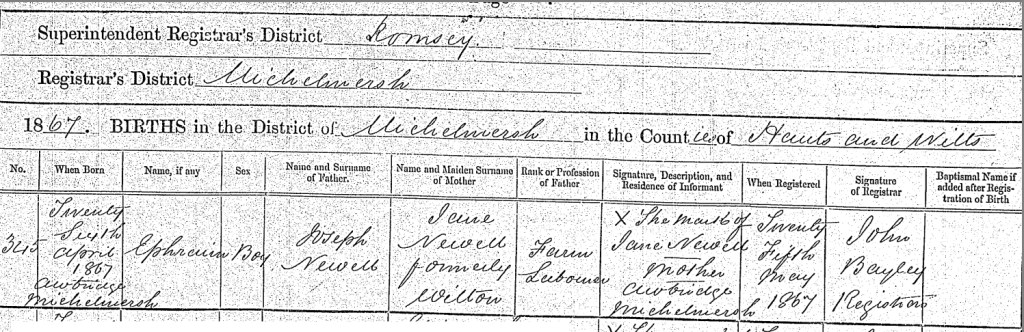
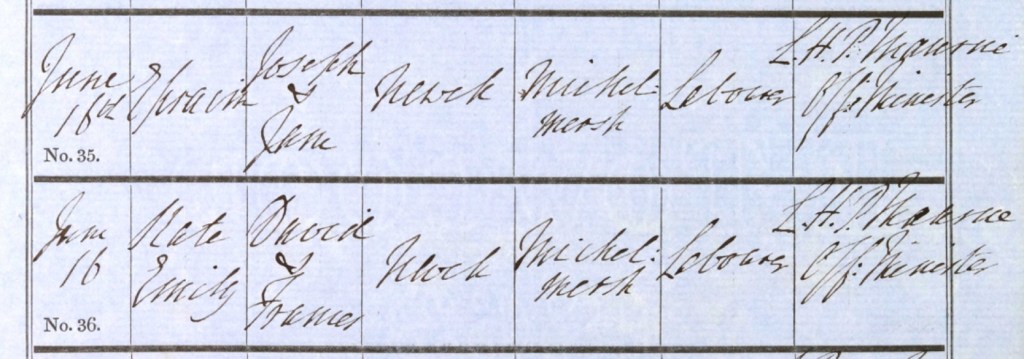
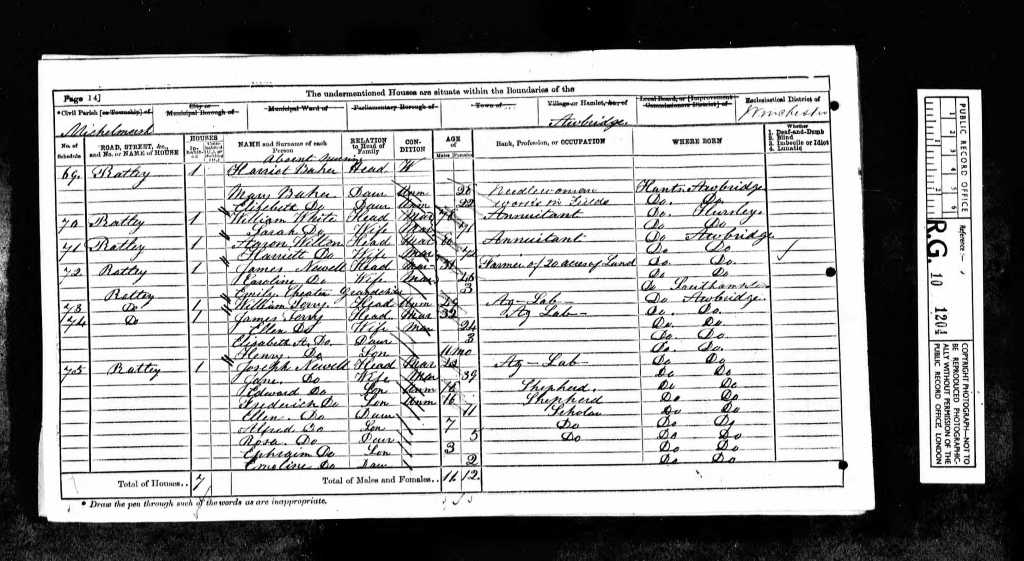
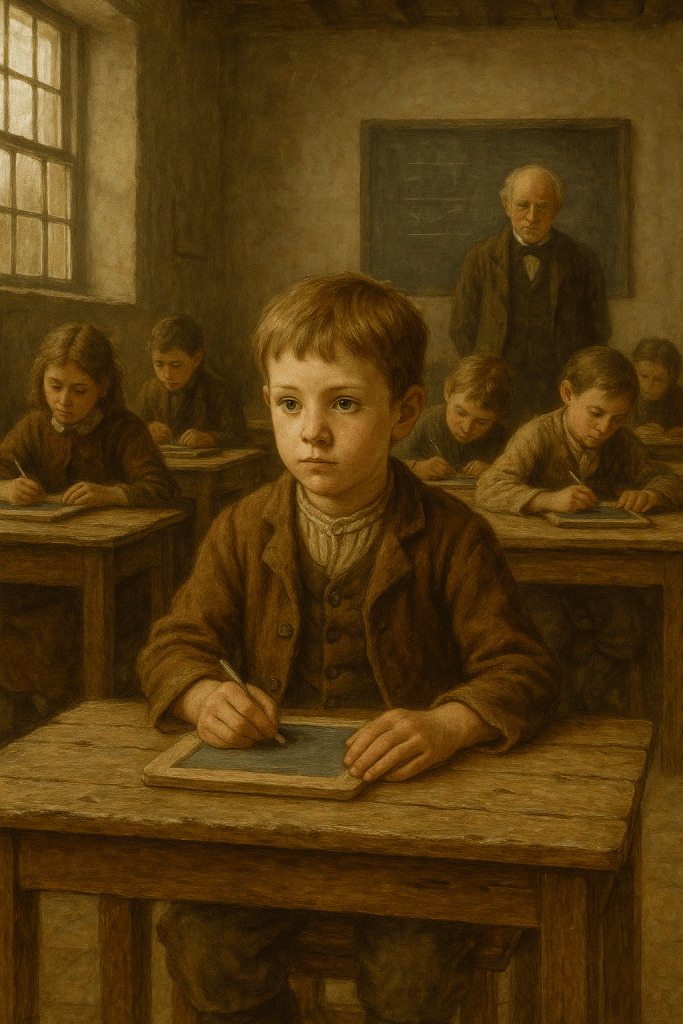
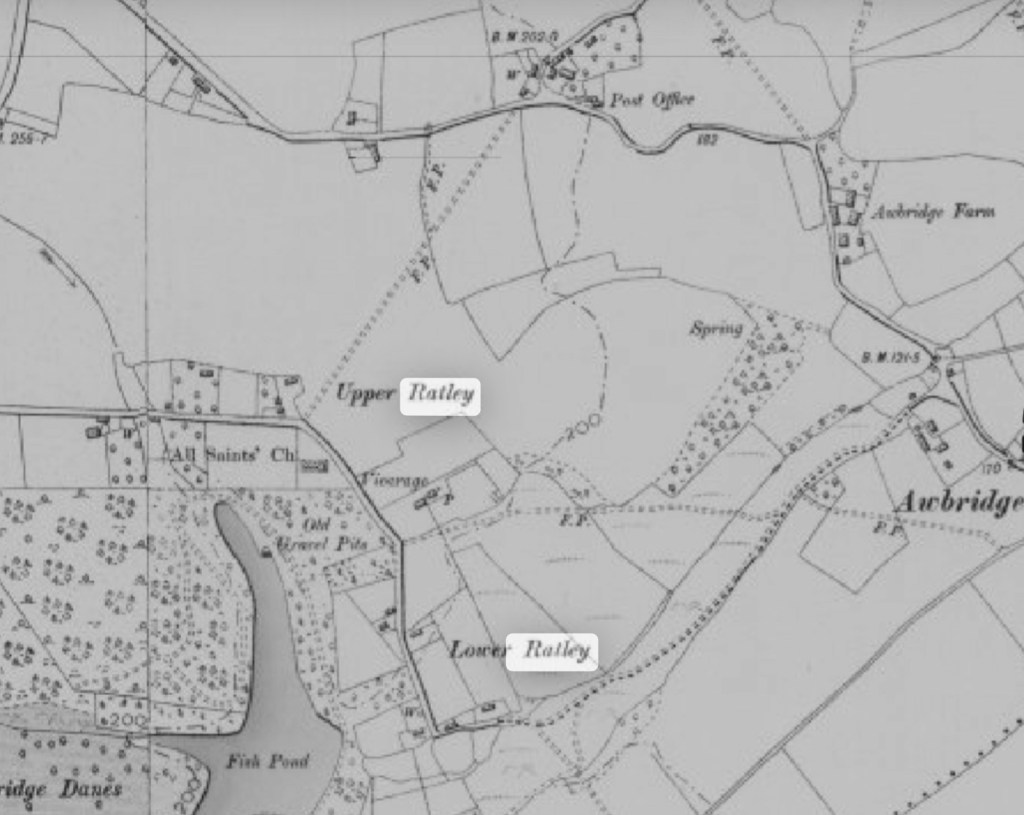
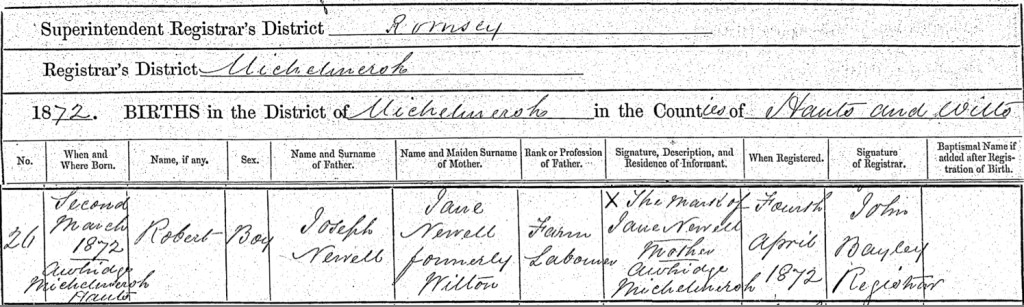

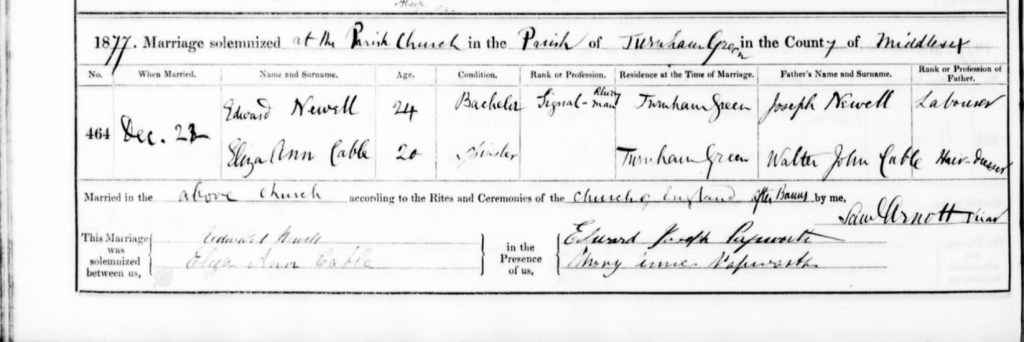
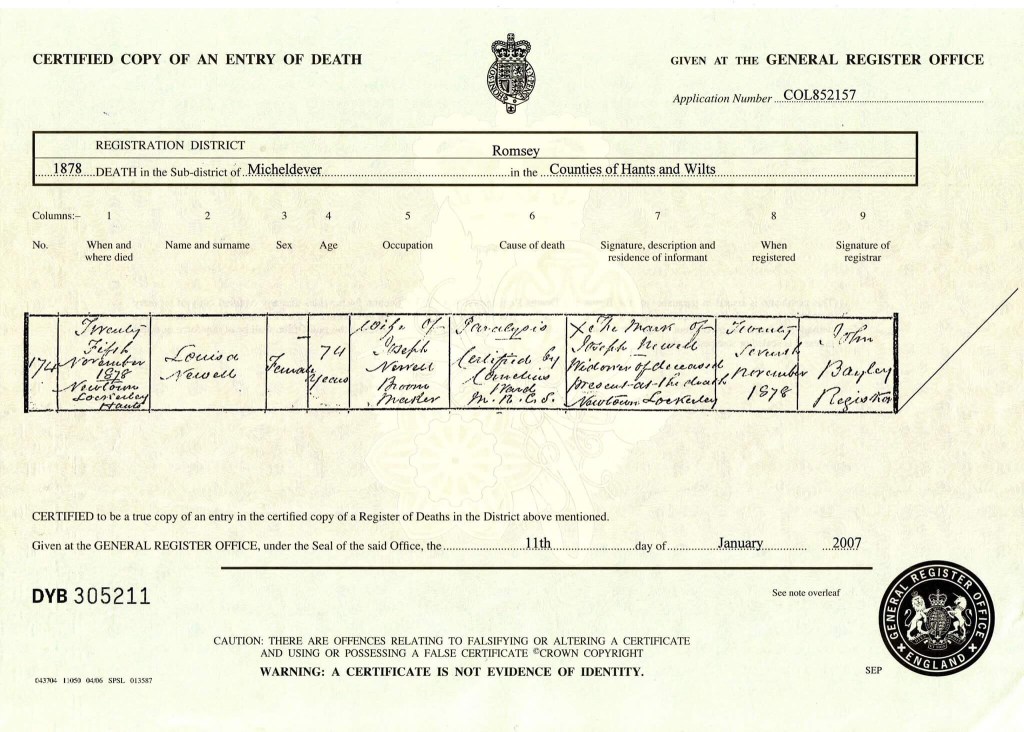
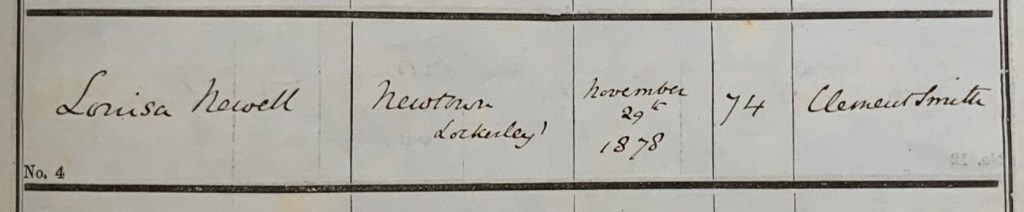
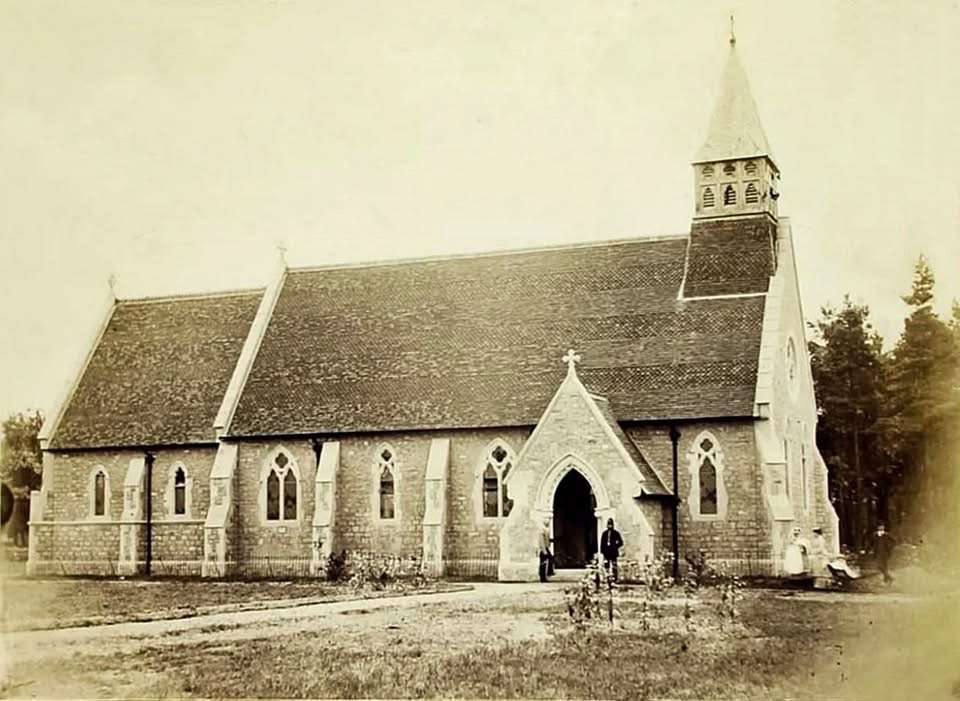


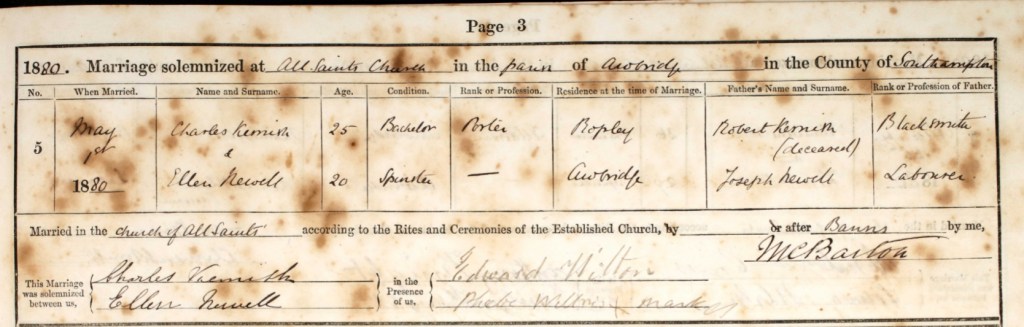
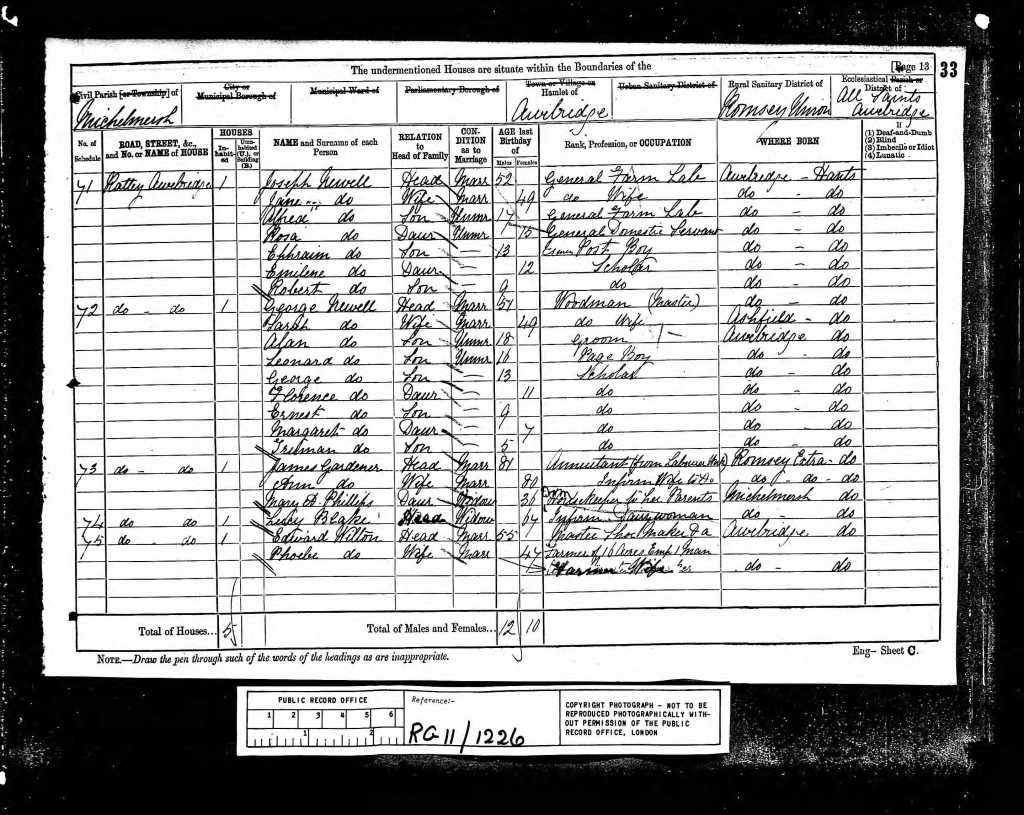
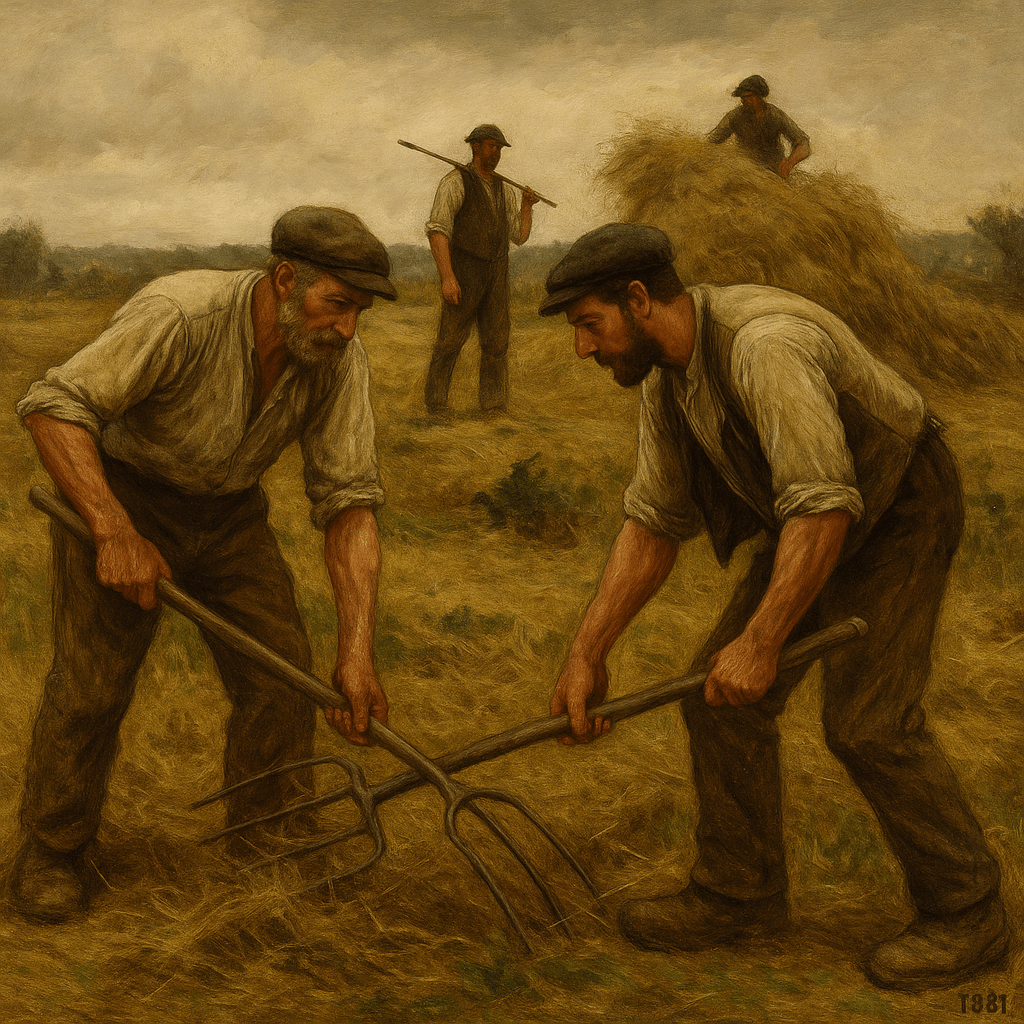

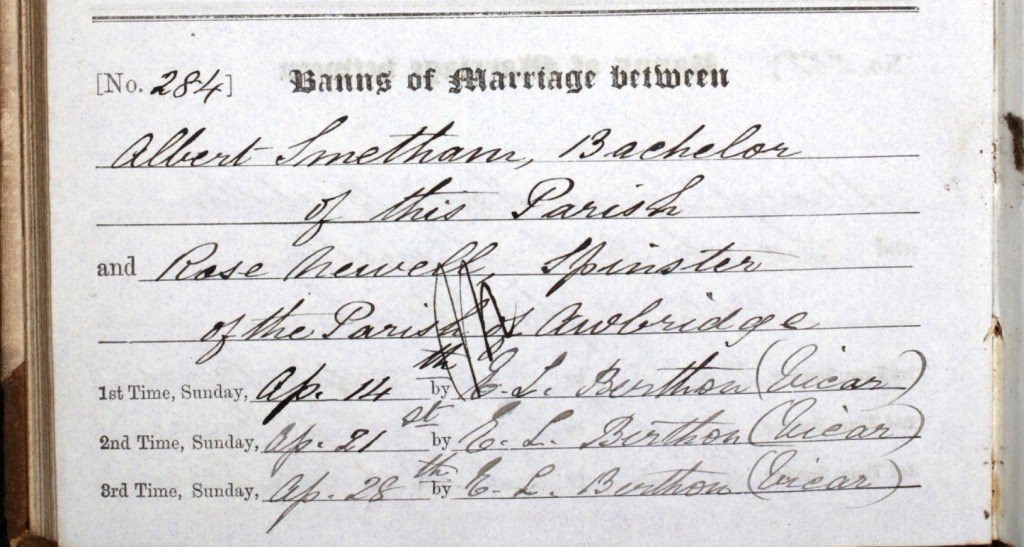
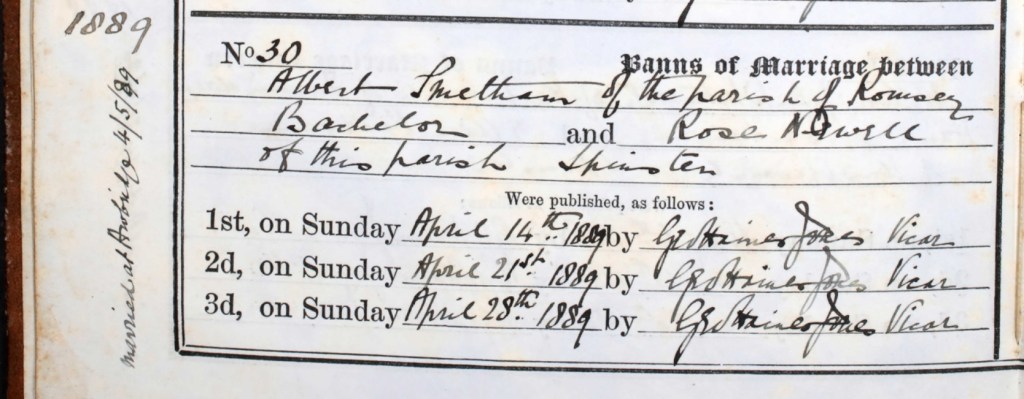
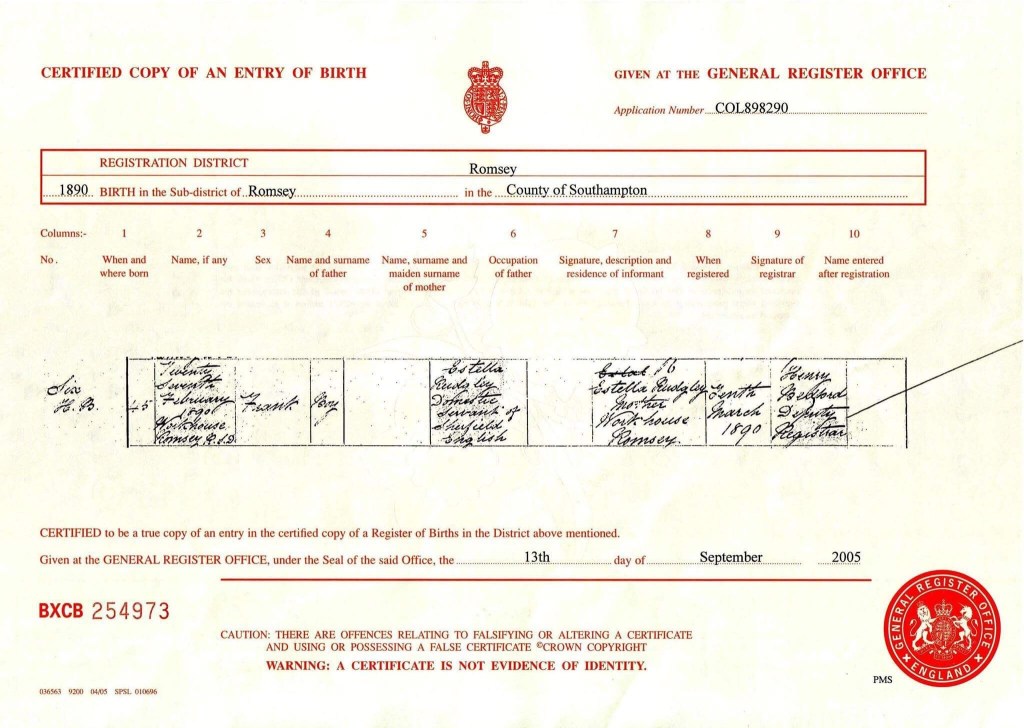

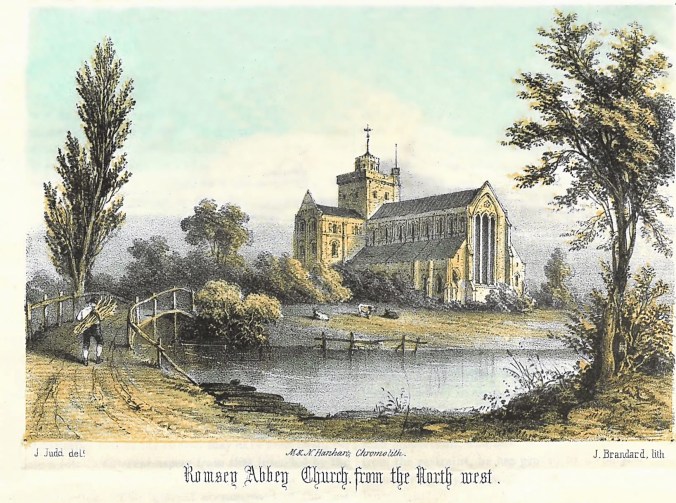
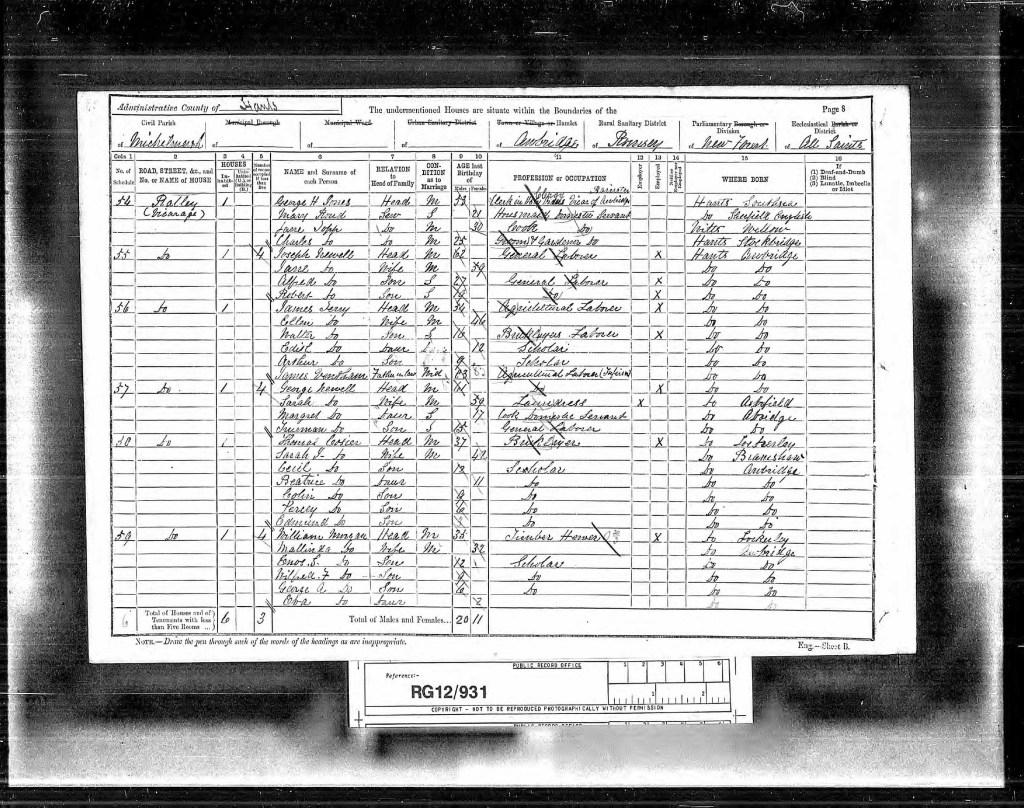
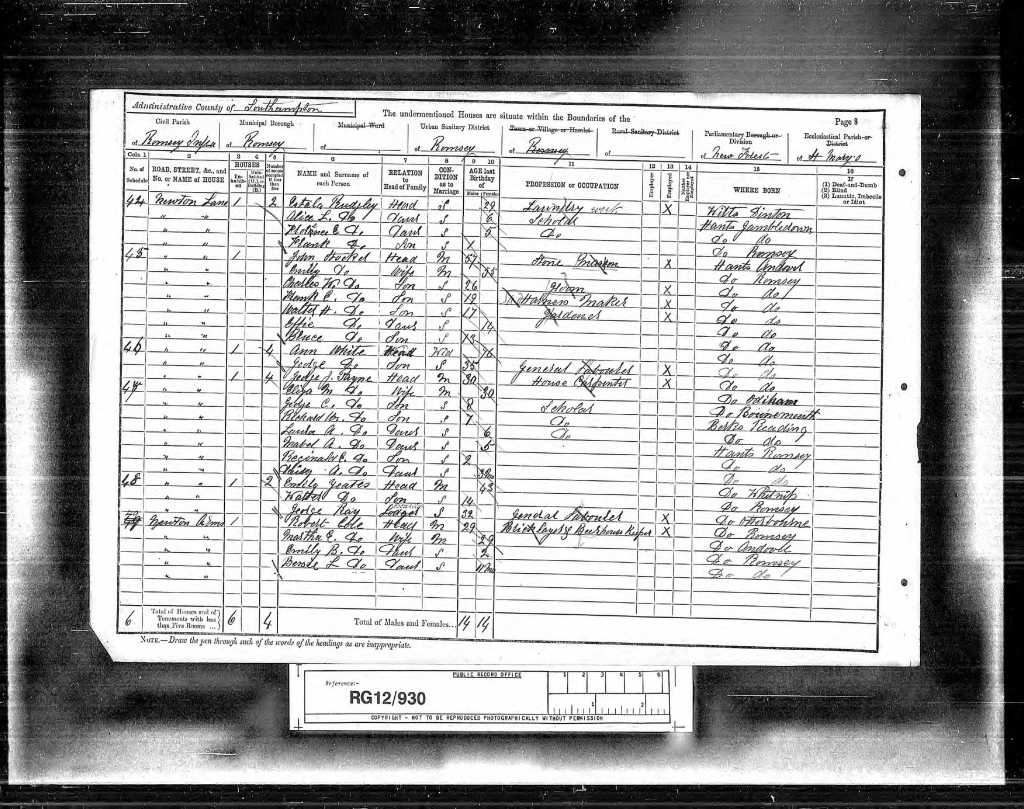
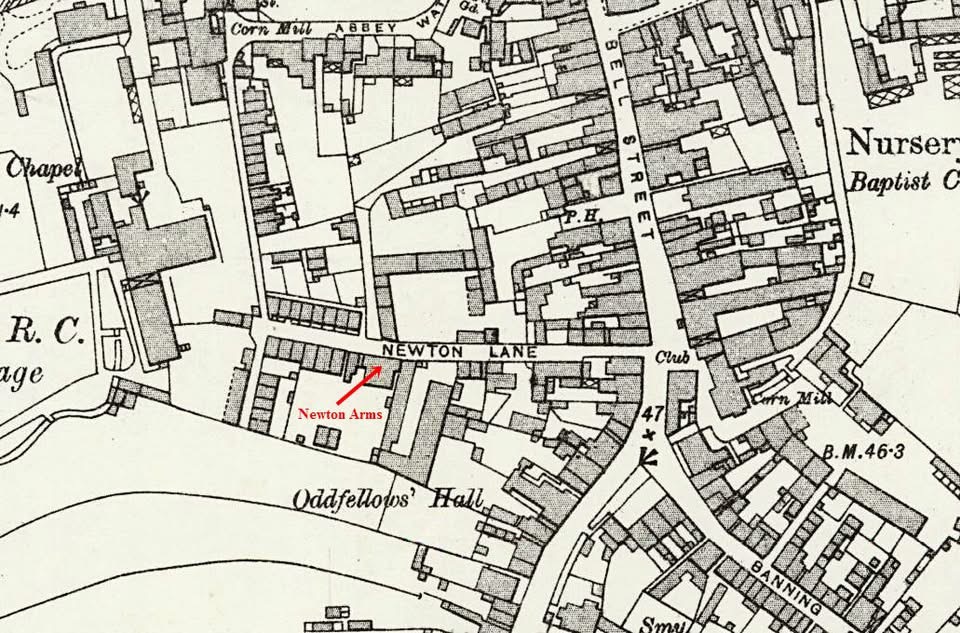

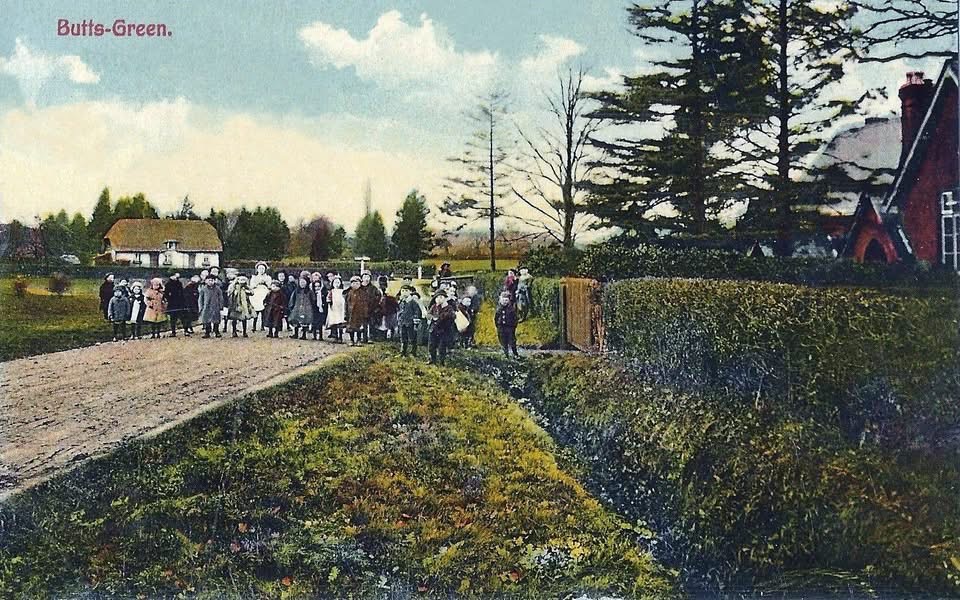
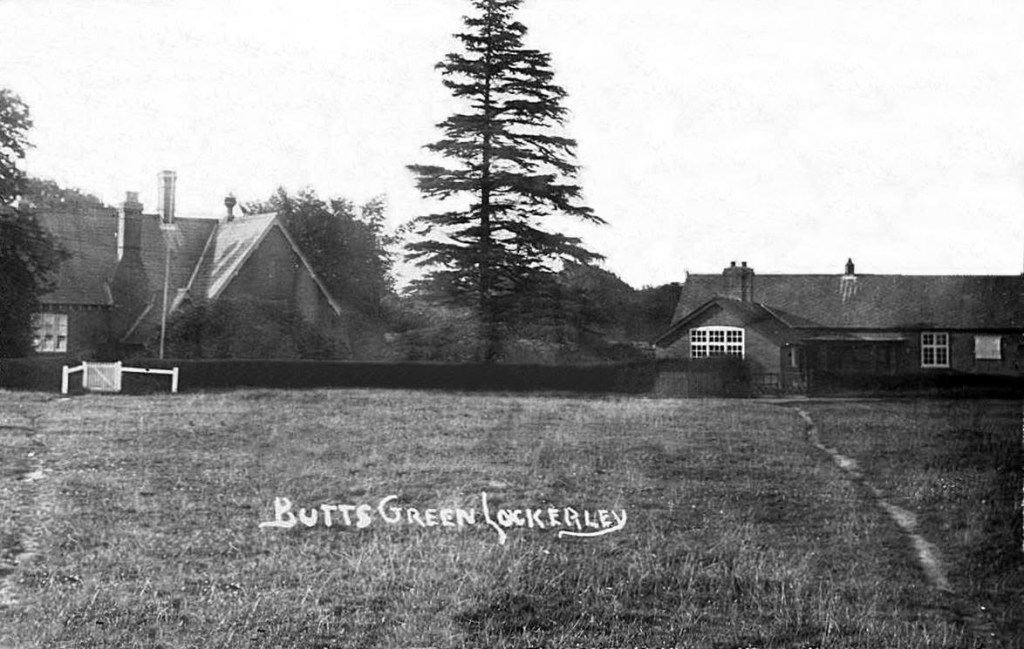



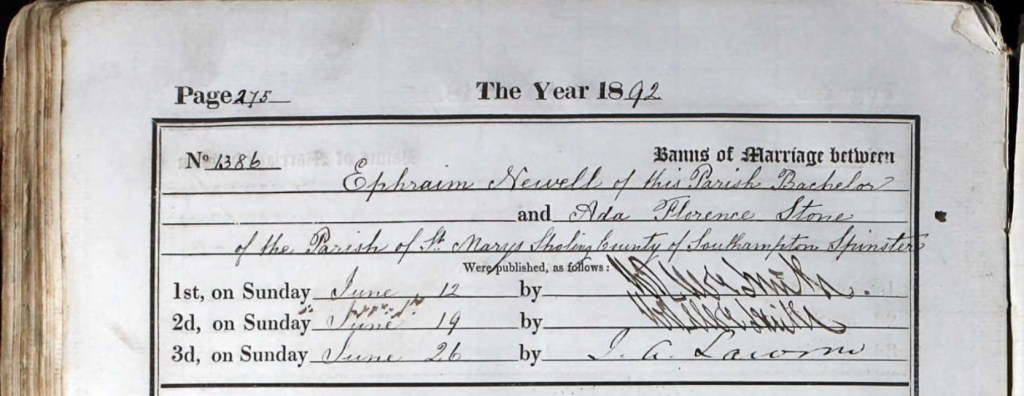
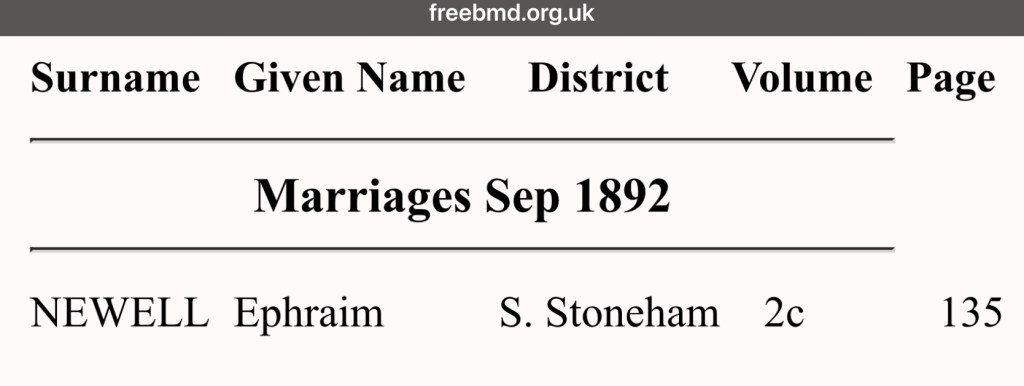
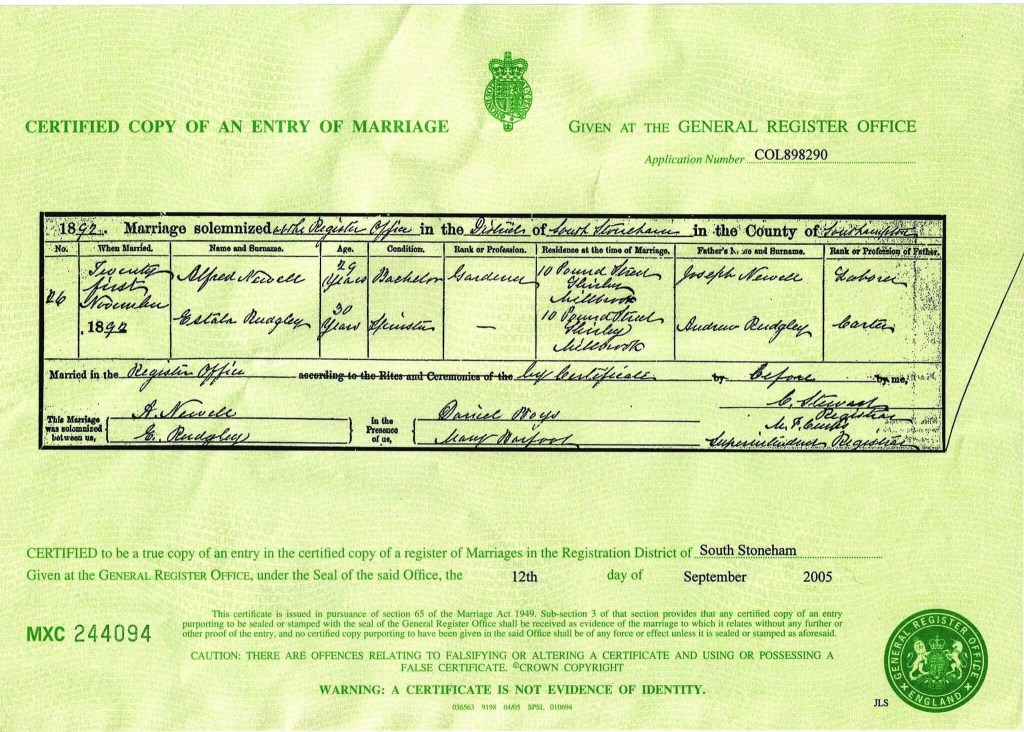
 Intwined