As we step into Part 2 of Alfred Newell’s life story, we are drawn deeper into the journey of a man whose heart has always beat to the rhythms of love, family, and duty. "The Life of Alfred Newell 1864–1939: Until Death Do Us Part - Through Documentation" invites you to walk alongside Alfred through the years of his adulthood, where the steady winds of change carry him from the quiet earth of Hampshire into a life of deeper commitments, both tender and turbulent.
In this chapter, we witness a man who has already weathered the early storms of life, his youth shaped by hard work, loss, and the bonds of family, and now stands at the threshold of a new and transformative era. As Alfred grows older, the documents and records of his life will unfold before us, painting a picture of a man who lived not for recognition or fame, but for the quiet, enduring promises he made to the people he loved. These documents, each one a snapshot in time, will carry us through moments of joy and sorrow, marking his journey from the love he shared with Estella, to the trials and triumphs that followed.
The man you meet in these pages is not just a figure from the past, but a reflection of the unspoken sacrifices and quiet heroism that fill the lives of so many. Alfred’s story is one of quiet strength and unsung devotion, a testament to the love he gave and the life he built with his hands, heart, and soul.
As we continue his journey, we are reminded that life is not just lived in the moments we see, but in the records we leave behind, the pages of history, the ink of our deeds, and the hearts we touch along the way. Part 2 of Alfred’s story invites you to explore his life through the lens of documentation, where each official record, each milestone, reveals more of the man who would become not just a part of his family’s history, but a cornerstone of his community.
Alfred’s journey is one of resilience, of love, of unwavering commitment to those he held dear. In the pages that follow, we will see not just the man he became, but the depths of his heart, what he endured, what he loved, and what he left behind. As we turn the page, we step closer to understanding the legacy of Alfred Newell, a man whose life was shaped by quiet devotion, and whose story, through the years, will continue to echo through the lives of those who remember him.
Welcome back to the year 1893, Romsey, Hampshire, England. It is a time when England stands at the crossroads of a changing world, where the old rhythms of rural life still hold sway in villages like Romsey, but the encroaching winds of industrialization and social reform are becoming ever more present. The country is ruled by Queen Victoria, whose reign, the longest in British history, has seen the rise of the British Empire to its greatest heights. Her presence is felt across all facets of life, from the grand imperial ambitions to the quiet hum of everyday life in the villages. Queen Victoria, at this time, is 74 years old, having ruled for more than half a century, and though she faces personal grief after the death of her beloved husband, Prince Albert, she continues to be a symbol of stability for the nation.
In the political sphere, the Prime Minister is Lord Salisbury, a member of the Conservative Party. His leadership is characterized by a sense of caution, seeking to maintain the status quo while also navigating the complexities of an increasingly industrialized world. Salisbury's government, though stable, faces mounting pressure from the growing demands of the working class and the rise of the Labour movement, which calls for reforms that would provide better living and working conditions for the common man.
In Parliament, the debates of the day revolve around issues such as workers' rights, social reform, and the vast differences between the rich and the poor. The gulf between these classes is stark. The wealthy landowners and industrialists live in grand houses, their fortunes secured by the exploitation of workers in factories, mines, and farms. These affluent citizens enjoy luxuries such as imported goods, fine clothing, and lavish dinners. They spend their leisure time in elegant parlors, attending the theatre or grand social events. Their children are educated at prestigious schools, with the promise of continued wealth and power.
The working class, however, has a very different experience. For those who toil in factories, on farms, or in the service of the wealthy, life is often marked by long hours, low wages, and dangerous working conditions. In Romsey, like in many other rural areas, the majority of people live in small, cramped cottages or modest homes, with many families sharing living spaces. The houses themselves are often poorly built, lacking proper insulation, and are subject to the harshness of the seasons. Winter can be especially difficult, with little protection from the biting cold.
In terms of transportation, the year 1893 still sees the dominance of the horse and carriage for those who can afford it, though the railways are steadily growing in importance. Steam trains are becoming more commonplace, offering faster and more efficient travel across the country. Romsey, a small market town, benefits from its proximity to London, and the railway stations provide a link to the larger cities, though many of the rural communities remain isolated. For the poorer classes, walking is still the most common form of transportation, often covering great distances to reach work or markets.
Fashion in 1893 is marked by a sense of formality and modesty, particularly among the wealthier classes. Men wear three-piece suits, often with top hats, while women wear long dresses with tight bodices, full skirts, and large hats adorned with ribbons, flowers, or feathers. The more affluent dress in fine silks, woolens, and other expensive fabrics, while the working class must make do with simpler clothing, often made from rougher fabrics like cotton or wool. Fashion for the working class is practical and durable, but still reflective of the time's desire for modesty and decorum.
Heating and lighting in 1893 are far from what we know today. In rural homes like those in Romsey, heating is provided by coal or wood-burning stoves, and open fires are common in the hearths of kitchens and living rooms. These fires not only provide warmth but are also used for cooking. Lighting comes from gas lamps or oil lamps, with gas lighting still a recent innovation in many towns and cities. The flickering light is often dim, casting long shadows in the evening, and is not as efficient or bright as the electric lights that will come in the years to follow.
Hygiene and sanitation in 1893 are basic, especially in rural areas. Running water is not a given in many homes, and most people rely on wells or pumps for water. Bathing is done infrequently, and many households share public washhouses, especially in the poorer districts. Toilets are often rudimentary, with outdoor privies or shared facilities being the norm. Sanitation is a concern, especially in towns and cities, where poor sewage systems lead to outbreaks of disease.
Food in 1893 is heavily influenced by the seasons. The wealthy enjoy a variety of imported foods, meats, and delicacies, while the working class makes do with a simple diet of bread, potatoes, vegetables, and occasional meat. Farmers, like Alfred’s family, often grow their own food, and the harvest is a crucial time of year. The diet of the poorer classes is often limited and monotonous, and they rely on basic foods to get through the day. In rural areas like Romsey, markets offer fresh produce, and farmers often trade with one another for goods.
Entertainment in 1893 is a mix of public gatherings and home-based leisure. The theatre is a popular form of entertainment for the middle and upper classes, with performances in London and other cities drawing large crowds. Music halls are also popular, offering a variety of performances including comedy, song, and dance. For the working class, entertainment is more simple: picnics, village dances, and social gatherings provide a break from the hard work of the week. Pubs are a central part of social life, offering a place to gather, drink, and converse.
Diseases remain a significant threat in 1893. Typhoid, tuberculosis, and diphtheria are common, especially in poorer areas where sanitation is inadequate. The lack of modern medicine means that many diseases are still treated with rudimentary methods, and the death toll can be high. Public health is beginning to improve, but many communities still face the constant threat of disease.
The environment in 1893 is one of contrast. The industrial revolution has brought great changes, with the expansion of railways and factories, but in rural areas like Romsey, the landscape remains peaceful and dominated by fields and farmland. The air in the countryside is fresh, and the sound of birdsong often fills the mornings. In the towns and cities, however, the air is often thick with smoke from factories, and the rivers are polluted by industrial waste.
Gossip and local news flow through the streets and homes, carried by word of mouth. People gather in the market square or at the local pub to share stories of their day, discuss the latest happenings, or whisper about their neighbors. The rhythms of village life are punctuated by these small moments of connection, where every face is familiar, and every story holds weight.
Schooling in 1893 is a privilege for some, but not all children have access to education. While the wealthier children attend private schools or are tutored at home, working-class children often attend the local school, where education is basic. For the poorest children, schooling may not even be an option, and they may be sent to work as soon as they are able.
Religion in 1893 plays an important role in the lives of many people. Church services are a regular part of weekly life, and the Church of England holds a central place in the community. The church provides not just spiritual guidance, but also a sense of community and belonging. For many, faith is a constant, offering both comfort and structure in a world that can be uncertain.
In 1893, England is a nation of contrasts, where the old and the new coexist. In Romsey, Hampshire, life moves at a slower pace, shaped by the rhythms of the land and the seasons, while across the country, the winds of change blow through the streets and factories of the growing industrial cities. For Alfred and his contemporaries, the world they know is changing, but it is still one that values hard work, family, and community above all else.
On Friday, the 3rd day of February, 1893, in the quiet heart of Cherville Street, Romsey, Hampshire, a baby boy named Alfred Newell was born into the world, as if the very earth itself had whispered a new beginning into the gentle winds of winter. His arrival, small and soft, brought light to the home of his parents, Alfred Newell, a devoted gardener and labourer, and Estella Newell, formerly Rudgley. In that moment, the weight of the world seemed to pause, if only for a breath, as the promise of a new life stirred within the walls of their modest home. The joy of his birth, though not grand in the eyes of the world, was boundless in the hearts of those who would now call him their own.
Alfred, born into a family already shaped by life’s quiet struggles, would grow to find that love and devotion were as much a part of him as the blood in his veins. He was not the first child in the Newell family, but he held a special place in their hearts. Just over a month after his birth, on Monday the 13th day of March, 1893, Estella, his mother, stepped into the Romsey Registry Office with a quiet grace. Her heart, though carrying the weight of past trials, was now filled with hope for the future as she officially recorded the birth of her son. With delicate hands and a steady heart, she gave him a name, one that would carry forward through the generations: Alfred Newell.
As the registrar, Henry Bedford, sat before his ink and parchment, he carefully recorded the details of Alfred’s birth, marking the beginning of a life that would be both simple and profound. In the official record under the Registration District: Romsey, in the Sub-district of Romsey, in the County of Southampton, the following details were documented:
No.: 501

When and Where Born: 3rd February 1893, Cherville Street, Romsey U.D.
Name, if any: Alfred

Sex: Boy

Name and Surname of Father: Alfred Newell

Name, Surname, and Maiden Surname of Mother: Estella Newell, formerly Rudgley

Occupation of Father: Gardener (Labourer)

Signature, Description, and Residence of Informant: Estella Newell, Mother, Cherville Street, Romsey

When Registered: 13th March 1893

Signature of Registrar: Henry Bedford, Registrar

Name entered after registration: [No entry]
Though Alfred was not the first child born to Estella, he was the first born within the sacred bond of marriage. His brother Frank had come a few years earlier, and Estella’s two daughters, Alice and Florence, had entered the world outside of wedlock, their fathers not named on their birth certificates, much like Alfred’s son Frank. These details, so simply noted in the official records, held the weight of Estella’s journey, the unspoken burdens of a woman whose love and strength never faltered, despite the trials life had laid before her.
In Alfred’s name, in the gentle curve of each letter written in the registry, was the promise of something new. This baby, though born into a life that had seen its share of hardship, would grow to carry with him the quiet power of family and the unyielding strength of his mother’s love. Alfred’s story, from this moment onward, was one of transformation, not just for him, but for Estella. Their son’s birth was a new beginning, a testament to the resilience of a family, bound not by the expectations of the world, but by the deep, quiet love that had shaped them all.
And so, in the heart of Romsey, under the watchful sky, Alfred Newell’s name was quietly etched into the world, ready to begin the journey of a life that would be shaped by love, legacy, and the steady hands of the parents who had given him everything they could. His birth, though recorded in the cold ink of an official document, marked the beginning of something far greater, an enduring legacy of hope, family, and the promise of brighter days ahead.
Cheville Street is a historic street located in Romsey, Hampshire, England. Romsey itself has a rich history, dating back to Roman times, and Cheville Street is one of the older streets in the town, bearing witness to its development over centuries. The town is well-known for its proximity to the River Test and its association with the famous Romsey Abbey, a significant historical and religious site.
Cheville Street, like many streets in Romsey, reflects the town’s evolution from a rural settlement to a market town. The street likely began as a small rural path, which developed as Romsey grew in prominence during the medieval period. The town's market status, which dates back to the 12th century, likely influenced the development of streets like Cheville Street, where merchants and townspeople would have conducted business.
During the Middle Ages, Romsey, and by extension, Cheville Street, would have seen its share of trade, particularly related to wool and other agricultural products. The nearby Romsey Abbey, established in the 9th century and rebuilt in the 12th century, would have had a strong influence on the area, with much of the surrounding land once belonging to the abbey. This ecclesiastical presence shaped the town and, by extension, the development of streets such as Cheville Street.
As Romsey expanded during the 18th and 19th centuries, Cheville Street would have evolved to accommodate the growing population and the changing nature of the town’s economy. The rise of the Industrial Revolution, although less pronounced in Romsey compared to larger cities, still affected the town, bringing new industries and altering the local way of life. Buildings on Cheville Street from this time period reflect the architectural styles and needs of the era, with many properties featuring Georgian and Victorian influences. These buildings have been well-preserved and now contribute to the character of the street, making it an area of interest for visitors.
Today, Cheville Street retains much of its historical charm, with a mix of residential and commercial properties that continue to serve the community. The street is also located within the conservation area of Romsey, meaning that it is protected for its historical value. The town's long history is still visible in the architecture, layout, and atmosphere of Cheville Street, which remains an important part of Romsey’s fabric. It provides a glimpse into the past while still serving the town’s modern needs, embodying the continuity of life in this Hampshire town.
On a warm summer's day, Monday the 6th of August, 1894, as the soft sunlight danced through the windows along Cherville Street in Romsey, Hampshire, a new life entered the world. A daughter was born to Alfred and Estella Newell, a child who would carry the name and legacy of their family. She was named Amy Kate, a name full of grace and promise, a name destined to be whispered lovingly in the years to come. Her arrival brought a new spark of joy to the Newell household, a sweet breath of life amidst the simple rhythms of daily toil and love.
Estella, at 32, had already borne the weight of life’s trials, yet in this moment, she was filled with a quiet joy that only a mother can know. She was likely tired from the arduous work of bringing her daughter into the world, but her heart swelled with pride and love as she gazed at this precious little soul in her arms. As a mother does, Estella made sure to record Amy Kate’s birth with the care and attention it so deserved. On Tuesday the 18th day of September that year, with the weight of responsibility and love on her heart, she walked into the Romsey registry office to ensure that her daughter’s arrival would be officially marked in the world.
Alfred, though tirelessly working as a gardener and labourer, would have been a proud father, his hands calloused by years of labor but softened by the love he had for his growing family. His name, too, was written proudly on the birth certificate, testament to the bond he shared with Estella and their new daughter. In the simple yet profound moments of life, these names are more than just words on paper, they are symbols of a lineage, of a family, rooted in hard work, love, and the soil of Hampshire itself.
The registrar, Henry Bedford, entered the details of Amy Kate’s birth with solemn care, documenting this small yet significant moment in the Romsey register for Births in the Sub-District of Romsey, County of Southampton, in the year 1894. Each word, carefully written, captured the essence of this child’s arrival, recording her place in the world with precision and tenderness.
No.: 339.

When and Where Born: 6th August 1894, Cherville Street, Romsey U.S.D.
Name, if any: Amy Kate.

Sex: Girl.

Name and Surname of Father: Alfred Newell.

Name and Maiden Surname of Mother: Estella Newell, formerly Rudgley.
Rank or Profession of Father: Gardener (Labourer).

Signature, Description, and Residence of Informant: Estella Newell, Mother, Cherville Street, Romsey.

When Registered: 18th September 1894.

Signature of Registrar: Henry Bedford, Registrar.

Baptismal Name if Added After Registration of Birth: [Blank].
In that moment, as Amy Kate was written into the annals of Romsey’s history, it wasn’t just a legal formality, it was the continuation of a family legacy, woven deeply into the very soil of the town. For Alfred and Estella, their love was now etched into the fabric of time with this new chapter, one filled with hope and promise. This little girl, born under the gentle skies of August, would grow and flourish, carrying the spirit of her parents and the generations before her. Their legacy, anchored in the quiet strength of hard work, love, and family, would continue to bloom through her, just as the garden Alfred tended with his hands flourished in the heart of their home.
Amy Kate’s arrival was not just the beginning of a new life, but a continuation of all that had come before, of the love, the endurance, and the legacy that defined the Newell family. In her name, in her birth, she carried with her the hopes of two devoted parents and the deep-rooted legacy of a family bound by the land, the heart, and the quiet promise of love that would carry them forward, generation after generation.
On Wednesday, the 21st day of November, 1894, the peaceful silence of Romsey Abbey, nestled in the heart of Hampshire, was gently filled with the sounds of reverence and love. On this day, two small lives were tenderly brought into the fold of the Church through baptism, young Amy Kate, just a few months old, and her older brother Alfred, whom was 21 months at the time. Alfred and Estella Newell, devoted parents, stood with their children before the font, offering them to God in a moment of faith, hope, and deep familial love. Their home, just a short walk away on Cherville Street, had been shaped by hard work and quiet sacrifice, with Alfred working humbly as a labourer. His hands, calloused from honest toil, were gentle enough to hold the hands of his young children, his heart swelling with pride and love for the future that awaited them.
The ceremony, conducted by the Reverend Henry G. D. Liveing, was simple but profound. The words spoken were a promise, a promise of faith, of protection, and of a legacy that would live on through the children of this humble family. As the water was gently poured over Amy Kate and Alfred, one could imagine the warmth of the moment, the quiet unity of the family, the whispered prayers of the congregation, and the love that filled the church, binding them all together in this sacred act.
After the service, Reverend Henry G. D. Liveing turned to the heavy leather-bound book of registry for BAPTISMS solemnized in the Parish of Romsey, County of Southampton, and carefully recorded the names of the children, ensuring that they would be remembered through the generations. Each entry, though simple in its wording, carried with it the weight of history, a moment in time that would forever be etched in the life of the Newell family.
The entries were made with loving care, preserving the names of these two children and the promise of their place in the world:
When Baptised: 21st November 1894

No: 1133

Child’s Christian Name: Amy Kate

Parents’ Names: Alfred & Estella Newell

Abode: Cherville Street

Quality, Trade, or Profession: Labourer

By whom the ceremony was performed: Henry G. D. Liveing, Curate
And for her older brother:
When Baptised: 21st November 1894

No: 1134

Child’s Christian Name: Alfred (21 months)

Parents’ Names: Alfred & Estella Newell

Abode: Cherville Street

Quality, Trade, or Profession: Labourer

By whom the ceremony was performed: Henry G. D. Liveing, Curate
One can almost feel the gentle hush of the congregation as the baptismal vows were made, the weight of both love and hope filling the sacred space. It was a moment of unity, a quiet joy in the midst of an ordinary life, a life shaped by the humble rhythms of hard work, love, and faith.
Through these baptisms, Amy Kate and Alfred were welcomed not only into the Church but into a legacy, a legacy of faith, resilience, and love that would echo far beyond that November morning in Romsey Abbey. It was a moment when, amid the simplicity of their lives, the Newell family’s story was woven deeper into the tapestry of time, their faith enduring through the years, a quiet but powerful force that would guide their children, and their children’s children, for generations to come.
Rev. Henry George Downing Liveing was an important figure in the history of Romsey, Hampshire, particularly during his time as the curate and later vicar of the parish. His life and work were rooted in his deep commitment to the Church of England and to the spiritual and social well-being of his parishioners.
Henry George Downing Liveing was born on September 1, 1864, and was the son of a respected Anglican clergyman. His family background strongly influenced his choice to enter the clergy. He attended prestigious institutions, including Harrow School and Trinity College, Cambridge, where he developed his theological studies. Following his ordination, he took on various roles within the Church, eventually arriving at Romsey Abbey, where he became an influential and beloved figure.
Rev. Liveing served as curate of Romsey Abbey from 1887 and later as vicar from 1891 to 1892, succeeding Canon James Cook-Yarborough, who had a long and influential tenure. Liveing’s role in the church was pivotal, as Romsey Abbey was not just a center for worship but a key part of the community, both spiritually and socially. His gentle yet steadfast leadership helped guide the parish during a time of considerable change in England, as the country was grappling with the social shifts of the late Victorian era.
He was known for his sincere and compassionate approach to ministry. Rev. Liveing took great care in ensuring the spiritual and emotional well-being of his parishioners. He was involved in various charitable works and helped raise funds for the church and the poor in Romsey, embodying the values of service, kindness, and Christian charity. His warmth and accessibility made him a trusted leader in the community. His sermons were well-received, marked by a thoughtful and empathetic delivery that resonated with people from all walks of life.
The years of his ministry were not only a time of religious devotion but also a period of social engagement. Like many clergymen of his time, Rev. Liveing was a figure of stability during a time when the working classes were experiencing difficult economic conditions. He was part of a growing movement in the Church of England to address social inequality and poverty, and his pastoral care went beyond the pulpit to support and serve the less fortunate members of his parish.
Rev. Liveing's impact in Romsey is still remembered fondly, especially in the records he left behind. In addition to his role in leading services and performing baptisms, marriages, and funerals, he also left behind meticulous records of his ministry. These include not only the baptismal and marriage records but also notes that reflect his personal commitment to each person he helped. His tenure was marked by a genuine desire to foster a close-knit, supportive community within the parish, one where faith and kindness were lived out in everyday actions.
While his ministry was deeply focused on the spiritual development of his parish, Rev. Liveing was also a proponent of education. He was supportive of the local schools and often worked to ensure that children in the community had access to an education that aligned with the Christian values he held dear. This emphasis on education and care for the whole person endeared him to many.
After leaving Romsey, Henry George Downing Liveing continued his religious career elsewhere, but his years in Romsey remain a significant part of his legacy. As a clergyman, he embodied the virtues of faith, charity, and compassion, leaving an indelible mark on the town and its people. His legacy as a dedicated servant of the Church and the community lives on through the records of the baptisms, weddings, and other sacraments that he administered, as well as through the lasting memories of those whose lives he touched during his time in Romsey.
Rev Henry George Downing Liveing.
Alfred stood silently, his weathered hands now trembling not from the toil of his daily labour, but from the weight of a grief he could scarcely bear. The death of his father-in-law, Andrew Rudgley, on Monday, the 2nd of September, 1895, marked a profound moment in Alfred's life, not just as a husband but as a man who understood the quiet dignity with which working men endured life's struggles. Alfred had known Andrew well, he was a fellow labourer, a man who had spent his years tilling the soil of Lockerley, a man whose hands, though calloused and worn, had been used to provide for his family. Alfred saw in Andrew not just a father-in-law but a reflection of his own future, a life shaped by labour and sacrifice.
Andrew’s passing came quietly, as life often does for those who work the earth. Pneumonia, pleurisy, and perhaps the lingering toll of emphysema had overwhelmed his body, leaving him to breathe his last in the austere surroundings of the Romsey Union Workhouse. Though Alfred could not be by his side in those final moments, he did not let Andrew be forgotten. It was in the stillness of the garden, in the hum of everyday life, that Alfred carried his father-in-law's memory. He respected Andrew, not just as family, but as a man who had given everything for the people he loved, just as Alfred had done, and would continue to do.
The official record of Andrew’s passing was swiftly made, a matter of fact registered by the Workhouse Master, J. Northam, with the details filled in by Registrar Henry Bedford. But for Alfred, these lines of ink, though necessary, could never capture the essence of the man they mourned. The name "Andrew Rudgley" was written in the death register, his age noted, his cause of death stated plainly, and yet Alfred knew that the man who had shaped Estella’s life, and in turn, his own, deserved more than just a simple record.
Registrar Henry Bedford recorded the details as follows:
No.: 160

When and Where Died: 2nd September 1895, Workhouse, Romsey U.D.
Name and Surname: Andrew Rudgley

Sex: Male

Age: 66 years

Rank or Profession: Agricultural Labourer of The Mount, Lockerley

Cause of Death: Pneumonia with Pleurisy, Emphysema? Certified by Henry Bosdell, M.B., C.M.

Signature, Description, and Residence of Informant: J. Northam, Master, Workhouse, Romsey

When Registered: 2nd September 1895

Signature of Registrar: Henry Bedford, Registrar
It was a line in the register, a brief passage in the larger story of the man who had worked with dignity and humility through the hardships of life, only to pass away without ceremony. Yet for Alfred, it was more than just a record, it was a chapter closing, a marker of the legacy of working men like Andrew who lived quiet lives of hard work, whose stories were etched not in grand gestures, but in the everyday actions that shaped the lives of those who came after.
In the gardens Alfred tended, in the children he raised with Estella, and in the unspoken values of persistence and quiet duty he lived by, Andrew’s presence remained. It was not just a passing of a man, but a reflection of the life Alfred too would live, one of love, sacrifice, and unyielding care. Alfred knew that, in the end, it was not the records that defined a man, but the way he lived and loved. The death of Andrew Rudgley was not just a passing, it was a reminder of the enduring legacy of those who laboured in silence, whose work and sacrifice became the foundation upon which families, like Alfred's, were built.
For Alfred, the burial of his father-in-law, Andrew Rudgley, on Thursday, the 5th day of September, 1895, was a moment that carried the weight of both reverence and responsibility. Though the ceremony at Romsey Old Cemetery on Botley Road was modest, with Reverend Allan Gunn conducting the rites, Alfred’s grief was profound and unspoken. Andrew had not only been Estella’s father but a quiet force in Alfred’s life, someone whose strength and perseverance had shaped the values Alfred held dear. As a fellow labourer, Alfred knew firsthand the dignity of a life spent in hard work, and he understood the sacrifices that Andrew had made. Andrew’s presence, though no longer visible, left a lasting impression on Alfred’s heart.
Standing at the graveside, with Estella by his side, Alfred likely felt a deep sorrow for the loss of a man who had quietly endured life’s many hardships. But alongside that sorrow was a quiet resolve, a resolve to continue the work, to honour Andrew’s legacy in the same way that he had lived his own life, with care, devotion, and the strength of a working man’s hands. As the earth was lowered over Andrew’s body, Alfred must have felt the passing of a torch, a symbol of the strength that both men had shared, rooted in the very soil of Romsey, where generations of their family had lived, loved, and now found rest.
After the burial, Reverend Allan Gunn recorded the details of Andrew’s passing in the register for BURIALS in the Parish of Romsey in the County of Southampton in the year One thousand eight hundred and ninety-five. His careful handwriting etched Andrew’s name, but for Alfred, this was more than just a record, it was the marking of a life well-lived and a man who had quietly contributed to the foundation of his own family.
Name: Andrew Rudgley

No.: 434

Abode: Union House, Romsey

When Buried: September 5th

Age: 66 Years

By whom the Ceremony was performed: Allan Gunn
The burial not only marked the end of Andrew’s life but also served as a poignant reminder for Alfred to continue in the legacy of quiet endurance that had been passed down through the generations. It was a reminder to remain steadfast, to honour the memory of those who came before, and to keep building a life rooted in love, hard work, and the simple dignity of family.
Romsey Old Cemetery, located on Botley Road in Romsey, Hampshire, is a historically significant site that holds an important place in the town’s past. Established in the 19th century, it reflects the community’s evolving history, serving as the final resting place for many residents over the years. The cemetery, which sits on the outskirts of the town, offers a glimpse into the lives of Romsey’s past inhabitants, many of whom were part of the town’s agricultural and industrial development. While it remains a peaceful and serene place today, the cemetery has also been the subject of local legends and ghost stories, adding a layer of mystery to its historical importance.
The cemetery was created in the early 1800s to accommodate the growing population of Romsey. As the town expanded, the older burial grounds at the local churches became insufficient, prompting the establishment of the Old Cemetery on Botley Road. This burial ground became a key part of Romsey’s religious and social life, as it provided a place for the deceased to be laid to rest while also serving as a symbol of the community’s traditions and beliefs about death and remembrance. The cemetery was designed to be spacious and accommodate a large number of graves, and many of Romsey’s prominent families from the 19th and early 20th centuries are buried there. Over the years, it became a serene and reflective space, offering solace to families mourning their loved ones.
The architecture of the cemetery, with its rows of gravestones and memorials, reflects the styles and trends of the time, with many gravestones bearing intricate carvings and epitaphs that tell the stories of the people interred there. As with many cemeteries of the period, the space became more than just a burial ground, it was a place for the community to gather, reflect, and remember. The cemetery was used not only for burials but also as a space for memorials and commemorative plaques, contributing to its historical significance.
Though peaceful today, the cemetery has been associated with various rumors of hauntings and ghostly occurrences. Over the years, locals have told stories of strange sightings and unexplained sounds, particularly during the evening hours. Visitors and residents have occasionally reported seeing shadowy figures moving between the graves or hearing faint footsteps when no one is around. These eerie stories have helped build the cemetery’s reputation as a site with a haunted past, adding to its intrigue.
The most common ghostly tales connected to Romsey Old Cemetery describe figures that seem to materialize among the gravestones before vanishing as quickly as they appeared. Other reports suggest the sounds of whispering voices or soft footsteps echoing through the cemetery, even when it is quiet and still. Some claim that the air around the cemetery feels unnaturally cold, particularly in certain areas. While there is no documented evidence to support these claims, the cemetery’s age and historical significance, coupled with the emotional weight of the graves, make it a natural setting for such stories to emerge. Many of the legends surrounding the cemetery are based on local folklore, passed down through generations.
The cemetery has also been the subject of speculation due to some of the stories attached to specific graves. Certain gravestones, particularly those marking untimely or tragic deaths, are said to be the focus of these supposed hauntings. Whether these tales are the result of the imagination or rooted in the real-life sorrow and loss experienced by the community remains unclear. What is certain, however, is that the cemetery’s long history and its connection to the people of Romsey have contributed to the sense of mystery that surrounds it.
Today, Romsey Old Cemetery remains a quiet and respected site for reflection. While the supernatural stories continue to intrigue some visitors, the cemetery is primarily a place for remembrance and contemplation. It continues to serve as a final resting place for the people of Romsey, offering a tranquil space where families can visit and reflect on the lives of those who came before them. The cemetery’s significance is not only in the stories it holds but in the role it plays in connecting the past with the present, allowing those who visit to pay their respects and honor the town’s history.
On Sunday, the 6th day of September, 1896, the world quietly welcomed a new life into the heart of Romsey, Hampshire. At Number 11, Cherville Street, a baby girl named Edith Maud Newell was born into a humble but steadfast home. The room where she arrived may have been modest, yet the love and devotion within it were immeasurable. Her father, 32-year-old Alfred, a gardener and labourer whose hands were shaped by years of honest toil, was there to greet her arrival. Her mother, 35-year-old Estella, held her close, as the heart of the home and the keeper of its warmth. Estella, though weary from the hard work of bringing a child into the world, was filled with a quiet joy that only a mother could know, gazing at her newborn daughter with a heart full of dreams for the future.
Alfred, with his hands roughened from the labours of the land, stood as a symbol of quiet strength. His life was not one of grandeur, but of steady, unyielding commitment to the earth and to his growing family. His name, though recorded simply in official documents, carried with it the weight of a lifetime dedicated to the well-being of those he loved. Alfred was no stranger to hard work, and his every effort was poured into creating a life filled with love, stability, and the promise of a better future for his children.
A month after Edith’s arrival, on Tuesday, the 13th day of October, Estella walked into the Romsey registry office, her heart still full from the quiet joy of the birth, and recorded Edith’s place in the world. As she sat before Registrar Henry Bedford, her thoughts were no doubt filled with the hopes and dreams she had for her little girl, dreams of a life full of opportunities, of love, and of the strength that ran through their family. The birth of Edith Maud, though recorded simply in neat script, was a moment of profound significance for Estella and Alfred. In this one act, they ensured that their daughter’s life would be acknowledged, that her place in the world would be known, and that she would carry the legacy of their love forward.
Registrar Henry Bedford recorded Edith’s birth in the official register for Births in the Registration District of Romsey, in the Sub-District of Romsey, County of Southampton, in the year 1896. The entry, though succinct, carries with it the weight of Alfred and Estella’s commitment to one another and to their children. The details were entered with care, each word marking a moment in time that would be carried forward through the years:
No.: 581

When and Where Born: 6th September 1896, 11 Cherville Street, Romsey U.D.

Name, if any: Edith Maud

Sex: Girl

Name and Surname of Father: Alfred Newell

Name and Maiden Surname of Mother: Estella Newell, formerly Rudgley
Rank or Profession of Father: Gardener (Labourer)

Signature, Description, and Residence of Informant: Estella Newell, Mother, 11 Cherville Street, Romsey

When Registered: 13th October 1896

Signature of Registrar: Henry Bedford, Registrar

Name entered after Registration: [No entry]
Though the records are simple and unadorned, the story they tell is rich with the deep, quiet devotion of a family whose love and resilience shaped the very foundation of their home. Alfred, standing beside Estella as the father of their children and Estella two daughters Alice and Florence, was more than just a man of the earth, he was a man whose every action was rooted in his devotion to his family, a man who laboured not only for a living but for the future of those he cherished most.
Alfred and Estella’s home, marked by their hard work and the simple joys of family life, was not one of luxury but of love. It was a home where stability and endurance were prized above all else, and where the winds of change in Victorian England could not shake the foundation they had built. Edith Maud’s birth, though it may have been a quiet moment in the grand tapestry of time, was a reflection of the legacy Alfred and Estella were creating for their children, a legacy that would echo through the generations, a testament to the strength of their love and the life they had built together.
On a quiet winter day, Wednesday the 16th day of December, 1896, in the ancient and sacred walls of Romsey Abbey, a moment of profound significance unfolded for Alfred and his beloved Estella. Their daughter, Edith Maud Newell, was brought before the altar in this venerable church for baptism, a moment where the promise of faith, love, and family was made before God. Alfred, hands, shaped by years of tending the earth, now gently cradled his daughter, just as he had once cradled the seedlings he nurtured with such care. And now, standing beside his wife Estella, he offered his child to the Church, a humble man whose life had been defined by devotion to both his family and his work.
Alfred, whose days had been spent planting roots in the soil, now stood in a sacred place, planting the roots of faith for his daughter, Edith. The simplicity of the moment was not lost on him, it was in these quiet acts of love and duty that Alfred found the deepest meaning. His life had been shaped by love for his family and by the earth itself, and in this moment, he was bound not only to his daughter but to the generations before him and those who would come after. He had toiled long and hard for his family’s well-being, but in this sacred act, he was offering his children something deeper, something eternal.
Estella, her heart full of a mother's love, quietly beside her husband as they both hoped for a future for Edith filled with promise and peace. Though their lives had not been easy, they were rich in love, in quiet moments of joy, and in the strength they shared. Together, they offered their daughter to God, believing that she would be wrapped in love and protection as she grew. This moment was a mark of their faith, a promise that no matter what hardships they might face, they would face them as a family, bound by love and united in purpose.
The baptism itself was carried out by the Reverend Cook-Yarborough, the vicar of Romsey, whose steady hand and comforting voice provided a sense of peace to the Newell family as they marked this sacred moment in their lives. The simple ritual, one repeated for centuries, took on deep meaning for Alfred and Estella, and for Edith. As the water was gently poured over Edith Maud’s brow, it symbolised not just a rite of passage, but the beginning of a new chapter, one where faith, family, and love would guide her life.
After the ceremony, Vicar Canon James Cook-Yarborough, with his usual care and precision, entered the details of the baptism in the register for BAPTISMS solemnized in the Parish of Romsey in the County of Southampton, ensuring that this day, so full of meaning, would be preserved for future generations to reflect upon. The record, simple as it may appear, holds within it the weight of the Newell family’s love, their devotion, and their enduring faith.
When Baptised: December 16, 1896
No: 1352
Child’s Christian Name: Edith Maud
Parents' Names: Alfred & Estella Newell
Abode: Cherville Street, Romsey
Quality, Trade, or Profession: Gardener
By whom the ceremony was performed: Cook-Yarborough, Vicar
In this sacred moment, Alfred’s legacy was not just in the hard work of his hands, the strength of his labour, or the love he gave to his family, but in the faith he nurtured in his children. This baptism was not only the welcoming of Edith into the Church, but also a reaffirmation of Alfred’s role as a father, a man whose quiet strength would continue to guide his children for years to come. In the flickering candlelight of Romsey Abbey, on that December day, Alfred’s life, simple yet profound, was marked by a moment of grace, and in Edith Maud’s baptism, the Newell family’s love, faith, and resilience were written into the fabric of their lives, forever intertwined.
Vicar Canon James Cook-Yarborough was a prominent figure in the town of Romsey, Hampshire, during his time as the vicar of Romsey Abbey. He served the parish from 1892 until his retirement in 1910, and his impact on the community was significant, particularly in the spiritual and social life of the town.
Born in 1846, Canon Cook-Yarborough was educated at Harrow and later attended Trinity College, Cambridge, where he studied theology. His path to becoming a priest was one that would lead him to deeply influence the lives of those in his parish. Known for his dedication to his faith and his commitment to the spiritual well-being of his congregation, he became vicar of Romsey Abbey, an esteemed position that connected him not just to the parish, but to the very heart of the community.
During his tenure at Romsey Abbey, he not only led the spiritual life of the parish but was also a respected figure in local society. His leadership was marked by kindness, devotion, and a deep understanding of the needs of his parishioners. Under his guidance, Romsey Abbey flourished, and he became known for his dignified and sincere approach to ministry. He presided over baptisms, weddings, and funerals, marking the milestones of life in the community with reverence and care.
His work extended beyond the pulpit. As a Canon, he was involved in various community and ecclesiastical matters, supporting the growth of the Church of England in the area. He was a man who understood the value of community and was deeply committed to serving those in his parish, not just in matters of faith, but in everyday life as well. His presence in the community was a comforting constant, and he played an integral role in the life of Romsey Abbey, where he was highly regarded by both the wealthy and the working class.
Canon Cook-Yarborough’s tenure was also marked by a more active role in social issues, as was typical of many church figures of the time. He was keen to support and nurture the poorer members of the community, recognizing the social and economic struggles that many faced. In addition to his pastoral work, he encouraged the development of charitable efforts within the parish, ensuring that those in need were not forgotten and that the church’s message extended beyond the walls of the Abbey.
Although Canon Cook-Yarborough retired in 1910, his legacy remained deeply felt in Romsey. His work had a lasting influence on the community, and he is remembered not just for his religious duties, but for his role as a spiritual leader who helped shape Romsey Abbey into a cornerstone of the town’s religious and social life. His name is forever etched in the history of Romsey, and his gentle and steady hand was one that guided the parish with a commitment to faith, service, and compassion.
As a man of great integrity, Canon Cook-Yarborough’s influence went far beyond the walls of the Abbey, as he served the needs of his flock with sincerity and care. The legacy of his ministry continues to be remembered by those whose lives he touched during his time in Romsey.
Vicar Canon James Cook-Yarborough
On Saturday, the 11th day of December, 1897, in the quiet village of Awbridge, the world grew a little dimmer as Alfred’s mother Jane Newell, beloved wife of Joseph Newell, passed away at the age of 65. Jane’s life had been one of unwavering devotion, quiet strength, and love, a woman whose presence was as steady as the earth itself. As the wife of Joseph, a humble general labourer, Jane had walked beside him through decades of shared toil, joy, hardship, and grace. Their bond, forged in the simplicity of daily life, had carried them through the ups and downs of their years together.
Her death, brought on by phthisis and heart disease, came gently, but with deep sorrow. Alfred’s father Joseph, the man who had shared so much of his life with Jane, remained faithfully by her side in her final moments, holding the weight of loss that only those who have loved deeply can understand. Their lives, though modest, had been rich with the quiet dignity of hard work, mutual respect, and the strength of their shared bond.
When Jane’s passing was recorded on Monday, the 13th day of December, by registrar Henry J. Saxby, it was a moment that marked the end of an era for Alfred, too. Jane, though never rich in wealth, had been the center of Alfred’s world, the heart of his family, nurturing him with love and care. Her passing left a space that could never truly be filled, a mother whose quiet sacrifices and strength would echo in the lives of those she left behind.
As the registrar filled out the official record for her death, every word was a reminder of a life that had been both simple and profound. In the register for 1897 DEATHS in the Sub-district of Mitchelmersh in the County of Southampton, Henry J. Saxby recorded the solemn details:
Date and Place of Death: 11th December 1897, Awbridge

Name and Surname: Jane Newell

Sex: Female

Age: 65 years

Occupation: Wife of Joseph Newell, General Labourer

Cause of Death: Phthisis and Morbus Cordis, certified by Ralph C. Bartlett, M.R.C.S.

Signature, Description, and Residence of Informant: The mark of Joseph Newell, Widower of deceased, present at the death, Awbridge

When Registered: 13th December 1897

Signature of Registrar: Henry J. Saxby, Registrar.
Joseph, unable to write his name, left his mark on the certificate, a humble gesture, yet a powerful symbol of the man who had shared his life with Jane. The mark was a simple one, but it spoke volumes: the loss of the woman who had been his heart’s companion, his strength and solace for so many years. Their lives, though shaped by modest means and the unyielding rhythms of daily labour, had been filled with a deep and abiding love, a love that would remain even after her passing.
For Alfred, this loss was a turning point in his own life. His mother, whose presence had been a constant in his world, was no longer there to guide him. Yet the legacy she left behind, her quiet strength, her devotion to her family, and the love she gave, would remain with him, as steady and enduring as the bond between her and Joseph. In the passing of Jane Newell, Alfred was reminded of the deep roots of family, of the sacrifices made by those who love unconditionally, and of the strength that lives on through memory and legacy.
On a quiet December day in 1897, as the cold winds whispered across the rolling hills of Awbridge, the gentle earth of All Saints Churchyard opened to receive the body of Alfred’s mother Jane Newell, a woman whose quiet strength and unwavering love had shaped the lives of those who knew her. Her passing on the 11th of December had left an indelible mark on her family, especially on Alfred, whose heart had known the warmth of her tenderness and the steady rhythm of her love for as long as he could remember.
On Thursday, the 16th day of December, Jane was laid to rest, her body returned to the soil of Awbridge, the place she had called home for 65 years. The fields she had walked, the skies she had gazed upon, and the village she had served with quiet grace all stood witness to her final journey. It was a peaceful return, a humble surrender to the earth that had nourished her for so many years. The burial was conducted by Reverend George Stainer Jones, whose words, filled with reverence, rose like soft prayers to the heavens. He spoke of the love and strength Jane had given, of the quiet dignity with which she had walked through life, and of the warmth she had left in the hearts of those who had known her.
Though the air may have carried a winter's chill, there was warmth in the hearts of those gathered around her graveside. They mourned not just the absence of Jane, but celebrated the life she had lived, her kindness, her resilience, and the unwavering devotion she had given to her family. To Alfred, this moment was deeply personal, it was the end of an era, the loss of the mother who had nurtured him through the years, but also the recognition that her love would remain with him, woven into the very fabric of his being. The earth that now cradled her was not just the end, but the beginning of a lasting peace. Her final resting place was not only a return to the land she loved, but a testament to the love she had given to those she left behind.
After the funeral and burial, Reverend George Stainer Jones meticulously filled in the register for Burials in All Saints, Awbridge, in the County of Southampton, marking the final chapter of Jane Newell’s life with quiet care.
No. 80

Name: Jane Newell

Abode: Upper Ratley, Awbridge

Burial Date: December 16th, 1897

Age: 65

By whom the ceremony was performed: Geo. Stainer Jones, Vicar
Jane’s grave, like the mark of her life, rests in a place of peace, a small corner of the world she had loved. To the left of the wooden gate, where the winds still whisper through the trees, her headstone stands as a reminder of her quiet strength, her enduring love, and the legacy she left behind in the hearts of those who knew her best. For Alfred, it was the end of a chapter, yet her presence would remain, softly etched in the corners of his memory and in the very soil that had embraced her in life and now in death.
On a bright spring day, Wednesday the 4th day of May, 1898, as the sunlight danced gently across the countryside, Alfred's youngest brother, Robert Newell, stood at the altar of St. Andrew's Church in Timsbury, Hampshire. At 26 years old, Robert was a man of quiet strength and resilience, shaped by the hard work of a farmer from Awbridge. He was about to take a step that would forever change the course of his life, a moment when he would pledge his love and devotion to Caroline Nutbeem, a kindred spirit who shared his roots in the land.
For Alfred, this day must have been deeply personal. It marked not just a union of two souls, but the blossoming of a new chapter in his own family's story. Robert, his youngest brother, had grown into a man whose heart and hands were tied to the earth, much like Alfred’s. The values of hard work, humility, and family that had been passed down from their father, Joseph Newell, were alive in Robert, and on this day, Alfred stood by, witnessing not only his brother's love for Caroline but the continuation of the family legacy. The Newell name, built on resilience and dedication, would now be shared with Caroline, who would become an integral part of their journey.
The ceremony, conducted by Reverend A. A. Corfe, was simple, yet profound, much like the Newell family's life. In the presence of family, including Caroline’s kin, Herbert John and Annie Edith Nutbeem, Robert and Caroline exchanged vows, sealing their promise with quiet strength and hope for the future. Alfred, no doubt, watched the scene unfold with a mixture of pride and emotion, knowing that his brother was beginning a life of his own, shaped by the same love and values that had shaped Alfred’s own life.
After the ceremony, Reverend Corfe carefully documented the marriage in the parish register, ensuring that this moment, a promise of love and commitment, would be remembered for generations to come. As Alfred thought of his brother, he would have reflected on how far they had come from their shared childhood in Awbridge, how the soil they had worked together, side by side, had now witnessed the blossoming of new lives, new promises, and new dreams.
The entry in the marriage register reads as follows:
No: 97

When Married: 4th May 1898

Name and Surname: Robert Newell, Caroline Nutbeem

Age: 26, 27

Condition: Bachelor, Spinster

Rank or Profession: Farmer, —

Residence at the Time of Marriage: Awbridge, Timsbury

Father’s Name and Surname: Joseph Newell, John Nutbeem

Rank or Profession of Father: Labourer, Farmer

Married in the Parish Church according to the Rites and Ceremonies of the Established Church after Banns, by A. A. Corfe.
This marriage was solemnized between us:
Robert Newell and Caroline Nutbeem
In the presence of:
Herbert John Nutbeem
Annie Edith Nutbeem
For Alfred, this day was more than just a wedding; it was a profound reminder of family bonds, of how love and commitment to one another could shape a new future. As his brother Robert walked out of St. Andrew’s Church with Caroline by his side, Alfred must have been filled with pride, not just for Robert, but for the family they had built together, the legacy of their father, and the unbreakable ties that bound them all. The promise Robert made to Caroline, to share his life, his love, and his dreams with her, was a continuation of all that Alfred had known in his own journey, a reminder that family, love, and resilience were the roots of everything that mattered.
St. Andrew's Church in Timsbury, Hampshire, is a historic and beautiful church that has served the local community for centuries. Situated in the picturesque village of Timsbury, which lies on the edge of the South Downs National Park, the church is an important landmark in the area, known for its striking architecture and deep connections to the local community and its heritage.
The church’s origins date back to the 12th century, with the first mention of a church in Timsbury appearing in the Domesday Book of 1086. The church, dedicated to St. Andrew, has seen numerous alterations and restorations over the centuries, but its original Norman roots remain evident in some of its features. The village of Timsbury, like many rural communities in Hampshire, was centered around agriculture and farming, and the church was the spiritual focal point of this community, offering a place of worship and a gathering spot for important events such as baptisms, weddings, and funerals.
St. Andrew’s Church is primarily built in the Norman architectural style, with a simple yet striking design. The church is made of local stone, and its design reflects the characteristics of medieval churches built during this period. The church's chancel and nave were likely constructed during the 12th century, while later additions in the 14th and 15th centuries saw the addition of features such as the tower and the stained-glass windows that are present today. The tower, with its clock face and bell, stands as one of the most prominent features of the church and has been an important landmark in the village for centuries.
During the 14th and 15th centuries, as the population of Timsbury and the surrounding area grew, the church underwent several changes to accommodate the growing congregation. The addition of the tower and the enlargement of the church interior ensured that it could serve the needs of the community. The church's role in village life expanded beyond just religious services; it was also a center for social gatherings, charitable activities, and education. In many rural communities, the church played a significant role in providing a space for the community to come together, and St. Andrew’s Church was no exception.
In the 19th century, the church was restored as part of the broader Victorian interest in restoring medieval buildings. The restoration work included the installation of stained-glass windows, a feature that became more common in churches during this period. The church’s interior was also enhanced, with new furnishings and decoration added to bring the church up to modern standards of the time. Victorian restoration work was aimed at preserving the church’s historical character while making it more accessible and comfortable for a growing congregation.
Today, St. Andrew’s Church remains an active place of worship, offering regular services and continuing to serve the spiritual needs of the Timsbury community. The church is also a popular venue for weddings, christenings, and funerals, continuing its long tradition as a place for significant life events. The churchyard surrounding St. Andrew's is an important part of its heritage, with numerous gravestones marking the lives of past residents of Timsbury. The churchyard is a peaceful and reflective space, offering visitors a chance to pay their respects to those who have passed and appreciate the history of the village.
The church’s architectural features, including its medieval nave and chancel, its later additions such as the tower and stained-glass windows, and its beautifully maintained interior, make St. Andrew’s Church a notable example of rural church architecture in Hampshire. The church is not only a place of worship but also a symbol of the community’s enduring connection to its history and traditions. Visitors to Timsbury can appreciate the church’s beauty and historical significance, and it remains a beloved part of the village’s identity.
On the cold winter day of Sunday the 18th day of December, 1898, the world around Alfred Newell stood still for a moment as his baby girl, Beatrice Dorothy, was born into the quiet home he shared with his devoted wife, Estella, at Number 11, Cherville Street, Romsey. Alfred, at 34, had known the honest, back-breaking work of a garden labourer, and though his life had been defined by toil and simplicity, this moment was something altogether different, his heart swelled with a love that could not be measured by any means he had ever known.
For Estella, 37, this was another chapter in a life marked by patience and sacrifice, by the quiet strength of a mother who carried her family with grace. Yet even in the quiet hum of their modest home, this was a new dawn. Alfred, with his rough hands and kind eyes, watched his daughter’s first breaths with the overwhelming tenderness of a man who understood the weight of responsibility and the boundless joy of fatherhood. His heart, so accustomed to the rhythm of hard work, now beat in sync with the tiny one in his arms, a bond so deep that it felt as though his whole life had led to this very moment.
On Thursday the 2nd day of February 1899, Alfred stood proudly before Registrar Henry Bedford at the Romsey Registrar’s Office. It was not a grand occasion, but to Alfred, it was as significant as any royal event. His daughter, Beatrice Dorothy, would now be officially entered into the world’s records. Though his name had already appeared countless times on official documents, this was different. This time, his heart was not just written in ink, but bound to the future in a new and profound way, he was once again a father, and his love for his daughter would last beyond the pages of any registry.
Alfred carefully gave the details of Beatrice’s birth, standing tall in his humility as he registered the birth of the child who, in her small way, would carry the legacy of his life and love. The simple, modest home where she had been born on Cherville Street would now be forever linked to her in the records of the town, a reminder of the love that defined their lives. He may not have been a wealthy man, but in that office, he stood with the quiet pride of a man whose wealth lay in the family he had built with his own two hands.
The official entry in the records of the Superintendent Registrar’s District of Romsey was simple, yet it held the weight of a thousand dreams. This was the legacy Alfred would leave behind: not in material wealth, but in the love he had poured into his family.
No.: 61

When and Where Born: 18th December 1898, 11 Cherville Street, Romsey U.D.

Name, if any: Beatrice Dorothy

Sex: Girl

Name and Surname of Father: Alfred Newell

Name and Maiden Surname of Mother: Estella Newell, formerly Rudgley
Rank or Profession of Father: Garden Labourer

Signature, Description, and Residence of Informant: Alfred Newell, Father, 11 Cherville Street, Romsey

When Registered: 2nd February 1899

Signature of Registrar: Henry Bedford, Registrar

Baptismal Name (if added after Registration of Birth): [Left blank]
In that moment, as the birth was registered, Alfred’s heart was filled with both pride and quiet reflection. Beatrice Dorothy was not just another name in a ledger; she was his flesh and blood, the next in line to carry forward the legacy of a family that had always valued love, hard work, and the quiet resilience of daily life. Though Alfred’s name had appeared many times before, it was this day, as he registered Beatrice’s birth, that he felt the full weight of his role in her life, and in the lives of the family he had built.
In Beatrice Dorothy, Alfred saw not just a daughter, but a continuation of everything he had ever worked for. The humble house on Cherville Street, the simple, steady rhythm of his life as a gardener, the sacrifices Estella had made, they all had led to this moment, to the creation of a future full of promise for the daughter they both cherished. This simple document, this simple registration, marked not just the beginning of Beatrice’s life, but the continuation of a family’s love, carried forward in the heart of a father who would always, quietly and without question, be there to guide her.
On a quiet Tuesday, the 28th day of February, 1899, a tender and sacred moment unfolded in the heart of Romsey, as Alfred and Estella Newell lovingly presented their newborn daughter, Dorothy Beatrice, for her baptism. Dorothy, the youngest of their growing family, was cradled in the warmth of her parents' love and the quiet faith that had been the foundation of their lives. Their home at 11 Cherville Street had already borne witness to much joy, hard work, and sacrifice, but this new life, this fresh promise, was a beautiful addition, a new chapter in the Newell family’s legacy. Alfred, a humble and hardworking labourer, and Estella, a strong and nurturing mother, stood together, as they had in so many moments before, united in their love for their child and their faith.
Though the exact place of the baptism remains a mystery, whether it was held within the sacred stone walls of Romsey Abbey or in the quiet of their home on Cherville Street, the intent and love surrounding this precious moment were unmistakable. The reverence in Alfred’s heart, the steady presence of Estella by his side, and the solemn grace of Reverend Cook-Yarborough’s words all combined to create a moment both intimate and powerful. Alfred, so used to the rhythm of work and duty, now stood as a father, his heart overflowing with love and pride for his daughter, a love that would only grow as she grew.
After the ceremony, Reverend Cook-Yarborough carefully opened the leather-bound register for BAPTISMS solemnized in the Parish of Romsey, and with a steady hand, he entered the details of Dorothy’s baptism. Each stroke of the pen recorded not just a name, but a moment of profound meaning, a new beginning for a child surrounded by love, faith, and the quiet strength of a family devoted to one another.
When Baptized: February 28, 1899

Child’s Christian Name: Dorothy Beatrice

Parents' Names:
 Alfred and Estella Newell

Abode: 11 Cherville Street, Romsey

Quality, Trade, or Profession: Labourer

By whom the Ceremony was performed: Cook-Yarborough, Vicar
At the bottom of the page, in the margin, a heartfelt note gently recorded that Dorothy's baptism had been a private one. This small detail speaks volumes about the personal care that surrounded her earliest days. It was not a grand public affair, but it was filled with love and intention. The note in the margin also recorded the later formal reception into the Church on May 24th, 1899, by Assistant Curate R.A. Sidebottom, a gentle affirmation of Dorothy’s place within the spiritual community.
The simple yet deeply meaningful act of baptism, marked by this small but significant entry in the register, reflects the values that defined the Newell family, love, devotion, and quiet strength. Alfred, a man whose life had been shaped by hard work and simplicity, had now witnessed the beginning of a new journey for his daughter, one that would be framed by faith and supported by the deep love of family. Dorothy Beatrice was not just welcomed into the world, but into a family legacy that had been built on resilience, love, and the quiet beauty of ordinary life.
For Alfred, this moment would have been a poignant one. In the soft whisper of the priest's words, in the quiet touch of Estella’s hand, he found a new strength, the strength that comes with being a father to a daughter. The path ahead would be filled with both challenges and blessings, but for that one moment, all was well. Dorothy was his, and she was part of something greater, a legacy of love that would carry on through the generations. This private baptism, recorded so humbly in the church register, was the beginning of something extraordinary: a life steeped in love, faith, and the enduring promise of family.
On the last day of October, Sunday the 31st, in the year 1900, as the golden light of autumn softly gave way to the dusky shades of approaching winter, Alfred and Estella welcomed their youngest daughter, Ella Gertrude, into the world. Theit home at Number 11, Cherville Street in Romsey, was already filled with the gentle hum of family life, the sounds of laughter and the warmth of a home built on love. Alfred, now 36 years old, had weathered the years as a hardworking garden labourer, his hands calloused by the earth, his heart full of love for his growing family. Estella, 39, stood as the unshakable backbone of their home, her resilience, patience, and devotion the foundation upon which their children thrived.
As autumn’s golden glow slipped into the cooler air of late fall, Ella’s arrival brought with it a fresh spark of joy, a new heartbeat to the family’s rhythm. For Alfred, the arrival of another daughter was a moment of pride, a moment to pause and reflect on how far he had come, his life marked by hard work, sacrifice, and now, the deep satisfaction of seeing his family flourish. Estella, too, found herself filled with love and gratitude, knowing that despite the hardships they had faced, their family was growing, their legacy expanding with every new child.
On Tuesday, the 11th day of December, 1900, Estella made her way to the Romsey Registrar’s Office to register Ella’s birth. With a mother’s quiet pride, she signed her name in the book, a small but meaningful gesture that affirmed her daughter’s place not just in their family, but in the fabric of the larger Romsey community. In that simple act, a new chapter in their lives was documented, a promise made, a new life marked, and a family’s love made official.
Henry Bedford, the local registrar, solemnly recorded Ella’s arrival in the register for Births in the Superintendent Registrar’s District of Romsey, in the Sub-District of Romsey, County of Southampton. The register, simple as it may appear, holds within it the weight of a family’s love, pride, and quiet joy.
No.: 354

When and Where Born: 31st October 1900, 11 Cherville Street, Romsey U.D.
Name, if any: Ella Gertrude

Sex: Girl

Name and Surname of Father: Alfred Newell

Name, Surname and Maiden Surname of Mother: Estella Newell, formerly Rudgley

Occupation of Father: Garden Labourer

Signature, Description and Residence of Informant: Estella Newell, Mother, 11 Cherville Street, Romsey

When Registered: 11th December 1900

Signature of Registrar: Henry Bedford, Registrar

Name entered after Registration: [No entry]
For Alfred, this moment must have felt like another milestone in a life filled with quiet triumphs, the triumph of love, of family, of building a life from the soil and the sweat of hard work. Ella Gertrude’s birth was a new beginning, not just for her, but for the Newell family. It was the continuation of a legacy rooted in hard work and sacrifice, in the simple beauty of family life.
Alfred’s name, though it appeared often in official records, carried a deeper meaning here, as it marked the legacy of a father who had worked tirelessly to provide for his children, who had seen his family grow, and who, in this moment, saw his youngest daughter officially welcomed into the world. Estella’s name, too, spoke of the unspoken strength and nurturing love that had always been at the heart of their home. Together, they had built a family, a family that was now growing, with each child representing a new chapter in their lives, a fresh story of love and togetherness.
As the days grew shorter and the chill of winter began to settle over Romsey, Ella’s birth was a reminder of the warmth and hope that family brings. For Alfred, Estella, and their children, life was far from easy, but in these moments, moments filled with love and joy, their resilience and devotion to each other were clear. Ella Gertrude, a tiny but significant part of their world, would carry their love with her, as all their children did, into the future. In the simplicity of this registration, Alfred’s pride, Estella’s love, and the family’s growing legacy were all quietly sealed and documented, ready to be carried forward into the generations to come.
On Wednesday, the 27th day of March, 1901, as the sun cast its soft glow over Romsey, the ancient stone walls of Romsey Abbey stood witness to a tender and sacred moment in the Newell family’s life. Within these hallowed walls, little Ella Gertrude Newell, only a few months old, was gently welcomed into the Christian faith through baptism. The promise of love, faith, and hope surrounded her as her parents, Alfred and Estella Newell, stood proudly by her side. Alfred, a humble gardener and labourer, whose hands had toiled in the soil to build a life for his family, stood quietly with Estella, his heart swelling with love and pride for their precious daughter.
The ceremony, performed by the Reverend Cook-Yarborough, vicar of Romsey, was a simple yet profound act, a solemn marking of Ella’s spiritual beginning, a moment when she was received into the care of the Church, embraced by the love of her parents and the community they were part of. For Alfred, this was not just another event, but a deeply personal one, a father’s promise to guide his daughter in the way of faith, to nurture her as he had been nurtured by his own family, and to support her as she grew into the woman she was destined to become.
Estella, standing beside Alfred, must have felt the quiet joy of witnessing their daughter’s place being officially marked within the Church. The act of baptism, so steeped in tradition, was not just a ritual, but a living moment of grace and love that enveloped their daughter in the embrace of a community that would carry her through life’s challenges and joys. Alfred, though a man whose life had been shaped by hard work and simplicity, knew that in this moment, his daughter was part of something far larger than their own lives, she was part of a legacy of faith, family, and love that had been passed down through generations.
As the water of baptism fell gently upon Ella’s brow, marking her as part of the Christian faith, Alfred’s heart must have filled with a quiet sense of pride. This moment, shared with his wife Estella, was a reflection of all that they had built together, a family bound by love, faith, and the hope for a bright future. The tender touch of the Reverend Cook-Yarborough, his words of blessing, and the soft murmurs of prayers filled the Abbey, creating a sacred atmosphere of reverence and peace.
After the ceremony, Vicar Cook-Yarborough dutifully recorded the details of the baptism in the official register for Baptisms solemnized in the Parish of Romsey. In the simple lines of ink, a record was made of Ella Gertrude’s beginning, marking her place in the world not just in their hearts, but in the community as well.
No. 1792

Date of Baptism: 27th March 1901

Child's Name: Ella Gertrude

Parents' Names: Alfred & Estella Newell

Abode: 11 Cherville Street, Romsey

Father’s Occupation: Gardener, Labourer

By whom the ceremony was performed: Cook-Yarborough, Vicar
Alongside Ella’s baptism, another little soul, Eva Dawkins, was also welcomed into the Christian fold that day. She, too, was the daughter of a labourer, Richard Dawkins, and her baptism was recorded in the same breath, as two families, Alfred and Estella’s, and Richard and Julia Dawkins’, bound by the same sacred ceremony, entrusted their daughters to the care of the Church.
No. 1791

Date of Baptism: 27th March 1901

Child's Name: Eva

Parents' Names: Richard & Julia Dawkins

Abode: 25 Love Lane, Romsey

Father’s Occupation: Labourer

By whom the ceremony was performed: Cook-Yarborough, Vicar
Two families, two daughters, marked by the same sacred rite, leaving behind a record of faith, hope, and love that would endure for generations to come. For Alfred, this day was a poignant reminder that his family was part of something much larger, a legacy of love and faith that would transcend time. His daughter, Ella, was not just a child in his arms but a link in a chain that had been forged long before her birth and would carry on long after. As the water of baptism fell gently over her, it wasn’t just a spiritual promise; it was a family promise, a love promised from one generation to the next.
On the eve of the 1901 census, Sunday the 31st day of March, 37-year-old Alfred stood at the heart of his humble home on Number 11, Cherville Street, Romsey. The house, a modest four-room dwelling, held within it the pulse of his family, a family that had weathered years of hard work, sacrifice, and love. Alfred’s hands, worn from years of labour, were the steady foundation upon which the Newell family had been built. As a nursery gardener, he spent long hours tending to the earth, cultivating life in the same way he had nurtured his own children. Estella, 39, his steadfast and loving wife, stood beside him as the heart of their home, her resilience and devotion keeping the family grounded, her love shining in the small acts of care she gave to each child.
Their home was filled with the sounds of their growing family: Florence, at 15, was already working as a domestic general servant, a young woman stepping into the world with the same quiet strength her mother had shown. Frank, 11, Alfred, 8, Amy, 6, Edith, 4, Beatrice, 2, and little Ella, just 5 months old, all filled the home with laughter, energy, and the joy of family life. The air inside the small house was thick with the scent of Estella’s cooking and the warmth of a family bound together by love and the simple rhythm of life. Each of the children, though young, had already begun to shape the world around them, learning the lessons of resilience and hard work from their parents.
Alfred’s role as a nursery gardener, though modest, was a testament to his dedication and care. It was not a job that offered much in terms of wealth or comfort, but Alfred poured himself into his work, tending to the plants and flowers with the same patience and care he gave to his family. His life had always been one of steady persistence, building a life, not through grand gestures, but through daily dedication, and now, he was watching as his children grew, each one a testament to the love and effort that had shaped their home.
Estella, equally dedicated to her role, had seen each of their children grow, and now with Ella, their youngest, still in her arms, she continued to nurture the family, making sure that no matter how small their dwelling or modest their means, their home was always filled with love. Together, Alfred and Estella created a foundation that, though unassuming, was rich in the things that mattered most.
The family’s home on Cherville Street, though humble, was theirs. They inhabited the whole building, making it their own with the love and care they gave to each room, each corner. It was in this home that they had built their dreams, faced their challenges, and forged a future together.
As the night drew in, Alfred and Estella, along with their children, were part of a small, steadfast family that carried with them the spirit of resilience. They were a family bound not by wealth or material possessions but by the quiet strength of love, hard work, and the knowledge that they had created something meaningful together. As the census was taken, it would record not just names, but the story of a family, each member a thread in a tapestry woven with care, each child a promise for the future, and Alfred and Estella, the heart and soul of it all.
In 1901, Alfred Newell, working as a nursery gardener in Romsey, Hampshire, would have found himself engaged in a different kind of work compared to his earlier years as a farm labourer. As a nursery gardener, his role would have focused on the care and cultivation of plants, flowers, and possibly small trees, with the primary aim of growing and selling them. The horticultural industry was becoming more important in England at the turn of the 20th century, especially in rural areas like Hampshire, where the climate and soil were well-suited to gardening and the production of flowers, fruits, and ornamental plants.
Alfred’s daily tasks as a nursery gardener would have varied depending on the season and the specific type of nursery he worked for, but they would have included a range of activities, such as planting, weeding, watering, and harvesting. During the spring and summer months, when the plants were in their growing season, Alfred would have spent much of his time in the garden, ensuring that the plants were healthy and thriving. He would have been responsible for sowing seeds, transplanting seedlings, and caring for young plants in greenhouses or open fields. In addition to planting, Alfred would have had to ensure that the plants received the proper care, including regular watering and protection from pests.
As a nursery gardener, Alfred’s work would also involve some physical labor, though perhaps not as physically taxing as his previous role as a general farm labourer. He would have used tools such as spades, hoes, trowels, and watering cans, and if the nursery produced trees or larger plants, he might have had to lift and move them, which would still have been heavy work. The daily care of plants, particularly delicate flowers or young trees, required attention to detail and consistency, and Alfred’s days would have been spent in the garden, often outdoors, dealing with the seasonal demands of the plants.
The work hours would still have been long, particularly in the growing season. A nursery gardener’s day typically started early in the morning and finished in the evening, with breaks for meals. Given the physical nature of the work, Alfred would have spent his days on his feet, bending down to tend to plants or walking long distances between rows in the nursery. During the peak growing months, Alfred might have worked 10 to 12 hours a day, sometimes longer, depending on the demands of the nursery and the time of year.
Alfred’s pay in 1901 as a nursery gardener would have been modest, though somewhat higher than what he earned as a farm labourer. Wages for nursery gardeners in rural areas typically ranged from 12 to 18 shillings per week, depending on the employer and the specific nature of the work. Nursery gardeners might have been offered accommodation as part of their employment, particularly if they lived and worked on the same property, or if the nursery was part of a larger estate. However, even with accommodation, the pay would still have been low by modern standards, and Alfred’s income would have primarily gone toward the basic necessities of life.
The risks associated with working as a nursery gardener in 1901 were not as extreme as those Alfred faced working as a farm labourer, but there were still dangers. While working with tools like hoes and spades, Alfred could have easily injured himself, either from the tools or by accidentally stepping on a spade or rake. Working in the nursery could also expose him to health risks, such as repetitive strain from bending over or lifting heavy pots and plants. Moreover, working with chemicals such as pesticides or fertilizers, which were becoming more widely used in agriculture and horticulture at the time, could have posed long-term health risks, even though safety regulations were minimal.
Alfred’s employer in 1901 would likely have been a local nursery owner or manager, running a small to medium-sized business. The treatment of Alfred would have depended largely on the nature of his employer. In general, working conditions for gardeners were somewhat better than those for farm labourers, as gardening and horticulture were specialized fields requiring a certain level of skill and knowledge. However, gardeners were still considered part of the working class, and their treatment could be very much in line with the typical working-class experience of the time, where wages were low, working hours were long, and there was little room for advancement unless Alfred learned new skills or sought a position on a larger estate or in a specialized area of gardening.
Socially, Alfred’s life as a nursery gardener would have been focused on work, though there may have been more opportunities for him to interact with his co-workers than when he worked as a farm labourer. Working with plants could have given Alfred a sense of pride in his work, as the results were tangible: the flourishing of plants and flowers that he had helped to nurture. However, like many rural workers, his life outside of work would have been limited to the local community. Even though his work would have been important to the local economy, Alfred would still have had little time for leisure or social activities, especially during peak gardening seasons. His weekends, if he had any time off, would likely have been spent resting or attending church, the primary social gathering place in rural communities at the time.
Alfred’s life in 1901 as a nursery gardener would have been marked by the rhythm of the seasons, with the majority of his work focused on growing and caring for plants. The steady, often demanding nature of the work would have provided stability but little room for upward mobility. His employer would have expected him to perform his tasks efficiently and without complaint, as the work was necessary to maintain the business and meet the demands of the market. While Alfred’s work as a nursery gardener might have offered a slightly better quality of life compared to being a farm labourer, the reality of his position in rural England in 1901 would still have been one of long hours, modest pay, and limited opportunities for social advancement.
By the spring of 1905, Alfred had lived a life shaped by the unrelenting rhythm of the earth, his days marked by the steady toil of a gardener’s hands and the quiet pride of a man who had learned the true value of hard work. A gardener labourer by trade, but a devoted husband and father by nature, Alfred’s mornings began before the first light of dawn, his body moving through the gardens of Romsey with the patience of someone who understood that all things of worth take time. In every corner of the soil he worked, he saw the fruits of his labour, and in his home at Number 9, Cherville Street, he applied the same tenderness, nurturing his family with the same care he gave to the flowers and vegetables that grew under his watchful eye.
It was here, in their small but full home, that on Friday the 26th day of April, 1905, Alfred’s daughter, Eveline Winifred Newell, was born. She was not his first child, but her arrival, like each new life, brought a familiar wave of awe and quiet gratitude. Holding her for the first time, Alfred’s calloused hands, rough from years of work in the garden, must have gently traced the delicate lines of her tiny fingers. In that moment, his heart, steady and unspoken in its love, must have marveled at the miracle of new life, his life, now reflected in the face of his daughter.
Estella, his steadfast wife, had been the heartbeat of their home for many years. She, too, must have held Eveline close, her eyes filled with the same wonder, knowing that together, they had created another life to cherish and nurture. And so, with the same quiet dedication that marked all their days, Estella later walked to the registrar’s office in Middlebridge Street, where she placed Eveline’s name into the official record, ensuring that their daughter’s arrival would be marked in the history of Romsey.
On Saturday the 13th day of May, 1905, Registrar Henry Bedford carefully filled in the register for Births in the Registration District of Romsey, recording the arrival of Eveline Winifred Newell into the world. His pen moved methodically, as he documented the details of a new life.
No.: 86

When and Where Born: 26th April 1905, 9 Cherville Street, Romsey U.D.
Name, if any: Eveline Winifred

Sex: Girl

Name and Surname of Father: Alfred Newell

Name and Maiden Surname of Mother: Estella Newell, formerly Rudgley
Rank or Profession of Father: Garden Labourer

Signature, Description, and Residence of Informant: Estella Newell, Mother, 9 Cherville Street, Romsey

When Registered: 13th May 1905

Signature of Registrar: Henry Bedford, Registrar

Baptismal Name (if added after Registration of Birth): [No entry]
In that simple entry, Alfred’s name stood not just as a legal fact, but as a quiet testament to the depth of his love and devotion. He was a gardener by trade, yes, but to Eveline, he would be the first man to show her what love looks like in action, through long, steady days of hard work, through the smell of earth on his clothes, and in the way he always came home. Alfred’s name, now inked beside hers in the birth register, was a symbol not of wealth or status, but of a legacy built over years of quiet, steadfast care. It was a legacy forged in the soil he worked, in the love he gave, and in the devotion he showed his family, one child, one flower, one day at a time.
For Eveline, her father’s legacy would be a quiet but ever-present force, guiding her through life’s seasons with the same steady hand that had shaped the earth around him. And for Alfred, this new daughter, like each of his children before her, was a reminder of the love that binds a family together, a love that endures beyond the simple moments of daily life, carrying with it the weight of generations, the strength of a father’s love, and the quiet joy of building a life, one step at a time.
On Wednesday, the 28th day of June 1905, beneath the vaulted stone arches of Romsey Abbey, Eveline Winifred Newell was gently and solemnly baptised into the Christian faith. The Abbey, ancient and full of history, seemed to hold its breath as the ceremony unfolded. The soft echoes of prayers and blessings filled the sacred space, carrying with them the weight of centuries of tradition, each word spoken for this tiny soul who had entered the world just two months earlier, on the 26th day of April.
Standing nearby, his heart full of quiet pride, was Alfred Newell. Though his hands were worn from years of labour, these same hands had nurtured the soil, planted the seeds, and watched things grow. Today, however, they rested on his daughter’s tiny form, guiding her into something far more eternal than the earth he worked so tirelessly. Alfred, a gardener by trade, was no stranger to hard work, but here, in this moment, he was tending to something infinitely more precious, his daughter’s soul. This moment was more than just a religious rite, it was a father’s pledge to guide his child with love, faith, and hope. Though his world was often defined by the rhythms of the earth, this day was about his daughter, and he stood tall, his silent strength a testament to the devotion he felt as he watched Eveline receive her first sacrament.
The ceremony was led by Reverend F. W. H. Davy, the assistant priest, whose steady presence lent a sacred grace to the moment. In this place, the timelessness of faith and family converged, and Alfred, a man of the land, silently vowed to nurture his daughter’s spiritual growth with the same care he had always given to his family.
After the baptism, Assistant Priest F. W. H. Davy carefully filled in the register for BAPTISMS solemnized in the Parish of Romsey, recording Eveline’s name with the same reverence that had filled the Abbey that day. The entry, simple yet profound, marked her place in the world, not just in the ledger, but in the legacy of the Newell family, where faith, love, and devotion would forever shape the future.
When Baptized: June 28, 1905

Born: April 26, 1905

No.: 2296

Child's Christian Name: Eveline Winifred

Parents' Names:
Father: Alfred
 Mother: Estella
Surname: Newell

Abode: 9 Cherville Street, Romsey

Quality, Trade, or Profession: Gardener

By whom the Ceremony was performed: F. W. H. Davy, Assistant Priest
For Alfred, this day was a deeply personal moment. As he watched Eveline, his youngest daughter, take this first step into the Christian faith, he saw not just a little girl, but the continuation of a legacy of love, sacrifice, and hope. His silent presence, rooted in both faith and love for his family, spoke volumes, of a father who had worked the land with devotion and had now given the same unwavering devotion to the spiritual guidance of his children.
The words in the register may seem simple, but to Alfred, this was more than a name recorded on a page. It was a promise, a promise that, just as he had tended the earth with patience and care, he would tend to his daughter’s spiritual life, guiding her with love and strength into a future filled with the same hope he had always carried for his family. The legacy of a father’s love, unwavering and enduring, was now etched in both the earth and the heavens.
On a dreary autumn day, Wednesday, the 26th day of September, 1907, the sky hung heavy with impending rain, and the winds carried the scent of falling leaves as they gently drifted to the earth. In the midst of this sorrowful backdrop, Alfred’s world shattered, no parent should ever have to bear such a burden. In the familiar home on Number 9, Cherville Street, Romsey, where laughter had once echoed, silence now reigned, thick with grief. His beloved daughter, Edith Maude, only eleven years old, slipped quietly from this world after a harrowing ten-day battle with diphtheria. The illness had taken its toll, culminating in cardiac failure, and with each passing hour, Alfred stood helpless, watching as his daughter faded, breath by breath, from his grasp.
Alfred, a man whose hands had long been weathered by the soil, whose life had been shaped by the rhythms of hard work and duty, could find no way to shield his heart from the crushing weight of watching his precious child suffer. He had tended the earth with patience and care, yet this was something no amount of toil or strength could prepare him for. The role of a father had always been one of protection, of providing, of guiding, but in that moment, he was merely a witness to the fragility of life. He was there, by her side, holding her in the final moments, offering the only gift he could, his unwavering presence.
By the time Edith took her last breath, the house, once filled with the sounds of children’s voices, stood still. Alfred’s grief was profound, a heavy silence that no amount of words could ever lift. He had lost a piece of his heart. Later that very day, in a state of deep sorrow, Alfred made his way to the registrar’s office, where he registered his daughter’s death. His signature in that official ledger was not just an act of documentation, it was the final act of a father who had witnessed the life and loss of his child, a loss too deep to be captured by any mere line of ink.
Registrar Henry Bedford recorded Edith’s passing in the register for Deaths in the Registration District of Romsey, Sub-District of Romsey, County of Southampton, for the year 1907. Each word written was a solemn tribute to the child whose light had dimmed far too soon. It was not simply a name entered into a ledger, it was the recording of a father's heart breaking, a mother’s heart shattered, and a family mourning the loss of a beautiful bonny girl.
No.: 355

When and Where Died: 26th September 1907, 9 Cherville Street, Romsey U.D.

Name and Surname: Edith Maude Newell

Sex: Female

Age: 11 years

Rank or Profession: Daughter of Alfred Newell, Gardener (Labourer)

Cause of Death: Diphtheria (10 days), Cardiac failure – certified by J. K. Brighton, M.B.

Signature, Description, and Residence of Informant: Alfred Newell, Father, Present at the death, 9 Cherville Street, Romsey

When Registered: 26th September 1907

Signature of Registrar: Henry Bedford, Registrar
For Alfred and Estella, the loss of their child was the loss of a part of their hearts. The pain, though indescribable, was etched deeply within them, not just in the documentation of Edith’s passing, but in the hollow silence that followed. They had lost a piece of their future, and in the quiet spaces left by her absence, the weight of grief pressed upon them.
In the midst of this heartbreaking sorrow, the memory of Edith, her laughter, her light, her innocence, would forever live on in the hearts of Alfred and Estella. Though her time in their lives had been far too short, she had made an eternal mark upon them. Her name would live on in their hearts, a symbol of love and loss that would remain, even as time marched on.
On Friday, the 27th day of September, 1907, Alfred,  Estella and their children made the heartbreaking journey to Romsey Old Cemetery on Botley Road, their hearts heavy with an unimaginable grief. Their beloved daughter, Edith Maud, only eleven years old, had been taken from them far too soon, and now they were left to carry the weight of this loss. The cemetery, quiet and still, seemed to mirror the silence that had descended upon their home, the absence of Edith’s laughter and energy echoing in their every step. As they walked, the weight of sorrow pressed down on them, but they continued together, side by side, as Alfred’s hands, so used to working the soil, now trembling with grief, held Estella’s in quiet solidarity.
The coffin, a small vessel for the life they had watched grow, was lowered into Grave Number S179, and with each shovelful of earth that was placed upon it, Alfred and Estella’s hearts seemed to break just a little more. Their daughter, the child they had nurtured and loved, was now returning to the earth from which all life springs. The thought of this was almost too much to bear for a gardener like Alfred, a man who had spent his life tending to the land, coaxing life from it with patience and care. Now, in this quiet graveyard, he was forced to face the fact that his precious Edith, whom he had lovingly watched grow, whom he had cherished, would be returning to the soil forever.
Vicar Canon James Cook-Yarborough, the same clergyman who had once cradled Edith in his arms at her baptism years before, now stood at the graveside, his voice gentle as he spoke the final words of farewell over the little girl who had been a part of their lives. The sky, heavy with the weight of autumn, hung above them, the leaves falling gently to the ground as if mourning alongside them. The ceremony was simple, but the emotions it carried were profound. It was a moment of saying goodbye, of letting go, and yet the love Alfred and Estella felt for their daughter would never truly be gone.
Estella, always the strong presence in their home, stood quietly beside Alfred, her heart broken in a way words could not express. She had carried Edith for nine months, nurtured her through childhood, and now, with her husband, was saying goodbye to the little girl they had both loved so fiercely. Together, they placed their daughter into the earth, where she would be forever surrounded by the beauty of nature that had defined so much of their lives. The silent support of friends and family offered some comfort, but there was no easing the pain of losing a child.
Grief was now woven into the fabric of their lives, and with heavy hearts, Alfred and Estella made the tearful journey back home, to a house that felt infinitely emptier without Edith’s presence. The laughter and joy that had once filled their home seemed a distant memory, replaced by the aching quiet that only a parent who has lost a child can truly understand.
Later, after the day’s sorrowful events had passed, Vicar Canon James Cook-Yarborough carefully recorded Edith’s details in the burial register for the Parish of Romsey, in the County of Southampton. His hand moved with reverence, each word written a tribute to the love and loss the Newell family had experienced. The small, simple entry, though brief, marked a moment of eternal sorrow and love, etched into the history of Romsey forever.
Name: Edith Maud Newell

Abode: Cherville Street, Romsey

When Buried: 27th September 1907

Age: 11 years

By whom the Ceremony was performed: J. C. Yarborough
Grave S179 became more than just a resting place for Edith, it became a symbol of the love her parents had for her. Though she had been taken from them too soon, in that moment of farewell, she had been laid to rest with the deepest love a parent could offer. The soil, tenderly placed upon her resting place, now held the memory of a daughter, a sister, and a child whose presence would never be forgotten by those who loved her.
On the cold winter evening of Saturday, the 21st day of December, 1907, the Newell household at Number 9, Cherville Street, Romsey, was forever changed by the devastating loss of Estella, beloved wife of Alfred. The quiet, tender evening, filled with the soft warmth of family, turned to unbearable silence in a moment that would shape the rest of Alfred’s life. Estella, who had fought a long and quiet battle with her health, suffered a sudden collapse after her daughter Alice had brought her tea. Moments later, Estella’s life slipped away in her home, surrounded by her family, but leaving a void that would never be filled.
Alice, hearing the desperate call from upstairs, rushed to her mother’s side and found her struggling for breath. She tried in vain to clear Estella’s airway, summoning medical help as quickly as she could, but it was to no avail. Estella, with only a few final gasps, passed away, leaving Alfred and their children with hearts shattered by the loss of the woman who had been their rock.
Estella had suffered for years with chronic illness, enduring numerous choking incidents and battling a condition that had ravaged her throat and body. Yet, despite her frailty, she had always been a steadfast and nurturing presence in their home. As she struggled with heart failure and the toll of long-standing disease, Alfred had remained by her side, tending to her with love and care. Her death, though long feared, still arrived with a shock so deep that it seemed to rob Alfred of the strength he had always drawn from her.
The inquest, held on Monday, the 23rd of December, by Coroner Bernard Harfield, confirmed the pain Alfred had already felt deep in his soul. Dr. J.K. Brighton, the attending surgeon, performed a post-mortem and confirmed the cause of death, heart failure brought on by years of heart disease. Her body had grown frail, the weight of illness clearly visible. The confirmation of Estella’s passing brought little relief, only the cold certainty that the woman he had loved for so many years was gone, and with her, a piece of Alfred’s heart.
Her death was officially registered on Thursday, the 26th of December, 1907, by Registrar Henry Bedford. With quiet formality, the registrar documented the loss of Estella, but no words could capture the depth of the love and grief that now enveloped Alfred. Their shared memories, the moments of joy, the days spent raising their children together, and the life they had built with such tender hands, seemed to slip away with the stroke of a pen.
No.: 353

When and Where Died: 21st December 1907, 9 Cherville Street, Romsey U.D.
Name and Surname: Estella Newell

Sex: Female

Age: 45 years

Rank or Profession: Wife of Alfred Newell, a Gardener

Cause of Death: Heart failure consequent on long-standing disease of that organ. P.M.

Signature, Description, and Residence of Informant: Certificate received from Bernard Harfield, Coroner for Hampshire. Inquest held 23rd December 1907

When Registered: 26th December 1907

Signature of Registrar: Henry Bedford, Registrar
Estella had been the heart of their home, the steady hand that guided their family through both good times and bad. She had borne the weight of motherhood with grace, raised their children with love, and worked beside Alfred in the quiet rhythms of everyday life. Now, Alfred was left to carry on, but he was broken, each piece of him tied to the love he had lost. A father, a gardener, and a man who had seen his world crumble, Alfred now faced the impossible task of continuing life without the woman who had been his partner in everything.
Despite the weight of his sorrow, Alfred’s love for Estella endured. Even in the quiet of their home, now empty without her warmth, his devotion remained unshaken. The memories of her, the way she had cared for him, for their children, for their home, lingered in every room. His love for her, woven deeply into the fabric of their life together, would never fade. Though death had taken her from him, Alfred’s devotion remained as steadfast as the garden he had tended, quiet, constant, and everlasting. Estella’s love would live on, rooted in the very heart of the life they had built together.
On the cold winter Thursday of 26th day of December, 1907, Alfred found himself walking behind the coffin of his beloved Estella, through the gates of Romsey Old Cemetery. His heart, already battered by the loss of their young daughter Edith Maud just three months prior, now weighed even heavier with grief. In that very place, just a short while ago, he had laid to rest his cherished little girl, who had been stolen from them far too soon at the age of eleven. And now, once again, Alfred returned to this somber spot, but this time, he carried with him the unbearable weight of burying the woman who had been his partner in every joy and sorrow, the mother of his children, the steady hand and gentle voice of their home on Cherville Street.
Alfred, a man who had long worked the soil and weathered countless storms with Estella by his side, had never known a greater sorrow than this. The life they had built together, one marked by love, humility, and hard work, had come to a crushing halt. As Estella’s coffin was lowered into the ground, Alfred stood in silent devastation, unable to speak, unable to even breathe through the pain. The echoes of their shared life together, the humble meals, the hours spent tending to their garden, the laughter of their children, the dreams they had built together, now seemed like fleeting shadows, fading from his grasp.
Reverend J.C. Yarborough, who had witnessed the growth of their family through baptisms and births, now stood at the graveside to guide them through this most sorrowful farewell. With solemn grace, he performed the burial rites, his voice carrying the weight of both tradition and heartfelt sympathy. Alfred, despite his pain, stood quietly beside Estella’s grave, his heart broken, his mind lost in a fog of grief.
In the official register for BURIALS in the Parish of Romsey, Reverend Yarborough recorded Estella’s passing with reverence and care:
Name: Estella Newell
No.: 1105
Abode: Cherville Street, Romsey
When Buried: December 26th, 1907
Age: 45 Years
By whom the Ceremony was performed: J.C. Yarborough
Estella’s final resting place, Grave S180, was now right beside their daughter Edith’s, in Grave S179. It was as if Alfred’s heart had been torn in two, each loss carving out a space in his soul that could never be filled. The silence of the house on Cherville Street was deafening now, the rooms that once echoed with laughter and love now hollow, empty without her presence.
For Alfred, burying Estella was not just a farewell, it was the burying of a part of himself. The very essence of his home and his love was entwined in her being. She had been the heart of their family, the one constant that held them together through both the hardships and the joys of life. And now, with her final breath, Alfred’s world had shifted, leaving him standing alone, holding onto memories that were slipping through his fingers like sand.
As Reverend Yarborough spoke his final blessings over Estella’s grave, Alfred’s heart seemed to collapse under the weight of the loss. The words of comfort were lost on him, swallowed by the vast, unrelenting sorrow that had become his life. Estella, his love, his partner, was gone, and in that moment, Alfred knew that the world he had built with her would never be the same.
On Saturday, the 28th of December, 1907, the Hampshire Independent published a poignant and somber account under the headline “Sudden Death at Romsey,” detailing the inquest into the unexpected and untimely passing of Estella Newell, the wife of Alfred Newell, a gardener residing at Number 9, Cherville Street, Romsey. The article chronicled the heart-wrenching events leading up to Estella's death on the evening of Saturday, the 21st of December.
The story began with the testimony of Alfred and Estella’s daughter, Alice, who painted a vivid and tragic picture of her mother's final moments. On that evening, Estella had been eating bread and butter, lovingly broken into small pieces by her daughter. Alice had just sent her sister upstairs to deliver the tea to their mother when, moments later, a frantic call from her sister summoned her. Rushing upstairs, Alice found her mother in distress, struggling to breathe, a choking hazard caught in her throat. Despite her frantic attempts to help and clear her airway, Estella’s struggles were short-lived. She gave two or three final gasps before slipping away.
The inquest was held on Monday afternoon, at Romsey Town Hall, presided over by County Coroner Mr. Bernard Harfield. As the jury, led by foreman Mr. W. Footner, heard the details, they learned of the long-standing health battles Estella had quietly endured. She had long suffered from difficulty swallowing, a consequence of paralysis, and had been under medical care for years, including being attended by Dr. Scallon. Her frailty, exacerbated by the lack of teeth and her chronic condition, had left her vulnerable. The witness testimony painted a heartbreaking scene of a wife and mother, struggling for life just as she had lived, fighting quietly against illness, always enduring.
Mr. Simmonds Gooding, the assisting surgeon to Dr. Buckell, also provided his findings. He confirmed Estella’s tragic death, which had come swiftly that evening, just a short time after Alice had called for help. Mr. Gooding performed a post-mortem examination, revealing the full extent of Estella’s deteriorated health. He described her body as "extremely emaciated" and upon examining her heart, discovered that it was severely affected, with fat infiltration in the heart walls and diseased aortic valves. Though her lungs showed no signs of disease, her liver was fatty, a sign of long-standing heart disease. There were no obstructions in her esophagus or windpipe, confirming that there was no choking hazard; rather, it was the culmination of years of chronic illness and heart failure that had led to her sudden passing.
The jury returned a verdict in accordance with the medical evidence presented, stating that Estella’s death had been caused by heart failure due to long-standing disease. In a gesture of compassion and kindness, the jury waived their fees and donated them to the grieving Newell family, a small but meaningful act of support in the face of the family’s loss.
The heartbreaking newspaper reads as follows -

SUDDEN DEATH AT ROMSEY.
An inquest was held on Monday afternoon, before Mr. Bernard Harfield, County Coroner, at the Town Hall, Romsey, concerning the death of Estella, wife of Alfred Newell, a gardener, of 9, Cherville-street, who died on Saturday night. Mr. W. Footner was foreman of the jury.
Alice Newell said the deceased was her mother, and her age was 45. On Saturday, about five o’clock, witness sent her sister up with her mother’s tea, and a minute or two afterwards her sister tapped for her. She went upstairs and found her mother had something in her throat. Witness tried to get it out by putting her finger down, but could not; she did everything else she could, but her mother gave two or three gasps and was gone. Witness sent for a doctor. Deceased had had a narrow escape two or three times before; she had something the matter with her throat. She had paralysis, and had been attended for some time by Dr. Scallon. She had no teeth, and always had a difficulty in swallowing. She was eating bread and butter at the time, which her sister was breaking off in little pieces.
Mr. Simmonds Gooding, surgeon, assisting Dr. Buckell, of Romsey, said that on Saturday evening, about quarter to six, he was sent for to see the deceased, whom he found dead. The last witness said she had been dead about half an hour. He had not seen her before, and did not then know the cause of death. That afternoon he had made a post-mortem examination. He found the body extremely emaciated. He examined the heart, and found the walls were infiltrated with fat and that the aortic valves were diseased. The lungs showed no disease, but the liver was fatty and what was called “nutmeggy,” showing long-standing heart disease. He found no foreign body obstructing either the esophagus or the windpipe, and there was no stricture to prevent swallowing. He came to the conclusion that death was due to heart failure due to old-standing disease.
The jury returned a verdict in accordance with the medical evidence, and handed their fees to the family.

The obituary and inquest account, published in the Hampshire Independent, served not only as a public record but also as a tribute to a woman whose life had been marked by both quiet suffering and quiet strength. Estella’s passing left a void that could never be filled. Alfred, a devoted husband who had been her partner in every moment of joy and sorrow, now faced a future without the woman who had been the center of their world. The loss was profound, and the world of the Newell family would forever be changed. The community of Romsey, through the heartfelt contributions of the jury and the kind words in the article, remembered Estella as a loving wife and mother who had endured in silence and who had given so much to those around her.
As we close the first chapter of Alfred Newell's life as a married man, we are left with a portrait of a man whose journey was shaped by love, hard work, and resilience. Alfred's life, deeply entwined with that of his beloved Estella, stands as a testament to the quiet strength of family, the enduring bond between husband and wife, and the quiet devotion that guided their days. Through decades of shared joys and struggles, their love for each other remained unwavering, rooted in the very fabric of their lives together. Alfred, a devoted gardener, not only tended to the earth but also to the family they built, his hands, weathered by toil, shaped by love for Estella and their children.
Though Estella came to Alfred with two daughters born out of wedlock, Alice and Florence, Alfred accepted them as his own without hesitation. In his eyes, they were as much his daughters as any child he had fathered. His love for Estella was unconditional, and in turn, he poured that love into the family they created. Estella, too, brought her own love and warmth into their home, fiercely devoted to Alfred and their children. Together, they shared the everyday beauty of life, the laughter, the challenges, the mundane moments, and the profound connection they built as a family.
In the face of hardship, whether it was the toll of illness, loss, or the quiet struggles of daily life, Alfred and Estella’s love remained constant. It was the foundation upon which they raised their children, instilling in them values of love, sacrifice, and devotion. Their love for each other and for their children, biological and otherwise, remains etched in the story of their lives, a story that continues to live on in the hearts of those who came after them.
Part one of Alfred’s life story may have come to an end, but his legacy, the legacy of love, hard work, and unyielding devotion, continues to shine through the generations. His enduring love for Estella, their children, and the life they built together will forever echo in the pages of history, reminding us of the quiet yet powerful strength of family.
Until next time,
Toodle pip,
Yours Lainey.
🦋🦋🦋
I have brought and paid for all certificates,

Please do not download
or use them without my permission.

All you have to do is ask.

Thank you.
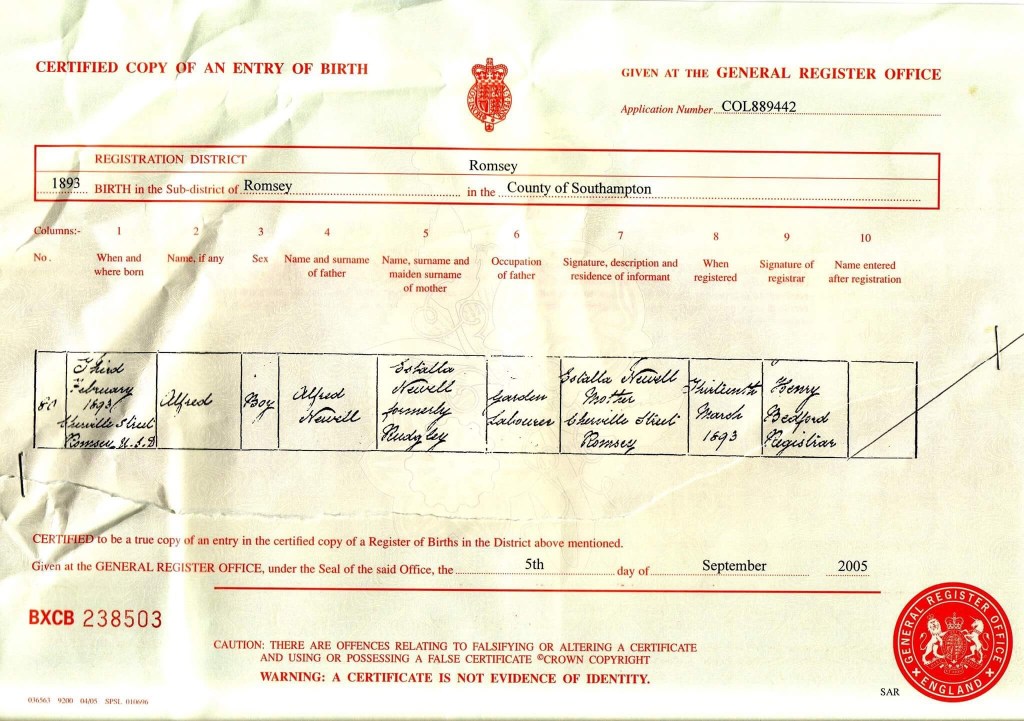
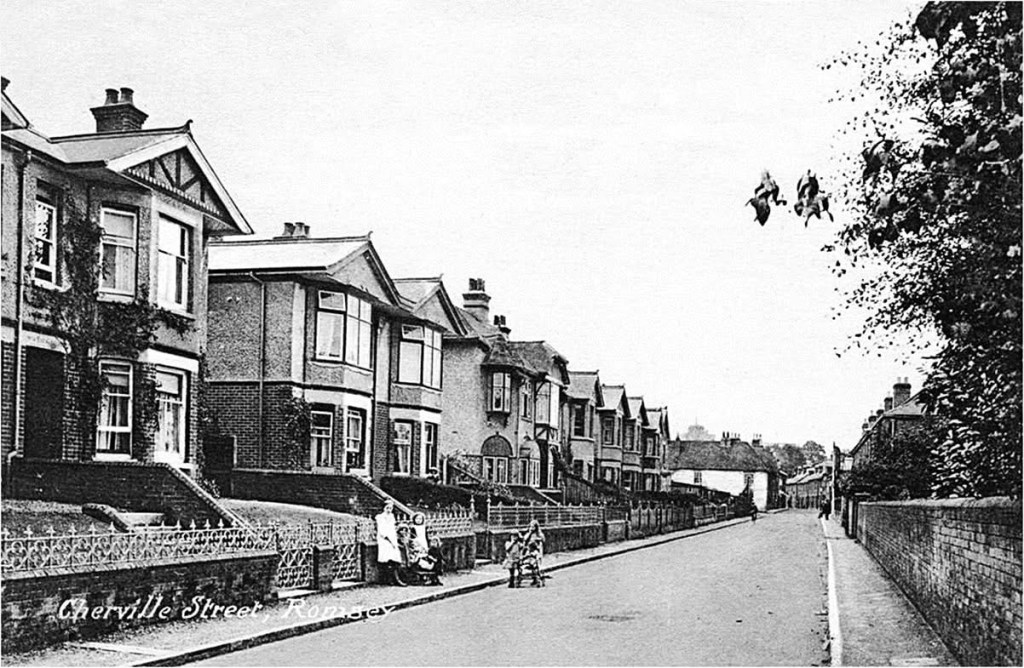
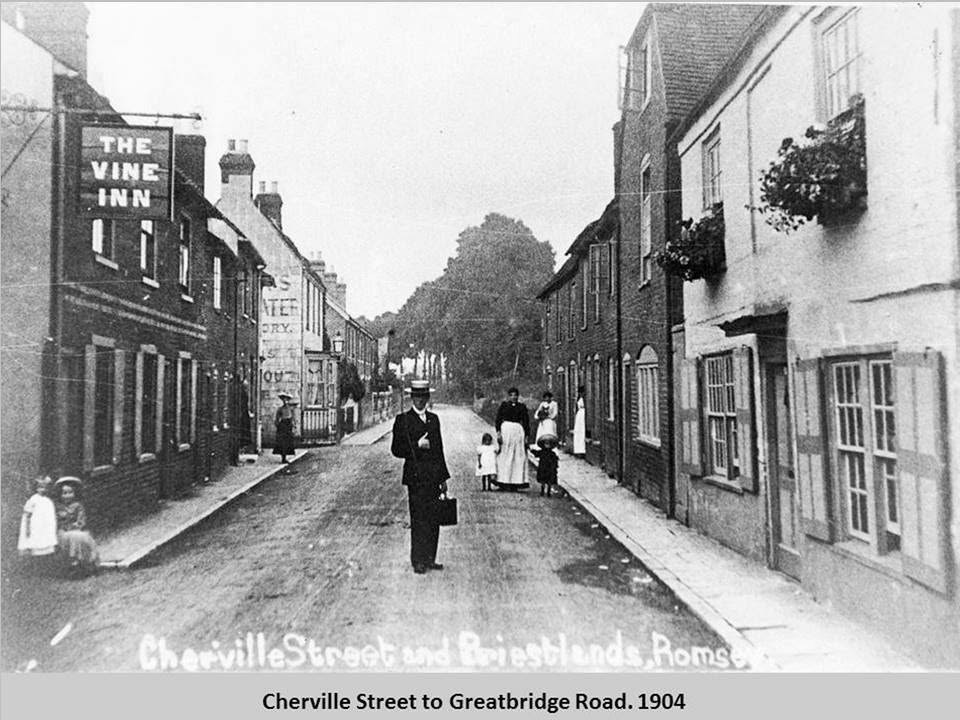
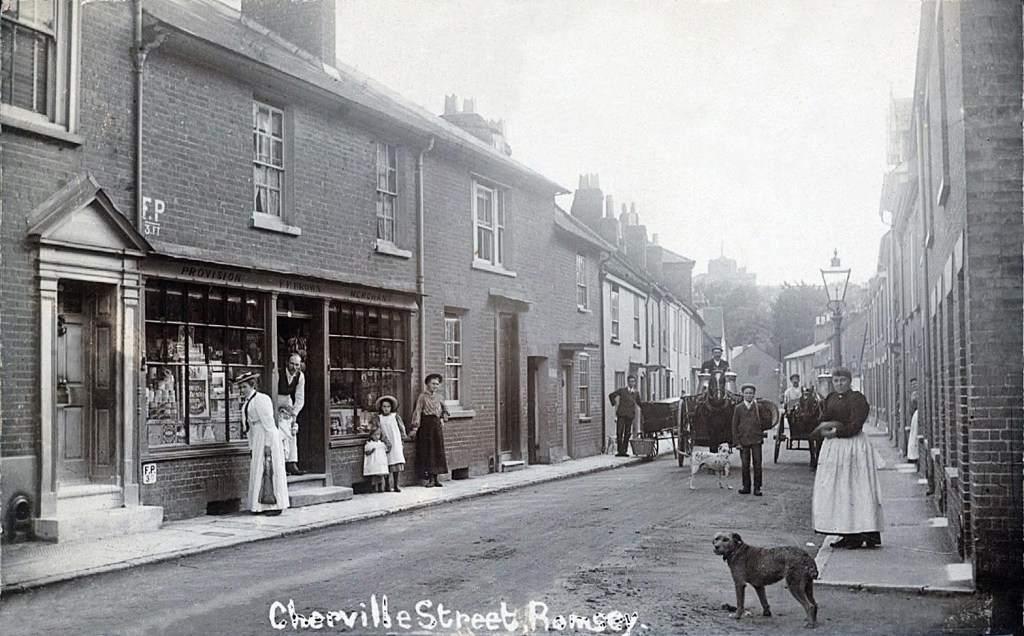
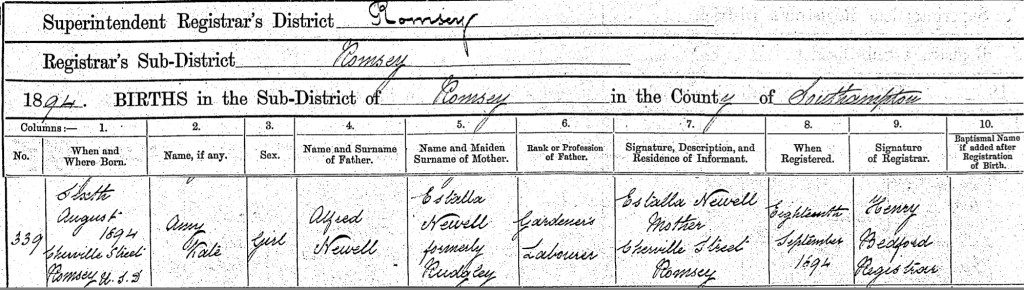
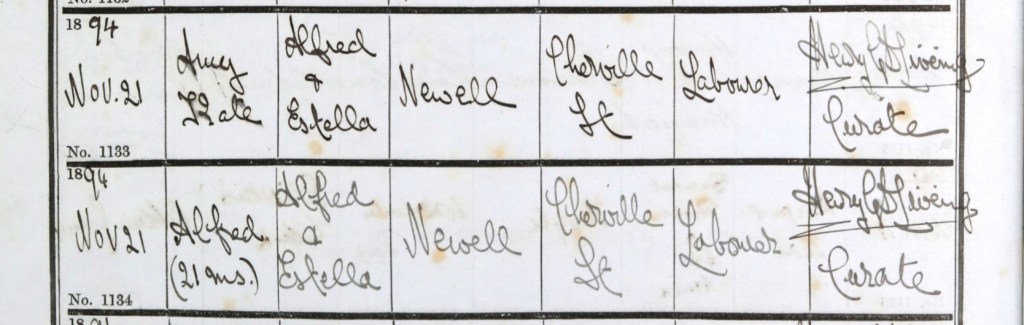
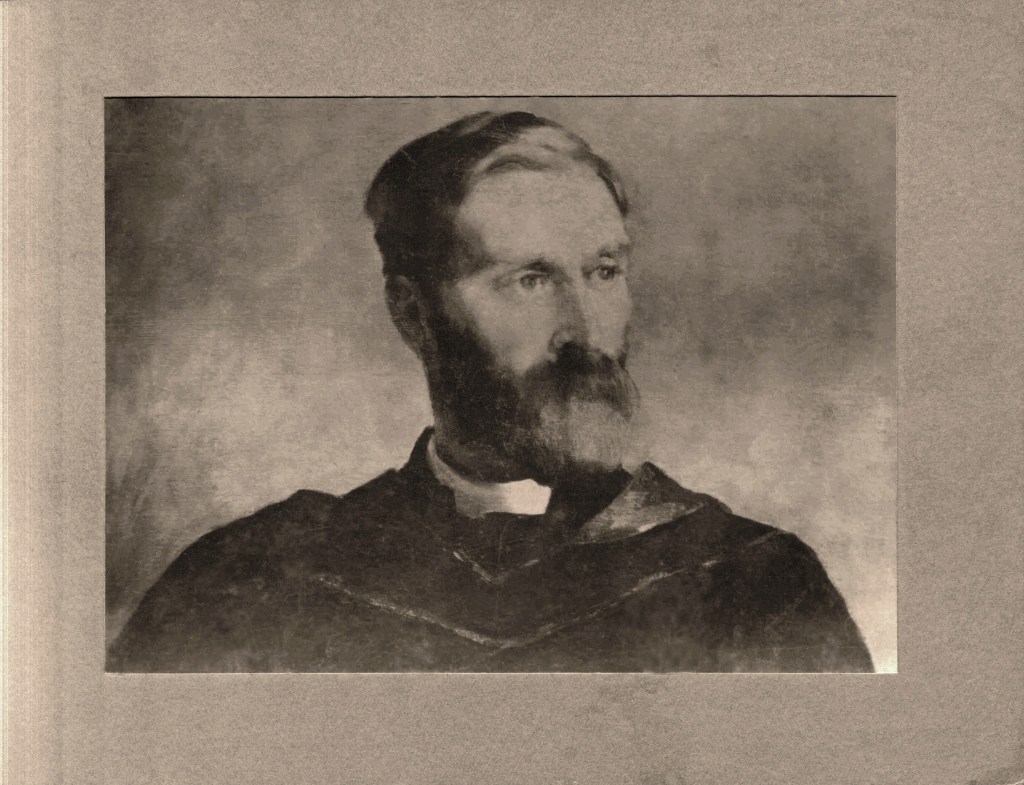
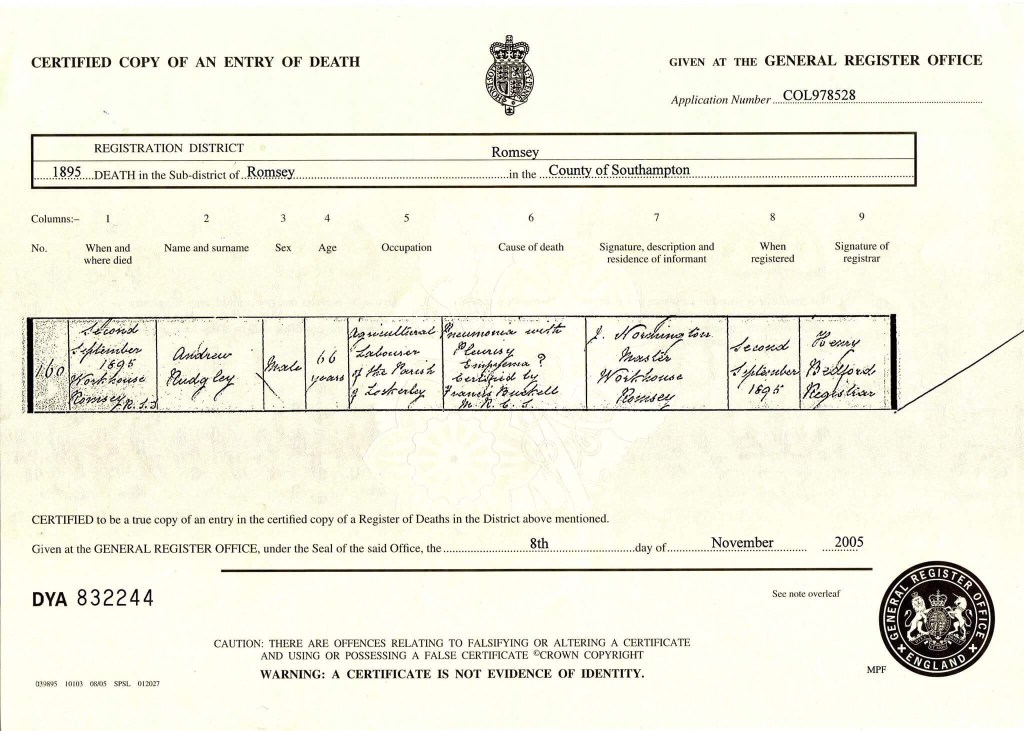

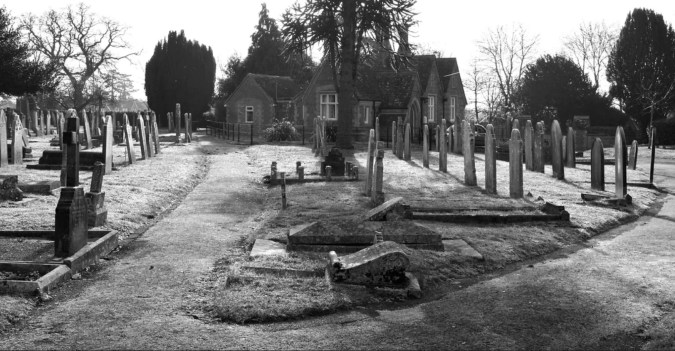
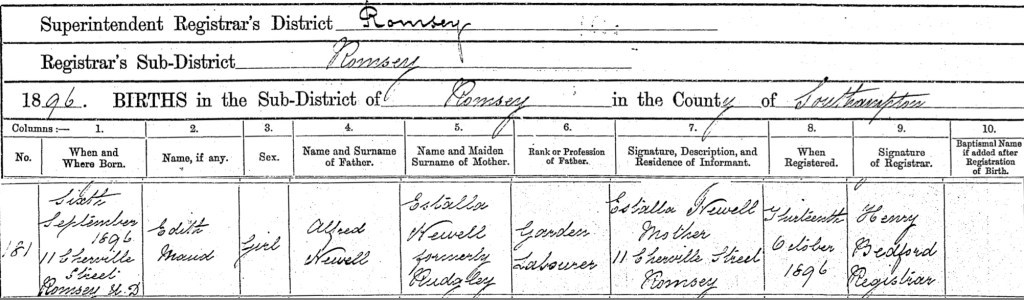

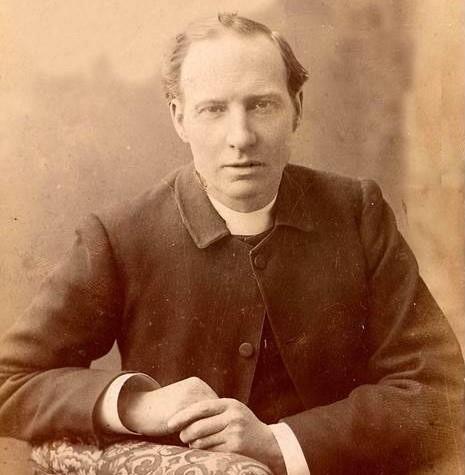
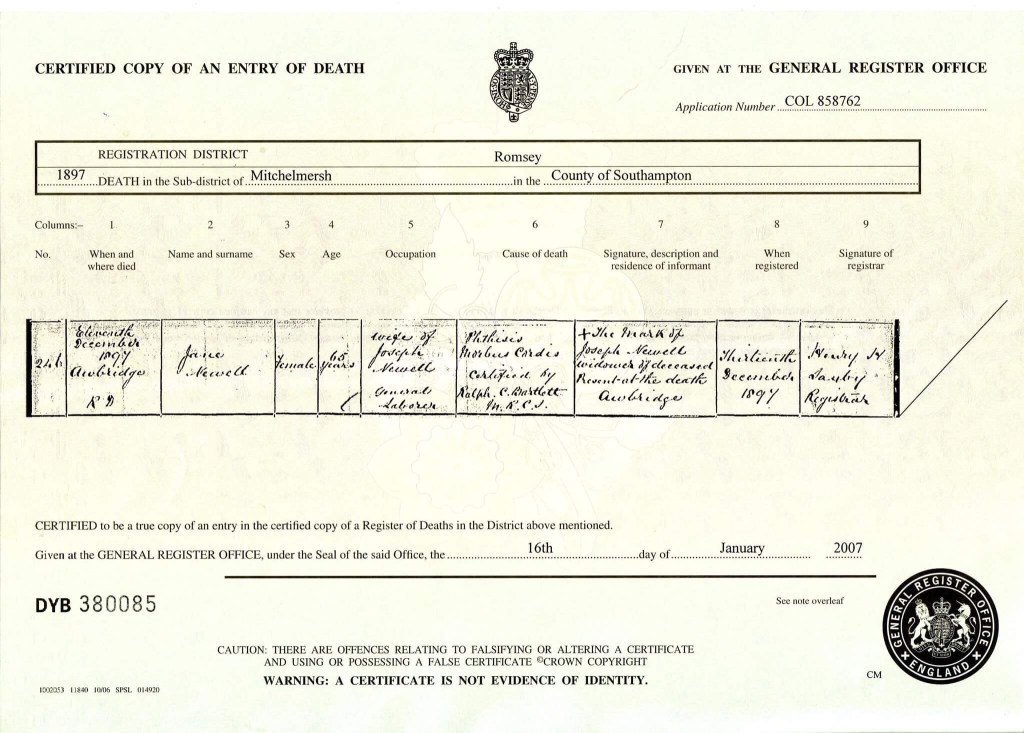
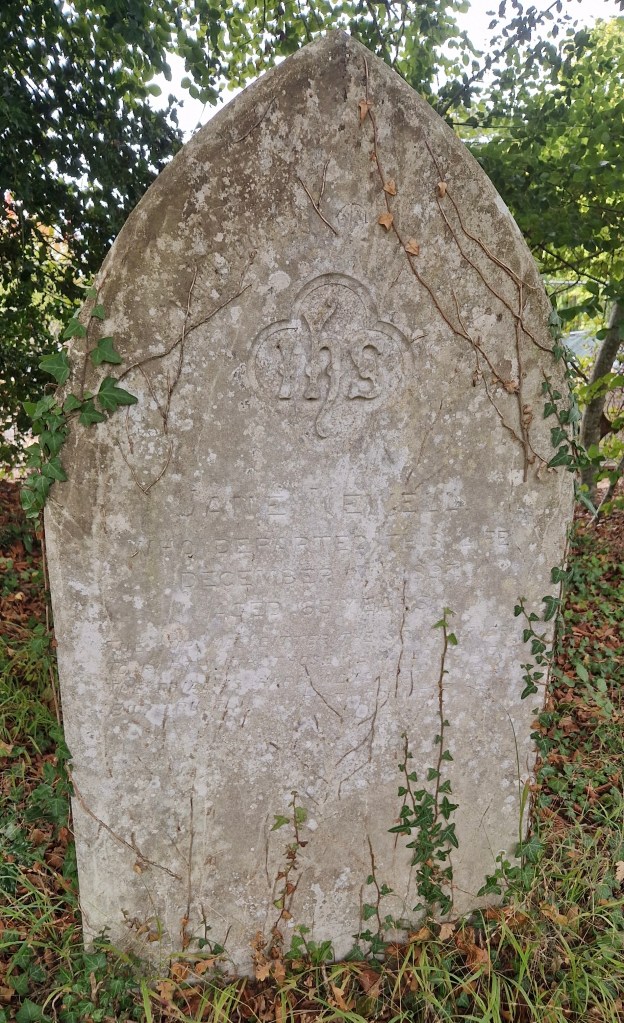
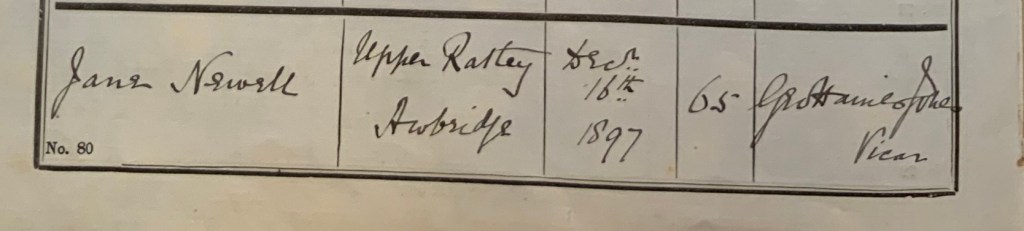
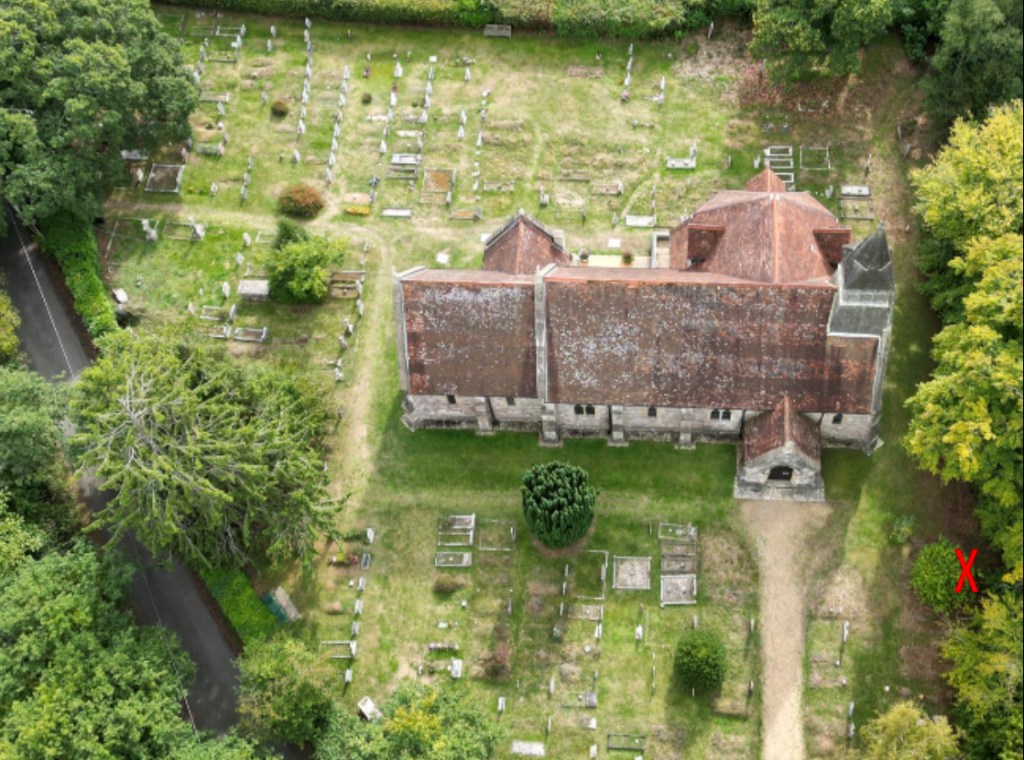
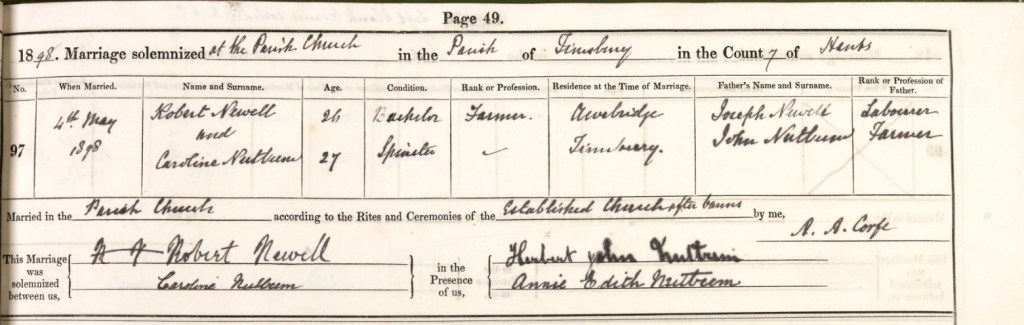
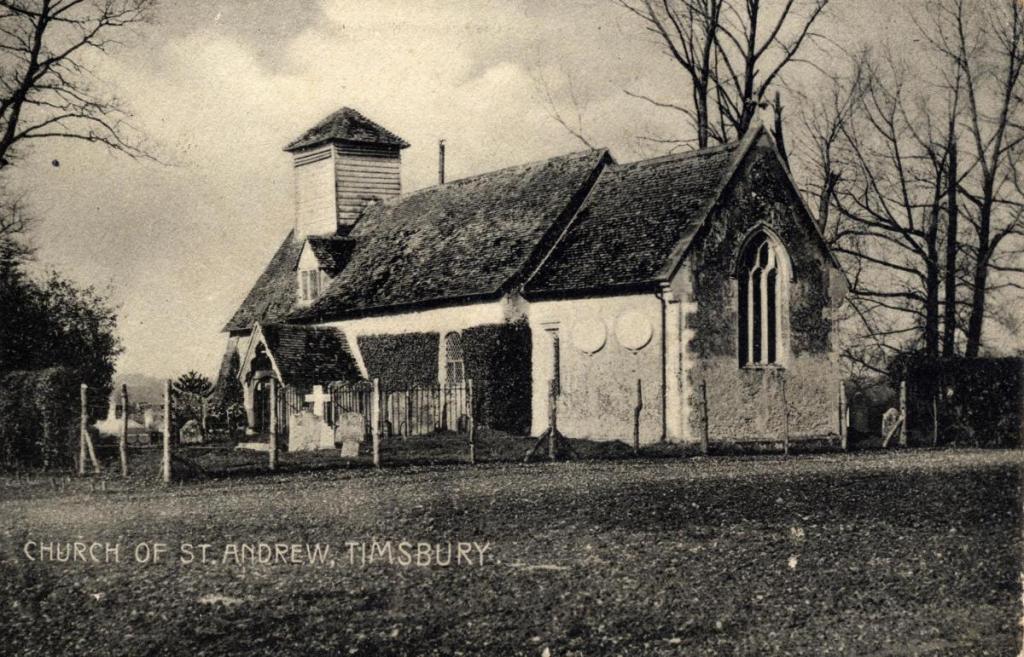
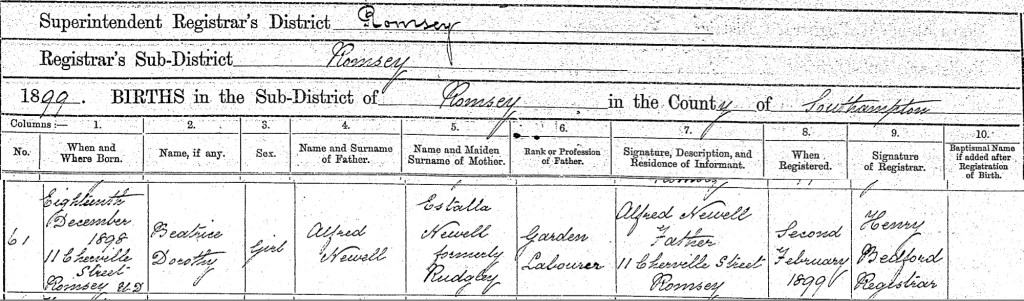
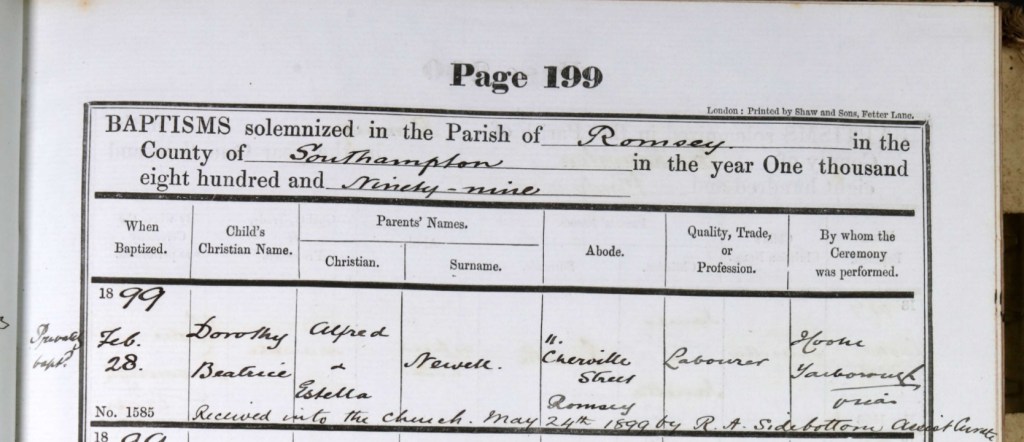
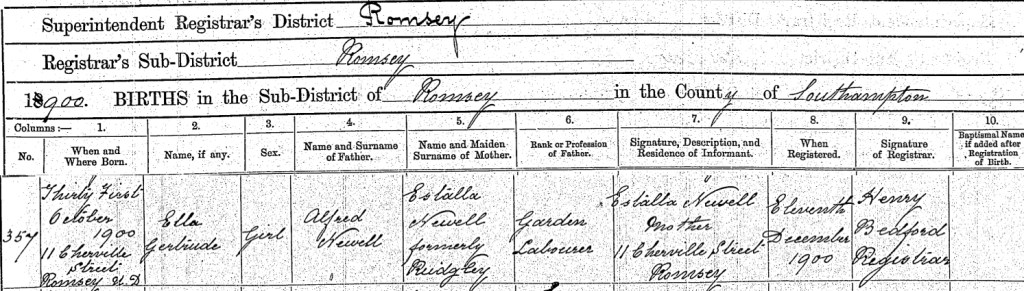
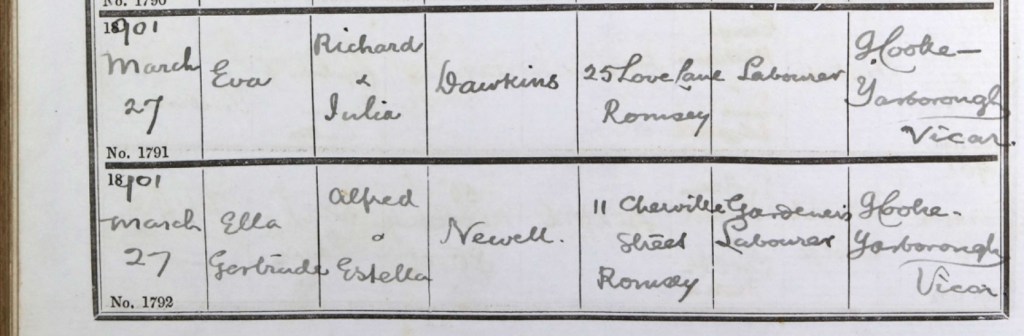
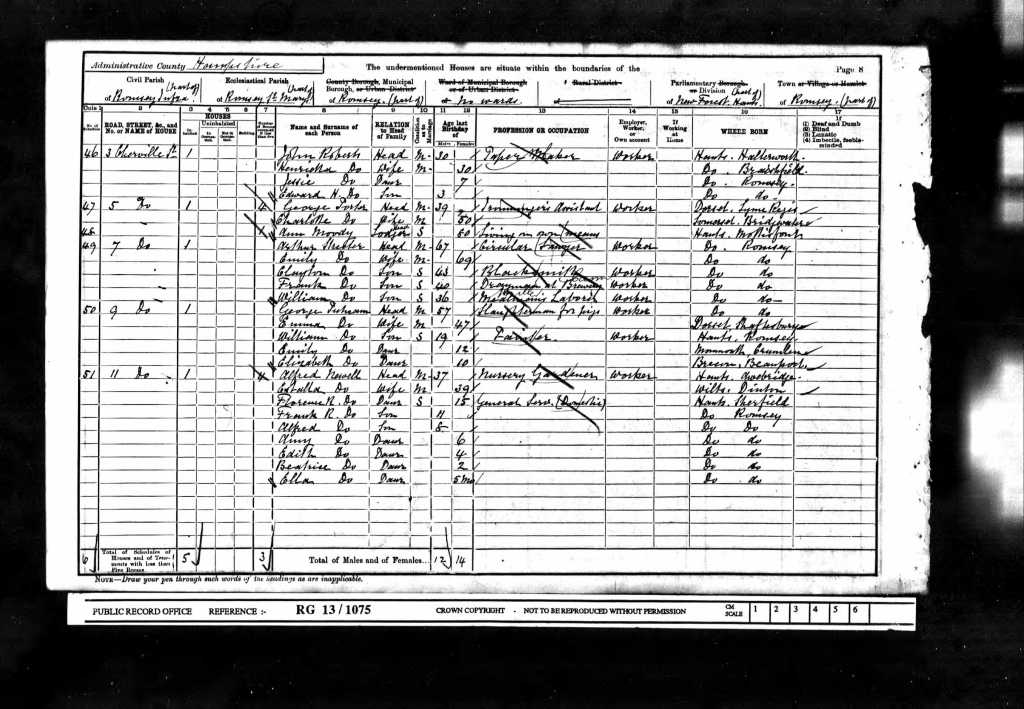
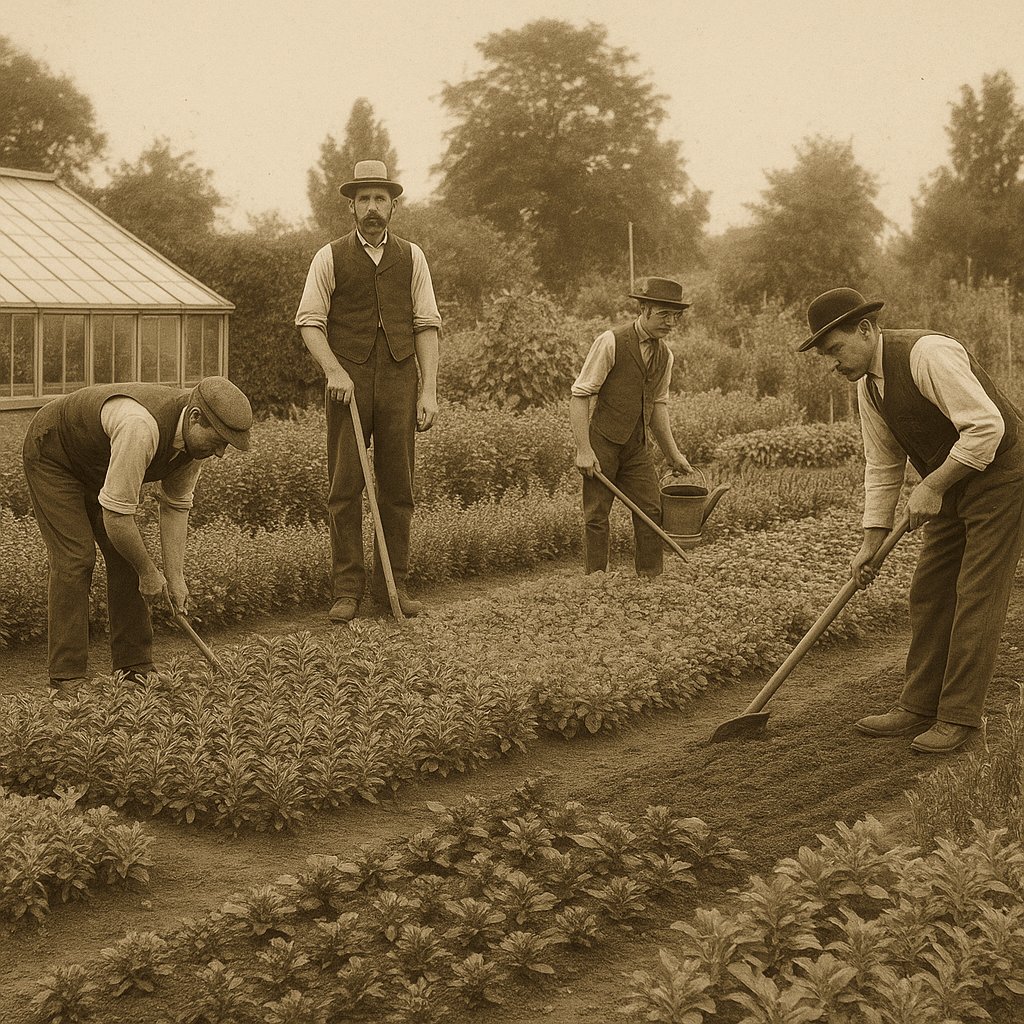
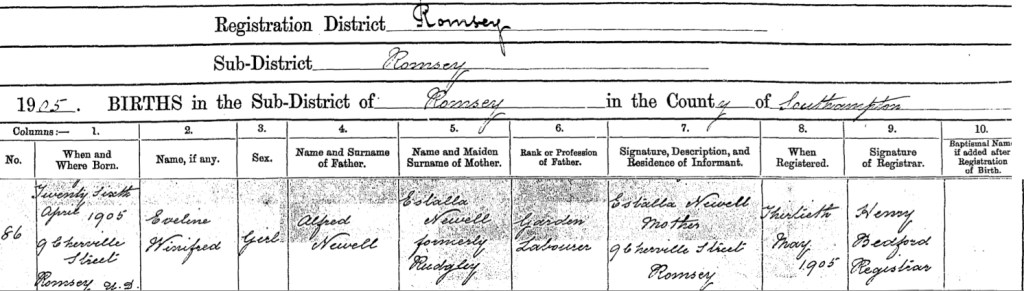

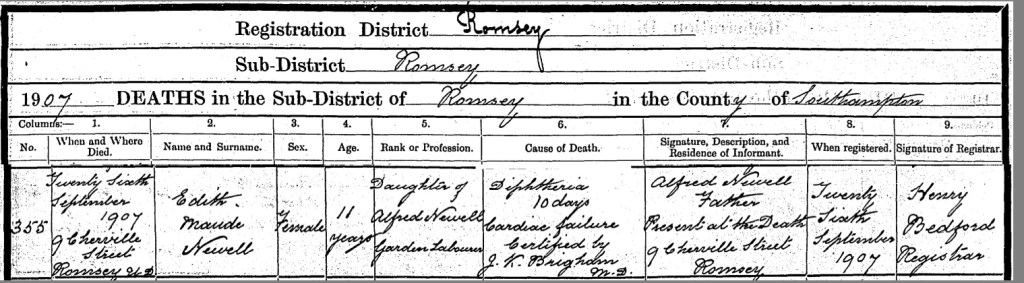
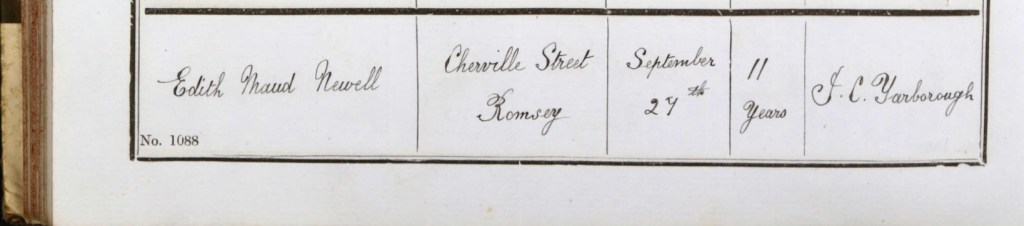
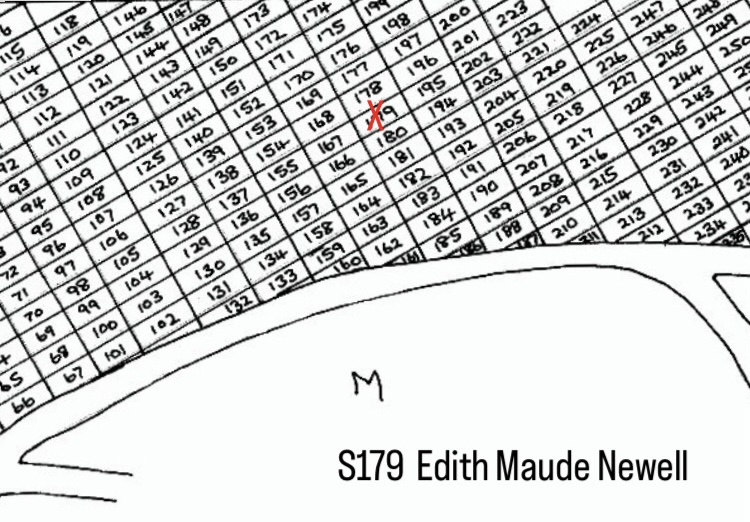
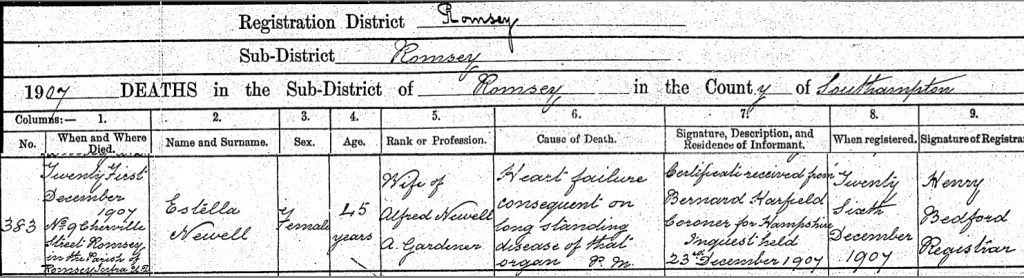
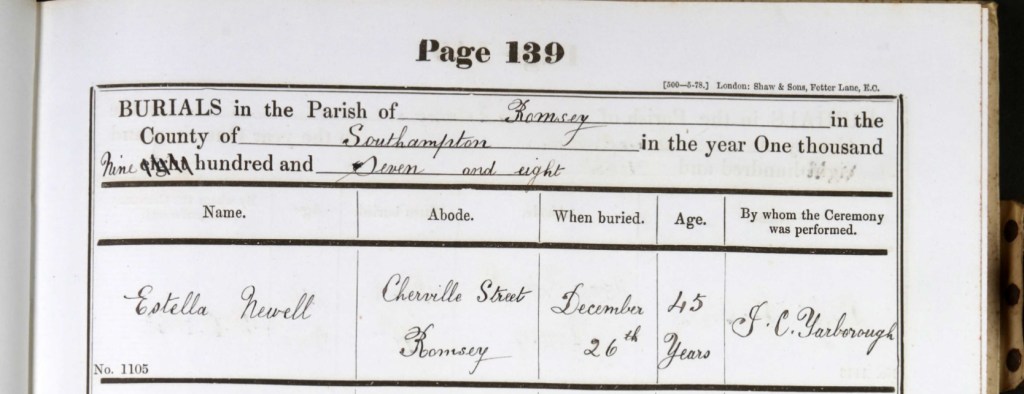

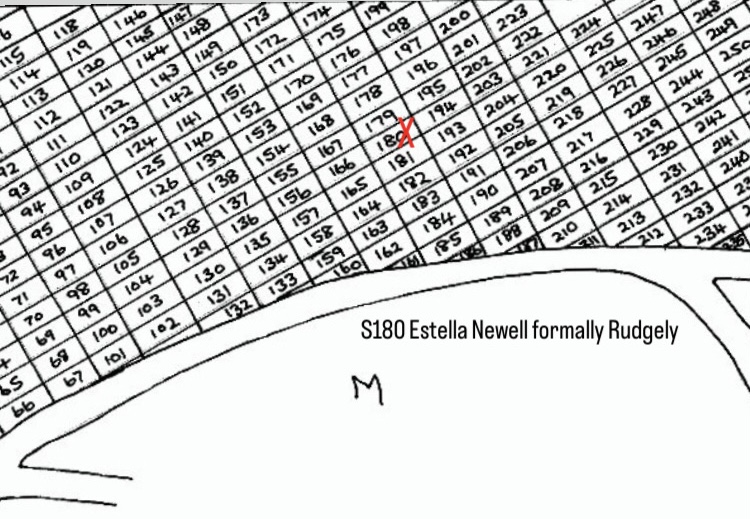
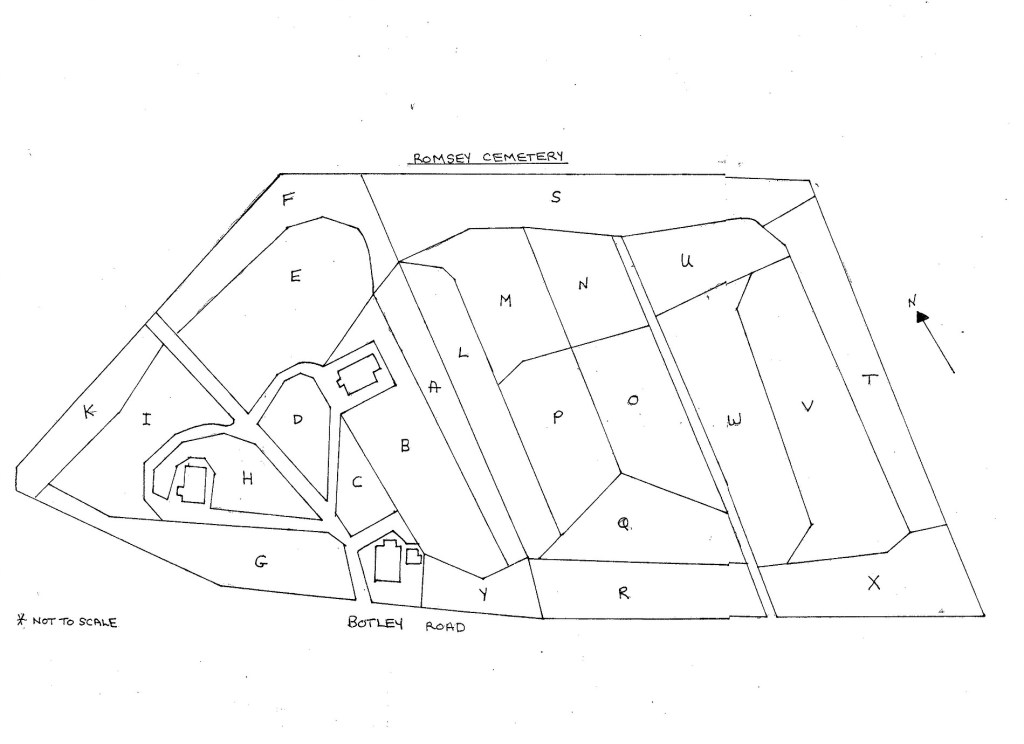
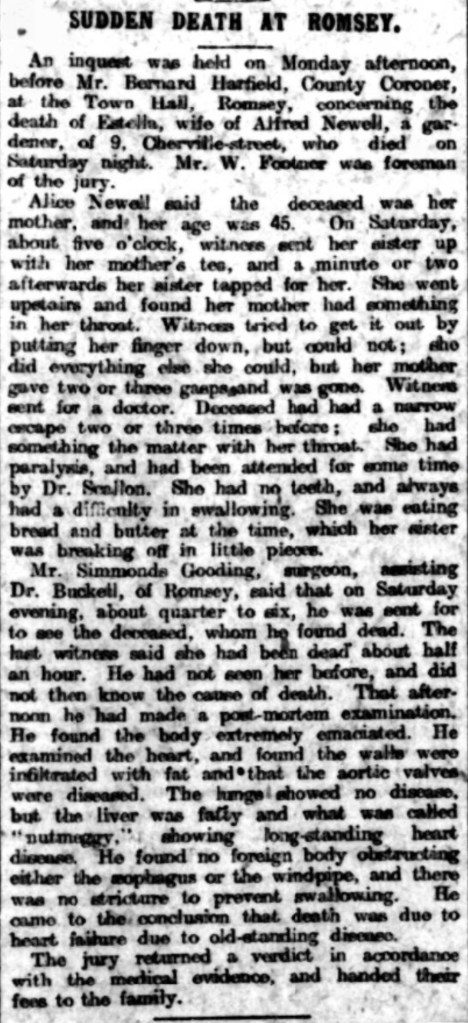
 Intwined