As we begin the second chapter of Alfred Newell’s life, Until Death Do Us Part, we are drawn into a journey marked by profound loss and quiet strength, the story of a man who endured the weight of sorrow without ever faltering in his love or duty. The death of his beloved wife Estella in December of 1907 left a void that nothing could fill. She had been his partner, his anchor, and the mother of his children. Yet, Alfred, steadfast and devoted, carried on, raising their children with the same care and love that had defined their life together. Two of those children, Alice and Florence, had come into Estella’s life before their marriage, and though they were not of his blood, Alfred loved them as his own. His heart, so open and unwavering, never once hesitated in embracing them fully. In his eyes, they were his daughters, and he raised them with the same quiet devotion he had shown his biological children.
Alfred’s ability to love, despite the circumstances of their births, spoke to the incredible depth of his character. Where some might have seen a difference, Alfred saw only the heart, his heart, given so freely and generously to the children Estella had brought into their shared life. He raised them with love, in a home that thrived on the quiet resilience of hard work and the unspoken bond that held them all together.
Even after Estella’s passing, Alfred’s heart never hardened. He endured the grief of her loss with strength, not allowing it to define the rest of his life. Instead, he continued to pour his love into the children they had together, standing as both father and mother, a pillar of strength, even as his own heart ached. Yet, life was not done testing him.
In 1939, Alfred's life came to a close, but not before he had lived a life that was a testament to the kind of love that endures beyond death. His passing marked the end of a chapter, but the legacy of his love and dedication lives on in his children and in the way he raised them. Alfred’s story is one of profound love and sacrifice, of a man whose heart was as deep as the earth he worked, whose capacity to love knew no bounds. Even in the face of unimaginable loss, he carried on, a symbol of resilience and devotion. Part 2 of Alfred’s story is not just the story of a man who lived, worked, and loved, it is the story of a father whose love transcended time and circumstance, whose heart never gave up, and whose legacy will continue to echo through the generations that followed.
Welcome back to the year 1909, Romsey, Hampshire, England. It was a time of quiet transition, where the steady hum of everyday life blended with the undercurrent of change that was sweeping through the country. In this corner of England, Alfred Newell, like many others, continued his life’s work, grounded firmly in the traditions of the past while also witnessing the slow tide of progress that was slowly altering the landscape of the future.
At the beginning of the 20th century, Britain’s monarch was King Edward VII, whose reign was defined by the shift from Victorian ideals to the Edwardian age. The country stood on the brink of both social reform and a new industrial era. While Alfred worked as a gardener and labourer, the world around him was evolving, moving toward modernization, yet his life in Romsey, with its rhythms of planting, harvesting, and hard work, remained relatively unchanged. However, Alfred’s world was framed by the realities of life in early 1900s England, where class divisions were pronounced, and where, despite the promises of industrial progress, the working class was still largely relegated to humble lives of labour.
Alfred’s work, like that of many men in his position, was steady but grueling. As a gardener, he tended to the land, shaping the very earth with his own hands, understanding the complexities of plant life, and carrying the silent weight of hard-earned knowledge passed down from generations before him. He was deeply rooted in his work, much like the soil he tilled. Yet, for all his quiet devotion to his craft, Alfred’s life was marked by the stark contrast between the classes. While the wealthy lived lives of opulence, their homes adorned with the finest furnishings and their every whim indulged, Alfred and those of his station spent their days in modest homes on Cherville Street, working tirelessly for what little they had.
The difference between the rich and the poor in 1909 was more than just wealth; it was a way of life. The wealthy had access to the best of everything: private education for their children, fine dining, and leisure time spent in theatres or private clubs. The working class, like Alfred, faced long hours of physical labour, earning just enough to keep their families housed, clothed, and fed. Housing for the wealthy was vast, with sprawling estates and manicured gardens, while Alfred’s home, at Number 9 Cherville Street, was modest—a small dwelling with just enough room for him, his wife Estella, and their growing family. Despite the hardships, Alfred’s home was filled with love, with the laughter of children, the warmth of shared moments, and the quiet devotion that bound him to Estella and their children.
The atmosphere of 1909 in Romsey, like the rest of England, was one of change tempered by deep-rooted traditions. The rise of industrialization, while more pronounced in the cities, was beginning to make its mark on the countryside, even in small towns like Romsey. Railways were expanding, bringing in new goods and ideas, and although Alfred’s life was firmly tied to the earth, even he could see the subtle shifts in the air as the world around him grew more connected and more industrialized.
In terms of transportation, horses were still a dominant force in rural areas, though the early rumblings of the automobile could be heard on the roads. Alfred would have likely seen the early phases of motorcars making their way into Romsey, though they were still a luxury few could afford. For Alfred and his peers, the bicycle was an affordable and practical alternative, providing a new sense of freedom for the working class, yet still miles away from the opulent motor cars of the wealthy. Alfred’s life, though far from the rapid changes of urban centers, was still quietly touched by these shifts.
As far as heating and lighting went, Alfred’s home was typical of many in the working class. Their home would have been heated by a coal fire, offering warmth on the coldest days, though it required constant tending. Lighting was by gas lamps, providing just enough light to guide the family through the evening. The wealthier families, by contrast, had access to electricity and more modern conveniences, yet these technologies were still scarce in places like Romsey, especially for those living on the edge of the working-class line.
Food was an essential part of Alfred’s life, but it also revealed the divide between social classes. For Alfred and his family, meals were simple, often based on what could be grown in the small garden he tended or what could be afforded through their modest income. Potatoes, bread, and a few vegetables made up the bulk of their diet, with meat being a rare treat. In contrast, the wealthier families of Romsey would have enjoyed rich meals with a variety of meats, exotic fruits, and fine cheeses. Food was not just a necessity; it was a marker of class, with the wealthier able to indulge in lavish meals, while the working class relied on the bare minimum to get by.
The world of entertainment in 1909 was also split along class lines. Alfred, a quiet man by nature, would have likely enjoyed simple pleasures such as gatherings at the local pub, where gossip flowed as freely as the ale, or perhaps a visit to the local cinema, which was beginning to rise in popularity, providing an affordable escape from the struggles of daily life. The wealthy would have attended grand theatres, operas, and private performances, activities that were worlds apart from Alfred’s own experiences. For Alfred, entertainment was found in the companionship of his family and friends, in the simplicity of shared meals, and in the everyday pleasures of the community.
Disease and public health were constant concerns in 1909, particularly for the working class. Alfred, like many in his community, lived with the knowledge that poor sanitation, cramped living conditions, and limited access to medical care put his family at risk. In cities and towns where overcrowding was prevalent, diseases such as tuberculosis, pneumonia, and diphtheria spread easily, and though medical advances were being made, they were still largely out of reach for many like Alfred. For those in the working class, healthcare was often a luxury they could not afford, and many families, including Alfred’s, had to rely on local clinics and public healthcare services.
Alfred’s devotion to his family was always his guiding force, and he worked tirelessly to provide for them. In his life, he saw the world around him changing, but he never wavered from his quiet, steady role as a father and provider. He had loved his wife Estella with a fierce loyalty, raising their children together through the challenges they faced. He had loved Estella’s two daughters, Florence and Alice, as his own, despite them not being his by blood, and in doing so, showed the depth of his character. As Alfred navigated the complexities of his world, he did so with grace, love, and unwavering devotion to his family. Through it all, he never lost sight of the importance of hard work, love, and the simple joys of life.
On Saturday, the 13th day of February 1909, Alfred’s world shifted as his father, Joseph Newell, passed away at the age of 80 in the Romsey Workhouse. For Alfred, the loss of his father was not just the end of a life, but the closing of a chapter in a family’s story, a story that had been rooted in hard work, sacrifice, and a bond that ran deeper than the land they worked. Alfred had lived a life shaped by his father’s example, a life grounded in the same quiet resilience and strength that defined Joseph’s years.
Joseph, the hardworking labourer, had always been a presence in Alfred’s life, steady and enduring like the earth they both worked. Joseph’s hands had been calloused by years of toil in the fields of Hampshire, just as Alfred’s had been, carrying the weight of a family’s future with a quiet dignity. Alfred had learned from his father the importance of commitment, of working with purpose, and of never shying away from the hardest tasks. His father had shown him what it meant to be a provider, to nurture life from the soil, and to stand strong in the face of hardship. Even in his old age, Joseph had continued to work, his life spent in service to his family and the land they depended on.
Joseph’s passing in the workhouse, though not entirely unexpected after a long struggle with congestion of the lun
Dying in the Romsey Workhouse at the turn of the 20th century, like Joseph Newell did in 1909, was a deeply sobering experience, marked by hardship, isolation, and institutional routine.
The Romsey Union Workhouse, like many others across England, was designed not as a place of comfort but as a last resort for those who were destitute, elderly, infirm, or alone. To enter the workhouse often meant that a person had exhausted all other options, family could no longer support them, their savings had run dry, and their health had declined to the point of dependency. While food, shelter, and basic medical care were provided, it came at the cost of personal dignity and freedom.
Inside, patients lived under strict rules. Men and women were separated, even if they were husband and wife. The old and infirm were often placed in "sick wards," which were sparse and clinical, with basic beds, minimal privacy, and few comforts. For many elderly residents like Joseph, the days blurred into each other, filled with the sounds of coughing, whispered prayers, and the distant footsteps of staff. The air was thick with a mixture of disinfectant and quiet resignation.
Medical care was rudimentary. Although some workhouses had visiting doctors or nurses, treatments were limited and often inadequate for chronic conditions. Joseph’s death from congested lungs and heart failure, conditions common among the elderly poor, would likely have been a drawn-out decline. Pain relief was basic, and care was more about containment than cure. His death would have been witnessed not by loving family members but by staff or other patients, like Edmund Walton, the workhouse master who registered his passing.
To die in the workhouse often meant anonymity. There was no grand funeral procession, no family home draped in mourning. Instead, the body might be taken to a pauper’s grave, marked only by a number or a simple headstone, if any at all. But even in such quiet endings, lives like Joseph’s were full of grit, labor, family, and the will to endure despite all odds. His burial, thankfully, was recorded with care by the vicar, offering a final dignity that the workhouse may not have been able to provide.
In remembering people like Joseph Newell, we not only honor their individual lives but also shed light on a time in history when poverty and aging were met with institutional responses that were often cold and impersonal, but which, beneath it all, still held stories of resilience, community, and quiet strength.
On a cold February morning, when the frost clung to the hedgerows like nature's delicate lace and the first snowdrops peered through the thawing earth, Alfred and his family stood at the edge of a profound loss. It was Wednesday, the 17th day of February, 1909, and as the quiet village of Awbridge gathered to lay Alfred’s father, Joseph Newell, to rest. The sky was a heavy grey, the air chilled with the promise of winter’s lingering hold. Yet, amidst the cold, there was warmth in the memories they carried of Joseph, a man whose life had been spent in quiet toil, whose hands had shaped the soil of Hampshire just as surely as they had shaped the lives of his family.
Joseph, had lived humbly, always laboured for his family, and yet in his passing, he was laid to rest not in poverty but among those who had come before him. His body was gently carried to the sacred grounds of All Saints Church, Awbridge, where family and history converged. The churchyard, bathed in the quiet grace of those who had passed, held the remains of Alfred’s beloved mother Jane, his grandparents Louisa and Joseph Newell, and Sarah Ventham and his step-grandfather James Ventham, all resting together beneath the same soil that had nurtured their lives. Now, Joseph would join them, returning to the place where his heart had always been, among the hills and the earth that had borne witness to so many generations of the Newell family.
Though Joseph had spent his final days in the Romsey Workhouse, his burial spoke not of the hardships he had endured in his last years, but of a life that had been deeply rooted in this land, a life marked by quiet endurance and sacrifice. The earth he was now laid to rest in was not cold or distant but familiar, a reflection of the love and community that had surrounded him throughout his life. It was in this quiet corner of Hampshire, amidst the hills and the churchyard, that Joseph’s legacy would continue to live.
Reverend G. B. Hargrave, a steady presence in their grief, led the burial service, his voice echoing softly through the still air, offering words of comfort and finality. Alfred stood among his family, the weight of his father’s loss heavy on his heart, a final goodbye to the man who had shaped him, a parting that seemed to reverberate through the depths of his being. For Alfred and his siblings, for their children, it was the closing of a chapter, one that had spanned 80 years of love, hard work, and family.
When the mourners had left the churchyard, their footsteps soft on the frosty ground, Reverend Hargrave turned back to the vestry, where he recorded Joseph’s passing in the parish burial register with the same reverence he had shown during the service.
Burial Entry
No.: 125.
Name: Joseph Newell.
Abode: Romsey.
When Buried: 17 February 1909
Age: 80.
By Whom the Ceremony Was Performed: G. B. Hargrave, Vicar.
The entry was brief, but for Alfred and his family, it marked the end of an era. A man who had lived and loved with quiet dignity now lay at rest, his life written not in the records of the workhouse, but in the heart of the community he had helped build.
Joseph Newell’s passing was more than a loss of a father and grandfather, it was the loss of a part of the land itself, of the enduring strength that came with a life lived in service, in love, and in the unwavering devotion of a father to his children. Though winter still held the land in its grip, beneath that sorrow lay something warmer, the love and kinship that had been passed down through generations, a warmth that would echo long after the cold had lifted.
All Saints Church in Awbridge, Hampshire, is a historic and beautiful church situated in the peaceful surroundings of the Test Valley. It has become a central part of the community, offering a place for worship and reflection. While the village of Awbridge itself dates back to the medieval period, All Saints Church was not constructed until later, it was completed in 1876.
The church was built in the mid-19th century to accommodate the growing population of Awbridge. Prior to the establishment of All Saints Church, the community likely relied on nearby churches for worship, but as the village expanded, it became necessary to have a dedicated church for the people of Awbridge. The church was built in a traditional style, using local materials, and it was designed to blend seamlessly with the surrounding countryside. All Saints Church became a focal point for the community, offering a space for people to gather for worship, weddings, baptisms, and funerals.
The first recorded burial in the churchyard, according to the burial register I have access to, was on the 10th of May, 1878. This burial was that of Edith Ester Olding, a five-month-old child who was laid to rest by Clement Smith. This marks the beginning of the many burials that have taken place in the churchyard since then. Over the years, the churchyard has become the final resting place for many of the village's residents, with gravestones and memorials that tell the stories of those who lived in Awbridge and the surrounding area.
In the early years following its construction, All Saints Church underwent some modifications and enhancements to meet the needs of the growing congregation. The church was expanded in the 20th century, and additional features, such as stained-glass windows, were added, enhancing its beauty and spiritual atmosphere. The church remains a cherished building within the village, providing a serene space for worship and a sense of connection to the past.
Like many historic sites, All Saints Church and its churchyard have been the subject of local folklore and ghost stories. Over the years, there have been rumors of hauntings and strange occurrences in the churchyard. Some visitors and locals have reported seeing shadowy figures moving between the gravestones, especially during the evening or early morning hours. There have also been accounts of mysterious noises, such as footsteps or whispers, heard when no one else is present. These stories have contributed to the church’s mysterious reputation, although there is no solid evidence to confirm the supernatural tales.
Despite these stories, All Saints Church remains a peaceful place of reflection, offering a space where the people of Awbridge continue to come together for worship and to honor their loved ones. The churchyard, with its collection of gravestones, serves as a quiet reminder of the lives that have been lived in the village, marking the passing of generations.
In conclusion, All Saints Church in Awbridge, built in 1876, is a significant part of the village’s history and continues to play an important role in the community. The first recorded burial in the churchyard, that of Edith Ester Olding in 1878, marks a poignant moment in the church's history. While the church has become the subject of local legends and ghost stories, it remains a place of peace, reflection, and spiritual connection for the residents of Awbridge.
On the eve of the 1911 census, Sunday, the 2nd day of April, Alfred Newell, now 47 years old and a widower, found himself living with his children at Number 9, Cherville Street, Romsey, Hampshire. The family resided in a modest five-room dwelling, where the memories of his late wife, Estella, still lingered in every corner. It had been just a few years since her passing, and the loss was a weight Alfred bore quietly, even as he continued to raise his children, all of whom had known the love and care of a devoted mother.
At 26, Alice, the eldest, was now the housekeeper for her father, stepping into a role that had once belonged to Estella. Though still young, Alice had taken on the responsibility of looking after the household, ensuring everything ran smoothly for her father and siblings. Frank, now 21, had started his career as a porter at a grocer's, helping to support the family with his earnings. Alfred, 18, worked at the Romsey jam factory, contributing to the family's income in his own way. Amy, 16, was growing into a young woman, while Dorothy, 12, and Gertrude, 10, were still in school, the next generation of Newells receiving their education and preparing for the future.
Alfred’s life had been shaped by toil, love, and loss. He had been married to Estella for 18 years, and together they had brought nine children into the world, though one had tragically passed. Now, as a widower, Alfred carried the responsibilities of fatherhood alone, with the help of his eldest children. Their roles within the household were not just practical; they were an embodiment of the strength and resilience that had carried the Newell family through hard times. Even without Estella's presence, her legacy lived on in the home they had built together and the children they had raised, who were learning to support each other as the world around them continued to change.
Alfred, ever the gardener, and his children, each in their own way, embodied the quiet strength of rural England, where hard work, community, and family were the cornerstones of life.
In 1911, Alfred Newell, working as a gardener or nurseryman in Romsey, Hampshire, would have found himself in a somewhat different position compared to earlier years. The early 20th century saw several advancements in horticulture, and Alfred would have been part of an industry that was gradually modernizing. Nurseries were an important part of the local economy in Romsey, which, being situated near the heart of Hampshire, was known for its agricultural and horticultural heritage. As a nurseryman, Alfred’s role would have centered around growing plants, flowers, and trees, often for sale to the public, local markets, or wealthy landowners.
In this period, Alfred’s daily tasks would have been relatively similar to his work as a nursery gardener in 1901, but with some refinement in practices. The tools and methods he used would have been slightly more advanced, reflecting the evolving nature of the horticultural trade. Alfred would have spent much of his time planting, maintaining, and caring for a wide variety of plants, from ornamental flowers to vegetables and shrubs. He may have worked in greenhouses, where the controlled environment allowed for better growth of certain plants, or in open fields, cultivating larger plants and trees. The work would have been heavily dependent on the seasons, with more planting and care in the spring and summer months and less activity during the colder winter months, although basic maintenance would continue year-round.
Alfred’s daily tasks could include sowing seeds, planting seedlings, pruning plants, watering, and preparing plants for sale. He would have been responsible for ensuring that the plants were healthy and growing well, dealing with pests, and using various chemicals or natural remedies to protect the plants. During the winter, when activity slowed down, he might have spent time in the greenhouse, preparing seedlings for the coming season or maintaining the growing infrastructure.
The hours worked in 1911 would still have been long, as gardening and nursery work depended on consistent attention to the plants. His day would likely have started early, especially during the busy seasons, and could last 10 to 12 hours. Like most farm and garden laborers of the time, Alfred would have worked six days a week, with Sunday often reserved for rest or church attendance. The long hours in the sun and the physically demanding nature of the work meant that Alfred’s day was exhausting, but his wages were modest. The average pay for a gardener or nurseryman in 1911 would have been around 15 to 20 shillings per week, depending on experience and the size of the nursery. This would have been slightly better than the wages of farm laborers, but it was still enough to cover only the basics.
In terms of risks and dangers, Alfred’s job as a nurseryman was less hazardous than working as a farm laborer, but there were still plenty of potential dangers. Working with tools like pruning shears, spades, and hoes presented the risk of cuts or injuries, while lifting heavy pots and plants could lead to strains or sprains. Additionally, Alfred would have had to work with chemicals, particularly in the treatment of plants for pests, which could have been harmful without modern protective equipment. Exposure to these chemicals over time could have had long-term health effects, such as respiratory problems or skin conditions.
Alfred’s employer in 1911 would likely have been a local nursery owner or manager, possibly someone who ran a small or medium-sized business, growing flowers and plants for local markets, garden centers, or wealthy private estates. The treatment of Alfred would have varied depending on the employer, but in general, his position as a nurseryman would place him at a higher status than the general farm labourers of earlier years. He would have had more specialized knowledge, but still, like many workers in rural industries, Alfred would have had little power over his pay or working conditions.
Alfred’s social life in 1911, like many working-class people at the time, would have been focused on his work and the local community. He would have lived in modest accommodation, possibly a cottage or a room on the property where he worked, as many workers in the horticultural industry did. Socializing would likely have been limited to church activities, local fairs, and gatherings in the village. Though Alfred’s work was important, it was still largely defined by the rigid class structure of rural England, and opportunities for leisure or upward mobility would have been few.
On Thursday, the 25th of March, 1915, Alfred stood before the altar of the Abbey Congregational Church in Romsey, Hampshire. At 51 years old, with the weight of time etched into his features and the burden of grief still heavy on his heart, he took the hand of Sarah Emily Watts, a widow who, like him, had known the deep ache of loss. Sarah, a woman of quiet resilience, was the daughter of the late George Felix Tigg and Mary Ann Tigg, formerly Cousins, and had been the wife of Alfred Watts, who had passed away in 1902. Together, they had raised a family of seven children, six girls and one boy, at their home at Number 29, Cherville Street, Romsey, since at least 1891, a home that Sarah continued to hold dear long after her husband's passing.
The ceremony was simple, yet profoundly moving. Alfred and Sarah were joined by two quiet witnesses, William John Turner and Louisa Finch, who understood that this marriage was not just about companionship, but about healing the wounds that life had so often inflicted. Alfred, with his heart full of memories of Estella, his first wife, and the mother of his children, made his vows to Sarah not to erase the love he had carried for Estella, but to honor it. The love for Estella, though unspoken in the ceremony, lingered in the corners of Alfred's heart, a silent vow that time could never take away.
Minister Thomas Wood performed the ceremony, and with registrar Arthur Alcombe, the marriage was officially recorded, marking the beginning of a new chapter for Alfred and Sarah.
Marriage solemnized at The Abbey Congregational Church, Romsey, In the District of Romsey In the County of Southampton. was filled out
No.: 55
When Married: March 25th, 1915
Name and Surname: Alfred Newell, Sarah Emily Watts
Age: Alfred: 51 years, Sarah: 48 years
Condition: Alfred: Widower, Sarah: Widow
Rank or Profession: Alfred: Gardener, Sarah: (blank)
Residence at the time of Marriage: Alfred: 9 Cherville Street, Romsey, Sarah: 29 Cherville Street, Romsey.
Father’s Name and Surname:
Alfred: Joseph Newell (deceased), Sarah: George Henry Watts (deceased).
Rank or Profession of Father: Alfred’s Father: Labourer, Sarah’s Father: Shoemaker
Married in the Abbey Congregational Church according to the Rites and Ceremonies of the Congregationalists by Certificate by me, Thomas Wood (Minister)
This marriage was solemnized between us:
Alfred Newell
Sarah Emily Watts
In the presence of us:
William John Turner
Louisa Finch
They stood side by side, each with their own history, yet both seeking comfort in the presence of the other. The marriage was solemnized according to the rites and ceremonies of the Congregational Church, a quiet testament to their enduring commitment.
Alfred’s residence was still at Number 9, Cherville Street, Romsey, where he had lived with his children and where his life with Estella had once been filled with laughter and love. Sarah’s home at Number 29, Cherville Street, was now the place where she and Alfred would begin anew. Both had lost so much, but together, they would build something lasting from the ashes of their grief. The names of Alfred’s father, Joseph Newell, and Sarah’s father, George Henry Watts, appeared on the certificate, marking the legacy of family that had shaped them both.
This marriage was more than just a formality. It was a recognition of Alfred’s continued devotion to the memory of Estella, as well as a hopeful embrace of the future with Sarah. It was a promise that, though the past could never be forgotten, love could still find a way to blossom, even in the twilight years. Alfred’s heart, though scarred, was still capable of love. And with Sarah by his side, he found the courage to continue on, carrying the memory of his first love and the hope for new beginnings.
Abbey Congregational Church in Romsey, Hampshire, is a significant part of the town’s history and religious landscape. It has been a place of worship for the community for many years, reflecting the spiritual life of Romsey and its residents over time. The church's location, nestled in the heart of Romsey, contributes to its important role in the social and religious fabric of the town.
The history of Abbey Congregational Church dates back to the early 19th century. It was founded during a period of religious and social change in England. The Congregationalist movement, which had its roots in the Puritan tradition of the 16th century, was gaining strength in the early 1800s, especially among those who sought a more direct and independent form of worship. Congregational churches were not part of the established Church of England and were part of a broader Nonconformist tradition, which sought religious freedom and the right to worship without the authority of the state church.
The foundation of Abbey Congregational Church in Romsey was likely tied to this broader religious movement, as many such churches were established in towns and cities during this period. The church building itself was designed in a simple but elegant style, reflecting the values of the Congregationalist faith, with an emphasis on community and fellowship rather than extravagant displays of wealth or power. The church would have been a space for quiet reflection, prayer, and the preaching of the gospel, with services conducted by ministers chosen by the congregation rather than appointed by a higher ecclesiastical authority.
The congregation at Abbey Congregational Church would have initially been made up of a small but dedicated group of local worshippers. Over time, the church grew in influence and size as more people in Romsey came to seek the independent, non-conformist worship that the church offered. The church would have played a central role in the lives of its members, providing not only spiritual guidance but also serving as a place of community gathering and support. In addition to Sunday services, the church would have hosted various social and charitable activities, further embedding it into the heart of the local community.
As the years passed, Abbey Congregational Church saw numerous changes and developments, both in terms of the church building and its congregation. The building itself likely underwent some renovations and improvements, as the needs of the church and its members evolved. Throughout the 19th and 20th centuries, the church adapted to changing social and religious climates, continuing to offer a space for worship and community life.
Today, Abbey Congregational Church remains an active place of worship, continuing its mission of providing spiritual support to the people of Romsey. The church has maintained its commitment to independent, non-conformist worship, offering a welcoming space for people of all backgrounds and beliefs. It also continues to play a central role in the social life of the town, with a range of activities and services designed to support both its members and the wider community.
Like many old buildings, Abbey Congregational Church has been the subject of local folklore and stories of possible hauntings. Some of the older churches and religious buildings in England have accumulated tales of supernatural occurrences over the centuries, and Abbey Congregational Church is no exception. Local stories suggest that the church, with its long history, could be a site of lingering spirits, though these claims are more anecdotal than based on any documented evidence.
One of the common themes in these ghost stories involves sightings of shadowy figures or strange noises, particularly in the church’s more secluded areas, such as the basement or the upper reaches of the building. Some have claimed to feel an unexplained presence in the church, describing a sense of coldness or the sensation that they are not alone. Others report hearing faint footsteps or whispers in otherwise empty parts of the church, adding to the idea that the building might be home to spirits of the past.
There is no concrete evidence to support these tales of hauntings, and they remain within the realm of local legend and superstition. Many of these stories could simply be the result of the church’s age and the natural sounds of an old building settling. Nevertheless, like many churches with long histories, the idea of a haunting has added an intriguing element to its story, feeding into the atmosphere of mystery that often surrounds places of worship with deep historical roots.
In the early months of 1915, Alfred Newell, the son of Alfred and Estella, married Sarah Ellen Watts, his stepsister and the daughter of his stepmother Sarah and her first husband, the late Alfred Watts. At 22 years old, Alfred stood at the threshold of a new chapter in his life, one that would shape the future of his family and carry forward the legacy of love, resilience, and devotion that had been instilled in him by his parents. The wedding took place in the Romsey district of Hampshire, a place that had long been home to the Newell family, where the earth had nurtured their roots and hearts for generations.
The union between Alfred and Sarah was not just the joining of two people, but the merging of two lives built upon hard work, shared values, and enduring love. It was a union grounded in simplicity, where promises were made not just with words, but through the actions of everyday life. In the presence of close friends and family who understood the weight of what they were committing to, Alfred and Sarah embarked on their journey together, knowing that love and family were the foundations that would see them through all things.
However, the rising costs of family history research, including certificates for births, marriages, and deaths, have made it difficult to continue to gather each and every detail that would paint a fuller picture of Alfred’s story. This reality weighs heavily on me, as each certificate holds a key to a chapter in his life and his descendants’ journeys. With a heavy heart, I’ve had to make the difficult decision to not purchase further certificates that are not already part of the collection. It’s a decision that saddens me, as I long to tell every part of Alfred’s story in its full richness and depth.
For those who wish to explore further details of Alfred and Sarah’s marriage, including their witnesses, the specifics of the ceremony, and more, the marriage certificate is available through the General Register Office. You can obtain a copy with the following reference:
Marriages - Mar 1915, Newell, Alfred, Watts, Sarah, Romsey, Volume 2c, Page 179.
This certificate will offer more insight into their shared life, a testament to their promise, love, and the new beginning they embarked upon together.
As Alfred stood quietly in the Romsey Register Office on that Saturday, the 26th day of April 1919, his heart swelled with both pride and bittersweet reflection. He watched his firstborn son, Frank, take Eva Hatcher's hand in marriage, a moment that marked not just the beginning of a new chapter for Frank, but also a passing of the torch, a father watching his son step into a world of his own, just as Alfred had once done. It felt as if time had flown, and the memories of guiding him through the years in the garden seemed like a distant echo. But now, here stood Frank at 28, strong and capable, ready to begin a new life with Eva by his side.
The weight of Alfred’s past, his love for Estella, and the years of shared family memories hung in the air, though the day was filled with promise. As Frank and Eva stood before the registrar, Alfred could not help but remember the love that had shaped him and his family. His heart, while heavy with remembrance, was filled with the quiet joy of seeing his son embark on his own journey.
The register they signed bore the simple yet solemn details of the day, but for Alfred, it marked a much deeper moment, a moment of hope for Frank’s future and a quiet tribute to the love that had endured through the years:
Marriage solemnized at: The Register Office in the District of Romsey
In the County of: Southampton

Date of Marriage: 26th April 1919

Names and Surnames:
Groom: Frank Newell, Bride: Eva Hatcher

Ages: Frank: 28 years, Eva: 25 years

Condition: Frank: Bachelor, Eva: Spinster

Rank or Profession: Frank: General Labourer, Eva: [Blank]

Residence at the time of marriage: Frank: Romsey Road, Lockerley, Eva: Romsey Road, Lockerley

Fathers' Names: Frank’s Father: Alfred Newell, Eva’s Father: George Hatcher (Deceased)

Rank or profession of father: Frank’s Father: Gardener, Eva’s Father: Engine Driver at Flour Mills.

Married in The Register Office by Licence before me Registrar: Arthur Elcombe and Superintendent Registrar: A.J. Harrington.

This Marriage was solemnized between us:
Frank Newell
Eva Hatcher
In the Presence of: Walter James Read and W. G. Loose
Arthur Elcombe, Registrar of Marriages for the District of Romsey in the County of Southampton
I clarify that this is a true copy of the entry No. 177 in the Register Book of Marriages for the said District, and that such Register Book is now legally in my custody.

WITNESS MY HAND this 26th day of April 1919, Arthur Elcombe, Registrar.
As Frank and Eva penned their names into the register, Alfred stood at a quiet distance, his thoughts drifting to Estella, the love of his life who had been taken from him far too soon. He whispered a silent prayer for their future, for joy, for strength, and for a love that would bloom, much like the one he had once shared with Estella. In that moment, Alfred wasn’t just a father giving his blessing; he was a man honoring the past, cherishing the present, and praying for the future. The road ahead for Frank and Eva was theirs to walk, but Alfred’s quiet presence that day was a gentle reminder that love, like family, never fades.
On the crisp autumn day of Wednesday the 20th day of October 1920, the air was filled with an almost sacred stillness as sunlight filtered gently through the stained-glass windows of Romsey Abbey. Alfred stood with quiet dignity, his heart heavy with both pride and sorrow, as he awaited the moment when he would give his daughter, Florence Helen, to a new life with Louis Cecil Dobbie. The moment should have been filled with the unclouded joy of a father giving away his daughter to the man she loved. But there, in that sacred space, a piece of Alfred’s heart was missing. Beside him, there was no Estella, his beloved late wife, and Florence’s mother, to share this bittersweet moment. Estella had been gone for nearly thirteen years, but her absence was as tangible as ever.
Alfred’s eyes may have lingered on the place where Estella should have stood. He could feel her presence in the stillness around him, in every step Florence took as she made her way toward Louis. It was a moment filled with memories, of Estella’s laughter, of the home they had built together, of the family they had raised. Florence, though not his daughter by blood, was his daughter in every other way that mattered. He had raised her with the same unwavering devotion and deep love that he had given to his own children. In his heart, she was no different, and in that moment, as he stood beside her, Alfred’s love for Estella intertwined with his love for Florence.
With both sorrow and pride interwoven, Alfred walked his daughter down the aisle and, with trembling hands, gave her away to Louis. He knew that Estella, though no longer physically present, would have been so proud of Florence, and in some unspoken way, she walked beside them both. The ceremony, conducted by the Reverend A. J. Robertson, was simple, but filled with profound significance. It was not just a union of two people; it was a union of hope, legacy, and enduring love. It was a testament to the strength and resilience of Alfred’s family, a family whose love had carried them through the pain of loss and the joy of new beginnings.
As the ceremony concluded, the marriage register was filled out and signed. The details were recorded with the same care that had guided their lives up to that point. The ceremony was solemnized at The Parish Church in Romsey, and though the official words marked the end of one chapter, they also marked the beginning of another, one filled with promise and love, as Alfred passed the torch of family to a new generation.
Marriage solemnized at The Parish Church, Romsey in the County of Southampton in the year 1920

Page: 226

Entry No.: 451

When Married: October 20th, 1920

Name and Surname: Louis Cecil Dobbie, Florence Helen Newell

Age: 35, 35

Condition: Bachelor, Spinster

Rank or Profession: Gardener, [not listed]

Residence at the time of Marriage: 48 Waldeck Road, Eaton, Norwich, 9 Cherville Street, Romsey

Father’s Name and Surname: Henry Dobbie, Alfred Newell

Rank or Profession of Father: Market Gardener, Gardener
.
Married in the Parish Church, according to the Rites and Ceremonies of the Church of England, by: A. J. Robertson, Vicar, After Banns
.
This Marriage was solemnized between us:
 Louis Cecil Dobbie
 and Florence Helen Newell,
In the Presence of us:
 Alfred Newell
 Ethel Newell.
The Abbey, a place where so many farewells and new beginnings had occurred before, cradled them all in its timeless grace, as Alfred’s love for Estella remained alive in every step he took, and in every word he whispered to his daughter on this momentous day.
In the autumn of 1920, Alfred found himself standing at a pivotal moment in his life. His beloved daughter, Amy Kate Newell, had reached the age of 26 and was about to embark on a new chapter with Robert Reuben Merton, a union that would forever alter the course of her life. As they prepared to walk down the aisle in the district of Kidderminster, Worcestershire, Alfred stood with a mixture of pride and sorrow.
Pride, because Amy, his daughter, had blossomed into a woman of grace and character, so much like her mother, Estella, who had poured so much love and care into her. Amy’s marriage was a beautiful new beginning for her, a future that stretched before her with endless possibilities. Yet there was also sorrow. Alfred’s heart must have felt the weight of Estella’s absence keenly, as she should have been there beside him, her hand in his, guiding their daughter on such an important day. As he watched his daughter take the first steps of this new journey, Alfred’s heart must have carried the unspoken words of love and longing for the woman who had been his wife, the woman who had raised their children with him.
The moment Alfred walked Amy down the aisle to Robert was undoubtedly filled with emotion, the quiet ache of remembering his lost love, Estella, a presence that would forever be part of their story. The memories of Estella, so vivid in Alfred’s mind, likely whispered to him throughout the ceremony. As the father of the bride, Alfred was tasked with giving his daughter away, a bittersweet moment that blended the joy of seeing her find happiness with the sorrow of knowing Estella would never witness this moment with him.
The wedding, though joyous, was a moment that Alfred would carry with him, etched in his heart forever, a beautiful moment of transition for Amy but also a painful reminder of the passage of time, the unhealed wounds, and the family that had come before. Amy’s marriage, marking the beginning of a new family for her, also marked a step in the ongoing story of Alfred’s life, a story still deeply connected to the memory of Estella.
If you wish to order a copy of Amy and Robert’s marriage certificate to uncover more about this momentous occasion in Alfred’s life, it can be purchased using the following GRO reference: Marriages, December 1920, Newell, Amy K, Merton, Robert R, Kidderminster, Volume 6c, Page 226. This document may reveal more about their witnesses, the ceremony, and the beginning of a new chapter for Alfred’s beloved daughter.
On the eve of the 1921 Census of England and Wales, Sunday the 19th of June 1921, Alfred, now 55 years old, found himself settled in the familiar surroundings of Number 29, Cherville Street, Romsey, Hampshire. At this point, Alfred had lived through decades of labor, love, loss, and change, his weathered hands now tending to the earth as a nurseryman gardener for Elcombe Brothers, a business he worked for on The Hundred in Romsey. Life was simpler now, though far from free of hardship, as he worked to provide for the family he had raised.
At his side was Sarah, Alfred’s wife, who at 45 years and 11 months, had long taken on the role of housewife. Though her life had not been without sorrow, having been a widow before marrying Alfred, Sarah was a steady presence in the home, balancing the duties of the household with grace. The house, though modest with only four rooms, was filled with the lively presence of Alfred's children, some biological, some stepchildren, each with their own stories of growing up.
In this close-knit family, Alfred’s daughter Gertrude, aged 18 and a half, was present as a visitor, working as a domestic servant. Gertrude, like many of Alfred’s children, had stepped into adulthood with responsibility, doing her part to support herself and contribute to the family. Two stepdaughters, Ada E. Watts, aged 19 years and 11 months, and Edith M. Watts, aged 17 years and 5 months, worked for Strong and Co. Ltd Brewers in Bell Street, Romsey. Ada worked as a mineral bottler while Edith served as a shop assistant. In addition to them, Evelyn K. Newell, a 12-year-old visitor, worked as a domestic servant in private employment at Number 14 The Hundred.
Despite all the hardships, Alfred and Sarah’s family was a reflection of endurance, each child rising to the challenges of life with strength and determination, in the same way Alfred had done when he first laid roots in Romsey. They were a patchwork family, each piece unique, yet together, they formed a resilient and united unit. Alfred was proud of the life he had built, though tempered by the years of loss and grief he had endured.
The family’s census return was completed and signed by Alfred himself, a man who had weathered the storm of life’s many challenges, from early laborer’s days to the loss of his beloved Estella, to the slow march of time. Each entry in the census, each note recorded with care, was a testament to the family’s strength and the life they had shaped from modest means.
The name Elcombe, synonymous with the nursery business in Romsey, was one Alfred knew well, for Elcombe Brothers had flourished during his time as a nurseryman. Elcombe started his business in mid-Victorian times and had grown it significantly. Alfred Elcombe, the founder, had run his nursery business at Number 1, The Hundred, and he also owned a substantial plot of land on the opposite side of the Holbrook Stream. The nursery gardens, beyond Number 1, The Hundred, had been extensive, providing a livelihood for many, and the success of Elcombe's business had rippled through the community.
By 1930, Elcombe’s legacy continued, even after it had been sold to a Mr. Gullick, who ran the business under the Elcombe name until the 1950s. Though Alfred’s own life had slowed by 1921, the legacy of hard work, service to the land, and devotion to family continued to shape the lives of his children, as they too followed in his steps, carrying the quiet strength of his love and devotion long after he had passed.
In 1921, Alfred Newell worked as a nurseryman/gardener for Elcombe Brothers, a well-established business located on The Hundred in Romsey, Hampshire. Elcombe Brothers was a key local business, specializing in both retail sales of plants, flowers, seeds, and gardening supplies, as well as nursery work. The shop on The Hundred, the main thoroughfare of Romsey, was the heart of the business, offering a wide range of horticultural products to the local community and surrounding areas.
As a nurseryman/gardener, Alfred's role would have been multifaceted. He would have spent part of his time working in the nursery, caring for and cultivating plants, flowers, trees, and shrubs. He likely engaged in planting, pruning, weeding, and propagating plants, preparing them for sale in the retail shop. Alfred would have been responsible for ensuring the plants were healthy and thriving, as well as maintaining the nursery’s stock.
On the retail side of the business, Alfred would have also assisted in managing the shop. He would have interacted with customers, offering advice on plant care and gardening techniques, and helping them choose the right plants for their gardens, whether for decorative purposes or practical uses like growing vegetables and fruit. He may have also been responsible for organizing the displays, keeping the stock fresh and presentable, and ensuring the shop’s overall operation ran smoothly.
Given the nature of the business, Alfred would have had a deep understanding of horticulture and gardening. The retail side of Elcombe Brothers would have attracted regular foot traffic from residents in Romsey who were looking to beautify their homes and gardens, making the business an integral part of local life. Elcombe Brothers would have been known for providing quality plants, expert advice, and gardening supplies, and Alfred would have played a key role in maintaining this reputation.
Elcombe Brothers' retail presence on The Hundred would have been significant for the town, offering a trusted location for those seeking to improve their gardens or acquire seasonal plants. The shop was more than just a place for transactions—it was a community hub where people could share gardening tips, purchase flowers and shrubs for their homes, and learn about best practices for maintaining a beautiful garden. Alfred’s work, therefore, would not only have contributed to the business's success but also to the beauty of Romsey’s landscape, as well as the satisfaction of the local gardeners who relied on Elcombe Brothers.
The calling of the marriage banns for Alfred’s daughter, Evelyn Winifred Newell, must have stirred a mixture of emotions within him. On three successive Sundays, May 22nd, May 29th, and June 5th, 1932, the name of his beloved daughter was read aloud in St. Stephen the Martyr Church on Avenue Road, Hampstead, as Evelyn prepared to marry Horace Charles Steele. Though it remains uncertain whether Alfred was present in the pews on those days, the sound of his daughter’s name, spoken aloud by the parish clerk, would have resonated deeply in his heart.
For Alfred, this was a moment of profound significance. After years of raising his children with devotion, enduring the heartache of loss and the joy of new beginnings, he would have felt an overwhelming sense of pride as he watched his daughter begin a new chapter in her life. Evelyn was not only the daughter of Alfred and his late wife Estella but a testament to his love and sacrifice. Alfred had nurtured her, supported her, and watched as she grew into a woman ready to step into the world with the same strength and grace he had tried to instill in her. The thought of his daughter marrying, creating her own family, must have stirred both joy and sorrow within him.
Even if Alfred may not have been physically present that day in church, his presence lingered in the quiet pride he must have felt for Evelyn. His love, unspoken but unwavering, echoed in the depths of his heart. His journey as a father, through loss, grief, and finally, moments of joy, had brought him here, to witness his daughter’s transition from the family she was born into to the new life she was about to embark on. His heart swelled with emotion, knowing that this was a significant milestone not just for Evelyn, but for him too. The life he had shared with Estella, their sacrifices, their quiet moments of love, were now embodied in this next step of Evelyn’s journey.
The banns were read aloud on the three Sundays in the church, a formality in the journey to marriage but a deeply meaningful tradition for a father like Alfred, who had seen so much in his life. The official church record of these banns reads:
Banns of Marriage – Year 1932

No. 288

Banns of Marriage between:

Horace Charles Steele, Bachelor

Evelyn Winifred Newell, Spinster

Both of this Parish
, Were published as follows:

1st Time: Sunday 22nd May 1932 by Henry Dann

2nd Time: Sunday 29th May 1932 by Henry Dann

3rd Time: Sunday 5th June 1932 by Henry Dann

Married: 11th June 1932
As Evelyn’s name was spoken aloud, it wasn’t just an announcement, it was a reminder of all the moments that had led up to it, all the years of care and love Alfred had given her, and all the love she was now about to receive from her future husband. A father’s heart swells with both pride and quiet sadness at these milestones, knowing that time passes, and yet, in the end, his love for his children, like Evelyn’s wedding day, will always endure.
On Saturday, the 11th day of June 1932, in the reverent stillness of St Stephen the Martyr Church, Avenue Road, Portland Town, Hampstead, Middlesex, Alfred’s daughter Evelyn Winifred Newell stood at the altar, ready to pledge her life to Horace Charles Steele. A 24-year-old carpenter, Horace stood beside her, his heart bound to hers as they prepared to exchange vows that would forever intertwine their lives. Evelyn, at 27, entered the church as a spinster but walked out of it as a wife, forever changed by the commitment they both made in that sacred space.
As they stood together in front of the altar, their lives forever altered by the vows they exchanged, Evelyn carried not only her name but also the quiet, enduring love of her father, Alfred Newell. Though it is unclear if Alfred was present to witness this significant moment, his presence was felt deeply, woven into Evelyn’s very being. His love, steadfast and patient, had shaped her into the woman standing before Horace, and it was that love that she carried with her as she began this new chapter of her life. The memory of Alfred, a hardworking gardener who had devoted his life to his family, stood beside her even in his physical absence. The essence of Alfred’s love, sacrifice, and guidance lingered in every step she took, and even in this profound moment of change, she was not without him.
As they exchanged their vows in front of the Reverend Henry Dann, Evelyn’s sister, possibly Ellen Gertrude Newell, stood as a witness, a quiet reminder of the importance of family at such significant moments. The ceremony was conducted according to the rites of the Church of England, a ritual that, while binding Evelyn and Horace in legal matrimony, also marked the beginning of a new journey for Evelyn, a journey filled with both the memories of her father and the promise of a future with Horace.
After the ceremony, the marriage register was signed, the legal formalities carried out with solemn reverence. The details of the day were documented for posterity in the official church record:
No.: 129

When Married: June 11th, 1932

Name and Surname: Horace Charles Steele, Evelyn Winifred Newell

Age: 24, 27

Condition: Bachelor, Spinster

Rank or Profession: Carpenter, [Not listed]

Residence at Time of Marriage: 67 St John’s Wood Terrace, 67 St John’s Wood Terrace

Father’s Name and Surname: George Horace Steele, Alfred Newell

Rank or Profession of Father: Carpenter, Gardener

Married in the Above Church According to the Rites and Ceremonies of The Established Church by (or after) Banns By me: Henry Dann

This marriage was solemnized between us:

Horace Charles Steele

Evelyn Winifred Newell

In the presence of us:

G. Newell
J. Berthelang [Signature unclear]

As the register was signed and the ceremony came to a close, the day marked more than just a legal union, it symbolised the continuation of the Newell legacy, carried forward in the strength and gentleness Evelyn had inherited. In marrying Horace, Evelyn was not only beginning a new chapter in her life but was also bringing with her the love, values, and memories of her father, Alfred.
St Stephen the Martyr Church, situated on Avenue Road in the Portland Town area of Hampstead, Middlesex, holds a significant place in the architectural and social history of 19th-century London. Built in 1849, this Gothic Revival church was designed by the esteemed architect Samuel Sanders Teulon, who considered it the finest of the 114 churches he designed, referring to it as his "mighty church." The church was also known as the Portland Town Church, reflecting its location within the Portland Town district of Hampstead.
The church's design is characterized by its picturesque Gothic elements, including a square battlemented tower and intricate stone carvings. The interior was equally impressive, featuring a chancel adorned with gilt mosaic work and a chancel arch corbelled out on panelled blocks enriched with high relief sculptures illustrating the life and death of St Stephen. The nave was supported by cylindrical pillars crowned with boldly carved capitals, each varying in design, contributing to the church's unique architectural style.
St Stephen the Martyr Church served as the parish church for the residents of Portland Town and the surrounding areas, including parts of Hampstead, St Pancras, and St Marylebone. The parish extended to within about fifty yards of the summit of Primrose Hill, where the boroughs of Hampstead, St Pancras, and St Marylebone met. The church played a central role in the community, hosting regular services, weddings, baptisms, and other religious ceremonies that marked significant life events for its parishioners.
In May 1922, a war memorial designed by Sigismund Goetze was unveiled at the church. This memorial, a fine oak vestry screen surmounted by Goetze's painting, honored the local men who had fallen in the First World War. A Book of Remembrance was also presented by an unknown donor. The memorial was particularly poignant as the vicar of St Stephen's at the time, John Hamilton Betts, had lost two sons in the war. The memorial was later moved to St Mark's Church in Hamilton Terrace in 1952, where it continues to be preserved.
Despite its architectural and historical significance, St Stephen the Martyr Church gradually fell into disuse. By the late 1940s, the church was no longer serving as a place of worship. In October 1949, the organ and choir stalls were moved to St Mark's Church in Hamilton Terrace to make room for the war memorial. The church building itself was eventually closed and has since been repurposed for other uses.
Today, the legacy of St Stephen the Martyr Church lives on through its architectural contributions and its role in the community's history. Although the building no longer serves as a church, its presence in the Portland Town area of Hampstead remains a testament to the rich cultural and architectural heritage of 19th-century London.
On Friday the 26th day of November 1937 Alfred stood at the edge of the grave in the quiet, solemn churchyard of All Saints Church, Awbridge, the weight of loss bore down on him like a heavy cloak. The cold November air, which carried the scent of damp earth and the first hints of winter, seemed to hold its breath as he watched his beloved sister, Ellen Kemish, gently laid to rest. The moment was unbearably still, and in Alfred's heart, the echoes of memories, of their shared childhood, of growing up in Awbridge, rushed to the forefront of his mind. His sister, once a constant companion, a fellow traveler through life’s many trials, was now gone.
Ellen had endured much in her life, but it was the tragic fall, the accident that had claimed her life, which left Alfred with an even deeper sorrow. In her final days, after the fall that had sent her to the hospital, Alfred had remained steadfast, but now, standing beside her grave, all he could do was let the grief wash over him. A quiet, resilient man, Alfred had already faced many losses, and yet this felt different, this was a piece of his own past, of their shared history, slipping away for good. But even in death, his love for Ellen remained undiminished, and it would continue to live in his heart, steadfast and enduring, as the earth now embraced her.
Reverent E. Russell performed the funeral service with the dignity that the occasion demanded, guiding Alfred and the small circle of mourners through the somber rituals. As the final prayers were said and the mourners quietly left, Alfred lingered by the grave, a man shaped by loss, but one whose love for his sister could never be buried.
After the ceremony, E. Russell made the final note in the Parish register for BURIALS in the Parish of All Saints Awbridge, in the County of Southampton, for the year 1937. The details, preserved in ink, marked the end of a chapter in Alfred's life:
No.: 279

Name: Ellen Kemish

Abode: 104, Winchester Road, Romsey

When Buried: November 26th, 1937

Age: 77 years

By whom the Ceremony was performed: E. Russell
In that final moment, as Alfred looked down at the earth that would forever hold his sister, he understood that love, like the land they had once worked, would never truly let go. Ellen’s memory would always be a part of him, her place in his heart and in their family’s story forever etched, as enduring as the gravestones that stood silently in the churchyard of All Saints.
Alfred’s sister Ellen was mentioned in the Hampshire Advertiser on Saturday the 27th day of November, 1937, in an article titled
“Romsey Woman's Accident.”
The article reported the tragic events leading to Ellen’s death and the subsequent inquest that took place in Romsey:

"Accidental death" was the verdict returned by Southampton County Coroner (Mr. Percy B. Ingoldby) at the inquest on Ellen Kemish, aged 76, widow, at Romsey Hospital, on Thursday afternoon. Mrs. Kemish died on Monday, nine days after admission, following a fall down stairs at her home in Winchester-road, Romsey.
Dr. Hugh Knight said that Mrs. Kemish had heart trouble, and her death was due to that, accelerated by the shock of the accident.

For Alfred, reading these words in the paper must have stirred painful memories. It was not just the loss of his sister that tore at his heart, but also the cruel way her life had ended, shocked by an accident, her health already fragile, and her passing slowly drawn out in the days following. The words of the article, though factual, offered no comfort, but only reminded Alfred of the distance now between him and his sister, and the harshness of the world they had lived in. It was a moment of public mourning, yes, but for Alfred, it would remain a deeply personal grief, one that, like so many losses, was carried quietly in his heart.
The death of Alfred’s brother Ephraim on Sunday, the 11th day of December 1938, at Number 101, King Georges Avenue, Southampton, must have brought a deep sorrow to Alfred’s heart. As the years had passed, Alfred, now growing older himself, would have felt the weight of a generation slowly slipping away. Ephraim, once full of energy and the spirit of adventure, had spent his later years as a retired ship’s steward. But his time had come to an end, taken by cancer of the stomach, a cruel thief of life.
For Alfred, the loss of Ephraim was not just the passing of a sibling, but a reflection of the days gone by, of their shared childhood in Awbridge, of long hours worked side by side, of family gatherings, and of the silent moments they’d spent supporting one another through life’s triumphs and heartaches. Ephraim’s death followed just one year after the loss of their sister Ellen, further deepening the silence that had fallen over the Newell family.
Alfred must have felt a bittersweet pride as he watched his nephew, Leslie George Newell, step forward to register his father’s death on Monday, the 13th day of December. Leslie, Ephraim’s son, would have taken the mantle of responsibility, one Alfred himself had once carried, and it may have been a quiet reminder of the passing of time, how the younger generation had to rise, even as his own contemporaries slowly left this world. It was a duty that carried with it the weight of love and remembrance, even as it also marked the closing of yet another chapter.
Leslie George, who was present at his father’s death, made the solemn visit to the registrar’s office where H.R. Hardy filled in the official details. The entry in the death register was simple yet poignant, a factual record of Ephraim’s passing, but for Alfred, it was much more. It was the closing of a shared history, one that he could never fully articulate but would carry with him in the quiet corners of his heart.
No.: 155

When and Where Died: Eleventh December 1938, 101 King Georges Avenue, S.D.

Name and Surname: Ephraim Newell

Sex: Male

Age: 71 years

Occupation: Retired Ship Steward

Cause of Death: (a) Carcinoma Stomach

Certified by: L.W. Freeman, M.R.C.S.

Signature, Description, and Residence of Informant: H.G. Newell, Son, Present at the death, 101 King Georges Avenue, Southampton

When Registered: Twelfth December 1938

Signature of Registrar: H.R. Hardy, Registrar.
Though the world around Alfred moved on, Ephraim’s absence remained a hollow space, a quiet ache that only a brother could truly understand. At this point, the exact location of Ephraim’s burial remains unknown, and though it is clear that he was not laid to rest in Awbridge, the search for his final resting place continues. It is a search that echoes the steady pulse of Alfred’s life, moving forward, never forgetting, and always seeking to honor the memory of those who came before.
Unfortunately, at present, I have not been able to locate Ephraim's burial site. However, I do know that he was not brought back to Awbridge, nor was he buried in Romsey Old Cemetery or Southampton Old Cemetery. The search for his final resting place continues, and I remain hopeful that in time, the records will provide the answers, allowing his memory to be honored in the place he deserves. The hunt continues, much like the journey of understanding Alfred’s story, full of quiet perseverance and a deep connection to those who shaped his life.
On a serene spring day, Tuesday, the 14th day of March 1939, as the early blooms of spring painted the world in vibrant hues and the gentle hum of bees filled the air, the life of Alfred Newell came to a peaceful close at his beloved home at Number 29, Cherville Street in Romsey. At 75 years old, Alfred had lived a life marked by quiet resilience, a humble man who had dedicated his days to the earth, planting and tending with the same care he showed his family. But the weight of chronic bronchitis had taken its toll, and in the final months of his life, he battled not only the slow decline of his body but the heartbreak of losing loved ones before their time.
Alfred’s legacy was more than the soil he worked, it was in the children he raised, including those not of his blood but whom he had embraced as his own, like his stepdaughter, Elizabeth Ada Wheeler. She stood faithfully by his side in his last moments, a testament to the love and bonds they had shared over the years. As Alfred's breath left him, it was as though the world paused, a collective grief for the man who had quietly weathered the storms of life with such patience and strength.
Elizabeth Ada, ever devoted, made her way to the register office on the very day of Alfred's passing. Deputy Registrar Geo. F. Frampton took careful note of the details, recording Alfred’s death with solemnity and care. Alfred’s passing, though expected after a long battle, was a loss that reverberated through the hearts of those who had known him. It marked the end of an era in a family shaped by love, devotion, and the quiet strength of a man who had lived a life full of meaning, even in the smallest of actions. The legacy of Alfred Newell lived on in the hearts of his children, his stepchildren, and all those whose lives he had touched.
The death was officially recorded as follows:
No.: 132.

When and Where Died: Fourteenth March 1939, 29 Cherville Street, Romsey U.D.

Name and Surname: Alfred Newell.

Sex: Male.

Age: 75 years.

Rank or Profession: Nursery Gardener.

Cause of Death:
I(a) Cardiac Failure.
I(b) Acute Bronchitis.
II. Chronic Bronchitis.
Certified by H. Verna Knight M.R.C.S.

Signature, Description, and Residence of Informant: B.A. Wheeler, Step-daughter, Present at the death, 22 Church Lane, Romsey.

When Registered: Fourteenth March 1939.

Signature of Registrar: Geo. F. Frampton, Deputy Registrar.
Though his passing was marked with formalities, it was in the quiet moments, in the way his family gathered around him in love, that Alfred's life was truly remembered. His legacy lives on not just in the records but in the love that continues to carry his memory forward, tenderly etched in the hearts of those he left behind.
On a quiet, somber spring Friday, the 17th day of March 1939, Alfred Newell’s final journey began as his loved ones gathered to say their last goodbyes. At 75 years old, Alfred had lived a life rooted in the soil of Romsey, where he had worked as a dedicated nursery gardener. His funeral, though modest, was filled with the reverence and respect due to a man who had lived a life of quiet resilience, loving devotion, and selfless service to his family.
The funeral procession left Alfred’s home at Number 29, Cherville Street, making its way to the peaceful grounds of Romsey Old Cemetery, Botley Road, Romsey, Hampshire. The air was cool, as if nature itself was mourning the loss of a man who had spent his years nurturing life, watching over the plants and flowers in the gardens he loved. It was a crisp day, yet the silence that enveloped the family and friends who walked beside Alfred’s casket was heavy, filled with a grief that words could hardly capture.
The grave, plot number Q244, had been purchased by Alfred’s son, Alfred Newell, as a final gesture of respect and love for his father. As the casket was lowered into the earth, the reality of Alfred’s absence settled deeply into the hearts of those who had gathered. Though the cemetery was a place of mourning, it was also a place of reflection, a place where memories of Alfred would live on, just as his legacy would be carried forward through his children and grandchildren.
The burial service was conducted with the dignity fitting such a quiet, steadfast man. As the Reverend said the final prayers and the earth was gently returned to the grave, Alfred’s children, stepchildren,  him wife Sarah and other family members stood in silence, each absorbed in their own thoughts, each carrying a piece of Alfred in their hearts. As his son’s and daughters stood beside his grave, perhaps they reflected on all that Alfred had done for them, the lessons they had learned, and the love they had been given through decades of fatherly devotion. The passing of a father is always a moment of great reflection, and for Alfred’s children, both biological and by marriage, this moment must have felt deeply personal, even as the burial itself was a public act, a final farewell in the community that had known Alfred for so many years.
Alfred’s funeral and burial were a testament not just to the man he had been, but to the family he had built. The simple act of placing his body in the earth was a final return to the land that had always been his work and his home, and to the quiet community that had known him as a gardener, a father, a husband, and a friend. His passing marked the end of an era for his family, but his memory would live on in their hearts, his legacy forever intertwined with the land he had tended so lovingly.
The plot at Romsey Old Cemetery, now holding Alfred Newell, will forever serve as a resting place for a man who dedicated his life to the simple, enduring values of hard work, love, and loyalty.
In gardens where the flowers bloom,
Where soil and sweat have filled the room,
Alfred worked with calloused hand,
To shape the earth, to till the land.

His heart was kind, his spirit strong,
A steady beat, a quiet song,
Through trials faced, through love and strife,
He built a home, a faithful life.

With Estella by his side so dear,
He faced the days, year after year,
Through joy and loss, they built their dreams,
Their love, like rivers, ran in streams.

Though death did part them, love remained,
Through grief and tears, through sorrow’s rain,
Alfred stood, the children’s guide,
A father, friend, with love and pride.

And though the years would take their toll,
Alfred’s hands remained the soul
Of every garden, every flower,
Of every gentle, blooming hour.

In silence now, his memory stays,
In soil and earth, through all his days,
A life well-lived, a heart so true,
In every leaf, in morning dew.

The gardens bloom, the skies are wide,
Alfred’s love, forever our guide,
His legacy, so rich and deep,
In every memory we’ll keep.

The earth has claimed him, yet we know,
His spirit whispers, soft as snow,
A quiet strength, a steadfast hand,
Still working in the gardens' sand.
Rest in peace, Alfred Newell,
1864–1939
A man whose life was defined by quiet strength, unwavering love, and dedication to family. Born in 1864, he spent his years tending the earth, raising his children with a steady hand and a heart full of devotion.
Through years of toil and hardship, Alfred's resilience and love for his family never wavered. As a gardener, a father, and a husband, he created a legacy rooted in hard work, patience, and quiet grace.
Though he has passed, his memory lives on in the hearts of those he loved, his spirit forever entwined with the land he worked and the family he cherished.
Alfred’s life, though marked by simplicity, was a testament to the enduring power of love and devotion.
Rest in peace, Alfred,
your work here is done, but your legacy will live on forever.
As I come to the end of Alfred Newell’s story, my heart swells with a deep sense of gratitude and admiration for the man I never had the privilege of meeting, yet whose life and love have left an indelible mark on my soul. Alfred’s heart, pure as gold, is something I can feel through the threads of his life, woven together by his quiet strength, his unwavering devotion, and his capacity for love. It’s a privilege to call him my second great-grandfather. Though time separated us, his legacy is one that resonates deeply within me.
Alfred’s remarkable ability to embrace Estella’s daughters as his own, offering them the same love and care he gave his biological children, speaks to a character that defies expectations. In a world where bloodlines often define family, Alfred’s heart knew no bounds, he loved his stepchildren with the same depth of devotion as his own. That selflessness, that ability to pour his heart into his family, regardless of the ties of blood, touches me in ways words can hardly express.
His life is a reminder that love and family are not always defined by the simplest of ties, but by the strength of the heart that binds us together. In his quiet resilience and the love he gave so freely, Alfred Newell has touched my heart, and for that, I will be forever grateful. His memory lives on, not just in the pages of history, but in the love that continues to flow through the generations he shaped with such care. Rest in peace, Alfred Newell. You have forever won a piece of my heart.
Until next time,
Toodle pip,
Yours Lainey.
I have brought and paid for all certificates,

Please do not download
or use them without my permission.

All you have to do is ask.

Thank you.
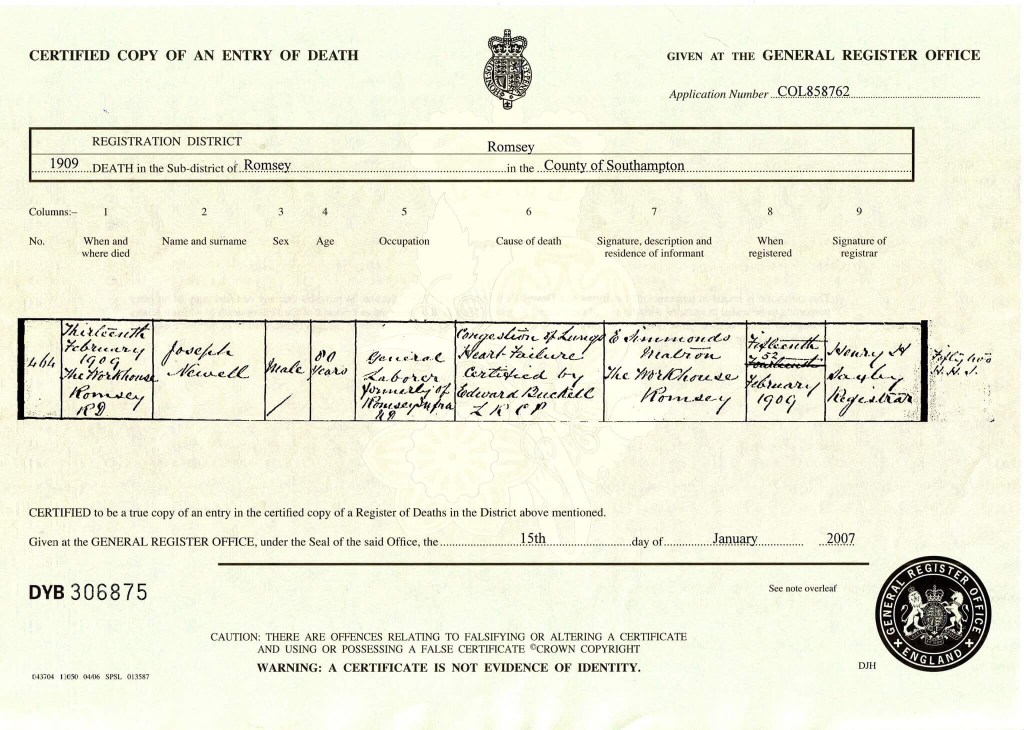
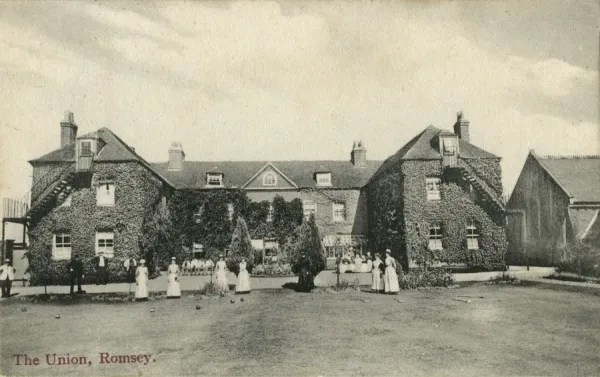
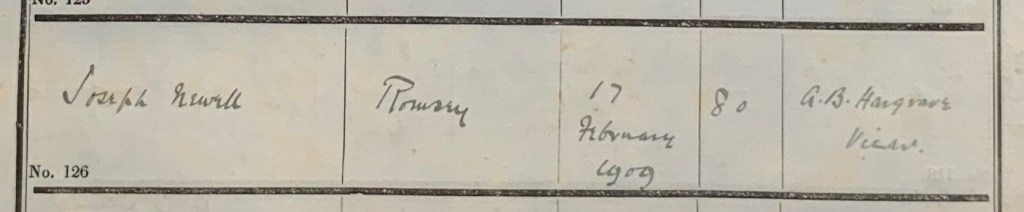
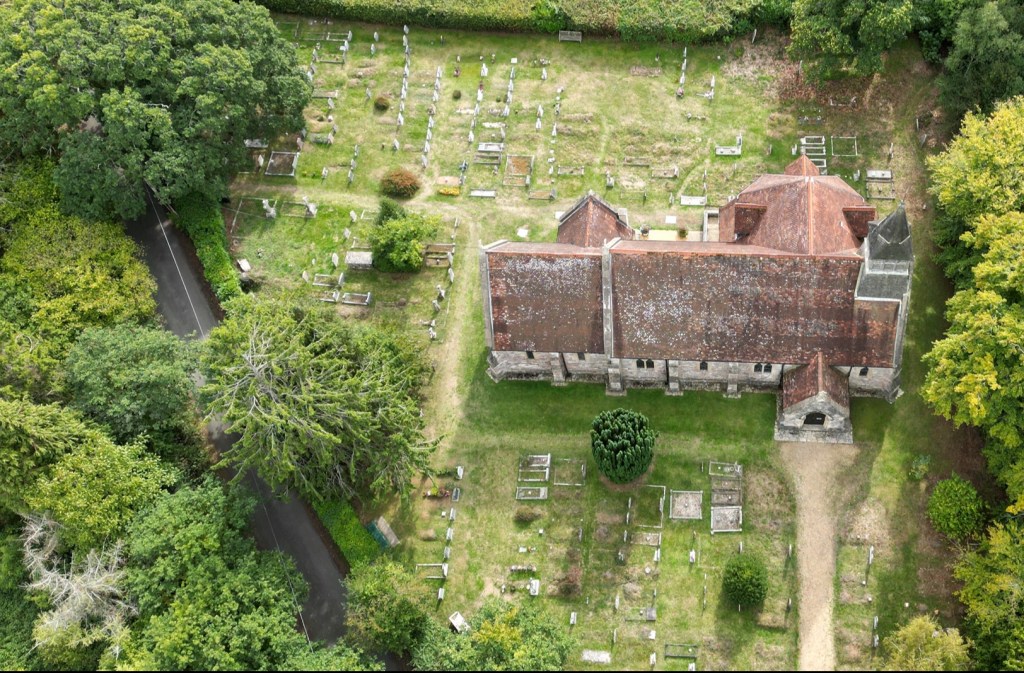
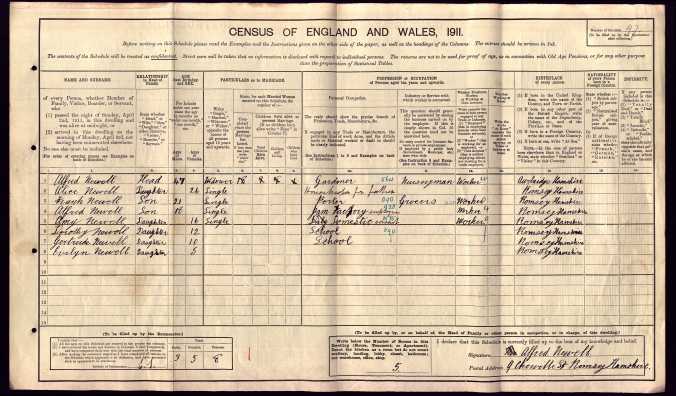
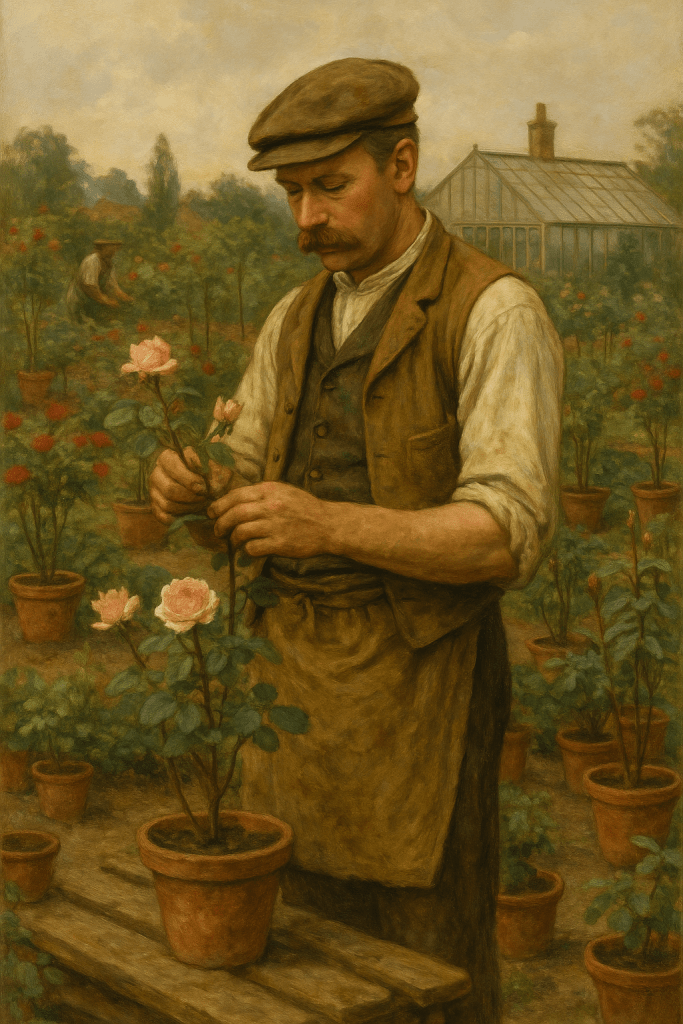
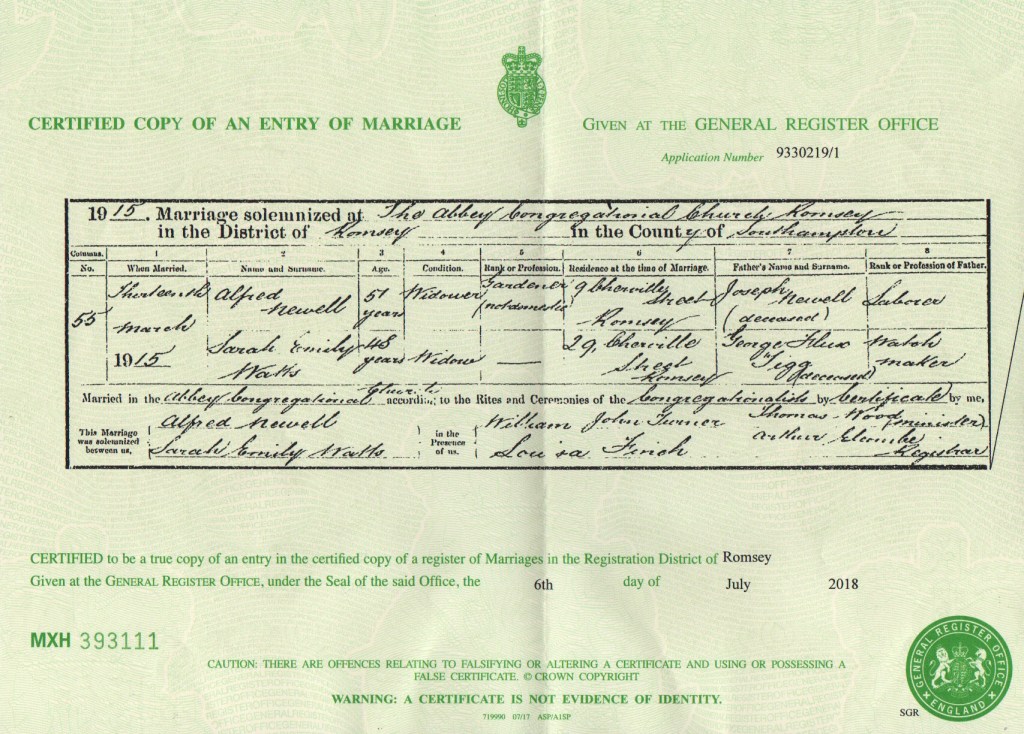
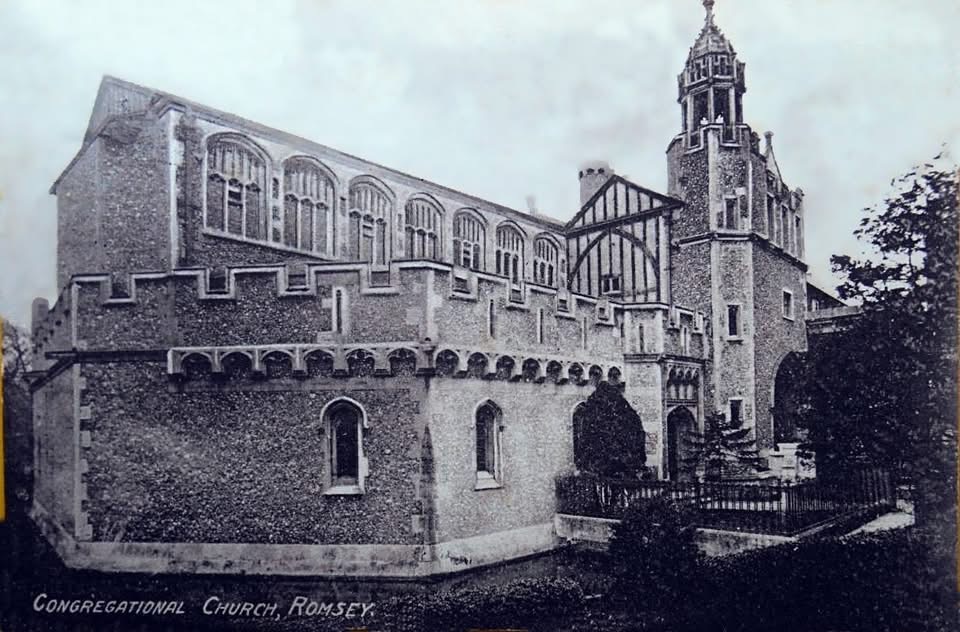
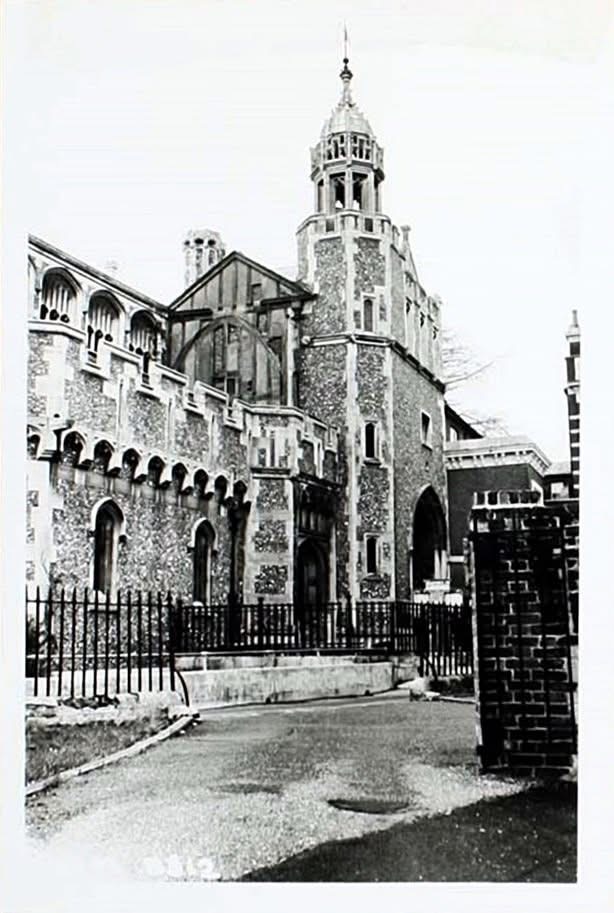
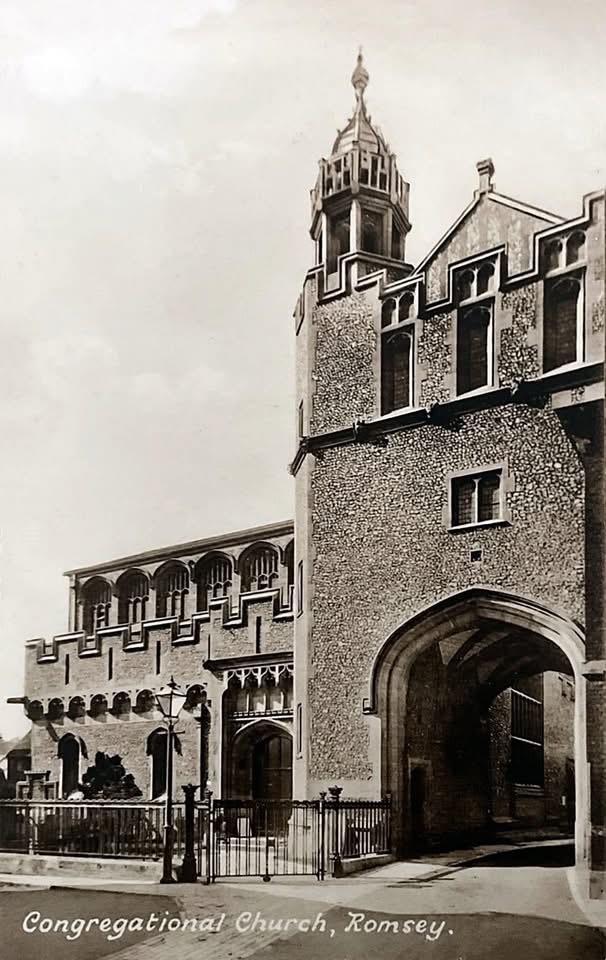
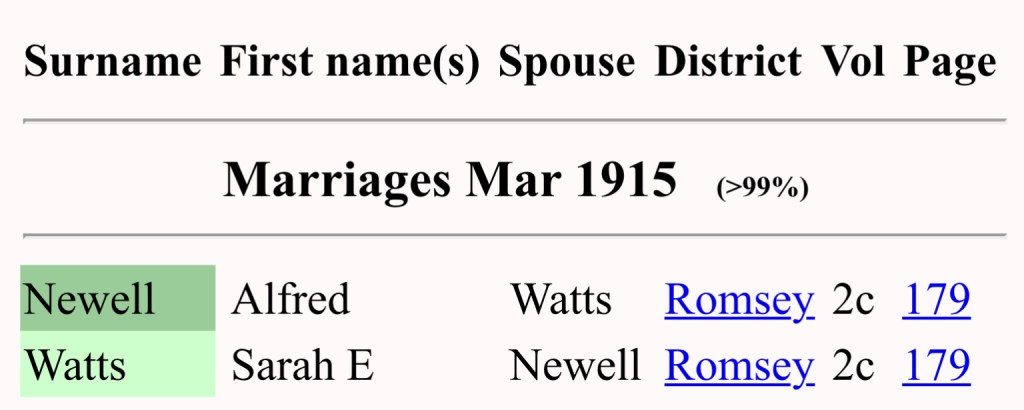
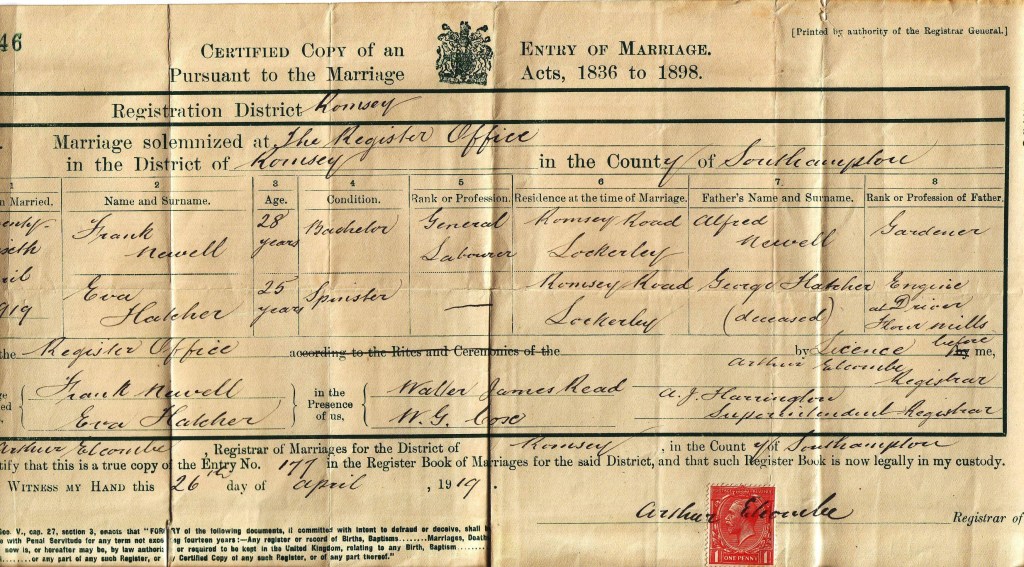
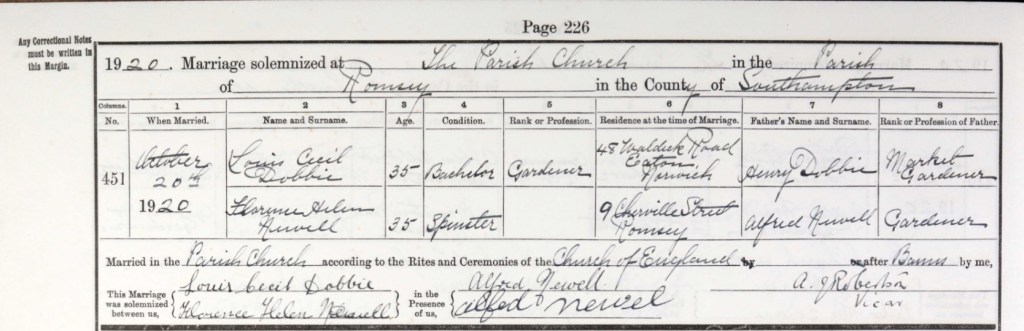
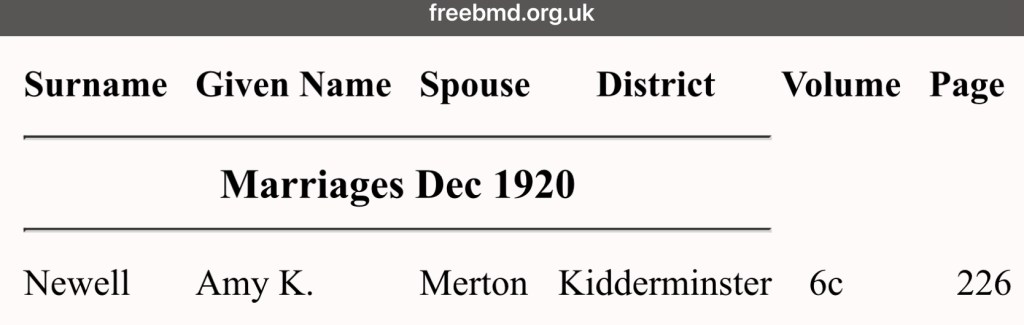
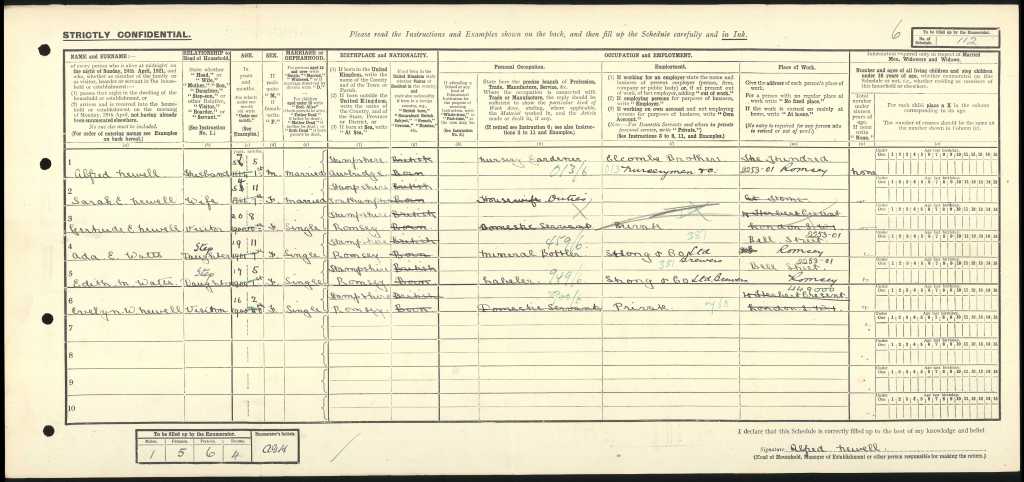
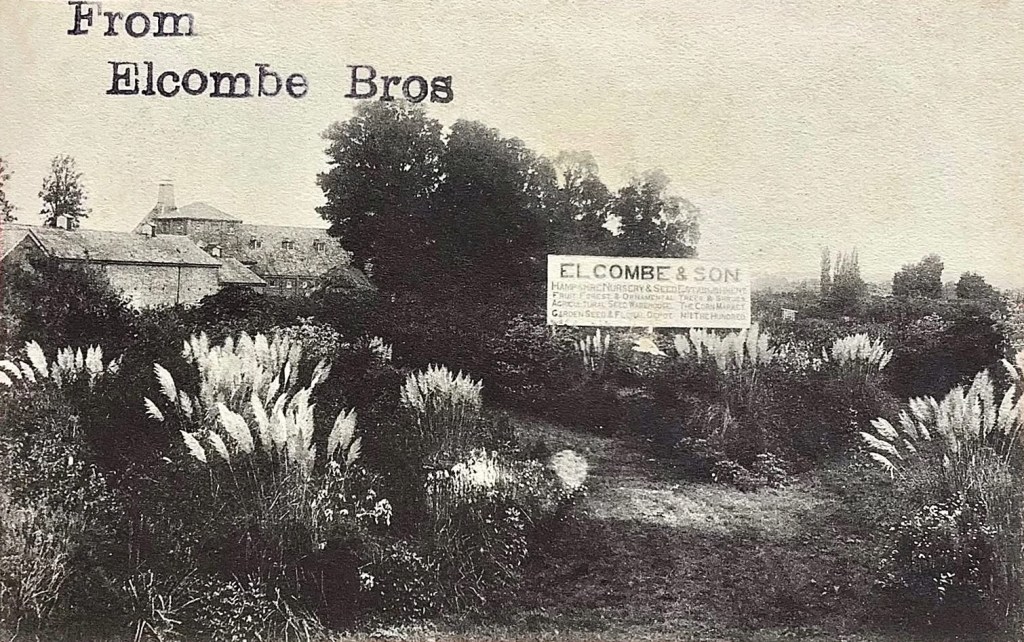
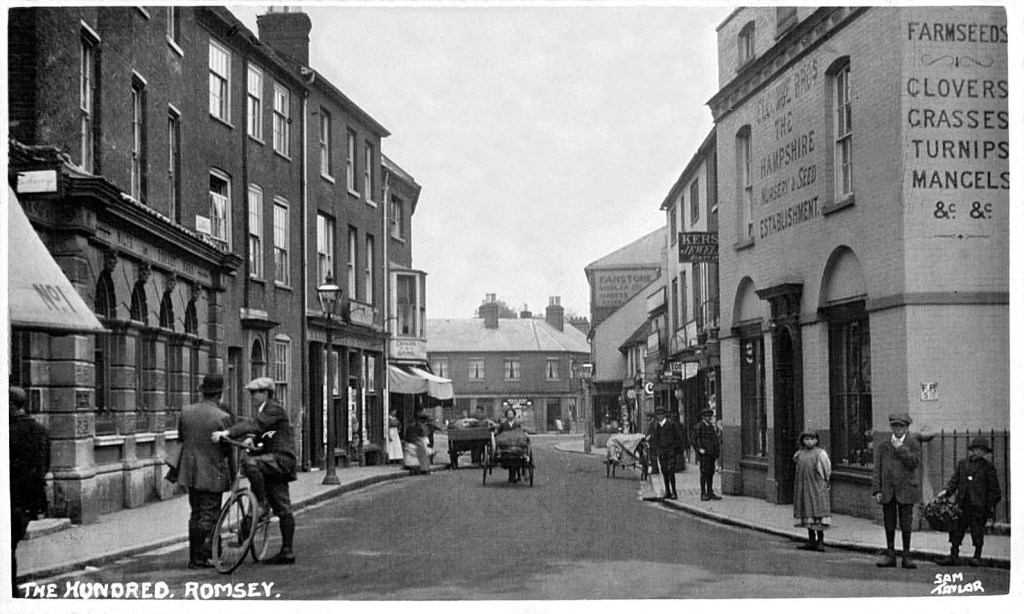
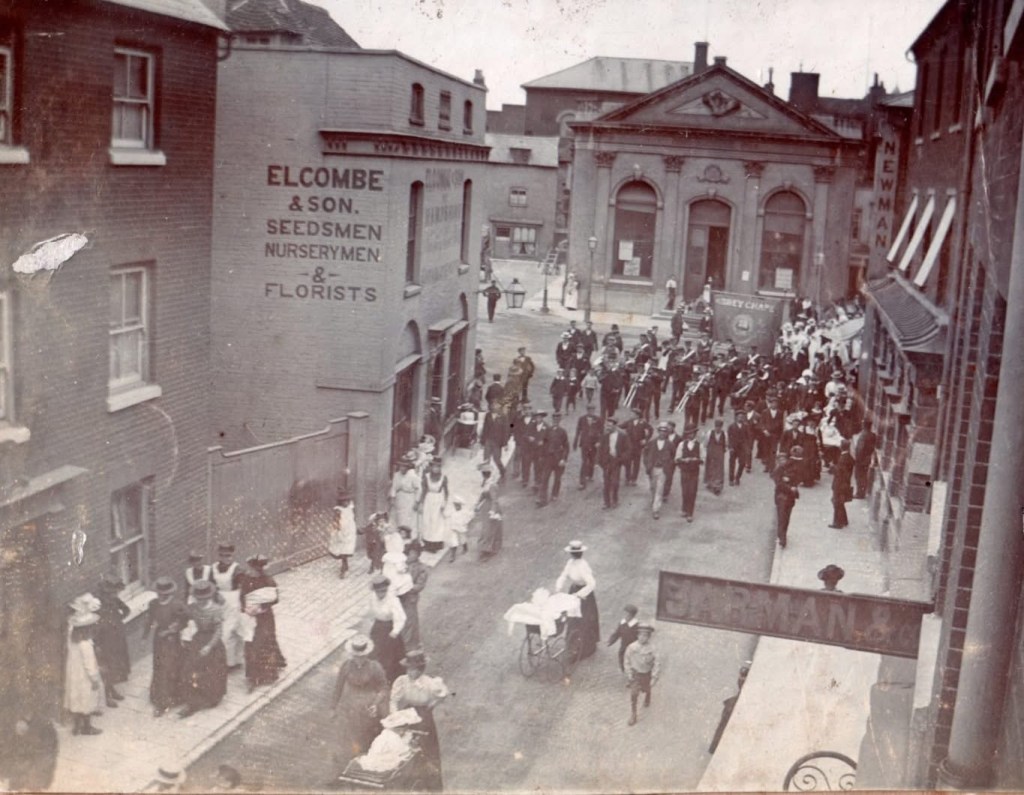
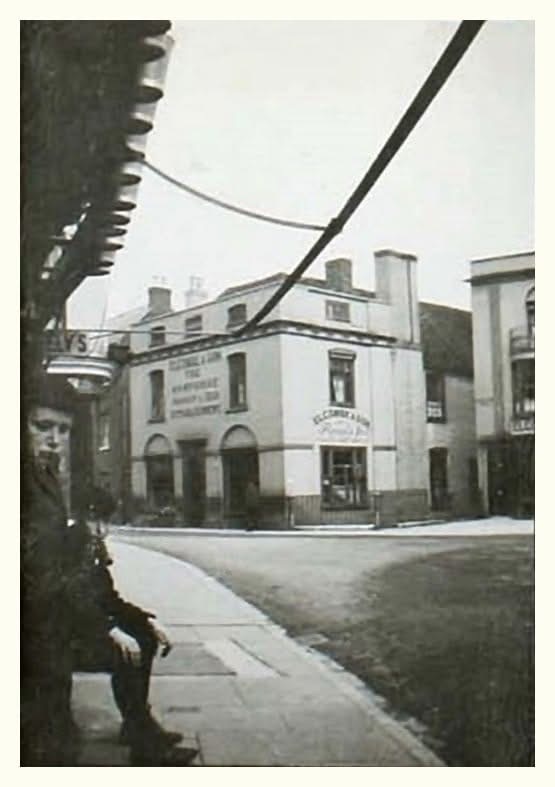
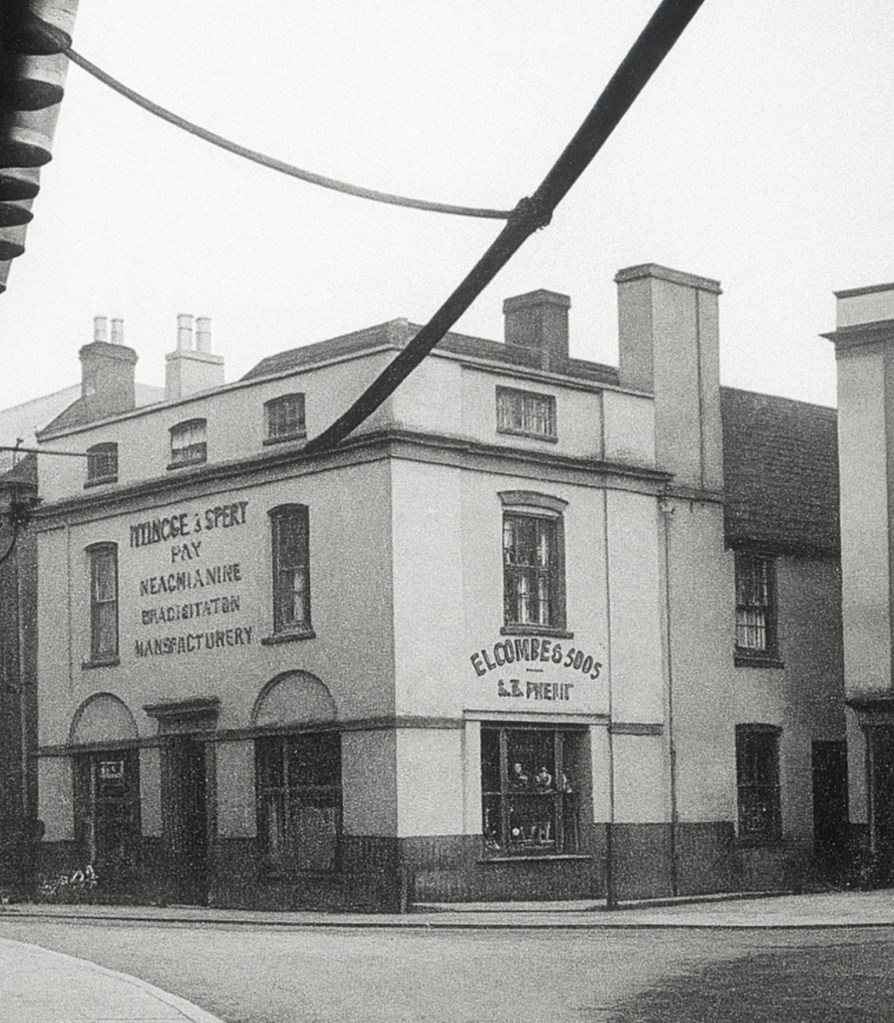
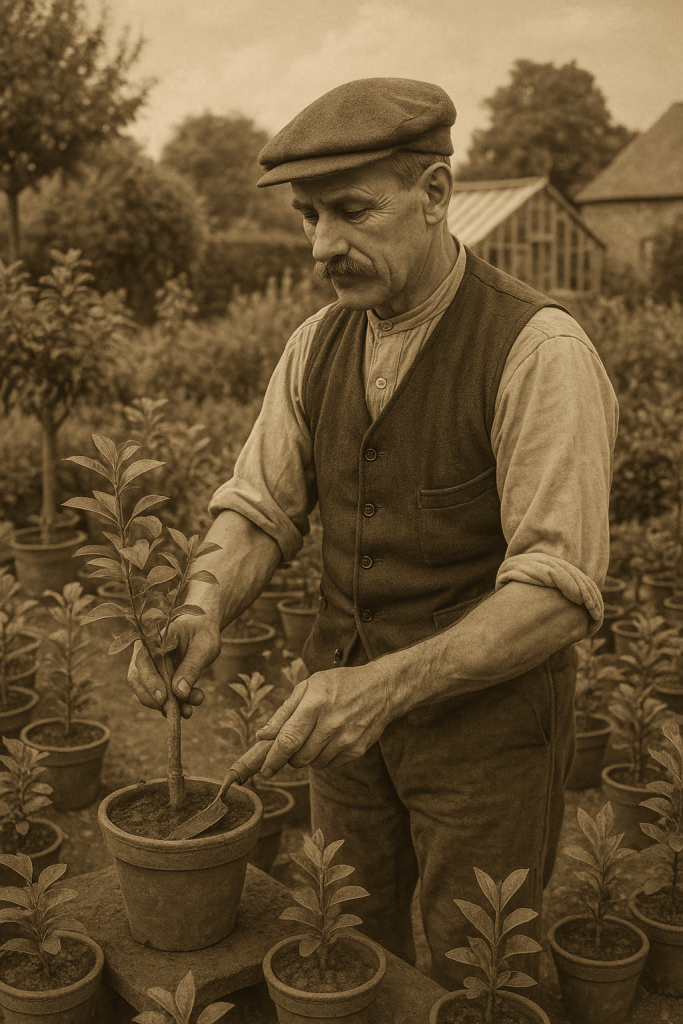
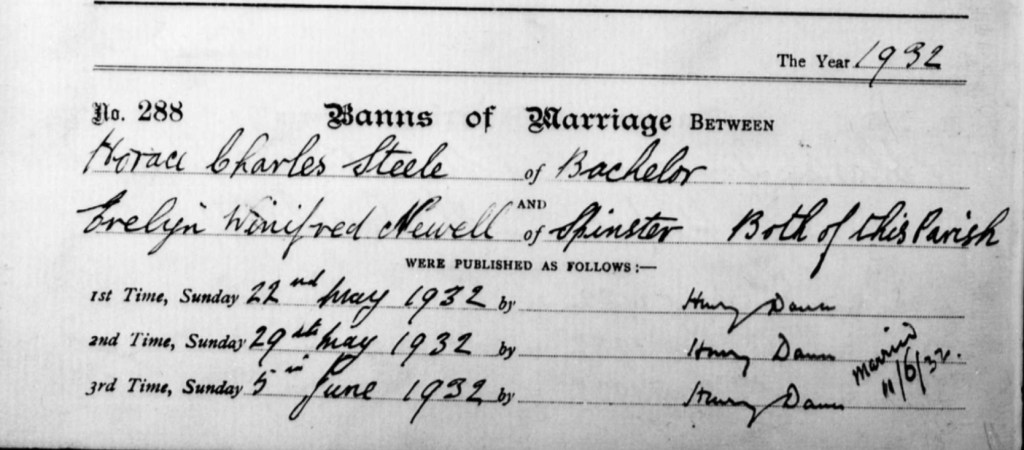
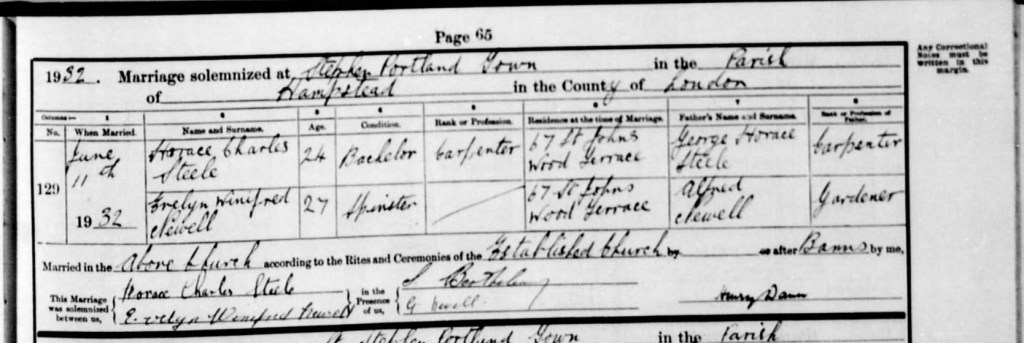
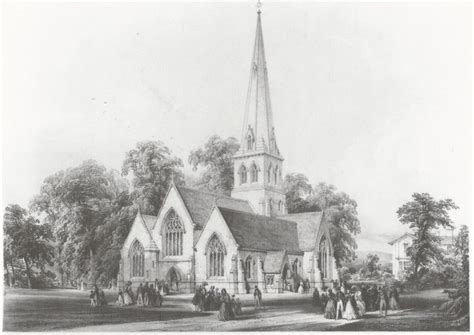
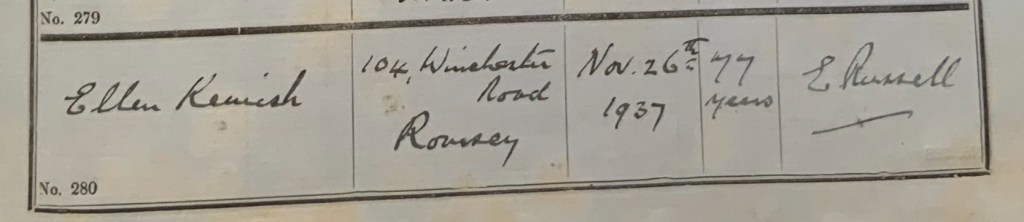
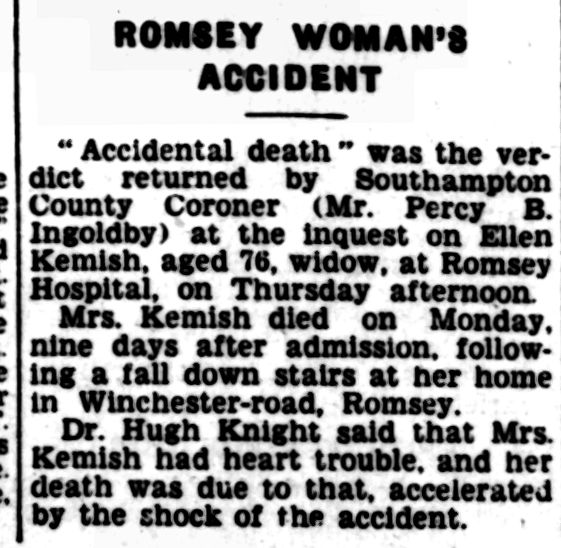



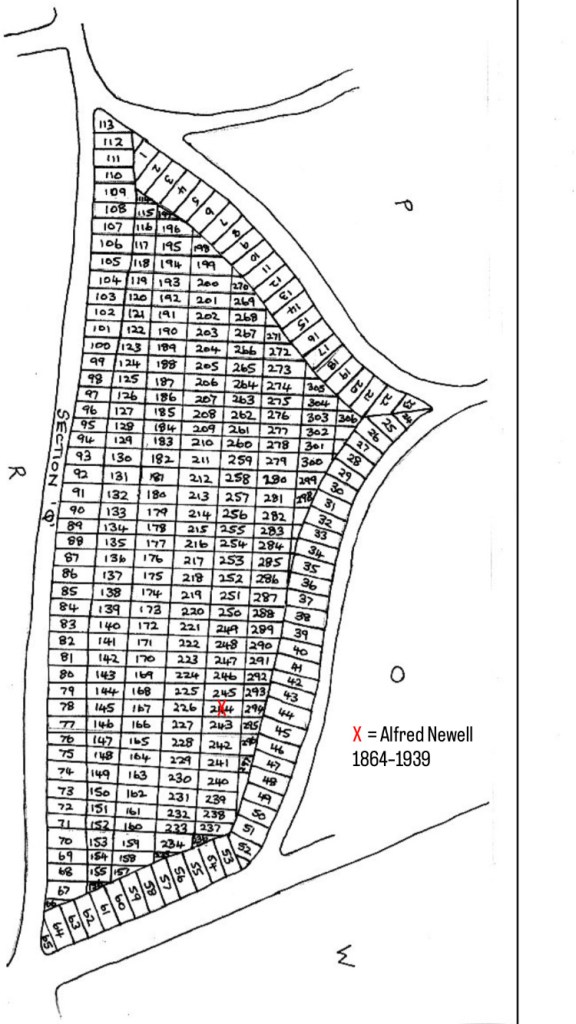
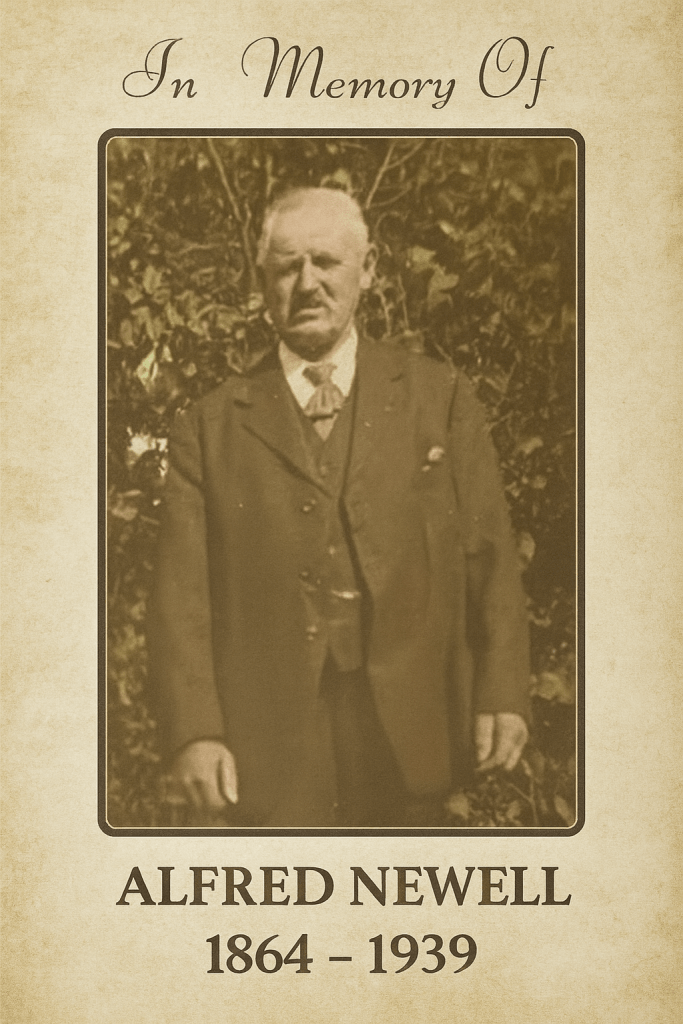
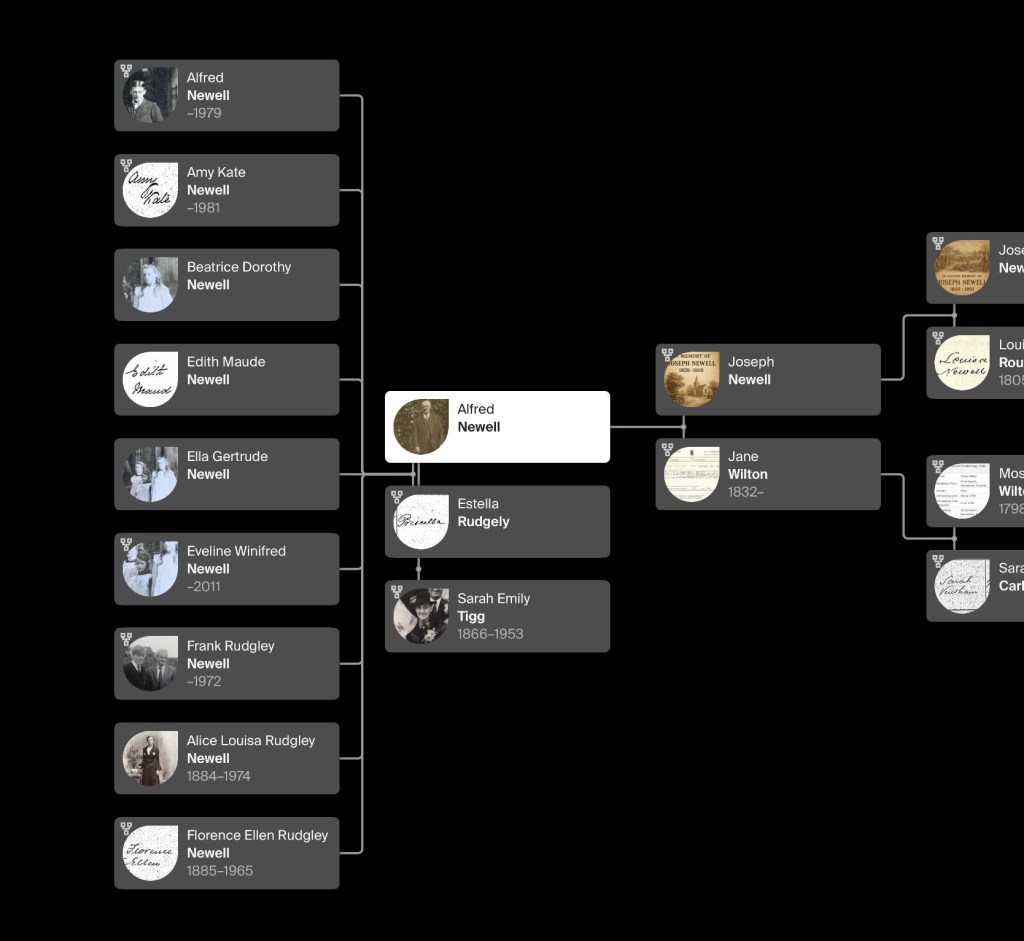
 Intwined