Every time I sit down to trace the life of one of my ancestors, I feel as though I’m reaching back through the centuries to hold the hand of someone who once walked this earth, someone whose blood still flows quietly in my veins. This journey has led me to Anstice Long, my 5th great-grandmother, the second child of Joseph Long and Sarah Long formally Light, born in 1779 in the parish of Wellow, Hampshire, England.
Anstice’s life is not laid out neatly for me to follow. She was born long before census records, and before birth, marriage, and death registrations were kept in any official way. Instead, her story has to be uncovered in tiny fragments through parish records, baptisms noted in hurried script, marriages squeezed into fading registers, and burials marked with solemn simplicity. It feels like piecing together an impossibly complex puzzle, where every small detail holds immense weight.
What makes this journey even more extraordinary is that the Long family are not only my ancestors, but also my husband’s. Without us knowing at first, our family lines entwine again and again, weaving a shared heritage that binds us in ways both unexpected and profound. It makes every discovery feel doubly significant, our roots reaching down together into the same soil, our stories stretching back to the same names and places.
Yet, it is in this search that I have discovered something far more powerful than just names and dates. Family research is more than history, it is soul work. Each fact I uncover about Anstice touches me in ways I can’t fully explain, stirring emotions I never expected. It’s as though I am rediscovering a part of myself that has always been there, quietly waiting to be remembered. Even the simplest discovery can bring tears to my eyes, because in those moments I feel the heartbeat of my ancestry echoing in my own.
As I piece together Anstice’s life, I hope to not only share the story of a woman who lived more than two centuries ago, but also to honor the way her existence continues to shape the present, through me, through my husband, and through the many generations who unknowingly carry her legacy forward.
Welcome back to the year 1779, Wellow, Hampshire, England.
The year was one of both upheaval and continuity. On the throne sat King George III, who had already been king for almost twenty years. His reign was marked by global conflict, for Britain was deeply embroiled in the American War of Independence, a war that stretched the nation’s resources and divided public opinion. At this time, the prime minister was Frederick North, Lord North, who had led the government since 1770 and would continue until 1782. Parliament was dominated by wealthy landowners and aristocrats, far removed from the daily lives of the ordinary people in the countryside villages like Wellow.
The differences between the classes were stark and unyielding. The rich lived in fine country estates or townhouses, surrounded by servants who attended to every need. They wore silks, lace, and elaborate powdered wigs, and their meals were lavish feasts of meats, imported wines, and rich puddings. In contrast, the working classes and the poor, who formed the majority, lived lives of hardship. For agricultural laborers in villages like Wellow, survival was a daily challenge. They toiled long hours in the fields for meager wages, and their families often went hungry when work was scarce or harvests were poor. The poor wore rough wool and linen clothing, patched and worn until the cloth nearly fell apart. Their diets were simple and monotonous, bread, cheese, broth, and whatever vegetables or scraps they could grow or afford. Meat was a rarity, reserved for special occasions.
Life for the poor was brutally hard. Housing for laborers and their families often consisted of small, damp cottages with thatched roofs, earthen or uneven wooden floors, and only one or two rooms to house entire families. Heating was provided by open hearths, though fuel was costly, and many families could only afford to burn peat, gorse, or whatever wood they might gather. Lighting came from candles made of tallow, which smoked and smelled unpleasant, or rushlights, which burned quickly and dimly. Hygiene was minimal, for water was drawn from wells or streams, often shared by the entire community, and sanitation was primitive at best. Chamber pots were emptied into cesspits or ditches, and diseases spread easily in such conditions. Outbreaks of smallpox, typhus, and fevers were common and deadly. Life expectancy was low, and infant mortality heartbreakingly high.
Fashion depended entirely on class. While the wealthy paraded in the latest Georgian fashions with embroidered waistcoats, gowns of satin and muslin, and elaborate coiffures, the poor wore practical garments, woolen breeches, plain bodices, aprons, and sturdy shoes if they could afford them. Children were often dressed as miniature adults, but in the countryside, hand-me-downs and homemade garments were the norm.
Transportation in 1779 was slow and rough. In rural Hampshire, most people walked wherever they needed to go, while the more fortunate might ride on horseback. Carriages and coaches existed for the wealthy, but roads were often muddy, rutted, and dangerous. Turnpike trusts had begun improving some main routes, but in smaller villages like Wellow, travel remained difficult and limited.
The atmosphere of daily life was shaped by hard work and close-knit community ties. Gossip traveled quickly in such small places, often exchanged at the village well, in the churchyard, or in the alehouse. Entertainment for the poor was simple and communal, folk songs, storytelling, fairs, and village gatherings. The church played a central role in life. In Wellow, as in most villages, the parish church was not only a place of worship but also the center of community identity. Religion shaped morality, social duties, and the rhythm of the year through the cycle of festivals and holy days.
Schooling was limited. Wealthy children had tutors or attended prestigious schools, but for the poor, education was a luxury. Some charity schools or Sunday schools offered the basics of reading, writing, and scripture, but most working-class children were put to work as soon as they were able to contribute to the family’s survival.
Food for the rich was a display of wealth and abundance, while the poor survived on whatever they could afford. Bread was a staple for all, but while the upper classes enjoyed fine white loaves, the poor ate darker, coarser bread. Ale was commonly drunk, as water was often unsafe. The rich enjoyed imported goods such as tea, sugar, coffee, and chocolate, though these luxuries rarely touched the lips of agricultural laborers.
Diseases lurked everywhere, not only because of poor sanitation but also because medical understanding was limited. Remedies were based on tradition, herbs, and superstition as much as science. Surgeons and apothecaries existed, but few of the poor could afford them. Midwives delivered babies, and the survival of mother and child was always uncertain.
Life in 1779 was a life of contrasts. For the wealthy, it was a time of elegance, powdered wigs, and enlightenment conversation. For the poor, it was a struggle to survive another day in cramped cottages, to keep warm, to find enough food, and to protect one’s family from hunger and illness. Yet even in the midst of hardship, there was resilience. Families gathered by the hearth, communities shared what little they had, and faith provided hope.
This was the world into which Anstice Long was born, a world of beauty and brutality, simplicity and struggle, where each small life was shaped by the tides of history but also by the intimate rhythms of village life in rural Hampshire.
Anstice Long first opened her eyes to the world in the quiet autumn of 1779, in the village of West Wellow, Hampshire. She was the second daughter born to Joseph Long and his wife, Sarah, née Light, a child of the fields, hedgerows, and ancient parish lanes that wound their way through this corner of southern England. Before her came her sister Hannah, who had arrived in the gentle embrace of an earlier autumn in 1776. Hannah was carried to the font at Saint Margaret’s Church in East Wellow, where, on Sunday the 27th day of October, her baptism was solemnly recorded in the parish register, binding her name forever to the enduring stones of that sacred place.
Anstice’s own entry into the world was less clearly marked. No true date of birth remains veiled in time. Yet the fragments of evidence left behind offer us whispers of her beginning. Later census records, though imperfect, give us the threads with which to weave her story. The census of 1841 places her birth around 1781 in Hampshire, while that of 1851 draws the date back further still, to 1778 in West Wellow. Between these shifting shadows of memory and ink, her truest year emerges as the autumn of 1779, a season of harvest and fading light, when she first took her place in the life of the parish.
Though her exact day is lost to history, the truth of her existence remains steadfast. Anstice lived and breathed within this landscape, her earliest cries carried on the same air that stirred the fields and rustled the trees of Wellow. To imagine her birth is to picture a small thatched cottage warmed by a humble hearth, her mother cradling her in weary arms, and her father proud, if burdened, by the duty of providing for his growing family. In her, the Long line continued, rooted deeper into the Hampshire soil, entwined with both hardship and resilience.
Wellow is an ancient parish in Hampshire with roots that stretch back many centuries, long before the year 1779 when Anstice Long was born there. It is divided into East and West Wellow, each with its own character but both woven together through history, landscape, and community life. The land around Wellow is marked by gentle countryside, fertile soil, and woodlands, and its position close to the New Forest gave it both opportunity and hardship. The forest laws imposed in earlier centuries meant restrictions on hunting and grazing, and yet the forest also offered fuel, timber, and pasture, making it a vital part of daily survival.
West Wellow is perhaps the better known of the two because of its parish church, Saint Margaret’s, also called St Margaret of Antioch, a building whose history dates back to the twelfth century. At the very heart of the village, its square stone tower rose above the thatched rooftops, standing as both a spiritual and practical center for the community. It was more than a place of worship, it was the keeper of records and the moral compass of village life. Baptisms, marriages, and burials were all marked there in careful ink strokes by the parish clerk. The toll of the church bell called the faithful to worship and announced the great events of life and death. Though it would not gain its most famous burial, Florence Nightingale, until 1910, long after Anstice’s time, the church was already centuries old when she was born, its medieval stones and modest churchyard carrying the memory of countless generations. For Anstice’s family, as for every villager, Saint Margaret’s anchored their existence, binding them to both God and community.
East Wellow, close by, shared much of the same agricultural life but had its own network of cottages, fields, and smallholdings. Historically, the division of East and West Wellow reflects the way many English parishes grew out of earlier manorial lands and tithings, shaped by feudal obligations and church divisions. Together, the two settlements made up a single parish, and their people would have seen themselves as part of one community even as they occupied different ends of the same landscape.
By the late eighteenth century, Wellow was a small, rural parish surrounded by rolling fields, thick hedgerows, and patches of woodland. The rhythm of the seasons dictated everything: planting, harvest, and the long, hungry months of winter when supplies were thin. Life moved at the pace of footsteps, the clatter of hooves, and the creak of wooden carts. The roads through the parish were little more than dirt tracks, rutted and muddy when the rains came and dusty in summer. A horse and cart might be seen carrying goods to market, but for most, the road was for walking. Shoes were precious, and many of the poor went barefoot, especially children, their feet toughened by the rough ground.
Cottages lined the lanes, most small and modest, built of timber or flint with low thatched roofs. Smoke rose steadily from chimneys, filling the air with the familiar scent of wood and peat. Each cottage might have a tiny garden for vegetables and herbs, perhaps a pig or a few chickens scratching in the yard, all vital to supplement meager wages. The larger, grander houses of wealthier villagers stood out immediately—brick-built, with more rooms, glazed windows, and finer furnishings. These were the homes of yeoman farmers or the better-off tradespeople, a visible reminder of the deep gulf between rich and poor.
The fields stretched outward from the village, some enclosed by hedges and ditches, others open and shared. The enclosure movement was changing the countryside in these years, transforming how land was farmed and who could use it. For poor families, the loss of common land meant fewer places to graze animals or gather fuel, adding to the hardships of survival. Water was fetched from the parish well or drawn from nearby streams, which also served as washing places. It was heavy work, often carried out by women and children, and the water was far from clean, contributing to disease and poor health. Sanitation was virtually non-existent. Waste was thrown into pits or ditches, and the smell of refuse, animals, and unwashed bodies lingered in the air.
The atmosphere of the village was shaped by closeness, for everyone knew each other’s business. Gossip spread quickly, carried on from the alehouse to the well, from the churchyard to the market. The joys and sorrows of one family were shared, sometimes with kindness, sometimes with judgment. Entertainment was simple but heartfelt. Fairs and feast days brought color and noise to the village, with music, dancing, and stalls filled with food and trinkets. On ordinary days, amusement came from songs sung by the hearth, stories told by elders, or games played by children in the lanes. For the poor, leisure was brief and precious, but it carried warmth and laughter even in the shadow of hardship.
Disease always loomed over the parish. Smallpox, fevers, and childhood illnesses carried off many before they reached adulthood. Medicine was rudimentary, with remedies drawn from herbs, folk wisdom, and prayer. The village midwife was a familiar figure, her knowledge passed down through generations, but childbirth was a perilous gamble for mother and child alike.
Wellow’s story stretches back even further than the medieval church. Archaeological evidence in the surrounding area shows human presence since prehistoric times, and its position near old trackways meant it was never truly isolated. By the Saxon period, Wellow was already established as a settlement, its name thought to derive from Old English roots suggesting a clearing or woodland glade. The Domesday Book of 1086 records settlements in the area, showing that people had been farming and working the land here for centuries before Anstice’s birth.
Despite the struggles, Wellow in 1779 was a community of endurance. The sound of the church bell, the smell of fresh bread from an oven, the laughter of children chasing each other barefoot along a dusty lane, all these sights and sounds formed the fabric of daily life. It was here, among these fields and cottages, with both hardship and resilience surrounding her, that little Anstice Long took her first steps into the world. By the time she was born, Wellow was already a place of deep history, a parish divided into two but bound as one. Its story was not just of land and buildings, but of ordinary men and women who lived, worked, married, and died there, leaving behind traces in the parish registers, in the churchyard stones, and in the memory of families who still carry their names.
The morning of Sunday, the 10th of October 1779, must have dawned cool and still, the mist lingering low across the fields of Wellow as villagers made their way along narrow lanes towards the church. The bells of Saint Margaret’s rang out steadily, their solemn tones calling the faithful to worship, echoing over hedgerows and thatched roofs until all who heard them knew it was time to gather.
Inside the church, the air was heavy with the mingled scent of old stone, beeswax candles, and the faint sweetness of damp wood. Light spilled in through narrow medieval windows, falling in soft patterns across worn pews and the flagstone floor. Generations had passed through these doors, their footsteps smoothing the stones, their prayers leaving an invisible weight upon the air. For Joseph and Sarah Long, standing with their newborn daughter Anstice in their arms and Hannah at their ankles, the moment must have felt both ordinary and eternal, a rite repeated countless times before, yet unique and sacred for them.
The other families were there too, each cradling their precious child. Daniel and Grace Moore with their infant daughter Elizabeth, James and Hannah Painter with their little Sarah, and Chislover Grove with his wife carrying their son David. Together, these parents gathered at the font, where the cold water shimmered in the basin, ready to bless and bind their children into the parish and into God’s keeping.
Perhaps Sarah’s hands trembled slightly as she held Anstice forward, the tiny bundle swaddled in white. Perhaps Joseph stood tall beside her, his heart swelling with pride even as the burdens of providing for another mouth pressed heavily upon his shoulders. In that sacred hush, the priest’s voice rose in prayer, ancient words spoken over countless babes, and the holy water touched Anstice’s brow. For an instant, all of heaven seemed to lean closer, as if to witness her welcome into this world of faith, toil, and love.
The villagers watched with quiet reverence. Some may have whispered blessings, others may have glanced at their own children, remembering their baptisms years before. Outside, the autumn leaves stirred in the breeze, golden and red against the sky, as if nature itself were marking the occasion.
When the service was done, the families stepped back into the cool October air, their infants christened, their names written forever into the parish register.
The register records them in simple ink, yet behind each name lies a world of love, hope, and whispered prayers:
Oct 10th – Elizabeth, daughter of Daniel and Grace Moore

10th – Sarah, daughter of James and Hannah Painter

10th – Anstice, daughter of Joseph and Sarah Long

10th – David, son of Chislover Grove and wife
The ink was plain and practical, but what it represented was profound: a record of life, of belonging, of continuity. For Anstice, her name now joined the centuries of souls whose beginnings were tied to this same church, this same soil, this same enduring village of Wellow.
Saint Margaret's Church in East Wellow, Hampshire, is a beautiful and historic parish church that has stood as a central spiritual and community landmark for many centuries. Located in the picturesque surroundings of the Test Valley, the church is an integral part of East Wellow, a village with a rich history tied to the local agricultural community and its connections to the broader historical developments of Hampshire.
The history of Saint Margaret’s Church can be traced back to the 12th century, with the earliest known reference to the church appearing in the Domesday Book of 1086. The church was built during a time when many villages in England were establishing places of worship and community gathering, and it has since played a significant role in the religious and social life of the village. The church’s name, "Saint Margaret," likely refers to Saint Margaret of Antioch, a Christian martyr whose feast day is celebrated in June. Saint Margaret was revered in medieval Christian communities, particularly in England, where many churches were dedicated to saints who had strong associations with faith and protection.
Saint Margaret’s Church has seen several architectural modifications over the centuries, but much of the original Norman structure remains, particularly in the form of the church’s solid stone walls and simple, unpretentious design. The church was built in the Romanesque style, typical of early medieval churches, and it would have been a simple, functional building intended to serve the needs of the local population. Over time, as the church became a focal point for the growing community, various changes were made to accommodate the increasing number of parishioners and to reflect the evolving architectural tastes of the time.
During the 13th century, the church underwent its first major expansion, as many churches did during the medieval period. This expansion likely included the addition of a chancel and the extension of the nave, as well as the inclusion of larger windows to allow more light into the building. As was common in many rural churches, St. Margaret’s was at the heart of village life, providing not only a place for worship but also a space for social and community activities. During this time, the churchyard would have also served as the burial ground for local residents, with gravestones marking the lives of those who had contributed to the local community.
Over the centuries, the church continued to evolve, particularly during the Victorian era when many older churches were restored or rebuilt. In the 19th century, Saint Margaret’s Church underwent significant restoration work under the direction of Victorian architects who were dedicated to preserving medieval structures. During this time, the church was modernized with the addition of stained-glass windows, new pews, and other decorative features that reflected the Gothic Revival style that was popular during the period. The restoration also helped to maintain the integrity of the church’s structure, ensuring that it remained a functioning place of worship for generations to come.
One of the most notable features of Saint Margaret’s Church is its beautiful churchyard, which is the final resting place for many generations of Wellow residents. The churchyard is home to a variety of graves and memorials, some of which date back to the medieval period. The gravestones, many of which are carved with intricate symbols and inscriptions, provide insight into the lives of the people who lived in Wellow and the surrounding area over the centuries. The churchyard is not only a place of remembrance but also serves as a peaceful and tranquil area, surrounded by trees and greenery, where locals and visitors alike can reflect and appreciate the history of the village.
In addition to its religious functions, Saint Margaret’s Church also played an important role in the social life of East Wellow. Like many churches in rural England, Saint Margaret’s was the center for various community events, including festivals, fairs, and charitable activities. The church was a space where people came together to celebrate important events in the church calendar, such as Christmas, Easter, and harvest festivals. These occasions were important not only for their religious significance but also as social events where the community could gather and bond.
Saint Margaret’s Church has been a part of the local community for over 900 years, and it continues to be an active place of worship and community gathering. The church holds regular services, including Sunday worship, as well as special events like weddings, christenings, and funerals. It remains a beloved part of East Wellow, serving as a reminder of the village’s deep historical and spiritual roots. The church also hosts occasional concerts, events, and educational programs, continuing its role as a cultural and social center for the village.
As for rumors of hauntings or supernatural occurrences, like many historic churches, Saint Margaret’s Church has been the subject of local folklore and ghost stories. While there are no widely known or documented cases of hauntings, the church's long history, the age of its structure, and the quiet, serene atmosphere of the churchyard may naturally lead to tales of mysterious happenings or eerie experiences. Churches with such a long history often become part of local ghost lore, and their dark corners and ancient gravestones sometimes inspire imagination and stories passed down through generations.
The forename Anstice is quite rare and has a distinctly English origin, though it has roots in older European naming traditions. The name is derived from the Latin word “Anastasia” or “Anastasius,” meaning “resurrection” or “rebirth.” Over time, the form Anstice emerged as a given name, particularly in England, often as a variant or shortened form influenced by local pronunciation and spelling conventions. It has historically been more common as a female name, though it has occasionally appeared for males.
In England, the name Anstice was most often recorded in parish registers during the 17th and 18th centuries, suggesting its use in rural and small-town communities. It was sometimes given to children as a way of conveying a sense of hope, renewal, or religious devotion, in keeping with the meaning derived from “resurrection.” Families who used the name often came from areas where Latin-influenced Christian names were popular, reflecting the influence of the Church and classical learning on English naming practices.
Because of its rarity, Anstice often stood out in records, and individuals with the name were easy to identify within local communities. It occasionally appears in literary and historical documents, sometimes linked to families of modest means and occasionally to gentry who favored distinctive names for their children. The name has a quiet elegance, carrying connotations of revival, hope, and continuity, and its uniqueness has meant that it has never been widely adopted but remains memorable when encountered in genealogical research.
An interesting aspect of the name is its evolution and adaptation. While originally influenced by the Latin Anastasia, the English form Anstice reflects phonetic simplification and the tendency in rural England to create familiar, individualized forms of more formal names. It is a name that embodies a sense of heritage and continuity, often connecting its bearers to both religious and cultural traditions of England.
The surname Long in England has a rich history that stretches back to at least the medieval period, possibly even earlier. Its origins are rooted in descriptive naming practices common in Anglo-Saxon England, where individuals were often identified by physical characteristics, occupations, or locations. In this case, Long comes from the Old English word “lang,” meaning “tall” or “long,” and was originally applied to someone of notable height or a slender, elongated build. Over time, as surnames became hereditary between the 12th and 14th centuries, Long transformed from a descriptive nickname into a family name, passed from one generation to the next.
The surname Long is well-documented in many historical records, including the Domesday Book, parish registers, and manorial records. It was especially common in southern England, with significant concentrations in Wiltshire, Hampshire, Dorset, Somerset, and Berkshire. Different branches of the Long family became established in various counties, sometimes rising to prominence as landowners, merchants, or involved in local governance. One of the most notable branches was the Long family of Wiltshire, whose members were influential in the 16th and 17th centuries, holding estates and serving as sheriffs and justices of the peace.
The Long family coat of arms is a heraldic symbol reflecting status, lineage, and values. While different branches sometimes adopted variations, many feature a shield with alternating bands of gold (or) and red (gules). In heraldic tradition, gold represents generosity and elevation of the mind, while red symbolizes warrior qualities, courage, and readiness to serve. Lions are sometimes included, symbolizing bravery, strength, and leadership. The crest, appearing above the shield, often depicts a lion or a figure standing tall, echoing the literal meaning of the surname and its connotations of stature and presence.
Over the centuries, the surname Long spread beyond the landed gentry, becoming common among farmers, artisans, and townspeople. Records show the name appearing in parish registers for baptisms, marriages, and burials from the 16th century onwards, reflecting the growth of literacy and the standardization of surnames. In some instances, spellings such as Longe or Lang appeared, illustrating how names could shift based on pronunciation and regional dialects.
By the 18th and 19th centuries, the Long family was present in a wide range of social classes, from rural laborers to educated professionals, reflecting the broader social mobility of England during this period. The family name persisted through migrations, both within England and overseas, carried by those seeking new opportunities in the colonies. Today, Long remains a recognisable English surname, linking its bearers to a long history of descriptive origins, local prominence, and enduring familial identity.
Some years after Anstice’s baptism at Saint Margaret’s, another cry of new life rose within the Long family cottage. Around the year 1783, Joseph and Sarah Long welcomed a third daughter into their growing household, and they named her Sarah, after her mother. By then, the family already bustled with the energy of little Hannah and Anstice, and now another infant’s voice joined the music of their days. For a time, life in the small cottage would have been full of the sounds of children’s laughter, small footsteps, and the endless work of caring for three young girls.
Though we cannot place the exact date of this little Sarah’s birth, we know she came into the world in East Wellow, beneath the same wide skies and among the same hedgerows that had sheltered her sisters. Her baptism, too, was entered into the parish register, recording her place within the church and the community. The ink tells us only what the clerk saw fit to note, that she was born about 1783, and baptised into the parish of East Wellow.
Much later, when the 1841 census was taken, her age was written differently, her birth year given instead as 1801 in Hampshire. This contradiction reminds us of how fragile the keeping of memory could be, how the truth of a life sometimes shifts in the retelling. Yet we can hold fast to the record of her baptism, a firm anchor that places her among the Long family children of the early 1780s.
And so the Long family grew, another daughter added to their household, another small flame of life burning against the uncertainty of the age. Though hardship pressed heavily upon Joseph and Sarah, the sound of three little girls must have brought warmth and hope to their days, their laughter weaving joy through even the hardest of times.
East Wellow, Hampshire, is a village with a long and layered history set in the gentle, rolling countryside of southern England. Its roots extend back to medieval times, with records suggesting the area was settled as part of the broader development of Hampshire’s rural parishes. The village historically formed part of the parish of Wellow, which was later divided into East and West Wellow, reflecting the growth of communities and the administrative needs of the time. Agriculture was central to life in East Wellow for centuries, with the local population largely engaged in farming, livestock rearing, and related trades. The landscape, characterised by open fields, woodlands, and small streams, shaped both the economy and daily life, while local roads connected the village to nearby Romsey and other market towns, enabling trade and communication.
The focal point of community life has long been Saint Margaret’s Church, a place not only of worship but of record-keeping for baptisms, marriages, and burials. The church has been central to social life and local identity, providing a place for gatherings and spiritual guidance. Over the centuries, East Wellow evolved from a purely agrarian settlement into a village with small-scale industry and cottages for workers, reflecting broader social changes in England during the 18th and 19th centuries. The population has remained relatively modest, fostering a tight-knit community atmosphere where generations of families lived and worked side by side.
Houses and cottages in East Wellow historically were constructed from locally available materials, including flint, brick, and timber, with thatched roofs common until the 19th century. The village also had small shops, a post office, and communal spaces, providing the essentials for village life. Stories of local hauntings and folklore have occasionally been associated with older buildings and the churchyard, reflecting the region’s rich tapestry of oral history and legend. The village’s history is punctuated by the rhythms of rural English life, with seasonal fairs, agricultural shows, and church festivals forming the backbone of social interaction. Over time, East Wellow has retained its historic charm while gradually adapting to modern life, balancing the preservation of its past with the needs of contemporary residents.
In the humble lanes of East Wellow, the three Long sisters, Hannah, Anstice, and little Sarah, grew from babes in arms to lively village girls, their lives woven into the rhythms of a labourer’s family. Their world was one of simplicity and struggle, yet also of closeness and wonder. As daughters of Joseph Long, an agricultural labourer, their days would have been marked by duty from an early age. At their mother’s side they learned to sweep the earthen floors of their cottage, fetch water from the parish well, and tend the small patch of garden where cabbages, beans, or onions grew. They carried kindling for the hearth, mended small tears in linen with clumsy stitches, and helped mind one another as their parents worked to keep the family fed. Meals were plain and sustaining: coarse bread baked from barley or rye, pottage thick with vegetables from the garden, and on better days a little cheese, butter, or salted fish. Meat was rare, reserved for feast days or when fortune allowed.
Yet childhood is never without its moments of joy. Between their chores, the girls would have played games in the lanes and meadows of Wellow. They may have chased one another barefoot through the grass, sung the simple songs of the countryside, and played with hoops, pebbles, or cloth dolls sewn from scraps. In the fields they would have gathered wildflowers, their laughter rising as freely as the larks above them. On Sundays they walked with their parents to Saint Margaret’s, dressed in their plainest best, where the solemn voice of the minister and the sound of hymns became part of the tapestry of their young lives.
For all the hardships, cold winters when the hearth burned low, seasons when bread was stretched too thin, days when illness cast a shadow, the sisters grew up with a bond of love and resilience. They were children of the soil and of their parish, learning early the value of work, the comfort of family, and the small beauties of everyday life. Their childhood was neither soft nor plentiful, but it was rich in the strength of endurance and the warmth of kinship, threads that bound them to one another and to the land of Wellow itself.
In the mellow autumn of 1798, when the leaves turned gold and drifted upon the lanes of Wellow, a tender chapter began to unfold in the life of Anstice’s sister Hannah Long. At Saint Margaret’s Church, East Wellow, beneath the same ancient tower that had witnessed her baptism twenty-two years earlier, the banns of her marriage were solemnly read aloud. On three successive Sundays, October the 7th, the 14th, and the 21st, her name was spoken before the gathered parish, joined forever with that of her betrothed, Joseph Southwell of Lockerley.
How Hannah’s heart must have stirred as her name echoed through the sacred air, rising with the smoke of candles and the solemn prayers of her neighbors. Each reading was both a proclamation and a promise, heard not only by her God but by the very community among whom she had grown from child to woman. For Hannah, these moments surely carried both joy and trembling anticipation, as the simplicity of her maiden days slipped quietly behind her and the unknown path of marriage opened before her, laden with hope, responsibility, and the unspoken vows of love and endurance.
The parish register preserves the words with simple dignity, as if unaware of the weight they carried for the young couple:
The Year 1798

Banns of Marriage between Joseph Southwell of Lockerly and Hannah Long of Wellow were published on the three Sundays underwritten:

That is to say, On Sunday the 7th of October 1798

On Sunday the 14th of October 1798

On Sunday the 21st of October 1798
And so, within the hallowed walls of Saint Margaret’s, Hannah’s life shifted. The readings of her banns were not just a formal duty, they were the gentle heralds of her new beginning, marking the moment when a daughter of Wellow prepared to take her place as a wife, carrying with her the blessings of her family, her parish, and the faith that bound them all.
For Anstice, listening to her sister’s name spoken aloud on those three autumn Sundays, the experience must have stirred her deeply. Hannah was not just her elder sister, but her companion in childhood, the one with whom she had shared laughter in the fields, whispered secrets by the hearth, and walked hand in hand to the very same church where the banns now rang out. To imagine Hannah stepping into marriage was to feel both pride and a quiet ache, for the closeness of sisterhood would never be quite the same. Perhaps Anstice’s heart swelled with admiration as she watched Hannah take this solemn step, and yet trembled with the knowledge that soon her sister’s path would lead her to Lockerley, into a new household, a new life. In that moment, the joy of Hannah’s future and the tender sorrow of change must have mingled within Anstice, as she too began to see how swiftly childhood days give way to the weight of womanhood.
On the crisp autumn day of Wednesday, the 28th day of November 1798, as the last golden leaves drifted silently across the quiet lanes of East Wellow, the village gathered for a moment of solemn joy. Within the ancient walls of Saint Margaret’s Church, worn smooth by centuries of faithful steps, Anstice’s sister Hannah Long, twenty-two years old and a daughter of the parish, stood poised to step into a new chapter of her life.
The soft murmur of family and neighbors filled the air, mingling with the hush of reverent prayer. At her side was her father, Joseph Long, steady and proud, though surely carrying the tender weight of a father’s heart. With a firm yet gentle hand, he walked his eldest daughter down the aisle, each step echoing not only upon the flagstones but within the hearts of all who watched. For Joseph, this was the moment of release, the handing over of his beloved Hannah into the care of another man, entrusting her future to Joseph Southwell, a bachelor from the parish of Lockerley.
And among the congregation, Anstice must have watched with a heart full of mingled emotions. Hannah was not only her elder sister but her childhood companion, the one with whom she had shared laughter in the meadows, whispered secrets by the fire, and knelt in prayer beneath the very roof that now sheltered her wedding vows. To see Hannah, veiled in the solemn beauty of the occasion, walking with their father toward the altar, must have filled Anstice with pride and wonder, but also with a quiet ache. She knew that after this day her sister’s path would no longer run beside hers in quite the same way; the closeness of maiden days would yield to the new responsibilities of wifehood. In that sacred moment, joy and sorrow, pride and longing must have intertwined within her, leaving an indelible memory.
The ceremony was performed by Curate Thos. Williams, his voice rising and falling in solemn cadence as he led the couple through their vows. Hannah and Joseph, unable to write, made their humble marks upon the parish register, side by side, their crosses simple yet profound, signs of honesty, of humility, and of promises meant to endure a lifetime. The union was faithfully witnessed by Henry Betty and Dinah Major, their presence anchoring the vows in both law and love.
The parish book, still preserved, records the day with meticulous care:
“The Year 1798.

Joseph Southwell of the Parish of Lockerly, Bachelor, and Hannah Long, Spinster, of this Parish, were married in this Church by Banns this twenty-eighth Day of November in the Year One Thousand Seven Hundred and Ninety-Eight by me Thos. Williams, Curate.

This Marriage was solemnized between Us,

The mark of Joseph Southwell,

The mark of Hannah Long.

In the Presence of:

Henry Betty,

Dinah Major.”
As the vows were sealed and the service drew to a close, the late autumn light slanted through the small windows of Saint Margaret’s, casting its glow upon bride and groom. The bells rang out across the parish, carrying with them both the joy of a beginning and the tender sorrow of parting. For Hannah, it was the first step into married life; for Joseph Long, it was the release of a daughter into another man’s care; and for Anstice, it was the bittersweet moment of watching her sister walk into a future where childhood bonds gave way to new promises. In that quiet, sacred space, Hannah’s marriage became not only her own vow but a lasting memory in the story of the Long family, threads of love and devotion woven forever into the tapestry of East Wellow.
On a cold Wednesday in the heart of December, as frost silvered the hedgerows and a pale winter sun hung low over the Hampshire fields, Anstice Long took the most joyful step of her young life. It was the 11th day of December, 1799, the final winter of the century, when she stood before the altar of Saint Leonard’s Church in Sherfield English, ready to bind her life to another. At her side stood William Roude, the man with whom her future would now be entwined.
She was the daughter of Joseph Long and Sarah, formerly Light, herself rooted deep in the soil of Hampshire. Raised among the wooded lanes and commons of Wellow, Anstice carried with her a spirit of gentle resilience, the quiet strength of one accustomed to both labor and love, prepared to meet life with open hands and an open heart.
That morning, as the bells of Saint Leonard’s called the villagers to witness her vows, Anstice must have stepped carefully along the worn path to the church, her arm held securely in her father Joseph’s. For him, this moment echoed that of only a year before, when he had walked Hannah down the aisle at Saint Margaret’s. Now it was Anstice’s turn, and though his stride was steady, surely Joseph’s heart was heavy with both pride and tenderness, knowing he was once again letting a beloved daughter go.
The little church itself, with its ancient beams darkened by centuries of candle smoke and its stone floor worn smooth by generations of faithful feet, offered shelter from the sharp December wind. The congregation, a mix of kin and neighbors, gathered close, their breath visible in the chill air, their voices low in anticipation. It would not have been a lavish ceremony, country weddings rarely were, but it was solemn, sincere, and woven through with tradition.
Anstice likely wore her best gown, not white as would become the custom much later, but a dress of warm wool or sturdy linen, perhaps in a deep, earthy color suited to the winter season. Over it she might have draped a shawl or short cloak, protecting her from the cold, and a cap or bonnet would have covered her hair, perhaps adorned with a simple ribbon. Her shoes, carefully polished for the day, carried her down the aisle at her father’s side as the congregation stood to greet her.
The hymns sung that morning may have included those most beloved of the era, such as O God, Our Help in Ages Pastor All People That on Earth Do Dwell, their verses echoing through the rafters in sturdy, heartfelt voices. Prayers from the Book of Common Prayer framed the service, words that had guided countless couples before them: blessings upon husband and wife, the plea for God’s grace upon their union, the hope of fidelity and fruitfulness.
Then came the vows, spoken in the old, solemn cadence of the Church of England: “I, William, take thee, Anstice, to my wedded wife, to have and to hold from this day forward, for better for worse, for richer for poorer, in sickness and in health…” And in turn, Anstice promised herself to William with the same ancient words, her voice perhaps quiet but steady, her gaze fixed upon the man who would now be her husband.
Reverend Thomas William, faithful to his duty and the gravity of the moment, received their vows and bound them as man and wife. The parish register preserves the moment with plain simplicity:
“Dec 11 Wm. Roude to Anstice Long.”
Though the ink is brief, the meaning was immeasurable. Jason Ball and William Nobble, serving as churchwardens, were present in their official capacity, witnesses not only to the legality of the marriage but also to its place within the fabric of their small parish community.
When the final prayer was spoken and the register signed, the couple stepped back into the cold air of December, husband and wife at last. The pale sun may have cast its light across the frosted fields, as though the whole of creation lent its quiet blessing. And though there would have been no grand feast, no banquet of wealth, there was surely a gathering, family and neighbors returning to the Long cottage or another humble hearth nearby. There they would have shared what they could: loaves of bread, a joint of roasted meat if fortune allowed, jugs of ale passed around with laughter, and perhaps a simple pudding sweetened with honey or sugar, a rare treat for such a day. The warmth of voices, the clatter of mugs, and the hum of conversation would have filled the room, as songs were sung and blessings spoken over the newlyweds.
This marriage was more than a binding of two young hearts. It was the meeting of two family lines, the Roudes and the Longs, whose histories would forever intertwine. And as Anstice sat by the fire that night, her hand in William’s, she may not have known how far-reaching the threads of her vow would become. Yet in that moment, beneath the fading light of a winter’s day, she had begun her new life, a wife, a partner, and a link in the unbroken chain that would one day lead to to my own story.
To My Deareſt William, Upon Our Wedding Daye.

This day I ſtand, mine hand in thine,
Beneath God’s eye, His Love divine.
The bell doth ring, the voices raiſe,
And bind my ſoule to thee alwayes.
I bring no gold, nor ſilken thread,
Nor jewell bright to deck my head.
But all I have I yield to thee,
A heart moſt faithfull, conſtant, free.
Through furrow’d field and winter colde,
Through yeares of labour, ſilv’ring olde,
I ſhall abide at thy right hand,
Till we are call’d to better land.
If grief befall, as ſure it may,
Mine armes ſhall cheere, mine lips ſhall ſtay.
And though the world be darke, unkind,
Thy hand in mine brings peace of mind.
So take me now, my life, my friend,
Our ſtory new, yet without end.
For though the yeares ſhall fleet and dye,
My love ſhall never fade, nor flye.
For ever thine, in joy or ſtrife,
This day I vow mine heart, my life.
Saint Leonard’s Church in Sherfield English, Hampshire, has a rich history that stretches back over many centuries. The church has been a central part of the village’s religious and community life, and its history reflects the broader development of the area from medieval times to the present. The original Saint Leonard’s Church is believed to have been built in the early medieval period, likely during the Norman era, around the 12th century. The church would have been a simple structure, typical of rural churches of the time. As was common with churches in small villages, it was likely constructed with local materials such as stone and timber, with a simple design reflecting the needs of the local community. The church was dedicated to Saint Leonard, a popular saint during the medieval period who was often invoked for protection and for his association with prisoners and captives. Saint Leonard’s cult was widespread across England, and many churches were named in his honor. The original church at Sherfield English served as a focal point for the small agricultural community, providing a place for worship, social gatherings, and important life events such as baptisms, marriages, and funerals. The church would have also been a place where the villagers came together for communal activities, and it played an essential role in maintaining the spiritual and social fabric of the community. Over time, the church likely underwent several modifications and additions, particularly in the 14th and 15th centuries, as the village expanded and the needs of the local population grew. These changes were likely driven by the growing wealth of the parish as the agricultural economy strengthened. In the 19th century, however, the old church began to show signs of wear and was no longer able to adequately serve the growing population of Sherfield English. By the early 1800s, the church building had become dilapidated and was deemed inadequate for the needs of the parish. At this point, the decision was made to construct a new church to better serve the community. The new Saint Leonard’s Church was built in 1840, a year that saw the completion of many church restoration projects across rural England, driven in part by the Victorian era’s focus on reviving medieval architectural styles. The new church was built on a site adjacent to the old church, though some sources suggest that it may have been on the same footprint or nearby. The architect responsible for the design of the new church was likely influenced by the popular Gothic Revival style of the time, which was characterized by pointed arches, stained-glass windows, and spires. The new church was intended to accommodate the needs of the growing population of Sherfield English, and it was designed to be larger and more architecturally impressive than its predecessor. The construction of the new church was part of a broader trend of church building and restoration during the Victorian period, a time when many rural churches were being rebuilt or restored to reflect the prosperity of the period. The old Saint Leonard’s Church, after the new one was completed, was demolished, as was often the case with churches that were deemed structurally unsound or inadequate for modern use. It is common for older church buildings to be torn down when a new structure is built, particularly if the old building no longer meets the needs of the local population or has fallen into disrepair. It is likely that the materials from the old church were repurposed for the new construction, as was the custom at the time, though no records have definitively confirmed this. Today, Saint Leonard’s Church stands as a beautiful example of Victorian church architecture, with its stained-glass windows, pointed arches, and graceful tower. The church continues to serve the community, offering regular worship services, community events, and providing a space for reflection and connection. The church is also known for its picturesque setting within the village, surrounded by well-kept churchyards and the rolling countryside of Hampshire. The new church, while a product of the 19th century, retains the essence of the old church’s purpose to serve as a spiritual hub for the village of Sherfield English.
When the laughter of family had quieted and the last embers of celebration faded, Anstice and William stepped into the intimacy of their wedding night, a moment both sacred and daunting in the world of 1799. In those days, the consummation of marriage was not merely a private act of love, but a binding seal upon the vows they had spoken before God and parish. The expectation was clear: the union was to be made complete, a promise of children and the continuation of family lines. For Anstice, only twenty years old and fresh from the embrace of her family home, the moment must have carried both trepidation and tender hope. She had left the role of daughter behind that morning, and now she stood as wife, her heart fluttering with the weight of new responsibility. By the glow of a humble candle, within a modest chamber scented with woodsmoke and winter air, she would have looked upon William, no longer simply her betrothed, but her husband, aware that the life they were to build together began in earnest that night. It was a night filled not with grandeur, but with quiet honesty, the mingling of two lives, the soft breaking of old bonds, and the trembling but enduring courage of a young woman stepping fully into womanhood.
In the weeks that followed her wedding, Anstice began to settle into the rhythm of her new life with William Roude. Their home would have been modest, a small cottage of timber and flint, its roof thatched against the Hampshire rains, its hearth the heart of the dwelling. Within its walls, the scent of woodsmoke lingered, mingling with the earthy smell of packed floors and the faint sweetness of dried herbs hung from the beams. It was no grand estate, yet for Anstice it was the first place she could call her own, the space where she would grow from a daughter into a wife, and in time, into a mother.
Her days were quickly filled with the duties expected of a labourer’s wife. At dawn she rose to stir the fire and prepare their morning bread, sometimes baking, sometimes simply warming what had been kept from the day before. She fetched water from the well, her hands red and chilled in the winter cold, and tended to small household tasks, spinning wool, mending garments, sweeping, and making do with what little they possessed. Meals were plain but nourishing: bread and cheese, pottage of peas or cabbage, and on fortunate days, a little meat or salted fish. Life was no less hard than it had been in her father’s cottage, yet its burdens were softened by the knowledge that she and William carried them together.
In the evenings, after the day’s work was done, the couple would sit by the fire, their faces lit by the flicker of candlelight. Perhaps William spoke of the day’s toil in the fields, and Anstice listened, her hands busy with sewing, their silence as companionable as their speech. There may have been moments of laughter, the singing of a simple song, or the telling of stories passed down from their parents. For all its simplicity, such was the fabric of a life newly woven, each thread a mixture of labor, love, and faith.
For Anstice, those early days of marriage must have been a mixture of comfort and adjustment. No longer the young maiden walking the fields with her sisters, she was now the mistress of her own hearth, responsible not only for herself but for the well-being of her husband and, soon enough, the children who would follow. The path ahead was uncertain, but as she lay down at night in the quiet of their small chamber, the warmth of William beside her must have steadied her heart, reminding her that she was no longer alone. Together they had begun the long journey of marriage, step by humble step, their lives now joined as one.
In the hushed stillness of early January 1801, as the new century unfolded its first uncertain days, the little cottage of Anstice and William Roude in Sherfield English was filled with a warmth deeper than hearth or candlelight. Within those modest walls, still so new to them as husband and wife, Anstice, aged twenty-two, and William, then about twenty-three, welcomed their firstborn child into the world, a beautiful daughter they named Mary.
Mary was born in simplicity, at home, as most children were in those days. The glow of the fire cast its flickering light across the room while the chill of winter pressed against the small windows. The scent of woodsmoke lingered in the air, mingling with the soft cries of the infant, a sound so fragile yet so eternal. Outside, the village of Sherfield English slumbered beneath frost and mist, unaware that a new life had just begun within its borders, a child who carried with her the names, the strength, and the untold dreams of those who came before.
For Anstice, so young and yet already bearing the quiet resilience of her mother and grandmother, the moment was one of awe. She held her daughter with trembling arms, her heart swelling with love both fierce and tender, feeling the weight of new responsibility. This tiny child was the living proof of vows spoken only a year before in the parish church, a soul entrusted to her keeping. For William, whose own life had already known both joy and sorrow, the birth of Mary must have felt like a promise fulfilled, the continuation of his line, a circle of belonging made whole again.
Though the years have hidden away many of the details of her early life, what remains is certain: Mary was the first fruit of a marriage blessed in Saint Leonard’s Church, the first root planted in the family that Anstice and William would grow together, the first heartbeat of a new generation.
And so, in the quiet beginnings of a new year, as the bells of Saint Leonard’s lay silent until Sunday and the hedgerows glittered with frost, Anstice and William held Mary close. In that moment, lit only by firelight and hope, their love deepened into something enduring, a bond that would echo far beyond the cradle, carried forward in the life of their daughter.
To My Sweet Mary, 1801.
O little babe, mine heart’s delight,
New come to me this holy night.
Thy breath so soft, thy cry so small,
Yet thou hast changed mine world withal.
Thy tiny hand around mine clings,
A treasure greater than all kings.
Thee art the first-fruit of my womb,
A blossom fair midst life’s sweet bloom.
When dawn shall break and candles pale,
I’ll rock thee, sing thee gentle tale.
When sorrow comes, as sure it may,
Mine arms shall keep the grief away.
O daughter dear, so pure, so mild,
Thou art mine heart, mine soul, mine child.
God grant thee strength, God keep thee near,
And bless thy steps through every year.
So rest thee now in quiet sleep,
Whilst I beside thy cradle keep.
Sherfield English is a small village located in the Test Valley district of Hampshire, England. It lies just a few miles northwest of Romsey and is set within the picturesque Hampshire countryside, surrounded by farmland and natural beauty. The village has a rich history that spans several centuries and is deeply connected to the rural landscape of southern England.
The name "Sherfield" likely comes from Old English, where "scear" refers to a slope or hill and "feld" means open land or field, suggesting the village was established in an area with a prominent geographical feature. The addition of "English" to the name occurred later, distinguishing it from other similarly named places following the Norman Conquest of 1066.
Sherfield English's development can be traced back to the medieval period, when it was primarily a farming community. The village's history reflects the broader agricultural heritage of Hampshire. It grew slowly but steadily, with most residents engaged in farming and agricultural work, a typical occupation for rural England at the time. The village’s centerpiece was the parish church, St. Leonard’s Church, which has served as a spiritual and social center for the community for many centuries. The church, with its origins dating back to the 12th century, is a key focal point of the village and reflects its long religious history.
In the 19th century, Sherfield English, like many rural areas, began to see changes brought on by population growth and the rise of industrialization. While the village remained largely agricultural, the expansion of transportation networks, particularly railways, brought new opportunities for trade and communication. This period also saw the construction of several cottages and houses in the village, leading to an increase in population.
The architecture of Sherfield English retains much of its historic character, with a mix of old cottages and larger homes. Despite the growth of nearby towns, the village has managed to maintain its rural charm and peaceful atmosphere, remaining a quiet, residential area. Its location, just a short distance from Romsey, offers a blend of tranquility and accessibility.
St. Leonard’s Church, at the heart of Sherfield English, has been integral to the community since its establishment. It was built in the 12th century, with subsequent renovations and expansions reflecting changing architectural styles and the evolving needs of the congregation. The church is dedicated to St. Leonard, the patron saint of prisoners and the mentally ill, and its role in the community has been central to the village's spiritual life. The churchyard around St. Leonard’s Church contains numerous gravestones, many of which date back several centuries, and the church remains an active site for worship, weddings, and other community events.
Sherfield English is also steeped in local folklore, and like many historic English villages, it has its share of ghost stories and rumored hauntings. St. Leonard’s Church, with its long history, is often the focal point of these tales. Some locals have reported strange occurrences in and around the churchyard, such as the sensation of being watched or hearing unexplained sounds like distant footsteps or murmurs. There are also stories about church bells ringing at night without anyone in the building to ring them, adding to the eerie reputation of the church. While these accounts remain largely anecdotal, they contribute to the village’s sense of mystery and intrigue.
In addition to the church, other old buildings in the village, such as historic houses and inns, are also said to be associated with ghostly activity. Some residents have claimed to see shadowy figures in certain rooms or have experienced cold drafts in areas of these older properties. These stories, while not officially documented, persist as part of the village's folklore and add to the character of Sherfield English.
Today, Sherfield English remains a picturesque and peaceful village, with a small but active community. The surrounding countryside offers opportunities for outdoor activities such as hiking, cycling, and birdwatching, making it an attractive location for those seeking a rural lifestyle while still being close to Romsey and other nearby towns. The village's historical charm, combined with its natural beauty and connection to local traditions, continues to make it a unique place to live and visit.
Sherfield English, 1895 – 1908
On the cold morning of Sunday, the 25th day of January 1801, the village of Sherfield English lay hushed beneath a pale winter sky. Frost clung like lace to the hedgerows, smoke drifted slowly from cottage chimneys, and the bells of Saint Leonard’s Church rang out across the fields, their sound both familiar and comforting. That morning, Anstice and William walked with careful steps through the chill air, carrying in their arms their firstborn child, little Mary, the fragile flame of new life, a light to brighten the dark of winter.
Inside the stone walls of Saint Leonard’s, where William himself had passed so many moments of his own life, the family came forward to present their daughter at the font. The Reverend Thomas William, his voice steady and solemn, welcomed them with reverence. The rite was unchanged across generations, ancient words spoken once more as holy water, cold, clear, and pure, was poured gently upon Mary’s brow. In that sacred instant, she was claimed as a child of God, received into the embrace of the Church, and bound into the long, unbroken story of her family.
The register, plain in its phrasing but profound in its meaning, recorded the day with the simplicity of truth:
Baptized Jan 25 Mary Daughter of William & Anstice Roude
Seven words, written in the practiced hand of the minister. Yet for Anstice and William, they carried a weight far beyond ink and paper. For them, it was the beginning of Mary’s life as both daughter and soul, as one held by their love and by their faith. It was the next chapter in a legacy forged through hardship and resilience, joy and endurance.
And so, in the cold heart of winter, beneath the sheltering roof of Saint Leonard’s, Mary Roude was not only named and blessed, she was woven into a tapestry far older than herself. A tapestry of faith, of kinship, of love handed down from one generation to the next. For Anstice, the moment must have stirred both pride and awe, as she held her baby close, knowing that within this sacred act her daughter had been welcomed not only into her arms, but into the eternal story of her family.
On a crisp winter’s day, when frost glittered like silver across the hedgerows and rooftops of Wellow, the Long and Southwell families made their way to Saint Margaret’s Church, East Wellow. The air outside was sharp with winter’s breath, yet within the ancient stone walls of the church, warmth gathered in the glow of candles and in the gentle murmur of the congregation. That day, beneath the watchful tower that had marked their births, their joys, and their losses, three lives were brought to the font in a most unusual and intimate service.
Anstice’s sister Hannah, now the wife of Joseph Southwell, a labourer, stepped forward with her husband at her side. In their arms they carried their two children: Sarah, a lively little girl of two years and eight months, her birth falling around May 1799, and her baby brother Joseph, born on the 12th of December 1801. The family stood together, their hearts no doubt filled with both pride and tenderness, as the holy water touched the brows of their children, binding them into the church and into the faith that had carried their kin for generations.
But what made this day remarkable was that alongside these little ones came yet another member of the Long family, Anstice and Hannah’s younger sister, Sarah Long. At nineteen years of age, she too stepped forward to the font, her baptism recorded on that very same day, the 11th of January 1802. It was a sight rarely seen in parish life: an infant, a child, and a grown young woman all baptised within the same service, a tableau of family faith that spanned the stages of life.
For Anstice, who must have stood among the congregation watching, the moment could only have stirred deep reflection. To see her sister Hannah with her children, to see her younger sister Sarah finally embraced by the waters of baptism, it must have filled her with pride, with tenderness, and with the quiet poignancy of knowing that their family, though humble, stood bound together in love and in faith.
The parish register preserves the occasion in careful lines, plain yet powerful in meaning:
“Joseph Southwell was born December 12th, 1801 and baptized January 11th, 1802, first son of Joseph Southwell, labourer, and Hannah his wife, formerly Long.
Sarah Southwell, daughter of the above, aged 2 years and 8 months.
Sarah Long, daughter of Joseph Long, labourer, was baptized the 11th of January, aged 19 years, daughter of Joseph Long, labourer, and Sarah his wife, formerly Light.”
Seven simple sentences written by the vicar’s hand, but within them lies the memory of a family gathered in the cold of a Hampshire winter, carrying their children and their faith into the heart of the church. That day, three baptisms became more than an entry in a book, they became a testament to love, resilience, and devotion, preserved for centuries in the life of Saint Margaret’s.
In the dim hush of late winter, as frost clung stubbornly to the thatched roofs and the first whispers of spring stirred faintly in the hedgerows of Sherfield English, Anstice once again felt the pangs of childbirth. It was the early part of 1803, a time of pale skies and long nights, when she laboured within the modest walls of her cottage, her body straining with the age-old trial that bound all women together across generations. The room would have been hushed but tense, the fire burning low as a midwife, or perhaps the wise hands of a village woman, guided her through the long hours. Each wave of pain carried both fear and hope, and for William, waiting anxiously, his heart clenched with worry, time must have seemed suspended between prayer and dread.
At last, in the small hours, a child’s cry broke the silence, fragile yet triumphant. Into their arms came a daughter, her tiny frame swaddled in rough linens, her breath soft against her mother’s cheek. They named her Sarah. Relief washed through the cottage like a tide. For Anstice, only twenty-three, the exhaustion of labour gave way to tears of awe, as she cradled the small, warm body she had fought so hard to bring into the world. For William, still just twenty-five, the pride of fatherhood returned with new depth as he looked upon his second daughter, the promise of his family line growing stronger.
Little Mary, barely two years old, toddled nearby, wide-eyed at the sight of her baby sister. The rhythms of daily life soon resumed: the creak of floorboards, the soft crackle of the hearth, the faint scent of woodsmoke mixed with the sharpness of winter air. Yet beneath these ordinary sounds lingered something extraordinary, the unspoken wonder of a home where love was multiplied.
Sarah was born in a season when winter’s harshness began to soften into renewal, and her arrival carried that same quiet promise. She came not into wealth or splendour, but into a world of toil, of faith, of resilience, and above all, of love. Rocked beside the same hearth that had soothed Mary, she was watched over by the same hands that tilled the earth by day, lit the candle by night, and folded together in prayer.
Though her exact date of birth has been lost to time, the truth of that moment endures. Sarah was not simply another child born to the English countryside, she was a daughter, a sister, a cherished thread in the Roude family’s unfolding story. And like every child before and after her, she entered the world with one certain truth: she was fought for, she was welcomed, and she was deeply loved.
On Sunday, the 13th day of March 1803, the bells of Saint Leonard’s Church in Sherfield English called the faithful to worship, their sound carrying over hedgerows and frost-softened fields. Within the small stone church, its walls darkened by centuries of candle smoke and prayer, William and Anstice came forward once more to the font, this time with their newborn daughter Sarah cradled in their arms.
The season was turning, winter loosening its grip as the pale light of spring began to warm the land. Yet inside the church, time itself seemed to pause as the minister, Reverend Thomas William, took the child in hand and spoke the words that had marked countless souls before her. Cool water touched Sarah’s brow, and with it came both blessing and belonging.
The parish register, in its familiar hand, captured the moment with quiet simplicity:
“March 13th Baptized Sarah, Daughter of William and Anstice Roude.”
No flourish, no embellishment, just a single line to mark a life forever joined to the faith of her parents and the community that had gathered around them. Yet behind those few words lay the fullness of the moment: a mother’s pride, a father’s steadfast joy, and the tender hope that this small daughter, like Mary before her, would grow in love and in strength.
For Anstice, still so young herself, the sight of both her children baptized beneath the same roof that had blessed her marriage must have stirred something deep and enduring. The stone font, worn smooth by the years, became the cradle of her children’s souls, the place where her legacy began to stretch beyond her own lifetime.
And so, in the early spring of 1803, Sarah Roude was welcomed into both family and faith. Her name, preserved in ink upon a page, lives on as proof of a moment that was far greater than the record itself, a moment of hope, of devotion, and of love made eternal.
On Sunday, the 12th day of May, 1805, the village of Sherfield English stirred gently from its slumber, bathed in the soft glow of a spring morning. The air was cool, still damp with the sweetness of rain, and heavy with the delicate perfume of blossoms that drifted upon the breeze like whispered blessings. It was a morning clothed in simplicity, yet within one humble cottage nestled among the hedgerows, a beauty more profound than the flowering fields quietly unfolded.
Anstice, only twenty-six yet already tempered by the joys and trials of motherhood, sat near the hearth, her body weary from the travail of childbirth but radiant with that quiet, unyielding strength known only to mothers. In her arms she cradled her third daughter, a tiny newborn, pink and warm, her breath soft as a prayer against the hush of the room. The gentle crackle of the fire mingled with the sacred rhythm of the infant’s sighs, as Anstice bent low and whispered the name that would carry her daughter forward into life: Louisa Roude.
Louisa, my fourth great-grandmother, came into the world not swathed in riches or grandeur, but wrapped in a greater treasure, the enduring love of her family. Anstice, seasoned by the births of her elder daughters Mary and Sarah, had endured once more the long hours of labour, the sharp waves of pain, and the trembling relief of safe delivery. Now, with her child pressed close to her breast, she let joy chase away the shadows of exhaustion. William stood nearby, his eyes fixed on the two dearest souls in his world: his young wife, whom he had vowed himself to beneath the ancient beams of Saint Leonard’s, and the tiny daughter who now bore his name, his hopes, and his legacy.
Outside, the fields bloomed with bluebells, and the hedgerows stirred with ribbons of blossom dancing in the May breeze, as though nature itself bowed in quiet celebration of this new life. Louisa’s birth, tender and serene, was not simply the arrival of another child, but an act of renewal, a thread woven delicately into the tapestry of the Roude family, one that would stretch onward through time, carrying her spirit and her name across generations.
On that spring morning, as the church bells waited for Sunday service and the village lay bathed in light, Louisa’s first breath joined the chorus of life that had long thrived in Sherfield English. She was a daughter, a sister, and, though she could not yet know it, the root of a story that would one day reach me.
On Sunday, the 2nd day of June, 1805, the bells of Saint Leonard’s Church rang softly across the meadows of Sherfield English, calling the faithful to worship. That morning, Anstice and William walked with quiet pride through the familiar lanes, their young family gathered close, bringing with them their newest joy, their infant daughter, Louisa. Barely three weeks old, she was carried tenderly in her mother’s arms, her tiny form swaddled against Anstice’s chest, her breath warm and steady against the coolness of the spring air.
Inside the church, its ancient stones worn smooth by centuries of prayer, the congregation gathered in reverent hush. The scent of beeswax candles lingered in the air, mingling with the faint dampness of the stone, while the soft murmur of voices wove together into a tapestry of devotion. At the altar stood Reverend J. Wane, his voice calm and steady as he opened the service, reminding all present of the constancy of faith and the unbroken chain that links each generation to the next.
As Anstice stepped forward, Louisa nestled close in her arms, the solemn rite of baptism unfolded. The holy water, cool and pure, touched the baby’s brow, a moment at once tender and eternal. Ancient words were spoken, prayers whispered, and within that stone church Louisa was welcomed, not only into the Christian faith, but into the greater story of her family, her parish, and the long line of ancestors whose footsteps had carried them to that same font before her.
When the final prayer faded, Reverend Wane turned to the parish register, his quill poised with careful precision. With steady strokes, he inscribed the words that would carry Louisa’s baptism through time:
“Louisa, Daughter of William & Anstice Roude, born May 12th, baptized June 2.”
So simple, yet so profound. Beneath the neatness of the ink lay the heart of a family’s joy, the promise of a future unformed, and the quiet endurance of love.
As the family left the church, the bells once again pealed into the summer air, their sound carrying out across hedgerows and fields. And in that moment, Louisa’s name, her spirit, and her place in the world were set like a jewel in the story of her people, woven forever into the fabric of Sherfield English, her family, and her faith.
On Sunday, the 27th day of December 1807, as the last embers of the old year glowed faintly in the winter sky, a cry rose from a modest cottage in Sherfield English and pierced the hush of the frosted dawn. Wrapped in the stillness of a village resting beneath a pale sun, William and Anstice Roude welcomed their fourth child, a son they named James.
Outside, hedgerows lay white with frost, the fields stilled beneath a silver veil of cold, while inside the cottage, firelight flickered against low beams and plaster walls, casting its glow upon a scene of sacred tenderness. Anstice, her body heavy with the ache of labour yet her spirit alight with wonder, gathered the newborn against her breast. His warmth was a miracle against the chill of December, his tiny heartbeat keeping rhythm with hers as though to remind her that life, even in the harshest season, persists in quiet, holy strength.
William, standing near, watched with a reverence only a father knows, his eyes drinking in the sight of his wife and child as though afraid the vision might vanish. For him, James was not just another mouth to feed, but a promise, the continuation of his name, his blood, his toil, and his hope. In that fire-warmed room, where love weighed more than gold, their small family swelled once more with the gift of new life.
And so, on a winter morning when the year itself was drawing to its close, James Roude began his journey. His first cries melted into the crackle of the hearth, and his parents, though of humble means, knew in their hearts that their son was a light against the frost, a promise against the silence, a seed of hope planted in the soil of a new year to come.
On Sunday, the 31st day of January, 1808, Saint Leonard’s Church in Sherfield English stood hushed beneath a pale winter sky. A fragile sun cast its light through the high windows, illuminating the cold stone floor in soft beams that seemed almost like blessings. Within those ancient walls, a tender moment unfolded as William and Anstice Roude carried their infant son, James, to the baptismal font.
Anstice, still holding the memory of his first cry only a month before, cradled him close, her arms a sanctuary of warmth against the chill of January. William stood steadfast at her side, his pride and awe quiet but unmistakable, as the gathered congregation looked on with the reverence such moments always inspired.
At the altar, Reverend J. Wane received the child with solemn dignity. With steady hands, he poured the cool water upon James’s brow, the ancient words of baptism falling into the silence like threads binding earth to heaven. In that instant, James was not only welcomed into the Christian faith but also claimed his place in the long story of the parish, another life entrusted to the keeping of God and community.
When the rite was complete, Reverend Wane turned to the great parish register, its pages already heavy with generations of names and dates, of joys and sorrows remembered in ink. With measured care, he inscribed the record:
“James, Son of William & Anstice Rowde, born Dec 27th 1807, baptized January 31st 1808.”
So plain, so spare, and yet within those few words lay the weight of all that Anstice and William felt, the love of parents for their child, the hope of a family’s future, and the strength of a faith that had carried their people through centuries.
Thus, on a quiet winter’s morning, in the heart of Sherfield English, James Roude was welcomed with grace, his name etched forever into the story of both family and parish, his life a new and cherished beginning beneath the timeless roof of Saint Leonard’s.
On Tuesday, the 29th day of October, 1811, as autumn leaves drifted like golden confetti across the quiet lanes of Sherfield English, the Roude cottage became the stage for both struggle and miracle. Inside, 32-year-old Anstice laboured through the long hours of the day, her breath shallow, her hands gripping tightly at the edge of the bed. The warmth of the hearth did little to ease the weight of her travail, for the air was thick with tension, with whispered prayers, with the silent pleading of a mother summoning every ounce of strength.
Each wave of pain came like a storm, breaking over her in relentless rhythm, her body trembling, her face pale but unyielding. At her side, William, now 34, stayed near, helpless to take away her suffering, yet steadfast in his devotion. His roughened hands, more used to the plough and spade, were damp with worry as he clasped hers, whispering what comfort he could, his eyes locked upon her face as though to share in her burden.
And then, as dusk settled across the hedgerows and the last light faded into evening’s hush, a cry rose into the stillness, the cry of new life. Their son, William Roude, had entered the world. In that fragile moment, as raw and holy as creation itself, the struggle dissolved into wonder.
Anstice, her body weakened but her spirit alight, gathered her newborn to her chest, tears slipping freely down her cheeks as his tiny form pressed against her heart. William knelt beside them, his own eyes blurred with awe, overcome by the miracle of birth and the fierce, expanding love that surged within him for wife and child alike.
The humble cottage, weather-worn and plain, had never felt so full. Beneath its low beams and flickering firelight, life had deepened once more. And there, amid the crackle of the hearth and the soft breathing of a newborn, their world grew larger, not with possessions, nor with wealth, but with love, with hope, and with the steady rhythm of a new heartbeat, their son William’s, joining the song of the Roude family.
On Sunday, the 26th day of January, 1812, the chill of winter lingered in the air, but within the stone walls of Saint Leonard’s Church, a softer warmth prevailed. Anstice and William, their hearts still tender from the memory of their son’s first cry on the 29th of October, now carried him gently into the sacred heart of their parish to be baptized. Little William, having spent his earliest months nestled in the modest comfort of his family’s cottage, surrounded by the gentle watchfulness of his older sisters, was now to be cradled in the embrace of something greater, the blessing of God and the prayers of his community.
The flicker of candles cast long shadows upon the worn flagstones as the rector lifted his voice with quiet solemnity, the familiar words of the rite echoing through the nave. In Anstice’s arms, William stirred softly, unaware of the weight of the moment, his tiny life now bound by water, faith, and tradition to the countless generations who had been christened before him at the same font. Cool and pure, the baptismal waters touched his brow, a sacred act that marked the beginning of his spiritual journey.
In the parish register, the rector’s careful hand preserved the moment: “William, son of William and Anstice Rowde born Octbr 29th 1811 – baptized Janry 26th 1812.” The spelling of their name, Rowde instead of Roude or Roud, was but a small variation, a reminder of the fluidity of ink upon parchment, yet it changed nothing of its truth. This was their son, their William, his life recorded in history, his spirit entrusted to God.
For Anstice and William, standing in the hallowed stillness of Saint Leonard’s, the baptism was more than ritual. It was a sealing of love, a promise renewed, and the quiet joy of knowing that their son now carried not only their name but the blessing of the Church, woven into the fabric of both family and faith.
In the tender unfolding of spring in the year 1814, when the hedgerows of Sherfield English were alive with blossoms and the fields hummed with the promise of new life, the Roude household was once more graced with the holiest of gifts. Within the humble embrace of their weathered cottage, Anstice, aged thirty-six, laboured through the long hours, her breath steady with the courage of a woman who had already known both the agony and the wonder of childbirth. The familiar pangs did not lessen in their intensity, yet they came to her as an old rhythm, a rhythm she had endured, survived, and transformed into joy before.
At her side stood William, now thirty-eight, a man shaped by years of toil and tempered by the sorrows and blessings of family life. His hands, roughened by labour, were tender as they hovered near her, his heart bound with both worry and awe. Outside, the Hampshire countryside carried on in its timeless cycle: lambs calling plaintively from meadows, bees weaving lazily among wild violets, and the scent of freshly turned earth drifting on the cool spring air. But within the small chamber of their home, the vast world seemed to pause, holding its breath for one sacred moment, the arrival of a new life.
As the fire crackled low and the light of late afternoon slanted gently through the window, a cry at last broke the silence. Their sixth child had come into the world, a daughter, small and perfect, her tiny lungs filling the air with a sound both fragile and eternal. Anstice, spent from her labour, gathered the infant to her chest, her tears spilling freely, tears of exhaustion, of triumph, of gratitude so deep it seemed to flow from her very soul. William, kneeling close, felt the weight of the moment press upon him, the raw, unshakable joy of fatherhood renewed once again.
They named her Hannah, a name already dear and familiar. Perhaps she bore it in remembrance of William’s mother, also Hannah, or his sister who shared the same name, or perhaps in honour of Anstice’s own beloved sister, the one who had walked before her into marriage and womanhood. Whatever the reason, the name carried with it a quiet strength, a legacy of women whose love and endurance had shaped their lives.
And so, in that modest cottage, with the scent of spring drifting through the open door and the warmth of kinship wrapped around them, Hannah Roude began her life’s journey, a fresh blossom in the Roude family tree, her first breath mingling with the rhythms of a world already turning towards summer.
On Sunday, the 29th day of May, 1814, the village of Sherfield English stirred in the gentle warmth of late spring. The hedgerows were thick with blossom, the fields shimmered with fresh growth, and a soft breeze carried the scent of meadowsweet into the heart of the parish. Within the ancient stone walls of Saint Leonard’s Church, cool and timeworn, another moment of quiet joy unfolded, a ritual as old as the village itself.
Hannah, the tiny daughter of Anstice and William, was carried tenderly to the font, her fragile life only weeks old, her breath still light as a whisper. The hush of the congregation mingled with the rustle of prayer books, the murmurs of neighbors who had seen Anstice swell with child only months before. And now, here she was, standing with William at her side, their hearts full as they offered their infant daughter into the embrace of faith and tradition.
The rector, John Wane, whose voice had filled these walls through many seasons of joy and sorrow, lifted the holy water with reverence. As it touched Hannah’s brow, cold and pure, the blessing sealed her into a story far older than herself, binding her not only to God but to the parish that had cradled her family for generations. To her parents, both accustomed to the weight of toil, William a labourer, Anstice seasoned by motherhood, it was a moment of radiant pride, a glimmer of eternity shining in their ordinary lives.
With steady hand, Rector Wane took up the parish register, its pages a ledger of countless souls who had passed before. Under the solemn heading BAPTISMS solemnized in the Parish of Sherfield-English in the County of Hants, in the Year One thousand eight hundred and fourteen, he inscribed her place in history with careful ink:
No.: 22

When Baptized: 29th of May

Child’s Christian Name: Hannah, Daughter of.

Parents’ Names: William and Anstice Roud

Abode: Sherfield English

Quality, Trade, Profession: Labourer

By whom the Ceremony was Performed: John Wane, Rector
The words were simple, plain in their formality, but their meaning was profound. In that moment, within the hushed stillness of Saint Leonard’s, Hannah’s life was forever marked with faith, and the Roude family’s story pressed forward, another thread woven into the tapestry of love, endurance, and devotion that bound them to both earth and heaven.
In the tender days of early spring, 1817, as winter’s grasp slowly loosened and the first blossoms dared to unfurl along the hedgerows, Anstice and William once again felt the weight and wonder of new life within their modest Sherfield English cottage. The mornings were still edged with frost, the breath of the earth cool and damp, yet beneath it all lay the unmistakable promise of renewal. Into that season of quiet hopefulness, their seventh child was born.
Anstice, now thirty-eight, carried herself with the calm endurance of a woman who had walked this path many times before, yet every cry, every flutter of life still drew forth the same awe that had marked her first moments of motherhood years earlier. Her hands, worn by work and softened by love, trembled as she gathered the child to her breast, whispering comfort into the flickering light of the hearth. William, aged forty, stood near, his frame strong from long hours in the Hampshire fields, his heart softened as he gazed down at the tiny bundle swaddled in linen, her breath quick and delicate against the silence of the evening.
They named her Eleanor, a name gentle, graceful, carrying both dignity and sweetness. It slipped easily from the tongue, a name that seemed to hold within it a quiet strength, as though it had always belonged to her. For Anstice, Eleanor’s birth was yet another testimony to resilience, a reminder of the rhythm of life she knew so well: labour and pain giving way to joy and wonder. For William, she was another reason to rise before dawn, to bend his back beneath the sky, to give his all for the family whose laughter and cries filled their home.
The little cottage, weather-worn and humble, glowed that spring with the sound of children’s chatter, with lullabies whispered into the dark, with the murmur of prayers offered over small heads at night. Its walls, marked by years and seasons, seemed to pulse with warmth, for within them life was abundant. Though Eleanor was not the first to be rocked in the cradle by the fire, in those first days she was the heart of the home, the centre around which all turned, a fragile flame of new beginnings.
And so, as the hedgerows sang with birdsong and lambs bleated from the meadows, the Roude family grew once more, not in riches, not in fame, but in the enduring wealth of love, faith, and kinship. Eleanor’s first breaths wove themselves seamlessly into that tapestry, a delicate thread that, though new, was already bound to the strength of generations before her and the promise of those yet to come.
On Sunday, the 18th day of May, 1817, when the Hampshire countryside lay dressed in the soft colours of spring, Anstice and William carried their youngest daughter, Eleanor, to Saint Leonard’s Church in Sherfield English. The lanes were lined with hawthorn in bloom, its blossoms sweet upon the air, and bees droned lazily in the hedgerows as though nature itself was humming a hymn of welcome. Their path led them to the old stone church, its walls worn smooth by the passing of countless feet, its bell tower rising watchful over the village that had gathered in its shadow for centuries.
Inside, the hush of prayer and the glow of candles folded around them as Rector John Wane greeted the family at the font. Eleanor, tiny and swaddled in her baptismal gown, blinked softly at the flickering light. Holy water, cool and pure, touched her brow, and in that sacred act she was received, into her faith, her community, and the unbroken chain of her family’s story. William, a labourer by trade, stood with quiet pride. His hands, rough from earth and toil, now hung still at his sides, stilled by the weight of the holy moment. Beside him, Anstice held her child close, her heart no doubt swelling with love, devotion, and the gentle hope that this little one might thrive.
The record of that day remains, preserved with careful ink by Rector Wane in the parish register of Sherfield English:
BAPTISMS solemnized in the Parish of Sherfield English, in the County of Hants, in the Year One thousand Eight hundred and Seventeen.

No. 60

When Baptized: 18th of May

Child’s Christian Name: Eleanor

Parents’ Names: William and Anstice Rowde

Abode: Sherfield English

Quality, Trade, or Profession: Labourer

By whom the Ceremony was Performed: John Wane, Rector
It was a moment not of grandeur but of deep and humble devotion, one written into the fabric of the parish and into the memory of a family who had gathered around this same font time and again.
And yet, after this day, the light of Eleanor’s story flickers and fades. No marriage, no burial, no name upon a census, no further mark in the parish books. The single, sacred line that proclaims her baptism is the only trace she leaves behind, and from there the pages of history fall silent.
What became of Eleanor? Did she die in infancy, her burial unrecorded or her name mislaid in the fragile keeping of human hands? Was she taken into another home, her path carried under a different name? Or did she grow quietly, her life too ordinary, too humble, to ever be written down?
We may never know. But what is certain is this, she was here. She was held in the arms of her mother, looked upon by the steady eyes of her father, blessed beneath the same roof where generations of her kin had been named before her. For those brief months, she was loved, she was cherished, she was part of the Roude family’s beating heart.
And as long as her name is spoken, and her story, however incomplete, is told with tenderness, Eleanor Rowde has not been lost. She endures, not only in the faded ink of a parish register, but in memory, in blood, in the legacy that I now carry forward. A thread unfinished, perhaps, but no less a part of the tapestry.
Within the quiet village of Sherfield English, where the fields stretched gently beneath the soft green veil of late spring, the humble cottage of Anstice and William was once again illuminated, not only by the flicker of candlelight upon its walls, but by the quiet miracle of new life. It was the year 1820, and Anstice, now forty-one, had given birth once more, her body weary yet radiant with that sacred strength that only a mother knows.
The labour had been long, and within those four close walls the air hung heavy, rich with the mingling scents of woodsmoke, sweat, and whispered prayers. Yet with the dawn of this new life, the tension melted away, leaving behind only the hush of wonder. Anstice lay near the hearth, her cheeks flushed with exertion and her hair damp against her brow, while against her breast nestled her newborn son. He suckled gently, his tiny hand curled like a petal upon her skin, his breath rising and falling in perfect rhythm with the steady thrum of her mother’s heart.
Beside her stood William, now forty-two, the years and their burdens etched across his face, softened in that instant by a joy both fierce and tender. He had laboured in fields, endured winters of hardship, mourned the passing of kin, and yet here, before the fragile perfection of his son, he was undone. His gaze lingered not only upon the child but upon the woman who had borne him, his wife, whose strength left him in silent awe.
Leaning close, his voice hushed as though not to startle the miracle that lay between them, he asked the familiar question, one that had followed each of their children into the world: “What shall we name him?”
Anstice, her eyes heavy with weariness yet glimmering with love, lowered her gaze to the tiny face pressed so trustingly against her. She traced the curve of his cheek, the soft sweep of his brow, the miracle of his breath. And in that still, timeless moment, her heart filled to overflowing. She smiled faintly and gave the answer, a name both simple and enduring, a name that carried weight and promise.
“Henry.”
So it was spoken, and so it was sealed, not with ink upon a page nor with the formality of ceremony, but in the tender sanctity of a mother’s arms and a father’s reverent pride. Outside, the hedgerows thickened with blossom, larks trilled high above the Hampshire fields, and life went on as it always had. Yet within that cottage, time seemed to hold its breath. For a child had been named, a new chapter begun, and the story of William and Anstice had been blessed once more.
Henry Roude, born of earth, of faith, and of love, carried forth not only a name but the legacy of those before him, a quiet thread woven into the fabric of his family’s enduring tale.
On Sunday, the 18th day of June, 1820, the bells of Saint Leonard’s rang softly across Sherfield English, calling its people once more into the stillness of worship. Beneath the familiar arches of the little stone church, worn smooth by centuries of footsteps, Anstice and William came with their youngest child, their infant son Henry, to present him at the font.
The day was warm, the hedgerows outside alive with blossom, bees threading between wild roses and elderflower, while the scent of sunlit earth and ripening wheat drifted faintly through the open doorway. Within, the cool air of the church wrapped around the gathered congregation, candlelight flickering gently against pale stone, as if bearing silent witness to the sacred moment unfolding.
Henry, swaddled in soft linen, was carried to the font in the arms of his mother, his tiny face turned upward to the dappled light that streamed through tall, leaded windows. Anstice’s expression bore the trace of weariness, the mark of many labours and long days of care, but in her eyes there shone a quiet joy, deep and steadfast, the love of a mother who understood both the sweetness of life and its fragile uncertainty. At her side, William stood firm and steady, his hands calloused from years bent over the Hampshire fields, his posture humble yet proud, a man whose strength came not from wealth, but from endurance, faith, and devotion to his family.
The baptism was performed by John Irwin, the curate, whose voice rose with solemn clarity as he spoke Henry’s name, dipping his hand into the font and tracing holy water across the child’s brow. It was an ancient act, repeated through generations, a sacred link between the child, his family, and the faith that bound the village together.
When the prayers were spoken and the rite complete, Curate Irwin took up his quill, the scratch of pen on parchment sealing the moment into memory. In the parish register, beneath the careful heading BAPTISMS solemnized in the Parish of Sherfield English in the County of Hants in the Year One thousand eight hundred and twenty, he wrote with measured hand:
No. 120

When Baptized: 18th of June

Child’s Christian Name: Henry

Parents’ Names: William and Anstice Roud

Abode: Sherfield English

Quality, Trade, or Profession: Labourer

By whom the Ceremony was Performed: John Irwin, Curate
And there it remains, the ink now faded with time, yet carrying the weight of a love and devotion that no years can erase. In that quiet summer morning, beneath the ancient roof of Saint Leonard’s, Henry was welcomed into faith, into family, and into the unbroken story of his people. His name joined the long line of those before him, and with it, another tender thread was woven into the fabric of the Roude family’s enduring legacy.
The summer of 1822 brought a sorrow that Anstice Roude would carry in her heart for the rest of her days. Her daughter Sarah, only nineteen years old, slipped from the world too soon, her brief life ending before it had truly unfolded. The parish left no record of the cause, no details to explain whether it was fever, an accident, or the slow wasting of illness. Yet for Anstice, who had carried Sarah beneath her heart, who had borne her into the world on a cold March day in 1803, and who had whispered her name at the font of Saint Leonard’s when she was baptised, the reason mattered little. What remained was the unbearable ache of absence.
Every corner of their Sherfield English cottage must have whispered with her memory, the hum of her voice no longer mingling with the younger children’s chatter, the chair by the fire left empty, the small daily tasks once so easily shared now falling silently back upon her mother’s shoulders. Anstice, who had given her strength and her love to raise Sarah from infancy into womanhood, now faced the cruel truth that she could not protect her child from life’s final shadow.
For a mother, grief is a peculiar weight: it lingers not only in sorrow but in memory, in the scent of her daughter’s hair, in the echo of laughter long since faded, in the thought of what might have been had more years been given. As the summer sun warmed the Hampshire fields, Anstice must have felt a chill that no hearth fire could dispel.
Though the records are silent and her grave unmarked to us now, Sarah was not lost to her mother’s love. Anstice carried her still, in prayers whispered at Saint Leonard’s, in stories told to the little ones too young to remember, in the quiet tear shed when the day’s work was done. For even as she continued to rise each morning, to tend her home and care for her family, a part of her remained with Sarah, bound by a mother’s unbreakable devotion.
Sarah was her child, her beloved, and though the years would move forward, Anstice’s heart remained tender around that wound. The world may have forgotten the details, but a mother never forgets.
On Tuesday, the 30th day of July, 1822, the little parish of Sherfield English gathered under a heavy summer sky to bid farewell to Sarah Rowde, the nineteen-year-old daughter of Anstice and William. Though the sun shone, it felt muted, its warmth dimmed by the weight of mourning. The village bell tolled, slow and mournful, its sound carrying across the meadows where hay still lay in sweet-scented heaps, reminding all who heard it that death came even in the season of life and harvest.
Funerals in Hampshire at this time were simple but deeply solemn. Sarah’s body, wrapped in a plain shroud and set within a modest wooden coffin, would have been borne by the hands of neighbours or kin along the lane to Saint Leonard’s Church. Behind her walked Anstice and William, with their surviving children, the weight of grief heavy upon their shoulders. Anstice, her face pale and lined with sorrow, may have worn the plain black gown and cap of mourning, her hands twisting at a handkerchief as she followed step by aching step. In her heart, she carried not only the crushing loss of her child but the terrible ache of a mother’s helplessness, knowing that all her care, all her prayers, all her love had not been enough to keep Sarah in this world.
Within the church, the familiar air of candle wax and stone, which had once wrapped Sarah as an infant at her baptism, now witnessed her final rites. The congregation, a small gathering of family and neighbours, stood in silence as Rector John Wane read the words of the Burial Office from the Book of Common Prayer. Those words, spoken countless times before, must have struck Anstice like a wound reopening: “In the midst of life we are in death…” They were steady and unchanging, yet for her they carried a bitter intimacy.
As the procession moved to the churchyard, the ground itself seemed to grieve. The yews, dark and ancient, swayed gently as if bowing to the sorrow below. The coffin was lowered into the earth, and the rector cast soil upon it, commending Sarah’s soul to God. Hymns, if any were sung, would have been those familiar to every villager, their words rising soft and tremulous into the summer air. For Anstice, the sound must have felt both comfort and torment, the assurance of heaven, yet the sting of separation.
The parish register captured the moment in its usual neat and unadorned script:
BURIALS in the Parish of Sherfield English in the County of Hants in the Year One thousand eight hundred and twenty two.

No. 42

Name: Sarah Rowde

Abode: Sherfield English

When Buried: July 30th

Age: 19 years

By whom the Ceremony was performed: John Wane, Rector.
But what no register could record was the breaking of a mother’s heart. For Anstice, the days that followed must have been shadowed by silence. Every corner of their modest cottage bore Sarah’s absence, her voice no longer among the others, her chair empty by the fire, her laughter no longer threading through the hum of daily life. Anstice, who had already known the pain of watching some of her children die young, now bore the sharper grief of losing a daughter almost grown, a young woman with life still ahead of her.
Such a loss would have left its mark upon her, an invisible scar carried through her remaining years. Yet even in her sorrow, Anstice endured, as mothers often did, turning again to the needs of her surviving children, to William, and to the work that sustained their family. Perhaps, too, she clung to her faith, believing that the daughter she had loved and lost was not gone, but merely beyond her reach, waiting in God’s eternal keeping.
For Anstice, the day she laid Sarah to rest was not an ending but a wound she carried forward, stitched into her soul, a grief that shaped her and deepened her, as much a part of her story as her joys. And though the earth closed over Sarah’s grave in July of 1822, the love that had bound mother and daughter endured, unbroken by death, living on in memory and in the tender ache of remembrance.
In the days and weeks that followed Sarah’s burial, the sorrow within Anstice’s home would not have gone unnoticed by the village of Sherfield English. In small rural communities, grief was never borne in isolation; neighbours, bound together by the closeness of daily life, stepped quietly into the silence left by death.
Women of the parish, many of them friends and kin, would have come to Anstice’s door with simple offerings, freshly baked bread, a jug of milk, perhaps a small portion of broth, gestures of care that carried more weight than words could. The tasks of life could not pause, but in those tender acts, the community sought to ease the burden that pressed so heavily on her shoulders. Some would have sat with her in the dim light of the cottage, speaking little, their presence itself a comfort. Others would have lent their hands to the endless round of chores, helping with the younger children or tending to the hearth, so that Anstice might have a moment’s rest from her grief.
Prayer was at the heart of such mourning. In the evenings, as the family gathered near the fire, neighbours might join them in reciting psalms or the familiar words of the Lord’s Prayer, lifting Sarah’s soul and the family’s sorrow into God’s keeping. The rector, John Wane, would have called at their cottage, his presence a steady reminder of the faith that promised reunion beyond death. He might have spoken softly of hope, of heaven’s certainty, of the truth that Sarah was not lost but gone ahead.
Mourning customs of the time would also have shaped Anstice’s days. A black ribbon tied at her cap or a plain dark gown may have marked her grief outwardly, a visible sign of her inner ache. Her daughters might also have worn dark kerchiefs, their clothing a symbol to the village of a family touched by sorrow. Yet in truth, it was Anstice’s countenance, her weary eyes, her slower step, the hush that seemed to fall around her, that told most clearly of the grief that had taken root in her heart.
For William, his wife’s pain must have been a burden he longed to lighten, though he, too, carried his own sorrow. The labour of the fields continued, the plough still needed his strength, but neighbours would have offered their hands when they could, understanding that a man who buried a child could not be expected to bear the weight of toil alone in those first days.
And so the community wrapped itself around the Rowde family, not with grandeur, but with the simple, enduring kindness that marked village life. In the rhythm of shared meals, in the warmth of a neighbour’s presence, in the murmured prayers beneath a low thatched roof, Anstice found herself held.
Her grief did not vanish, it never could, but she was not alone. Within the village lanes, among the hedgerows and fields, the loss of Sarah was carried as a collective sorrow, borne not only by her family but by all who had known her. And in that shared mourning, Anstice may have found the strength to rise each morning, to keep her children close, and to continue, as women so often did, weaving love and resilience together through the long fabric of her days.
Beneath the Hampshire sky so still,
Where hedgerows bend and larks sing shrill,
A cottage weeps, its hearth grown dim,
For death has laid its hand on kin.
Sarah, child of tender years,
Is gathered now through mother’s tears,
Her nineteen springs cut swift, too brief,
Her life now folded into grief.
Anstice, with her weary eyes,
Still hears her daughter’s soft goodbyes,
The empty chair, the silenced song,
The ache that lingers, deep and long.
How heavy was that churchyard air,
When soil was turned with holy prayer;
The bell that tolled, the mournful sound,
As Sarah’s name was placed in ground.
Yet love, though wounded, does not fade,
It lingers where her hands once laid,
It glows within the children’s eyes,
It whispers low through evening skies.
O Sarah, though the years may part,
You dwell still in your mother’s heart,
A thread of light, though lost from view,
Forever cherished, ever true.
And though the earth has closed above,
You walk in memory, held by love,
A daughter gone, yet never far,
A soul that shines, a steadfast star.
On Monday, the 31st day of March, 1823, the village of East Wellow stirred beneath the pale light of early spring, its fields still touched with frost and the air carrying the faint promise of warmth to come. The steady toll of Saint Margaret’s Church bell echoed across the countryside, calling the parish together for a moment both ordinary and extraordinary, the union of two young lives at the altar.
Within the ancient stone walls of the church, beneath arches that had witnessed centuries of vows, a young woman named Sarah stood poised upon the threshold of her future. The parish register tells us she was “Sarah Southwell,” though tradition has often cast her as Sarah Long, Anstice’s sister. Yet the presence of her brother, Joseph Southwell, as witness, and of Sarah Faithorn, soon to be Joseph’s bride, hints at a different truth: that this was not Anstice’s sister, but her niece, Hannah’s daughter, now of age to wed.
Beside her stood John Southwell, her chosen husband, their hands ready to be joined before God and community. The vicar, Thomas Penton, solemn and steady in his duty, guided the ceremony with the same calm dignity with which he had blessed so many unions before. The words of scripture and prayer filled the church, familiar yet sacred, weaving together past and future in a moment of timeless significance.
When the time came to seal their vows, both John and Sarah, unable to write their names, placed humble crosses upon the page. Those marks, though simple, bore the full weight of promises made with reverence and love. The register preserves it with unwavering precision:
John Southwell, of this Parish, and Sarah Southwell, of this Parish, were married in this Church by Banns this Thirty-first Day of March in the Year One Thousand Eight Hundred and Twenty-Three. By me, Thomas Penton, Vicar.
This marriage was solemnized between us:
The mark of John Southwell
The mark of Sarah Southwell
In the presence of:

The mark of Joseph Southwell

The mark of Sarah Faithorn

Matthew Major
And so it was that Sarah, whether remembered as niece or sister, entered her new life that day with a mixture of courage and quiet anticipation. Perhaps she felt the flutter of nerves as sunlight streamed through high windows, catching in the motes of dust that swirled above the stone floor. Perhaps her heart steadied when she glimpsed her family in the pews, her brother Joseph, her future sister-in-law Sarah, and kin who had walked with her from cradle to altar.
Whatever the doubts and mysteries left behind in the parish record, one truth shines through: she was not alone. She stood encircled by family, by faith, and by the weight of a name carried proudly through generations. In that spring morning of 1823, Sarah’s footsteps echoed down the aisle of Saint Margaret’s not just as a bride, but as a daughter, a sister, a niece, and a woman stepping forward into the unfolding story of her family’s life.
In the quiet autumn of 1823, when the hedgerows of Sherfield English burned with hues of gold and rust, and the scent of tilled earth and woodsmoke drifted through the cool air, a cry of new life rose within the Rouds’ modest cottage. It was the voice of George, the youngest child of Anstice and William, whose arrival brought both joy and comfort to a family already shaped by love, loss, and labour.
Outside, the fields lay nearly bare, the harvest safely gathered, and the year leaned toward its rest. But inside their humble home, warmth bloomed anew. Anstice, her body weary from the travail of childbirth, yet radiant with the quiet strength of a seasoned mother, cradled her newborn son against her breast, his breath soft and fragile as morning mist. At her side stood William, his frame marked by years of toil upon Hampshire’s soil, yet his calloused hands trembled as they brushed across the baby’s downy head. In his eyes was wonder, reverence for the mystery of new life, and a renewed devotion to the family that bound him to the land he worked.
Though their home was simple and their means humble, George entered a world rich in tenderness, faith, and the deep resilience of kinship. In that still autumn day, as smoke curled gently from the chimney and the wind stirred through the leaf-strewn lanes, the Rouds’ story lengthened by one more heartbeat. George’s cry, fragile yet fierce, wove itself into the enduring fabric of a family rooted in Hampshire soil, marking the beginning of another chapter carried forward in love.
On Sunday, the 19th day of October, 1823, beneath a sky brushed with soft autumn light, the village of Sherfield English stirred gently in its Sabbath rhythm. Fallen leaves lined the winding lanes, the air was rich with the scent of damp earth and curling woodsmoke, and a hush seemed to rest upon the fields, as though the season itself paused in reverence. For Anstice and William, this day was to be etched forever in memory: a day of blessing, of kinship, and of quiet joy.
Within the cool, timeworn walls of Saint Leonard’s Church, the Roud and Hatcher families gathered together, bound by blood and faith. Two infants were carried to the font that morning, swaddled in linen and hope, their futures yet unwritten but already cradled in love. One was George Roud, the youngest child of William and Anstice, their last-born son. The other was Ann Hatcher, daughter of William Hatcher and Mary, William’s own sister. Cousins by blood, the children were christened side by side, their baptisms entwining not only their lives but the lives of their families, a tender moment of continuity set against the solemn beauty of sacred ritual.
For Anstice, standing in the hush of that familiar church, the moment carried a weight all its own. As she cradled George, her last baby, her heart swelled with a blend of gratitude and tenderness. She had walked this path many times before, yet each baptism still felt sacred, unique, a reminder of life’s fragility and of the love that bound her to her children. To see her son welcomed into faith beside his cousin Ann must have stirred a quiet pride,  pride in her own child, and pride in her sister-in-law, Mary, who was now a mother as she was. Watching them both, she would have felt the circle of family tightening, weaving the next generation more firmly into the parish, into faith, into one another.
The congregation sat in reverent silence as Curate G. F. Everett performed the rites with calm dignity. His voice, measured and steady, first welcomed Ann into the fold, and then George, the splash of holy water falling like a promise across each tiny brow. The stillness of the church was pierced only by the murmured prayers, the rustle of gowns, and the soft sighs of mothers holding their children close.
When the quill scratched across the open register, two lives were carefully inscribed into the record of the parish:
BAPTISMS solemnized in the Parish of Sherfield English in the County of Hants in the Year One Thousand Eight Hundred and Twenty Three

No.: 156

When Baptized: 19th October

Child’s Christian Name: Ann

Parents’ Names: William & Mary Hatcher

Abode: Sherfield English

Quality, Trade, or Profession: Labourer

By whom the Ceremony was Performed: G. F. Everett, Curate
No.: 157

When Baptized: 19th October

Child’s Christian Name: George

Parents’ Names: William & Anstice Roud

Abode: Sherfield English

Quality, Trade, or Profession: Labourer

By whom the Ceremony was Performed: G. F. Everett, Curate
Two names, written one after the other, their ink now faded but their meaning undimmed: cousins, christened together, their families joined not only by blood but by the sacred water of baptism and the prayers of their kin.
As the bells of Saint Leonard’s rang out across the autumn fields, echoing against the hedgerows and cottages, Anstice must have felt a bittersweet mixture of joy and solemnity. George was her youngest, and though her arms had rocked many children to the font, she knew that each blessing was both a beginning and a letting go. To stand there with her son in her arms and her niece at her side was to glimpse the strength of family stretching onward, beyond her own years, into the lives of those yet to come.
And so the families stepped out into the golden light of that October afternoon, walking homeward along familiar lanes, their children safe against their breasts, their hearts lifted by faith, and their legacy strengthened by love.
In the final days of November 1823, sorrow fell heavy upon the Roud household in Sherfield English. Their youngest son, George, only four months old, was taken from them, his fragile life extinguished almost as soon as it had begun. Born into warmth and love, he had known nothing of the world but the tender rhythm of his mother’s heartbeat, the strength of his father’s hands, and the gentle hum of life within their modest cottage. Yet his time was heartbreakingly brief.
His passing came as so many infant deaths of the time did,  quietly, perhaps from fever or frailty, or from one of the countless unnamed illnesses that stalked childhood in that age. There was likely no physician summoned, only Anstice’s desperate prayers whispered through sleepless nights, her weary arms cradling him close, William’s rough hands helpless against the mystery of life slipping away.
When the stillness came at last, it must have broken Anstice’s heart in ways words could never contain. George was not only her son, but her last baby, the child who had completed her family, whose baptism she had watched with a bittersweet knowing that her cradle would soon fall silent. To have him taken so soon, before she had scarcely known the fullness of his smile, left her undone. The sound of his cry, once filling the corners of their home, was gone, replaced by an aching silence that pressed in on every room.
For Anstice and William, grief lingered in the smallest of things, the cradle left empty by the hearth, the tiny linens folded away, the absence of that steady, fragile heartbeat that had so briefly joined theirs. His life left little trace beyond a single solemn line in the parish register, yet in his parents’ hearts, George’s memory was immeasurable, a reminder of both the preciousness and the fragility of life.
Though the world moved on, for Anstice, a mother who had carried and birthed him through pain and hope, the loss was a wound that never fully closed. George’s brief life, and his still briefer death, was written not only in ink but in the deepest chambers of her soul, a grief she would carry quietly as she rose each day to tend her family, her love now stretched between the living she held and the child she had had to let go.
On Sunday, the 30th day of November 1823, beneath a low grey sky heavy with the stillness of late autumn, Anstice and William walked the worn path to Saint Leonard’s Church, their arms now empty where once they had cradled their son. Only four months old, little George had been the newest light in their modest home, yet that light had been extinguished almost before it had begun to shine. Now, as the final leaves clung stubbornly to the hedgerows and the air carried the bite of winter’s approach, his tiny body was carried to the churchyard for burial.
For Anstice, the journey must have felt unbearably cruel, it was only weeks ago that she had stood in this same church, her heart full of hope, watching George welcomed into faith at the font. Then, she had whispered prayers of gratitude; now, her lips trembled with prayers of grief. The bells of Saint Leonard’s tolled slowly, each note falling like a weight upon her heart, echoing the ache of every step that carried her closer to the grave.
Reverend John Wane, who had christened George with holy water, now stood in solemn reverence as he commended the child’s soul to God. His voice, steady and compassionate, filled the hushed air: words of blessing, of farewell, of eternity. Yet for Anstice, there was no comfort strong enough to still the ache of a mother’s arms left empty. She had sung him lullabies by the fire, watched his tiny chest rise and fall as he slept, and dreamed of the boy he might become. Now those dreams were laid gently into the earth with him.
The parish register recorded the loss in plain, unyielding words:
No. 49

Name: George Rowde

Abode: Sherfield English

When Buried: November 30th

Age: 4 months

By whom the Ceremony was performed: John Wane, Rector
Ink on a page, simple and stark. Yet behind those few lines lived a grief too deep for language,  a cradle fallen silent, a lullaby left unfinished, a mother’s heart torn between love and loss.
For William, there was sorrow too, carried in silence, in the slow walk back to the fields where life demanded his strength once more. But for Anstice, the wound ran deepest, written not only in memory but in the very rhythm of her days. She had brought George into the world with pain and joy, and she had given him back with tears and trembling hands. Though the earth closed over his small grave, his presence lingered in every corner of their cottage, a life brief in years, yet infinite in love.
A Mother’s Prayer for George.

I held you close, my dearest child,
A fleeting spark, so soft, so mild.
Four tender months, your breath, your song,
Too brief a time, yet love so strong.
I kissed your brow, I stilled your cries,
I traced the light within your eyes.
And though your cradle lies undone,
My heart still beats for you, my son.
Why must the earth now hold you near,
While I remain, with empty fear?
I gave you life, and now I see,
The Lord has called you back from me.
So sleep, my darling, rest in peace,
Where sorrow fades and joys increase.
Though arms are empty, love will stay,
And guide me through each weary day.
One day, beyond this veil of night,
I’ll hold you in eternal light.
Till then, my George, in God’s embrace,
I’ll find your smile, I’ll see your face
In the soft glow of early autumn, 1825, as the hedgerows of Sherfield English burned with russet and gold, a new season of life quietly unfolded for Mary Roud, Anstice and William’s daughter. She was no longer the child who had once been carried to the font of Saint Leonard’s by her parents, nor the young girl who had wandered the village lanes with her sisters. At twenty-four, Mary was a woman, a spinster of the parish, her hands long acquainted with toil and her heart steady with the quiet strength of her upbringing.
It was in this season of change that her name was spoken aloud within the stone walls of Saint Leonard’s Church, not for baptism nor for burial, but in the solemn joy of matrimony. On three successive Sundays, September 25th, October 2nd, and October 9th, the banns of marriage between Mary Roud and Alexander Prangnell, a bachelor of the parish, were read aloud to the gathered congregation. First by Rector John Wane, whose voice carried with the familiar weight of years, and then twice more by Curate G. F. Everett, steady and clear.
Each reading was like the tolling of a bell, steady and certain, marking Mary’s quiet passage from daughter to bride. For her, these words were more than formality; they were a blessing spoken before her neighbours, her kin, and the God she had always served. With every announcement, she stepped closer to leaving her father’s hearth, to building a home of her own, and to beginning a life beside the man who had won her heart.
The banns were inscribed into the parish record with the plainness of fact, yet behind those lines lay the quiet poetry of hope:
[No. 6]

Banns of Marriage between
 Alexander Prangnell, a Bachelor,
and Mary Roud, a Spinster, both of this parish were published

1st Time, Sunday, Septᵣ 25 by John Wane, Rector

2d Time, Sunday, Octᵣ 2 by G. F. Everett, Curate

3d Time, Sunday, Octᵣ 9 by G. F. Everett, Curate
So it was that, beneath the familiar arches of Saint Leonard’s, Mary’s new chapter began, not with ceremony yet, but with promise, spoken aloud in the presence of her community, and carried gently forward by the autumn wind.
On Thursday, the 20th day of October 1825, the bells of Saint Leonard’s Church rang softly across Sherfield English, calling neighbours and kin to witness a moment both solemn and joyous. Beneath the ancient beams of that stone sanctuary, worn smooth by centuries of prayer, Mary Rowde, daughter of Anstice and William, stood ready to step from maidenhood into matrimony.
Her father, William, now in his middle years, walked beside her down the narrow aisle, his calloused hand steadying hers, the same hand that had once lifted her as an infant and guided her steps as a child. For William, this was a moment of pride and poignancy, his daughter, born into the humble life of a labourer’s family, was about to begin her own household. His tread was sure, yet his heart must have been heavy with the bittersweet weight of letting her go.
From her pew, Anstice watched with quiet intensity, her eyes following the pair as they moved together toward the altar. For a mother, there was no sight so tender nor so piercing: her daughter, grown and radiant in her simplicity, leaning on her father’s arm, walking toward a future both unknown and full of promise. Anstice’s heart swelled with pride, yet a mother’s ache stirred within her too, for though Mary would always remain her child, she would no longer belong solely to her.
At the altar, Mary stood beside Alexander Prangnell, a bachelor of the parish, her heart surely quick with nerves and hope. She came not with a signature but with a mark, an “X” not of weakness, but of honesty, strength, and the dignity of a woman shaped by labour and love rather than letters. Alexander placed his name firmly in the register, and beside his, Mary left her cross, a simple stroke of ink that bound her future as surely as any flourish of pen could.
The ceremony, performed by Rector John Wane, was witnessed by Joseph Finch and Mary’s own sister, Louisa Rowde, their marks joining hers upon the record:
No. 39

Alexander Prangnell, a Bachelor, of this Parish
and Mary Rowde, a Spinster, of this Parish,
were married in this Church by Banns with Consent of (parties of age) this Twentieth Day of October in the Year One thousand eight hundred and twenty five By me John Wane, Rector.
This Marriage was solemnized between us:

Alexander Prangnell

Mary Rowde X her mark
In the Presence of:

Joseph Finch X his mark

Louisa Rowde X her mark
Thus, with vows spoken and hands joined, Mary became a wife. The church, filled with neighbours who had known her since birth, bore silent witness to the moment.
As Anstice sat in Saint Leonard’s that October morning, watching her daughter walk slowly toward the altar on her father’s arm, her thoughts must have drifted back to another day in that very same church, one when she herself had carried Mary as an infant to the baptismal font. Then, she had cradled her close, her tiny head dampened by holy water, her name spoken for the first time within those stone walls. Now, all these years later, she watched as her grown daughter stepped forward in her own right, no longer carried in her mother’s arms, but guided by her father’s steady hand.
The years between those two moments seemed to collapse into one, a river of memory rushing through Anstice’s heart, the sleepless nights of infancy, the laughter of childhood games in the lanes of Sherfield, the quiet evenings when Mary had sat at her side by the fire, sewing or mending in the flicker of lamplight. And now here she stood, a young woman, her face solemn yet shining, about to vow herself to another.
There was pride in Anstice’s breast, fierce and unshakable, but also an ache only a mother could know. For though she would still be Mary’s mother, the child who had once clung to her skirts now belonged also to her husband and to the new household they would build together. Yet Anstice’s heart swelled with faith and with gratitude. She had seen her daughter grow, had lived to watch her walk with dignity and hope into her future. And as Mary’s vows were spoken, Anstice whispered her own silent prayer, that her daughter’s marriage would be blessed with love, with patience, and with the same strength that had carried her own union with William through the passing years.
In that moment, the circle of life and faith seemed complete, Mary, once blessed as a babe in arms, was now a bride, stepping into her own story beneath the same roof of stone that had sheltered her family for generations.
And as the couple left Saint Leonard’s together, arm in arm, Anstice and William must have looked on with mingled joy and sadness, hearts full of love, sending their daughter forward into a life of her own.
In the summer warmth of 1827, the quiet rhythm of Sundays in Sherfield English carried with it a special significance for Anstice and William’s family. Their daughter Louisa, once the infant cradled in Anstice’s arms at the very font of Saint Leonard’s, now stood as a young woman in her own right, her banns of marriage to Joseph Newell read aloud before the gathered congregation. On three successive Sundays the 17th June, the 24th June, and the 1st July, her name echoed through the ancient church, first spoken by Thomas Pinckney Junr., and then twice more by Rector John Wane, whose voice had presided over so many of the family’s sacred moments.
For Louisa, each reading drew her nearer to the threshold of a new life, her steps carrying her away from her childhood home and toward the duties and joys of marriage. For Anstice, standing beside her daughter in the pew, the moment was steeped in both pride and quiet ache. She had watched Louisa grow from a child who chased butterflies along the hedgerows into a woman ready to vow herself to another. The sunlight filtering through the stained glass bathed them both in colour, as if the very stones of the church bore witness to the passage of years.
As the banns were proclaimed, Anstice’s thoughts may have wandered back to Louisa’s baptism in the same church twenty-two years before, when she had whispered prayers of protection over her tiny daughter. Now, she whispered prayers once more, prayers not for safety in infancy, but for happiness, resilience, and love in the life Louisa was about to begin.
In the register, the moment was preserved with the simplicity of ink:
No. 10

Banns of Marriage between Joseph Newell, Bachelor of this Parish, and Louisa Roude of this Parish, Spinster, were published:

1st Time, Sunday, June 17th, by Thomas Pinckney Junr.

2nd Time, Sunday, June 24th, by John Wane, Rector

3rd Time, Sunday, July 1st, by John Wane, Rector.
But for Anstice, it was not just the reading of names. It was the bittersweet joy of a mother watching her daughter step into her future, held within the embrace of faith, family, and the enduring walls of Saint Leonard’s.
On Sunday, the 29th day of July, 1827, a soft, golden light bathed the village of Sherfield English, the kind of midsummer morning that seems to hold its breath, as if the earth itself were reverent of the moment. The fields and hedgerows glistened in the warmth of the sun, and the lanes carried the hush of Sabbath stillness. For Louisa, daughter of Anstice and William, it was the day she would step into one of the most profound and irreversible moments of her young life, her wedding day.
That morning in their modest cottage, Anstice had risen early, her heart a mixture of pride and sorrow. She had smoothed Louisa’s gown, likely stitched by her own loving hands, and tied the ribbons of her bonnet with quiet care. Each small gesture brought back memories of the little girl who had once clung to her skirts, of the child she had cradled through storms of tears and illness, of the daughter who had grown beneath her watchful gaze. Now, as she stepped back to look at her, Anstice saw both the woman ready to wed and the child she would always carry in her heart.
When William offered his arm and Louisa placed her hand upon it, Anstice felt her breath catch. To see her husband, his hands calloused from years of labour, his shoulders bearing both the toil of the fields and the weight of family, now guiding their daughter toward the altar was a moment that pierced her deeply. Pride swelled, but so too did the ache of letting go. With each step down the aisle, Anstice’s eyes followed them, her prayers unspoken but fervent: that Louisa’s life would be long, her marriage steadfast, her happiness sure.
Within the ancient stone walls of Saint Leonard’s Church, where Louisa’s laughter and prayers had echoed since childhood, she now stood at the altar beside Joseph Newell, a bachelor of the parish. His steady gaze met hers, and Anstice, watching closely, found comfort. In that look, she saw kindness and strength, the qualities she longed for in the man who would now share her daughter’s life.
As Rector John Wane spoke the words of the ceremony, guiding Louisa and Joseph through vows that had echoed through generations, Anstice’s tears slipped quietly down her cheeks. She heard the promises of love and fidelity, spoken with the trembling certainty of youth, and her heart swelled with both loss and hope. When Louisa pressed her mark, an “X,” into the marriage register, Anstice did not see limitation. She saw courage, presence, and a simple, steadfast declaration: Louisa was giving all she had, stepping with faith into her new life.
The marriage was recorded as follows:
MARRIAGES solemnized in the Parish of Sherfield English in the County of Hants in the Year One thousand eight hundred and twenty-seven.
Joseph Newell, a Bachelor, of this Parish and Louisa Rowde, a Spinster, of this Parish were married in this Church by Banns with Consent of (parties of age) this twenty-ninth Day of July in the Year One thousand eight hundred and twenty-seven, By me, John Wane, Rector.

This Marriage was solemnized between us:

Joseph Newell his mark

Louisa Rowde her mark

In the Presence of:
Joe Moore

Elisabeth Kemish her mark

Entry No. 43
When William finally let go of Louisa’s hand at the altar, it was not just a father’s parting, but a family’s blessing, a gentle passing of love from one household to another. And as Anstice looked on, her heart, though heavy with the ache of change, was steadied by gratitude. Her daughter was not lost, but stepping into a new story, one that would carry forward the strength of the family she came from.
The Roud line, anchored deeply in the soil of Sherfield, now branched into the name Newell. In that sacred moment, beneath beams of ancient oak and windows glowing with summer light, a legacy was born, one that would, in time, be carried forward through generations, and ultimately become my own.
Louisa and Joseph Newell were not just names on a page, they were my fourth great-grandparents. On that summer Sunday morning, when love stood unshakable in Saint Leonard’s, vows were spoken that still whisper across time. Their promises, their union, and Anstice’s tears of both loss and joy, remain woven into the fabric of my family’s story.
A Mother’s Prayer on Louisa’s Wedding Day.

This morning I tied your bonnet strings,
my hands, though worn, still knew such things.
I smoothed your gown, my stitches there,
each thread a blessing, each knot a prayer.
Your father’s arm you gently take,
and with each step my heart must break.
How many times I’ve watched you run,
a child beneath the summer sun.
Now I watch you, steady, tall,
before God’s altar, you give your all.
Your vow is spoken, your mark is made,
a simple cross, yet love displayed.
My tears fall soft, yet not of pain,
for what is lost is also gained.
A mother grieves, a mother beams,
to see her child fulfill her dreams.
So walk, my Louisa, into the light,
carry our love, hold it tight.
For though you go where I cannot stay,
my heart walks with you every day.
Anstice’s father, Joseph Long, reached a great age by the standards of his time, though the precise details of his final days remain uncertain. What is known is that he died in 1833, though whether it was in February at Wellow, or in May at Romsey, is still open to question. The parish registers, our only fragile window into that moment, record two possible burials.
The Romsey entry, dated 16th May 1833, gives the age of the deceased as fifty-seven, a figure that does not align with Joseph’s true age, which would have been nearer to ninety-five. The earlier entry, from Saint Margaret’s Church in Wellow, dated 24th February 1833, records the age as eighty-three. Though still imprecise, it rests closer to the truth and carries greater weight, especially given that Wellow was the place where Joseph’s wife, Sarah, had been laid to rest.
It is here, in this quiet Hampshire parish, that Joseph’s story most naturally seems to end, near to the land and the people who had shaped his life. Yet with church registers as our only guide, certainty slips through our hands. Without a death certificate to anchor us, we are left to weigh the evidence, balancing recorded ages against known years, and place against probability.
What remains beyond question, however, is that by the early months of 1833, Joseph Long’s long life had closed. Whether in Wellow or Romsey, whether marked as fifty-seven or eighty-three, his passing left a silence in the lives of his children, including Anstice, who would have felt the absence of her father keenly. And though the ink of the parish register may falter in precision, it does not erase the truth of a man who lived nearly a century and whose story, though blurred at the edges, continues in the memory of those who seek to piece it back together.
Anstice’s beloved father, Joseph Long, was likely laid to rest on Sunday, the 24th day of February 1833, at Saint Margaret’s Church in East Wellow, Hampshire. Though many records on Ancestry list his burial as the 16th of May 1833 at Romsey Cemetery, Botley Road, the details of that entry raise doubts. The Romsey register records:
Name: Joseph Long

Abode: Romsey

When Buried: 16th May 1833

Age: 57

By whom the Ceremony was performed: Frederick Rupell
Yet this age does not align with the Joseph Long we know. Baptised at Saint Leonard’s Church, Sherfield English, on the 10th of December 1738, he would have been around ninety-five at the time of his passing. By contrast, the earlier burial entry at Wellow, though still imperfect, feels far closer to the truth:
Name: Joseph Long

Age: 83

Abode: East Wellow

When Buried: 24th February 1833

By whom the Ceremony was performed: Tho Penton, Vicar
This record not only reflects his true age more accurately, but it also ties him to the place where his family’s roots lay deep, Wellow, where his wife Sarah had been laid to rest years later.
For Anstice, the loss of her father must have been a sorrow beyond words. Joseph had been the guiding presence of her childhood, the steady hand who saw her safely into womanhood, and the quiet strength beside her as she began her own family. To stand by his grave, in the churchyard of Saint Margaret’s, surrounded by the lanes and fields that had formed the backdrop of their lives, must have been both devastating and profoundly grounding. In the hush of that February day, she would have felt the weight of finality, yet also the enduring thread of memory, of love given, lessons learned, and a father’s presence that would continue to shape her even in his absence.
Though the parish records leave us with uncertainties, the essence remains clear. By the early months of 1833, Joseph Long’s long life had drawn to a close. Whether aged eighty-three or ninety-five, whether recorded with precision or with error, his story ended in the Hampshire soil that had sustained him. For Anstice, his passing marked not just the loss of a parent, but the closing of a chapter of her own history, a chapter written in love, family, and the constancy of her father’s presence.
In the soft turning of the year 1835, as the hedgerows of Sherfield English ripened into autumn hues and the evenings grew shorter, Anstice and William’s son, William Roud, stood at the threshold of a new chapter in his life. No longer the boy she had once carried in her arms, nor the young man learning his place in the fields alongside his father, William had grown into quiet strength and steady purpose. Now, the time had come for him to begin a family of his own.
On three successive Sundays the  6th, 13th, and 20th days of September the banns of marriage were read aloud in Saint Leonard’s Church, Sherfield English. The familiar words rang out through the nave, declaring before God and community the intended union of William Roud, bachelor of this parish, and Martha Collins, spinster of this parish. First and last, the banns were read by Officiating Minister James Morgan, and on the second Sunday by Curate Alexander Morgan. Each reading marked the steady progress toward a moment of change, the ancient tradition linking William’s future to the sacred walls where he had once been baptized, and where his family had so often gathered in both joy and grief.
For Anstice, listening from the pews, those banns carried with them a flood of memory. She would have thought of her son as a child, running along the village lanes, or as a young man bent over the work of the fields with his father. Now, hearing his name spoken aloud in the cadence of matrimony, she must have felt both pride and the tender ache of a mother preparing to let go. Each Sunday drew him closer to another hearth, another home, and though her heart was glad, it was also marked with the quiet sorrow that comes with watching a child step into adulthood’s full measure.
The banns were duly recorded in the parish register:
Banns of Marriage
 Between William Roud, Bachelor of this Parish,
and Martha Collins, Spinster of this Parish.

1st Time: Sunday, September 6th, 1835, by James Morgan, Officiating Minister

2nd Time: Sunday, September 13th, 1835, by Alexander Morgan, Curate

3rd Time: Sunday, September 20th, 1835, by James Morgan, Officiating Minister.
These simple words in ink preserved a moment of great weight for the Roud family. They were not only a formal declaration of marriage, but a turning of seasons in Anstice’s life as a mother. Her son, once her child, was preparing to become a husband, and with each banns reading, she was reminded that the love and lessons she had sown in him were now to be carried forward into the future he was building.
On Thursday, the 29th day of October, 1835, beneath the mellow gaze of an autumn sky and within the steadfast stone walls of Saint Leonard’s Church in Sherfield English, 24-year-old William Roud, son of Anstice and William, stood before God and his community to take his vows. The boy who had once trailed behind his father in the fields and nestled against his mother’s side on the family pew now stood at the altar, no longer a child, but a man ready to bind his life to another. Raised among the quiet rhythms of village life, William carried into that moment the strength of his father’s labour and the tender steadfastness of his mother’s love.
For Anstice, seated among the congregation, the day must have stirred both pride and the soft ache of letting go. She would have remembered William as the infant she once cradled, the child whose small hand had grasped hers, the youth whose laughter had filled their cottage. Now, she watched as he took Martha Collins, a spinster of the same parish, as his wife, his gaze steady and his posture solemn. As her husband William guided their son through the formalities, Anstice’s heart surely swelled with love, gratitude that her boy had grown into a man of good character, sorrow at the parting that marriage always brings, and hope for the future he was now shaping.
When it came time to sign the marriage register, William, like his parents before him, could not write his name. Instead, he pressed his mark, an “X,” simple yet strong. It was more than a letter; it was a promise etched in ink, a testament of responsibility, love, and a future rooted in the very soil of Hampshire that had nurtured him. Martha, too, made her mark, and together they began a union witnessed not only by Curate Allen Morgan, who solemnized the vows, but also by neighbours Thomas Long and Charles Rose, whose presence wove the marriage firmly into the fabric of the community.
For Anstice, that final moment, when vows were spoken, hands joined, and the register signed, must have been one of quiet reflection. She had seen her son grow, endure, and now choose a partner to walk beside him through life’s trials and joys. It was a continuation of the legacy she and William had built, of family rooted in faith, love, and humble strength. Though William’s life as a husband was only beginning, in that church, surrounded by witnesses and bound by faith, the Roud family’s story carried forward another chapter, woven deeply into the life of Sherfield English.
The parish register preserves the moment in simple words, yet beneath them lies the weight of generations:
MARRIAGES solemnized in the Parish of Sherfield English in the County of Hants in the Year One thousand eight hundred and thirty-five.
William Roud, a Bachelor, of this Parish, and Martha Collins, a Spinster, of this Parish, were married in this Church by Banns with Consent of Parties of Age this Twenty-ninth Day of October in the Year One thousand eight hundred and thirty-five, By me Allen Morgan, Curate.
This Marriage was solemnized between us:
William Roud X his mark
Martha Collins X her mark
In the Presence of:
Thomas Long X his mark
Charles Rose
Entry No. 68
It was more than a line of ink in a register. For Anstice, it was the fulfilment of years of love and labour, the passing of her son into manhood, and the knowledge that though her role as mother would never end, it would now take its rightful place beside the role of wife in her son’s life.
In the quiet of December 1836, as the year drew to a close and frost silvered the fields of Sherfield English, the banns of marriage were read aloud at Saint Leonard’s Church for a young woman whose life had been shaped by that very village, Hannah Roud, daughter of Anstice and William. A spinster of the parish, Hannah had grown beneath the ancient beams of the church, baptised as a child at its font, nurtured in faith through countless sermons, and grieved within its walls for siblings whose lives had ended too soon. Now, her name was spoken not in sorrow but in promise, as she prepared to wed Thomas Long, a bachelor of the same parish, son of Moses Long and Elizabeth Petty, likely relations of Anstice and her family, binding the ties of kinship even closer.
On three successive Sundays, the 11th day of December, the 18th day of December, and the 25th day of December, Christmas Day itself, the Reverend T. H. Tragett stood before the congregation and declared their intent. Each announcement echoed through the familiar nave, solemn yet joyful, witnessed by neighbours, kin, and the quiet, steady gaze of her parents.
For Hannah, those Sundays must have stirred a tender mix of excitement and reflection. The daughter of a humble labourer and a mother of quiet strength, she had been raised in a home where faith steadied every trial and love was woven into the smallest acts of daily life. Now, with each reading, she stepped a little further toward change, from daughter to wife, from the safety of her parents’ hearth to the shaping of her own household.
And for Anstice, seated in the pews, the moment carried both pride and ache. To see another child prepare to “fly the nest” was to relive, in part, her own journey from daughter to wife, and to feel the bittersweet pull of motherhood, the joy of watching Hannah embraced by love and the quiet sorrow of knowing her presence at home would soon be missed. She may have smoothed her daughter’s dress that morning, held her hand a moment longer than needed, or caught her breath as the banns were read aloud, each act a mother’s way of both letting go and holding on.
Yet, even in her tender ache, Anstice’s heart would have been steady with gratitude. Hannah carried with her the legacy of her parents, the calloused strength of William’s hands, which had provided through labour and season, the soft constancy of her mother’s gaze, which had steadied her through both grief and joy. As Hannah’s name rang through Saint Leonard’s that December, Anstice knew her daughter was stepping into her own life’s story, built upon the foundation of all she and William had given her, faith, love, and resilience.
Their marriage banns read:
[No. 37]
Banns of Marriage between Thomas Long, Bachelor, of Sherfield English,
and Hannah Roude, Spinster, of Sherfield English, In the Year 1836
1st Time, Sunday, Decᵣ 11 by T. H. Tragett, Curate
2nd Time, Sunday, Decᵣ 18 by T. H. Tragett
3rd Time, Sunday, Decᵣ 25 by T. H. Tragett
On a crisp winter morning, Tuesday the 7th of February 1837, the low sun cast a pale light over Sherfield English, its hedgerows glistening with frost as the village stirred to life. Inside Saint Leonard’s Church, 22-year-old Hannah Roude, daughter of Anstice and William, prepared to take her vows in marriage. She had grown up within these ancient stone walls, baptised as a child at its font, seated in the pews through countless Sundays, and guided by the faith that bound her family to this place. That day, she stood on the threshold of change, ready to join her life with that of Thomas Long, a bachelor of the same parish.
Her father, William, took her arm and walked with her slowly down the worn aisle, every step carrying the weight of years, years of nurturing, protecting, and guiding the daughter he now prepared to give away. For William, the moment must have been both proud and tender, the labourer’s hands that had so often held tools of toil now steadying his daughter as she took one of the most important steps of her life.
From the pews, Anstice watched with a heart full of both love and ache. She had helped Hannah prepare that morning, likely smoothing the fabric of her dress and tying her bonnet with trembling fingers, all the while holding back the swell of emotions every mother feels when watching a daughter fly the nest. Pride filled her as she saw Hannah standing with quiet grace at the altar, but there was also a soft sorrow, knowing that the hearth which had so long been warmed by her daughter’s presence would now feel her absence.
The vows, solemnised by Curate T. H. Tragett, were witnessed by Charles Rose and Eliza Long, and though Hannah could not sign her name, pressing instead a simple mark upon the register, it was no small act. It was the mark of a woman grounded in resilience, faith, and love, the legacy of her parents, carried forward into her new life with Thomas.
Their marriage registry reads:
MARRIAGES solemnized in the Parish of Sherfield English in the County of Hants in the Year 1837.
Thomas Long, of this Parish, Bachelor and Hannah Roude, of this Parish, Spinster were married in this Church by Banns this Seventh Day of February in the Year One thousand eight hundred and Thirty Seven By me, T. H. Tragett, Curate.

This Marriage was solemnized between us:
Thomas Long (his mark)

Hannah Roude (her mark)

In the Presence of:

Charles Rose

Eliza Long.
As the service ended and Hannah stepped out into the cold February air, she carried with her not only the vows she had spoken but the quiet strength of her parents, William’s steady guidance and Anstice’s boundless love. And for Anstice, watching her daughter walk from the church as a wife, the moment was bittersweet: a farewell of sorts, but also the beginning of a new chapter in the enduring story of their family.
On Saturday, the 16th day of December 1837, in Romsey Extra, the long earthly journey of Anstice’s beloved mother, Sarah Long, came to a gentle close. At eighty-three years old, Sarah had weathered the passing of nearly a century, her life rooted in faith, family, and the unyielding labour of a woman who had endured much and loved deeply. Her death was recorded as old age and dropsy, but to those who knew her, her daughters above all, her passing was the loss of a steady, guiding presence that no words on a page could ever capture.
For Anstice, the sorrow was immeasurable. Her mother had been her anchor: the one who had carried her through childhood, steadied her through the early days of marriage, and stood beside her as she bore and buried children of her own. Now, that constant source of comfort and wisdom was gone. The grief must have pressed heavy upon her heart, leaving her with the aching quiet of absence where once there had been her mother’s voice, her touch, her steadfast love. In losing Sarah, Anstice not only lost a parent but also the last living link to her own beginnings, a heartbreak that left her feeling both untethered and deeply alone.
At Sarah’s side in her final hours was Hannah Macey, who bore witness to her passing and later gave word of it, ensuring that her death was faithfully recorded. On Tuesday, the 19th day of December 1837, Registrar J. Scorey entered her details into the official record, capturing the bare facts of a long life now closed.
It read:
1837 – Death in the Sub-district of Romsey in the County of Southampton
No.: 77

When and where died: 16th December 1837, Romsey Extra

Name and surname: Sarah Long

Sex: Female

Age: 83 years

Occupation: A Widow

Cause of death: Old Age and Dropsy

Signature, description, and residence of informant: Hannah Macey, Present at the death, Romsey Extra

When registered: 19th December 1837

Signature of registrar: J. Scorey
Though the parish record captured her passing with solemn simplicity, Anstice carried in her heart the deeper truth: that her mother’s love had shaped her life in ways too great for ink to contain. The devastation of that December morning would remain with her always, yet so too would the enduring memory of Sarah’s strength, devotion, and quiet, unyielding care. And in the stillness of her grief, Anstice must have clung to the hope that the lessons and love her mother had given her would not fade, but live on through her children and their children to come.
In the hushed stillness of Saint Margaret’s churchyard in East Wellow, Hampshire, on Tuesday, the 19th day of December 1837, the cold breath of winter hung heavy in the air as family, neighbours, and parishioners gathered to bid farewell to Sarah Long. Eighty-three years of life had been entrusted back to the earth, and beneath the bare branches and pale winter sky, the final chapter of her earthly story unfolded. The vicar, J. T. Giffard, stood solemnly at the head of the grave, his words steady and reverent, offering comfort and final blessing as Sarah’s body was committed to the soil that had borne so much of her life’s labour and love.
For Anstice, the moment was almost unbearable. She stood among her sisters, Hannah and Sarah, watching through a vale of tears as the coffin, her mother’s body, her mother’s presence,was slowly lowered into the cold ground. Every thud of earth that followed felt like a breaking inside her chest, the finality of it pressing down upon her with a weight too great for words. This was not just the burial of an old woman, it was the laying to rest of the one who had carried her into life, held her as a child, guided her into womanhood, and comforted her through joys and unbearable sorrows. Now, in the silence of that winter morning, Anstice felt an ache that seemed to echo through her very bones,a grief raw and unrelenting.
The parish register recorded the facts with a detached hand:
BURIALS in the Parish of Wellow in the County of Southampton in the Year 1837

Name: Sarah Long

Abode: Romsey Parish

When Buried: December 19th

Age: 83

By Whom the Ceremony was Performed: J. T. Giffard (Vicar).
Yet for Anstice, her sisters, and all who loved Sarah, the truth lay far beyond those lines of ink. Sarah was not simply a number or a name in the ledger,she was mother, comforter, protector, and the heart of her family. To live to such an age in those hard times was a rare blessing, but longevity did not make her loss any easier to bear.
As the grave was filled and the last clods of earth fell upon the wooden lid, Anstice must have felt a hollow finality, a painful severing from the woman whose presence had always been a steady anchor in her life. Yet, even in the sharpness of grief, she would have known her mother’s love endured, woven into the fabric of her own being, passed on in the tenderness she showed her children and in the strength she drew upon each day.
Sarah Long’s body rested now in the quiet earth of Wellow, beside the generations who had gone before, but her legacy of faith, endurance, and motherly devotion lived on, in Anstice, in her sisters, and in the children who would carry her story forward.
At My Mother’s Grave.

Beneath the winter’s silver sky,
Where bare trees whisper, soft and shy,
We laid you down, O gentle one,
Your earthly labours now are done.
The vicar’s words, both still and deep,
Could not contain the grief I keep;
For though the earth now holds your frame,
My heart still calls your tender name.
Your hands once guided mine with care,
Through childhood’s trials, each burden there;
Your voice a balm, your love my guide,
A steadfast light through storm and tide.
And as the coffin touched the ground,
My soul cried out without a sound;
Each falling clod, each echo heard,
Was sorrow’s weight without a word.
Yet though you rest in Wellow’s earth,
Your spirit lingers, proof of birth—
In every prayer, in every song,
Your love endures, dear Mother Long.
So I will walk, though tears may fall,
With strength you taught me through it all;
And know, though grave now keeps you near,
Your heart still beats in all held dear.
On the evening of Sunday, the 6th day of June 1841, the quiet rhythms of village life in Sherfield English were briefly interrupted by a moment that, though ordinary at the time, would echo down through generations. For on that day, the very first detailed national census of England and Wales was taken, a government effort to record the names, ages, and occupations of its people, marking them in ink as both subjects of the Crown and individuals with lives of their own.
Sixty-year-old Anstice, recorded under the simpler name Ann, was at home with her husband William, himself about sixty, and their son Henry, aged around twenty. Their household was small now, many children grown and married, some lost to sorrow, yet it was still bound together by labour and quiet devotion. William and Henry were listed as Broom Makers, their craft a modest but vital one, turning the heather and twigs of Hampshire into tools for village hearths. Anstice herself was not given an occupation in the census book, yet her role was no less essential: the keeper of home, the thread binding together the fragments of her family’s story.
The census, taken by local enumerators who walked from door to door with ledgers and ink, was a practical matter of governance, but it became so much more. They noted not only who was present that night but also where they lived, how they worked, and in some cases, how they endured. For Anstice, it was another ordinary Sunday evening, perhaps marked by the glow of a hearth fire, the weariness of labour, and the familiar companionship of family. Yet as her name, Ann Roud, was entered onto the page, she could never have imagined that those strokes of ink would one day be pored over by descendants, generations later, searching for her presence in the world she once quietly inhabited.
In that census, William and Henry’s trade as broom makers was more than a profession, it was a symbol of survival and resourcefulness. To the government, it was a tally. To Anstice, it was the daily rhythm of her loved ones’ hands working to provide, the evidence of a family’s endurance etched into the village economy.
The census of 1841 did not capture the warmth of her smile, the ache of her losses, nor the tenderness with which she once cradled her children. But it did preserve a fragment of her life, her home, her family, her village, offered to history in lines of black ink. For Anstice, it was just another evening. For me, it became a treasured window, a chance to glimpse her life not as a shadow of memory, but as a woman truly there, standing beside her husband and son, her story quietly unfolding in the heart of Sherfield English.
In 1841, life for Anstice as the wife of a broom maker in Sherfield English was shaped by the rhythm of work, faith, and family. Her days began with the first light of dawn, when she would rise to tend the hearth, coaxing life back into the embers from the night before or striking flint to catch a spark. A simple breakfast of bread, porridge, or broth would be prepared for her husband William and their son Henry, who both worked alongside one another in the trade of broom making. Their small cottage, likely whitewashed with a thatched roof and simple earthen or stone floors, was modest but filled with the warmth of labour and love.
Anstice’s life was rarely still. Though her name was not recorded with an occupation in the census, she worked constantly. She would have helped in practical ways with her husband and son’s craft, stripping leaves or sorting bundles of twigs, and ensuring nothing went to waste. Her hands were also full with the daily tasks of a labourer’s wife: baking bread, tending a garden if they kept one, preserving food, mending clothes, washing linen at the stream, or perhaps bartering with neighbours for items her family could not afford to buy. Laundry was one of the most exhausting tasks, requiring water to be boiled and linen scrubbed with lye soap before being wrung and dried in the open air. Every day was a cycle of work that never truly ended.
Meals were plain and sustaining, most often bread, cheese, and vegetables from the garden or hedgerows. A little bacon or broth may have been added when times were good, though meat was not eaten regularly. Nothing was wasted. Bones became stock, and scraps of cloth were pieced into new garments or quilts. In the evenings, when William and Henry returned from their work of cutting broom plants, binding handles, or selling their wares in nearby villages, the family gathered by the hearth to share supper. In those hours, the cottage filled with talk of the day, the steady rhythm of William’s voice, and perhaps the soft sounds of Anstice sewing or knitting as the fire burned low.
Sundays were set apart, a day of rest and worship when Anstice and her family would walk together to Saint Leonard’s Church, a place that had marked every milestone of her life from baptism to marriage to the burials of loved ones. Faith anchored her, as it did for many in her village, offering comfort against the trials of labour, poverty, and grief.
By 1841, Anstice had endured much sorrow: the loss of children, and the deaths of her parents, carrying the weight of those memories with her as she grew older. Yet there was also pride and hope, for she had seen her children begin families of their own, carrying forward the Roud name. At sixty years old she was the quiet heart of her home, keeping her husband steady and her son cared for, ensuring the survival and dignity of her household through her daily work and devotion.
The year 1841 was also a turning point for England itself. The country was changing rapidly as the Industrial Revolution transformed cities, but in villages like Sherfield English, life remained close to the soil, bound to the seasons and the strength of working hands. It was in this year that the first truly comprehensive census was taken across the country. For families like Anstice’s, who left little trace in written records, it was the first time their names, ages, and livelihoods were preserved for history. On that June evening, when the census taker came to their door, William, Anstice, and Henry were recorded as they were in that moment, living simply in Sherfield English, William and Henry as broom makers, Anstice under the name Ann. What may have seemed to them a small and ordinary entry became, in truth, a lasting gift to the generations that would follow. It is through this record that their presence is known today, a single night in June capturing a family’s place in time.
A typical day for Anstice in 1841 may have looked something like this:
The morning began before the sun had even risen above the hedgerows of Sherfield English. Sixty-year-old Anstice stirred in the half-darkness, the small cottage cold and quiet around her. The embers in the hearth had burned low overnight, leaving only a faint glow. She pulled her shawl around her shoulders, knelt by the hearth, and coaxed the fire back to life with careful breaths and a bundle of kindling. Soon, a flame licked upward, and the room filled with the first warmth of day.
Her husband William, also sixty, was already awake. His hands, worn by years of labour, gathered the tools he would need for broom-making. Their son Henry, about twenty years old, sat at the rough wooden table, waiting for the bread and broth that Anstice set out for them. It was a simple meal, but it filled their bellies enough to begin the day’s work.
Once the men stepped outside into the fields and hedgerows, where they would cut broom plants and gather the bundles to bind into brooms, Anstice began her own long day. There was washing to be done, the heavy linen carried to the nearby stream. She scrubbed and wrung the cloth until her arms ached, the icy water biting her skin. The sound of her work mixed with the chatter of other village women, all bent to the same task, sharing quiet words of family news or small worries.
Back at the cottage, the fire needed tending, and the pot hung low, simmering with whatever scraps could be turned into stew. She chopped cabbage, peeled carrots, and dropped them into the bubbling broth, saving even the peelings for the pig that rooted in the yard. Bread dough was kneaded on the wooden table, her hands strong and steady, pressing and folding in the rhythm that she had learned from her mother so many years before.
By midday, William and Henry returned with armfuls of broom plants. Their clothes carried the scent of fresh cut branches and the dust of the fields. The cottage became a place of industry. Henry stripped leaves from the twigs, William bound them tightly with twine, and together they worked the wood into handles, the steady rasp of knives and twine filling the small room. Anstice moved among them quietly, offering food, tidying their workspace, perhaps helping to sort and stack the bundles. Her labour was less visible but no less vital.
The afternoon passed in an endless rhythm of tasks. There was mending to be done, shirts patched and stockings darned by the fire. There was sweeping and tidying, though little could be done to fully chase away the dirt and straw brought in on boots and brooms. There was always something to tend, something to scrub, something to stitch.
As the sky darkened into evening, the family gathered once more around the hearth. Supper was modest, bread and stew, perhaps with a little cheese if fortune had been kind. Conversation flowed in low voices, William speaking of the day’s work, Henry with the eager energy of youth, and Anstice listening, steady and quiet, her hands often still busy with her needle or her knitting as she worked even in the dim light of the fire.
Before the household slept, prayers were spoken, the family’s faith anchoring them as firmly as their work. For Anstice, who had seen children buried, parents lowered into the earth, and the hardships of poverty pressing close at every turn, faith was not just ritual but sustenance. She whispered her prayers softly, asking strength for her husband, guidance for her son, and protection for the home that held them.
Finally, when the fire sank low again and the village lay silent under the stars, Anstice settled into her bed beside William, the weight of another day resting heavy in her bones. Her hands, calloused but tender, folded across her chest as her eyes closed. Tomorrow would come with the same rhythm of work, love, and quiet endurance. For her, each day was not just survival, but a testament to the life she and William had built together, one bound in labour, rooted in faith, and held steady by love.
On Sunday, the 23rd day of October 1842, in the quiet lanes of Sherfield English, the long life of Anstice’s mother-in-law, Hannah Roud nee Finch, came to its gentle close. At the extraordinary age of ninety-three, Hannah passed away in the village she had called home for decades, her life intertwined with the fields, cottages, and generations of her family. The cause of her passing was simply recorded as “old age,” a testament to a life stretched across nearly a century, lived with resilience, devotion, and faith.
She had been the wife of William Roud, a humble broom maker, whose steady labour helped sustain their household through the shifting seasons of rural Hampshire. Together they had raised children and built a legacy not measured in wealth, but in endurance, love, and the strength of family roots.
By Hannah’s side in her final hours was Elizabeth Roud, most likely a granddaughter, who tenderly bore witness to her departure from this world. It was Elizabeth’s mark that confirmed the passing of the matriarch, her trembling hand a sign of both duty and sorrow. Later that same day, Deputy Registrar William Green recorded Hannah’s details into the official ledger for the Romsey registration district, sealing her life into history:
REGISTRATION DISTRICT Romsey 1842, DEATH in the Sub-district of Mitchelmersh in the County of Southampton.

No.: 343

When and Where Died: Twenty-third of October 1842 at Sherfield English
Name and Surname: Hannah Roud

Sex: Female

Age: 93 Years

Occupation: Widow of William Roud (Broom Maker)

Cause of Death: Old Age

Signature, Description, and Residence of Informant: The mark of Elizabeth Roud, in attendance, Sherfield English

When Registered: Twenty-third October 1842

Signature of Registrar: William Green, Deputy Registrar
For Anstice, Hannah’s passing was not just the loss of her husband’s mother, but the loss of a figure who had been present across so many seasons of her married life. Anstice had known Hannah as the quiet strength at the heart of the Roud family, a woman who had endured poverty, labour, and grief, and yet lived long enough to cradle grandchildren and perhaps even glimpse great-grandchildren. To see her life come to its close must have stirred in Anstice both sorrow and awe, for Hannah had reached an age few could hope to see.
Though her name rests quietly in parish registers and death records, Hannah’s life cannot be captured in ink alone. She lived in the laughter of children she once rocked to sleep, in the hands of sons who carried her husband’s trade, in the tears of daughters who leaned on her wisdom. For the Roud family, she was not just ninety-three years of life, but a century of memory, love, and unshakable endurance.
On the crisp autumn morning of Wednesday, the 26th of October 1842, the earthly journey of Anstice’s mother-in-law, Hannah Roud, came to its gentle close in the small parish of Sherfield English. At ninety-three years of age, she had lived a life that stretched across nearly a century, her days marked by resilience, toil, and devotion. Hannah was more than a name inked into a register, more than the line “Anna Roude” entered by the curate. She had been the heart of her family, a woman who had borne sorrow and hardship with steadfast courage, who had raised her children largely alone after the death of her husband, William Roud, in December 1792. For fifty years she had carried that mantle, shaping her sons and daughters with her strength, her faith, and her quiet endurance.
The Curate of Whiteparish, Edmund May, officiated her funeral and carefully recorded the details in the burial register for Sherfield English:
No. 140

Name: Anna Roude

Abode: Sherfield

When Buried: October 26th

Age: 93 years

By Whom the Ceremony was Performed: Edmund May, Curate of Whiteparish

Note in Margin: Returned to Registrar.
On that day, the churchyard of Saint Leonard’s opened once again to receive one of its own. The bells tolled slowly, their sound rolling across the fields and hedgerows that Hannah herself had walked so many times. The air was sharp, the sky grey with the weariness of autumn, and yet the ceremony was filled with reverence as family, neighbours, and kin gathered to bid her farewell.
For Anstice, the burial of her mother-in-law was not simply another passing. It was the closing of a chapter that had been so deeply interwoven with her own life. She had known Hannah as the steady presence at the hearth, the matriarch who carried stories of a life before her time, the woman whose guidance had shaped her husband. Standing in the churchyard that morning, Anstice must have felt not only grief but a deep, aching reverence for the strength of the woman they were laying beneath the earth.
Her eyes, though blurred with tears, would have been drawn to her husband William. For him, the loss was almost unbearable. Hannah had been more than his mother, she had been both father and mother from the time he was a boy, when his own father had been taken from them. She had guided him through adolescence, through hardship, through the work of the fields, and she had lived long enough to see him raise a family of his own. To stand by her grave now, watching her coffin lowered into the cold earth, was to feel as though the ground itself had shifted beneath him. His grief was raw, etched into his weathered face, his shoulders bent beneath its weight.
And Anstice, though grieving herself, must have reached for him in quiet solidarity. She would have stood close, offering what comfort she could, her hand perhaps resting in his, her heart echoing his sorrow. She knew his grief, for she had lost her own parents, and in that shared pain, they found the strength to face the moment together.
Though the church of Saint Leonard’s no longer remains, and no headstone marks the place where Hannah was laid, her presence lingers still. The earth of Sherfield English carries the memory of her footsteps, of her hands guiding children, of her voice shaping generations. For me, her fifth great-grandchild, it is a profound comfort to know that she rests in the very soil I now call home. The fields and lanes she once walked still lie open beneath the same sky, whispering of her resilience, her love, and her enduring spirit.
Hannah’s life, though long ended, is not forgotten. She lives in the stories passed down, in the families she nurtured, in the very blood that still carries her legacy forward. And in that October morning, as the clods of earth fell softly onto her coffin, Anstice, William, and all who loved her must have felt both the crushing ache of loss and the quiet, enduring truth that Hannah’s love and strength would never be lost, but would live on in each of them.
In the height of summer, between July and September of 1845, Anstice and William’s youngest son, Henry Roud, now a young man of twenty-five, entered into marriage with Amelia Bailey, a woman of twenty-three whose roots, like his own, were deeply bound in the soil of Hampshire. Amelia was the daughter of Francis Bailey, a labourer, and his wife Sarah, formerly Cosier, both of whom had known the long, steady rhythms of rural toil. Their union was recorded in the district of Romsey, Hampshire, a place that had long been central to the lives of the Roud family.
The official record exists as a simple entry in the civil registration index: Marriages, September Quarter 1845, Romsey District. The names appear there, Henry Roud and Amelia Bailey, alongside their reference: Volume VII, Page 273. Yet behind those few words lay a day of great significance, a joining of two families, and the hopeful beginning of a new life together.
It pains me that the rising cost of research, subscriptions, and the expense of obtaining certificates has meant I cannot yet hold their marriage certificate in my hands, with its inked signatures or marks, the names of witnesses, or the officiating minister’s words carefully written into history. Those small details, who stood beside them, who gave their blessing, how Henry signed his name, remain just beyond reach, silent in their absence. I wish I could include them, for I dislike leaving gaps in Anstice’s story.
But still, enough is known to mark the occasion with reverence. Henry, the boy Anstice had raised in her later years, who once worked at his father’s side as a broom maker in Sherfield English, now stepped forward into married life. Amelia, the daughter of another labouring family, surely shared his resilience, his closeness to the land, and the humble strength of her upbringing.
For Anstice, who would have been in her mid-sixties at this time, the marriage of her youngest son must have stirred a tender mixture of pride and melancholy. She had watched so many of her children grow, marry, and leave her hearth. Now Henry, her last, was flying the nest, building his own life with Amelia. Though she may have grieved quietly the change it brought, there would also have been comfort in knowing that her son was not alone, but had found a companion with whom to share his days.
If you wish to purchase their marriage certificate, you can do so through the General Register Office (GRO), using the reference:
Marriages, September Quarter 1845, Roud, Henry and Bailey, Amelia, Romsey, Volume VII, Page 273.
Until then, the record remains a fragment, but still a deeply meaningful one. It speaks of continuity, of love found, and of another branch extending from the Roud family tree that Anstice and William had rooted so deeply in Hampshire soil.
On the eve of the 1851 census, Sunday the 30th day of March, the parish of Sherfield English lay quiet under the soft stillness of early spring. In a modest cottage, Anstice, now about seventy-three years old, and her husband William, around seventy-five, were recorded once more within the ledgers of the nation. Their son Henry, aged thirty, his wife Amelia, twenty-nine, and their young children, Harry, just five, and baby Sarah, scarcely a year old, were gathered under the same roof, three generations living side by side, bound together by love, endurance, and necessity.
When the enumerator came to their door, William gave his name with quiet dignity, though his occupation was no longer listed as that of a working man. Time and hardship had pressed heavily upon him, and he was now described as a pauper, formerly a broom maker. The years of labour, bending his back to shape bristles and bind twine, had passed, leaving him dependent on the parish for support. His son Henry, in contrast, stood in his prime, working as an agricultural labourer, earning what he could from the land, while Amelia tended their little ones.
Anstice, entered into the return under the name Ann, was there beside them all, the matriarch of this small household. Though her body had grown frailer with age, her presence still anchored her family, steady and constant through the changing seasons. In that census entry, names, ages, occupations carefully noted, the story of a family was quietly preserved, a snapshot of endurance, of struggle, but also of love shared across generations beneath one humble roof.
In 1851, to be a pauper in Sherfield English, Hampshire or anywhere in rural England, meant you had fallen under the care of the parish under the laws of the Poor Law Amendment Act of 1834. Before this, parishes often gave out outdoor relief, small amounts of food, clothing, or money that allowed the poor to remain in their own cottages. After the 1834 law, however, the system was reshaped with a much harsher attitude. Poverty was increasingly seen as a failing of character rather than misfortune, and the authorities tried to make the experience of receiving aid so unpleasant that only the truly desperate would apply.
For the elderly, like William and Anstice, there were two main possibilities. If they were fortunate, the parish might still grant them a little relief while they remained in their cottage, perhaps food, coal, or a few shillings a week. But many others were required to enter the dreaded workhouse, in this case the Romsey Union Workhouse, which served Sherfield English and surrounding villages.
The workhouse was a place of last resort. Families were separated, husbands from wives, children from parents, and life inside was strictly regimented, with uniforms, set meals, and hard labour even for the elderly or infirm. Conditions were deliberately austere, to discourage all but the most desperate from entering. The diet was plain and repetitive, bread, gruel, broth, and sometimes cheese or suet pudding. To many villagers, the word pauper carried the stigma of this system, even if the person managed to remain outside the workhouse walls.
In a small community like Sherfield English, everyone would have known who had been forced to parish relief. For William, once a skilled broom maker, to be recorded as a pauper meant not only that his trade had slipped beyond him, but that his family’s dignity had been publicly diminished. Neighbours, who might once have admired his craft, now saw him defined by dependency. For Anstice, it must have been a deep humiliation, though one softened by the love and loyalty of her children who worked to support them.
And yet, there was also a quiet endurance in this label. To live as a pauper in 1851 was to accept the parish’s help when there was no other choice, to survive in dignity even when dignity was denied by law. In villages like Sherfield English, these stories of hardship were woven into the lives of nearly every family at some point. Poverty was not rare, it was a constant shadow in the agricultural world, where wages were low, harvests uncertain, and old age unforgiving.
So for William and Anstice, being recorded as paupers in 1851 was both a wound and a testament. It marked the struggles of their later years, but it also showed their resilience, they endured, they stayed within their community, and they leaned on the same parish that had baptised their children and buried their dead.
In the warmth of early summer, when the meadows of Sherfield English were heavy with bloom and the hedgerows rang with birdsong, a terrible silence fell upon the Roud cottage. On Wednesday, the 16th of June, 1852, Anstice Roud, born Long, slipped gently from this world at the age of seventy-two. She was more than a wife, more than a mother; she was the heart of her family, the quiet strength that had held them through hunger, through loss, through the slow grind of years lived in honest labour.
William was at her side as her final breaths came. He had watched her struggle through twelve long months of illness, his hands rough from work yet tender in their care for her. When at last her chest rose no more, it was as if the rhythm of his own heart had broken in two. In that instant, time seemed to stand still. The room that had so often echoed with her laughter, the very walls that had sheltered their children, felt unbearably hollow. Following the old custom, he opened the window, setting her spirit free to the heavens, though in truth he longed for her to stay. His hands, that had once steadied the plough and bound brooms for the hearths of neighbours, now trembled with a grief he could neither mend nor escape.
The day after, on Thursday, the 17th of June, he summoned what little strength remained and walked the familiar road to Romsey. Every step was heavy, each one carrying him further from the life he had shared with her. In the registrar’s office, his grief-stricken figure must have been a pitiful sight: an old labourer, bent by years of work and now broken by loss, giving voice to the unbearable truth that his beloved had gone. Registrar Charles Goddard, with a steady hand, entered her passing into the official record.
Her details were written plainly, as if words could contain the magnitude of her life:
No: 471

When died: Sixteenth June 1852, Sherfield English

Name and surname: Ann Roud

Sex: Female
Age: 72

Rank or Profession: Wife of William Roud, Broom Maker

Cause of Death: Anasarca, 12 months, Certified

Signature, Description, and Residence of Informant: The mark of William Roud, present at the death, Sherfield English

When registered: Seventeenth June 1852
Signature of Registrar: Charles Goddard, Registrar
Yet those lines, neat and impersonal, could never capture what she truly was. To William, Anstice had been his beginning and his end, his comfort in hardship, the mother of his children, the partner of his every day. Without her, the world was emptied of colour. Where once he had walked with purpose, now every path seemed endless. Where once his nights had been warmed by her presence, now silence pressed in on him, cruel and unrelenting.
For nearly half a century, their love had endured, through hunger, through toil, through the loss of children too soon gone. They had stood together in church pews, shared bread at the table, whispered hopes across the years. And now, he stood alone. Her absence was not just a space in their home but an aching wound in his very soul. The simple cottage in Sherfield English had lost its heartbeat, and with it, William had lost the truest part of himself.
Anasarca is a severe, generalised form of oedema, a swelling of the body caused by an abnormal accumulation of fluid beneath the skin and within the tissues. In the mid-19th century, when Anstice died, it was not understood in the way we recognise it today. Doctors and laypeople alike would have used the term to describe the outward symptom, profound swelling of the whole body, without knowing the full complexity of its underlying causes. It was not a disease in itself, but a visible sign of deeper illness, often linked to chronic heart failure, kidney disease, severe liver problems, or long-standing malnutrition.
In Anstice’s time, medical science was still in its early stages of understanding how the heart, kidneys, and circulatory system worked together. Physicians could observe and describe the swelling, and sometimes link it to conditions like “dropsy of the heart” or “Bright’s disease” of the kidneys, but they had little to offer by way of treatment beyond purging, bleeding, or herbal diuretics. These interventions were often ineffective or even harmful. Anasarca was widely feared, for it often signalled that a person’s body was failing in its most essential functions, and once the swelling was severe enough to be called “anasarca,” the chances of recovery were slim. Mortality rates were high, especially in the elderly, and a case lasting as long as Anstice’s, twelve months, would have been a long, drawn-out decline, watched helplessly by her family.
For Anstice, living with anasarca would have been exhausting and at times painful. The swelling would have affected her face, hands, legs, and even her abdomen, making movement slow and uncomfortable. Lying down might have become difficult if the swelling reached her chest, pressing on her lungs and making breathing laboured. Clothes and shoes would no longer have fitted properly, and the simple acts of daily life, walking across the room, tending to a fire, or preparing food, would have required help. Over the course of the year, she may have grown weaker, confined more often to a chair or bed, her world shrinking to the view from her cottage window.
For William, the impact would have been equally profound, though of a different kind. A labourer and broom maker by trade, he would have been used to the rhythms of physical work, but now his time and energy were increasingly drawn into caring for his wife. He may have risen before dawn to see to his work, then returned quickly to ensure she was comfortable, checking her swelling, trying to ease her breathing, and preparing meals that she might manage to eat. Each day would have been filled with the quiet anxiety of watching her body change and her strength fade, knowing that no village healer, no doctor from Romsey, could truly cure her. In a rural place like Sherfield English, news of such illness would have passed quietly through the community, and neighbours might have stepped in to help, but the burden of love and loss rested most heavily on William’s shoulders.
In the final months, the swelling would likely have become extreme, leaving Anstice unable to walk unaided, perhaps even unable to leave her bed. The strain on her heart or kidneys, whichever had first failed, would have grown worse, until her body could no longer sustain her. For William, this drawn-out decline meant living in a constant state of anticipatory grief, the knowledge that the woman he had shared decades of his life with was slipping away, inch by inch, day by day.
Anasarca was, in those years, a slow and visible death sentence, and for Anstice and William, it would have transformed the last year of their shared life into one long farewell, marked by endurance, devotion, and the deep ache of helplessness.
On Friday, the 18th day of June, 1852, the old stones of Saint Leonard’s Church in Sherfield English bore witness to one of the heaviest sorrows the village had ever known. Beneath its ancient tower, among the weathered graves of generations, Anstice Roud, née Long, was laid to rest. The small churchyard, hushed beneath the summer sky, became the place where a wife, a mother, a grandmother, and the beating heart of her family was returned to the earth.
Her coffin, simple yet dignified, was carried slowly along the worn path, past the hedgerows and fields she had known all her life. Within the churchyard walls, the silence of the day was pierced only by Curate George Henry Stoddart’s steady voice and the soft sobs of her family. He performed the service with quiet reverence, committing her body to the ground as the sorrow of her husband and children filled the air.
The register of burials preserves her passing with only the plainest of details:
Name: Ann Roud
No: 186
Abode: Sherfield English
When buried: June 18th
Age: 72
By whom the ceremony was performed: Curate George Henry Stoddart
Yet no entry in a book could convey the depth of love and heartbreak that filled that moment. William, her husband of nearly fifty years, stood at the graveside shattered, his hands clenched as though grasping for the life that had slipped from his side. He had opened the window of their home two days earlier to release her spirit, and now he watched as her coffin was lowered into the cold earth. The sound of soil falling upon the wood seemed to bury his heart along with hers.
Their children stood in grief, each mourning the loss of the mother who had soothed them through childhood, steadied them through hardship, and guided them with her enduring love. To them, her burial was not only the loss of a parent but the closing of a chapter in their lives that could never be lived again.
Though the parish register records her simply as “Ann Roud,” she was so much more. She was the steady flame of a poor man’s cottage, the resilience behind her husband’s labour, the mother who carried her children through loss and struggle, and the grandmother whose presence had been a blessing to the youngest of her family.
Today, the church where she was buried no longer stands, and only a handful of headstones remain in the churchyard. Sadly, Anstice’s stone does not survive. Yet there is great comfort in knowing that my fifth great-grandmother rests in that holy ground, not far from the home where I now live. Though her name is no longer marked in stone, her presence lingers in the fields, the lanes, and the soil of Sherfield English. To know she is still there, at peace in the earth she once walked, brings me an enduring sense of connection and a blessing beyond words.
Beneath the Hampshire sky so wide,
A child was born, with time as guide.
Through Sherfield’s fields her footsteps fell,
A simple life, a tale to tell.
She wed a man of hands made strong,
Who shaped the broom, who sang life’s song.
Together they toiled, through want and rain,
Through fleeting joy and heavy pain.
Her cradle rocked with children’s cries,
She soothed their fears with tender eyes.
She buried some with aching heart,
Yet love endured, though torn apart.
Through harvest’s heat, through winter’s cold,
Her quiet strength was wealth untold.
Not gold, nor land, nor silken thread,
But faith and love were what she spread.
A pauper’s wife the world might say,
Yet richer none who walked her way.
For in her hearth, her heart, her hands,
She wove a life time understands.
At last the June winds whispered low,
And called her spirit home to go.
Her husband wept, his soul undone,
Half of his heart with her was gone.
Though church and stone have passed away,
Her memory walks these fields today.
And in the soil her story lies,
Beneath the same eternal skies.
She was my blood, my root, my start,
Anstice still beats within my heart.
Dear Anstice,
As I close the pages of your story, I feel as though I am not saying goodbye, but finally saying hello. For so long you were just a name, faded ink in parish registers, a line in a census, a mark upon a marriage certificate. But now, after walking through your life, I see you more clearly, not as a distant ancestor, but as a woman of flesh and spirit, of love and endurance, of quiet strength.
I have walked with you through your childhood in Wellow, your marriage in Sherfield English, the births of your children, the grief of your losses, and the joy of watching your daughters and sons build lives of their own. I have felt your heartache at the gravesides of those you loved and the comfort of your hand in William’s as you faced life’s trials together. And I have wept for you, imagining the silence in your home the day your breath stilled, and the earth closing around you as William’s tears fell into the soil that now keeps you.
Though the church where you were laid to rest no longer stands, and though your headstone has not survived the passing of time, I know you are there. I know you rest in holy ground, close to where I now call home, and that knowledge brings me peace. You are not lost to me, Anstice. You live on in your children, in their children after them, and in me. You are part of the thread that weaves through my very being, my story carried in your story.
Thank you, my dear fifth great-grandmother, for the strength, the faith, and the love that has flowed through the generations. Your life was not an easy one, but it was rich in meaning, and your legacy endures. I promise you this: your name will not fade. Your memory will not be forgotten. You will be spoken of with love, honoured with gratitude, and cherished as the root from which my family has grown.
Rest peacefully now, Anstice. You are home, and you are remembered.
With love,
Lainey.
Rest in Peace
Anstice Roud
(formerly Long)
1779 – 1852
A life of quiet strength,
A heart of endless love,
Her spirit rests in holy ground,
Yet lives on in those she gave life to.
As I reach the end of Anstice’s story, I feel a deep ache, as though I have walked beside her through every joy and sorrow, every baptism, wedding, and burial, every moment of love and loss that shaped her seventy-two years on this earth. She was not a woman of titles or riches, but of resilience, of devotion, of quiet strength that carried her family through generations. From the warmth of her mother’s arms in Wellow, to her final resting place in the churchyard of Saint Leonard’s in Sherfield English, Anstice’s life was stitched into the very fabric of the land she called home.
Though no stone marks her grave today, and though time has weathered away the physical traces of her presence, she is not forgotten. She lives on in her children and grandchildren, in the descendants who still walk the same fields she once knew, and in the stories that continue to be told. And she lives on in me. To know that my fifth great-grandmother rests in holy ground not far from where I now call home is a blessing beyond measure. It is a reminder that the love, faith, and courage of those who came before us are never truly lost.
Anstice’s journey, though it ended long ago, still whispers through the pages of parish registers, through the fading ink of census returns, through the silence of the churchyard that cradles her memory. Hers is the story of countless women who stood quietly at the heart of their families, whose lives were measured not in wealth or fame, but in love, labour, and legacy.
Rest in peace, dear Anstice. Though the world has moved on, you remain. Your story has been told, your name has been spoken, and your memory will continue to echo, carried forward with love across the generations.
The poems woven throughout this story were composed by my own hand, written as a way of giving voice to emotions and moments that Anstice herself could never record. Though the words are mine, they were born from a place of love, empathy, and deep connection to her journey. They are not her writings, but my tribute, an attempt to capture what she might have felt, and to honour her life with tenderness and reverence.
Until next time,
Toodle pip,
Yours Lainey.
I have brought all certificates throughout Intwined,

Please do not download
or use them without my permission.

All you have to do is ask.

Thank you.
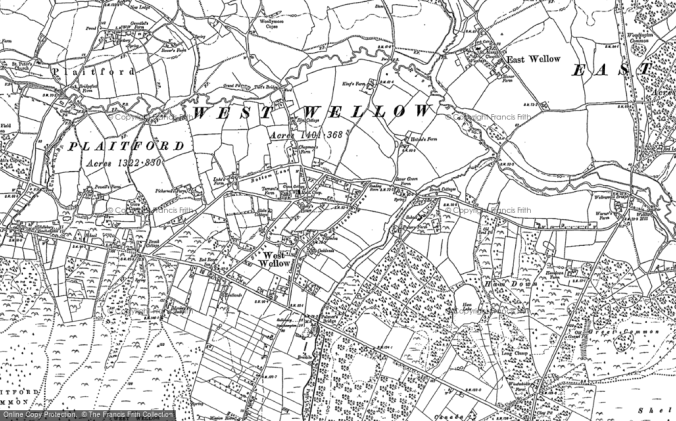

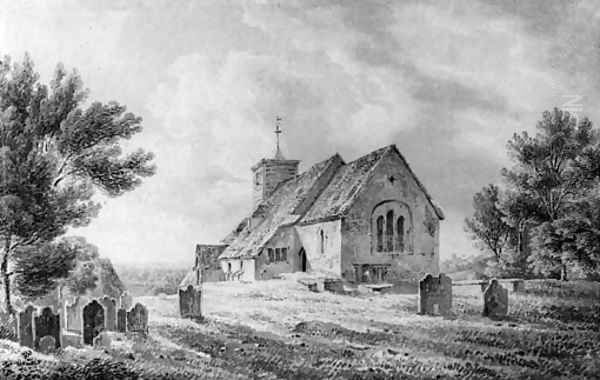

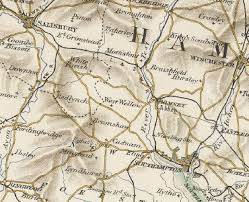
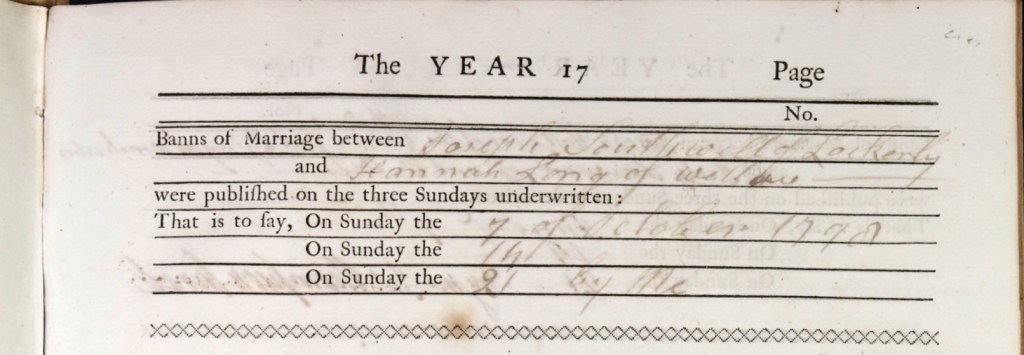
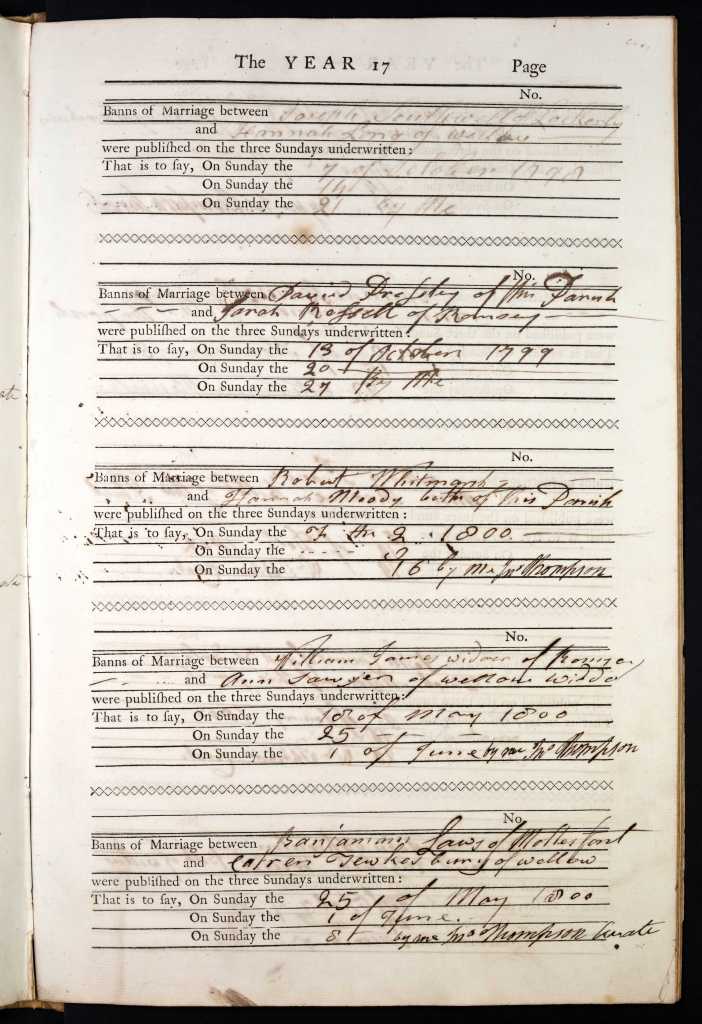

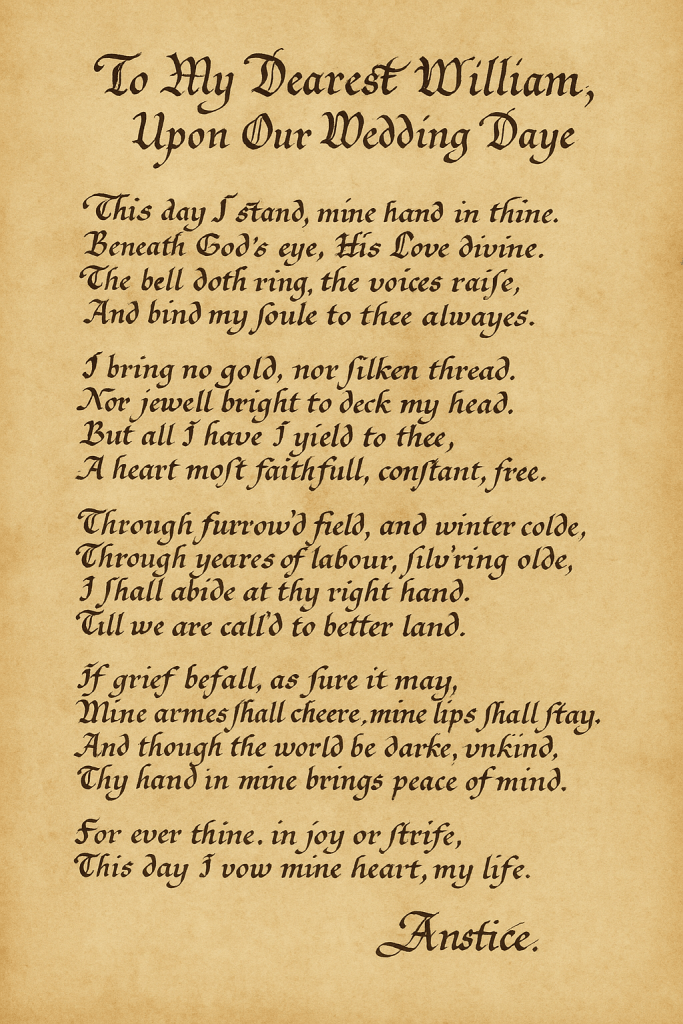
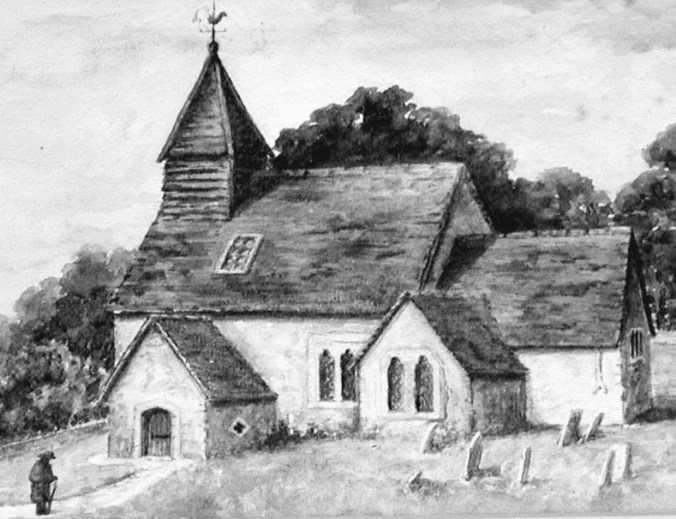
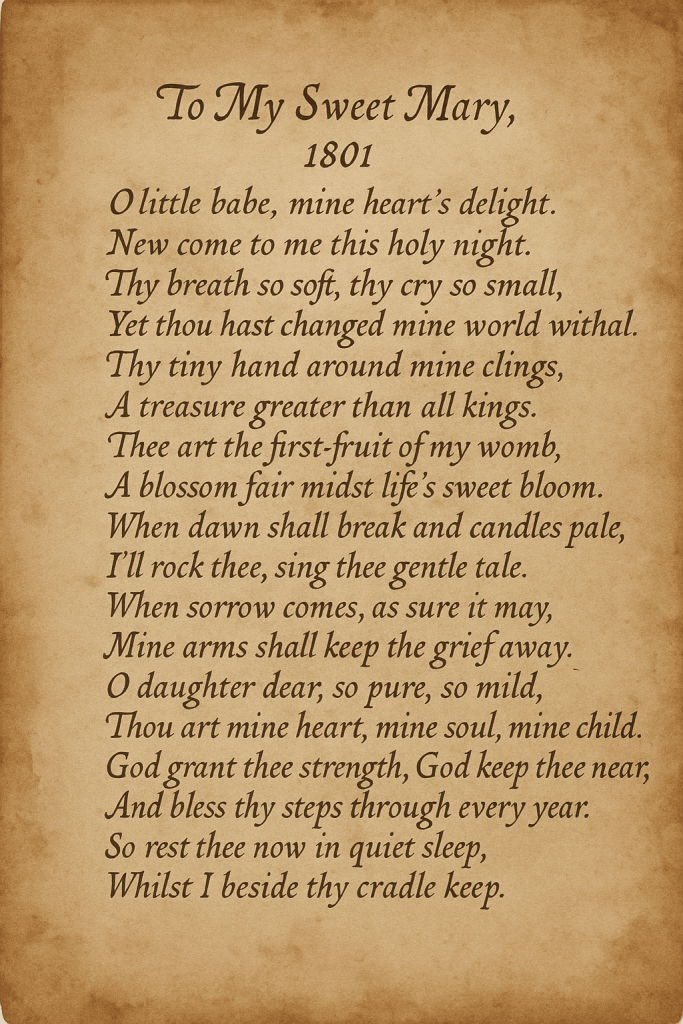
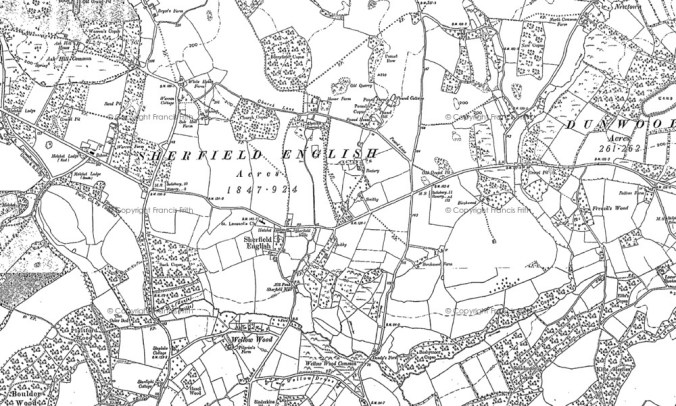
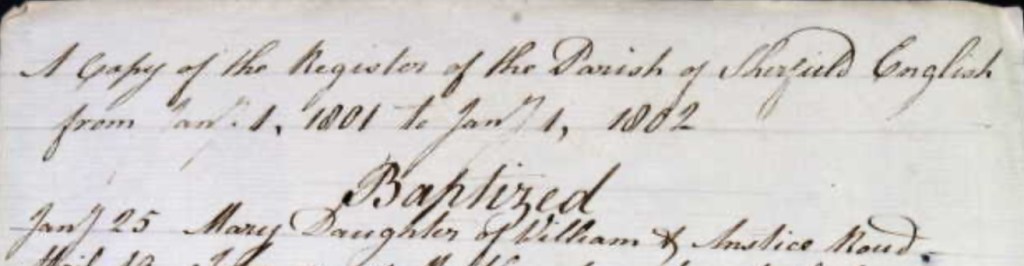
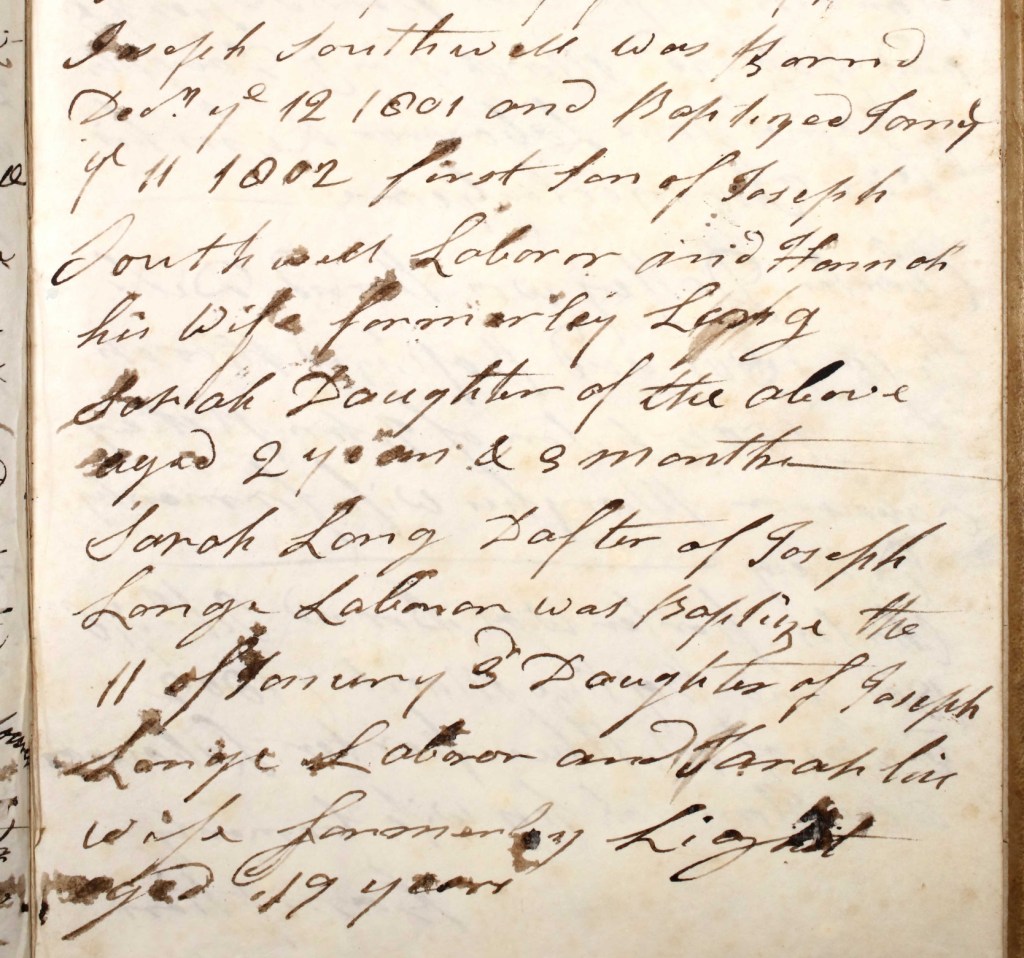


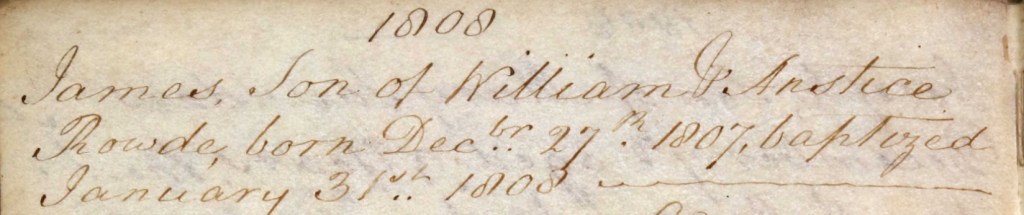





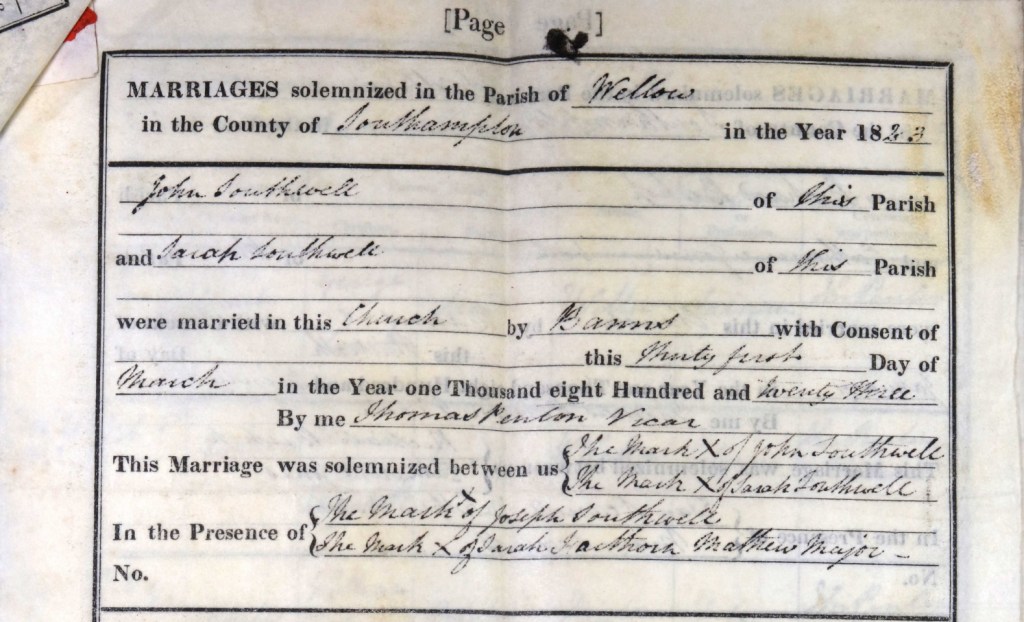
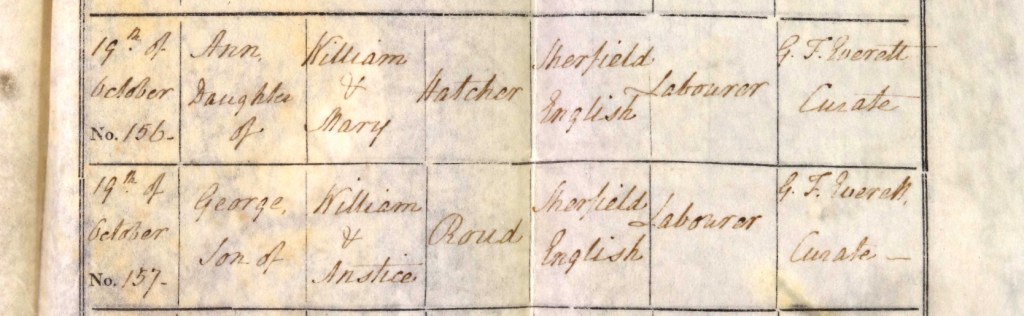
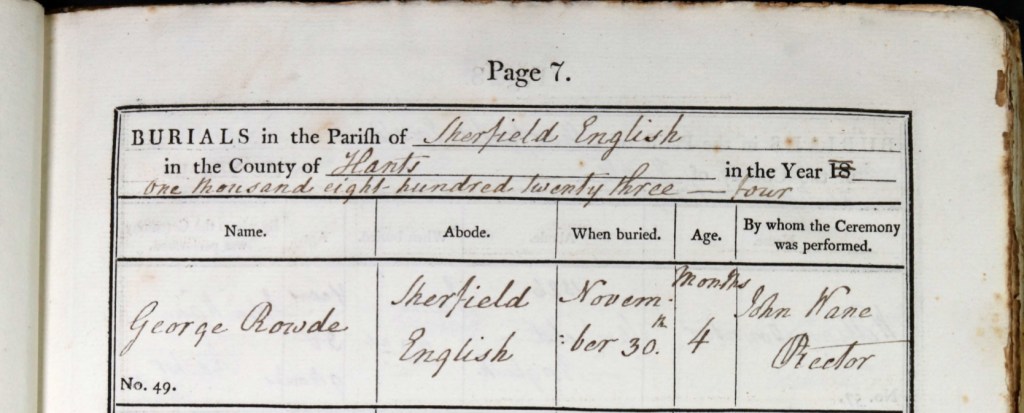
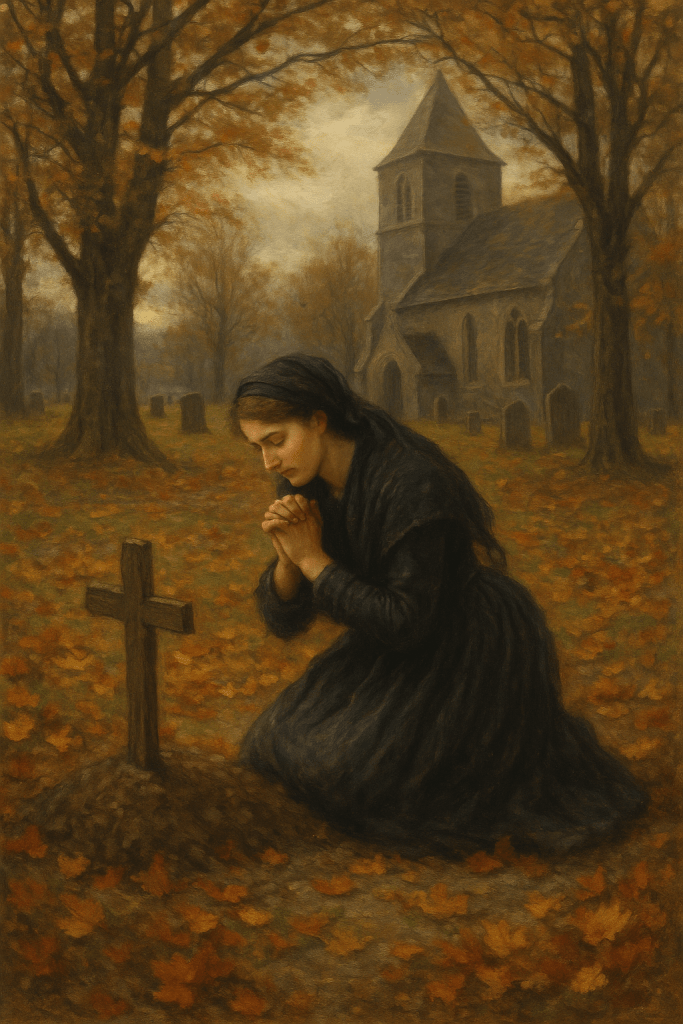
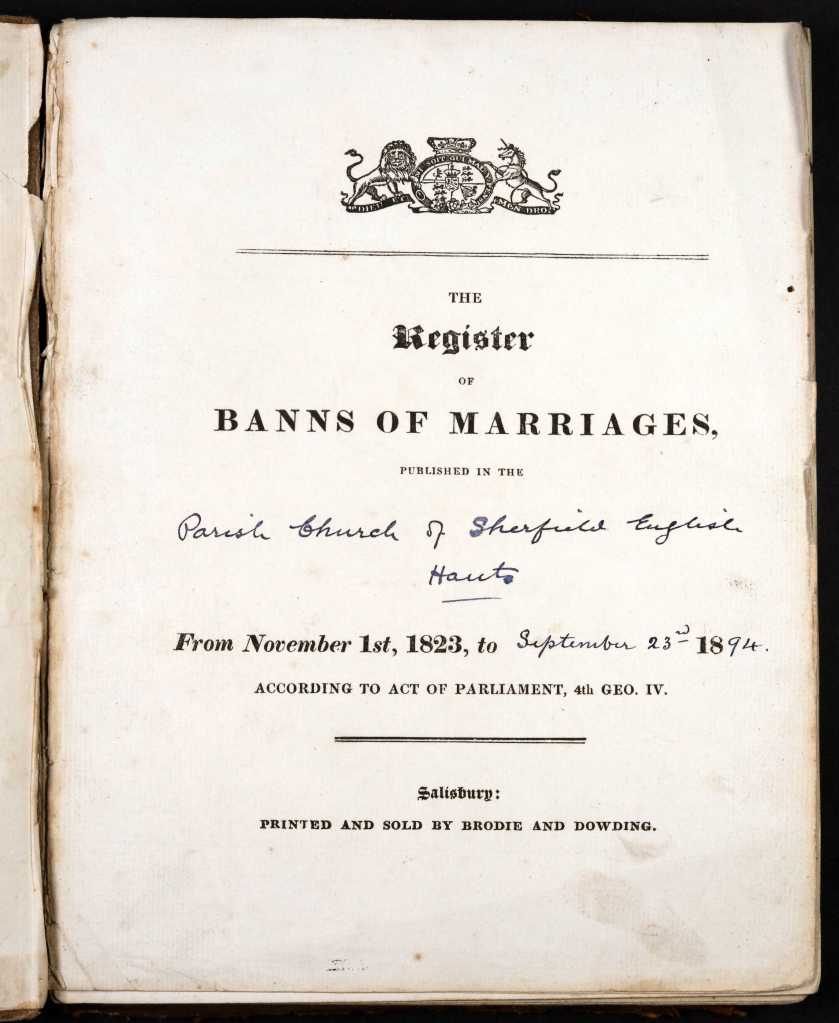
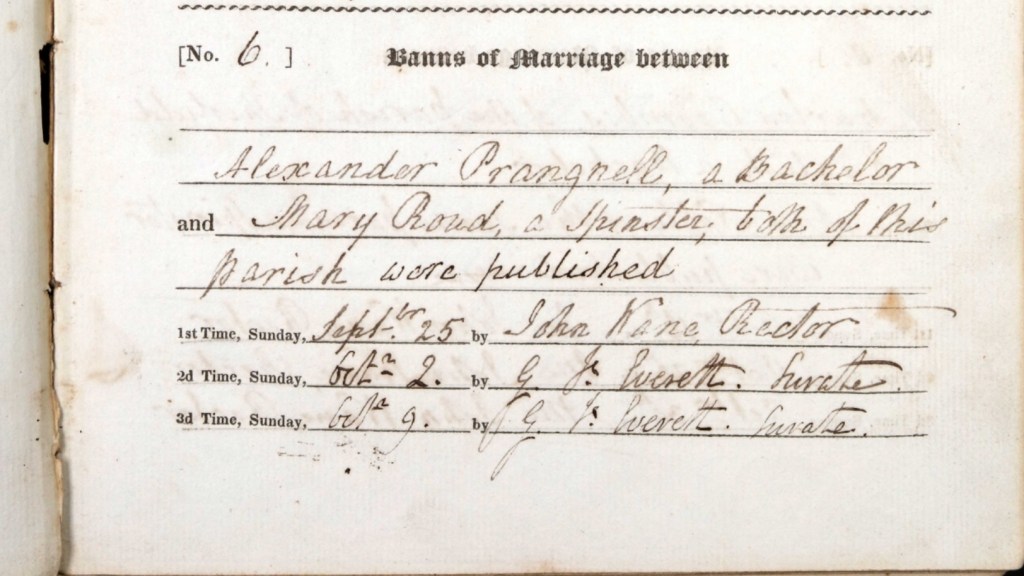
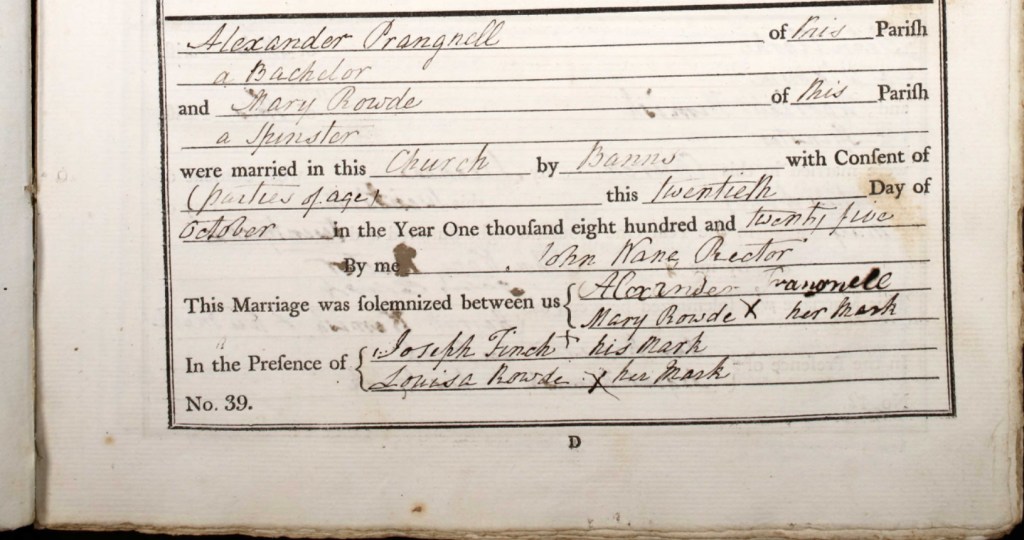
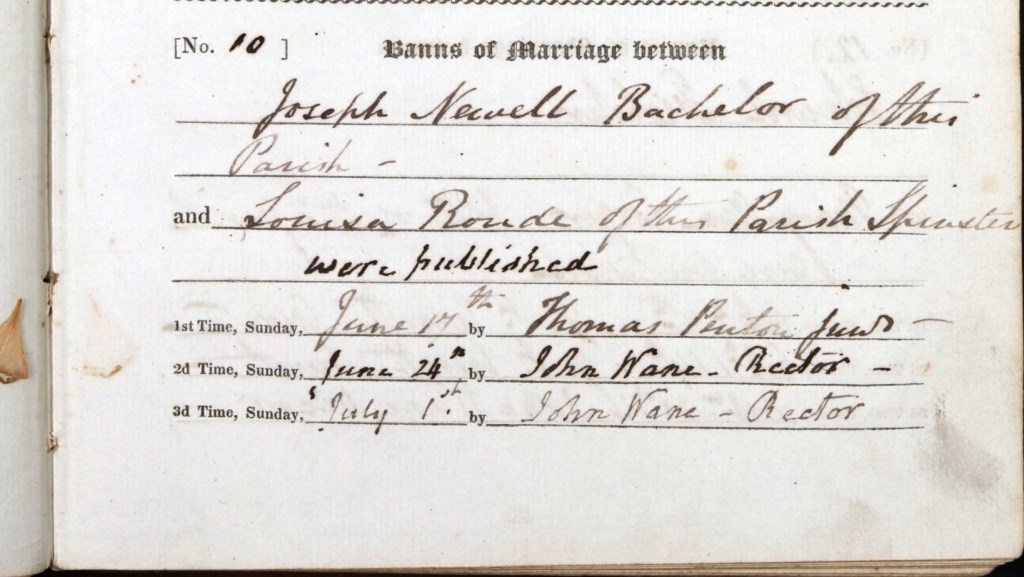
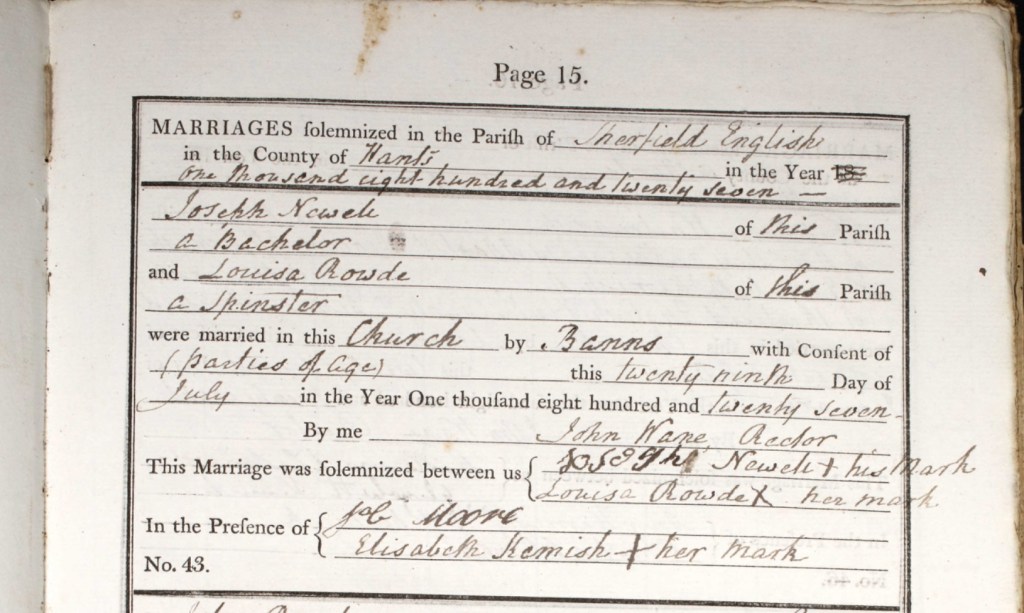

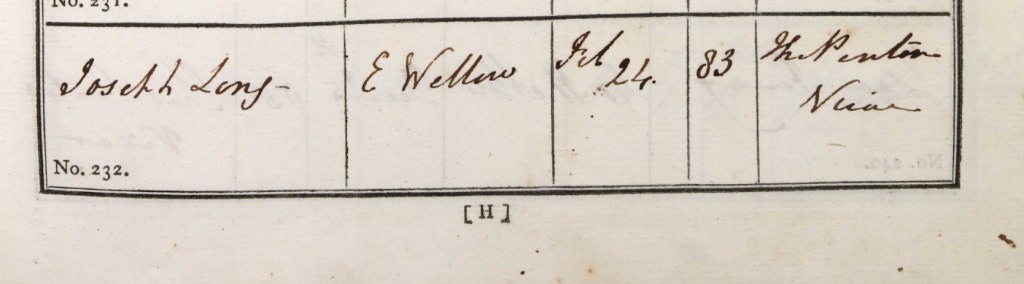
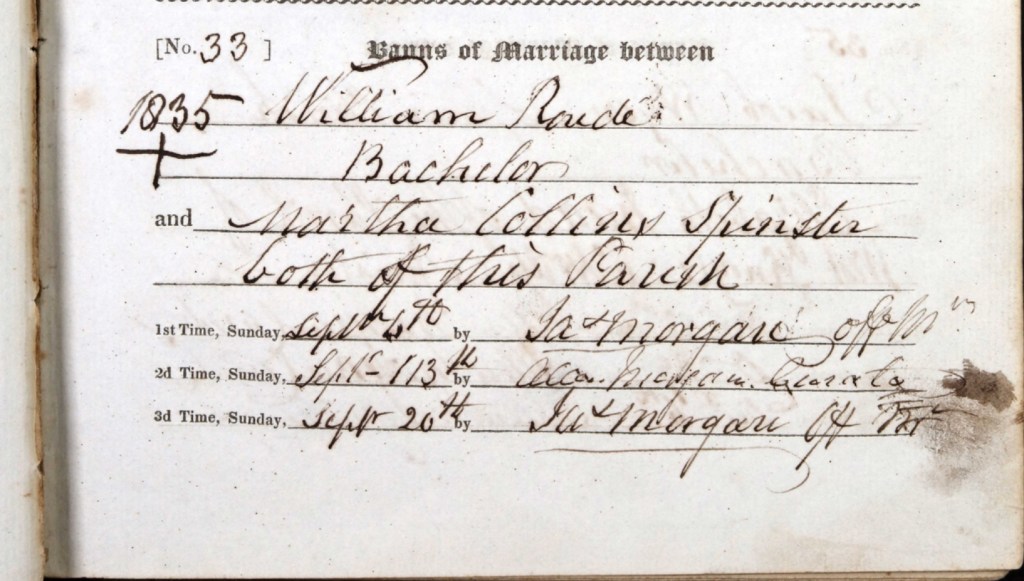
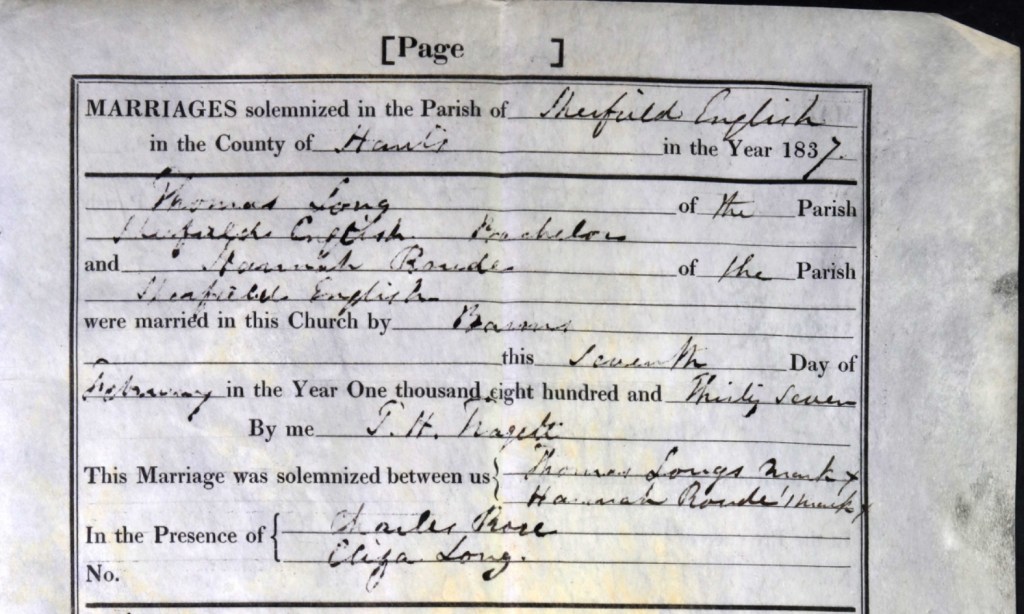
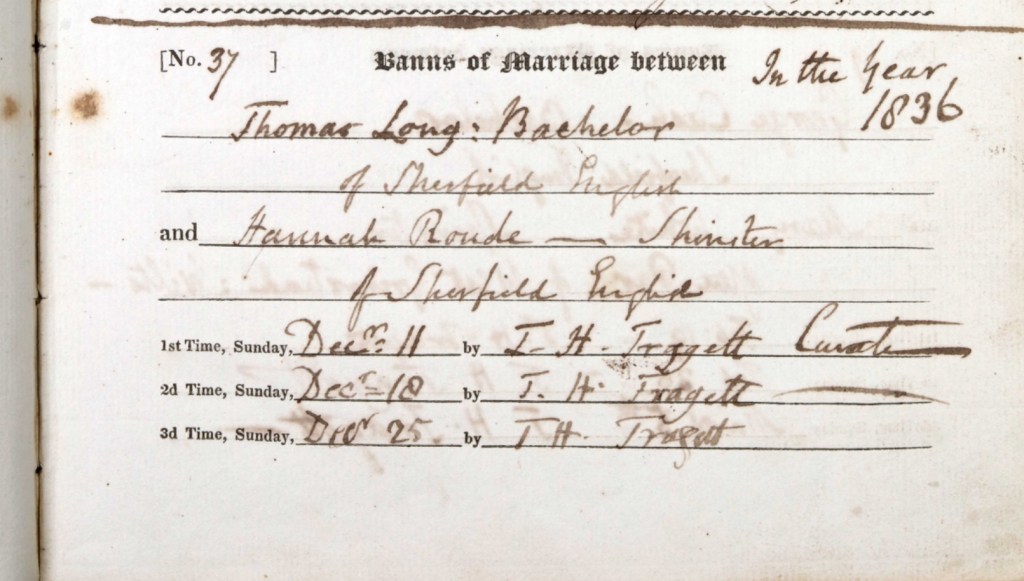
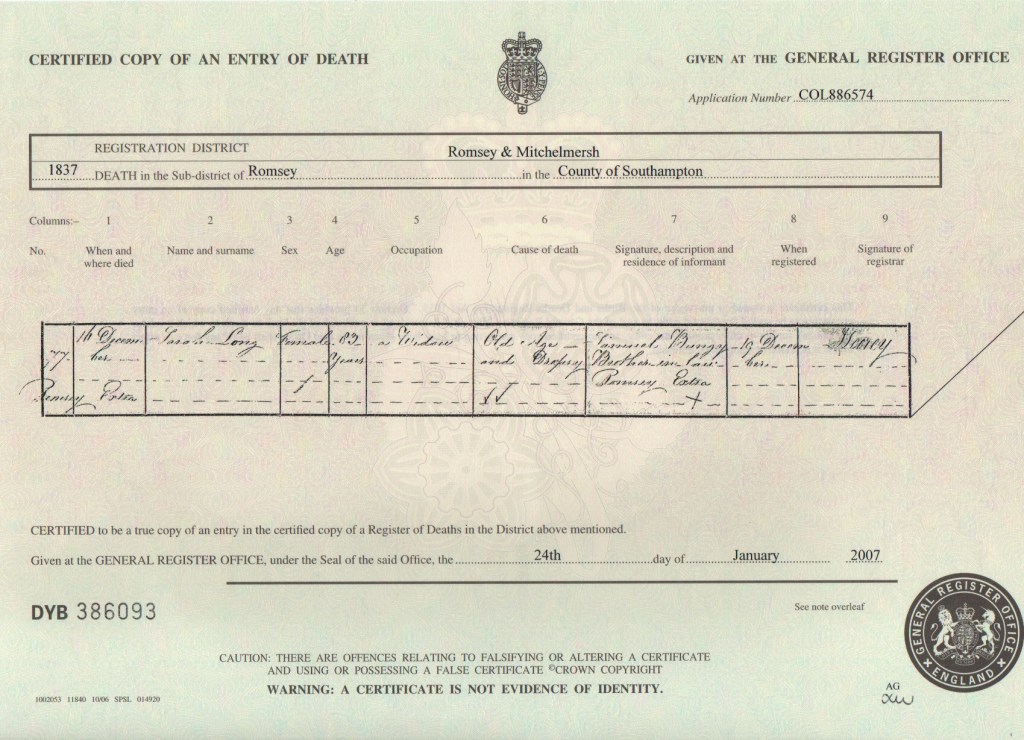
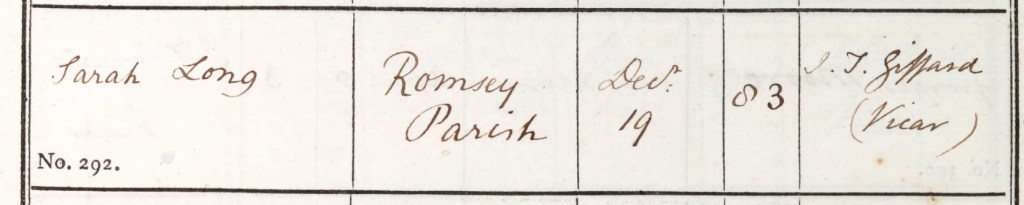
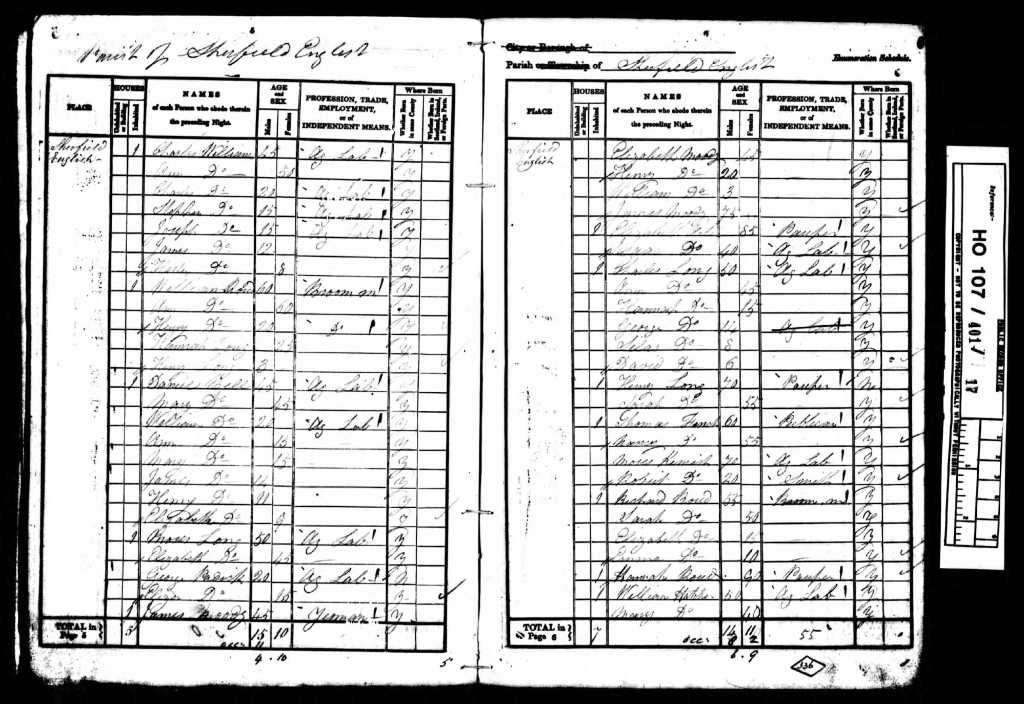


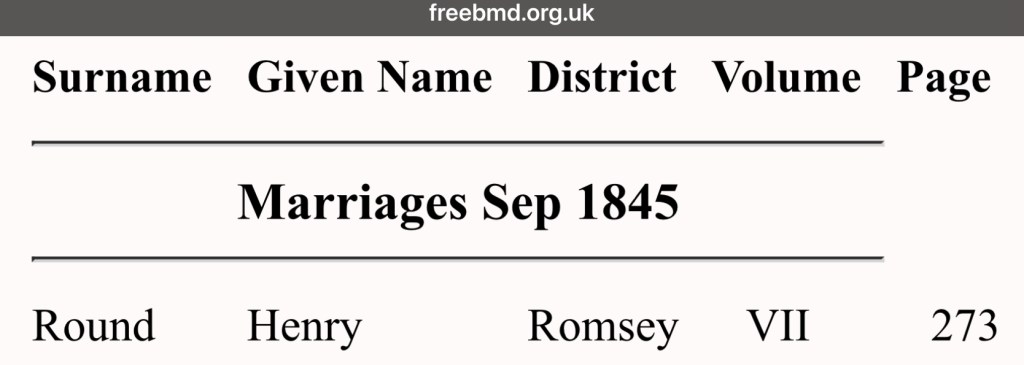
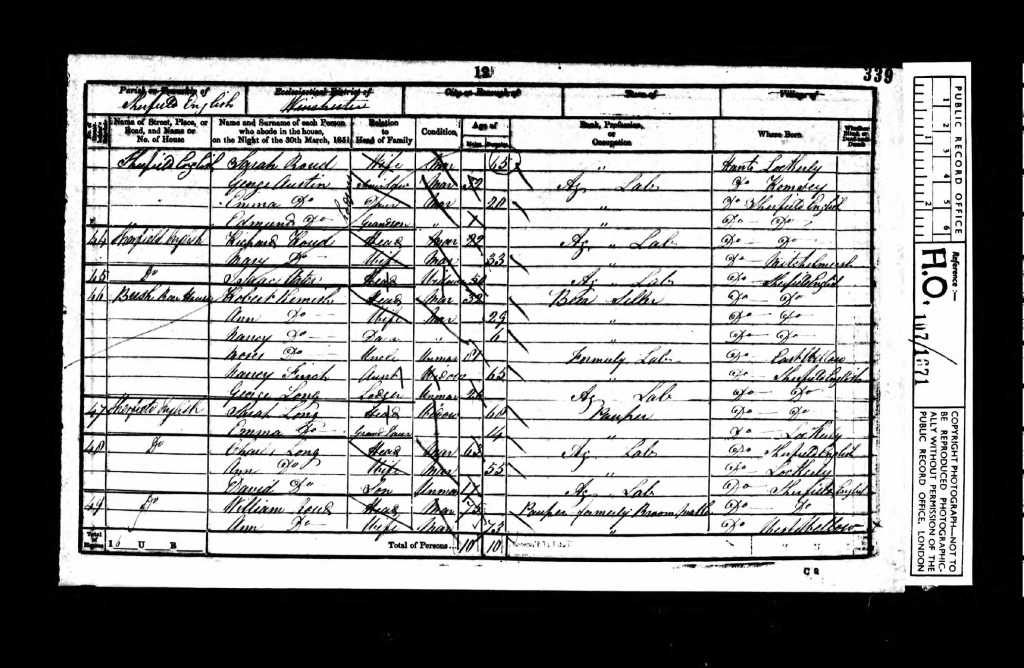
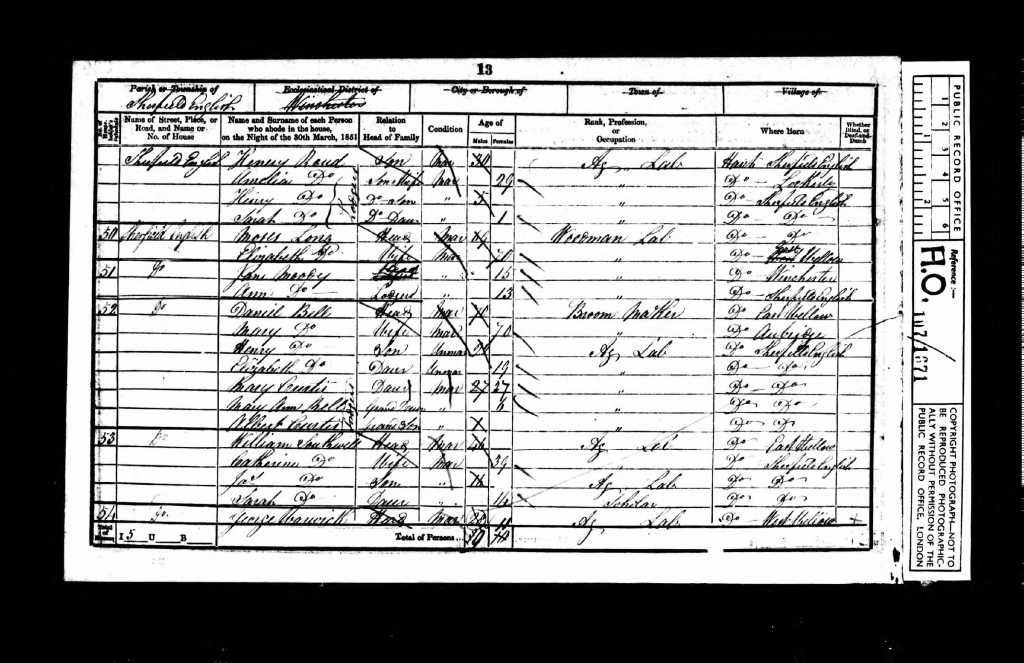
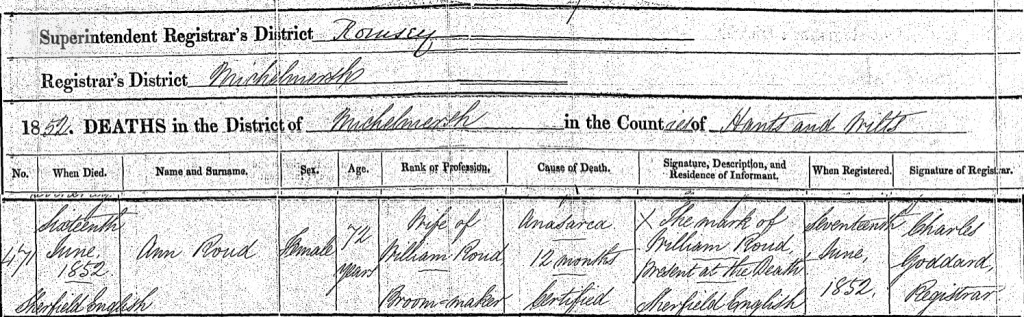

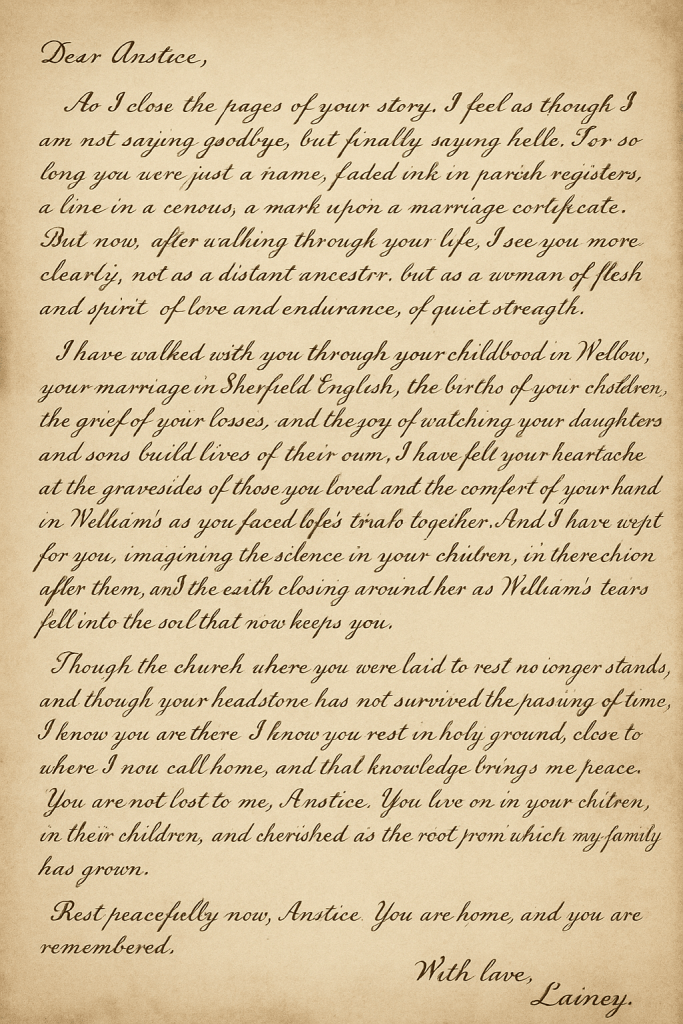
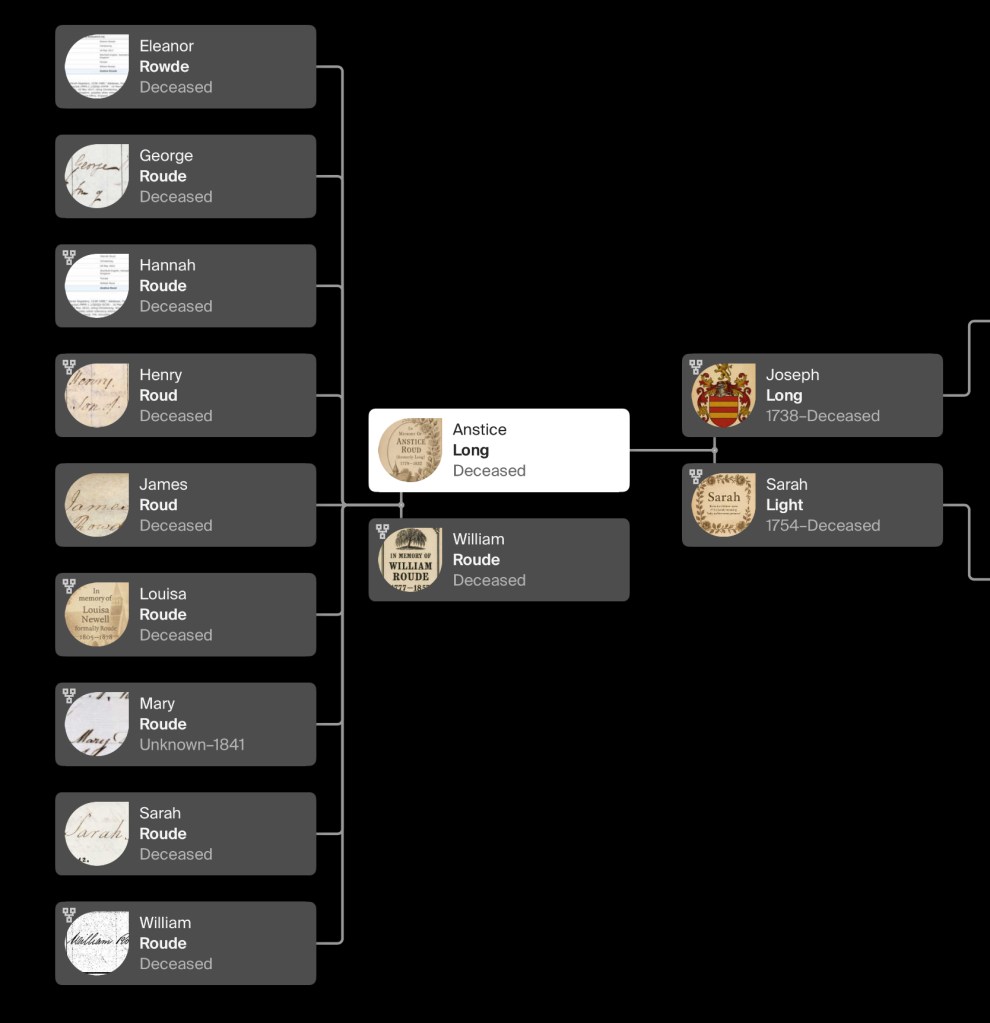
 Intwined