In the gentle folds of Hampshire’s countryside, where the fields ripple like green oceans beneath the ever-changing sky, Hannah Long was born in 1776. She was the first child of Joseph Long and Sarah Long, née Light, a child who would grow into a woman whose life spanned nearly a century, touching generations in ways both ordinary and profound.
Her story does not arrive easily. Hannah was born long before governments kept orderly records of births, marriages, and deaths. There were no census enumerators, no neatly filed documents waiting to recount her life. Instead, her existence is whispered through the parish records of East Wellow, faded ink on worn pages, notes of baptisms and burials, of vows spoken and lives quietly lived. To uncover her history is to follow a delicate, twisting path through fragments of the past, each discovery a small triumph in a puzzle centuries old.
Hannah’s life is more than dates and names; it is the rhythm of daily labor, the hush of candlelit evenings, the laughter and tears of family and neighbors, the enduring pulse of a community long vanished. She is my 5th great-grandaunt and my husband’s 4th great-grandmother, a bridge between our histories, a reminder that the lives of those who came before us continue to shape our own.
In tracing Hannah Long through time, we trace the invisible threads that bind generations, the whispers of a life lived fully and quietly, and the legacy of a woman who, though distant, remains vividly present in the echoes of history.
Welcome back to the year 1776, East Wellow, Hampshire, England. The air carries the quiet rhythm of rural life, the scent of tilled earth and woodsmoke mingling with the crispness of the English countryside. At the top of the nation, King George III sits upon the throne, a monarch whose reign is marked by both political turbulence and the weight of tradition. Across the halls of power, the Prime Minister is the Earl of North, guiding the government through tense colonial disputes and domestic challenges, while Parliament debates matters both grand and mundane, shaping a nation still firmly rooted in hierarchy and propriety.
Life in East Wellow is defined as much by social standing as by the seasons. The wealthy gentry live in elegant homes with paneled walls, fireplaces in every major room, and gardens meticulously designed, while the working class inhabit modest cottages, often single-room dwellings with thatched roofs, limited furniture, and basic comfort. The poor endure harsher conditions, sharing small spaces with little ventilation or privacy, relying on peat or wood for warmth, and often battling the relentless hardships of survival.
Fashion reflects one’s place in society. The rich wear fine fabrics such as silk and wool, adorned with lace and embroidery. Women’s gowns cascade to the floor, corsets shaping their silhouettes, while men favor tailored coats, waistcoats, and breeches. The working class and poor dress more practically, in coarse linen and sturdy wool, patched and mended repeatedly, clothing that must endure long days in fields or workshops.
Transportation is slow and limited. Roads are uneven and often muddy, with carts and horses providing the primary means of travel. Wealthier families may own carriages, while most people walk or ride horses when necessary. Houses are lit and heated according to resources. Candles and oil lamps cast a warm but dim light in the evenings, while fireplaces offer the only significant source of heat, creating cozy centers for families but leaving other corners of the home cold.
Hygiene and sanitation are rudimentary by modern standards. Bathing is infrequent, often reserved for Sundays or special occasions, and water comes from wells or rivers. Waste is managed with chamber pots, emptied into streets or garden areas, and the risk of disease is heightened by these conditions. Food varies according to wealth and season. The wealthy enjoy roasts, fresh bread, cheeses, and imported delicacies, while working-class families subsist on vegetables, porridge, ale, and bread, with meat a rare treat.
Entertainment is shaped by local culture and class. Music, dancing, storytelling, and occasional fairs enliven village life. Wealthier households may host more elaborate gatherings with music, card games, and reading, while children play simple games outdoors. Disease is a constant shadow, with smallpox, consumption, typhoid, and influenza posing frequent threats. Medical knowledge is limited, and remedies are often improvised.
The environment is dominated by farmland, pastures, hedgerows, and woods, a landscape both beautiful and demanding. Gossip and community news move quickly, carried from neighbor to neighbor, shaping reputations and informing decisions. Education is limited for most, with local parish schools providing basic reading, writing, and arithmetic, though schooling for girls is often minimal. Religion permeates daily life; the Church of England guides moral and spiritual conduct, with regular attendance expected, and festivals and religious observances marking the passage of the year.
Life in East Wellow is quiet yet layered with the rhythms of labor, family, and community. Every day carries a mixture of challenge and comfort, duty and leisure, with social boundaries clearly drawn but human kindness and neighborly support providing continuity in a world both fragile and resilient.
Hannah Long came into the world in the gentle embrace of an autumn morning in 1776, in the serene village of East Wellow, Hampshire. She was the firstborn of Joseph Long, a man of thirty-eight, whose steady hands and quiet resolve shaped the household, and Sarah Long, née Light, a young mother of twenty-two, whose warmth and grace would nurture the delicate beginnings of a new life. Her parents’ love had been solemnised less than a year before, on the 12th of December, 1775, beneath the hallowed roof of Saint Margaret’s Church, East Wellow, where vows were whispered, promises made, and the first threads of Hannah’s story quietly woven.
Though the exact day of her birth has been lost to time, the fragments of history offer glimpses of her beginnings, like sunlight spilling through the autumn leaves. Later census records, created long after her infancy, hint at her origins and trace the arc of her life: in 1841, she is remembered as having been born around 1782 in Hampshire; in 1851, the records mark her birth in 1778 in East Wellow; and by 1861, she is noted once more as having been born in 1780, still in her beloved East Wellow. Though these numbers waver, the constancy of place speaks to a childhood rooted in the fields and hedgerows of Hampshire, to a life intimately bound to the rhythms of the land, the parish, and the people who shaped her world.
In these subtle traces, one can almost hear the echo of her first cries in the crisp autumn air, feel the tender gaze of her young mother, and sense the quiet pride of her father, welcoming the first of his children into a world that would, over the decades, see Hannah grow, endure, and flourish. These fragments of record and memory, however imperfect, offer the first delicate brushstrokes of a life that would span nearly a century, a life both ordinary and extraordinary, threaded through with the enduring presence of family, faith, and the gentle beauty of East Wellow.
East Wellow, Hampshire, is a village with a long and layered history set in the gentle, rolling countryside of southern England. Its roots extend back to medieval times, with records suggesting the area was settled as part of the broader development of Hampshire’s rural parishes. The village historically formed part of the parish of Wellow, which was later divided into East and West Wellow, reflecting the growth of communities and the administrative needs of the time. Agriculture was central to life in East Wellow for centuries, with the local population largely engaged in farming, livestock rearing, and related trades. The landscape, characterised by open fields, woodlands, and small streams, shaped both the economy and daily life, while local roads connected the village to nearby Romsey and other market towns, enabling trade and communication.
The focal point of community life has long been Saint Margaret’s Church, a place not only of worship but of record-keeping for baptisms, marriages, and burials. The church has been central to social life and local identity, providing a place for gatherings and spiritual guidance. Over the centuries, East Wellow evolved from a purely agrarian settlement into a village with small-scale industry and cottages for workers, reflecting broader social changes in England during the 18th and 19th centuries. The population has remained relatively modest, fostering a tight-knit community atmosphere where generations of families lived and worked side by side.
Houses and cottages in East Wellow historically were constructed from locally available materials, including flint, brick, and timber, with thatched roofs common until the 19th century. The village also had small shops, a post office, and communal spaces, providing the essentials for village life. Stories of local hauntings and folklore have occasionally been associated with older buildings and the churchyard, reflecting the region’s rich tapestry of oral history and legend. The village’s history is punctuated by the rhythms of rural English life, with seasonal fairs, agricultural shows, and church festivals forming the backbone of social interaction. Over time, East Wellow has retained its historic charm while gradually adapting to modern life, balancing the preservation of its past with the needs of contemporary residents.
As autumn unfurled its spectacular display of fiery reds, golden ambers, and burnt oranges across the gentle hills of East Wellow, Joseph and Sarah Long brought their newborn daughter into the embrace of their parish and their faith. On Sunday, the 27th day of October, 1776, little Hannah Long was baptized at Saint Margaret’s Church, the sunlight filtering softly through the stained-glass windows, painting the stone floor in warm hues. The baptism register, a quiet witness to this sacred moment, recorded her arrival into the world with simple elegance: “Oct. 27th, Hannah, Daughter of Joseph and Sarah Long.”
In that single line of ink, a story began, a story of life, of family, and of a village that would shape her childhood. One can almost imagine the hush of the congregation, the gentle murmur of prayers, the tender clasp of her mother’s hands, and the proud, watchful gaze of her father, as Hannah’s tiny presence was formally welcomed into the community she would always call home. Even as the autumn leaves fell and the world turned around them, this day marked the first of many quiet milestones in the long, remarkable life of Hannah Long.
Saint Margaret's Church in East Wellow, Hampshire, is a beautiful and historic parish church that has stood as a central spiritual and community landmark for many centuries. Located in the picturesque surroundings of the Test Valley, the church is an integral part of East Wellow, a village with a rich history tied to the local agricultural community and its connections to the broader historical developments of Hampshire.
The history of Saint Margaret’s Church can be traced back to the 12th century, with the earliest known reference to the church appearing in the Domesday Book of 1086. The church was built during a time when many villages in England were establishing places of worship and community gathering, and it has since played a significant role in the religious and social life of the village. The church’s name, "Saint Margaret," likely refers to Saint Margaret of Antioch, a Christian martyr whose feast day is celebrated in June. Saint Margaret was revered in medieval Christian communities, particularly in England, where many churches were dedicated to saints who had strong associations with faith and protection.
Saint Margaret’s Church has seen several architectural modifications over the centuries, but much of the original Norman structure remains, particularly in the form of the church’s solid stone walls and simple, unpretentious design. The church was built in the Romanesque style, typical of early medieval churches, and it would have been a simple, functional building intended to serve the needs of the local population. Over time, as the church became a focal point for the growing community, various changes were made to accommodate the increasing number of parishioners and to reflect the evolving architectural tastes of the time.
During the 13th century, the church underwent its first major expansion, as many churches did during the medieval period. This expansion likely included the addition of a chancel and the extension of the nave, as well as the inclusion of larger windows to allow more light into the building. As was common in many rural churches, St. Margaret’s was at the heart of village life, providing not only a place for worship but also a space for social and community activities. During this time, the churchyard would have also served as the burial ground for local residents, with gravestones marking the lives of those who had contributed to the local community.
Over the centuries, the church continued to evolve, particularly during the Victorian era when many older churches were restored or rebuilt. In the 19th century, Saint Margaret’s Church underwent significant restoration work under the direction of Victorian architects who were dedicated to preserving medieval structures. During this time, the church was modernized with the addition of stained-glass windows, new pews, and other decorative features that reflected the Gothic Revival style that was popular during the period. The restoration also helped to maintain the integrity of the church’s structure, ensuring that it remained a functioning place of worship for generations to come.
One of the most notable features of Saint Margaret’s Church is its beautiful churchyard, which is the final resting place for many generations of Wellow residents. The churchyard is home to a variety of graves and memorials, some of which date back to the medieval period. The gravestones, many of which are carved with intricate symbols and inscriptions, provide insight into the lives of the people who lived in Wellow and the surrounding area over the centuries. The churchyard is not only a place of remembrance but also serves as a peaceful and tranquil area, surrounded by trees and greenery, where locals and visitors alike can reflect and appreciate the history of the village.
In addition to its religious functions, Saint Margaret’s Church also played an important role in the social life of East Wellow. Like many churches in rural England, Saint Margaret’s was the center for various community events, including festivals, fairs, and charitable activities. The church was a space where people came together to celebrate important events in the church calendar, such as Christmas, Easter, and harvest festivals. These occasions were important not only for their religious significance but also as social events where the community could gather and bond.
Saint Margaret’s Church has been a part of the local community for over 900 years, and it continues to be an active place of worship and community gathering. The church holds regular services, including Sunday worship, as well as special events like weddings, christenings, and funerals. It remains a beloved part of East Wellow, serving as a reminder of the village’s deep historical and spiritual roots. The church also hosts occasional concerts, events, and educational programs, continuing its role as a cultural and social center for the village.
As for rumors of hauntings or supernatural occurrences, like many historic churches, Saint Margaret’s Church has been the subject of local folklore and ghost stories. While there are no widely known or documented cases of hauntings, the church's long history, the age of its structure, and the quiet, serene atmosphere of the churchyard may naturally lead to tales of mysterious happenings or eerie experiences. Churches with such a long history often become part of local ghost lore, and their dark corners and ancient gravestones sometimes inspire imagination and stories passed down through generations.
The surname Long in England has a rich history that stretches back to at least the medieval period, possibly even earlier. Its origins are rooted in descriptive naming practices common in Anglo-Saxon England, where individuals were often identified by physical characteristics, occupations, or locations. In this case, Long comes from the Old English word “lang,” meaning “tall” or “long,” and was originally applied to someone of notable height or a slender, elongated build. Over time, as surnames became hereditary between the 12th and 14th centuries, Long transformed from a descriptive nickname into a family name, passed from one generation to the next.
The surname Long is well-documented in many historical records, including the Domesday Book, parish registers, and manorial records. It was especially common in southern England, with significant concentrations in Wiltshire, Hampshire, Dorset, Somerset, and Berkshire. Different branches of the Long family became established in various counties, sometimes rising to prominence as landowners, merchants, or involved in local governance. One of the most notable branches was the Long family of Wiltshire, whose members were influential in the 16th and 17th centuries, holding estates and serving as sheriffs and justices of the peace.
The Long family coat of arms is a heraldic symbol reflecting status, lineage, and values. While different branches sometimes adopted variations, many feature a shield with alternating bands of gold (or) and red (gules). In heraldic tradition, gold represents generosity and elevation of the mind, while red symbolizes warrior qualities, courage, and readiness to serve. Lions are sometimes included, symbolizing bravery, strength, and leadership. The crest, appearing above the shield, often depicts a lion or a figure standing tall, echoing the literal meaning of the surname and its connotations of stature and presence.
Over the centuries, the surname Long spread beyond the landed gentry, becoming common among farmers, artisans, and townspeople. Records show the name appearing in parish registers for baptisms, marriages, and burials from the 16th century onwards, reflecting the growth of literacy and the standardization of surnames. In some instances, spellings such as Longe or Lang appeared, illustrating how names could shift based on pronunciation and regional dialects.
By the 18th and 19th centuries, the Long family was present in a wide range of social classes, from rural laborers to educated professionals, reflecting the broader social mobility of England during this period. The family name persisted through migrations, both within England and overseas, carried by those seeking new opportunities in the colonies. Today, Long remains a recognisable English surname, linking its bearers to a long history of descriptive origins, local prominence, and enduring familial identity.
The forename Hannah has a long and rich history, with roots deeply embedded in religious and cultural traditions. It originates from the Hebrew name Channah, meaning “grace” or “favor,” and it appears prominently in the Old Testament of the Bible. Hannah was the mother of the prophet Samuel, and her story, marked by patience, devotion, and answered prayer, made the name particularly popular among Jewish and Christian communities. The association with piety, virtue, and maternal strength contributed to its enduring appeal throughout centuries.
In England, the name Hannah became widely used from the 16th century onwards, particularly among Puritan families who valued biblical names for their children. It was common in both urban and rural areas, often chosen to reflect religious devotion and moral aspiration. During the 18th and 19th centuries, Hannah maintained popularity, appearing frequently in parish registers, census records, and family histories. Its simple, melodic form made it accessible and easy to spell, further cementing its place in English-speaking societies.
Beyond its religious significance, the name Hannah has also been associated with literary and artistic references, appearing in poetry, novels, and plays over the centuries. It carries connotations of gentleness, grace, and resilience, reflecting the qualities of the biblical Hannah while evolving in its cultural resonance. The name has experienced periodic revivals, often influenced by trends in literature, religion, and popular culture, and remains widely recognized and cherished in contemporary naming practices.
Hannah has also inspired a range of diminutives and variations, such as Anne, Annie, and Nan, allowing families to personalize the name while retaining its historic and cultural significance. Its simplicity, elegance, and deep-rooted symbolism ensure that it continues to be a name that conveys both historical continuity and timeless charm.
Hannah’s younger sister, Anstice Long, my 5th Great-Grandmother, entered the world in the gentle embrace of autumn, in the year 1779, in the neighboring village of West Wellow, Hampshire. Though the precise day of her birth has been lost to the passing of time, the fragments of history offer glimpses of her beginnings, and the later census records provide a rough sketch of her arrival into the world. In 1841, she is remembered as having been born around 1781 somewhere in Hampshire, while the 1851 census suggests the year 1778 in West Wellow itself.
Even in the uncertainty of dates and inked entries, one can imagine the tender scene: the Long family home filled with the soft warmth of autumn light, the gentle murmur of family life, and the small joys of welcoming a new child into the household. Anstice’s birth, like her sister Hannah’s before her, marked the weaving of another thread into the fabric of the Long family, a thread that would carry her through childhood, community, and a life shared across generations, leaving its quiet, enduring imprint on those who would come after.
West Wellow, Hampshire, is a charming village set in the rolling countryside of southern England, closely linked historically and geographically with East Wellow. Its origins likely stretch back to medieval times, when the area formed part of the larger Wellow parish, with settlements organized around agriculture and woodland management. The village grew slowly, its population composed mainly of farmers, laborers, and tradespeople supporting the local economy. Over centuries, West Wellow developed its own identity while sharing in the rhythms of rural life, including seasonal fairs, church festivals, and market days in nearby Romsey.
The village has long been shaped by the natural landscape, with open fields, hedgerows, small streams, and ancient woods creating both sustenance and beauty for the inhabitants. Homes were traditionally built from timber, brick, and flint, often with thatched roofs, reflecting the local materials and vernacular style of rural Hampshire. The community was tightly knit, with the parish church, school, and common land serving as centers for social interaction and communal life. West Wellow has seen periods of change, particularly in the 18th and 19th centuries, as agricultural practices evolved and transportation improvements connected the village more closely with surrounding towns and the larger county of Hampshire.
In terms of myths and legends, West Wellow, like many rural English villages, carries tales passed down through generations. Stories often involve the old woods surrounding the village, where travelers were said to encounter mysterious figures or hear eerie sounds, sometimes attributed to spirits or local folklore heroes. Legends of ghostly apparitions near ancient cottages or along the quiet lanes are also part of the local lore, though these tales remain largely anecdotal, forming an atmospheric layer over the village’s historical record. The village’s history is therefore intertwined with both the tangible heritage of buildings, land, and families, and the intangible heritage of stories, superstitions, and community memory that have enriched its character over the centuries.
West Wellow today retains much of its historic charm while adapting to modern life, with conservation efforts preserving the character of the village and its surrounding countryside, maintaining the sense of continuity that has defined this Hampshire community for hundreds of years.
As the crisp autumn air whispered through the trees of East Wellow, and the village was painted in shades of amber and gold, Hannah’s sister, Anstice, was brought to the parish church for her baptism. On Sunday, the 10th day of October 1779, at Saint Margaret’s Church in East Wellow, the Long family joined the congregation in a solemn yet tender ceremony, welcoming their daughter into both faith and community.
The baptism register, a quiet witness to this sacred moment, recorded her arrival alongside three other children: Elizabeth Moore, Sarah Painter, and David Grove. The entry reads with gentle simplicity, marking the day that would forever anchor Anstice’s place in history: “Oct. 10th – Elizabeth, Daughter of Daniel & Grace Moore; 10th – Sarah, Daughter of James & Hannah Painter; 10th – Anstice, Daughter of Joseph & Sarah Long; 10th – David, Son of Chislover Grove & wife.”
One can almost feel the hush in the church, the warmth of candlelight dancing on the stone walls, the faint scent of incense mingling with the cool October air. The tender clasp of her mother’s hands, the proud watch of her father, the small congregation murmuring prayers, each element a quiet celebration of life, of family, and of a little girl just beginning her journey in the world. This day, like Hannah’s before it, became a luminous thread in the tapestry of the Long family, a moment of grace and permanence amid the fleeting passage of time.
Hannah’s youngest sister, Sarah Long, was born around the year 1783, in the quiet village of East Wellow, Hampshire, where the rolling fields and hedgerows shaped the rhythm of daily life. Though the exact day of her birth has been lost to time, the parish baptism record gently places her arrival in the world, and later glimpses from history, such as the 1841 census, offer a less precise estimate, suggesting the year 1801 somewhere in Hampshire.
Even in the soft uncertainty of dates, one can imagine the tender warmth of the Long household, filled with the laughter and cries of a growing family. Little Sarah would have been welcomed into a home already rich with the presence of her elder sisters, Hannah and Anstice, and enveloped by the love of Joseph and Sarah Long, whose hands and hearts nurtured their children through the ever-changing seasons. Though records may waver, the essence of her beginnings, the gentle autumn light, the familiar scent of hearth and garden, the comforting hum of village life, remains, anchoring Sarah in the story of the Long family, a thread in the tapestry of a household that spanned generations and centuries.
In the crisp embrace of autumn, 1798, the gentle hills of East Wellow bore witness to a moment both ordinary and extraordinary: the solemn reading of the marriage banns for Hannah Long of Wellow and Joseph Southwell of Lockerley. Her name, spoken aloud within the familiar walls of Saint Margaret’s Church, carried across the pews and through the village on three successive Sundays, the 7th, the 14th, and the 21st of October, echoing in the hearts of her neighbors and heralding a new chapter in her life.
For Hannah, each proclamation must have been tinged with a tender mixture of anticipation and reverent solemnity. The simple cadence of the words, repeated week after week, marked the transition from her days of maidenhood to the responsibilities and promises of marriage. Within the ancient stone walls of the church, amidst the hush of prayer and the flicker of candlelight, she would have felt the weight of expectation, the pull of love, and the quiet thrill of stepping forward into a life shared with Joseph Southwell.
The parish register recorded their banns with careful clarity, noting:
“The Year 1798.
Banns of Marriage between Joseph Southwell of Lockerley and Hannah Long of Wellow were published on the three Sundays underwritten:
That is to fay, on Sunday the 7th of October 1798,
On Sunday the 14th of October 1798,
On Sunday the 21st of October 1798.”
In these simple words lies the delicate beauty of a life moment that bridged youth and adulthood, home and hearth, family and future, a quiet celebration of love and commitment that would shape the story of Hannah for the years to come.
On the crisp autumn day of Wednesday, the 28th of November, 1798, as the last golden leaves drifted silently across the quiet village of East Wellow, Hannah, a 22-year-old spinster of the parish, stood poised to step into a new chapter of her life. Within the timeworn stone walls of Saint Margaret’s Church, the soft murmur of family and neighbors mingled with the hush of prayer, as her father, Joseph Long, walked her down the aisle. His hand was steady, but surely his heart bore the tender weight of letting go, entrusting his beloved daughter to Joseph Southwell, a bachelor from the parish of Lockerley, and watching her step into the unknown journey of married life.
The ceremony was performed by Curate Thos. Williams, each word spoken in solemn cadence, each vow exchanged with reverence. When it came to the signing of the parish register, Hannah and Joseph, unable to write, made their marks with humble crosses, side by side, their simplicity as enduring and honest as the promises they had made. The union was witnessed faithfully by Henry Betty and Dinah Major, whose presence anchored the moment in both legality and love.
The parish register records the day with meticulous care:
“The Year 1798.
Joseph Southwell of the Parish of Lockerly, Bachelor, and Hannah Long, Spinster, of this Parish, were married in this Church by Banns this twenty-eighth Day of November in the Year One Thousand Seven Hundred and Ninety-Eight by me Thos. Williams, Curate.
This Marriage was solemnized between Us,
The mark of Joseph Southwell,
The mark of Hannah Long.
In the Presence of:
Henry Betty,
Dinah Major.”
Bathed in the fading glow of autumn light, Hannah’s marriage became more than a personal vow. It was a tender, lasting memory of love, family, and the delicate yet profound moment when a father released his daughter into the care of another, within the still serenity of their village church. In that quiet, sacred space, the promise of a shared life began, its threads woven into the tapestry of East Wellow and the Long family for generations to come.
Around May 1799, in the familiar village of East Wellow, Hampshire, Hannah gave birth to her first child, a daughter they named Sarah. The exact day of Sarah’s arrival is lost to time, as are the precise details of the humble home in which the new life entered the world, yet one can imagine the scene as Hannah, a young mother still learning the breadth and depth of her own strength, welcomed her little girl.
The house would have been modest, the walls perhaps warm with the fire and the murmurs of midwives or neighbors who had gathered to guide her through the unknown and often arduous labor. Candles flickered, their light soft and trembling, illuminating the lines of worry and anticipation on Hannah’s face, and the scent of herbs hung gently in the air, offering comfort and calm. She endured the contractions, the physical toil, and the mixture of fear and exhilaration that comes with first childbirth, drawing on a courage born from generations of women who had walked this path before her.
When the moment came, and Sarah’s first cries rang out, it must have seemed as if the small house itself sighed in relief. In her daughter’s tiny, fragile form, Hannah saw the continuation of her own life, the unfolding of love and family, and the promise of generations to come. Though the day’s labor was undoubtedly exhausting, it also held a quiet triumph, the beginning of Hannah’s journey as a mother, a role that would define the rhythm of her days, the joy and trials of her life, and the heart of her story in East Wellow.
Sarah carried within her the lineage of the Long family, the hopes of her mother, and the gentle, enduring spirit of a young woman who had stepped into motherhood with courage, love, and resilience.
On a cold Wednesday in the heart of December, as frost silvered the hedgerows and the pale winter sun hung low over the Hampshire fields, Hannah’s sister, Anstice Long, took one of the most joyful and tender steps of her young life. It was the 11th day of December, 1799, the final winter of the century, when she stood before the altar of Saint Leonard’s Church in Sherfield English, a daughter of Joseph and Sarah Long, herself nurtured among the wooded lanes and green commons of Wellow.
Her father, Joseph Long, walked with solemn pride beside her, his hand steady as he guided her toward the altar, his heart full of love and quiet melancholy. To give his daughter away was to release her from the cradle of home into the embrace of marriage, a step both joyous and profound. At her side stood William Roude, ready to entwine his life with hers in vows spoken with sincerity beneath the watchful gaze of the Reverend Thomas William.
Hannah, standing quietly among the gathered family and neighbors, would have felt a gentle swell of emotion as she watched her beloved sister take this step she herself had once taken. Memories of her own wedding, just a year past, must have mingled with pride and a wistful tenderness, seeing Anstice poised at the threshold of the same new life that had so recently welcomed her. The quiet understanding of shared experience, of sisterhood and love, must have wrapped around Hannah’s heart, reminding her of both the fragility and beauty of these moments.
The parish register, faithful to the ceremony, recorded the event with simplicity and clarity:
“Dec 11 – Wm. Roude to Anstice Long.”
Witnessing this union were Jason Ball and William Nobble, churchwardens whose presence anchored the marriage not only in legality but in the warm familiarity of a close-knit village.
This day marked more than the joining of two lives. It was the meeting of the Roude and Long families, the weaving together of histories and hearts, and a tender reflection for Hannah, who saw in her sister’s poised steps the echo of her own, the continuity of love, and the enduring bonds of family that would stretch across generations.
At twenty-five, Hannah faced one of the most profound moments of her life, the birth of her second child. It was a cold December Saturday, the 12th day of the month in the year 1801, and the little house in East Wellow, Hampshire, seemed to hold its breath in quiet anticipation. The hearth, once a place of warmth and family gathering, now glowed with a more urgent light, candles flickering against the walls, casting shadows that danced like whispers of generations before her.
Hannah’s labor would have been long and arduous, yet she faced it with the quiet strength of a mother who had already known the miracle of bringing life into the world. There were no hospitals, no trained obstetricians waiting with instruments and antiseptics, only the experienced, caring hands of village midwives and perhaps a few women kin who had themselves endured the trials of childbirth. They guided her through each contraction, murmuring prayers and encouragement, their voices soft yet insistent, helping her breathe through the waves of pain that rolled over her in relentless succession. The room was warm with the fire’s heat, the scent of herbs hung gently in the air to soothe discomfort, and the simple tools of birth, linen, water, maybe a birthing stool, stood ready, grounding her through each tense moment.
Pain struck in sharp, almost unbearable arcs, yet Hannah’s resolve and love carried her through. Every shiver of effort, every bead of sweat, was for the new life growing within her. Her husband, Joseph, perhaps pacing or standing silently by the hearth, would have watched with anxious reverence, hands clasped or resting on the furniture, praying for the safe arrival of their second child. Outside, the village slept beneath the winter sky, unaware of the quiet, heroic struggle unfolding within the Long household.
At last, as the day waned and the winter light turned soft and golden, the cries of new life pierced the room, bringing relief, awe, and an uncontainable swell of love. Hannah, exhausted and trembling, held her son to her breast for the first time, the tiny warmth of his body against hers a balm after hours of pain and endurance. She named him Joseph Southwell, weaving the new life into the family’s lineage and honoring her husband, whose hands and heart had shared in her trials.
In that small East Wellow home, surrounded by the quiet devotion of midwives and kin, Hannah’s labor became not just an act of birth, but a testament to her courage, resilience, and the enduring circle of life. Every sigh, every tear, every whispered word of prayer carried the weight of generations, connecting her struggles and triumphs to those who had come before and those who would follow. In bringing Joseph Southwell into the world as her second child, Hannah did more than give birth, she strengthened the thread of her family’s story, a narrative of love, endurance, and the intimate beauty of everyday heroism.
On a crisp winter’s day, when the frost sparkled across hedgerows and rooftops, Hannah, alongside her husband Joseph, carried their children to Saint Margaret’s Church in East Wellow, Hampshire. The air was sharp with winter’s breath, yet inside the ancient stone walls, the warmth of candlelight and the gentle murmur of the congregation filled the space. That day, the church became a quiet stage for three intertwined lives, each marked by the sacred ritual of baptism.
Sarah, aged two years and eight months, whose estimated birth falls around May 1799, and baby Joseph, were baptised on Monday, the 11th of January, 1802, children of Hannah and Joseph, a labourer.
On that very same day, in the same service, Hannah’s 19-year-old sister, Sarah Long, was also baptised, a remarkable and unusual occurrence in the parish. For Hannah, watching her sister, already a young woman, step forward into the church’s embrace must have been a moment of quiet reflection, blending pride, tenderness, and the gentle poignancy of shared family faith.
Together, these three baptisms formed a rare and intimate tableau: mother and children, son, daughter and aunt, niece, nephew and aunt, each life celebrated and recorded for posterity. The parish register reads:
“Joseph Southwell was born December 12th, 1801 and baptized January 11th, 1802, first son of Joseph Southwell, labourer, and Hannah his wife, formerly Long.
Sarah Southwell, daughter of the above, aged 2 years and 8 months.
Sarah Long, daughter of Joseph Long, labourer, was baptized the 11th of January, aged 19 years, daughter of Joseph Long, labourer, and Sarah his wife, formerly Light.”
The register captured more than names and ages, it held the memory of a family bound by love, resilience, and devotion, preserved in the heart of a Hampshire winter.
As an end note, the existence of Sarah Southwell was not known until this baptism record was discovered, which listed her alongside her baby brother. At present, no further information has come to light about Sarah Southwell’s life, but the search continues, as each uncovered record brings hope of illuminating more of her story.
In the late winter of 1812, as the frost still clung stubbornly to the hedgerows of East Wellow and the pale winter sun cast a soft, silver light across the fields, Hannah, now around thirty-five, labored quietly in her humble home in East Wellow. Joseph, her husband of more than a decade, stood near, a steady presence, his hands rough from work but gentle in their concern, his eyes full of worry and awe. The house, small and warm with the lingering heat of the hearth, was scented with herbs to ease discomfort and filled with the quiet rustle of linens and the hushed murmurs of the midwife who had guided Hannah through so many of life’s most intimate trials.
The late winter wind rattled softly against the small windows of their home, but inside, the room was alive with warmth, quiet tension, and the sacred hush that heralds new life. Hannah, pale with the effort yet radiant in her endurance, felt each contraction like the turning of the earth itself, slow, inexorable, carrying her toward something miraculous. Her hands pressed against the linen sheets, the scent of herbs mingling with the faint smoke of the hearth, and she could hear the gentle murmur of Joseph’s voice as he offered quiet words of encouragement, his hand brushing hers in moments of fleeting comfort.
She imagined, in fleeting thoughts between breaths, the life that had already begun to shape itself, and the small miracle of her child’s first cries yet unborn. The room seemed suspended, the world outside, a village blanketed in frost, hedgerows stiff with ice, the sun a pale sliver over the fields, falling away as her universe contracted to this one moment, this one act of bringing forth a soul. Pain tore through her, jagged and consuming, yet beneath it lay a profound tenderness, a river of love for the life that would soon rest in her arms.
And then, as if the world itself exhaled in relief, the cries came, sharp, insistent, and tiny. Hannah, trembling and wet with sweat, reached out and drew him close, feeling the warmth of his body, the soft rapid beat of his heart against hers. He was Joseph’s son, yes, but also hers, the living echo of their shared love, a continuation of the line she and her ancestors had carried across centuries. She whispered his name into the air, into the stillness, as if speaking it could anchor him in the world: Charles Southwell.
Joseph stood close, his rough hands now tender in their touch, his eyes bright with wonder and the unspoken awe that words could never contain. In that moment, Hannah felt both the exhaustion and the exaltation of life itself, the sharp ache of pain giving way to a profound joy that only a mother knows. She imagined the years to come, walks in the fields, the first clumsy steps, laughter echoing through their small home, and in the quiet of that winter day, she understood the depth of what she had endured and the magnitude of what she had brought into the world.
In the stillness after the storm of labor, with the fire crackling softly and the faint scent of herbs lingering, Hannah held her son and let herself breathe, let herself weep silently for the beauty of life, for the endurance of women before her, and for the endless journey of love she had just joined. This tiny boy, wrapped in her arms, was the living testament of her courage, her heart, and the delicate, enduring poetry of everyday life in East Wellow.
Though the precise day of Charles’s arrival has been lost to time, the parish baptism record whispers that he had been born before the end of February, a winter child, arriving amidst the hush of a Hampshire season both harsh and beautiful. The census, decades later, would estimate his birth around 1821, a reminder of the imperfect threads we follow in tracing the lives of those who came before us. Yet even without an exact date, the story of his birth is vivid in its quiet heroism.
On a crisp early spring Sunday, the 1st day of March 1812, with the last whispers of winter still clinging to the hedgerows and frost glimmering faintly in the morning sun, Hannah and Joseph carried their son Charles to Saint Margaret’s Church in East Wellow, Hampshire. The small village, nestled among gentle fields and winding lanes, seemed to hold its breath as family, neighbors, and the familiar congregation gathered to witness this sacred rite.
The church, with its worn stone floors and ancient timbered beams, was alive with the soft murmur of prayers and the gentle flicker of candlelight. Inside, Hannah felt the familiar swell of pride and tenderness, her heart full as she watched Charles, so tiny and perfect, placed in the hands of the parish minister. The weight of tradition, the quiet strength of generations past, seemed to hum through the stones of the church as vows of faith and protection wrapped around her child.
On that same day, the congregation also celebrated another baptism. Sarah, the daughter of Charles and Elizabeth Lovel, joined the service, her young life marked by the same sacred rite that Hannah and Joseph now entrusted for their own son. The intertwining of lives, the quiet rhythm of family and faith, filled the church with a sense of continuity and belonging, a testament to the enduring ties that bound the village together.
The parish register preserved the day’s events in precise, unassuming lines:
A true copy of the parish Register of East Wellow in the County of Southampton.

Baptisms – 1812

March 1st – Sarah, Daughter of Charles & Eliz. Lovel.

Charles, Son of Joseph & Hannah Southwell.
For Hannah, seeing Charles baptized was more than a ceremonial obligation, it was the crystallization of her love, hope, and devotion. Each name written in the register carried the weight of dreams, prayers, and the tender vigilance of a mother’s heart. In that quiet church, with the soft glow of candlelight dancing across her features, she felt the continuity of life itself, the delicate beauty of a family woven through time, and the profound gratitude for the children entrusted to her care.
In the soft, awakening days of early spring, when the Hampshire fields glimmered with morning dew and the first shy blooms of the season lifted their faces to the sun, Hannah, aged 38, and Joseph, aged 35, welcomed their daughter Elizabeth Southwell into the world. The village of East Wellow, with its gentle lanes and thatched cottages, held its quiet breath as the Southwell household brimmed with the hush and wonder of new life.
Elizabeth’s precise day of birth has been lost to time, a delicate secret kept by the spring winds, yet the later records of her life offer glimpses of her beginnings. The 1851 census places her birth in East Wellow, Hampshire; by 1861 and 1871, she is noted in Sherfield English, Hampshire; the 1881 census gently suggests 1816, though by 1891 she is once more recorded as born in 1815 in East Wellow. These fragments, though scattered, speak of a girl who grew rooted in the soil of Hampshire, her life intertwined with the familiar fields, the winding lanes, and the rhythm of the parish she would always call home.
One can imagine Hannah, tender and exhausted from the labors of motherhood, holding her newborn close, the warmth of Elizabeth’s small body pressed to her chest, while Joseph looked on with quiet awe and steady devotion. The little home in East Wellow, filled with the scents of hearth smoke and fresh linens, became a sanctuary of love, of hope, and of the unspoken promise of the life ahead for this fragile, yet infinitely precious child.
Even without a recorded day to mark her entry into the world, Elizabeth’s birth remains a moment of profound intimacy and significance in the tapestry of the Southwell family, a story of love, resilience, and the enduring bond between parent and child, set against the gentle, ever-turning rhythm of Hampshire’s seasons.
On a radiant spring day, as daffodils swayed gracefully in the gentle breeze and the soft chimes of Saint Margaret’s Church bells floated across the green fields of East Wellow, Hannah and Joseph Southwell, with their children in tow, made their way to the parish church. It was Sunday, the 7th day of May, 1815, a day that would stand apart in the family’s memory, for it marked the baptism of their youngest child, Eliza.
The church, bathed in the soft golden light of morning, welcomed the family with its familiar hush and the faint scent of incense mingling with the crisp spring air drifting through open windows. Hannah’s heart must have fluttered with tender anticipation as she carried her little daughter into the sacred space, while Joseph, steady and proud, walked beside her. Their children’s small hands clutched theirs, eyes wide with curiosity and awe at the solemnity of the moment.
When Vicar H. Penton called them forward, Hannah and Joseph approached the font with Eliza, cradled gently in her mother’s arms. The godparents joined them, standing as guardians of faith and family. In the hush of the ancient stone church, Eliza was welcomed into the Christian community, her tiny form marked by water and prayer, the first of many blessings to follow her through life.
Hannah, gazing down at her daughter’s small, trusting face, must have felt a swirl of emotions, pride, love, and a quiet wonder at the life she had nurtured from the moment it began. She remembered the long nights and aching days of labor, the endless care, and the laughter and tears of raising her children. Seeing Eliza baptized, Hannah would have felt both gratitude and a gentle melancholy, aware that her children were stepping, ever so slightly, into their own separate paths within the world, while still resting safely under her watchful, devoted care.
After the ceremony, Vicar Penton carefully recorded the baptism in the parish register, preserving for posterity the details of this cherished day:
Parish Register of Baptisms - Parish of Wellow, County of Southampton, 1815
When Baptized: May 7th, 1815
Child’s Christian Name: Eliza
Parents’ Names: Joseph & Hannah Southwell
Abode: East Wellow
Quality, Trade, or Profession: Labourer
By whom the Ceremony was performed: H. Penton, Vicar
On that spring morning, in the warmth of family, faith, and the blossoming countryside, little Eliza’s life was formally welcomed into the world and the parish community, a tender moment that wove her story into the fabric of the Southwell family for generations to come, and left in Hannah’s heart a quiet, enduring sense of the deep bonds of motherhood and the passage of time.
In the soft early days of spring in 1822, the village of East Wellow stirred quietly to life, but inside the modest Southwell home, a profound, private drama was unfolding. Hannah, about forty-five now, felt the familiar, overwhelming swell of labor, her body straining with both pain and anticipation as she prepared to bring her youngest child, George, into the world. Joseph, aged around forty-two, paced near the hearth, his hands rough from years of labor yet trembling slightly with concern and awe.
Hannah’s experience of childbirth was intimate, intense, and wholly consuming. There were no modern comforts, no doctors with instruments or antiseptics, only the calm, practiced guidance of a village midwife and perhaps the gentle presence of her older children, their wide-eyed curiosity and quiet support offering both solace and encouragement. Each contraction gripped her in relentless waves, leaving her breathless, sweating, and trembling, yet her heart swelled with love and fierce determination. She drew strength from the thought of holding this new life in her arms, another part of her story to nurture, protect, and guide.
The house, humble and filled with the scent of herbs and the warmth of a crackling fire, seemed to shrink around her pain and hope. Outside, the early spring air carried the promise of renewal, though inside, time felt suspended, measured only by the rhythmic urging of life into the world.
When George finally arrived, crying his first tiny, insistent cry, relief and wonder washed over Hannah. Every ache, every shiver, every tear of exhaustion was forgotten as she pressed her son to her breast, feeling the warmth and fragility of his small body against her own. Joseph, standing close, perhaps resting a hand on her shoulder, shared silently in her awe, grateful and reverent for the safe arrival of his youngest child.
Though George’s exact birth date is lost to history, census records place him firmly in East Wellow, born around 1822,
1841 Census: born about 1827, Hampshire
1851 Census: born 1822, East Wellow, Hampshire
1861 Census: born 1822, East Wellow, Hampshire
1871 Census: born 1822, East Wellow, Hampshire
1881 Census: born 1822, East Wellow, Hampshire
1891 Census: born 1822, East Wellow, Hampshire
And his presence would become another thread in the intricate, enduring tapestry of the Southwell family. For Hannah, the birth was not only a physical trial but a deeply personal milestone, a moment of creation and resilience, binding her heart ever tighter to her children, her husband, and the unbroken lineage of love and life she had nurtured through decades of devotion.
On Sunday the 5th day of May 1822, the soft spring sunlight spilled across the fields of East Wellow, glinting off the frost that still lingered in the hollows and kissing the tips of budding branches. Hannah, now about forty-five, wrapped a shawl around her shoulders against the lingering chill, her hand gently holding the small, warm bundle of her youngest son, George. She and Joseph, aged about forty-two, made their way along the familiar lane to Saint Margaret’s Church, each step weighted with both familiarity and the quiet excitement of a mother bringing her child to be welcomed into the faith.
Inside the ancient stone walls, the smell of burning candles mingled with the faint, lingering scent of herbs from the winter hearth. Hannah’s eyes followed the flickering light as she gently handed George to Vicar Tho. Penton, her heart a tangle of love, hope, and the ever-present awareness of how quickly her children were growing. She felt a deep tenderness for her son, imagining his future in the small Hampshire village she knew so well, the long summer days in the fields, the gentle evenings by the hearth, the rhythm of life that had carried her from her own childhood to this very moment.
Joseph, standing close by, offered Hannah a reassuring glance. She felt the years of their shared life in that look, the labor, the joys, the quiet perseverance that had brought them here, to this small but sacred celebration. As Vicar Penton performed the baptism, Hannah’s heart swelled, not just with the love of a mother, but with a sense of awe at the small miracle in her arms, at the continuity of life, faith, and family.
Vicar Tho. Penton recorded the details in the parish register for posterity, grounding George’s tiny life in the history of the village and the Southwell family:
When Baptized: May 5th, 1822

Child’s Christian Name: George

Parents’ Names: Joseph & Hannah Southwell

Abode: East Wellow

Quality, Trade, or Profession: Labourer

By whom the Ceremony was performed: Tho. Penton, Vicar.
As Hannah held George close once the ceremony concluded, she felt the warmth of his small body against her chest, the quiet beating of his heart, and the soft flutter of his fingers. In that simple, sacred moment, she understood again the depth of her love, the resilience of her life, and the enduring rhythm of family and faith that had carried her through the years in East Wellow.
On Monday, the 31st day of March 1823, the small village of East Wellow seemed to hold its breath as the familiar bell of Saint Margaret’s Church tolled gently over frost-tipped fields. Inside the timeless stone walls, it is recorded that a young woman named Sarah stood at the altar, poised to enter a new chapter of her life. Traditionally believed to be Hannah’s sister, Sarah Long, there is strong reason to consider that this was in fact Hannah’s daughter, Sarah Southwell, and not her sister. Beside her stood John Southwell, a man of the parish, ready to take her hand in marriage. The ceremony was solemnized by banns and conducted with calm dignity by the vicar, Thomas Penton, whose presence had guided so many of the parish’s unions over the years.
The marriage register, a meticulous record of family and faith, preserves the moment:
John Southwell, of this Parish, and Sarah Southwell, of this Parish, were married in this Church by Banns with Consent of ___ This Thirty-first Day of March in the Year One Thousand Eight Hundred and Twenty-Three. By me, Thomas Penton, Vicar.
This marriage was solemnized between us:
The mark of John Southwell
The mark of Sarah Southwell
In the presence of:
The mark of Joseph Southwell
The mark of Sarah Faithorn
Matthew Major
Both John and Sarah made simple crosses in place of signatures, their modest marks carrying the profound weight of vows made before God and their community.
Yet even as the register captures the union, it carries a subtle mystery. Sarah is recorded as “Sarah Southwell,” mirroring her husband’s surname, a detail that has led many researchers to assume this was Hannah’s sister. But considering that Joseph Southwell, Hannah’s eldest son, appears as a witness, and that Sarah Faithorn, who would later marry Joseph, was also present, it seems far more likely that this was in fact Hannah’s daughter, Sarah Southwell, marrying John Southwell. This interpretation aligns more naturally with the surnames recorded and the familial connections documented in the parish.
Despite the uncertainty in the register, the scene of that spring day remains vivid. Sarah, perhaps a little nervous, stood in the church she had known since childhood, the sunlight catching the dust motes in the air as she exchanged her vows. Surrounded by family, including her brother Joseph, and watched by the congregation, she made her commitment with courage and hope, stepping forward into a new life built upon love, duty, and the quiet strength of her lineage.
In the crisp late autumn of 1823, as amber leaves fluttered from the hedgerows and the air carried the first whispers of winter, the quiet parish of East Wellow once again gathered beneath the familiar steeple of Saint Margaret’s Church. Within its ancient walls, the parishioners listened attentively as the vicar, Thomas Penton, solemnly read aloud the marriage banns, the sacred announcements that marked the passage of one life into another.
Among the names that rang out through the nave was that of Joseph Southwell, the steadfast son of Hannah and Joseph. Known to the parish as a man of quiet labour, whose days were entwined with the rhythms of the Hampshire countryside, Joseph now prepared to enter a new chapter of his life. His intended bride, Sarah Faithorn, also a daughter of the parish, would soon stand by his side, their hearts bound together not only by affection but by the enduring traditions of their community.
For three successive Sundays, the 23rd and 30th of November, and the 7th of December, the names of Joseph and Sarah echoed beneath the timeworn timbers of Saint Margaret’s, carried on the cool, still air. Each reading of the banns was more than mere ceremony; it was a communal witness, a shared recognition of their intent, their commitment, and the hopes of the generations who had come before them.
The banns, meticulously recorded, read:

The Year 1823

Banns of Marriage between Joseph Southwell and Sarah Faithorn, both of this parish, were published:

1st Time: Sunday, November 23rd, by Tho. Penton, Vicar

2nd Time: Sunday, November 30th, by Tho. Penton, Vicar

3rd Time: Sunday, December 7th, by Tho. Penton, Vicar
For Hannah, watching her son’s name called aloud, there must have been a stirring mix of pride and nostalgia, the echo of her own wedding banns decades before mingling with the quiet anticipation of her child stepping forward into married life. The parish, the church, and the long shadow of family tradition bore witness to a moment both ordinary and profound, the delicate unfolding of a life shaped by love, community, and faith.
On the cold winter’s day Sunday the 14th day of December 1823, the frost clung to the hedgerows and a pale sun struggled to warm the fields of East Wellow. Within the familiar, stone walls of Saint Margaret’s Church, Hannah watched her eldest son, Joseph Southwell, now twenty-one, stand with quiet resolve at the altar. He was a man of humble means and steady character, a son she had watched grow from a boy into a man shaped by the rhythms of village life and the labour of his hands. Her heart swelled with a mixture of pride and tender sorrow,pride in the man Joseph had become, and sorrow for the moment he was stepping into a life beyond her immediate care.
Joseph’s intended, Sarah Faithorn, a young woman from the same parish, stood beside him, her own nervous excitement softened by the solemnity of the occasion. The air inside the church was still, filled with the faint scent of burning candles and the quiet weight of expectation. Thomas Penton, the familiar vicar, guided the ceremony with his gentle authority, his voice carrying the words of blessing over the young couple and over the gathered family, neighbours, and friends.
Joseph could not write his name, and so, with a simple mark, he pledged his commitment to Sarah. It was a mark of humility and sincerity, a testament to his character, yet within it lay the immense gravity of devotion and the unspoken promise of the life he was about to build. Witnessing the vows were William Snellgrove, Mary Road, and Matthias Major, their marks and presence a reminder of the tight-knit community in which the Southwells lived.
After the vows, Vicar Penton carefully recorded the union in the parish register, preserving the details of that December day:
Joseph Southwell, of this parish, and Sarah Faithorn, of this parish, were married in this Church by Banns this fourteenth day of December in the year one thousand eight hundred and twenty-three by me, Thomas Penton, Vicar.
This marriage was solemnized between us:

The mark of Joseph Southwell

The mark of Sarah Faithorn
In the presence of:

The mark of William Snellgrove

The mark of Mary Road
Matthias Major.
For Hannah, seeing her son take this solemn step brought a swirl of emotions. The small, quiet mark Joseph left on the register seemed to echo louder than words, carrying the weight of a lifetime of love, guidance, and hope she had poured into him. In the chill of that December day, the warmth of family, faith, and the beginning of a new chapter enveloped the Southwell household, marking a moment both ordinary and extraordinary in the life of their Hampshire parish.
Hannah’s father, Joseph Long, may have passed from this world in the quiet months of early 1833, though the exact details remain uncertain. Some records suggest he died in May 1833 in Romsey, Hampshire, yet the burial age recorded there, 57 years, feels at odds with the life of a man who would have been around 95. Another record points to February 1833 in Wellow, Hampshire, with a burial age of 83. While still not precise, this seems far closer to the truth, and more fitting with the life he shared alongside his wife Sarah, who rested at Saint Margaret’s Church in Wellow.
For Hannah, the passing of her father must have been a profound and aching loss. The man who had walked her down the aisle, guided her through childhood, and shared in the quiet rhythms of family life was no longer by her side. In the small village where every lane and hedgerow held memories of her youth, she would have felt the weight of absence keenly. Each familiar path, each corner of the home, would echo with the quiet reminders of a life that had shaped hers so deeply.
Without a death certificate to anchor the truth, we are left to piece together his final chapter from the fragmentary whispers of parish records. And yet, even through the uncertainty of dates and numbers, the heart of the story remains: Hannah experienced the loss of her father, and with it, the tender, bittersweet ache of parting from a life that had been both guide and sanctuary.
Hannah’s father, Joseph Long, was possibly laid to rest on Sunday the 24th day of February 1833 at Saint Margaret’s Church, East Wellow, Hampshire, England. Though many records on Ancestry list his burial as the 16th of May 1833 at Romsey Cemetery, Botley Road, Romsey, Hampshire, this entry gives a death age that seems entirely inconsistent with what we know of his life. The Romsey register records:
Name: Joseph Long,
Abode: Romsey,
When buried: 16th May 1833.
Age: 57,
By whom the cemetery was performed: Frederick Rupell.
But according to his baptism at Saint Leonard’s Church, Sherfield English, Hampshire, on the 10th of December 1738, Joseph would have been around 95 at the time of his passing.
The burial at Saint Margaret’s Church in Wellow on the 24th of February 1833, although still imperfect in its recorded age of 83, feels far more plausible. The entry reads:
Name:Joseph Long,
Age: 83,
Abode: East Wellow,
When buried: 24th February 1833.
By whom the cemetery was performed: Tho Penton Vicar.
This aligns not only with his true age more closely but also with the family’s long-standing connection to Wellow, where his wife Sarah, Hannah’s mother, was also laid to rest.
For Hannah, the loss of her father must have been heartbreaking. The man who had guided her through childhood, watched over her first steps into marriage, and stood as a steadfast presence in the rhythms of daily life was gone. In the quiet of East Wellow, amid the familiar lanes and the comforting walls of Saint Margaret’s, she would have carried both grief and remembrance, feeling the absence of a lifetime of guidance, love, and quiet strength. Working solely from parish records, we may never know with absolute certainty the exact day or details of his passing. Yet the essence remains clear: Hannah endured the tender ache of losing her father, a figure who had shaped her life and whose memory would linger in the small village they had called home.
In the biting cold of early January 1835, a heavy sorrow settled over Hannah’s heart as she faced the unbearable loss of her beloved husband, Joseph. He had died at their home in East Wellow, Hampshire, at the age of 65, leaving a silence in the house that once echoed with the steady rhythm of his presence. For Hannah, Joseph had been more than a husband, he had been her confidant, her protector, and her unwavering companion through the many joys and trials of a life built on hard work, faith, and family.
Her grief profound, a physical ache that lingered with every step she took through the rooms of their home. She felt his absence in the simple, intimate details of daily life, the empty chair by the hearth where he had sat after long days of labor, the quiet corner of the garden he had tended, the laughter of their children, now tinged with the shadow of missing guidance and care. Memories of his kindness, his quiet strength, and the steady reassurance of his presence must have rushed over her, leaving a mingling of warmth and ache that no words could ease.
Hannah’s heart ached not only for herself but for the children they had raised together, Sarah, Joseph, Charles, Eliza, and George, knowing that they, too, were losing the anchor of their father’s love and wisdom. Yet in her grief, she must have also felt a deep, enduring connection to him. Joseph’s life, his laughter, his guidance, and his unwavering devotion to their family, lived on in every corner of their home, in every lesson he had taught, and in every child he had nurtured.
Though the future now seemed daunting and the weight of loneliness heavy, Hannah’s sorrow was mingled with a quiet, resilient love. She carried Joseph with her, in the cadence of their shared memories, in the legacy of their children, and in the strength that had always defined her. Each day would bring its challenges, yet she would face them with the courage and fortitude that had marked their life together, holding onto the enduring presence of the man who had been her partner, her heart, and the center of her world.
On Sunday the 11th day of January 1835, a heavy sorrow hung over East Wellow as Hannah Southwell stood among family, neighbours, and the quiet congregation of Saint Margaret’s Church, watching her beloved husband Joseph be gently laid to rest. The parish register records his age as 63, yet to Hannah he had been far more than a number, he had been her partner, her confidant, the steady hand that had guided her through decades of life’s joys and hardships, and the devoted father of their five children: Sarah, Joseph, Charles, Eliza, and George.
The winter air bit at her cheeks as she followed the procession through the frost-laden churchyard, each step echoing the deep ache in her chest. Every familiar stone and path seemed to whisper memories of a lifetime shared: Joseph’s quiet laughter, the toil of his laboring hands, the warmth of a hearth filled with family. The congregation, friends and neighbours who had watched him work the fields, mend fences, and offer a kind word, stood in reverent silence, witnessing the passing of a man whose life had been quietly, steadfastly devoted to those he loved.
Reverend J. T. Giffard, Vicar, conducted the service with gentle solemnity, his words carrying through the cold winter air, binding grief and faith together in a fragile, tender embrace. In the parish register, this moment was forever recorded as entry No. 255 for BURIALS in the Parish of Wellow in the Year 1835:
Name: Joseph Southwell

Abode: East Wellow

When Buried: January 11th, 1835

Age: 63

By whom the Ceremony was performed: J. T. Giffard, Vicar
Entry
No.: 255
For Hannah, the written record could never capture the depth of her loss. The emptiness of her home, once filled with Joseph’s presence, now felt vast and echoing. Every familiar sound, the creak of the floorboards, the distant call of birds over the frosted fields, seemed to remind her of the life she had shared with him and the void his passing left behind. Yet even in this profound grief, there remained a thread of solace: the knowledge that Joseph’s life had been rooted in love, faith, and family, and that his memory would live on in the hearts of their children and in the very land and churchyard that had witnessed their lives together.
As she stood in the quiet of the churchyard, Hannah’s tears mingled with the winter frost, a silent testament to a love that had endured decades, a partnership that had weathered life’s trials, and a grief that was as deep as the bond they had shared. Joseph’s resting place at Saint Margaret’s would forever mark the heart of East Wellow with his life, his love, and the enduring memory of a devoted husband and father.
On a cold winter’s morning, Saturday the 16th day of December 1837, the long and steadfast life of Hannah’s mother, Sarah Long, widow and mother, came to its gentle close in Romsey Extra. At the age of eighty-three, her body, weary with the passing of time and touched by dropsy, surrendered quietly to the inevitable. Yet her life had been far more than the sum of years, it was a tapestry of endurance, devotion, and maternal love, each thread carefully woven through decades of care for her daughters, Hannah, Anstice and Sarah.
In her final hours, she was not left entirely alone. Hannah Macey, a witness to her passing, stood faithfully at her side, bearing witness to the closing of a life that had shaped so many around her. Though Hannah Macey was not her daughter, her presence marked the deep respect and connection Sarah had inspired in her community, a testament to a woman whose life touched hearts beyond her own family.
Three days later, on Tuesday the 19th day of December 1837, the formalities of the world caught up with the personal sorrow, and Sarah’s passing was officially recorded by J. Scorey, preserving her life in the official memory of her parish. The register of 1837, Deaths in the Sub-district of Romsey, in the County of Southampton, captured the details of her final chapter:
No.: 77

When and where died: 16th December 1837, Romsey Extra

Name and surname: Sarah Long

Sex: Female

Age: 83 years

Occupation: Widow

Cause of death: Old Age and Dropsy

Signature, description, and residence of informant: Hannah Macey, Present at the death, Romsey Extra

When registered: 19th December 1837

Signature of registrar: J. Scorey.
Yet no register could ever fully encompass the life of Sarah Long. She had been the quiet heart of her family, the anchor that guided her daughters through the rhythms of daily life, and a woman whose enduring strength shaped the character of all who knew her. For her daughter Hannah, the loss of her mother must have been a sorrow unlike any other, the departure of someone who had been both shelter and compass, leaving behind a space filled only with memory and longing. And yet, even in that ache, Sarah’s influence lingered, carried in the lives of her daughters, echoing in their homes, their work, and their hearts.
Sarah’s life, humble in outward form yet extraordinary in its impact, became an enduring testament to resilience, devotion, and the quiet, indelible power of a mother’s love, a legacy that Hannah, and her sisters, would carry forward, woven into every choice and every moment of their own lives, resonating through generations yet to come.
In the hushed stillness of the Saint Margaret’s Churchyard, East Wellow, Hampshire, on Tuesday the 19th day of December 1837, Hannah, Anstice, Sarah, family, friends, and neighbors gathered under the winter sky to bid farewell to Sarah Long of Romsey Parish. At the remarkable age of eighty-three, her life, long, steadfast, and full of quiet devotion, had drawn to its gentle close. Among those present were her daughters Hannah, Anstice, and Sarah, each carrying the weight of grief and memory, their hearts heavy yet grateful for the mother who had shaped their lives with love and unwavering guidance.
The solemn service was conducted by the Vicar, J. T. Giffard, whose measured words floated over the gathered crowd like a balm, honoring a life of endurance and devotion. With reverent hands, he oversaw the closing of her earthly chapter, the register recording the final details of her passage:
Name: Sarah Long

Abode: Romsey Parish

When Buried: December 19th, 1837

Age: 83
By
Whom the Ceremony was Performed: J. T. Giffard (Vicar)
To reach such an age in those times was a rare blessing, and hers had been a life richly lived, filled with the quiet rhythms of work and prayer, the joys and trials of motherhood, and the steady presence of love for those around her. As the earth gently settled over her resting place, those who loved her felt the profound weight of absence, yet also the enduring echo of her spirit. In Hannah, Anstice, and Sarah, her care, wisdom, and faith would continue, woven invisibly into their hearts and homes, stretching across time like a subtle, unbroken thread.
Hannah, Anstice, Sarah, and the people of Wellow did not merely lay a body to rest that day, they honored a life that had left its mark on generations, a woman whose presence had been steadfast and sustaining, and whose legacy of resilience, devotion, and quiet courage would linger long after the final toll of the church bell.
On Thursday, the 18th day of April 1829, as spring stirred the hedgerows and meadows of Hampshire into life, Charles Southwell, Hannah’s son, a 25-year-old bachelor and faggot maker of East Wellow, entered Saint Leonard’s Church in Sherfield English to pledge his heart and hand in marriage. The church, with its quiet stone walls and wooden beams, seemed to pause in reverent attention, holding the weight of promises spoken and lives bound together.
For Hannah, the day must have been a mosaic of pride, nostalgia, and quiet wonder. She had watched her children grow, shepherded them through the trials and rhythms of life, and now, seeing Charles stand at the altar, she felt the bittersweet ache of a mother witnessing her son step fully into the world her husband Joseph had once guided him through. Joseph, who had walked these paths of labor and devotion, had passed from her side only a few years earlier, but his legacy lived on in Charles,his strong hands, his steady character, the patient diligence learned at his father’s side.
At Charles’s side stood Hannah Hatcher, aged twenty-one, daughter of William and Mary Hatcher née Roude, my fourth great-grandparents. (Hannah is my third great-grandaunt.) Their union was not simply the joining of two hearts, but the weaving together of families deeply rooted in Hampshire soil. Beneath the lofty church roof, as the scent of beeswax candles mingled with the freshness of spring air drifting in through the doors, vows were exchanged. They were tender and solemn, spoken in the hush of awe and reverence, carrying with them the weight of generations, the quiet hope for a life lived with faith, labor, and love.
When it came time to sign the register, Charles, unable to write, pressed his simple “X” beside Hannah Hatcher’s mark, each line a humble yet profound testimony of love and commitment. Witnesses James Finch, who also marked with his “X,” and Charles Rose, who wrote his name clearly, stood as guardians of this sacred moment. The Reverend T. H. Tragett solemnised the marriage, binding the couple in the rites and ceremonies of the Church of England.
The parish register preserved their union:
Marriage solemnized in the Church in the Parish of Sherfield English in the County of Southampton
Date: April 18th, 1829

No.: 7

Name: Charles Southwell, Hannah Hatcher

Age: 25, 21

Condition: Bachelor, Spinster

Rank or Profession: Faggot Maker, —

Residence at the time of Marriage: East Wellow, Sherfield English

Father’s Name and Surname: Joseph Southwell, William Hatcher

Rank or Profession of Father: Faggot Maker, Labourer

Married in the Church according to the Rites and Ceremonies of the Church of England by me, T. H. Tragett

This marriage was solemnized between us:

The mark X of Charles Southwell

The mark X of Hannah Hatchor

In the presence of us:

The mark X of James Finch

Charles Rose
For Hannah, this day was a living poem of memory and hope. Her second son, once cradled in her arms, now stepped forward as a man, carrying with him the lessons of his father, the strength of her guidance, and the quiet endurance of her love. The countryside outside whispered of renewal and life, the bees hummed, the spring air danced through the church doors, and all around her, the legacy of her family stretched forward into the future. In that simple yet sacred ceremony, Hannah saw the enduring truth of her life: love and devotion, passed from parent to child, shaping the generations to come.
On the eve of Sunday, the 6th day of June, 1841, the quiet village of East Wellow, Hampshire, rested under the soft warmth of early summer. Within one of its modest cottages, Hannah Southwell, now 59, moved among the familiar walls that had witnessed decades of her life, years of love, labor, loss, and devotion. Beside her lived her children who remained at home: Eliza (known in some records including the 1841 census, as Betsey), a young woman of 21, and George, her fourteen-year-old son, still finding his place in the rhythms of work and life under her careful guidance.
That very night, across England and Wales, an extraordinary task was quietly unfolding. Enumerators, appointed by the government to take the first detailed census of the nation, went door to door, recording the lives of ordinary families for posterity. The 1841 census, conducted under the supervision of the General Register Office, sought to capture a snapshot of the population, names, ages, relationships, and occupations, marking a new era in the documentation of life in England. For Hannah, this bureaucratic visit was a brief interruption in the steady flow of her days. No occupation was recorded for her, she was the quiet heart of her household, the matriarch who had labored, loved, and endured, but whose toil at home went unnoted by the ledger of the state.
The enumerator would have carefully noted her name and those of her children, entered her age as 59, Betsey’s as 21, and George’s as 14, and recorded their abode in East Wellow. This simple act, seemingly mundane, would become a lasting testament to Hannah’s life at that moment, a reflection of the household she had built and maintained with care, a record of the family that had grown under her unwavering guidance.
For Hannah, the census was more than ink on paper; it was a quiet acknowledgment of her presence in the world, a fleeting mark of recognition for the years of resilience and devotion that defined her life. As the enumerator moved on to the next cottage, Hannah’s thoughts likely returned to her home and family, the fields and pathways of East Wellow she had known for decades, and the subtle, enduring joy of seeing her children grow in the gentle embrace of her care.
On Thursday, the 15th day of December 1842, the chill of winter seemed to press more heavily upon Hannah Southwell’s heart than upon the frosted fields of Hampshire. That day, she endured a grief that no mother should ever bear, the untimely death of her beloved son, Charles Southwell, at Lockerly. Only thirty-five years of age, Charles had carried the quiet dignity of hard work, providing for his young wife, Hannah, and their children, Mary Anne and William. He had been a wood dealer, his hands calloused by labor, his life intertwined with the rhythm of the countryside, yet all that effort, all that promise, was suddenly stolen by the cruel hand of typhus fever, a relentless and unforgiving sickness.
By his bedside, his wife Hannah bore witness to the final flicker of his life, her sorrow captured in the death register where she pressed her mark, a simple cross that spoke volumes of loss, love, and despair. The following day, the sixteenth of December, his passing was formally recorded by Deputy Registrar William Green in the district of Michelmersh, within the counties of Hants and Wilts. The entry preserved in writing the cruel truth that Hannah already carried in her heart: that Charles, her second-born son, her flesh and blood, was gone.
The register read:

No.: 331

When Died: Fifteenth of December 1842 at Lockerly

Name and Surname: Charles Southwell

Sex: Male

Age: 35 years

Rank or Profession: Wood Dealer

Cause of Death: Typhus Fever

Signature, Description, and Residence of Informant: The mark of Hannah Southwell, Present at the Death, Lockerley

When Registered: Sixteenth December 1842

Signature of Registrar: William Green, Deputy Registrar
For Hannah, already scarred by the loss of her husband Joseph in January 1835, this blow was almost too heavy to bear. To see a son, so full of life and purpose, drawn into death’s shadow, leaving behind a young wife and children who still needed him, was a sorrow that settled deep within her soul. The grief must have been like a winter wind cutting through the walls of her heart, a sorrow she would carry in the quiet hours, in the spaces between daily tasks, and in the memories of the son whose laughter and labor had once filled her home.
And yet, even in that unbearable loss, the love that had bound Hannah to her children endured. Though Charles’s life had been cruelly shortened, the mark of his existence, the family he nurtured, the work he accomplished, and the devotion of a mother who grieved him beyond measure, remained. In her heart, Hannah carried both the weight of sorrow and the warmth of remembrance, a testament to a life steeped in love, resilience, and enduring maternal devotion.
On the cold, grey morning of Wednesday, the 21st of December 1842, the little churchyard of St. John’s, Lockerley, lay hushed beneath the quiet weight of winter. The bare trees shivered in the biting wind, and a solemn hush fell over those who had come to mourn, as Hannah Southwell watched her beloved son, Charles, being laid to rest. Only thirty-two years of age, his life had been cruelly cut short by the relentless hand of typhus fever, leaving his young wife, Hannah, widowed, and his children, Mary Anne and William, bereft of the warmth and guidance of their father.
Reverend Edmund Dusmford, with gentle solemnity, read the burial service, commending Charles’s soul to God and returning his earthly body to the embrace of the soil. Hannah’s heart ached in ways words could scarcely touch. She had already known the deep sorrow of loss when her husband, Joseph, had passed seven years before, yet nothing could have prepared her for the sharp, piercing grief of seeing her child lowered into the cold earth. Few sorrows are so profound as that of a mother burying her own child, and Hannah’s tears spoke of a life shaped by love, endurance, and the quiet pain of absence.
Even in the shadow of such despair, Hannah’s courage glimmered softly. She stood beside her daughter-in-law, hands instinctively gathering Mary Anne and William close to her, offering what comfort she could. In that moment, amid the bitter wind and the muted sobs of those present, she resolved to continue, for them, for the children, and for the memory of her son. Her sorrow, though immense, was tempered by a steadfast devotion that would carry her through the long winters of her life.
After the mourners had departed and the churchyard returned to its quiet stillness, Reverend Edmund Dusmford retreated to the vestry to record Charles’s passing in the parish register for BURIALS in the Parish of Lockerley, County of Southampton, for the year 1842. The entry was simple, yet it preserved a moment that had shaken hearts beyond measure:
Name: Charles Southwell

Abode: Lockerley

When Buried: December 21st

Age: 32 years

By whom the Ceremony was performed: Edm. Dusmford
Entry
No.: 197
Though the register noted merely a name, a date, and an age, the grief and love that filled that morning were far greater than any pen could capture. In the silent footsteps of the mourners, in Hannah’s gentle care of her grandchildren, and in the hearts of all who loved him, the memory of Charles Southwell endured, a testament to a life cherished, though far too brief, and to the unwavering devotion of a mother whose heart, though broken, remained unbowed.
St. John’s Church in Lockerley, Hampshire, is a charming and historic church that has served the local community for centuries. Located in the heart of the picturesque village of Lockerley, which lies in the Test Valley, the church is an important part of the area’s history, culture, and spiritual life.
The history of St. John’s Church dates back to the medieval period, though the current structure reflects several stages of development over the centuries. The original church was likely built around the 12th century, though records from that time are sparse. The church’s dedication to St. John the Evangelist indicates its religious association with the Christian tradition, particularly with the apostle John, one of the most prominent figures in the New Testament. The church’s early history is tied to the broader religious and agricultural practices of the village, which has been a rural community for much of its existence.
Over the centuries, St. John’s Church was subject to several expansions and renovations. The original Norman structure would have been relatively simple, reflecting the needs of a small rural community. However, as Lockerley grew and developed, particularly during the medieval and post-medieval periods, the church was modified to accommodate a larger congregation and to reflect the changing architectural styles of the time. One of the most notable periods of change came in the 19th century, when the church was rebuilt in the Victorian era.
The current building of St. John’s Church was constructed in 1889–90 under the direction of the architect J. Colson, in a style that blends both Gothic and Perpendicular Gothic elements. This period saw significant growth in the Test Valley, and Lockerley, with its proximity to the town of Romsey, benefitted from an expanding population and increased prosperity. The design of the church reflects the period's architectural tastes, with soaring arches, intricate stained-glass windows, and the use of local materials that give the church a distinctive character.
St. John’s Church is a relatively large and impressive building for a rural village church. The structure features a chancel with an outshot, a nave with transepts, and a southwest tower that adds a sense of grandeur to the village’s skyline. The church’s stained-glass windows, depicting various scenes from the Bible, are particularly beautiful, and they provide a striking contrast to the stonework of the building. The wooden roof of the nave, designed with king-post trusses on arch-braces, is another notable feature of the interior, displaying the craftsmanship of the period.
Over the years, St. John’s Church has been at the center of life in Lockerley, hosting regular religious services, weddings, baptisms, and funerals. The churchyard is the final resting place for many of the village’s residents, with gravestones marking the passage of time and offering a sense of continuity to the village’s history. The church continues to play an important role in the spiritual life of the community, offering a space for worship, reflection, and prayer.
In addition to its role as a place of worship, St. John’s Church has also served as a venue for significant community events. The church is a place where people come together to mark important milestones, both religious and personal. Many of the village’s residents, both past and present, have been married, baptized, or buried in the church, giving it a special place in the collective memory of Lockerley.
The churchyard itself is a peaceful and tranquil space, with the graves of local families dotting the landscape. These graves serve as a reminder of the long history of Lockerley, and they provide a connection to the past. The churchyard is not only a site of historical importance but also a beautiful setting for reflection, surrounded by the natural beauty of the Hampshire countryside.
As for rumors of hauntings, like many historic churches, St. John’s has been the subject of local legends and ghost stories. However, there are no widely documented or substantiated paranormal occurrences associated with the church. Given the long history of the building and the village, it is not unusual for local folklore to suggest the presence of spirits or supernatural events. In many cases, such stories are passed down through generations, often becoming part of the cultural fabric of a place. While there may be occasional whispers or tales shared by the community about unexplained occurrences, there is no firm evidence to suggest that the church is haunted.
The years since the death of Hannah’s beloved husband, Joseph, and the earlier loss of her son Charles had been long and fraught with quiet struggle. She had carried the heavy burden of grief while steering her family forward, her days filled with labor, care, and the endless duties of a mother determined to see her children thrive. Yet even amidst sorrow, life offered moments of joy, glimmers of light that reminded her of the love and resilience that had always defined her. One such moment came on Monday, the 27th day of March, 1843, when her daughter Eliza, known as Elizabeth, was to be married.
The morning air in East Wellow carried the crisp promise of spring as Saint Margaret’s Church, familiar and sacred, welcomed friends, neighbors, and family to witness the union. This was the very church where Hannah herself had been married so many years before, where her children had been baptized, and where countless milestones of her family’s life had been celebrated. Now she stood again within its hallowed walls, watching her daughter step forward to begin her own journey, a mixture of joy and bittersweet longing filling Hannah’s heart. Her thoughts surely lingered on Joseph, imagining his presence beside her, wishing he could see his daughter at the altar.
The marriage was solemnized with the careful formality of the Church of England, the registry preserving the day for generations to come. It recorded:
“1843. Marriage solemnized at the Parish Church in the Parish of Wellow in the counties of Hants and Wilts.

No. 20.

Names: James Blake, Elizabeth Southwell.

Ages: Full age, Full age.

Condition: Bachelor, Spinster.

Residence at the Time of Marriage: Sherfield English, East Wellow.

Father’s Name and Surname: Titus Blake, Joseph Southwell.

Rank or Profession of Father: Labourer, Wood Dealer.

Married in the Church according to the Rites and Ceremonies of the Church of England, by me, J. T. Giffard, Vicar.

This marriage was solemnized between us:

James Blake,

Elizabeth Southwell X her mark.

In the presence of us:

William Southwell X his mark,

Caroline Southwell X her mark,

W. Silbourne.”
For Hannah, seeing the name of her late husband, Joseph Southwell, Wood Dealer, etched into the register must have struck a delicate chord of sorrow and pride. Though Joseph was gone, his life and legacy were recorded here, bound forever to the happiness of his daughter. Watching Eliza place her mark in the register, unable to write her name but determined to seal the promise of her marriage, Hannah’s heart must have swelled with a profound mixture of emotions, the pride of a mother seeing her child step into adulthood, the ache of Joseph’s absence felt sharply in that sacred moment, and the quiet hope that James and Eliza would forge a life together filled with the same endurance, love, and faith that had carried their family through so many trials.
As the sun fell through the church windows, casting gentle light across the wooden pews and stone floors, Hannah’s thoughts lingered on the enduring strength of her family. Though sorrow had marked her life, love and resilience had endured, woven into her children, into the walls of the home they shared, and into the very fabric of East Wellow, where generations of Southwells had walked before her.
Hannah’s life in East Wellow had long been intertwined with the rhythm of her children’s lives, each milestone a delicate thread in the fabric of her days. Since the death of her beloved husband Joseph in January 1835, she had carried both grief and pride in equal measure, guiding her family through the seasons of loss and renewal. The home she had shared with Joseph was now filled with echoes of his presence in the laughter, the steps, and the voices of their children, each marking their own passage into adulthood.
In the autumn of 1841, it was her youngest son, George Southwell, who reached the threshold of his own new life. At twenty-five, he prepared to marry Sarah Reeves, a young woman of the parish, and the quiet anticipation of the village mirrored Hannah’s own tender mixture of joy and sorrow. The banns were proclaimed with solemnity and care, first on Sunday, the 14th day of November, by James Montagu, Curate of Houghton, Essex. On the following Sundays, the 21st and 28th of November, they were read again by William Freyne, Officiating Minister, and finally by the Reverend W. H. Compson, Vicar of East Wellow. Each reading was a public acknowledgment of the union to come, a shared moment of expectation within the small but attentive parish community.
For Hannah, the ceremonies brought a quiet ache alongside her pride. She remembered the days when Joseph’s presence had filled the home, his hand steadying their children, his voice offering guidance. Now she watched George take his steps toward marriage without the father he had known, and the absence of Joseph cast a soft shadow over the joy of the occasion. Yet, Hannah’s heart brimmed with love for her children, a fierce devotion that had carried her through widowhood and loss, guiding her family forward despite sorrow’s weight.
The marriage banns, carefully recorded, preserved the promise of their union:
No. 121

Banns of Marriage between
 George Southwell, Bachelor, of this Parish
 and Sarah Reeves, Spinster, of this Parish
1st Time: Sunday, Nov 14th – by James Montagu, Curate of Houghton, Essex
2nd Time: Sunday, Nov 21st – by Wm Freyne, Officiating Minister

3rd Time: Sunday, Nov 28th – by W. H. Compson, Vicar
The marriage itself was solemnized on the 8th of December, under the guidance of Reverend W. H. Compson, and though the church was filled with familiar faces and the soft light of late autumn filtering through the windows, for Hannah it was a moment tinged with both celebration and remembrance.
In George and Sarah’s union, Hannah saw the continuation of the family she had nurtured through hardship and loss. She felt the threads of her life, woven with love and endurance, stretching forward into the future, even as the memories of Joseph lingered in the quiet corners of the parish church, in the gardens of East Wellow, and in the hearts of those who loved and remembered him.
On Wednesday, the 8th day of December 1847, the crisp winter light filtered softly through the windows of Saint Margaret’s Church in Wellow, casting long, solemn shadows across the wooden pews. There, George Southwell, aged twenty-five, stood with the quiet dignity of a man who had been shaped by both loss and perseverance. Before him, Sarah Reeves, a twenty-year-old daughter of the respected farmer James Reeves from West Wellow, prepared to step into the life that awaited her beyond the threshold of the church doors.
George, now a dealer by trade, bore the weight of a family history marked by sorrow. His father, Joseph Southwell, had passed away in January 1835, leaving Hannah to raise her children alone. The memory of Joseph lingered in the folds of the day, the absent hand of a father and husband felt in every quiet glance Hannah cast toward her son. Yet, in the warmth of the parish community, the joy of seeing George embark on his own journey was undeniable, and it mingled with her sorrow in a complex, tender harmony.
The marriage register recorded the solemn occasion with careful precision, preserving the names, ages, and connections for generations to come:
1847. Marriage solemnized in the Church in the Parish of Wellow in the County of Hants & Wilts

No.: 42

When Married: December 8th

Name and Surname: George Southwell, Sarah Reeves

Age: 25, 20
Condition: Bachelor, Spinster
Rank or Profession: Dealer, blank for Sarah
Residence at the Time of Marriage: East Wellow,West Wellow

Father’s Name and Surname: Joseph Southwell (deceased), James Reeves
 Rank or Profession of Father: Dealer, Farmer

Married in the Parish Church, according to the Rites and Ceremonies of the Established Church, by me, W. H. Empson, Vicar.
This marriage was solemnized between us:

George Southwell

Sarah Reeves
In the presence of us:

William Reeves

Elizabeth Reeves

W. Silbourne, Clerk
For Hannah, the day was both a celebration and a poignant reminder of the fragile, fleeting nature of life. She had labored, endured, and loved through widowhood, raising her children in the absence of Joseph. Now she watched her youngest son take Sarah’s hand, ready to build a life of his own, carrying forward the legacy of care, strength, and resilience she had instilled in him.
The word “deceased” beside Joseph’s name in the register cast a quiet shadow over the ceremony, a whisper of absence among the laughter and blessings. Yet even in sorrow, there was solace. George’s new beginning, the hope and love blooming in his union with Sarah, was a testament to Hannah’s unwavering devotion, a proof that even after grief, life could still blossom, and love could still endure.
On the quiet eve of Sunday, the 30th day of March 1851, the spring air of East Wellow carried the soft promise of new life across the fields of Hampshire. At Shotash Hill, in the home of her youngest son, George, seventy-three-year-old Hannah found herself surrounded by the tender bustle of family. Though the years had etched lines of grief and endurance upon her face, she remained the steadfast heart of the household, quietly present in the life she had nurtured so carefully over decades of joy, sorrow, and resilience.
George, now twenty-nine, carried forward the trades of his father, working diligently as a dealer of wood and fruit, sustaining the household with the same steady hands that Joseph Southwell had once guided. Beside him, his young wife Sarah, twenty-four, moved gracefully through the rhythms of domestic life, their children, one-year-old Martha and tiny two-month-old Emily, bringing laughter, cries, and the bright promise of the future into every corner of the home.
As the enumerator moved through East Wellow, collecting the details for the 1851 census, each household would be recorded with meticulous care, the information preserved for posterity. On that day, Hannah’s presence was noted in the return: a matriarch, witnessing the continuation of her family line, her age, seventy-three, marking not only the passage of time but the depth of a life rich with memory and endurance.
Within the small, humble home, Hannah’s gaze must have lingered on the children, their innocence a balm to her heart, even as she carried the invisible weight of lost years: the husband she had outlived, the son Charles who had been taken too soon, and the years of labor and love that had sustained her children through hardship. Yet in this living room, with George tending to his trade and Sarah cradling their daughters, Hannah’s life found its quiet affirmation: she had survived, endured, and seen the next generation take root and flourish under her watchful care.
In the early summer of 1852, on Wednesday the 16th day of June, the quiet village of Sherfield English was touched by sorrow. Hannah’s beloved sister, Anstice Roud, known to all who loved her as Ann, passed away at her home, leaving a space in the world that could never be filled. At seventy-two, Ann’s life had been one of steadfast devotion: a devoted wife to William, a sister to Hannah, and a woman whose presence had been a quiet but constant light in the lives around her.
Hannah, already tempered by a lifetime of joys and sorrows, felt her heart splinter at the news. She mourned not just a sister, but a confidante, a companion in the long journey of life. Though she was not at her side in those final moments, the thought of Ann’s gentle spirit departing left a weight upon her chest that seemed almost too heavy to bear.
At Ann’s side was her devoted husband William, whose grief was immediate and consuming. As he opened a window to let her spirit escape into the summer air, he felt the enormity of loss press upon him. The room seemed colder, emptier, the very walls whispering of a life that had ended too soon. William, the strong and steadfast partner who had shared decades with Ann, now walked in a world that would never again feel complete.
The following day, Thursday the 17th day of June 1852, William, heavy-hearted and trembling with grief, made the journey to the nearby market town of Romsey. There, he notified Charles Goddard, the registrar, of Ann’s passing. Every mark on the register carried not just legal weight, but the echo of profound human loss, the final acknowledgment of a life that had mattered so deeply to those who loved her.
No.: 471

When died: Sixteenth June 1852, Sherfield English

Name and Surname: Ann Roud

Sex: Female

Age: 72

Rank or Profession: Wife of William Roud, Broom Maker

Cause of Death: Anasared, 12 months, certified

Signature, Description, and Residence of Informant: The mark of William Roud, present at the death, Sherfield English

When registered: Seventeenth June 1852

Signature of Registrar: Charles Goddard, Registrar.
For Hannah, the loss cut deep, reopening the quiet chambers of grief she had learned to inhabit after years of life’s relentless trials. She mourned Ann as she had mourned her mother, as she had mourned her children, carrying the weight of love that is never lessened by distance or death. Yet amidst the sorrow, Hannah held onto the memory of Ann’s warmth, her laughter, and the unspoken bond between sisters that neither time nor death could ever fully sever. That bond, tender and enduring, would sustain Hannah in the days to come, a fragile but unbreakable thread connecting her to the sister she so dearly loved.
On the quiet morning of Friday the 18th day of June 1852, the ancient stones and weathered timbers of Saint Leonard’s Church in Sherfield English bore witness to a sorrow that seemed to echo through the ages. Hannah’s beloved sister, Anstice Roud, known affectionately as Ann, was laid to rest, her seventy-two years of life folded gently into the earth she had walked upon so faithfully.
The morning air, soft with early summer warmth, carried a hush over the churchyard, as if the world itself had paused to honor her passing. Curate George Henry Stoddart, solemn and steady, performed the burial with quiet reverence, guiding the mourners through the sacred rites, commending Ann’s spirit to God and her body to the soil of Sherfield English. Each word of prayer seemed to mingle with the rustle of leaves and the distant calls of village life, creating a tapestry of grief, devotion, and memory.
Hannah, her heart heavy yet resolute, stood among the mourners, the ache of loss settling deep in her chest. She watched as the soil was gently lowered onto her sister’s resting place, feeling both the finality of death and the enduring bond of love that neither time nor fate could sever. William, Ann’s devoted husband, stood close, his grief raw and unguarded, the weight of a shared lifetime pressing upon him as he bid farewell to the woman who had been the heart of his world.
In the parish register, Curate Stoddart carefully recorded the particulars of the day, a simple, permanent testament to a life that had meant so much:
Name: Ann Roud

No.: 186

Abode: Sherfield English

When buried: June 18th

Age: 72

By whom the ceremony was performed: Curate George Henry Stoddart.
Though the register captures only name, age, and date, it cannot convey the depth of love, sorrow, or the quiet courage that Hannah summoned in that moment. Beneath the ancient roof of Saint Leonard’s, and within the earth of Sherfield English, lay a life of devotion, strength, and tenderness, a sister, a wife, and a woman whose memory would linger in the hearts of all who knew her.
Even as the mourners departed and the churchyard fell silent, Hannah remained, a steadfast witness to the passing of her beloved Ann, carrying the memory of her sister’s laughter, guidance, and warmth, a light that no grave could ever truly extinguish.
On the eve of the 1861 census, Sunday the 7th day of April, 81-year-old Hannah Southwell remained steadfast in the home of her youngest son, George, in East Wellow, Hampshire. The house, alive with the warmth and chatter of family, was filled with the presence of George, now 39, his devoted wife Sarah, 33, and their children, Martha, aged 12, Emma, 8, and the youngest, little George, only 2 years old. In that household, Hannah’s later years were spent surrounded by the echoes of her children’s lives, the laughter of grandchildren mingling with the quiet hum of memory.
George, following the family tradition of industry and perseverance, worked as a wood dealer, his days long and honest, shaped by the lessons of hard work Hannah had instilled from her own youth. The family occupied the whole of the premises, a modest but lively home where the past and present intertwined. Each corner of the house would have whispered stories of triumph and sorrow, memories of Hannah’s late husband Joseph, of her lost sons Charles and George’s older siblings, and of the many moments of love and resilience that had defined their family.
As the census enumerator walked the streets of East Wellow that spring, notebook in hand, he would have recorded the household with a simple precision: names, ages, relationships, and occupations, capturing only the surface of a life layered with decades of endurance, devotion, and quiet courage. Yet within those lines of ink lay the beating heart of a family who had weathered loss, celebrated love, and found in each other the enduring warmth of home.
In that moment, Hannah, frail but unbowed, could look upon her children and grandchildren and see the living proof of her life’s work, the continuity of family, the survival of hope, and the gentle triumph of love over the relentless march of time.
On the quiet day of Thursday the 20th day of September 1866, in the gentle hush of Shotash, East Wellow, breathed her last at the age of 88. The decades of her life, a life of love, loss, resilience, and sacrifice,  came to a solemn close, leaving behind a void that no words could fill. Once the devoted wife of Joseph Southwell, a hardworking wood dealer, Hannah had survived him by more than thirty years, carrying the heavy burden of widowhood while raising her children alone, tending their hearts and homes with a steadfast devotion born of necessity and love.
Her final days were quiet, the result not of sudden illness, but of the natural ebbing of a life lived fully, a body worn by years of labor, grief, and endurance finally surrendering to time. By her side, her daughter Elizabeth Blake held her hand, a trembling witness to the end of an era, making her mark as the informant when the death was formally registered on Monday the 24th day of September 1866. Registrar John Bayley recorded the details in the official register for 1866, Death in the Sub-district of Michelmersh, in the Counties of Hants and Wilts:
No.: [Not specified on certificate]
When and where died: 20th September 1866, Shotash, East Wellow
Name and surname: Hannah Southwell
Sex: Female
Age: 88 years
Occupation: Widow of Joseph Southwell, Wood Dealer
Cause of death: Natural Decay, Certified
Signature, description, and residence of informant: X The mark of Elizabeth Blake, present at the death, East Wellow
When registered: 24th September 1866
Signature of registrar: John Bayley, Registrar
Hannah’s life had been stitched together by both unspeakable grief and quiet triumph. She had loved deeply, losing her husband Joseph in January 1835, a man whose absence left a gaping wound in the hearts of their children. She bore the crushing sorrow of outliving her son Charles, who had succumbed to typhus fever in 1842, leaving behind a young wife and two children. She had mourned her daughter’s and son’s milestones through bittersweet eyes, celebrating their marriages while silently wishing her lost loved ones could be present.
She had endured the death of her mother Sarah Long in 1837, her sister Ann in 1852, and yet, through each loss, Hannah carried on, tending her children and grandchildren with tireless devotion. She had watched George, her youngest son, grow from a boy into a man, take a wife, and begin a family of his own; she had held pride and sorrow entwined in her heart, knowing her children were her legacy even as they marked the places of those she had lost.
Hannah’s life had been long, yes, but it had not been easy. It was marked by the grinding passage of years, by moments of joy and celebration tempered by an ever-present shadow of sorrow. Yet in the small, enduring details of daily life, gathering her family close, offering comfort, teaching lessons both spoken and lived, Hannah’s spirit persisted, a quiet, unyielding force.
When she passed at Shotash, the parish felt a profound silence. The threads of her life, woven through births and deaths, marriages and grief, had finally reached their end, leaving behind a tapestry of love and endurance that her children and grandchildren would carry forward. To lose Hannah was to lose a living memory of nearly nine decades, a woman whose life had been both a witness to and a quiet bulwark against the relentless tides of sorrow and time. And yet, in that loss, the depth of her courage and the enormity of her love were felt more powerfully than ever, a reminder that even in death, she remained the heart of her family.
On Tuesday, the 25th day of September 1866, the quiet village of East Wellow fell into solemn stillness as Hannah Southwell, cherished mother, grandmother, and steadfast heart of her family, was laid to rest at the remarkable age of 88. Nearly a century of life had passed through her hands, years marked by joys, sorrow, and the relentless trials of loss. She had been the devoted wife of Joseph Southwell, a wood dealer whose own life had been cut short in January 1835. Left widowed in her mid-50s, Hannah carried the weight of grief with quiet dignity, guiding her children, Sarah, Joseph, Charles, Eliza, and George, through their own lives, witnessing their marriages, the birth of grandchildren, and, in moments too painful to bear, the deaths of some of her own children.
As the heavy coffin was brought into Saint Margaret’s Church, the very place where she had prayed, celebrated weddings, and mourned family losses over decades, the air seemed to thrum with the collective sorrow of a community who had known her constancy. John Denman performed the service, recording the burial in the parish register for Wellow in the Year 1866:
No.: 648
Name: Hannah Southwell
Abode: East Wellow
When Buried: September 25th
Age: 88 years
By whom the Ceremony was performed: John Denman
Yet the ink on the page, neat and factual, could never convey the depths of her life. It cannot speak of the long, aching widowhood that followed Joseph’s death, the tears shed over children taken too soon, or the gentle pride in watching her grandchildren flourish. It cannot capture the countless nights spent tending a household alone, or the resilience required to carry on when the weight of sorrow threatened to break her spirit.
As the earth was laid softly upon her grave, not far from Joseph’s resting place, it felt as though a vigil that had lasted more than three decades had come to an end. In that quiet churchyard, mother and husband, separated by time, were reunited at last. For her descendants, Hannah is far more than a name recorded in registers; she is the quiet pulse of their lineage, the enduring spirit whose courage, love, and sacrifice ripple across generations. Her life, marked by heartbreak and steadfast devotion, remains a testament to the extraordinary endurance of a woman who carried the weight of loss with grace and left behind a legacy of love that no passage of time can dim.
Hannah, gentle, steadfast, kind,
With hands that soothed and eyes that shined,
Bore love through loss, through sorrow’s tide,
With Joseph gone, yet hope her guide.
Her children grew, one by one,
Through sunlit days and setting sun,
She watched them wed, their laughter rise,
Yet missed their father’s tender eyes.
Her mother’s hand, her sister’s care,
Echoed softly through the prayer,
And though the years brought grief and pain,
She bore it all like summer rain.
Through wood and fruit, through hearth and home,
Through whispered prayers and churchyard loam,
Her life became a steady thread,
Through generations’ love she led.
At eighty-eight, her journey done,
She closed her eyes beneath the sun,
Reunited with the love once lost,
Her spirit free, beyond all cost.
Now in the village, whispers stay,
Of Hannah’s heart that lit the way,
A woman, mother, steadfast friend,
Whose love endures beyond her end.
Rest in Peace
Hannah Southwell née Long
1776–1866
A life of quiet strength, unwavering love, and enduring resilience.
Though her hands are still and her voice no longer speaks,
the legacy of her devotion
and the warmth of her spirit live on
in every life she touched.
Hannah’s life spanned nearly nine decades, a remarkable journey through times of joy, sorrow, and relentless change. Born in the late 18th century, she grew up in a world both simpler and harsher than the one she would leave behind, the daughter of Joseph and Sarah Long, whose quiet strength and enduring love left an indelible mark on her. Hannah inherited that resilience, carrying it with her into adulthood, into marriage with Joseph Southwell, a hardworking wood dealer, with whom she built a life of love, labor, and family. Together they raised children, Sarah, Joseph, Charles, Eliza, and George, nurturing them with care, watching them grow, and guiding them through the delicate beginnings of life.
Yet life, ever unpredictable, dealt Hannah devastating blows. In January 1835, Joseph passed away, leaving her a widow in her mid-50s. The weight of grief would have been crushing to many, but Hannah bore it with quiet fortitude. She devoted herself to her children, sustaining them through the emptiness left by Joseph’s absence. Tragedy followed again when Charles, her beloved son, was claimed by typhus fever at the age of 35, leaving a young wife and children behind. Hannah’s heart, already worn by loss, was pierced anew, yet she did not falter. She became a steadfast presence in her grandchildren lives, and a pillar of strength for her family.
Even in sorrow, life demanded resilience and moments of joy. Hannah witnessed her children marry,  Sarah to John Southwell, Joseph to Sarah Faithorn, Charles to Hannah Hatcher, Eliza to James Blake, George to Sarah Reeves, and took pride in these new beginnings, even as she mourned the fathers who could not stand beside them. She saw the next generation grow, experiencing fleeting moments of happiness interwoven with the persistent ache of memory and absence. She endured the loss of her sister Anstice in 1852 and the passing of her mother years before, each grief layering upon the last, yet Hannah carried on, quietly and courageously.
As the years stretched into the 1860s, Hannah remained a living testament to steadfastness, residing in her son George’s home, surrounded by his family, children, grandchildren, and the simple rhythms of domestic life. Her life, though marked by hardship, was full of witness, witness to love, to family, to the small, enduring victories of ordinary days. And then, on Wednesday the 20th day of September 1866, Hannah passed away at the age of 88 in the quiet village of Shotash, East Wellow. Her death, recorded as the natural decay of a life fully lived, was tenderly witnessed by her daughter Elizabeth/Eliza, who marked the register, ensuring that Hannah’s name and presence would forever remain in the records of her community.
On Tuesday, the 25th day of September, her body was laid to rest at Saint Margaret’s Church, East Wellow, not far from her beloved Joseph, and the same church where she had celebrated marriages, prayed through sorrow, and watched generations of Southwells come into the world. John Denman performed the service, and though the parish register recorded only the barest details, it could not capture the fullness of Hannah’s life, the strength of a woman who endured the deaths of a husband, children, and sister, yet continued to nurture, guide, and love.
Hannah Southwell’s legacy was not measured in wealth or grand monuments, but in the lives she touched, the family she raised, and the quiet endurance she embodied. She had weathered grief and celebrated love, carried loss with courage, and left behind a lineage that would remember her not merely as a name in a register, but as the heart of a family, the living pulse of its story. In her passing, the Southwell family mourned deeply, yet they carried forward the lessons she had lived: of steadfastness, devotion, and the enduring power of love through generations. The tapestry of her life, woven with both sorrow and joy, tragedy and triumph, remains a testament to a woman who lived fully, loved fiercely, and endured beyond measure.
Hannah’s life was not one of grand fame or fleeting accolades, but of quiet heroism, the kind woven through daily acts of love, endurance, and devotion. She was born into a world that demanded much of women, and yet she met every challenge with a steady heart. She loved fiercely, as a daughter to her mother and father, as a sister to Anstice and Sarah, and most tenderly as a wife to Joseph, whose early passing left her to bear life’s burdens alone.
Left a widow in the prime of her years, Hannah did not falter. She became the steadfast center of her children’s lives, guiding them with a gentle but unshakable hand through heartbreak and joy alike. She watched her children grow, marry, and bring forth grandchildren, celebrating every small triumph, soothing every wound, and carrying each sorrow as if it were her own. Every prayer whispered in Saint Margaret’s Church, every smile shared under the humble roofs of East Wellow, carried the imprint of her love.
Even in her final days, Hannah’s life spoke of quiet strength. Surrounded by her children and grandchildren, she passed peacefully at the remarkable age of eighty-eight, leaving behind a family bound not merely by blood, but by the lessons she had taught them: resilience, kindness, and an unwavering commitment to those we love. Her passing marked the end of an era, yet it was also a testament to a life lived fully, and a heart that never ceased to give.
Hannah’s story is a reminder that greatness is not always loud, that heroism is often measured in care and endurance, and that the truest legacies are the lives we touch with our love. She rests now in East Wellow, beside the husband she cherished and the life she built, but her spirit endures in every child, every grandchild, every whisper of faith and family that she nurtured. Hannah Southwell lived fully, loved deeply, and left behind a world immeasurably richer for her presence.
And so Hannah story ends, not with fanfare, but with the quiet echo of a life well-lived. Her hands, once busy with toil and care, are still; her voice, once a soft anchor in the lives of those she loved, is now a gentle memory. Yet in the laughter of her grandchildren, in the steady hearts of her children, and in the whispers of the East Wellow wind through Saint Margaret’s Churchyard, she lingers, forever present, forever remembered, a thread of love that time cannot unravel.
Until next time,
Toodle pip,
Yours Lainey.
I have brought all certificates throughout Intwined,

Please do not download
or use them without my permission.

All you have to do is ask.

Thank you.

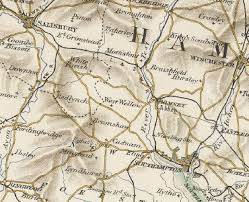




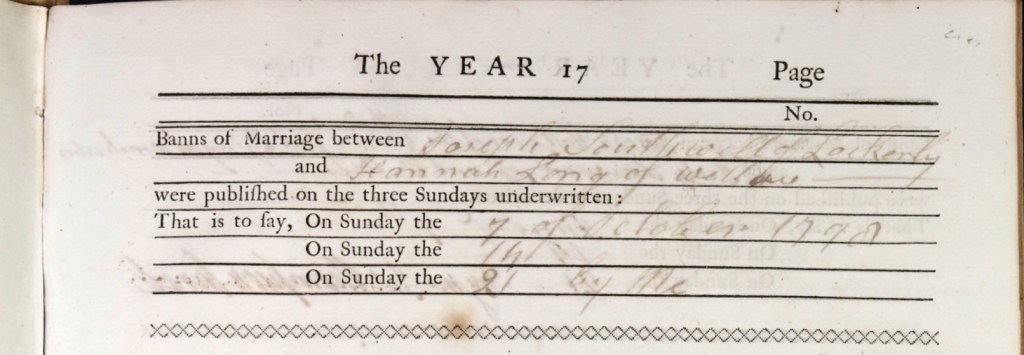
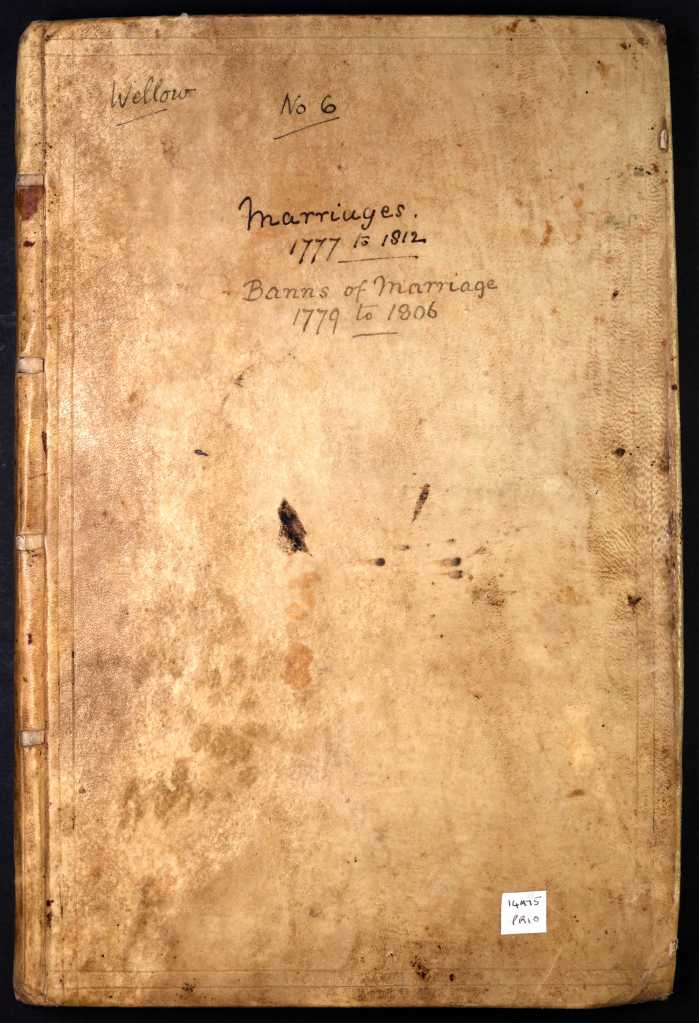
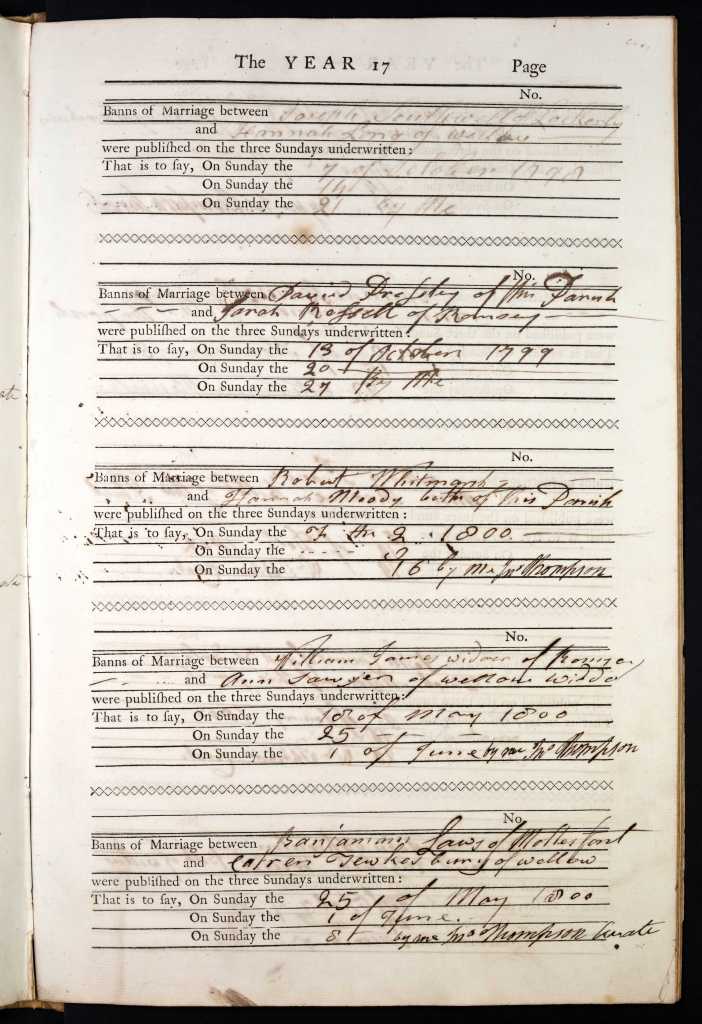


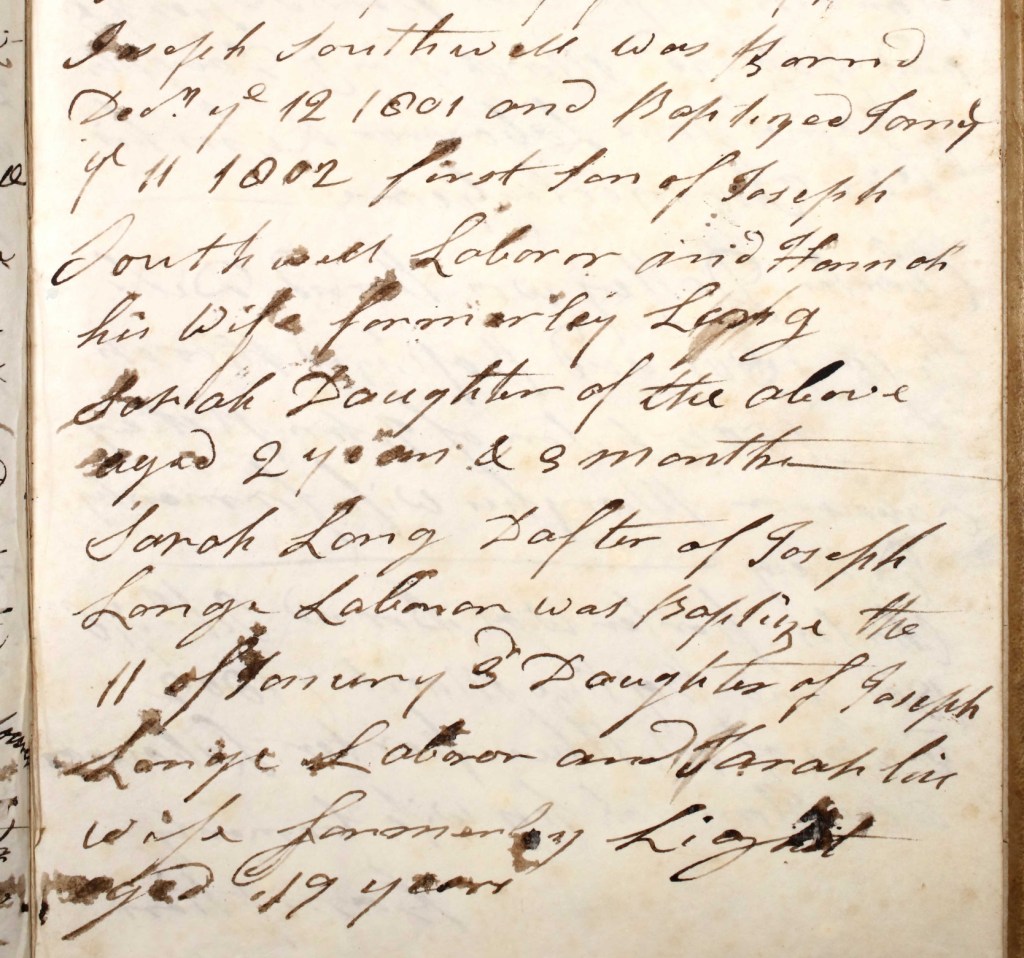


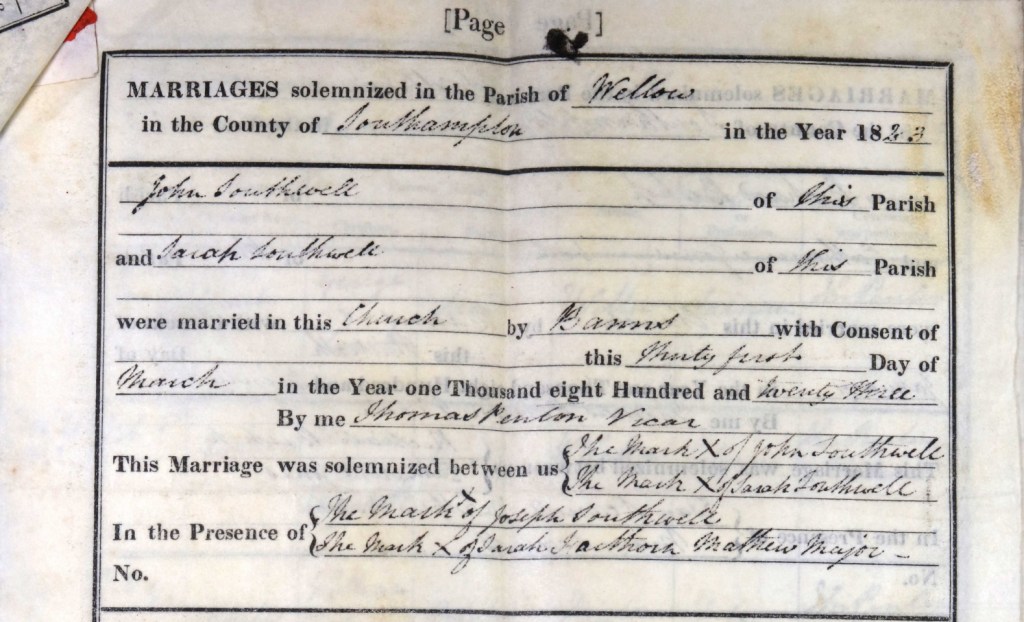



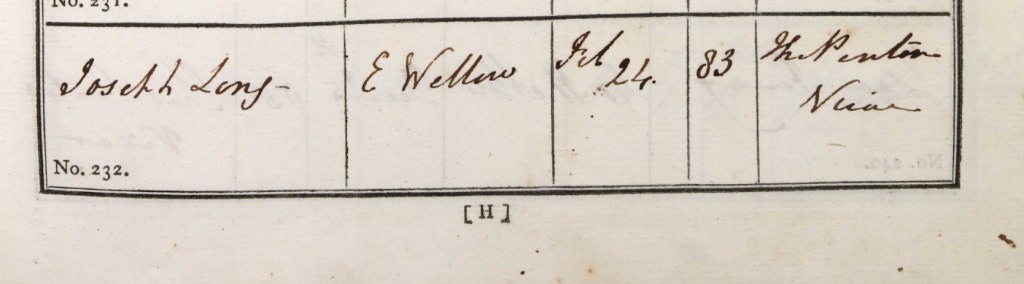

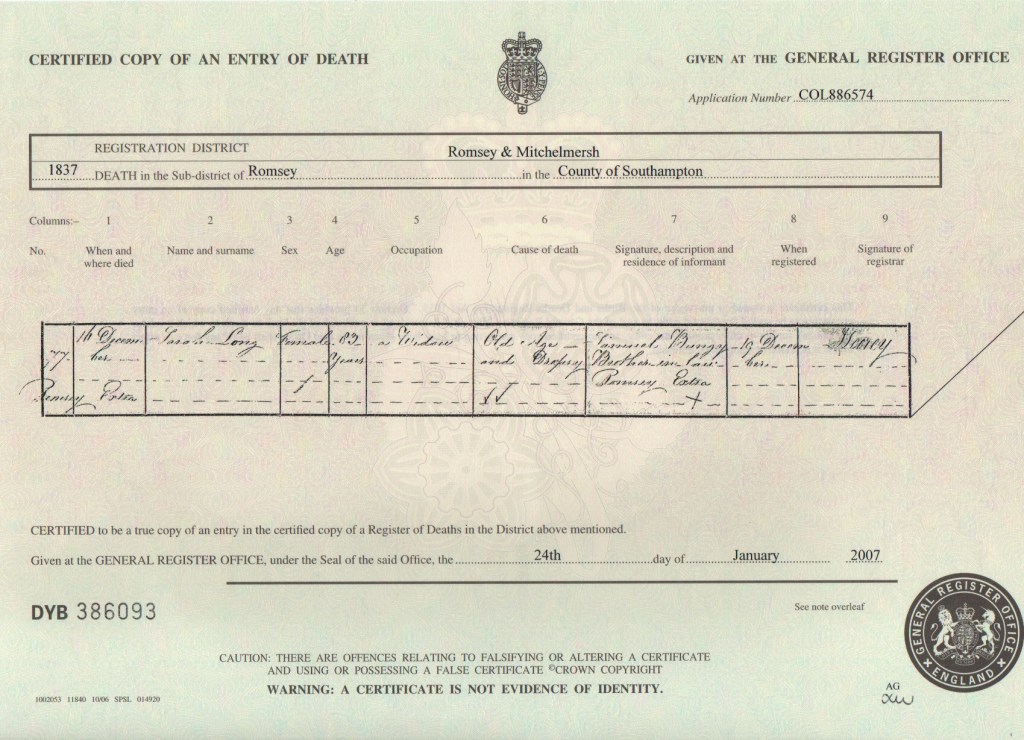
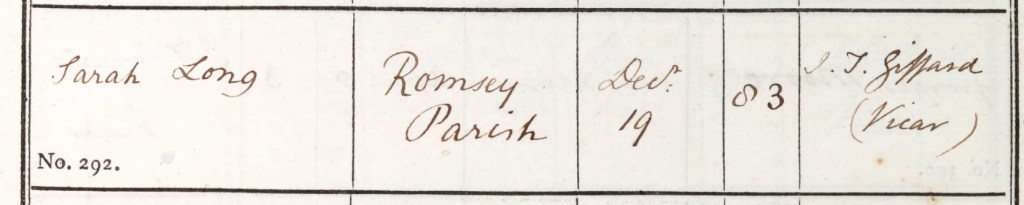


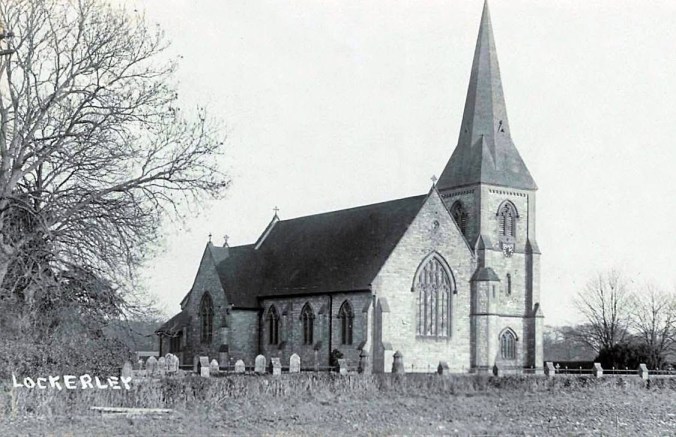


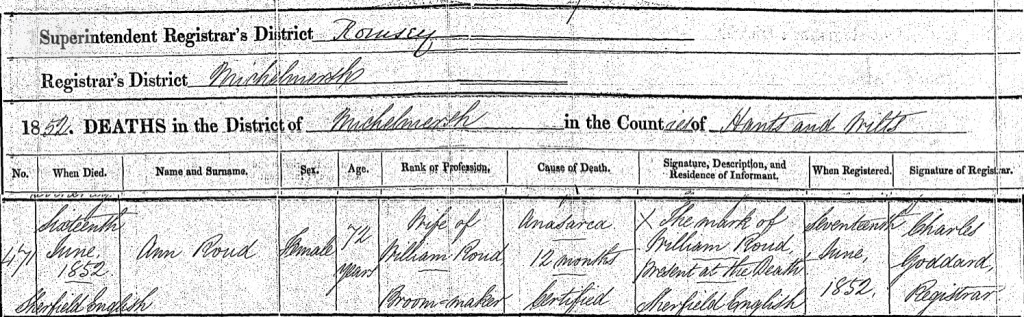



 Intwined