In the annals of human suffering, few episodes evoke as much heartbreak and sorrow as the Great Irish Potato Famine, known in Irish as An Gorta Mór. This devastating period, spanning from 1845 to 1852, reshaped the social, cultural, and economic landscape of Ireland forever, leaving scars that still resonate today.

The story of the famine is intimately tied to the humble potato, a crop that became the bedrock of Irish agriculture and diet. Introduced to Ireland in the late 16th century, the potato thrived in the island’s cool, damp climate. By the 19th century, it was the primary food source for millions, particularly the rural poor. Potatoes were nutritious, easy to grow, and produced high yields, making them the cornerstone of sustenance for about one-third of the population.

In 1845, disaster struck. A mysterious blight, Phytophthora infestans, began to spread through the potato fields. This airborne fungus turned lush green plants into blackened, rotting masses almost overnight. The crop failure was catastrophic. In 1845, about half of the potato crop failed; in 1846, almost the entire crop was decimated. The consequences were swift and brutal. With their primary food source gone, millions faced starvation. The rural poor, who relied almost exclusively on the potato for their diet, were the hardest hit. As the famine dragged on, the situation worsened. People ate whatever they could find: weeds, wild animals, and even grass. Diseases such as typhus and cholera spread rapidly among the weakened population.

The famine was not merely a natural disaster; it was compounded by political and economic factors. Ireland was under British rule, and the policies of the British government during the famine were marked by a lack of empathy and inadequate response. Despite the crisis, food continued to be exported from Ireland to Britain. The prevailing economic ideology of laissez-faire capitalism discouraged government intervention, leading to minimal and often ineffective relief efforts. Public works projects, intended to provide employment and wages, were poorly managed and insufficient. The British government's response, characterized by bureaucratic inefficiency and a rigid adherence to economic dogma, exacerbated the suffering. Many believe that a more robust and compassionate response could have alleviated much of the hardship.

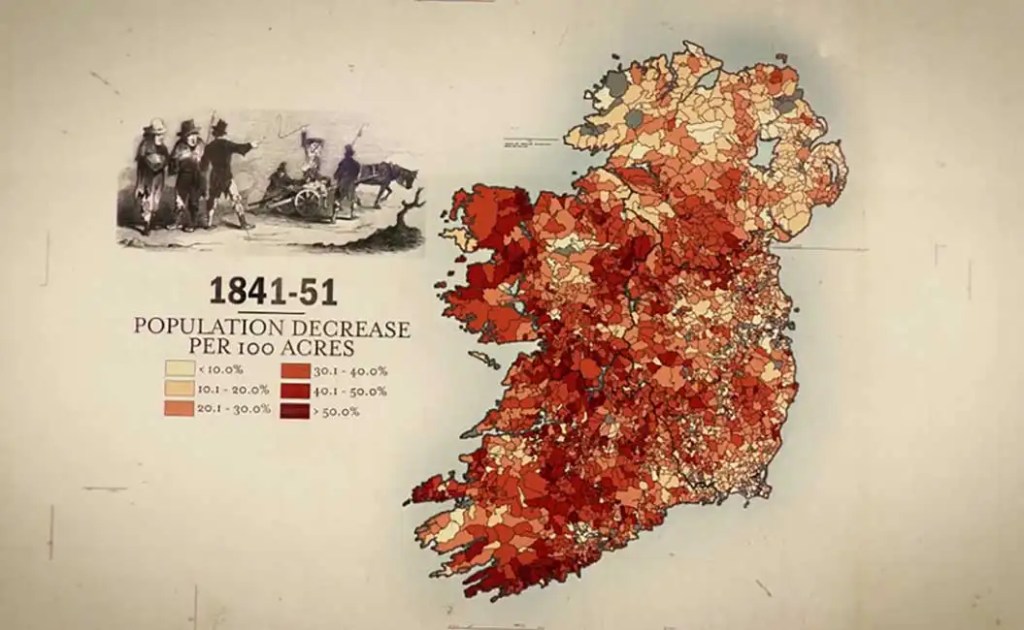
The human toll of the famine was staggering. It is estimated that over a million people died from starvation and disease. Another million were forced to emigrate, often under perilous conditions, to escape the dire circumstances at home. This exodus permanently altered the demographic makeup of Ireland, reducing its population by approximately 25%. The emotional and psychological impact on those who survived was profound, leaving a legacy of trauma and loss.

The Great Irish Potato Famine left indelible marks on Irish society and the global Irish diaspora. The profound sense of loss and injustice fueled movements for Irish independence and reform. The memory of the famine became a potent symbol of Irish resilience and the struggle against oppression. In the broader context, the famine highlighted the vulnerabilities inherent in dependence on a single crop and the critical importance of responsive and compassionate governance. The lessons learned from this tragedy continue to inform discussions on food security and humanitarian aid today.

Today, the famine is commemorated through various memorials, museums, and educational programs. These efforts ensure that the stories of those who suffered and perished are not forgotten. They serve as poignant reminders of the fragility of human life and the necessity of empathy and solidarity in the face of suffering. The Irish Potato Famine is a testament to the resilience of the human spirit in the face of unimaginable hardship. It is a chapter of history that reminds us of the importance of compassion, the dangers of neglect, and the enduring strength of community and identity. As we remember those who endured and those who perished, we are called to reflect on our collective responsibility to prevent such tragedies in the future and to honor the resilience of those who came before us.
Until next time,
Toodle pip,
Yours Lainey.
One thought on “An Gorta Mór.”
wasn’t it so awful as British people we have a lot to answer to !!! well done Lainey x x
 Intwined
wasn’t it so awful as British people we have a lot to answer to !!!
well done Lainey x x
LikeLike