In the bustling streets of Islington, Middlesex, a story unfolded, a story woven with the fabric of perseverance, ambition, and the unspoken resilience of a remarkable soul. Within this spirited borough, a child entered the world, baptized Edwin Paul Willats, a name destined to leave an indelible imprint with the origin of our family’s history. Born to Richard Henry Willats and Eliza Willats nee Cameron, Edwin’s life was the union of two legacies, a convergence of narratives that would echo through the annals of time. His journey was painted against the canvas of a rapidly changing world, an era where innovation danced hand in hand with tradition, sketching a landscape ripe with promise and possibility. Within the heartbeat of Middlesex, young Edwin’s footsteps traced a path illuminated by the echoes of progress, where the bustling streets whispered stories of transformation. Here, the echoes of horse-drawn carriages and the symphony of everyday life formed the backdrop against which his story unfolded. Please join me on this odyssey, a pilgrimage through history that transcends the mere retelling of dates and places. Together, let us uncover the essence of Edwin Paul Willats’ life.
so without further ado I give you,
The Life Of, Edwin Paul Willats,
1871-1920,
The Early Years
Through Documentation.
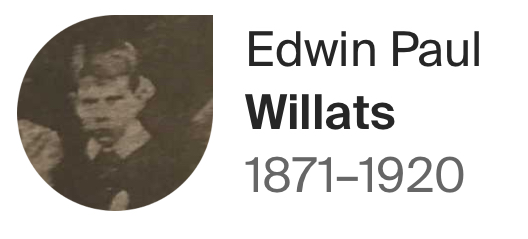
Welcome to the year 1871, Islington, Middlesex, England. London is thriving under the reign of Queen Victoria, who has been the steadfast monarch since 1837. The Prime Minister is William Ewart Gladstone, leading his first term in office as head of the Liberal Party. Gladstone’s government is known for its commitment to reform, including efforts to promote education, improve public health, and expand the franchise.
The British Parliament in 1871 is a dynamic institution, with the House of Commons and the House of Lords engaging in lively debates on the pressing issues of the day. The atmosphere in London reflects the spirit of the Victorian age, a blend of prudence, innovation, and a strong sense of moral duty. The city is a hub of industrial activity, with factories and workshops humming with productivity, driven largely by coal and steam power.
Coal is the lifeblood of London’s energy supply in 1871. It fuels the factories, heats the homes, and powers the steam engines that are revolutionizing transportation. The streets are busy with horse-drawn carriages and omnibuses, while the burgeoning railway network, including the expanding Underground, offers rapid transit across the city and to distant locales.
Socialism is beginning to make its presence felt, though it remains on the fringes of political life. Thinkers like Karl Marx, who lives and writes in London, are laying the foundations for future movements, critiquing the inequalities spawned by industrial capitalism. Democracy in 1871 is still limited by modern standards, but the 1867 Reform Act has expanded the electorate, granting more men the right to vote and reflecting a gradual shift towards broader democratic participation.
Londoners' diet varies widely by class. The wealthy enjoy elaborate meals featuring a variety of meats, fish, and exotic delicacies, while the working class subsists on simpler, more affordable foods like bread, cheese, and potatoes. Markets are bustling with vendors selling fresh produce, meats, and other goods, reflecting the city's vibrant food culture.
Entertainment in London is diverse, catering to all strata of society. The West End theatres are in their golden age, presenting dramas and comedies by playwrights such as Charles Dickens and Wilkie Collins. Music halls offer a mix of music, comedy, and variety acts, appealing to the masses. For the affluent, there are operas, concerts, and art exhibitions.
Fashion in 1871 is marked by intricate styles, especially for the wealthy. Women wear dresses with bustles and corsets, adorned with lace and ribbons, while men sport frock coats, waistcoats, and top hats. The working class dresses more simply but still follows the trends of the day, albeit with more practical considerations.
Gossip and scandal are never far from the public’s eye, with newspapers and periodicals eagerly covering the exploits of the rich and famous. London’s society is abuzz with rumors, from the affairs of the aristocracy to the latest theatrical successes and failures.
Poverty and wealth exist side by side in 1871 London. The affluent live in grand houses in neighborhoods like Mayfair and Belgravia, enjoying lives of luxury and comfort. In contrast, the poor endure harsh conditions in overcrowded slums, struggling with inadequate housing, poor sanitation, and limited access to health care. Philanthropy plays a significant role, with charitable organizations and benevolent individuals working to improve the lives of the less fortunate.
Historically, 1871 is a year of notable events. The passage of the University Tests Act allows students of all religious denominations to attend Oxford, Cambridge, and Durham universities, reflecting a move towards greater inclusivity in education. Internationally, the aftermath of the Franco-Prussian War is reshaping the political landscape of Europe, influencing British foreign policy and public opinion.
In essence, 1871 London is a city of contrasts and transitions. It is a place where the grandeur of Victorian society coexists with the gritty reality of industrial life. The era is marked by a sense of progress and reform, as well as a deepening awareness of social issues, setting the stage for the dramatic changes that will unfold in the years to come.
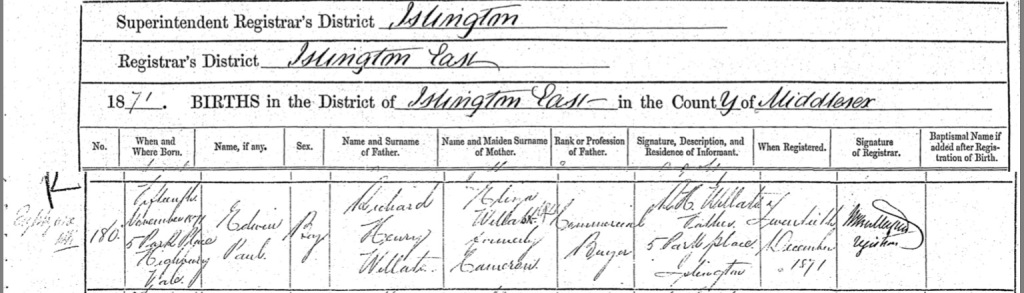
More importantly to us, Edwin Paul Willats, was born on Wednesday the 8th of November, 1871, at Number 5, Park Place, Highbury, Islington, Middlesex, England, to Richard Henry Willats and Eliza Willats nee Willats formally Cameron.
Edwin father Richard Henry Willats, registered Edwins birth on Wednesday December 20th 1871. He gave his occupation as a Commercial Buyer and their abode as, Number 5, Park Place, Islington.
Edwin was the 9th child of Richard and the 10th child of Eliza.
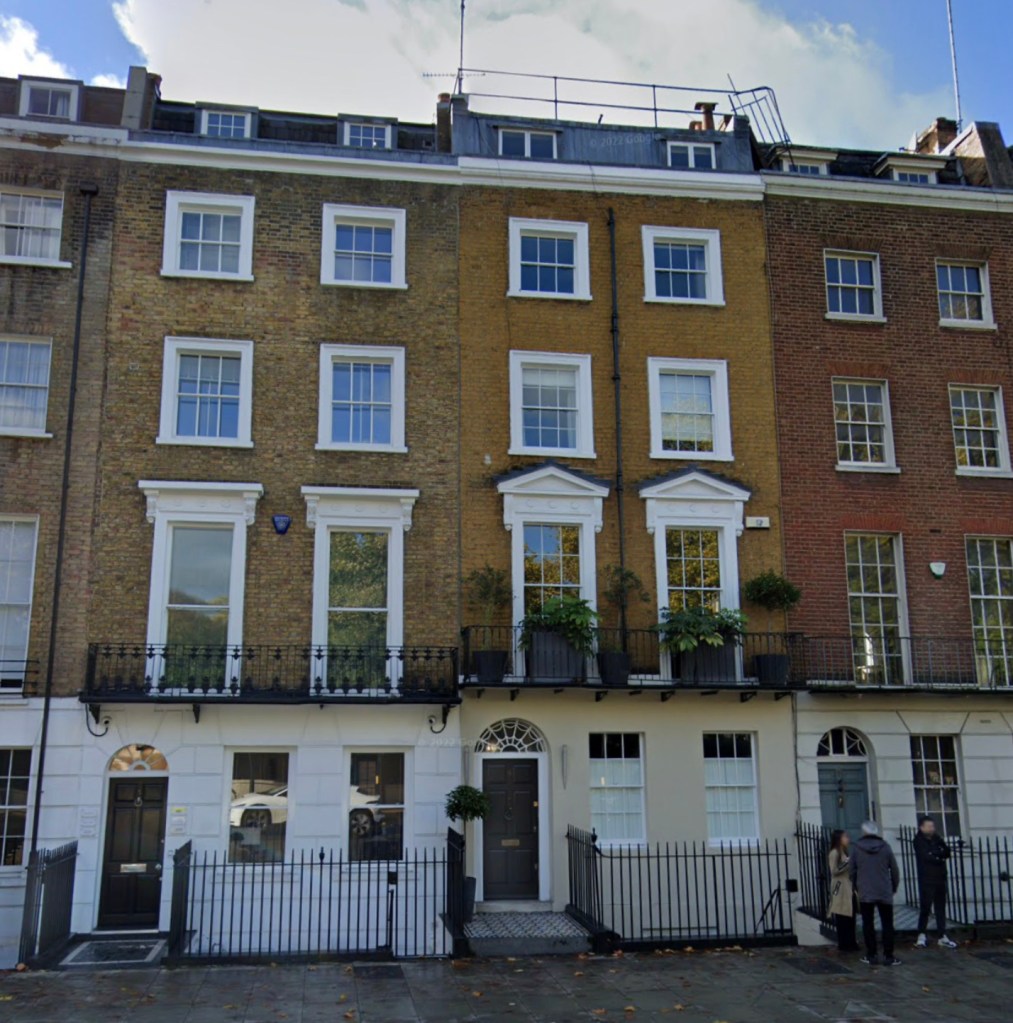
5 Park Place, London is a 3 bedroom freehold terraced house - it is ranked as the 3rd most expensive property in N1 3JU, with a valuation of £1,432,000. Since it last sold in July 2016 for £1,450,000, its value has decreased by £18,000. It is now a sleek contemporary townhouse within a private gated mews, arranged over three floors with an allocated parking space.
Richard and Eliza, baptised their son, Edwin Paul Willats, on Friday the 8th of December 1871, at St. Mary’s Church, Islington, Middlesex, England. Richards occupation was given as a Warehouse Man and their abode as 5 Park Place.

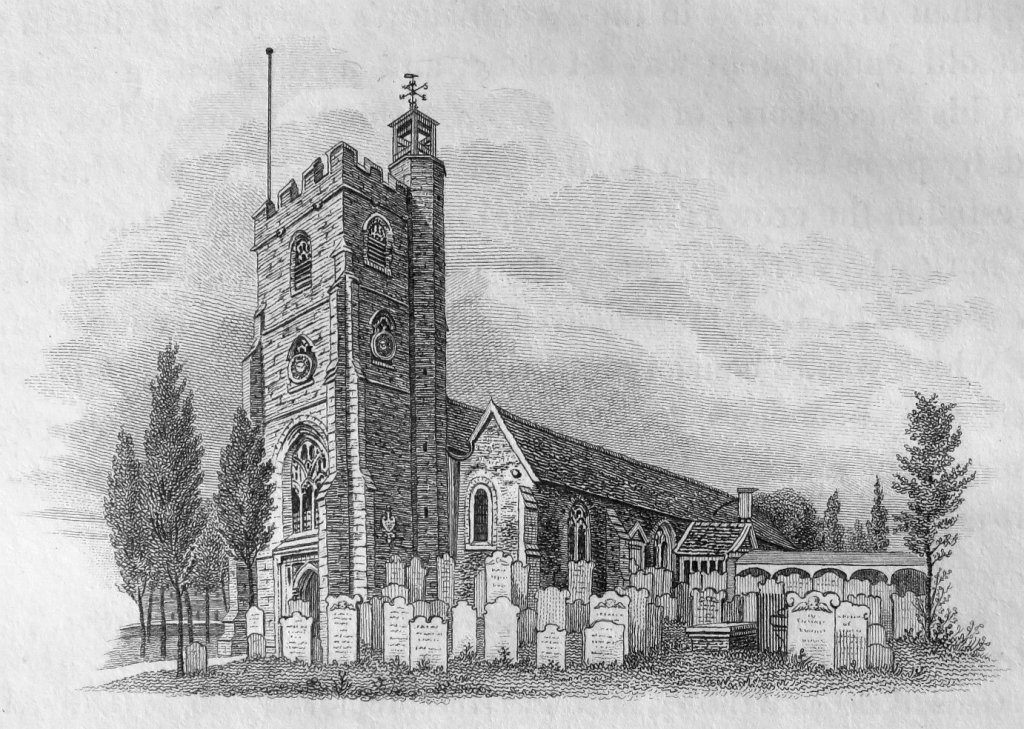
St Mary the Virgin Church in Islington, Middlesex, boasts a rich and storied history that spans several centuries. The church is situated in the heart of Islington, one of London's most vibrant and historic neighborhoods.
The earliest records of a church on the site date back to the 12th century, though the exact date of its foundation remains unclear. The original structure was likely a modest building, reflective of the small village that Islington was during the medieval period. Over the centuries, the church underwent numerous transformations, expanding and evolving alongside the growing population and the community's needs.
By the 15th century, St Mary the Virgin had become a significant local landmark. During this period, it was rebuilt in the Perpendicular Gothic style, characterized by its vertical lines and large windows. This era saw the church take on a more substantial form, befitting its role as a central place of worship and community gathering.
The church's location in Islington placed it in the midst of significant historical events. During the English Civil War in the mid-17th century, the area around Islington was heavily fortified by Parliamentary forces. While there is no specific record of St Mary’s involvement in the conflict, the turbulence of the period would have undoubtedly impacted the parish and its congregation.
In the 18th and 19th centuries, as London expanded rapidly, Islington transformed from a rural village to a bustling urban suburb. This period of growth prompted further renovations and expansions of the church. In 1751, the church was significantly altered to accommodate the increasing population. This included the addition of galleries to seat more worshippers and the installation of a new organ, reflecting the period's musical and liturgical developments.
One of the most notable events in the church’s history occurred in 1954 when a devastating fire severely damaged the building. This fire was a significant blow to the community, but it also led to a substantial restoration project. The post-war period saw the church being meticulously rebuilt, retaining many of its historical elements while also incorporating modern features to serve the contemporary congregation better.
Today, St Mary the Virgin Church stands as a testament to Islington’s rich history and enduring spirit. The church's architecture is a blend of historical styles, with the medieval tower and 19th-century restorations standing alongside the mid-20th-century reconstructions. Inside, the church houses several historical artifacts, including memorials, stained glass windows, and a notable organ that reflects its long musical heritage.
The church continues to be an active center of worship and community life, hosting regular services, community events, and serving as a landmark of continuity amidst the ever-changing urban landscape of Islington. Its long history mirrors the development of Islington itself, from a medieval village to a modern urban community, making St Mary the Virgin not just a place of religious significance, but also a symbol of the area's rich cultural and historical tapestry.

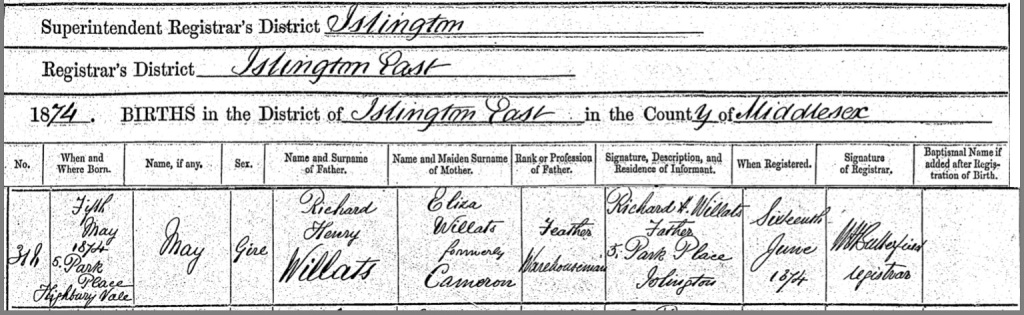
Edwin’s sister, May Claretta Willats, was born on Tuesday the 5th of May, 1874, at 5 Park Place, Highbury, East Islington, England.
Their father Richard Henry Willats registered May’s birth on Tuesday the 16th of June 1874.
He gave his occupation as a Feather Warehouseman and their abode as 5 Park Place, Islington.
Richard and Eliza, baptised May, on, Sunday the 9th of August, 1874, at Christ Church, Highbury, an Anglican church in Islington, north-west London, situated next to Highbury Fields. Richard gave his occupation as a Manufacturer and their abode as, Highbury.

Christ Church, Highbury, Islington, is a prominent and historic church that has played a significant role in the religious and community life of its area for over a century and a half. Its history is deeply intertwined with the development of Highbury and Islington as a whole, reflecting broader social and architectural trends.
The origins of Christ Church can be traced back to the mid-19th century, a time of significant urban development and population growth in London. As Islington expanded, there was a pressing need for new places of worship to accommodate the increasing number of residents. In response to this need, Christ Church was established in 1847. The church was designed by the renowned architect Thomas Allom, who was also known for his contributions to various other ecclesiastical and residential buildings across London.
Allom's design for Christ Church was in the Gothic Revival style, which was highly popular during the Victorian era. This architectural style sought to revive elements of medieval Gothic architecture, characterized by pointed arches, intricate stonework, and large stained glass windows. Christ Church, with its soaring spire and elegant proportions, is a quintessential example of this style.
The church quickly became a focal point for the local community, not only as a place of worship but also as a center for various social and charitable activities. Throughout the late 19th and early 20th centuries, Christ Church played a key role in addressing the social needs of the rapidly growing population of Highbury. This included providing education, support for the poor, and various community services.
During the Second World War, Christ Church, like many buildings in London, was affected by the Blitz. Although it suffered damage from bombings, the church remained standing and continued to serve its parishioners throughout the war years. The post-war period saw efforts to repair and restore the church, ensuring that it could continue to serve future generations.
The latter half of the 20th century brought further changes and challenges. As social attitudes shifted and church attendance fluctuated, Christ Church adapted by broadening its role within the community. It became a venue for a wider range of activities, including cultural events, concerts, and community meetings. This adaptability has helped ensure its relevance and importance within Highbury.
In recent decades, Christ Church has undergone significant restoration and modernization efforts. These have aimed to preserve its historical and architectural heritage while also ensuring that the building meets contemporary standards for accessibility and comfort. This includes the installation of modern facilities and the sensitive restoration of its historic features.
Today, Christ Church, Highbury, remains a vibrant and active parish church. It continues to offer regular worship services, including traditional Anglican services and more contemporary forms of worship. The church is also heavily involved in community outreach, running programs for children, youth, and the elderly, and providing support for various social justice initiatives.
Architecturally, Christ Church remains one of the finest examples of Gothic Revival architecture in Islington. Its interior features, such as the stained glass windows, carved woodwork, and memorial plaques, provide a tangible link to the past and a reflection of the church's long-standing presence in the community.

Edwin’s brother, Percy Sidney Willats was born on Wednesday the 1st of September 1875, at Number 9, Park Place, Highbury, Islington, Middlesex, England. His father Richard Henry Willats, registered Percy’s birth on Saturday the 9th October, 1875, in Islington. He gave his occupation as a, Fancy Warehouseman and their abode as, 9, Park Place, Islington.

9 Park Place in Highbury, Islington, is a property steeped in the history and evolution of its area. Park Place itself is a small street nestled in the heart of Highbury, an area known for its charming residential character and rich historical context. Understanding the history of 9 Park Place involves delving into the broader narrative of Highbury and the transformations it has undergone over the centuries.
Highbury's development as a residential area began in earnest in the early 19th century. Prior to this, it was largely rural, consisting of open fields and scattered country houses. The advent of the 19th century brought significant urbanization to London, and Highbury was no exception. The construction of grand villas and terraced houses marked this period, catering to the burgeoning middle class who sought a quieter, more suburban lifestyle away from the crowded city center.
Park Place was established during this period of growth, featuring typical Victorian architecture that appealed to the affluent families moving into the area. Number 9, like many houses on the street, was likely built around the mid-19th century. These homes were designed to offer both elegance and comfort, with detailed facades, spacious interiors, and gardens that provided a retreat from the urban environment.
The residents of 9 Park Place over the years have mirrored the demographic shifts of Highbury. Initially, it would have housed middle to upper-middle-class families, possibly professionals such as doctors, lawyers, or merchants who commuted to the city for work. These families valued the combination of a prestigious address and the tranquility that Highbury offered.
As the 20th century progressed, the character of the neighborhood evolved. The impact of the two World Wars brought significant changes to London, including Highbury. The area experienced some bomb damage during the Blitz, though many of the Victorian houses, including those on Park Place, survived intact. Post-war, the area saw a mix of residents from different backgrounds and professions, reflecting the broader social changes taking place in London.
In the latter half of the 20th century, Highbury, like much of Islington, became increasingly desirable once again. The process of gentrification saw many properties, including 9 Park Place, being renovated and restored to their former glory. These restorations often involved modernizing the interiors while preserving the historical exteriors, ensuring that the homes met contemporary living standards without losing their Victorian charm.
Today, 9 Park Place continues to be a sought-after address. The house, like its neighbors, is likely characterized by period features such as high ceilings, sash windows, and decorative moldings, all of which contribute to its historical allure. The street itself remains one of the picturesque and quiet residential pockets within Highbury, benefiting from proximity to the amenities and transport links of central Islington while retaining a distinctive, village-like atmosphere.
The current occupants of 9 Park Place are likely to be professionals or families who value both the historic character of the property and the vibrant, community-oriented nature of Highbury. The area is well-regarded for its excellent schools, parks, and local shops, making it an ideal location for those seeking a blend of urban convenience and suburban peace.
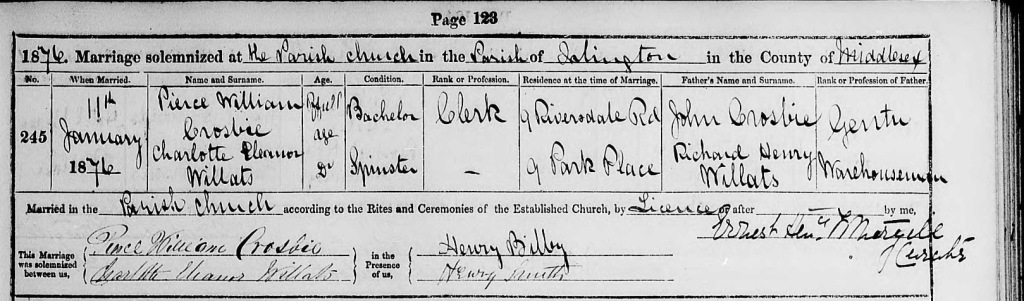
Edwin’s Sister, Charlotte secretly married my licence a young Bachelor named Peirce William Crosbie, on the 11th of January 1876, at St Mary Church, Islington, Middlesex, England.
They both stated they were of full age, even though Charlotte was only 16.
Their witnesses were, Henry Billey and Henry Smith.
Charlotte gave her abode as, 9 Park Place and Pierce gave his as 9 Riverdale Road.
Pierces occupation was given as a Clark.
They gave their fathers names and occupations as, Richard Henry Willats, a Warehouseman and John Crosbie a Gentu.
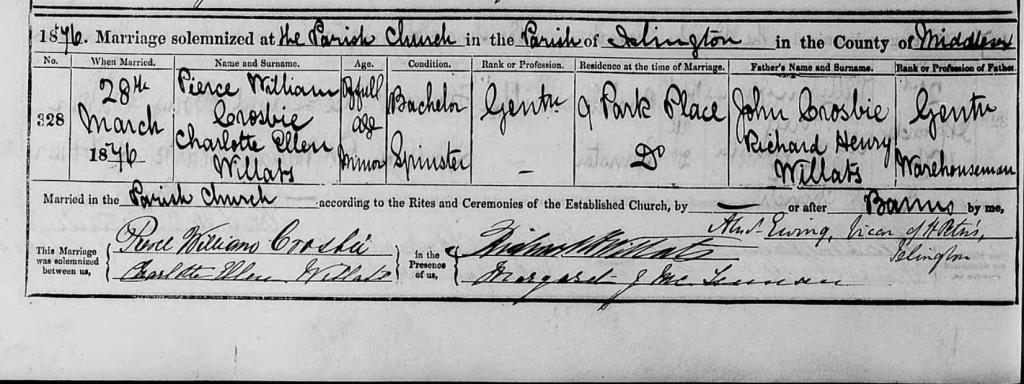
Edwin's sister, Charlotte Ellen Willats married bachelor, Pierce William Crosbie, for a second time, this time not in private.
They married on Tuesday the 28th of March, 1876, in St Mary’s Church, Islington, Middlesex, England.
Charlotte was a minor and Pierce was of full age. Pierces occupation was given as a Gentu.
They gave their residence as 9 Park Place and gave their fathers names and occupations as, Richard Henry Willats, a Warehouseman and John Crosbie a Gentu.
Their witnesses were Richard Willats and Charlottes future sister in-law Margaret Jane McLennon.
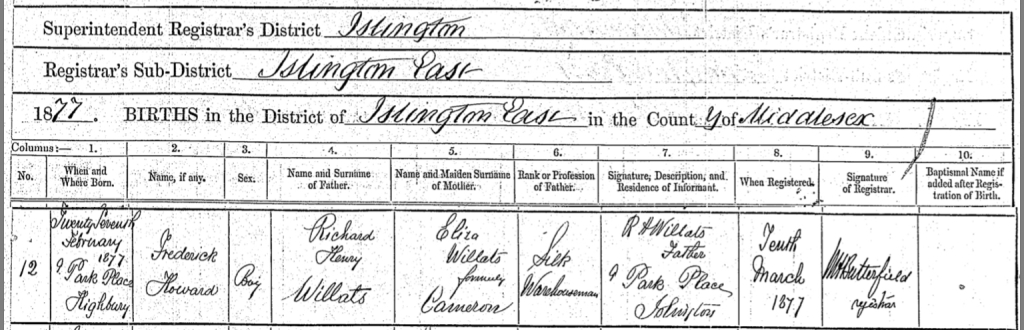
Edwin’s brother, Frederick Howard Willats was born on on Tuesday the 27th of February 1877 at, Number 9, Park Place, Highbury, Islington, Middlesex, England.
His father Richard Henry Willats registered Frederick’s birth on Saturday the 10th March 1877.
Richard gave his occupation as a Silk Warehouseman, and their abode as, 9 Park Place, Islington.
Edwin’s brother 24-year-old, bachelor, and publican, Henry Richard Willats married 23 year old, spinster, Amelia Etheredge, daughter of John Etheredge, on Tuesday the 30th of March, 1880 at All Saints Church, West Ham, Essex, England. Henry gave his residence as West Ham and Amelia as, Saint Paul's, Shadwell. They gave their fathers names and occupations as, Richard Henry Willats, a Licensed Victualler and John Etheredge, an Engineer. Their witnesses were Charles Henry Etheredge and Alice Catherine Etheredge.

All Saints Church, located in West Ham, Essex, is a historic parish church with a rich heritage that dates back many centuries. The earliest recorded mention of a church on this site is in the 12th century, suggesting that a Christian community has existed here for nearly a thousand years. The church itself, as it stands today, is primarily the result of 13th-century construction, although it has undergone various modifications and restorations over the centuries.
The architecture of All Saints Church is a testament to the stylistic transitions and historical influences over the centuries. The church's nave, chancel, and south aisle are from the 13th century, showcasing the Early English Gothic style prevalent at the time. Notably, the south aisle was later extended, reflecting the growing congregation and the need for more space. The tower, a significant feature of the church, was added in the 14th century. Its robust and imposing structure was not only a place of worship but also served as a local landmark and a point of refuge in times of trouble.
During the medieval period, All Saints Church played a central role in the community's spiritual and social life. The churchyard served as a burial ground for local residents, and several notable figures from history have their final resting place here. Among these are members of the Lethieullier family, who were influential in the area during the 18th century.
The Reformation and subsequent religious changes in England had a profound impact on All Saints Church, as they did on many churches across the country. The church adapted to the new Protestant liturgy, and many of its medieval Catholic fittings and decorations were removed or altered. Despite these changes, the church maintained its position as a focal point of community life.
In the 19th century, the church underwent significant restoration, part of a broader Victorian movement to preserve and restore historic ecclesiastical buildings. This restoration aimed to return the church to its former glory while accommodating the needs of contemporary worshippers. The Victorian restorers were careful to respect the church's medieval heritage, although they did introduce some new elements in line with the tastes and liturgical practices of the time.
All Saints Church has continued to serve the spiritual needs of the West Ham community into the 21st century. It has witnessed the profound changes in the area, from its rural beginnings through industrialization to its current urban character. The church remains an important historical and cultural landmark, offering a sense of continuity amidst the rapid changes of the modern world.
Today, All Saints Church is not only a place of worship but also a venue for community events and activities. Its rich history is preserved in its architecture, its memorials, and the continuity of worship that has been maintained for centuries. The church's enduring presence is a testament to its significance in the life of West Ham, reflecting the broader history of the region and the nation.
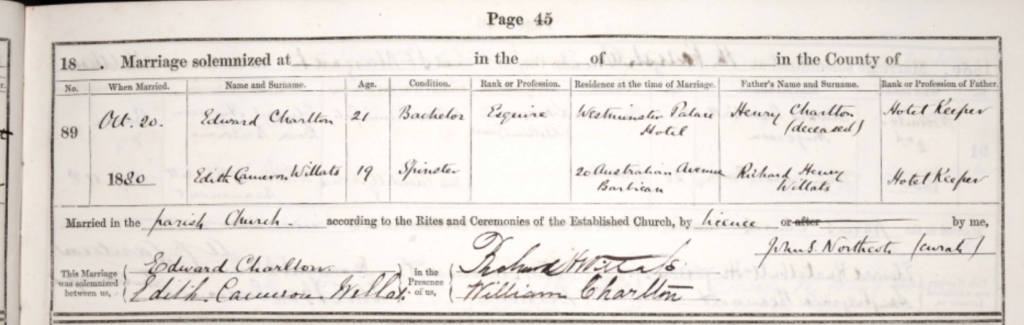
And his sister, Edith Cameron Willats, married 21-year-old Bachelor, Edward Charlton, an Esquire, on Wednesday the 20th of October, 1880, at St Margaret Church, George Hanover Square, Westminster, London, England. They gave their fathers names and occupations as, Richard Henry Willats, a Hotel Keeper and Henry Charlton, a Hotel Keeper. Edith gave her residents as, 20 Australian Avenue, Barbican, Silk Street, St Giles, Westminster, London, EnglandAnd Edward gave his as Westminster Palace Hotel. Their witnesses were, Richard Willats and William Charlton.
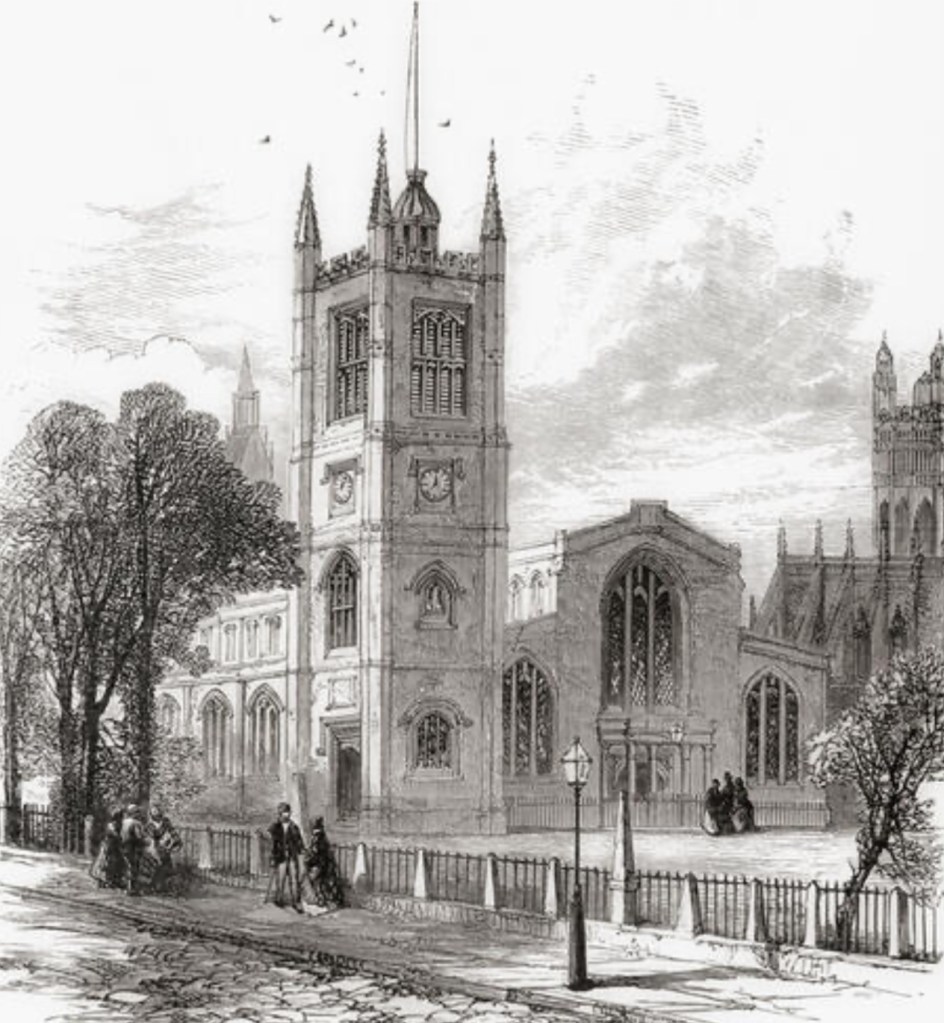
St. Margaret's Church, located in George Hanover Square, Westminster, London, is an iconic parish church with a distinguished history that dates back to the early 18th century. The church was built between 1711 and 1714, designed by the renowned architect John James, who worked under the guidance of Sir Christopher Wren. It stands as a prime example of the English Baroque style, characterized by its grand and elegant architecture.
The construction of St. Margaret's was commissioned to serve the rapidly growing population of the newly developed Mayfair area. The church was consecrated in 1718 and quickly became a fashionable place of worship for the aristocracy and wealthy residents of the area. Its location in George Hanover Square, a prominent and affluent part of London, further enhanced its status.
The interior of St. Margaret's Church is notable for its fine Georgian woodwork, including an impressive reredos and pulpit. The church also boasts a magnificent organ, originally built by Richard Bridge in 1740 and subsequently modified and restored over the centuries. The overall design and decor reflect the elegance and refinement of the period, making it a significant architectural and historical landmark.
By the 19th century, St. Margaret's Church had firmly established itself as a popular venue for high society weddings. Marrying at St. Margaret's in 1880, however, involved several steps and requirements. The process would have been relatively straightforward for most residents of the parish, especially given the church's established role in the community.
To marry at St. Margaret's in 1880, a couple needed to follow the legal requirements of the time. This included obtaining a marriage license or having banns (public announcements of the intended marriage) read out on three consecutive Sundays in the parish where both parties lived. If either party resided outside the parish, banns had to be read in their respective local parishes as well. Once the banns were read or a license obtained, the couple could proceed with arranging their wedding ceremony at the church.
The prominence of St. Margaret's as a desirable wedding location meant that it was a popular choice, and securing a wedding date might require planning well in advance. Nonetheless, for those with the means and connections, marrying at St. Margaret's was relatively accessible. The church's central location in London, combined with its association with high society and the quality of its clergy, made it a sought-after venue for nuptials.
Weddings at St. Margaret's in the late 19th century were often grand affairs, attended by large numbers of guests and covered in the society pages of newspapers. The church's elegant interior provided a beautiful setting for the ceremony, and its location in the heart of London's fashionable district added to the allure.
St. Margaret's Church has continued to serve the spiritual needs of its parishioners and the broader community through the centuries. Today, it remains an active place of worship and a cherished historical site. Its legacy as a favored location for weddings endures, reflecting its longstanding reputation as one of London's most prestigious parish churches.
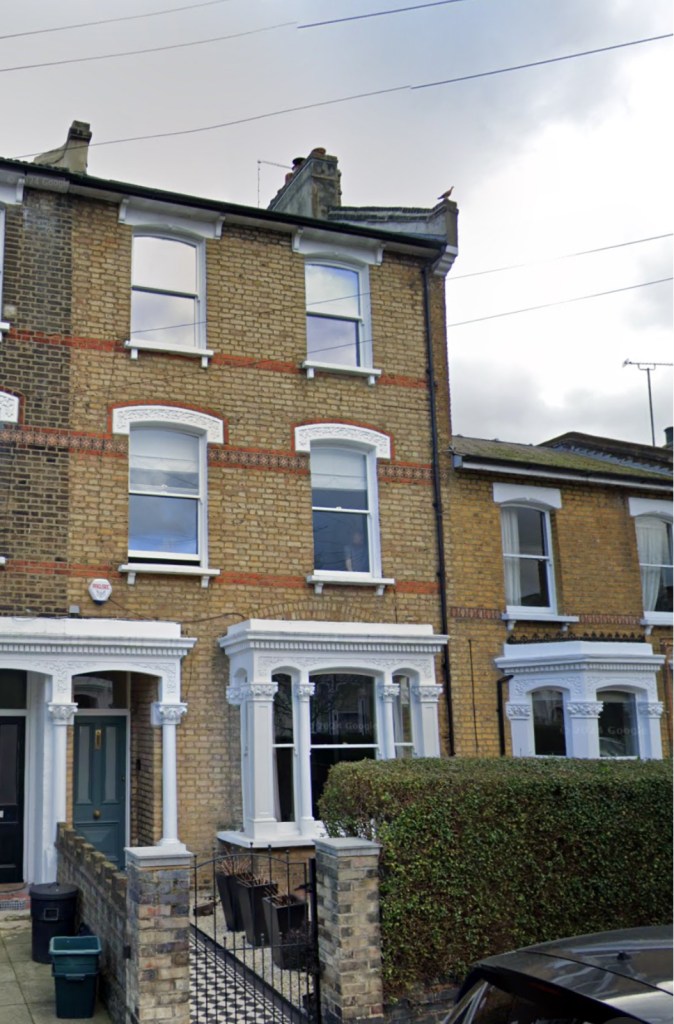
Edwin Paul, his parents Richard, and Eliza, and siblings, Frank, Arthur, Eliza, Walter, Lily, May, and Sidney, were residing at number 61, Ambler Road, Islington, London & Middlesex, England, on on Sunday the 3rd April 1881, when the UK census was completed. They had a guest named Henry Anstey staying with them. Richard was a Publican, out of business. Frank was a General agent, Arthur a Clerk solicitors, Walter a Clerk stock exchange and Eliza, Lillian, Edwin, May and Sidney were scholars. Henry Anstey was a Enumerator (no occ).

61 Ambler Road, located in the London Borough of Islington, is a typical residential address in a part of North London known for its Victorian and Edwardian architecture. Ambler Road itself is situated in the Finsbury Park area, an area that developed significantly during the late 19th and early 20th centuries.
The history of 61 Ambler Road likely begins in the late 19th century when much of this part of Islington was developed. During this period, London was experiencing rapid expansion and urbanization, driven by the growth of the railway network and the increasing population. Victorian terraces and semi-detached houses were built to accommodate the burgeoning middle class and working population moving to the city for employment opportunities.
Ambler Road and its surrounding streets would have been part of this development boom, characterized by rows of brick houses with bay windows, decorative stonework, and small front gardens. The architecture typically reflects the Victorian style, with some Edwardian influences evident in later modifications and neighboring constructions.
Throughout its history, 61 Ambler Road has likely been home to a variety of residents. Initially, the inhabitants would have been middle-class families, possibly including professionals such as clerks, teachers, or small business owners, reflecting the socio-economic makeup of the area at the time. Census records from the late 19th and early 20th centuries would provide specific details about the individuals and families living there, offering insights into their occupations, family structures, and origins.
In the mid-20th century, like much of London, the area saw significant demographic changes. The aftermath of World War II and subsequent social changes brought a more diverse population to Islington. The housing policies and urban renewal projects of the post-war period might have also impacted the residents and the structure of housing on Ambler Road. During this time, houses that were once single-family homes might have been subdivided into flats or boarding houses to accommodate the housing needs of a growing and changing population.
By the late 20th and early 21st centuries, Islington, including the Finsbury Park area, began to experience gentrification. The proximity to central London and improved transport links made it an attractive location for young professionals and families. This period likely saw a shift back towards owner-occupiers and an increase in property values. Renovations and restorations became common as new residents invested in updating the Victorian properties while retaining their historical charm.
Today, 61 Ambler Road, like many houses in the area, would be part of a vibrant and diverse community. The residents are likely to include a mix of long-term locals and newer arrivals, contributing to the rich social tapestry of Islington. The area benefits from its close proximity to Finsbury Park, a major green space offering recreational facilities and events, as well as the array of shops, cafes, and restaurants that cater to the diverse tastes of its inhabitants.
Edwin’s brother, 23-year-old, bachelor, Francis Montague Allen Willats, married 25-year-old, spinster, Margaret Jane McLennon, at St John’s Church, Hornsey, Middlesex, England, on Wednesday the 6th of July, 1881.
Francis was working as an agent at the time of his marriage.
They gave their fathers names and occupations as Richard Henry Willats, an Agent and John McLennon, a Chronometer Maker.
Francis gave his abode as, 145 Blackstock Road and Margaret gave hers as, 84, Finsbury Park Road.
Their witnesses were John McLennon and Jessie McLennon.

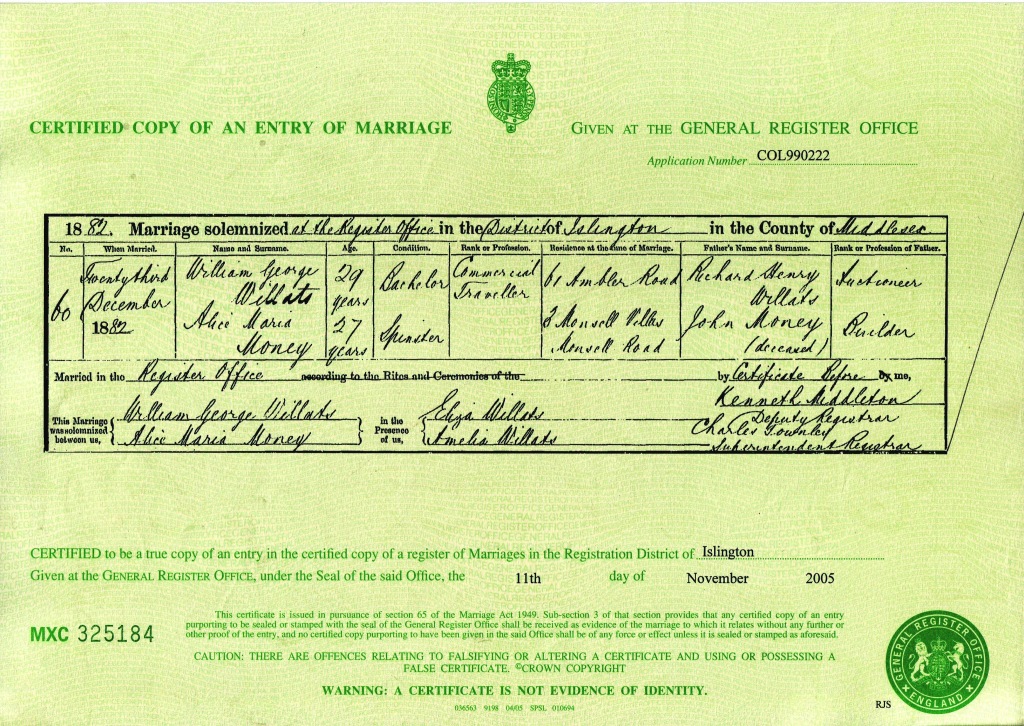
And Edwin’s Half-brother, 29-year-old, bachelor William George Willats, a Commercial Traveller, married 27-year-old spinster, Alice Maria Money, at The Register Office, Islington, Middlesex, England, on Saturday the 23rd of December, 1882. William gave his occupation as a Commercial Traveller. They gave their fathers names and occupations as, Richard Henry Willats, an Auctioneer, and John Money (deceased) a Builder. Their witnesses were, Eliza Willats and Amelia Willats.
William George Willats was the son of Eliza Willats nee Cameron and Edwin’s parental uncle, George John Willats. (His fathers brother). You can read all about his life here and here.
Across the pond in Buffalo, Erie, New York, United States of America, Edwin’s brother, Arthur Charles Willats married Josephine Mary Conley in 1886 when he was 23 years old.
Unfortunately at present I haven't come across any documentation for their marriage only census records and births of their children.
Being in the United Kingdom, research in America isn't the easiest especially ordering certificates etc.
Jumping forward to the year 1891. The United Kingdom was a nation characterized by significant social, political, and economic developments. The country was under the rule of Queen Victoria, who had been on the throne since 1837, making her one of the longest-reigning monarchs in British history. Her reign, known as the Victorian Era, was marked by industrial expansion, empire building, and considerable social change.
The Prime Minister in 1891 was Robert Gascoyne-Cecil, the 3rd Marquess of Salisbury. Serving his second term as Prime Minister, Salisbury was a Conservative leader known for his cautious foreign policy and efforts to maintain Britain's global influence amidst the rising powers of Europe and America. His government focused on issues such as imperial defense, domestic policy reform, and addressing social issues brought about by industrialization.
The monarchy during this time continued to hold significant symbolic and ceremonial importance, even as political power increasingly rested with Parliament. Queen Victoria was a beloved figure, embodying the stability and continuity of the British Empire, which was at its zenith, spanning large parts of Africa, Asia, and the Americas.
Parliament, divided into the House of Commons and the House of Lords, was the central legislative body. In the late 19th century, the political landscape was dominated by the Conservative Party and the Liberal Party. Socialism was beginning to gain traction, influenced by the writings of Karl Marx and the labor movements across Europe. The formation of the Independent Labour Party in 1893, just two years later, signified the growing discontent among the working classes and the demand for political representation.
Transportation in 1891 was experiencing a revolution with the expansion of the railway network. Trains had become the primary means of long-distance travel for both people and goods, significantly reducing travel time and costs. Urban areas saw the rise of horse-drawn trams and the introduction of the first electric trams, which began to transform city commuting.
Energy in the United Kingdom was predominantly derived from coal, fueling not only transportation but also the burgeoning industries. Coal-powered steam engines were ubiquitous in factories, and the domestic use of coal for heating and cooking was widespread. Electricity generation was still in its infancy, but advancements were being made, particularly in urban centers.
Fashion in 1891 continued to reflect Victorian sensibilities. For women, this meant corsets, long skirts, and high necklines, with elaborate hats and accessories. Men's fashion was characterized by three-piece suits, bowler hats, and neatly trimmed beards or mustaches. The influence of the Aesthetic Movement, which emphasized beauty and art in everyday life, was also noticeable in more ornate and decorative clothing designs.
Food during this period was heavily influenced by class. The upper classes enjoyed a varied diet with meat, fish, and fresh vegetables, often imported from across the empire. The working classes, however, had a more limited diet, largely consisting of bread, potatoes, and occasional meat, reflecting economic disparities.
Sanitation was a major issue in 1891, particularly in rapidly growing industrial cities. Efforts to improve public health were underway, driven by the understanding of germ theory and the link between poor sanitation and disease. The construction of sewer systems and the provision of clean water supplies were important public health measures being implemented to combat outbreaks of diseases such as cholera and typhoid.
Historical events of 1891 included the ongoing debates over Irish Home Rule, a contentious issue in British politics. The tension between unionists and nationalists in Ireland was a significant concern, influencing political discourse and leading to various legislative efforts to address the question of Ireland's autonomy within the United Kingdom.
It was also the year of the census
The census shows, Edwin Paul, his parents Richard and Eliza and siblings, May, Walter, Sidney, Mary, Frederick, and Lily, were residing at Number 27, Kings Road, Hornsey, Islington, Middlesex, England, on the eve of Sunday the 5th of April,1891, when the census was taken.
Richard was working as a Self Employed Survivor, Walter was a Stockbroker Clarke and Edwin was a Survivors Clarke.

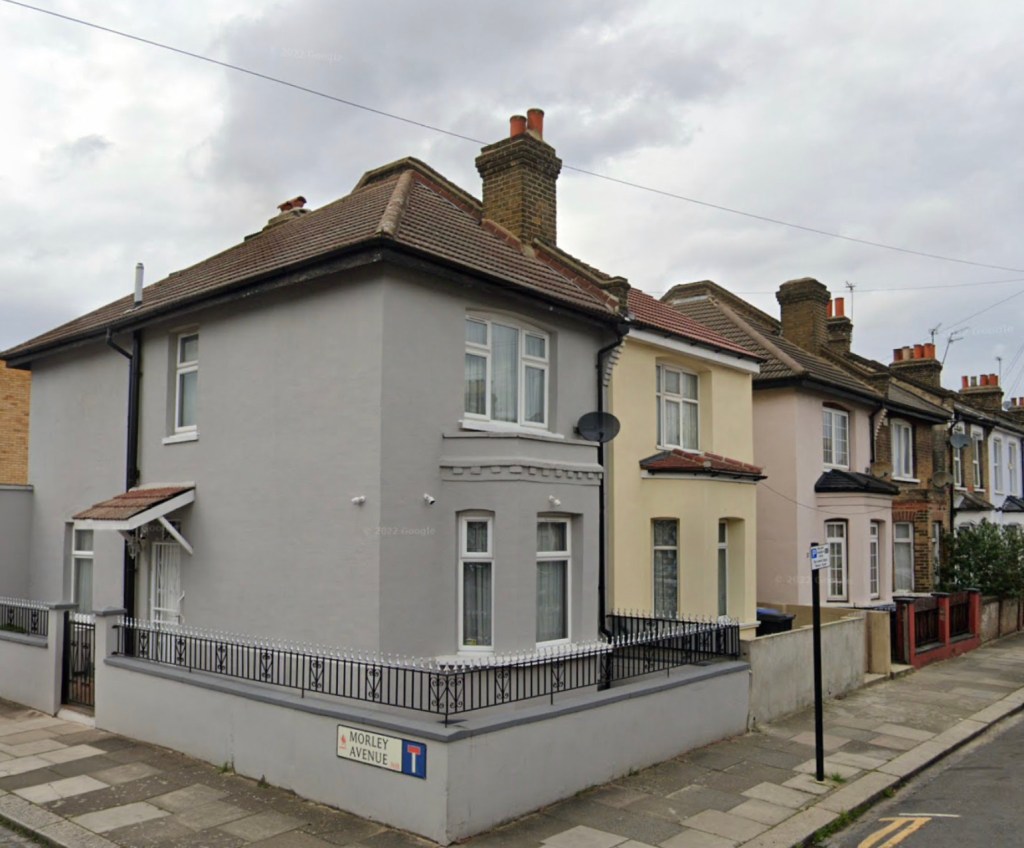
27 Kings Road in Hornsey, located within the London Borough of Islington, is a residential address with a history that reflects the broader development patterns of the area. Hornsey is one of London's oldest suburbs, with a history that stretches back to medieval times. By the 19th century, Hornsey had transitioned from a rural village to a more suburban area, driven by the expansion of the railway network and the increasing population of London.
The specific history of 27 Kings Road would be tied to the urban development that took place in Hornsey during the Victorian era. Much of the housing in this area, including Kings Road, was constructed in the late 19th and early 20th centuries. This period saw the construction of many terraced houses, which were designed to accommodate the growing middle class who were moving to the suburbs in search of better living conditions than those found in the crowded inner city.
The houses on Kings Road, including number 27, would likely have been built during this building boom, featuring the architectural characteristics typical of the time. These would include brick facades, sash windows, and perhaps decorative elements such as bay windows or iron railings. The development of these homes was part of a larger trend of suburbanization that offered more spacious and healthier living environments compared to the densely populated urban areas.
Throughout the 20th century, the residents of 27 Kings Road would have experienced the social and economic changes that affected Hornsey and the wider London area. In the early part of the century, the area would have been home to a mix of professionals, skilled workers, and their families. The impact of both World Wars would have brought changes to the community, with the local population contributing to the war efforts and coping with the aftermath of wartime destruction and rationing.
The mid-20th century saw significant changes in Hornsey, as with much of London, including post-war rebuilding and modernization. During this time, there was also an increase in cultural and ethnic diversity as new waves of immigrants settled in London, contributing to the rich social fabric of the area. Properties like 27 Kings Road might have seen changes in ownership and possibly alterations to their structure to adapt to modern living standards, such as the addition of indoor plumbing, central heating, and electricity.
By the latter half of the 20th century and into the 21st century, Hornsey began to experience gentrification. Rising property values and an influx of young professionals looking for convenient commuting options into central London brought renewed interest and investment in the area. Houses like 27 Kings Road were likely refurbished to restore or enhance their Victorian charm while incorporating modern amenities.
Today, 27 Kings Road stands as part of a vibrant and diverse community in Hornsey. The area benefits from its proximity to green spaces such as Alexandra Park and Finsbury Park, excellent transport links including nearby rail and Underground stations, and a variety of local shops, cafes, and restaurants. The history of the house reflects the broader narrative of suburban development in London, from Victorian expansion through 20th-century challenges to 21st-century rejuvenation.
To gain a deeper understanding of the specific history of 27 Kings Road, local archives, historical records, and property documents held by the Islington Local History Centre or the London Metropolitan Archives could provide detailed information about its construction, ownership, and the lives of its residents over the years.
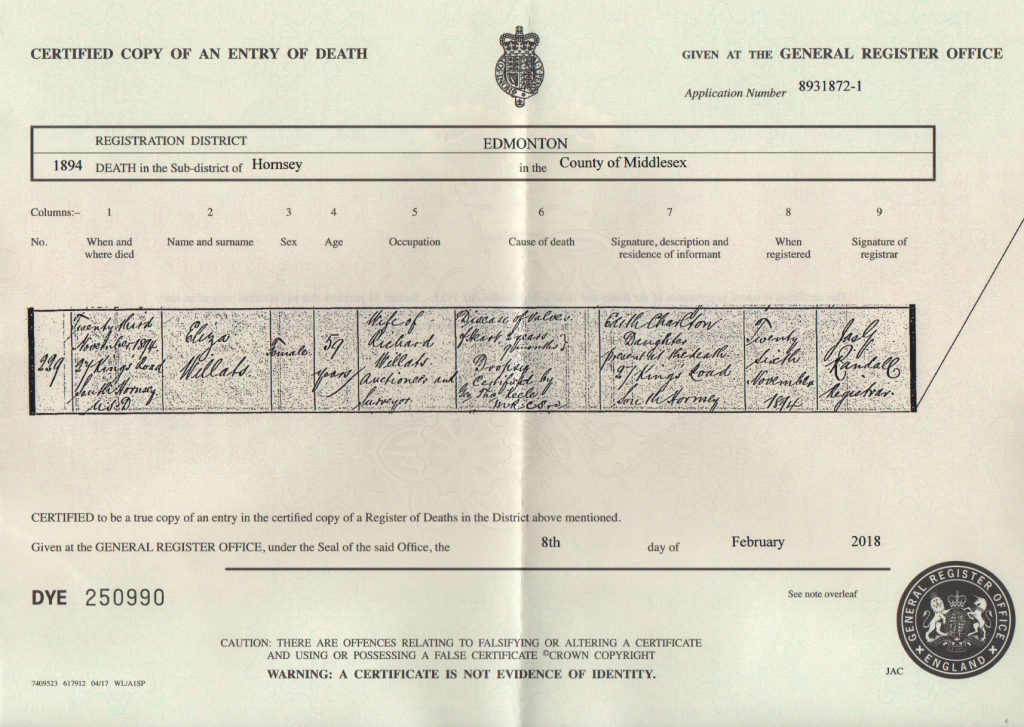
Heartbreakingly Edwins mum, Eliza, passed away on Friday the 23rd of November 1894, at Number 27, Kings Road, South Hornsey, Edmonton, Middlesex, England, when she was 59 years old. Eliza died from, disease of valves of the heart two years nine months and dropsy. Her daughter Edith Charlton of Number 27, Kings Road, South Hornsey, was present and registered Eliza’s death on the 26th of November 1894.
Heart valve disease and dropsy, also known as edema, are significant medical conditions that affect the cardiovascular system.
Heart valve disease involves malfunctioning of one or more valves in the heart. The heart has four valves (mitral, tricuspid, aortic, and pulmonary) that ensure blood flows in the correct direction. When these valves do not open or close properly, blood flow can be obstructed or leak backwards (regurgitate), leading to various symptoms and complications.
Valve diseases can be categorized as stenosis (where the valve opening is narrowed, restricting blood flow) or regurgitation (where the valve does not close tightly, allowing blood to leak back). Causes of valve disease include congenital heart defects, infections (such as endocarditis), rheumatic fever, and age-related degeneration. Symptoms may include chest pain, fatigue, shortness of breath, palpitations, and swelling in the ankles, feet, or abdomen.
Diagnosis typically involves physical exams, imaging tests (like echocardiography), and sometimes cardiac catheterization. Treatment depends on the severity of the condition and may include medications to manage symptoms, antibiotics for infections, and in severe cases, surgical repair or replacement of the affected valve.
Dropsy, or edema, refers to the abnormal accumulation of fluid in tissues throughout the body, leading to swelling. This condition is often a symptom rather than a disease itself and can occur due to various reasons, including heart failure, kidney disease, liver disease, venous insufficiency, and certain medications.
In heart failure, for example, the heart's inability to pump blood effectively can cause fluid to build up in the lungs (pulmonary edema) or in peripheral tissues (peripheral edema). Symptoms of edema include swelling of the legs, ankles, or abdomen, sudden weight gain, and sometimes shortness of breath.
Treatment of edema involves addressing the underlying cause. This may include lifestyle changes (such as reducing salt intake and elevating legs), medications (like diuretics to reduce fluid retention), and management of the underlying condition (such as treating heart failure or kidney disease).
Both heart valve disease and dropsy are serious conditions that require medical attention and management to prevent complications and improve quality of life for affected individuals.
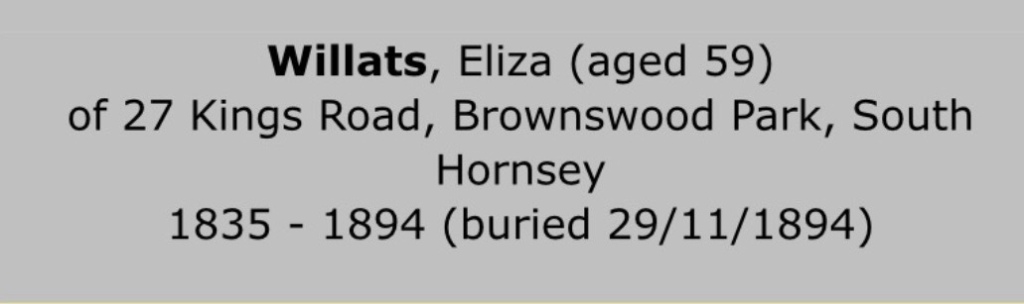
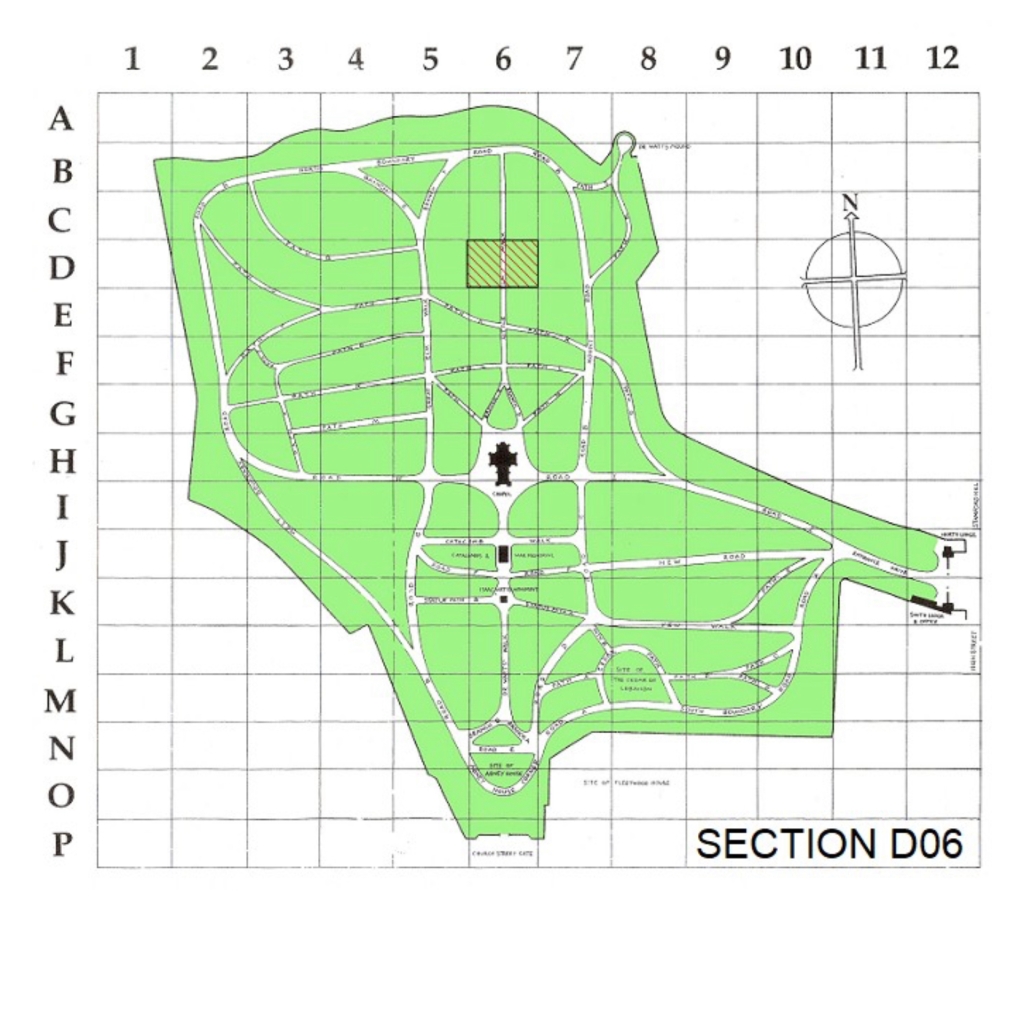
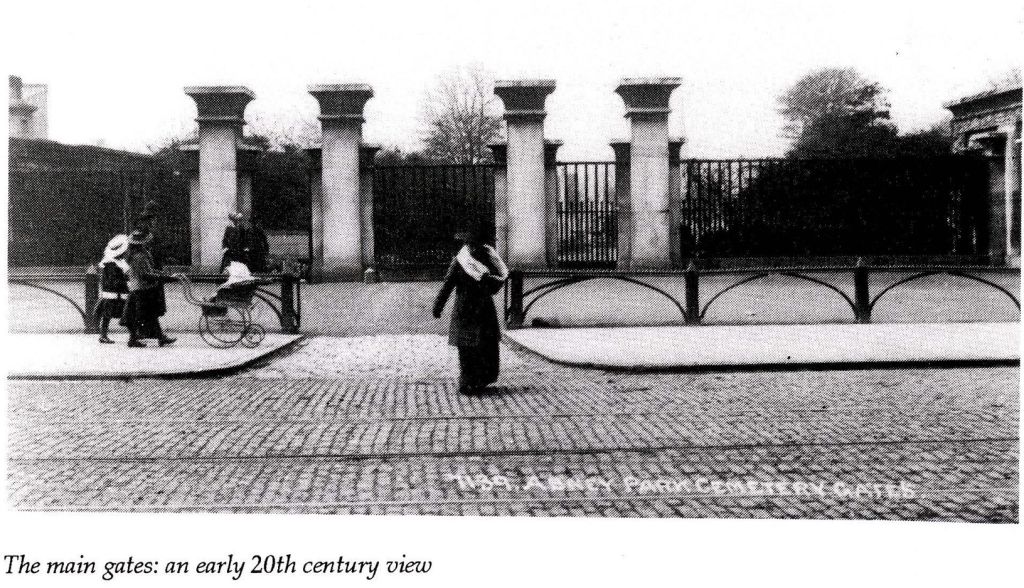
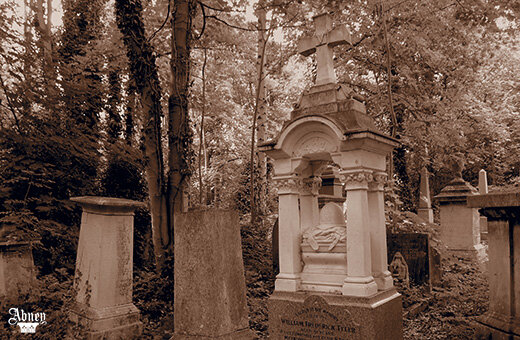
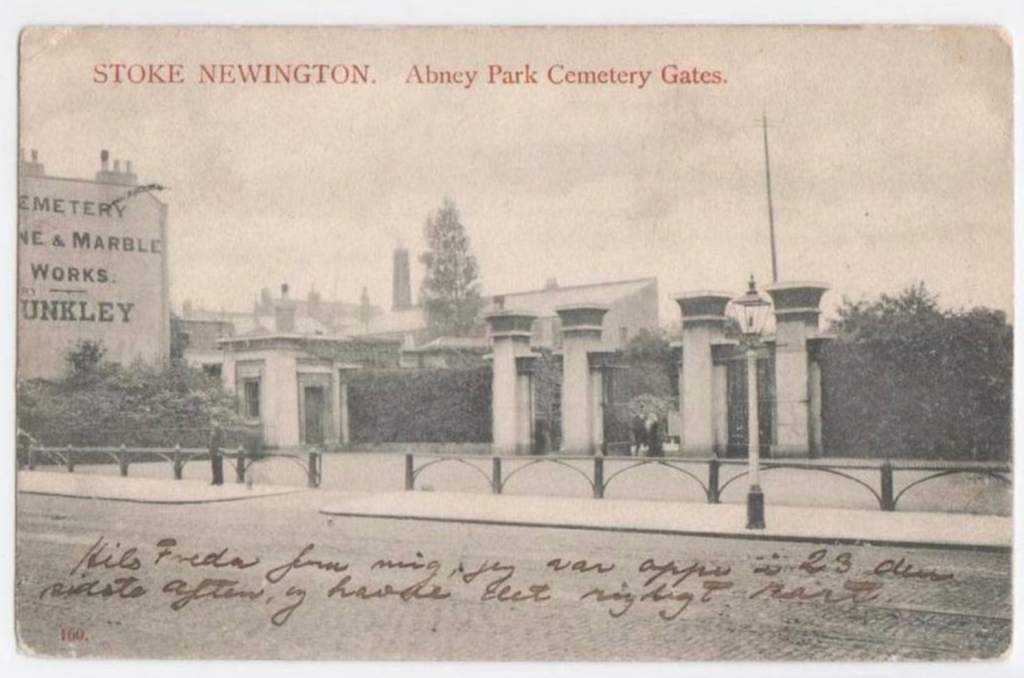
The Willats family, family, laid Eliza to rest, in, Abney Park Cemetery, Stoke Newington, Middlesex, England, on Thursday the 29th of November, 1894, in D06, Grave 092431. Her abode was given as, Number 27, Kings Road, Brownswood Park.
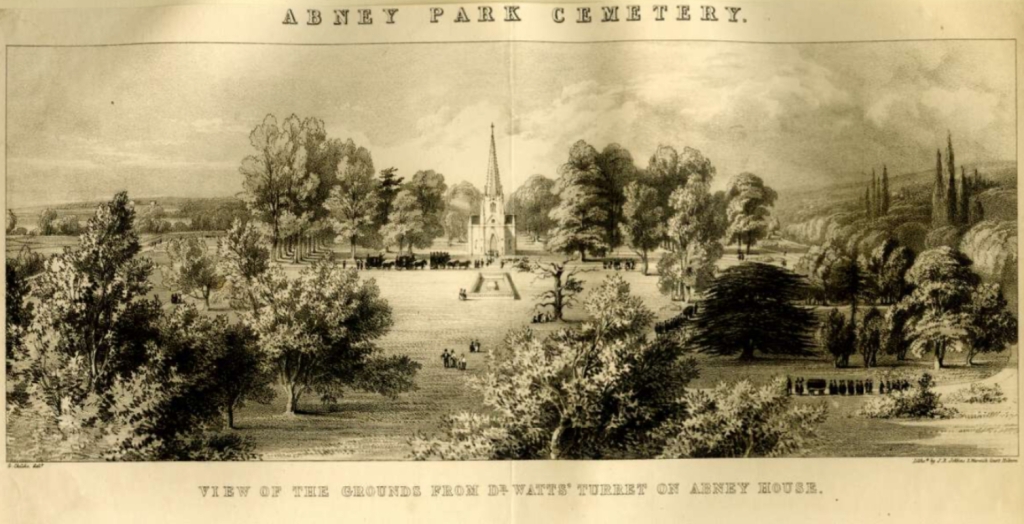
When Eliza died Lilly’s father, Richard Henry, purchased 2 graves in Abney Park Cemetery, which was then the beautiful garden of a big house turned into a private cemetery. Each grave cost, 3 guineas and took six interments.
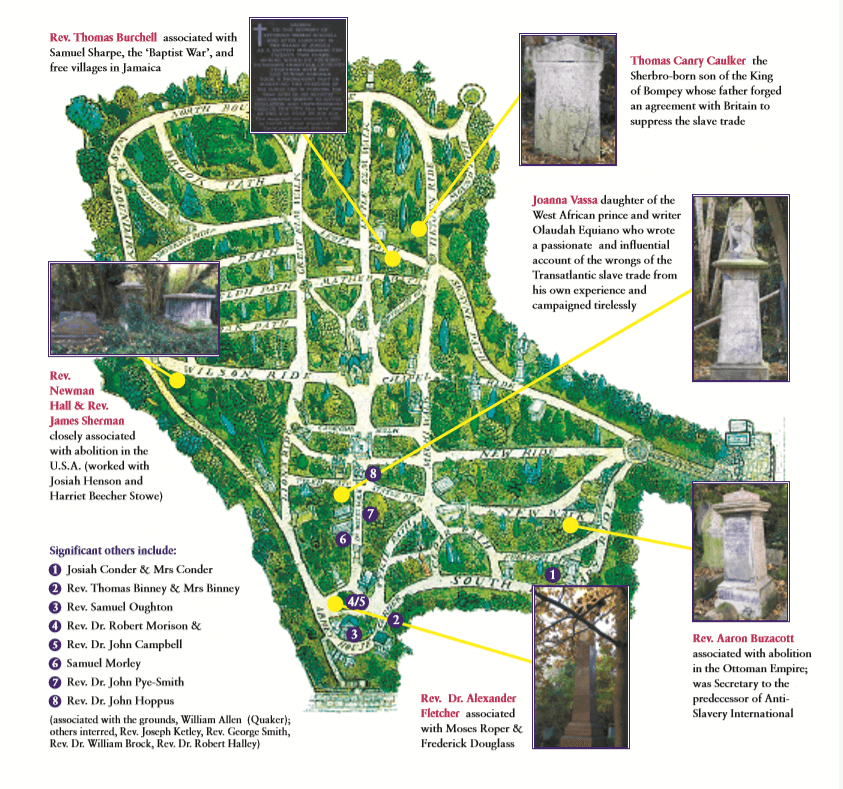
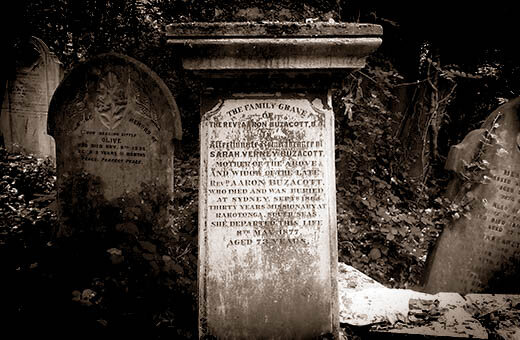
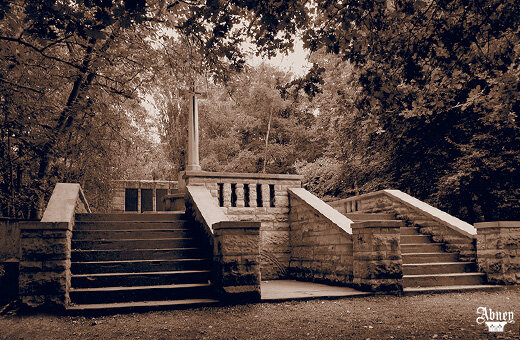
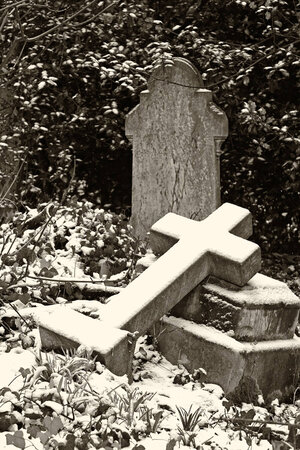
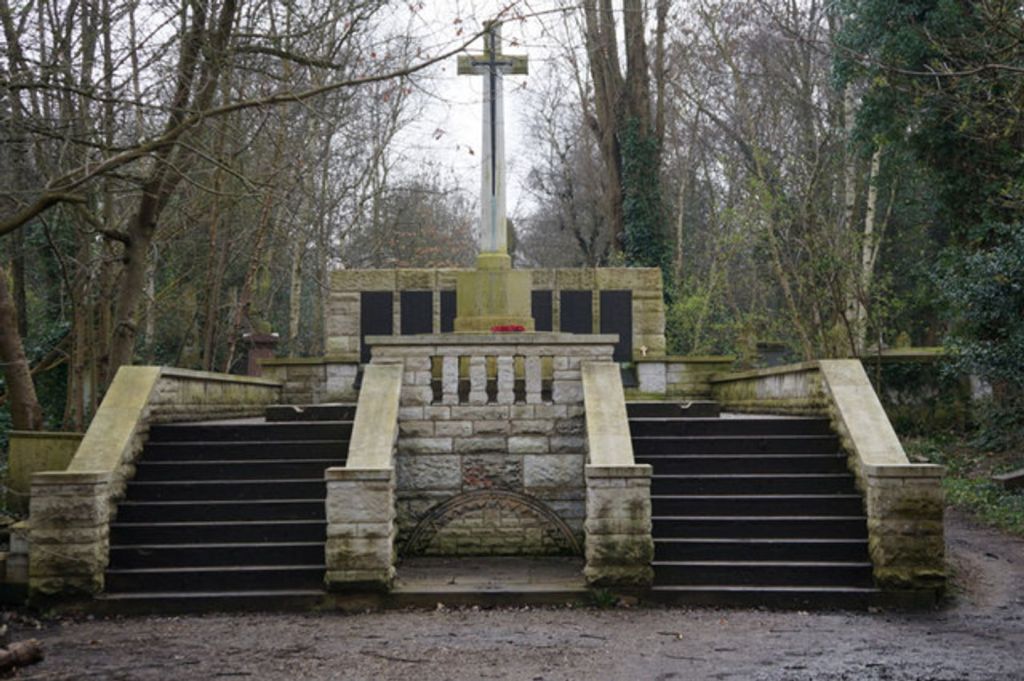
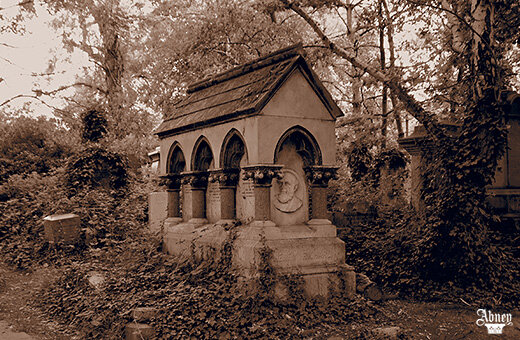
Abney Park Cemetery, located in Stoke Newington, North London, is one of the "Magnificent Seven" garden cemeteries established in the Victorian era. Opened in 1840, this historic cemetery has a unique charm, blending natural beauty with rich history, and serves as a testament to Victorian funerary customs and urban planning.
The cemetery was originally conceived as a non-denominational burial ground, a revolutionary idea at the time. This progressive approach was largely influenced by its founders, George Collison and the Nonconformist philanthropist, Sir Thomas Abney. Unlike many other cemeteries of the era, Abney Park was designed to accommodate people of all faiths and social standings, reflecting the inclusive ethos of its creators. This vision is evident in the diversity of the monuments and graves scattered throughout its grounds.
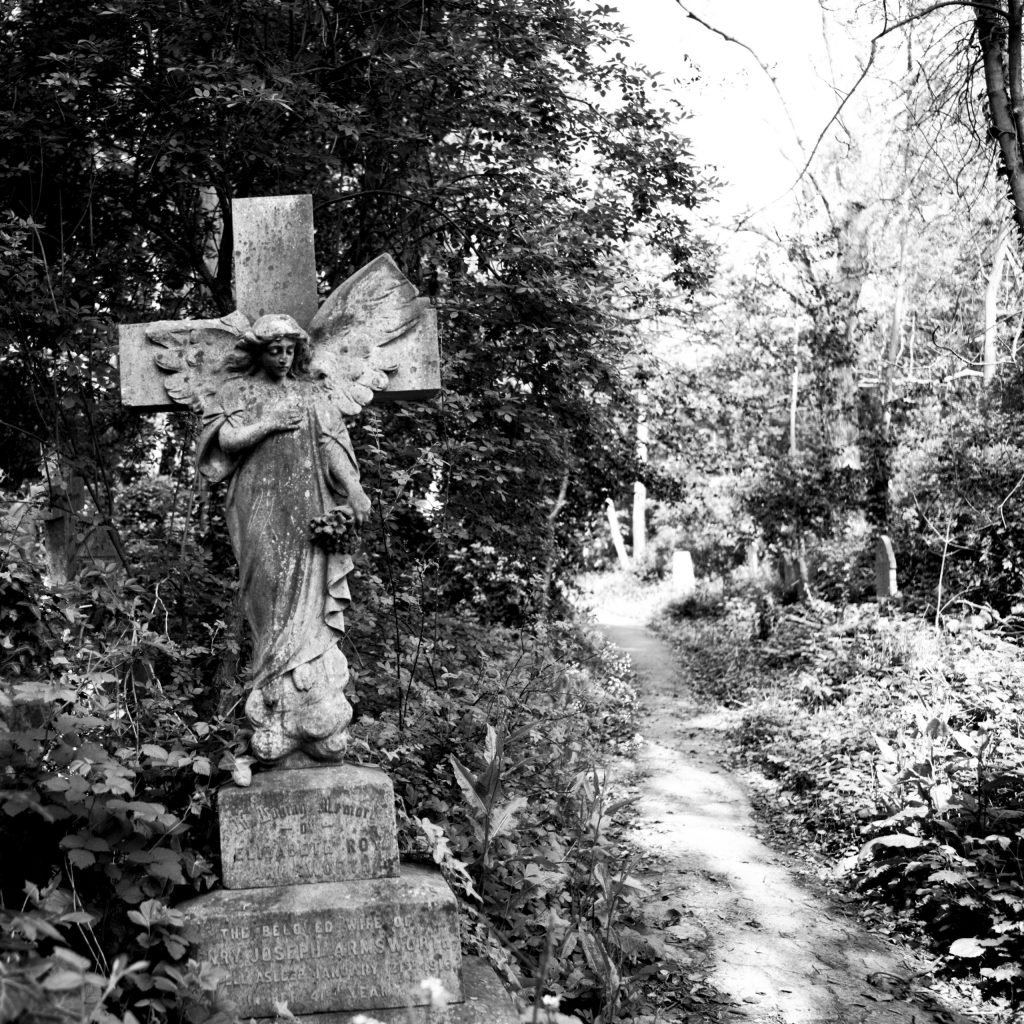
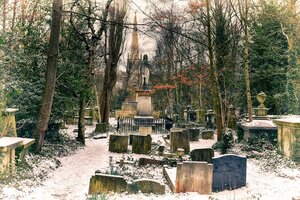
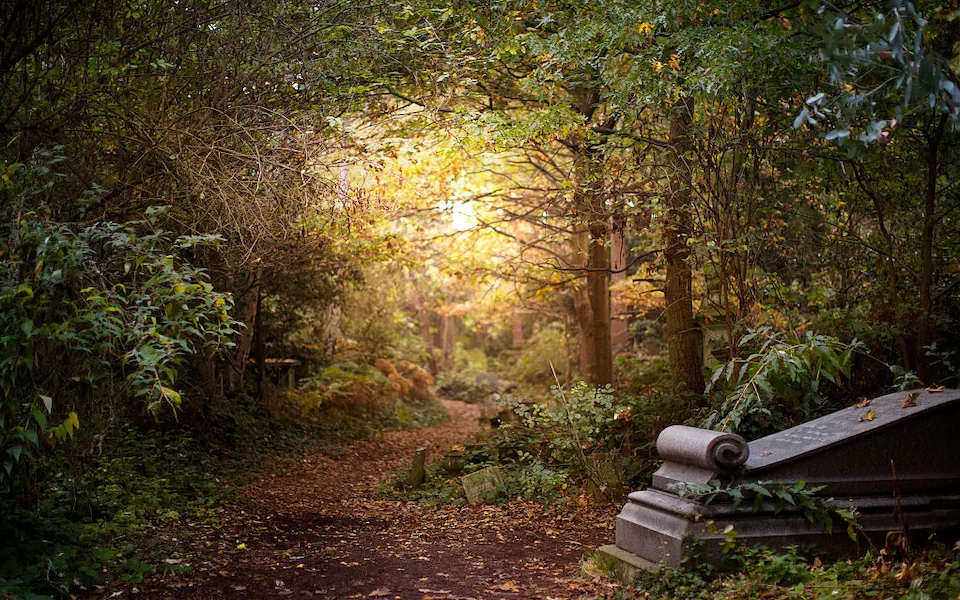
One of the most striking features of Abney Park Cemetery is its layout. Designed as an arboretum and a landscaped garden cemetery, it offers a peaceful retreat from the hustle and bustle of city life. The cemetery is home to a wide variety of trees and plants, carefully selected to create a serene and contemplative environment. Visitors can stroll along winding paths lined with towering oaks, weeping willows, and ancient yews, all contributing to the cemetery's tranquil atmosphere. The Victorian fondness for botany is evident in the carefully curated flora, making it not just a place of remembrance, but also a sanctuary for nature enthusiasts.
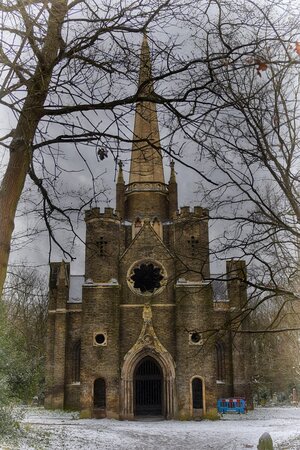
At the heart of Abney Park Cemetery stands the Gothic chapel, an architectural gem designed by William Hosking. Although now a ruin, the chapel remains a poignant symbol of the cemetery's historical and cultural significance. Its crumbling walls and ivy-covered façade evoke a sense of melancholy beauty, reminiscent of Romantic literature and art. The chapel originally served as a place for funeral services and was a focal point for the community, embodying the cemetery's role as a public space for reflection and mourning.
The graves and monuments at Abney Park Cemetery tell countless stories of Victorian life and death. The cemetery is the final resting place of many notable figures, including the famous hymn-writer Isaac Watts, who significantly influenced English hymnody. His tomb, along with those of other prominent individuals like the anti-slavery campaigner and poet James Stephen, and the pioneering feminist and social reformer Annie Besant, make the cemetery a historical treasure trove.
Despite its serene beauty, Abney Park Cemetery has faced challenges over the years. By the mid-20th century, the cemetery had fallen into neglect, with many graves and monuments succumbing to the ravages of time and nature. However, the Abney Park Trust, established in the 1990s, has worked tirelessly to restore and maintain the cemetery, ensuring its preservation for future generations. Their efforts have transformed the cemetery into a cherished green space, a haven for wildlife, and a site of historical education and community events.
Today, Abney Park Cemetery is a place where history, nature, and community intersect. It offers a unique glimpse into Victorian attitudes towards death and remembrance, while also serving as a green oasis in the heart of London. Visitors can explore its winding paths, discover its rich history, and enjoy its natural beauty, making it a poignant and peaceful retreat.
In addition to its role as a burial ground, Abney Park Cemetery also hosts a variety of events and activities throughout the year. From guided historical tours to wildlife walks and educational workshops, there are numerous opportunities for visitors to engage with the cemetery's rich heritage and diverse ecology. These events help to keep the spirit of the cemetery alive, fostering a sense of community and continuity amidst the tranquil surroundings.
Abney Park Cemetery stands as a testament to the enduring legacy of the Victorian era's approach to death, nature, and urban space. Its blend of historical significance, architectural beauty, and natural tranquility make it a unique and valuable part of London's cultural landscape. As a place of remembrance and reflection, it continues to offer solace and inspiration to all who visit.


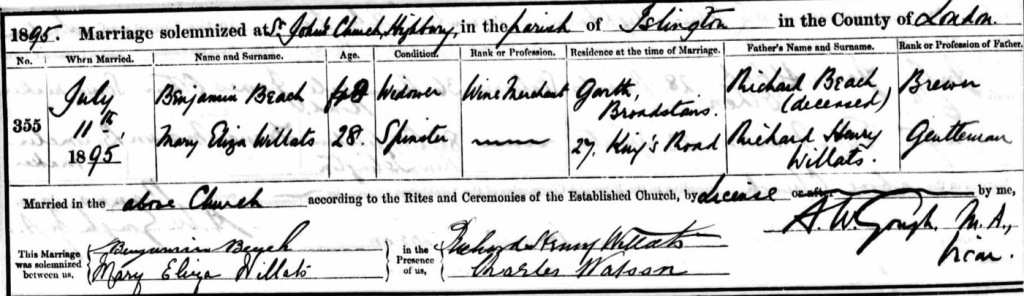
Thankfully Edwin and his family had a reason to celebrate when his sister, 28-year-old, spinster, Eliza Mary Willats, married 48-year-old Widower, and wine merchant, Benjamin Beach, the following year, on Thursday the 11th of July 1895, at St John’s Church, Highbury, Islington, Middlesex, England.
Eliza Mary gave her residence as, 27 Kings Road and Benjamins as . (If you can work it out, please let me know.) They gave their father’s names and occupations as, Richard Beach (deceased) a Brewer and Richard Henry Willats, a Gentleman.
Their witnesses were, her father Richard Henry Willats and Charles Watson. Eliza was using the name Mary Eliza Willats (her middle name.).
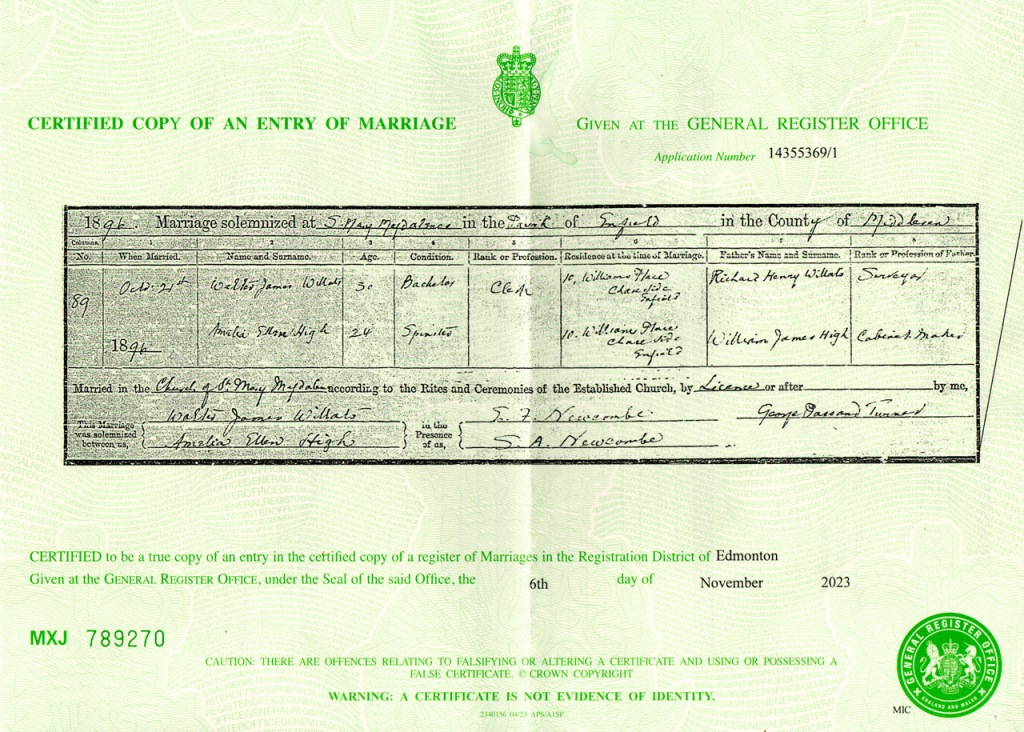
And Edwin’s brother, 30-year-old, Bachelor, Walter James Willats, a Clark married 24-year-old spinster, Amelia Ellen High on Wednesday 21st October 1896, at the church of St Mary Magdalene, Enfield, Middlesex, England. They gave their residence at the time of their marriage as, Number 10, William Place, Chase Side, Enfield. they gave their fathers names and occupations as, Richard Henry Willats, a Suvayor and William James High, a cabinet Maker. Their witnesses were, E. F. Newcombe and S. A. Newcombe.
St Mary Magdalene, Enfield, is a Church of England church in Enfield, London, dedicated to Jesus' companion, Mary Magdalene. The building is grade II* listed with Historic England. The church was built as a memorial to Philip Twells, MP and city banker, by his wife Georgiana Twells, who employed the architect William Butterfield. The foundation was stone was laid in 1881 and the church opened in 1883. The artist Charles Edgar Buckeridge painted the ceiling and east wall of the sanctuary and after his early death the side walls were painted by Nathaniel Westlake. The walls and ceiling were conserved in 2012 by Hirst Conservation with the help of local donations and the Heritage Lottery Fund. The stained-glass windows are by Heaton, Butler and Bayne.
The tower originally contained 8 change ringing bells cast by John Warner & Sons for the new church in 1883, however these were replaced in 1999, as they were too heavy for the tower and were causing damage. The church installed a new, lighter ring of 8 bells cast by the Whitechapel Bell Foundry, and the older, larger bells were bought by Grace Church Cathedral in Charleston, United States, where they were installed and augmented to 10 with two new treble bells cast in the same year, also by Whitechapel.

Heartbreakingly the Willats family lives were thrown into the depths of grief when Edwin's half-brother, William George Willats, my 3rd great-grandfather, died on Sunday the 14th of February, 1897, at 44 Gillespie Road, Islington, Middlesex, England.
He died from Cardial Haemorrhage Corona Syncope.
Their sister, Charlotte was present and registered William George Willats, death on the 16th of February 1897.
Charlotte gave her abode as, Number 132, Wilberforce Road, Finsbury Park.

Cardial hemorrhage, also known as cardiac hemorrhage, refers to bleeding that occurs within or around the heart. This condition can be caused by various factors, including trauma, underlying cardiovascular diseases, or complications of medical procedures.
One common cause of cardial hemorrhage is a myocardial infarction, or heart attack, where the blood supply to a part of the heart muscle is interrupted, leading to tissue damage and potential bleeding. Another cause could be an injury to the heart during surgery or a cardiac catheterization procedure.
Symptoms of cardial hemorrhage can vary depending on the location and severity of the bleeding but may include chest pain, difficulty breathing, rapid heartbeat, fainting, or signs of shock such as low blood pressure and pale skin. Diagnosis typically involves imaging tests such as echocardiography or CT scans to locate and assess the extent of the bleeding.
Treatment of cardial hemorrhage depends on the underlying cause and severity of the condition. Immediate medical intervention may be necessary to stabilize the patient, control bleeding, and address any underlying cardiovascular issues. This could involve medications to promote blood clotting, surgery to repair damaged blood vessels or tissues, or other interventional procedures.
Corona syncope, also known as vasovagal syncope or neurally mediated syncope, refers to a temporary loss of consciousness caused by a sudden drop in blood pressure, which reduces blood flow to the brain. This condition can be triggered by various factors, including emotional stress, pain, dehydration, prolonged standing, or sudden changes in body position.
During a corona syncope episode, individuals may experience symptoms such as dizziness, lightheadedness, nausea, sweating, and a pale complexion before losing consciousness briefly. Typically, consciousness returns quickly once the individual lies down and blood flow to the brain improves.
Diagnosis of corona syncope involves a thorough medical history, physical examination, and sometimes additional tests such as tilt-table testing or heart rhythm monitoring to rule out other potential causes of fainting episodes.
Treatment for corona syncope focuses on identifying and avoiding triggers that provoke episodes. Lifestyle modifications such as staying well-hydrated, avoiding prolonged standing, and practicing stress management techniques can be helpful. In some cases, medications or maneuvers like leg crossing and muscle tensing (to increase blood pressure) may be prescribed to prevent syncope episodes.
Both cardial hemorrhage and corona syncope are serious conditions that require medical evaluation and management to determine the underlying cause and provide appropriate treatment to prevent complications and improve patient outcomes.

The Willats family laid, William George Willats, to rest at, Abney Park Cemetery, 215 Stoke Newington High Street, Stoke Newington, London, England, N16 0LH, on Thursday the 18th of February 1897, in grave D06 092431, with his mother Eliza Willats nee Cameron. His father Richard, brother Percy Sidney and nephew Francis Paul Willats were later on buried with them.

Thankfully Joy was on the horizon as Edwins sister, 29-year-old spinster, Lilly Jenny Willats, of Number 27, Kings Road, Brownhill Park, married 31-year-old bachelor, and commercial. (I assume that means commercial traveller?), William Alexander Neilson, of Madeira Avenue, Worthing, Sussex, on Saturday the 15th of July, 1899, at St. John’s Church, Highbury, Islington, Middlesex, England. They gave their father’s names and occupations as, Richard Henry Willats, an auctioneer and William Neilson, a commercial.
Their witnesses were, brother in-law, Benjamin Beach and their niece, Amina Charlton. Lilly’s name was recorded as Lillian Jenny Willats.

It was Edwins time, to stand on his own feet and become a men as well as a husband.
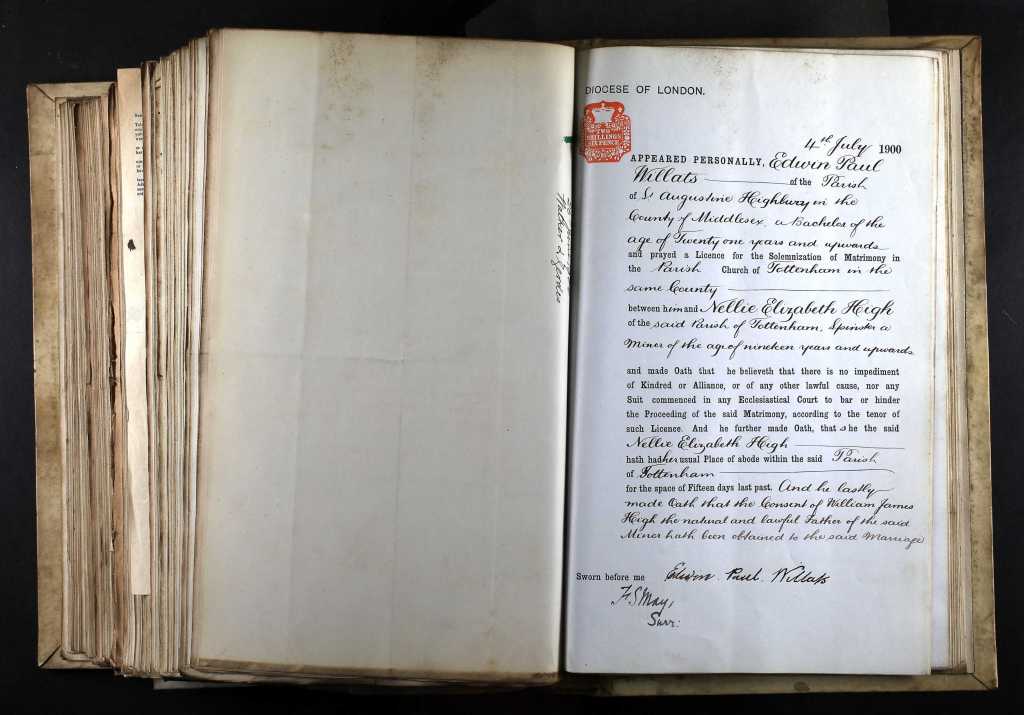
Edwins Marriage Bonds and Allegations were called at, St Augustine, Highbury, Islington, Middlesex England, on Wednesday the 4th day of July 1900.
They read as follows,

DIOCESE OF LONDON.
4' July 1900
APPEARED PERSONALLY, Edwin Paul Willats of the Parish of St. Auguoline Highbury with in the County of Middlesex, a Bachelor of the age of Twenty one years and upwards and prayed a Licence for the Solemnization of Matrimony in the Parish Church of Tottenham in the same county between him and Nellie Elizabeth Highe of the said parish of Tottenham, Spinter a minor of the age of nineteen years and upwards and made Oath that he believeth that there is no impediment of Kindred or Alliance, or of any other lawful cause, nor any Suit commenced in any Ecclesiastical Court to bar or hinder the Proceeding of the said Matrimony, according to the tenor of such Licence.
And he further made Oath, that she the said Nellie Elizabeth Heigh hath had her usual Place of abode within the said Parish of Tottenham
for the space of Fifteen days last past. And he lastly made oath that the consent of William James Heigh, the natural and lawful father of the said Minor hath been obtained to the said Maniape
Sworn before me Edwin Paul Willats
FSMAY
Sirr:
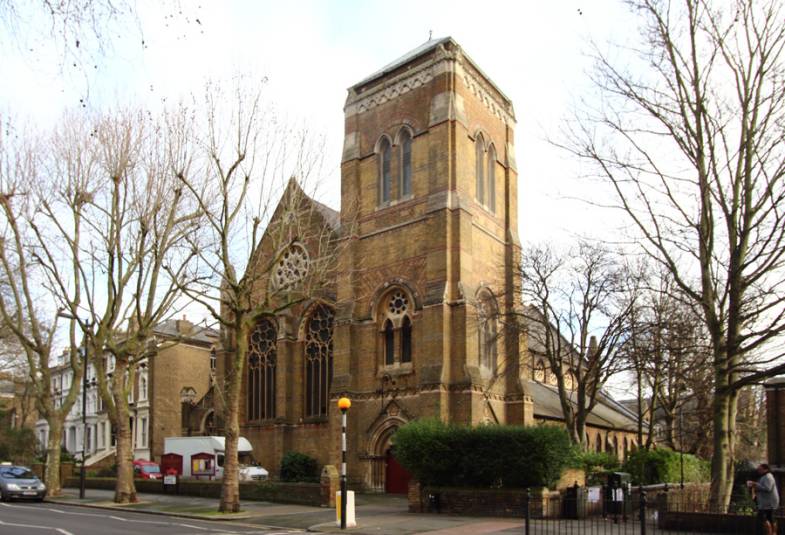
St. Augustine's Church in Highbury, London, holds a significant place in the community as an Anglican parish church with a history dating back to the late 19th century. Its establishment was part of the expansion of churches in response to the growing population of the area during the Victorian era. Designed by noted architect Ewan Christian, who also designed the National Portrait Gallery, St. Augustine's features an impressive Gothic Revival style, characteristic of many churches built during that period.
The church's dedication to St. Augustine of Canterbury, the first Archbishop of Canterbury, reflects its Anglican heritage and mission. Over the years, St. Augustine's has served as not only a place of worship but also a center for community activities and social outreach. Its vibrant congregation has contributed to the local neighborhood through various initiatives, fostering a sense of belonging and support among residents.
Architecturally, St. Augustine's is known for its soaring spire, intricate stained glass windows, and a tranquil interior that invites reflection and prayer. The churchyard provides a peaceful resting place and a connection to the history of Highbury, with graves and memorials that tell stories of lives lived and remembered.
Throughout its existence, St. Augustine's has adapted to changing times while remaining rooted in its commitment to faith, service, and community. It continues to be a place where people gather not only for worship but also for events, concerts, and celebrations, enriching the cultural and spiritual fabric of Highbury and beyond.
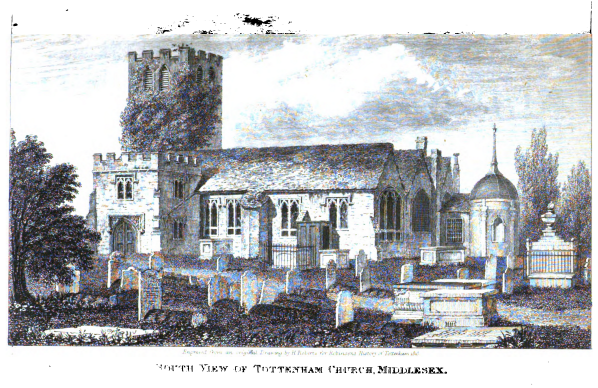
28-year-old Bachelor and auctioneer, Edwin Paul Willats married 19-year-old, spinster, Nellie Elizabeth High on Saturday the 7th of July, 1900, at All Hallows, Tottenham, Edmonton, Middlesex, England.
Their witnesses were their brother Walter James Willats and Nellie's sister Amelia Ellen Willats nee High (Walter’s wife).
Edwin and Nellie gave their father's names and occupations were given as Richard Henry Willats, a surveyor and James High (William James), a Cabinet Maker.

All Hallows Church, located in Tottenham, Edmonton, is an Anglican parish church with a rich history dating back over 900 years. Its origins can be traced to the Norman era, with the current building having been constructed primarily in the 15th century, showcasing classic English Gothic architecture.
Throughout its existence, All Hallows has served as a focal point for worship and community life in the area. The church underwent significant restoration work in the 19th century, which preserved its medieval character while adapting it to contemporary needs.
The churchyard of All Hallows contains several historically significant graves and monuments, reflecting the local heritage and the lives of prominent individuals associated with the area over the centuries.
All Hallows has played a vital role in the community, not only as a place of worship but also as a center for social activities and charitable endeavors. Its outreach programs and community initiatives continue to serve the diverse needs of Tottenham and Edmonton residents today.
The church remains an architectural and historical landmark, symbolising the enduring presence of faith and community in the evolving urban landscape of North London.
As we conclude this journey through the early years of Edwin Paul Willats, 1871-1920, we have uncovered a life shaped by the bustling streets of London and the warmth of a large family. Edwin, the ninth/tenth child among thirteen siblings, navigated the challenges of a rapidly changing city with resilience and a youthful spirit.
From the echoes of horse-drawn carriages on cobbled streets to the laughter that filled their modest home, Edwin's upbringing was steeped in the vibrant tapestry of Victorian London. Each chapter of his early years, meticulously documented and cherished, reveals not just the milestones but the tender moments that defined his formative years.
In the heart of a bustling metropolis, amidst the flurry of daily life, Edwin Paul Willats found his footing. His story reminds us of the strength found in family bonds and the courage to embrace life's unfolding journey, wherever it may lead.
As we bid farewell to this chapter of Edwin's life, may his story continue to inspire us to cherish our own histories and celebrate the remarkable resilience of the human spirit.
Until next time,
Toodle pip,
Yours Lainey.
🦋🦋🦋
I have brought and paid for all certificates,

Please do not download or use them without my permission.

All you have to do is ask.

Thank you.
 Intwined