In the quiet hamlet of Swaythling, nestled within the serene landscapes of South Stoneham, Hampshire, England, a tale of resilience and grace quietly unfolded. Born circa 1831, Elizabeth Wren entered a world shaped by the winds of change and the steady rhythms of rural life. Her journey, woven with threads of courage and compassion, resonates through the annals of time.
As we embark on this odyssey through her early years, guided by the illuminating trail of historical documentation, we uncover not just the milestones etched in dates, but the essence of a woman whose spirit defied the constraints of her era. Elizabeth's story is a testament to the indomitable human spirit, beckoning us to unravel the layers of her life and glimpse into the rich tapestry of history she helped weave.
Join me as we trace the footsteps of Elizabeth Wren, from the tender dawns of her youth to the moments that shaped her destiny. Together, let us honor her legacy and celebrate the quiet strength that defines her legacy.
The Life Of Elizabeth Wren
1831–1900
The Early Years
Welcome back to the year 1831, Swaythling, South Stoneham, Hampshire, England. The country is in a state of transition and tension, with the monarchy under King William IV, who has ruled since 1830 following the death of his extravagant and unpopular brother, George IV. Unlike his predecessor, William IV is seen as more modest and pragmatic, yet his reign is overshadowed by political unrest and demands for reform. The Prime Minister is Charles Grey, 2nd Earl Grey, leading the Whig government, which is pushing for the Great Reform Act to address widespread corruption in Parliament. The act aims to redistribute parliamentary seats and extend voting rights, though only to a select portion of the male population, excluding the vast majority of working-class men and all women. The House of Lords remains dominated by aristocrats who fiercely resist change, while the House of Commons is a battleground between reformists and conservatives, making the political atmosphere one of uncertainty and heated debate.
Social standing defines every aspect of life, with clear divisions between the aristocracy, the middle class, and the working poor. The wealthy landowning elite enjoy lives of luxury, controlling vast estates and political power, while the middle class, consisting of professionals, merchants, and skilled tradesmen, is beginning to assert itself more forcefully in society. The working class and the poor, however, endure long hours in factories, on farms, and in domestic service, struggling to afford even basic necessities. In Swaythling and South Stoneham, most people rely on agricultural work, but industrialization is starting to shift the economic landscape, with more laborers moving to urban centers in search of work.
Fashion reflects these rigid social divisions. The wealthy dress in fine materials such as silk and wool, with women wearing gowns featuring high waistlines, puffed sleeves, and elaborate bonnets, while men favor tailored coats, waistcoats, and top hats. The middle class imitates these styles but with more modest fabrics. The working class wears practical, durable clothing, simple linen or wool dresses for women, and trousers, shirts, and waistcoats for men, often patched and well-worn due to the expense of new garments.
Transportation remains slow and arduous for most. Wealthy individuals travel by private carriage, while the middle class uses stagecoaches to move between towns. The poor rely on walking or riding in carts when available. Canals and improved turnpike roads facilitate the movement of goods, and there is talk of the expanding railway system, though it is still in its infancy. In the countryside around Swaythling, travel remains largely dependent on horse-drawn vehicles and footpaths.
Energy, heating, and lighting are still dependent on traditional sources. Coal and wood are burned for warmth, with open fireplaces in homes providing heat, though maintaining them requires constant labor. Candles and oil lamps provide lighting, and gas lighting is beginning to appear in larger towns, though it has not yet reached rural areas like South Stoneham. The atmosphere in homes is often dim and smoky, with chimneys frequently clogged by soot.
Sanitation is rudimentary, especially for the poor. Waste disposal systems are nonexistent, with refuse and sewage often thrown into streets, ditches, or open cesspits. Water sources are frequently contaminated, leading to outbreaks of diseases such as cholera and typhoid. The wealthy have access to cleaner water and more sanitary living conditions, but even they are not immune to illness. In villages, wells provide drinking water, but there is little understanding of hygiene or germ theory.
Food varies greatly by class. The aristocracy enjoy a rich diet of meats, fresh vegetables, bread, and imported delicacies such as sugar, tea, and spices. The middle class eats more modestly but still has access to meats, dairy, and fresh produce. The poor, however, often survive on bread, potatoes, and gruel, with little access to meat or fresh vegetables. Malnutrition is common, and food insecurity is a constant threat, particularly during harsh winters or times of economic hardship.
Entertainment depends on social class. The wealthy attend grand balls, operas, and private parties, while the middle class enjoys music halls, theater, and reading novels. For the working class, public houses and taverns are central to entertainment, offering ale, music, and a place to socialize. Gambling and bare-knuckle boxing matches are popular pastimes, though they are often frowned upon by the upper classes. Folk music and storytelling remain an important part of rural life, providing both amusement and a means of passing down traditions.
The environment is beginning to feel the effects of industrialization. While Swaythling and South Stoneham remain largely rural, nearby towns are growing, with factories emitting coal smoke and polluting rivers. Deforestation and changes in land use due to enclosure laws are altering the countryside, pushing many rural laborers into poverty and forcing them to seek work in industrial centers.
Gossip travels quickly, whether about political scandals, local affairs, or tales of aristocratic intrigue. Newspapers report on the ongoing debate over reform, as well as sensational crimes and royal news. There is widespread talk of unrest, with protests and riots breaking out across the country, particularly in response to the rejection of the Reform Bill. In October 1831, the Bristol Riots erupt when angry crowds attack government buildings and set fire to property, a clear sign of the growing frustration among the lower classes.
The gap between the rich and poor remains stark. The aristocracy enjoy vast estates and inherit wealth and influence, while the middle class is gradually rising in status through trade and professional work. The working class and the poor, however, continue to struggle under harsh conditions, with little hope of advancement. Industrialization is beginning to reshape society, but for most, daily life remains dictated by their place in the rigid social hierarchy.
Throughout the year 1831, Britain stands on the brink of major political and social change. The calls for reform grow louder, industrialization advances, and tensions rise between the classes. For those living in Swaythling and South Stoneham, life is shaped by the rhythms of rural work, the shifting economy, and the ever-present divide between privilege and hardship.
Elizabeth Wren’s story begins in the quiet village of Swaythling, nestled in the parish of South Stoneham, Hampshire. She came into the world around 1831, born to Joseph Wren, a hardworking labourer, and his wife, Sarah, formerly Thorne. Life in rural England at that time was simple yet demanding, shaped by the land and the changing seasons. Elizabeth was not the first child to bless the Wren household—her older sister, Ann, had been born just a few years earlier in 1827. Together, the two girls would grow up in a world where family, faith, and endurance were at the heart of daily life.
There is no official record of Elizabeth’s birth, a reminder of a time before registration was made law in 1837. Instead, her presence in history is pieced together through baptismal records and census documents, small but significant fragments that tell us she was here, that she lived, that she mattered. Though the absence of a birth certificate leaves gaps in the paper trail, it does not diminish the reality of her existence or the life she would go on to lead.
Elizabeth’s early years remain largely in the shadows, with only these historical documents to guide us. Yet, through them, we can begin to imagine the girl she might have been, the daughter of a labourer, growing up in a working-class family, learning from her mother, playing with her sister, and navigating the joys and hardships of life in a time when survival depended on resilience. Every detail we uncover is a step closer to knowing her, to bringing her story back to life, and to honoring the legacy she left behind.
The surname Wren is of English origin and is typically considered to be a locational or occupational surname, though its exact origins and meanings can vary depending on the region or family history. In many cases, Wren is believed to derive from the Old English word "wrenna," meaning the wren bird, a small, active bird known for its chirping. The name may have been used to describe someone with a characteristic that resembled the bird, such as someone small or quick-moving. In other instances, the surname Wren may have been an occupational name for someone who was involved in trapping or handling birds, especially wrens.
The Wren surname has a rich history in England, with its earliest records dating back to the medieval period. Over time, the name spread to other parts of the British Isles, including Ireland and Scotland. As with many surnames, the spelling of Wren has varied over the centuries, with earlier records sometimes showing it as Wrenn or even as Wrene. In some cases, it is thought to have been passed down from generations of families who lived near places associated with wrens or other bird-related symbols, such as wooded areas or places with particular ties to avian life.
The Wren surname is notably associated with the renowned architect Sir Christopher Wren, one of the most famous figures in English history. Born in 1632, Sir Christopher Wren is best known for his work in the rebuilding of London after the Great Fire of 1666. He was responsible for designing and overseeing the construction of many important buildings, including St. Paul's Cathedral, one of the most iconic landmarks in London. Wren’s influence on architecture and engineering is immeasurable, and his legacy as one of the leading architects of the 17th century has solidified the name Wren in both historical and cultural contexts.
Throughout history, the Wren surname has been borne by several other notable individuals, particularly in the fields of politics, science, and the arts. The name has remained a relatively common surname in English-speaking countries and continues to be associated with a variety of professional and creative individuals.
The chest, or family crest, associated with the Wren surname is often depicted with a number of variations, depending on the family’s specific lineage. Like many family crests, it typically symbolizes the values, occupation, or geographic origin of the family. Wren coats of arms usually feature symbols of strength and agility, often incorporating images of birds or elements related to flight, reflecting the etymological link to the wren bird. The heraldic design might also include various symbols such as crosses, shields, or floral patterns that were associated with the family's ancestral history or achievements. The use of a chest or family crest became especially prominent in the medieval and early modern periods, when families with a significant social standing used such symbols to denote their status and lineage.
Over time, the Wren surname and its associated heraldry have become a symbol of both the historical and contemporary importance of those who carry the name, from the great architectural works of Sir Christopher Wren to the ongoing contributions of other individuals named Wren in various fields today.
The name Elizabeth was frequently used by various royal families across Europe, notably in England and Russia. For example, several queens, princesses, and empresses bore the name, adding to its regal association. Empress Elizabeth of Russia, born as Princess Elizabeth of Brunswick-Wolfenbüttel, was a notable figure in the 18th century, known for her reign from 1741 to 1762, during which Russia saw significant political and cultural growth.
Elizabeth's popularity as a name has endured through the ages, partly because of its versatility. It can be shortened to various diminutive forms such as Liz, Lizzie, Beth, Ellie, or Eliza, making it adaptable to different cultures and personal preferences. Its use in various languages further shows its global reach: in Spanish-speaking countries, it is Isabel, in Italian, Isabella, and in French, Élisabeth. These variations continue to carry the same meaning, further reinforcing the name's timeless appeal.
Throughout history, there have been numerous notable figures named Elizabeth, ranging from queens and empresses to artists, writers, and activists. One of the most famous literary figures named Elizabeth was Elizabeth Barrett Browning, a renowned English poet in the 19th century, known for works such as "Sonnets from the Portuguese." Elizabeth Cady Stanton, a key figure in the American women's rights movement, also left a lasting legacy through her work toward securing women’s suffrage.
The name Elizabeth also holds great significance in various Christian traditions due to its biblical roots. Saint Elizabeth, the mother of John the Baptist, is venerated as a saint in both the Roman Catholic and Eastern Orthodox Churches. Her story is often told in religious texts as an example of faith and devotion, particularly in her role as the mother of a great prophet.
The name Elizabeth has continued to be a popular and highly regarded name in many English-speaking countries and beyond. It evokes an image of dignity, strength, and wisdom, which has made it a favorite for centuries, especially for those who seek a name with both historical and spiritual significance.
Swaythling, a historic suburb of Southampton, was once a rural part of the ancient parish of South Stoneham in Hampshire, England. Its name is believed to have Saxon origins, with early records referring to it as “Suædeling,” meaning a settlement of the people of Swæthel or a similar name. This suggests that it was an established community long before the Norman Conquest.
In the medieval period, Swaythling was a small agricultural hamlet, dominated by farmland, woodland, and a few scattered cottages. It was part of the larger South Stoneham estate, which had strong ties to the church and local gentry. The area’s proximity to the River Itchen made it valuable for farming, fishing, and milling. Watermills along the river provided grain for local communities and later played a role in early industrial activity. The medieval church of St. Mary, South Stoneham, served the religious and communal needs of Swaythling’s small population.
The 17th and 18th centuries saw little change in Swaythling, as it remained a quiet, agricultural settlement. However, as Southampton grew into a significant port and trading center, wealthy merchants and landowners began to build grand houses in the surrounding countryside. South Stoneham House, constructed in the early 18th century, became one of the most notable residences in the area, reflecting the increasing prosperity of those connected to the city’s maritime trade.
By the 19th century, Swaythling began to experience gradual change due to the Industrial Revolution and the expansion of Southampton. The construction of turnpike roads improved access to the city, making the area more accessible for workers and merchants. The arrival of the railway in the mid-19th century was a transformative moment. The London and South Western Railway extended its lines through Hampshire, linking Southampton to London and beyond. The opening of Swaythling Station allowed more people to travel between the city and the surrounding countryside, making the area an attractive place for suburban expansion.
Despite these developments, Swaythling retained much of its rural character well into the late 19th and early 20th centuries. Farms, market gardens, and open fields still dominated the landscape, though residential development was beginning to take hold. The growth of industry in Southampton, particularly the docks, meant that housing was needed for workers, and Swaythling started to see new streets and housing estates emerge.
The early 20th century brought further changes, particularly after World War I, when new housing developments were built to accommodate returning soldiers and their families. Council housing and private estates replaced much of the old farmland, turning Swaythling into a growing suburban community. The interwar years saw an expansion of local amenities, including shops, schools, and places of worship, reflecting the needs of a larger population.
World War II had a significant impact on Swaythling, as it did on much of Southampton. The area was affected by bombing raids due to its proximity to the city and strategic locations such as the railway lines and nearby industrial sites. After the war, reconstruction efforts continued, leading to further urbanization. More housing estates were built, and the area became firmly established as a residential suburb of Southampton.
In the latter half of the 20th century, Swaythling continued to grow, shaped by the expansion of the University of Southampton, which developed its campuses nearby. The presence of the university brought a mix of students and academic staff to the area, adding to its diversity. The River Itchen, which had been central to Swaythling’s early history, became an important natural feature for leisure and conservation efforts, with local parks and green spaces offering a contrast to the urban expansion.
Today, Swaythling is a blend of its historic roots and modern development. While much of the old village atmosphere has been replaced by residential streets and university buildings, traces of its past remain. The medieval church of St. Mary, South Stoneham House, and sections of the old village can still be seen, reminding residents of the area’s long and evolving history. What was once a quiet rural settlement has become an integrated part of Southampton, reflecting centuries of growth, change, and adaptation to the needs of its people.
South Stoneham is a historic parish in Hampshire, England, with a past deeply intertwined with agriculture, industry, and the development of Southampton. It has existed for centuries, with its recorded history stretching back to the medieval period and beyond. The name itself is of Anglo-Saxon origin, with “Stoneham” believed to mean a homestead or settlement with stones, possibly indicating an early place of importance.
During the medieval period, South Stoneham was a rural area, predominantly made up of farmland, woodlands, and small settlements. It was under the control of various local lords, with much of the land being owned by the church or nobility. The Domesday Book of 1086 records the area, indicating that it was an established settlement with agricultural production and a small population. Farming was the primary occupation, and the fertile lands along the River Itchen allowed for the cultivation of crops and the grazing of livestock.
The medieval church of St. Mary, South Stoneham, has stood for centuries as a place of worship and a focal point for the community. It dates back to at least the 12th century and has undergone various restorations over the years. Its Norman origins are still evident in some of the stonework, and its graveyard contains memorials to generations of local families.
The area remained largely rural for many centuries, with a few grand houses and estates appearing over time. One of the most significant was South Stoneham House, built in the early 18th century and a fine example of Georgian architecture. It was designed for wealthy merchants, reflecting the growing prosperity of nearby Southampton, which was emerging as a major port. The house later became a part of the University of Southampton’s estate and has been used for various purposes over the years.
By the 18th and 19th centuries, the Industrial Revolution brought changes to South Stoneham. While it did not become a heavily industrialized area, the nearby city of Southampton expanded rapidly, leading to increased demand for housing, transport, and infrastructure. The River Itchen, which runs through South Stoneham, played a crucial role in trade and industry, with mills, shipyards, and wharves appearing along its banks. Watermills were used for grain production and other industries, benefiting from the steady flow of the river.
Transport improvements in the 19th century, including the construction of turnpike roads and later the railway, made South Stoneham more accessible. The development of the London and South Western Railway in the mid-19th century brought increased connectivity, allowing goods and people to move more easily between Southampton and other parts of the country. This gradually shifted the area from being purely rural to more suburban, as workers and their families sought homes within reach of the expanding industrial and maritime economy of Southampton.
The 20th century brought further change, particularly after the World Wars. The demand for housing increased significantly, leading to new residential developments in South Stoneham and the surrounding areas. The character of the area evolved as more of the old farmland was converted into housing estates, schools, and businesses. However, remnants of the past remain, including historic buildings, green spaces, and the ever-present River Itchen.
Today, South Stoneham is considered a part of the greater Southampton area, though traces of its rural past can still be found in its historic buildings, old churches, and the natural beauty of the river. While it has changed significantly from its medieval origins, it retains a sense of history, reflecting centuries of agricultural, industrial, and suburban development. The story of South Stoneham is one of adaptation and transformation, shaped by the needs and ambitions of its people over the centuries.
On a quiet Sunday, the 6th day of March, 1831, Joseph and Sarah Wren carried their infant daughter, Elizabeth, to St. Mary’s Church in Swaythling. The old stone church, standing firm against the passage of time, had witnessed countless moments like this, parents presenting their children before God, seeking His blessing and protection over their young lives.
The minister, Champneys Minchlin, carefully recorded the details in the baptismal register: Elizabeth Wren, daughter of Joseph, a labourer, and Sarah, both of Swaythling. It was an ordinary entry among many, yet to those who loved her, this moment was profound. In an era when so few milestones were officially documented, this single act, her baptism, stands as one of the earliest recorded acknowledgments of her existence.
As the church bells rang, their echoes carrying across the Hampshire countryside, Elizabeth’s life was just beginning. She was a daughter, a sister, and one day, she would become so much more. Though she could not yet know the path that lay before her, this moment in St. Mary’s Church marked the start of a journey, a journey that, nearly two centuries later, still calls to be remembered.
St. Mary's Church, South Stoneham, located in Southampton, Hampshire, England, has a long and rich history that dates back to medieval times. The church stands as an important landmark in the area, known for its historical significance, architectural beauty, and connection to the local community. It has been a place of worship for centuries and is a reflection of the cultural and religious history of the region.
The origins of St. Mary's Church can be traced to the early Norman period. The church was likely established in the 12th century, with the earliest surviving structure being the Norman tower, which still stands today. The church was originally part of a larger parish, known as South Stoneham, which included the surrounding rural area. Over time, the church became an important center of worship for the local population and was closely tied to the local noble families.
The architecture of St. Mary's Church is a mix of styles, reflecting the various periods of construction and renovation. The church itself is primarily built in the Norman style, with the original chancel and tower being constructed in the 12th century. In the following centuries, the church underwent several changes, with additions in the Gothic style, particularly during the 14th and 15th centuries. The nave, chancel, and aisles were rebuilt during these periods, incorporating elements of Perpendicular Gothic architecture, such as large windows and a grand, vaulted ceiling. These changes gave the church its current appearance, which blends Norman and Gothic elements.
Throughout its history, St. Mary's Church has been associated with several prominent families in the area. It has also been involved in the wider religious and social history of Southampton. The church played a role in the lives of the local community, not only as a place of worship but also as a center for social and community events. In addition to its religious services, St. Mary's Church has hosted numerous baptisms, weddings, and funerals over the centuries, further establishing its significance as a focal point of local life.
One of the notable features of St. Mary's Church is its beautiful stained glass windows. These windows, some of which date back to the 14th century, depict biblical scenes and saints, adding to the church's spiritual atmosphere. The church also houses several monuments and memorials dedicated to notable local figures, some of whom have been important in the history of Southampton and the surrounding areas.
Over the centuries, St. Mary's Church has undergone several renovations and restorations to maintain its structural integrity and preserve its historic features. Despite these changes, the church has managed to retain much of its original character, including its Norman tower, which remains a defining feature of the building. The tower is particularly significant, as it is one of the oldest parts of the church and provides a glimpse into the early history of the structure.
The church has faced challenges throughout its history, including periods of neglect, natural disasters, and wartime damage. Like many churches in the United Kingdom, St. Mary's Church suffered damage during World War II, when bombs fell on Southampton. However, despite the destruction, the church has been restored and remains an active place of worship and community gathering.
Today, St. Mary's Church continues to serve as a vital part of the South Stoneham community. It holds regular services, including Sunday Mass, weddings, christenings, and funerals. The church also plays an active role in the wider Southampton area, with various community events and outreach programs. Its historic significance is acknowledged not only by the local community but also by visitors who come to admire its architecture and learn about its long history.
St. Mary's Church, South Stoneham, stands as a testament to the enduring role of the church in English history and culture. Its blend of architectural styles, historical connections, and continued relevance to the local community makes it a vital part of Southampton’s rich heritage. The church serves as a place of reflection, spirituality, and community, ensuring its place as one of the key historical landmarks in the region.
In the autumn of 1832, Elizabeth’s family grew once more with the arrival of her younger sister, Louisa. Born in October in North Stoneham, Hampshire, Louisa entered a world where records of existence were not yet a legal necessity. Like Elizabeth, her birth was never officially registered, leaving only scattered traces of her early life in baptismal and census records.
For Elizabeth, just a year and a half old at the time, Louisa’s arrival would have meant a shift in the small rhythms of their family. Perhaps she watched with wide-eyed curiosity as her mother cradled the newborn, or maybe she reached out with small hands to touch the tiny fingers of the sister who would grow to be her companion in childhood. In the modest Wren household, life was simple but full, shaped by the steady work of their father, Joseph, and the unspoken strength of their mother, Sarah.
Though there are no official records to tell us the exact day Louisa took her first breath, we know she was there, just as Elizabeth was, just as their family was, living and enduring in a time when lives were often only remembered through church records and the memories of those who loved them.
North Stoneham, Hampshire, England, has a long and rich history, dating back to the early medieval period. The name "Stoneham" is believed to be of Saxon origin, meaning a stony homestead or settlement. As part of the wider Stoneham area, which also includes South Stoneham, it was historically a rural parish dominated by farmland, woodlands, and a small but significant population engaged in agriculture.
During the medieval period, North Stoneham was primarily an agricultural community under the control of local lords and religious institutions. The village and its surrounding lands were mentioned in the Domesday Book of 1086, which recorded it as a small but productive area. The land was divided among a few manors, with much of it under the control of the Bishop of Winchester and later other noble families. Farming was the main occupation, with villagers cultivating crops and raising livestock.
One of the most significant historical landmarks in North Stoneham is St. Nicolas Church, which dates back to at least the 12th century. Built in the Norman style, it has undergone numerous restorations over the centuries but remains a central part of the village’s heritage. The churchyard contains graves of local families and individuals who played a role in North Stoneham’s history.
The 17th and 18th centuries saw the construction of large estates and grand houses in the area. North Stoneham Park, a large estate designed by the famous landscape architect Capability Brown in the 18th century, was one of the most significant additions to the area. The park was once part of a grand country estate owned by the Fleming family, who were influential landowners. The estate featured a grand manor house, extensive gardens, and a carefully designed landscape. While much of the estate has since been lost to development, remnants of the historic parkland still exist today.
During the 19th century, North Stoneham remained a relatively rural and tranquil area, despite the rapid industrialization and expansion of nearby Southampton. The growth of the city brought some changes, particularly with the development of turnpike roads and later the railway, making the area more accessible. Wealthy merchants and professionals from Southampton began building homes in North Stoneham, attracted by its proximity to the city yet peaceful countryside setting.
The 20th century brought significant transformation to North Stoneham, particularly after World War II. The demand for housing increased dramatically, leading to new residential developments and the gradual loss of some of the historic parkland. The expansion of Southampton Airport, located nearby, further altered the landscape, bringing modern infrastructure to an area that had once been purely agricultural.
Despite these changes, North Stoneham has retained elements of its historic past. St. Nicolas Church still stands as a reminder of the village’s medieval origins, and parts of the old parkland remain as public green spaces. The area is now a mix of historic sites, modern housing, and commercial developments, reflecting its transition from a medieval farming community to a suburban extension of Southampton.
Today, North Stoneham continues to evolve, with new housing developments and urban expansion shaping its future. Yet its history remains visible in its ancient church, remnants of its once-grand estate, and the stories of the people who lived and worked in this quiet Hampshire village for centuries.
On Sunday, the 11th day of November, 1832, Elizabeth’s parents once again stood before the altar of a quiet country church, this time cradling their newborn daughter, Louisa. Saint Nicholas Church in North Stoneham had stood for centuries, its stone walls bearing witness to generations of families bringing their children forward to be baptized, marking their place in the world.
The minister, Fred Beadon, carefully inscribed Louisa’s name in the baptism register, noting that she was the daughter of Joseph Wren, a labourer, and Sarah Wren, both of North Stoneham. Another entry, another child blessed, but for Joseph and Sarah, this was more than just a formality, it was a moment of faith and hope, an acknowledgment of the life they had brought into the world.
For Elizabeth, now just over a year old, Louisa’s arrival may have been a bewildering yet exciting change. Perhaps she clung to her mother’s skirts as Sarah carried the infant forward, or maybe she watched with quiet curiosity as the cool water touched Louisa’s forehead. It was the beginning of a sisterly bond that would grow alongside them, forged in the simple, unspoken moments of their shared childhood.
Though no official birth record would ever exist for Louisa, this baptism was a lasting testament to her presence, written in ink on the pages of history. She was here. She was loved. And on that November day in 1832, beneath the ancient roof of Saint Nicholas Church, she was welcomed into a world that would one day tell her story.
Saint Nicolas Church in North Stoneham, Hampshire, England, has a long and rich history, deeply connected to the surrounding community and the evolution of religious practice in the region. The church has stood for centuries as a place of worship, reflection, and historical significance, with its origins dating back to at least the Norman period.
The earliest recorded mention of a church at North Stoneham appears in the Domesday Book of 1086, which suggests that a place of worship existed on the site at that time. The present church building, dedicated to Saint Nicolas, incorporates architectural elements from various periods, reflecting centuries of modification, restoration, and adaptation. The oldest surviving parts of the church, including sections of the chancel and nave, date from the 12th and 13th centuries, showcasing Norman and Early English Gothic styles.
The church has historically been linked to prominent local families, including the Fleming family, who were significant landowners in the area for many generations. Memorials and monuments within the church commemorate members of the Fleming family, attesting to their influence in North Stoneham’s development. The church’s interior features several noteworthy historical elements, including an elegant carved pulpit, medieval stonework, and intricate stained glass windows that depict biblical scenes and saints.
During the 19th century, Saint Nicolas Church underwent significant restoration under the direction of renowned architect William Butterfield, known for his work in the Gothic Revival style. The restoration aimed to preserve the church’s historical character while making necessary structural improvements. Butterfield’s work ensured that the church retained its medieval charm while remaining functional for contemporary worship.
The churchyard at Saint Nicolas contains a number of historic graves, including those of local figures and individuals who played a role in Hampshire’s history. The churchyard also serves as a place of remembrance for those who lived and worked in North Stoneham and the surrounding areas.
Throughout its history, the church has remained an active place of worship and continues to serve the local community with regular services, weddings, baptisms, and other religious events. It has also become a site of historical interest, drawing visitors who appreciate its architecture, history, and tranquil setting.
Today, Saint Nicolas Church stands as a testament to the enduring presence of faith and community in North Stoneham. Its centuries-old walls have witnessed generations of parishioners, historical changes, and the evolution of the local landscape. The church remains an important part of the area’s heritage, offering a connection to the past while continuing to serve the spiritual needs of its congregation.
As the year 1832 drew to a close, sorrow fell upon the Wren family. In the cold days of late December, little Louisa, just two months old, slipped away from the world as quietly as she had entered it.
For Joseph and Sarah, the joy of welcoming their daughter in October had now turned to grief. The home that had only just grown warmer with the presence of a newborn now felt emptier, the quiet absence of a tiny breath and a mother’s gentle lullaby weighing heavy in the winter air. Elizabeth, still too young to fully understand, may have sensed the sorrow that settled over her parents, the shift in the way they held her, the hush in their voices.
Louisa’s time on earth was heartbreakingly brief, her name barely given a chance to be spoken, her presence fleeting yet deeply felt. There are no records to tell us how or why she was taken so soon, only the undeniable truth that she was loved and lost in a world where infant mortality was far too common.
Though her days were few, she remains a part of the Wren family’s story, a cherished daughter, a sister remembered. In the cold December of 1832, her tiny light faded, but the love her family bore for her endured. It endures still.
On Sunday, the 23rd day of December, 1832, Elizabeth’s parents, Joseph and Sarah, faced the heartbreaking task of laying their beloved daughter Louisa to rest. In the solemn quiet of Saint Nicholas Churchyard, beneath the shadow of the church where she had been baptized just weeks earlier, they said their final goodbye. The small, fragile life of Louisa, who had been so briefly part of their world, was now gone, and the winter chill seemed to echo the sorrow they felt in their hearts.
Rev. Fred Beadon, who had performed Louisa’s baptism, now marked her passing in the burial register, noting simply that Louisa was from North Stoneham. Those words, brief as they were, encapsulated the life of a child who never had the chance to grow, to laugh, or to be known beyond her family. Yet her memory, though fleeting, would be carried with them forever, as would the pain of a loss so profound.
The cold December day would forever be marked by this sorrow, as Joseph and Sarah returned home, their hearts heavy with grief. For Elizabeth, the loss of her sister at such a young age may not have been fully understood, but the absence of Louisa would forever be felt in the quiet spaces where she once might have played, in the places where a sibling’s laughter should have been.
Though Louisa’s time on earth was heartbreakingly brief, she was loved deeply, and her resting place in the churchyard of Saint Nicholas Church stands as a testament to the love and loss that marked the Wren family’s early years.
In or about the year 1833, in the quiet village of North Stoneham, Hampshire, Elizabeth’s brother Joseph Wren was born. Like his sisters, Joseph’s arrival in the world was not recorded in official registers, as civil registration of births, marriages, and deaths did not come into effect until 1837. Instead, we rely on his baptism date and other historical documents to piece together the story of his early life.
Although the exact date of his birth remains uncertain, it is clear that Joseph was a part of the Wren family, whose lives were woven together through their shared experiences in North Stoneham. His name, though not immediately inscribed in the official records, appears in the threads of family history, as all the lives of his siblings and parents do. In the absence of detailed birth certificates, we rely on the faith that Joseph was welcomed into the Wren family, just as Elizabeth, Louisa, and the rest of their loved ones were, bringing his own light to the world, however briefly.
Joseph’s early years, like those of his siblings, remain marked by the simple rhythms of rural life, shaped by the labor of his father and the nurturing care of his mother. And though the specifics of his birth may be lost to time, his presence in the Wren family story is undeniable, etched in the memory of those who loved him.
On Tuesday, the 29th day of October, 1833, Elizabeth’s brother, Joseph Wren, was baptized at St. Nicholas Church in North Stoneham. In a ceremony led by the Reverend Fred Beadon, the family marked this important moment in Joseph's life. The baptism was recorded in the church’s register, noting that Joseph was the son of Joseph Wren, a labourer, and that the family lived in North Stoneham.
Though we may never know the exact date Joseph was born, this baptism remains a key marker in his early life, a sacred moment of introduction into the Christian community. In a time when official records were not yet fully established, this simple entry in the church register stands as the definitive record of his existence. The Wren family, though humble in their means, clearly held the tradition of faith dear, bringing their children before the church to be blessed and welcomed into the fold.
For Elizabeth, Joseph’s baptism was likely another significant event in the family’s life. As a sibling, she would have witnessed yet another of life’s milestones, and though young, perhaps felt the warmth of the family’s growing bond. In the years to come, she and Joseph would share their childhood, each learning and growing together in the quiet rhythms of their rural world.
Heartbreak struck the Wren family once more in early February of 1836 when Joseph and Sarah’s little son, Joseph Wren, was taken from them far too soon. At just two years and five months old, his short life had been filled with the simple joys of childhood, his mother’s gentle touch, the warmth of his father’s arms, the laughter of his older sisters as they played in the fields near their home in North Stoneham. But whatever cruel illness or fate took him, it showed no mercy, leaving the family grieving yet again.
There was no official birth record to mark Joseph’s arrival into the world, and now, there would be no death certificate to account for his passing. The quiet entries in the parish burial register would be the only proof that he had ever lived at all. But his mother and father knew. His sisters knew. His absence would be felt in every quiet moment, in the empty space where he once slept, in the unfinished words of a child who had only just begun to find his voice.
For Elizabeth, just five years old at the time, the loss of her little brother may have been her first real brush with the finality of death. She had been old enough to hear his cries, to see him toddling after their older sister Ann, to hold his tiny hand in hers. And now, he was gone.
The weight of grief settled heavily on Joseph and Sarah, who had already buried one daughter and now had to endure the unthinkable pain of laying a son to rest. In a world where loss was all too common, where the poor had little power against the hand of fate, there was nothing left to do but carry on, because life, as cruel as it could be, did not pause for sorrow. And so, with heavy hearts and empty arms, the Wrens continued forward, forever marked by the quiet absence of the son they had loved and lost.
As winter tightened its grip on the earth, on Sunday, the 14th day of February, 1836, Joseph and Sarah Wren made the heart-wrenching journey to Saint Nicholas Church in North Stoneham, carrying with them the unbearable weight of grief. Their little boy, Joseph, just two years and five months old, was gone. The cold February air bit at their skin, but nothing could compare to the chill that had settled in their hearts.
The churchyard, where so many had been laid to rest before him, was silent except for the muffled steps of those who had come to say goodbye. In the simple, somber ceremony led by Rev. Fred Beadon, Joseph’s tiny body was committed to the frozen earth. The minister’s voice rang out with the familiar words of scripture, offering comfort where none could truly be found. Sarah, her face pale with sorrow, may have clutched at Joseph’s arm for strength, her body trembling not from the cold but from the agony of burying another child.
There was likely no grand headstone, no elaborate coffin, only a modest wooden box, likely made by a local craftsman, and a shallow grave marked with a simple mound of earth. It was the way of things for a labourer’s son. If custom was followed, little Joseph’s body would have lain in the family’s home before burial, his small form wrapped in a cloth or laid in an open wooden coffin, where his mother, father, and sisters could say their final goodbyes. A candle would have burned beside him, flickering against the dark, as neighbors and relatives came to pay their respects, offering quiet condolences, though there were no words that could mend such loss.
For Elizabeth, only five years old, it must have been a confusing and painful day. Did she understand why her little brother was no longer there? Did she reach for his small hand, only to find it cold and still? The weight of such sorrow would linger long after that February day, settling into the bones of the Wren family, a grief that would never fully fade.
As the last words of the burial service were spoken, and the first handfuls of earth fell upon the small coffin, Joseph Wren was gone, but not forgotten. His name was written in the burial register, recorded in ink that would outlast even memory. But for his parents, his sisters, and those who had known him, no record was needed. They would carry him always, in the quiet moments, in the spaces where his laughter once rang, in the lingering ache of empty arms.
In the late days of February 1837, Elizabeth’s family welcomed a new member, her sister Ellen Wren, born in North Stoneham, Hampshire. This moment marked a new chapter for the Wren family, as they embraced the arrival of another child into their household. Yet, despite the fact that birth registration had officially begun in England that year, Ellen’s birth does not appear in the birth index, leaving us without an official record of her entry into the world.
Though civil registration had now come into effect, there were still many instances where births were not recorded, whether through oversight, delay, or other reasons. As a result, Ellen’s birth remains one of those lost to history in the official records, leaving only the fragments of family memory and the understanding that she was part of the Wren family, loved and cherished, as the years would go on.
Ellen’s life, though not officially recorded in the indexes, is woven into the fabric of Elizabeth’s story, as she too would have been a part of the shared experiences and growing bond of siblings. And though the paper trail for Ellen may be thin, her place in the family’s heart is undeniable. She was there, a sister, a child, whose life would be shaped by the love of her parents and the shared moments of a family in the village of North Stoneham.
The history of birth, marriage, and death registration is closely tied to the development of state and church records, evolving over centuries as societies sought to keep track of their populations for legal, religious, and administrative purposes.
In early history, births, marriages, and deaths were primarily recorded by religious institutions. In medieval Europe, churches kept registers of baptisms, marriages, and burials, mainly for ecclesiastical purposes. These records were often inconsistent, as they depended on the diligence of local clergy. In England, the earliest systematic attempt to maintain such records came in 1538 when Thomas Cromwell, chief minister to Henry VIII, ordered every parish to keep a register of baptisms, marriages, and burials. These records were maintained by the Church of England and remained the primary means of documentation for centuries.
Over time, as societies became more structured, governments began to see the need for a more formal system of registration. In France, the introduction of civil registration came with the French Revolution. In 1792, the revolutionary government established a secular system of record-keeping, transferring the responsibility from the Church to local authorities. This system was later adopted in other European countries as they modernized their administrative processes.
In England and Wales, civil registration was introduced in 1837, marking a significant shift from church-based record-keeping to a state-controlled system. The General Register Office was established to oversee the process, and from that point forward, all births, marriages, and deaths had to be officially registered. Scotland followed with its own system in 1855, while Ireland introduced civil registration in 1864. These changes ensured greater accuracy and consistency in record-keeping, allowing the state to monitor demographic trends, public health, and inheritance claims more effectively.
Registration of births was particularly important for establishing identity, nationality, and legal rights. Over time, proof of birth registration became necessary for access to services such as schooling, employment, and pensions. Marriage registration also became essential for legal recognition of unions, affecting property rights, legitimacy of children, and inheritance. Death registration played a crucial role in public health and legal matters, ensuring that estates were properly handled and helping governments track disease outbreaks and life expectancy trends.
As record-keeping methods improved, countries worldwide adopted and refined their civil registration systems. In the 20th century, many nations introduced more rigorous processes, including mandatory reporting and standardized certificates. The advent of digital technology in the late 20th and early 21st centuries further transformed birth, marriage, and death registration, making records more accessible and reducing instances of forgery or loss.
Today, civil registration remains a fundamental function of government administration. It provides essential legal documentation, aids in demographic planning, and supports public health initiatives. Despite variations in procedures across countries, the principles established centuries ago continue to underpin modern systems, ensuring that key life events are accurately recorded and recognised.
On Sunday, the 26th day of March, 1837, Elizabeth’s sister Ellen was baptized at St. Nicholas Church in North Stoneham. The ceremony was performed by Reverend D. G. Rinard, who recorded in the baptism register that Ellen was the daughter of Joseph Wren, a labourer, and Sarah Wren, of North Stoneham.
This moment, marked in the church’s records, is one of the few official acknowledgments of Ellen’s early life, and it holds a special place in the family’s history. Though her birth had not been registered in the civil indexes, this baptism serves as a lasting record of her existence, confirming her presence in the Wren family and the community.
For Elizabeth, now a young girl, Ellen’s baptism was another event in their shared journey through childhood, a moment that likely filled the household with quiet joy and a sense of faith, as it did for so many families at the time. As the family gathered to celebrate, it marked not just a religious rite, but a reminder of the bonds of family, faith, and the simple milestones that shaped their lives. Ellen, like her siblings, was part of the Wren legacy, her name recorded in the pages of history, and her place in the family’s heart firmly established.
In the early days of April 1837, just a few weeks after her baptism, Elizabeth’s sister Ellen passed away at the tender age of six weeks. The loss of such a young child, so soon after her arrival into the world, was a heart-wrenching blow for the Wren family. Though birth, marriage, and death registration had now become legal in England, Ellen’s death does not appear in the official death indexes, leaving us with only the knowledge of her brief, yet impactful, presence in the family’s life.
Her passing, though not formally recorded in the civil registers, would have left an indelible mark on her parents, Joseph and Sarah, and on her siblings, including Elizabeth. The grief of losing a child so young is immeasurable, and though history does not provide us with the details of Ellen’s death, the love that surrounded her in her short life would have been undeniable.
Ellen’s memory, though unrecorded in the official documents, lives on in the hearts of those who knew her. Her place in the Wren family story, though brief, is a reminder of the fragility of life, and the enduring strength of familial love, even in the face of such heartbreaking loss.
On Monday, the 10th day of April, 1837, Elizabeth’s parents, Joseph and Sarah Wren, laid their beloved daughter Ellen to rest in the quiet of Saint Nicholas Churchyard, North Stoneham. At just six weeks old, Ellen’s life was tragically short, but her memory would forever be held by those who loved her. The family, still grieving the loss of their tiny girl, would have walked through the churchyard, perhaps with heavy hearts, as they placed her in the ground, under the shadow of the church that had once welcomed her for baptism.
Rev. Fred Beadon, who had baptized Ellen just a few weeks earlier, recorded her burial in the death register, noting simply that Ellen was from North Stoneham and had passed at the tender age of six weeks. He recorded her burial on April 10, marking the painful end to a life that had only just begun.
For Joseph and Sarah, this loss was a heartbreaking one, a sorrow that no parent should ever have to bear. Though Ellen’s time on earth was brief, she was a cherished daughter, and her resting place in the churchyard of Saint Nicholas Church serves as a lasting testament to the love she was born into, and the grief her family endured. The memory of Ellen Wren, though short-lived in this world, will forever be etched into the fabric of the Wren family’s history.
On Wednesday, the 7th day of February, 1838, Elizabeth’s family welcomed a new addition, her sister, Mary Wren, born in North Stoneham, Hampshire. This time, the Wren family saw the arrival of a daughter who would be given the chance to grow and be known.
In a rare moment of clarity in the otherwise murky world of early civil registration, Mary’s birth was officially recorded in the birth register on Sunday, the 18th day of February, 1838. Interestingly, it was Mary’s grandmother, also named Mary Wren, from Mid Lodge, who took on the responsibility of registering her granddaughter’s birth. This act is a small but significant one, marking the transition to a new era in England, where births, marriages, and deaths were now required to be officially documented.
The registrar, whose name remains unclear, recorded that Mary Wren was the daughter of Joseph Wren, a labourer, and Sarah Wren, formerly Thorn. The record confirms Mary’s place in the Wren family, linking her to the history of her parents and the community of North Stoneham.
For Elizabeth, Mary’s arrival would have brought a sense of renewal after the heartbreak of losing her younger sisters. The new baby would have brought fresh joy and hope to the household, as the Wren family, still recovering from their losses, embraced the arrival of another daughter. And though Mary’s early life may not have been easy, her place in the family’s story, officially recorded for the first time, marks a new chapter in their shared history.
On Sunday, the 4th day of March, 1838, Elizabeth’s parents, Joseph and Sarah Wren, brought their newborn daughter Mary to St. Nicholas Church in North Stoneham for her baptism. The ceremony was performed by Reverend G. D. Renard, who, with solemn care, recorded Mary’s name in the baptism register. He noted that Mary was the daughter of Joseph Wren, a labourer, and Sarah Wren, both of North Stoneham.
This baptism was a significant moment for the Wren family, marking not only Mary’s introduction into the Christian faith but also the continuation of family traditions that bound them together in a small rural community. With each child baptized in that church, a connection to the past and the present was forged, and Mary’s name was added to the long list of those who had come before her.
For Elizabeth, Mary’s baptism would have been another step in the journey of family life, yet another sister to watch grow, to share in the small joys of childhood, and perhaps to protect. The Wren family, having already faced such sorrow with the loss of Ellen and Louisa, surely held a deeper sense of hope and gratitude in this moment. Mary, though young and fragile, was a new beginning, a cherished daughter whose place in the family’s history was secured by this simple but profound act of faith.
On Friday, the 31st day of January, 1840, Elizabeth’s family welcomed another son, her brother Benjamin Wren, born in Swathling, North Stoneham, Hampshire. In a significant moment for the Wren family, his birth was officially registered just a few days later, on Sunday, the 2nd day of February, 1840, by his mother, Sarah. The registrar, Rol Sharp, recorded the event in the birth register, noting that Benjamin was a boy and the son of Joseph Wren, a labourer, and Sarah Wren, formerly Thorn, of Swathling.
Benjamin’s arrival marked another milestone for the family, and with his name officially recorded in the civil registers, he became part of the growing family history. For Elizabeth, this new sibling would have brought fresh energy and joy to their home, as the Wren family continued to grow and evolve through the years. The simple act of registering his birth solidified his place in the world, confirming him as a son of Joseph and Sarah, and cementing his place within the broader story of the Wren family, now preserved in the official records.
The arrival of Benjamin brought with it a sense of continuity for the Wren family, and for Elizabeth, he would be a brother with whom she would share the path of childhood, growing up together in the quiet rhythms of rural life. His place in the family’s story was now written, his life one of many to be carried forward in the generations that followed.
On the 23rd day of February, 1840, Elizabeth’s parents, Joseph and Sarah Wren, brought their son Benjamin to Saint Nicholas Church in North Stoneham for his baptism. The ceremony was performed by Reverend G. D. Renard, who recorded the event in the baptism register, noting that Benjamin was the son of Joseph Wren, a labourer, and Sarah Wren, both of North Stoneham.
This baptism was another significant moment in the Wren family’s life, marking Benjamin’s formal introduction into the Christian faith and the community of North Stoneham. It was a continuation of the family’s strong ties to the church, where each child was welcomed into the fold of the local congregation.
For Elizabeth, having a new brother to care for and grow alongside would have added a new dimension to her childhood. Benjamin’s baptism would have been a moment of joy for the family, a new beginning after the loss of earlier siblings. As the Wren family continued to expand, these simple yet profound milestones, baptisms, births, and family moments, woven together the fabric of their shared story, each child a cherished addition to their collective history.
Hearts were broken when Elizabeth’s little brother, Benjamin Wren, just fifteen months old, passed away on Saturday, the 1st day of May, 1841, in Swathling, South Stoneham, Hampshire. A child so young, so full of promise, taken far too soon. His mother, Sarah, burdened with grief, made the painful journey to register his death the very next day, on Sunday, the 2nd day of May. The registrar, Rol Sharp, recorded in the death register that Benjamin Wren, a boy, the son of a labourer, had died from whooping cough.
For the Wren family, the loss of Benjamin was yet another devastating blow, another child taken before his time. Whooping cough, a cruel and unrelenting illness, had stolen the breath from his tiny lungs, leaving his family helpless to save him. Elizabeth, barely ten years old, would have felt the sorrow that settled over the home, the quiet absence of the little brother she had only just begun to know.
The loss of a child is a grief unlike any other, and for Joseph and Sarah, laying another son to rest must have been almost unbearable. The echoes of baby Benjamin’s laughter, his first steps, his gentle presence, now just memories, held tightly in their hearts. Though his life was brief, he was loved deeply, and his place in the Wren family’s story will never be forgotten.
Whooping cough, also known as pertussis, is a highly contagious bacterial infection of the respiratory system caused by *Bordetella pertussis*. It has been recognized for centuries, though its cause was not fully understood until the late 19th and early 20th centuries. The disease is characterized by severe coughing fits, often followed by a sharp "whooping" sound as the patient struggles to inhale. It has historically been one of the most feared childhood illnesses, leading to widespread outbreaks and significant mortality before the advent of vaccines.
Historical references to whooping cough date back to at least the Middle Ages, though descriptions of the disease became clearer in the 16th century. The French physician Guillaume de Baillou provided one of the first clinical descriptions in 1578, recognizing it as a distinct illness. Before the understanding of bacteria and infectious diseases, treatments were based on herbal remedies, bloodletting, and other ineffective methods. It wasn’t until 1906 that Belgian bacteriologists Jules Bordet and Octave Gengou identified *Bordetella pertussis* as the causative agent, marking a turning point in scientific understanding.
For centuries, whooping cough was a major cause of childhood death. Infants and young children were particularly vulnerable, as the violent coughing fits could lead to exhaustion, dehydration, pneumonia, seizures, and even death. Before antibiotics and vaccines, there was little doctors could do beyond recommending rest, warm environments, and various home remedies such as honey, herbal tonics, and steam inhalation. Some historical treatments included opiates such as laudanum to suppress coughing, though these could be dangerous in their own right.
During the 19th and early 20th centuries, the disease was endemic in many countries, with periodic epidemics causing thousands of deaths. Hospitals and infirmaries often had dedicated wards for whooping cough patients, particularly in urban areas where crowded living conditions allowed the disease to spread rapidly. With no antibiotics available, infected children were sometimes sent to the countryside in the hope that fresh air would aid their recovery.
A major breakthrough came in the 1940s when the first effective pertussis vaccine was developed. Initially a standalone vaccine, it was later combined with diphtheria and tetanus vaccines to create the DTP (diphtheria, tetanus, pertussis) vaccine. Widespread vaccination programs dramatically reduced the incidence of whooping cough, transforming it from a deadly childhood disease into a largely preventable one.
Despite this progress, whooping cough has not been eradicated. Immunity from the vaccine wanes over time, meaning booster doses are required to maintain protection. Outbreaks still occur, particularly in areas where vaccination rates decline. In the late 20th and early 21st centuries, periodic resurgences have been noted, often linked to vaccine hesitancy or changes in vaccine formulations.
Antibiotics such as azithromycin, clarithromycin, and erythromycin are now used to treat whooping cough, particularly in the early stages, though they are more effective at preventing the spread than alleviating symptoms once the disease is fully developed. Supportive care remains crucial, particularly for infants, who may require hospitalization if they struggle to breathe or develop complications such as pneumonia.
Survival rates for whooping cough today are high, particularly in developed countries with access to medical care. However, before vaccines, mortality rates were significant, especially among infants under six months old. Even today, the disease can be fatal for unvaccinated newborns, with global deaths still occurring in regions where immunization coverage is low.
Whooping cough remains a stark reminder of the power of vaccination in preventing once-deadly diseases. While modern medicine has significantly reduced its impact, its ability to resurface in communities with declining vaccine uptake shows how important continued vigilance and public health efforts remain.
On a spring Wednesday, the 5th day of May, 1841, Elizabeth’s parents, Joseph and Sarah Wren, laid their precious son, Benjamin, to rest in the quiet grounds of Saint Nicholas Churchyard, North Stoneham. Just one year and three months old, his little life had been cut painfully short, leaving an emptiness in the hearts of his family that could never truly be filled. The Reverend Fred Beadon recorded Benjamin’s burial in the register, noting only the stark truth, that he was from North Stoneham. But behind those simple words lay the unspeakable grief of a mother and father forced to say goodbye to their child far too soon.
For a labourer’s family like the Wrens, Benjamin’s farewell would have been simple but deeply personal. In those sorrowful days before his burial, his tiny body may have lain in an open coffin at home, in the small cottage where he had taken his first steps, where his laughter had once filled the air. Friends and neighbors might have come to offer quiet condolences, standing in the doorway with caps in hands, murmuring words of comfort to Sarah as she wept over her baby boy. Perhaps Elizabeth, still just a child herself, hovered near, watching the adults, trying to understand a loss so profound it seemed impossible.
When the time came, Benjamin’s small coffin, likely made of plain wood, would have been carried the short distance to the churchyard. There would have been no grand procession, no ornate headstone waiting to mark his grave, only the simple, solemn gathering of family and those in the village who had known the Wrens. The earth would have been damp with spring rain, the air heavy with grief, as the minister spoke the final prayers, committing Benjamin to his resting place beneath the shadow of Saint Nicholas Church.
As the last shovelful of earth fell, the finality of it must have hit Joseph and Sarah with unbearable weight. Their son was gone. His absence would be felt in every quiet moment, in the empty cradle, in the stillness of the evenings where once his cries had been heard. For Elizabeth, standing beside her grieving parents, this loss would be another lesson in the cruel fragility of life. Benjamin had been part of their world, their family, and now he was gone, leaving only memories and the aching love of those who had cherished him.
On the evening of Sunday, the 6th day of June, 1841, as the census takers made their rounds, ten-year-old Elizabeth Wren was at home in Swaythling, South Stoneham, Hampshire, surrounded by the family that remained after so many losses. The small cottage or house they lived in would have been modest, a simple dwelling that echoed with both the warmth of family and the quiet struggles of daily life.
Her father, Joseph Wren, then thirty-years-old, worked as an agricultural labourer, toiling in the fields from dawn until dusk. His hands, rough from years of hard work, provided for his wife, Sarah, also thirty, who spent her days tending to their home, mending clothes, and caring for their surviving children. The past years had brought heartbreak with the loss of Louisa, Ellen, and most recently, little Benjamin, but life continued on, as it had to.
Elizabeth shared her home with her twelve-year-old sister, Ann, and her three-year-old sister, Mary. With so much of their childhood shaped by both the joys of simple family moments and the sorrow of losing siblings, the bond between the Wren sisters would have been strong. Perhaps Elizabeth had taken on the quiet role of protector to her younger sister, watching over Mary as they played near the cottage or gathered around the warmth of the hearth in the evening.
That night, as the census was recorded, Elizabeth may not have known that this moment, a fleeting snapshot of her young life, would one day be all that remained of her family’s existence in 1841. In the dim candlelight of their home, with her father weary from a long day in the fields and her mother humming softly as she worked, Elizabeth was simply a girl living in the only world she knew a world of hard work, love, and loss, bound together by the unbreakable ties of family.
On Sunday, the 24th day of July, 1842, the Wren family welcomed a new life into their home in Swaythling, South Stoneham, Elizabeth’s sister, Eliza Wren. After years marked by both joy and loss, the arrival of another daughter must have brought a renewed sense of hope to Joseph and Sarah Wren. A tiny newborn, swaddled in whatever fabric the family could spare, she would have been placed in her mother’s arms, unaware of the love and hardship that awaited her in the years to come.
Just six days later, on Saturday, the 30th day of July, Sarah Wren made the journey to register her daughter’s birth. It was a duty she had performed before, but each time carried the weight of new beginnings and silent prayers that this child would thrive. At the registrar’s office, Rol Sharp recorded the details in the birth register, noting that Eliza Wren, a girl, was the daughter of Joseph Wren, a labourer, and Sarah Wren, formerly Thorne, of Swaythling.
When it came time to finalize the document, Sarah, like many women of her time, was unable to sign her own name. Instead, she marked the page with a simple "X" a quiet testament to a life spent in hard work rather than in learning letters. That small mark, though ordinary to some, spoke volumes. It was the mark of a mother who had already known too much grief, who had buried children before, and who now clung to the hope that this little girl would be spared such a fate.
For ten-year-old Elizabeth, the arrival of her new sister must have stirred a mixture of emotions, excitement at having another sibling to care for, but perhaps also the lingering fear of how fragile life could be. She had seen what sickness could do, how swiftly a cradle could become a coffin. But for now, all that mattered was that Eliza was here, her tiny fingers curling around Elizabeth’s own, a reminder that life, despite all its sorrows, still carried on.
On a warm summer Sunday, the 14th day of August, 1842, Elizabeth and her family made their way to St. Nicolas Church in North Stoneham. The air would have been thick with the scents of late summer, freshly turned earth from the fields, wildflowers lining the lanes, the faint trace of smoke from cottage hearths. It was a familiar path, one they had walked before, yet each time carried a different weight. This time, they came to present their newest child, baby Eliza, to be baptized into the church and the community.
Joseph and Sarah Wren, dressed in their best though still modest attire, carried their precious daughter forward. Ann, now on the cusp of womanhood at thirteen, might have held little Mary’s hand, while ten-year-old Elizabeth walked beside them, already accustomed to the solemnity of such occasions. She had seen her parents stand at that very font before, but she also knew how quickly a name entered into the baptism register could later appear in the burial records. She had witnessed both beginnings and endings, joy and sorrow entwined.
The minister recorded the details in the baptism register, Eliza Wren, daughter of Joseph Wren, a labourer, and Sarah Wren, both of North Stoneham. Simple words, ink on parchment, but they marked a moment of hope. The water touched Eliza’s brow, a symbol of purity, of belonging, of faith in the future.
For Joseph and Sarah, standing there once more, there must have been silent prayers woven into the minister’s words. Prayers that this child, this small bundle of life, would grow strong, that she would survive the cruel fates that had taken their other children too soon. Elizabeth, watching it all unfold, may not have known the full depth of her parents’ quiet fears, but she would have understood, in the way that children do, that this day was important, that it was both a promise and a plea.
As they stepped out of the cool, stone church and back into the golden August sunlight, Eliza’s baptism had bound her to something greater than just her family. She was now part of the long line of Wrens before her, a name recorded, a life just beginning. The walk home, though filled with the sounds of baby Eliza’s soft cries and Mary’s chattering, carried a quiet reverence. The Wren family had seen too much loss, but on this day, they had hope.
On Friday, the 13th day of January, 1843, the Wren family suffered yet another devastating loss as baby Eliza Wren, just five months old, slipped away in their home in Swaythling, South Stoneham. Her tiny body, once so full of warmth and promise, had been no match for the cruel illness that had taken hold of her. A bowel complaint, as the registrar would later record, had stolen her life, leaving her mother Sarah with empty arms and an aching heart.
For days, Sarah had likely sat by Eliza’s side, watching helplessly as her baby grew weaker, her cries fading, her tiny body unable to fight. There was no doctor to call, no medicine to ease her suffering, only the desperate prayers of a mother, whispered into the cold winter air. But prayers had not been enough.
Three days later, on Monday, the 16th day of January, Sarah made her way to the registrar’s office, carrying the unbearable weight of her grief. The formalities of death waited for no one, and even in her sorrow, she had to stand before Rol Sharp and give the details of her daughter’s passing. The words must have been heavy on her tongue, Eliza Wren, five months old, daughter of Joseph Wren, a labourer, taken by a bowel complaint. And when the time came to sign the document, Sarah did as she had done before, pressing her mark, an X, onto the page. A small, simple gesture, yet one that spoke of the deep hardship of a mother who had now buried more children than she could bear.
For Elizabeth, now eleven years old, the loss of yet another sibling must have left a hollow ache. She had seen death before, but did that make it any easier? Did she watch as her mother wrapped Eliza’s small, lifeless form, preparing her for burial? Did she reach out one last time, tracing a tiny hand that would never grasp hers again?
The Wren family had known sorrow before, but each loss cut just as deeply as the last. And now, the small cradle that once rocked in the firelight stood empty, a silent reminder of a life that had flickered and faded too soon.
Bowel complaints in infants, particularly those resulting in death, have been a major concern throughout history. Before modern medicine and sanitation, gastrointestinal diseases were among the leading causes of infant mortality. The term "bowel complaint" was often used to describe a range of illnesses affecting the digestive system, including diarrhea, dysentery, gastroenteritis, and other conditions that led to severe dehydration and malnutrition.
In the 18th and 19th centuries, infant deaths due to bowel complaints were extremely common, particularly in overcrowded and unsanitary urban areas. Poor hygiene, contaminated water, and a lack of understanding about bacteria and disease transmission meant that outbreaks of diarrhea-related illnesses were frequent. Infants were especially vulnerable because their bodies could not tolerate significant fluid loss, leading to rapid dehydration and, in many cases, death.
One of the primary causes of fatal bowel complaints in infants was contaminated milk. Before the widespread use of pasteurization, milk was often a breeding ground for bacteria, including those that caused severe gastrointestinal infections. Mothers who were unable to breastfeed often relied on cow’s milk or other substitutes, which, if improperly stored or contaminated, could lead to deadly infections. In cities, milk was frequently adulterated with water or other substances to increase profits, further exacerbating the problem.
Dysentery, a severe form of diarrhea caused by bacterial or amoebic infections, was another common cause of death in infants suffering from bowel complaints. The disease spread rapidly in poor, crowded living conditions, particularly in tenements and workhouses where sanitation was inadequate. Medical knowledge at the time was limited, and treatments were often ineffective or harmful. Physicians prescribed opiates like laudanum to control diarrhea, but these could lead to respiratory depression and further complications. Other treatments included herbal remedies, bloodletting, and dietary restrictions, none of which effectively addressed the underlying bacterial infections or dehydration.
The introduction of better public health measures in the late 19th and early 20th centuries, including improved sanitation, clean water supplies, and regulations on food safety, led to a decline in infant deaths from bowel complaints. The discovery of bacteria and the development of germ theory by scientists such as Louis Pasteur and Robert Koch helped doctors understand the importance of hygiene and sterilization in preventing infections. The pasteurization of milk, pioneered by Pasteur in the 1860s and widely adopted in the early 20th century, significantly reduced the incidence of foodborne bacterial infections in infants.
By the mid-20th century, the advent of oral rehydration therapy (ORT), antibiotics, and better medical care further improved survival rates. ORT, in particular, revolutionized the treatment of infant diarrhea by replacing lost fluids and electrolytes, preventing dehydration and death. Today, bowel complaints in infants are still a leading cause of death in developing countries where access to clean water and medical care is limited, but in wealthier nations, they are rarely fatal due to improved healthcare and nutrition.
Historically, infant deaths from bowel complaints left a deep mark on families and communities. The loss of young children was heartbreakingly common, and many gravestones from the 18th and 19th centuries bear witness to the high rates of infant mortality. For centuries, families relied on folk remedies and home care, often feeling powerless in the face of these deadly illnesses.
While modern medicine has greatly reduced the dangers associated with infant bowel complaints, the historical struggle against these diseases serves as a reminder of the importance of hygiene, vaccination, and public health initiatives in protecting the most vulnerable members of society.
On Monday, the 16th day of January, 1843, Elizabeth’s family, burdened by sorrow, made the heartbreaking journey once again to Saint Nicholas Church in North Stoneham. Their little Eliza, only five months old, was to be laid to rest. The winter air was cold, and the ground would have been hard, but no earthly chill could compare to the aching emptiness that Joseph and Sarah felt in their hearts.
With each step, Elizabeth and her family carried their grief to the small churchyard, where so many others had been buried before. This time, it was their beloved Eliza who would join the earth, her tiny body resting alongside those who had come before her. The reality of their loss must have weighed heavily on Sarah, her arms aching for the daughter she could no longer hold. Joseph, too, would have felt the heaviness of the moment, the cruel finality of burying another child, a precious life cut too short.
Rev. Fred Beadon, as he had done for so many others, performed the burial and recorded Eliza’s details in the burial register. He wrote simply that Eliza was from North Stoneham, a daughter of Joseph and Sarah, and that she was buried on this bitterly cold day. There were no grand words or eloquent speeches, just the stark truth of a life that had ended far too early.
For Elizabeth, the burial of her little sister would have been a quiet, painful ritual. Did she watch as her parents lowered the tiny coffin into the earth, the weight of grief pressing down on them all? Did she stand by silently, her young heart breaking for a sister she barely had the chance to know? There was no way to comfort her parents, no way to undo the pain of loss. All they could do was bury their daughter, just as they had done with Joseph before her, and leave a piece of their hearts behind in the cold, unforgiving ground.
As the last shovelful of earth fell onto Eliza’s grave, the Wren family stood in quiet mourning. The world seemed to pause, the grief too deep for words. But in their hearts, they carried Eliza with them, as they carried every lost child, forever loved, never forgotten.
In the early months of 1844, Elizabeth’s family welcomed another child, a brother named Thomas Wren. Born in South Stoneham, Hampshire, England, his arrival brought a brief moment of hope into a family already marked by the weight of grief. Unfortunately, much like his older siblings, Thomas’s birth was never officially recorded in the birth index, as it was still a time when registration was inconsistent and not fully standardized. His exact date of birth remains uncertain, but it is estimated based on the date of his baptism and other family records.
For Elizabeth, the arrival of her younger brother Thomas must have been bittersweet. She had witnessed so much loss in her young life, and yet with every new birth, there was a flicker of hope, a hope that this time, their child would survive. Her heart must have swelled with the promise of new beginnings, even as she remained guarded, knowing all too well how fragile life could be.
Though the records of Thomas’s birth remain elusive, his baptism would later provide the only formal acknowledgment of his life. And in the memories of his family, Thomas would live on, his name carried alongside his siblings, whose lives had been marked by both joy and heartbreak.
In the early spring of 1844, the Wren family, still reeling from past heartache, made their way to Saint Mary’s Church in South Stoneham, Hampshire, for the baptism of their newest addition, Thomas, though he would be recorded as "Tom" in the church records. The air was likely crisp, the earth beginning to stir with the promise of new life, and for a brief moment, the family’s sorrow was softened by the joy of welcoming another child into the fold.
On Sunday, the 24th day of March, the Wren family stood in the cool, stone walls of Saint Mary’s Church, their hearts heavy with both love and apprehension. Tom, just a baby, was placed in the hands of Rev. W. B. Harrison, who performed the baptism with a prayer for health, safety, and guidance. As he poured the water over Tom’s tiny head, the family could have held their breath, hoping and praying that this time, their child would be spared from the sorrow that had marked so many of their pasts.
In the baptism register, the minister recorded that Tom Wren was the son of Joseph, a labourer, and Sarah Wren, of Portswood, a modest description, but one that held so much more in the hearts of those who knew and loved him. For Elizabeth and her siblings, Tom’s baptism marked another step in the fragile journey of life. Every birth and every baptism was a new chance, a glimmer of hope in a world that had shown them too much grief. And though they couldn’t know what the future would hold, for that day, in the warmth of the church, they were able to celebrate a new life, a brother who had been welcomed into the world with love, and who, for that moment, was safe in their arms.
On Saturday, the 19th day of September, 1846, Elizabeth's family welcomed the birth of a new daughter, Sarah Wren, in the bustling area of Portswood, South Stoneham, Hampshire, England. For Joseph and Sarah, this birth brought a sense of hope, a fleeting moment of joy amidst the shadows of their past losses. Their new daughter, Sarah, was a fresh beginning, a promise of life yet to unfold.
Just a few weeks later, on Saturday, the 10th day of October, 1846, Sarah’s mother, Sarah Wren, made her way to the registrar's office to officially record the birth. The document would become the only lasting trace of Sarah’s early life, her name etched into the official records. William Corps, the registrar, noted the birth of a daughter, Sarah Wren, who was the child of Joseph, a labourer, and Sarah Wren, formerly Thorne. It was a simple entry, but one that marked the beginning of Sarah’s place in the world.
As was common in those days, Sarah’s mother signed the official birth register with her mark, an X, a humble gesture that reflected both the simplicity and hardship of their lives. There were no grand ceremonies, no lavish celebrations, but the love of a mother and father surrounded Sarah, and for them, that was enough.
For Elizabeth, her new sister, Sarah, was another precious life to care for and watch grow, a small light in a world that had often been shrouded in darkness. Though their family had known profound loss, they also knew the joy of new beginnings, and Sarah's birth was a reminder of the resilience of the human heart.
Portswood, located in the historic parish of South Stoneham in Hampshire, has a rich and evolving history that reflects the broader changes in the region over centuries. Situated just to the north of Southampton, Portswood originally consisted of rural farmland and scattered settlements, with little more than small villages and isolated farms. Its location, near the River Itchen and with access to key roads, made it a strategic area for development as Southampton expanded.
The area was originally part of the South Stoneham parish, which was known for its agricultural landscape and rural nature. The name "Portswood" itself likely refers to the presence of woodlands or forested areas used for timber and other resources. The "Port" part of the name may refer to its proximity to the city of Southampton, which was an important port town even in medieval times. Early records of Portswood are somewhat sparse, but it is believed to have been a quiet, agricultural area for much of the medieval period.
By the 18th century, the area began to see the first signs of urban development, particularly due to the growth of Southampton as a thriving port. The expansion of the town brought a greater demand for housing, services, and infrastructure, and Portswood, located on the outskirts of the town, became an attractive area for residential development. As trade and industry flourished in Southampton, it was no longer just a rural area but was becoming increasingly integrated into the city’s expansion.
The 19th century saw further changes as railways and roads connected Portswood to Southampton and other neighboring areas. The construction of the railway station in the mid-19th century was particularly important, as it allowed easier access to the city and the surrounding areas, making it a prime location for people to settle. During this time, Portswood transitioned from a quiet rural area to a more suburban environment, with new housing developments springing up to accommodate the growing population.
One of the defining features of Portswood during the Victorian and Edwardian eras was its role as a working-class suburb. The rapid industrialization of Southampton and its docks led to a population boom, with many workers moving to the area for housing. As the middle class expanded, so did the need for schools, shops, and places of worship. Portswood responded to these needs, with local schools, churches, and other community institutions becoming increasingly central to its identity.
Throughout the 20th century, Portswood continued to develop. It became a key residential area for both local workers and university students, especially with the expansion of the University of Southampton in the post-war years. This demographic shift brought a more diverse population to the area and led to the development of student accommodation, cafes, and cultural spots that made it an exciting place for young people. Its proximity to the university and transport links to the city center made Portswood a popular location for students, as well as professionals working in and around Southampton.
Over the years, Portswood has retained much of its traditional suburban character but has also seen considerable redevelopment, particularly in the late 20th and early 21st centuries. New housing estates, shops, and commercial developments have replaced some of the older buildings, and the area continues to grow as part of Southampton’s expanding urban fabric. However, parts of Portswood have maintained their historical charm, with period homes and local businesses still standing as a testament to its past.
Today, Portswood is a vibrant and diverse area, home to students, families, and professionals. The area’s rich history, from its agricultural roots to its role in Southampton’s urban growth, is still visible in its streets and architecture. While much of the rural landscape has been replaced by modern developments, remnants of Portswood’s history remain an important part of the area’s identity, ensuring that it continues to reflect both the past and present of Southampton.
On the autumn Sunday, the 18th day of October, 1846, a sense of quiet reverence filled the air as Elizabeth’s parents, Joseph and Sarah, made their way to Saint Mary’s Church in South Stoneham for the baptism of their newborn daughter, Sarah Wren. The day was crisp, the church bathed in the soft, golden light of autumn, as the family gathered in the solemn space, their hearts full of hope and love for the little life they had just welcomed.
Rev. W. D. Harrison performed the baptism, gently cradling Sarah as he whispered prayers for her future, for her health and well-being. The quiet murmurs of the ceremony would have echoed in the stillness of the church, as the Wren family stood together, hands clasped, watching their daughter be blessed in the name of God.
In the baptism register, the minister noted that Sarah was the daughter of Joseph Wren, a labourer, and Sarah Wren, of Portswood. This simple record marked the formal introduction of Sarah into the larger fabric of their community, but for her family, it was so much more, it was a moment of faith, a moment of renewal, a reminder that despite all the heartache they had endured, there was still love and hope to be found in the life of this little girl.
Sarah’s full name was recorded as Sarah Ann Wren, a name that would stay with her, a part of her legacy in the Wren family history. As the family left the church that day, there was a quiet pride in their hearts, knowing that despite the trials they had faced, they had witnessed a new life begin, a life that, for that moment, was untouched by the sorrow of the past.
On a summer's day, as the sun glistened and warmed the earth, Elizabeth Wren stood at the threshold of a new chapter in her life. The air was soft with warmth, the world bathed in the golden hues of a bright, perfect day. On Sunday, the 6th day of August, 1848, in the peaceful surroundings of Saint Mary’s Church, South Stoneham, Hampshire, Elizabeth, at 19, exchanged vows with George Stockwell, a young bachelor and labourer from their shared community of Portswood.
The church, with its ancient stone walls and stained-glass windows, seemed to hold its breath as Elizabeth and George, two souls bound by love and hope, stood before Rev. W. D. Harrison. In that sacred space, surrounded by family and friends, they promised to walk through life together, come what may. The ceremony was a simple one, but for them, it was a moment of profound significance, a union forged not only by their own desires but by the trials and tribulations they had each faced in their lives.
The marriage register recorded that Elizabeth, daughter of Joseph Wren, a labourer, and George, son of Thomas Stockwell, also a labourer, were now bound as husband and wife. Their witnesses, George’s brother, Charles Stockwell, and Louisa Mansbridge, stood by them, quietly marking the significance of the occasion. In a time when many could not write their names, George and his brother Charles made their mark on the document with an X, a simple but powerful symbol of their commitment.
For Elizabeth, this day was the beginning of a new journey, one where she would no longer be known simply as the daughter of Joseph and Sarah Wren, but as the wife of George Stockwell. Together, they would build a life, full of shared hopes, dreams, and the challenges that every couple faces. The warmth of that summer's day would forever remain in her heart, a symbol of love, hope, and the promise of the future they would create together.
As we close the first part of Elizabeth’s story, we are reminded of the quiet strength and resilience that defined her early years. From her humble beginnings in Swaythling, Hampshire, to the many moments of joy and sorrow she shared with her family, Elizabeth's early life paints a picture of a woman shaped by both hardship and hope. Through the records, the baptisms, the births, and the losses, we catch glimpses of the world she inhabited, one where love was always tempered by struggle, and where each new day was a chance to begin again.
Elizabeth’s journey through these early years, documented so carefully in parish registers and official records, is not just a series of dates and names. It is the story of a young girl who lived through the passing of siblings, the love of her parents, and the steady march of time in a world that seemed ever so fragile. In each record, we find echoes of her quiet resilience, an unspoken testament to her strength and the deep connections she had with those around her.
As we move forward into the next part of Elizabeth’s life, we carry with us the stories of her beginnings: the love of her family, the warmth of her community, and the trials she faced. These early years, though marked by both joy and sorrow, were the foundation of the woman Elizabeth would become. And as we turn the page to her future, we do so with a sense of gratitude for the glimpse we’ve been given into the life of a woman who, despite everything, kept moving forward with determination and heart.
Until next time,
Toodle Pip,
Yours, Lainey.
🦋🦋🦋
I have brought and paid for all certificates,

Please do not download or use them without my permission.

All you have to do is ask.

Thank you.
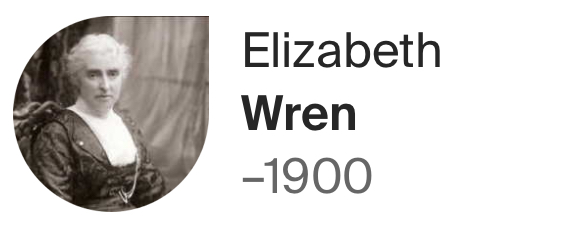
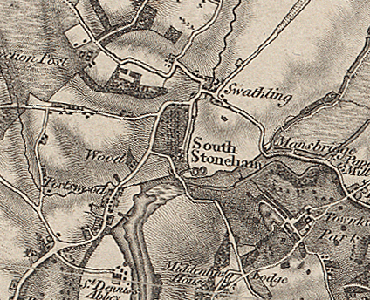

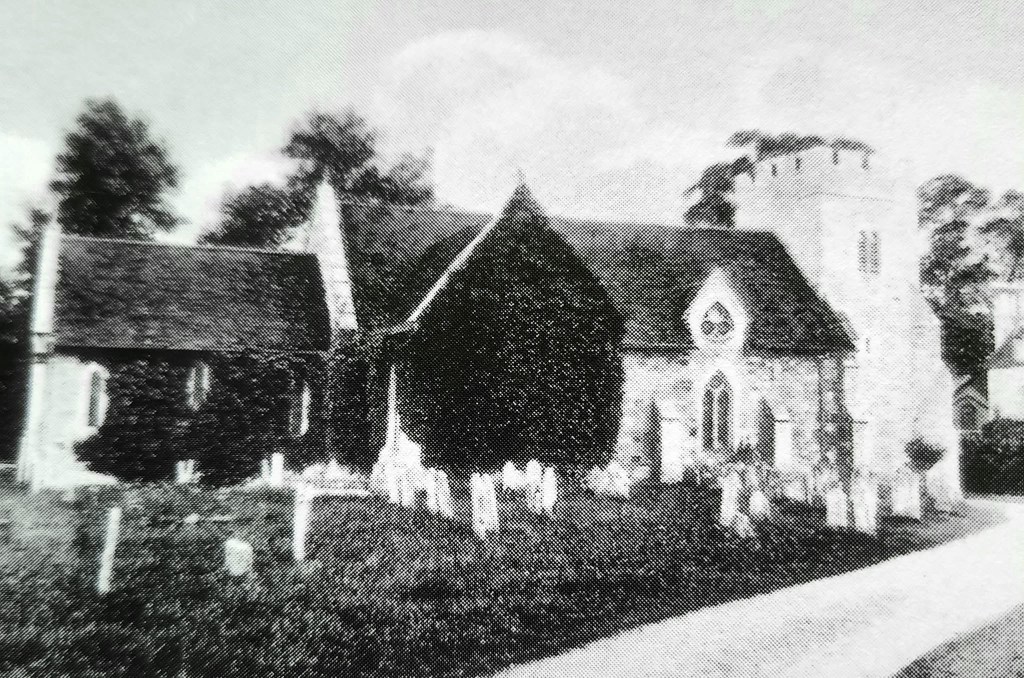
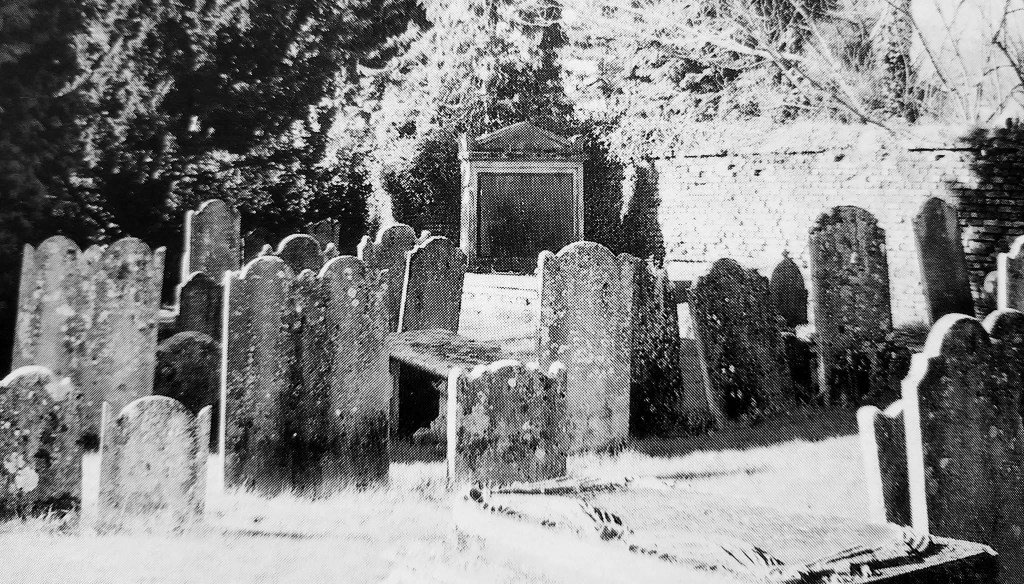
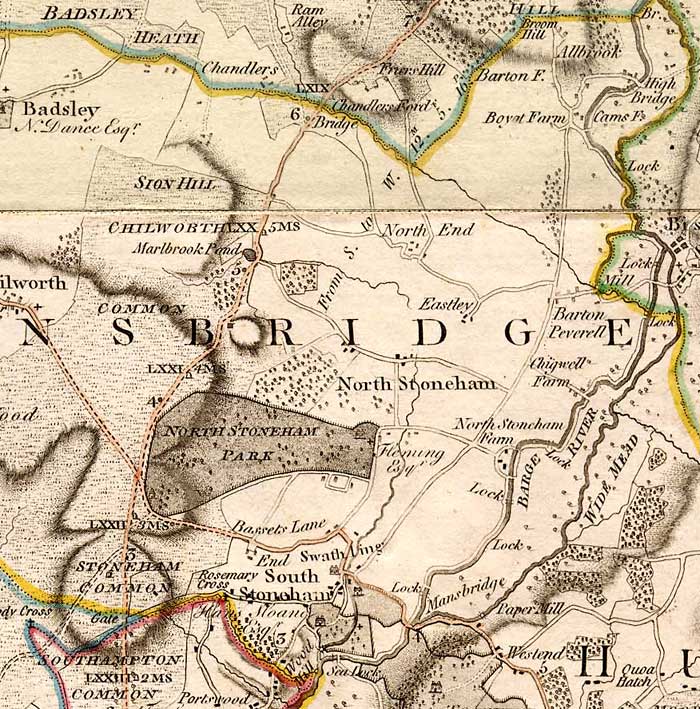

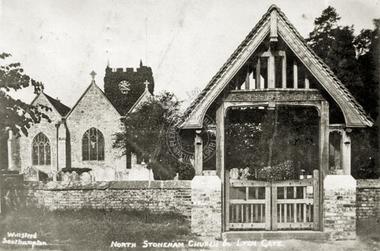
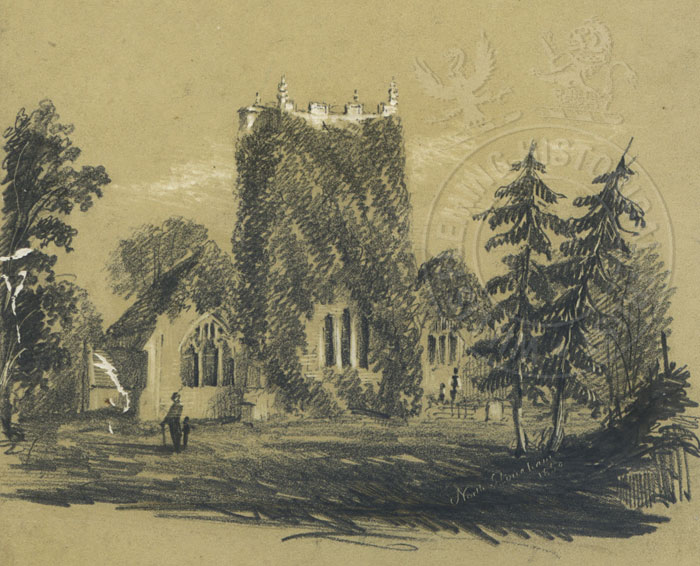

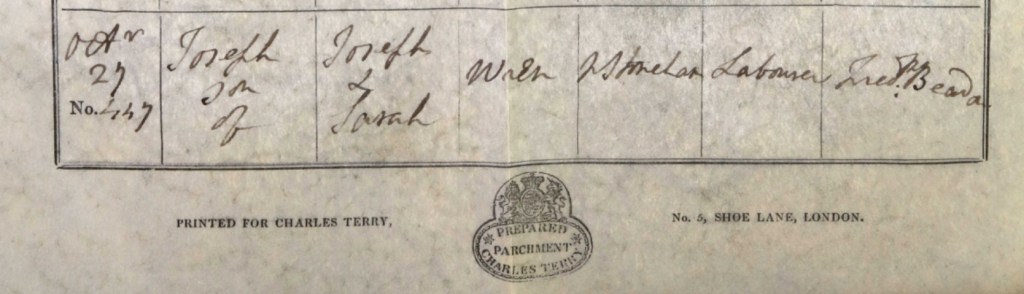









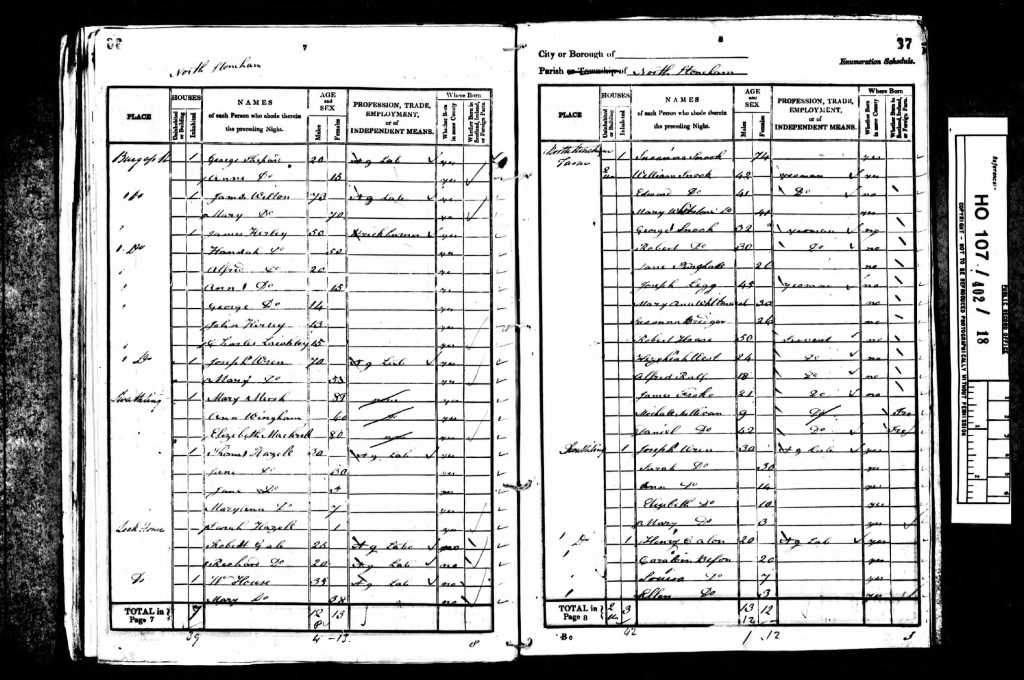



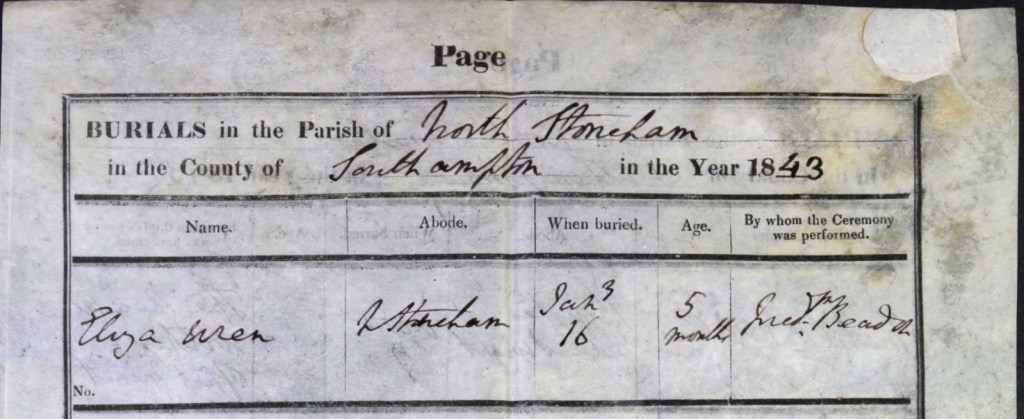
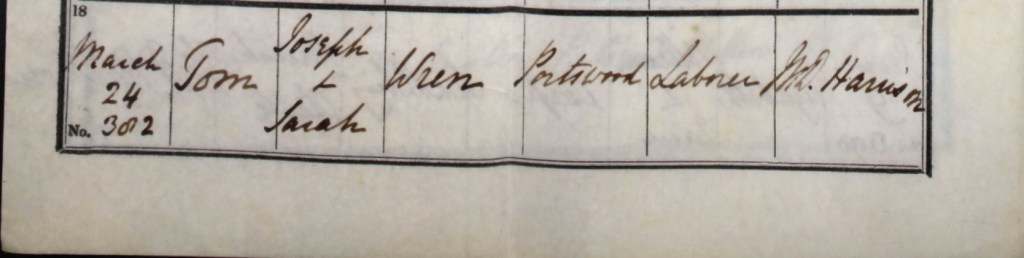

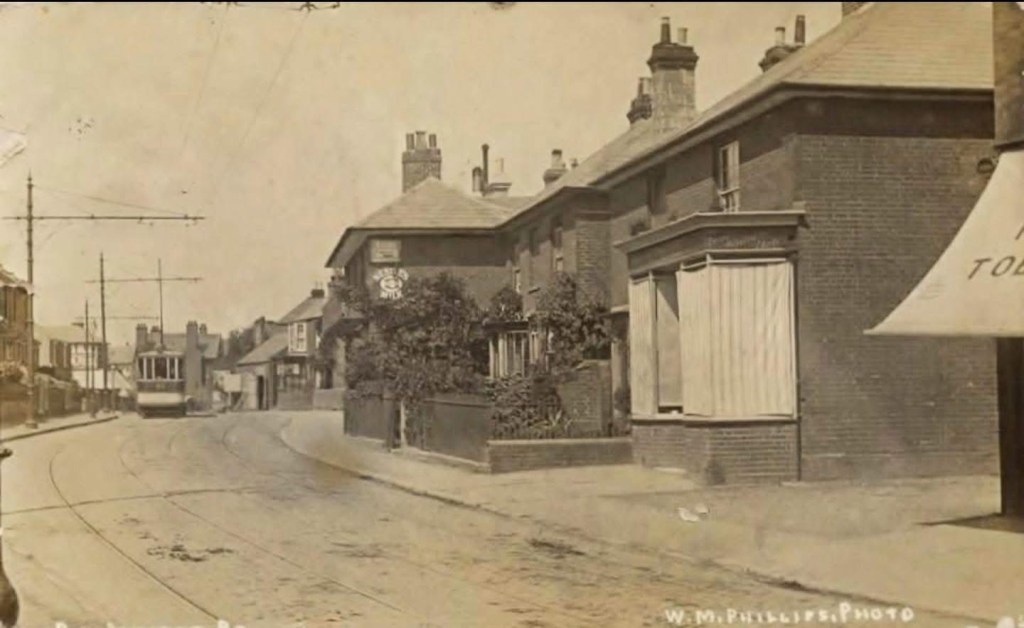
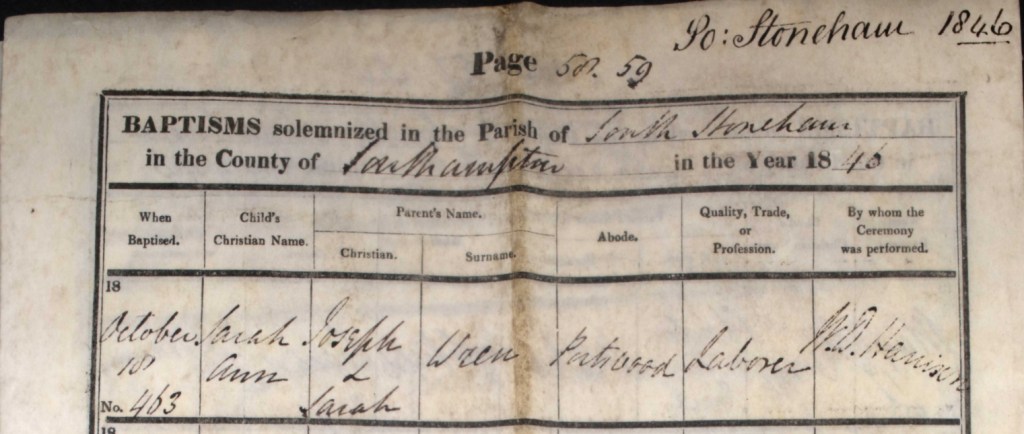
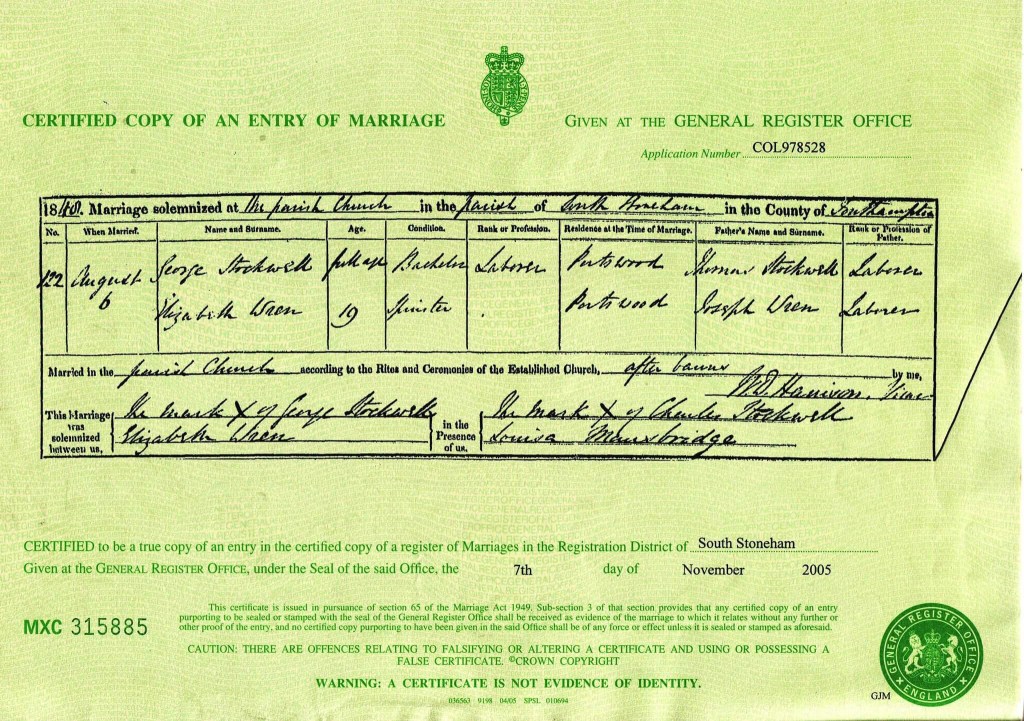
 Intwined