Every life story weaves together a unique blend of joy, sorrow, triumphs, and challenges. It is within these intricate threads that we discover the resilience and indomitable spirit of individuals who have faced life’s trials head-on, leaving an indelible mark on their family’s history.
Life’s unexpected twists can alter the course we had once envisioned, and for those who have experienced the loss of a life partner, the path ahead may seem daunting. Yet, even amidst the depths of grief, there lies a profound strength that emerges from the depths of the soul, a strength that carries widows and widowers through the turbulent waves of life.
Through telling Susan’s story, we honour the memories of those who have departed, cherishing their impact and the profound love that once flourished.
As we feel the emotions that accompany the journey of a widows grief, healing, self-discovery, and the search for renewed purpose, through those emotions, we will uncover the unique ways in which Susan found solace, rebuild her life, and ultimately carve a new identity out of the ashes of loss.
Hopefully through Susan’s loss, we can embrace the power of ancestry as a compass to guide us through our own lives and loss.
Through the beauty of tracing our roots, we connect with those who came before us, gaining wisdom and strength from their experiences, unraveling the legacy of resilience that flows through their veins.
We can celebrate their triumphs, honour their struggles, and gain a profound understanding of the resilience it takes to forge ahead, leaving an indelible imprint on the legacy of their family’s ancestry.
As we embark upon the next chapter of Susan’s life journey, one that sheds light on the unique challenges faced by loss, the triumphs they achieve, and the incredible stories that shape the very fabric of our shared human experience.
Let’s hold compassion, and remembrance in our hearts, as we discover how truly strong Susan was.
So without further ado, I give you,
The Life of Susan Mary Lagden,
1858-1937
Navigating Life’s Journey as a Widow.
Welcome back to the life of Susan Mary Kirby nee Lagden, my 3rd Great-Grandmother.
Let’s have a quick recap on her life so far before we learn what life had in store for her as the late Mrs Susan Mary Kirby.
Susan Mary Lagden was born on Saturday the 13th of November 1858, at Whittleford, Duxford, Cambridgeshire, England, to William Henry Lagden and Elizabeth Lagden nee Prime.
Elizabeth had 8 siblings, Sarah, Elizabeth, James, William, Eliza, Richard, Emily and Alice Lagden.Susan was baptised on Sunday the 27th February 1859 at St Mary and Andrew Church, Whittlesford, Cambridgeshire, England.
Susan met and fall in love with a carman, called Alfred Kirby and they got engaged.
Their marriage banns, were called by Rev D Wilson, Vicar, on the 11th, of April 1880 and on the 18th and 25th April 1880, by E. H. Forthergile, at St Mary’s Church, Islington, Middlesex, England.
Susan and Alfred got married on Sunday the 16th of May, 1880, at St Mary’s, The Parish Church of Islington.
It wasn’t long before Susan had four children, Eleanor Mary Kirby aka Nellie Montague, Alfred Henry Thomas Kirby, Alice Maude Olive Kirby and Richard Arthur Kirby. Sadly Alice Maude Olive Kirby and Richard Arthur Kirby both passed away in infancy. Susan also lost her mother Elizabeth Lagden nee Prime.
Worse still Susan’s husband Alfred Kirby, unexpectedly died, leaving Susan a widow and two hungry mouths to fill.
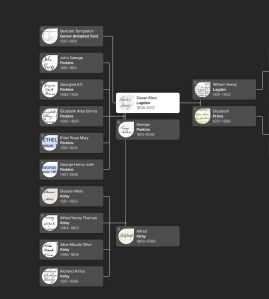
Susan found love again, in the arms of George Parkins. They married on Sunday the 25th of January, 1891, at St. James The Great, Bethnal Green, Middlesex, England and went on to have, 5 children, John George Parkins, Georgina Edith Florence Parkins, Elizabeth Amy Emma Parkins, Ethel Rose Mary Parkins and George Henry John Parkins.
Heartbreakingly John George and Elizabeth Amy Emma, both died in infancy.
The grim-reaper wasn’t satisfied with just taking their dear souls and Susan’s husband George was his next victim, leaving Susan once again a widow.
Once again we are all caught up, so let’s get started and once again take a trip back through time to the year 1910, London, England.
It’s the year 1910, the Monarch was King Edward VII (until 6 May), and then King George V (starting 6 May). The Prime Minister was H. H. Asquith (Liberal) and it was the 28th and 29th parliament.
On May 6, 1910, King Edward VII passed away at Buckingham Palace in London. He had been the reigning monarch since 1901. His death marked the end of the Edwardian era. The Funeral of Edward VII held, one of the largest and last gatherings of European royalty to take place, following the first public lying in state in Westminster Hall.
Following the death of his father, George V ascended to the throne on May 6, 1910. He would go on to become one of the longest-reigning monarchs in British history.
The United Kingdom held a general election in January 1910. The election resulted in a hung parliament, with the Liberal Party led by H.H. Asquith winning the most seats but falling short of an overall majority.
The Liberal government introduced the Conciliation Bill, aiming to grant limited home rule to Ireland. However, the bill faced opposition in the House of Lords, and its failure led to a constitutional crisis.
A firedamp explosion at Wellington Colliery, Whitehaven, in the Cumberland Coalfield, kills 136.
Charles Rolls became the first British aviation fatality when his French-built Wright aeroplane suffers a broken rudder at an altitude of 80 feet (24 meters) and crashes during a contest at Bournemouth.
Dr. Crippen was put on trial for murder at the Old Bailey. He was found guilty of murder and sentenced to death.
Charlie Chaplin and Stan Jefferson, later known as Stan Laurel, embarked from Southampton on the same ship, SS Cairnrona, on their first trip to North America, as part of Fred Karno‘s comedy troupe.
Suffragist Hugh Franklin attempted to whip Winston Churchill, the Home Secretary, on a train over the police treatment of suffragettes.
Coal miners were balloted for strike action by the South Wales Miners’ Federation following a lock-out, resulting in 12,000 men working for the Cambrian Combine beginning a 10-month strike.
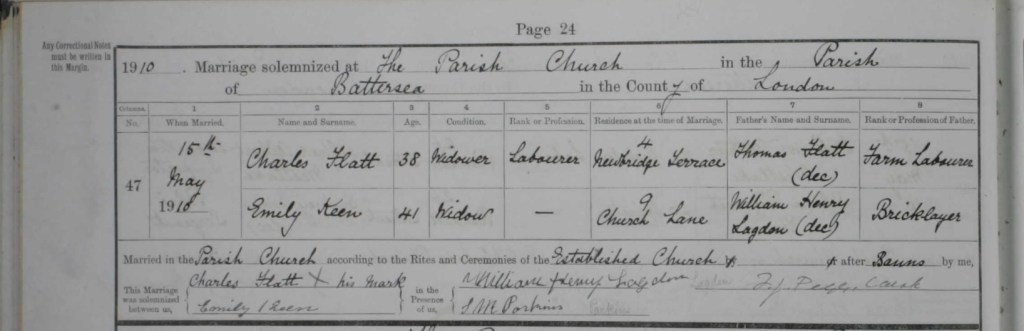
And on Sunday the 15th of May, 1910, Susan was witness to her sister, 41 year old, widow, Emily Keen nee Lagden, marriage to 38 year old, widower, Charles Flatt, a Labourer, son of Thomas Flatt, a Farm Labourer (deceased.), at St. Mary’s, The Parish Church of Battersea, London, England.
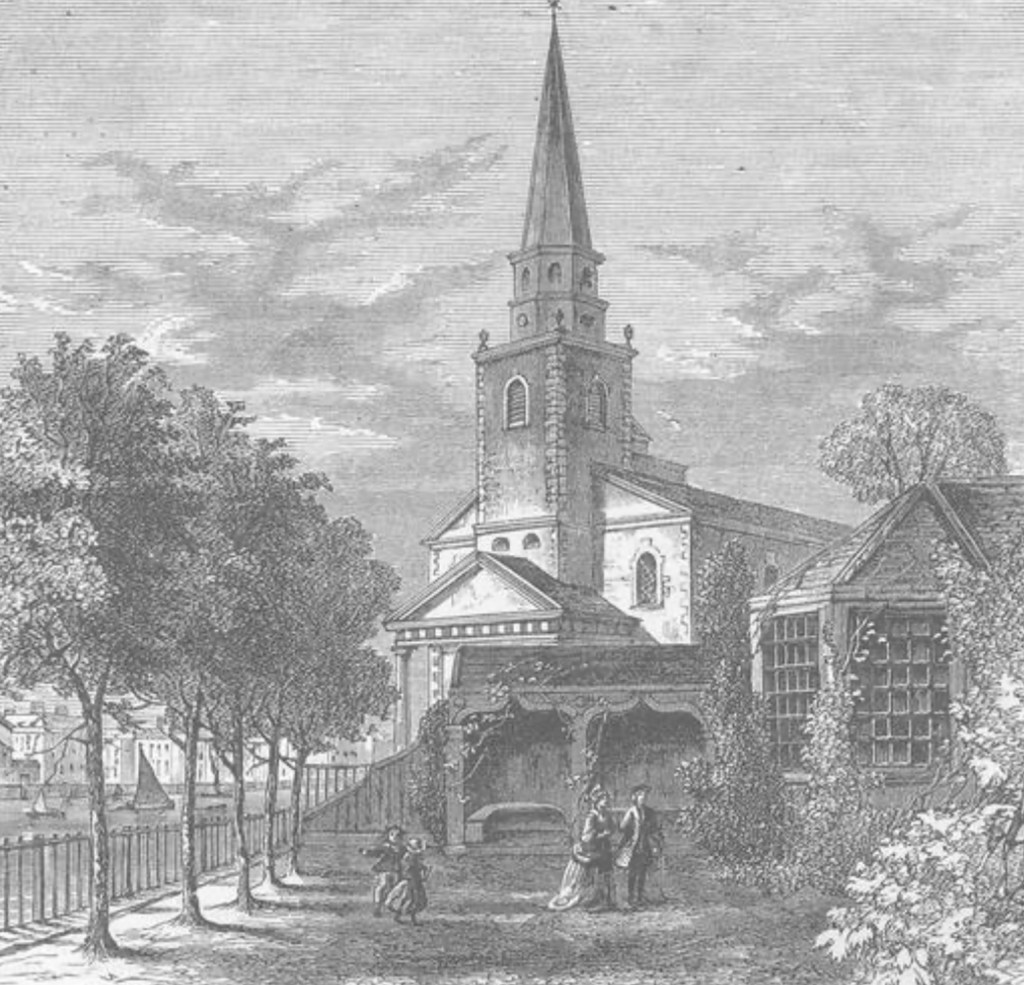
Charles left his mark.
Emily gave her abode as, 9, Church Lane and Charles gave his as, 4 Newbridge Terrace.
Their other witness was, Susan’s and Emily’s brother, William Henry Lagden.
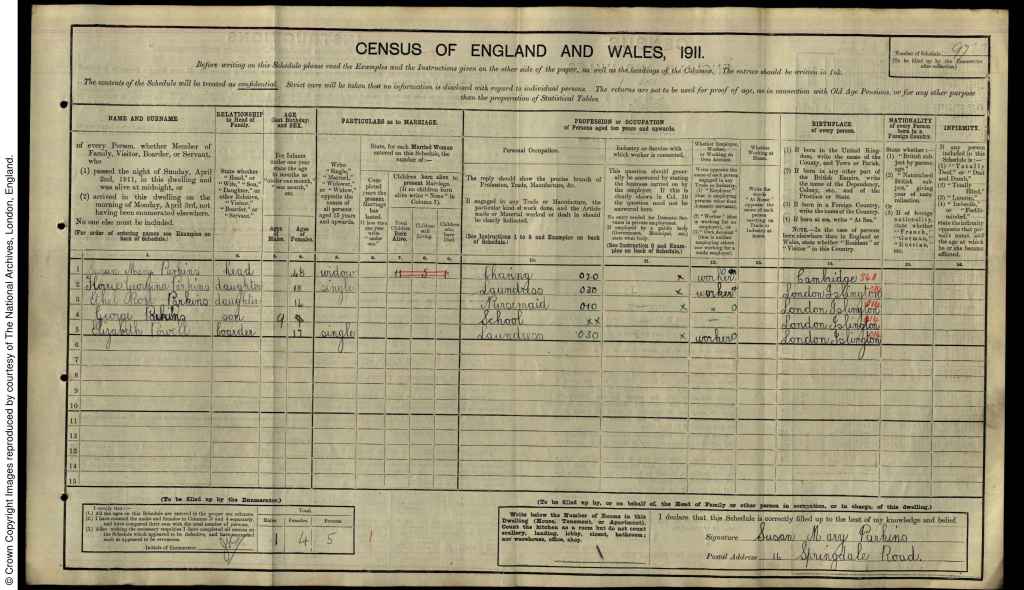
The following year, on Sunday the 2nd of April, 1911, the census was taken.
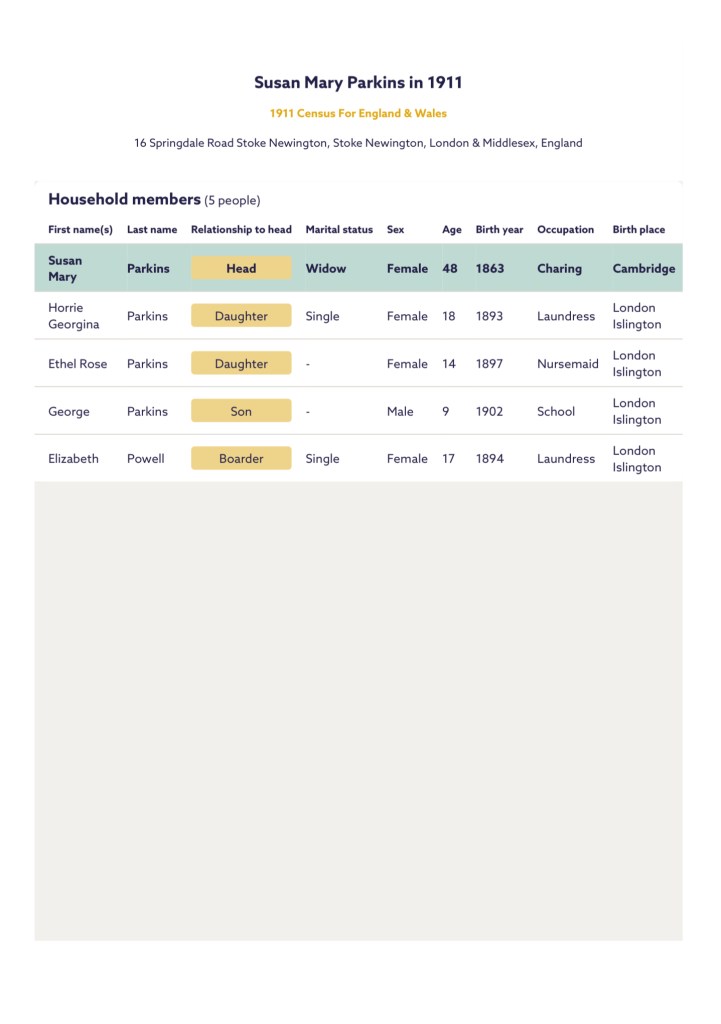
The census shows, Susan Mary and her children Georgina, Ethel and George, residing at, number 16 Springdale Road Stoke Newington, Stoke Newington, London & Middlesex, England.

17 year old, Elizabeth Powell, a Laundress, was boarding with them.
Susan was working as a, Charing, Georgina a Laundress, Ethel a Nursemaid and George was a scholar.

Also residing in the house, was Susan’s daughter, Eleanor Willats nee Kirby, and her children Reg and Harry also a nurse child, Bertram Govier.
Frank Leslie Willats and his family and Alice Maria Willats nee Money, were also residing at number 16.
So many family members under one roof. There is definitely something very wonderful about that.
I’ve always wondered who Bertram Govier was and why he was with Eleanor. 🤔 Thankfully the missing pieces of his puzzle come into play, on the next census return.
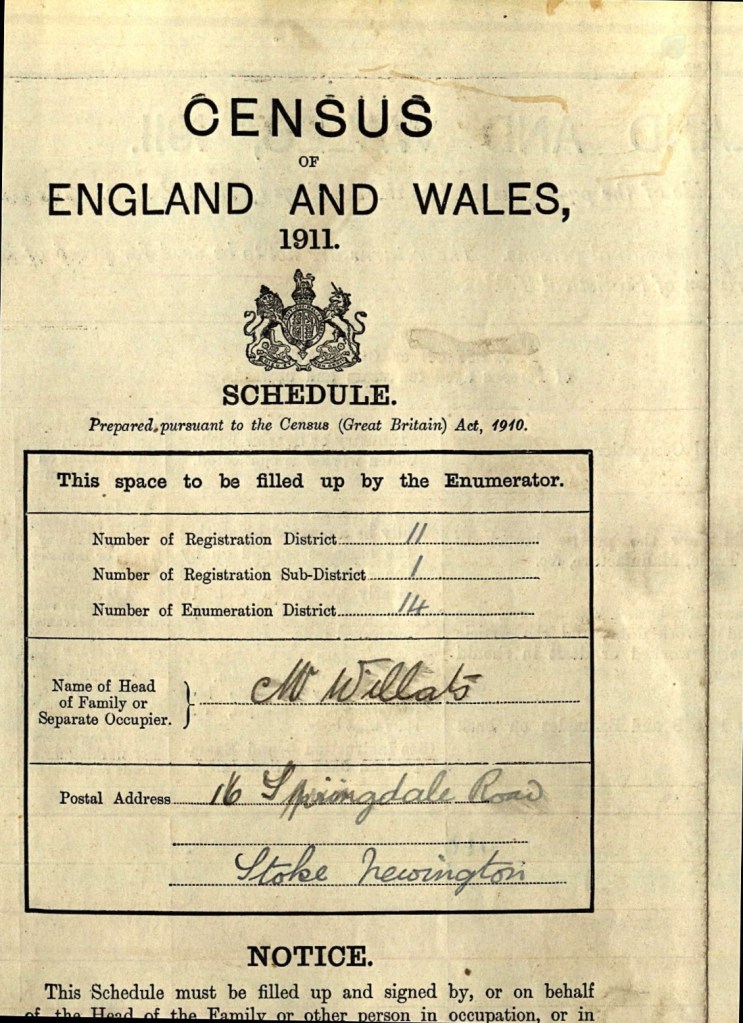
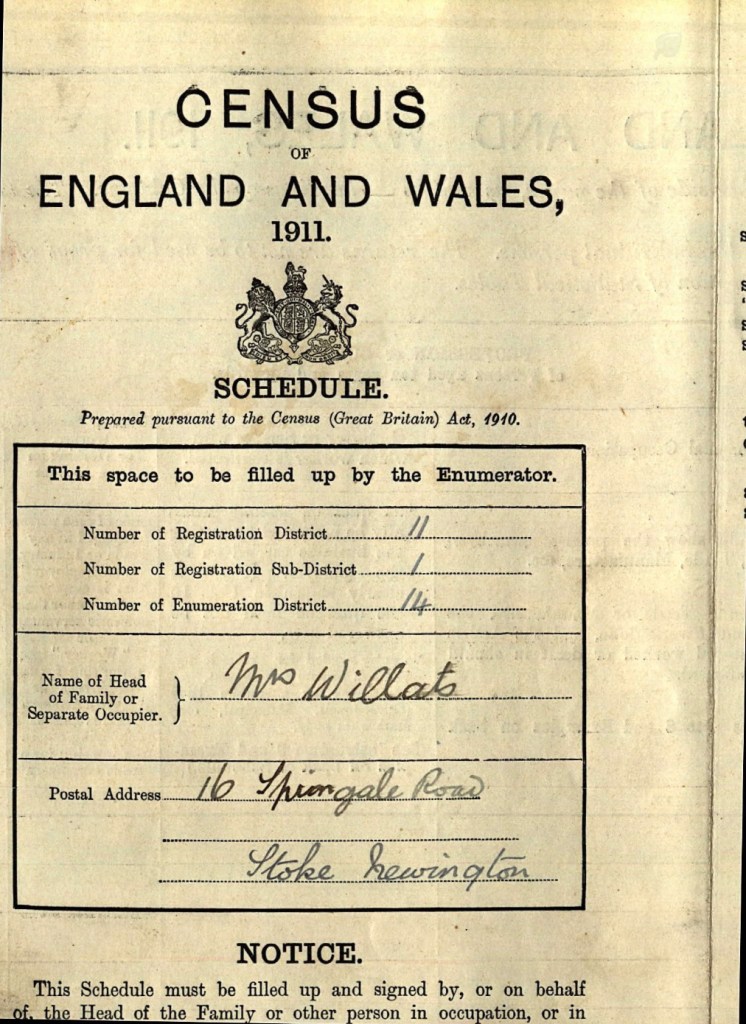

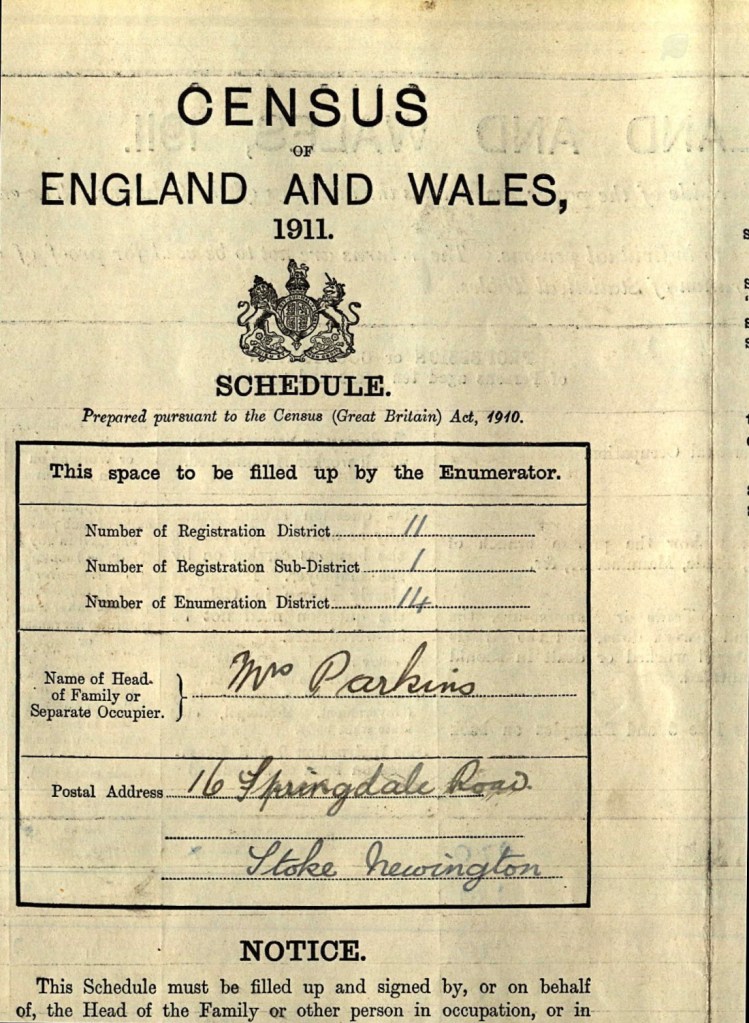
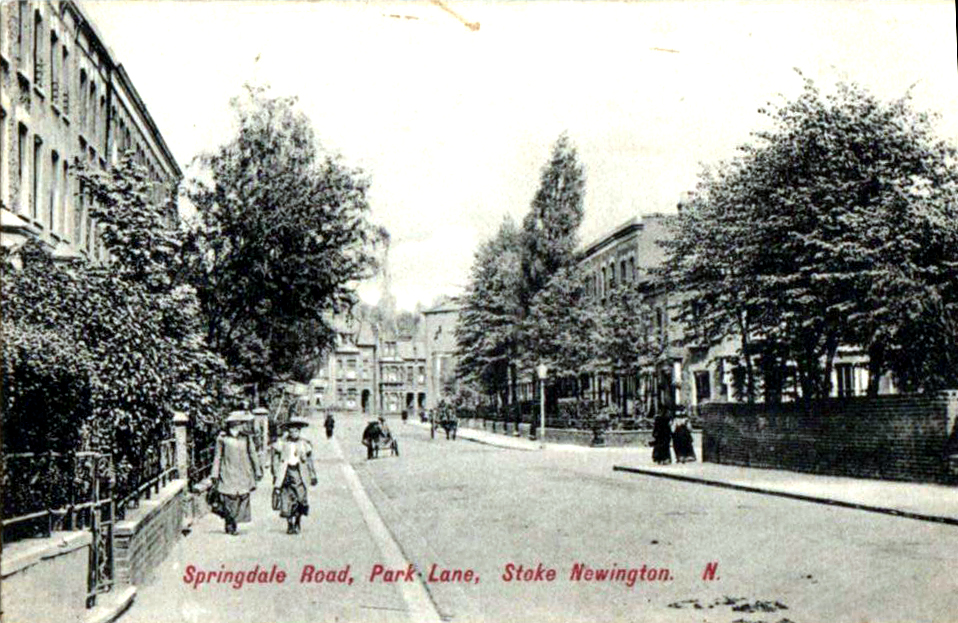
Springdale Road is a residential street in Stoke Newington, and although I can’t provide specific details about the street itself. Typically, residential streets in Stoke Newington consist of a mix of Victorian and Georgian houses, many of which have now been converted into flats or apartments. The area is popular among families, professionals, and artists due to its attractive architecture, green spaces, and the sense of community.
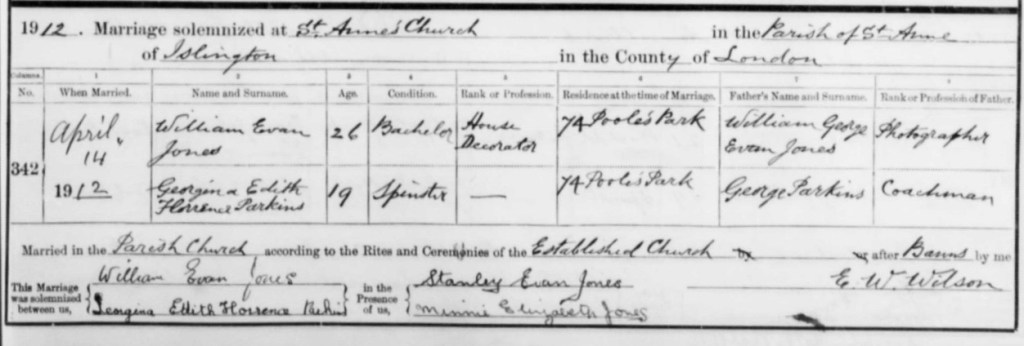
The following year, Susan and George’s Daughter, 19 year old, spinster, Georgina Edith Florence Parkins married, 26 year old, Bachelor, William Evan Jones, a house decorator, on Sunday the 14th of April, 1912, at St. Anne’s Church, Islington, London, England.
They gave their abode as, 74 Poles Park and their fathers names and occupations as, William George Evan Jones, a Photographer and George Parkins, a Coachman.
Their witnesses were, Stanley Evan Jones and Minnie Elizabeth Jones.
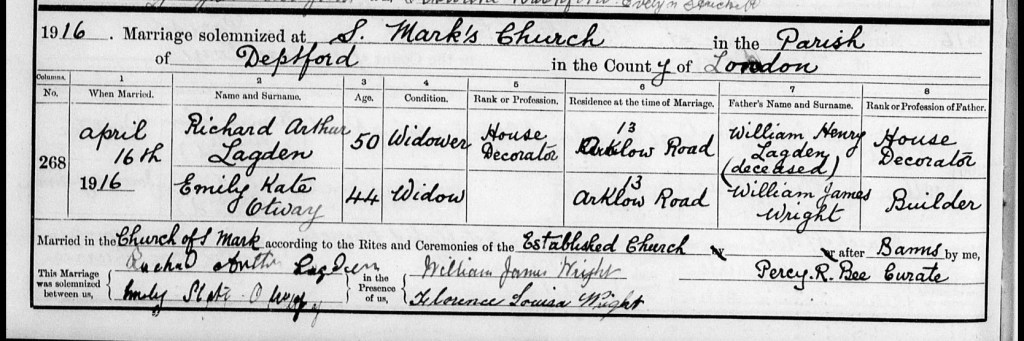
A few years later, Susan’s brother, 50 year old Widower, Richard Arthur Lagden, a house decorator, married 44 year old widow, Emily Kate Otway, on Sunday the 16th April 1916, at St. Marks Church, Deptford, London, England.
They gave their abode as, Number 13, Arklow Road. And their fathers names and occupations as, William Henry Lagden, (deceased) House decorator and William James Wright, a Builder.
Their witnesses were, William James Wright and Florence Louisa Wight.
Jumping forward to the year, 1921. Our Monarch was George V. The Prime minister was, David Lloyd George(Coalition) and it was the 31st parliament. The Anglo-Irish Treaty was signed between the British government and representatives of the Irish Republic. The treaty established the Irish Free State as a self-governing dominion within the British Empire, granting it partial independence. However, it also led to the partition of Ireland, creating Northern Ireland as a separate entity.
A major strike took place in the coal mining industry in the United Kingdom. The strike, which began in April and lasted for several months, was led by the Miners’ Federation of Great Britain. It was primarily driven by demands for better working conditions, increased wages, and shorter working hours.
The British Broadcasting Company, the precursor to the British Broadcasting Corporation (BBC), was established on October 18, 1922. The BBC initially operated as a private company and later became a public service broadcaster in 1927.
The Parliament of Northern Ireland was established as part of the Government of Ireland Act 1920. The creation of a separate Northern Ireland Parliament allowed for the devolved governance of Northern Ireland within the United Kingdom.
The United Kingdom, United States, Japan, and France signed the Four-Power Treaty at the Washington Naval Conference. The treaty aimed to maintain a balance of naval power and reduce the arms race among the signatory countries.
The Representation of the People Act extended voting rights to all women over the age of 21 in the United Kingdom. This marked a significant step forward for women’s suffrage, as it further expanded their political participation following earlier reforms granting limited voting rights. And the 1921 census was taken on Sunday the 19th of June 1921.
The primary purpose of the census was to collect detailed information about the population residing in England, Scotland, and Wales. The survey aimed to gather data on population size, age, sex, marital status, occupation, housing, and more.
Enumerators were hired to visit every household, distributing and collecting census forms. The data was primarily recorded using paper forms, and enumerators would visit each household to ensure accurate and complete responses.
The 1921 census collected a wide range of information. Each household member was recorded individually, with details such as name, age, gender, occupation, birthplace, nationality, and marital status. Additionally, the census collected information about the number of rooms, whether the dwelling was rented or owned, and details about the household’s amenities.
The data collected in the 1921 census is subject to the census confidentiality rules, which means the information remains confidential and protected for 100 years. As a result, access to individual census records is not available until 2022.
The 1921 census shows, Susan, residing at, Number 59, Spenser Road, Stoke Newington, Middlesex, England, with her son John George Parkins and her adoptive son Bertram Templeton Govier.
George was working as a Carman, for Wilham Surrey Carting Contractors.
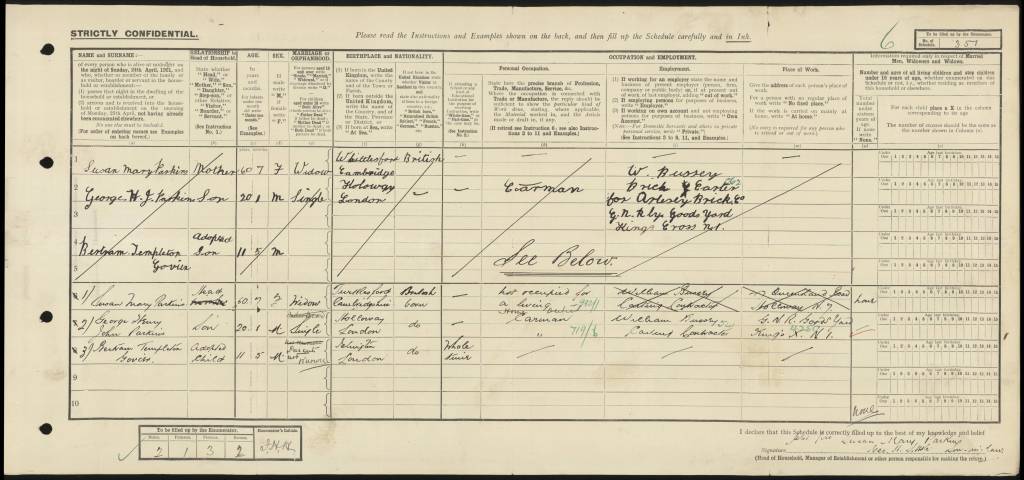
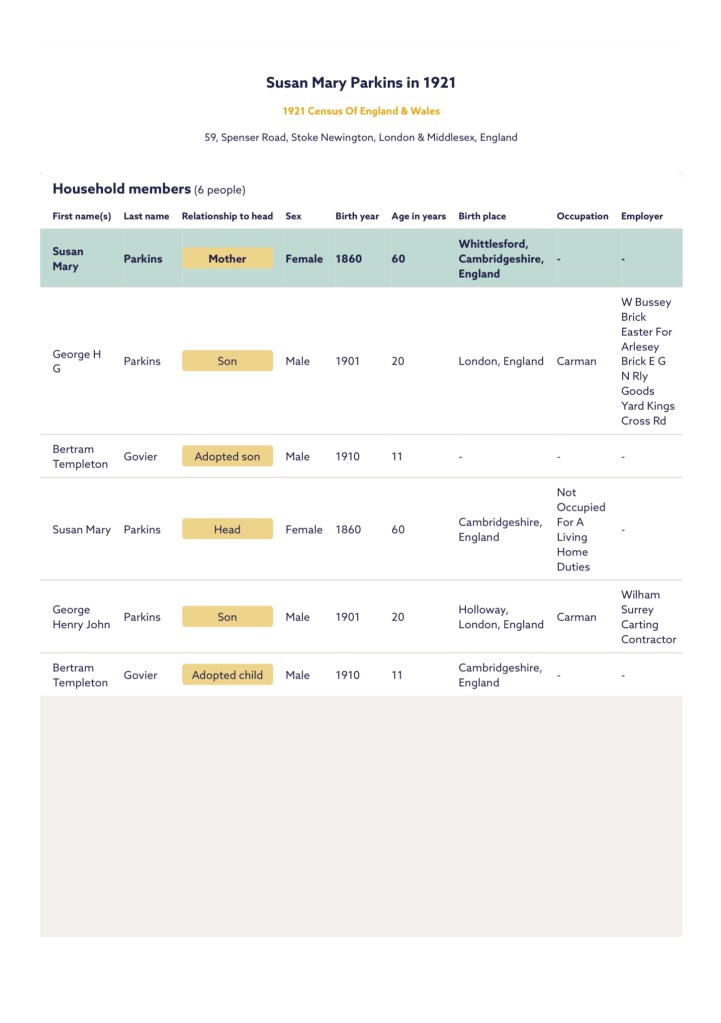
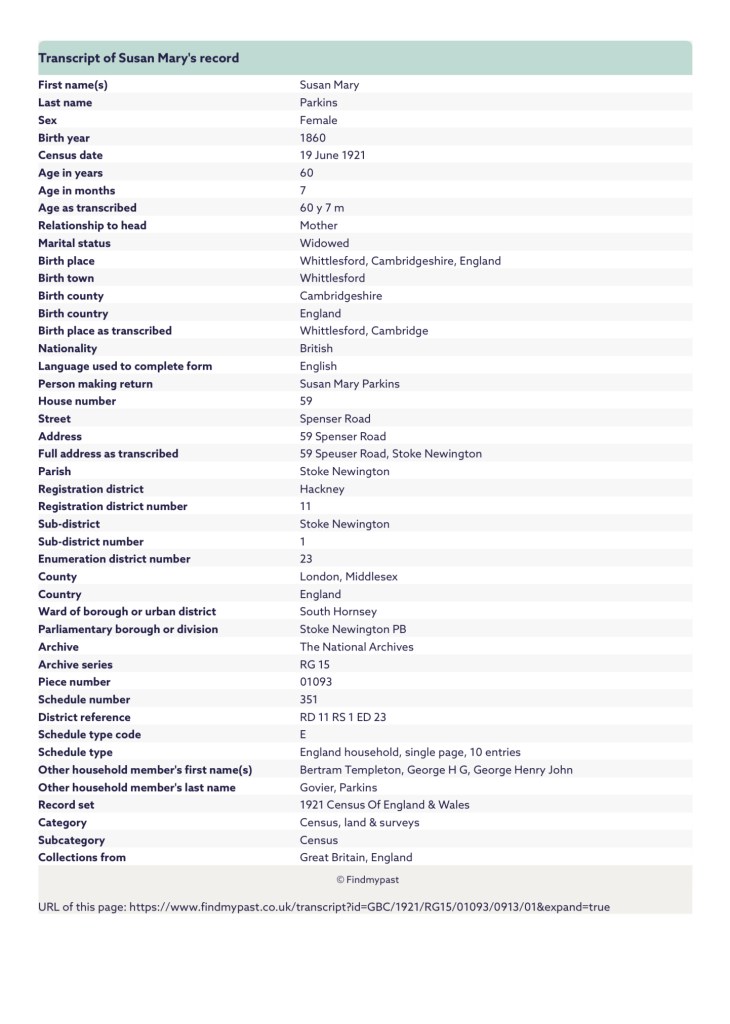
You may remember Berterm from the 1911 census. And thanks to the 1921 census we now know he was adopted by Susan.
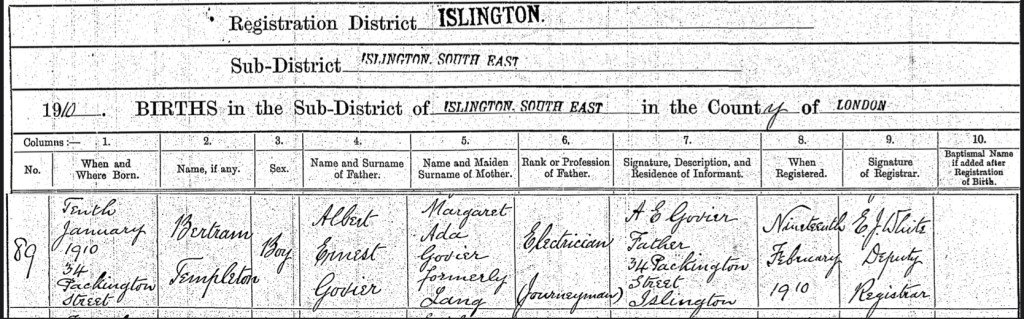
Here is what I know about Bertram birth and dialogical parents. Unfortunately as of yet I haven’t discovered the reason why Susan adopted him.
Bertram Templeton Govier was born on Thursday the 10th of January 1910, at 34 Packington Street, South East Islington, London, England, to Albert Ernest and Margaret Ada Govier nee Lang.
His biological father Alfred Ernest Govier, an Electrician Journeyman, of Number 34, Packington Street, Islington, registered Bertram’s birth on, Saturday the 19th of February, 1910, in Islington.
Albert Govier and Margaret Ada Govier née Lang’s, also had a daughter, called Gladys Margaret Govier, whom was born on Saturday the 9th of January 1904, at their home, Number 32, Parkfield Street, South East Islington, London, England.
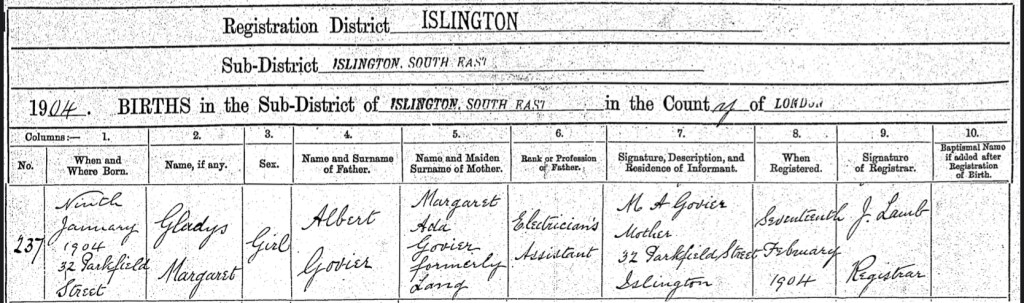
I am currently looking into their lives and sincerely hope I can discover something about them.
Yet another puzzle to solve. 🧩
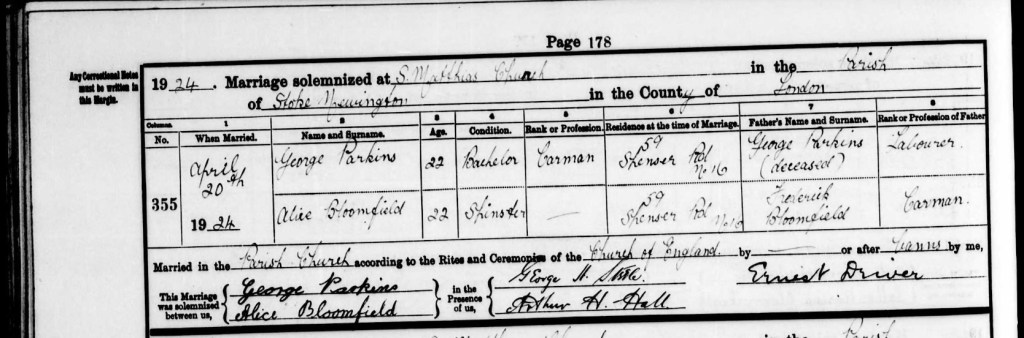
Speaking of sons, and jumping forward to the year 1924, Susan’s son, 22 year old, bachelor, George Henry John Parkins, a Carman, married 22year old spinster, Alice Bloomfield, on Sunday the 20th of April, 1924, at St. Matthias Church, Stoke Newington, London, England.
Their witnesses were George Howard Steele, Susan’s daughter Eleanor’s common law husband and Arthur H Hall.
George and Alice were both residing at, 59 Spencer Road, Islington, in the same house as Eleanor, George’s half sister.
The following year, Susan’s daughter, Eleanor Mary Willats Steele Nee Kirby, aka Nellie Montague, heartbreakingly passed away, on the 2nd June, 1925, at Number 59, Spencer Road, Stoke Newington, London, England. She died from, Cancer of the Liver and Asthenia. George Herbert Steele her common-law husband registered her death on the 2nd June, 1925. He is named as her husband on Eleanor’s death certificate.

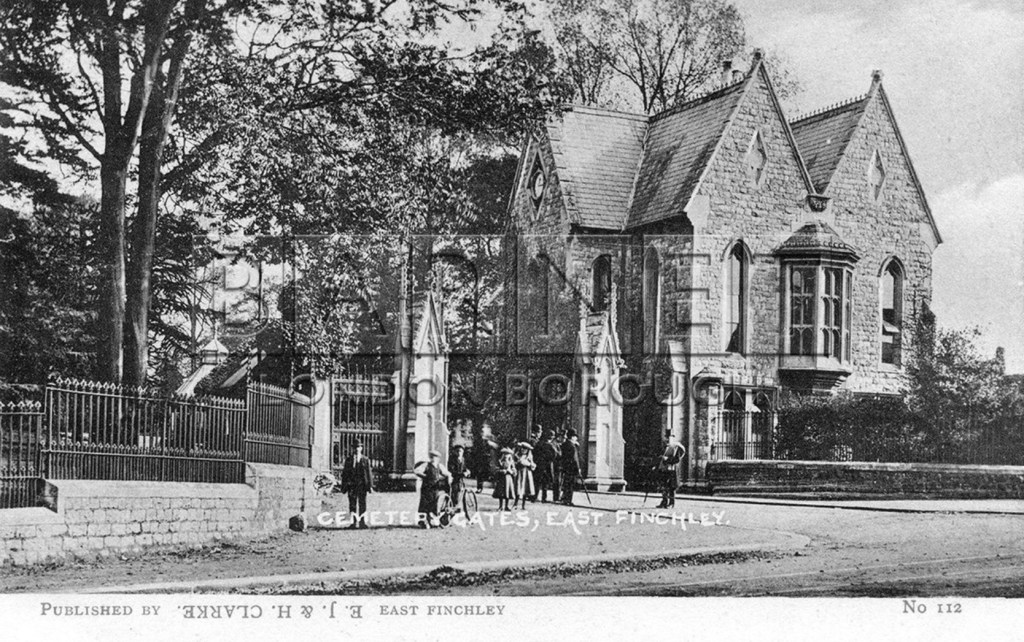
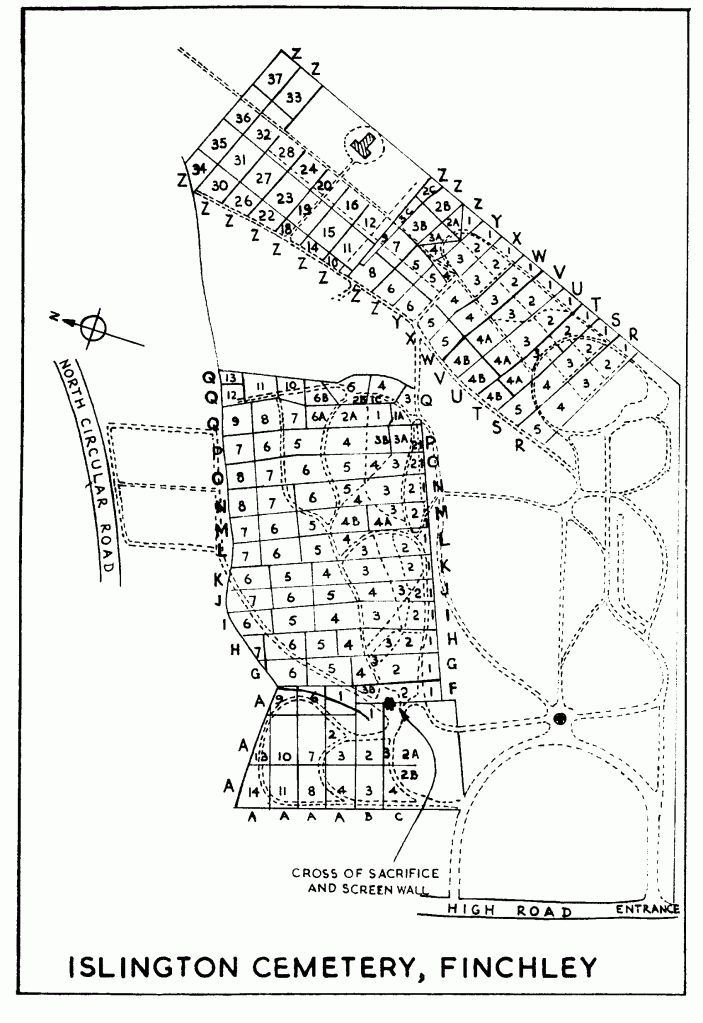
Eleanor was buried on Saturday the 6th June 1925, at Islington Cemetery, Finchley, Islington, Middlesex, England.
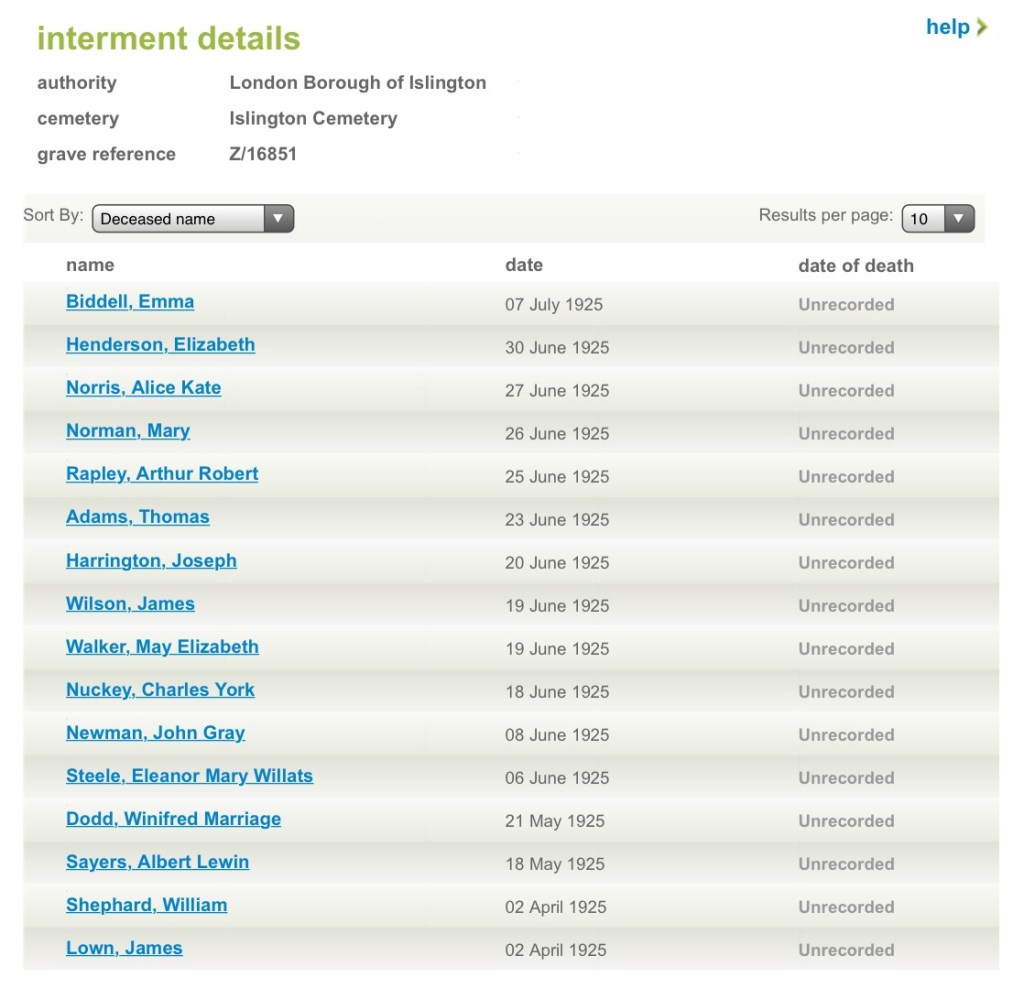
She was buried under the name Eleanor Mary Willats Steele, in Grave reference Z/16851, which was in an open grave and was buried with 15 other people.
They were, Emma Biddell, buried on the 7th July 1925. Elizabeth Henderson, buried on the 30th June 1925. Alice Kate Norris, buried on the 27th June 1925. Mary Norman, buried on the 26th June 1925. Arthur Robert Rapley, buried on the 25th June 1925. Thomas Adams, buried on the 23rd June 1925. Joseph Harrington, buried on the 20th June 1925. James Wilson and May Elizabeth Walker, were buried on the 19th June 1925. Charles York Nuckey, buried on the18th June 1925. John Grey Newman, buried on the 8th June 1925. Winifred Marriage Dodd, buried on the 21st May 1925. Albert Lewin Sayers, buried on the 18th May 1925. William Shepherd, and James Lown, were buried on the 2nd April 1925.
You can read all about Eleanor’s life here, here and here.
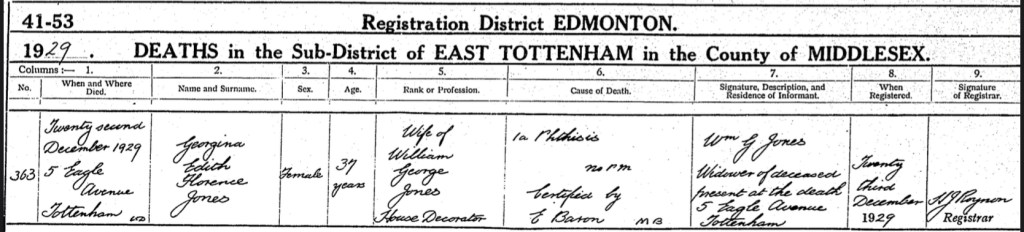
And I’m sorry to say yet another of Susan’s daughters, 37 year old, Georgina Edith Florence Jones nee Parkins, passed away on Sunday the 22nd December 1929, at her home, 5 Eagle Avenue, Tottenham Edmonton, Middlesex, England. Georgina died from Phthisis. No postmortem was taken.
Her husband, house decorator, William George Jones was present and registered her death in Edmonton, on Monday the 23rd of December 1929. At present I haven’t located her burial, sorry.
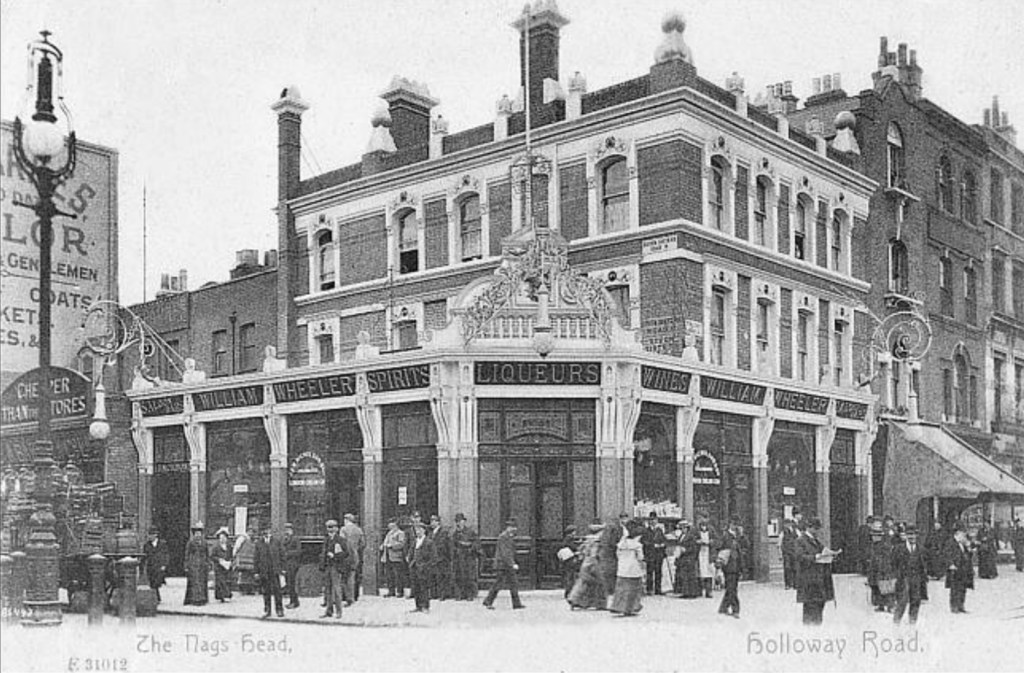
On Friday the 23rd of July 1937, Susan’s life came to a tragic end, when she was knocked down by a tram in Hornsey Street, Islington by the Nags head.
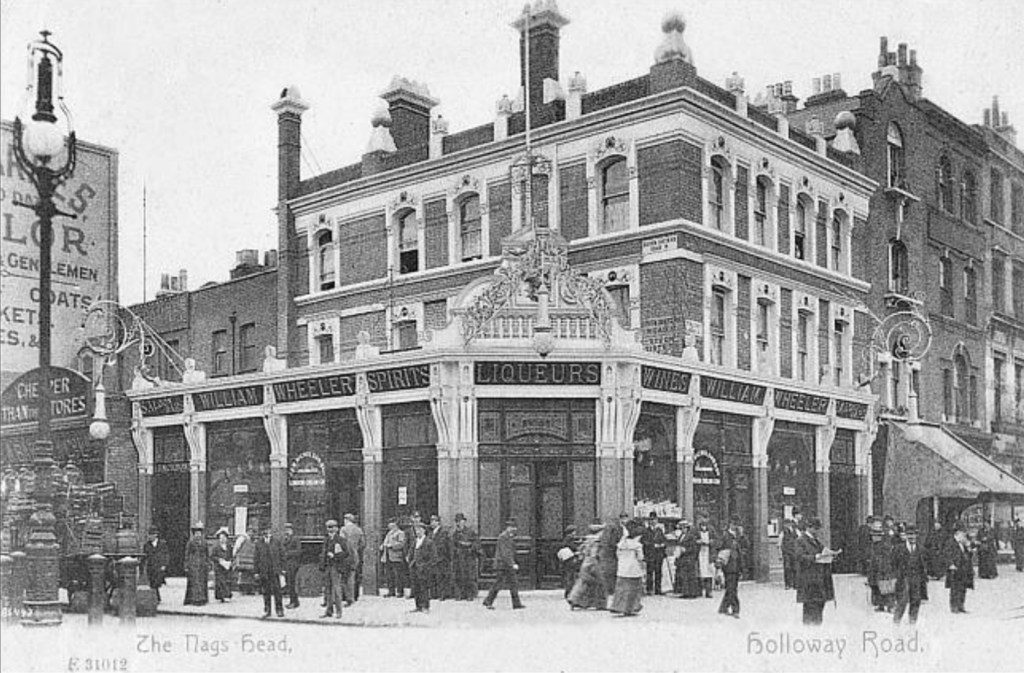
Susan was taken to The Royal Northern Hospital, where she sadly passed away due to her injuries.
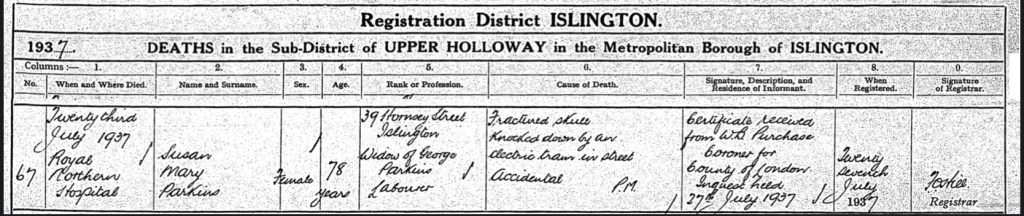
Susan death certificates states that, Susan died from, a fractured skull, from being accidentally knocked down, by an Electric Tram, in the street.
A post-mortem was performed.
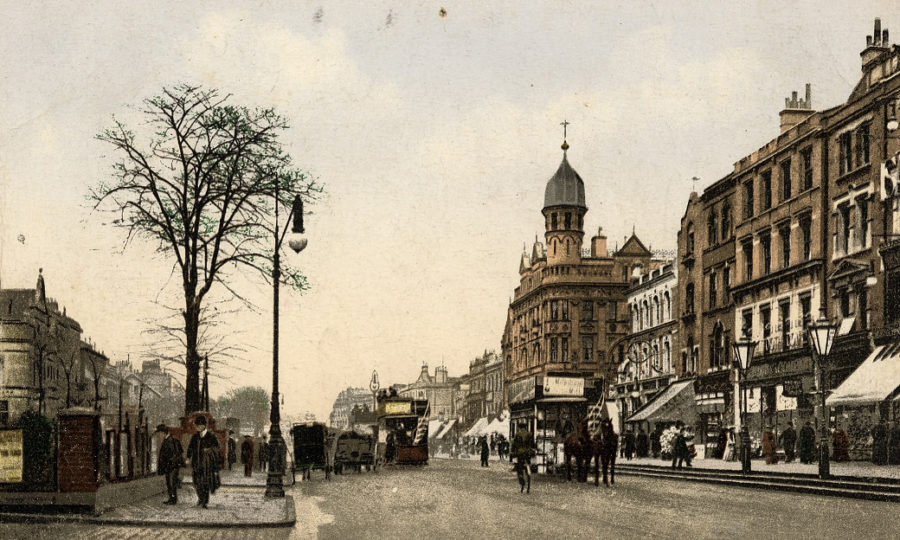
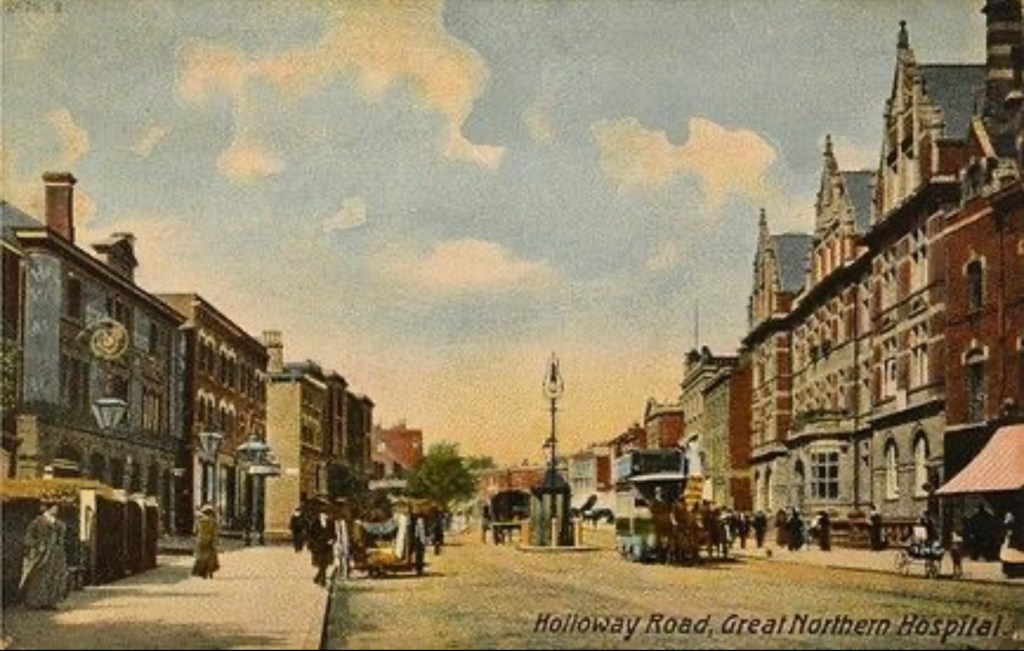
Holloway Road, looking south.
Susan’s death certificate also confirms that Susan, was 78 years old and the widow of George Parkins, a Labourer and her abode was 39, Hornsey Road, Islington.
Her death certificate was received from,W. B. Purchase, coroner for the county of London, after an inquest was held on the 27th of July 1937. Susan’s death was registered on the 27th of July 1937.
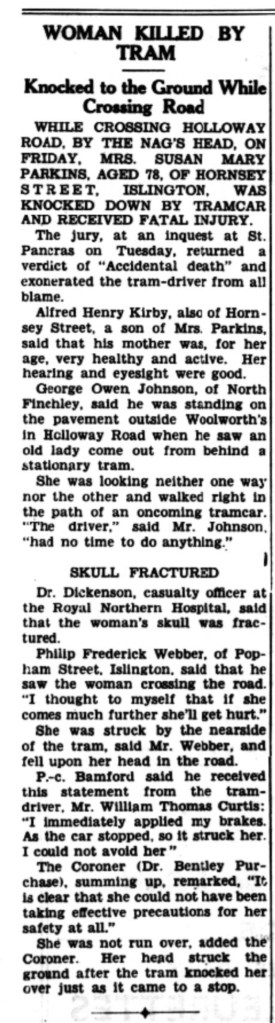
The Holloway Press reported about Susans death and inquest, on Saturday the 31st of July 1937.
WOMEN KILLED BY
TRAM
knocked to the Ground While
Crossing Road
WHILE CROSSING HOLLOWAY
ROAD, BY THE NAG’S HEAD, ON
FRIDAY, MRS SUSAN MARY
PARKINS, AGED 78, OF HORNSEY
STREET, ISLINGTON, WAS
KNOCKED DOWN BY TRAMCAR
AND RECEIVED FATAL INJURY.
The jury, at an inquest at St. Pancras on Tuesday, returned a
verdict of “Accidental death” and
exonerated the tram-driver from all
blame.
Alfred Henry Kirby, also of Horn-
sey Street, a son of Mrs. Parkins,
said that his mother, was for her
age, very healthy and active.
Her hearing and eyesight were good.
George Owen Johnson, of North
Finchley, she he was standing on
the pavement outside Woolworth’s
in Holloway Road when he saw an
old lady come out from behind a
stationary tram.
She was looking neither one way
nor the other and walked right in
the path of an oncoming tramcar.
“The driver, “said Mr. Johnson,
“had no time to do anything.”
SKULL FRACTURED
Dr. Dickinson, casually officer at
the Royal Northern Hospital, said
that the woman’s skull was frac-
tured.
Phillip Frederick Webber, of Pop-
ham Street, Islington, said that he
saw the woman crossing the road.
“I thought to myself that if she comes
much further she’ll get hurt.”
She was struck by the nearside
of the tram, said Mr. Webber, and
fell upon her head in the road.
P.-c. Branford said he received
this statement from the tram-
driver, Mr. William Thomas Curtis:
“I immediately applied my brakes
as the car stopped, so it struck her.
I could not avoid her”.
The coroner (Dr. Bentley Pur-
chase), summed up, remarked, “It
is clear that she could not have been
taking effective precautions for her
safety at all.”
She was not ran over, added the
coroner. Her head struck the
ground after the tram knocked her
over just as it came to a stop.
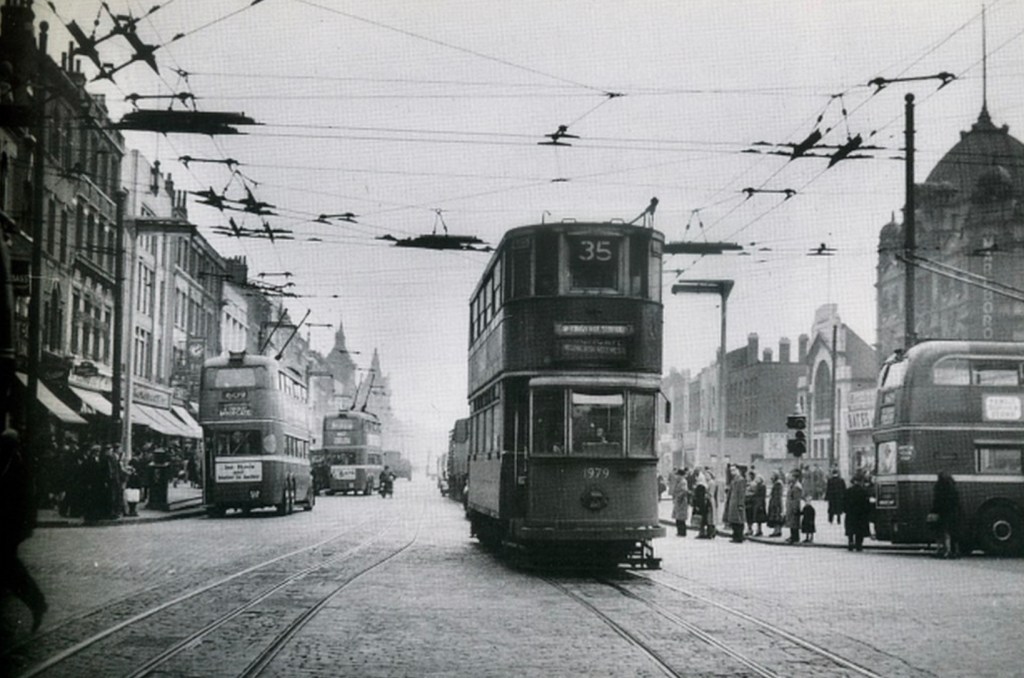
Trams, also known as streetcars, have a rich history in London’s transportation system. Trams were first introduced in the late 19th century and played a significant role in the city’s public transport network for several decades. However, due to various factors, including the rise of private automobiles and the expansion of the London Underground, the tram system was gradually phased out in the mid-20th century.
At its peak, London had an extensive tram network operated by various companies, including the London County Council Tramways (LCCT), the Metropolitan Electric Tramways (MET), and the London United Tramways (LUT). Trams were an essential mode of transportation, connecting different parts of the city and providing a reliable means of travel.
However, after World War II, the popularity of cars and buses grew, leading to increased road congestion. Tramlines, which shared road space with other vehicles, faced challenges in providing efficient and reliable services. The decision was made to decommission the tram network, with the last tram running in London in July 1952.
In recent years, there has been renewed interest in reintroducing trams to London as a sustainable and efficient mode of transport. The benefits of trams include their capacity to move large numbers of passengers, their low environmental impact compared to cars, and their potential to relieve congestion on roads. Some proposals have been put forward to reintroduce tram services in certain areas of the city, aiming to improve connectivity and accessibility.
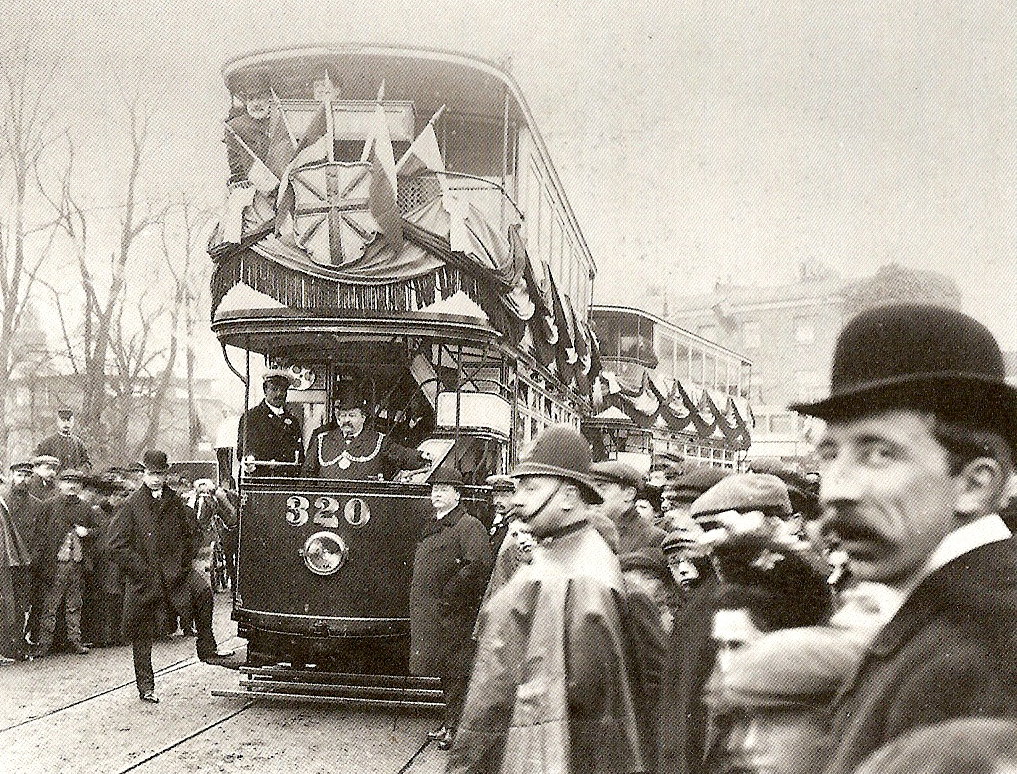
on Kingston Bridge,
1906.
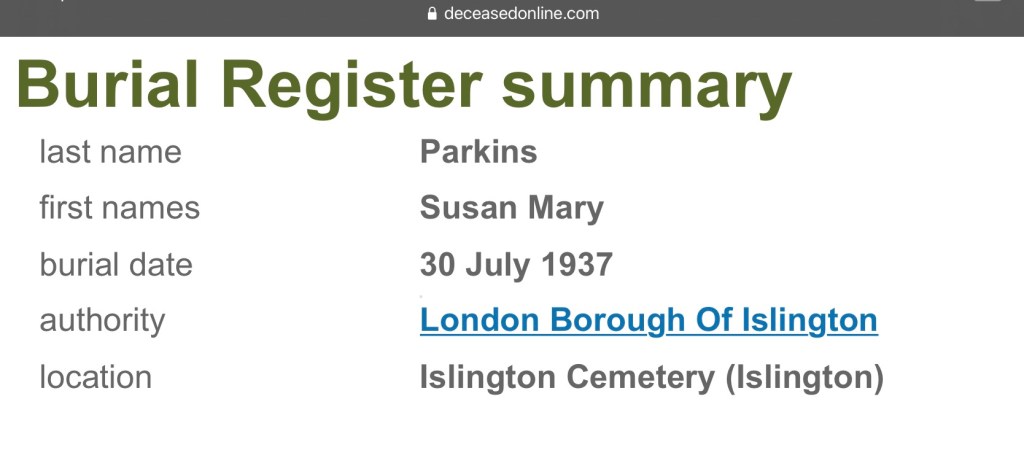
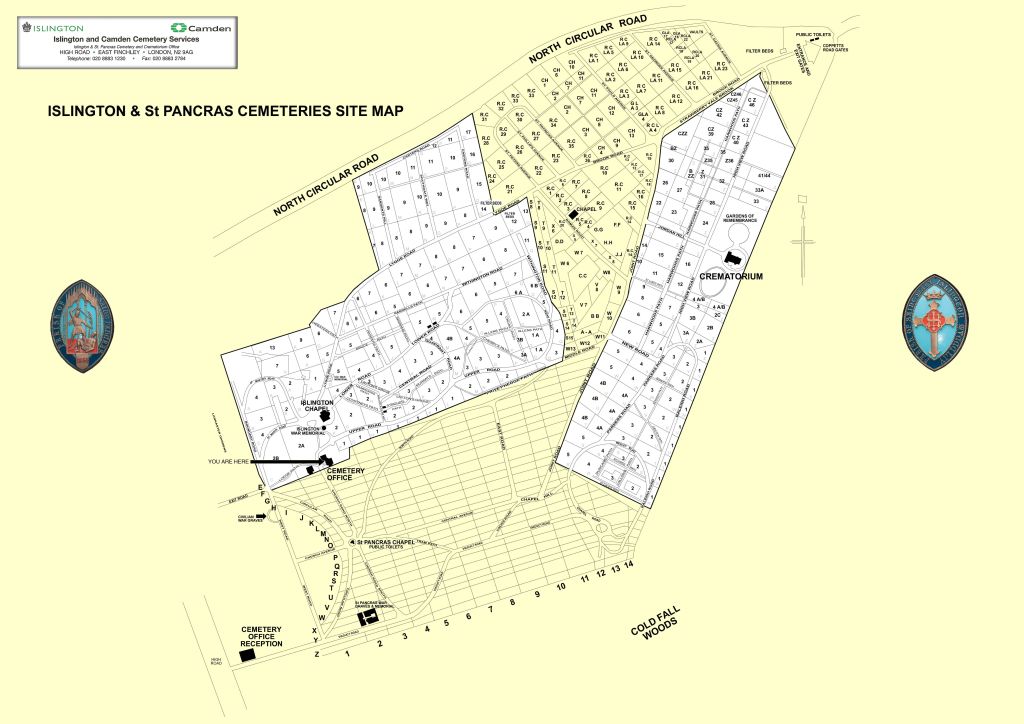
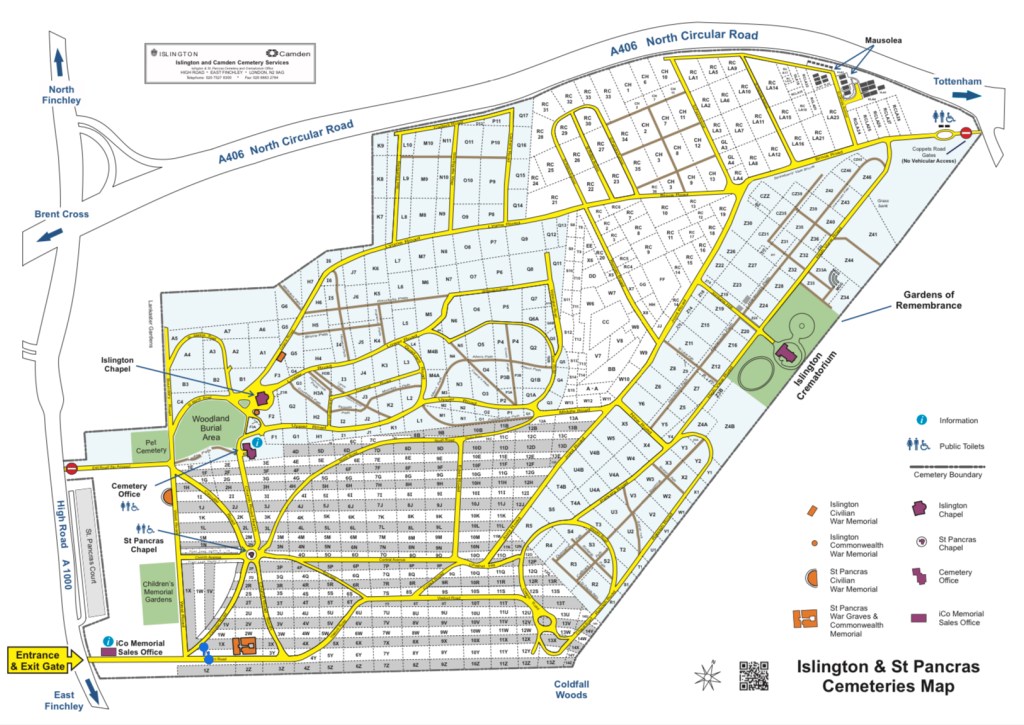
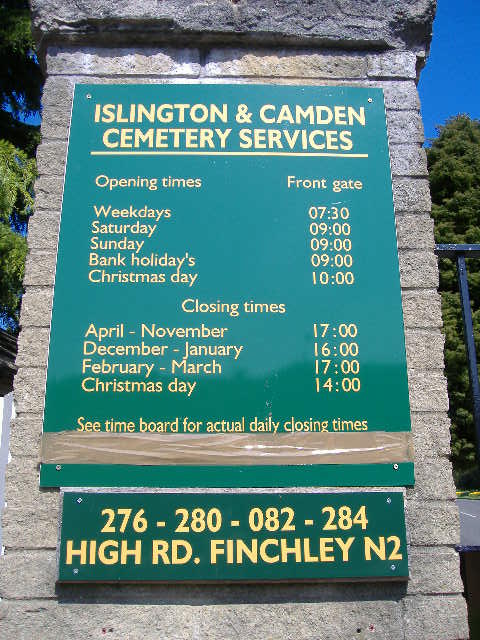
Susan Mary Parkins, was laid to rest on the 30th July 1937, at Islington and St Pancras Cemetery, 278 High Rd, East Finchley, London, England, in grave reference L/22907, with 17th other.
They were, John Roberts, buried the 10th August 1937.
Edward Ronald Porter, buried the 07th August 1937.
John Neville Eaton, buried the 06th August 1937.
Annie Brooks, and George Stephen Jaggers, buried the 04th August 1937.
John Howlett, buried the 03rd August 1937.
William Thomas Bowey, buried the 31st July 1937.
Amelia Alice Baker, and Emma Barley, buried the 29th July 1937.
Arthur Watts, Thomas Henry Hipple, James Flinn, and Charles Henry Smith, buried the 28th July 1937.
Caroline Eggleton, buried the 27th July 1937.
James Henry Fleming, buried the 03rd July 1937.
Caroline Gardiner, buried the 28th June 1937.
And John Riddlesdale, buried the 26th June 1937.

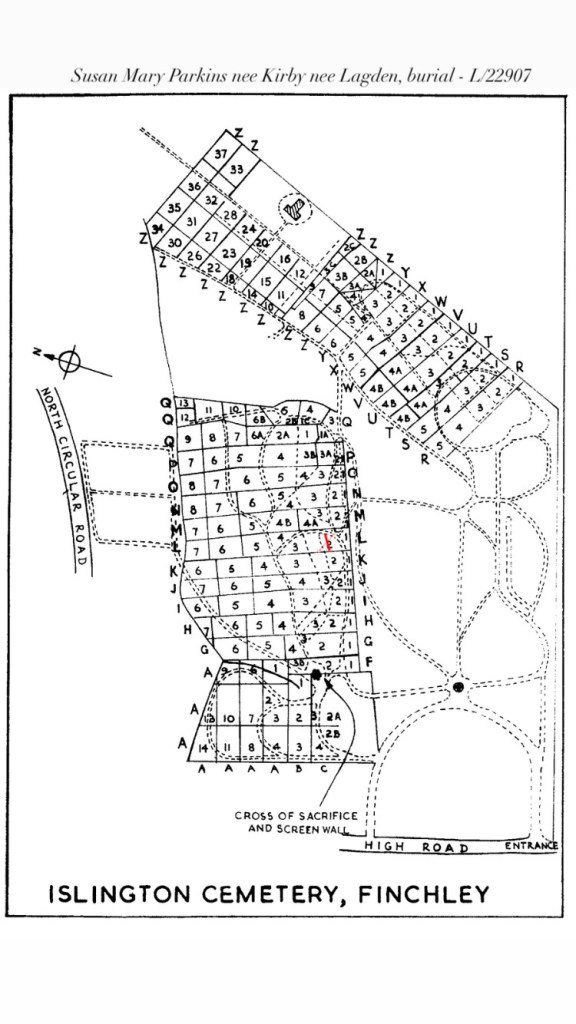
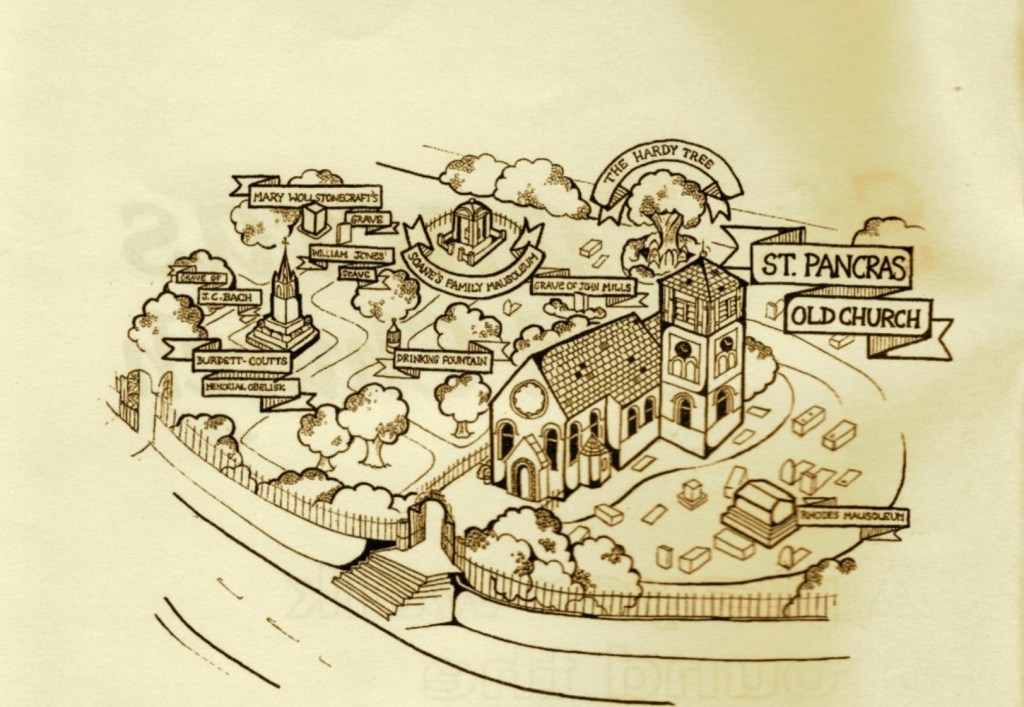
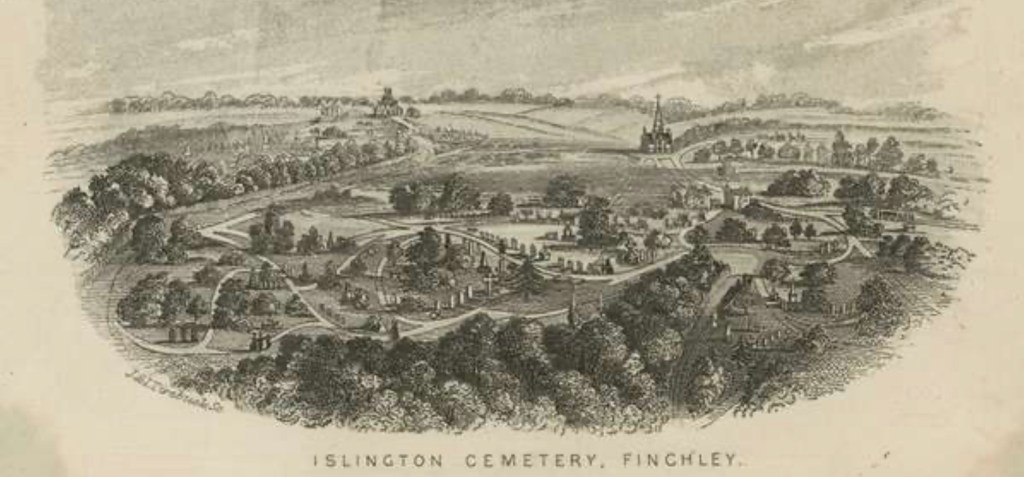
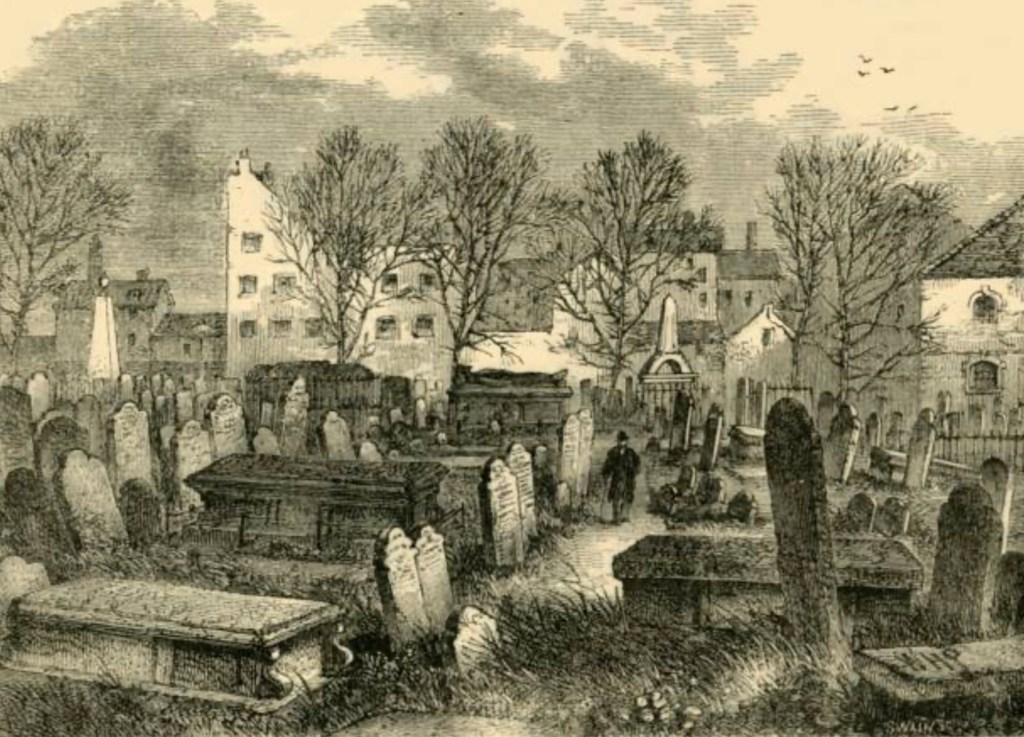
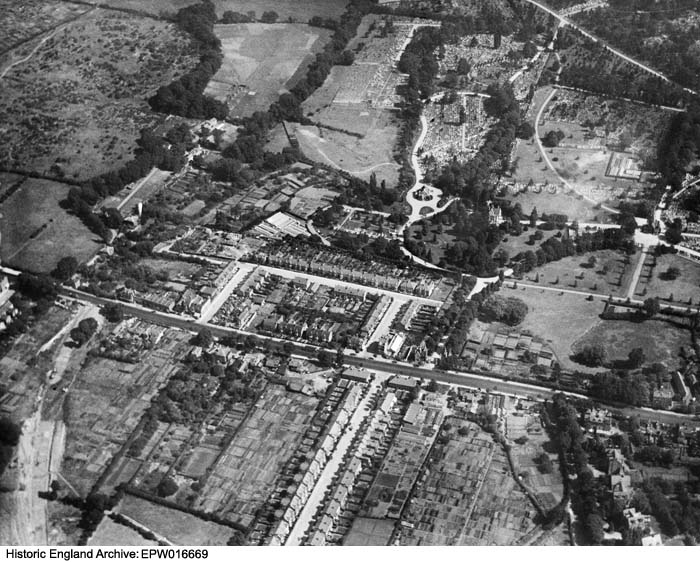
Islington and St Pancras Cemetery is a 190-acre cemetery in East Finchley, three miles to the north-west of Alexandra Palace.
The cemetery actually comprises two separate burial grounds – Islington and St Pancras – which together have around 1 million interments, making it the largest cemetery in the UK in terms of the number of burials.
The site is classed as a Grade II English Heritage listed building.
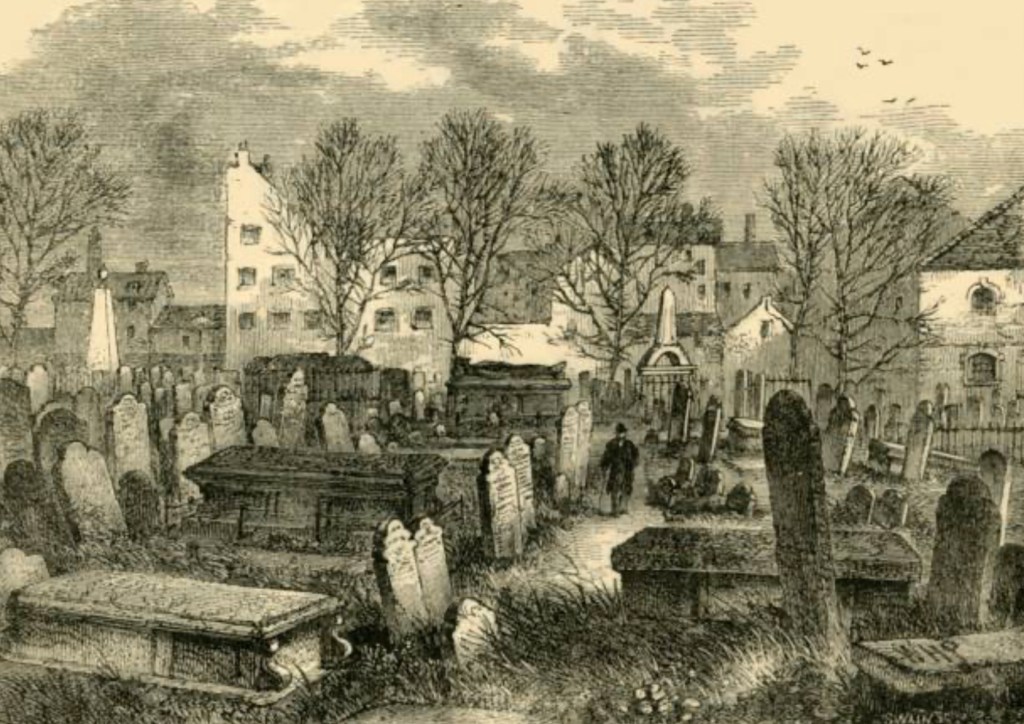
The cemetery was established in 1854, after the St Pancras Burial Board purchased 88 acres on Finchley Common – land which was previously known as Horseshoe Farm. This became London’s first municipally-owned cemetery. A further 94 acres were purchased in 1877, after which the cemetery was split into sections for Islington (north-west and eastern boundary) and Camden (centre, north and south west). Although the boundary no longer exists its remains can still be seen.
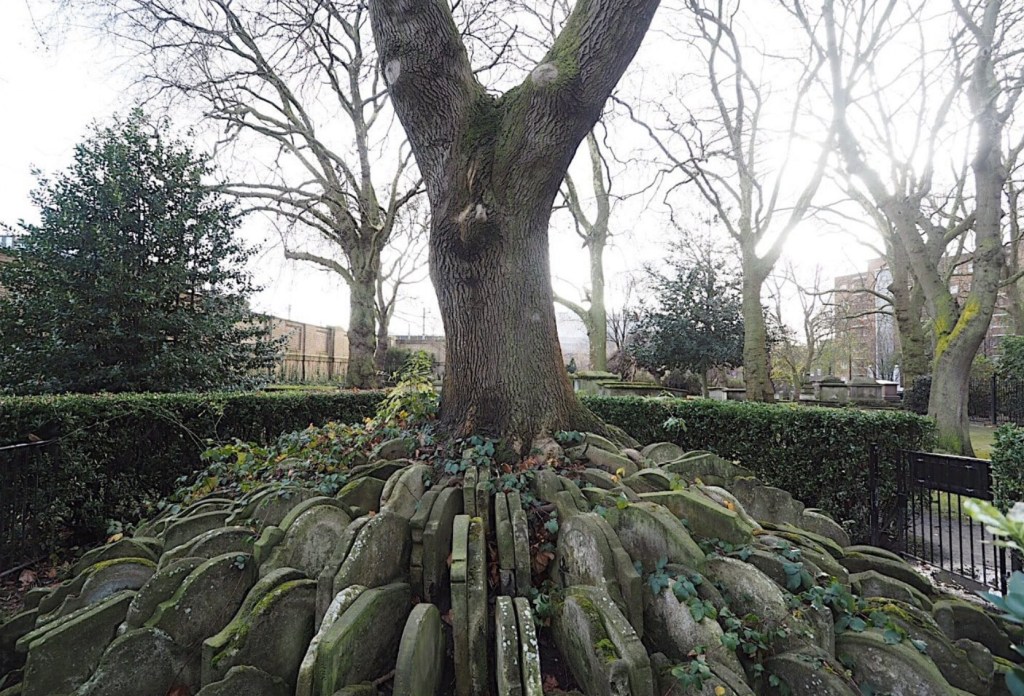
Since the site opened there have been around 812,000 burials, 56,000 cremations and a number of reinterments from other demolished graveyards.
As we look back at Susan’s life, I don’t know how she managed to put one foot in front of the other and continue when her life had been full of so much grief and misery. To lay so many of her children and her loves to rest must have been hell on earth. My heart ache for her and the bairns she lost, whom were taken all too soon. After loosing her Husband Alfred, it gave me comfort in knowing she had found love again. But to lose him as well must have been soul destroying. I can wholeheartedly say I am extremely proud of Susan and I am honoured to call her family. It warms my soul to know I have her dna pumping through our veins. I sincerely hope I have inherited an inch of her strength.
Thinking about Susan’s life and many of my ancestors journeys, I am reminded of the old saying, “You can’t know where you’re going until you know where you’ve been.”
Family history is not just a collection of names and dates; it is a powerful tool that helps us understand our roots and discover who we truly are.
In today’s fast-paced world, it is easy to get caught up in the hustle and bustle of everyday life. We often overlook the significance of family history, dismissing it as a mere curiosity or an unnecessary task. But as I delved into the depths of my own family’s past, I realized the immense impact it has had on my present and will undoubtedly have on my future.
Through the stories of my ancestors, I found strength in their resilience, inspiration in their achievements, and solace in their love. I discovered the triumphs and tribulations that shaped my family’s legacy, and in turn, my own identity.
It has brought a sense of belonging, a grounding force that reminded me of the strong foundation upon which I stand.
Family history paints a vivid picture of our heritage, weaving together the threads of our lineage and providing us with a unique perspective on the world. It instills a sense of pride in our cultural heritage and traditions, allowing us to pass down cherished customs to future generations.
Moreover, family history mostly serves as a bridge between generations, bringing people closer together and fostering a sense of unity. When we take the time to listen to our elders’ stories, we forge a deeper connection with them, cherishing their wisdom and experiences. It creates an opportunity for dialogue, sparking conversations that transcend time and breathe life into the memories of those who came before us. In a world that I often feel disconnected from, family history reminds me of the ties that bind us. It encourages me to embrace our shared humanity and differences. It teaches me empathy, compassion, and a profound appreciation for the diverse tapestry of human existence.
So, as I wrap up Susan’s story, I encourage you to embark on your own journey of discovery. Dive into the archives, sit with your loved ones, and immerse yourself in the rich tapestry of your family’s history. You may uncover hidden treasures, rediscover forgotten tales, or simply strengthen the bonds that have always been there.
Remember, family history is not just about the past, it is a gift that keeps on giving, shaping our present and guiding our future.
Embrace it, cherish it, and let it be a guiding light as you navigate your own story.
Until next time, stay safe, stay true, stay you.
Too-da-loo for now.
🦋🦋🦋
I have brought and paid for all certificates,
Please do not download or use them without my permission.
All you have to do is ask.
Thank you.
 Intwined
Hi, I can probably shed some light for you. Margaret Ada Govier was my great grandmother, and Gladys my grandmother. I had never heard of Bertram before reading the above. There is a good degree of fiction in the birth certificates you show. I can explain some, but am puzzled by loads. Yours
Tim
LikeLiked by 1 person
Hi Tim. Thank you for getting in touch. I would love to hear from you. Please email me at gngwillats@gmail.com. Look forward to hearing from you. G 😀
LikeLike